Lyon
Full City Guide, Map & 170 Things To Do
519,127 people live here.
That's 0.76% of the entire population of France.
Two major rivers, the Rhône and the Saône, slice directly through the centre of France's third-largest city, shaping its layout and its atmosphere. Lyon rose to prominence as the capital of the Gauls under the Roman Empire, leaving a deep architectural footprint on the Fourvière hill. Centuries later, Florentine bankers and silk weavers transformed the old quarters into an economic powerhouse. Passageways known as traboules cut directly through these Renaissance apartment blocks, allowing merchants to move dry silk in the rain. Today, the city operates with a quiet confidence heavily rooted in its culinary supremacy. Traditional bistros serve rich, offal-heavy dishes on checkered tablecloths, while ambitious modern chefs redefine French gastronomy across the city's newer districts.
Lyon DNA
History of Lyon
Lucius Munatius Plancus drove a spear into the ground on Fourvière hill in 43 BC, formally establishing the Roman colony of Lugdunum. General Agrippa subsequently designated it the Capital of the Gauls, triggering a wave of wealth, monumental road building, and political influence. Amphitheatres, aqueducts, and temples sprang up, supporting a population of tens of thousands. The city eventually lost its water supply in the fourth century when thieves dismantled the lead pipes feeding the hill. Without water, the population migrated down to the banks of the Saône, abandoning the high ground to the elements. Throughout the Middle Ages, the city functioned as a religious stronghold rather than a political one. The Pope elevated the local Archbishop to the position of Primat des Gaules, granting supreme authority over the French Catholic church. This status brought diplomatic meetings, ecclesiastical councils, and significant wealth into the narrow streets of what is now Vieux Lyon. Italian banking families eventually arrived during the Renaissance, setting up operations alongside a newly established silk weaving industry. King François I even considered moving the French capital here to capitalise on the immense commercial success of its annual trade fairs. Religious wars shattered this golden age. Protestant forces captured the city in 1562, smashing Catholic iconography and plunging the region into instability. The silk trade survived and eventually evolved, adapting to new technologies like the Jacquard loom in the early nineteenth century. This mechanical innovation sparked severe labour disputes. Silk workers, known as canuts, rebelled in 1831 against plummeting wages and harsh conditions. The military crushed the uprising, but the event established Lyon as a focal point for early European labour movements. Urban planning radically altered the city's geography in the ensuing decades. Engineers drained the eastern swamps to build the Brotteaux district and extended the central peninsula southward. Modern industries, including chemical manufacturing and film, began to take root. The Lumière brothers shot the world's very first motion picture outside their factory gates in the Monplaisir neighbourhood in 1895. During the Second World War, Lyon served as a critical nexus for the French Resistance. Its proximity to the demarcation line and its labyrinth of traboules provided perfect cover for clandestine operations. Resistance leader Jean Moulin united various factions here before the Gestapo captured him in a northern suburb. Post-war leaders embraced aggressive modernisation, driving highways through the centre and constructing the Part-Dieu business district. Planners eventually recognised the value of the historical core in the late twentieth century, saving Vieux Lyon from demolition. The United Nations recognised this continuous architectural evolution by classifying a massive portion of the urban centre as a World Heritage site. Today, modern glass structures rise in the Confluence district, sitting in stark contrast to the Roman ruins still resting on the hill where it all began.
26 events spanning 2041 years
Map of Lyon
Interactive Destination & Itinerary Map
This map blends our curated city guides—featuring best photo spots, scenic walks, viewpoints, hidden gems and much more—with a live Wikipedia explorer. Click on our numbered pins to plan your routes, or zoom in on the surrounding neighborhoods to discover verified local landmarks, museums, and stories with dynamic Wikipedia summaries and photos!
Fun Facts
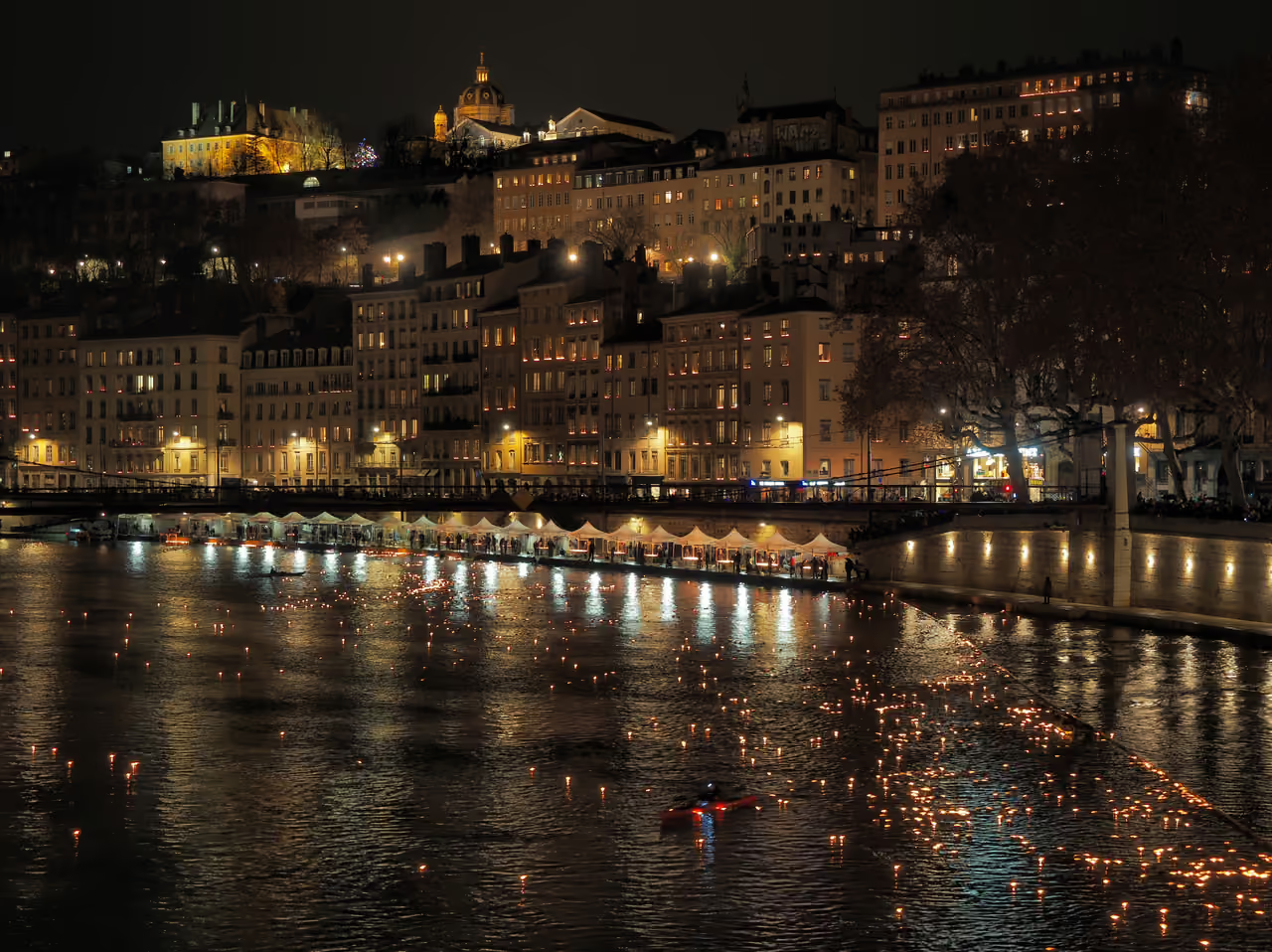
- • The famous Fête des Lumières began by accident when a scheduled inauguration of a statue was delayed by a storm, prompting locals to spontaneously light candles when the weather finally cleared.
- • Chef Paul Bocuse held three Michelin stars at his flagship restaurant just outside the city for an unprecedented 55 consecutive years.
- • The secret traboule passageways were originally built to allow silk merchants to transport delicate fabrics from workshops to the river without getting them wet.
- • Antoine de Saint-Exupéry, the aviator and author of The Little Prince, was born in an apartment near the Place Bellecour.
- • The irreverent Guignol puppet character was invented by a former silk worker who used the wooden dolls to draw crowds while pulling teeth in the street.
- • A local baker invented the Praluline, a shockingly pink, butter-heavy brioche studded with candied almonds that is now a regional obsession.
- • A Roman emperor's argument with the Senate is still on display in Lyon. Claudius, who was born in Lugdunum, made a speech in AD 48 about letting Gauls into Rome's government, and the bronze tablet that records it now sits in the Lugdunum Museum.
- • Eugénie Brazier became the first chef to hold six Michelin stars at once. In 1933 she earned three for her restaurant in Lyon and three more for her mountain annexe, and her kitchen trained a young Paul Bocuse.
- • A golden head of Christ is supposedly buried somewhere in the city's biggest park. That legend gave the Parc de la Tête d'Or its name, and no one has ever dug it up.
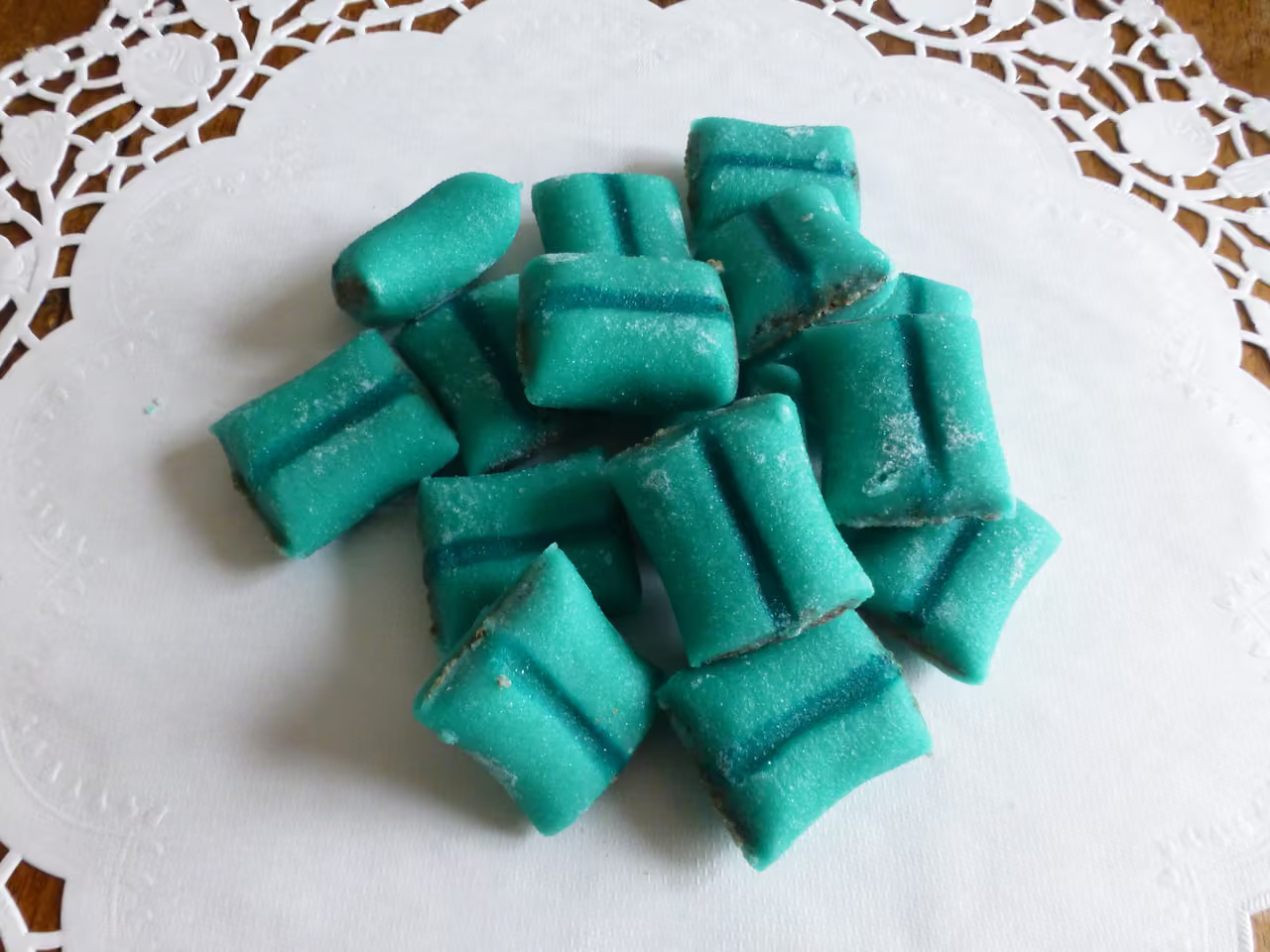
- • The Coussin de Lyon, a green marzipan pillow filled with chocolate and curaçao, recalls the cushion on which councillors offered gold coins to the Virgin after the 1643 plague. The chocolatier Voisin created it in 1960.
- • Metro line C is a rack railway for part of its route. A toothed rail helps trains haul themselves up the steep slope of the Croix-Rousse.
- • The first film ever shown to a paying audience was shot a few minutes from the Lumière villa. The Lumières filmed workers leaving their factory in Montplaisir in March 1895 and made three versions of the scene.
- • Fourvière's metal tower looks like the top third of the Eiffel Tower. It was built in 1894, holds a television transmitter and is illuminated at night.
Did You Know?
- • The city hosts the headquarters of Interpol, managing international police cooperation from a glass complex near the Tête d'Or park.
- • Engineers completely reshaped the local geography in the 18th century by draining swamps and physically extending the central peninsula further south.
- • The P4 Jean Mérieux laboratory handles the world's most lethal viruses, including Ebola and Marburg, within maximum-security containment facilities.
- • The World Health Organisation bases its International Agency for Research on Cancer here.
- • Medical pioneers in the city's hospitals were among the first to successfully execute double hand-and-forearm transplants.
- • The city receives over 2,000 hours of sunshine annually, putting it among the sunniest major urban centres in France.
- • Lugdunum was the capital of Roman Gaul and held the largest meeting of Gallic delegates at the Altar of the Three Gauls. Its theatre on Fourvière was among the earliest built in Gaul and still hosts concerts.
- • Lyon's silk industry shaped modern technology. Jacquard's punched-card loom of 1804 influenced Charles Babbage and, later, early computer programming.
- • Cinema was patented in Lyon. Auguste and Louis Lumière filed their cinématographe patent in February 1895, and the Institut Lumière now occupies the family villa in Montplaisir.
- • Lyon was an early printing capital of Renaissance Europe. Hundreds of presses operated here during the 1500s, and the city published a large share of France's books.
- • Paul Bocuse founded the Bocuse d'Or cooking competition in 1987, and it is still hosted in Lyon during the Sirha food trade fair. The Institut Paul Bocuse trains cooks and hotel managers from around the world.
- • Part-Dieu is one of the busiest railway stations in France, with high-speed TGV links to Paris in about two hours, and to Marseille, Strasbourg and beyond.
Videos of Lyon
Seasons
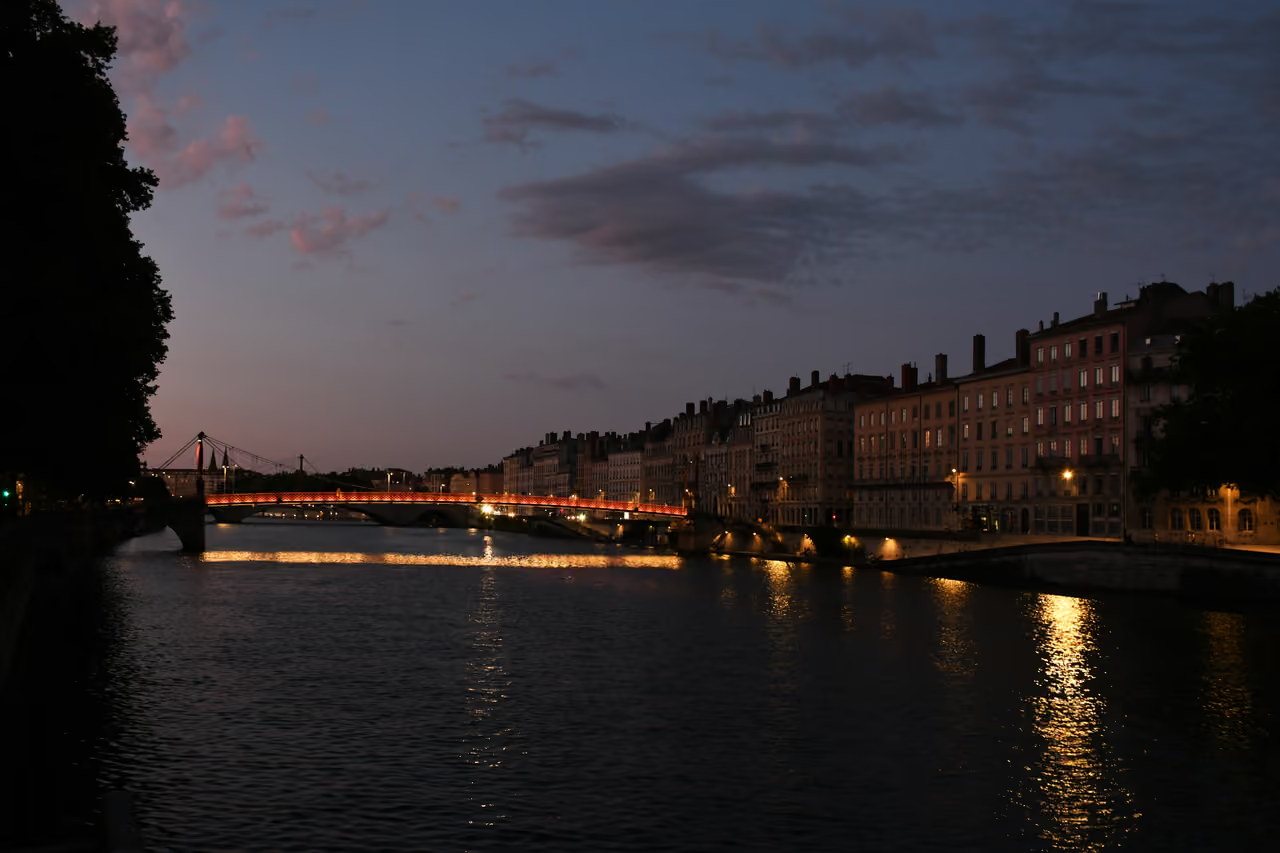
Spring
The heavy chill of winter lifts quickly, and locals immediately crowd the outdoor terraces along the rivers. The massive rose...
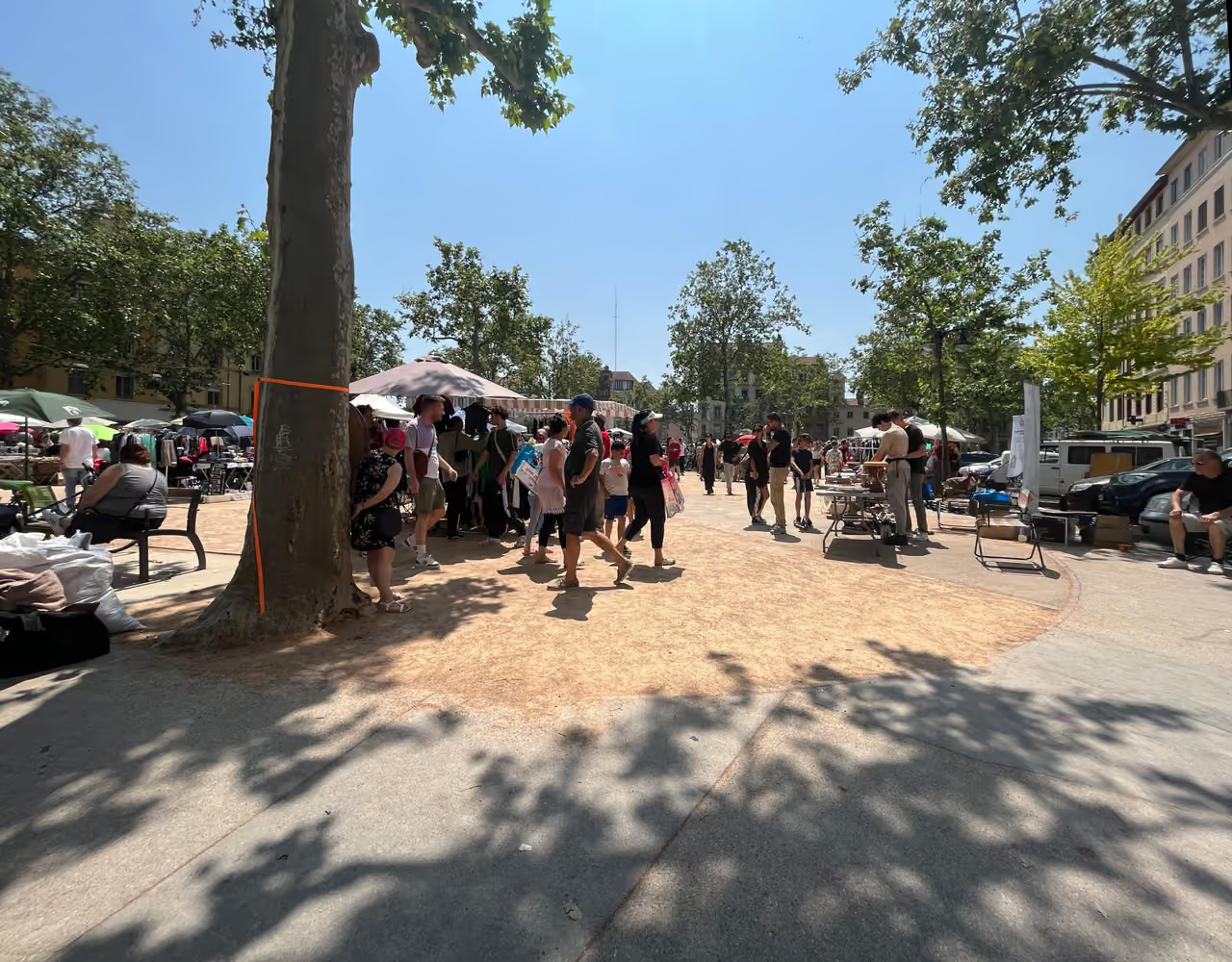
Summer
Temperatures routinely push into the mid-thirties, trapping intense heat in the stone streets of the old town. The air feels...
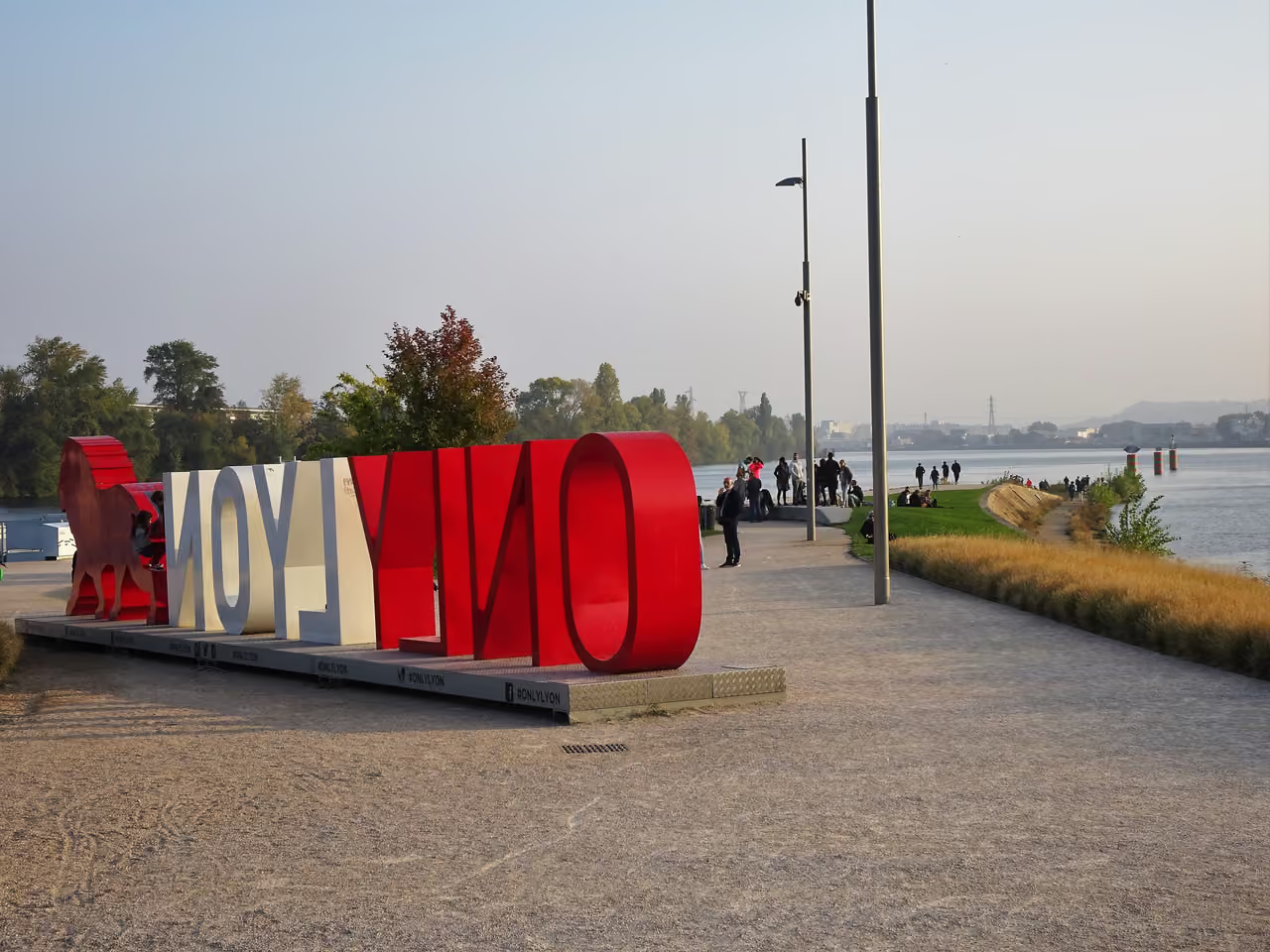
Autumn
The brutal heat breaks, replaced by crisp mornings and a return to serious culinary consumption. The surrounding vineyards of...
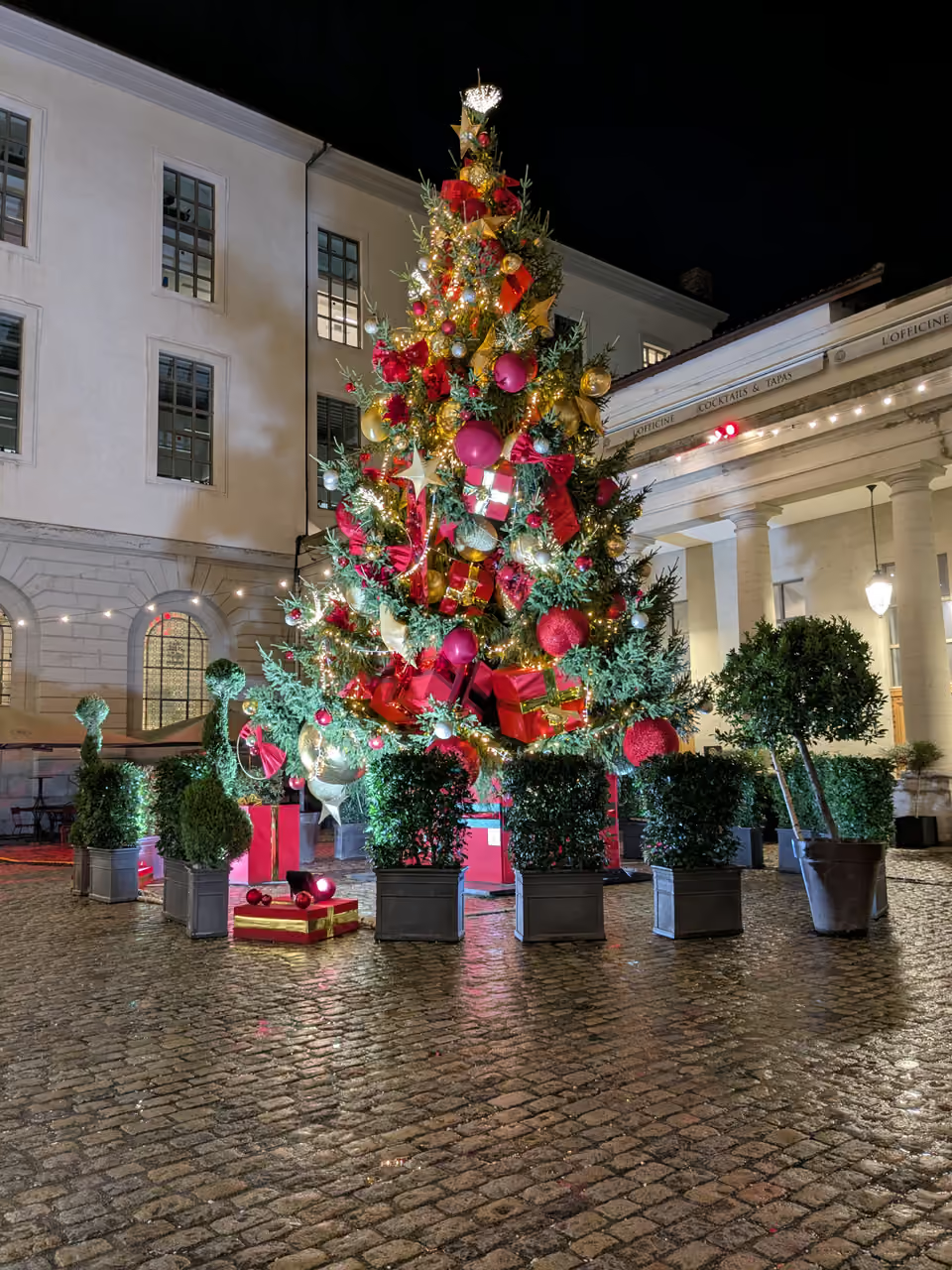
Winter
A biting, freezing wind cuts down the river corridors, forcing people quickly indoors. Thick, grey fog frequently settles over...
Top Attractions in Lyon
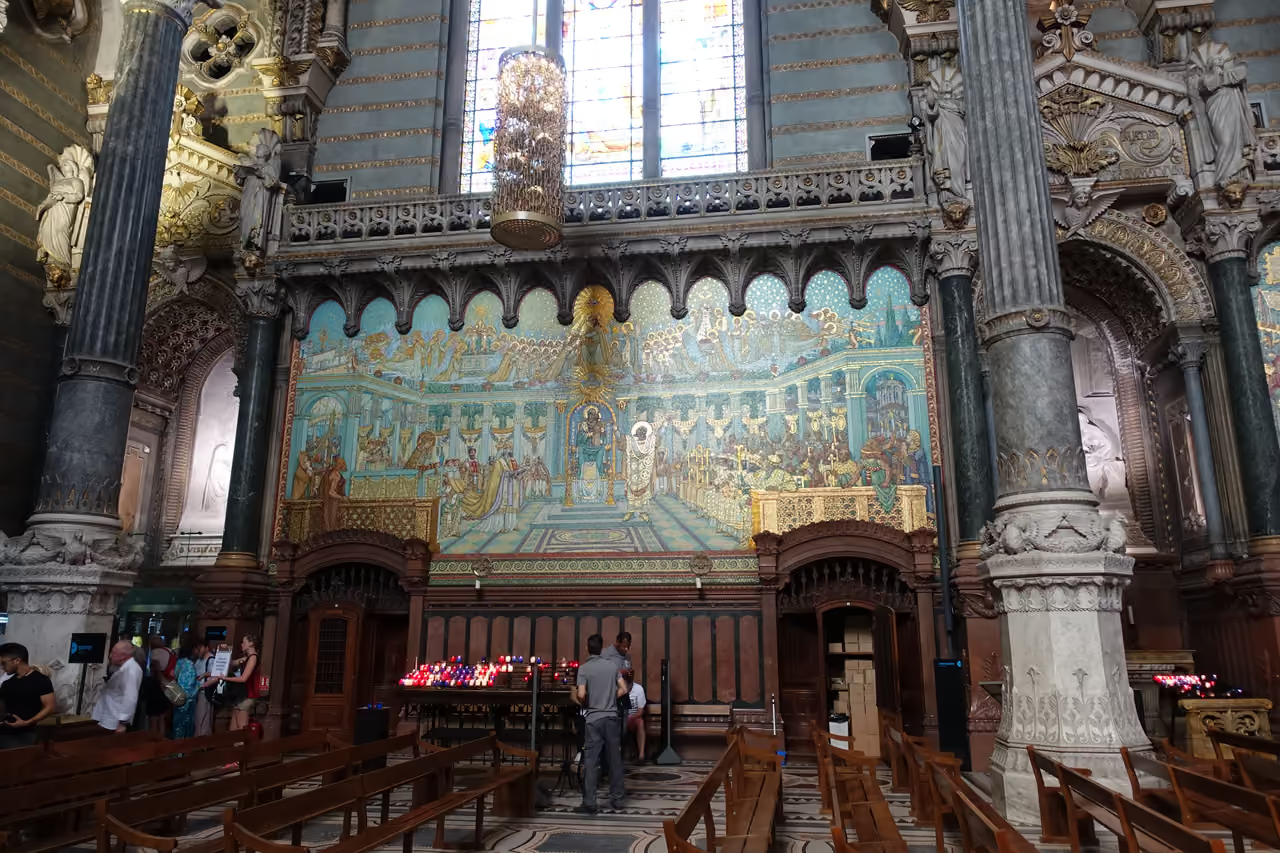
Basilica of Notre-Dame de Fourvière
Lyon's residents call it the upside-down elephant, and once someone has pointed out the four stout corner towers as legs, the...
view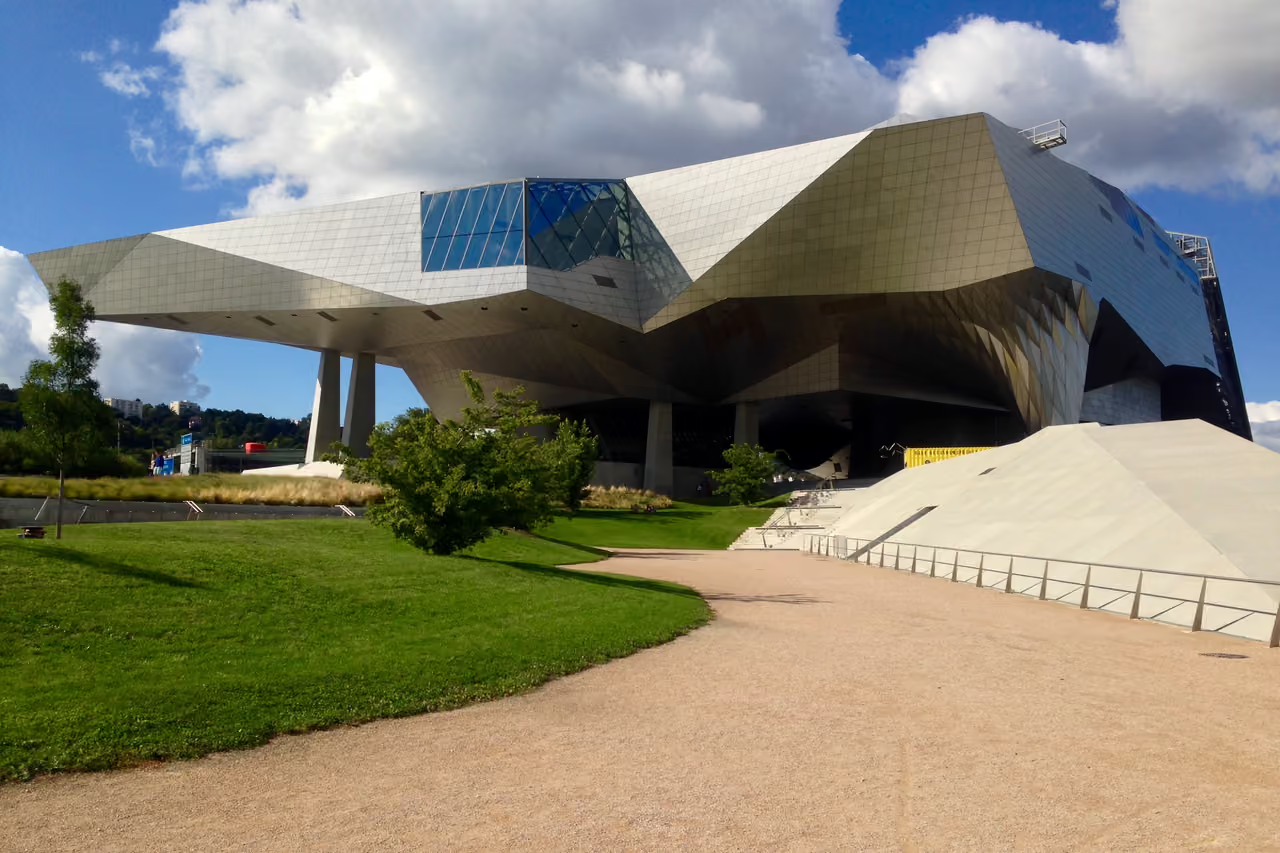
Confluences Museum
Perched right where the Rhône and Saône crash together at the southern tip of the Presqu'île, this building looks less like a...
view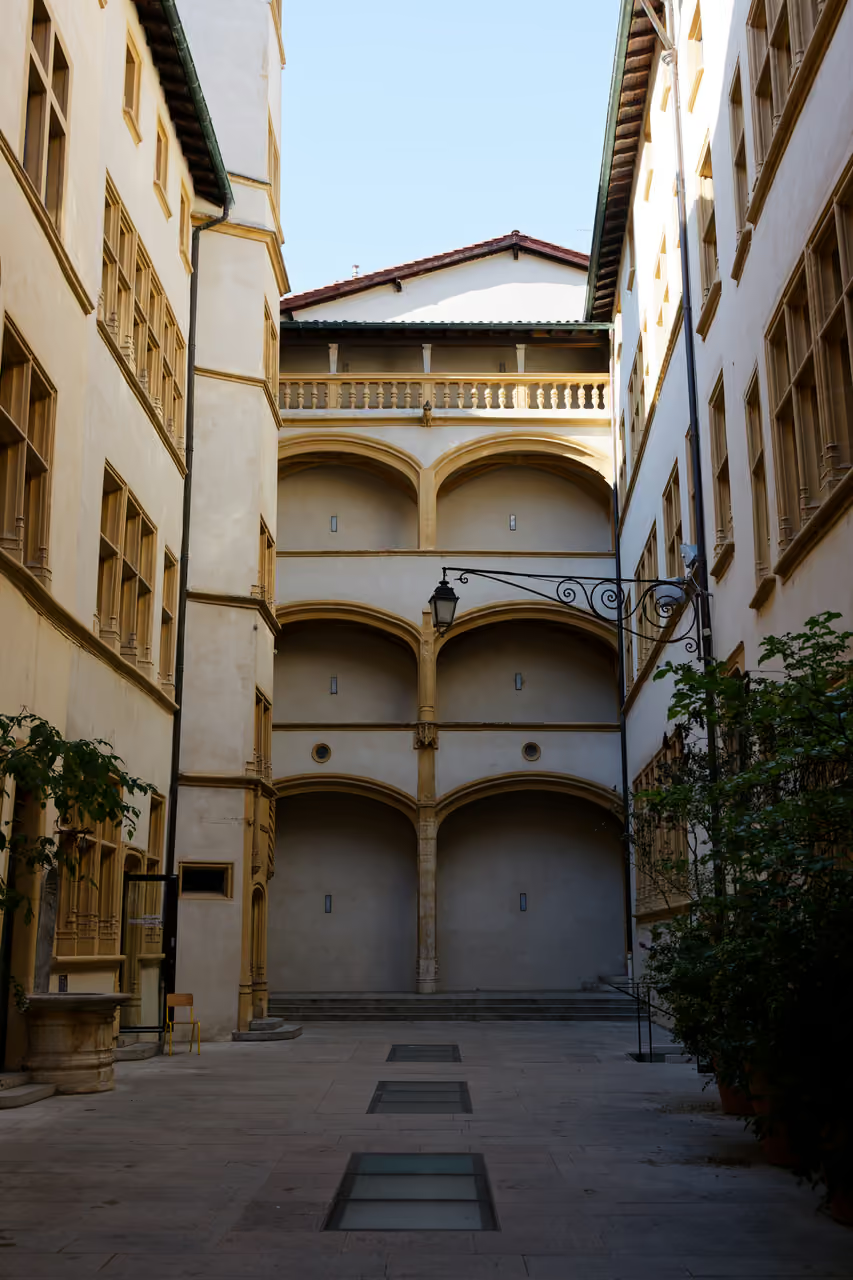
Gadagne Museums
The Gadagne Museums in Lyon's historic Vieux Lyon district offer a captivating journey through the city's rich past and the...
view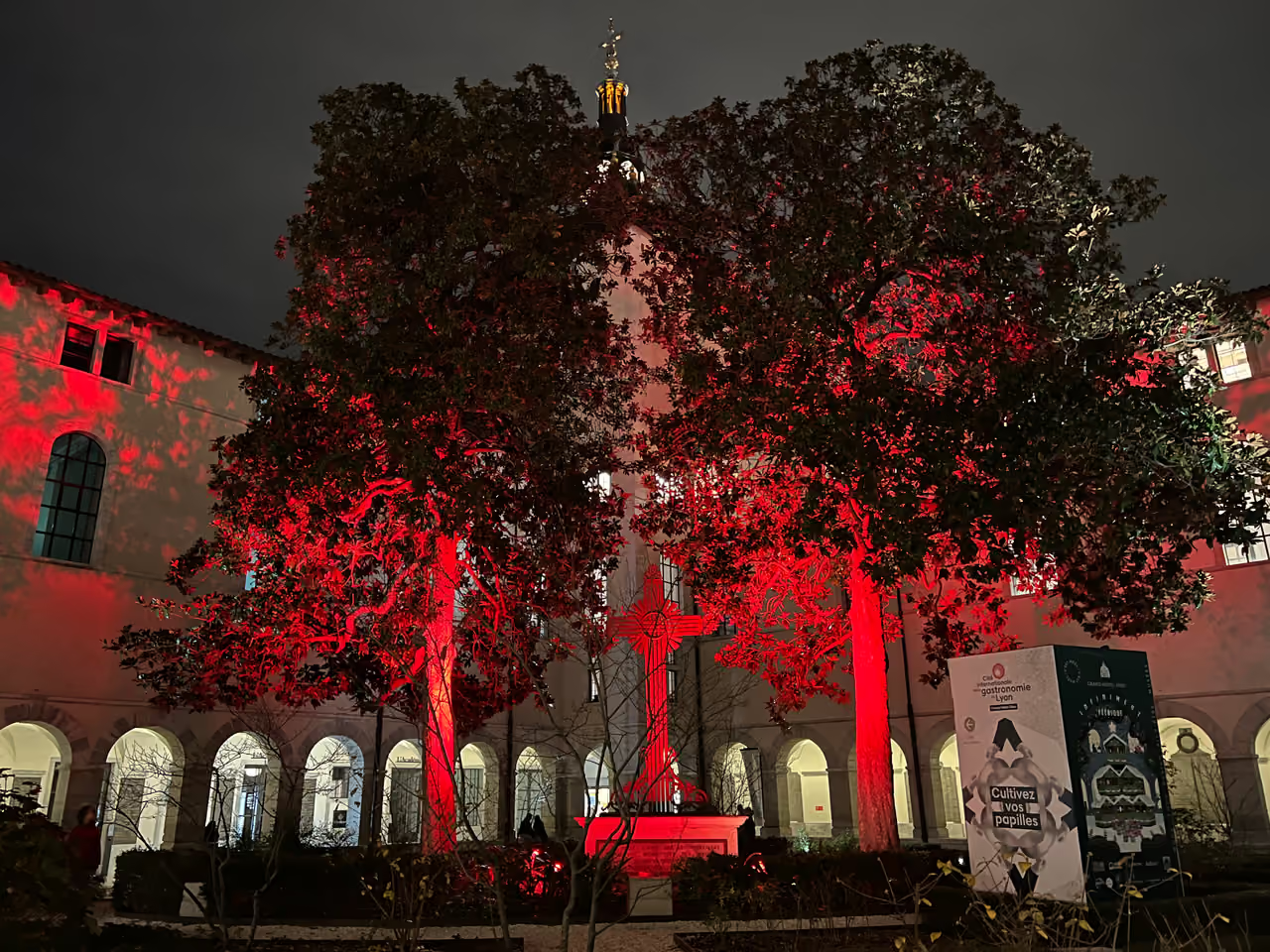
Grand Hôtel-Dieu
Over three hundred metres of pale limestone stretch along the western bank of the Rhône, hiding a matrix of cloistered...
view
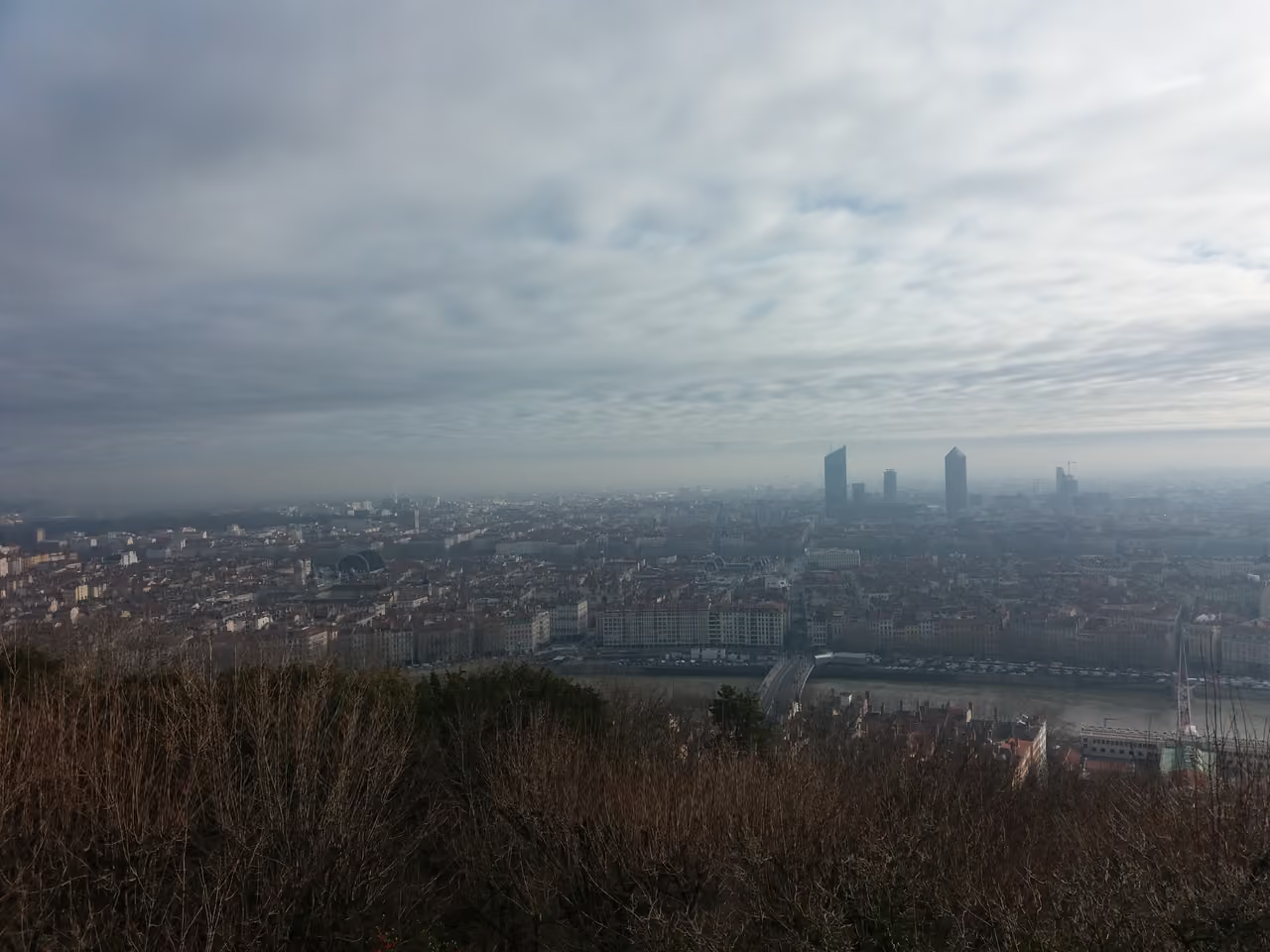
Best Views
Lyon Itineraries
TRIP PLANNER
3 Days Recommended
Three days provides enough time to explore the Roman ruins on Fourvière, navigate the Renaissance passageways of Vieux Lyon, and walk the length of the central peninsula. This pace allows for long, heavy lunches without feeling rushed. It also leaves a morning open to visit the massive urban park or the Confluences museum.
1 Day in Lyon
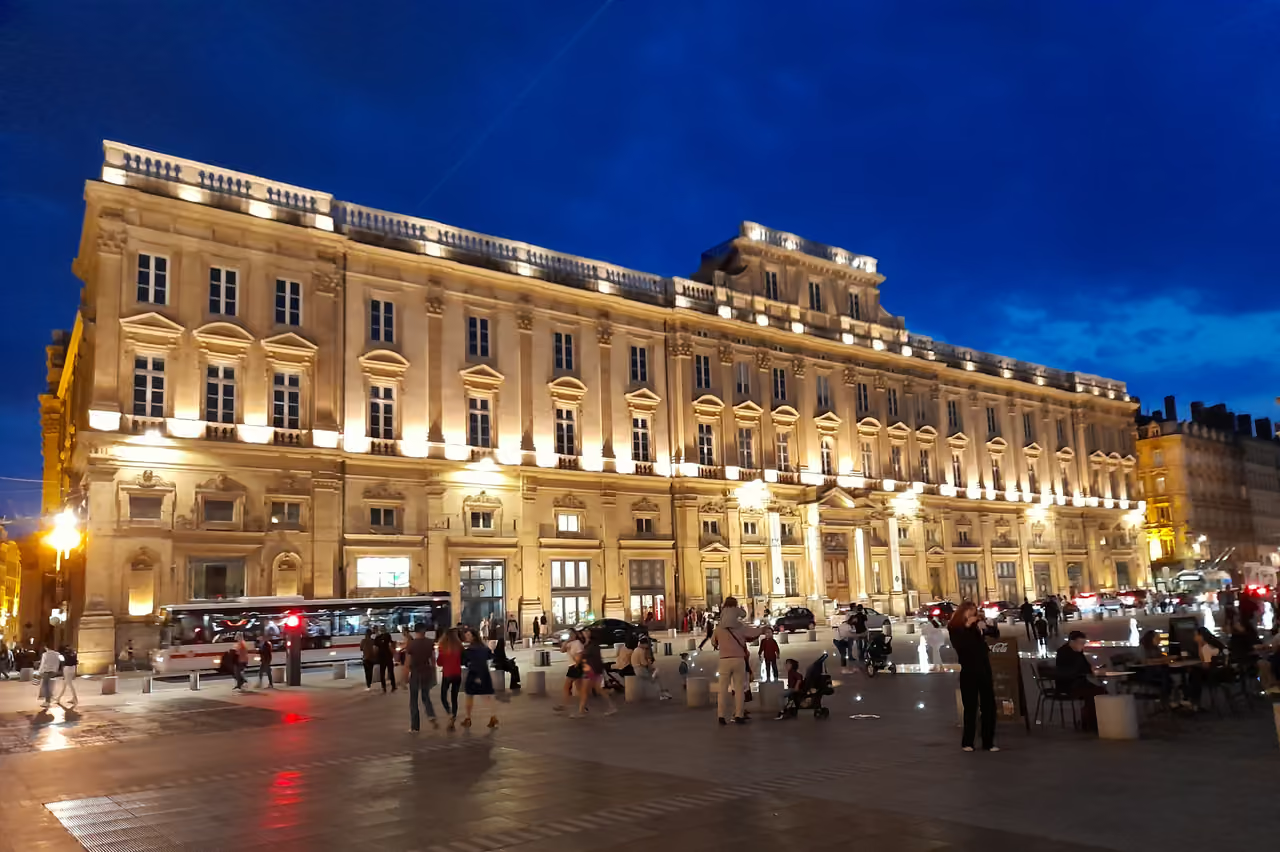
If you only have one day, focus entirely on the tight geographical progression from the Roman heights down to the Renaissance old town, finishing in the monumental nineteenth-century peninsula. The steep descent forces you through two millennia of architectural history in a matter of hours. You will skip the outer parks and modern districts in favour of heavy, traditional meals and dense historic streets. This route requires aggressive walking and comfortable shoes, as the elevation changes are severe. It delivers the absolute core identity of the city in a single, exhausted push.
view itinerary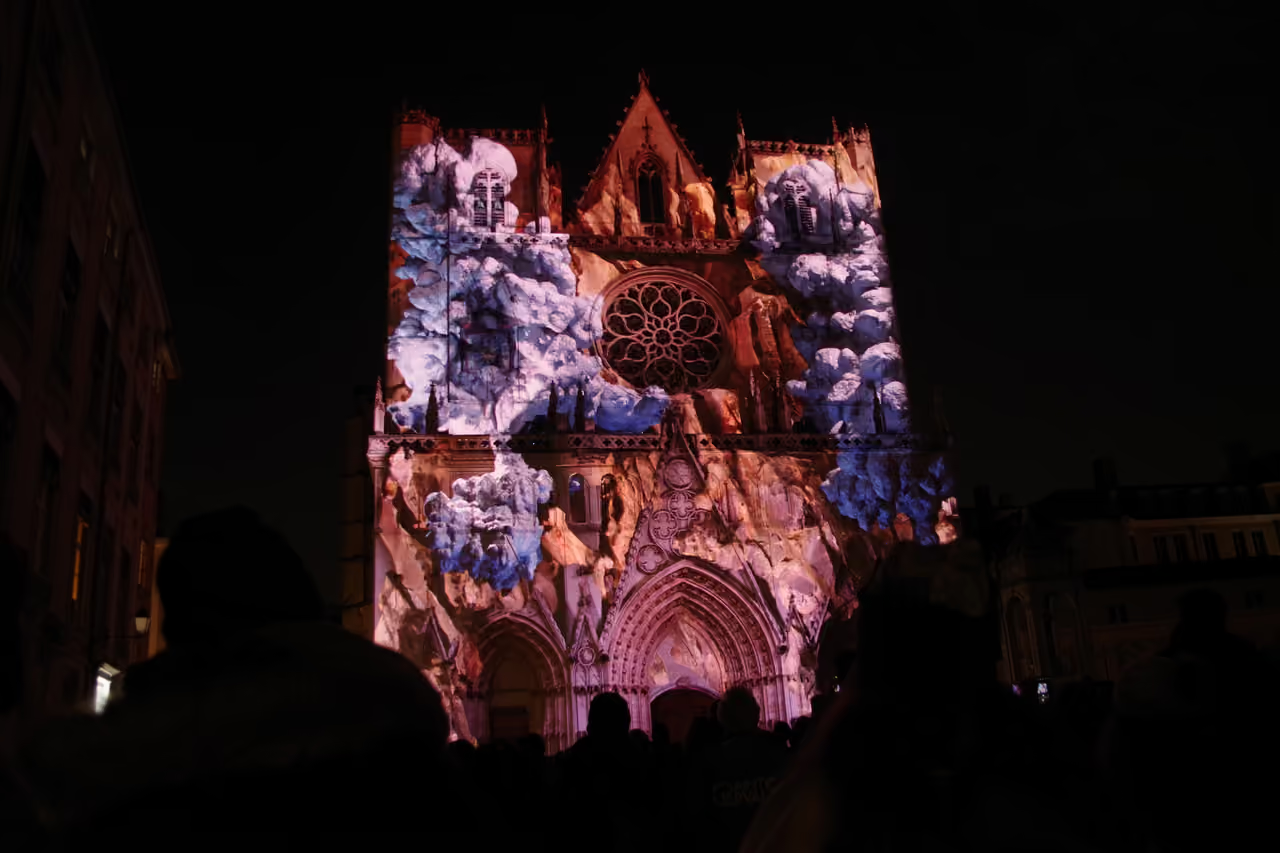
3 Days in Lyon: Heritage & Gastronomy
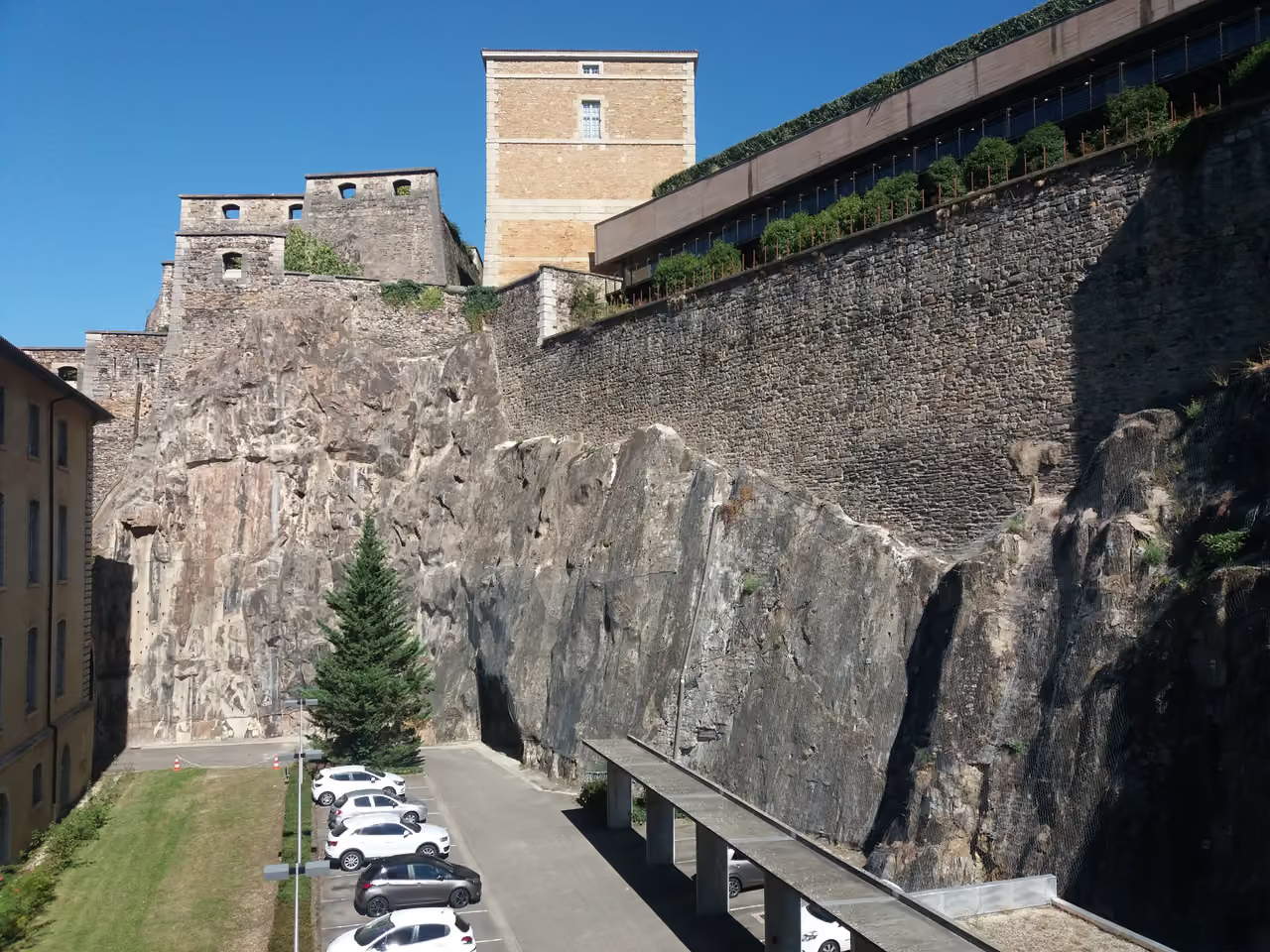
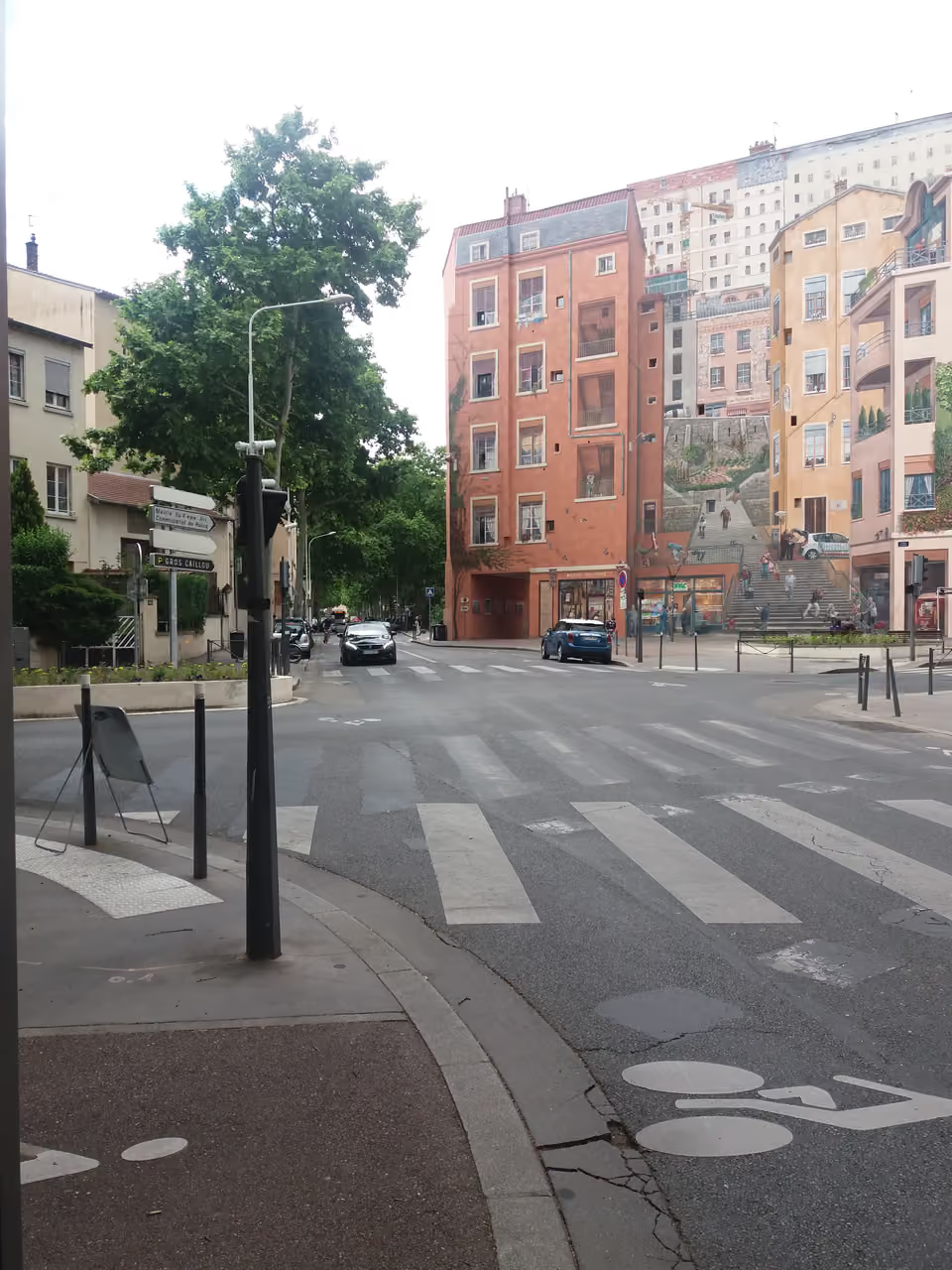
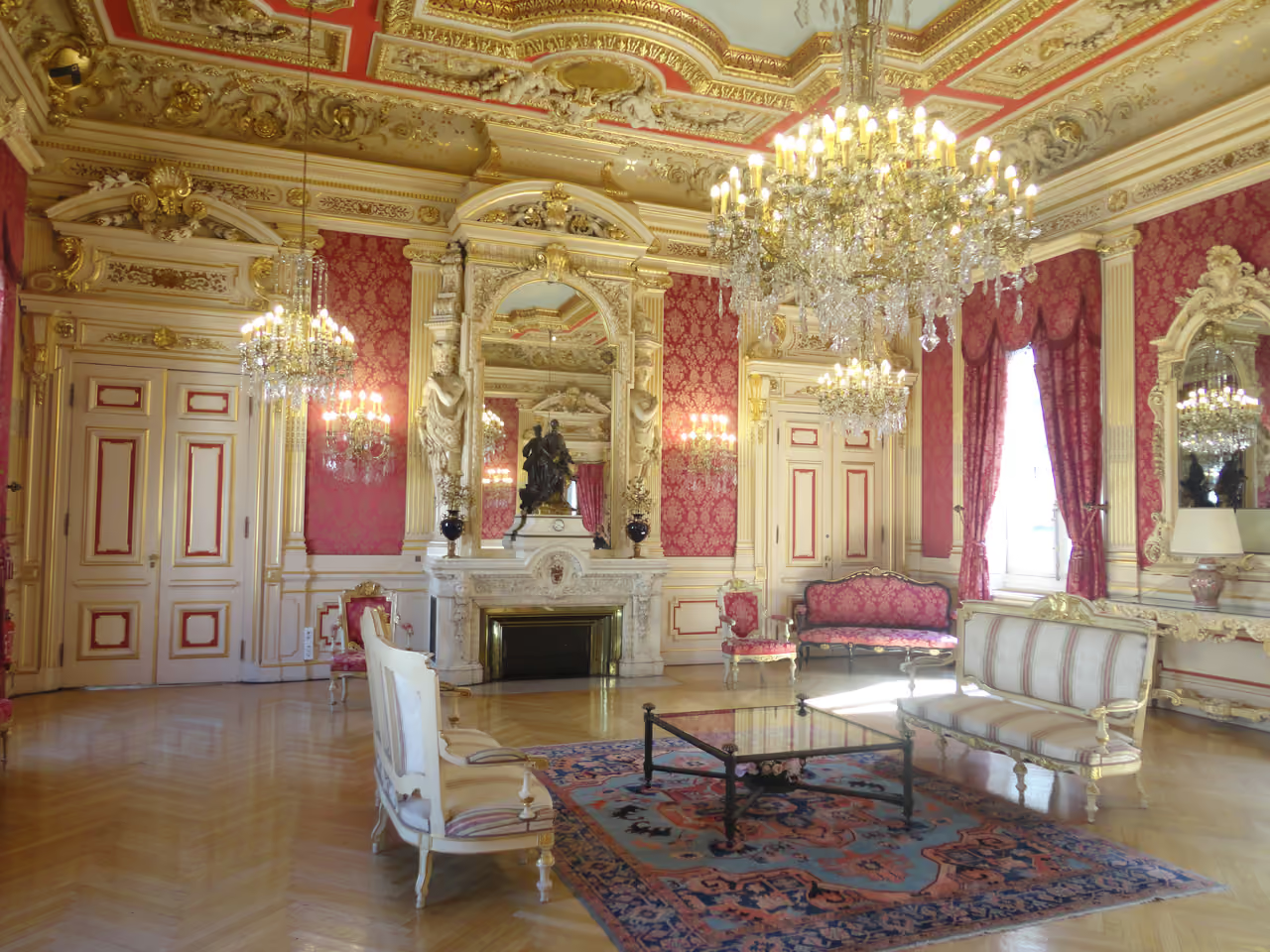
Three days allows you to split the city into distinct geographic zones, dedicating proper time to the silk-weaving history of the northern hill and the high-end culinary markets of the east. You can linger over three-hour lunches without ruining the day's schedule. This pacing permits a deep dive into the traboules and the massive Fine Arts museum, while leaving evenings free to explore the riverboat bars. It strikes the perfect balance between aggressive sightseeing and the relaxed, food-focused lifestyle the locals demand.
view itinerary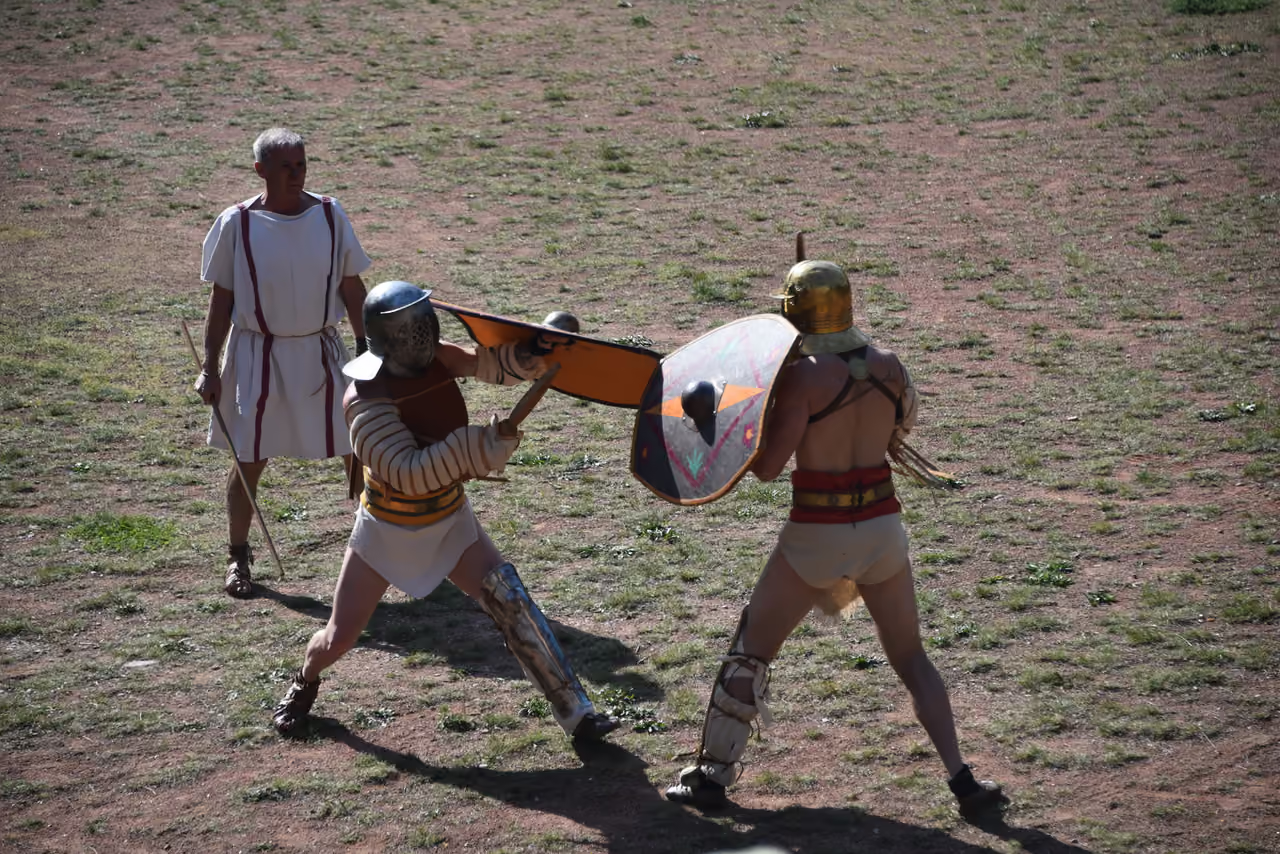
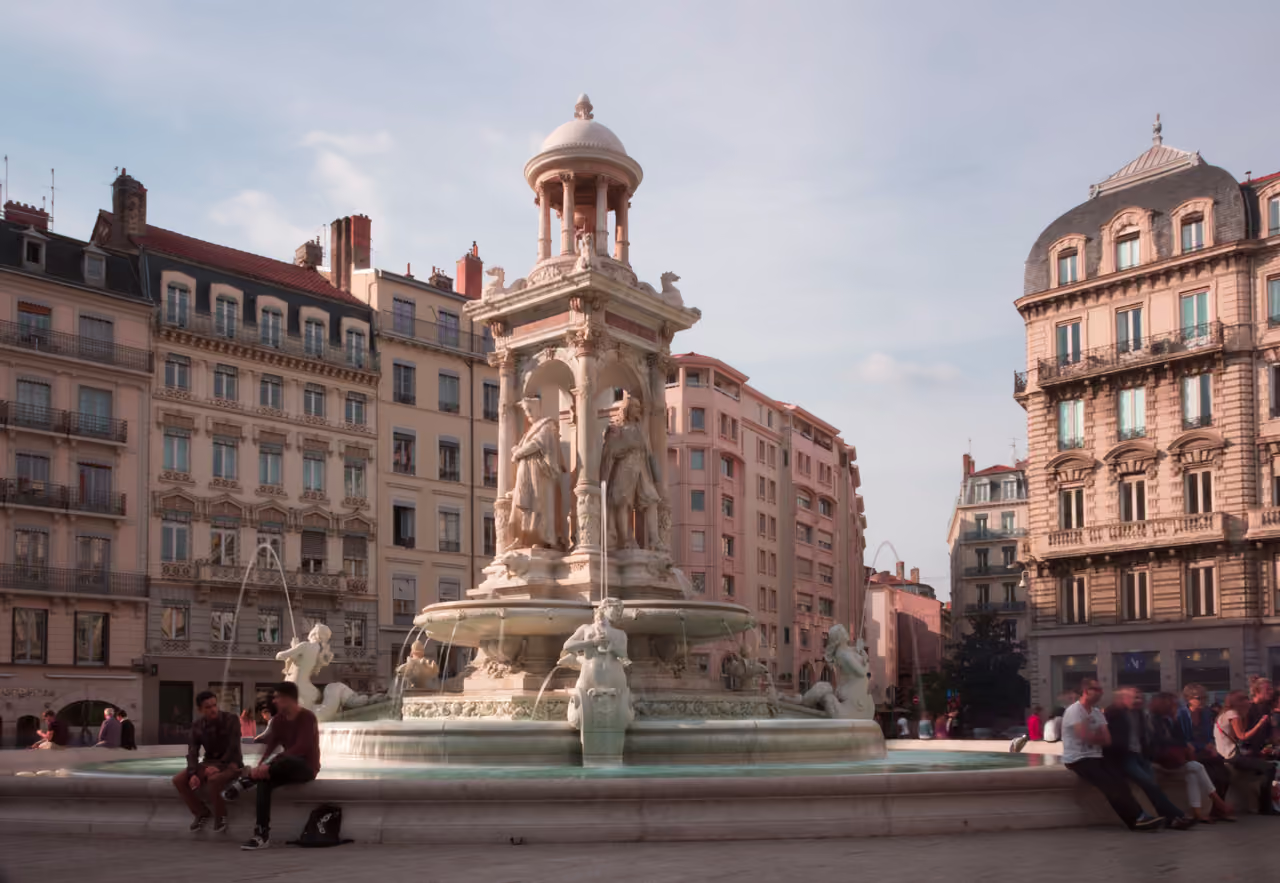
5 Days in Lyon: The Complete Experience
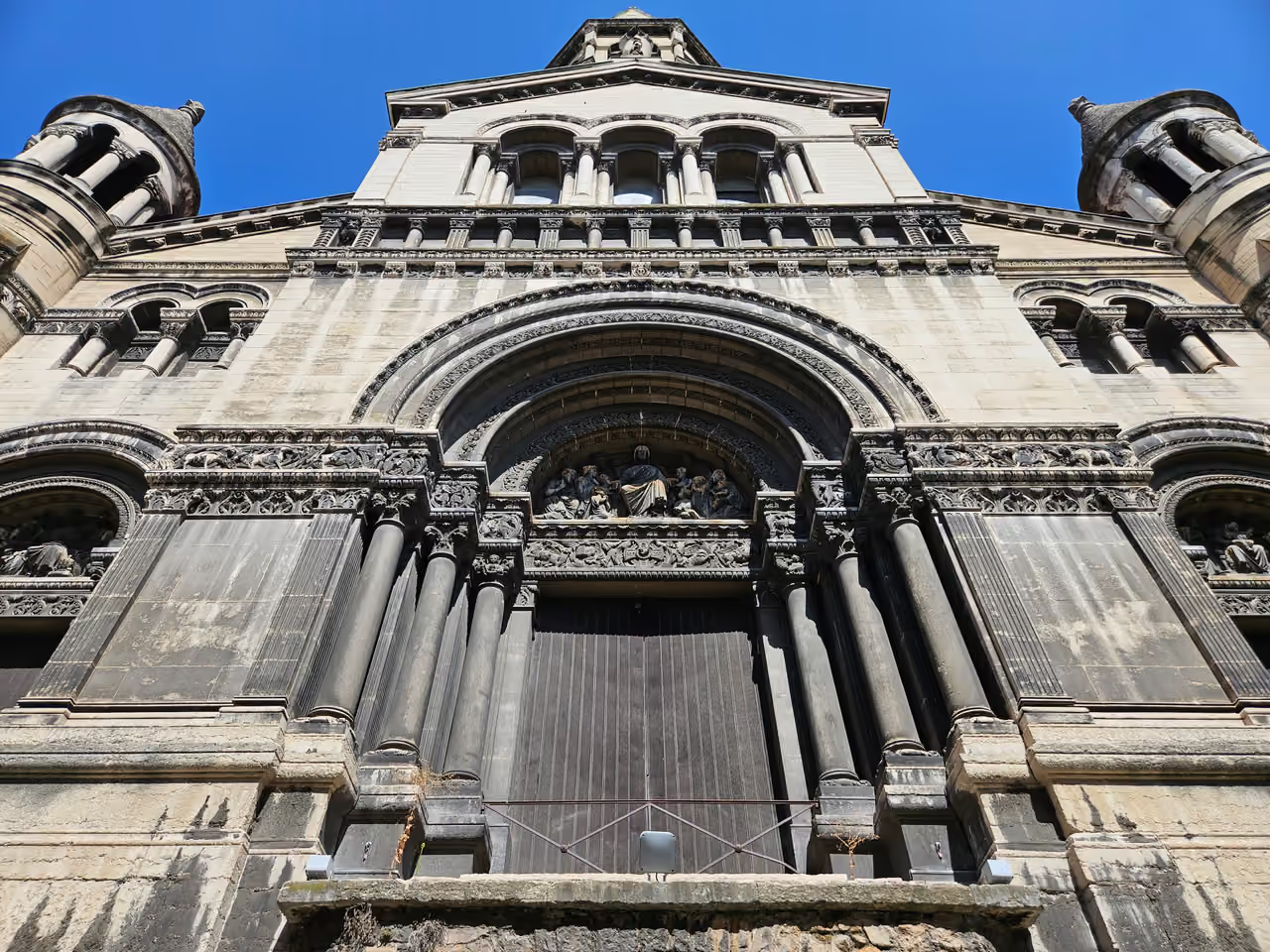
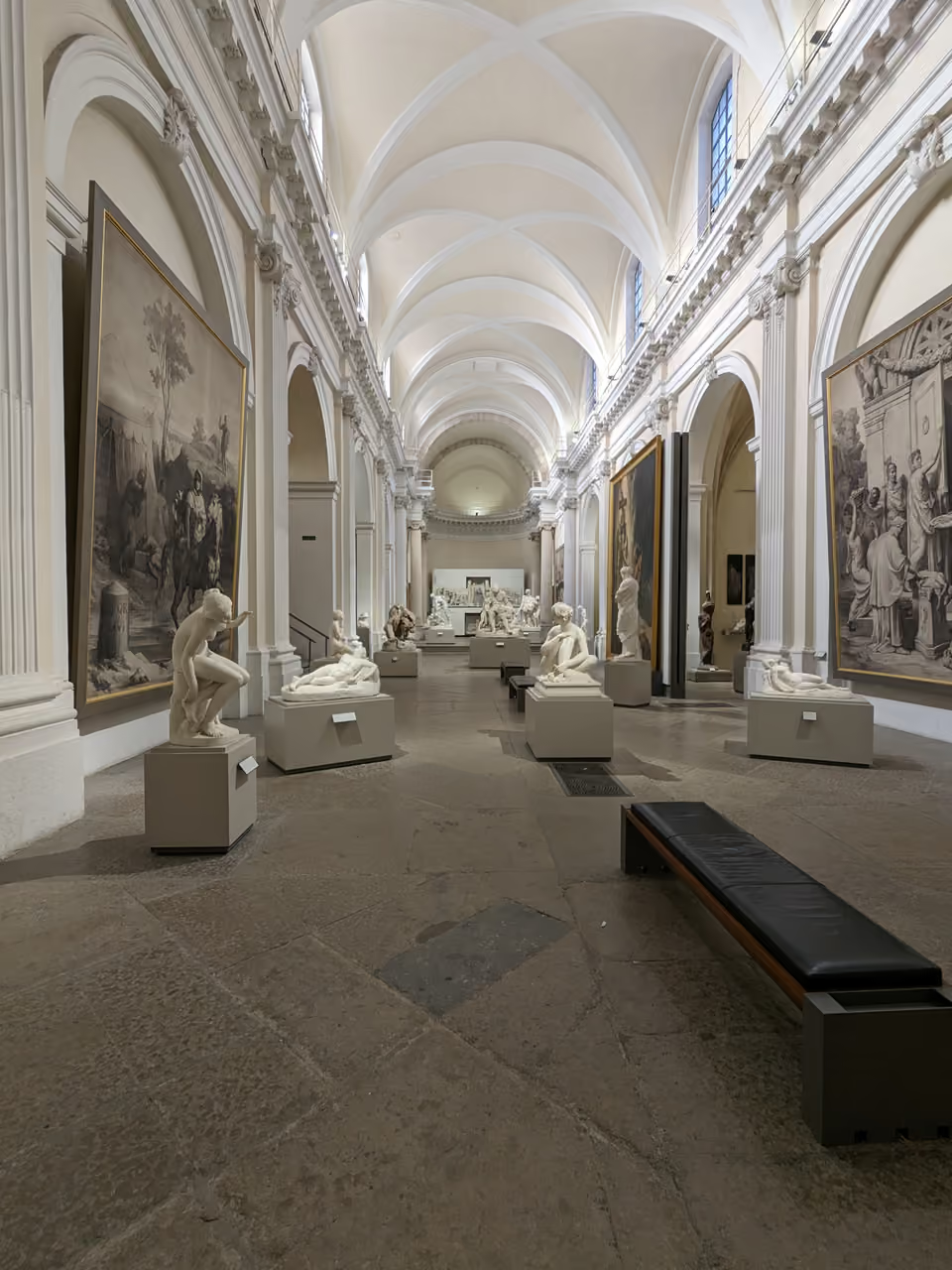
Five days entirely removes the pressure of tourism, allowing you to settle into the rhythm of the city. You have time to cross the rivers multiple times, explore the vast parks on the outskirts, and hunt down hidden courtyards that most visitors miss. This duration allows for a deep dive into the museums and a dedicated focus on the modern architecture of the southern peninsula. You can afford to spend an entire afternoon reading in a café or cycling the riverbanks without feeling like you are wasting time. It transforms a busy trip into a temporary residence.
view itinerary
Food in Lyon
UNESCO World Heritage Sites
Free Things to do in Lyon
Parks & Nature
Tête d'Or Park
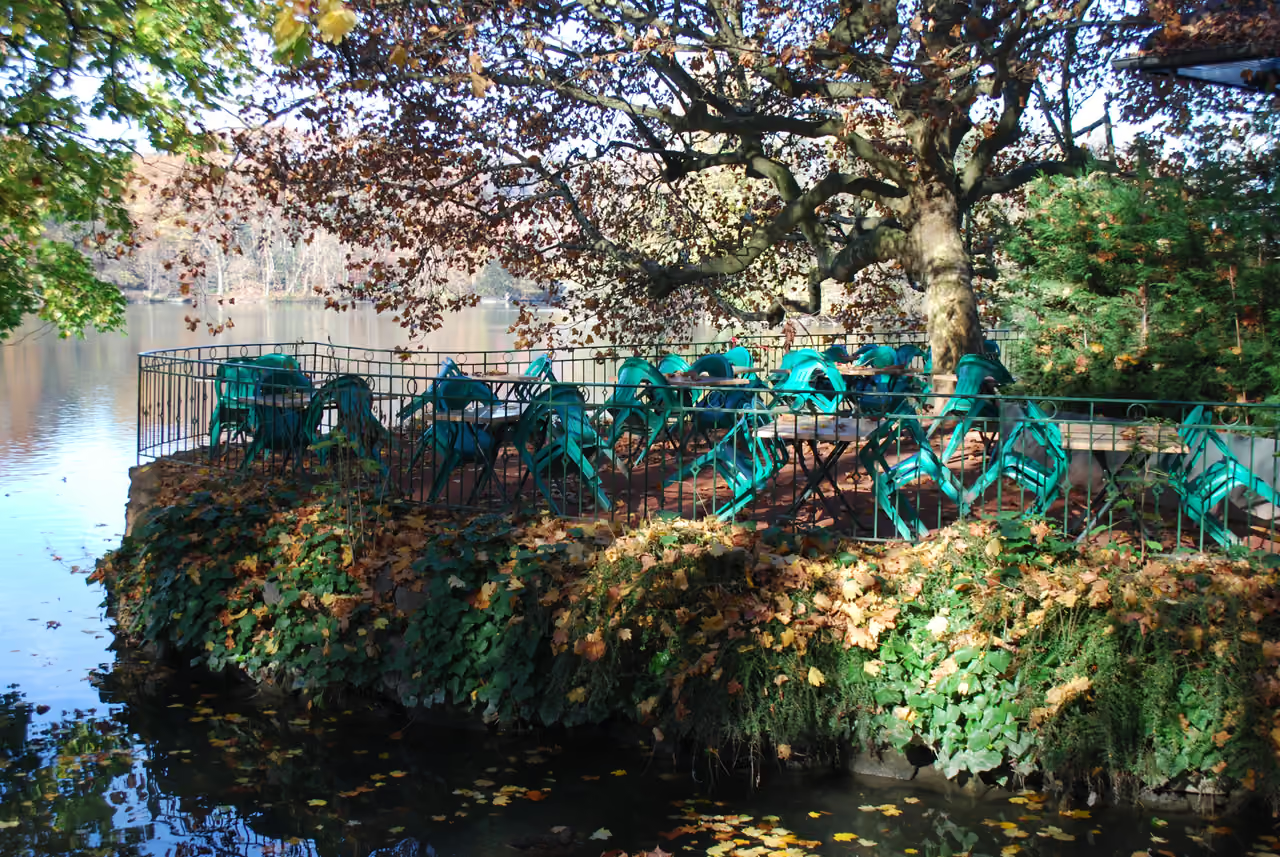
The grand wrought iron gates at the Porte des Enfants du Rhône open into a massive expanse of greenery that functions as the...
view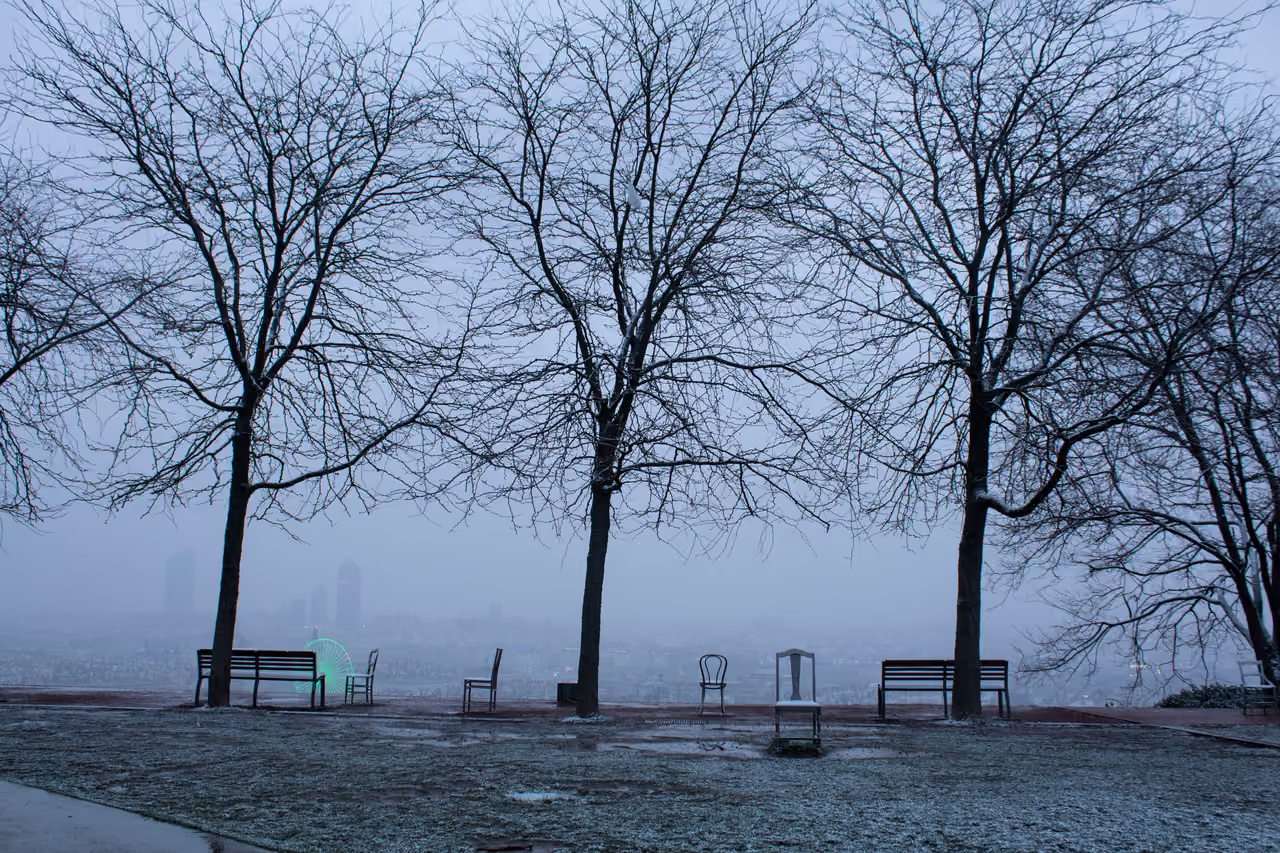
Garden of Curiosities
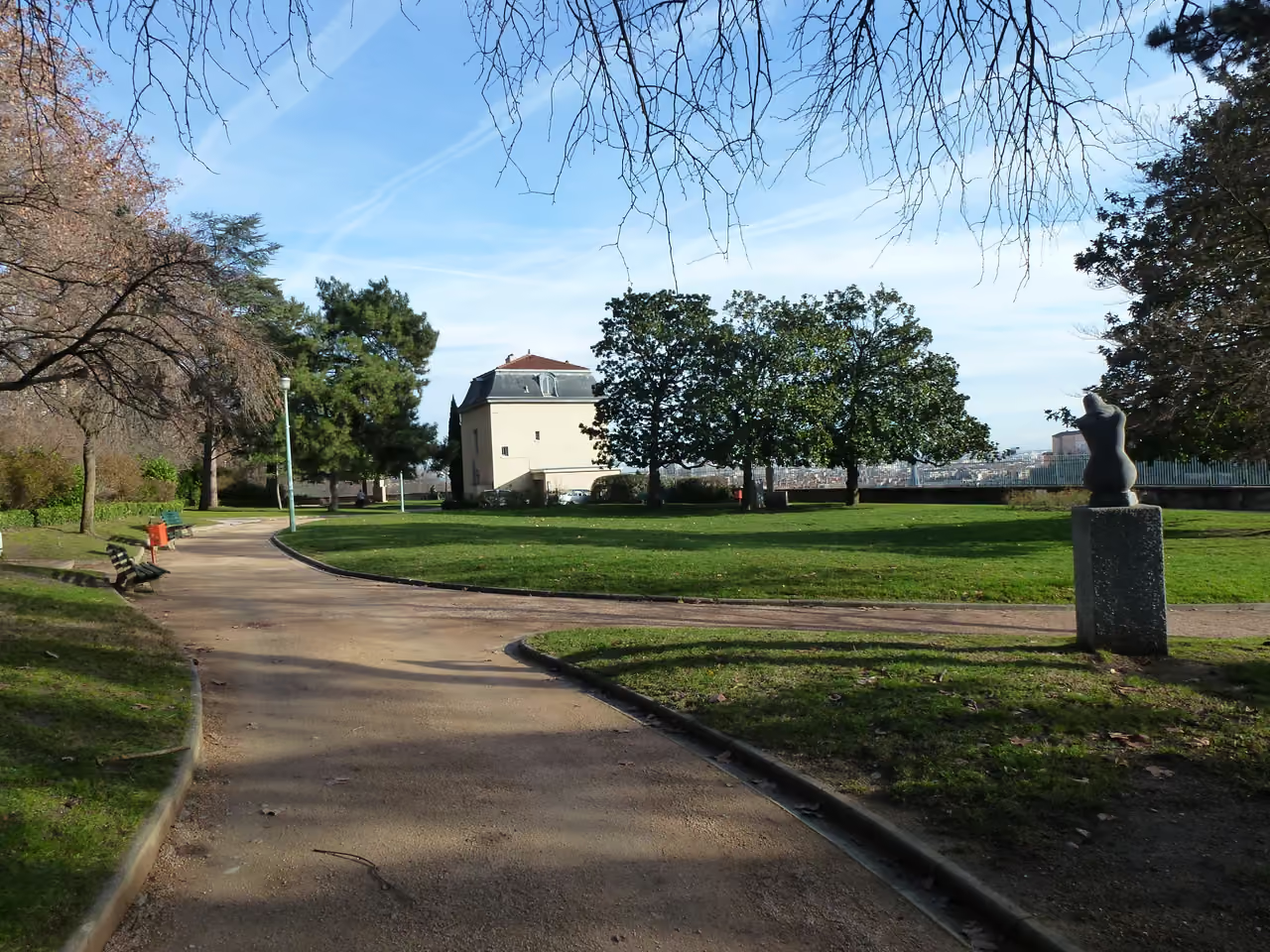
The Jardin des Curiosités, perched on the Saint-Just hill, offers one of Lyon's most spellbinding panoramic views, stretching...
view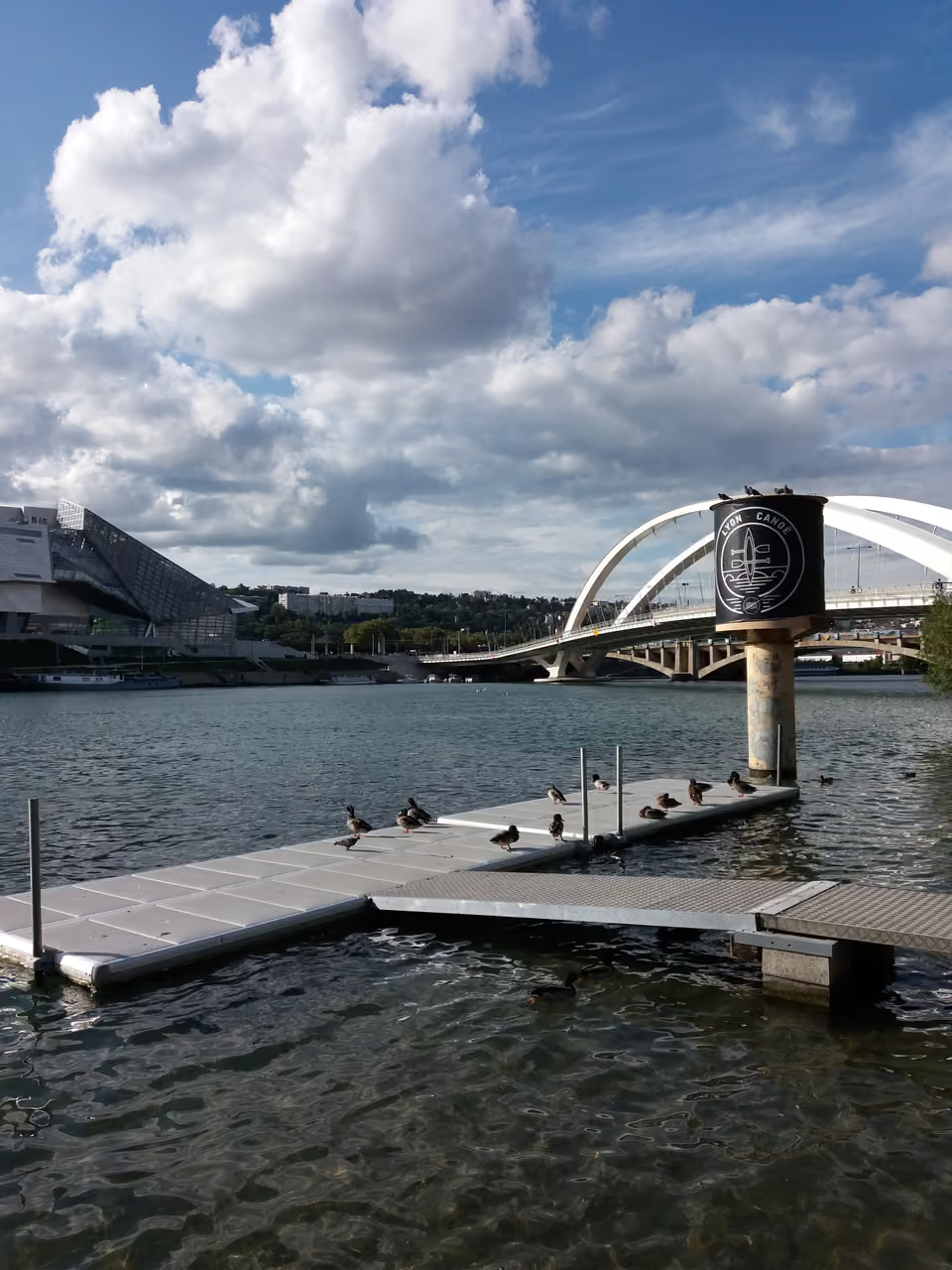
Gerland Henry-Chabert Park
Escape the urban buzz at Gerland Henry-Chabert Park, an expansive green haven meticulously carved from former industrial grounds...
view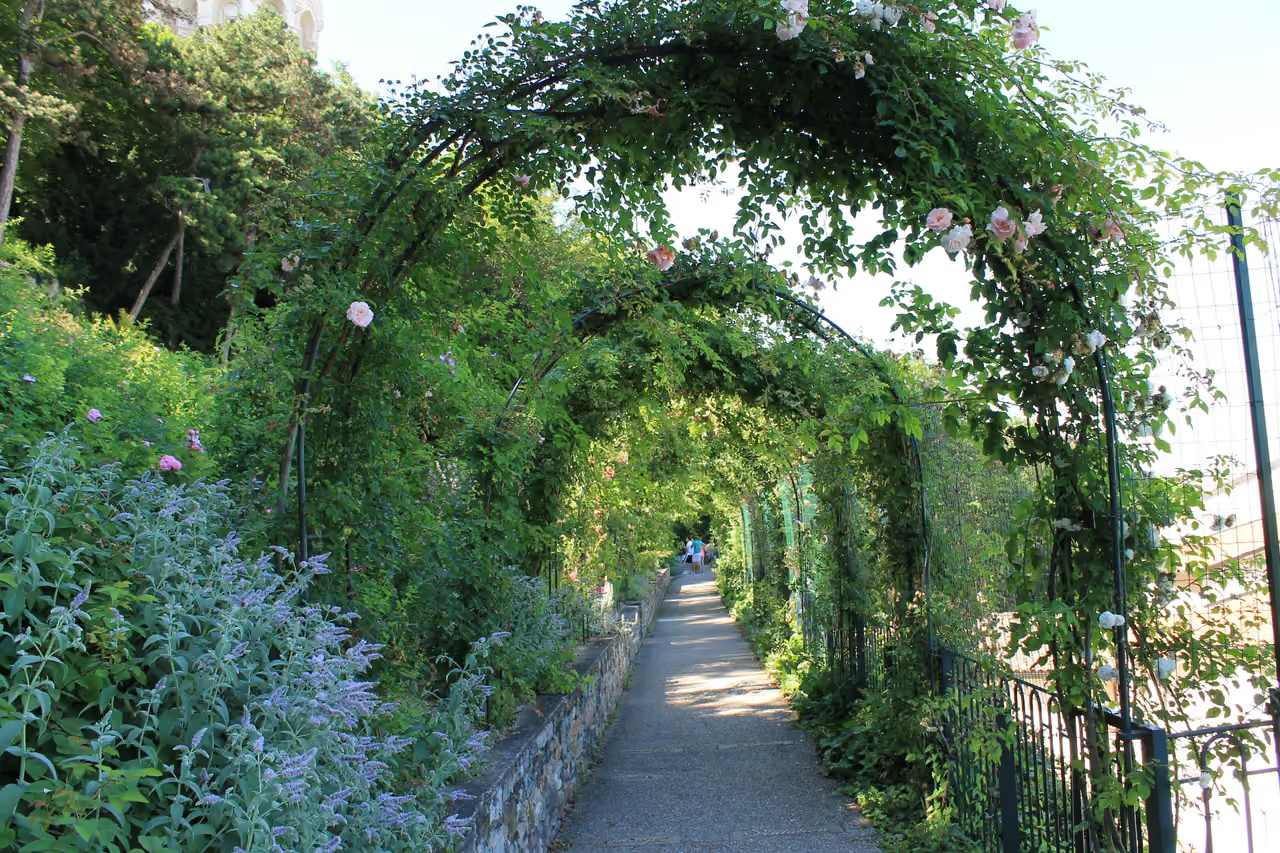
Heights Park
Perched atop Lyon's historic Fourvière hill, Heights Park offers an inspiring journey through history, nature, and breathtaking...
view
Highlights & Must-Sees
Bartholdi Fountain
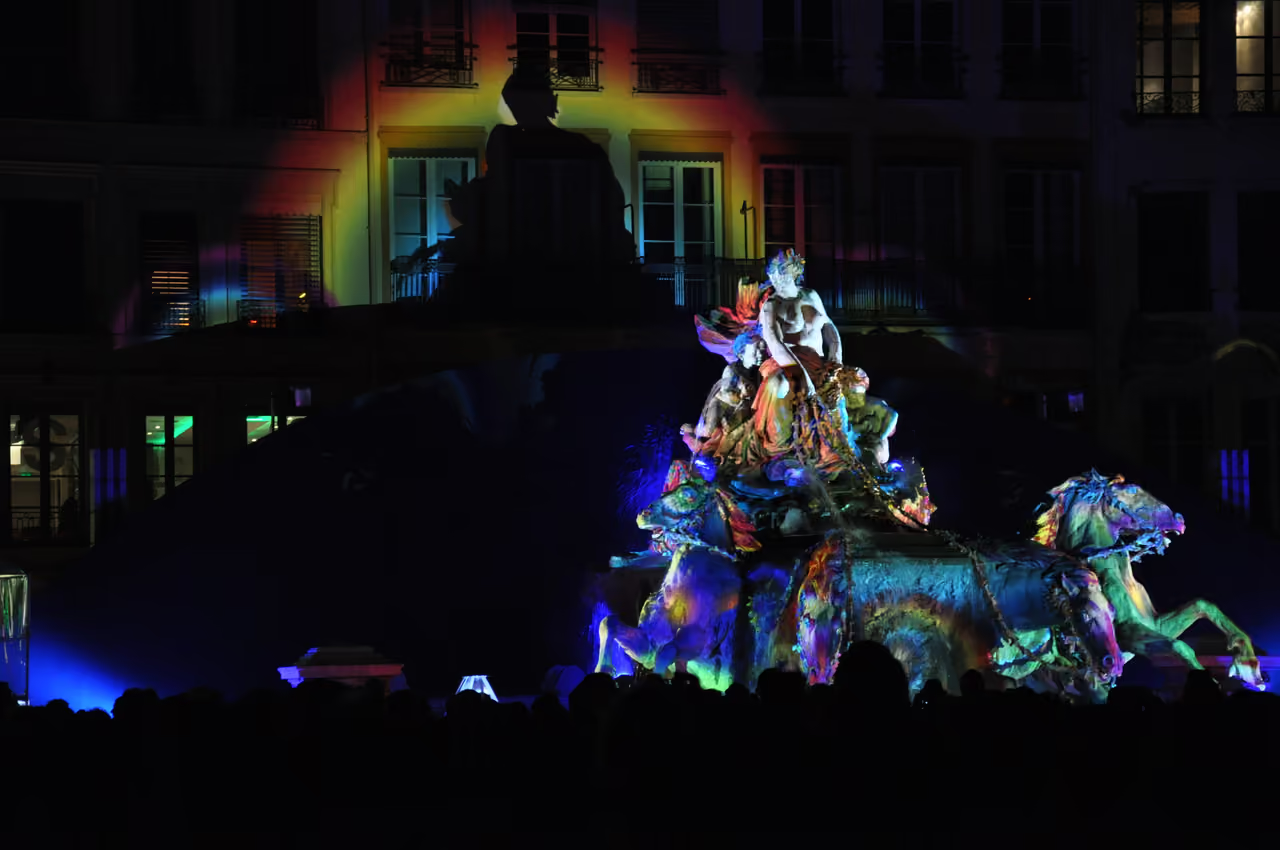
Four wild, rearing horses plunge forward out of a massive lead basin, pulling a chariot driven by a fierce female figure...
viewTerreaux Square
A vast pedestrian square sits completely enclosed by monumental architecture, including the ornate City Hall and the Fine Arts...
viewVieux Lyon Passageways
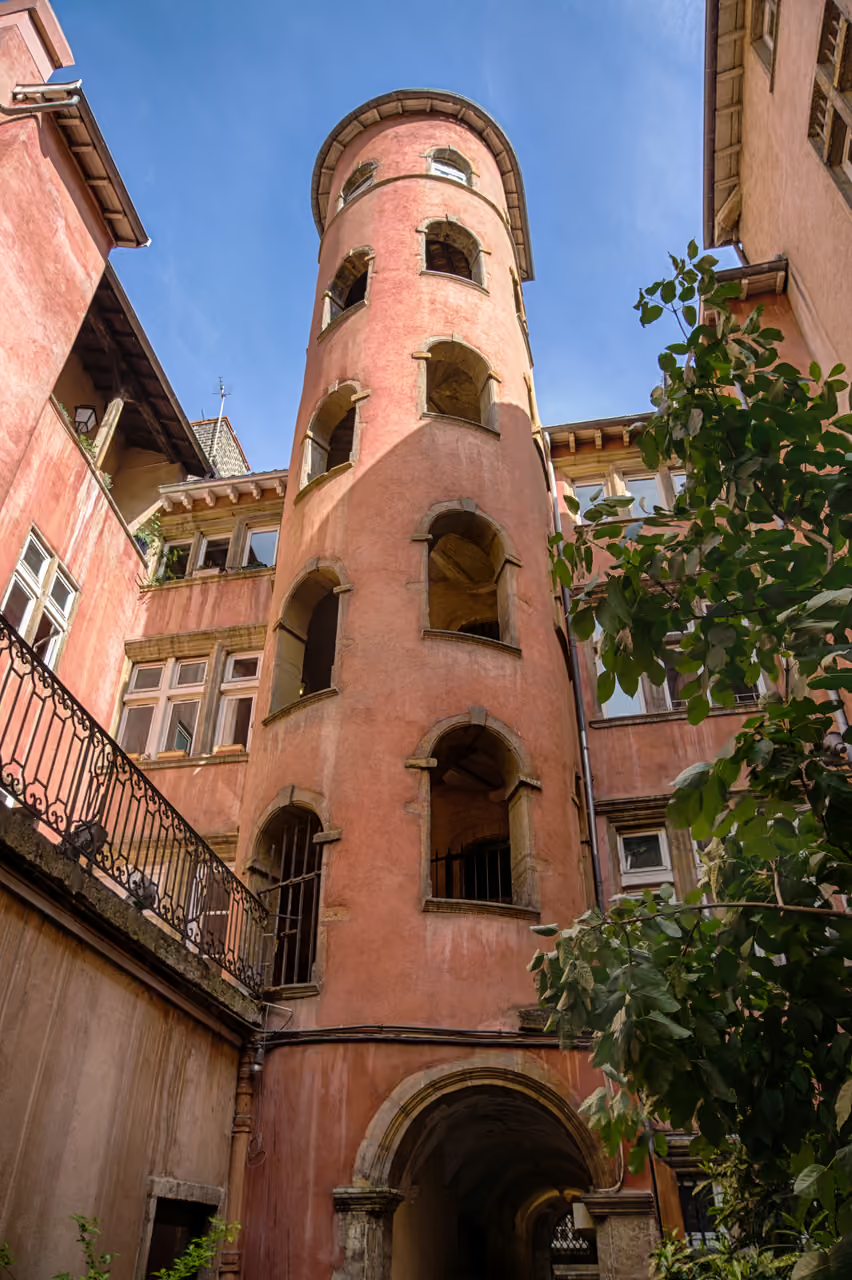
Heavy wooden doors hide a vast network of secret pedestrian corridors cutting straight through residential apartment blocks. You...
view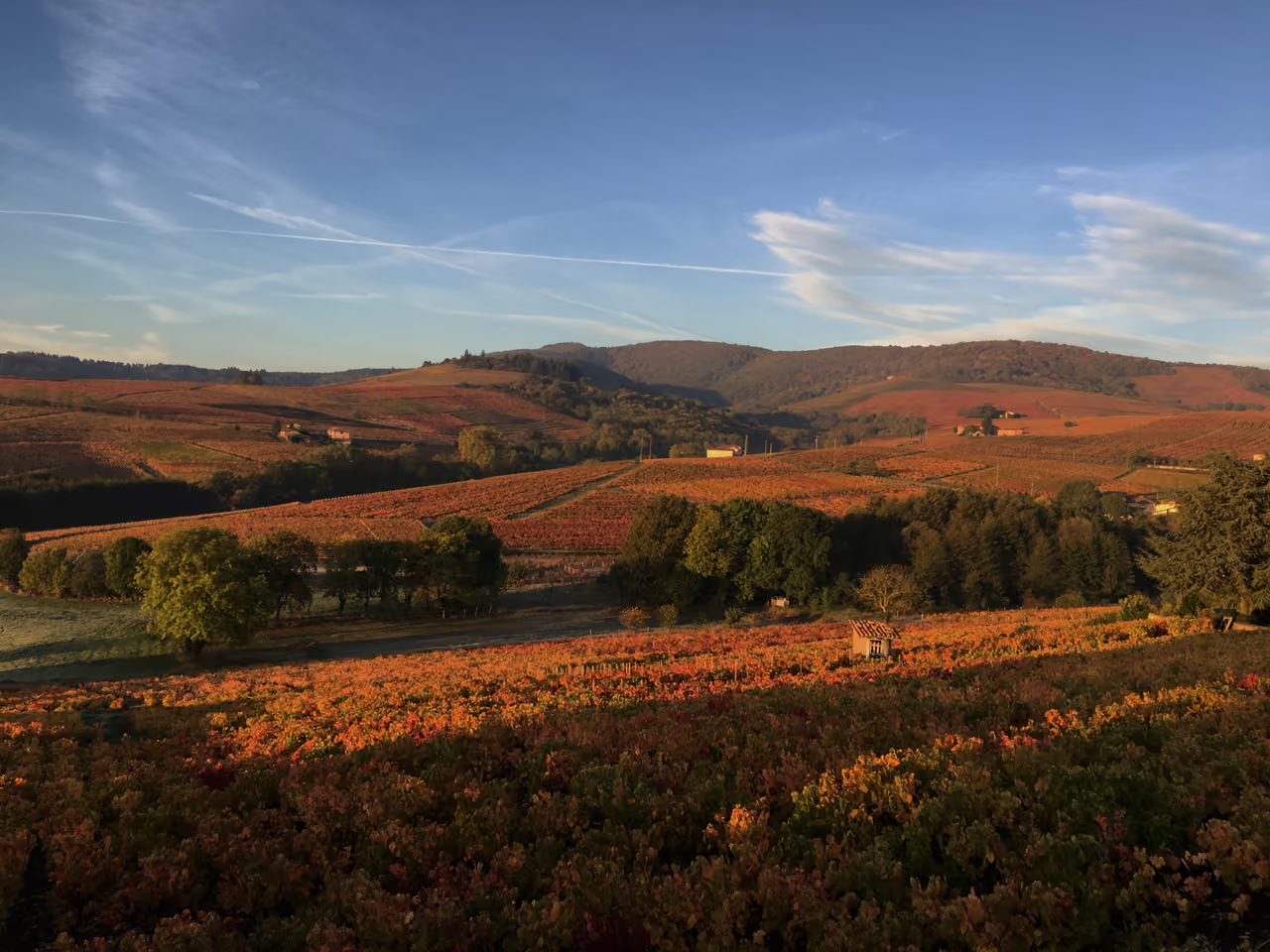
Beaujolais Vineyards
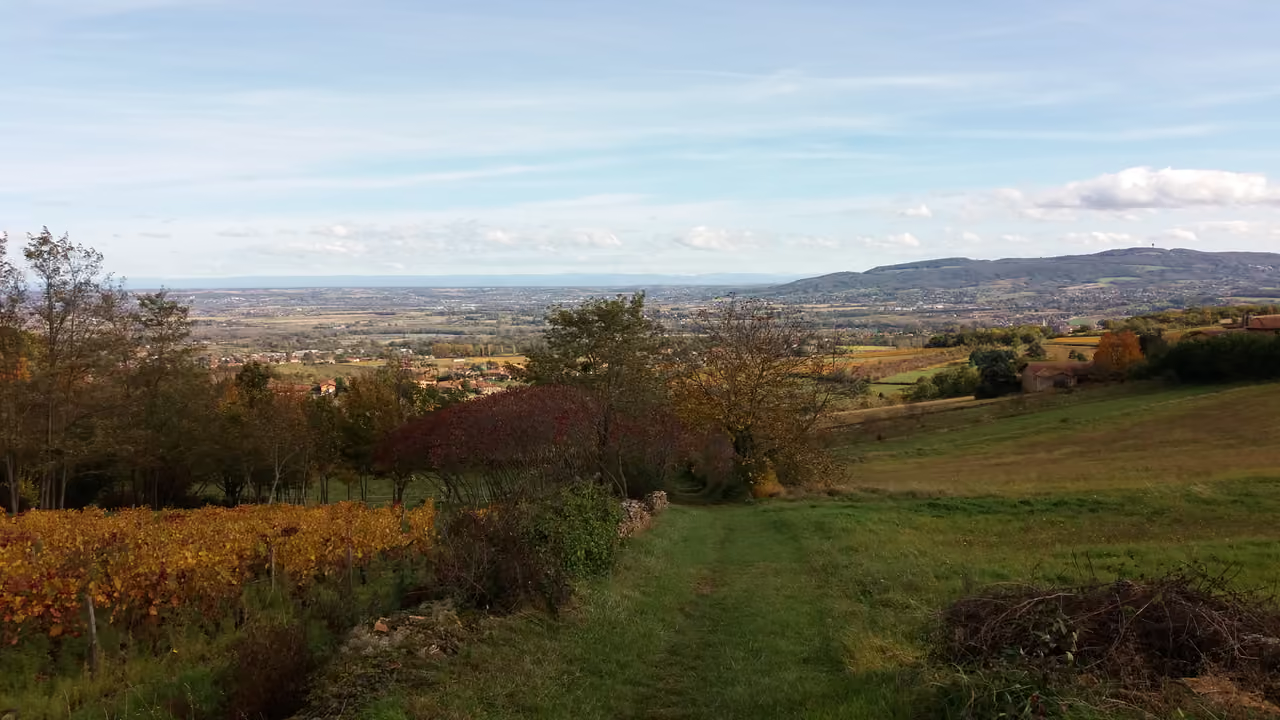
Half an hour north of Lyon, rolling hills carry the vineyards of Beaujolais, whose Gamay grapes provide the city's everyday red...
view
Best Walks in Lyon
- HIGHLY RECOMMENDED
Renaissance Vieux Lyon Walk
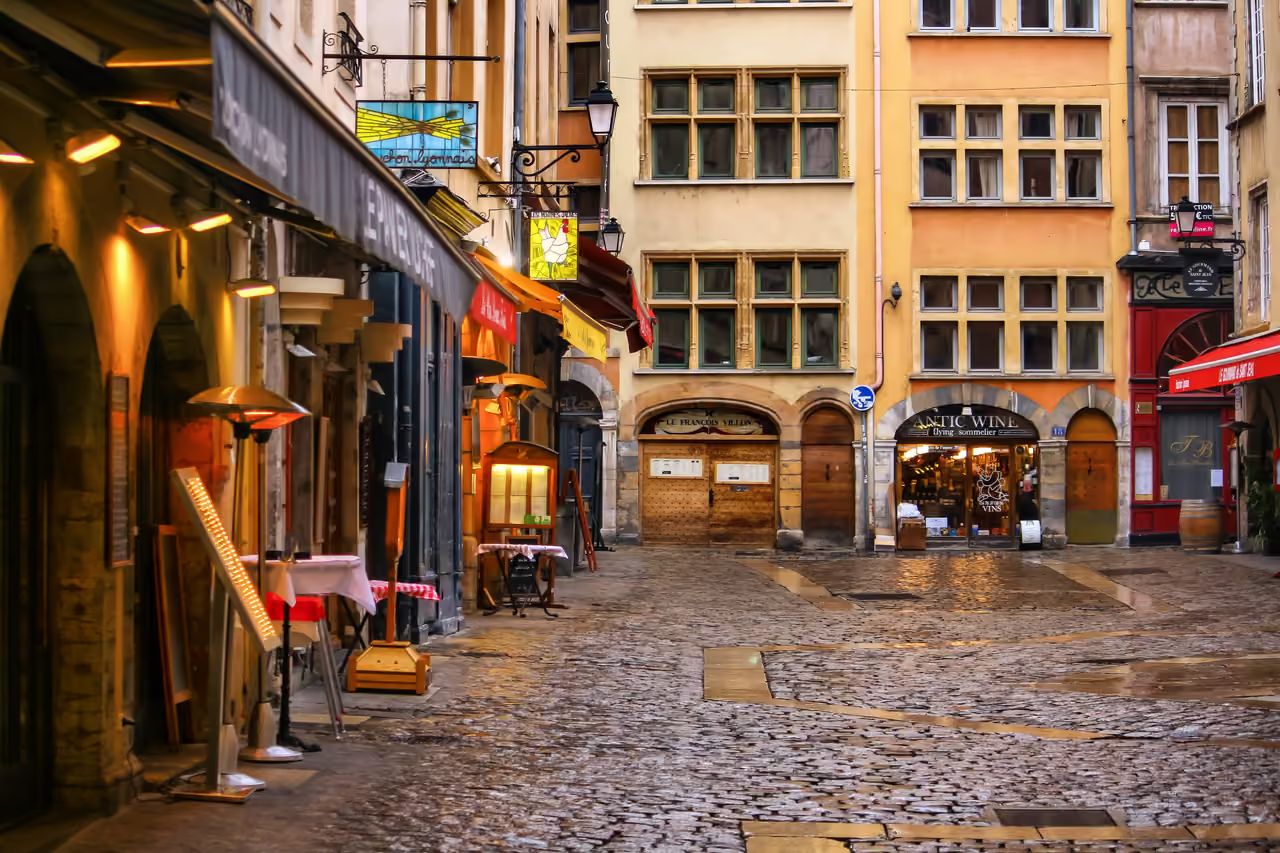
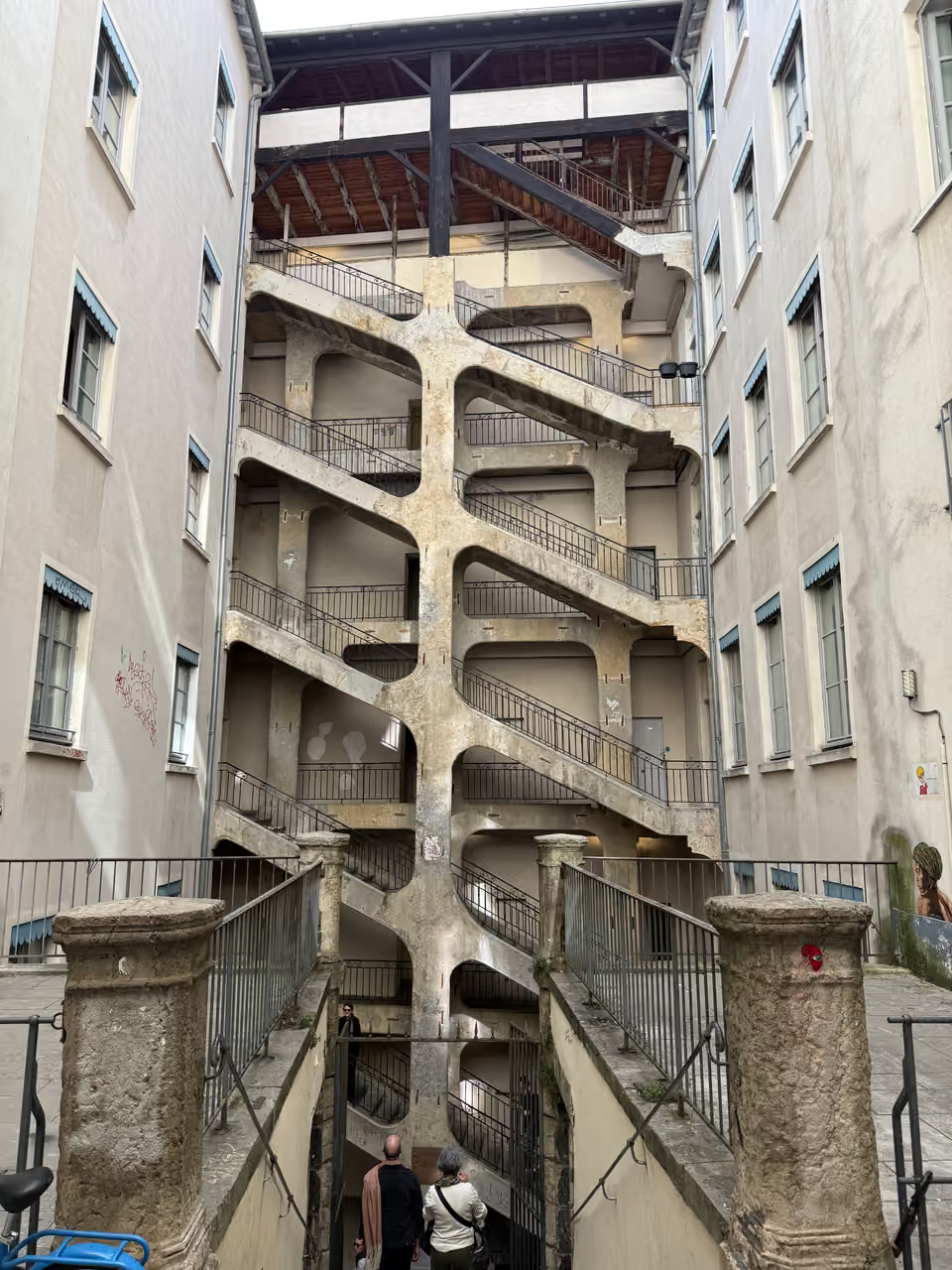
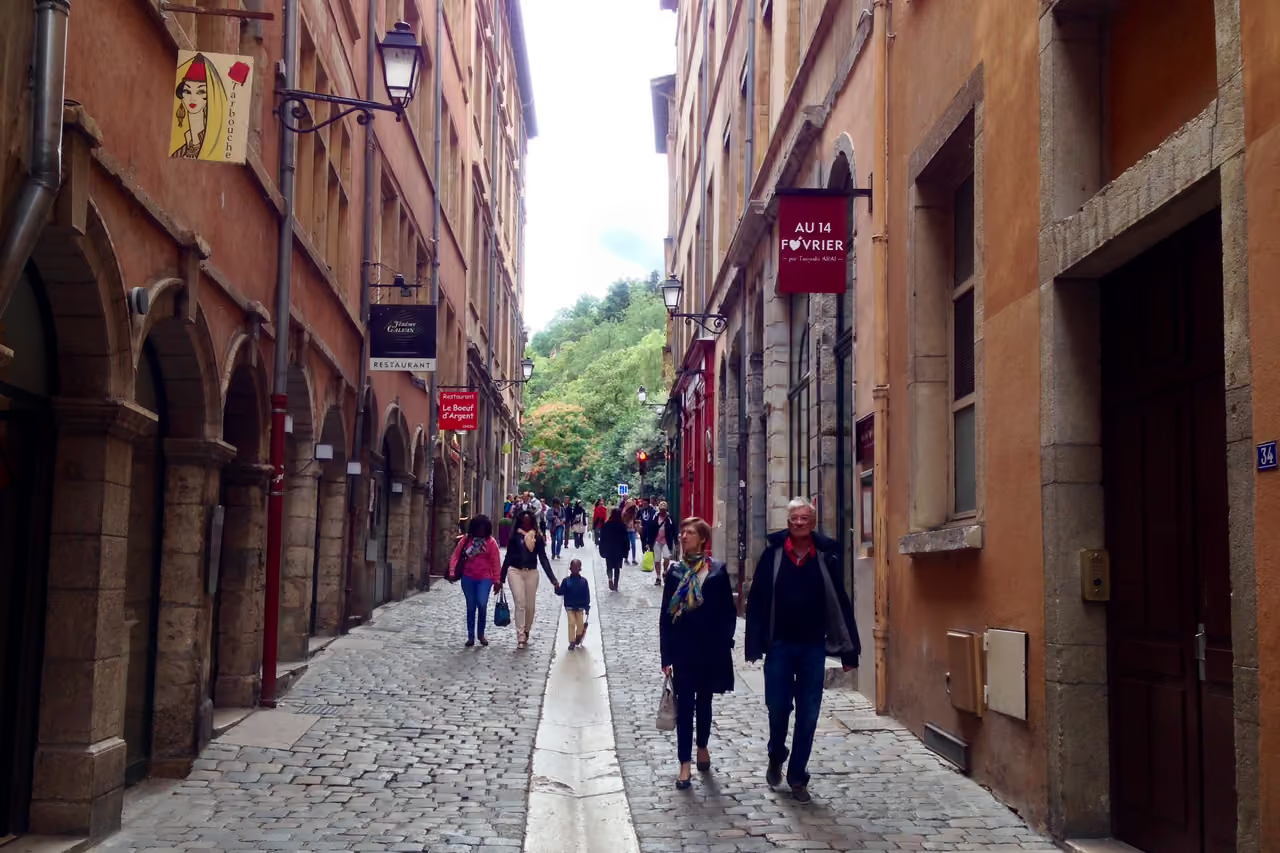
Tall, pastel-coloured facades lean slightly over narrow cobblestone streets, blocking out the modern world. You press heavy iron buttons to unlock wooden doors, revealing hidden courtyards with spiralling stone staircases. The smell of frying onions and roasted pork wafts out from the tiny kitchens of traditional bistros. Tourist crowds gather around the most famous monuments, but taking a sudden turn down a dark passageway instantly restores the quiet. You emerge back onto the street several blocks away, having passed entirely beneath the residential blocks.
Croix-Rousse Silk Slopes
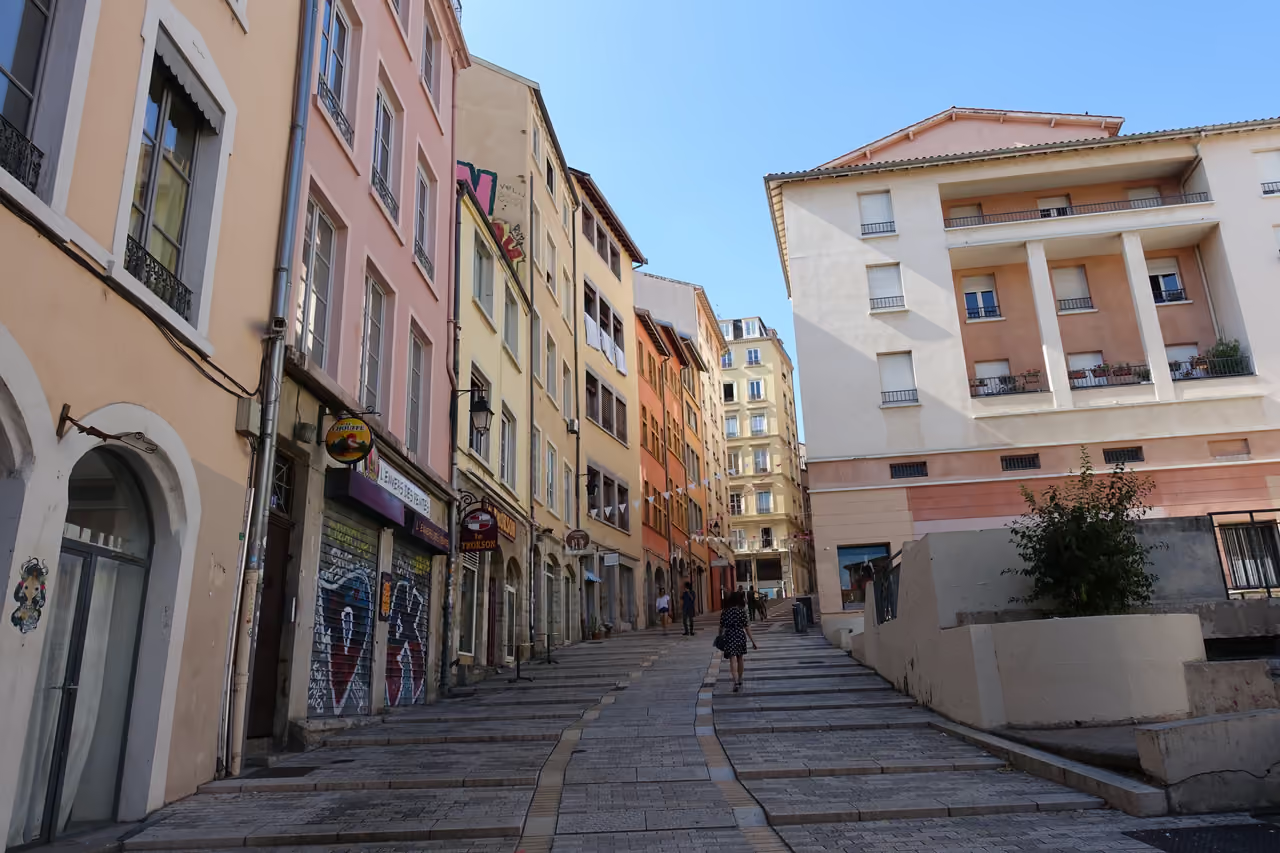
Severe gradients and endless flights of stone stairs challenge your calves on the climb up the northern hill. Buildings here feature unusually high, unadorned windows, built specifically to let light hit the massive wooden silk looms inside. Graffiti and political street art cover the retaining walls and iron handrails. You weave down through covered stairwells that cut straight through the middle of residential blocks. The atmosphere is resolutely bohemian, gritty, and fiercely independent.
Rhône River Promenade
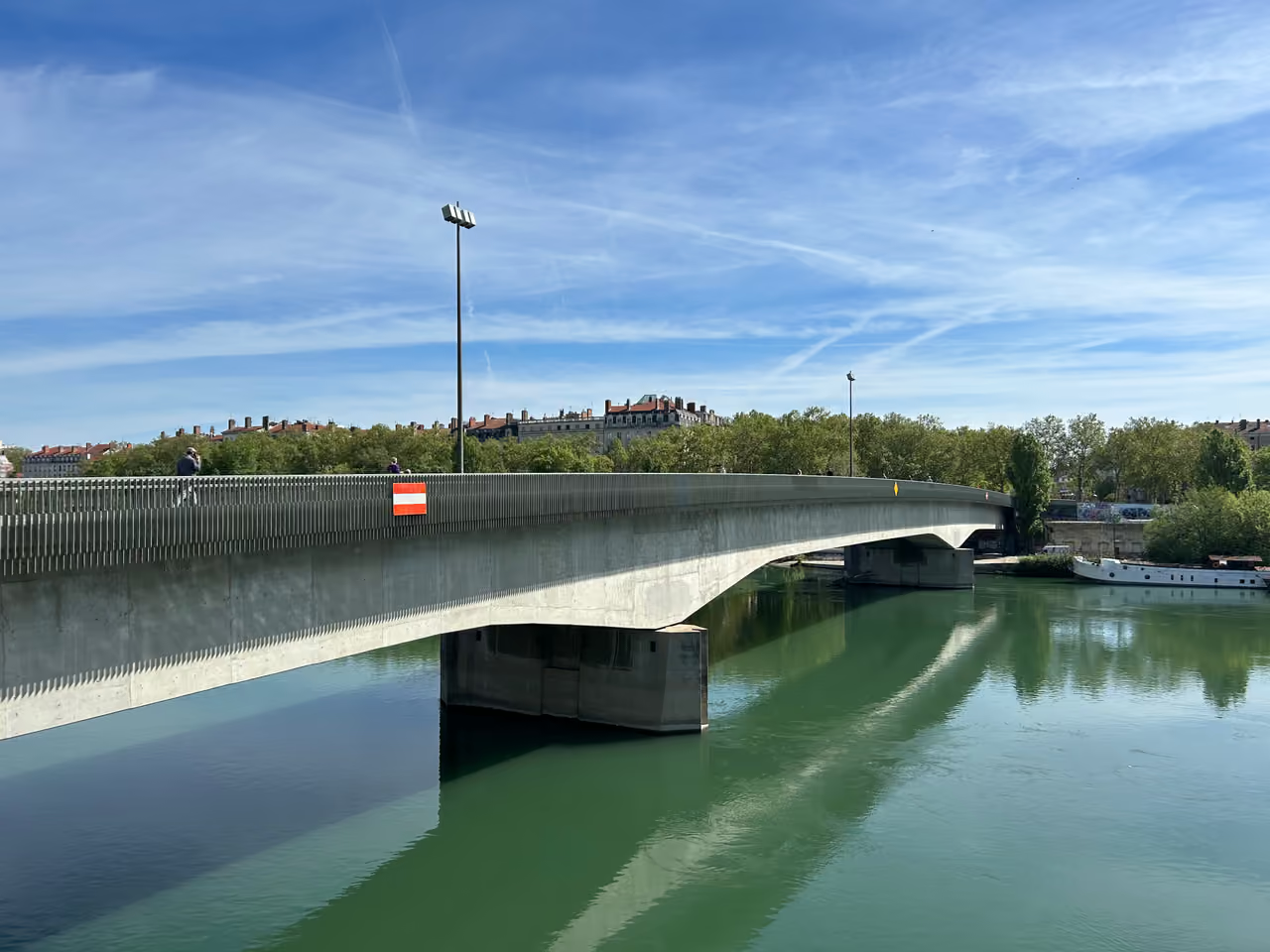
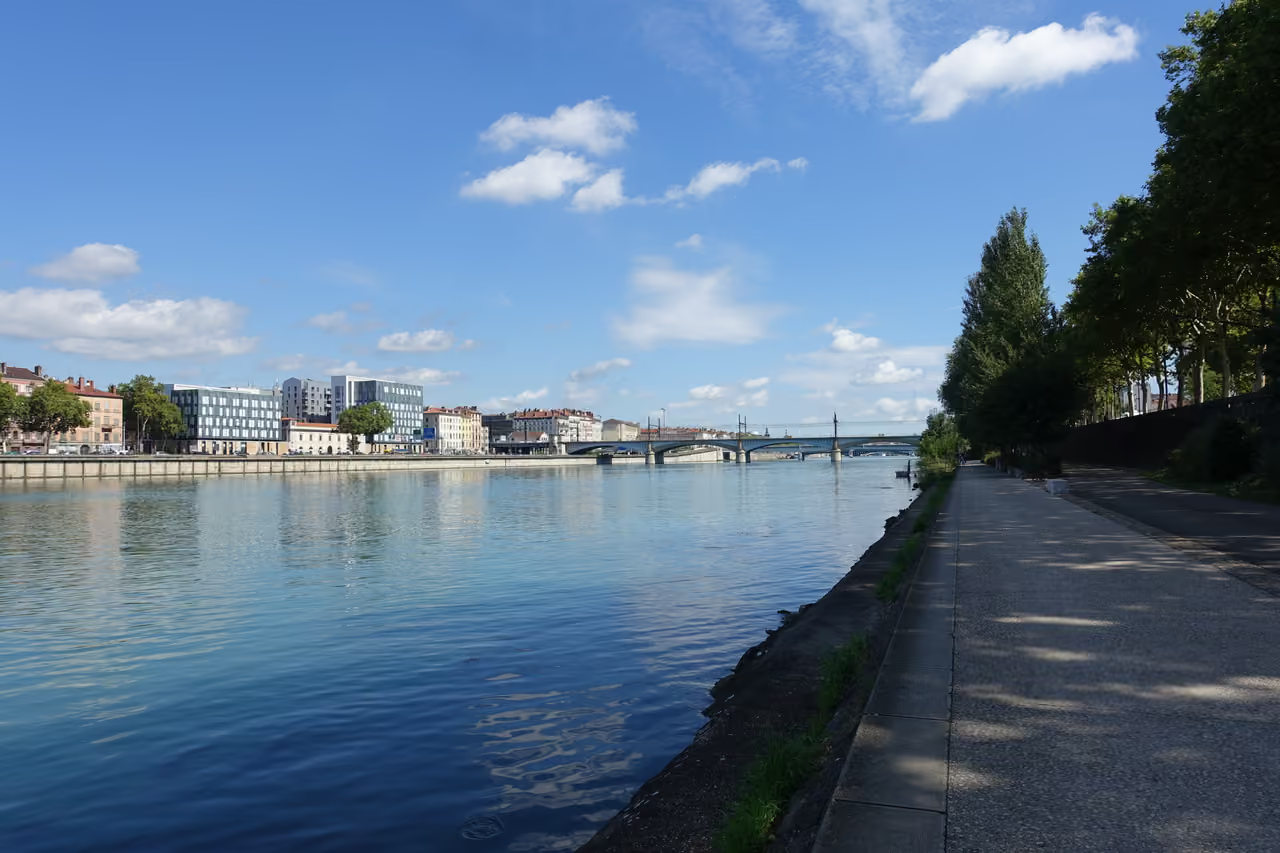
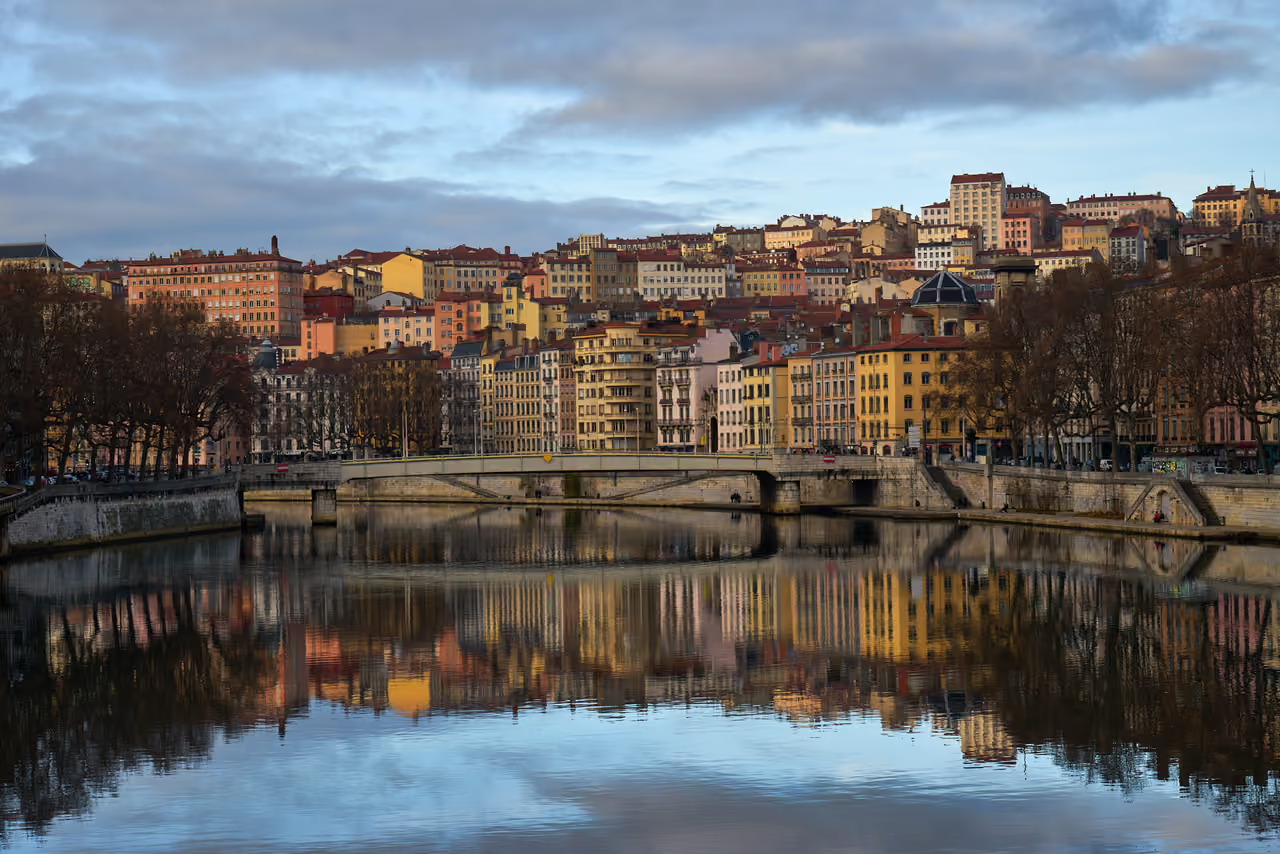
Wide wooden decks and landscaped grassy banks replace what used to be a sprawling concrete car park. You walk right at the water level, with the massive, fast-moving current of the Rhône rushing past. University students sprawl on the lawns, drinking wine and playing guitars. Terraced cafes on moored boats play soft electronic music as the sun hits the water. It offers five kilometres of uninterrupted, relaxed strolling right through the heart of the metropolis.
Architecture & Landmarks
Lyon City Hall
A magnificent seventeenth-century Baroque structure dominates the eastern side of Place des Terreaux with its heavy stone arches...
viewGrand Hôtel-Dieu
The façade that Jacques-Germain Soufflot designed along the Rhône in the 18th century is more than 300 metres long, crowned by a...
view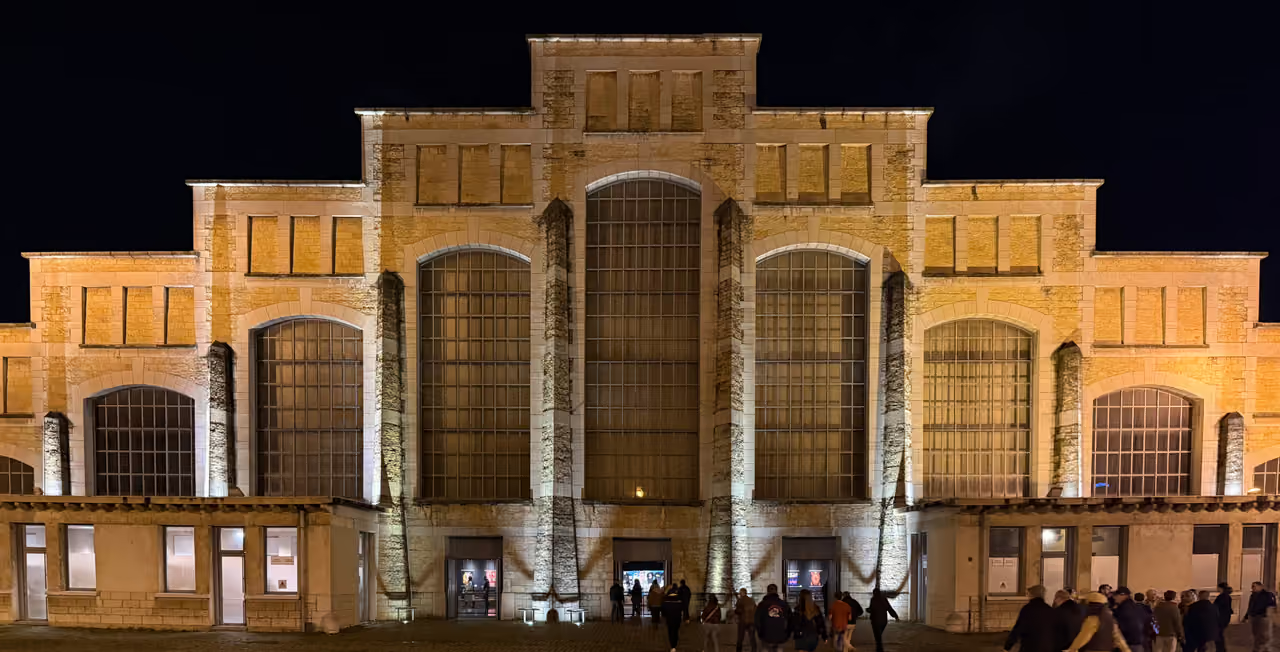
Halle Tony Garnier
Built between 1909 and 1914 as part of Tony Garnier's visionary Industrial City project, this immense iron-framed hall once...
view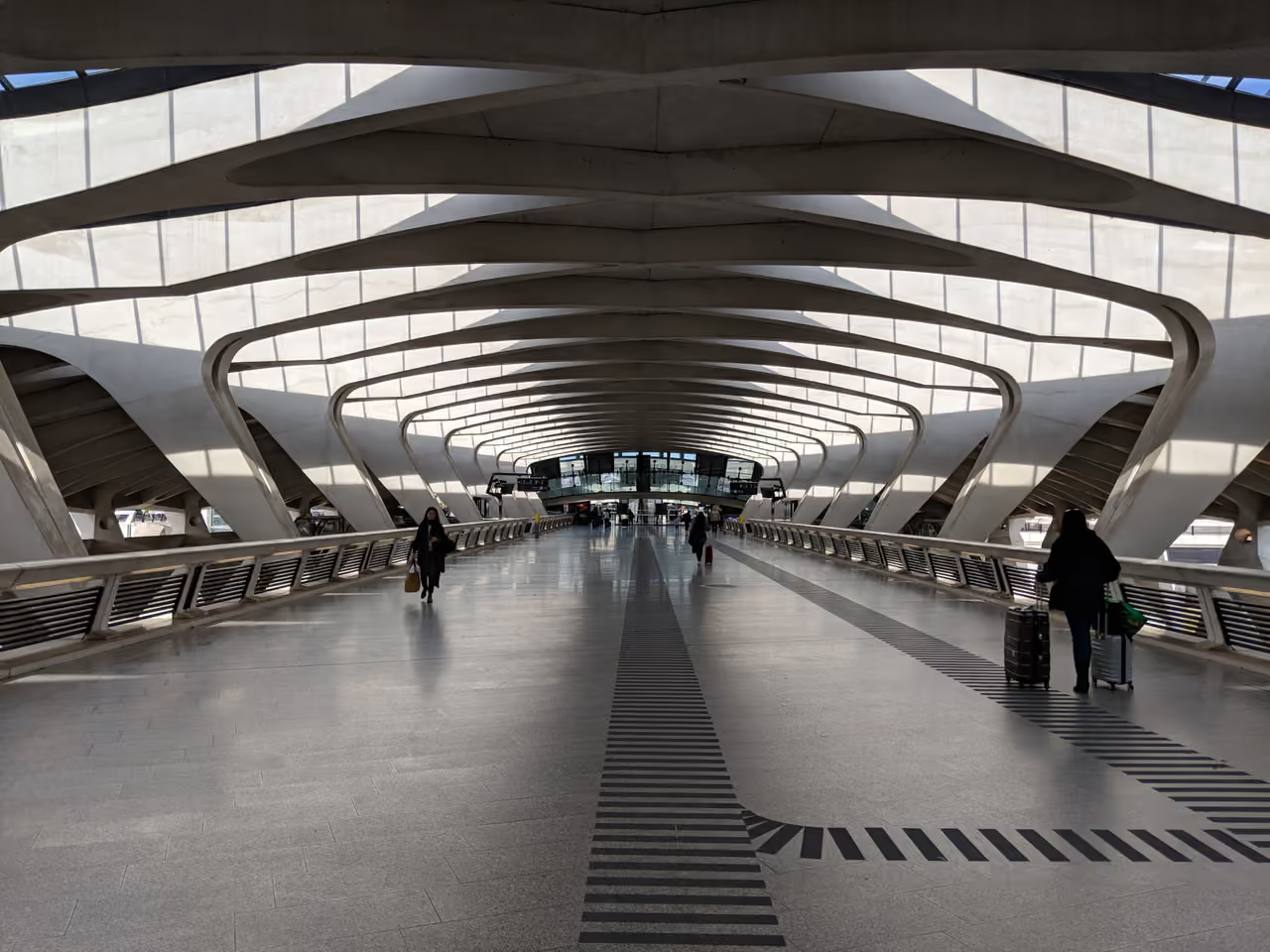
Saint-Exupéry TGV Station
Spanish architect Santiago Calatrava designed this high-speed train station to resemble a massive bird taking flight. Huge...
view
Markets & Shopping
Lyon Nightlife
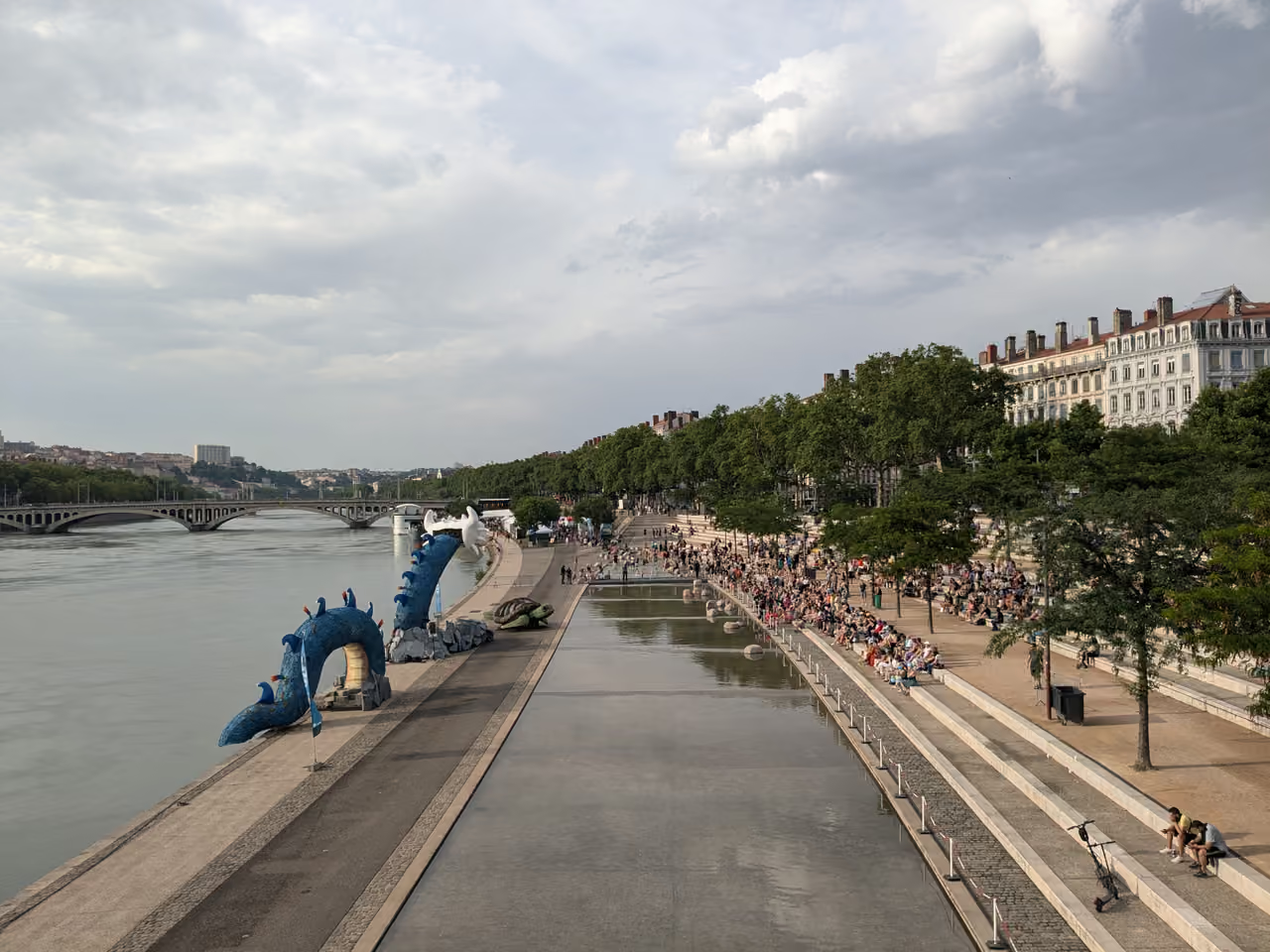
Photo Spots
Activities & Experiences
Cycling Routes
 HIGHLY RECOMMENDED
ViaRhôna Urban Stretch
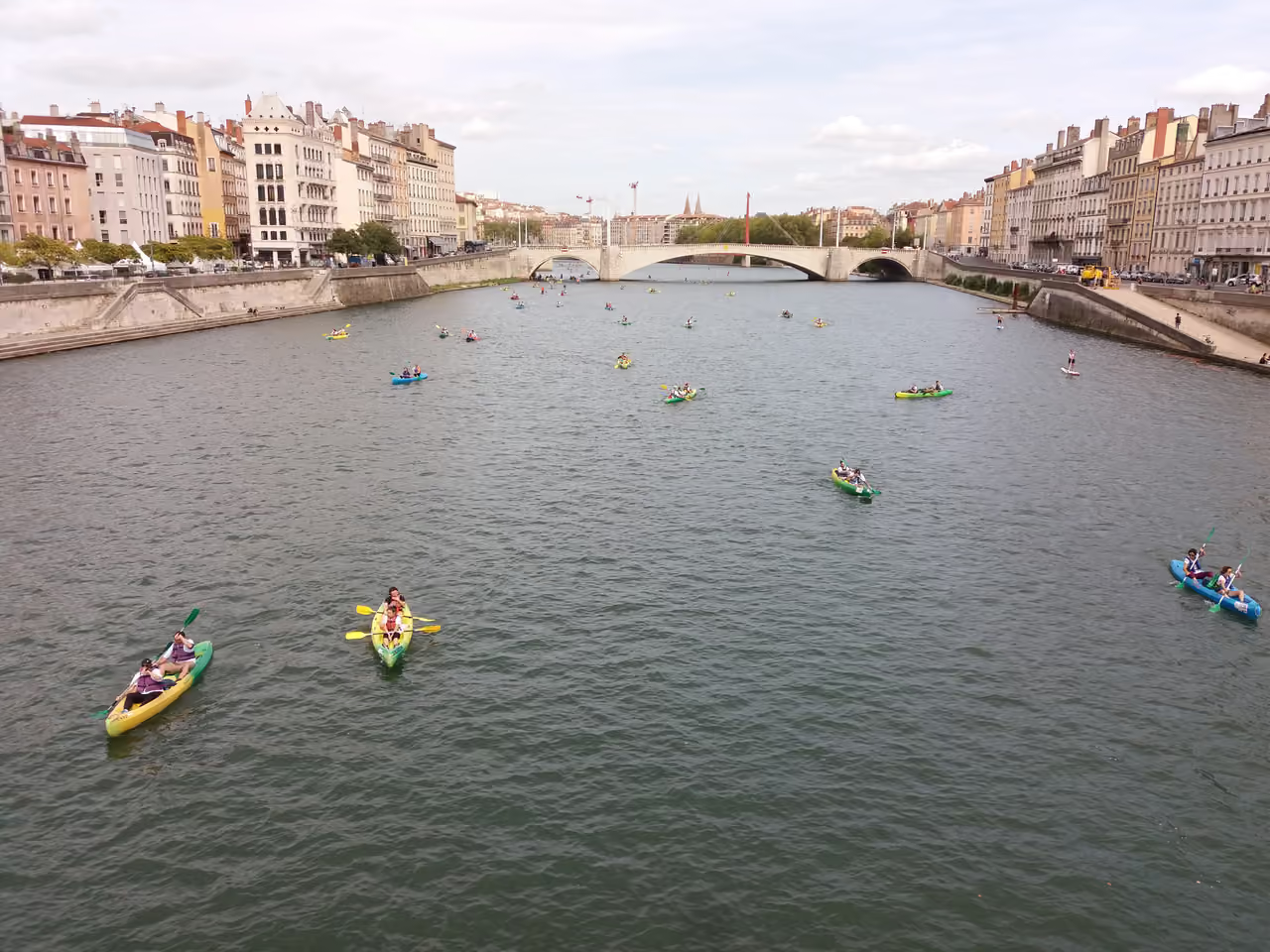
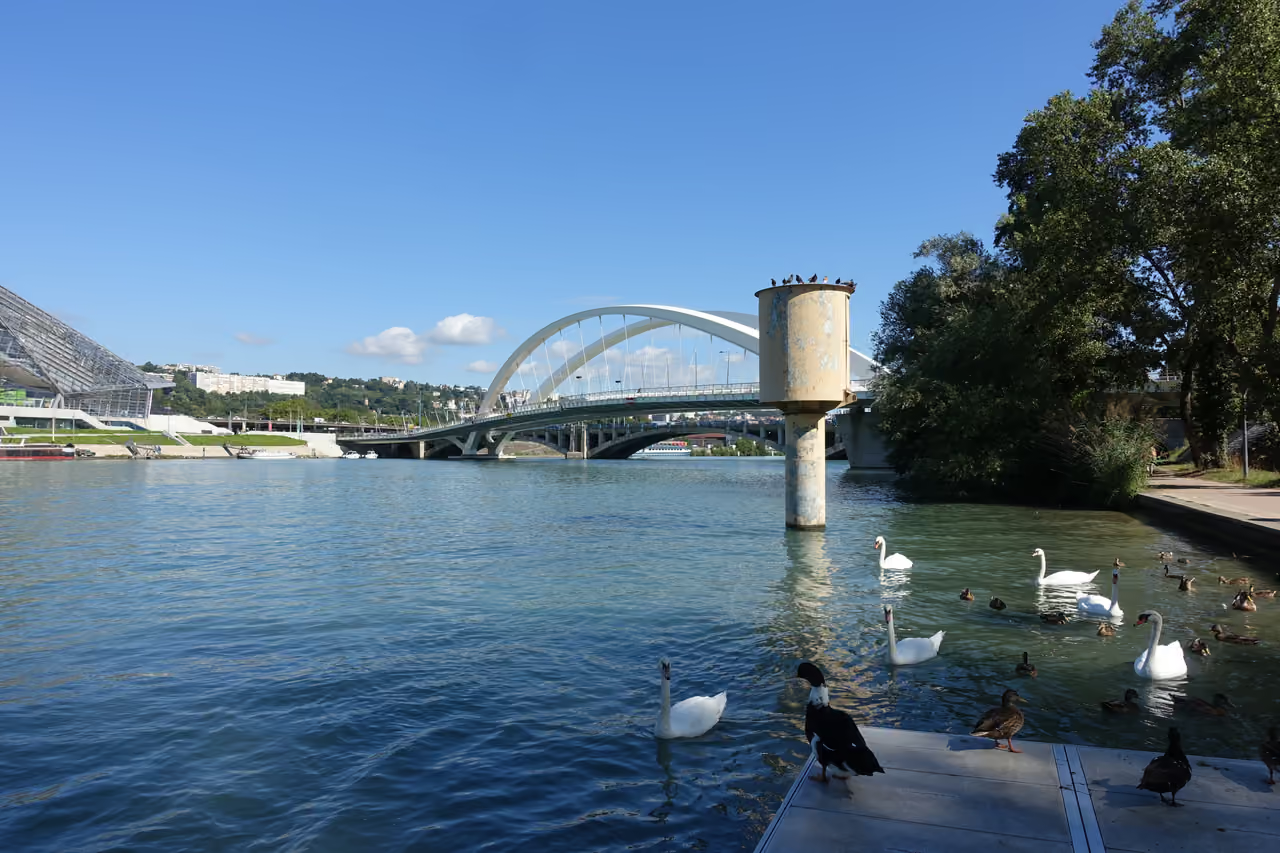
The European cycling route cuts a clean line directly through the city along the eastern bank of the Rhône. You drop down to the water level, leaving the noise of cars and trams entirely behind. The path glides past long stretches of wooden decking where university students sit with their legs dangling over the water. Massive stone bridges cross overhead, creating sudden, cool shadows on sunny days. The smooth surface makes for completely effortless pedalling from one end of the city to the other.
Tête d'Or Loop
Wide, paved avenues circle a massive boating lake and cut through dense patches of ancient trees. You ride past botanical greenhouses and open plains where African animals graze behind subtle barriers. The air cools noticeably as you enter the shade of the forest sections. Pacing here is slow, dictated by families walking dogs and children learning to ride. It feels entirely removed from the concrete blocks of the business district located just a few streets away.
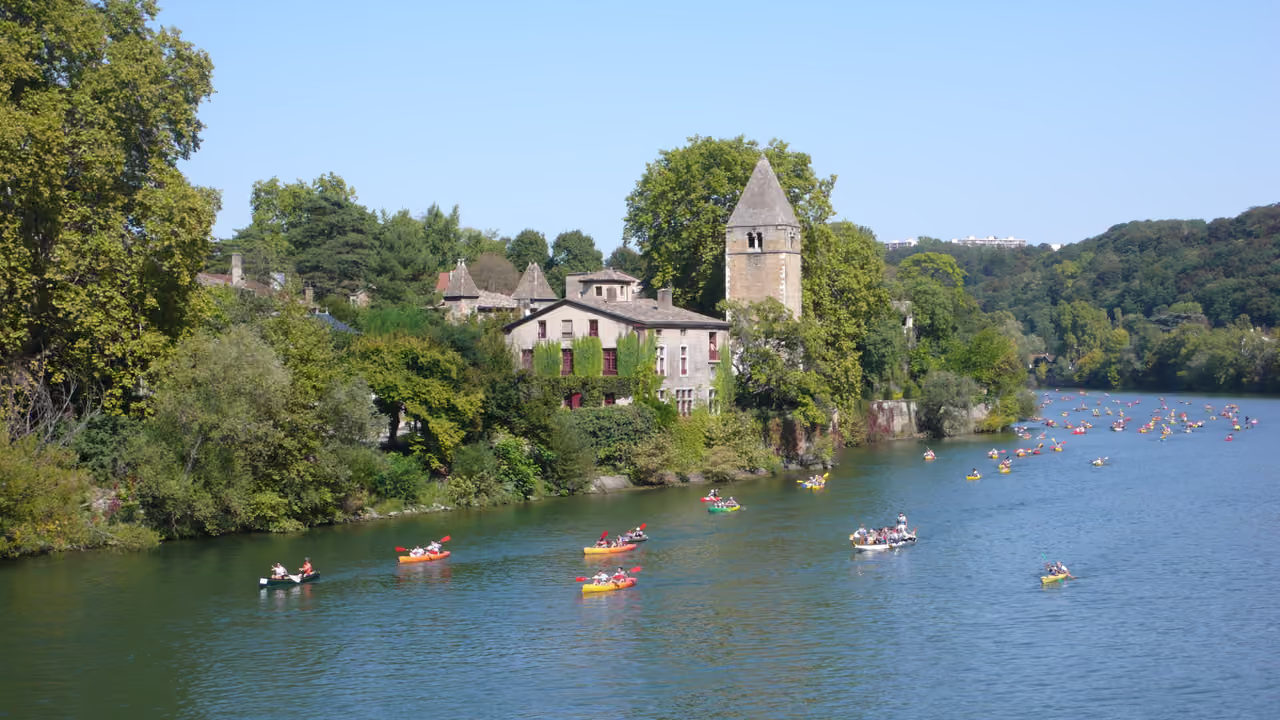
Saône Banks to Île Barbe
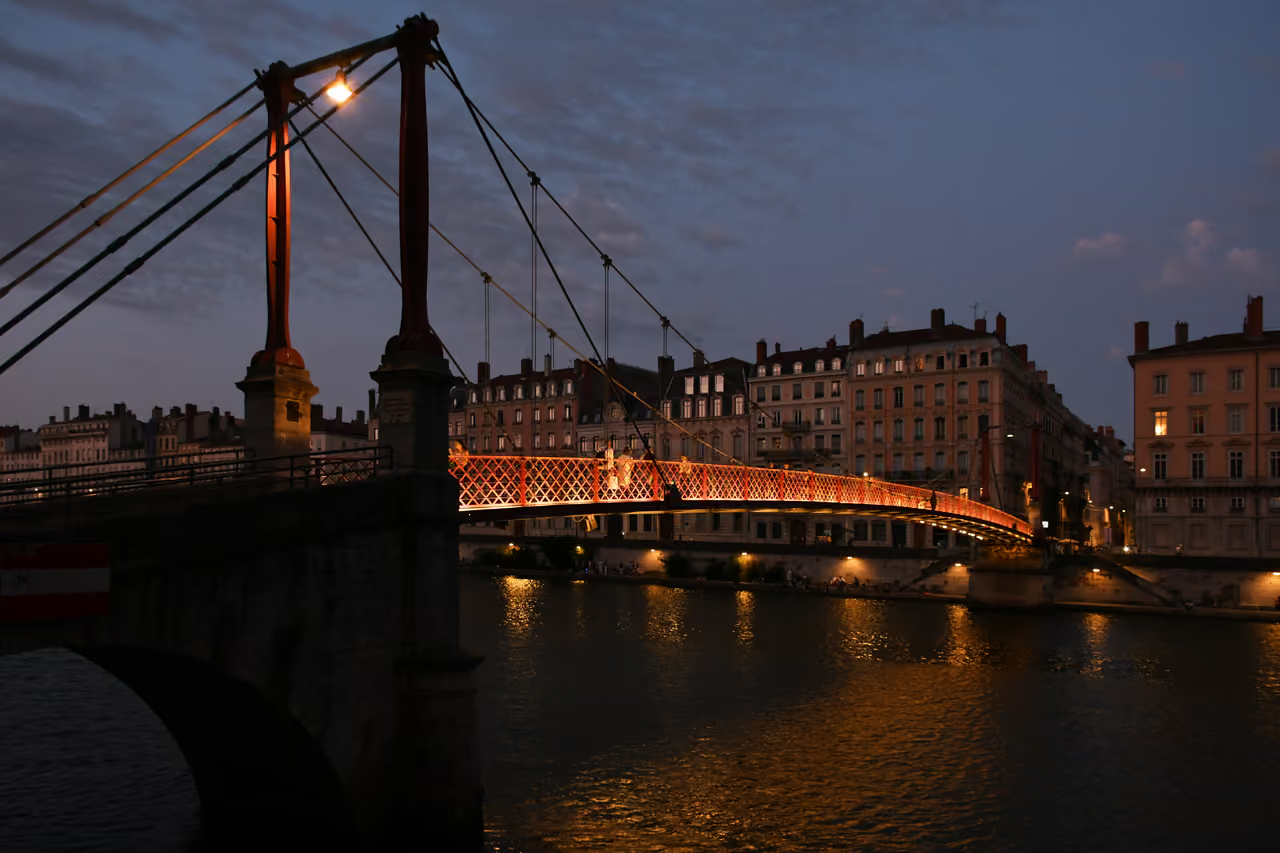
The ride pushes north out of the dense historic centre, following the calmer, greener waters of the Saône. The tight stone facades of the old town gradually give way to wooded banks and small waterside restaurants. Contemporary art installations dot the pathway, serving as subtle mile markers. The noise of the city drops away entirely as the narrow, romantic island comes into view. You cross a slightly rattling nineteenth-century suspension bridge to reach the cobblestones of the island itself.
Self-Guided Tours
Silk Weaver's Journey
Trace the brutal, back-breaking history of the 19th-century silk industry that made the city wealthy. The route forces you up the severe slopes of the working-class hill, following the exact paths labourers took carrying heavy bolts of cloth. You cut through high, unadorned apartment blocks specifically built to house towering wooden looms. The journey moves from the workshops down to the merchants' exchange squares where the raw silk was traded. It reveals a geography shaped entirely by industrial necessity.
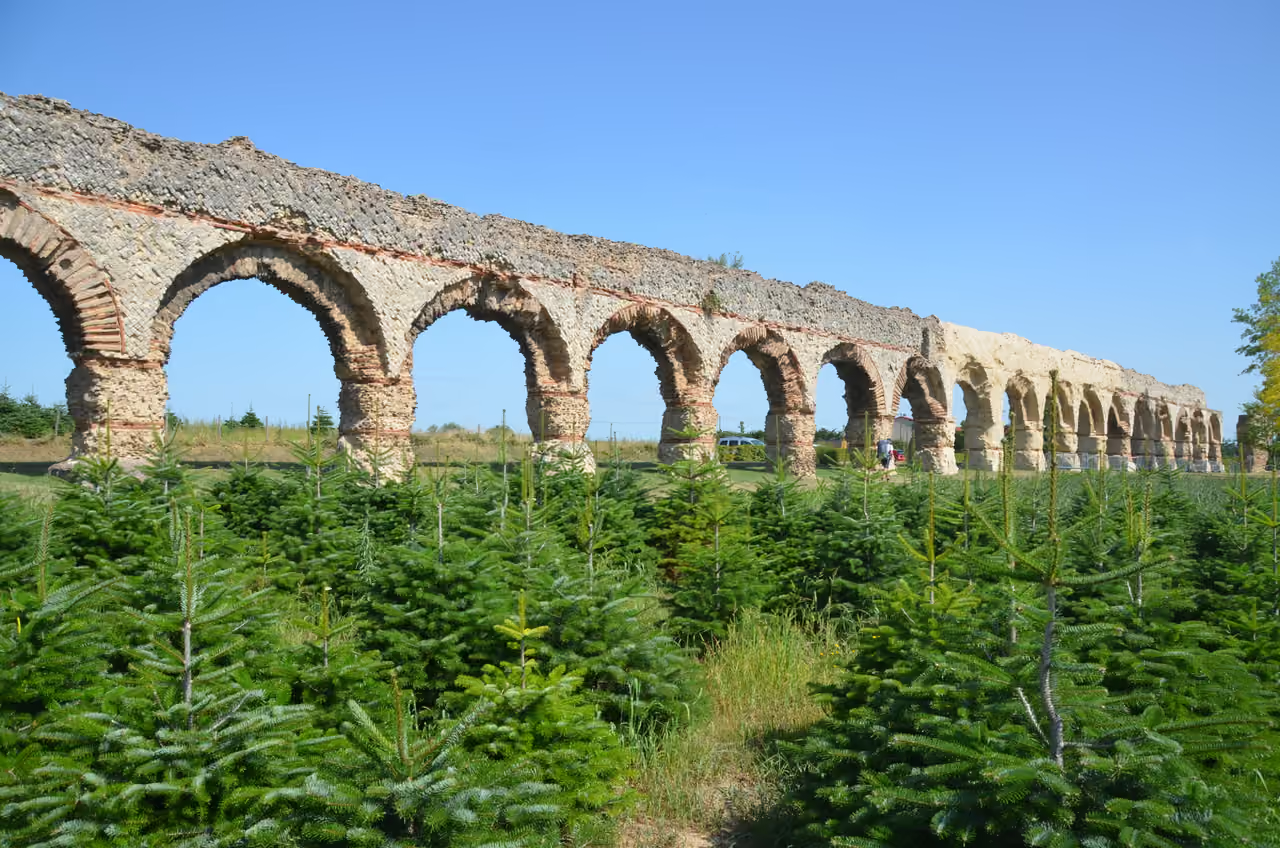
Roman Lugdunum Exploration
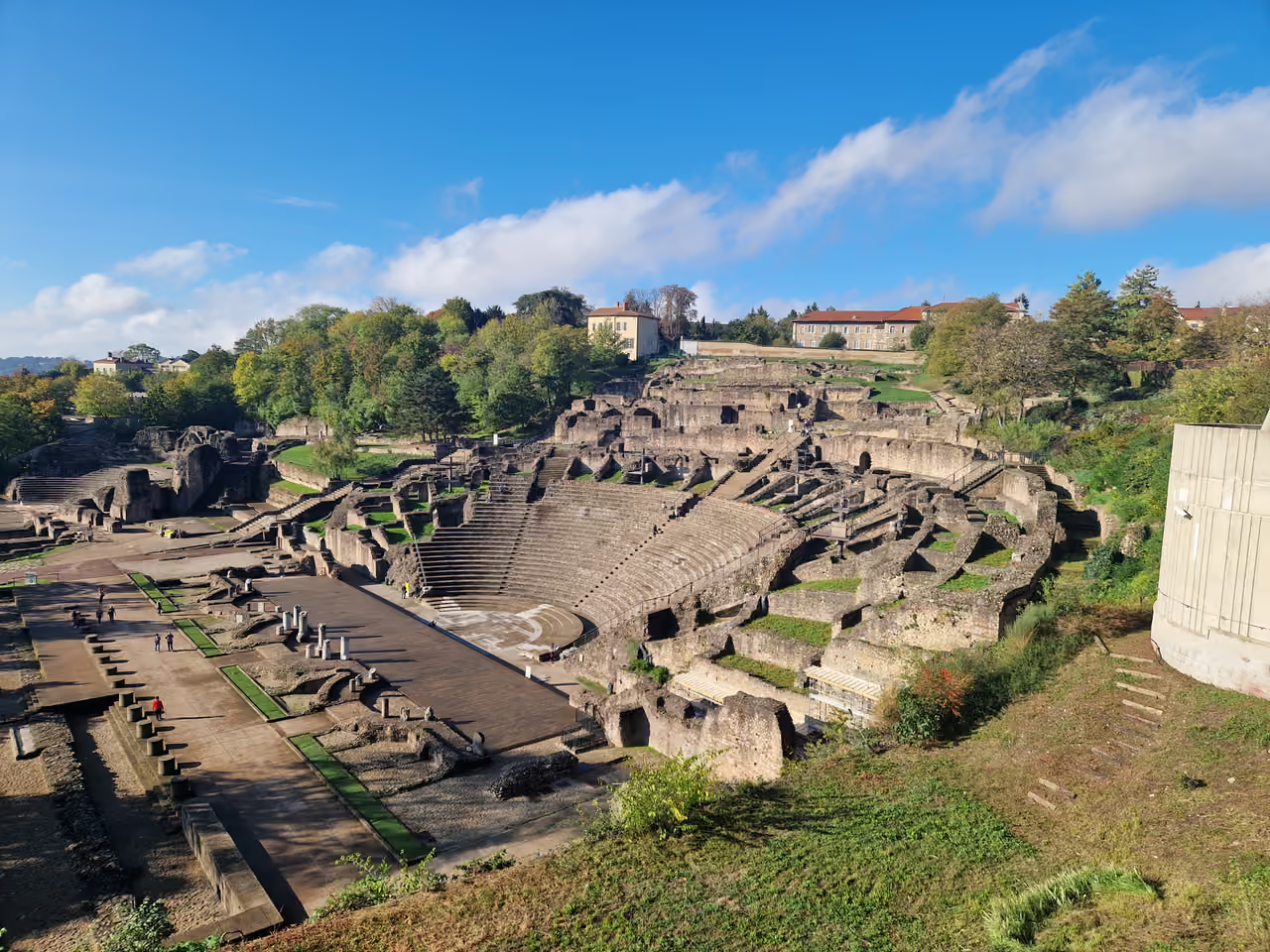
Hunt for the physical remnants of the ancient imperial capital scattered across the steep western hill. The route connects monumental stone theatres with hidden aqueduct pillars integrated into modern garden walls. You walk over the exact ground where Roman emperors were born and early Christians were executed. The high altitude provides a strategic view over the rivers, explaining exactly why the legions chose this site. The scale of the ruins underscores the immense power the city once held over the rest of Gaul.
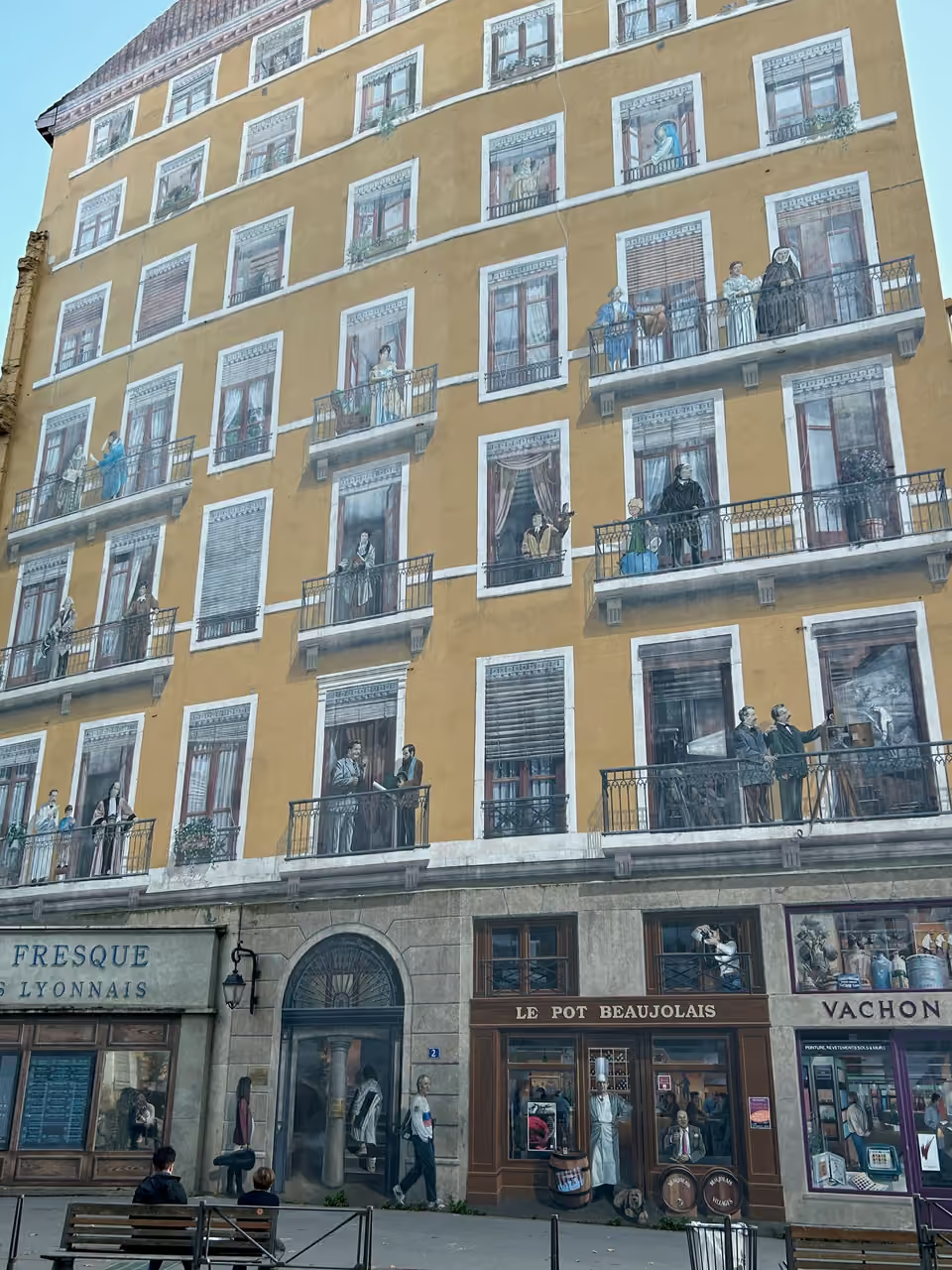
Bocuse Gastronomy Trail
Follow the culinary footprint of the chef who definitively crowned the city as the world capital of gastronomy. The journey moves from the high-end ingredient markets where he sourced his produce, to the painted murals honouring his legacy. You pass by several of his distinct brasseries, each themed around a different point of the compass. The route smells heavily of roasting butter, aged cheese, and reduction sauces. It is a walk that demands you stop frequently to eat.
Annual Festivals & Events
 HIGHLY RECOMMENDED
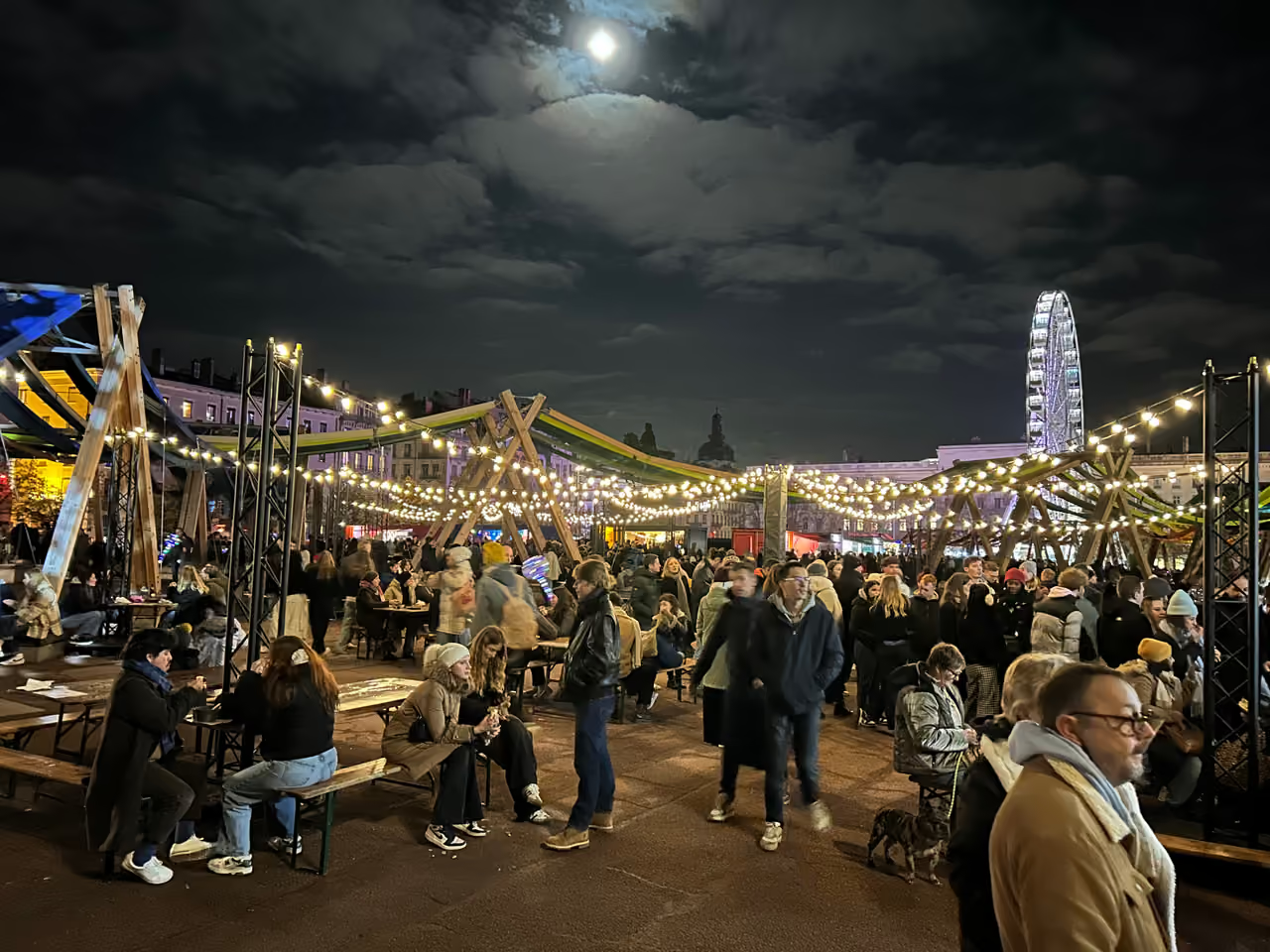
Festival of Lights
Millions of people descend upon the streets over four nights to view massive, professionally designed light installations projected onto historic buildings. What started as a local religious tradition involving candles in windows has evolved into an international spectacle of laser mapping and sound design. Crowds pack the central peninsula tightly, making movement slow but atmospheric. The air smells of mulled wine and roasted chestnuts sold from makeshift street stalls. The entire urban landscape transforms completely once the sun drops.
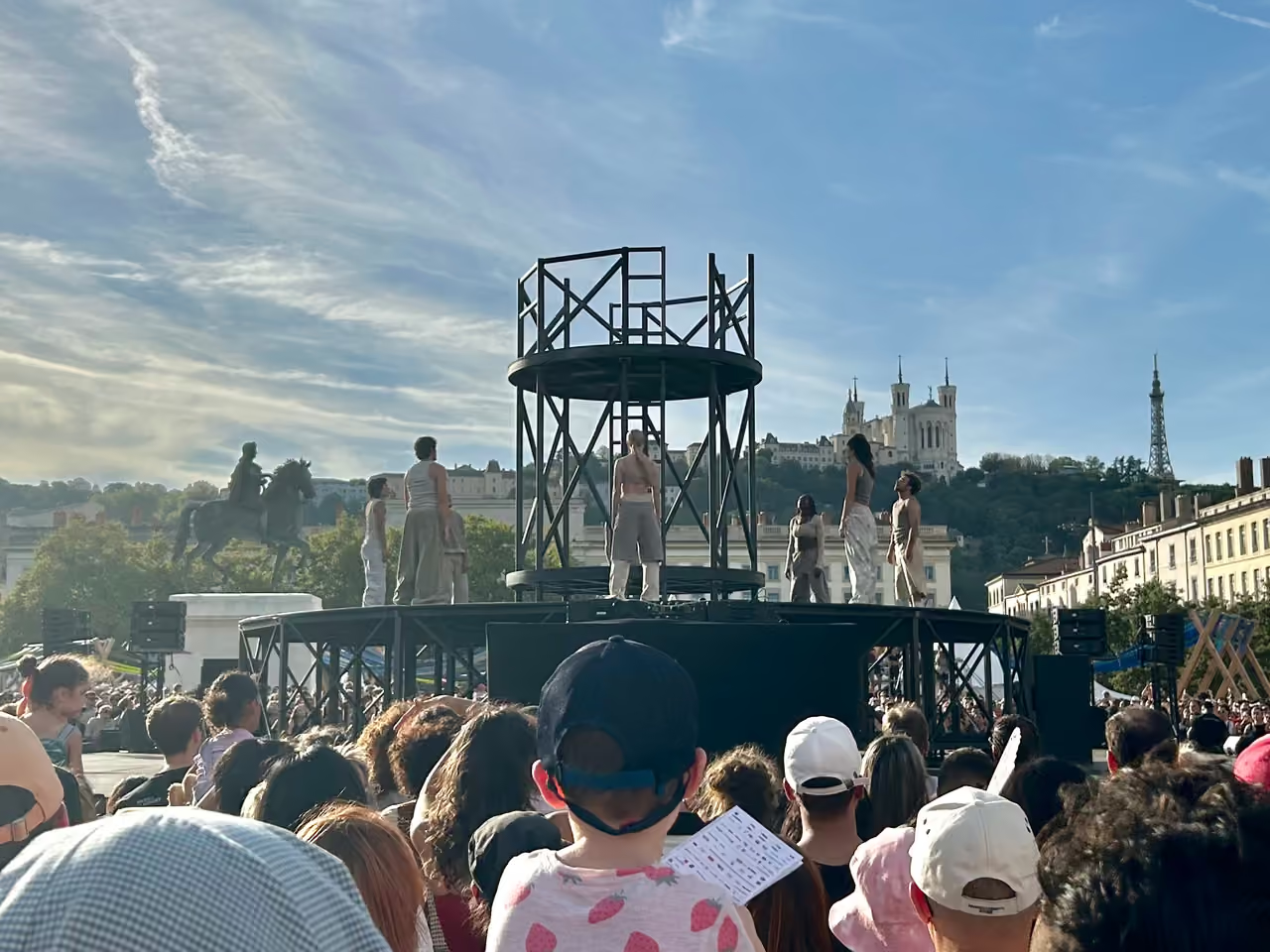
Dance Biennial
Contemporary choreography takes over theatres, streets, and public squares every two years. The centrepiece is a massive street parade where thousands of local residents practice for months to perform elaborate routines down the main commercial avenues. International dance companies debut new works in venues ranging from the Opera House to small community halls. The event strips away the formal elitism often associated with contemporary dance, forcing it directly into the public sphere. It turns the entire urban landscape into a temporary stage.
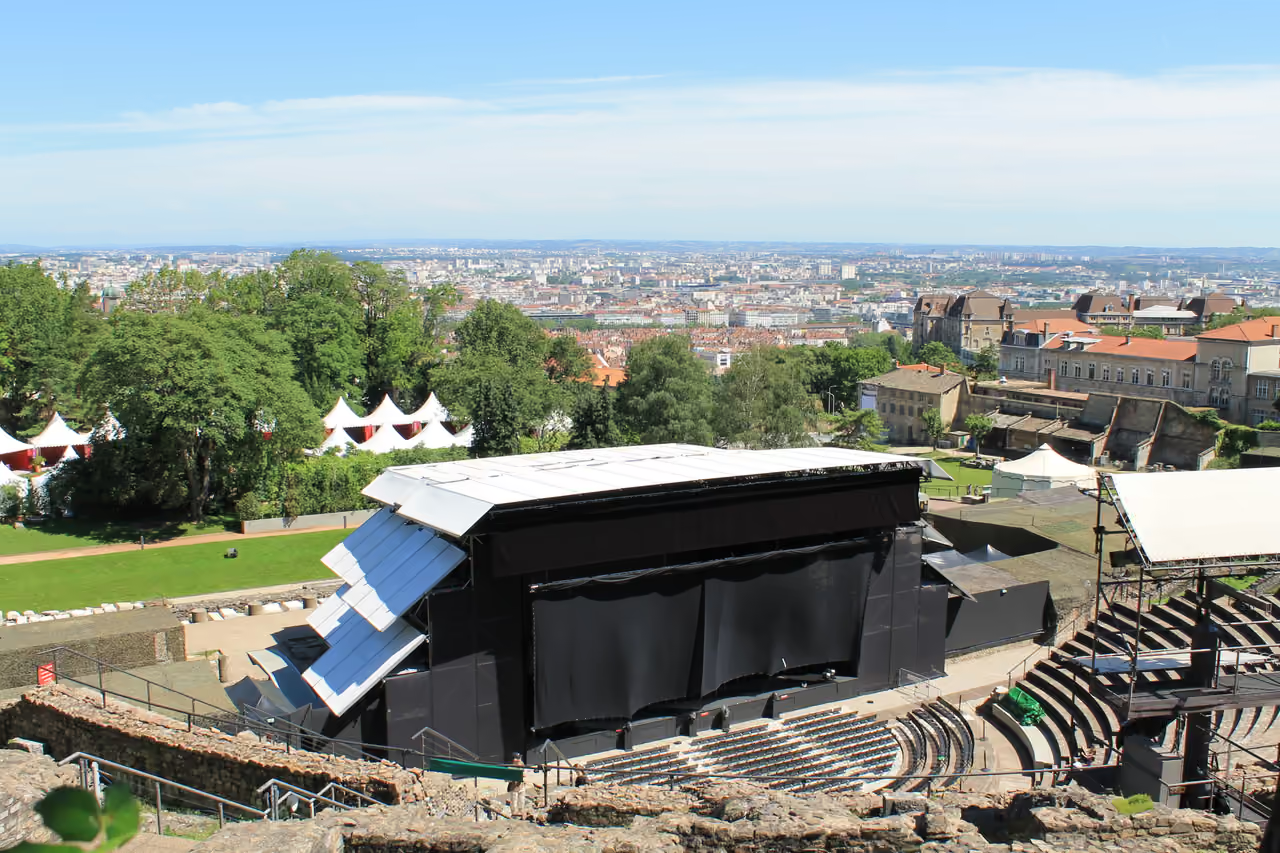
Fourvière Nights
Performers take to the stage inside a 2,000-year-old Roman theatre carved directly into the hillside. The festival spans theatre, music, dance, and cinema under the open summer sky. International musicians often alter their usual stadium sets to fit the intimate, ancient acoustics of the stone tiers. Audiences traditionally throw their seat cushions toward the stage at the end of a successful performance. The city stretches out below the venue, providing a dramatic backdrop as darkness falls.
Insider Tips
Only traboules marked with a specific bronze shield featuring a lion's head are officially open to the public; respect the residents by keeping noise to an absolute minimum.
Tap your contactless bank card directly on the grey readers when boarding buses or trams to pay your fare instantly.
Avoid restaurants on Rue Saint-Jean displaying large signs reading 'Véritable Bouchon'; seek out establishments certified by the 'Authentique bouchon lyonnais' label instead.
Take the funicular up Fourvière hill and walk down through the Jardin du Rosaire to save your legs from a brutal 150-metre vertical ascent.
Order wine by the 'pot' (a thick-bottomed 46cl bottle) in traditional restaurants to drink exactly the way the silk workers did.
Use the Vélo'v public bicycles for trips under 30 minutes; the first half-hour is included in the daily pass, making short hops extremely cheap.
The Rhônexpress tram links Lyon Saint-Exupéry Airport to Part-Dieu in roughly half an hour. It is quicker than the road in rush hour and avoids a taxi queue.
Consider a Lyon City Card if you plan to visit several museums. It bundles entry, public transport and some guided tours for set periods, and it usually breaks even by the second day.
Carry a few coins and small notes for market stalls. Most shops take cards, but some stallholders at Croix-Rousse and Quai Saint-Antoine still prefer cash.
Say bonjour when you enter a shop or a restaurant. Staff in Lyon respond warmly to the greeting, and service tends to be noticeably smoother afterwards.
Keep your wallet in a front pocket around Part-Dieu station, Place Bellecour and the metro at rush hour. Petty theft is occasional rather than common, but crowded places attract it.
Learn three local words: bouchon (a traditional restaurant), mâchon (a hearty late-morning meal) and gone (a child, in Lyonnais slang). You will hear them in the first day and the explanation will earn smiles.
Check museum closing days before you go. The Musée des Beaux-Arts closes on Tuesdays, many smaller museums close on Mondays, and Les Halles de Lyon Paul Bocuse is shut on Mondays.
Look for silk scarves, chocolates and pralines in the independent shops of the Croix-Rousse slopes rather than the main shopping streets. Prices are similar and the makers are often behind the counter.
PERFECT FOR
Gourmands looking to eat their way through historic neighbourhoods will find endless satisfaction in the local bistros. Architecture enthusiasts can trace two thousand years of urban development simply by walking from the western hill down to the eastern riverbanks. It rewards curious walkers who enjoy pushing open heavy wooden doors to see what lies behind them.
VIBE
Stone passageways smell faintly of damp earth and roasting meat. People linger for hours over heavy, sauce-laden lunches in cramped dining rooms before walking them off along the wide, sunlit riverbanks. There is a distinct lack of Parisian urgency, replaced instead by a methodical dedication to good living and quiet observation.
Frequently Asked Questions about Lyon
While we strive to keep this information accurate and up to date, we recommend verifying any details independently before making decisions based on them.
Similar Destinations in France
Continue your journey. Explore these highly recommended cities and uncover more of what France has to offer.