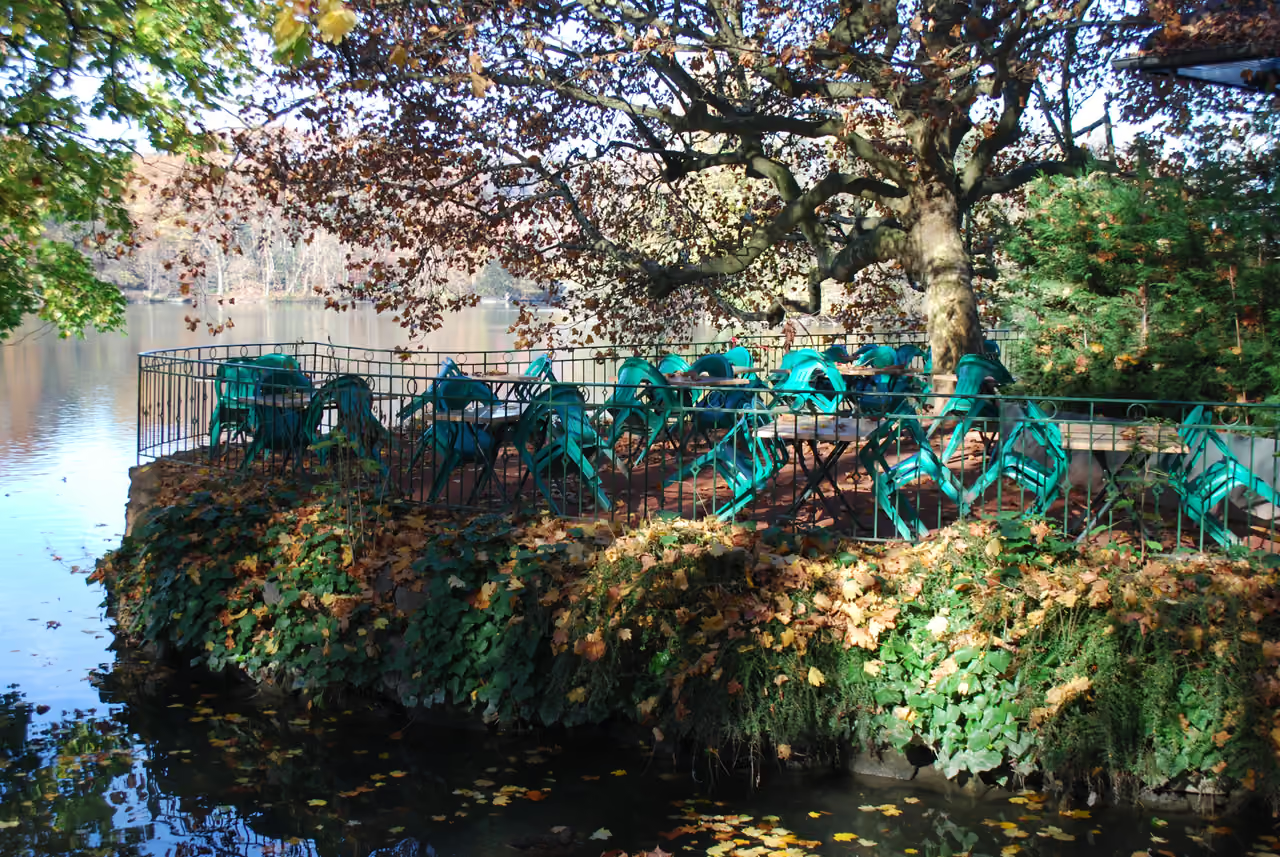
Tête d'Or Park
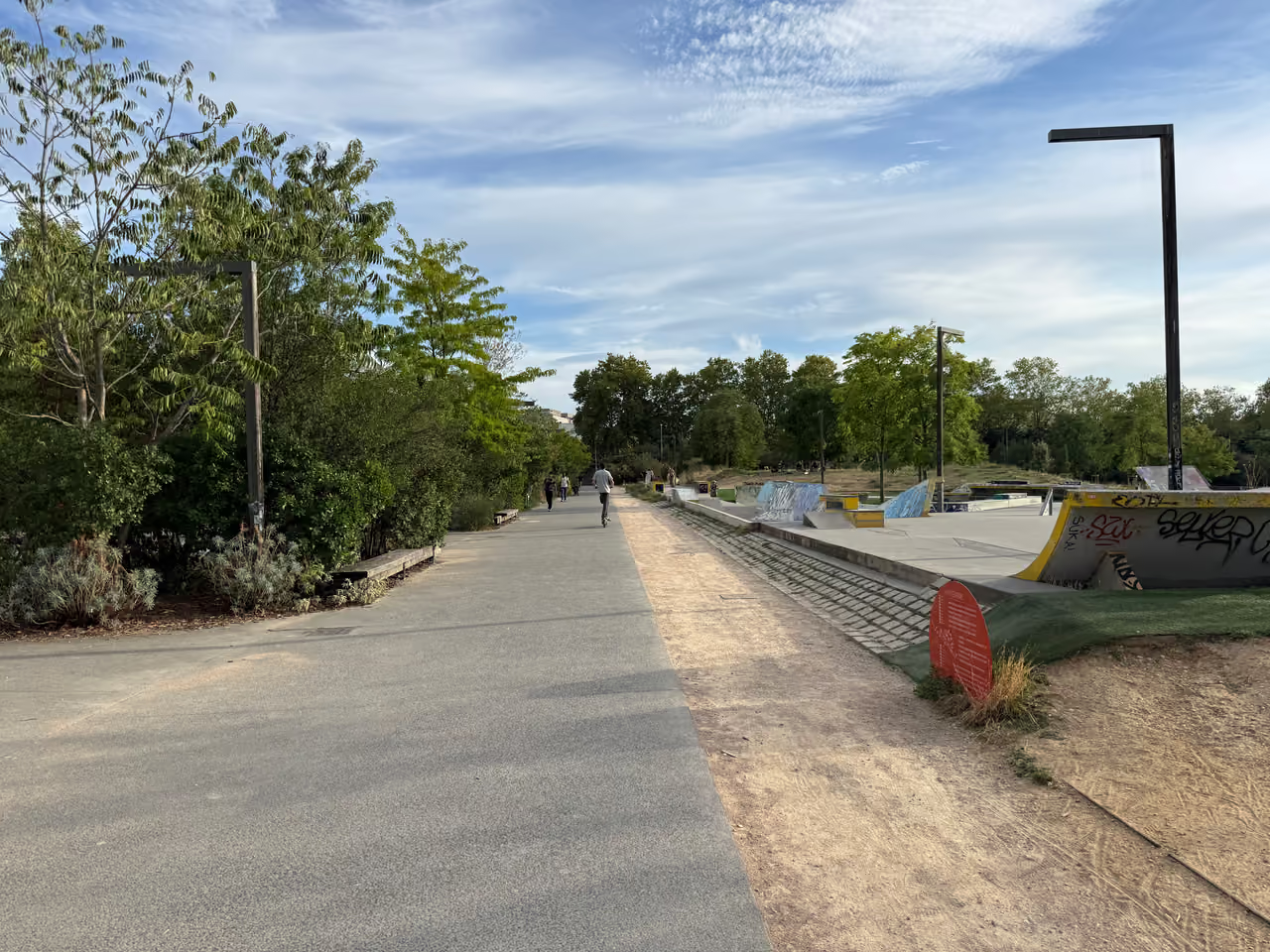
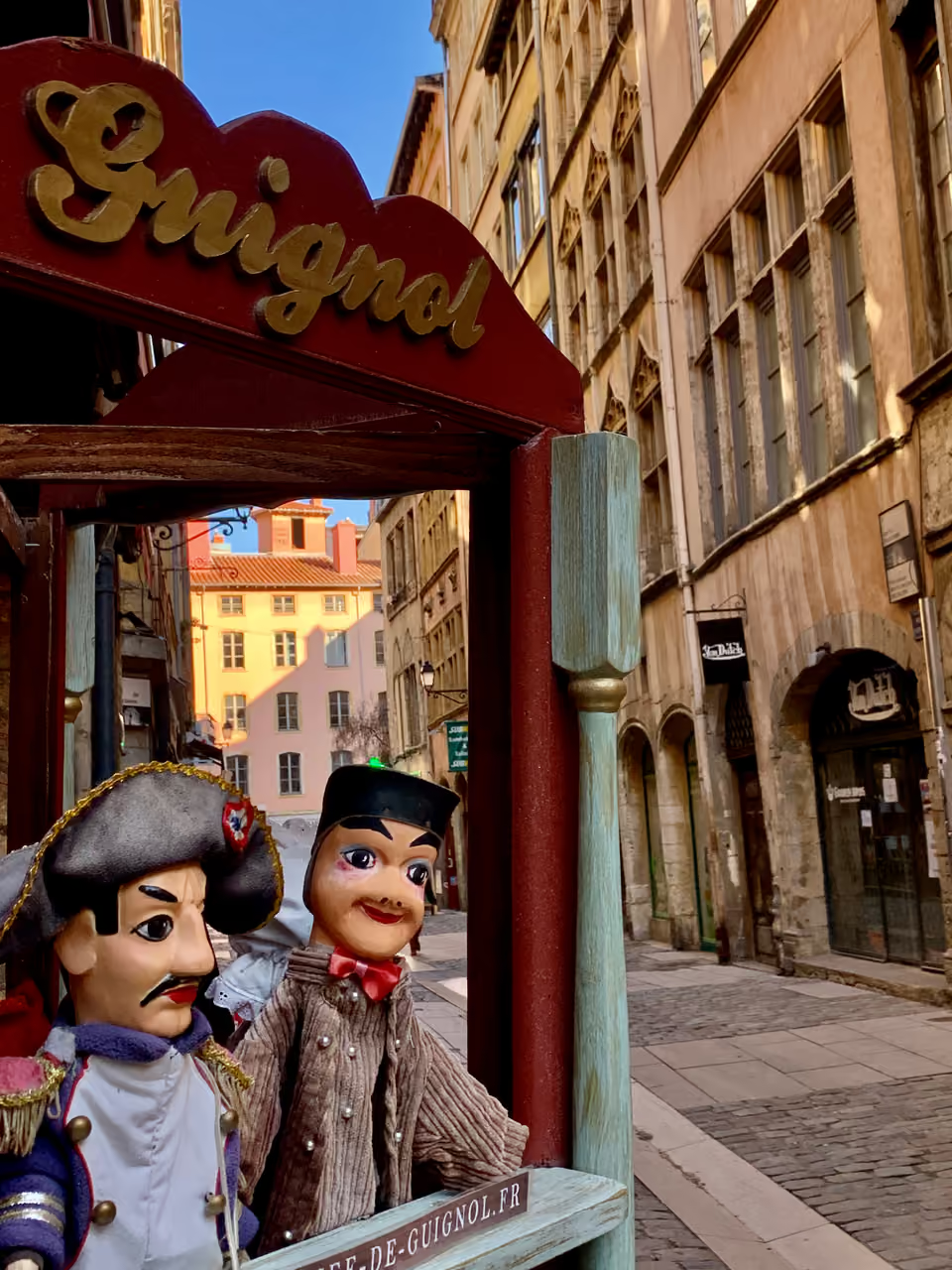
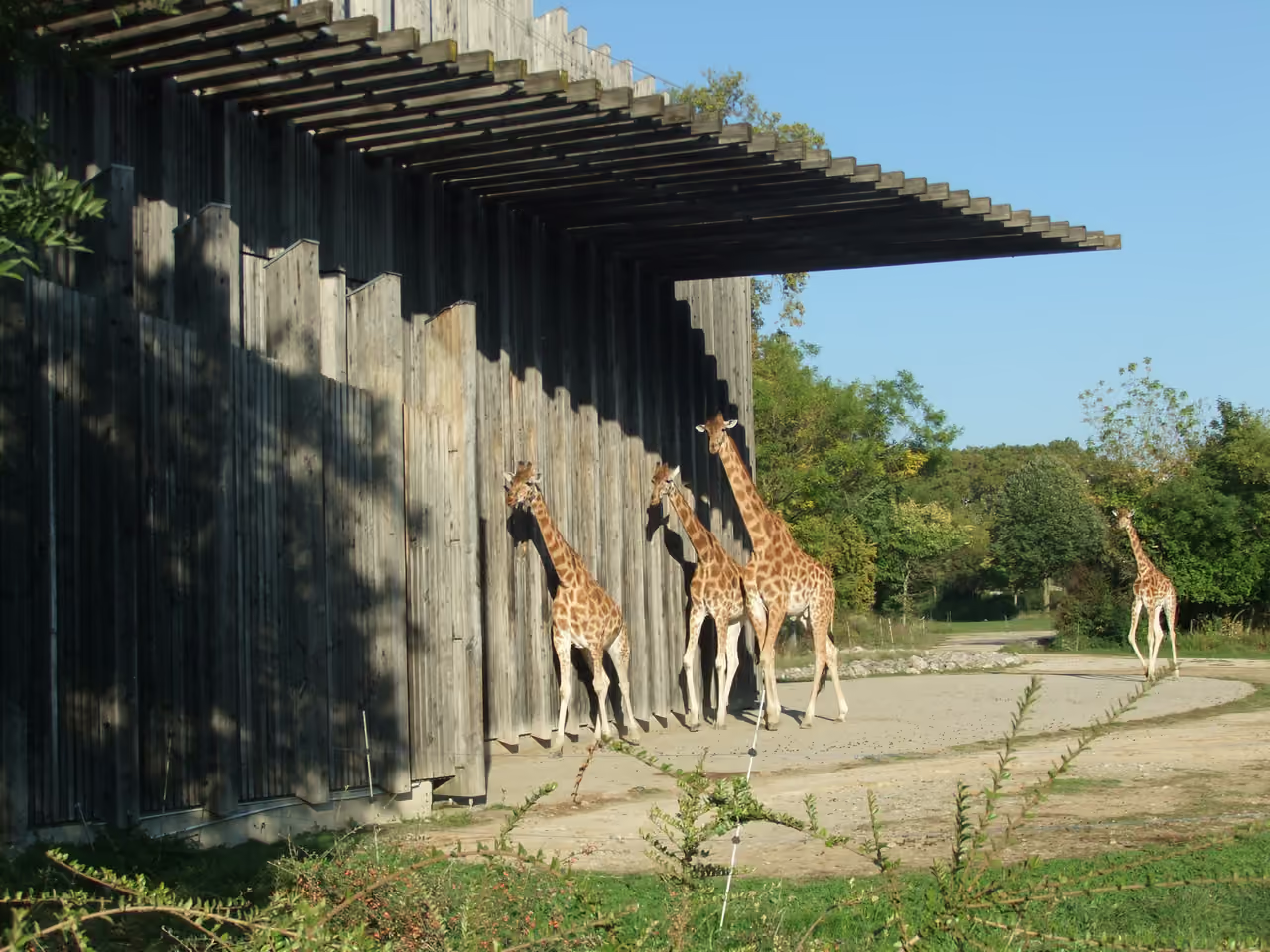
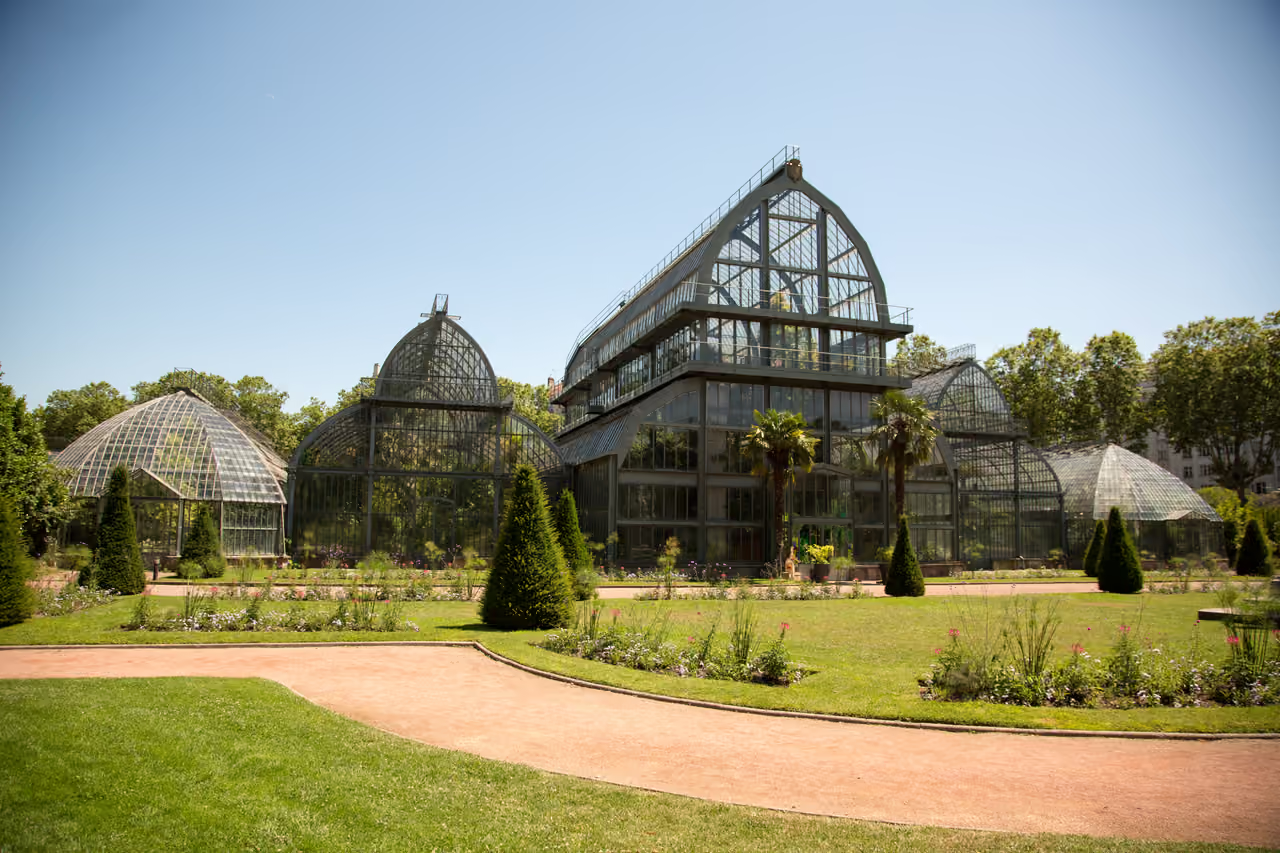
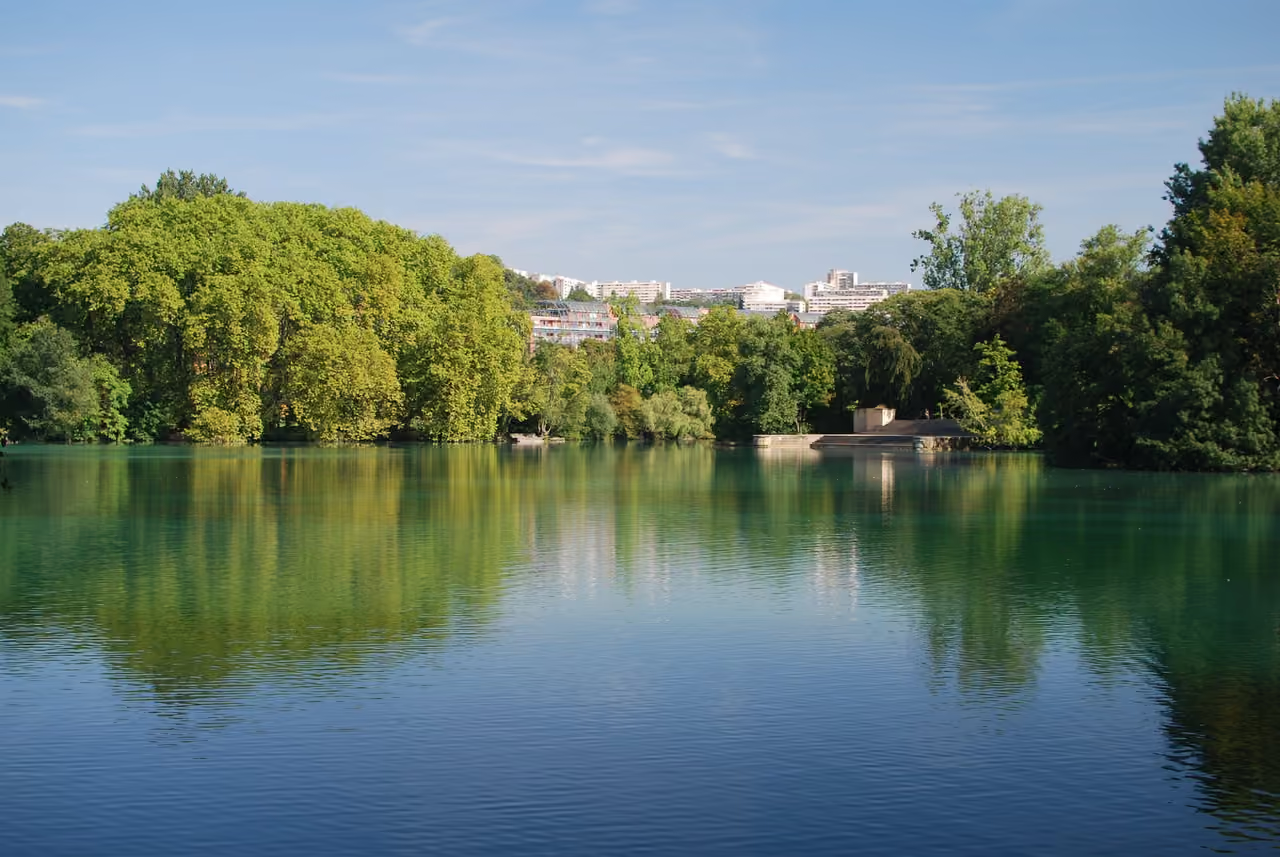
The grand wrought iron gates at the Porte des Enfants du Rhône open into a massive expanse of greenery that functions as the communal back garden of the city. The sudden roar of a lion or the chatter of flamingos often drifts across the lake, an auditory surprise courtesy of the free zoological park operating directly in the middle of the grounds. Families spread out picnic blankets under century old cedar trees while cyclists navigate the wide paved paths curving around the sixteen hectare boating lake. Stepping into the Grandes Serres feels like changing continents, as the humid air clings to enormous Amazonian water lilies and towering palm trees housed within the nineteenth century glass structures. There is usually a gentle scramble for the best pedal boats on sunny afternoons, a minor ritual that locals accept as part of the weekend charm. The sheer scale of the estate allows for crowded Sunday promenades near the famous Guignol puppet theatre to exist simultaneously with absolute quiet in the far corners of the botanical gardens.
Videos
History of Tête d'Or Park
The area originally earned its name from a local legend concerning a treasure supposedly buried by Crusaders. A golden cast of the head of Christ was said to be hidden somewhere in the marshland, prompting numerous failed excavation attempts over the centuries. Rather than unearthing precious metals, the city eventually transformed the flood prone terrain into a massive public estate. A devastating flood of the Rhone river in 1856 served as the catalyst for this transformation. The local administration decided the city needed a protected green space and purchased the muddy land from the hospital authorities. Landscape architects Denis and Eugene Buhler took on the monumental task of designing the layout. Their workforce consisted of three thousand men who manually excavated the central sixteen hectare lake. The workers did not discard the soil removed during this massive digging operation, but carefully piled it up to form the raised ground that now supports the velodrome. When the gates officially opened in 1857, the site was still largely a work in progress, but it provided immediate relief and recreation for the factory workers of the city. The estate briefly became the centre of the world in 1894 when it hosted a massive Universal Exhibition. Giant temporary pavilions went up across the lawns, and a spectacular metal dome dominated the skyline. An entirely functional railway was built just to transport visitors around the vast exhibition grounds. The event concluded on a grim historical note when French President Sadi Carnot was assassinated in the city centre shortly after attending a banquet connected to the pavilions. Over the following decades, the original agricultural farm on the premises slowly morphed into a zoological garden. Early additions included an enclosure for bears and an aviary, which eventually expanded to house elephants and primates. In the 1960s, the creation of the International Rose Garden transformed the eastern section of the grounds, establishing a competitive horticultural tradition that continues today. The daily ritual of walking through the grand wrought iron gates remains largely unchanged since the late nineteenth century.
events spanning 434 years
Fun Facts
- • A vintage narrow gauge railway known locally as Le Lézard has been transporting tired walkers around the perimeter since 1932. The miniature train retains a loyal following of residents who rode it as children and now bring their own grandchildren for the slow, rattling circuit.
- • During the Universal Exhibition of 1894, the park was transformed into a temporary miniature city complete with a functional railway system. Almost four million people visited the pavilions, yet virtually no physical trace of the massive event remains on the lawns today.
- • Hidden away from the main thoroughfares, the International Rose Garden serves as a proving ground for new floral breeds. Expert botanists plant thousands of experimental rose varieties here each year, making it a critical testing site for the global horticultural industry.
- • The botanical greenhouses contain a highly specialised climate control system to nurture rare Amazonian water lilies. The glass structures were initially built in 1880, acting as a crucial winter refuge for exotic species that would otherwise perish in the freezing Rhone valley winters.
- • The monumental wrought iron entrance gates at the Porte des Enfants du Rhône took a full year to manufacture. They weigh over thirty tonnes and were explicitly designed to impress visitors stepping off the newly built tram lines in 1901.
- • The park sits directly on a major flood plain that frequently filled with overflowing waters from the Rhone river. Civil engineers specifically designed the winding pathways and drainage canals in the 1850s to absorb the excess water and protect the nearby city districts from seasonal destruction.
- • The park's unusual name originates from an enduring local myth about a crusader who buried a solid gold cast of the head of Christ in the marshlands. Fortune hunters spent decades digging up the mud in search of the treasure before the landscaping even began.
- • The zoological park started out as an educational farm meant to teach agricultural techniques to urban residents. It only shifted towards becoming an exotic zoo when the city acquired a small group of bears in the late nineteenth century.
- • To create the enormous central boating lake, three thousand workers excavated the earth entirely by hand. The management did not waste the removed soil, instead piling it up strategically to form the elevated track that currently serves as the park's velodrome.
RESOURCES
Official WebsiteTête d'Or Park FAQ
While we strive to keep this information accurate and up to date, we recommend verifying any details independently before making decisions based on them.
Tête d'Or Park Map & Neighborhood Explorer
This interactive map is centered on Tête d'Or Park. Zoom in and move the map around to automatically discover Wikipedia photos and summaries of other nearby sights, monuments, and historical points of interest and stories in real-time!
Places near Tête d'Or Park
Make the most of your trip. Check out these top-rated spots located nearby.
 540m
540mInternational City
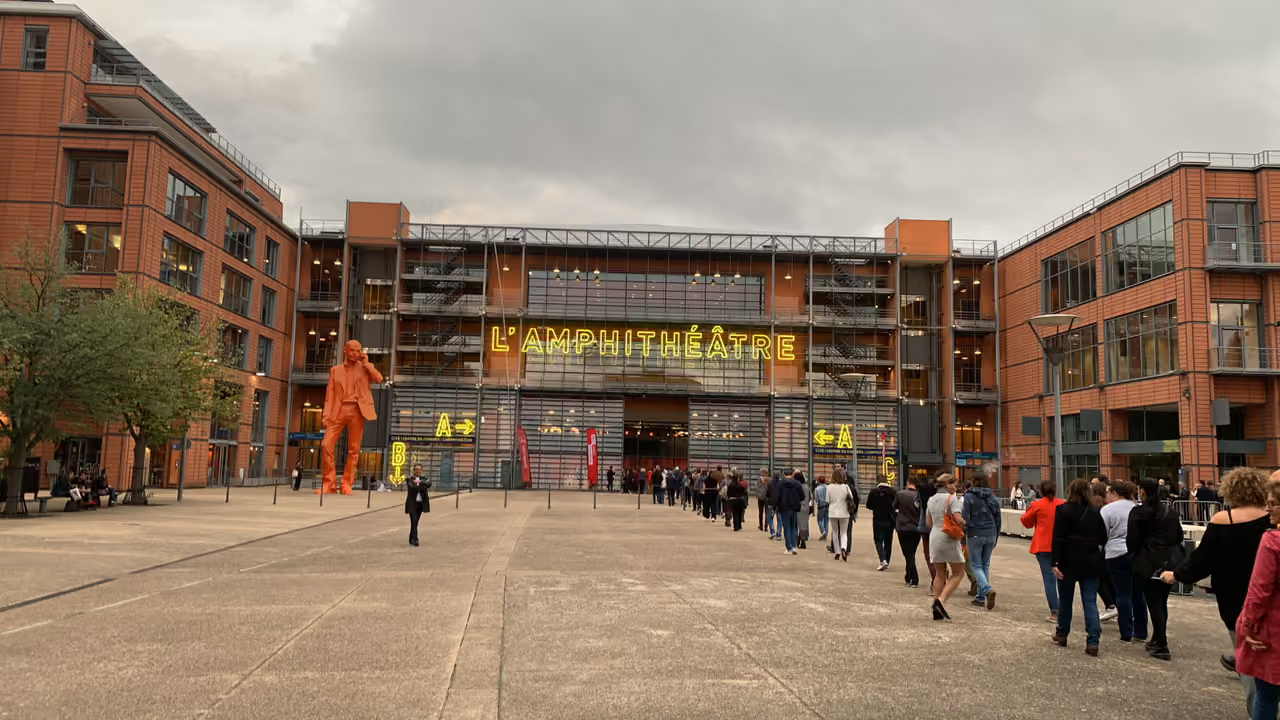
Italian architect Renzo Piano curved a long, sweeping complex of terracotta-coloured pavilions directly along the arc of the Rhône river. A glass-covered pedestrian street runs the entire length of the complex, separating the office blocks from the massive public park. The double-skin glass facades regulate temperature while reflecting the surrounding trees. A massive amphitheatre anchors one end, mimicking the shape of the ancient Roman ruins across town. It represents a highly controlled, unified piece of contemporary urban design.
architecture view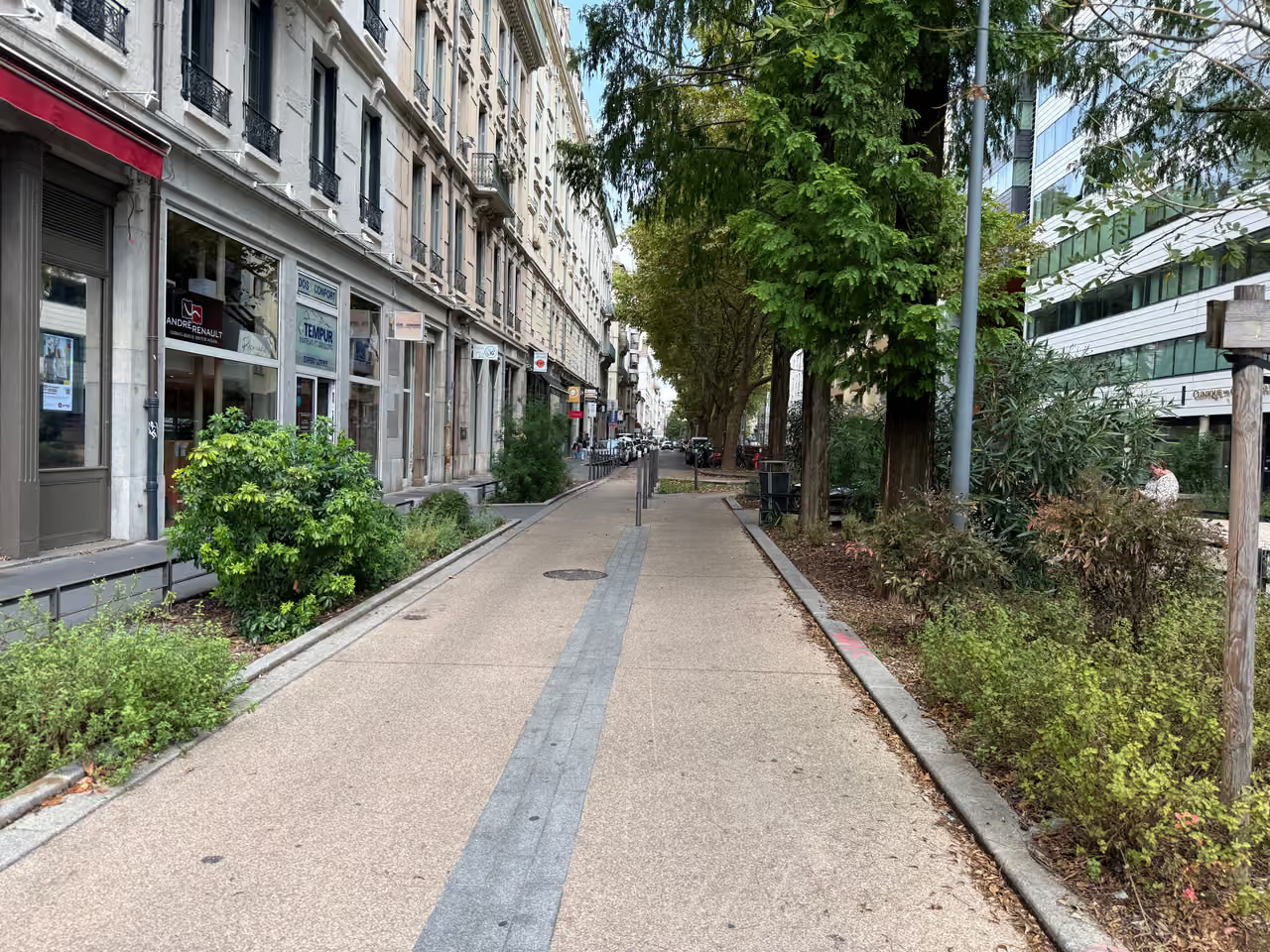 1418m
1418mBrotteaux District
High-end cocktail lounges and expensive clubs cluster around the ornate former train station in the city's wealthiest district. Men in tailored jackets and women in heels step out of taxis directly into velvet-roped entrances. The drinks menus feature premium spirits, champagne, and complex mixology. Interiors are polished, heavily designed, and clearly aimed at a clientele with money to spend. It is the destination for dressing up and being seen.
nightlife view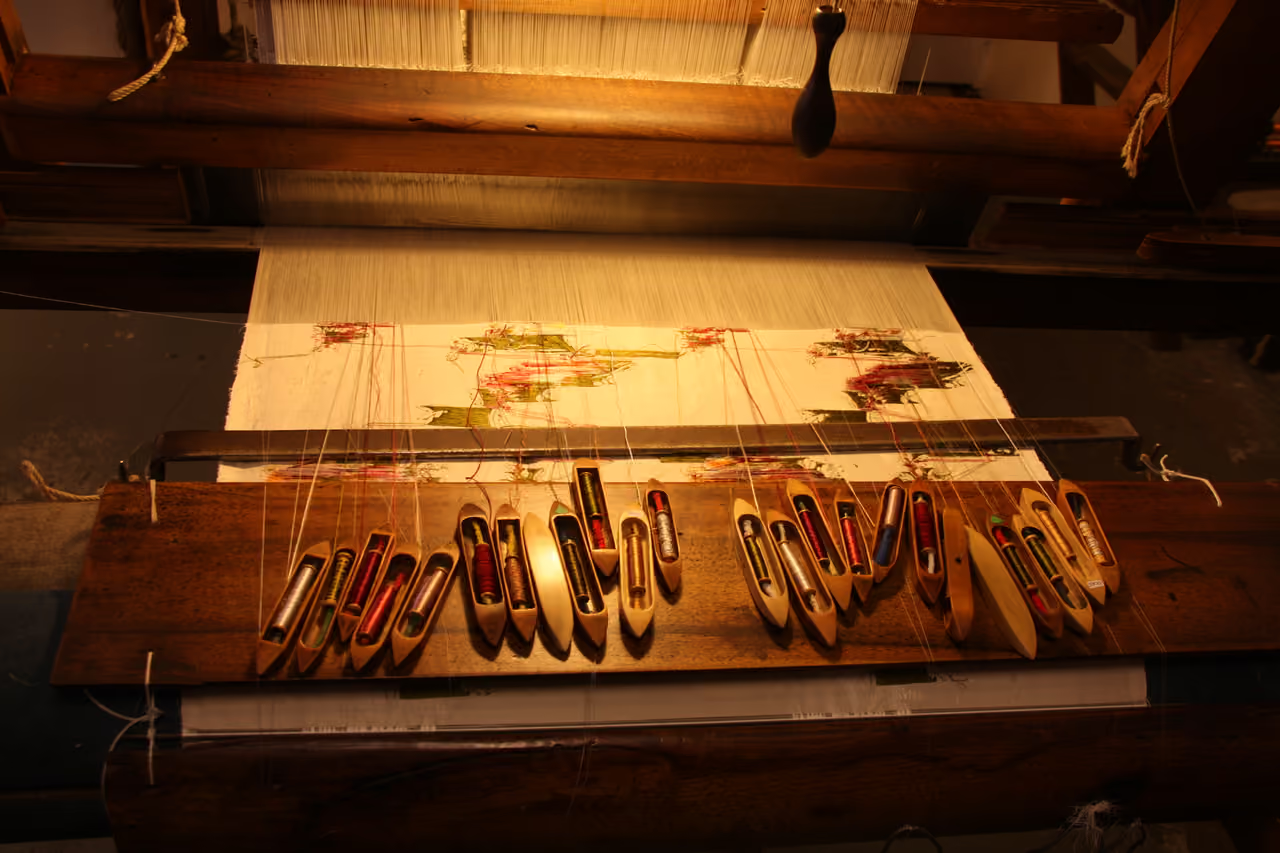 1622m
1622mCanuts at a Silk Workshop
On the Croix-Rousse hill, silk is still woven on wooden looms, and a visit to the Maison des Canuts explains why. Guides show the Jacquard mechanism that reads patterns from punched cards, and artisans demonstrate hand weaving on historic looms. A small shop sells scarves and ties, a fitting place for a souvenir that is both useful and local.
highlight view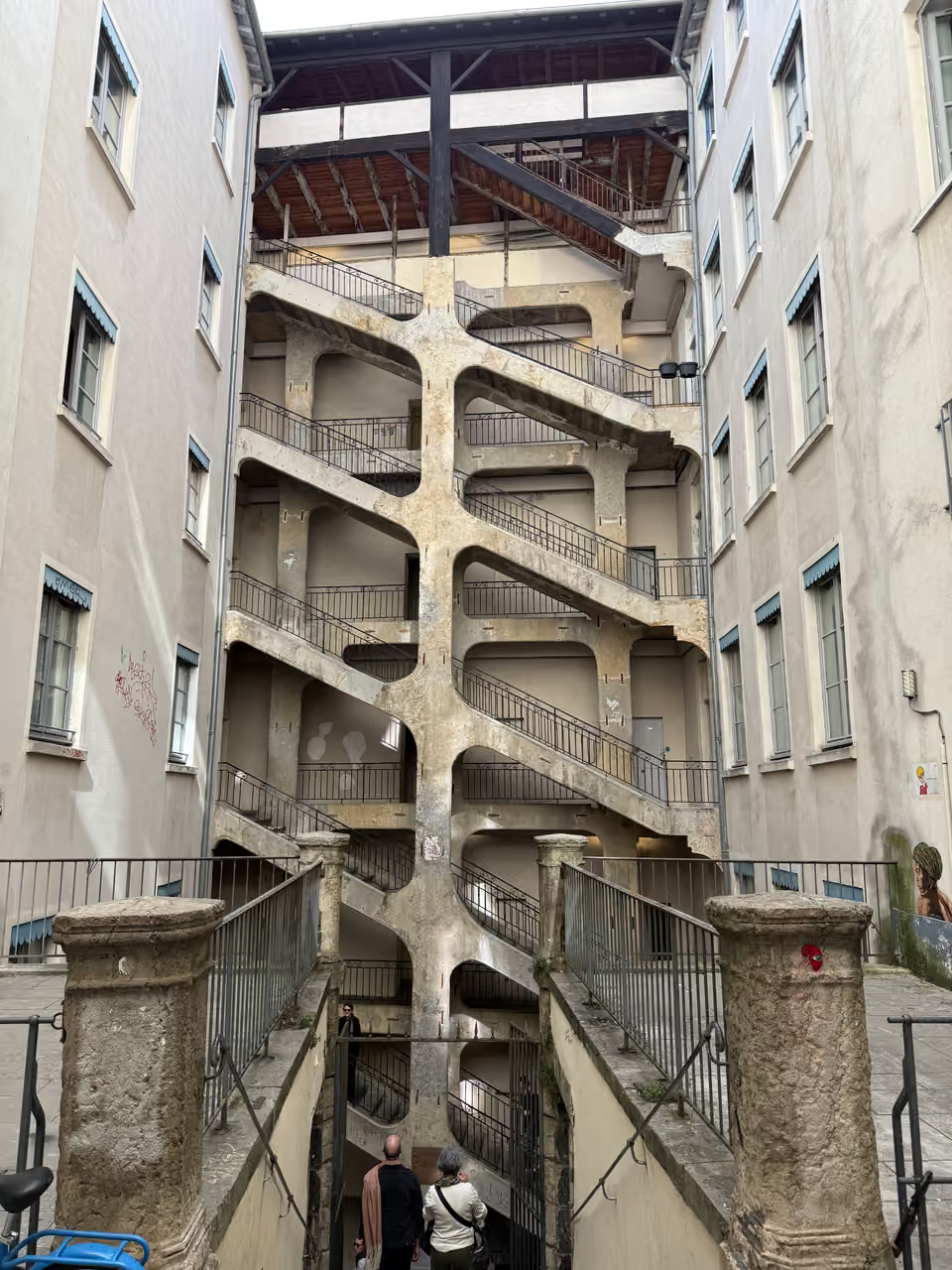 1768m
1768mCour des Voraces
Behind an unremarkable door on Croix-Rousse's slopes, a vast staircase climbs seven floors through an open courtyard. Washing lines sway above, and the stone steps are worn by two centuries of climbing. Locals walk through without a glance, and visitors tend to arrive for the camera before they realise people live here.
hidden gem view
Featured on These Itineraries and Routes
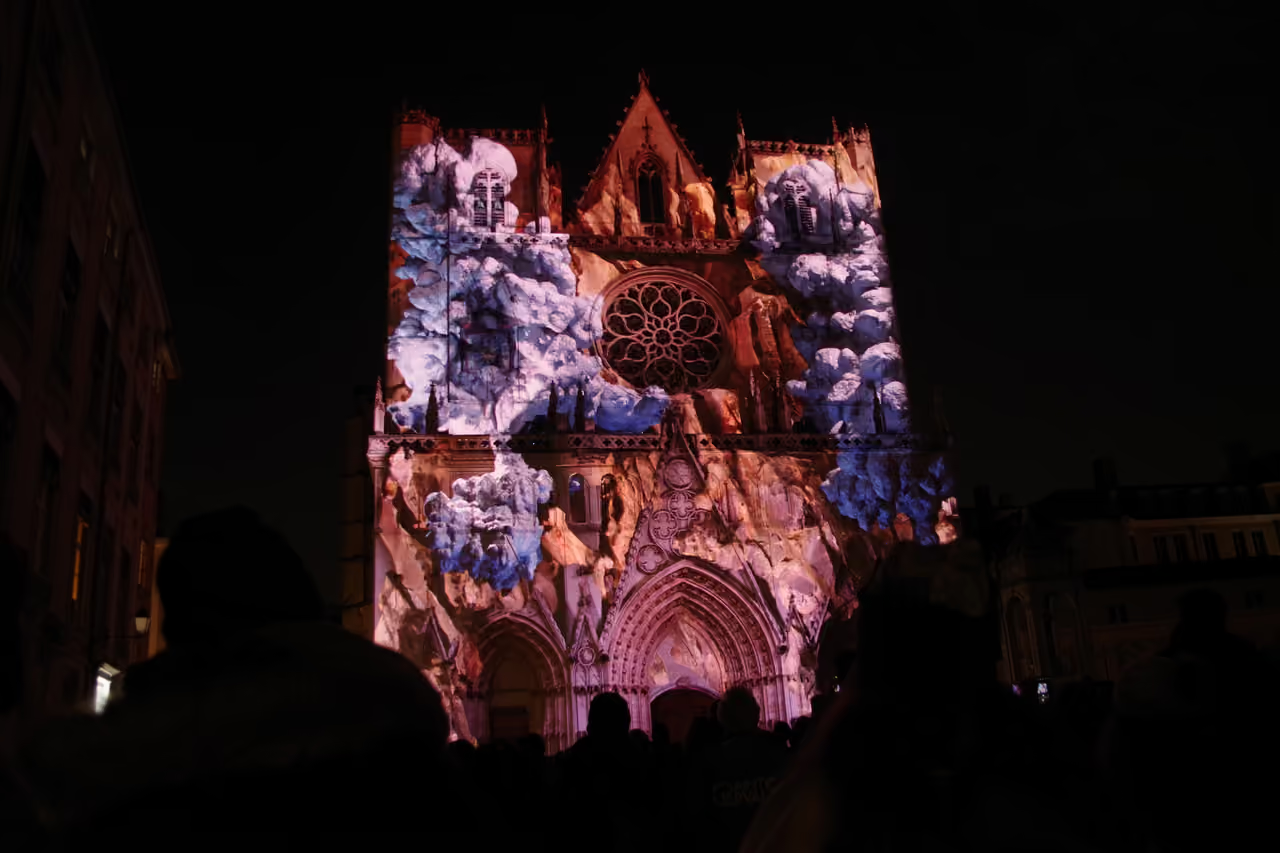
3 Days in Lyon: Heritage & Gastronomy
Three days allows you to split the city into distinct geographic zones, dedicating proper time to the silk-weaving history of the northern hill and the high-end culinary markets of the east. You can linger over three-hour lunches without ruining the day's schedule. This pacing permits a deep dive into the traboules and the massive Fine Arts museum, while leaving evenings free to explore the riverboat bars. It strikes the perfect balance between aggressive sightseeing and the relaxed, food-focused lifestyle the locals demand.
view itinerary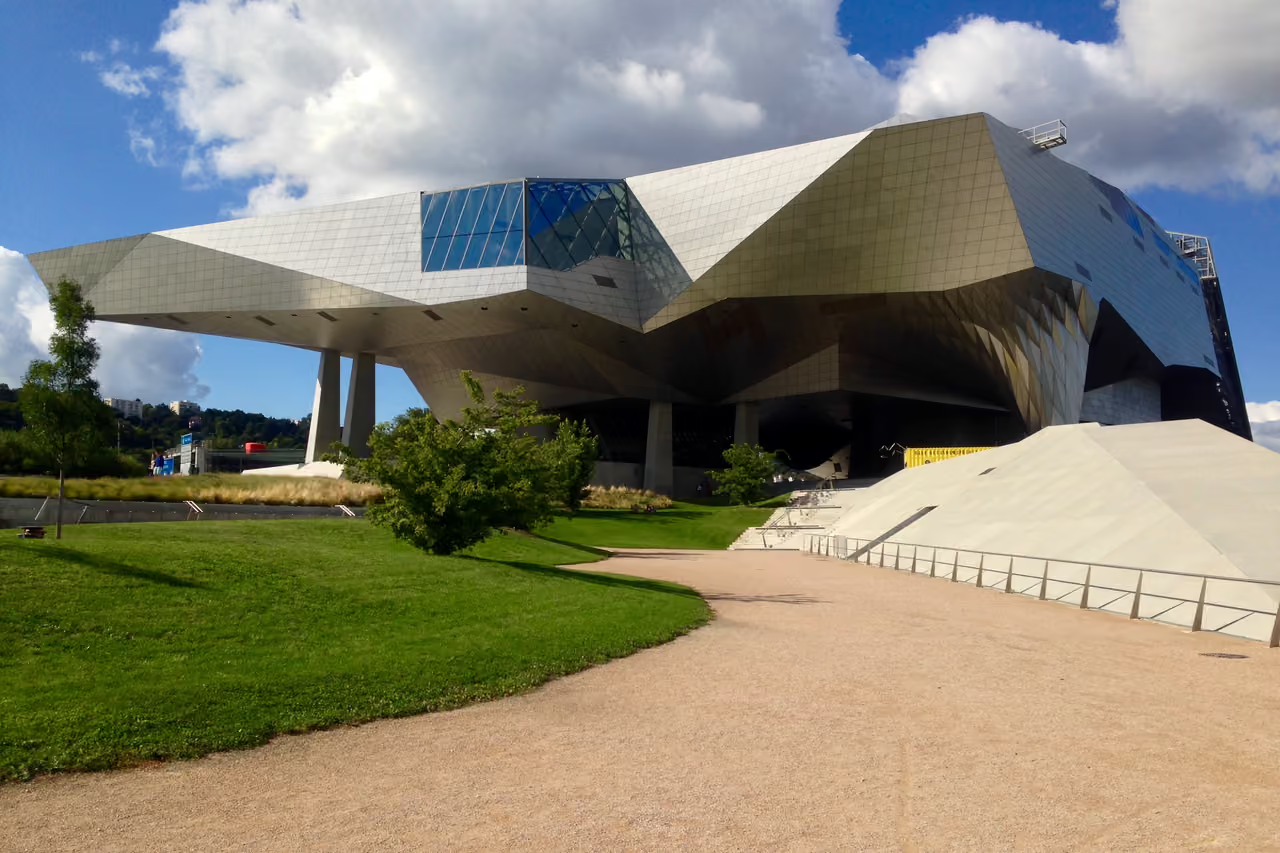
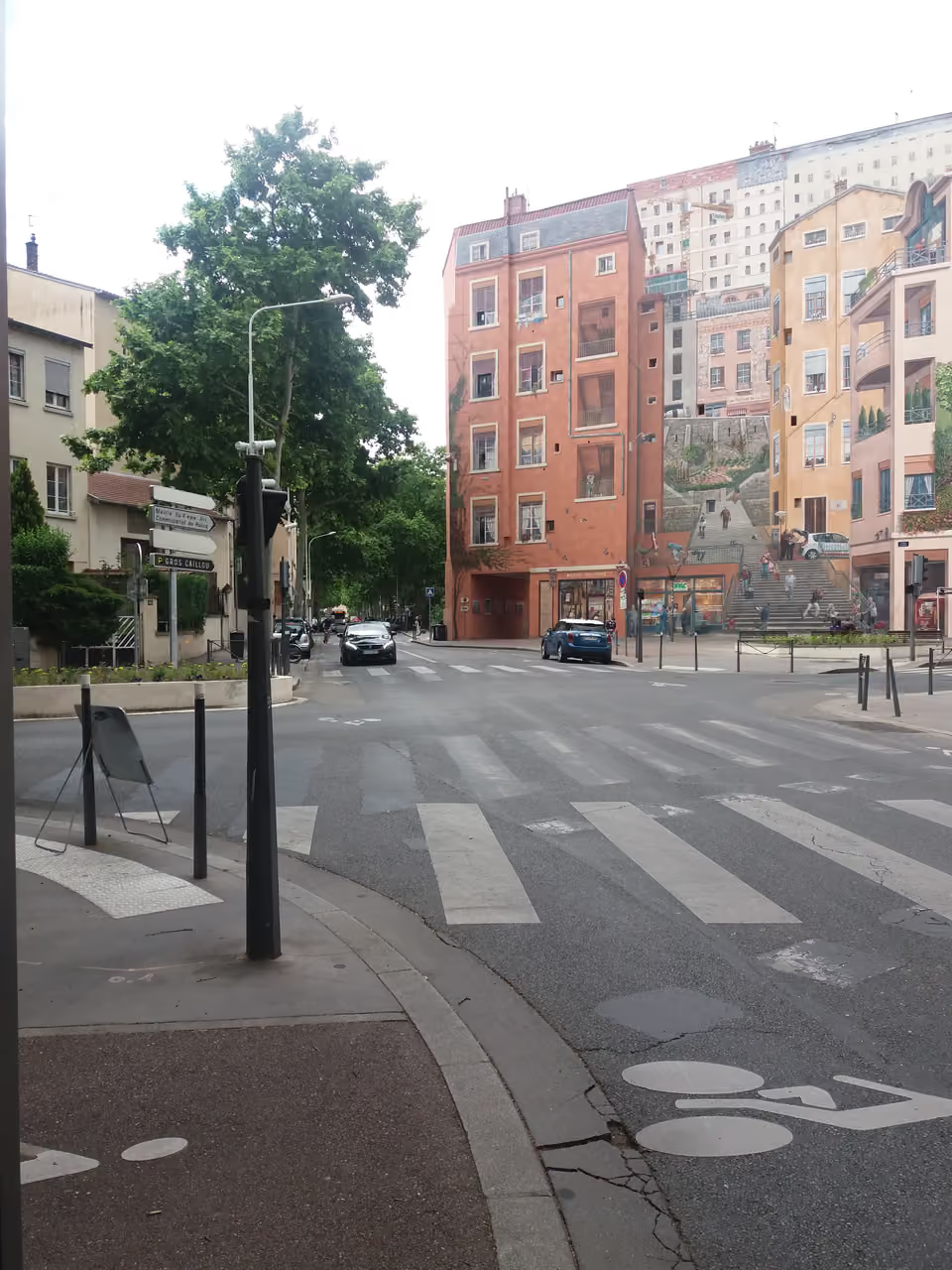
5 Days in Lyon: The Complete Experience
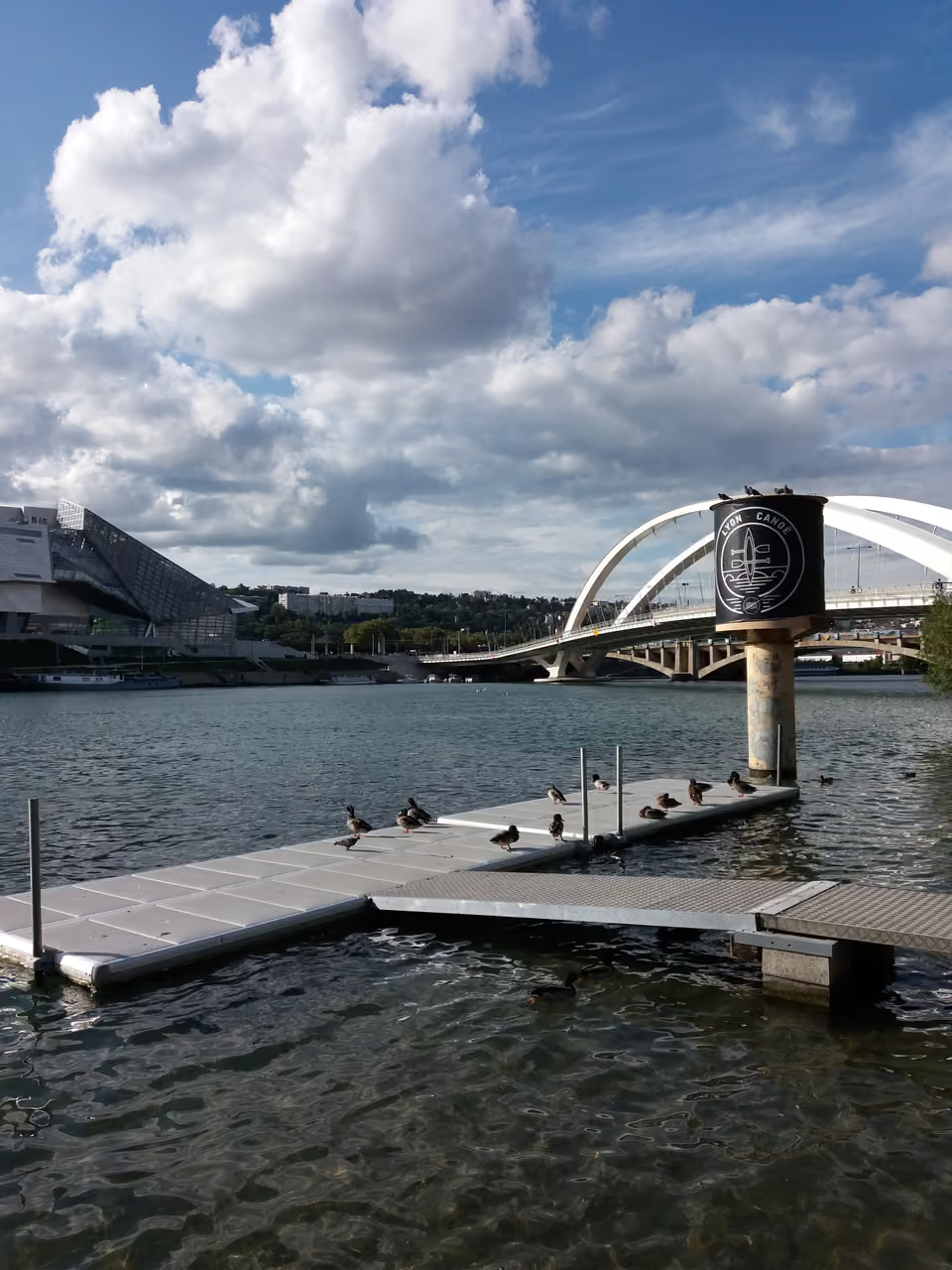
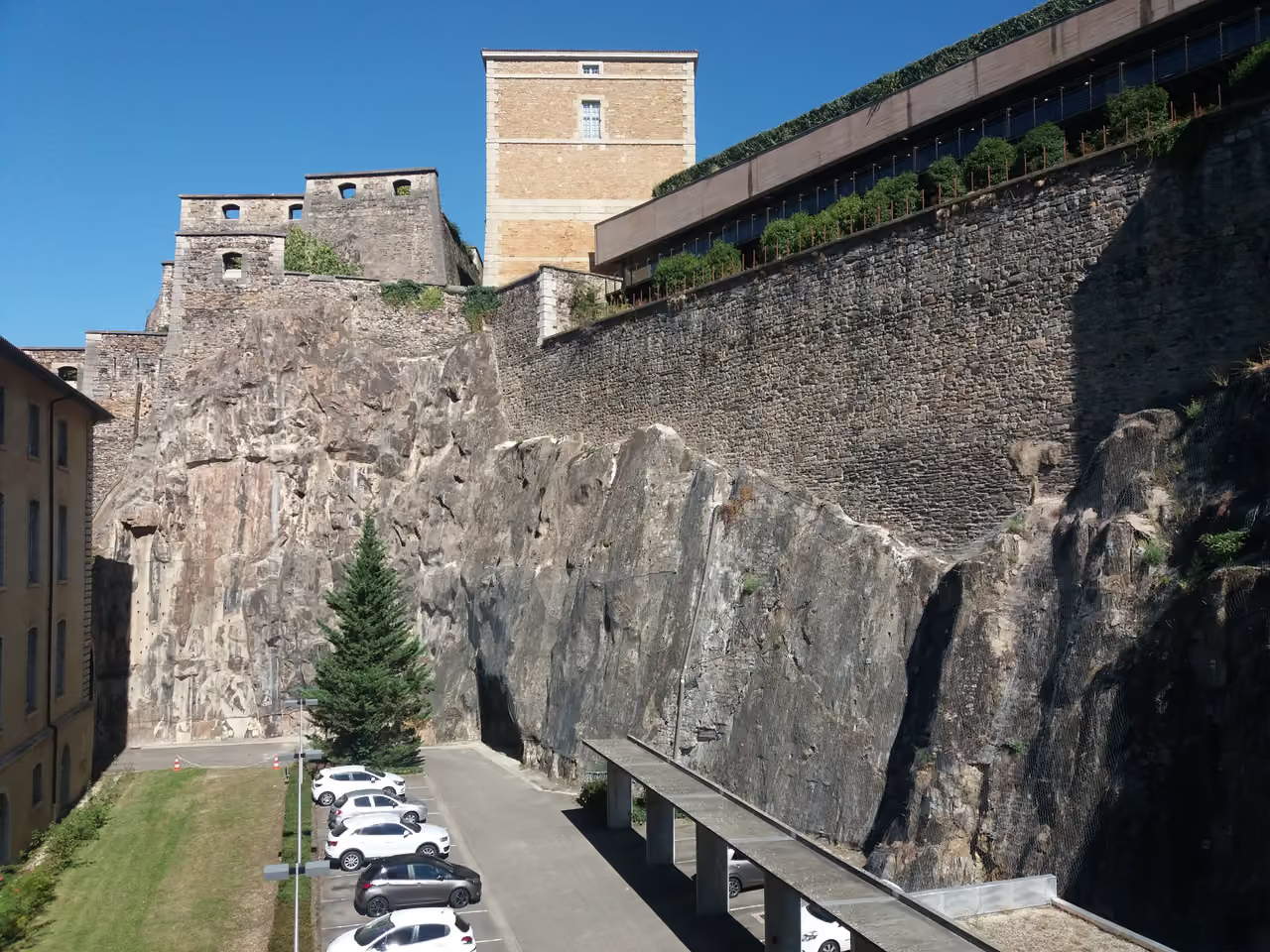
Five days entirely removes the pressure of tourism, allowing you to settle into the rhythm of the city. You have time to cross the rivers multiple times, explore the vast parks on the outskirts, and hunt down hidden courtyards that most visitors miss. This duration allows for a deep dive into the museums and a dedicated focus on the modern architecture of the southern peninsula. You can afford to spend an entire afternoon reading in a café or cycling the riverbanks without feeling like you are wasting time. It transforms a busy trip into a temporary residence.
view itinerary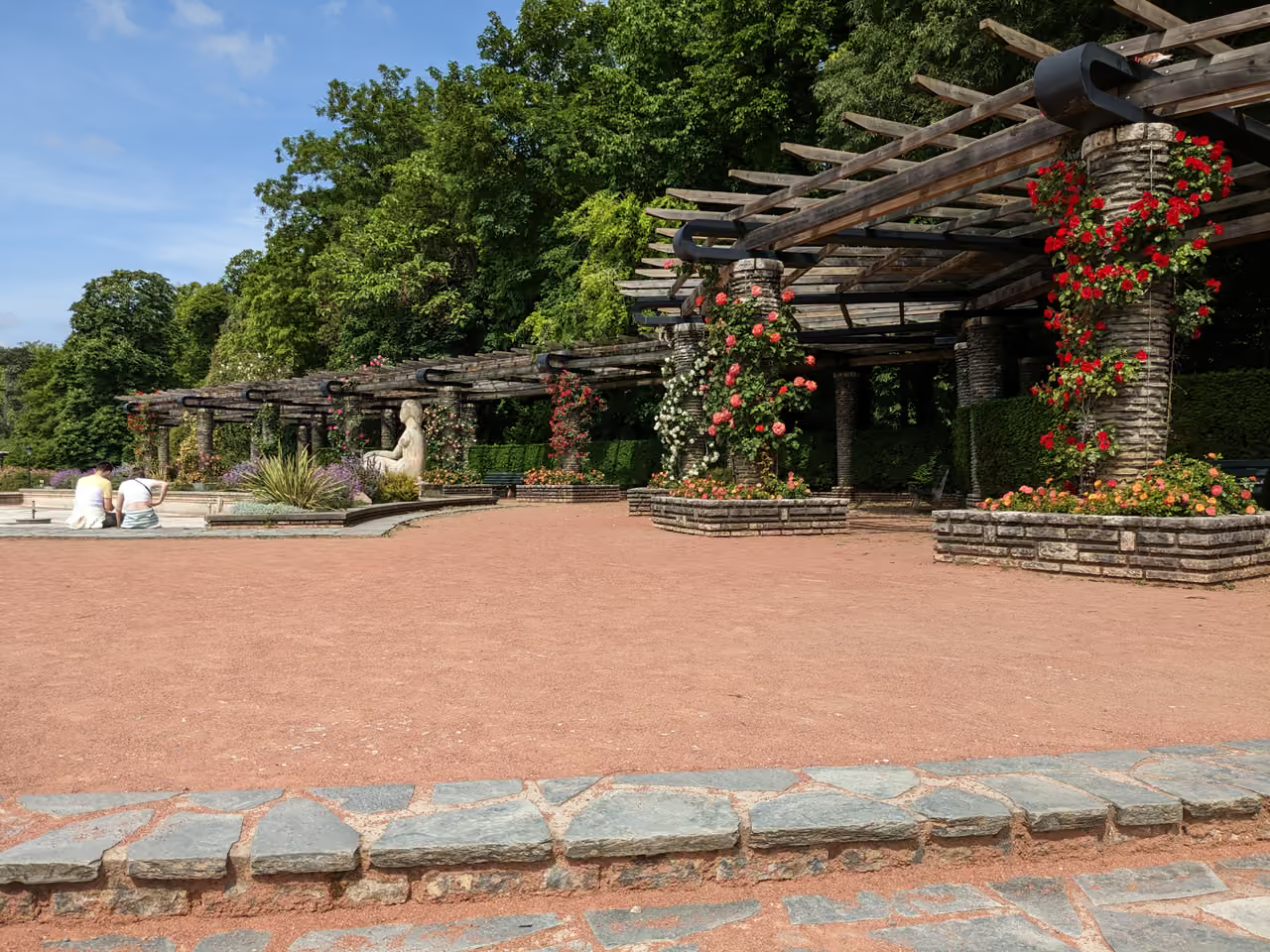
Tête d'Or Loop
Wide, paved avenues circle a massive boating lake and cut through dense patches of ancient trees. You ride past botanical greenhouses and open plains where African animals graze behind subtle barriers. The air cools noticeably as you enter the shade of the forest sections. Pacing here is slow, dictated by families walking dogs and children learning to ride. It feels entirely removed from the concrete blocks of the business district located just a few streets away.
view cycling route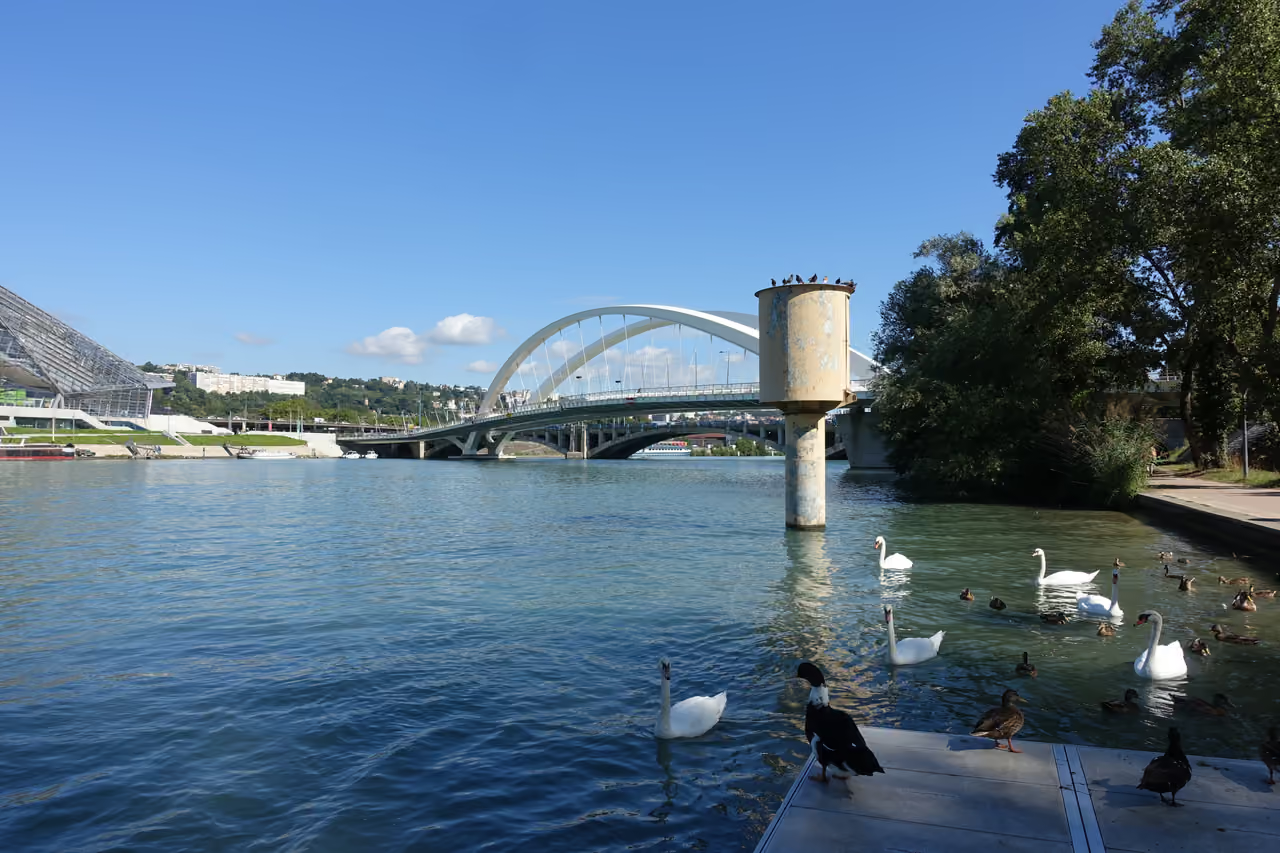
ViaRhôna Urban Stretch
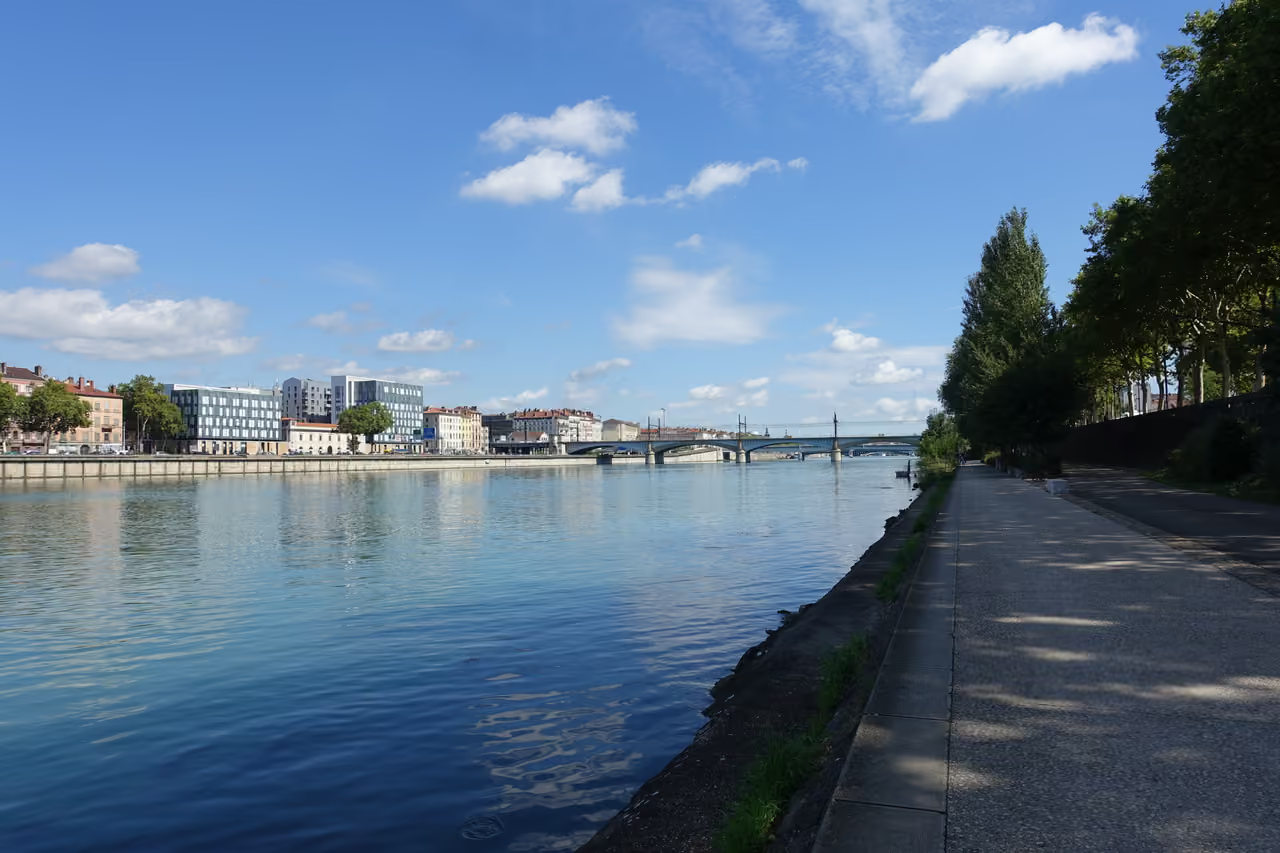
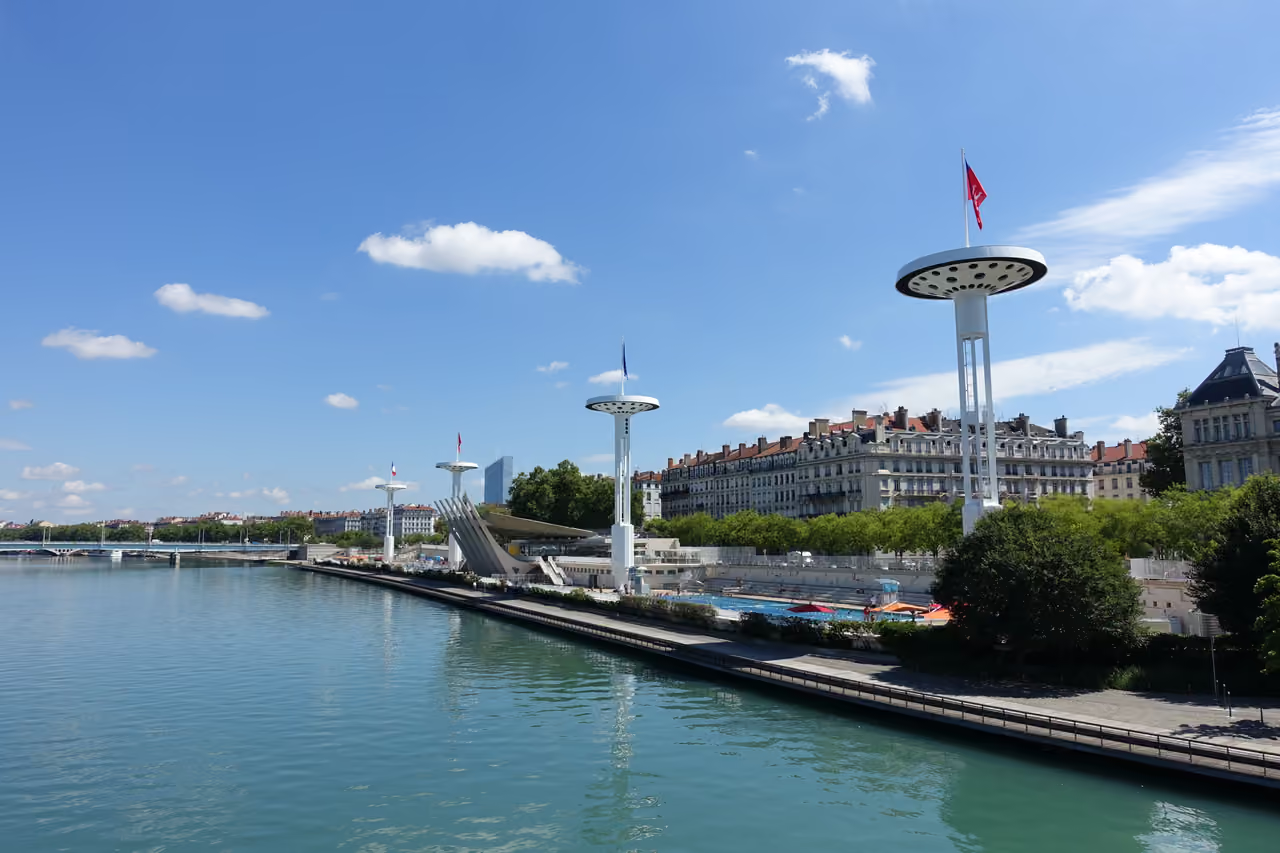
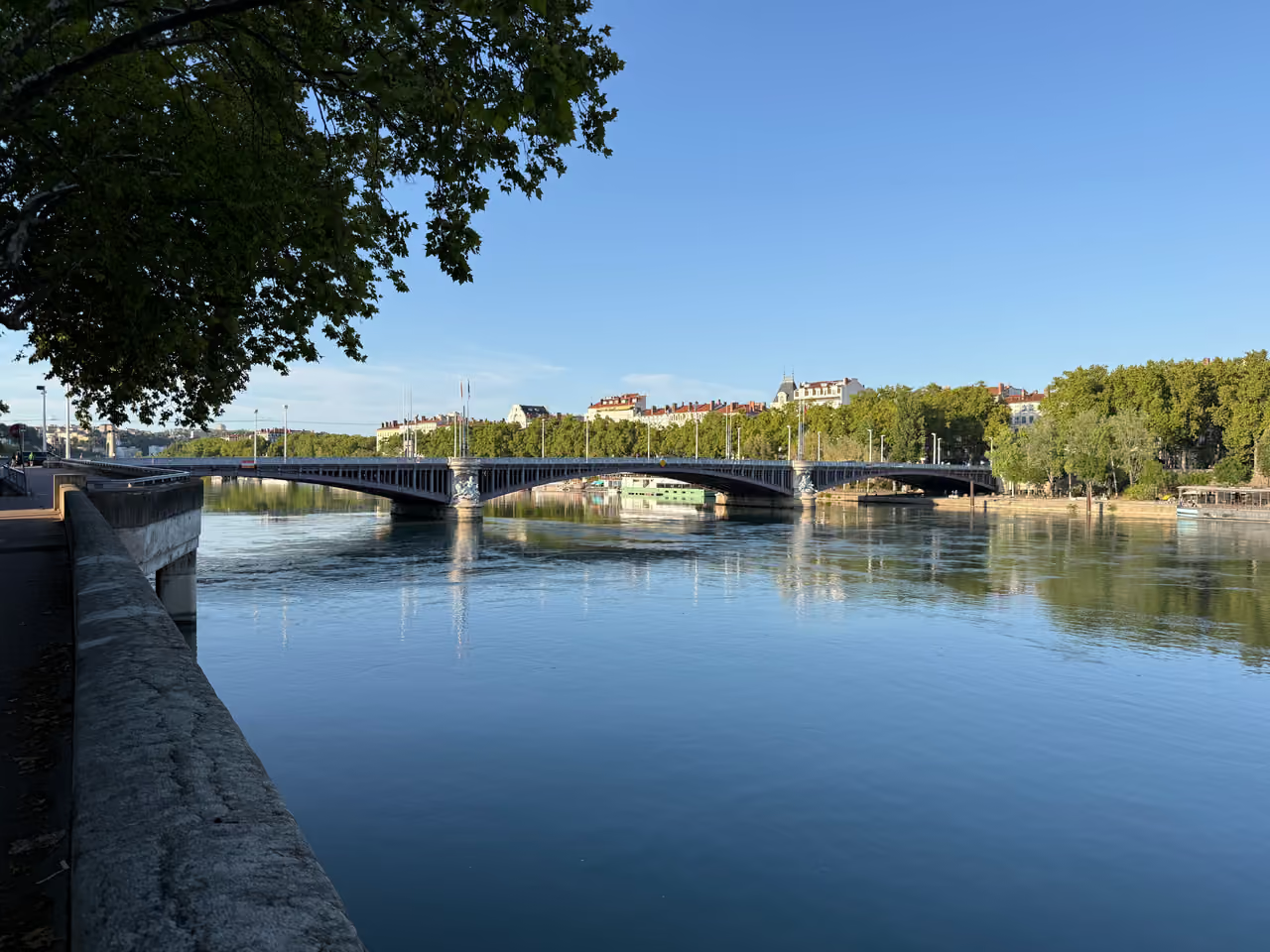
The European cycling route cuts a clean line directly through the city along the eastern bank of the Rhône. You drop down to the water level, leaving the noise of cars and trams entirely behind. The path glides past long stretches of wooden decking where university students sit with their legs dangling over the water. Massive stone bridges cross overhead, creating sudden, cool shadows on sunny days. The smooth surface makes for completely effortless pedalling from one end of the city to the other.
view cycling route
See all nature & parks in Lyon
Including Garden of Curiosities, Gerland Henry-Chabert Park, Heights Park, and more