Grand Hôtel-Dieu
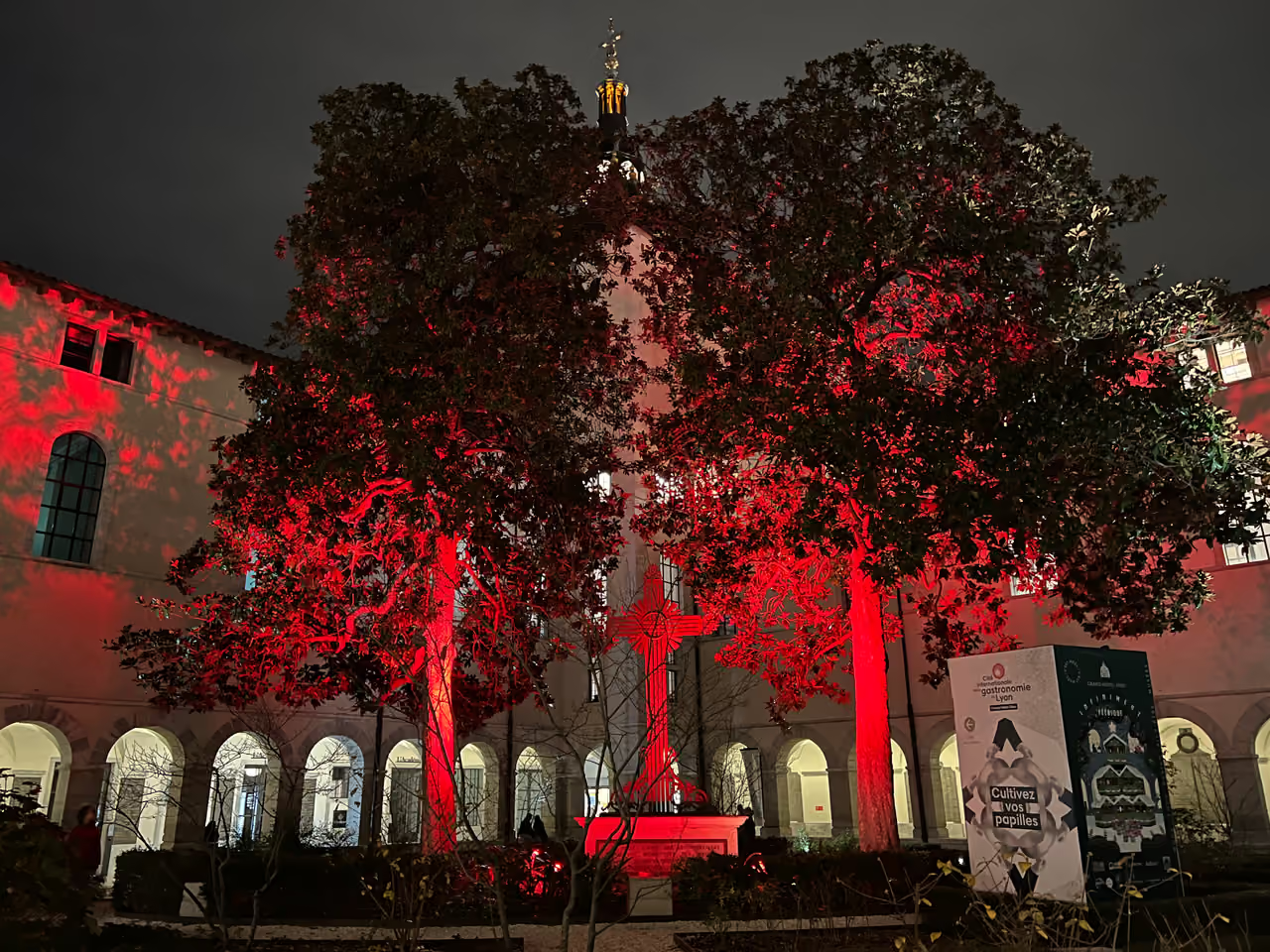
Over three hundred metres of pale limestone stretch along the western bank of the Rhône, hiding a matrix of cloistered courtyards behind a monumental facade. For centuries, this colossal structure functioned as a working hospital where silk weavers and prominent citizens alike came to be cured. Today, Jacques Germain Soufflot's grand architecture houses a sharp modern ecosystem of boutiques, covered markets, and restaurants built directly into the former wards. The sudden screech of a delivery cart dragging across the ancient cobblestones occasionally breaks the hushed, almost reverent quiet of the interior cloisters. The massive central dome, originally designed to pull stale air out of the sickrooms, now crowns an upscale hotel lounge. It is a space that absorbs Lyon's obsession with high end food and design, best experienced while tearing into a sticky pink praline brioche in the shadow of seventeenth century arches.
Videos
History of Grand Hôtel-Dieu
The complex began as a modest refuge for travelling clergy and pilgrims in the twelfth century, eventually expanding to take in the sick of the city. In 1532, a young physician named François Rabelais took up a post here. He spent his days treating syphilis patients and studying anatomy. During his off hours, he wrote the satirical epic Pantagruel, selling it at local fairs to supplement his extremely poor hospital salary. The building grew haphazardly over the subsequent decades, absorbing neighbouring properties as patient numbers swelled. By the eighteenth century, city leaders decided Lyon needed a riverfront structure to rival the great buildings of Paris. They hired Jacques Germain Soufflot, a visionary architect who completely reimagined the space. He designed a massive limestone facade facing the Rhône and set about solving the deadly problem of hospital fever. Soufflot constructed a colossal 72 metre dome to act as a giant chimney, drawing infected air up and away from the packed wooden beds on the ground floor. It was an engineering triumph that saved countless lives by radically improving ventilation. The hospital faced its most severe trial in September 1944. Retreating German forces blew up the nearby bridges across the Rhône and began shelling the Presqu'île. Incendiary rounds struck Soufflot's great dome, sparking a massive fire that consumed the entire roof structure. Burning timbers crashed into the wards below while nurses scrambled to evacuate patients to the underground cellars. Following a lengthy postwar reconstruction, the hospital rebuilt its dome and continued treating patients right up until 2010. Surgeons routinely performed operations in rooms dating back to the Renaissance. The immense cost of modernising the plumbing and electrical systems for a twenty first century medical facility eventually forced its closure. Following a massive excavation and rebuilding project, the clinical linoleum was stripped away. The clatter of metal hospital trolleys has now been completely replaced by the quiet hum of the InterContinental hotel lobby and the clinking glasses of the gastronomy halls.
events spanning 834 years
Fun Facts
- • Before the modern era of refrigeration, the hospital relied on massive underground ice pits packed with winter snow from the surrounding region to keep medicines and perishables cold throughout the blistering summer months.
- • During the 1944 fire that destroyed the dome, locals formed a frantic human chain passing buckets of water from the Rhône in a desperate attempt to save the historical timber framing.
- • François Rabelais supposedly observed a street vendor swallowing swords in Lyon and incorporated the extreme anatomical stretching into his famous medical treatises and satirical writings while working at the hospital.
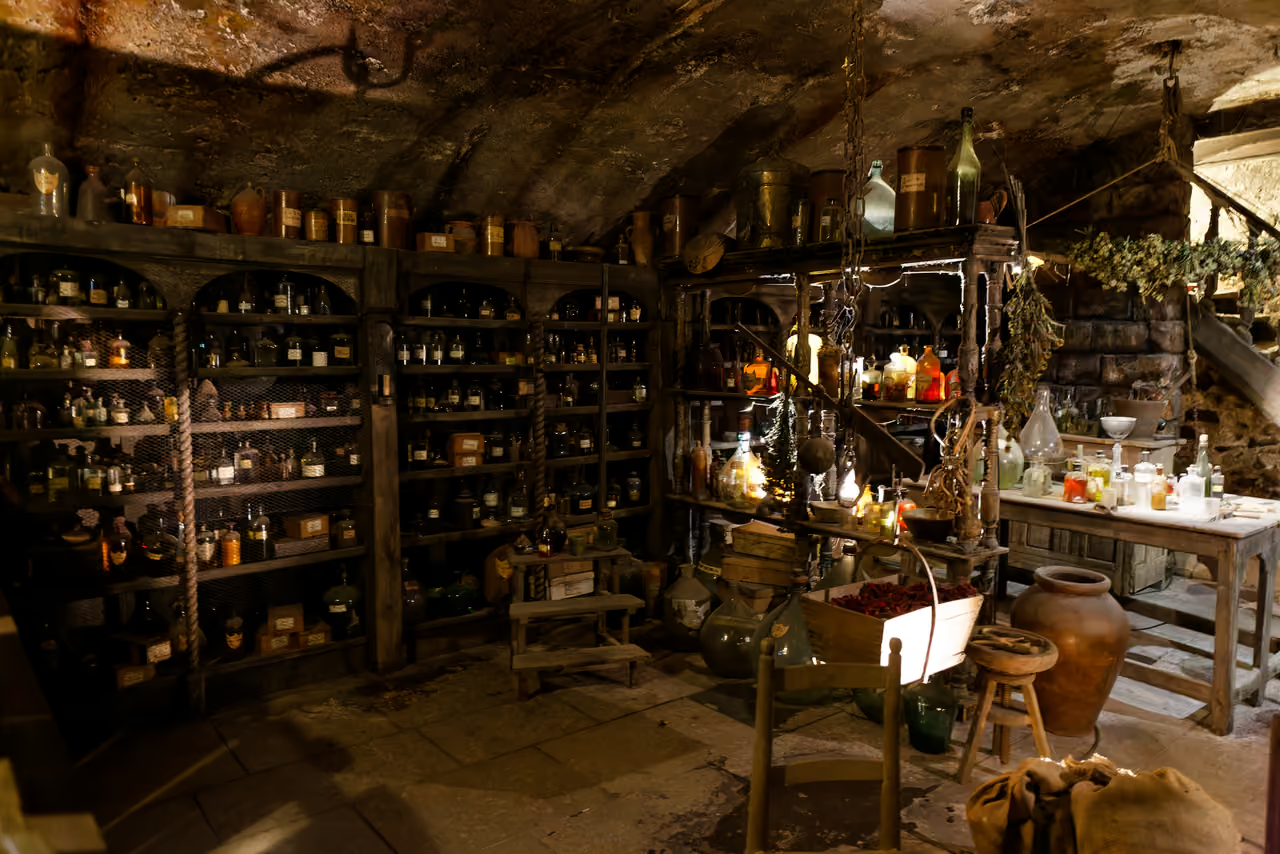
- • The immense pharmacy operated as an independent factory for centuries, producing its own healing syrups and grinding raw botanical ingredients sourced from merchants trading along the nearby Rhône river.
- • The modern restoration required specially trained stonecutters to replace thousands of exterior blocks individually, matching the exact grain and pale colour of the original limestone quarried near the Monts d'Or.
- • The original hospital beds were designed to hold multiple people at once, meaning up to four patients shared a single mattress during severe outbreaks of disease in the seventeenth century.
- • To fund massive running costs, the city granted the hospital a strict monopoly on the sale of meat during the fasting period of Lent, forcing wealthy citizens to pay a premium for a medical exemption to eat beef.
- • When the hospital finally closed its doors in 2010, construction crews discovered a vast network of forgotten mediaeval tunnels beneath the foundations, previously used to move bodies to the cemetery away from public view.
- • Étienne Destot, who brought the first X ray machine to France inside these walls, was an accomplished sculptor who used his artistic knowledge of anatomy to interpret the fuzzy early radiographs.
Grand Hôtel-Dieu FAQ
While we strive to keep this information accurate and up to date, we recommend verifying any details independently before making decisions based on them.
Grand Hôtel-Dieu Map & Neighborhood Explorer
This interactive map is centered on Grand Hôtel-Dieu. Zoom in and move the map around to automatically discover Wikipedia photos and summaries of other nearby sights, monuments, and historical points of interest and stories in real-time!
Places near Grand Hôtel-Dieu
Make the most of your trip. Check out these top-rated spots located nearby.
 309m
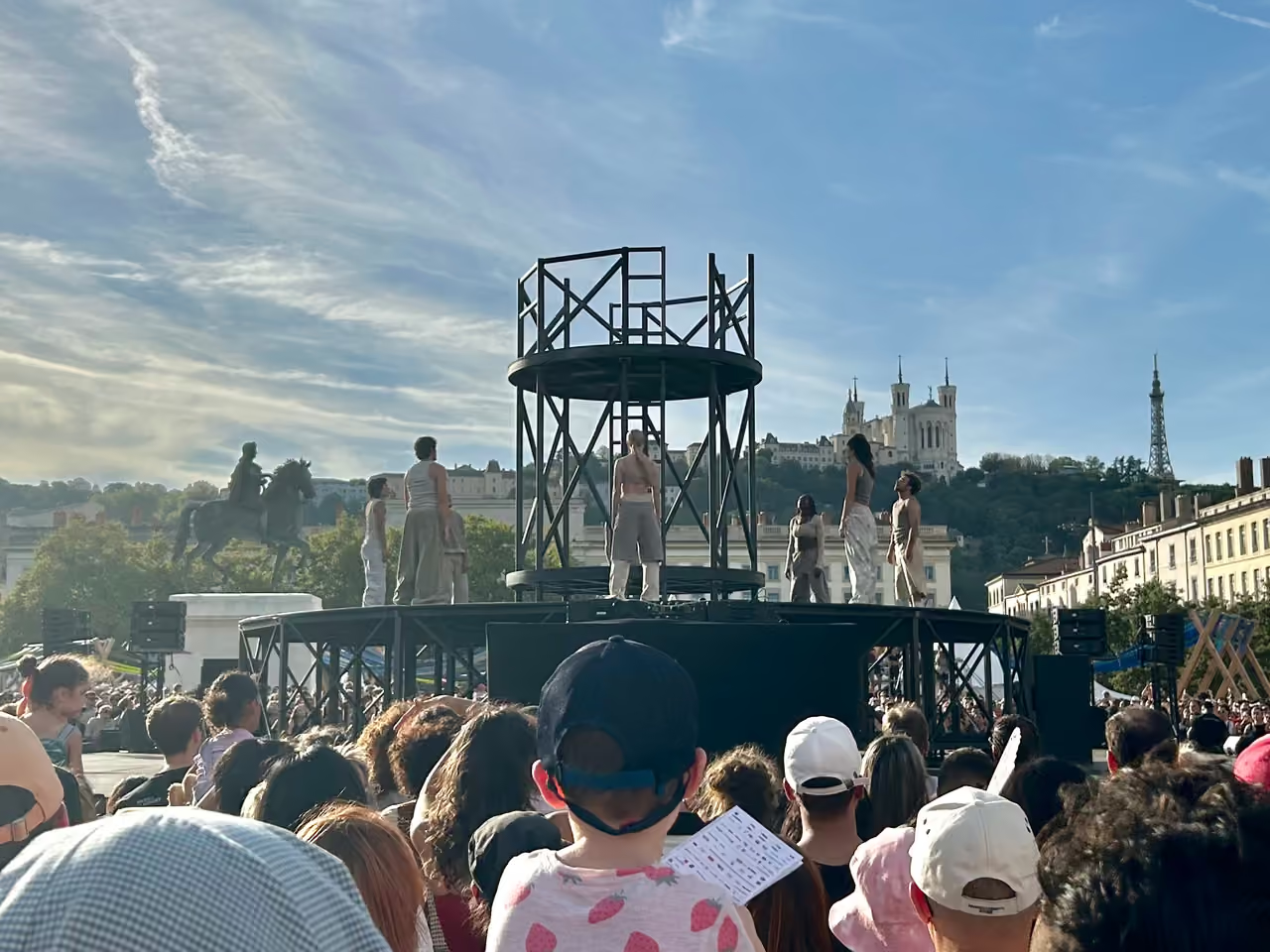
309mDance Biennial
Contemporary choreography takes over theatres, streets, and public squares every two years. The centrepiece is a massive street parade where thousands of local residents practice for months to perform elaborate routines down the main commercial avenues. International dance companies debut new works in venues ranging from the Opera House to small community halls. The event strips away the formal elitism often associated with contemporary dance, forcing it directly into the public sphere. It turns the entire urban landscape into a temporary stage.
festival view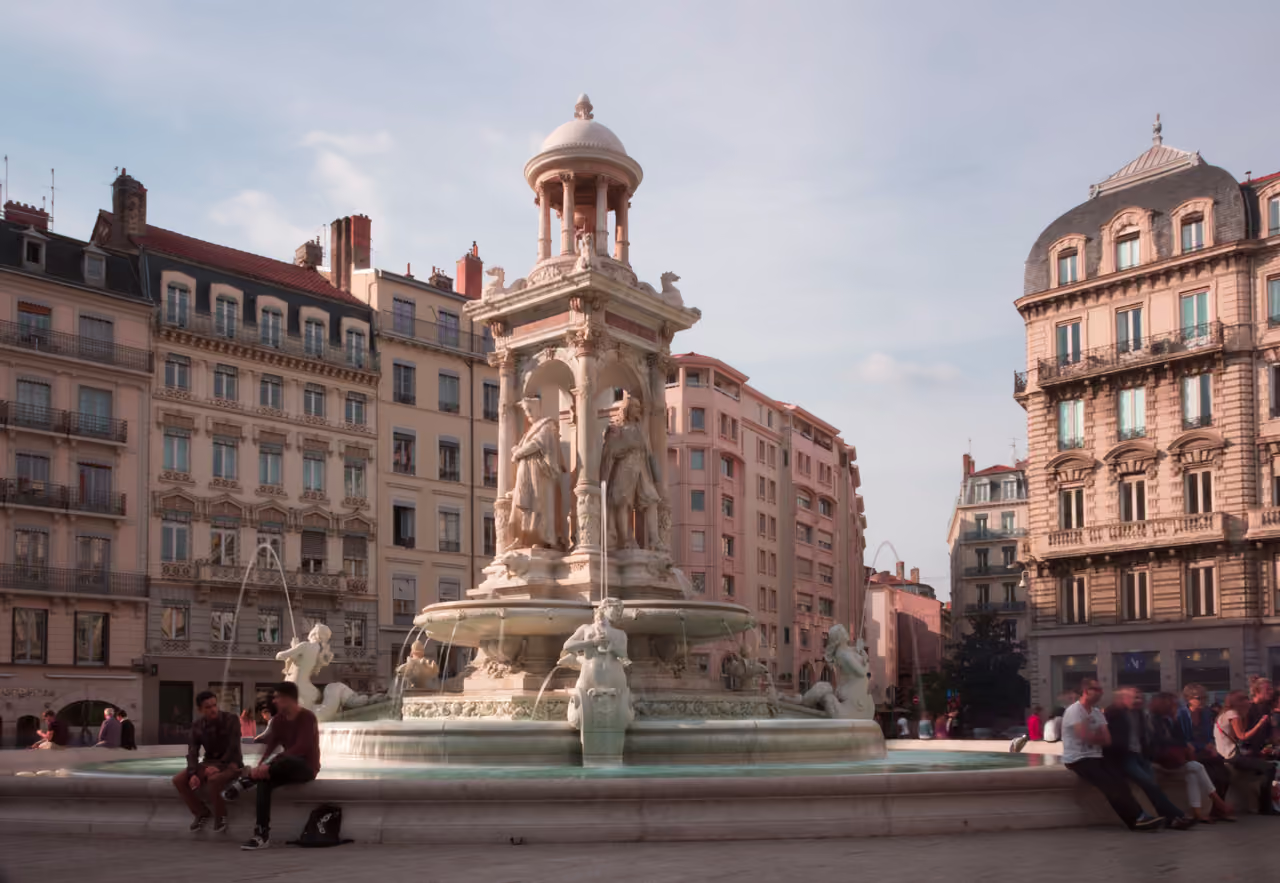 321m
321mJacobins Square
An elaborate, multi-tiered marble fountain anchors a tight intersection of elegant Haussmannian avenues. Intricate statues of famous local artists peer out from the carved stone niches while water cascades down the tiers. High-end boutiques and bakeries line the perimeter of the square. The lighting casts dramatic shadows across the wet marble at night, making it highly photogenic. It provides a dense, highly decorated contrast to the vast emptiness of nearby Place Bellecour.
highlight view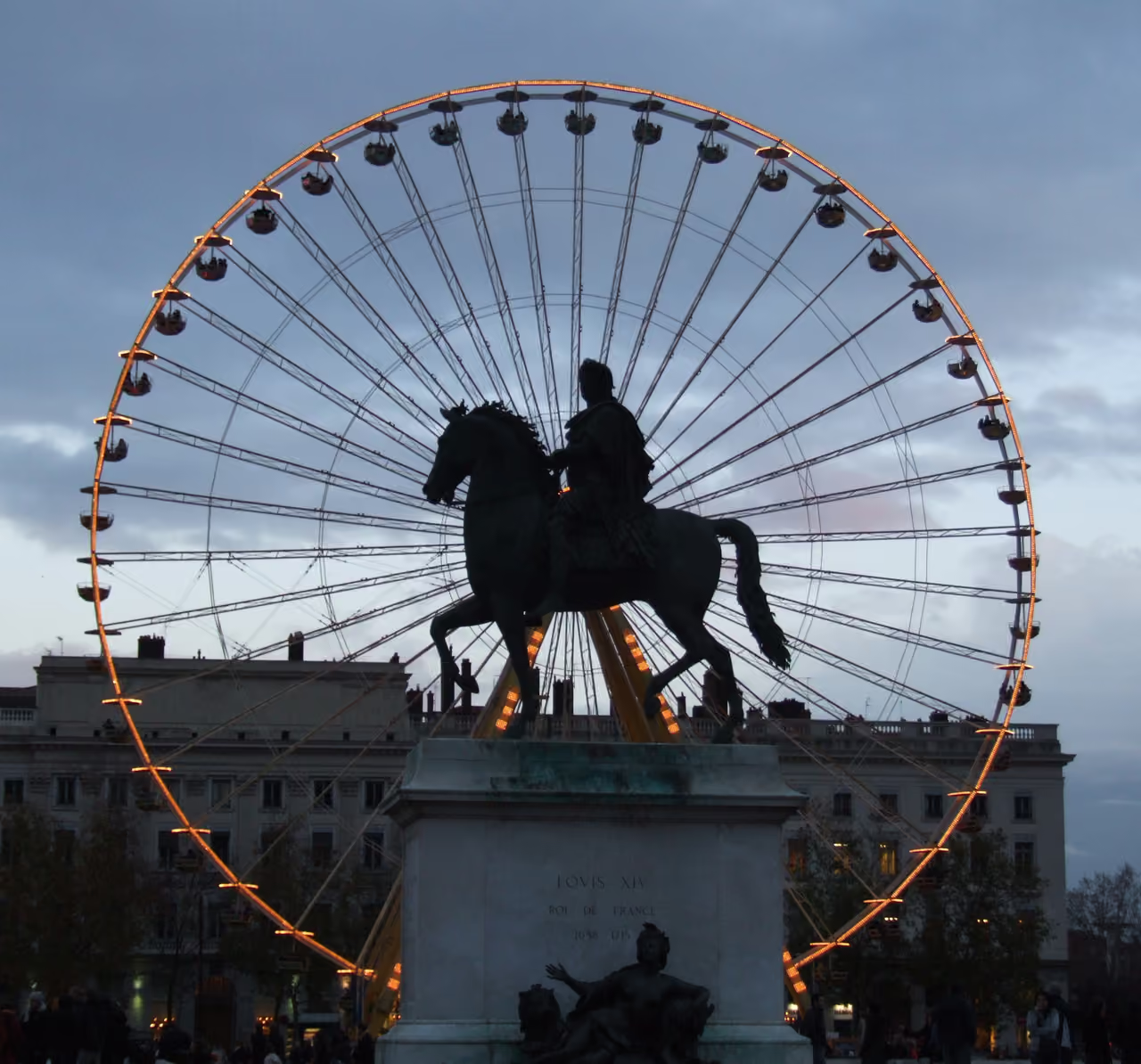 329m
329mBellecour Square
Red gravel crunches underfoot in the largest pedestrian square in Europe. A bronze equestrian statue of King Louis XIV anchors the massive, open space, serving as the default meeting point for locals. Looking up to the west provides an unobstructed, commanding view of the Fourvière basilica sitting high on the hill. The sheer scale of the empty space feels startling in the middle of a dense urban environment. It acts as the geographic and psychological centre point of the city.
highlight view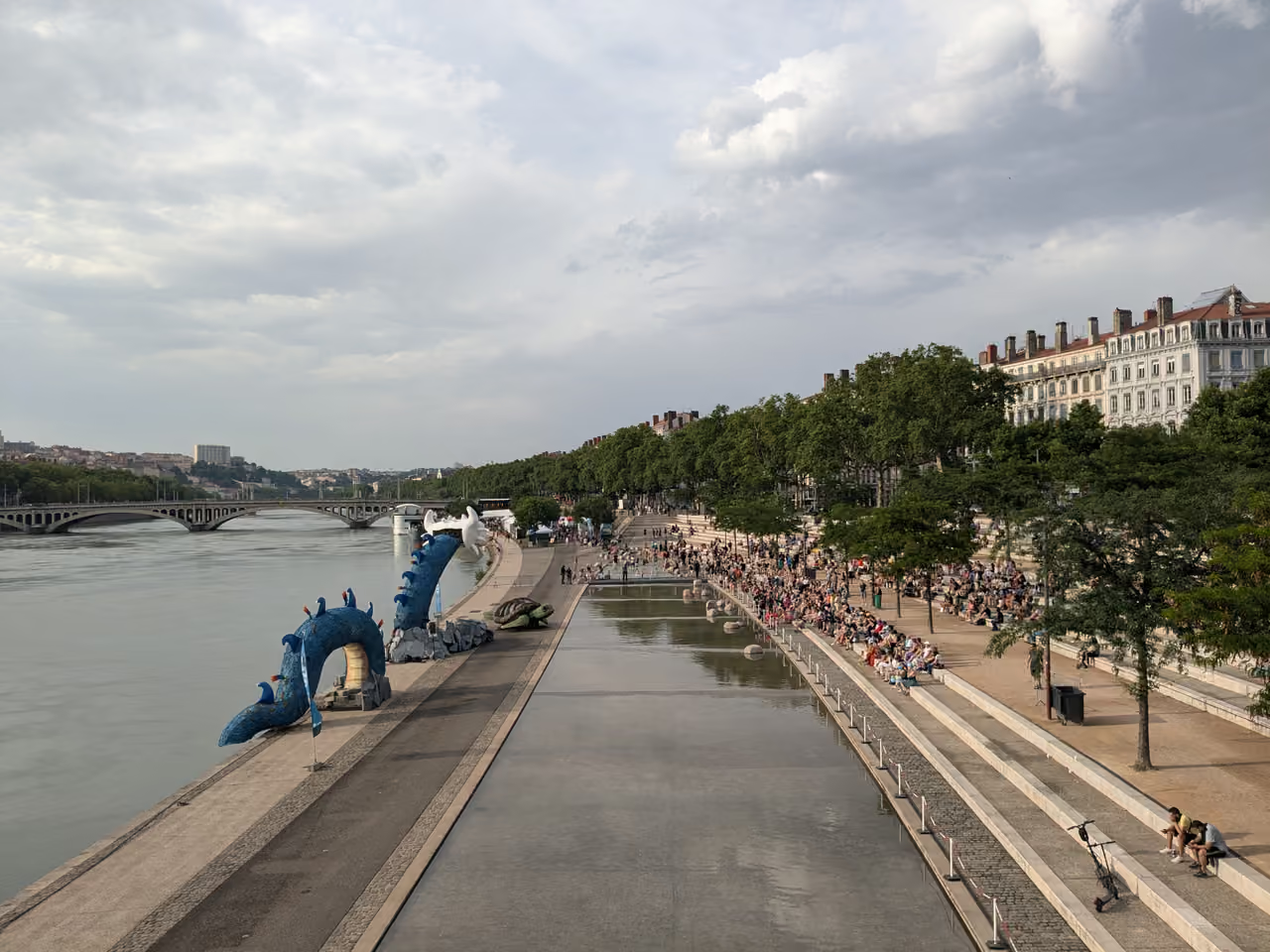 397m
397mAugagneur Riverboat Bars
Out-of-service cargo barges moored permanently to the riverbank now function as floating nightclubs and concert venues. Music thumps from the steel hulls out across the dark water of the Rhône. Patrons stand on the upper decks smoking and drinking beer, often spilling out onto the paved promenade onshore. The venues vary from alternative hip-hop spots to straightforward electronic dance clubs. There is no dress code, and the atmosphere leans heavily toward casual and loud.
nightlife view
Featured on This Route
See all attractions in Lyon
Including Basilica of Notre-Dame de Fourvière, Confluences Museum, Gadagne Museums, and more