Basilica of Notre-Dame de Fourvière
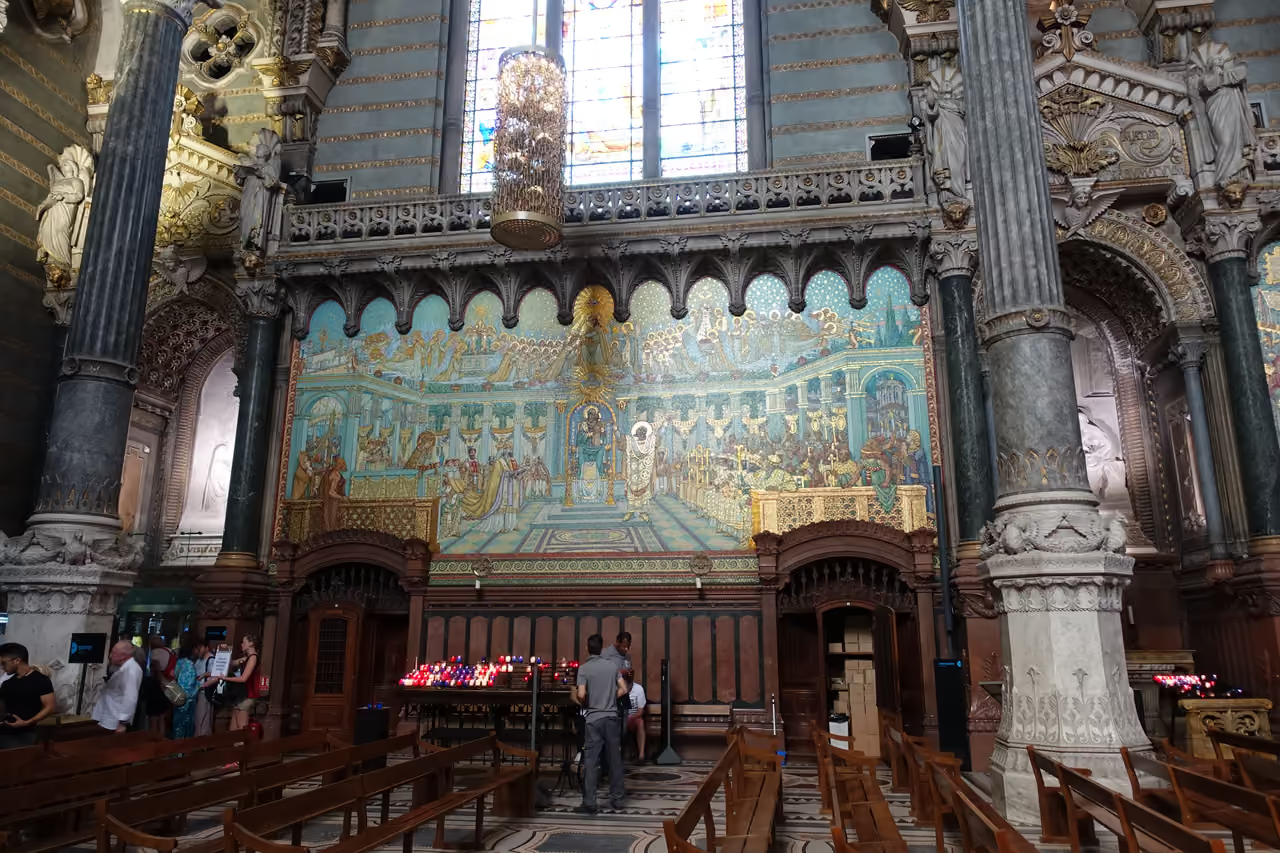
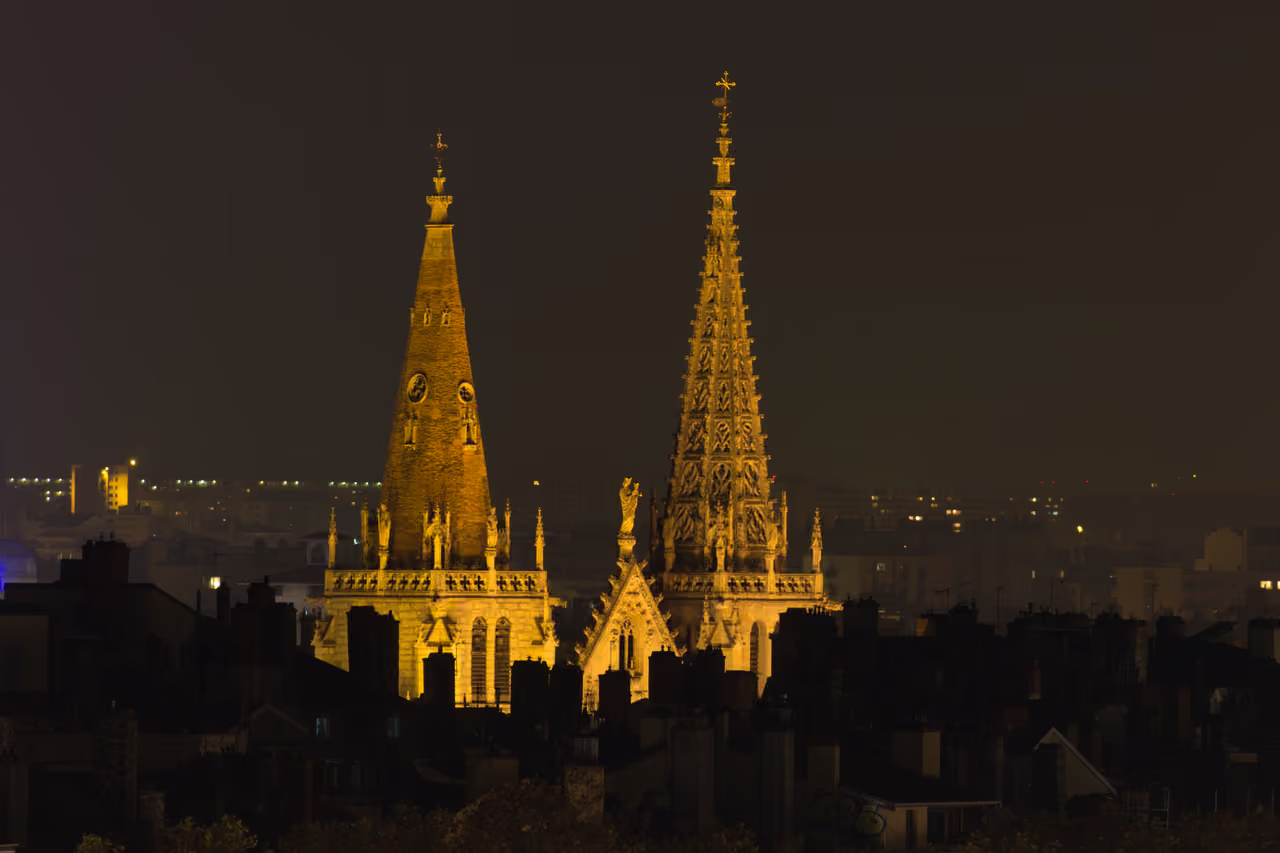
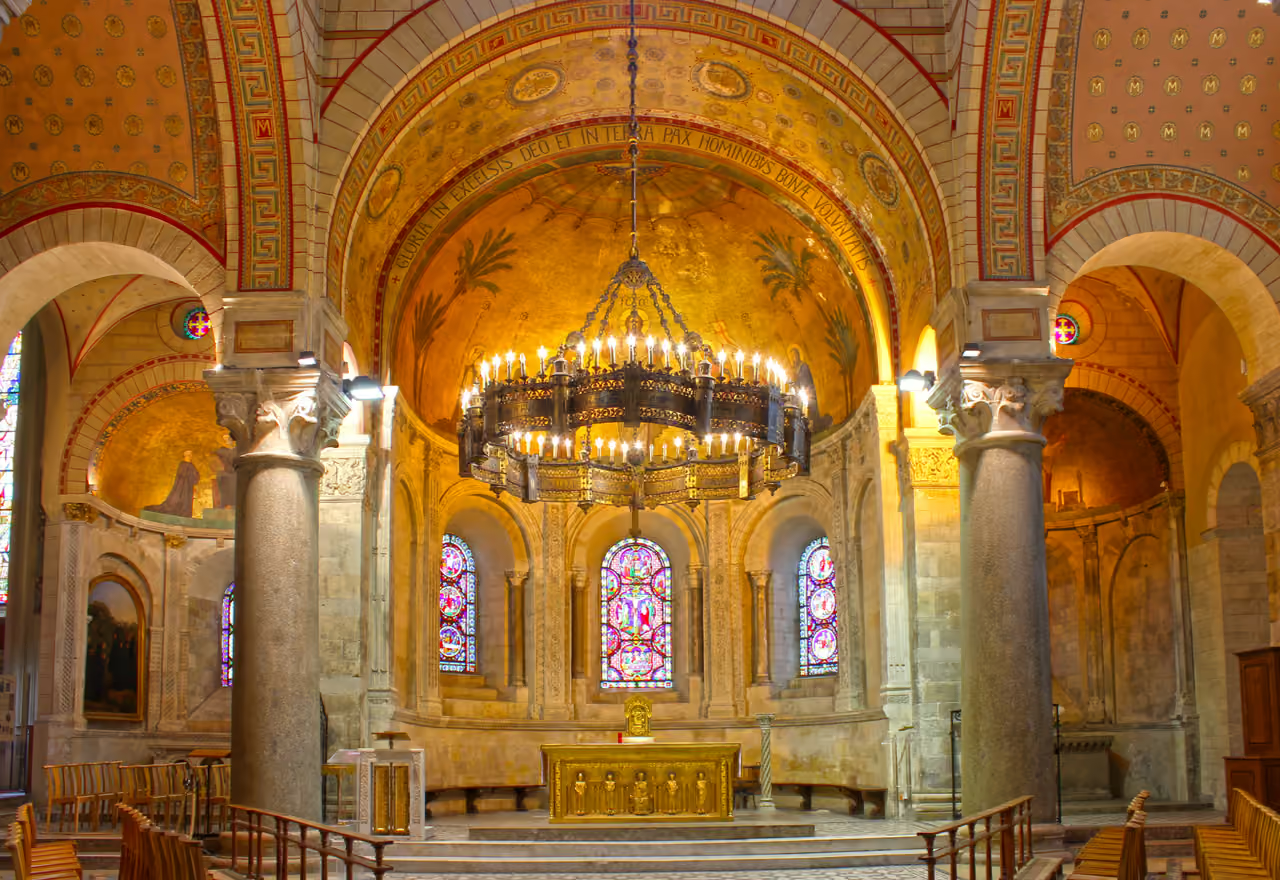
Lyon's residents call it the upside-down elephant, and once someone has pointed out the four stout corner towers as legs, the nickname is hard to unsee. The basilica crowns Fourvière hill, and the quickest way up is the funicular from Vieux Lyon, known locally as la ficelle, the string. Inside, the pale stone exterior gives way to walls and vaults covered in mosaics, with a crypt below that matches the church's footprint and hosts concerts by candlelight. Expect a queue for the funicular at busy times, though the ride itself takes only a couple of minutes. Every 8 December a procession of lantern carriers climbs the hill, which is the oldest and quietest strand of Lyon's famous festival of light. Before leaving, walk to the railing at the edge of the terrace, where the Saône slides past the red-tiled roofs of Vieux Lyon almost directly below.
Videos
History of Basilica of Notre-Dame de Fourvière
Lyon's Roman founders put their forum on top of Fourvière hill, and a popular etymology says the name itself is a worn-down forum vetus, the old forum. A chapel dedicated to the Virgin eventually stood on the summit, and over the centuries it became the place where the city went to ask for things. In 1630 Anne of Austria, queen of France, climbed up to pray for an heir after years without one. Louis XIV was born eight years later. The city's most lasting promise came in 1643, with plague gripping Lyon. On 8 September the provost of the merchants and the échevins, the city magistrates, placed the population under the protection of Notre-Dame de Fourvière and vowed to climb to the chapel in procession every year. Lyon was spared, and the pilgrimage of thanks is still observed on that date. In 1852 a gilded statue of the Virgin by the sculptor Joseph-Hugues Fabisch, around five metres tall, was raised above the chapel. The unveiling was meant to be a solemn civic occasion, but a storm swept through Lyon and spoiled the celebrations. When the sky cleared, residents answered by setting small lanterns, lumignons, on their windowsills, and the city lit itself up without anyone organising it. That improvised evening of 8 December is the root of the Fête des Lumières. The next vow was made with Prussian armies advancing during the war of 1870. Anxious Lyonnais pressed Archbishop Ginoulhiac to promise Notre-Dame de Fourvière that if the city escaped occupation, a grand new sanctuary would rise on the hill. Lyon was not occupied, and the promise became a building site. Pierre Bossan, architect to the diocese since 1844, already had plans sitting in his files, and the first stone was laid on 7 December 1872, right beside the old chapel. Bossan did not see it finished. Ill and ageing, he retired to La Ciotat on the Mediterranean coast and directed the work from a distance while Louis Sainte-Marie Perrin ran the site, and from his retreat he kept drawing statues and furnishings for the church. The last stone of the structure was set in 1884, Bossan died in 1888, and the basilica was consecrated in 1896. The interior decoration carried on well beyond that, and was only completed after the Second World War, long after the men who began it were gone. Today the basilica is a working pilgrimage church and also the landmark that Lyon is measured against, visible from most of the city. The hill is part of the Historic Site of Lyon, listed by UNESCO in 1998, and a year later the city turned the spontaneous lanterns of 1852 into an official festival lasting several nights. The older custom has survived underneath it all, so every 8 December candles still flicker on windowsills across Vieux Lyon and the Presqu'île.
11 events spanning 2042 years
Fun Facts
- • A large mosaic cycle inside the basilica tells the story of the Virgin Mary within the history of France and the history of the Church.
- • Before Fourvière, Bossan had designed pilgrimage churches at Ars, begun in 1862, and at Lalouvesc, begun in 1864, so Lyon's basilica was the culmination of a specialism in places people travel to pray.
- • Bossan lies in the Loyasse cemetery on the same hill, just a few metres from the basilica he designed.
- • Inside the basilica, memorial plaques to Bossan and to Sainte-Marie Perrin hang opposite each other, the designer and the man who built his plans.
- • Joseph-Hugues Fabisch, who sculpted the gilded Virgin that still stands on the old chapel roof, also made the famous statue of the Virgin at Lourdes.
- • Lyonnais nickname Fourvière the praying hill, in friendly contrast with the Croix-Rousse hill across the Saône, traditionally known as the hill that works.
- • The Notre-Dame des Victoires church in San Francisco's French quarter, rebuilt in 1908 after the great earthquake, is recorded as having taken the Lyon basilica as its model.
- • The crypt covers the same surface area as the basilica above and holds eleven statues of the Virgin Mary from shrines around the world. It also hosts concerts by candlelight.
- • The four towers at the corners of the basilica are said to represent the four cardinal virtues: Strength, Justice, Prudence and Temperance.
- • The old chapel that predates the basilica still stands next to it, with the 1852 gilded Virgin on its roof.
- • Themed visits include one devoted to the animals hidden in the basilica's decoration, a good way to look at details most visitors walk straight past.
RESOURCES
Official WebsiteBasilica of Notre-Dame de Fourvière FAQ
While we strive to keep this information accurate and up to date, we recommend verifying any details independently before making decisions based on them.
Basilica of Notre-Dame de Fourvière Map & Neighborhood Explorer
This interactive map is centered on Basilica of Notre-Dame de Fourvière. Zoom in and move the map around to automatically discover Wikipedia photos and summaries of other nearby sights, monuments, and historical points of interest and stories in real-time!
Places near Basilica of Notre-Dame de Fourvière
Make the most of your trip. Check out these top-rated spots located nearby.
 57m
57mFourvière Esplanade
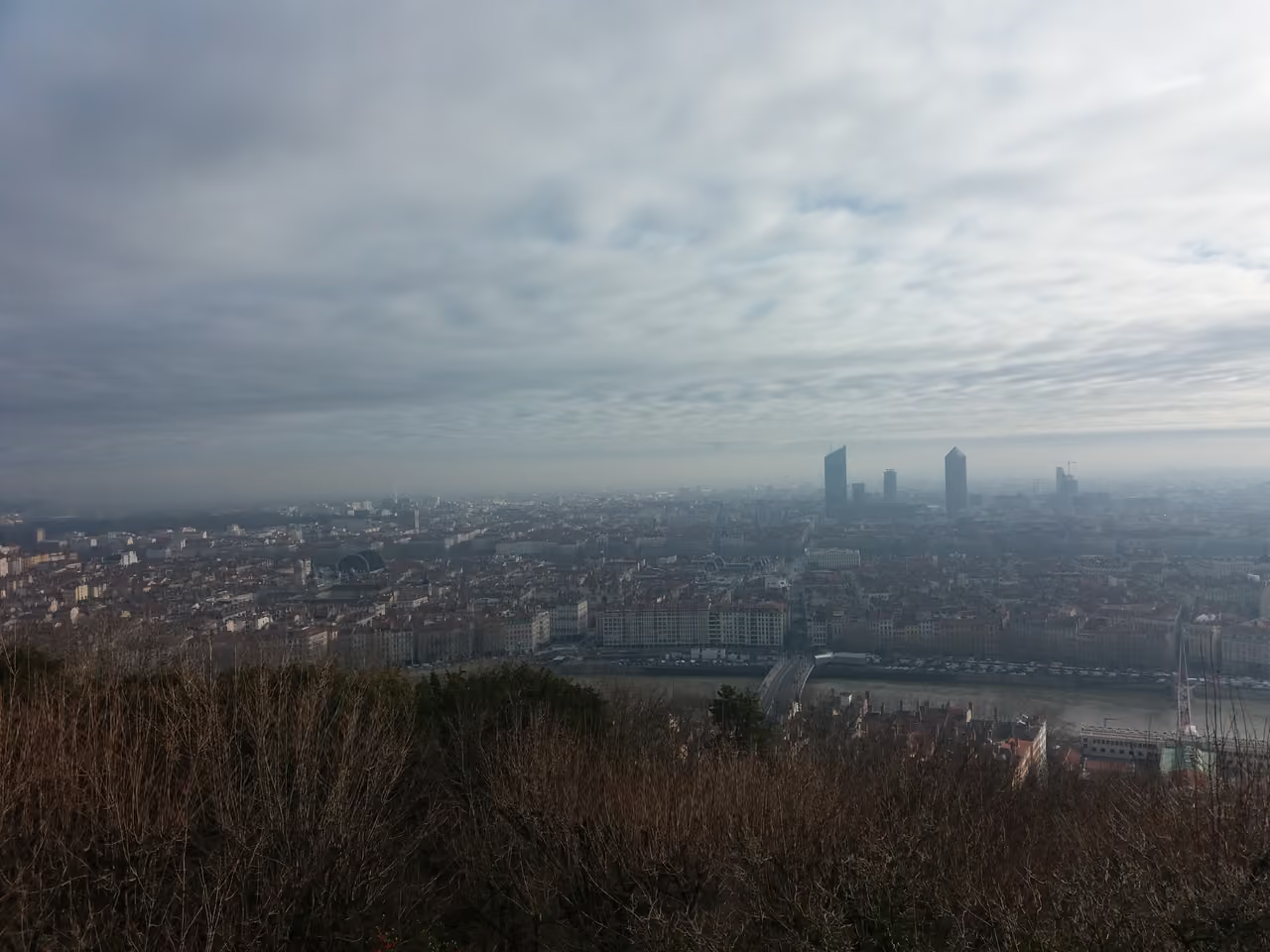
The wide stone terrace immediately next to the basilica offers the definitive, sweeping panorama over the entire urban basin. You look directly down onto the red roofs of the Renaissance old town and the two rivers cutting through the centre. The financial district's skyscrapers puncture the horizon to the east. On clear days, the snow-capped peak of Mont Blanc is sharply visible hundreds of kilometres away in the Alps. It is the mandatory first stop for understanding the city's geography.
viewpoint view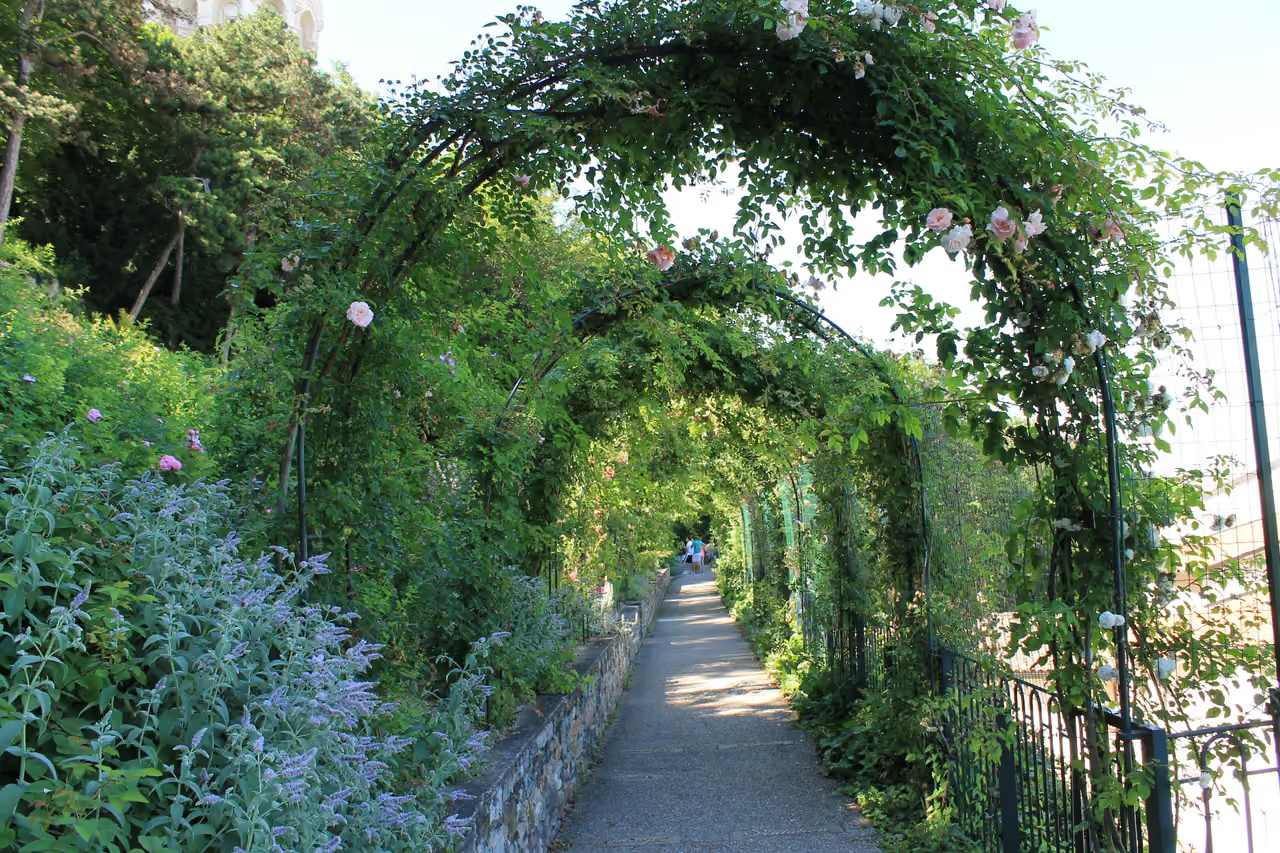 313m
313mHeights Park
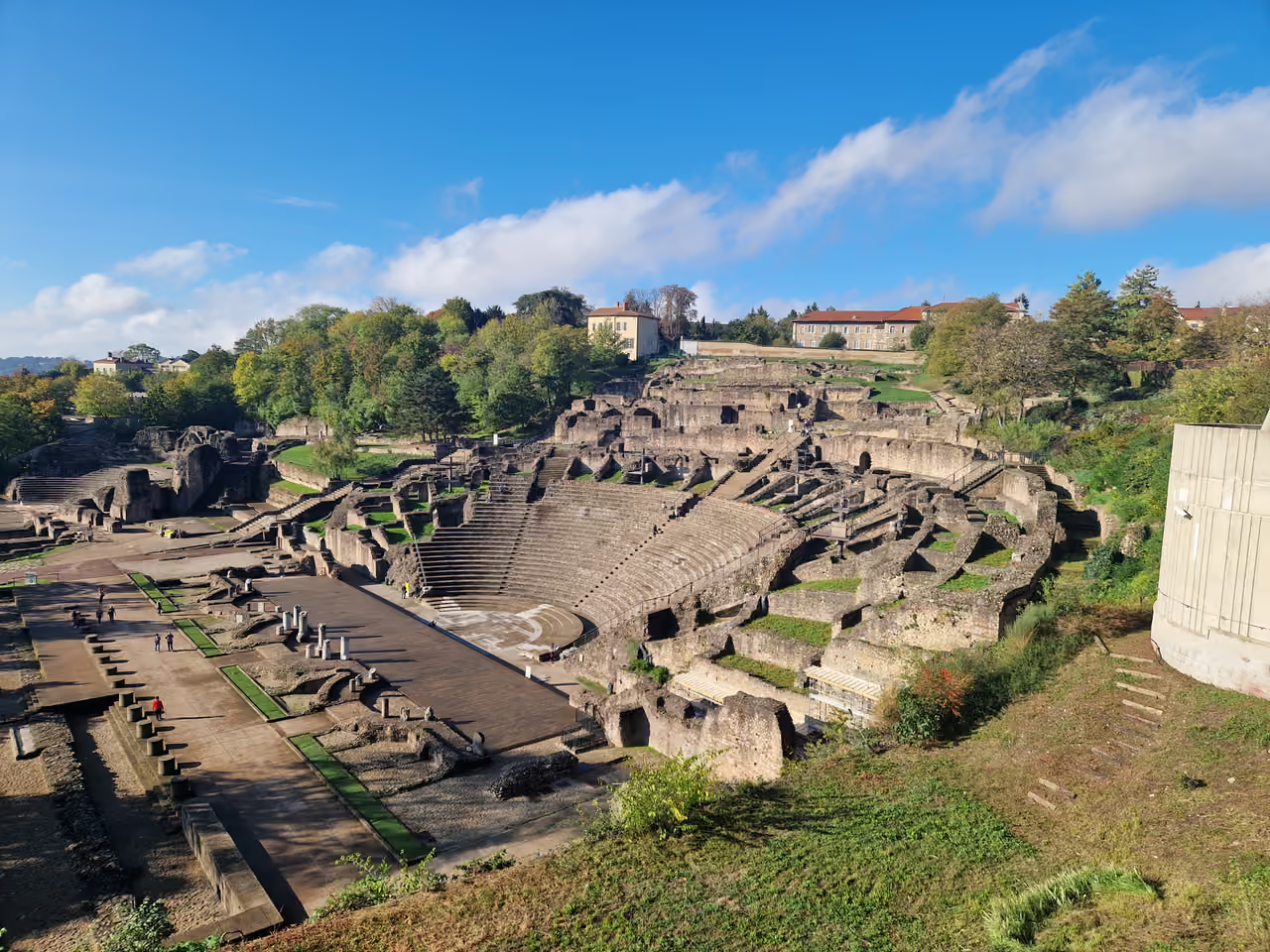
Perched atop Lyon's historic Fourvière hill, Heights Park offers an inspiring journey through history, nature, and breathtaking cityscapes. This expansive urban park seamlessly weaves together ancient Roman ruins, tranquil religious gardens, and exhilarating panoramic viewpoints. Visitors can stroll along the iconic Passerelle des Quatre-Vents, a former tramway viaduct that once transported both passengers and coffins, now providing a unique vantage point over the city and the Monts d'Or. Explore the serene Jardin du Rosaire, with its antique roses and hydrangeas, or delve into the archaeological park surrounding the ancient Roman theatre and odeon. It is a place that truly captures the essence of Lyon, blending its rich past with a vibrant present.
park & nature view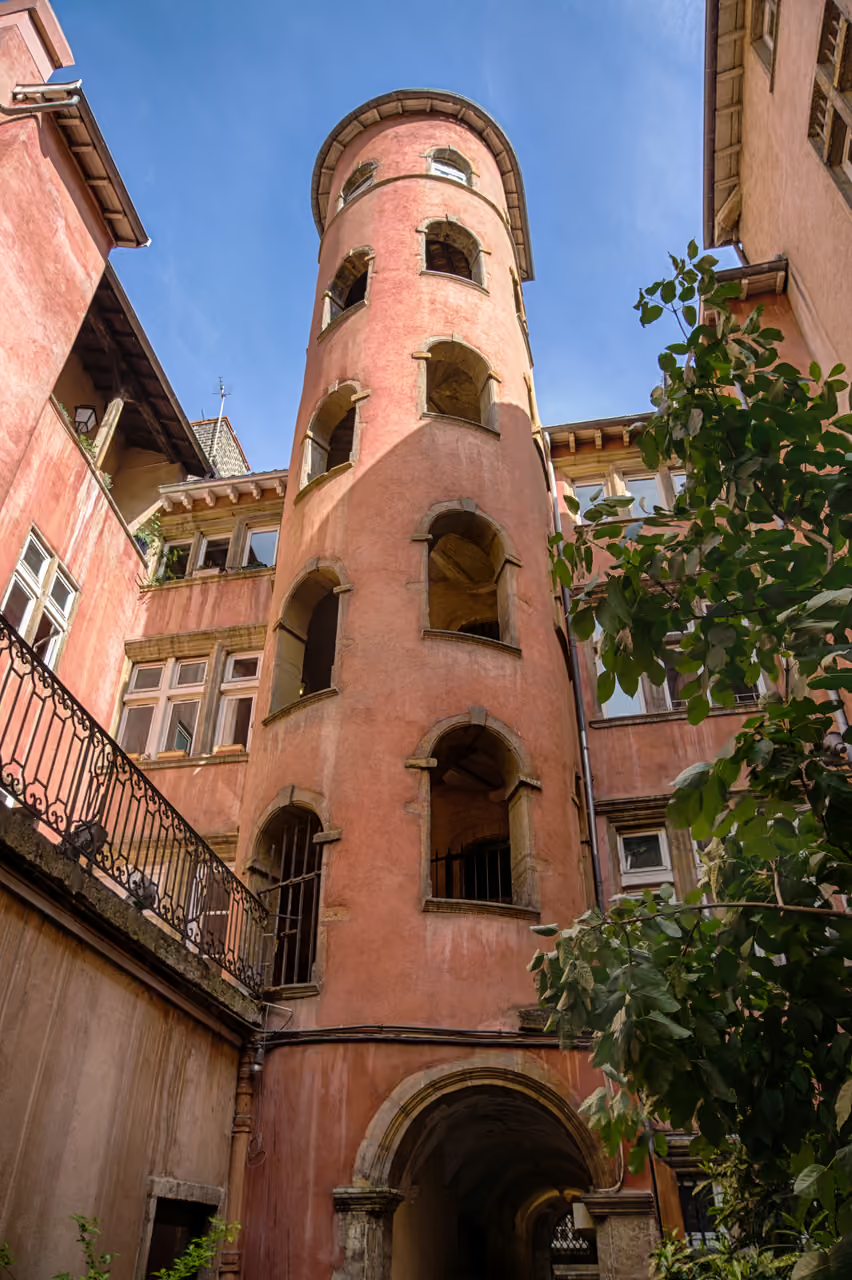 329m
329mPink Tower
You push open a heavy wooden door on a busy, tourist-filled street and step into a sudden, quiet Renaissance courtyard. A stunning, cylindrical terracotta-coloured tower dominates the space, featuring a spiralling external staircase and intricate arched windows. It looks as though a piece of Florence was dropped directly into the French city. The structure vividly demonstrates the immense wealth of the Italian tax collectors who built it in the sixteenth century. It is the most photogenic and architecturally significant hidden courtyard in the old town.
hidden gem view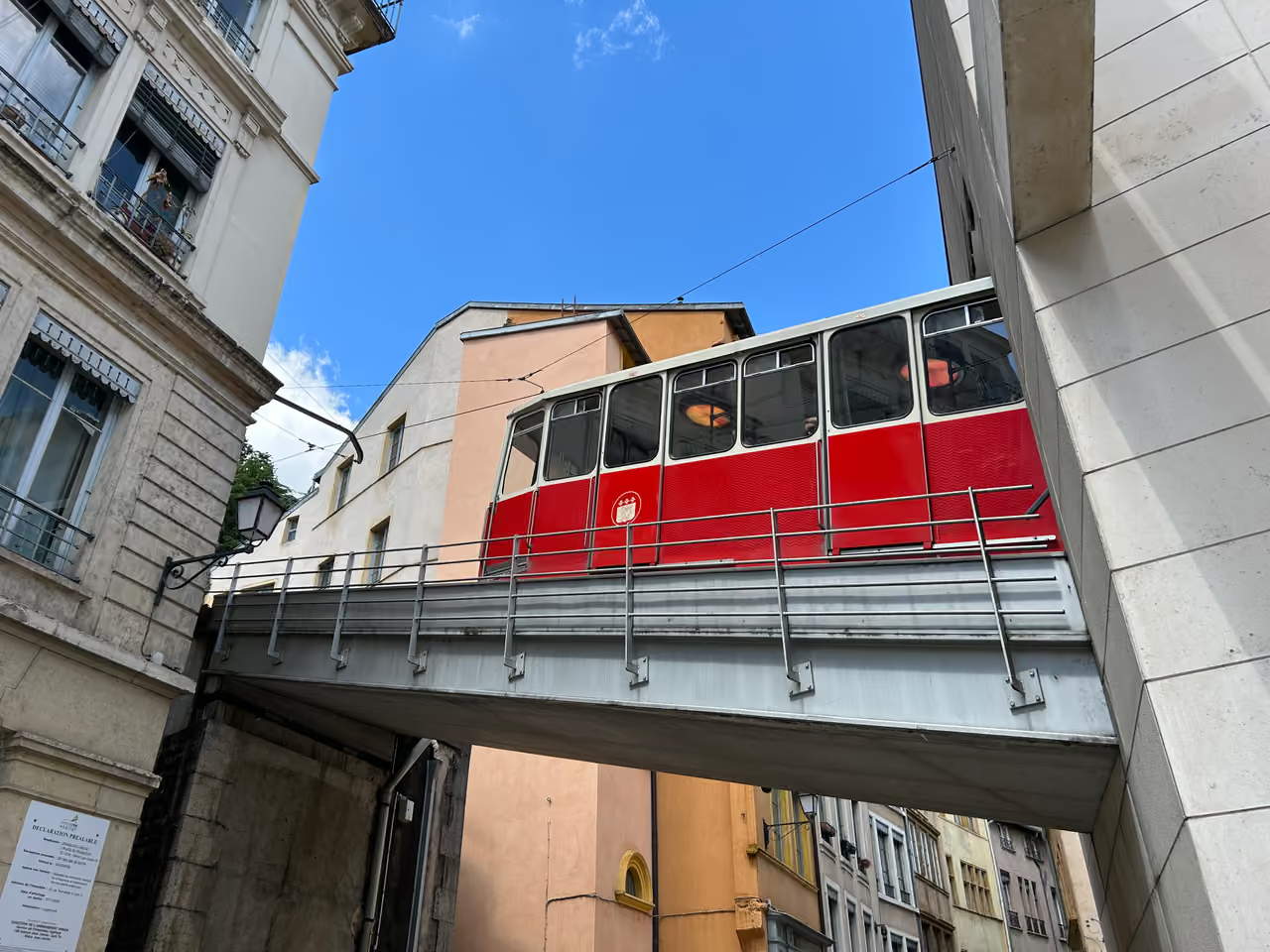 345m
345mFicelle Funicular
The ficelles, French for little strings, are Lyon's funiculars. They climb from Vieux Lyon to the heights of Fourvière and Saint-Just on short, wood-panelled cars. A ride takes only a few minutes and costs the same as a bus ticket, and it saves your legs for the descent on foot.
highlight view
Explore Similar Places in This Collection
Featured on These Itineraries
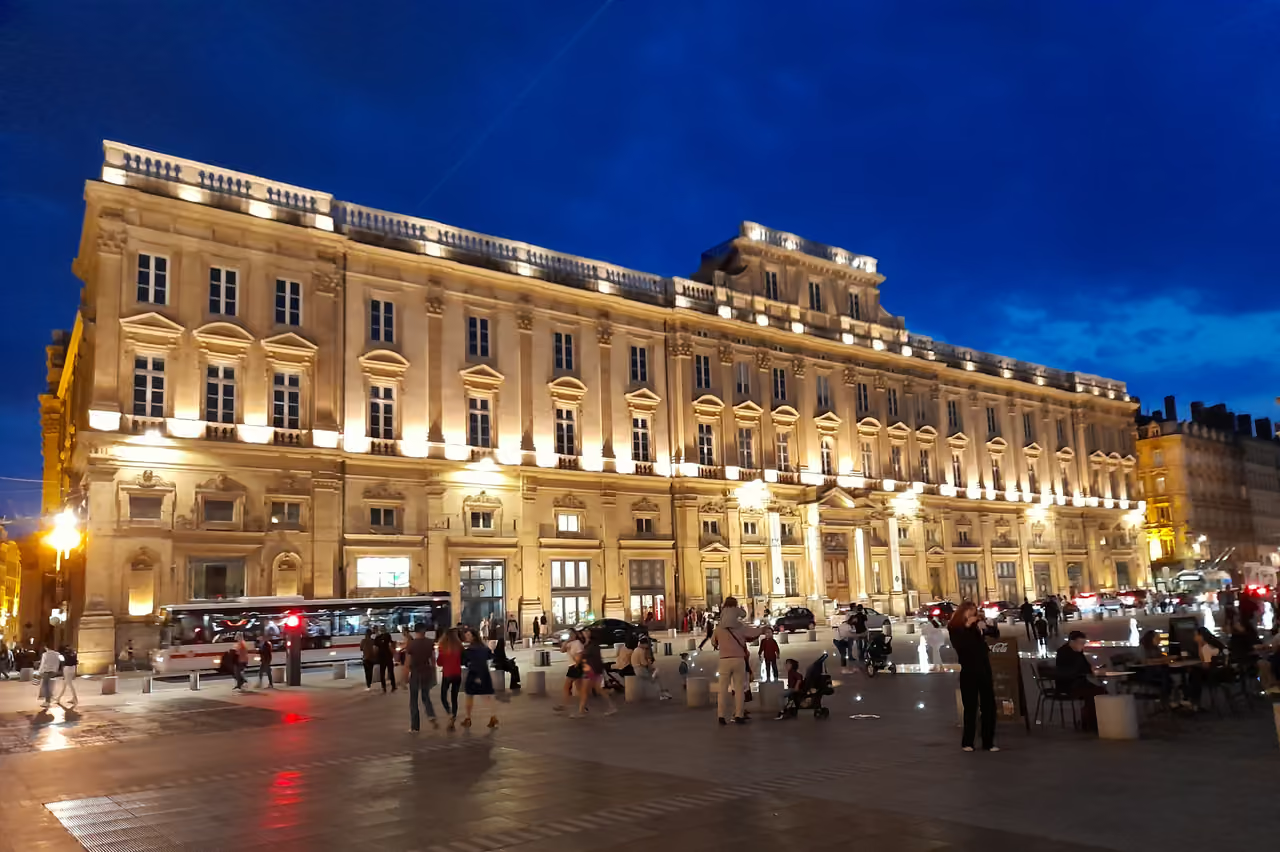
1 Day in Lyon
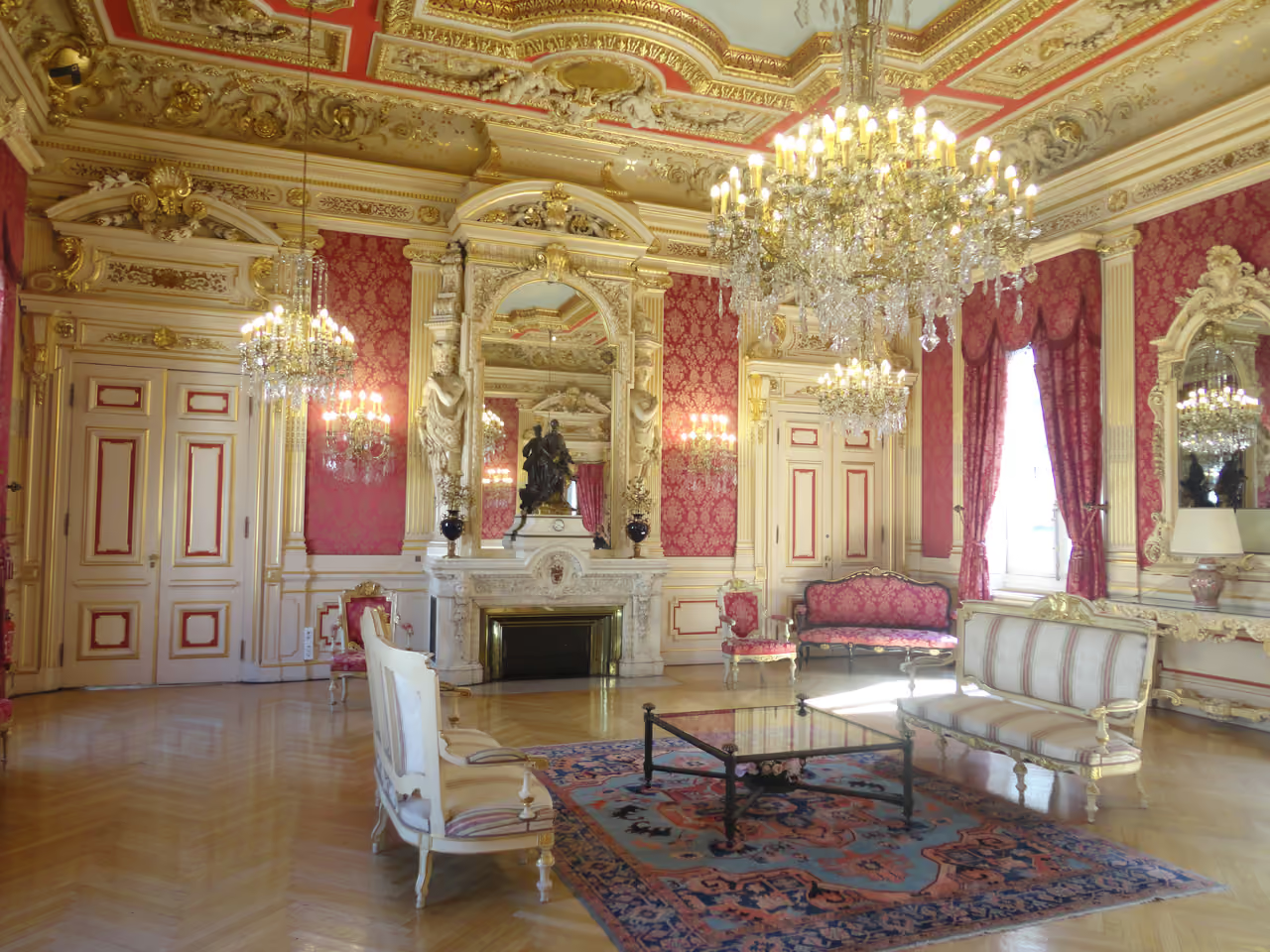
If you only have one day, focus entirely on the tight geographical progression from the Roman heights down to the Renaissance old town, finishing in the monumental nineteenth-century peninsula. The steep descent forces you through two millennia of architectural history in a matter of hours. You will skip the outer parks and modern districts in favour of heavy, traditional meals and dense historic streets. This route requires aggressive walking and comfortable shoes, as the elevation changes are severe. It delivers the absolute core identity of the city in a single, exhausted push.
view itinerary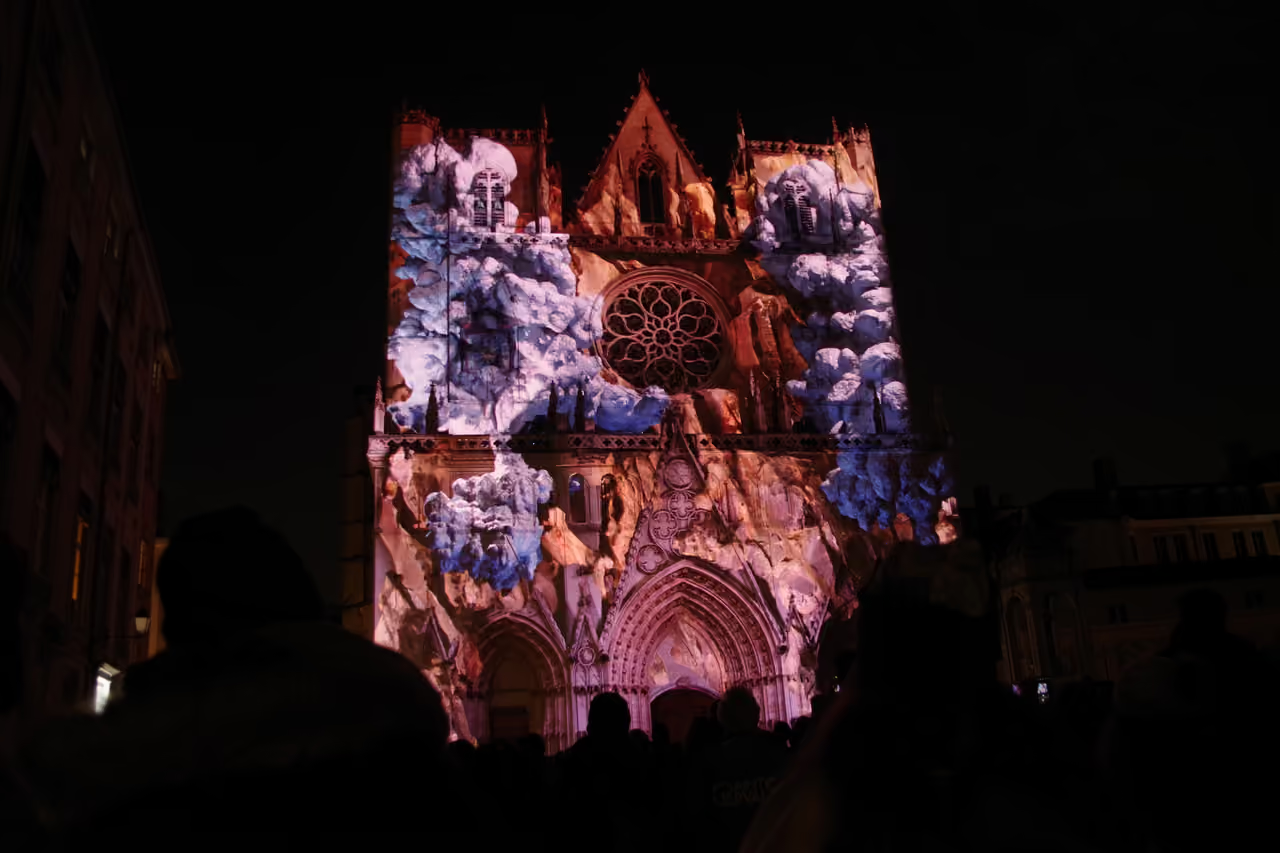
3 Days in Lyon: Heritage & Gastronomy
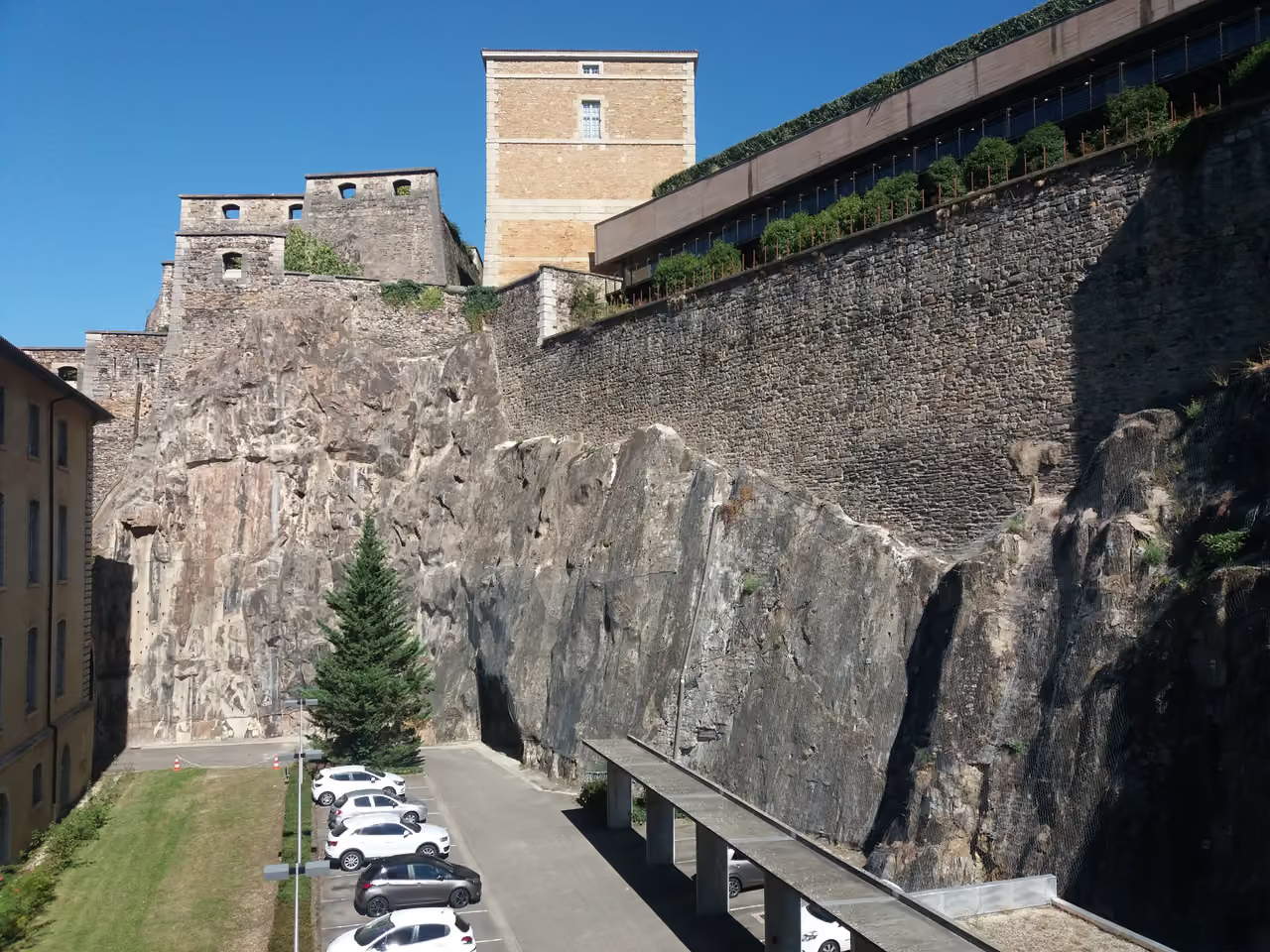
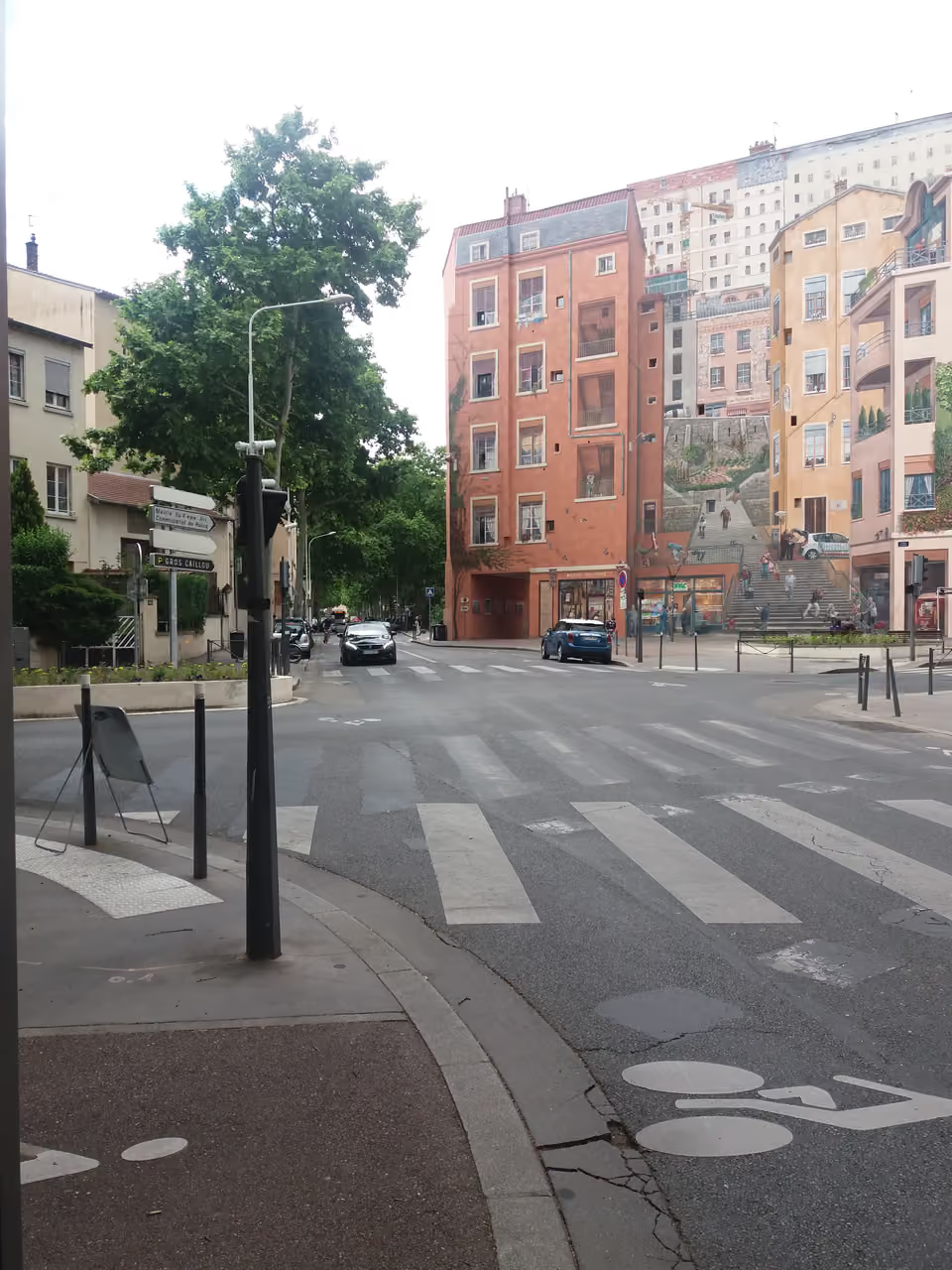
Three days allows you to split the city into distinct geographic zones, dedicating proper time to the silk-weaving history of the northern hill and the high-end culinary markets of the east. You can linger over three-hour lunches without ruining the day's schedule. This pacing permits a deep dive into the traboules and the massive Fine Arts museum, while leaving evenings free to explore the riverboat bars. It strikes the perfect balance between aggressive sightseeing and the relaxed, food-focused lifestyle the locals demand.
view itinerary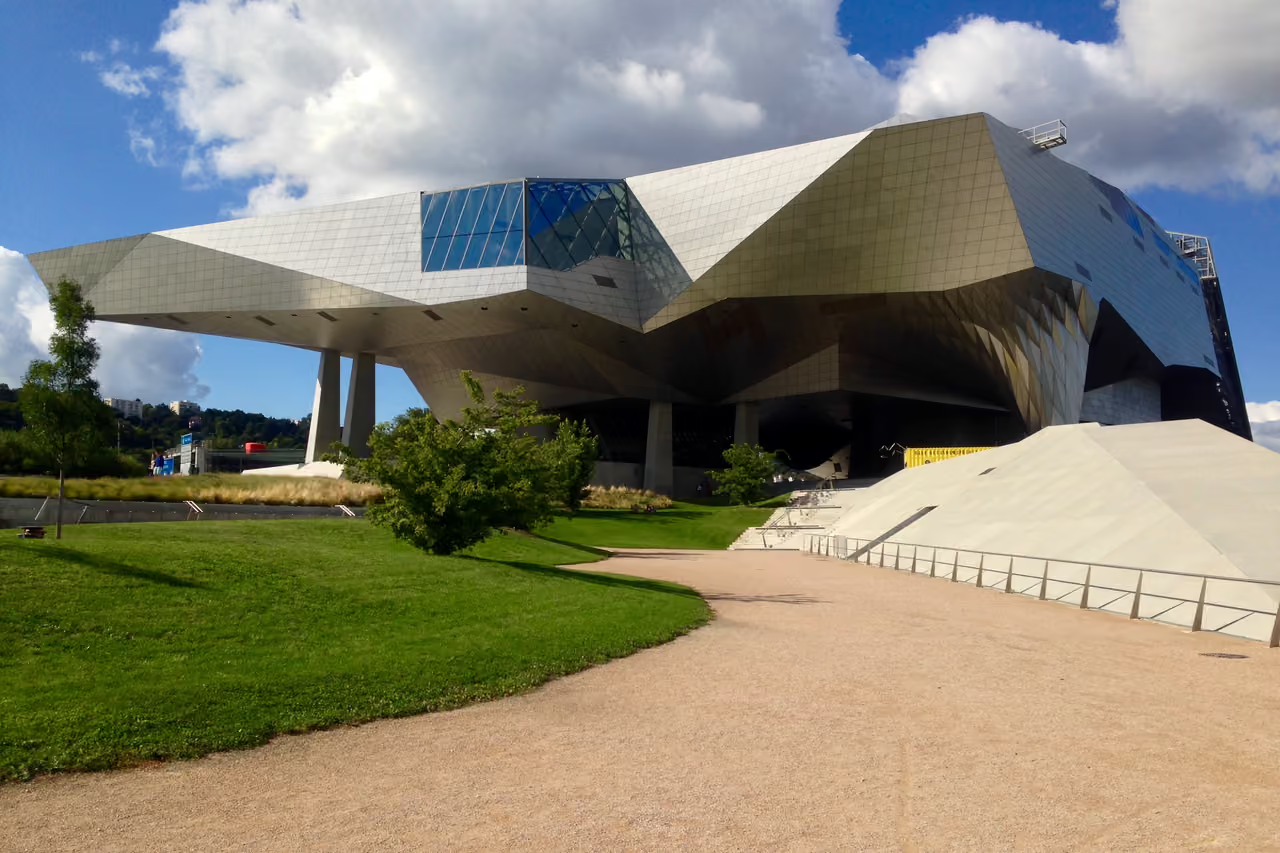
5 Days in Lyon: The Complete Experience
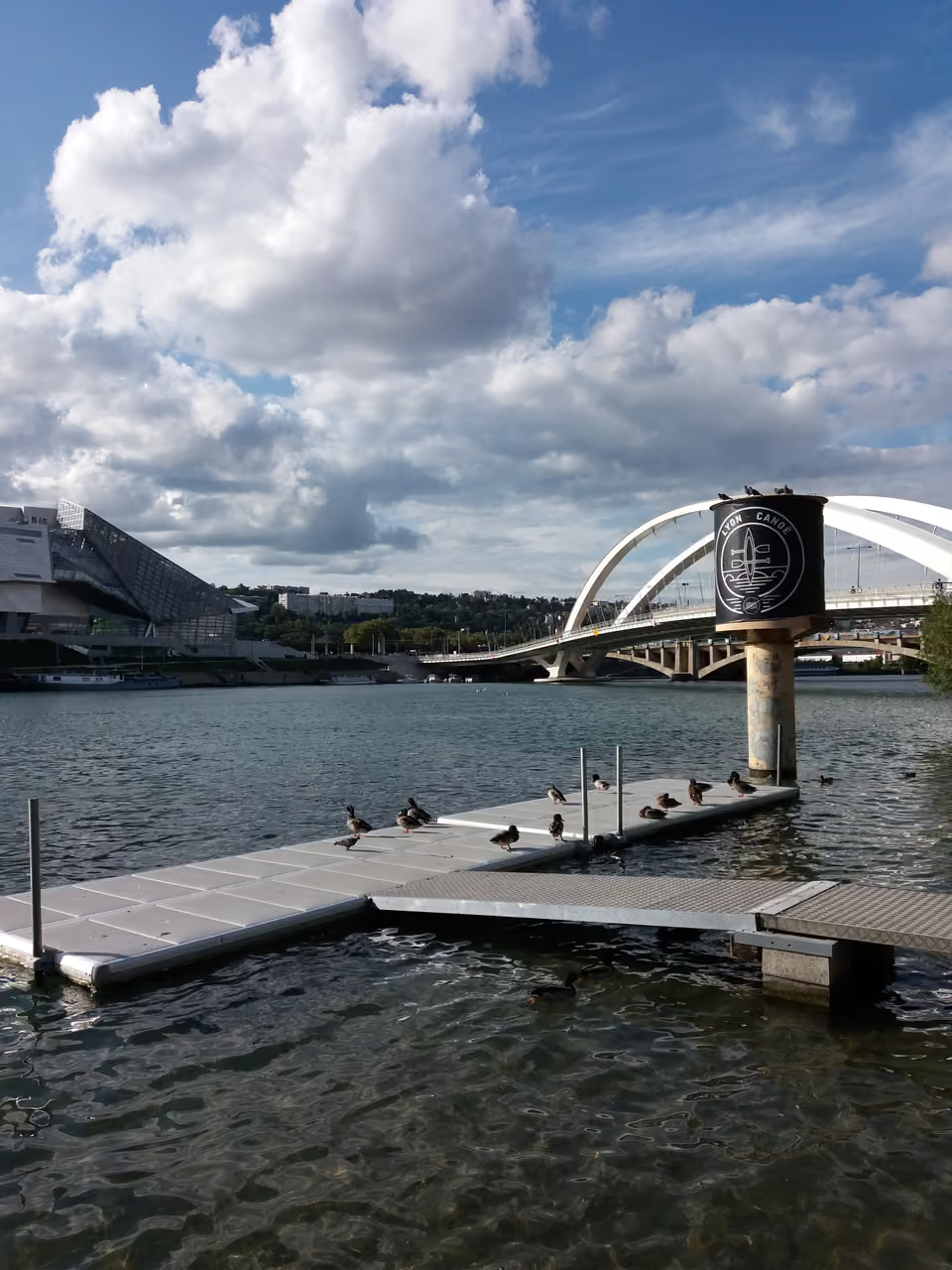
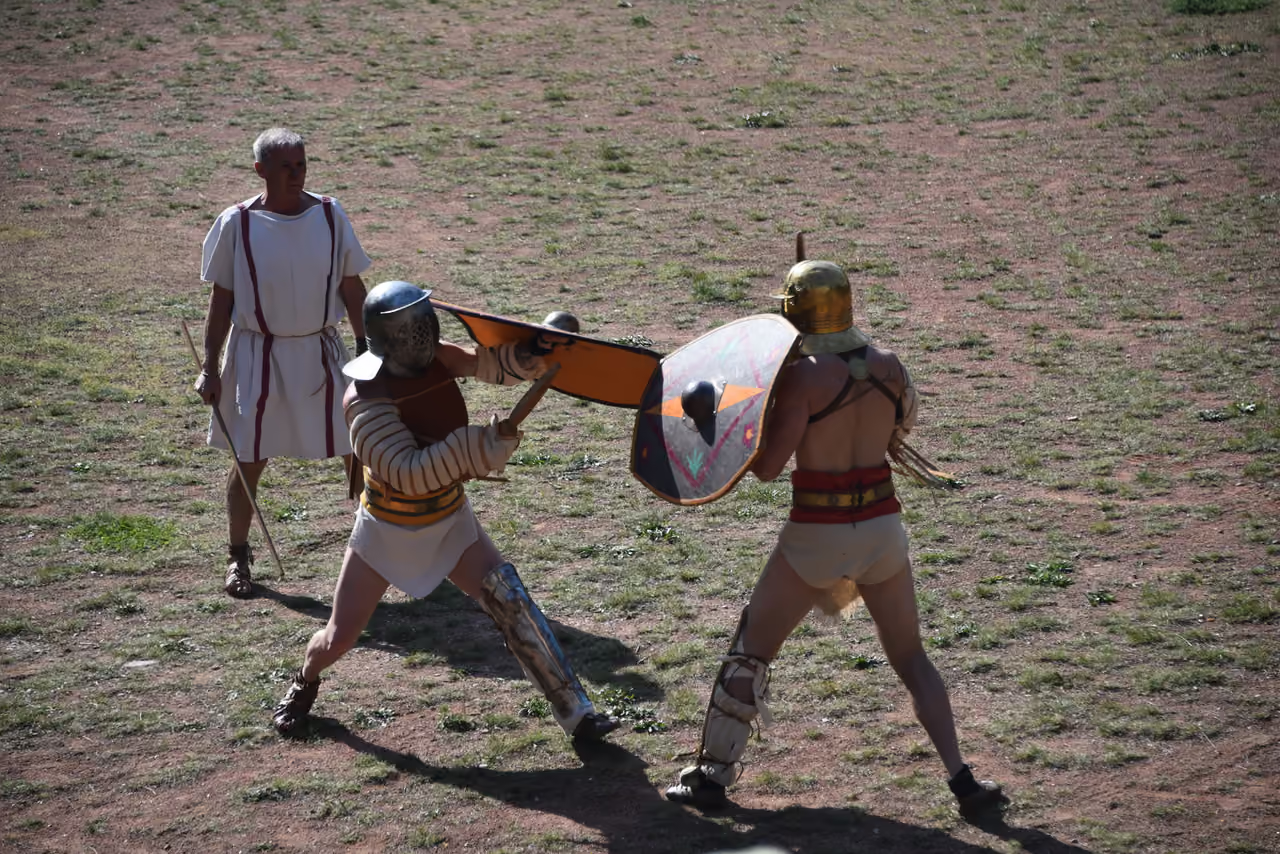
Five days entirely removes the pressure of tourism, allowing you to settle into the rhythm of the city. You have time to cross the rivers multiple times, explore the vast parks on the outskirts, and hunt down hidden courtyards that most visitors miss. This duration allows for a deep dive into the museums and a dedicated focus on the modern architecture of the southern peninsula. You can afford to spend an entire afternoon reading in a café or cycling the riverbanks without feeling like you are wasting time. It transforms a busy trip into a temporary residence.
view itinerary
See all attractions in Lyon
Including Confluences Museum, Gadagne Museums, Grand Hôtel-Dieu, and more