Confluences Museum
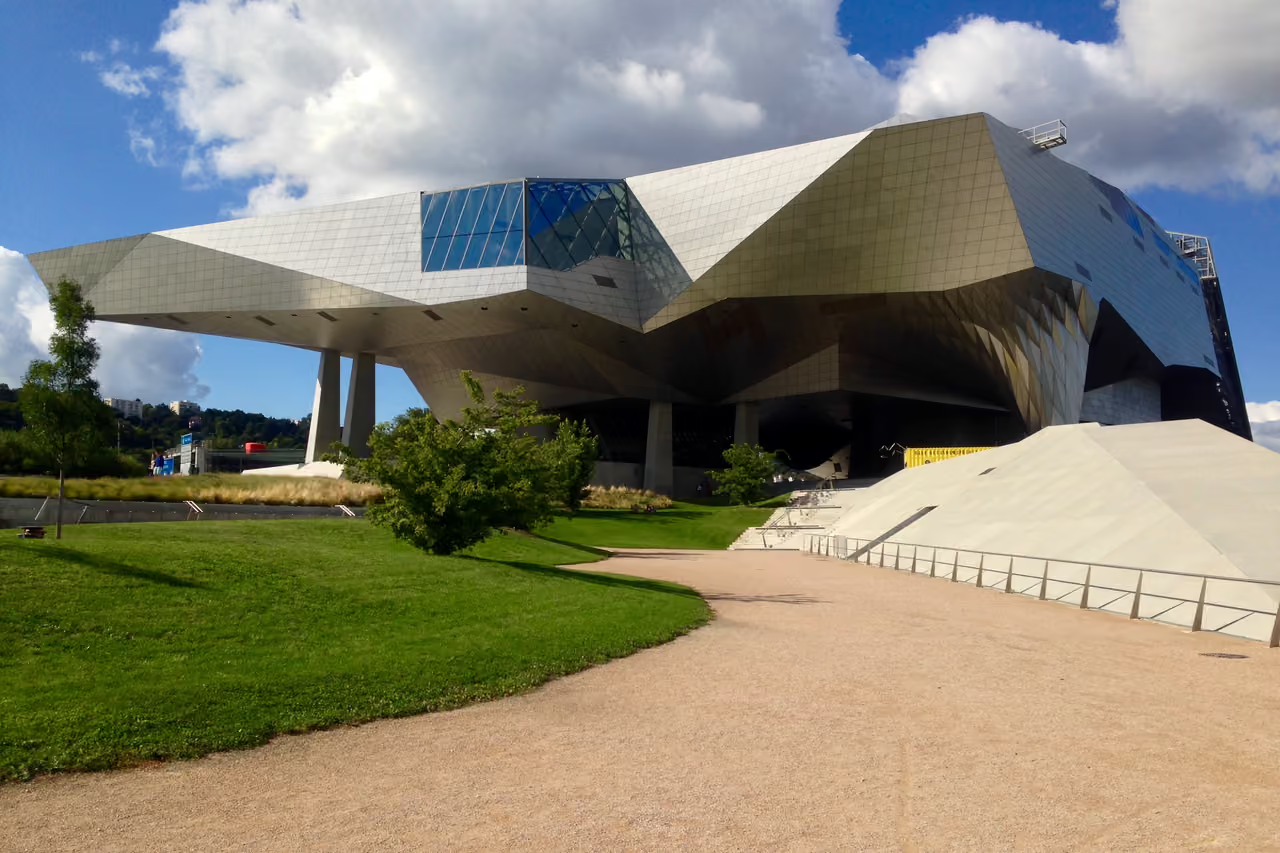
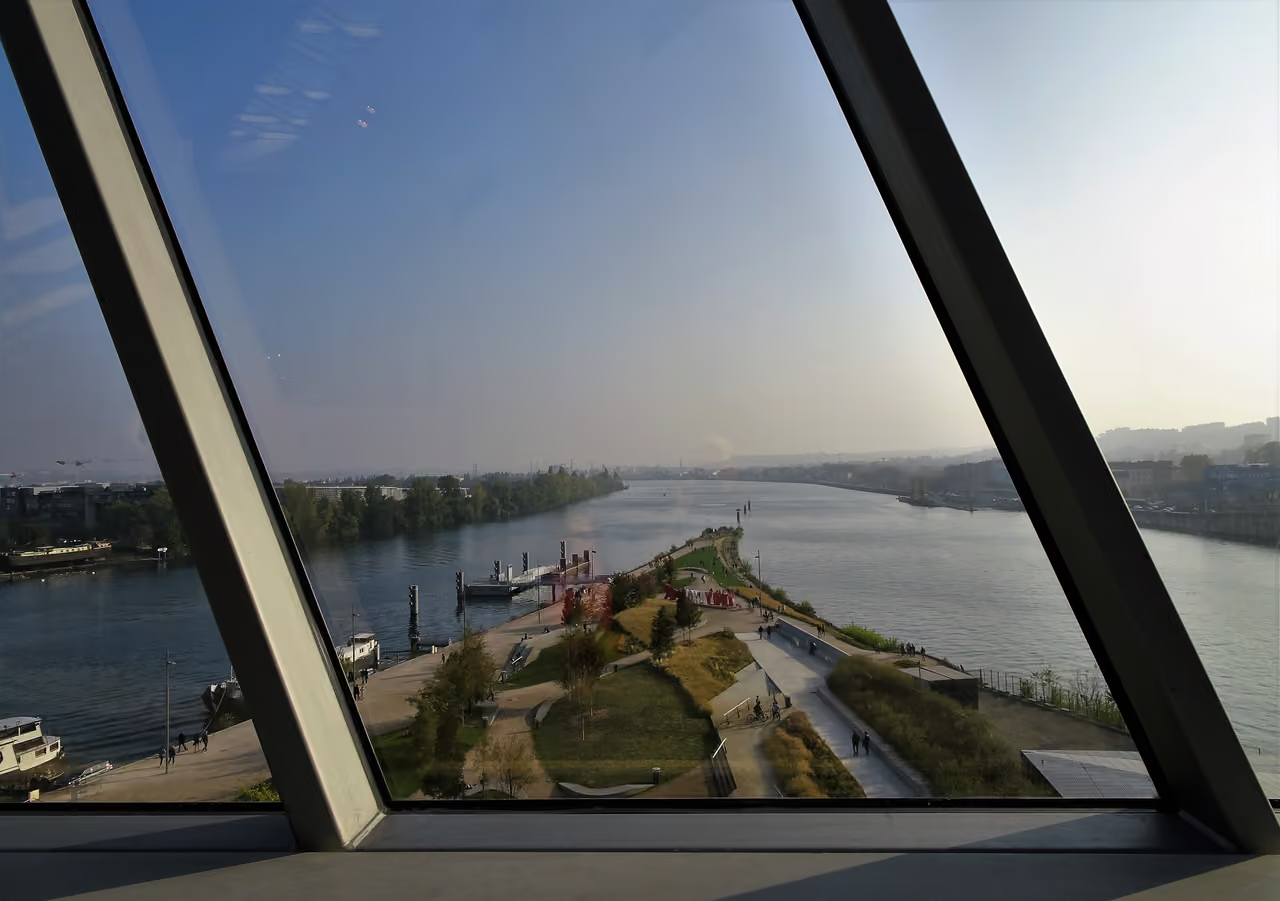
Perched right where the Rhône and Saône crash together at the southern tip of the Presqu'île, this building looks less like a civic hall and more like an angular starship grounded on the riverbank. Designed by Coop Himmelb(l)au, the architecture pairs soaring glass cantilevers with a stainless steel cloud floating over a cavernous concrete base. Inside, centuries-old cabinets of curiosities collide with Egyptian mummies, a 1958 particle accelerator, and articulated dinosaur skeletons. Stepping onto the upper rooftop terrace puts the meeting of two river currents and the distant Alpine foothills directly in front of you. A sharp wind can whip around the outdoor vortex walkways on blustery afternoons, but moving through the dimmed galleries feels like exploring the outer edges of human curiosity. At ground level, winding footpaths lead straight to the water's edge where the rivers merge.
Videos
History of Confluences Museum
The origins of the museum trace back to the nineteenth century, when silk magnate Émile Guimet and regional scholars gathered natural oddities, fossils, and religious relics from every continent. For generations, these curiosities gathered dust inside an ageing municipal museum in central Lyon. By the late 1990s, civic planners envisioned something far more audacious, seeking to bring human anthropology, prehistory, and cutting edge science under one monumental roof to anchor a disused industrial wasteland at the southern tip of the peninsula. The ambitious proposal triggered an international design competition in 2001. Austrian studio Coop Himmelb(l)au claimed victory with a radical blueprint known as the Crystal Cloud, featuring jagged glass walls, colossal cantilevers, and zero traditional symmetries. Turning that vision into reality proved a nightmare. The ground beneath the construction site was a swampy patch of river silt that previously held a humble municipal boules pitch. Before concrete could even cure, subterranean river water seeped into the workings, demanding millions of euros in emergency structural reinforcements. Crisis followed crisis. By 2008, relations between the architectural team and the primary construction consortium deteriorated into legal gridlock, causing work to grind to a halt for months. The lead contractor abandoned the project entirely, leaving behind an empty concrete shell next to the roaring A7 motorway. Local authorities scrambled to save face, eventually handing the project to engineering heavyweight Vinci while rushing to sell off public motorway shares to plug an eye-watering budget hole that topped three hundred million euros. Against all odds, the finished building opened in December 2014. National political dignitaries pointedly stayed away from the ribbon cutting ceremony, yet the public arrived in droves. Instead of a conventional natural history museum, visitors found a labyrinthine journey tracing human origins, biological evolution, and visions of the afterlife. An 1859 mammoth skeleton uncovered during railway excavations took centre stage near gleaming space probes and rare mineral deposits, converting an expensive civic gamble into the most popular cultural landmark in the region.
8 events spanning 163 years
Fun Facts
- • Before construction workers drove concrete pilings into the riverbank, the site functioned as a public boulodrome where locals gathered to play boules lyonnaises.
- • Engineers ran into severe trouble when waterlogged silt where the Rhône and Saône converge required six million euros in unexpected soil stabilisation works.
- • Exhibits include a haute couture wedding dress created from Jacquard-woven optical fibres and LEDs alongside traditional local silk.
- • France's president, prime minister, and culture minister all boycotted the opening ceremony in December 2014 following heated controversy over delays and costs.
- • In 2018, researchers curating an insect exhibition identified a previously unknown South African beetle and named it Capezoum museiconfluentiarum in honour of the institution.
- • The collection holds a full-scale model of the Sputnik 2 satellite alongside a massive 640-kilogram siderite meteorite recovered from Algeria.
- • The dramatic glass vortex at the entrance was actually engineered after construction began to solve weight-bearing problems caused by the unstable riverbed.
- • The permanent galleries feature a preserved 1958 Cockcroft-Walton particle accelerator manufactured by Philips, sitting mere metres from pre-Columbian ceramics.
- • The skeleton of the Choulans mammoth on display was unearthed in 1859 by railway workers digging through the clay slopes of Lyon's Perrache district.
- • To cover construction expenses that reached more than five times the initial forecast, local officials quickly sold off sixty-three million euros in motorway shares that buyers subsequently valued at over four hundred million.
RESOURCES
Official WebsiteConfluences Museum FAQ
While we strive to keep this information accurate and up to date, we recommend verifying any details independently before making decisions based on them.
Confluences Museum Map & Neighborhood Explorer
This interactive map is centered on Confluences Museum. Zoom in and move the map around to automatically discover Wikipedia photos and summaries of other nearby sights, monuments, and historical points of interest and stories in real-time!
Places near Confluences Museum
Make the most of your trip. Check out these top-rated spots located nearby.
 553m
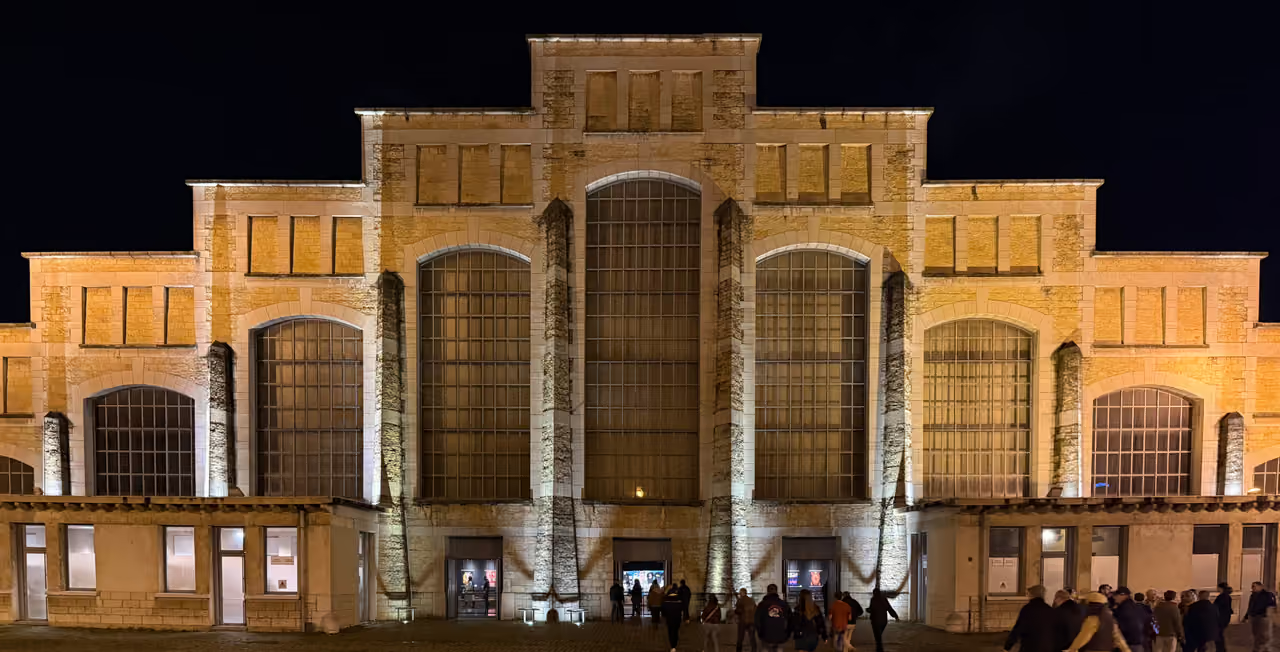
553mHalle Tony Garnier
Built between 1909 and 1914 as part of Tony Garnier's visionary Industrial City project, this immense iron-framed hall once sheltered the livestock market. Today it hosts concerts, trade fairs and the Lumière Festival ceremonies. The span is over 200 metres long, and the rhythm of its metal arches is hard to ignore.
architecture view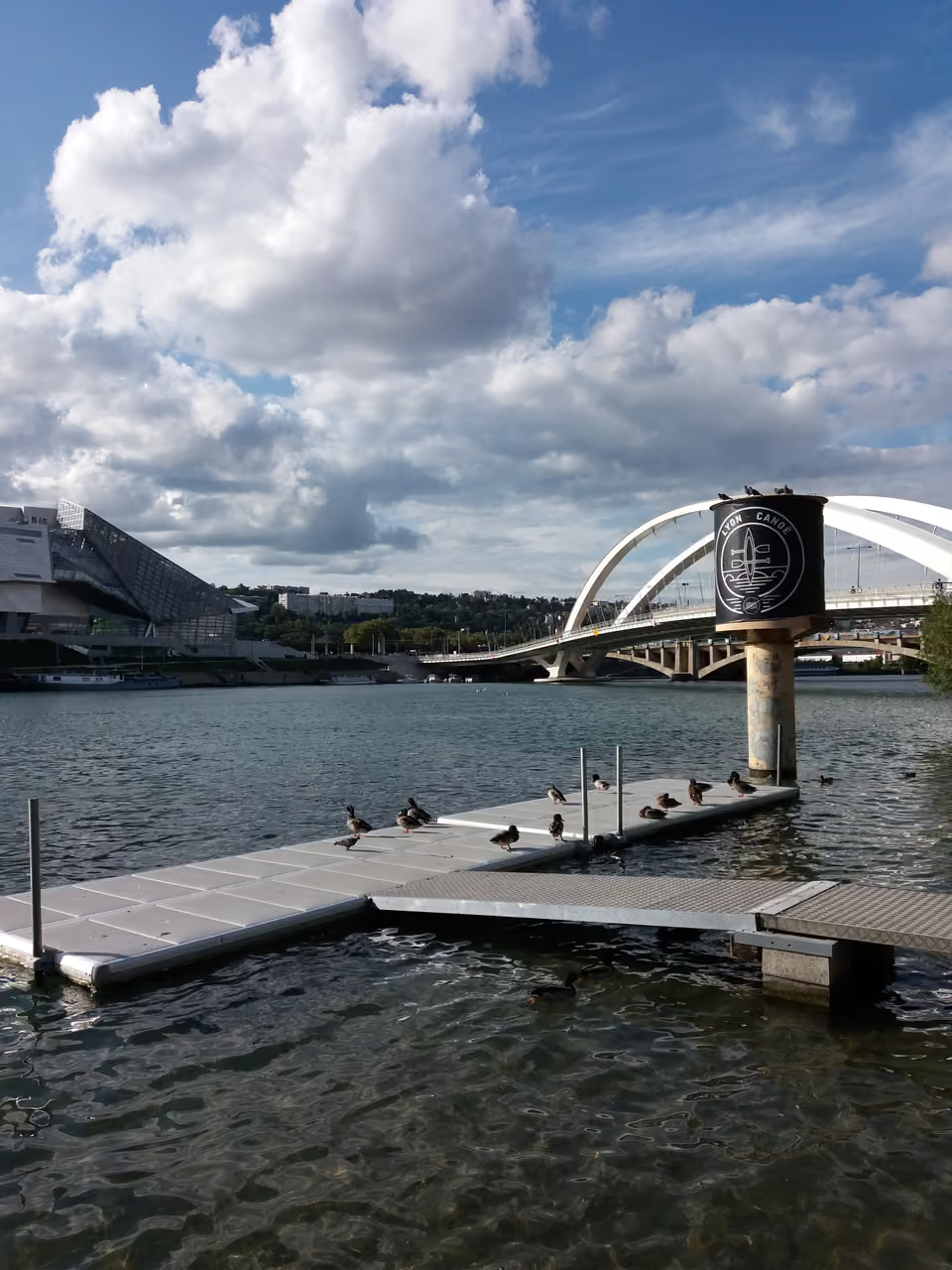 1178m
1178mGerland Henry-Chabert Park
Escape the urban buzz at Gerland Henry-Chabert Park, an expansive green haven meticulously carved from former industrial grounds in Lyon's dynamic south. This modern marvel, spanning 18 hectares, offers a refreshing blend of natural beauty and recreational pursuits. Wander through the unique Megaphorbiaie, a botanical garden showcasing a riot of tall herbaceous plants, or simply unwind in one of its meticulously designed plains. The park's commitment to ecological excellence is underscored by its 'Écojardin' and 'Jardin remarquable' classifications, ensuring a visit that's both invigorating and inspiring. Whether you're seeking active fun at the skatepark or a tranquil moment amidst vibrant flora, this park provides a genuinely special retreat for all ages.
park & nature view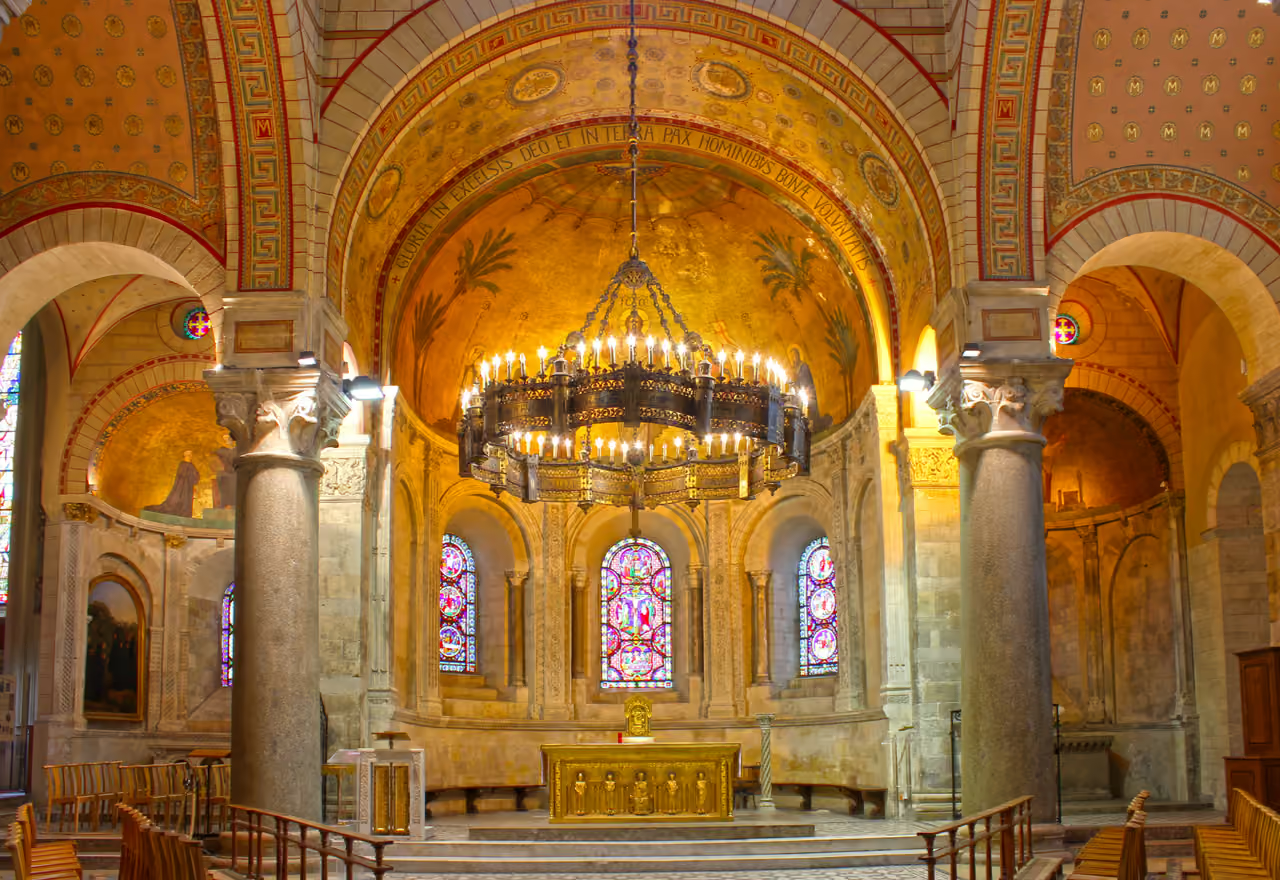 2462m
2462mSaint-Martin d'Ainay Basilica
Thick, austere stone walls define the only entirely Romanesque church remaining in the city. The eleventh-century architecture lacks the flying buttresses and massive glass windows of later Gothic structures, creating a heavy, grounded atmosphere. The square bell tower is unusually stocky, designed for stability rather than soaring height. Inside, ancient granite columns salvaged from Roman ruins support the low, dark arches. It sits quietly in a wealthy residential district, offering a severe contrast to the ornate Renaissance buildings across the river.
architecture view 2519m
2519mSaint Irenaeus Lookout
A quiet, paved terrace sits behind one of the oldest churches in France, offering a lesser-known vantage point over the southern reaches of the city. You look out over the confluence of the two rivers and the sprawling industrial and residential zones heading south toward the Mediterranean. It lacks the dramatic alpine backdrop of the main basilica viewpoint, but also lacks the massive crowds. You can sit on the low stone walls in near silence. It feels like a private balcony over the urban sprawl.
viewpoint view
Explore Similar Places in This Collection
Featured on These Itineraries and Routes
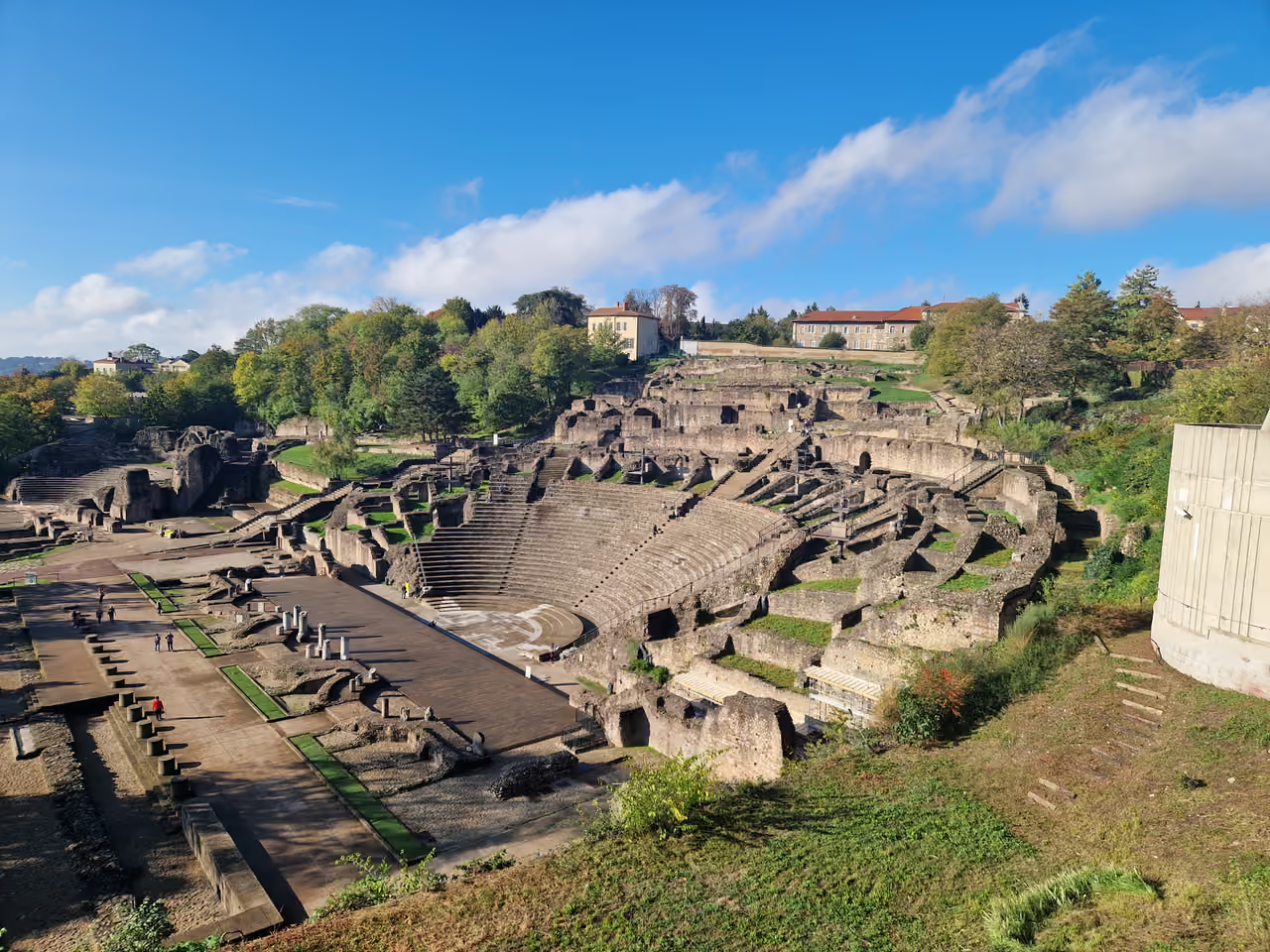
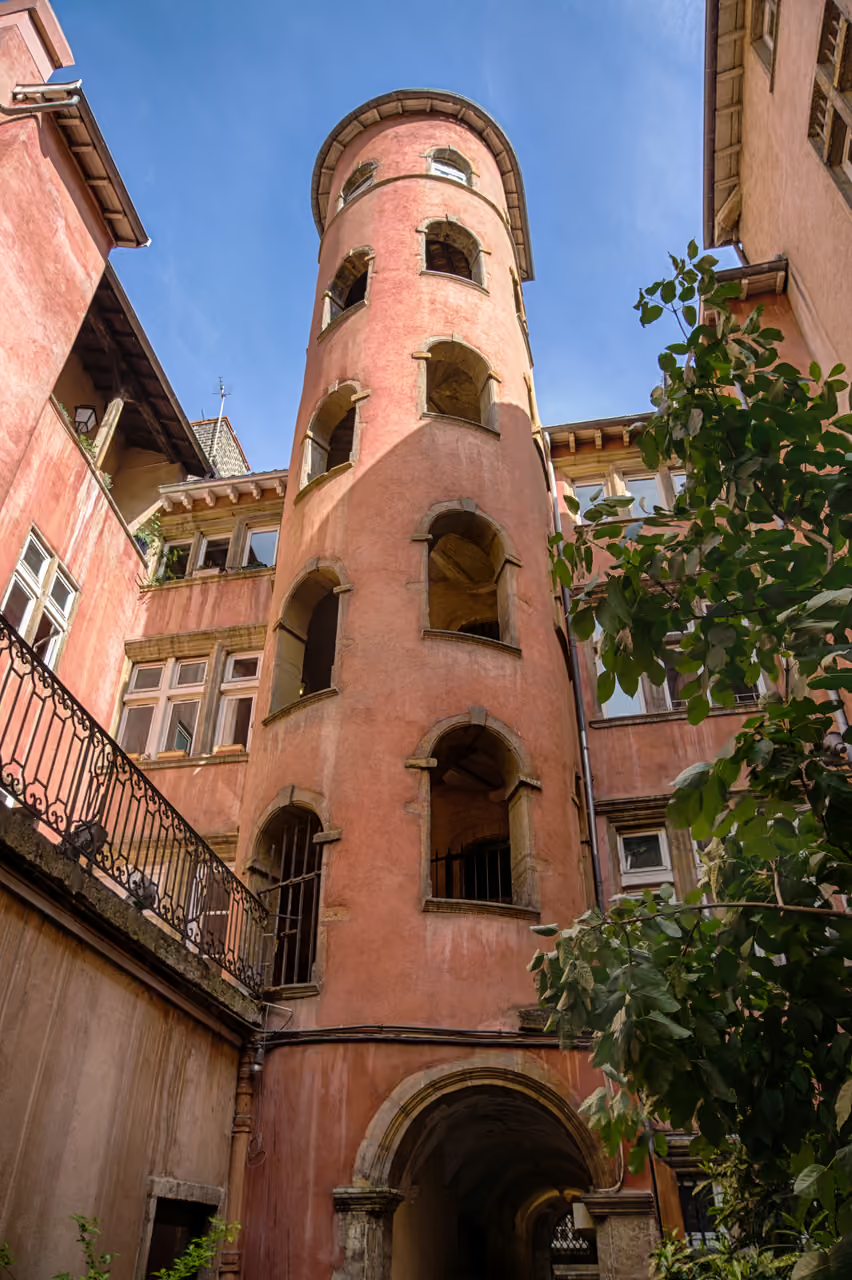
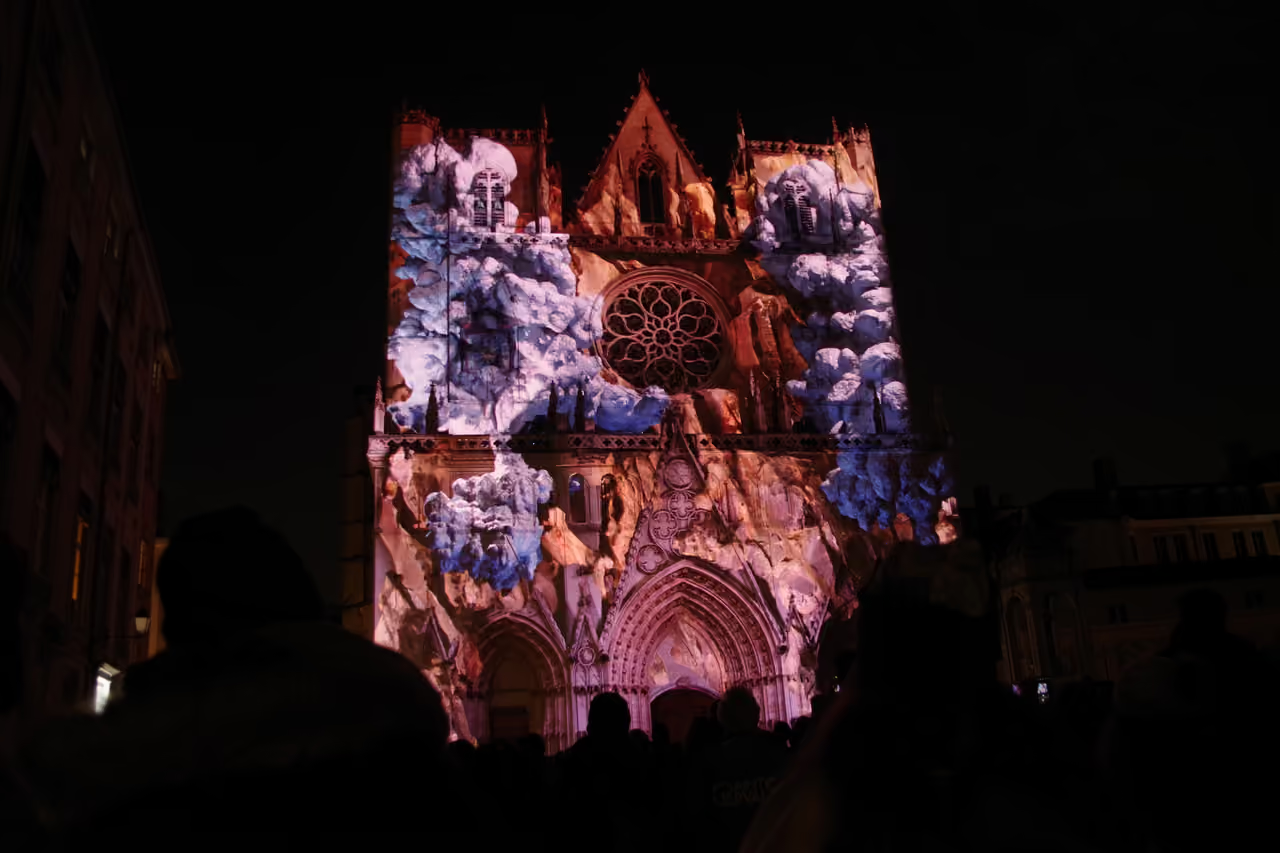
3 Days in Lyon: Heritage & Gastronomy
Three days allows you to split the city into distinct geographic zones, dedicating proper time to the silk-weaving history of the northern hill and the high-end culinary markets of the east. You can linger over three-hour lunches without ruining the day's schedule. This pacing permits a deep dive into the traboules and the massive Fine Arts museum, while leaving evenings free to explore the riverboat bars. It strikes the perfect balance between aggressive sightseeing and the relaxed, food-focused lifestyle the locals demand.
view itinerary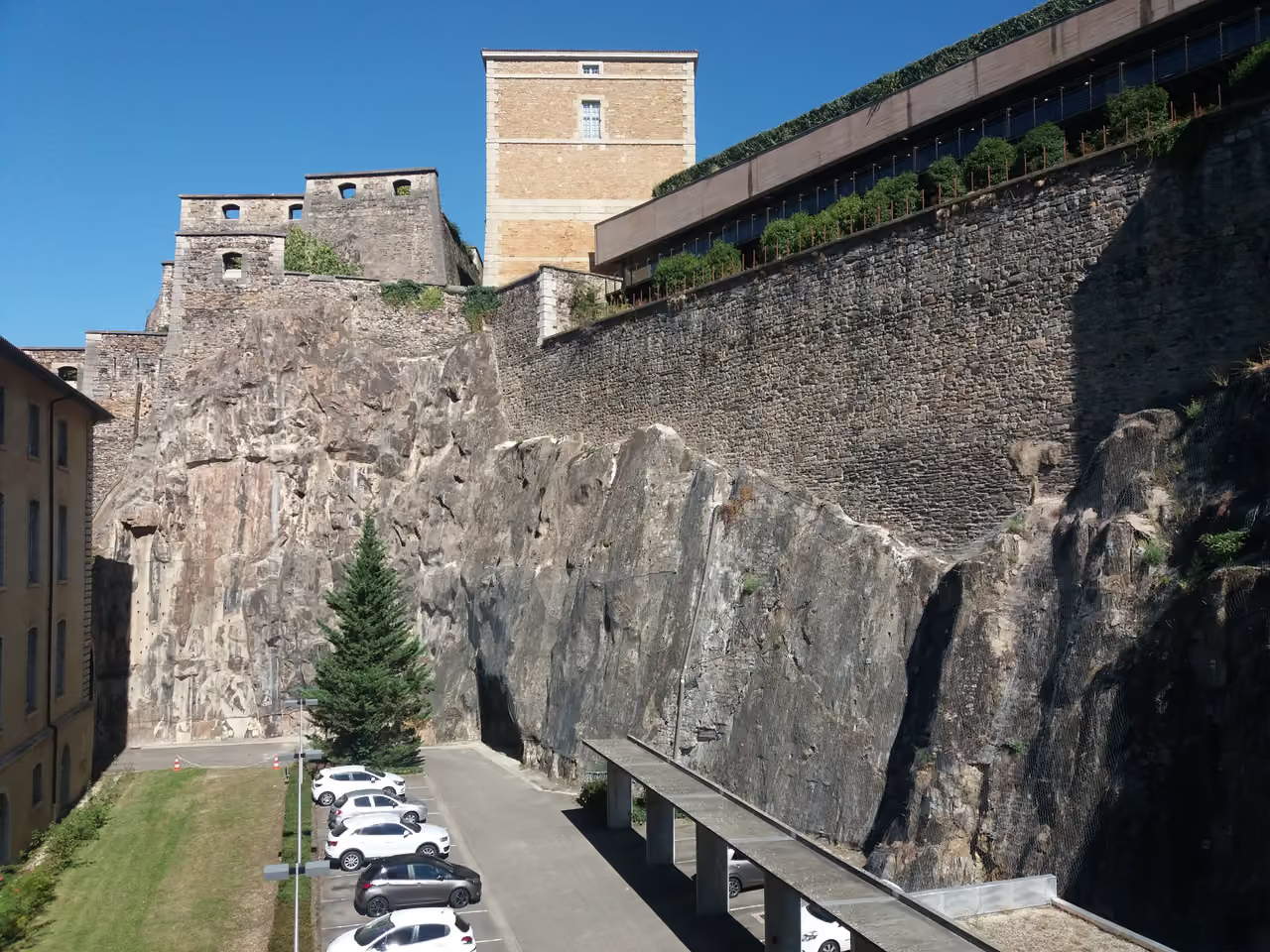
5 Days in Lyon: The Complete Experience
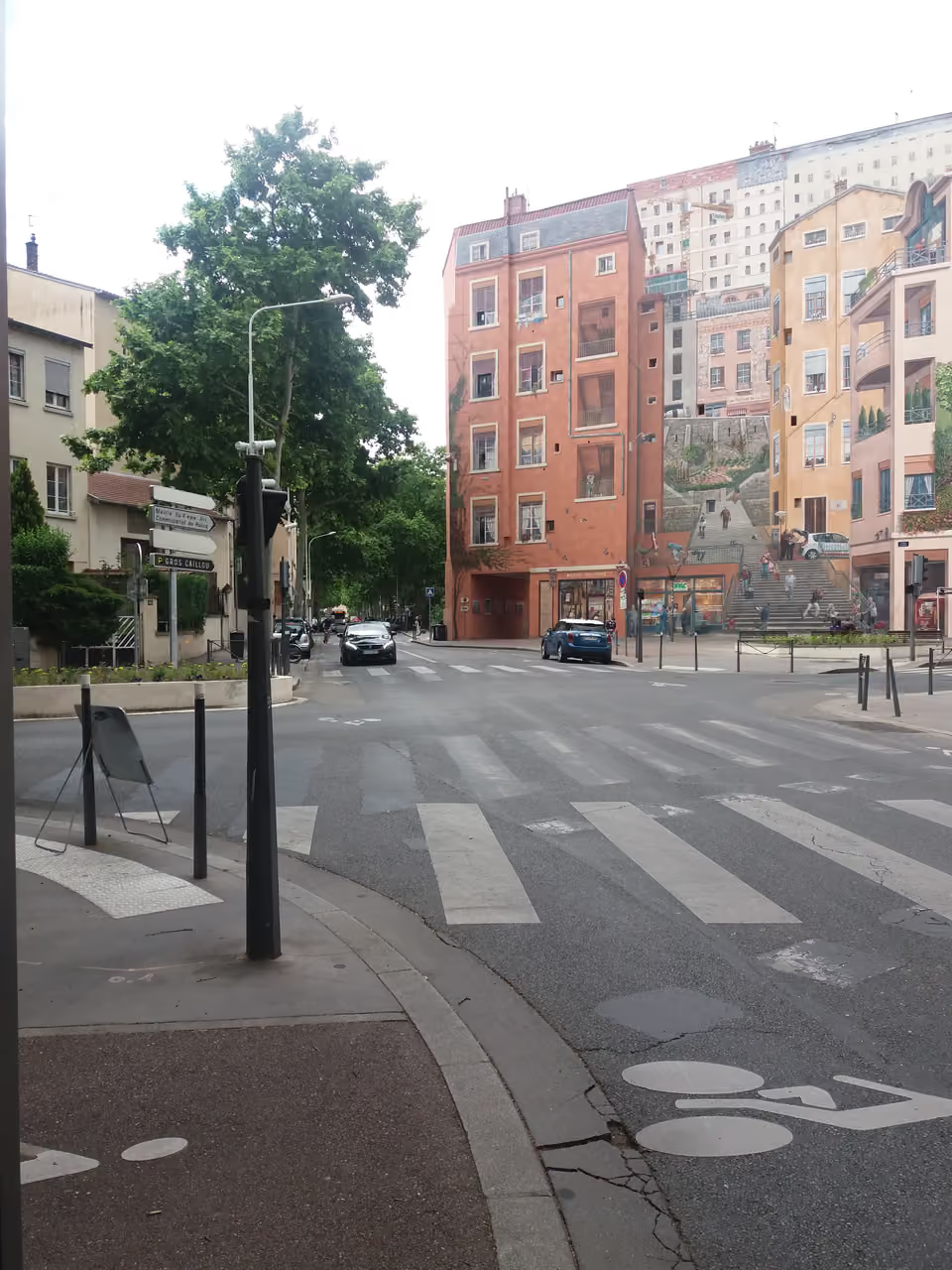
Five days entirely removes the pressure of tourism, allowing you to settle into the rhythm of the city. You have time to cross the rivers multiple times, explore the vast parks on the outskirts, and hunt down hidden courtyards that most visitors miss. This duration allows for a deep dive into the museums and a dedicated focus on the modern architecture of the southern peninsula. You can afford to spend an entire afternoon reading in a café or cycling the riverbanks without feeling like you are wasting time. It transforms a busy trip into a temporary residence.
view itinerary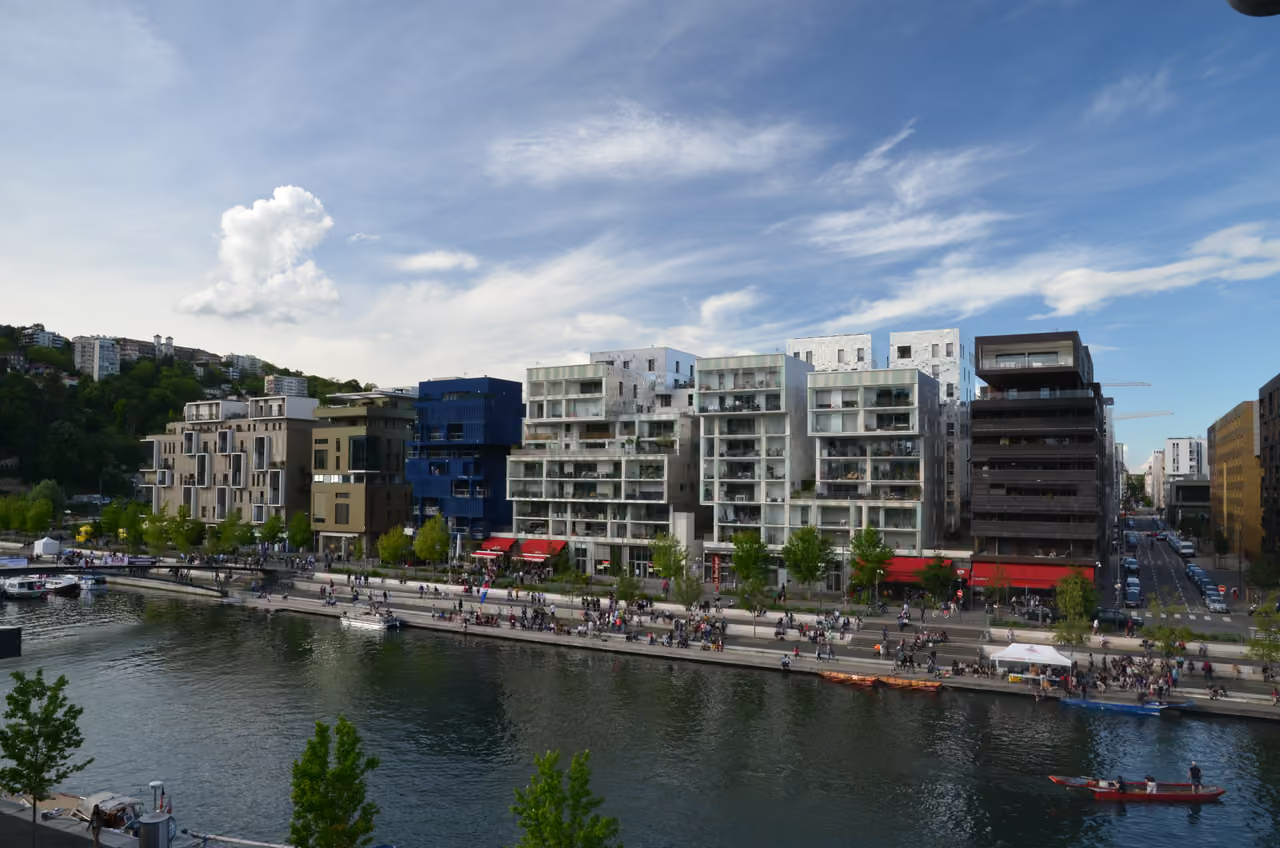
Confluence Architecture Trail
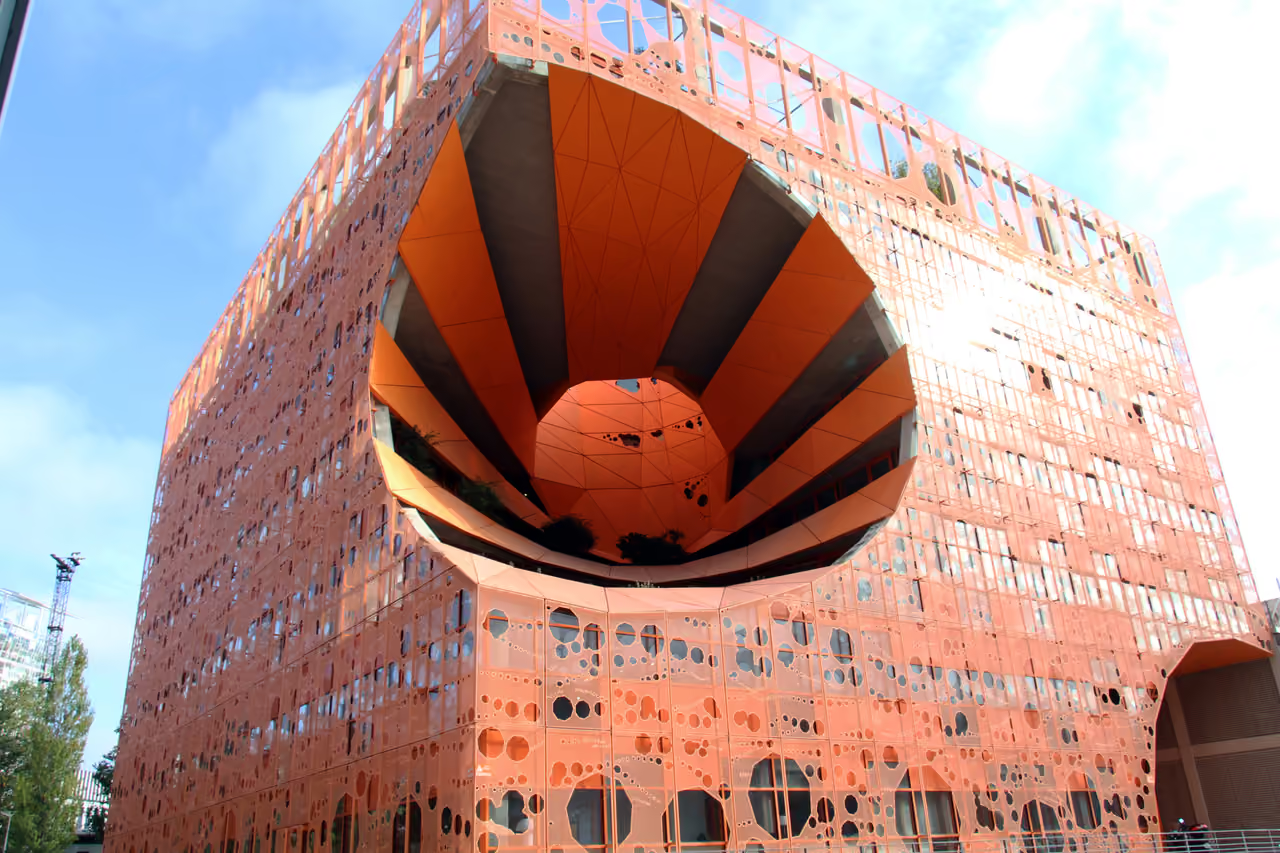
Industrial wastelands have been entirely erased and replaced by sharp, avant-garde geometry. You walk past apartment buildings covered in perforated green aluminium and office blocks painted vibrant, unnatural orange. The water is ever-present, with an artificial basin drawing the river directly into the heart of the neighbourhood. Swans paddle past sleek luxury yachts moored outside glass-fronted restaurants. The walk ends at the very tip of the peninsula, where the two rivers finally smash into each other.
view walking route
See all attractions in Lyon
Including Basilica of Notre-Dame de Fourvière, Gadagne Museums, Grand Hôtel-Dieu, and more