Paris
Full City Guide, Map & 124 Things To Do
2,103,778 people live here.
That's 3.07% of the entire population of France.
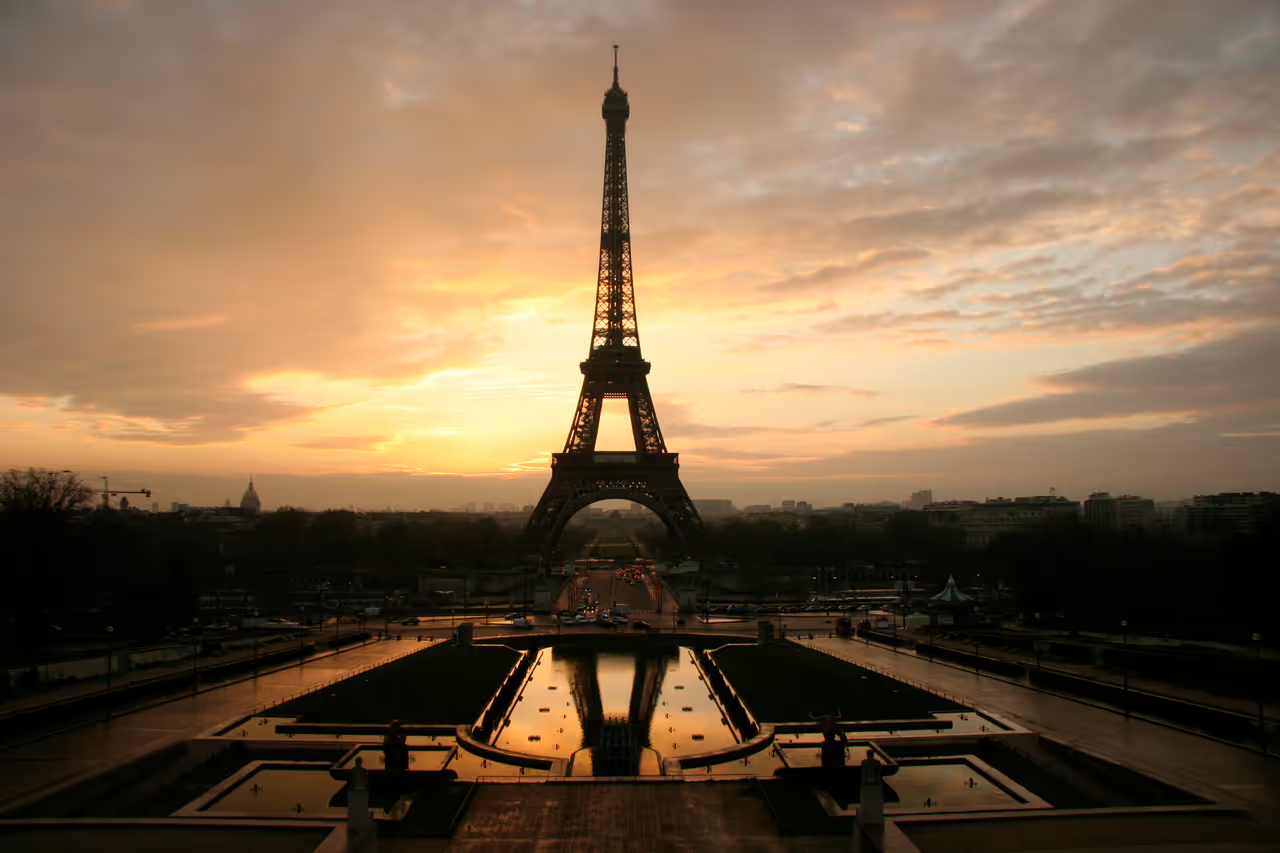
Beyond the postcard silhouettes of iron and stone, Paris reveals itself as a deeply lived-in metropolis. Haussmann’s wide boulevards slice through a patchwork of idiosyncratic arrondissements where locals fiercely defend their corner bakeries and independent cinemas. The air carries a heavy mix of roasted espresso beans, damp stone, and exhaust fumes. You might find yourself arguing over politics in a smoky café or watching the Seine turn gold at dusk from a slanted zinc roof. This capital rewards slow observation rather than a frantic ticking off of landmarks. The legacy of shifting historical eras remains physically embedded in the asymmetrical street corners and the grand monumental axes.
Paris DNA
History of Paris
Three wooden canoes dug out from tree trunks sit inside the Musée Carnavalet. They were pulled from the mud of Bercy during a modern excavation, proving that people fished along the Seine long before written records began. A Celtic tribe called the Parisii eventually claimed the territory, minting gold coins until Roman legions took control in 52 BC. The conquerors built a modest settlement named Lutetia on the Left Bank. The brick arches of their public baths remain intact at the Thermes de Cluny. Saint Geneviève later convinced the panicked residents not to flee from Attila the Hun in 451. The invaders simply altered their route, leaving the settlement intact. Viking longships sailed up the Seine in the ninth century, repeatedly plundering the vulnerable riverside settlements. By 885, they were ready to lay siege to the entire city. Count Odo led a fierce defence from the heavily fortified Île de la Cité, permanently blocking the invaders' access to the upper river. The defenders hurled rocks and boiling oil from the wooden bridges. They refused to surrender. This unlikely survival elevated local political prestige across Europe. King Philip Augustus transformed the medieval settlement into a true capital. He ordered the construction of a massive stone wall around the perimeter and finally paved the muddy central thoroughfares. A geographic fracture emerged. The Île de la Cité handled royal and religious administration, while the Right Bank dominated commerce, driven by the powerful Hanse of water merchants who controlled trade around Les Halles. Across the water, the Left Bank became the intellectual core. The Pope officially recognised the University of Paris in 1210, prompting students from across the continent to gather around the slopes of the Montagne Sainte-Geneviève to debate theology in Latin. Royal authority frequently clashed with local rebellions. The St Bartholomew's Day massacre in 1572 saw intense religious violence spill across the cobblestones. Seven decades later, the Parisian uprisings known as the Fronde forced a young Louis XIV to flee his own capital. He developed a deep disdain for the rebellious locals. He eventually moved his entire government to Versailles. The city he left behind was overcrowded, disease-ridden, and poorly policed. To maintain a fragile grip on order, the lieutenant-general of police, Gabriel Nicolas de La Reynie, ordered the installation of 6,500 lanterns to deter nighttime crime in the sprawling slums. Cabinetmakers in the Faubourg Saint-Antoine helped spark the Revolution in 1789. The ensuing political upheaval permanently dismantled the absolute monarchy. A guillotine was erected in the centre of the Place de la Révolution. It claimed the lives of King Louis XVI, Marie Antoinette, and the radical Maximilien de Robespierre. Following the chaos, Napoleon Bonaparte seized power. He crowned himself Emperor inside the cathedral of Notre-Dame in 1804. He viewed the territory as a new Rome, commissioning the Arc de Triomphe and ordering the digging of the Canal de l'Ourcq to provide the growing population with fresh drinking water. Narrow medieval alleys dominated the urban landscape until the mid-nineteenth century. Emperor Napoleon III instructed Baron Haussmann to completely overwrite the medieval street plan. Whole neighbourhoods were demolished to make way for wide, linear avenues flanked by identical freestone buildings. This aggressive urban planning created the familiar balconies and slate roofs seen along the Boulevard Saint-Germain today. Progress came to a halt during the Franco-Prussian War in 1870. Prussian troops surrounded the capital. Isolated residents relied on hot air balloons to send mail over enemy lines. The subsequent Paris Commune uprising in 1871 ended with severe military repression, leaving key administrative buildings like the Hôtel de Ville in ashes. The Eiffel Tower emerged as a temporary iron archway for the 1889 Exposition Universelle. It barely survived calls for its demolition. A catastrophic flood submerged the city in 1910, with the Seine rising high enough to pour into the newly built Metro stations. Three decades later, German forces occupied the capital during the Second World War. As Allied troops approached in August 1944, local resistance fighters initiated an armed uprising. Captain Raymond Dronne's vanguard unit of the 2nd Armoured Division rolled up to the Hôtel de Ville on the evening of August 24. The German military governor, Dietrich von Choltitz, famously ignored direct orders from Adolf Hitler to dynamite the city's bridges and monuments. He surrendered the territory relatively intact. Students tore up the paving stones of the Latin Quarter to build barricades during the massive social protests of May 1968. The political unrest paralysed the country for weeks before subsiding. The city has continually adapted to severe shocks, including a major terrorist attack at the Bataclan theatre in 2015. On a spring evening in 2019, crowds gathered in silence along the quays to watch the wooden roof of Notre-Dame burn. The lead spire collapsed into the nave, but the stone bell towers held firm. Today, scaffolding surrounds the cathedral structure, while the noise of a passing delivery scooter occasionally drowns out the church bells on the neighbouring Île Saint-Louis.
14 Events spanning 2265 years
Map of Paris
Interactive Destination & Itinerary Map
This map blends our curated city guides—featuring best photo spots, scenic walks, viewpoints, hidden gems and much more—with a live Wikipedia explorer. Click on our numbered pins to plan your routes, or zoom in on the surrounding neighborhoods to discover verified local landmarks, museums, and stories with dynamic Wikipedia summaries and photos!
Fun Facts
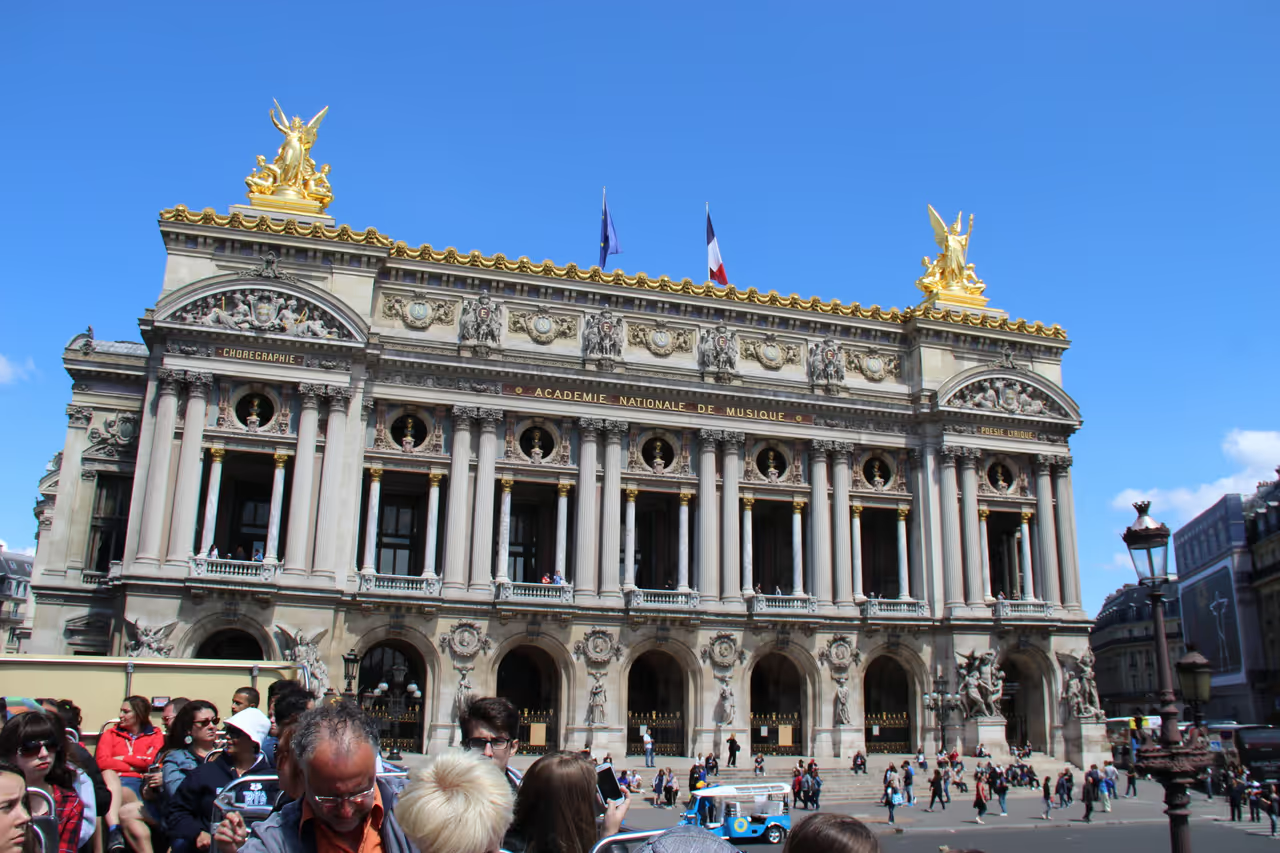
- • The city features a hidden underground lake beneath the Palais Garnier, which served as the inspiration for the phantom's lair in The Phantom of the Opera.
- • A scaled-down, almost deserted replica of the capital exists in Tianducheng, China, complete with its own iron tower and Haussmann-style residential blocks.
- • The shortest street measures a mere 5.75 metres in length; Rue des Degrés consists entirely of a small flight of stairs without a single door or window.
- • During the First World War, authorities built a fake replica of the capital on the northern outskirts, using clever lighting to fool German bomber pilots during nighttime raids.
- • The oldest bridge spanning the river is ironically named the 'New Bridge' or Pont Neuf, having been completed in the early seventeenth century.
- • The iconic dark green drinking fountains scattered across the capital, known as Wallace Fountains, were donated by a British philanthropist to provide free clean water to the public after the destructive Franco-Prussian War.
- • Point Zero, a small bronze star set into the cobblestones outside Notre-Dame Cathedral, marks the official centre of the nation from which all French road distances are measured.
- • The oldest public café in continuous operation is Café Procope, which opened in 1686 and became the favourite meeting spot for revolutionary thinkers like Voltaire and Benjamin Franklin.
Did You Know?
- • The massive urban overhaul led by Baron Haussmann in the nineteenth century demolished tight medieval alleys to create the wide, straight boulevards defining the modern aesthetic.
- • Beneath the charming streets lies an expansive labyrinth of former limestone quarries, holding the skeletal remains of over six million former residents transferred there to solve public health crises.
- • The metropolitan area boasts the highest number of underground railway stations per square kilometre globally, creating one of the densest transit networks ever built.
- • The Louvre reigns as the largest art museum on Earth, with a gallery space so vast that glancing at each object for thirty seconds would take more than one hundred days.
- • The capital played a pioneering role in the history of photography when Louis Daguerre introduced the revolutionary daguerreotype process here in 1839.
- • The French capital introduced the world's very first public transport system in 1662, when philosopher Blaise Pascal launched a network of horse-drawn carriages running on fixed routes and schedules.
- • Thermal expansion causes the iron structure of the Eiffel Tower to physically grow up to fifteen centimetres taller during hot summer days, shrinking back down when the temperature cools.
- • The original Celtic-Roman name for the settlement, Lutetia, is believed to be derived from the Latin word for mud, reflecting the marshy and wetlands setting of the ancient riverbanks.
Videos of Paris
Seasons
Spring
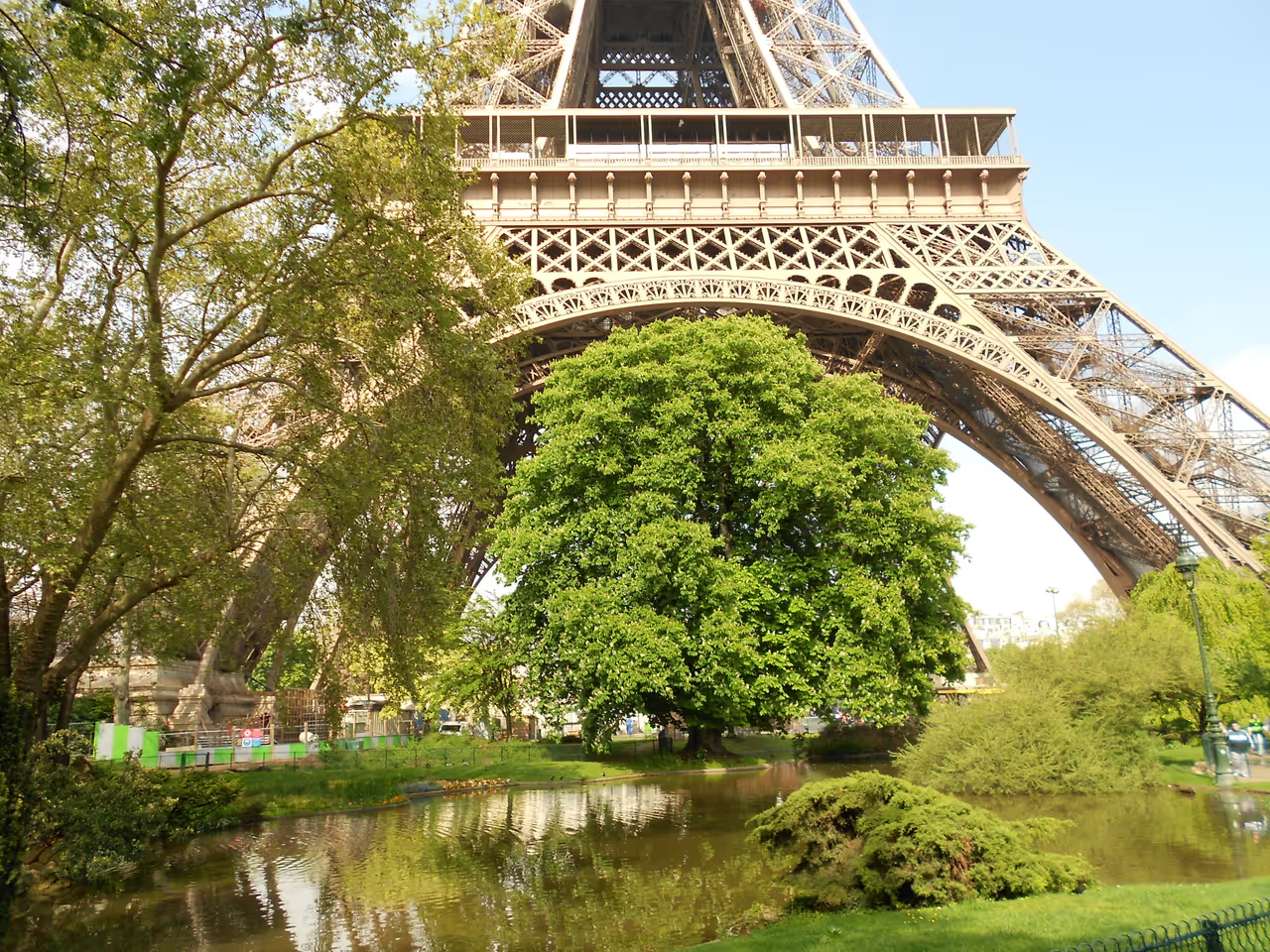
As the unpredictable March showers give way to milder temperatures, the city bursts into a spectacular display of floral blooms...
Summer
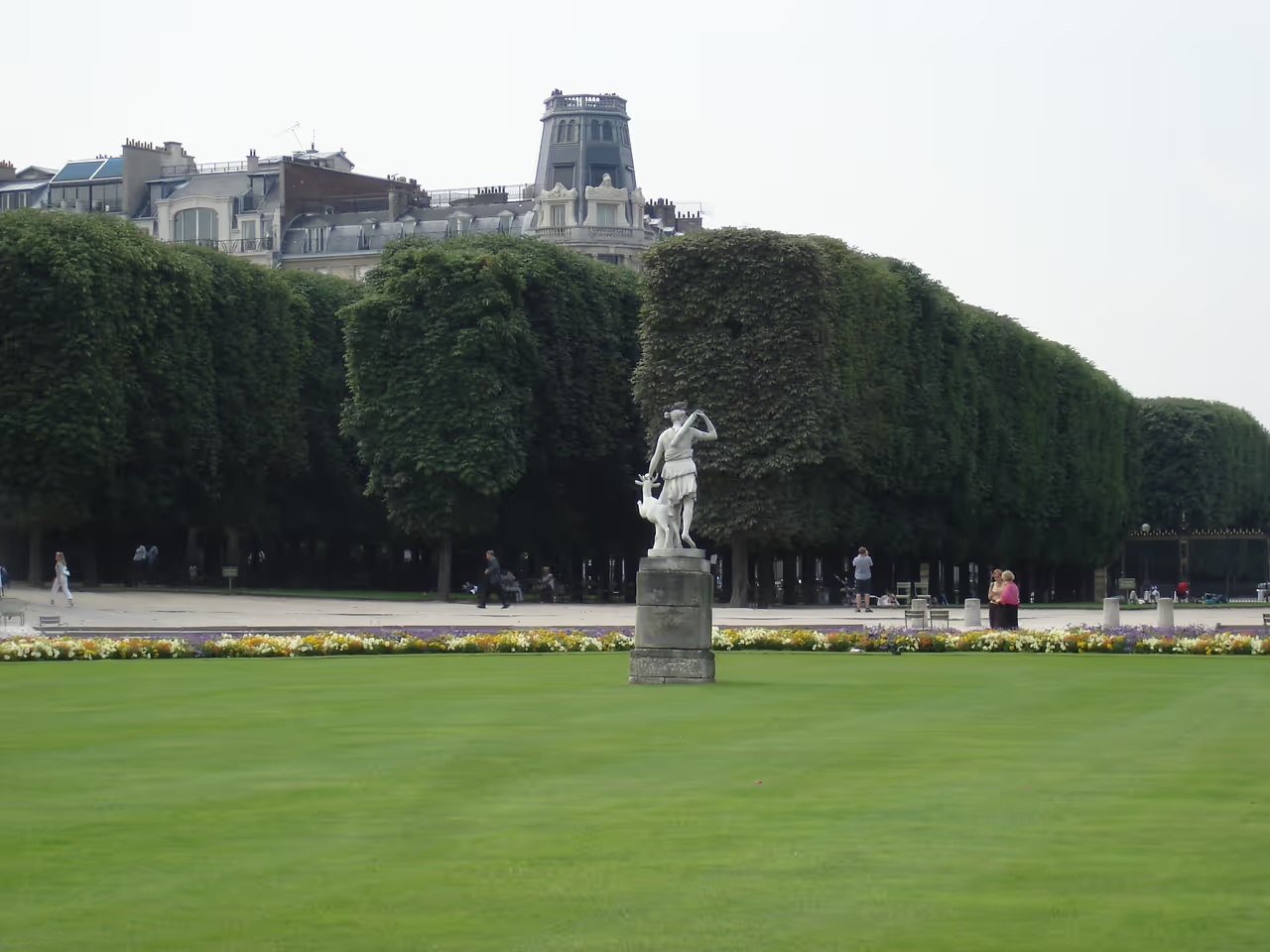
The warmest months bring a lively, slightly languid energy, with long, bright evenings perfect for outdoor socialising. The...
Autumn
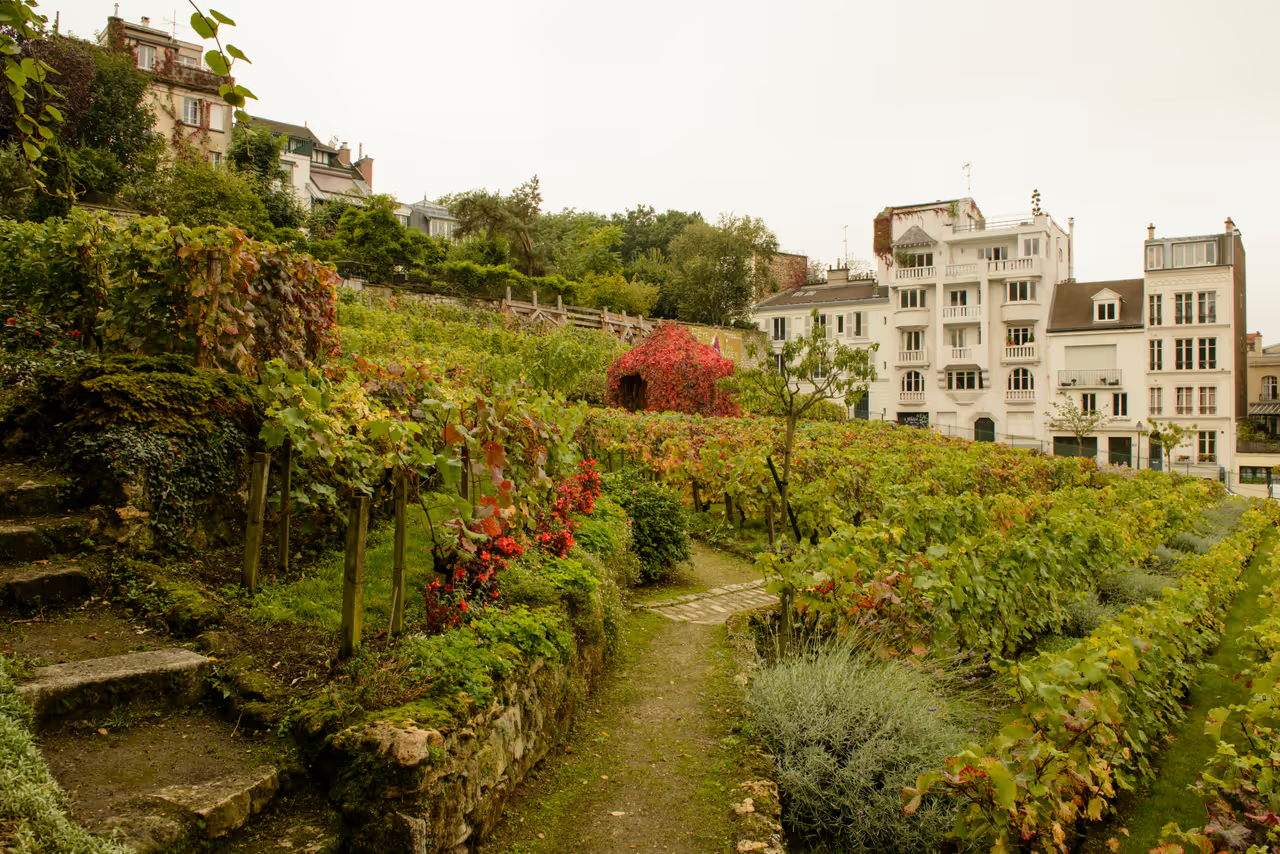
The crisp, cooling air accompanies a stunning visual transformation as the foliage in the major parks turns deep shades of gold...
Winter
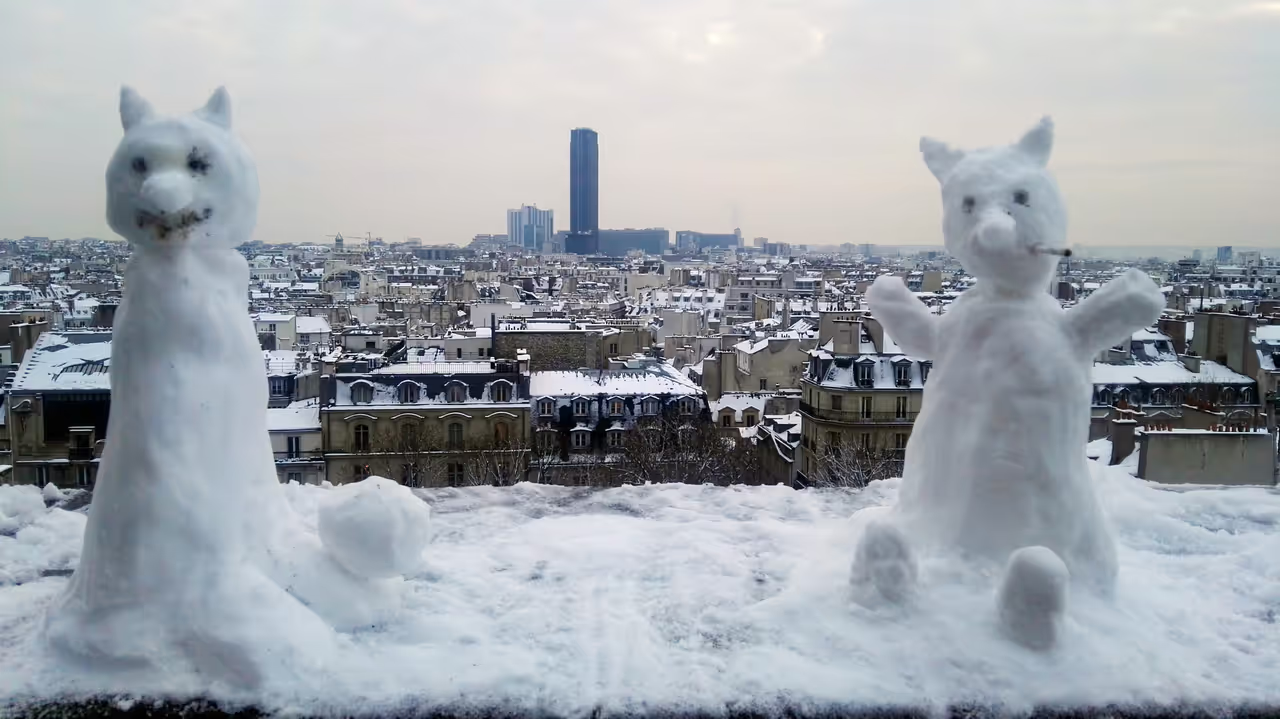
The colder months envelop the monumental architecture in a quiet, moody elegance, often punctuated by grey skies and occasional...
Top Attractions in Paris
Arc de Triomphe
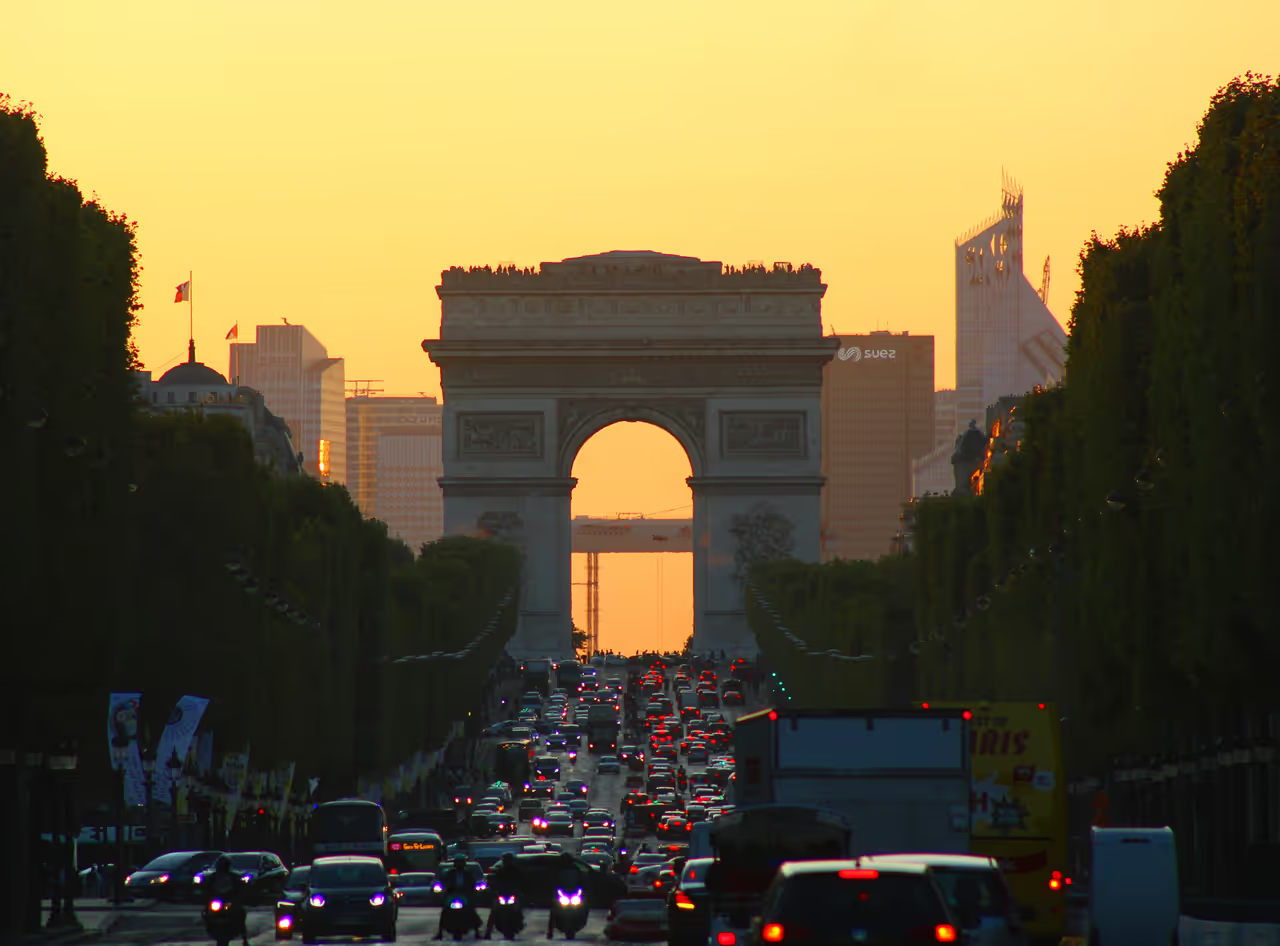
Standing proudly at the western end of the Champs-Élysées, this massive arch is much more than a photo opportunity. It serves as...
view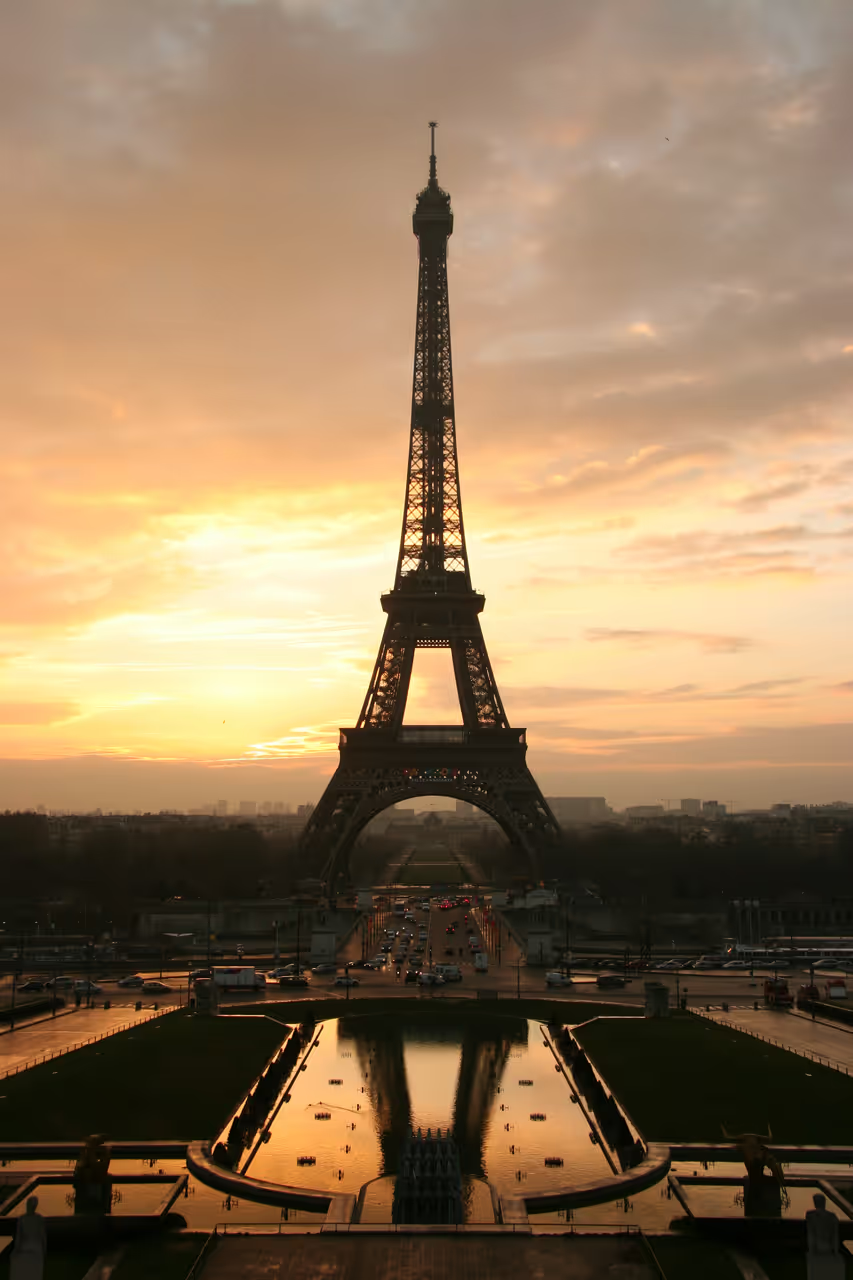
Eiffel Tower
Standing as the iron heart of Paris, the Eiffel Tower is far more than a mere landmark; it is a global symbol of romance and...
view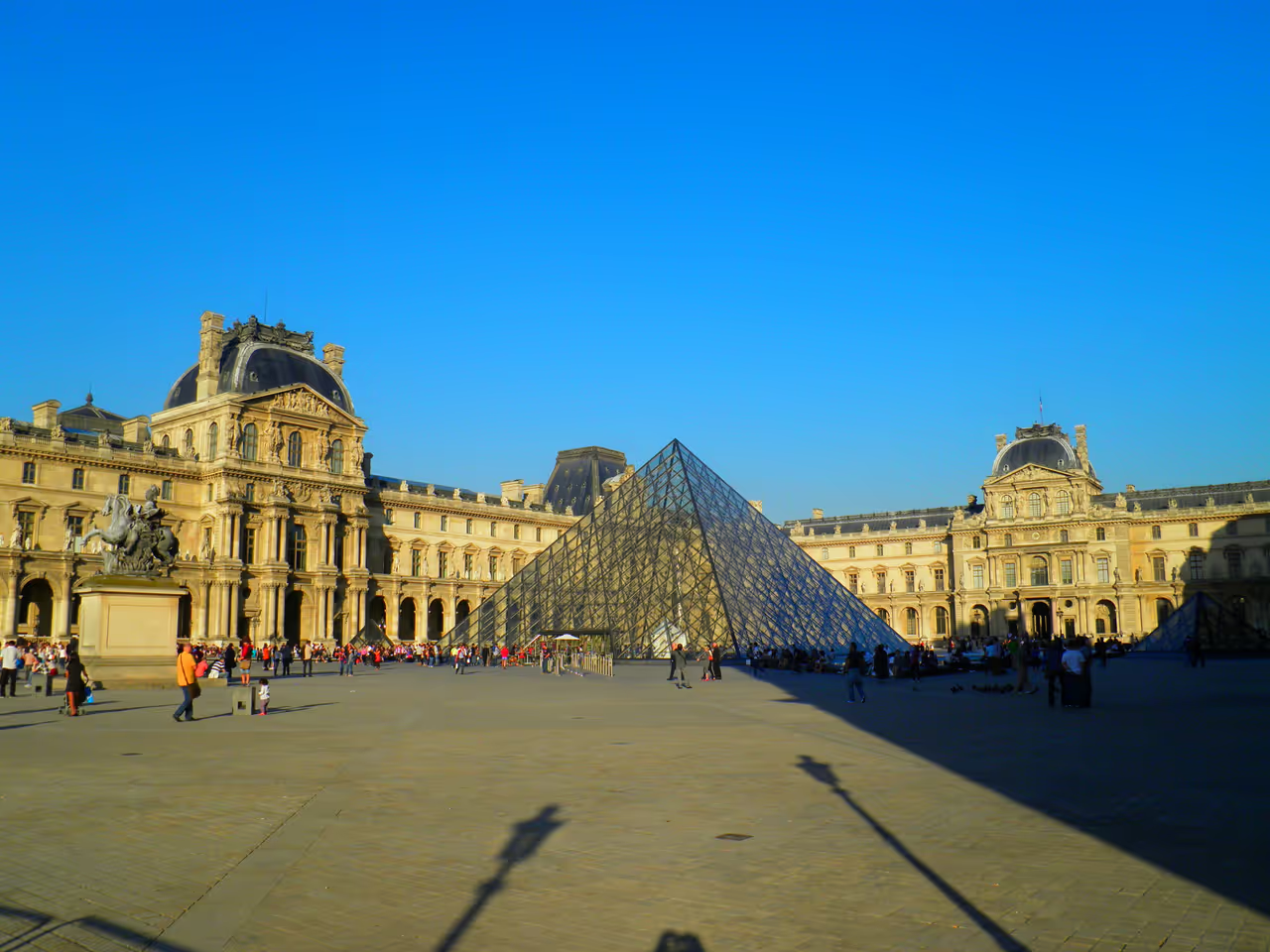
Louvre Museum
Standing as the world's largest and most visited art museum, the Louvre is an architectural marvel that has evolved from a...
view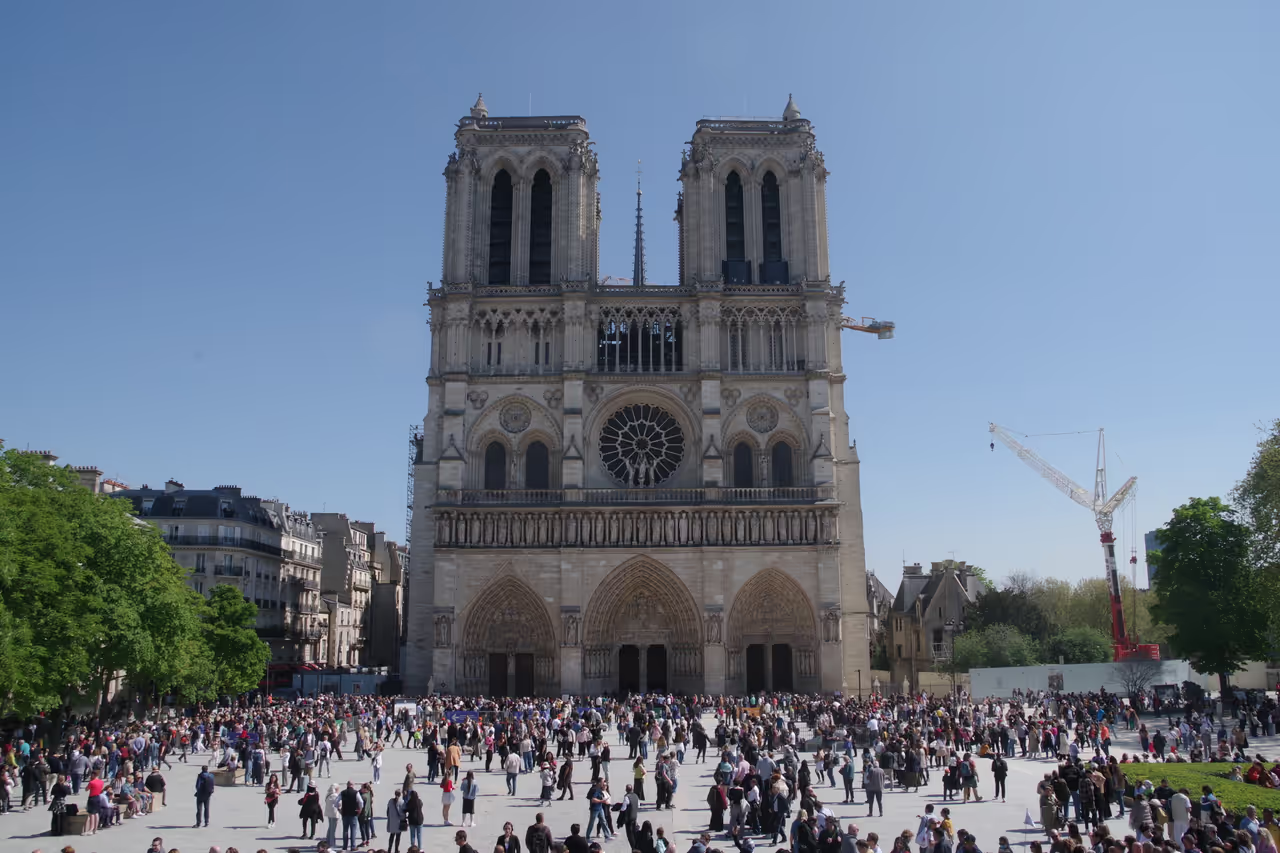
Notre-Dame Cathedral
Standing as the spiritual and geographical heart of the city on the Île de la Cité, Notre-Dame Cathedral is a masterpiece of...
view
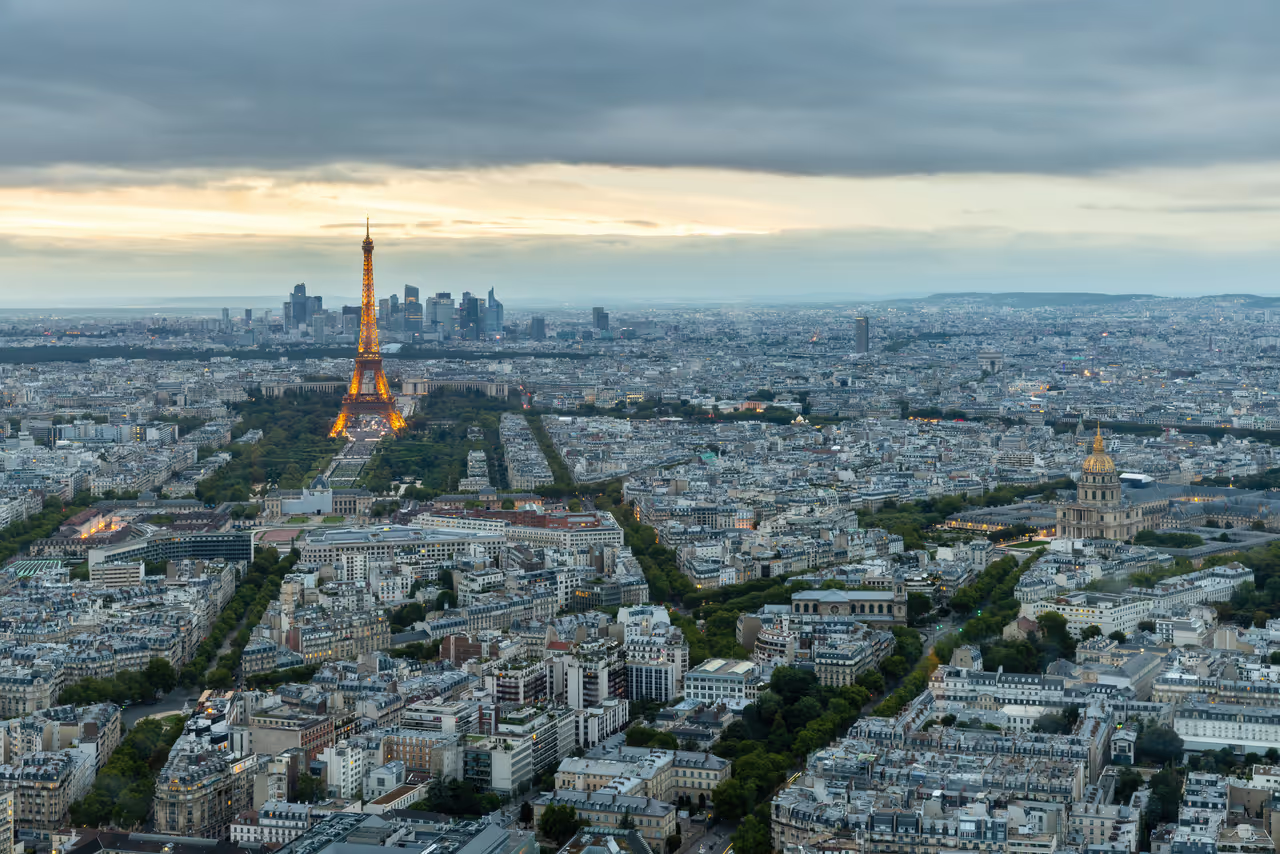
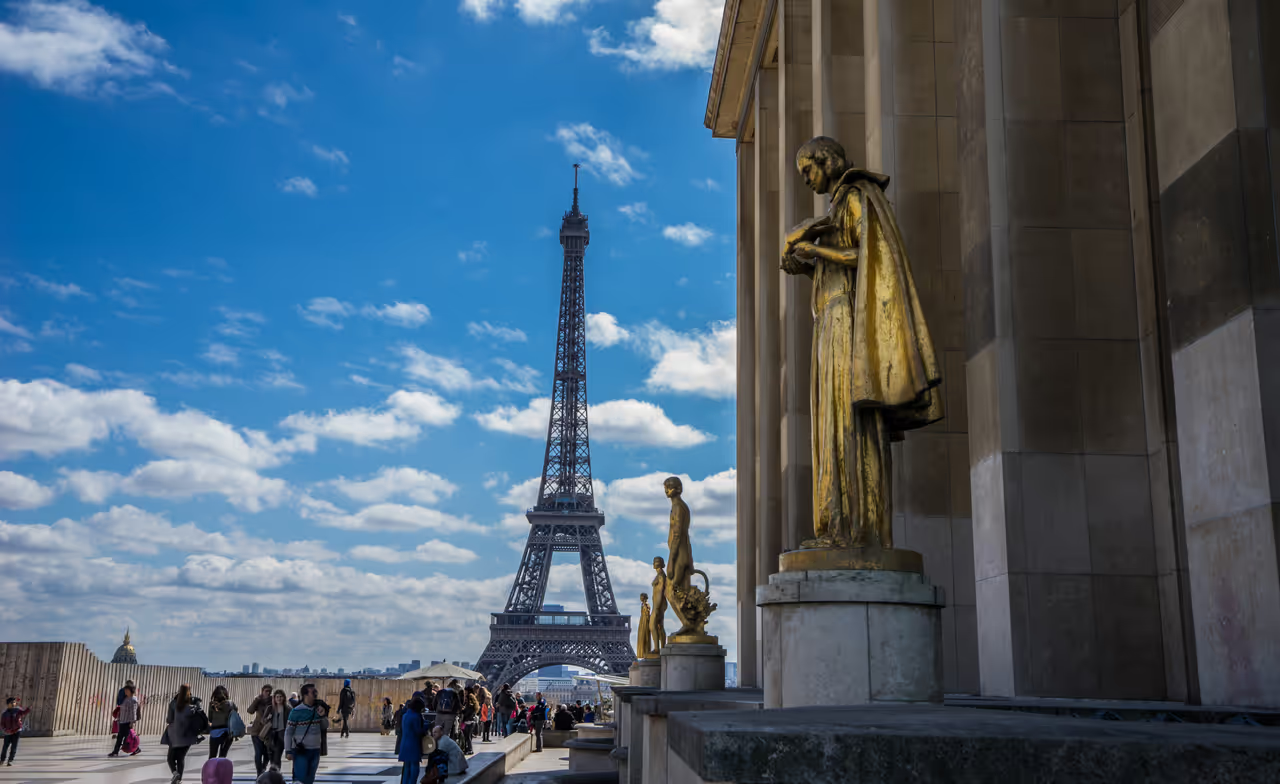
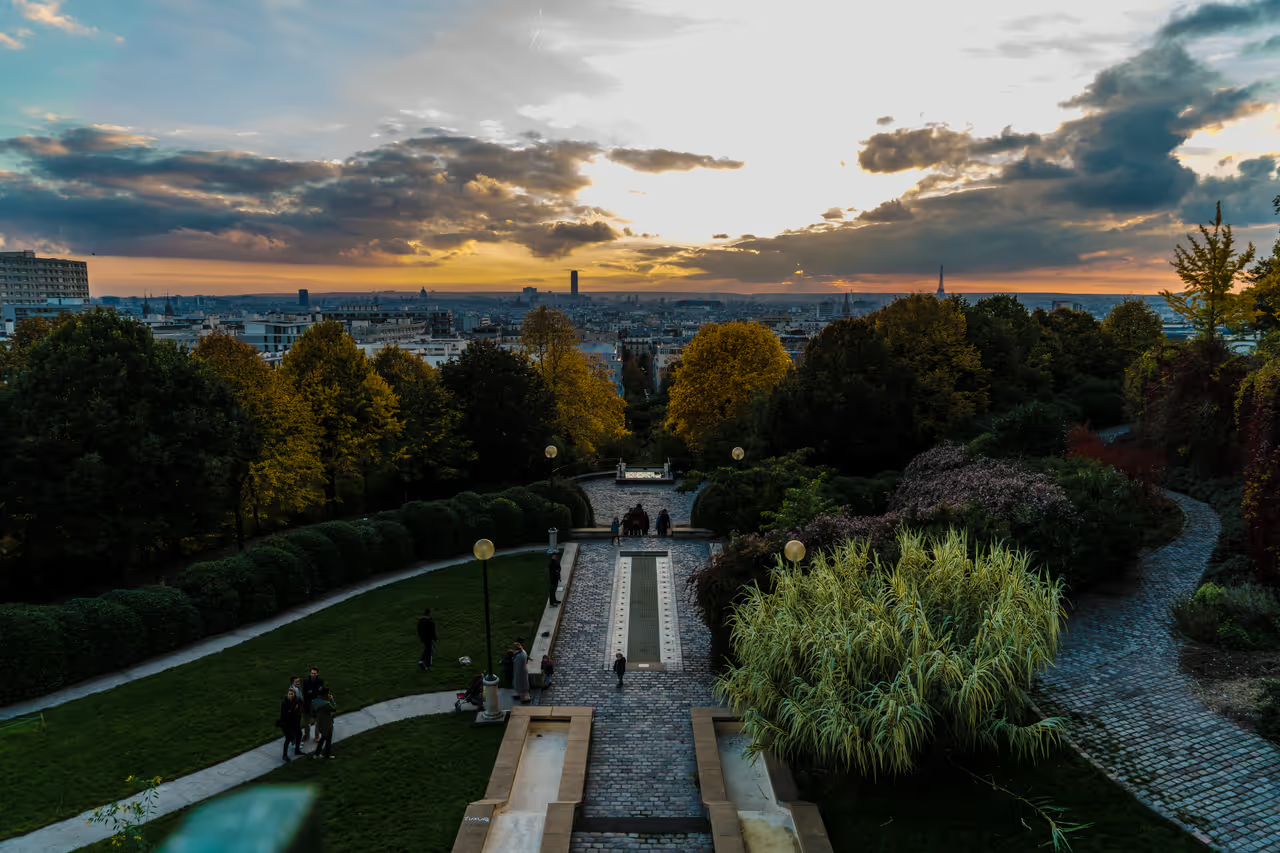
Best Views
Paris Itineraries
TRIP PLANNER
5 Days Recommended
Five days provide ample time to explore the major museums, wander through distinct historic neighbourhoods, and enjoy the renowned culinary scene without rushing. This duration allows for a comfortable pace, ensuring visitors can balance busy sightseeing mornings with relaxed afternoons at pavement cafés.
1 Day in Paris Itinerary
This ambitious itinerary is designed for those with severely limited time who want to experience the absolute core identity of the capital. It links the most globally recognised monuments and iconic views into one intense, highly memorable journey. The route spans the majestic river, historic islands, and elevated viewpoints, ensuring no major postcard image is missed. While it demands a brisk pace, it delivers the definitive monumental experience.
view itinerary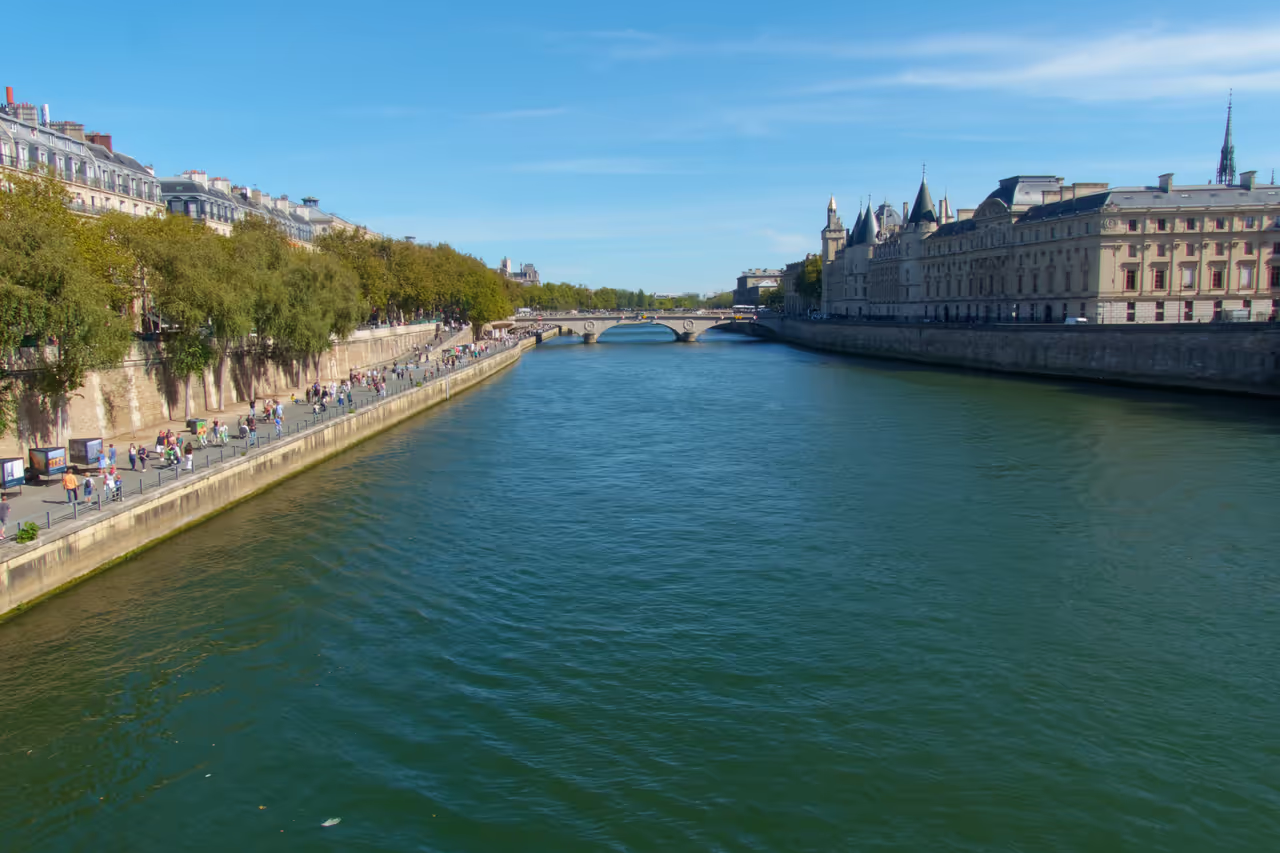
3 Days in Paris: Culture and History Itinerary
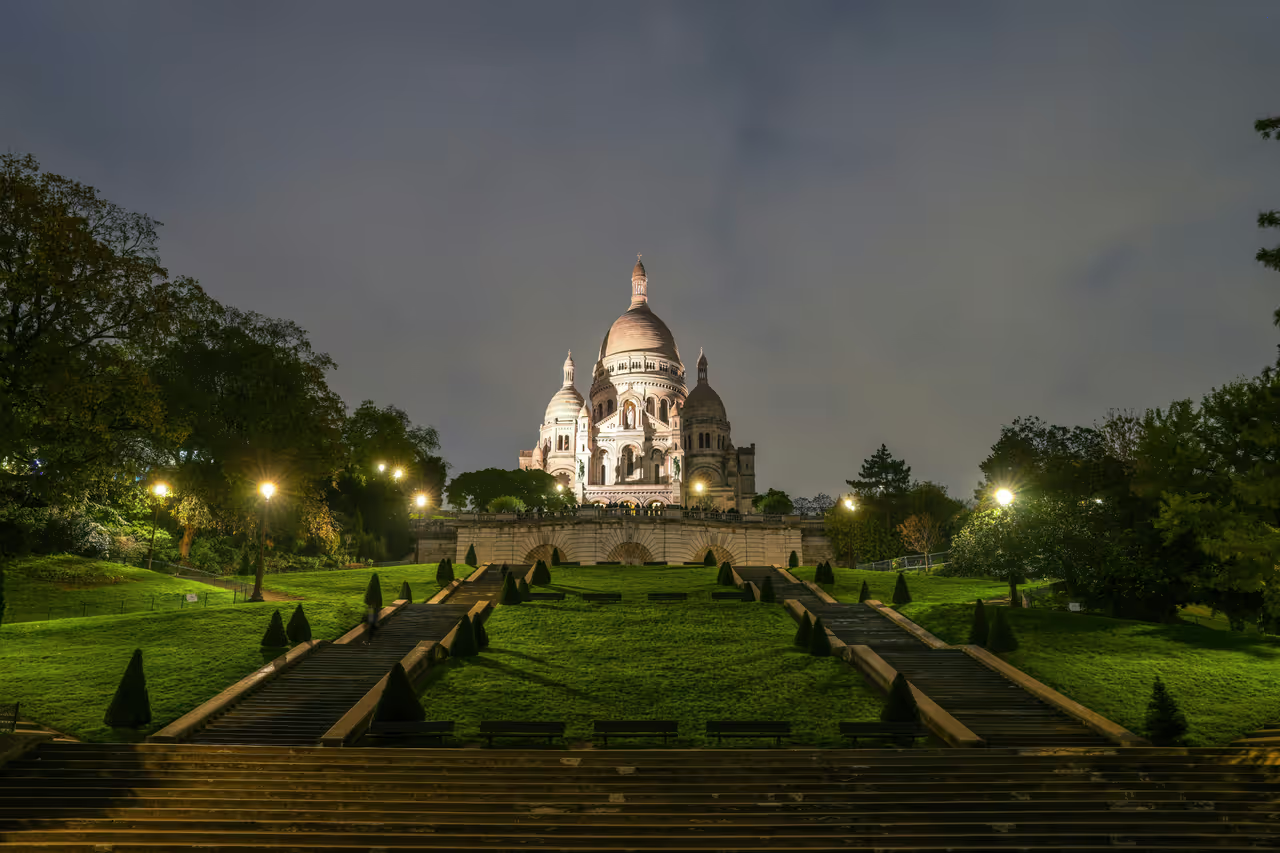
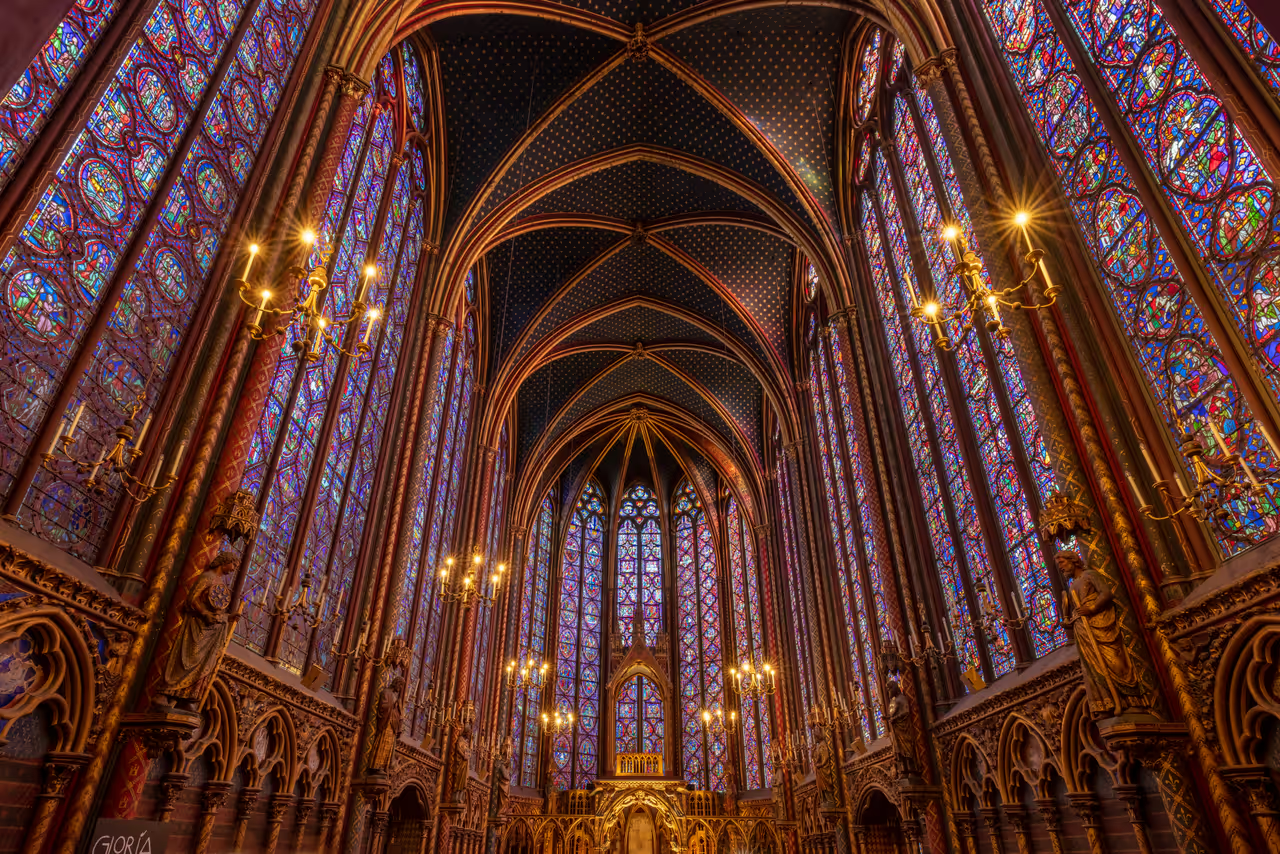
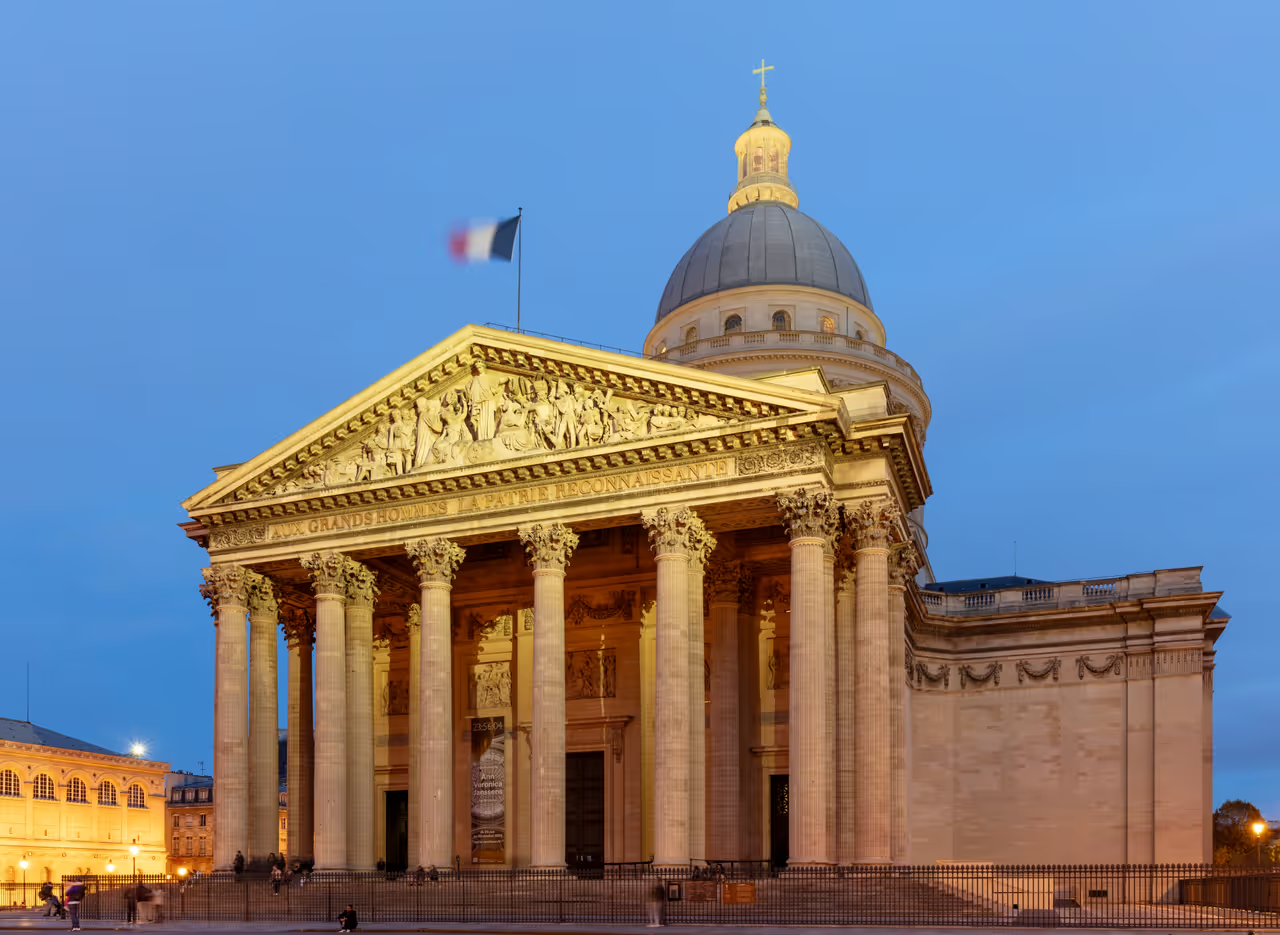
A well-balanced three-day journey that allows for a deeper dive into the rich architectural and artistic legacy of the city. It expands beyond the primary monuments to explore the stunning stained glass of the royal chapel and the bohemian energy of the northern hills. The pacing affords enough time to properly absorb the massive art collections and enjoy leisurely meals in distinct historic districts. This route perfectly captures the diverse aesthetic and intellectual spirit of the metropolis.
view itinerary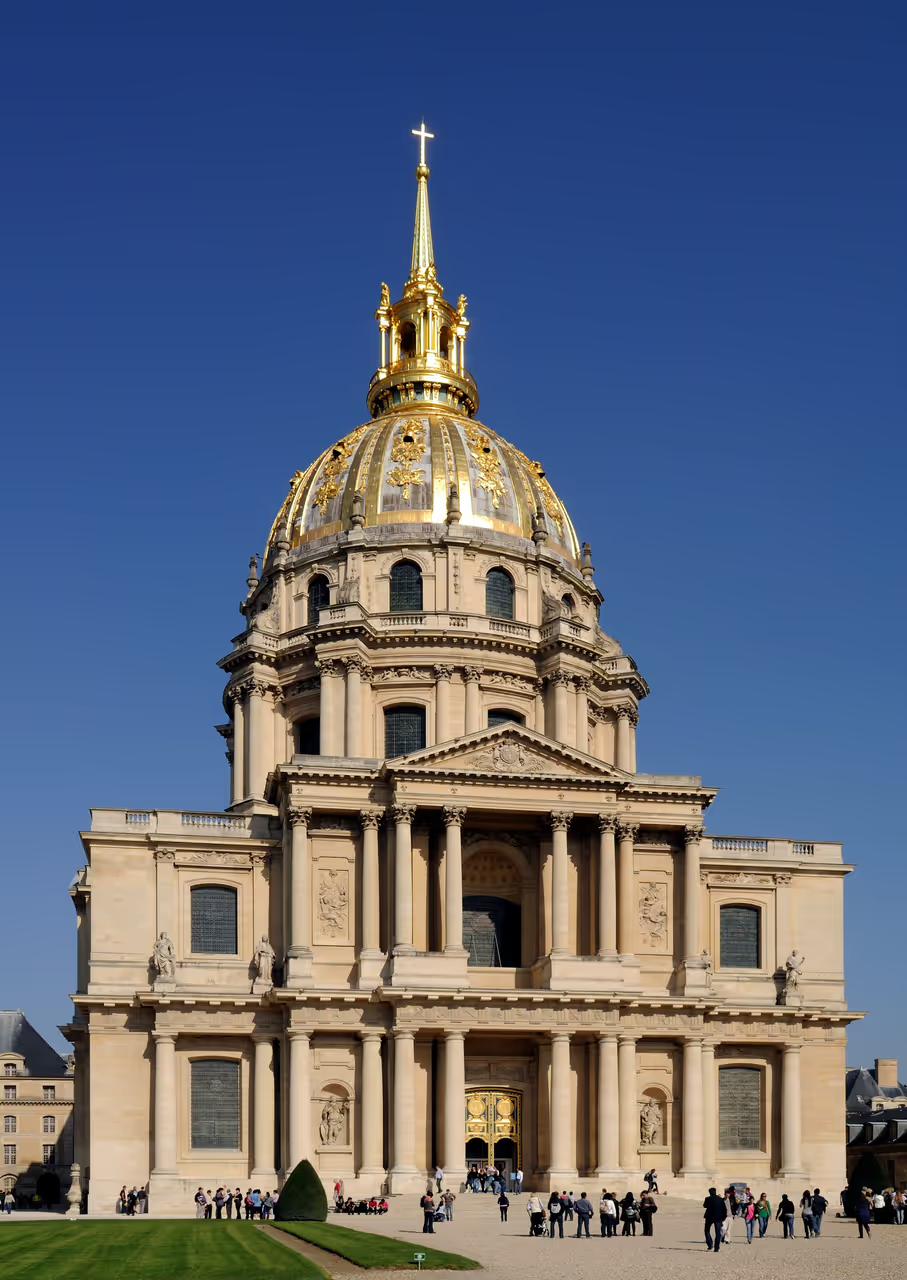
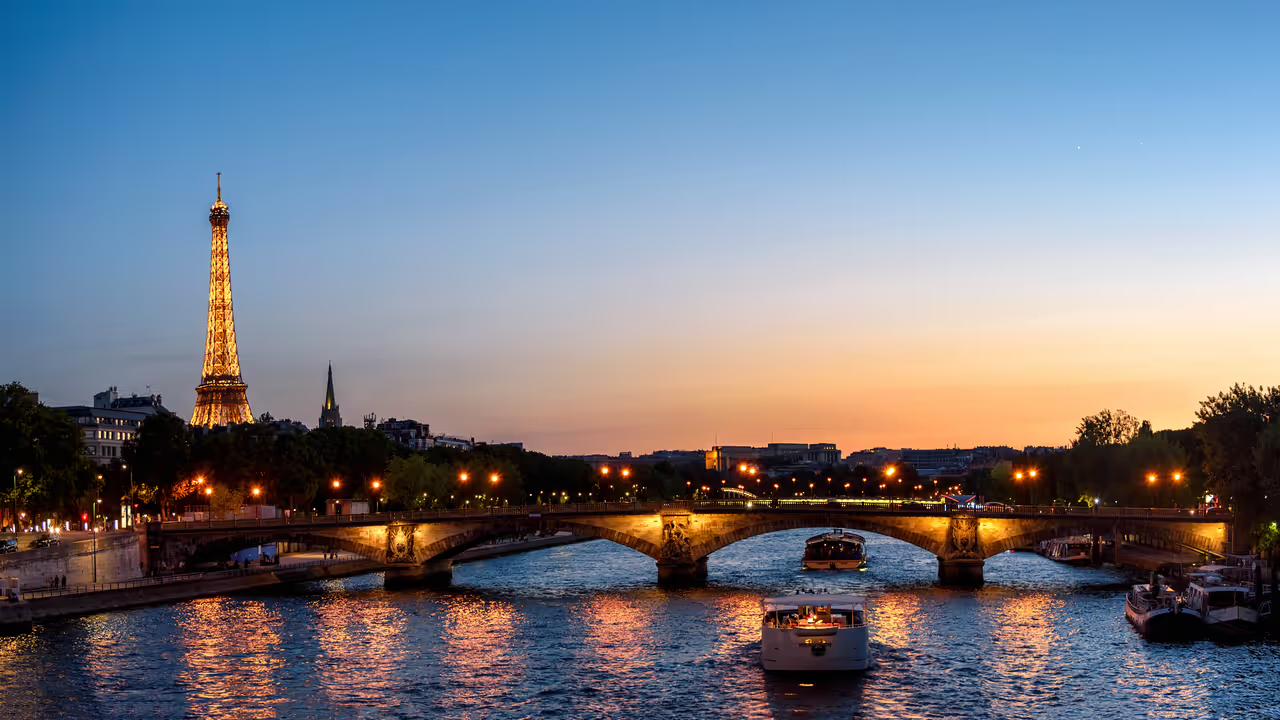
5 Days in Paris: Complete Experience Itinerary
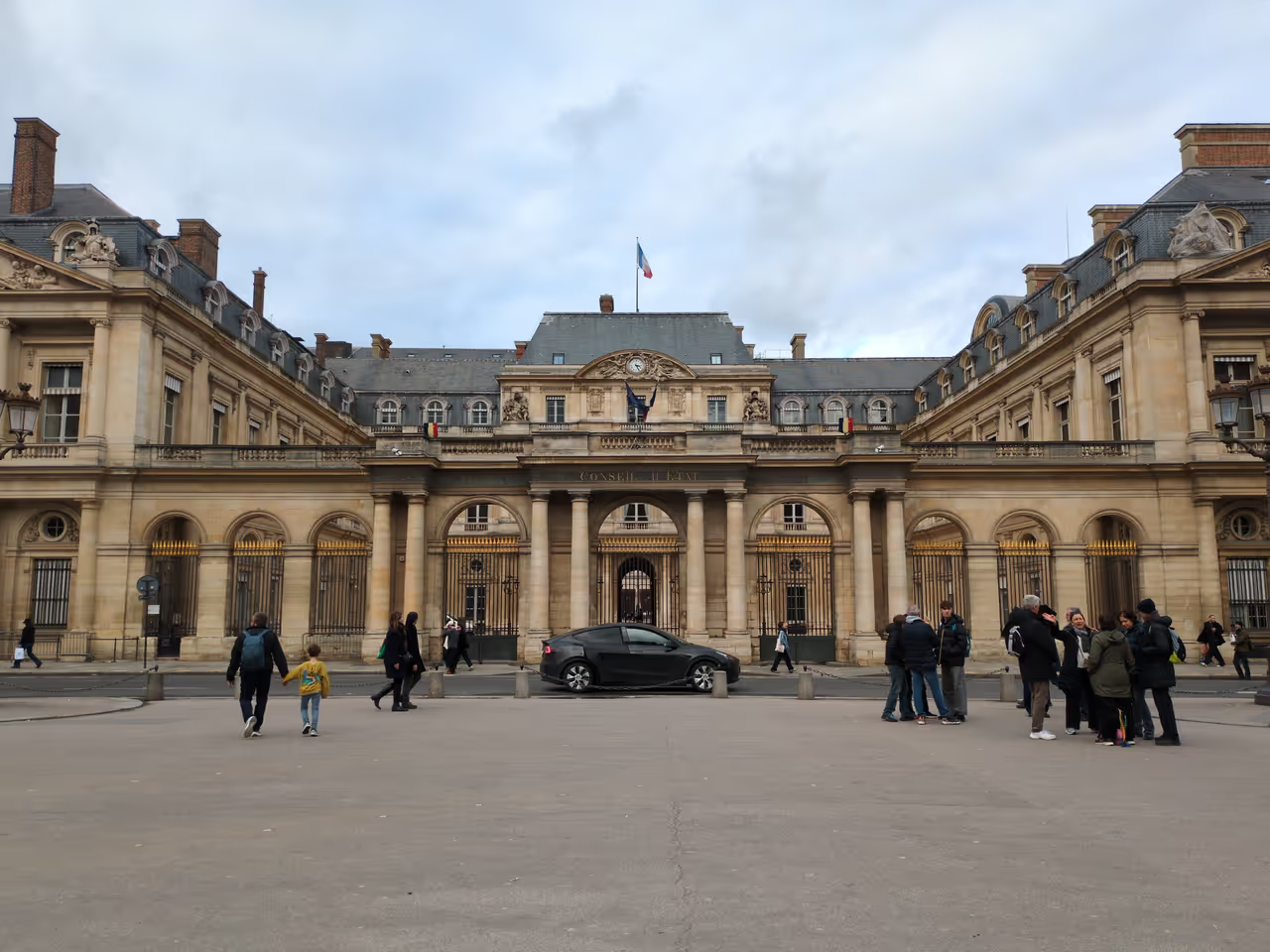
An extensive five-day exploration designed to blend the obligatory monumental sights with authentic local experiences and hidden parks. Visitors will traverse grand boulevards, reflect in historic cemeteries, and relax in elevated green spaces. The generous timeframe allows for the discovery of modern architectural marvels alongside centuries-old churches without succumbing to fatigue. It is the ideal itinerary for fully immersing oneself in the sophisticated, multifaceted lifestyle of the capital.
view itinerary
Food in Paris

UNESCO World Heritage Sites
Free Things to do in Paris
Parks & Nature

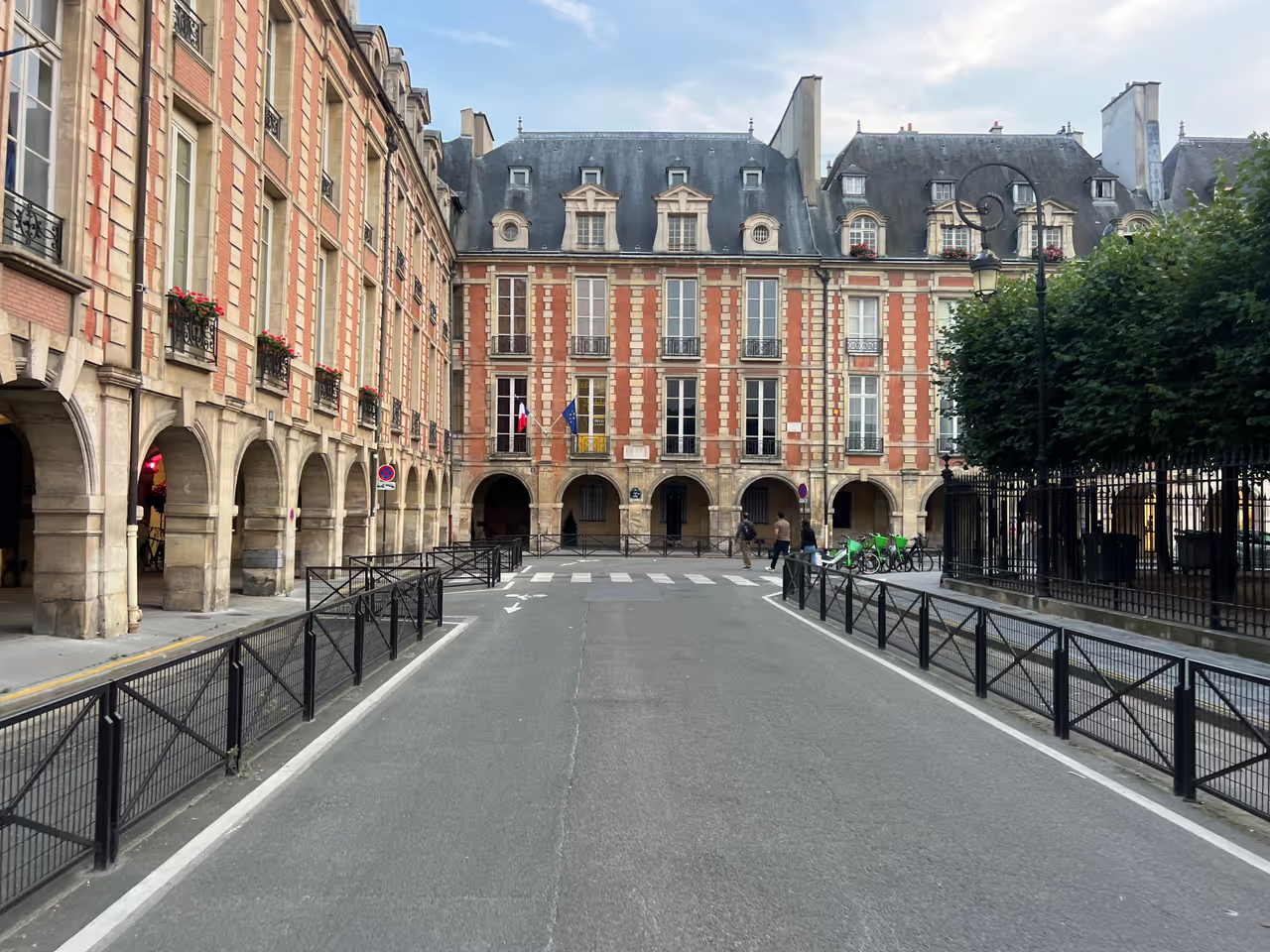
Bois de Vincennes
Serving as the vast, leafy counterpart to the Bois de Boulogne, this expansive woodland offers a refreshing escape on the...
view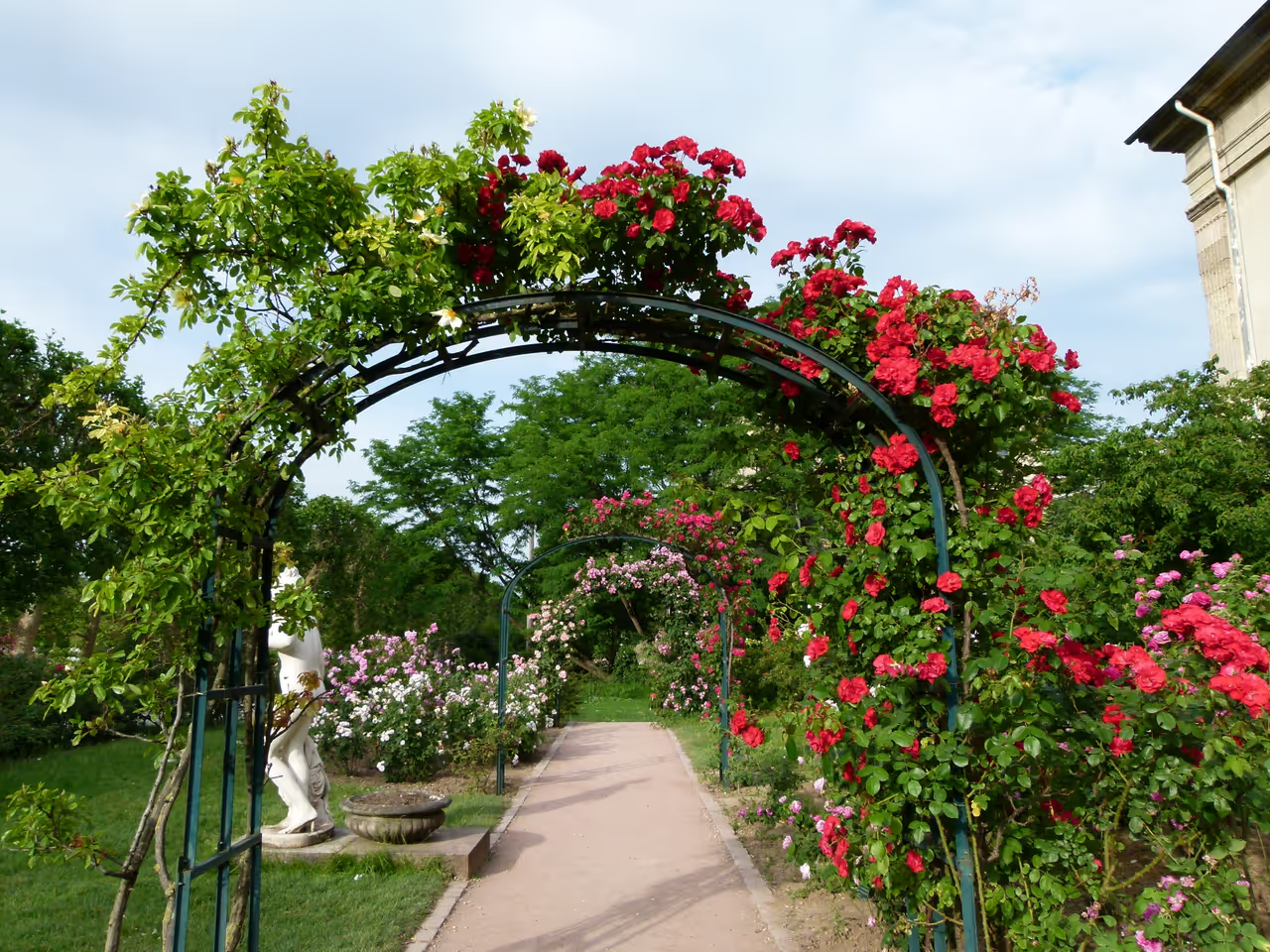
Jardin des Plantes
The Jardin des Plantes is more than just a park; it is a living laboratory of nature's wonders nestled in the heart of Paris...
view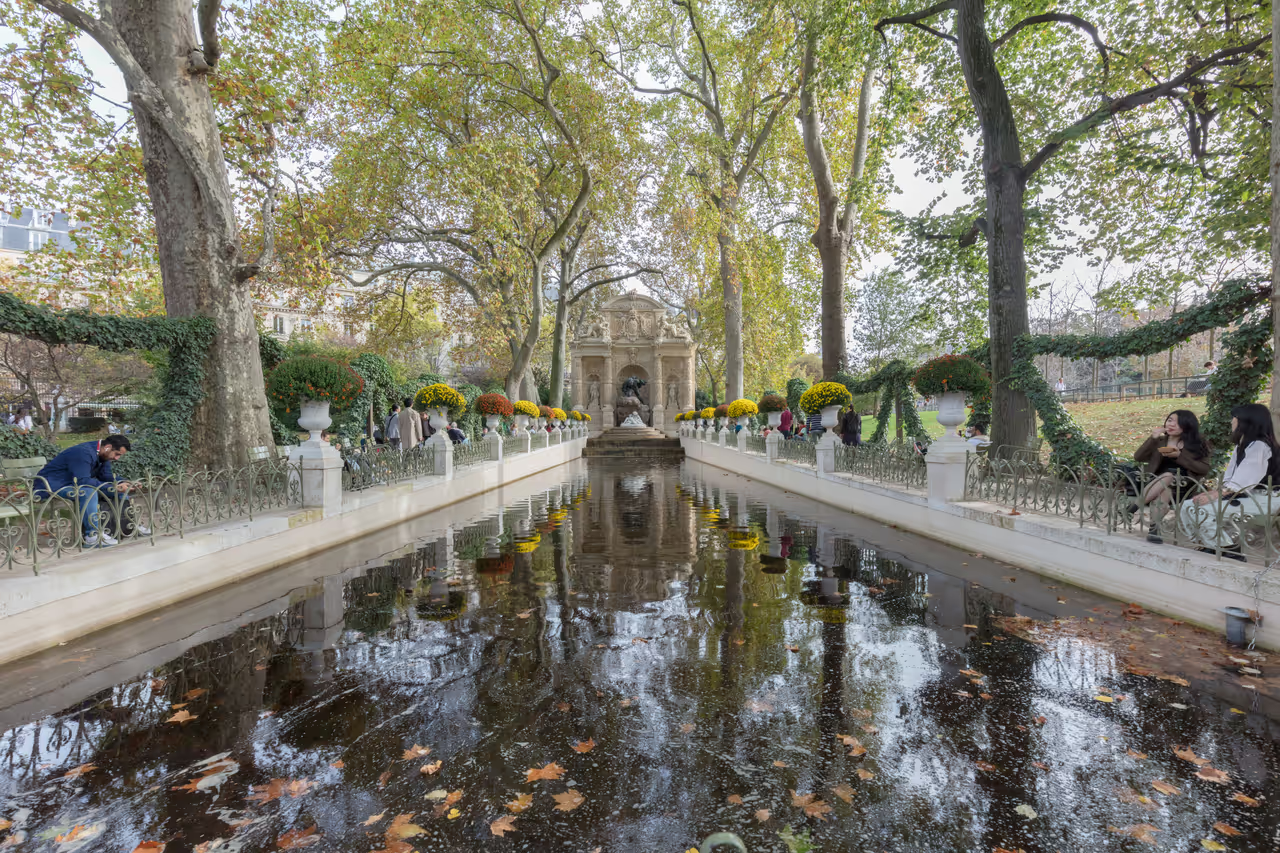
Luxembourg Gardens
The Luxembourg Gardens are a sublime slice of Parisian life that blends royal history with the relaxed charm of modern city...
view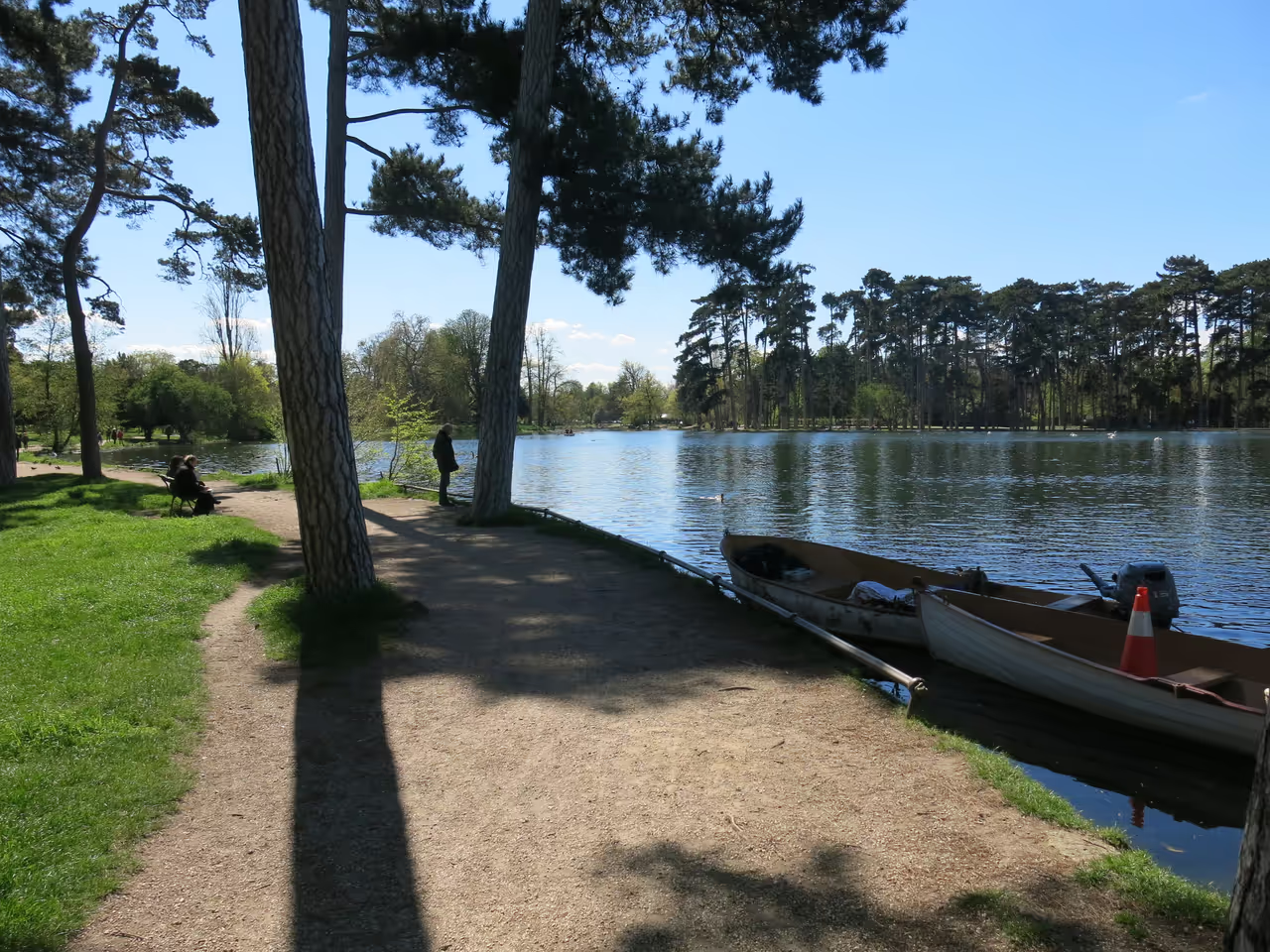
Bois de Boulogne
Bois de Boulogne offers a massive escape on the western edge of Paris, stretching across 845 hectares of woodland, lakes, and...
view
Highlights & Must-Sees
Be Dazzled by Sainte-Chapelle
Hidden within the courtyard of the medieval Palais de la Cité, this royal chapel harbours one of the most astonishing interiors...
view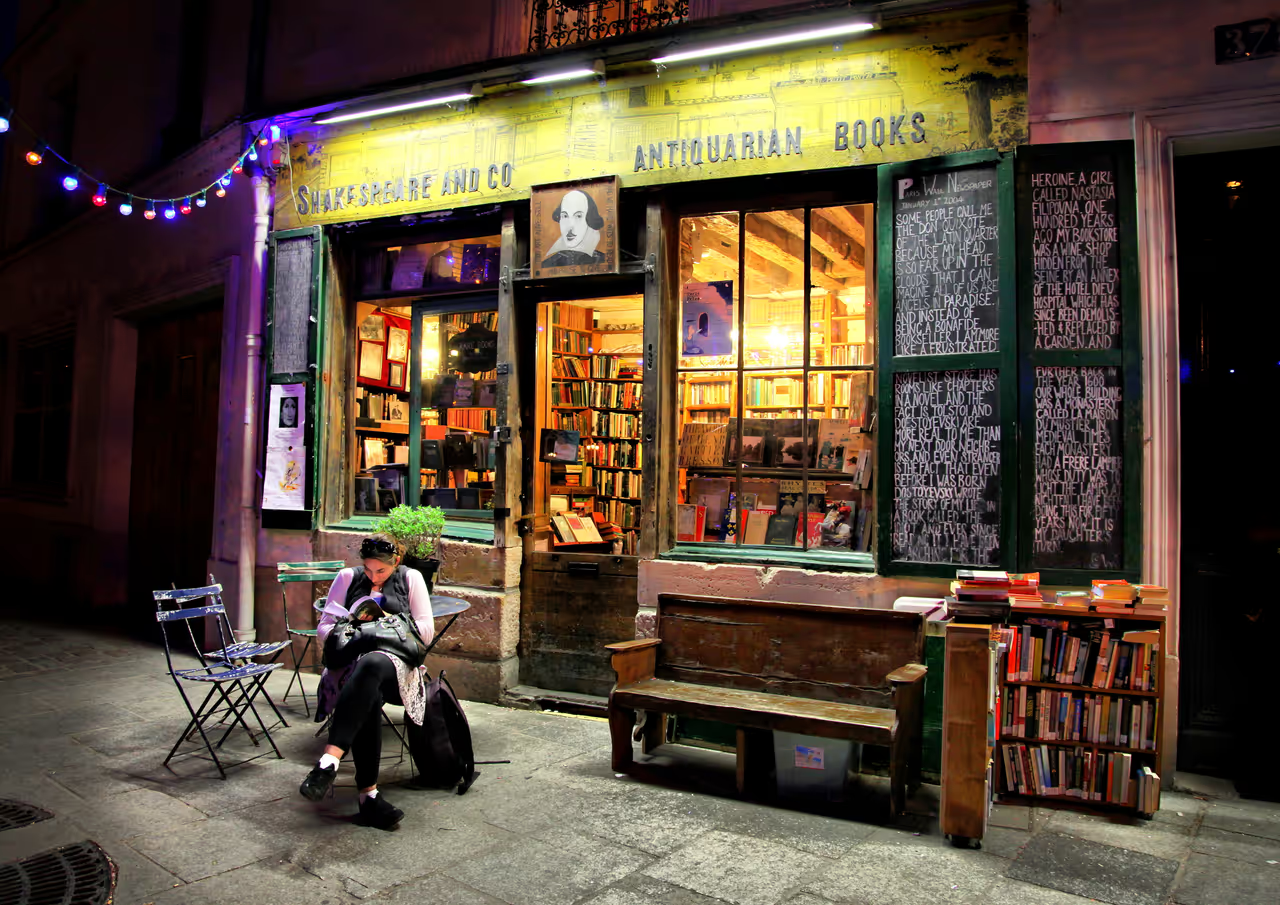
Browse Shakespeare and Company
Situated directly across the river from Notre-Dame, this legendary English-language bookshop is an absolute haven for literature...
view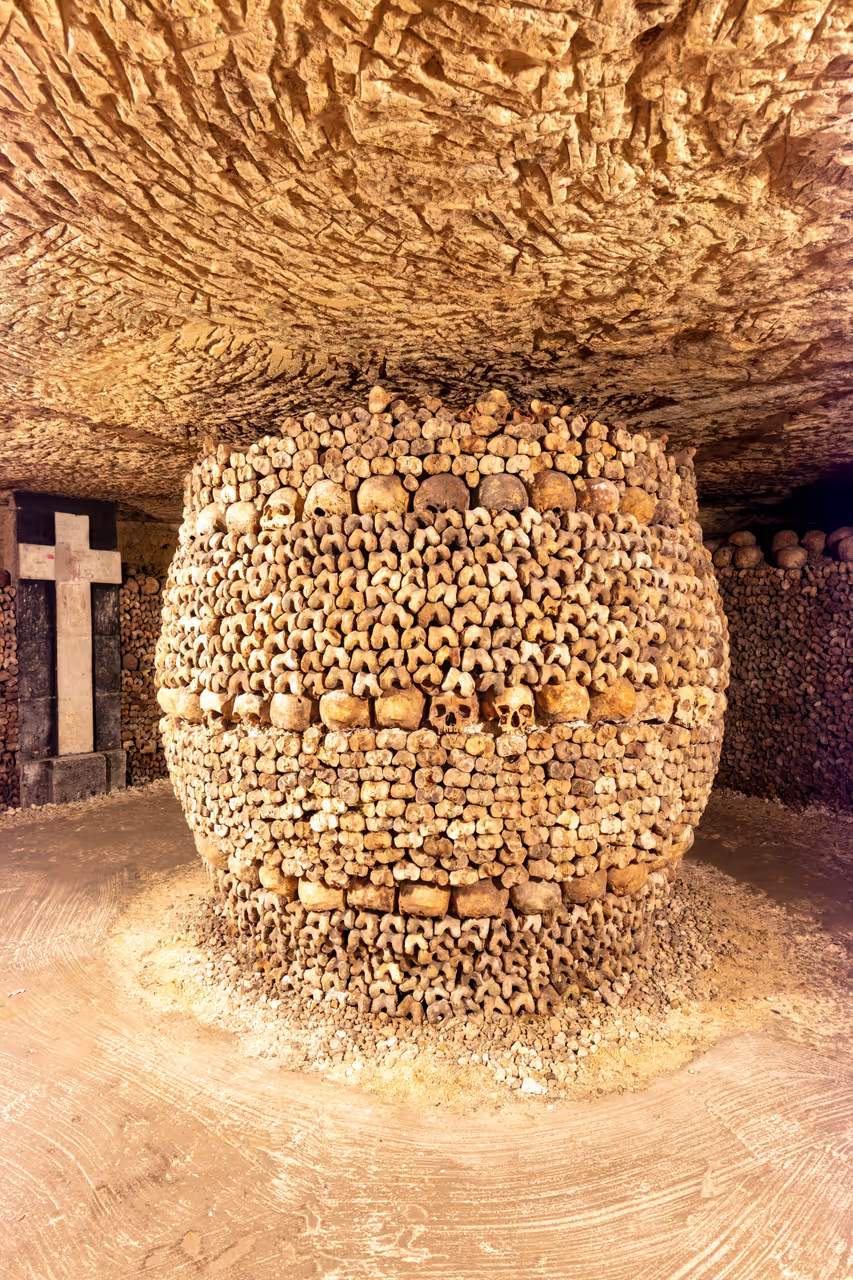
Descend into the Catacombs
A profound and eerie experience awaits below the busy streets, where a vast network of ancient limestone quarries holds the...
viewExplore Les Invalides
This vast, imposing complex was originally constructed under Louis XIV as a hospital and retirement home for war veterans...
view
Best Walks in Paris
- HIGHLY RECOMMENDED
Montmartre's Hidden Paths
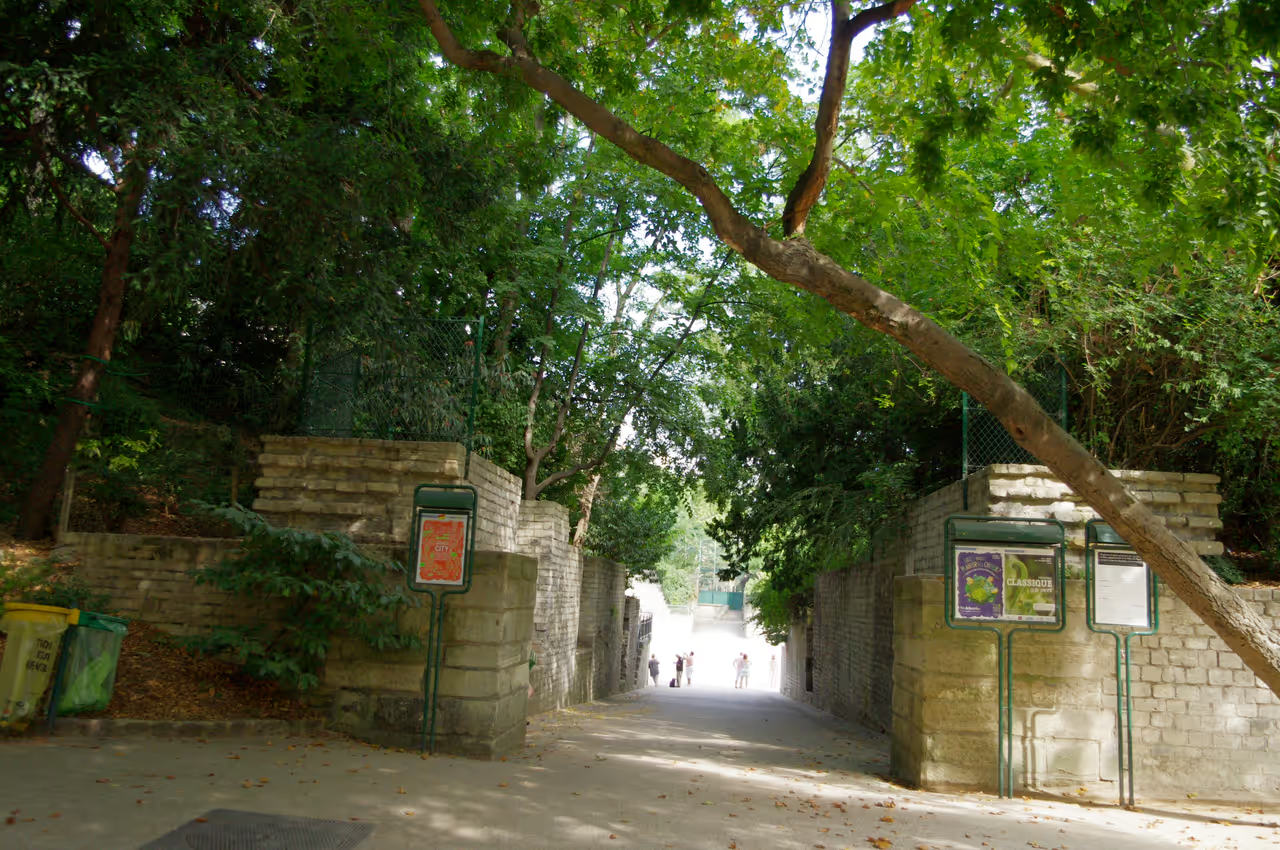
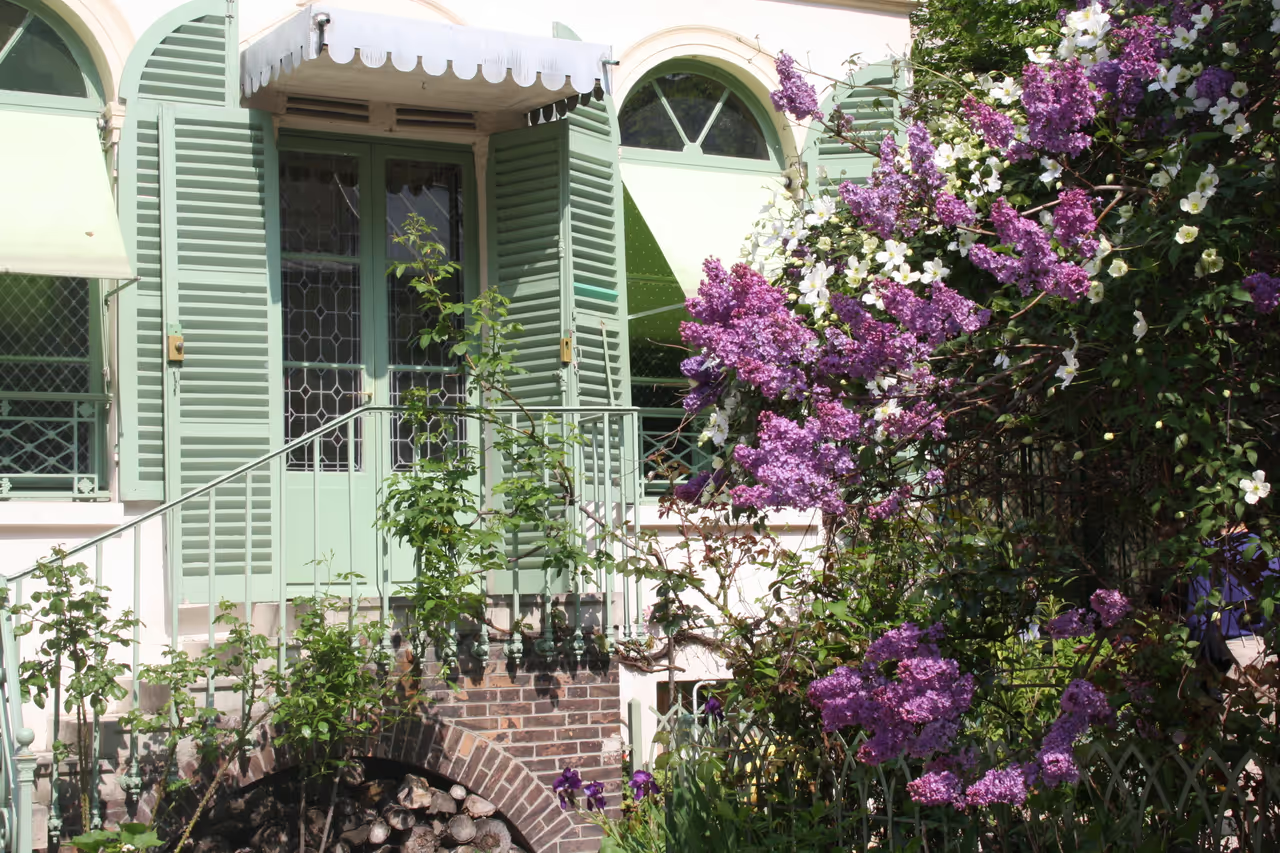
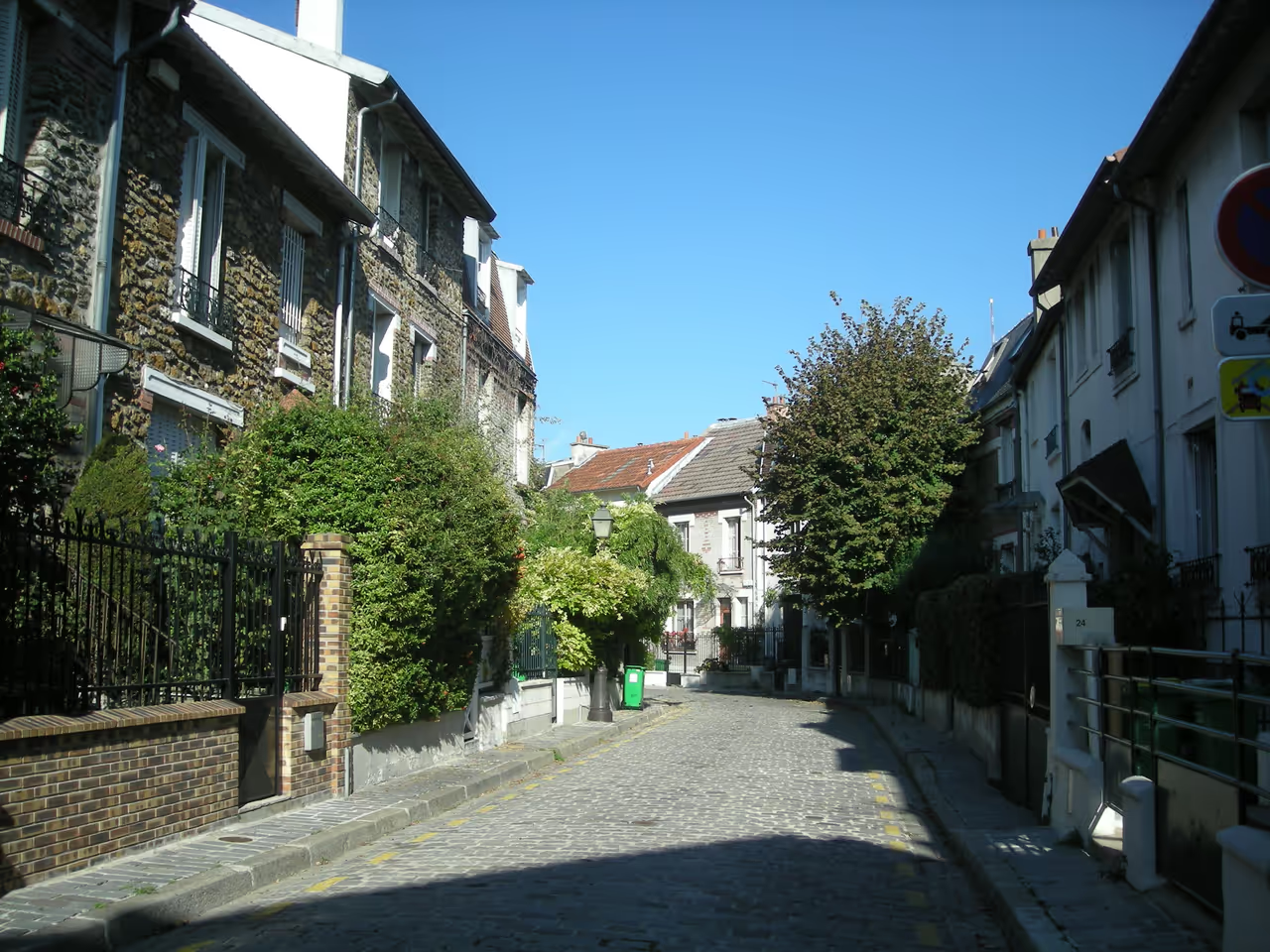
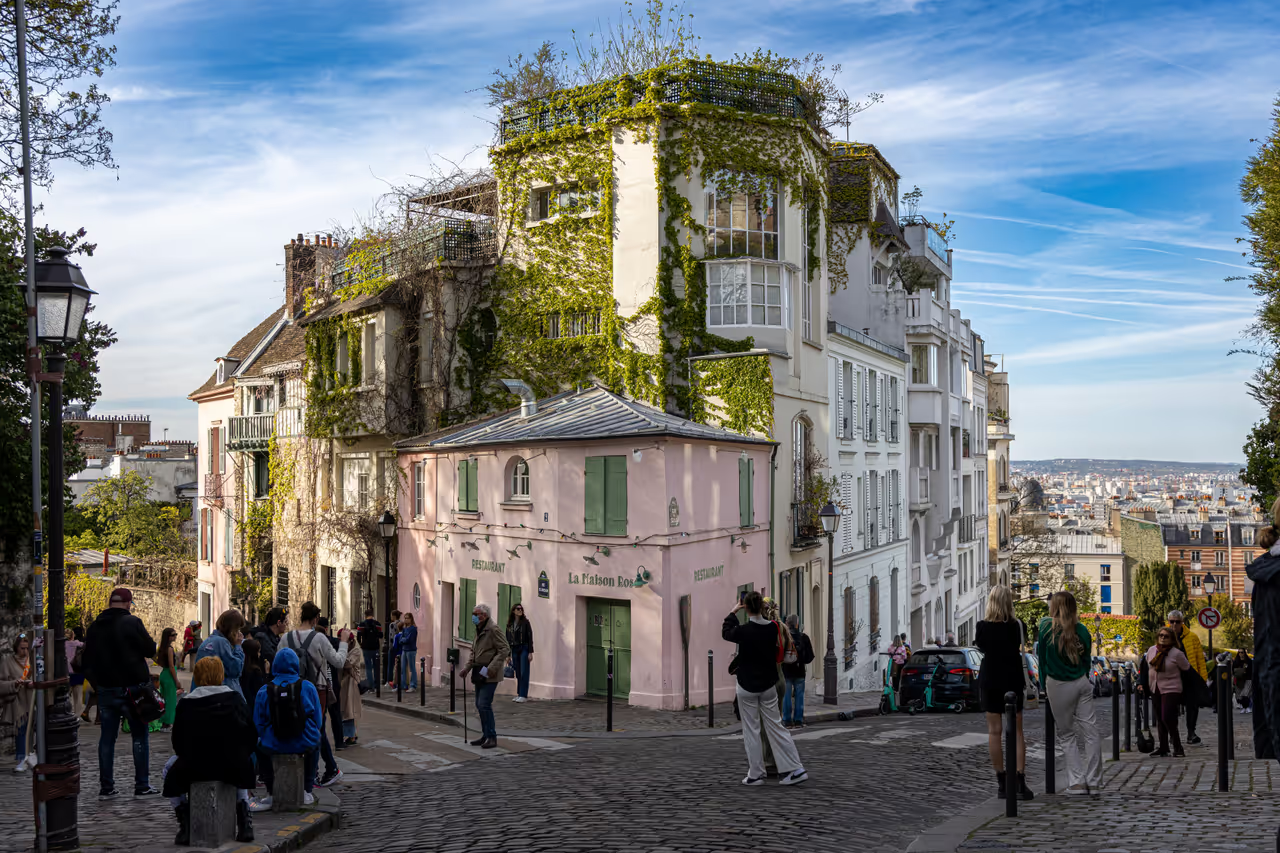
This charming walk navigates the steep, winding streets of the legendary bohemian hill, deliberately avoiding the most congested tourist arteries. Exploring the quiet residential staircases and ivy-draped alleys reveals the authentic village atmosphere that once attracted legendary artists. The route provides sudden, dramatic views over the rooftops of the sprawling city below. It captures the deeply romantic and slightly nostalgic essence of the neighbourhood.
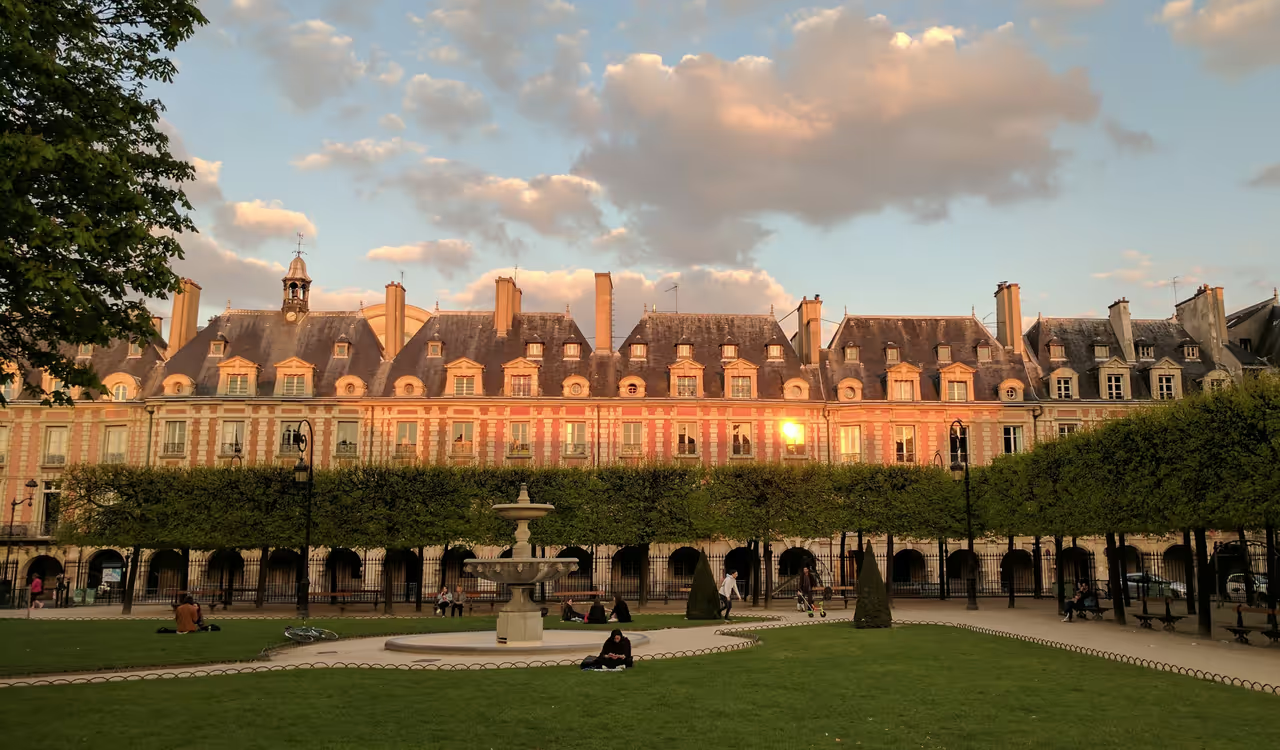
Historic Marais Walk
This route weaves through the remarkably preserved medieval lanes of one of the most fashionable districts. Because this area escaped the heavy-handed renovations of the nineteenth century, its narrow streets retain a deeply historic layout. The walk contrasts grand, aristocratic mansions with trendy boutiques and bustling falafel stands. It offers an engaging blend of high culture, rich heritage, and modern style.
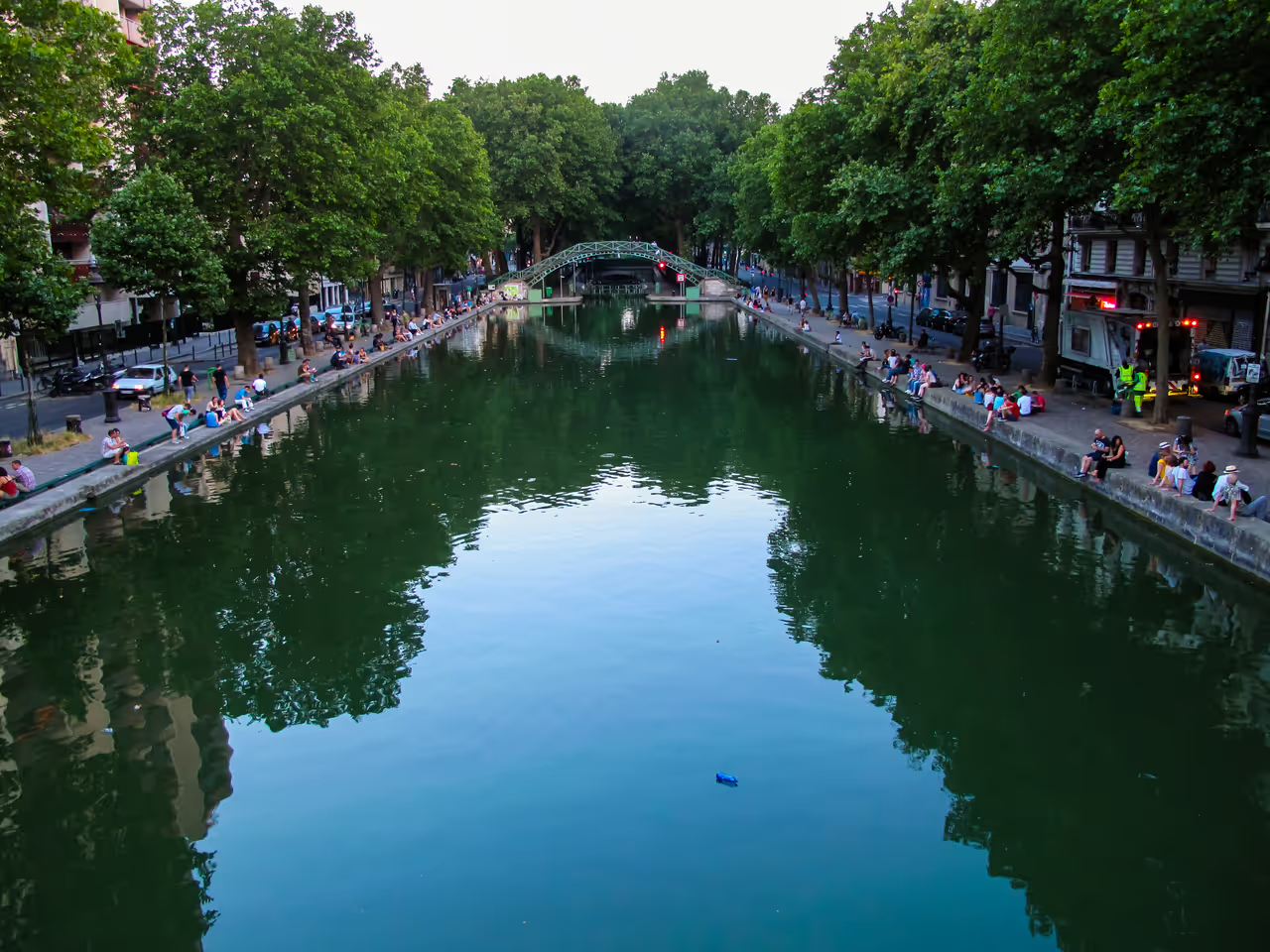
Canal Saint-Martin Promenade
Following the tree-lined banks of this nineteenth-century waterway offers a tranquil alternative to the bustling city centre. The path features a series of picturesque iron footbridges and intriguing, operational locks that allow boats to navigate the elevation changes. The surrounding neighbourhood radiates a trendy, bohemian energy, filled with colourful boutiques and relaxed cafes. It is a highly atmospheric route that feels deeply connected to the daily life of young locals.
Architecture & Landmarks
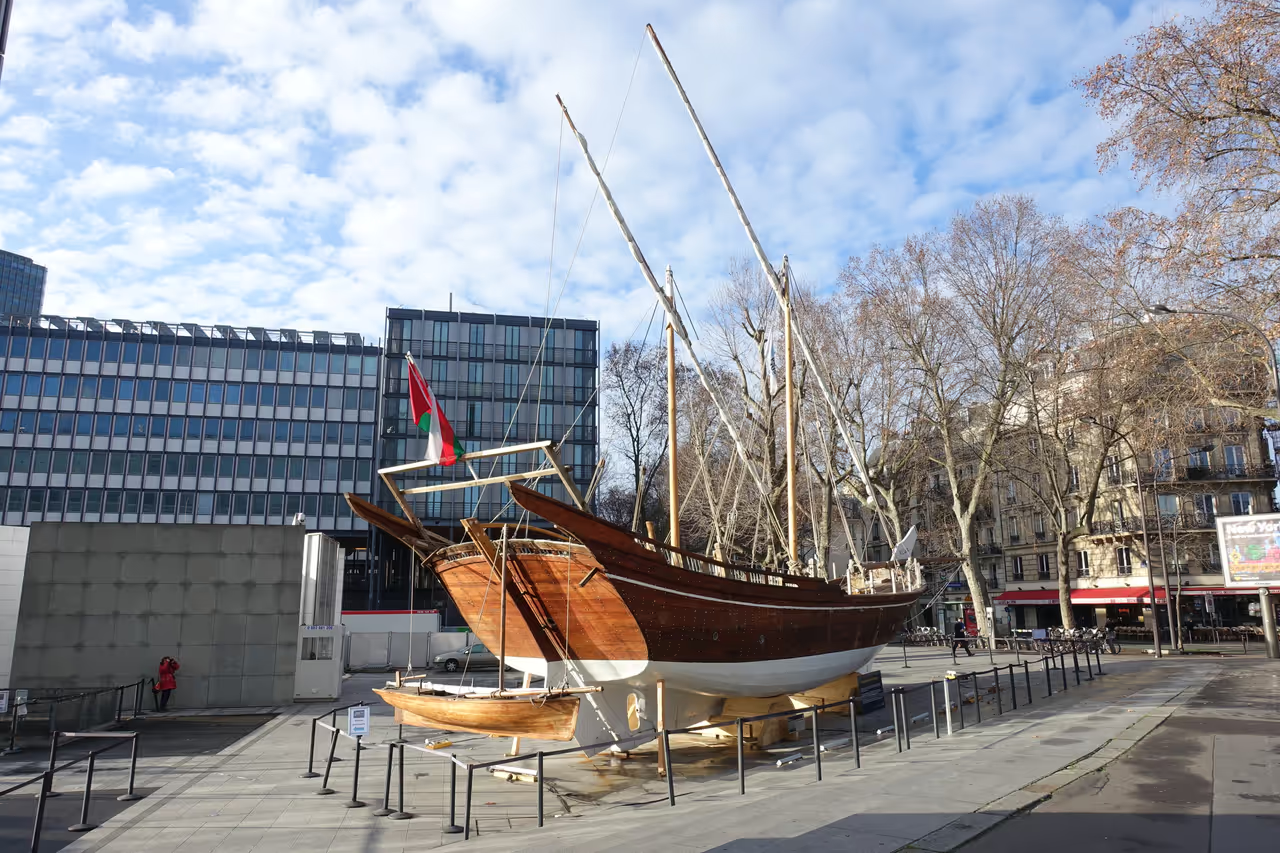
Arab World Institute
This remarkable cultural institution brilliantly fuses modern engineering with traditional Islamic geometric motifs. The famous...
view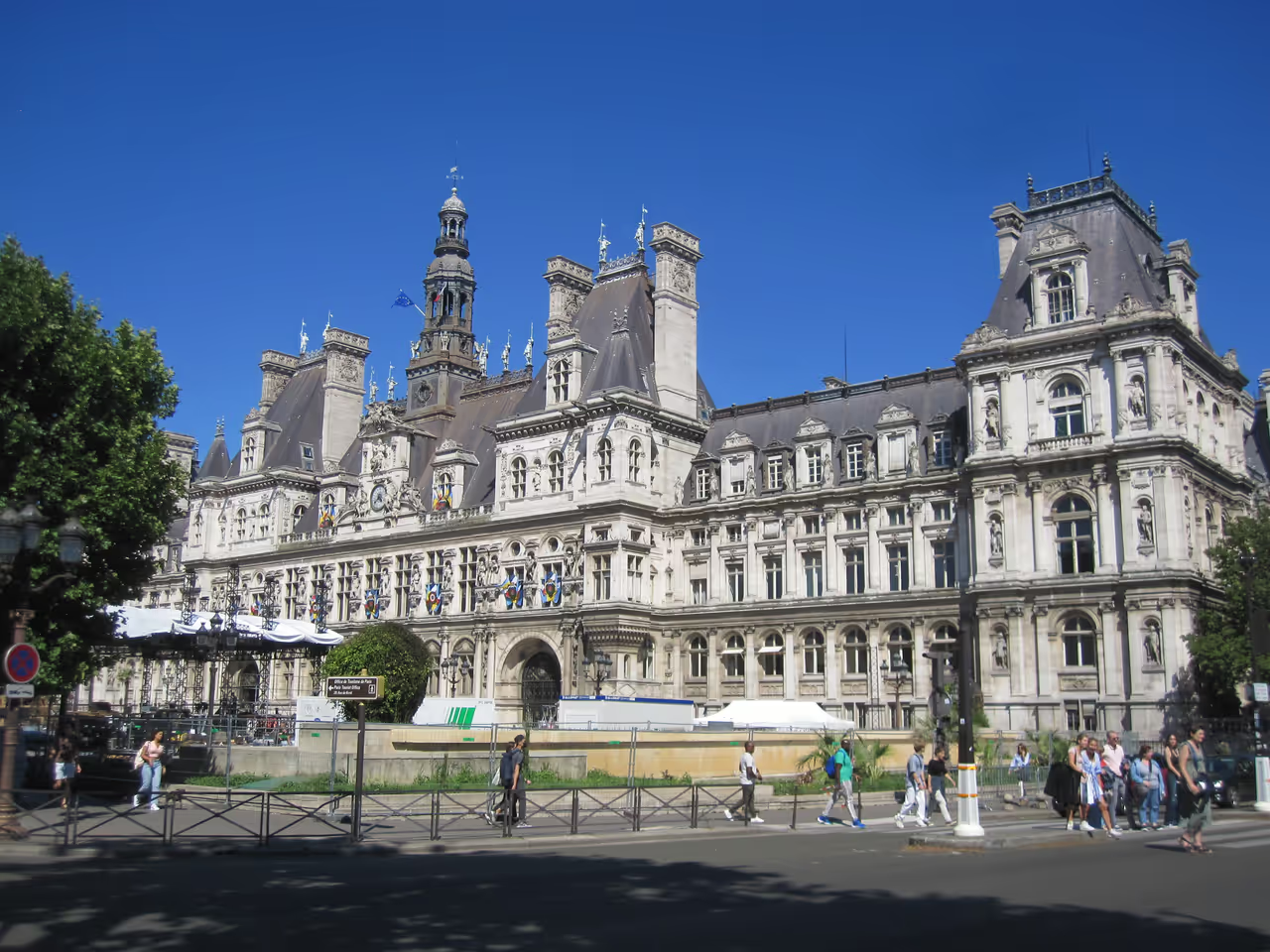
City Hall
Serving as the headquarters of the municipality, this vast building is a masterclass in highly decorated Neo-Renaissance design...
view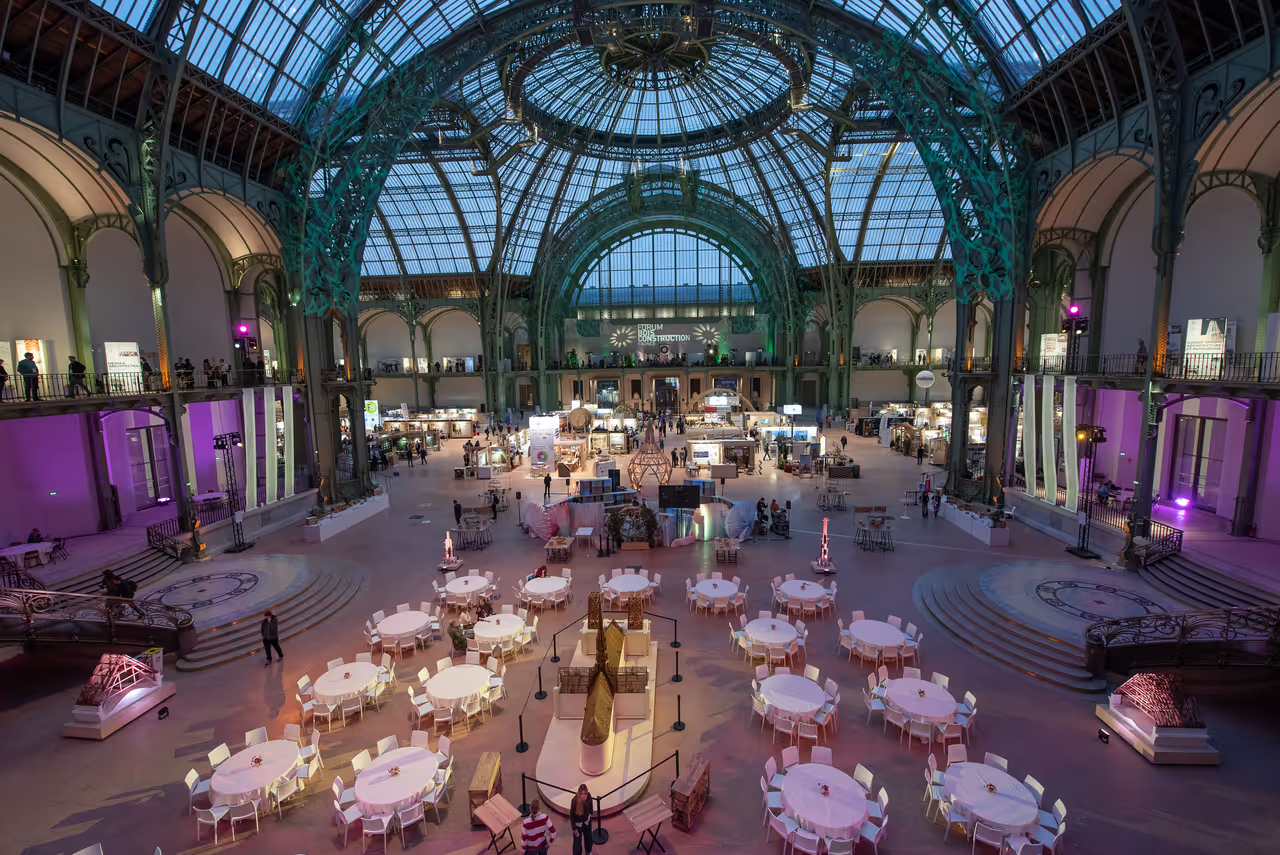
Grand Palais
Constructed for the Universal Exhibition of 1900, this monumental structure is a spectacular showcase of Beaux-Arts...
view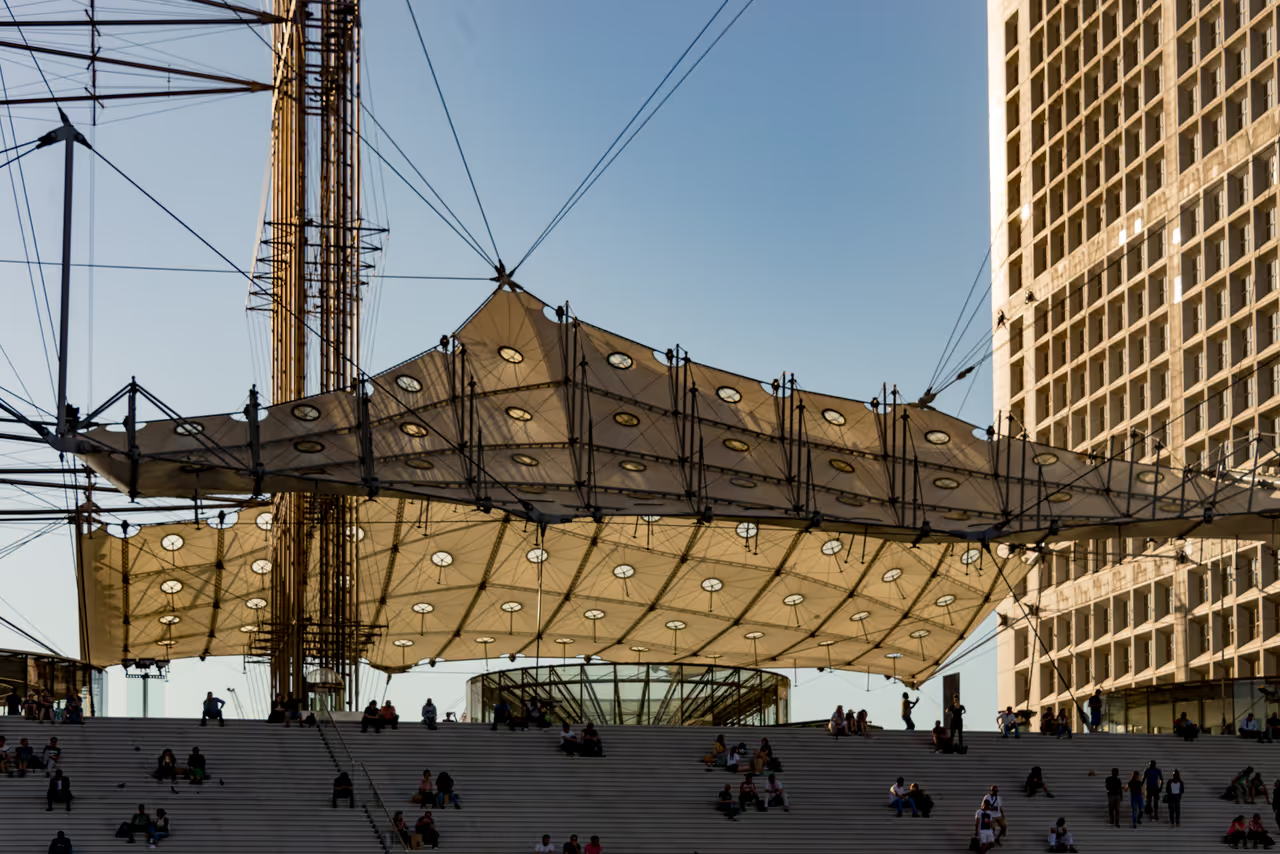
Great Arch of La Défense
Positioned at the western terminus of the historic axis, this colossal monument provides a striking modern counterpoint to the...
view
Markets & Shopping
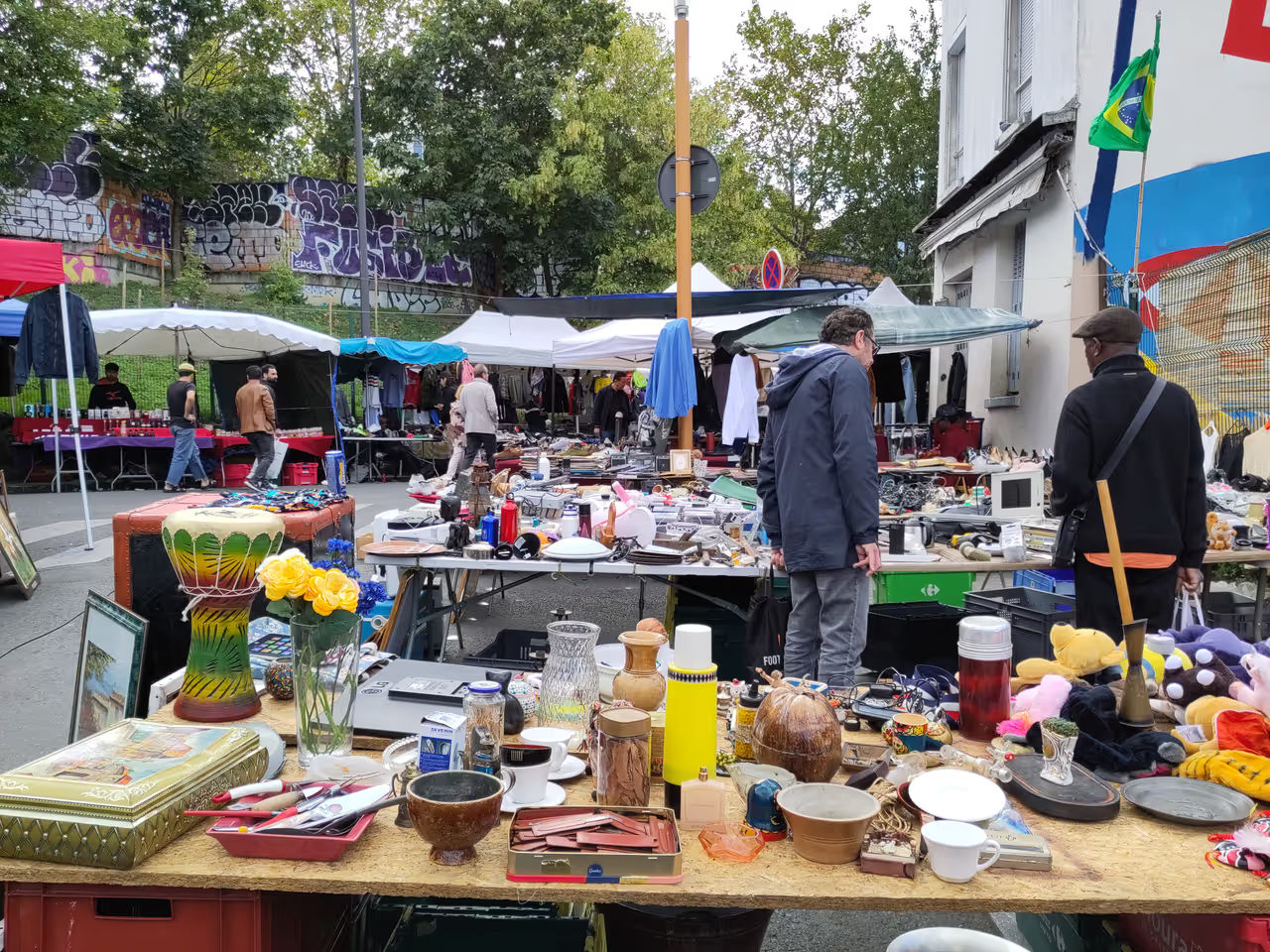
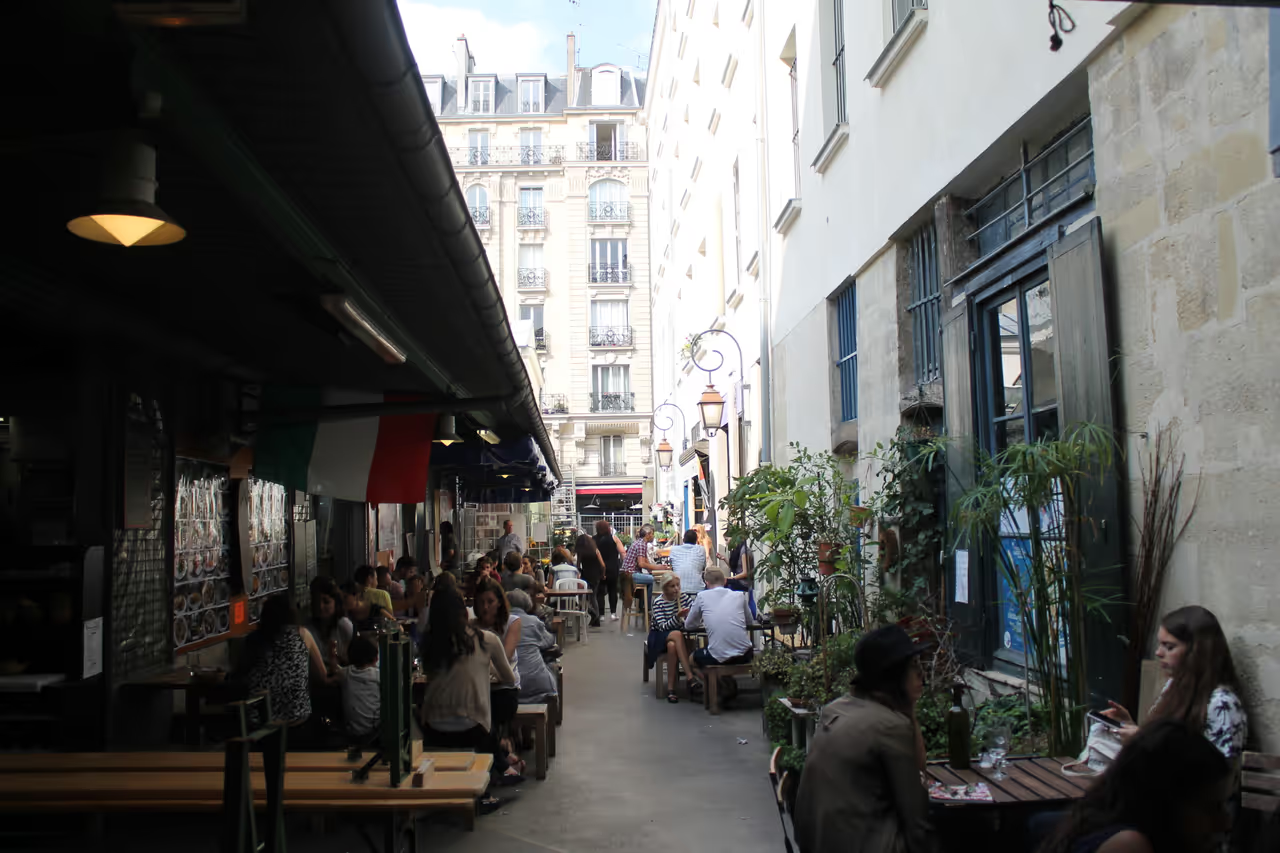
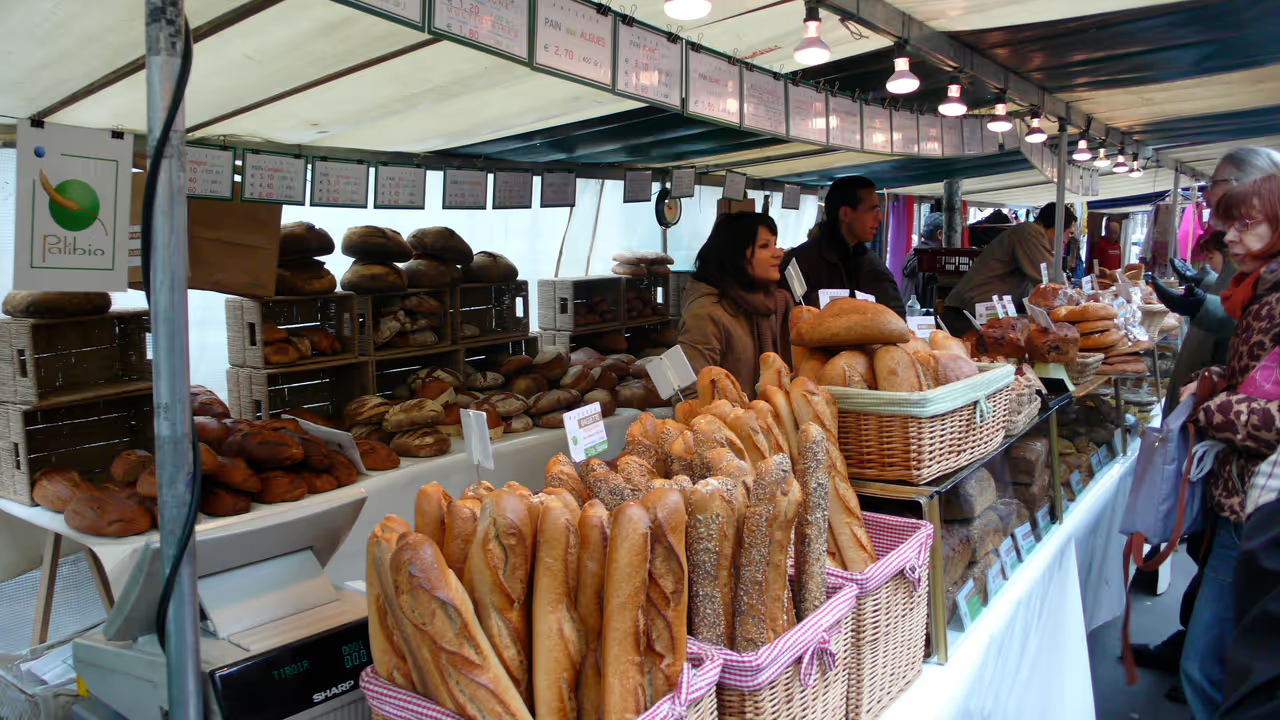
Paris Nightlife
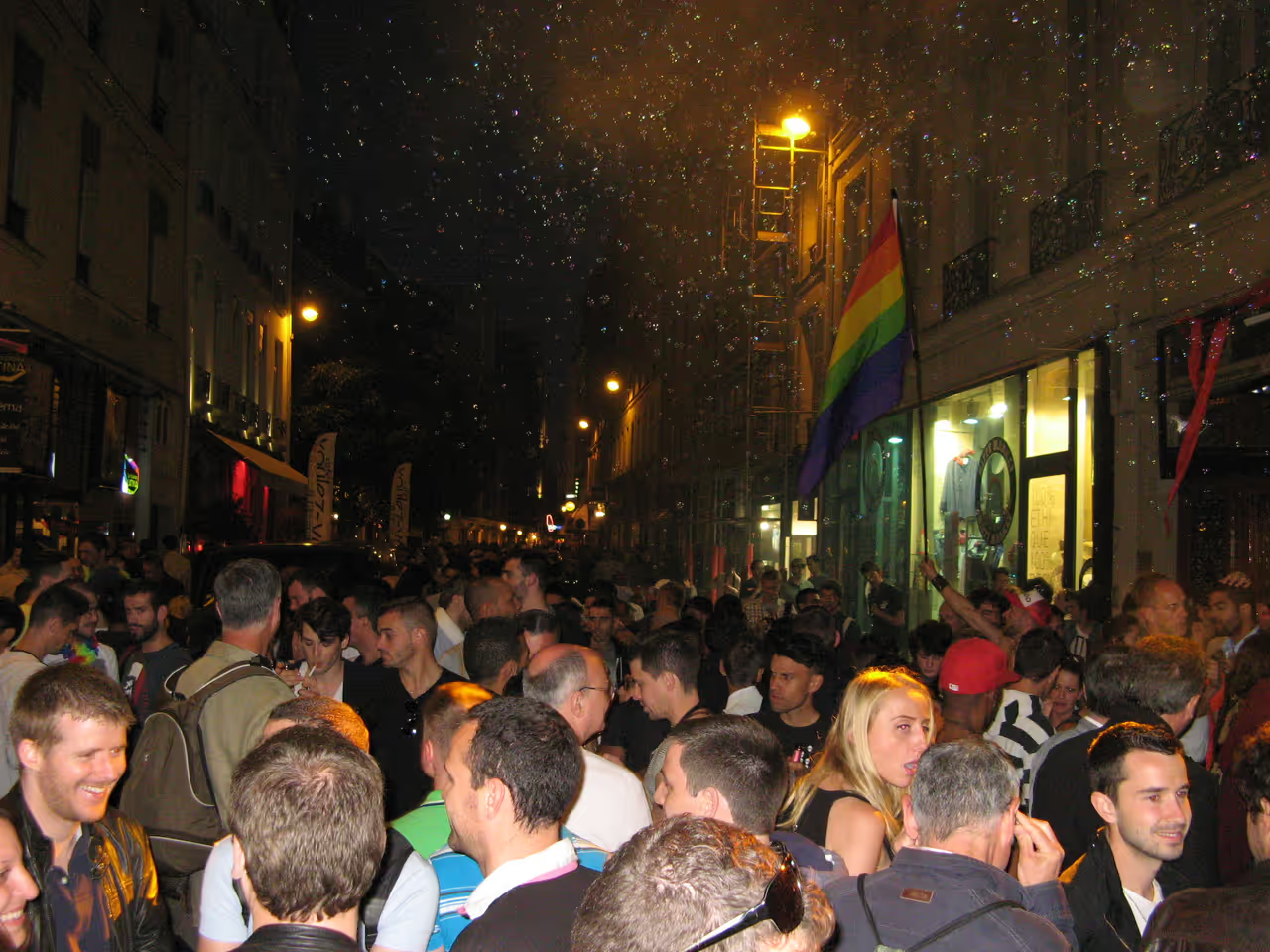
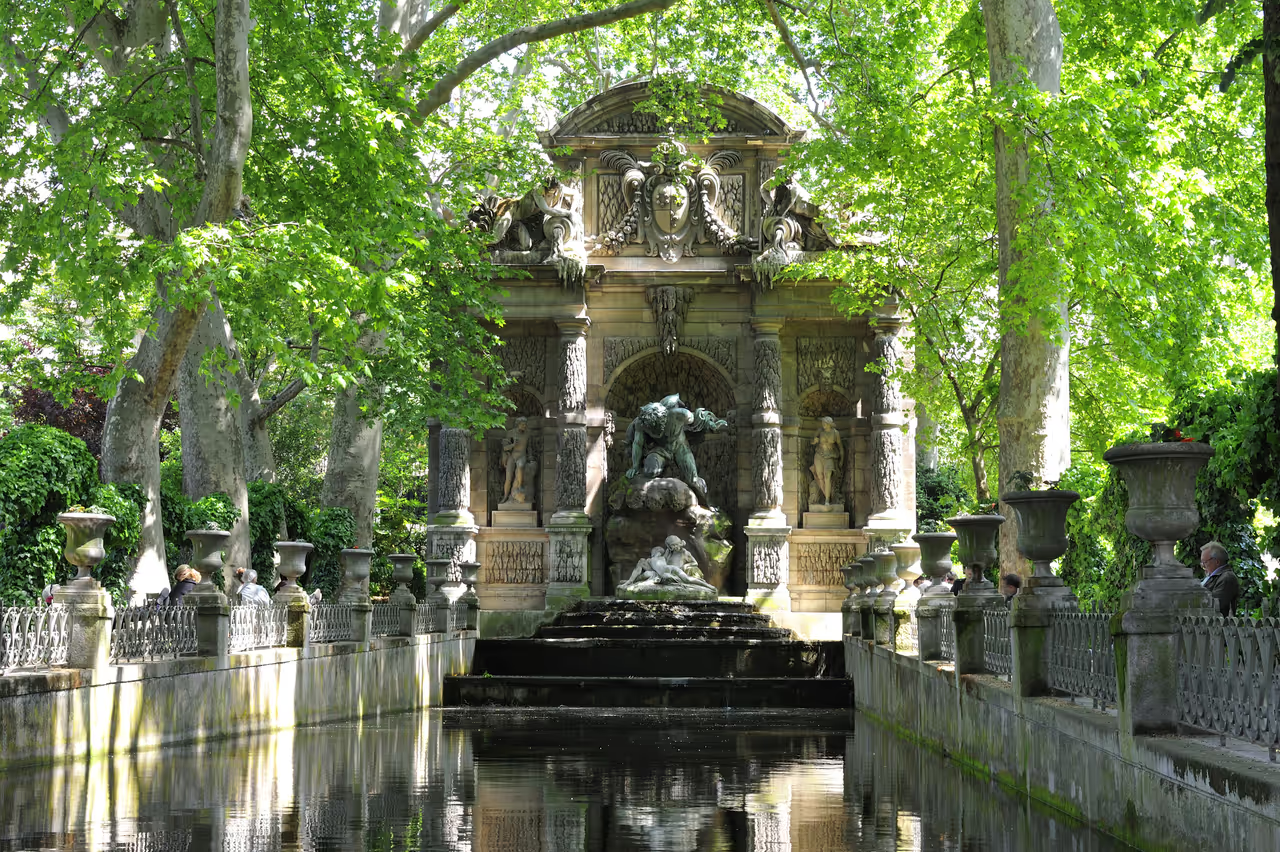
Photo Spots
Activities & Experiences
Cycling Routes
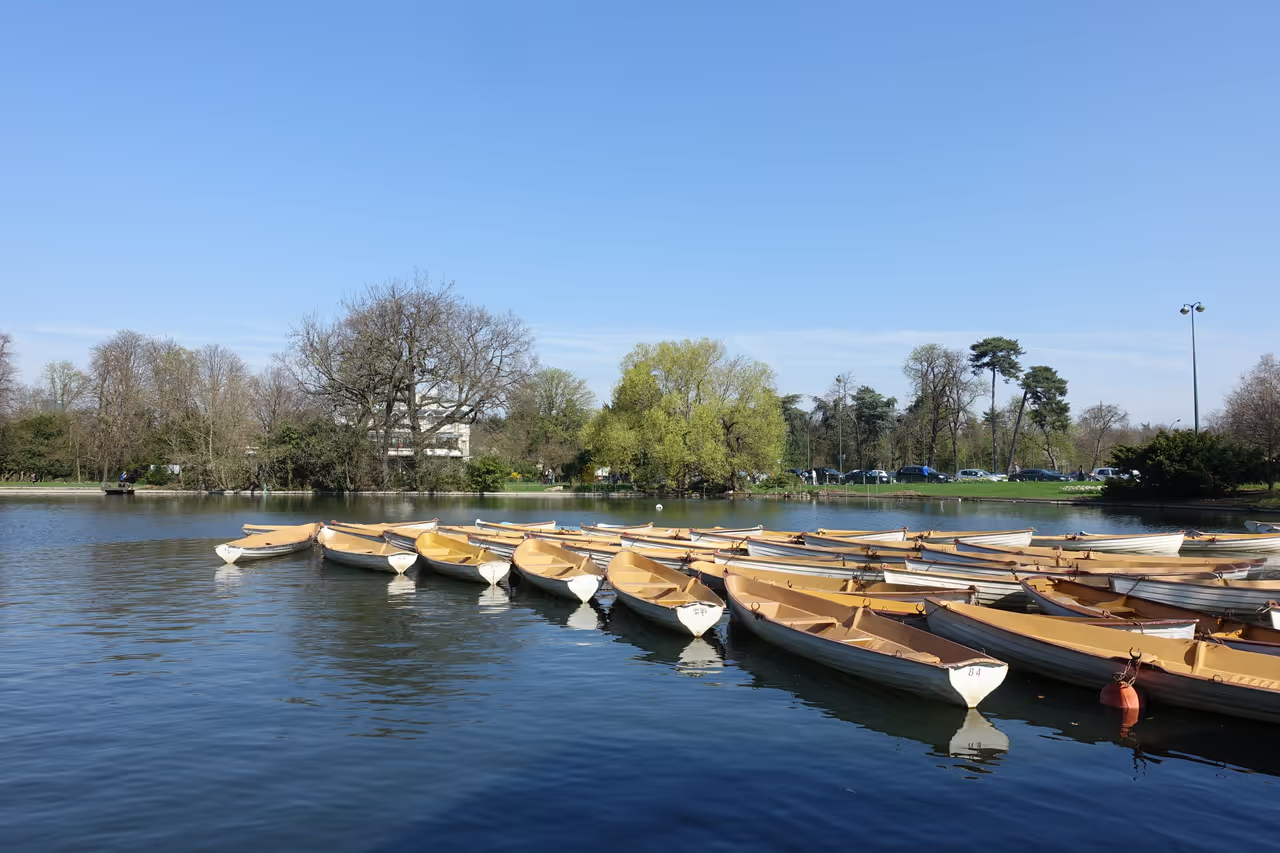
Bois de Boulogne Loop
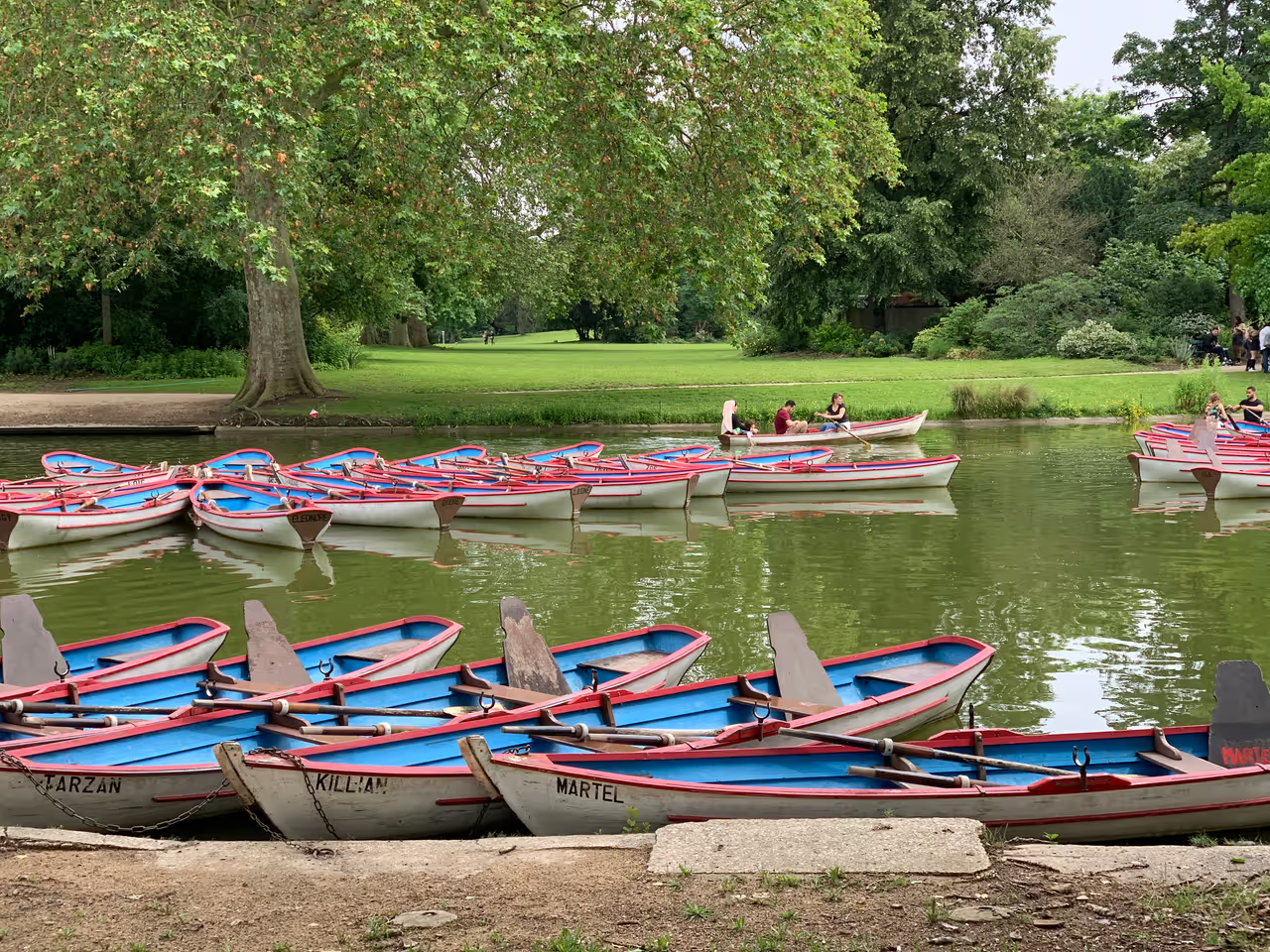
Located on the western fringe of the city, this vast park offers a refreshing escape into dense woodlands and manicured gardens. The network of dedicated cycling trails weaves through tall trees, past peaceful lakes, and alongside elegant horticultural displays. It provides a surprisingly wild and expansive natural environment just minutes away from the urban density. The ride is perfect for those seeking a tranquil, nature-focused excursion.
- HIGHLY RECOMMENDED
Seine Riverfront Ride
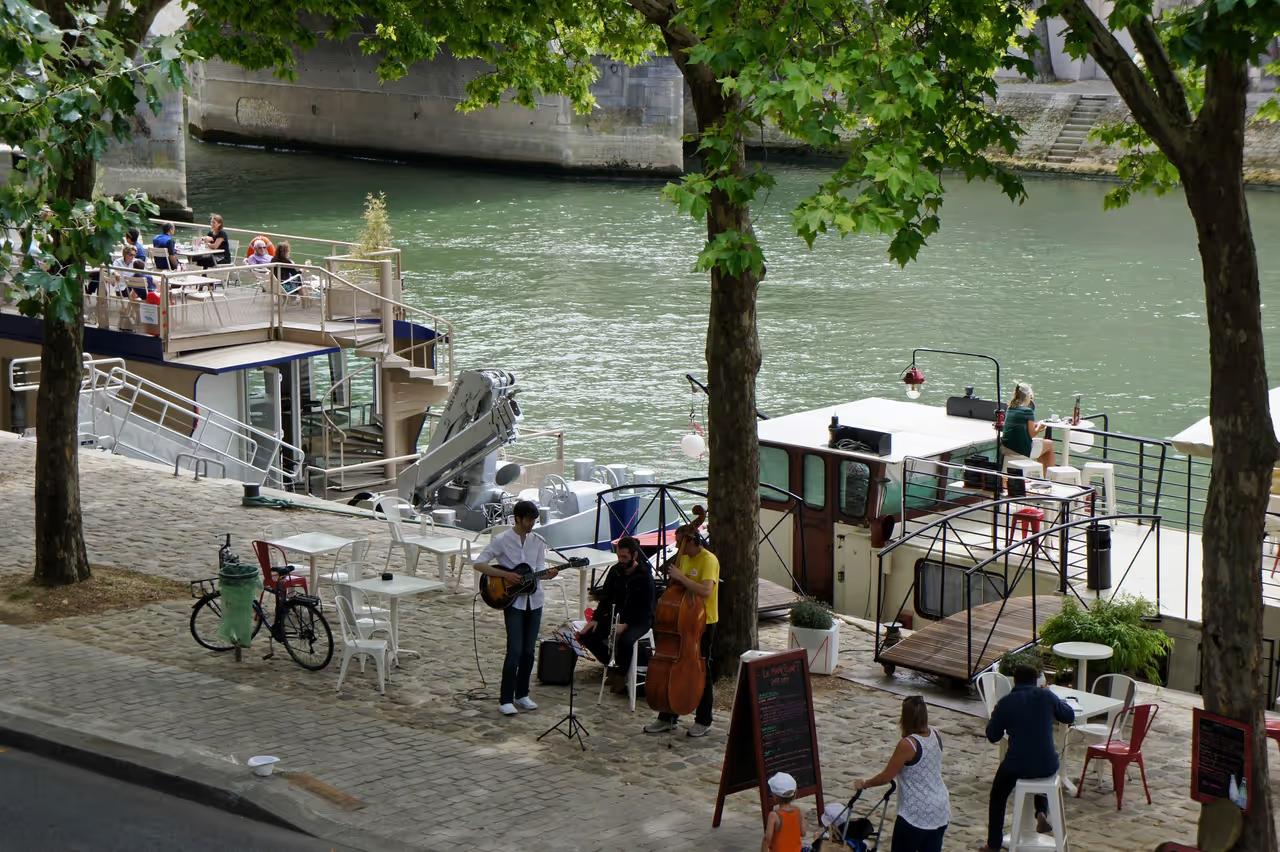
This magnificent route takes full advantage of the pedestrianised quays along the majestic river. Cyclists can enjoy a smooth, flat journey entirely separated from the stressful vehicular traffic above. The path sweeps past some of the most famous historical architecture, offering spectacular, unobstructed views across the water. It serves as an incredibly efficient and visually stunning method for traversing the historic core of the capital.
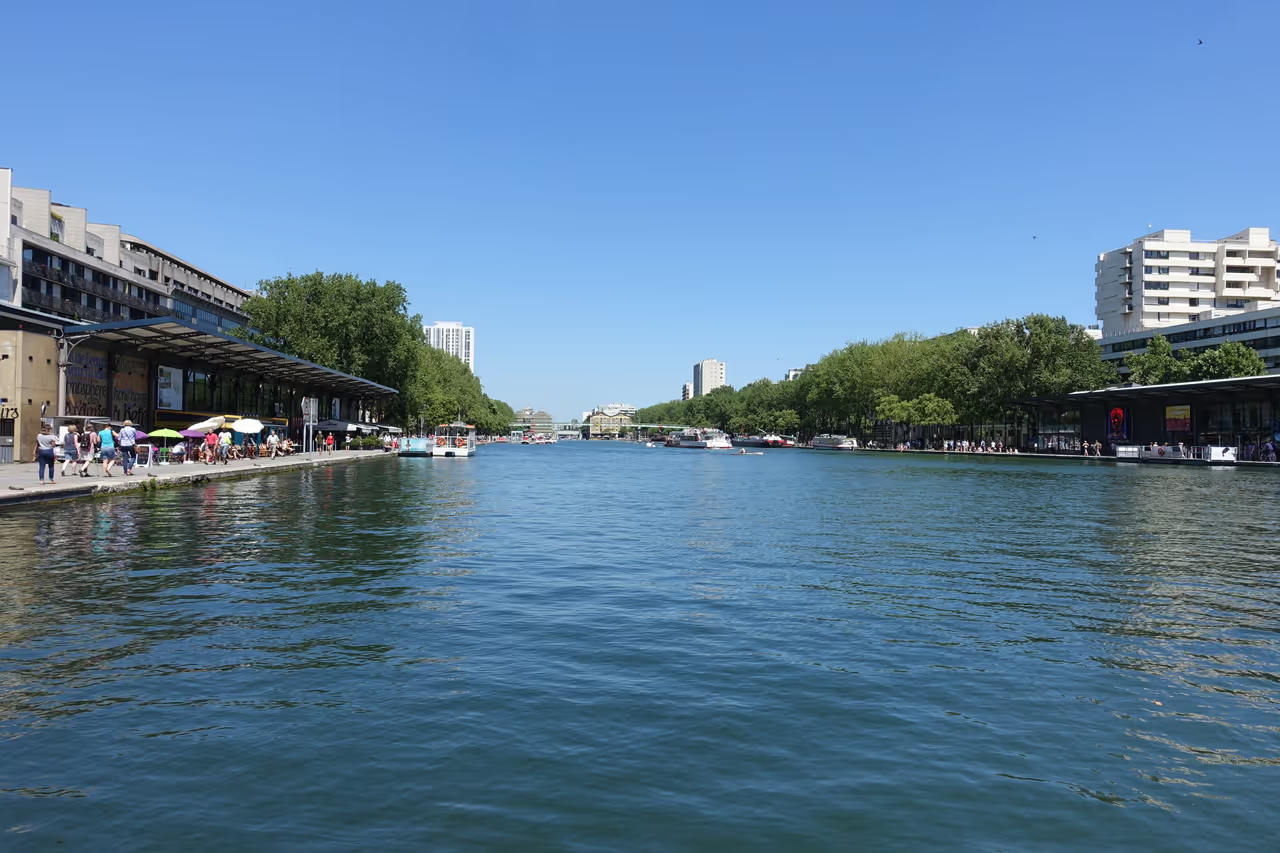
Canal de l'Ourcq Trail
This engaging route follows the straight, industrial waterway connecting the city to the north-eastern suburbs. The paved towpath provides a continuous, uninterrupted journey past striking street art, modern parks, and revitalised industrial buildings. It presents a grittier, more contemporary side of the local culture, heavily favoured by young residents for weekend recreation. The flat trajectory ensures a comfortable ride with plenty of opportunities to stop at waterside cafes.
Self-Guided Tours
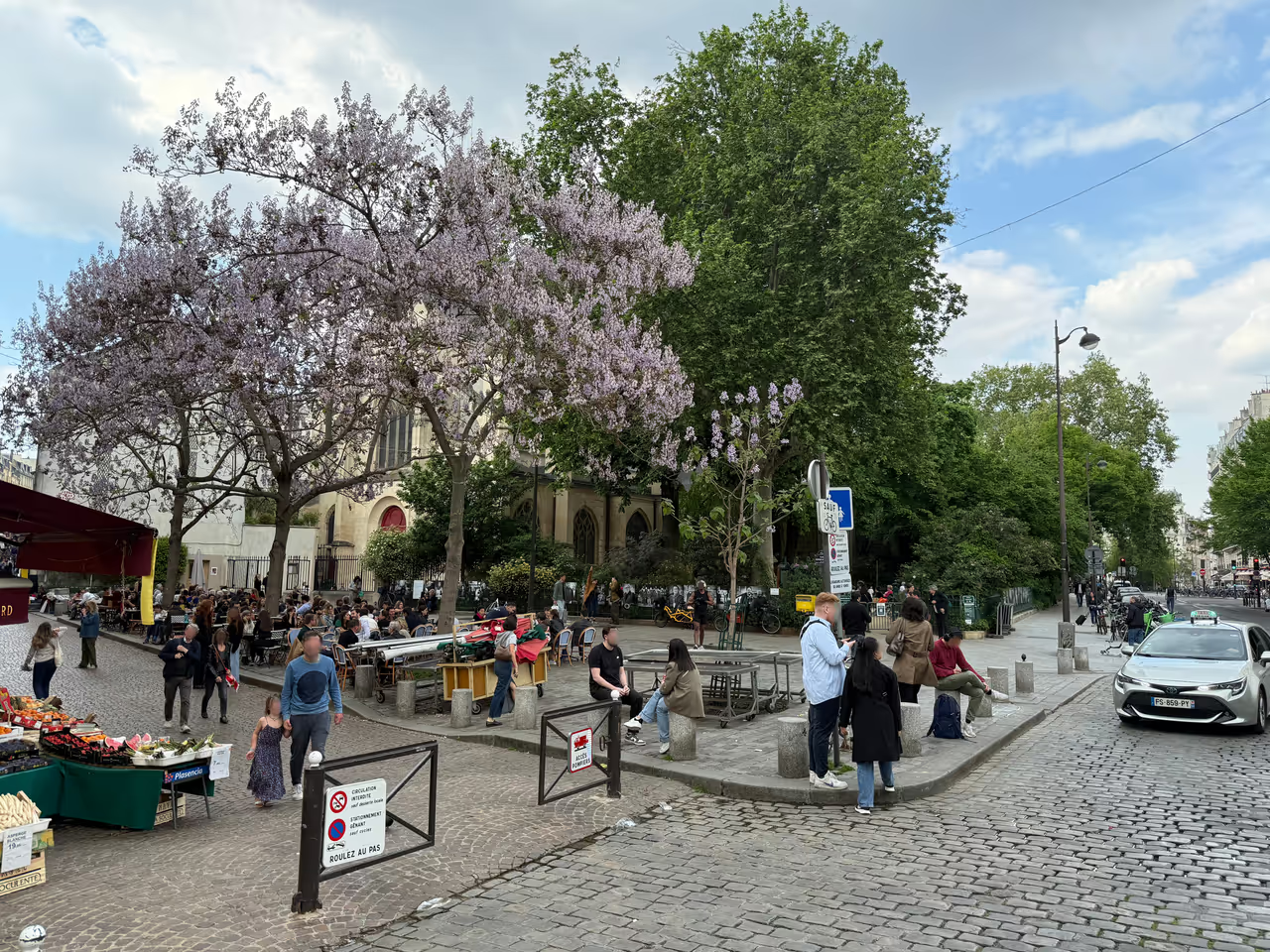
Hemingway's Left Bank
Step into the roaring nineteen twenties by tracking the footsteps of the famous 'Lost Generation' of expatriate writers. The route explores the cafes, apartments, and bookshops where literary giants like Ernest Hemingway and F. Scott Fitzgerald worked and socialised. It focuses on the vibrant intellectual atmosphere of the Latin Quarter and Saint-Germain-des-Prés. The tour offers a nostalgic glimpse into an era when the city was the undisputed creative capital of the world.
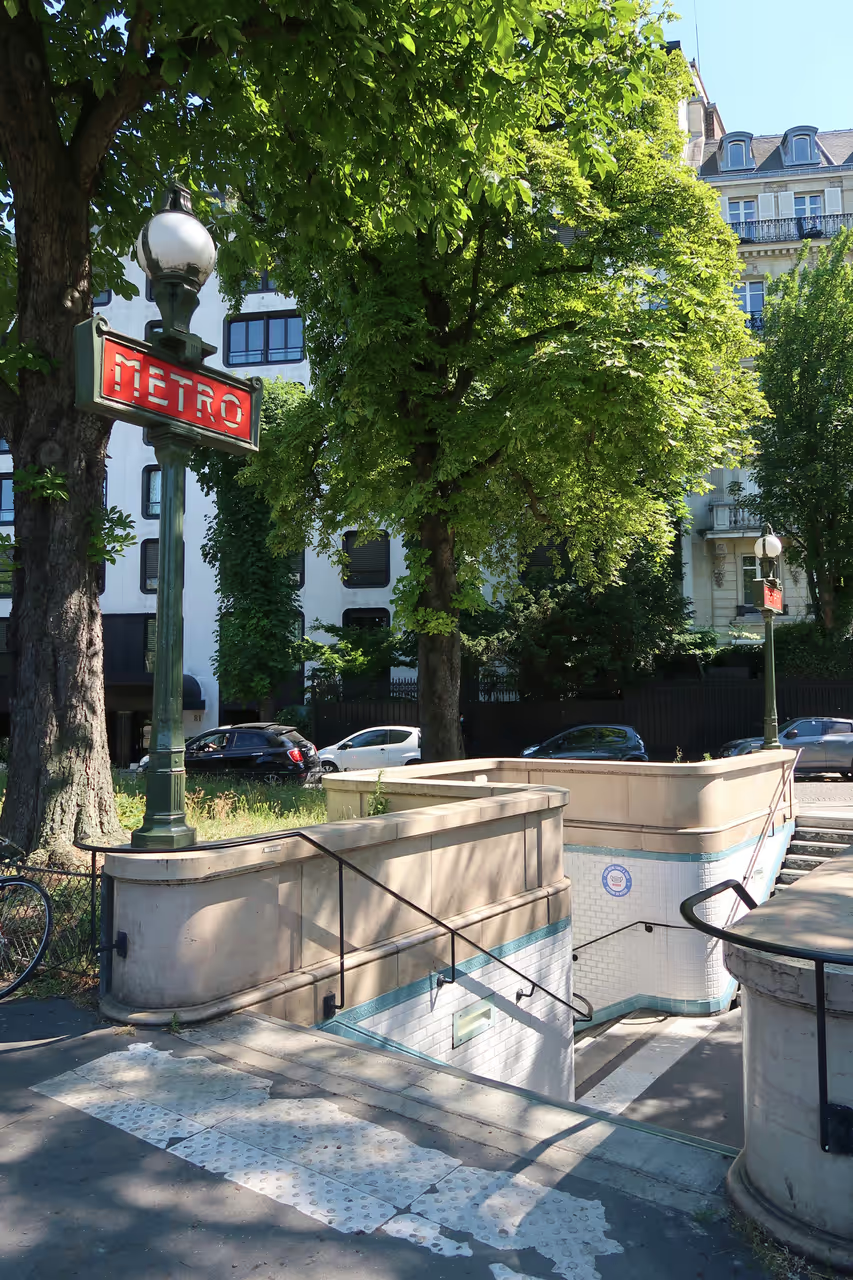
Art Nouveau Architecture Hunt
This visual treasure hunt explores the elegant and organic architectural style that briefly dominated the capital at the turn of the twentieth century. The journey highlights the intricate ironwork, floral motifs, and colourful ceramics that decorate specific residential buildings and metro entrances. It encourages walkers to look up and appreciate the astonishing craftsmanship integrated into everyday structures. The route serves as a stunning showcase of the city's innovative design heritage.
French Revolution Trail
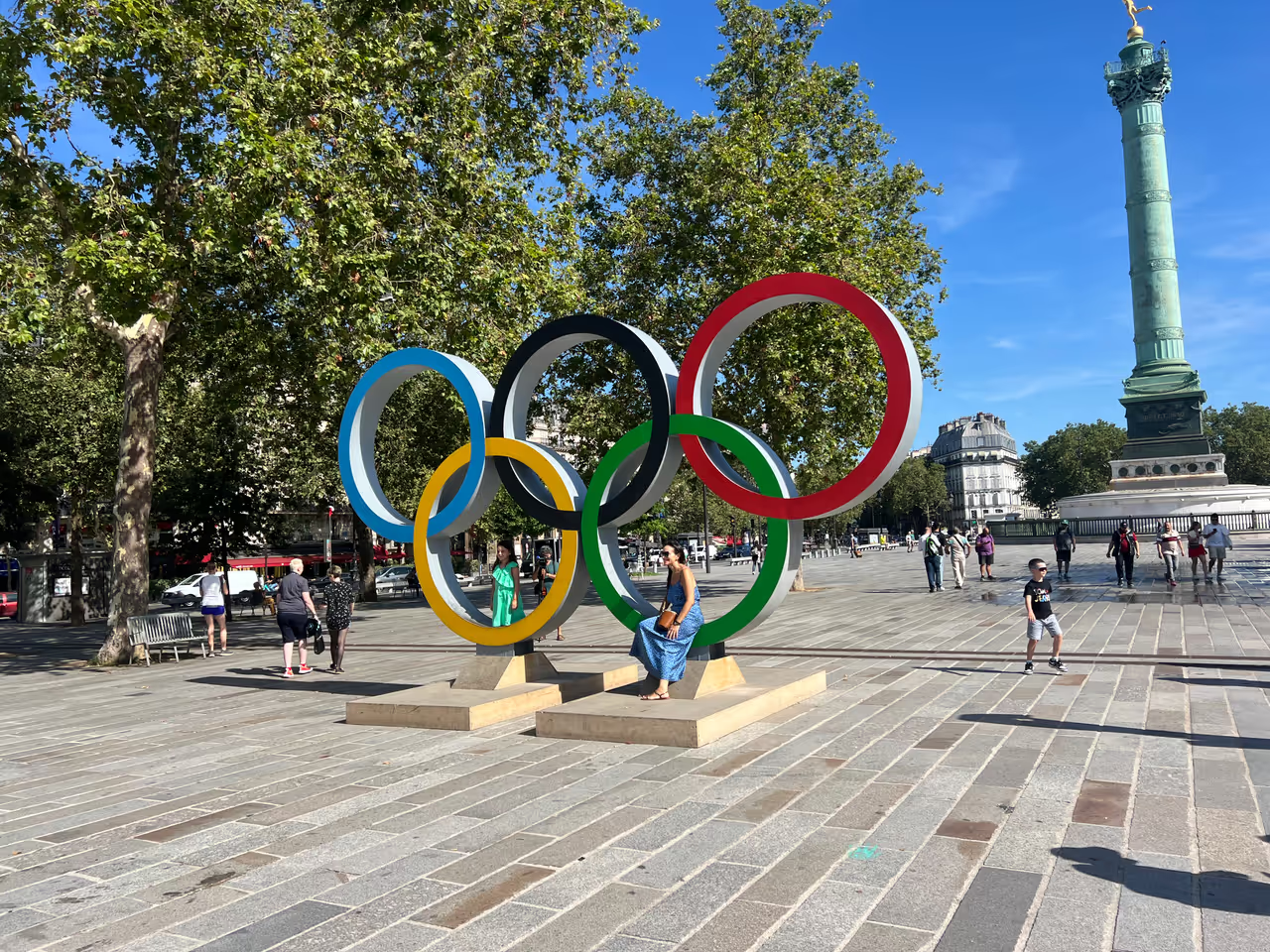
This thematic journey connects the crucial locations where the dramatic events of the late eighteenth century unfolded. Walkers trace the explosive shift from absolute monarchy to radical republic, visiting the sites of infamous prisons, heated debates, and grim executions. It provides a sobering and fascinating context to the modern streetscape, revealing the invisible layers of turbulent history. The route brings to life the passion and violence that permanently altered the global political landscape.
Annual Festivals & Events
 HIGHLY RECOMMENDED
Bastille Day Celebrations
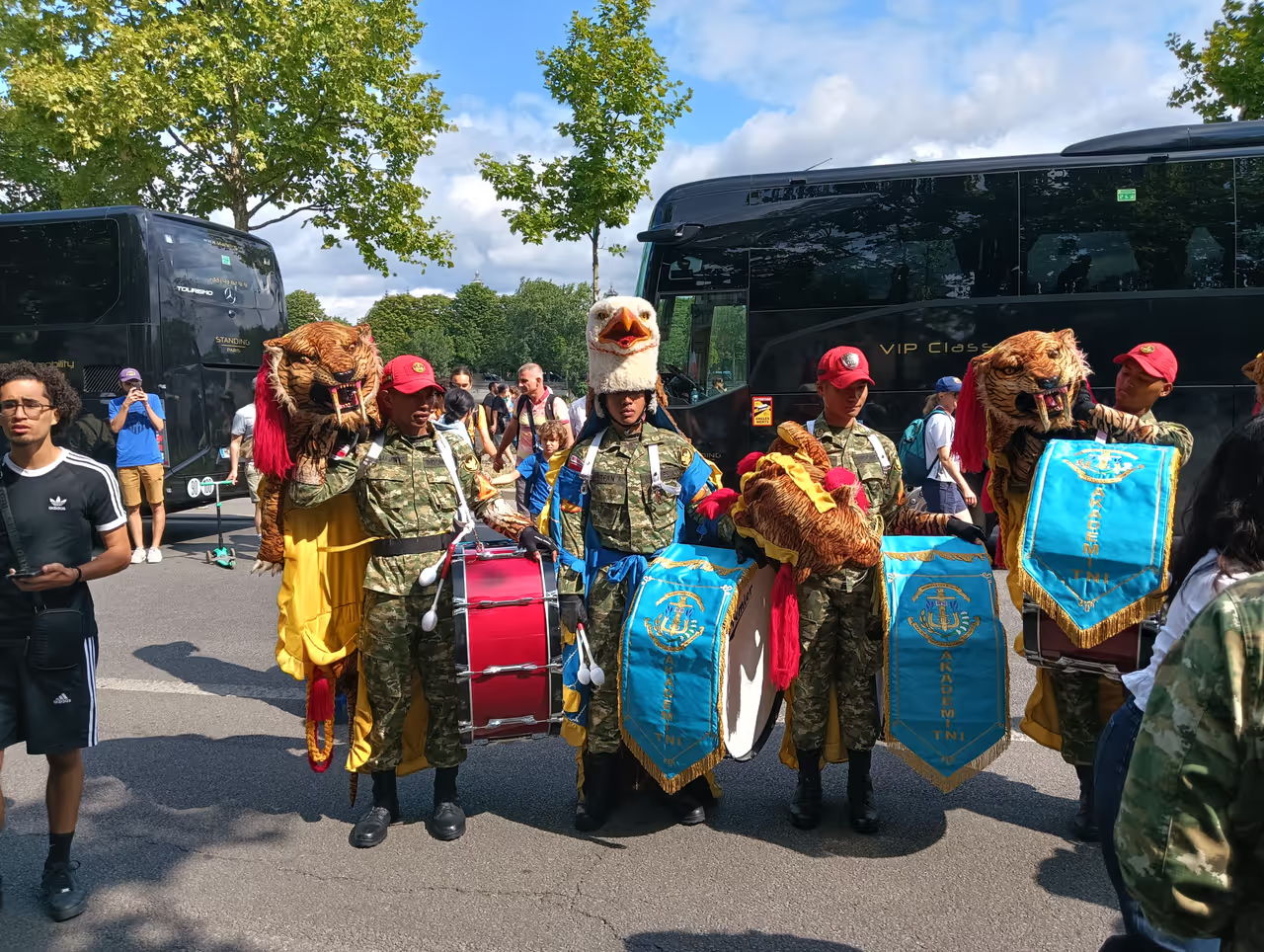
This magnificent national holiday commemorates the storming of the infamous prison fortress during the French Revolution. The day begins with a grand military parade marching down the Champs-Élysées, showcasing impressive pageantry and aerial displays. As evening approaches, locals and visitors gather around the Champ de Mars for a spectacular classical music concert. The festivities culminate in a breathtaking fireworks display launched from the gardens of the Eiffel Tower, illuminating the night sky.
Make Music Day
Celebrating the summer solstice, the entire city transforms into a massive, open-air concert venue. Amateur and professional musicians take over street corners, plazas, and parks to perform across every imaginable genre. Ranging from classical quartets to heavy rock bands, the music continues deep into the early hours of the morning. It provides a remarkably joyful and chaotic atmosphere where the usual noise regulations are temporarily suspended.
Sleepless Night Art Festival
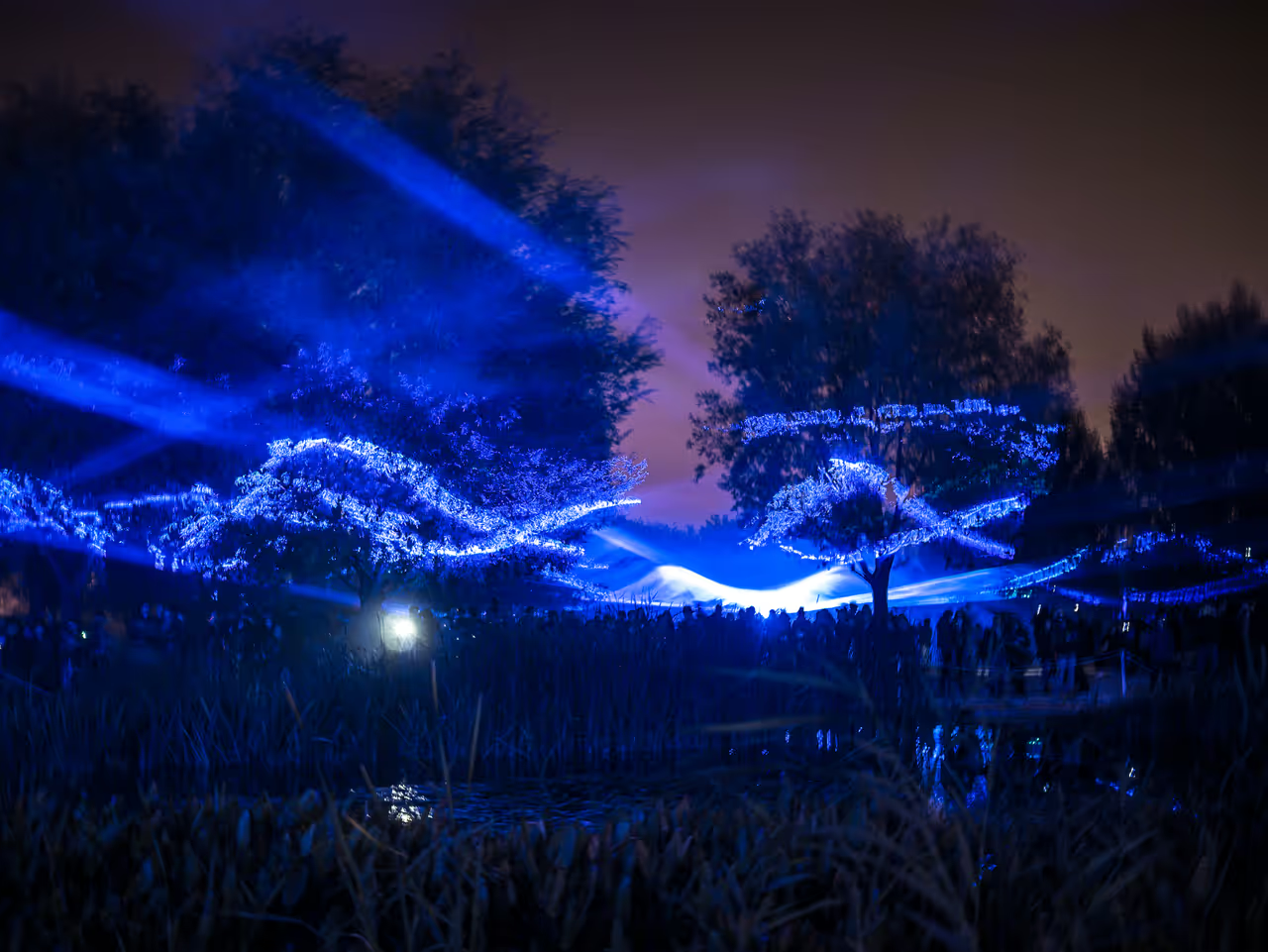
For one night only, the city transforms into an illuminated theme park dedicated to contemporary art. Public spaces, historical monuments, and unexpected venues host avant-garde installations, light shows, and performance art. The public transport system runs special late services to accommodate the crowds wandering the streets until dawn. It offers a surreal and deeply immersive way to experience urban spaces through an artistic lens.
Insider Tips
Keep your transport ticket until you exit the station completely, as ticket inspectors frequently conduct checks near the exits and issue heavy on-the-spot fines.
Always greet shopkeepers with a polite 'Bonjour' upon entering and 'Merci, au revoir' when leaving; skipping this courtesy is considered highly disrespectful.
Ask for 'une carafe d'eau' at restaurants to receive complimentary tap water rather than paying for expensive bottled mineral water.
Ignore people approaching you with clipboards asking for petition signatures or trying to tie a string around your finger near major landmarks, as these are common distraction scams.
Head to the Le Marais district for shopping on a Sunday when the vast majority of other retail areas shut down for the day.
Buy a museum pass in the late afternoon to avoid the massive morning queues at the purchase counters, saving precious sightseeing time the following day.
PERFECT FOR
This destination is a haven for incurable romantics, passionate art enthusiasts, and serious food lovers seeking culinary perfection. History buffs will revel in the layered architectural eras and grand monuments scattered throughout the urban landscape. It provides an ideal setting for those who enjoy leisurely strolls, spontaneous museum visits, and savouring long meals with excellent wine.
VIBE
Walking the streets feels like stepping into a living painting where historic grandeur meets everyday elegance. The air carries the scent of fresh pastries and rich espresso, mingling with the lively hum of conversation from crowded café terraces. It is an environment that balances sophisticated monumental beauty with the relaxed, intimate charm of hidden cobblestone alleys.
Frequently Asked Questions about Paris
While we strive to keep this information accurate and up to date, we recommend verifying any details independently before making decisions based on them.
Similar Destinations in France
Continue your journey. Explore these highly recommended cities and uncover more of what France has to offer.