Notre-Dame Cathedral
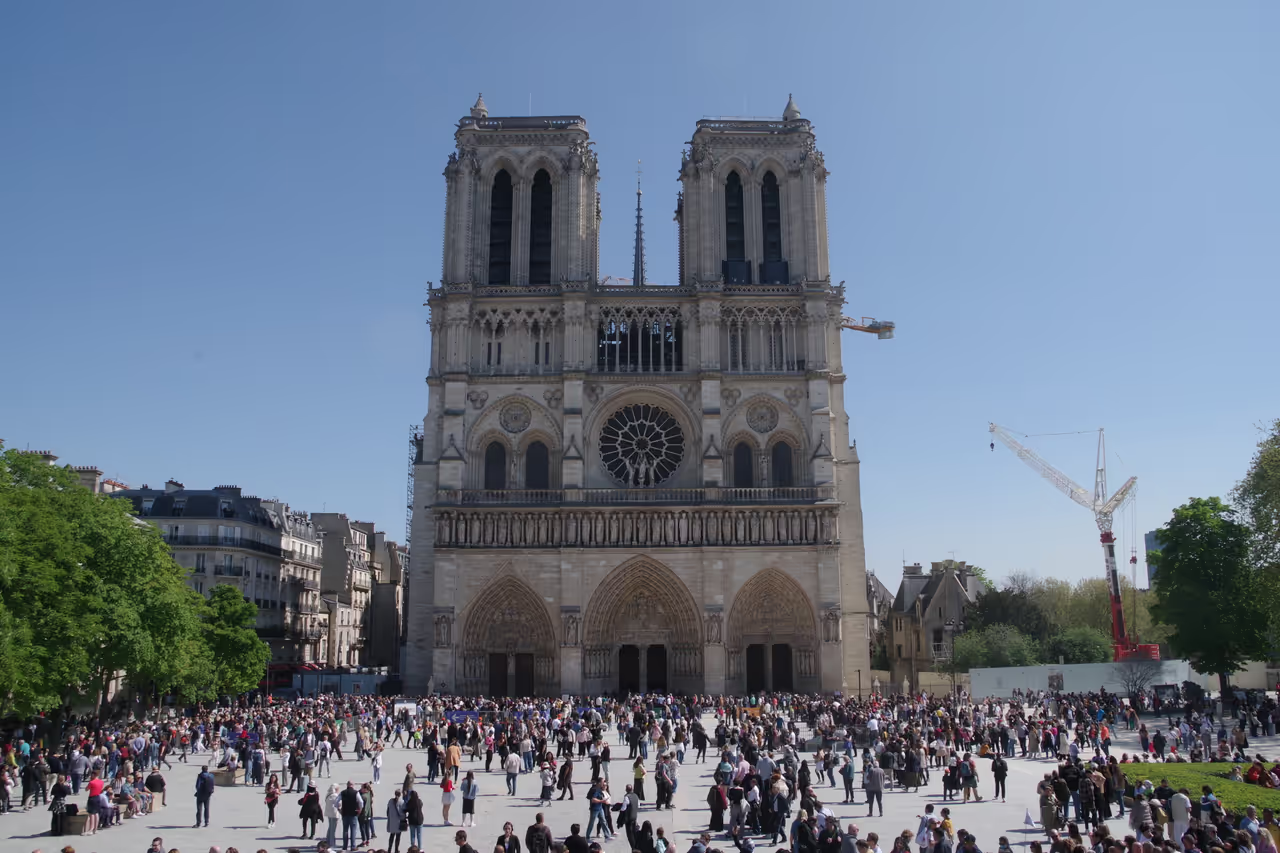
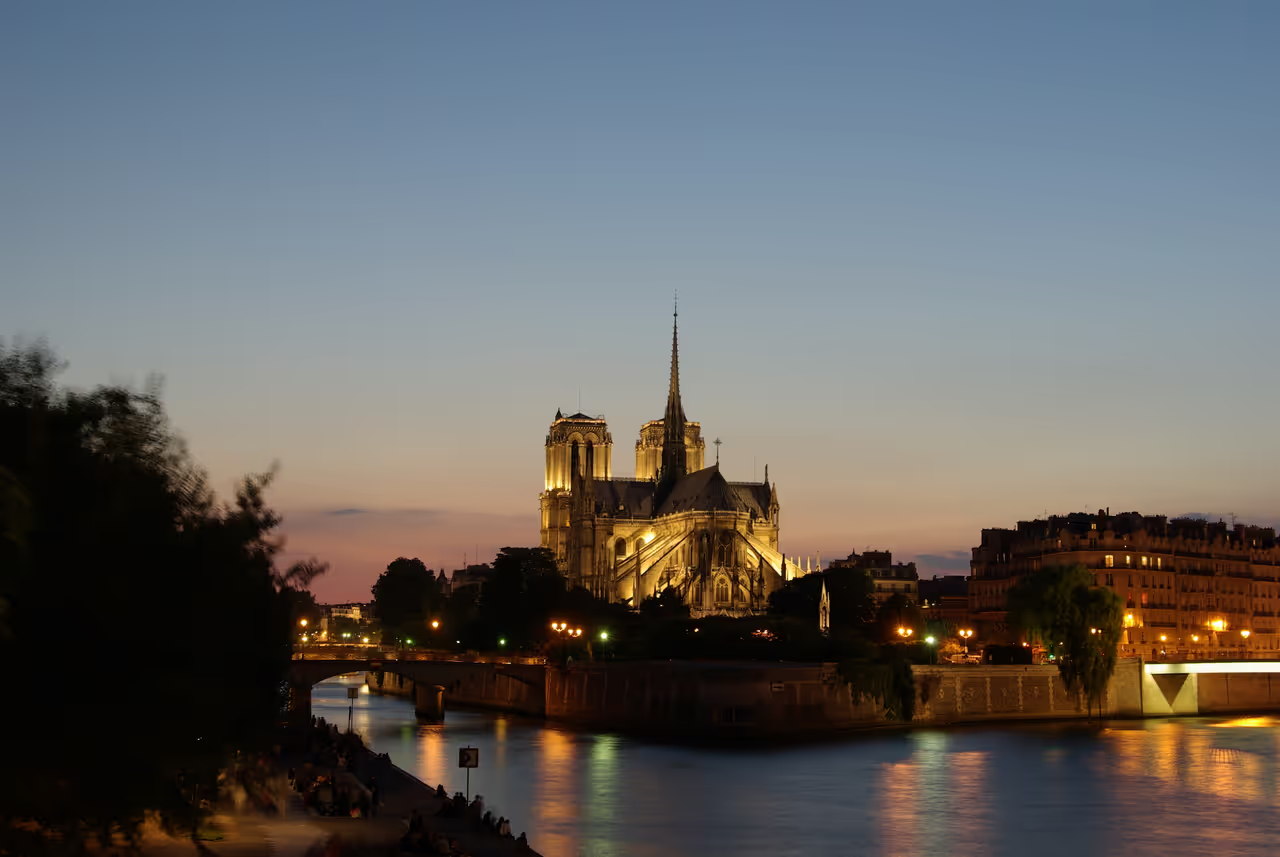
Standing as the spiritual and geographical heart of the city on the Île de la Cité, Notre-Dame Cathedral is a masterpiece of Gothic architecture that has defined the skyline for centuries. Visitors are drawn not only by its soaring stained glass and intricate gargoyles but also by the profound sense of resilience that emanates from its ancient walls. Following the devastating 2019 fire, the cathedral’s miraculous reconstruction serves as a testament to human ingenuity and global solidarity. Wandering through its hallowed interior, one can feel the weight of history, from royal coronations to the literary inspiration that immortalised its towers. It remains an essential pilgrimage for anyone wishing to touch the very soul of France.
Videos
History of Notre-Dame Cathedral
In 1160, Bishop Maurice de Sully decided the existing Romanesque cathedral of Saint Etienne was hopelessly inadequate for a city whose population was exploding. He ordered its demolition to make way for a Gothic giant on the Ile de la Cite. Funding this colossal project required immense wealth. The cathedral chapter raised money by taxing their serfs. When those peasants refused to pay in 1250, the clerics simply threw them in prison. Queen Blanche of Castile eventually intervened, but the labourers still had to buy their own freedom to satisfy the project managers. The clerics used this extracted wealth to purchase thousands of tonnes of Lutetian limestone from the quarries of the twelfth arrondissement. Decades into the build, the master masons realised they had made a terrible mistake. The interior was far too dark. Competing with the luminous new sanctuaries rising in nearby cities, the builders radically altered the design in the 1220s. They tore out the upper levels to enlarge the windows, which immediately created a massive problem with rainwater pooling on the altered roof structure. To prevent the walls from rotting, they engineered exceptionally long flying buttresses equipped with carved stone channels. These arches were not just structural supports. They functioned as an advanced medieval plumbing system designed to vomit water far from the delicate masonry. Centuries of royal weddings and solemn ceremonies gave way to absolute chaos in the autumn of 1793. Revolutionaries stormed the square and looked up at the twenty eight statues of the Kings of Judah adorning the western facade. Mistaking the biblical figures for the French monarchy, the mob tied ropes around the stone necks and pulled them down before decapitating them in the mud of the square. The newly proclaimed republican government then stripped the interior of its silver and transformed the sacred space into a warehouse. For a brief period, the nave held fifteen hundred barrels of wine destined for the soldiers of the republic. Victor Hugo effectively saved the crumbling structure from total demolition with his 1831 novel. The fictional tragedy of Quasimodo forced the city to look at the physical tragedy of the rotting masonry. Eugene Viollet le Duc took charge of a massive restoration project that bordered on reinvention. He populated the upper galleries with his own fantastical creations. The brooding chimeras that tourists now photograph against the Paris skyline are not medieval monsters at all. They are nineteenth century additions born entirely from his own imagination. He even gave his own facial features to the copper statue of Saint Thomas that gazed up at the new lead roofed spire. That same spire collapsed in April 2019 when a catastrophic fire consumed the ancient roof structure known as the forest, which had been built from thirteen hundred oak trees. The disaster forced the building shut for five years of painstaking reconstruction. Workers carefully rebuilt the roof exactly as it was, while the state commissioned Claire Tabouret to design modern stained glass windows for the southern chapels. Visitors stepping inside today will find the familiar pale limestone brightened by a controversial mixture of medieval engineering and the bright glare of modern glass throwing new colours across the nave.
8 Events spanning 861 years
Fun Facts
- • During the 1944 Liberation of Paris, the bells of Notre-Dame rang out, symbolising the end of the occupation.
- • During the French Revolution, the cathedral was stripped of its religious symbols and repurposed as a Temple of Reason, eventually serving as a wine warehouse.
- • Eugène Viollet-le-Duc immortalised himself by sculpting his own likeness into the statue of Saint Thomas on the cathedral's exterior.
- • The 'Mays of Notre-Dame' were a collection of 76 large paintings offered to the cathedral annually by the Goldsmiths' Guild between 1630 and 1707.
- • The 'Point Zéro' located on the parvis outside serves as the official reference point for measuring distances from Paris to all other cities in France.
- • The 2019 fire led to the largest global fundraising campaign for a cultural site in history, raising nearly one billion euros for reconstruction.
- • The cathedral houses a unique relic collection, including the Crown of Thorns and a fragment of the True Cross, which survived the 2019 inferno.
- • The cathedral is built upon layers of history, with archaeological excavations confirming the site held a Gallo-Roman temple dedicated to Jupiter and an earlier medieval cathedral.
- • The cathedral's grand organ contains roughly 8,000 pipes and is considered one of the most prestigious instruments in the world.
- • The iconic chimeras that gaze over Paris are not medieval originals but were added in the 19th century by Eugène Viollet-le-Duc.
- • When Notre-Dame was first built, the interior was meant to be painted with bright colours, a far cry from the bare stone seen in later centuries.
Notre-Dame Cathedral FAQ
While we strive to keep this information accurate and up to date, we recommend verifying any details independently before making decisions based on them.
Notre-Dame Cathedral Map & Neighborhood Explorer
This interactive map is centered on Notre-Dame Cathedral. Zoom in and move the map around to automatically discover Wikipedia photos and summaries of other nearby sights, monuments, and historical points of interest and stories in real-time!
Places near Notre-Dame Cathedral
Make the most of your trip. Check out these top-rated spots located nearby.
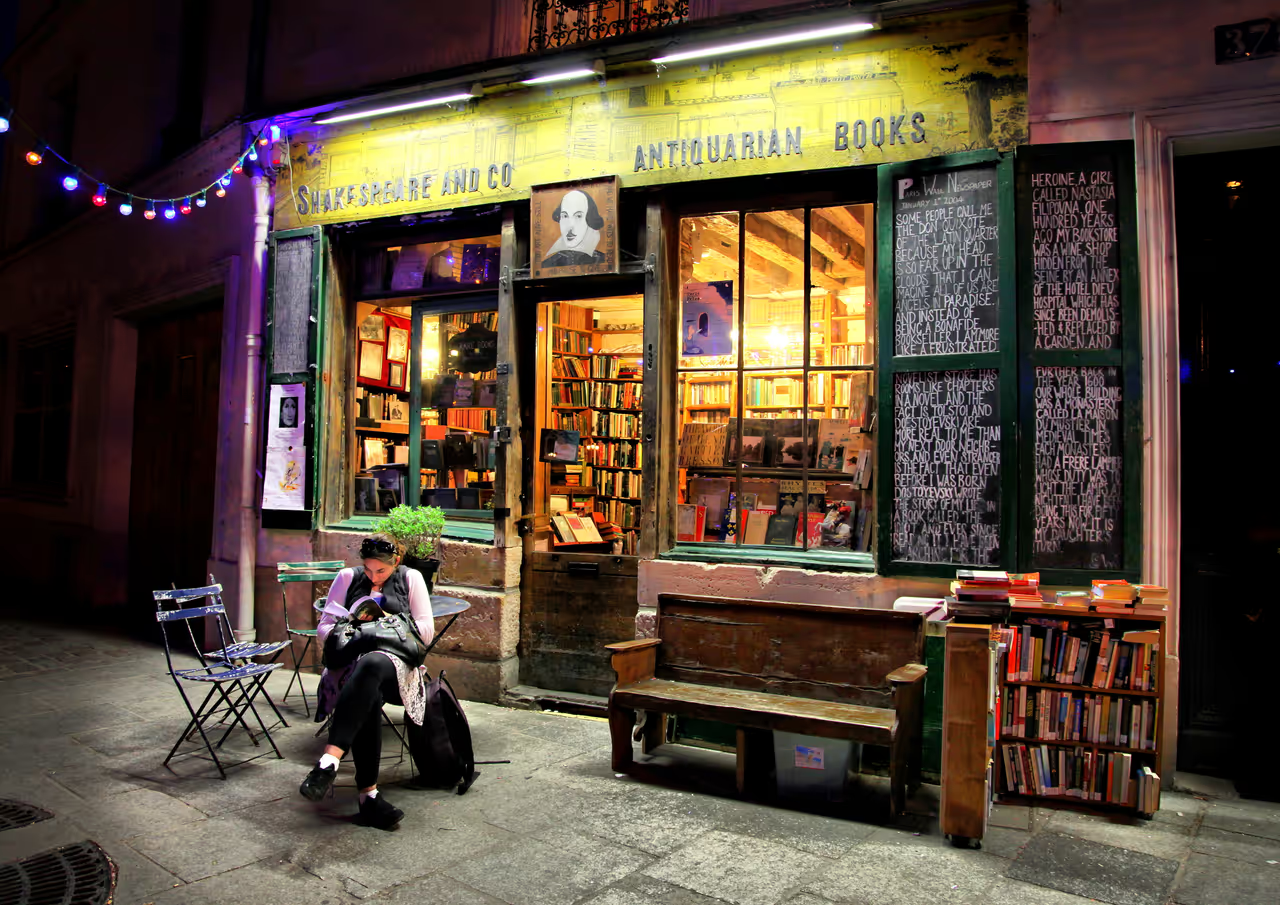 229m
229mBrowse Shakespeare and Company
Situated directly across the river from Notre-Dame, this legendary English-language bookshop is an absolute haven for literature lovers. Its narrow, uneven corridors are stacked floor to ceiling with new and second-hand books, creating a wonderfully chaotic and cosy atmosphere. Having historically served as a gathering place and makeshift hostel for famous writers, the venue hums with intellectual heritage. Browsing the shelves and reading in a quiet corner feels like participating in a long-standing bohemian tradition.
highlight view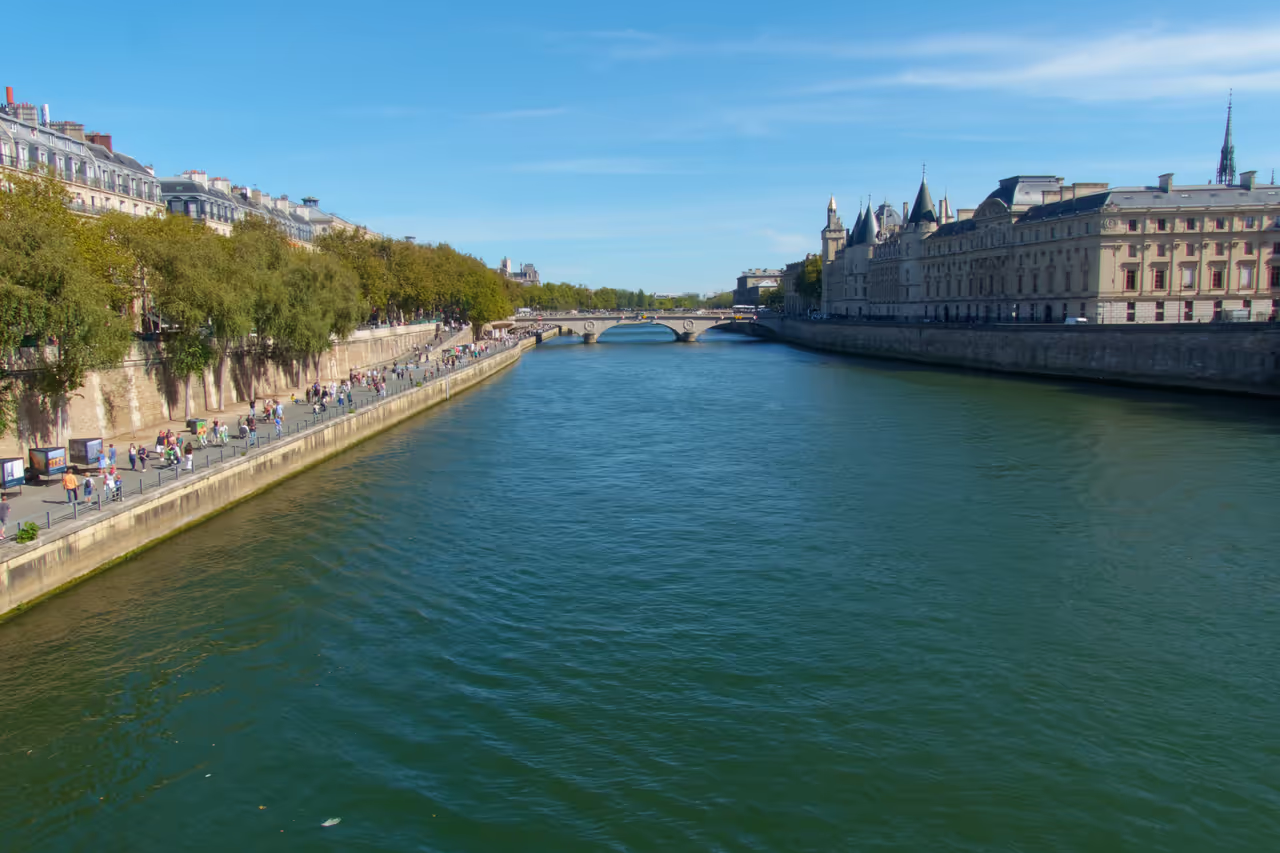 289m
289mSeine
The Seine is far more than just a river winding through the heart of France, as it acts as the true lifeblood and soul of Paris itself. Meandering from the plateau of Langres all the way to the English Channel, its banks are lined with some of the most iconic landmarks, charming boulevards, and historic architecture on the planet. Whether you are enjoying a picnic by its edge, cruising its waters at sunset, or strolling along its famous quays, the river offers an unparalleled atmosphere that captures the romance and elegance of the city. Beyond the capital, the river flows through lush landscapes and historic sites, including the artistic haven of Giverny and the medieval streets of Rouen. A visit here is an essential experience that connects you deeply to the art, history, and vibrant pulse of French life.
unesco heritage site view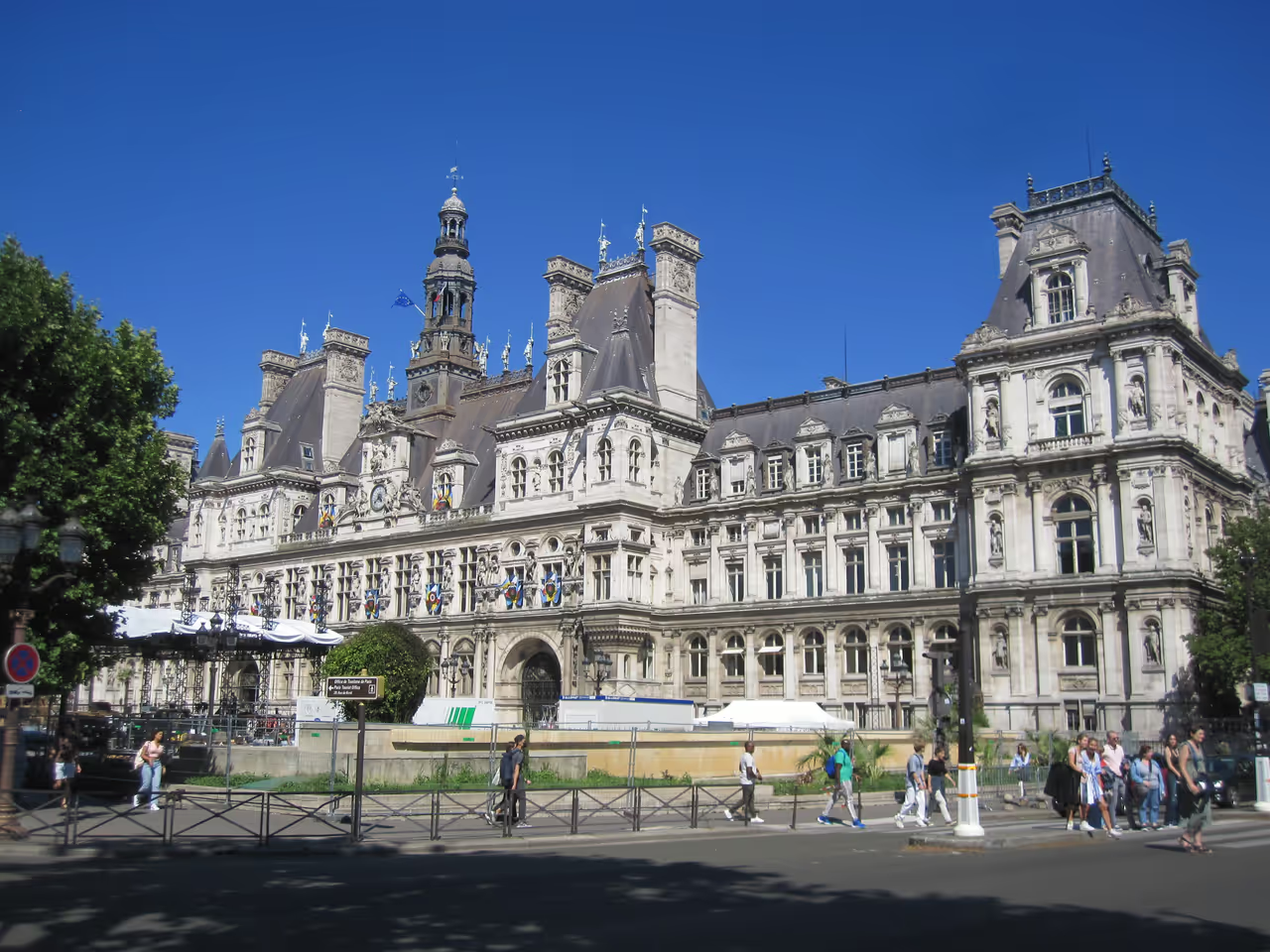 406m
406mCity Hall
Serving as the headquarters of the municipality, this vast building is a masterclass in highly decorated Neo-Renaissance design. Rebuilt in the late nineteenth century after the original was burned during the Commune, the sweeping facade features hundreds of intricate statues of notable local figures. The elaborate pavilions, steep slate roofs, and ornate clock tower project an image of supreme civic authority. The expansive plaza in front constantly hosts seasonal events, drawing crowds to its monumental doorstep.
architecture view- 444m
Make Music Day
Celebrating the summer solstice, the entire city transforms into a massive, open-air concert venue. Amateur and professional musicians take over street corners, plazas, and parks to perform across every imaginable genre. Ranging from classical quartets to heavy rock bands, the music continues deep into the early hours of the morning. It provides a remarkably joyful and chaotic atmosphere where the usual noise regulations are temporarily suspended.
festival view
Explore Similar Places in This Collection
Featured on These Itineraries and Routes
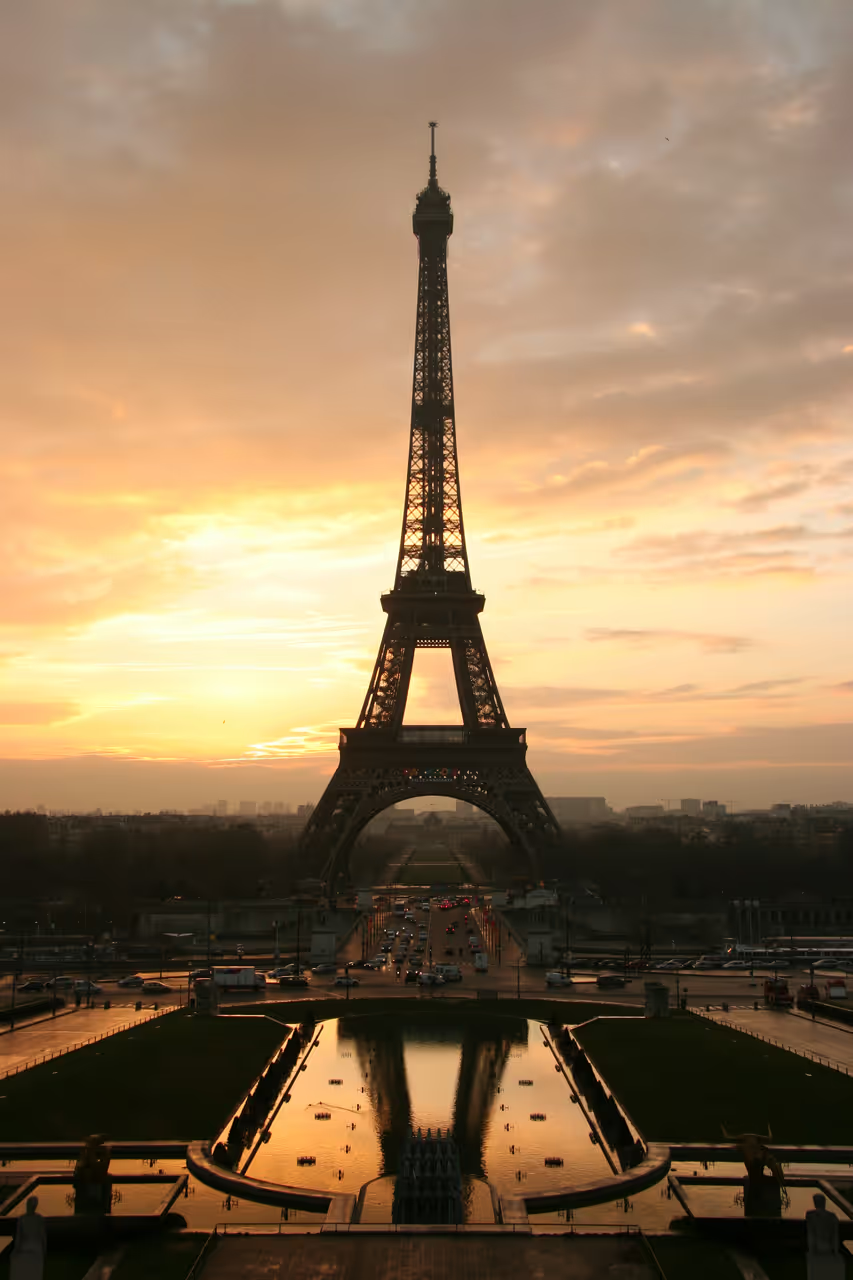
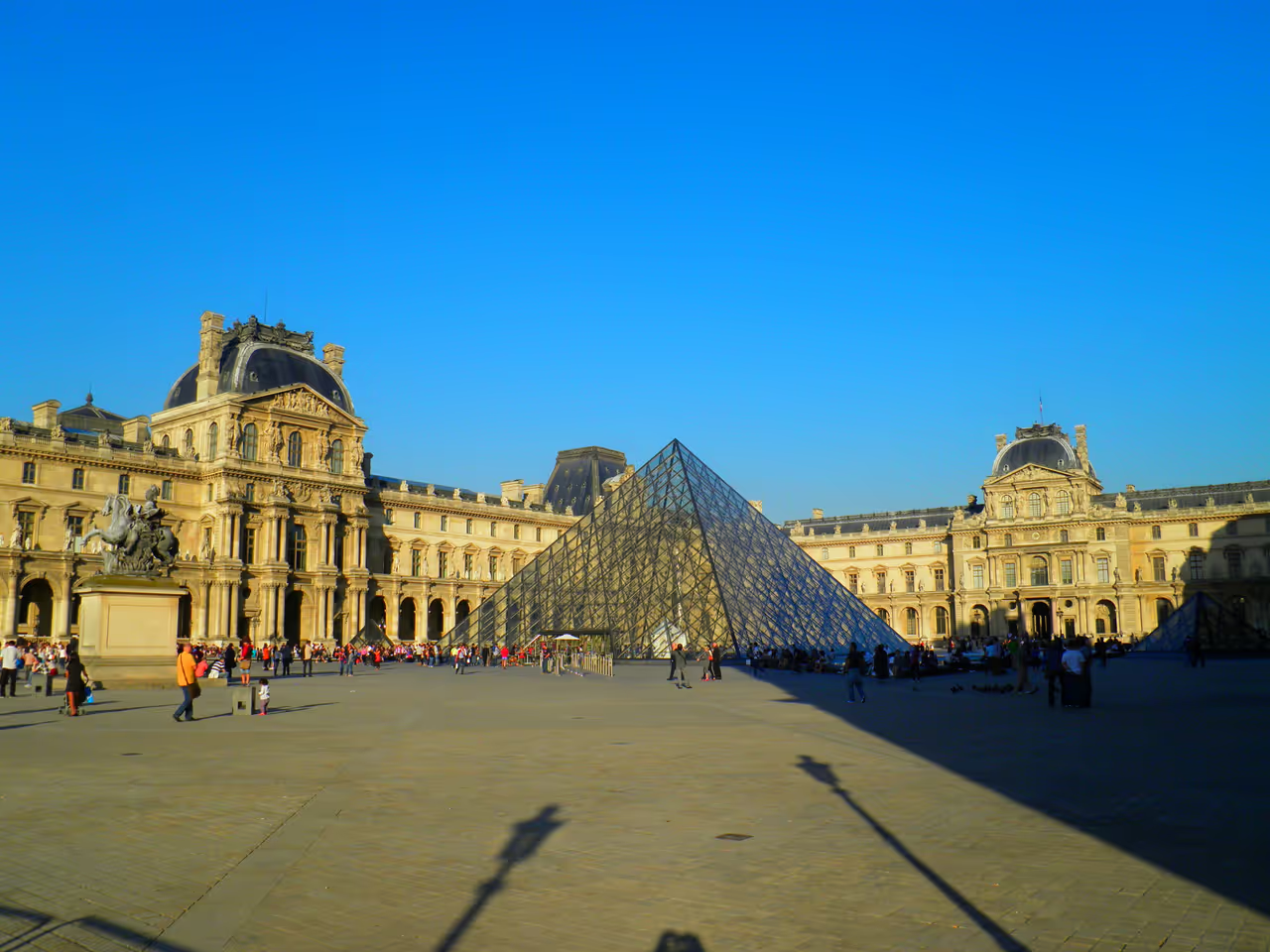
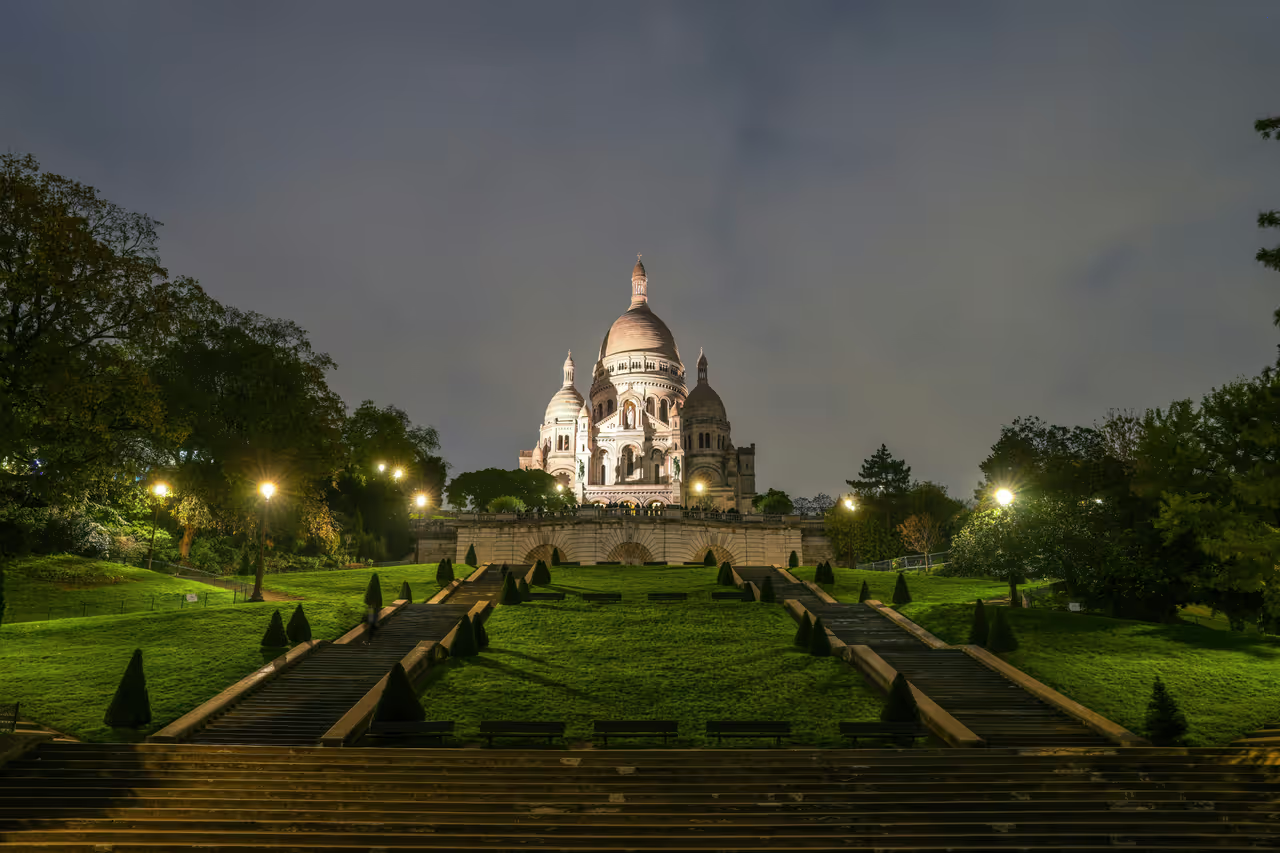
1 Day in Paris Itinerary
This ambitious itinerary is designed for those with severely limited time who want to experience the absolute core identity of the capital. It links the most globally recognised monuments and iconic views into one intense, highly memorable journey. The route spans the majestic river, historic islands, and elevated viewpoints, ensuring no major postcard image is missed. While it demands a brisk pace, it delivers the definitive monumental experience.
view itinerary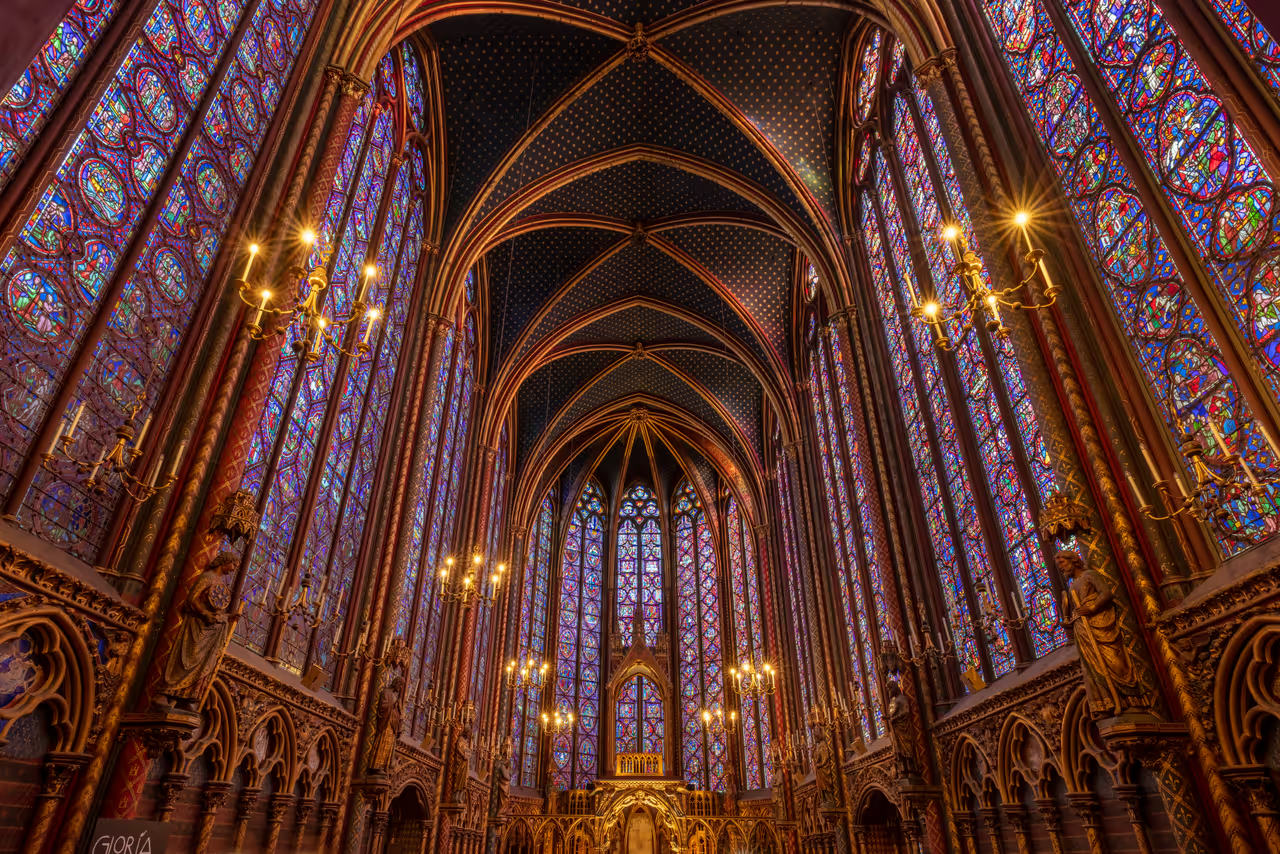
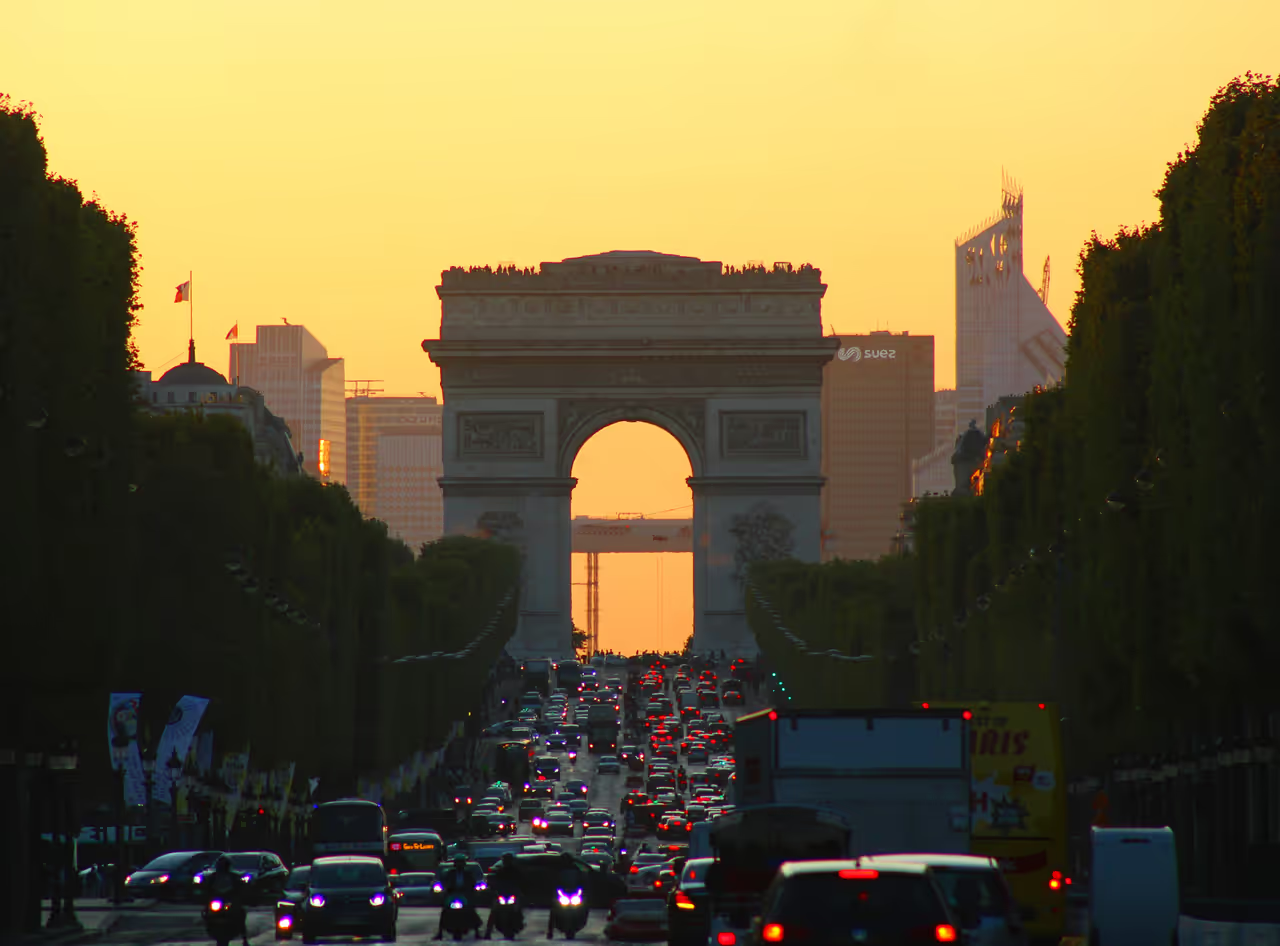
3 Days in Paris: Culture and History Itinerary
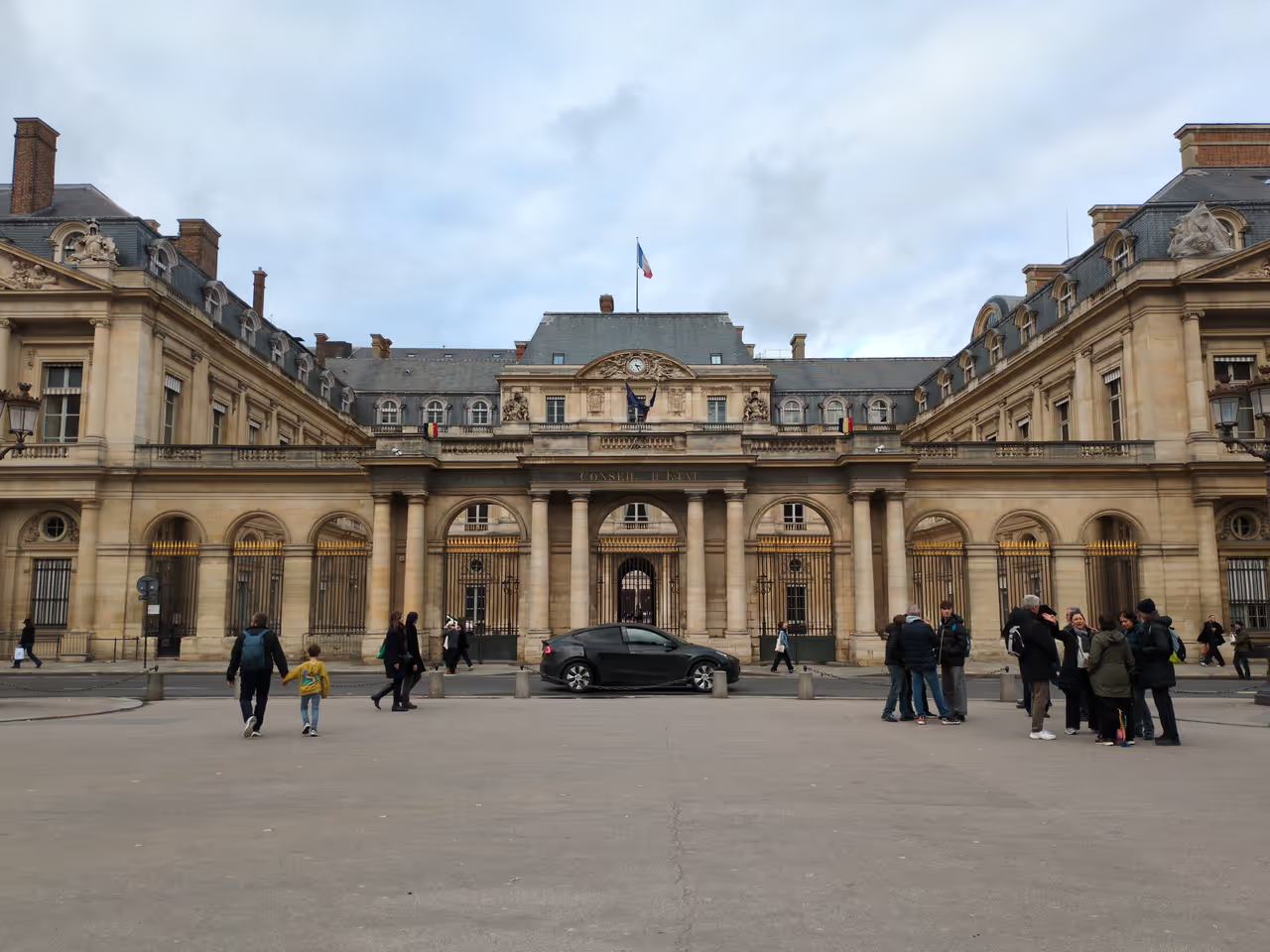
A well-balanced three-day journey that allows for a deeper dive into the rich architectural and artistic legacy of the city. It expands beyond the primary monuments to explore the stunning stained glass of the royal chapel and the bohemian energy of the northern hills. The pacing affords enough time to properly absorb the massive art collections and enjoy leisurely meals in distinct historic districts. This route perfectly captures the diverse aesthetic and intellectual spirit of the metropolis.
view itinerary
5 Days in Paris: Complete Experience Itinerary
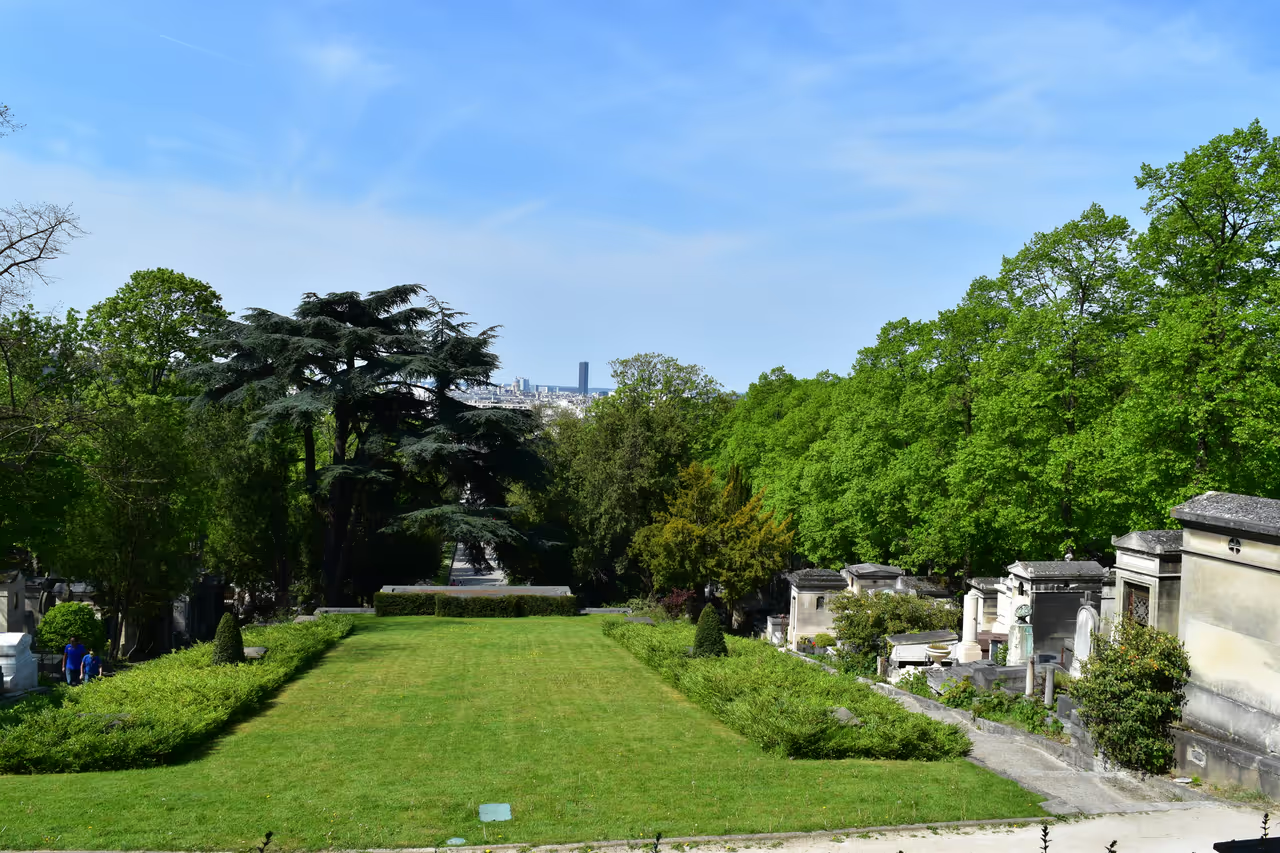
An extensive five-day exploration designed to blend the obligatory monumental sights with authentic local experiences and hidden parks. Visitors will traverse grand boulevards, reflect in historic cemeteries, and relax in elevated green spaces. The generous timeframe allows for the discovery of modern architectural marvels alongside centuries-old churches without succumbing to fatigue. It is the ideal itinerary for fully immersing oneself in the sophisticated, multifaceted lifestyle of the capital.
view itinerary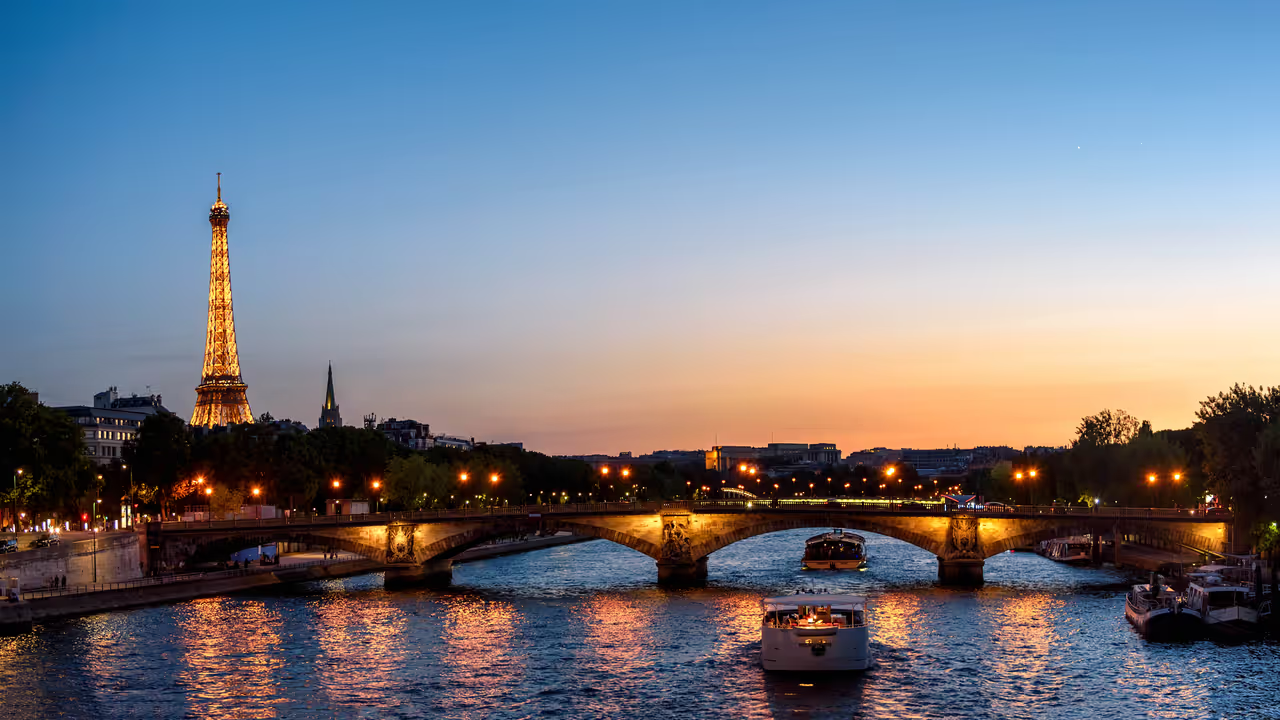
Seine Riverfront Ride
This magnificent route takes full advantage of the pedestrianised quays along the majestic river. Cyclists can enjoy a smooth, flat journey entirely separated from the stressful vehicular traffic above. The path sweeps past some of the most famous historical architecture, offering spectacular, unobstructed views across the water. It serves as an incredibly efficient and visually stunning method for traversing the historic core of the capital.
view cycling route
See all attractions in Paris
Arc de Triomphe, Eiffel Tower, Louvre Museum, Panthéon, Sacré-Cœur Basilica, Musée d'Orsay, Centre Pompidou...