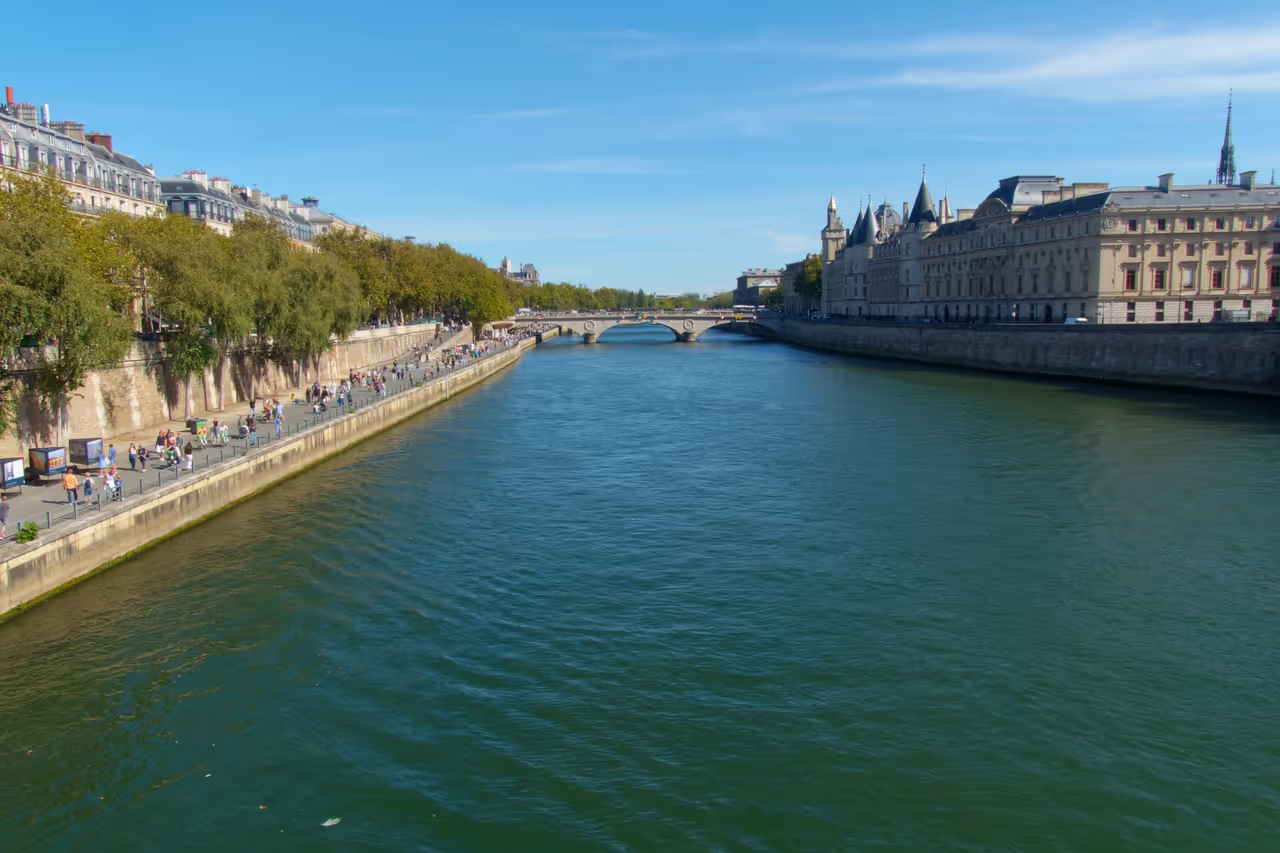
Seine
The Seine is far more than just a river winding through the heart of France, as it acts as the true lifeblood and soul of Paris itself. Meandering from the plateau of Langres all the way to the English Channel, its banks are lined with some of the most iconic landmarks, charming boulevards, and historic architecture on the planet. Whether you are enjoying a picnic by its edge, cruising its waters at sunset, or strolling along its famous quays, the river offers an unparalleled atmosphere that captures the romance and elegance of the city. Beyond the capital, the river flows through lush landscapes and historic sites, including the artistic haven of Giverny and the medieval streets of Rouen. A visit here is an essential experience that connects you deeply to the art, history, and vibrant pulse of French life.
Videos
History of Seine
The Seine is a river of mysteries. Long before it became the glittering icon of France, the Celts named it Sequana, a name steeped in ambiguity and reverence. While geography books label it the Seine, hydrographers often argue that the Yonne should technically be considered the main stream due to its greater flow. This quirk of history only adds to the intrigue of the waterway that flows through the very heart of the capital. For centuries, the river has been both a battleground and a highway. From the Viking longships that navigated its waters in the ninth century to the royal engineers who built the Machine de Marly to power the fountains of Versailles, the river has witnessed the rise and fall of empires. It served as the vital artery of commerce, carrying wood from the Morvan forests to build the city, and stood as a witness to the profound drama of the liberation of France in 1944. Today, the Seine is a living testament to urban transformation. The banks, once working docks and industrial sites, have been reclaimed for culture, sport, and leisure. From the impressionist masterpieces painted on its shores to the ambition of the recent Olympic opening ceremony held upon its waters, the Seine remains an evolving narrative of resilience and beauty that continues to inspire locals and travellers alike.
Events spanning 1183 years
Fun Facts
- • Archeologists have recovered numerous Viking weapons, including swords and axes, from the riverbed in Normandy, proving the river was a major route for northern invaders.
- • During the seventeenth century, King Louis XIV ordered the construction of the Machine de Marly directly in the river to pump water for his extravagant fountains at Versailles.
- • For over a century, the Impressionist movement found its muse on the river, with artists like Monet and Renoir capturing the changing light on the water in their famous works.
- • Hydrologically speaking, the Seine is technically a tributary of the Yonne, as the Yonne carries a higher volume of water at their confluence.
- • Swimming in the river was officially banned in 1923 due to water quality, a prohibition that stood for a century before massive infrastructure efforts returned the water to a cleaner state.
- • The Seine was a vital artery for the wood trade, as massive logs were floated down from the Morvan forests to provide the primary source of heating for the city of Paris.
- • The city of Paris has owned the source of the Seine since 1864, an administrative quirk that keeps the capital connected to the river's birth.
- • The famous statue of the Zouave on the Alma bridge serves as a makeshift, if imprecise, gauge for Parisians to measure flood levels during heavy rain.
- • The river is home to over 50 species of fish, a testament to the ongoing success of ecological restoration efforts along its entire course.
RESOURCES
Heritage UNESCO SiteSeine FAQ
While we strive to keep this information accurate and up to date, we recommend verifying any details independently before making decisions based on them.
Seine Map & Neighborhood Explorer
This interactive map is centered on Seine. Zoom in and move the map around to automatically discover Wikipedia photos and summaries of other nearby sights, monuments, and historical points of interest and stories in real-time!
Places near Seine
Make the most of your trip. Check out these top-rated spots located nearby.
 289m
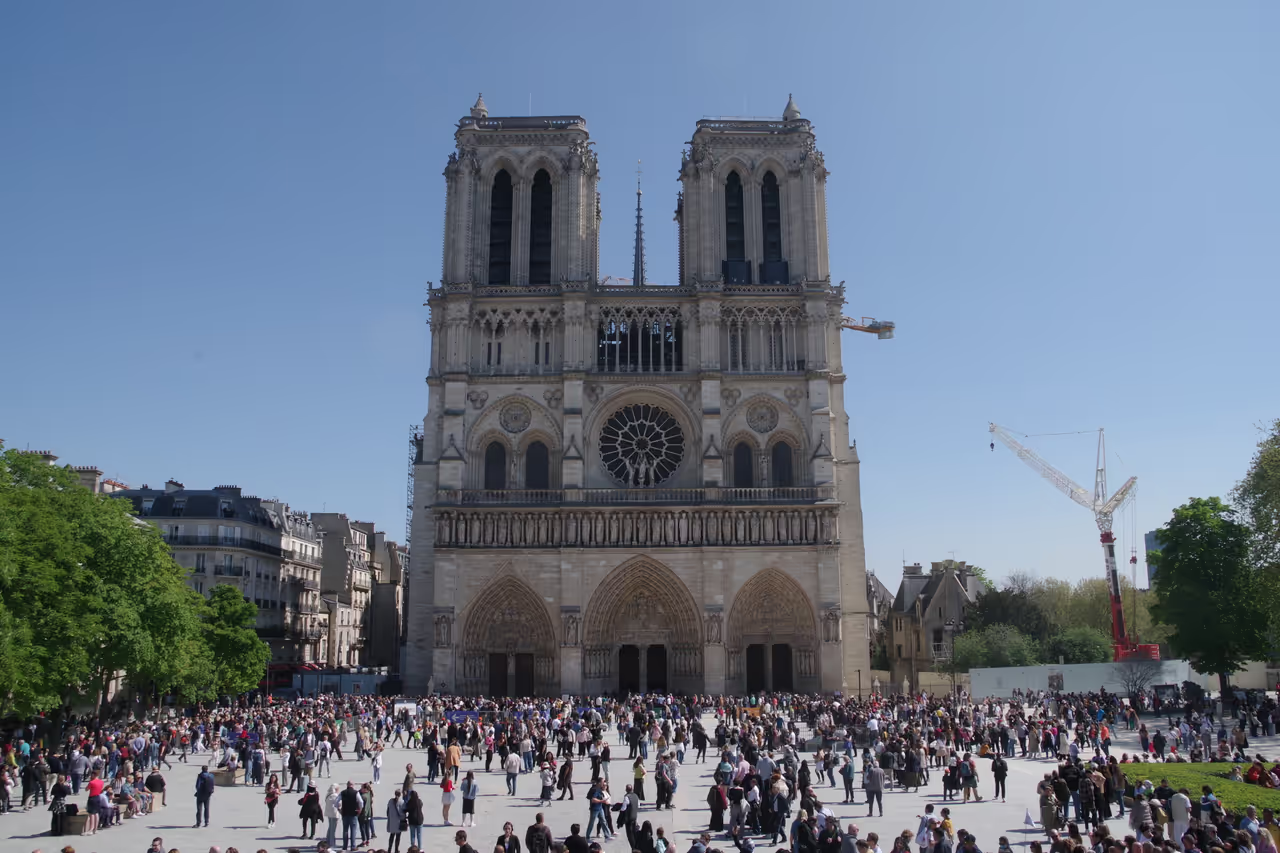
289mNotre-Dame Cathedral
Standing as the spiritual and geographical heart of the city on the Île de la Cité, Notre-Dame Cathedral is a masterpiece of Gothic architecture that has defined the skyline for centuries. Visitors are drawn not only by its soaring stained glass and intricate gargoyles but also by the profound sense of resilience that emanates from its ancient walls. Following the devastating 2019 fire, the cathedral’s miraculous reconstruction serves as a testament to human ingenuity and global solidarity. Wandering through its hallowed interior, one can feel the weight of history, from royal coronations to the literary inspiration that immortalised its towers. It remains an essential pilgrimage for anyone wishing to touch the very soul of France.
attraction view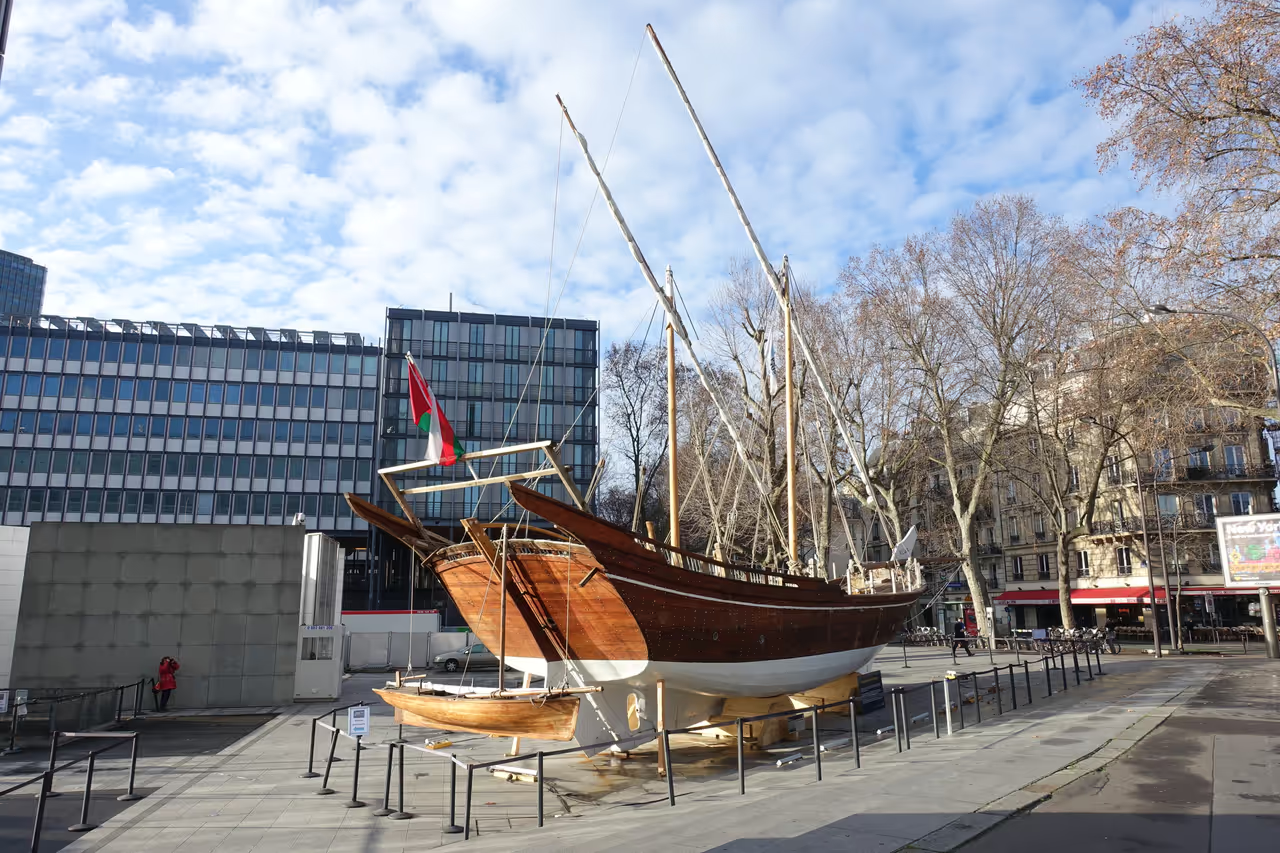 403m
403mArab World Institute
This remarkable cultural institution brilliantly fuses modern engineering with traditional Islamic geometric motifs. The famous southern facade is constructed from hundreds of metallic diaphragms that operate like camera lenses, automatically opening and closing to regulate the sunlight entering the building. This kinetic architecture creates stunning patterns of light and shadow inside the museum spaces. It stands as an incredibly sophisticated and innovative architectural bridge between diverse cultures.
architecture view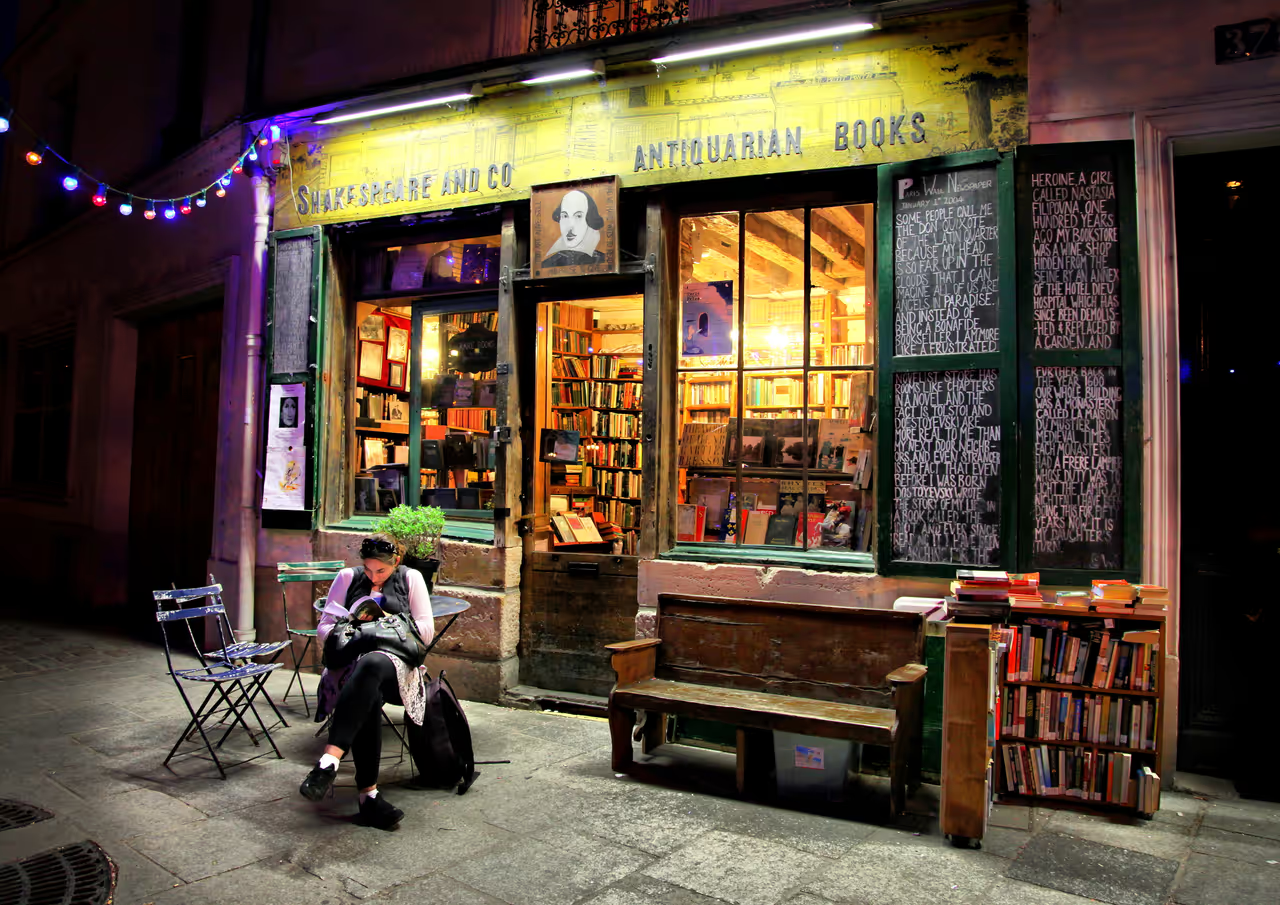 462m
462mBrowse Shakespeare and Company
Situated directly across the river from Notre-Dame, this legendary English-language bookshop is an absolute haven for literature lovers. Its narrow, uneven corridors are stacked floor to ceiling with new and second-hand books, creating a wonderfully chaotic and cosy atmosphere. Having historically served as a gathering place and makeshift hostel for famous writers, the venue hums with intellectual heritage. Browsing the shelves and reading in a quiet corner feels like participating in a long-standing bohemian tradition.
highlight view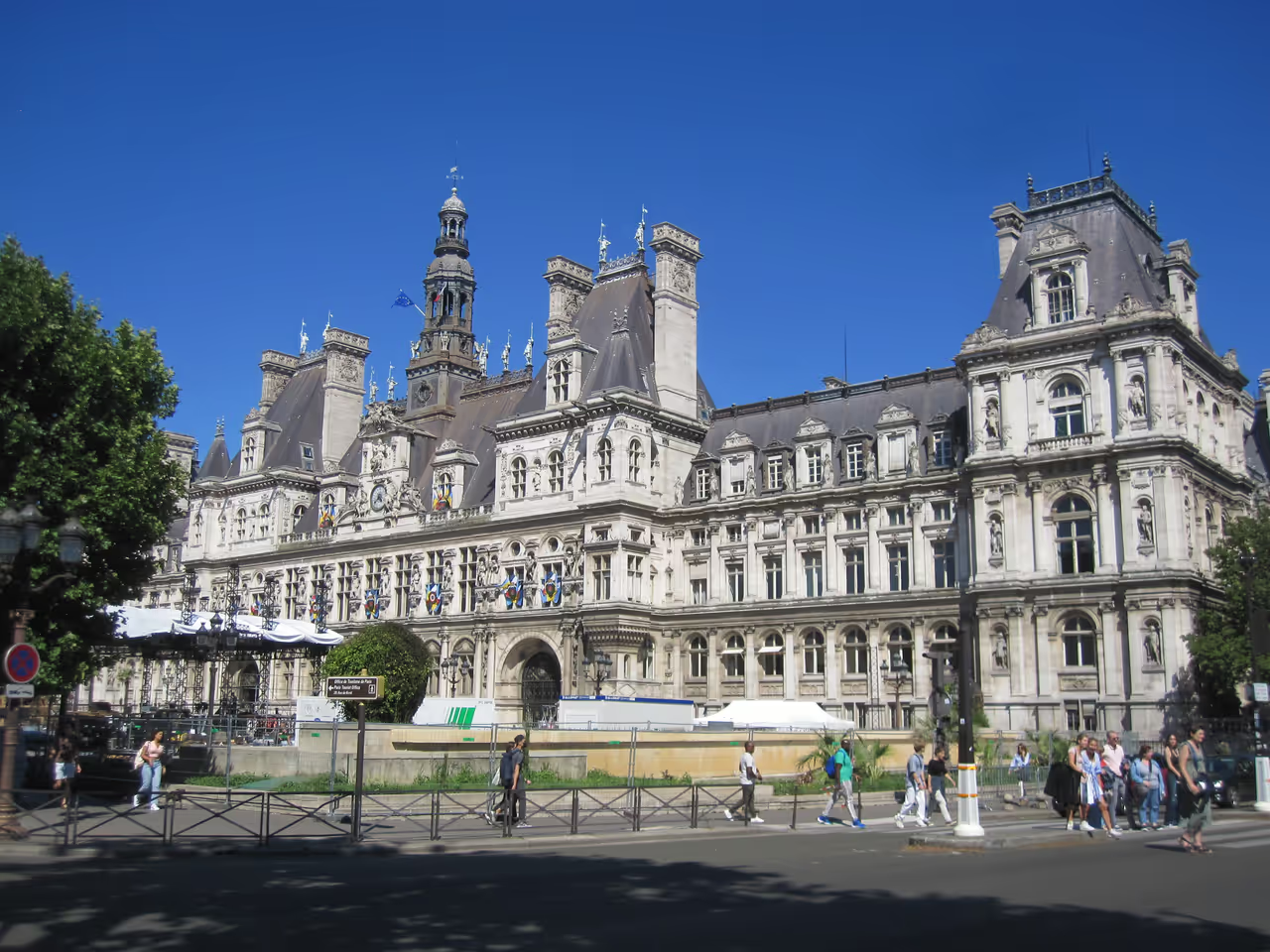 570m
570mCity Hall
Serving as the headquarters of the municipality, this vast building is a masterclass in highly decorated Neo-Renaissance design. Rebuilt in the late nineteenth century after the original was burned during the Commune, the sweeping facade features hundreds of intricate statues of notable local figures. The elaborate pavilions, steep slate roofs, and ornate clock tower project an image of supreme civic authority. The expansive plaza in front constantly hosts seasonal events, drawing crowds to its monumental doorstep.
architecture view