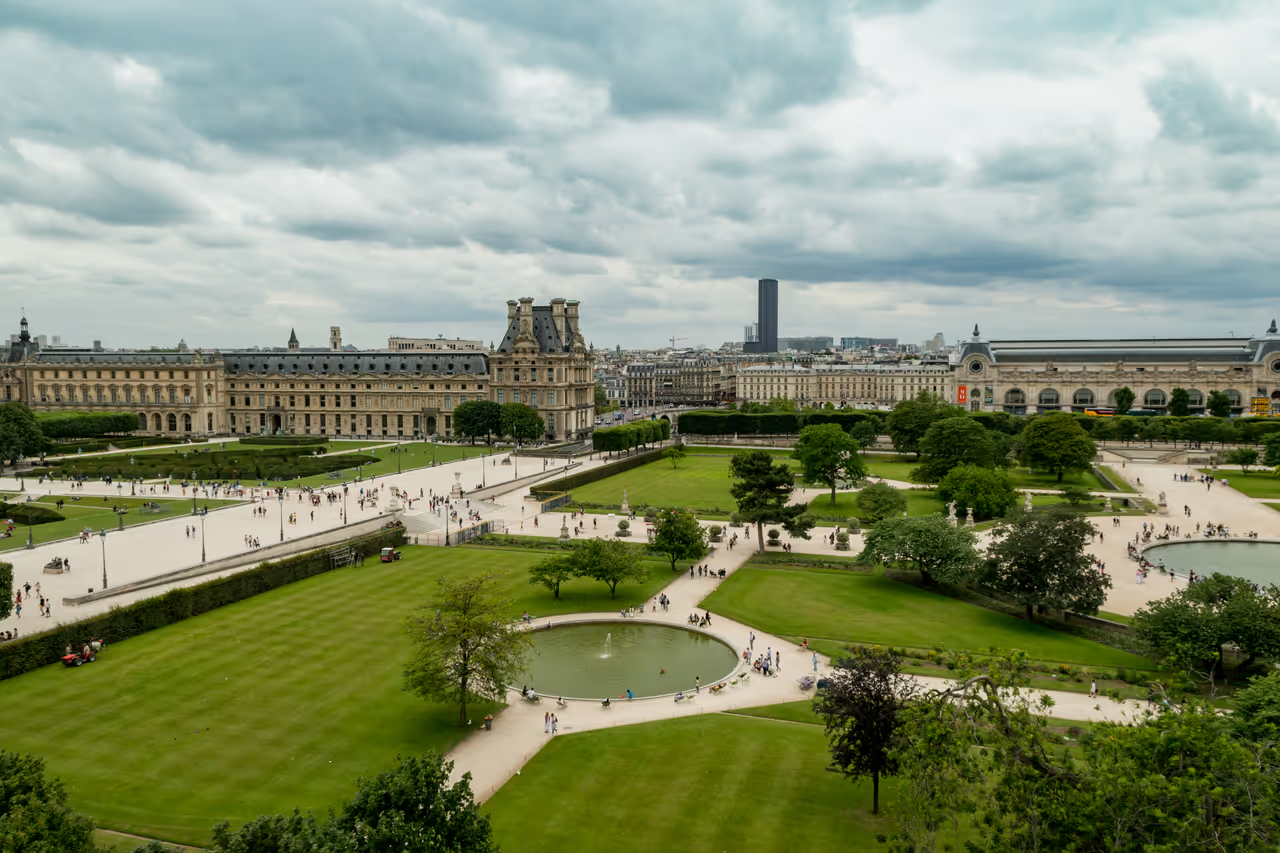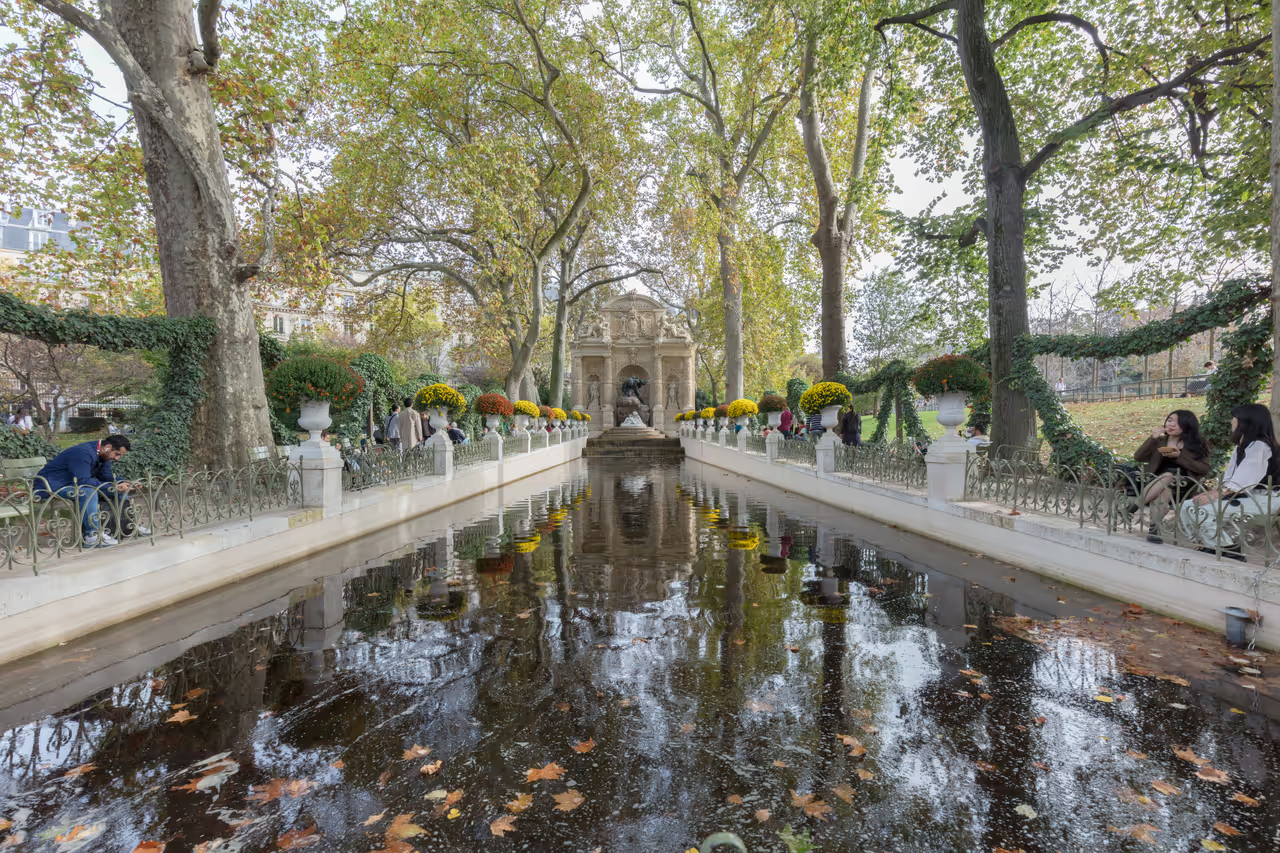
Luxembourg Gardens
The Luxembourg Gardens are a sublime slice of Parisian life that blends royal history with the relaxed charm of modern city living. Created at the behest of Marie de Médicis in 1612, these gardens act as the green lung of the Left Bank, offering wide promenades lined with trees, formal French parterres, and quieter wooded areas designed in an English style. Visitors can admire the iconic Medici Fountain, watch vintage sailboats drift across the central pond, or simply relax on the famous green metal chairs that have become a symbol of Parisian leisure. It acts as a cultural sanctuary where literature, art, and politics converge under the gaze of historic statues. Whether you are seeking a moment of quiet reflection, a leisurely stroll, or a deep dive into French history, this garden remains an essential destination for every traveller.
Videos
History of Luxembourg Gardens
The story of the Luxembourg Gardens begins with a queen’s nostalgia. In 1612, Marie de Médicis, the widow of Henry IV, grew weary of the Louvre and sought a residence that reminded her of her native Florence. She acquired the Hôtel de Luxembourg and commissioned the creation of a vast, Italian inspired garden. She brought in architect Salomon de Brosse to build a palace echoing the Pitti Palace of her childhood, establishing a site that would evolve from a private royal retreat into one of the most beloved public spaces in the capital. Over the centuries, the gardens weathered the storms of French history. During the French Revolution, the palace, by then a state asset, was transformed into a prison, and the park served as a quiet space for the families of the incarcerated to hope for news. Later, during the 19th century, the ambitious urban planning projects of Baron Haussmann reshaped the park's boundaries. Rather than being destroyed, the cherished Medici Fountain was meticulously dismantled and relocated to its current, picturesque setting. Even through the darkest hours of the Second World War, when it served as a headquarters for the German air fleet and sprouted bunkers beneath its soil, the garden maintained an enduring resilience. Today, the Luxembourg Gardens stand as a testament to the seamless fusion of history and daily life. Managed by the French Senate, which sits within the adjacent palace, it is a place where politics and leisure exist side by side. From the model boats sailing on the pond to the chess players gathered in the shade and the carefully tended honeybee hives, the garden reflects the spirit of Paris itself. It is a living, breathing landscape where the echoes of royalty, revolution, and modern republicans mingle under the canopy of ancient trees.
Events spanning 332 years
Fun Facts
- • During the Second World War, the occupying German forces constructed several concrete bunkers beneath the park to serve their military operations, some of which still exist underground.
- • Famous figures from literature and art, such as Victor Hugo and Vincent van Gogh, frequently sought inspiration within these walls, cementing the garden's status as a muse for creatives.
- • Many of the chestnut trees found in the park were grown from seeds collected at Monticello, the Virginian home of American founding father Thomas Jefferson.
- • Marie de Médicis commissioned the gardens specifically to recreate the atmosphere of her childhood home in Italy, importing Florentine design elements to the heart of Paris.
- • The Senate, which owns and manages the gardens, maintains a strict tradition of ensuring the flower beds and shrubbery are kept to impeccable standards.
- • The garden is home to over 100 statues, including a specific series dedicated to the queens and illustrious women of France, as well as monuments to famous poets and artists.
- • The iconic green metal chairs, which have become a symbol of the park, were once available only for a rental fee but have been free for public use since 1974.
- • The park contains a secret oratory and various hidden nooks that were once favoured by clandestine lovers and revolutionary thinkers during the 18th century.
- • The park features an apiary where visitors can learn about traditional beekeeping and the production of honey in an urban environment.
- • The park houses a miniature bronze replica of the Statue of Liberty by Frédéric Auguste Bartholdi, a precursor to the famous monument in New York.
- • There is a long standing tradition of model boat sailing on the central pond, which has charmed generations of local children and visitors alike for nearly a century.
Luxembourg Gardens FAQ
While we strive to keep this information accurate and up to date, we recommend verifying any details independently before making decisions based on them.
Luxembourg Gardens Map & Neighborhood Explorer
This interactive map is centered on Luxembourg Gardens. Zoom in and move the map around to automatically discover Wikipedia photos and summaries of other nearby sights, monuments, and historical points of interest and stories in real-time!
Places near Luxembourg Gardens
Make the most of your trip. Check out these top-rated spots located nearby.
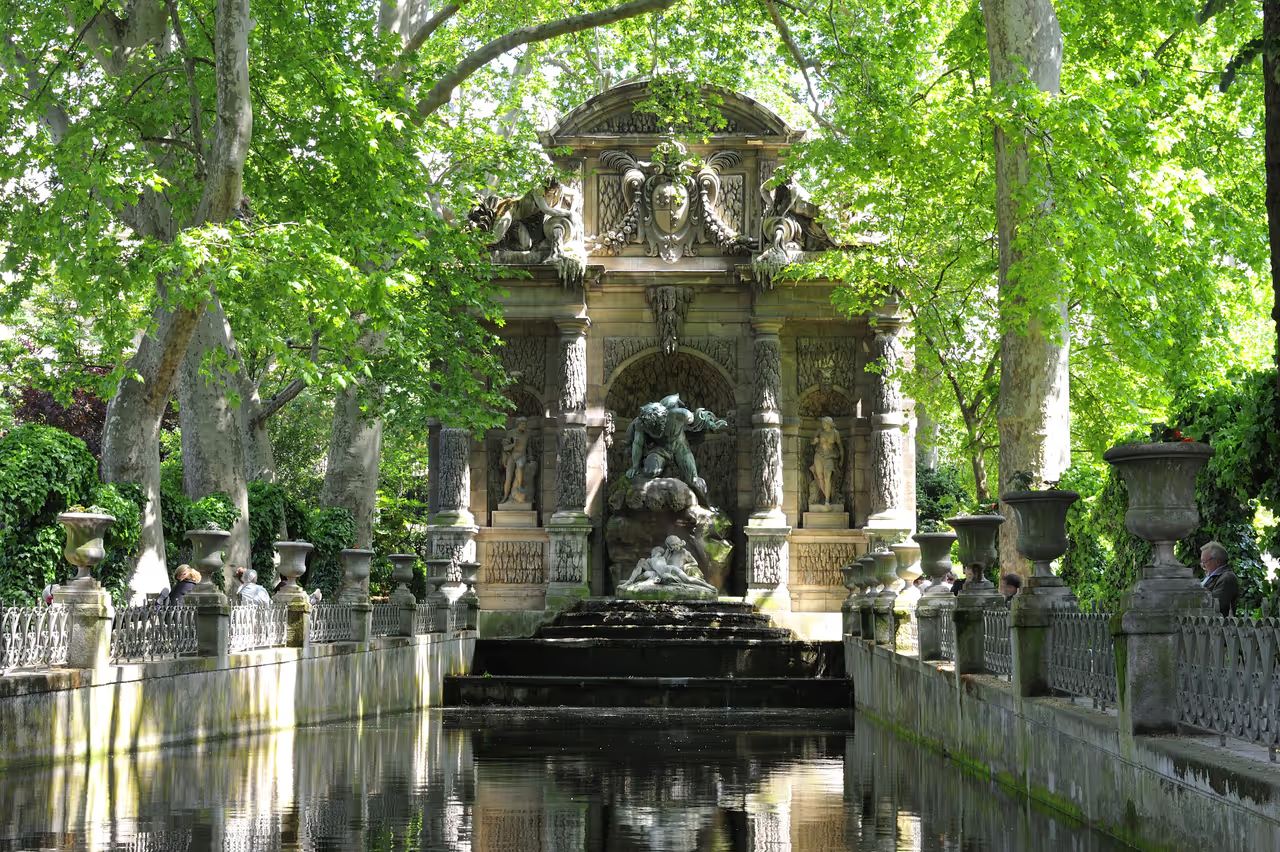 541m
541mLatin Quarter Nightlife
As the historic intellectual and student hub of the city, this area maintains a youthful and culturally rich nightlife. The winding streets around the Sorbonne are filled with affordable pubs, historic jazz clubs, and cosy wine bars. It is a fantastic place to catch an independent film at an arthouse cinema before discussing it over a late-night drink. The intellectual legacy of the nineteen sixties still lingers in the atmosphere of these timeless venues.
nightlife view 656m
656mPanthéon
Perched atop the Montagne Sainte-Geneviève in the heart of the Latin Quarter, the Panthéon stands as a monumental tribute to the figures who shaped French history. Its massive neoclassical dome is a fixture of the city skyline, offering a glimpse into the architectural ambition of the Enlightenment. Originally intended as a church, it evolved into a secular temple where the greatest minds, from Voltaire to Marie Curie, rest in peace. The atmosphere inside is one of profound solemnity and awe, heightened by the hypnotic swing of Foucault’s Pendulum. Visiting this landmark allows you to walk through the narrative of the French Republic, surrounded by stunning frescoes and grand columns. It is an essential stop for anyone wishing to understand the spirit and intellectual heritage of France.
attraction view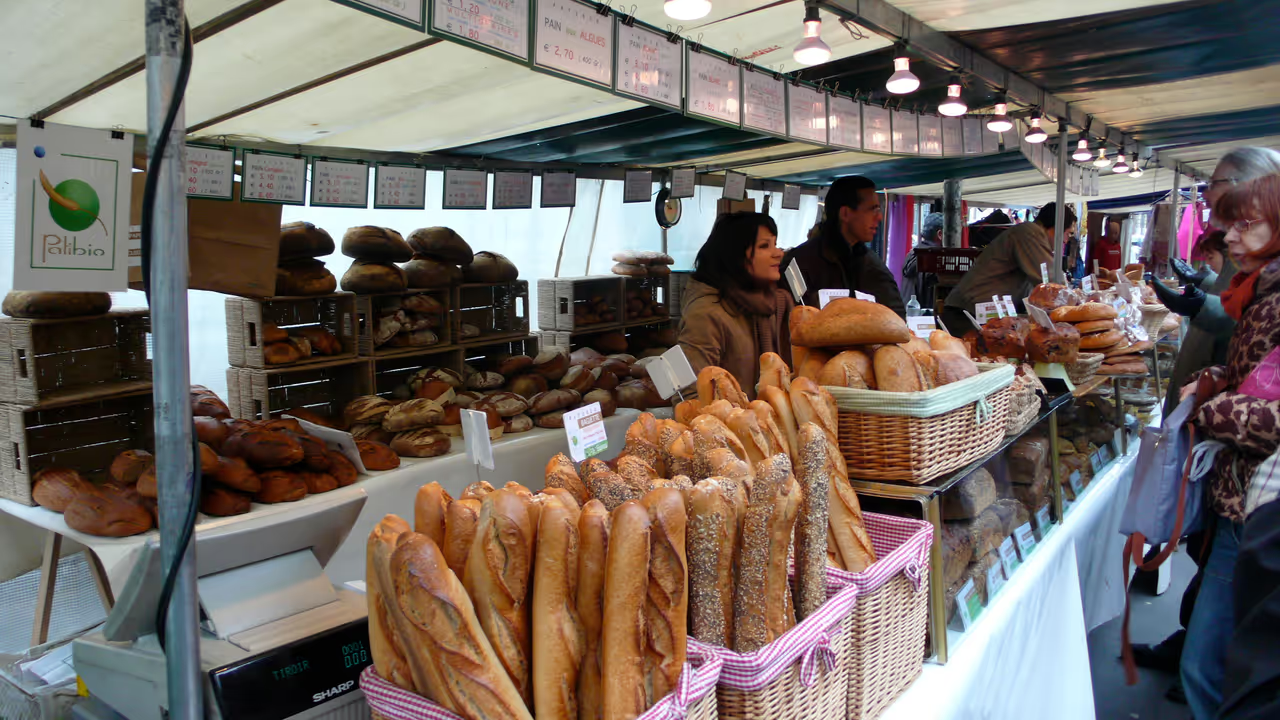 746m
746mRaspail Organic Market
Every Sunday morning, this chic boulevard transforms into a bustling haven for organic food lovers. The vendors proudly display the finest seasonal produce, artisanal cheeses, freshly baked breads, and natural cosmetics. It attracts a sophisticated local crowd who come to select high-quality ingredients for their Sunday meals. Exploring the stalls provides a wonderful insight into the modern French commitment to sustainable and high-end gastronomy.
market view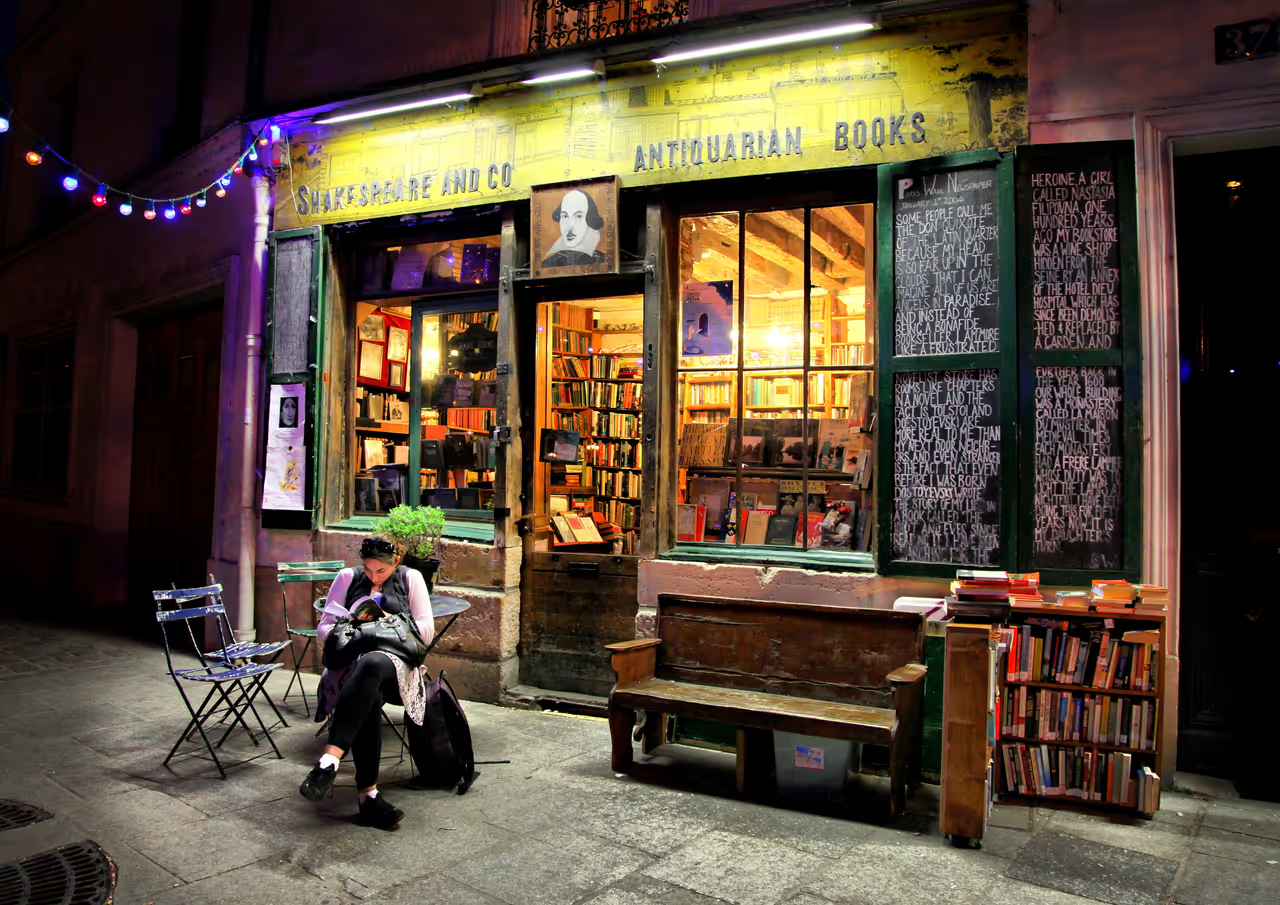 975m
975mBrowse Shakespeare and Company
Situated directly across the river from Notre-Dame, this legendary English-language bookshop is an absolute haven for literature lovers. Its narrow, uneven corridors are stacked floor to ceiling with new and second-hand books, creating a wonderfully chaotic and cosy atmosphere. Having historically served as a gathering place and makeshift hostel for famous writers, the venue hums with intellectual heritage. Browsing the shelves and reading in a quiet corner feels like participating in a long-standing bohemian tradition.
highlight view
Featured on These Itineraries
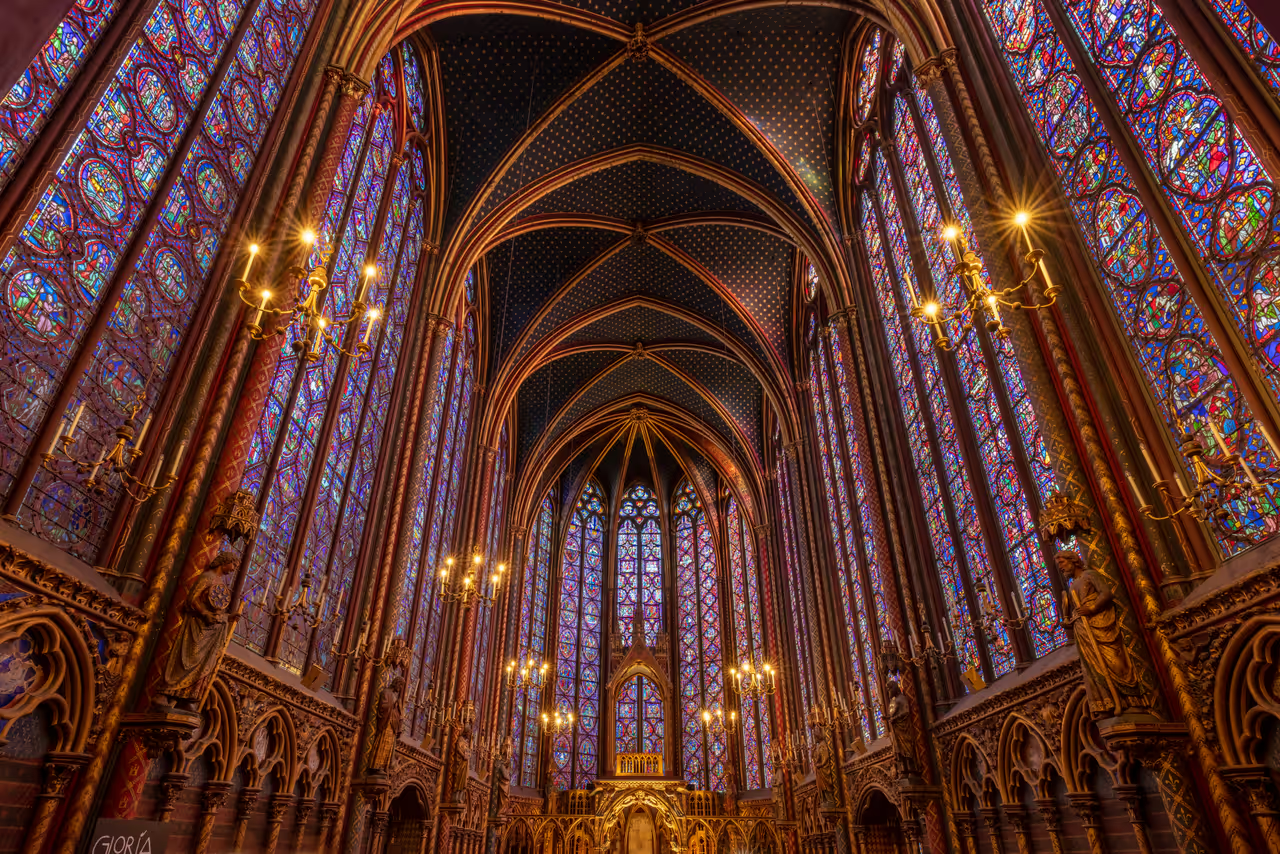
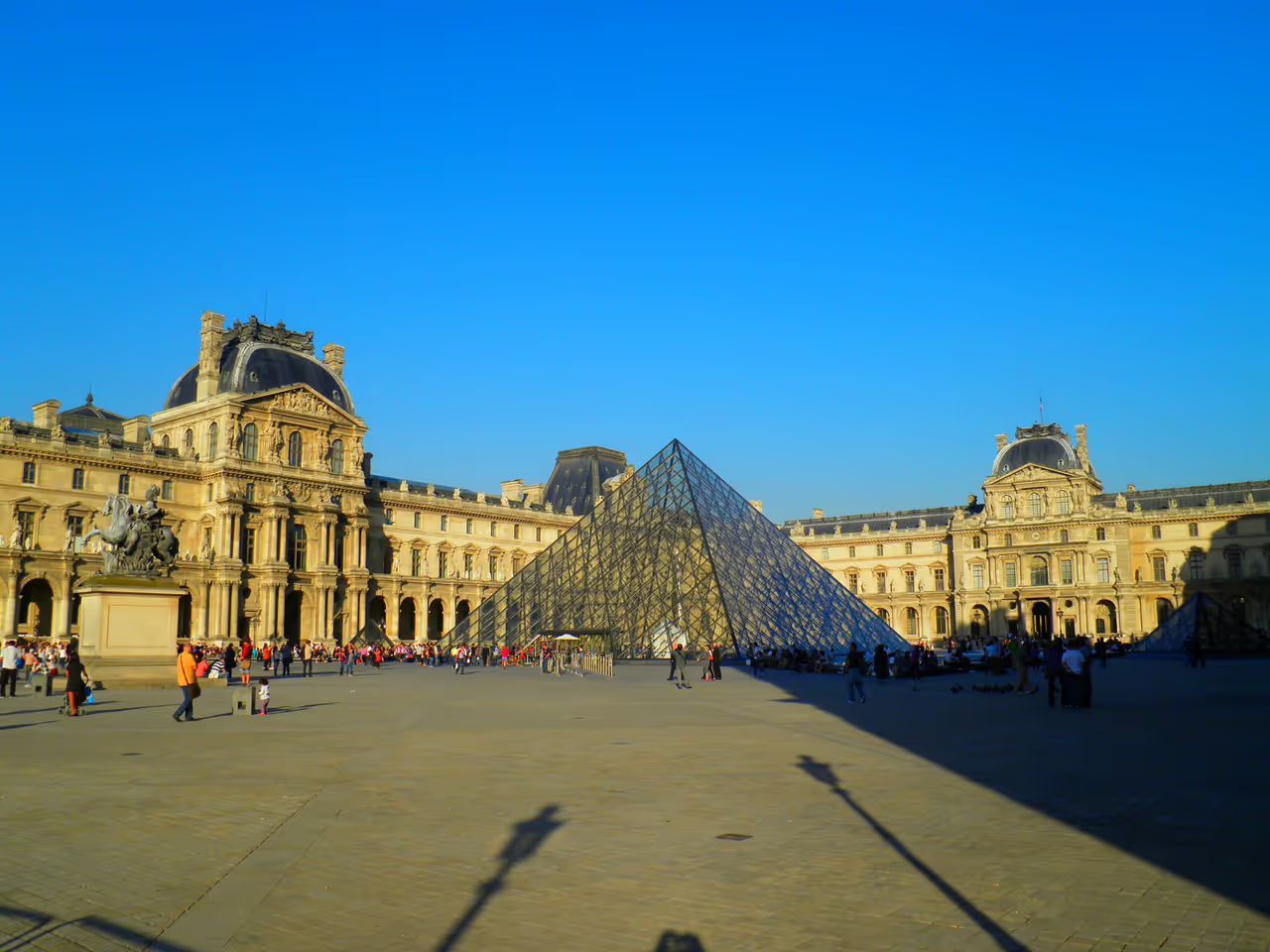
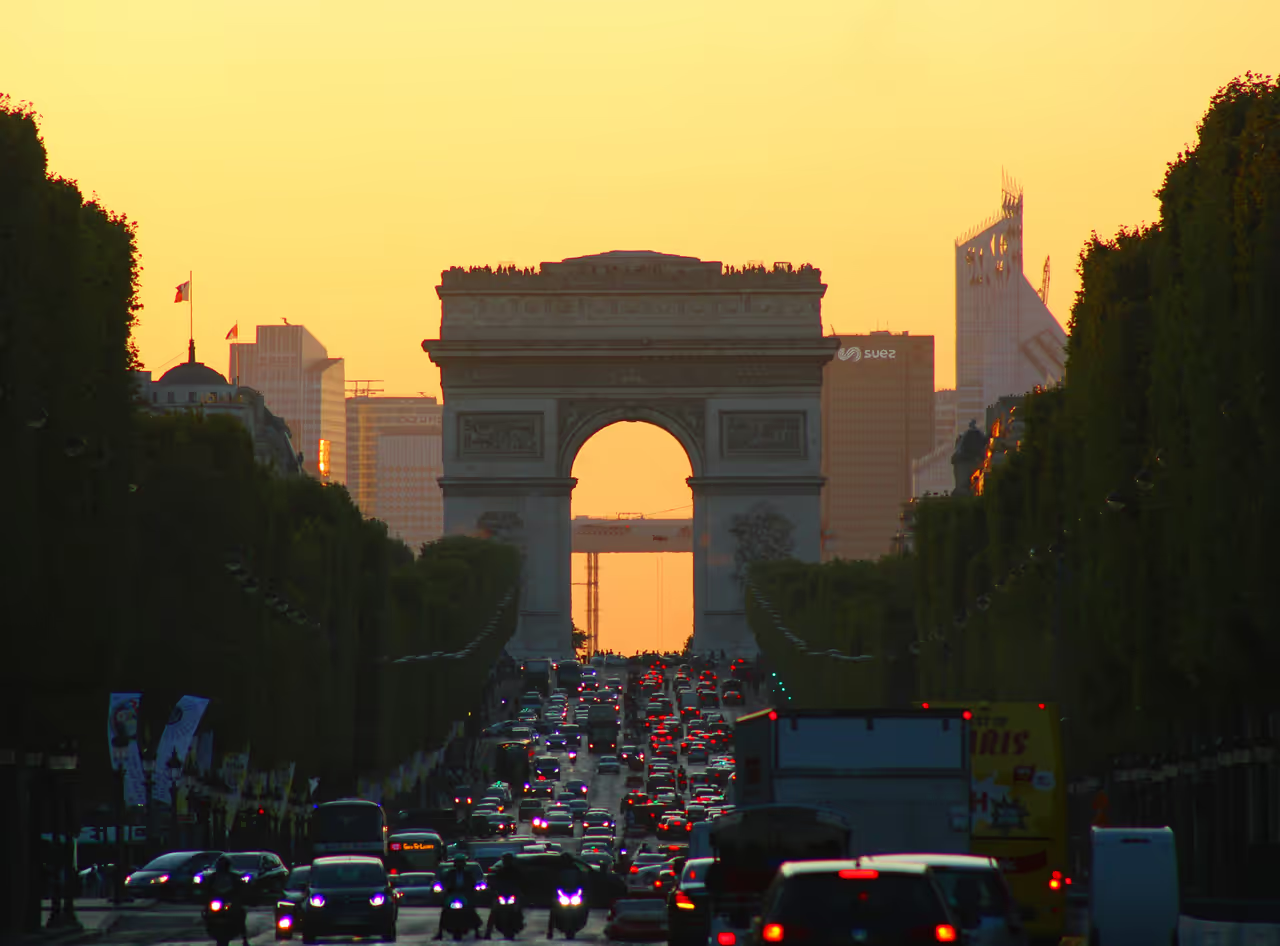
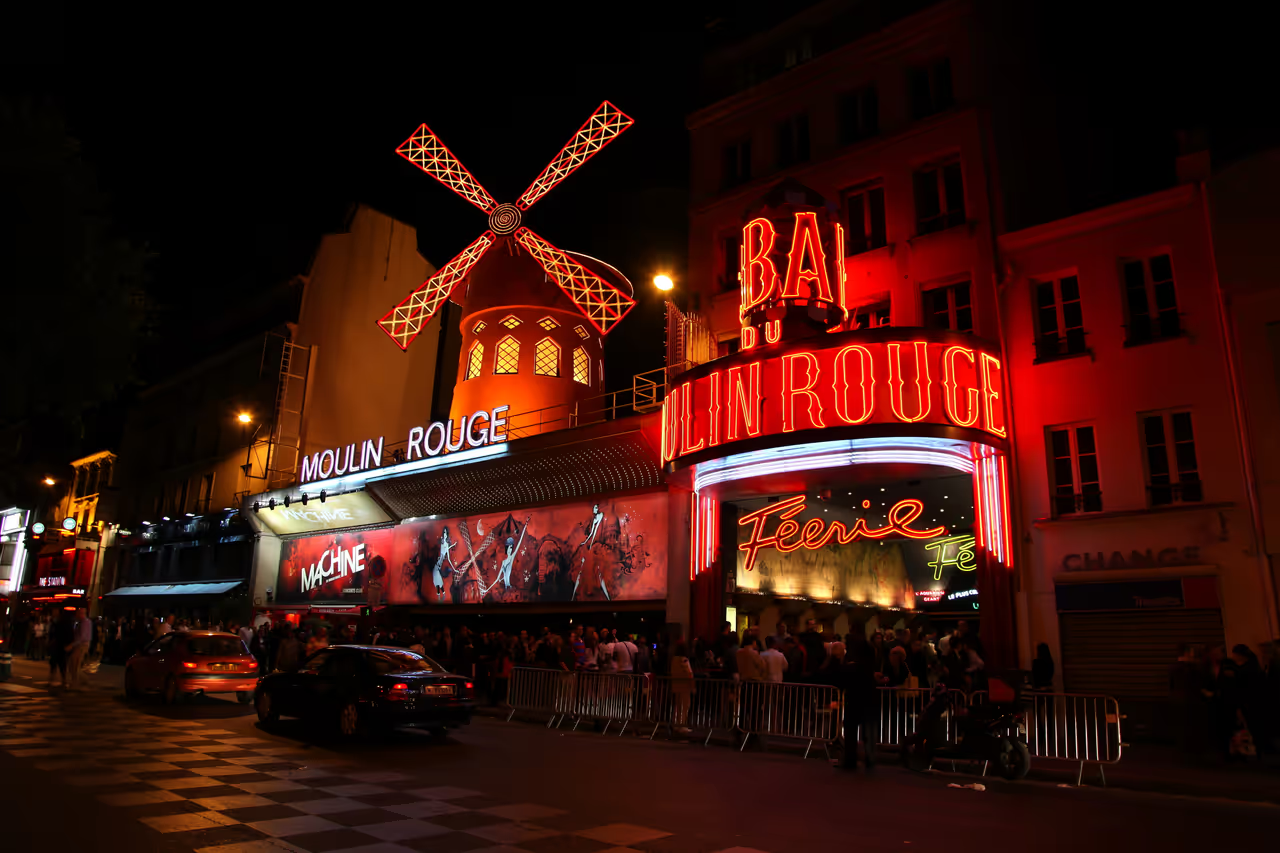
3 Days in Paris: Culture and History Itinerary
A well-balanced three-day journey that allows for a deeper dive into the rich architectural and artistic legacy of the city. It expands beyond the primary monuments to explore the stunning stained glass of the royal chapel and the bohemian energy of the northern hills. The pacing affords enough time to properly absorb the massive art collections and enjoy leisurely meals in distinct historic districts. This route perfectly captures the diverse aesthetic and intellectual spirit of the metropolis.
view itinerary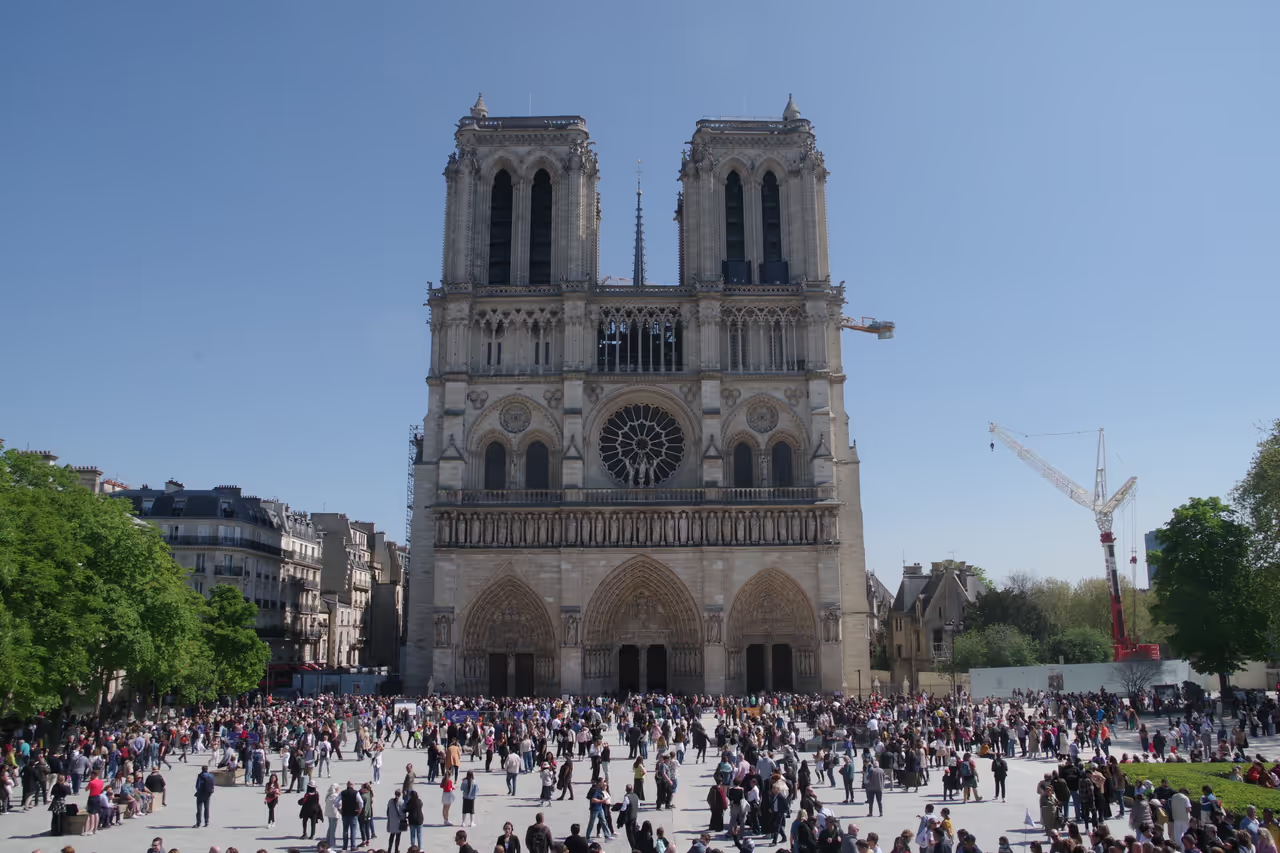
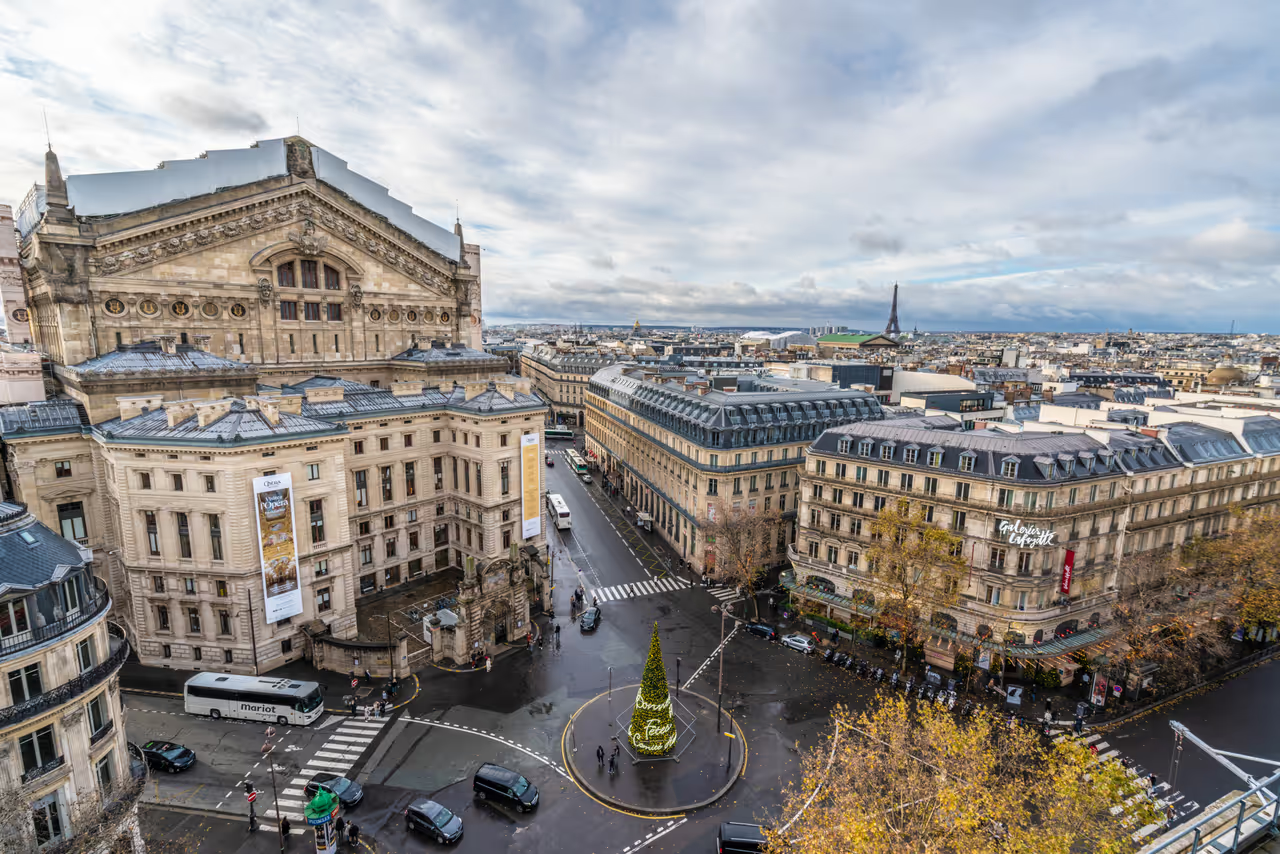
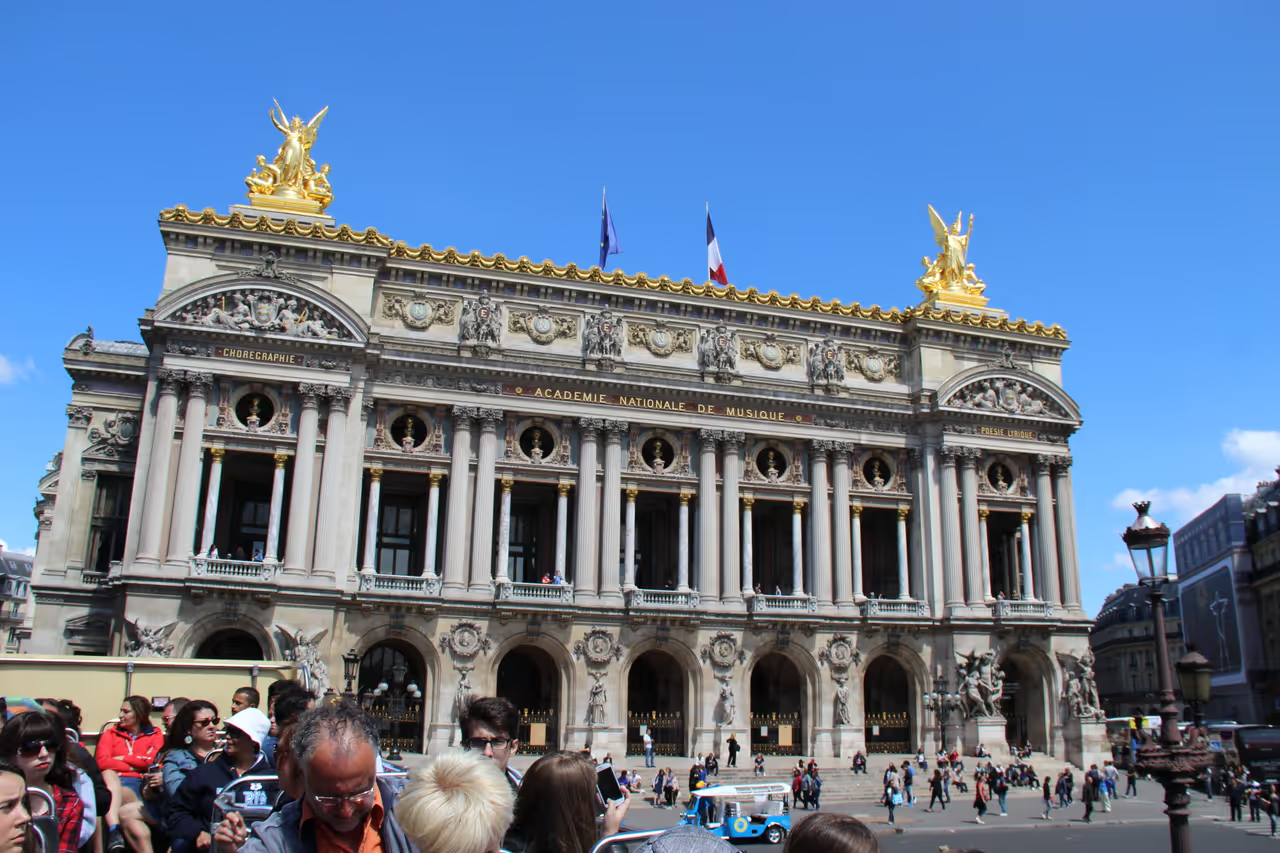
5 Days in Paris: Complete Experience Itinerary
An extensive five-day exploration designed to blend the obligatory monumental sights with authentic local experiences and hidden parks. Visitors will traverse grand boulevards, reflect in historic cemeteries, and relax in elevated green spaces. The generous timeframe allows for the discovery of modern architectural marvels alongside centuries-old churches without succumbing to fatigue. It is the ideal itinerary for fully immersing oneself in the sophisticated, multifaceted lifestyle of the capital.
view itinerary
See all nature & parks in Paris
Bois de Vincennes, Jardin des Plantes, Bois de Boulogne, Parc de la Villette, Parc des Buttes-Chaumont, Tuileries Garden...