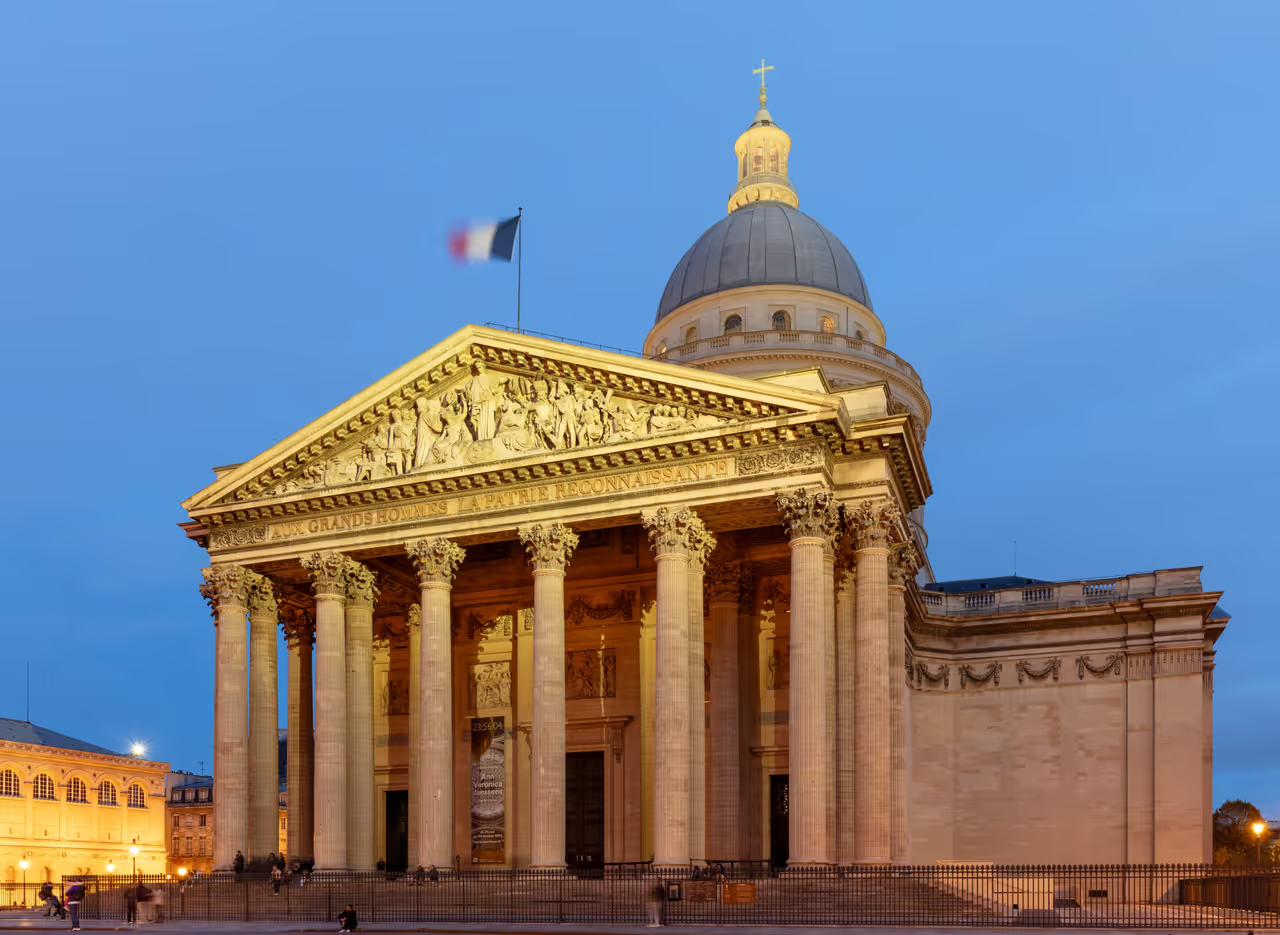
Panthéon
Perched atop the Montagne Sainte-Geneviève in the heart of the Latin Quarter, the Panthéon stands as a monumental tribute to the figures who shaped French history. Its massive neoclassical dome is a fixture of the city skyline, offering a glimpse into the architectural ambition of the Enlightenment. Originally intended as a church, it evolved into a secular temple where the greatest minds, from Voltaire to Marie Curie, rest in peace. The atmosphere inside is one of profound solemnity and awe, heightened by the hypnotic swing of Foucault’s Pendulum. Visiting this landmark allows you to walk through the narrative of the French Republic, surrounded by stunning frescoes and grand columns. It is an essential stop for anyone wishing to understand the spirit and intellectual heritage of France.
Videos
History of Panthéon
The story of the Panthéon begins with a desperate king and a solemn promise. In 1744, while leading his troops in Metz, King Louis XV fell gravely ill. Fearing for his life, he vowed that if he recovered, he would replace the crumbling abbey of Saint Geneviève with a magnificent church. He did survive, and the architect Jacques-Germain Soufflot was commissioned to design a structure that would signal a new age of French architectural dominance. Soufflot spent decades perfecting a design that blended the classical purity of Rome with the structural audacity of the Gothic style, but the project was plagued by financial troubles and technical delays. Soufflot died in 1780, never seeing his masterpiece finished. As the building neared completion, the French Revolution swept across Paris, fundamentally altering the destiny of the site. In 1791, the newly formed Constituent Assembly decided that the edifice should not be a church but a temple to the great men of the era of French liberty. The religious decorations were removed, the windows were walled up to create a more austere environment, and the first great figures were brought in. Voltaire and Rousseau, the philosophical fathers of the Revolution, were among the first to be interred. This transformation turned the building into a political barometer, as successive regimes would restore it to the Catholic Church or reclaim it for the Republic depending on who held power. It was the funeral of Victor Hugo in 1885 that finally settled the building's identity as a secular sanctuary. Since then, it has become the ultimate hall of fame for French citizens, celebrating those who have made exceptional contributions to humanity. In recent decades, the Panthéon has worked to become more inclusive, welcoming women and heroes of the Resistance into its hallowed crypts. Today, it stands as a symbol of the values of the Republic, where science, literature, and the struggle for justice are given a permanent, monumental home under its great stone dome.
8 Events spanning 277 years
Fun Facts
- • A Jewish doctor named Isaïe Cervus Ullmann is credited with saving Louis XV’s life in 1744, the very event that led to the building's commission.
- • Author Alexandre Dumas was only moved to the crypt in 2002, more than a century after his death, escorted by guards dressed as his famous Musketeers.
- • During the 19th century, the building switched back and forth between being a church and a secular temple several times as political regimes changed.
- • Foucault’s Pendulum, which proves the Earth rotates, is still active inside and remains one of the most popular scientific displays in Paris.
- • Hidden within the walls is a significant amount of iron reinforcement, making it one of the earliest examples of a large scale 'reinforced' stone building.
- • The building was seized by the Paris Commune in 1871, during which time the small branches of the cross on top were sawn off to fly a red flag.
- • The crypt is vast and spans the entire surface of the building, with enough space to eventually house around three hundred of the nation's heroes.
- • The dome is actually a complex triple shell structure, with the painted ceiling visible from below being separate from the exterior lead covered dome.
- • The famous inscription on the pediment, translating to 'To great men, a grateful Fatherland,' was first added in 1791 during the Revolution.
- • The first person buried here was the orator Mirabeau, but he was removed just three years later after evidence of his secret dealings with the King emerged.
- • The monument was designed by Jacques-Germain Soufflot, who wanted to combine the lightness of Gothic cathedrals with the majesty of ancient Greek architecture.
- • To create a more somber and tomb like atmosphere, the Revolutionary government decided to block up thirty eight of the building's original windows.
RESOURCES
Official WebsitePanthéon FAQ
While we strive to keep this information accurate and up to date, we recommend verifying any details independently before making decisions based on them.
Panthéon Map & Neighborhood Explorer
This interactive map is centered on Panthéon. Zoom in and move the map around to automatically discover Wikipedia photos and summaries of other nearby sights, monuments, and historical points of interest and stories in real-time!
Places near Panthéon
Make the most of your trip. Check out these top-rated spots located nearby.
 495m
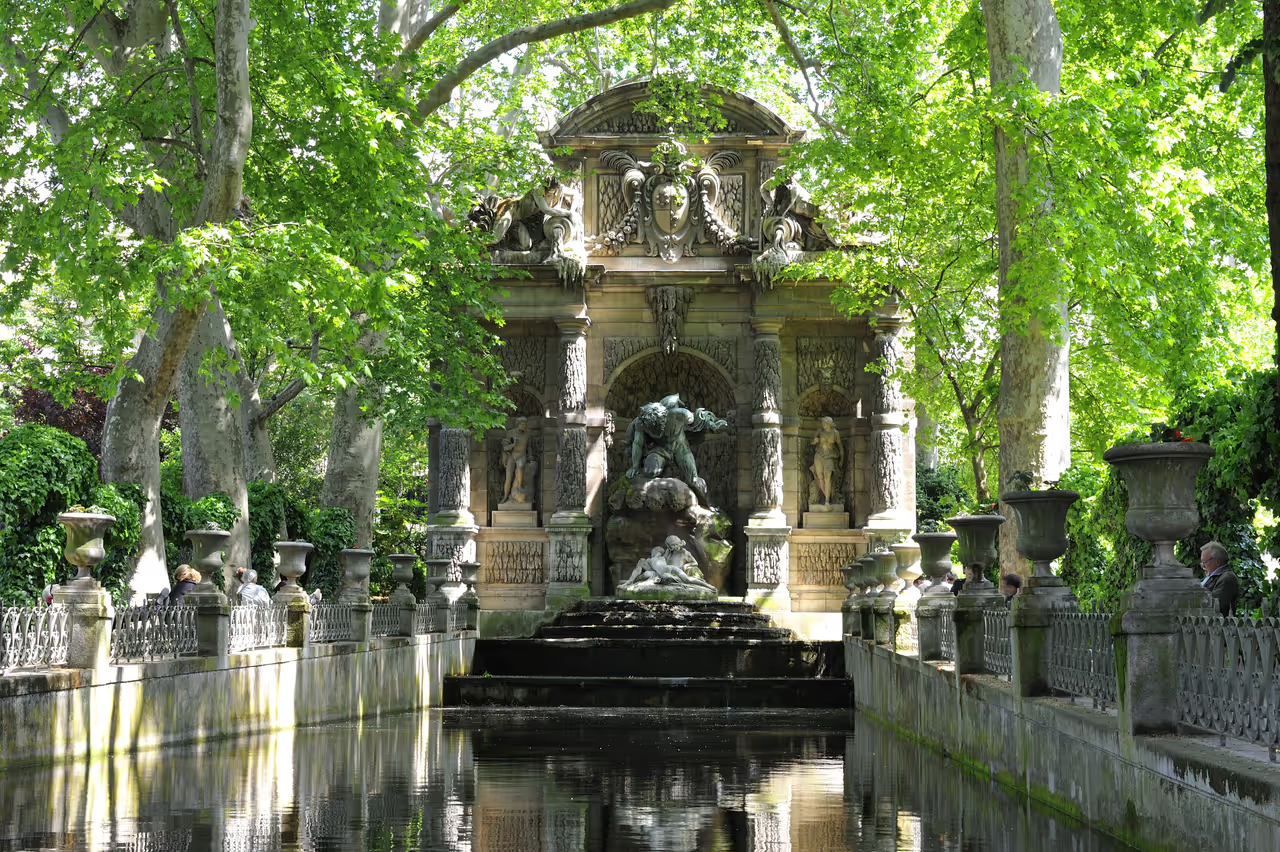
495mLatin Quarter Nightlife
As the historic intellectual and student hub of the city, this area maintains a youthful and culturally rich nightlife. The winding streets around the Sorbonne are filled with affordable pubs, historic jazz clubs, and cosy wine bars. It is a fantastic place to catch an independent film at an arthouse cinema before discussing it over a late-night drink. The intellectual legacy of the nineteen sixties still lingers in the atmosphere of these timeless venues.
nightlife view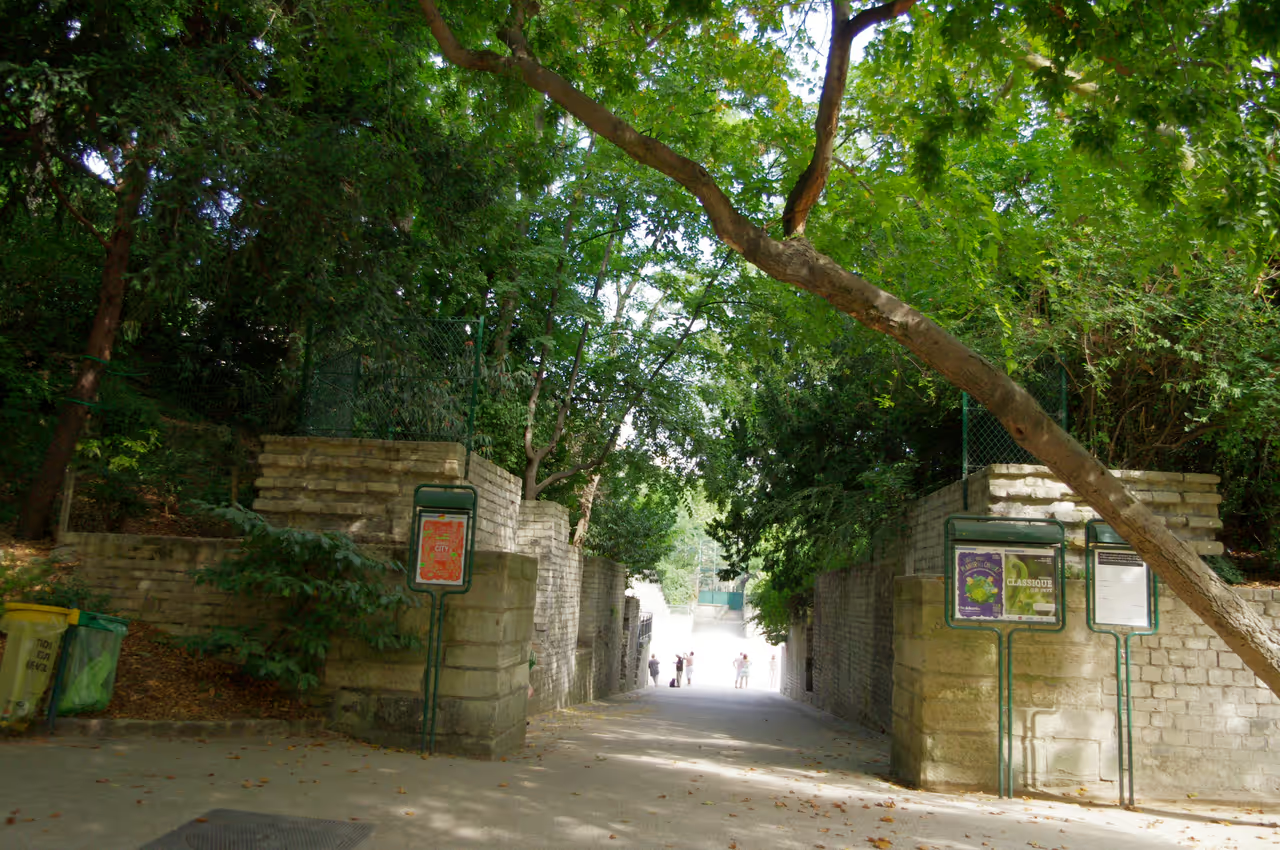 513m
513mArenas of Lutetia
Hidden behind a block of modern residential buildings in the Latin Quarter, the surprisingly intact remains of an ancient Roman amphitheatre offer a surreal historical juxtaposition. Visitors can sit on the tiered stone seating where thousands once watched theatrical performances and gladiatorial combat. Today, the sandy central floor is primarily used by locals engaged in leisurely games of pétanque or impromptu football matches. It is a profoundly quiet, evocative space that provides a direct physical link to the ancient origins of the settlement.
hidden gem view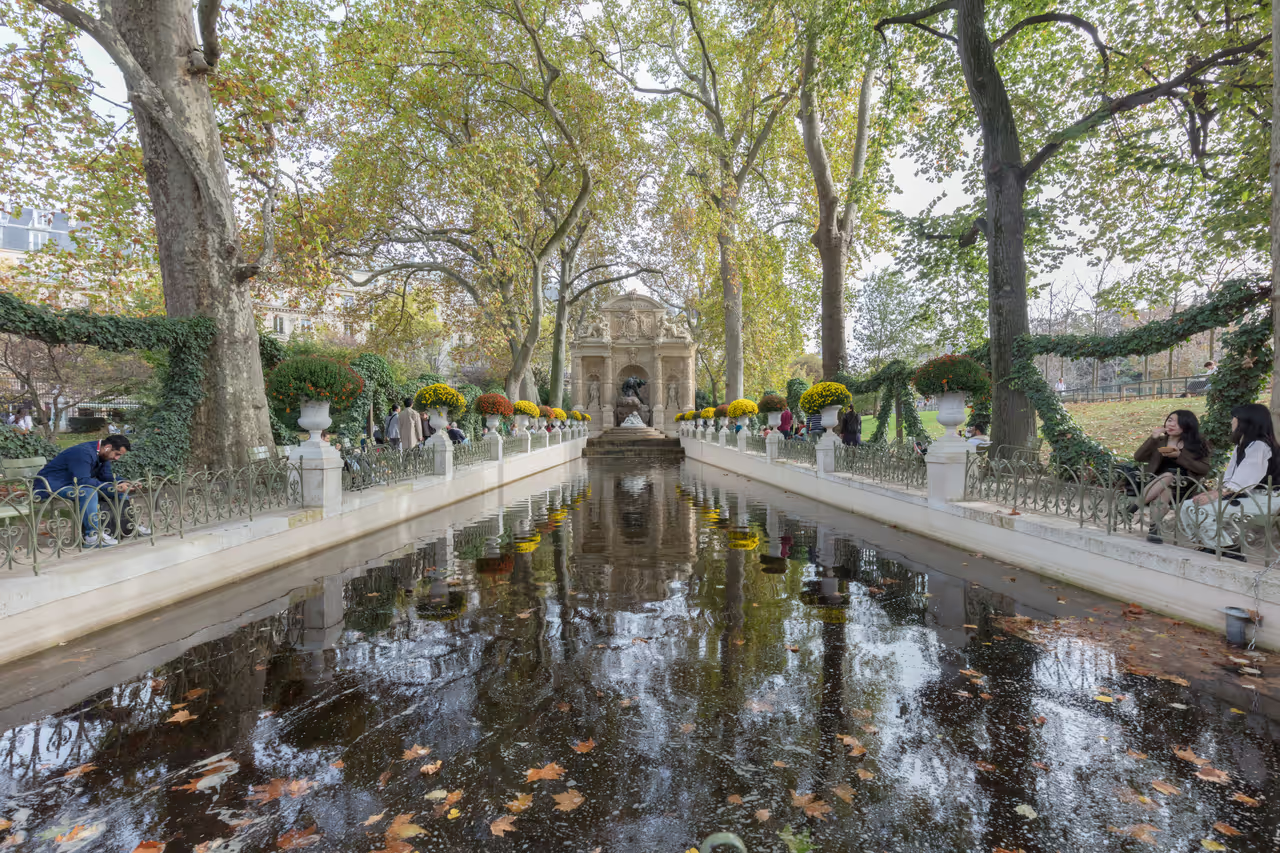 656m
656mLuxembourg Gardens
The Luxembourg Gardens are a sublime slice of Parisian life that blends royal history with the relaxed charm of modern city living. Created at the behest of Marie de Médicis in 1612, these gardens act as the green lung of the Left Bank, offering wide promenades lined with trees, formal French parterres, and quieter wooded areas designed in an English style. Visitors can admire the iconic Medici Fountain, watch vintage sailboats drift across the central pond, or simply relax on the famous green metal chairs that have become a symbol of Parisian leisure. It acts as a cultural sanctuary where literature, art, and politics converge under the gaze of historic statues. Whether you are seeking a moment of quiet reflection, a leisurely stroll, or a deep dive into French history, this garden remains an essential destination for every traveller.
park & nature view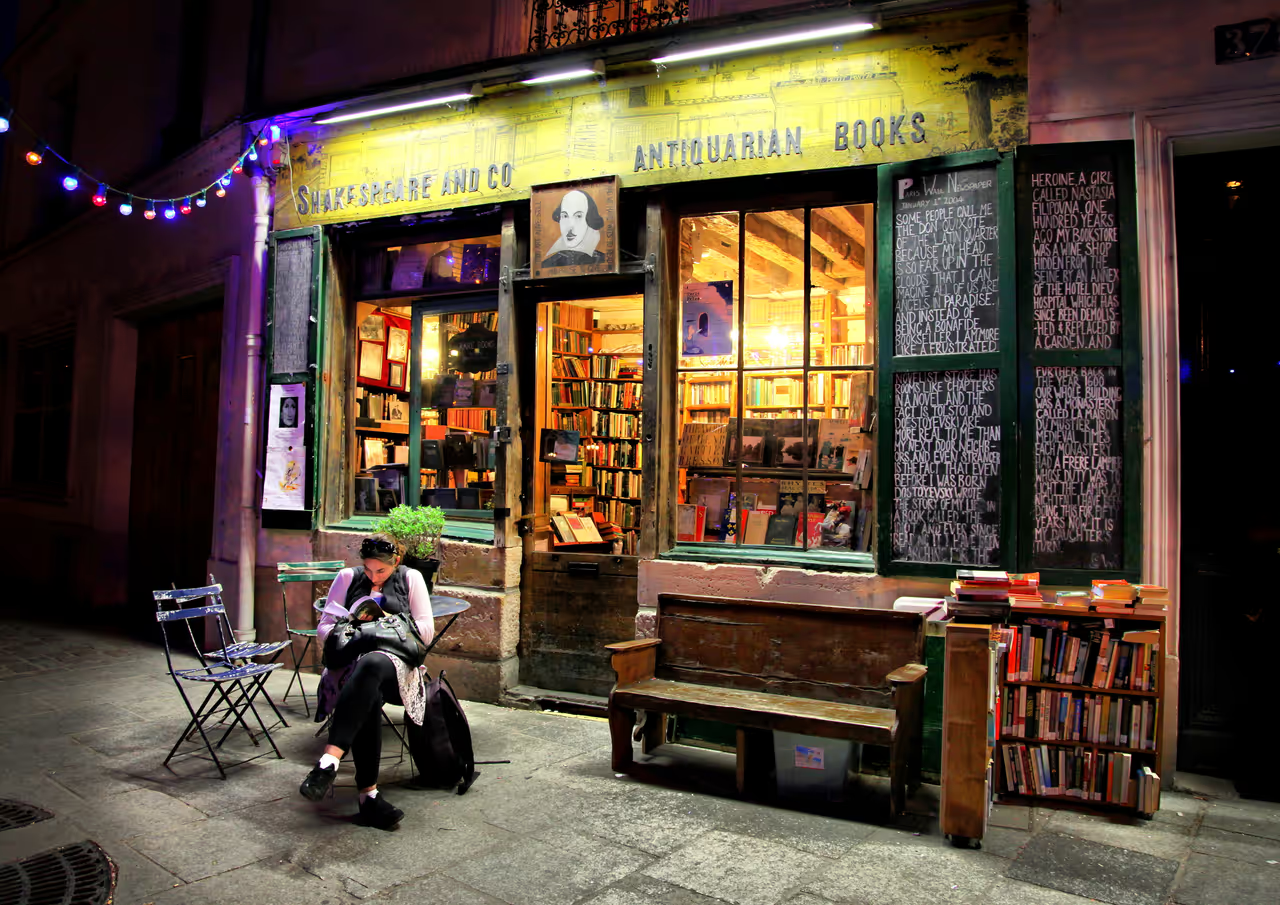 691m
691mBrowse Shakespeare and Company
Situated directly across the river from Notre-Dame, this legendary English-language bookshop is an absolute haven for literature lovers. Its narrow, uneven corridors are stacked floor to ceiling with new and second-hand books, creating a wonderfully chaotic and cosy atmosphere. Having historically served as a gathering place and makeshift hostel for famous writers, the venue hums with intellectual heritage. Browsing the shelves and reading in a quiet corner feels like participating in a long-standing bohemian tradition.
highlight view
Explore Similar Places in This Collection
Featured on These Itineraries and Routes
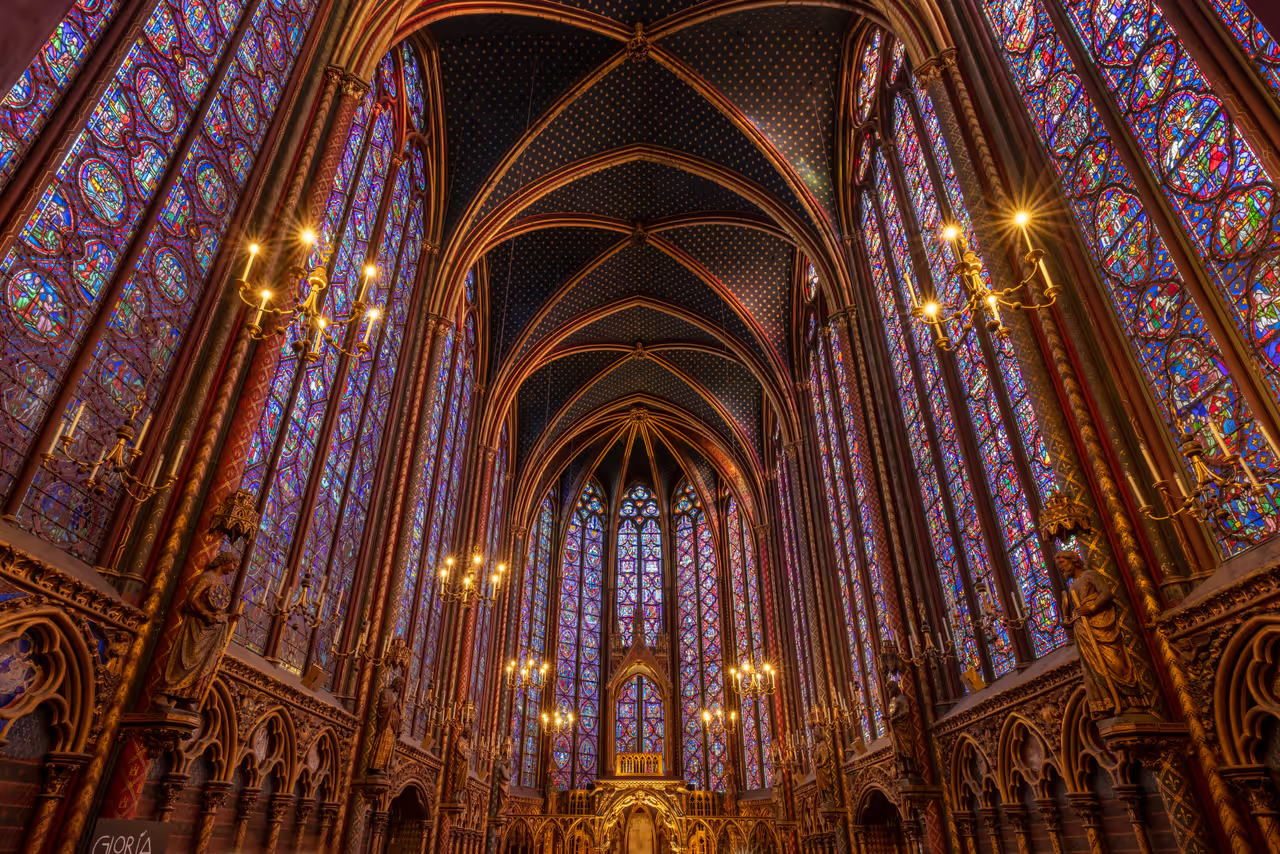
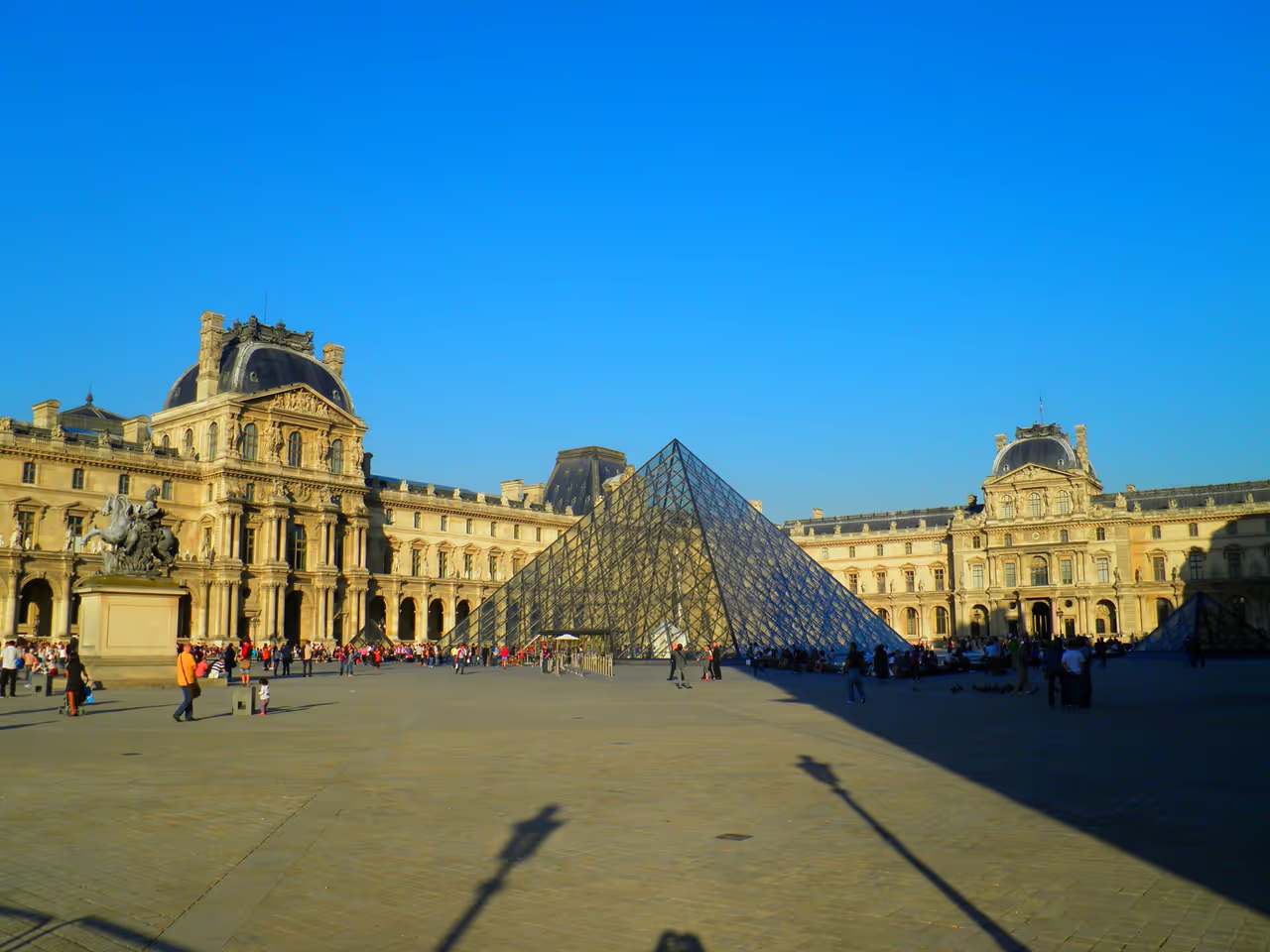
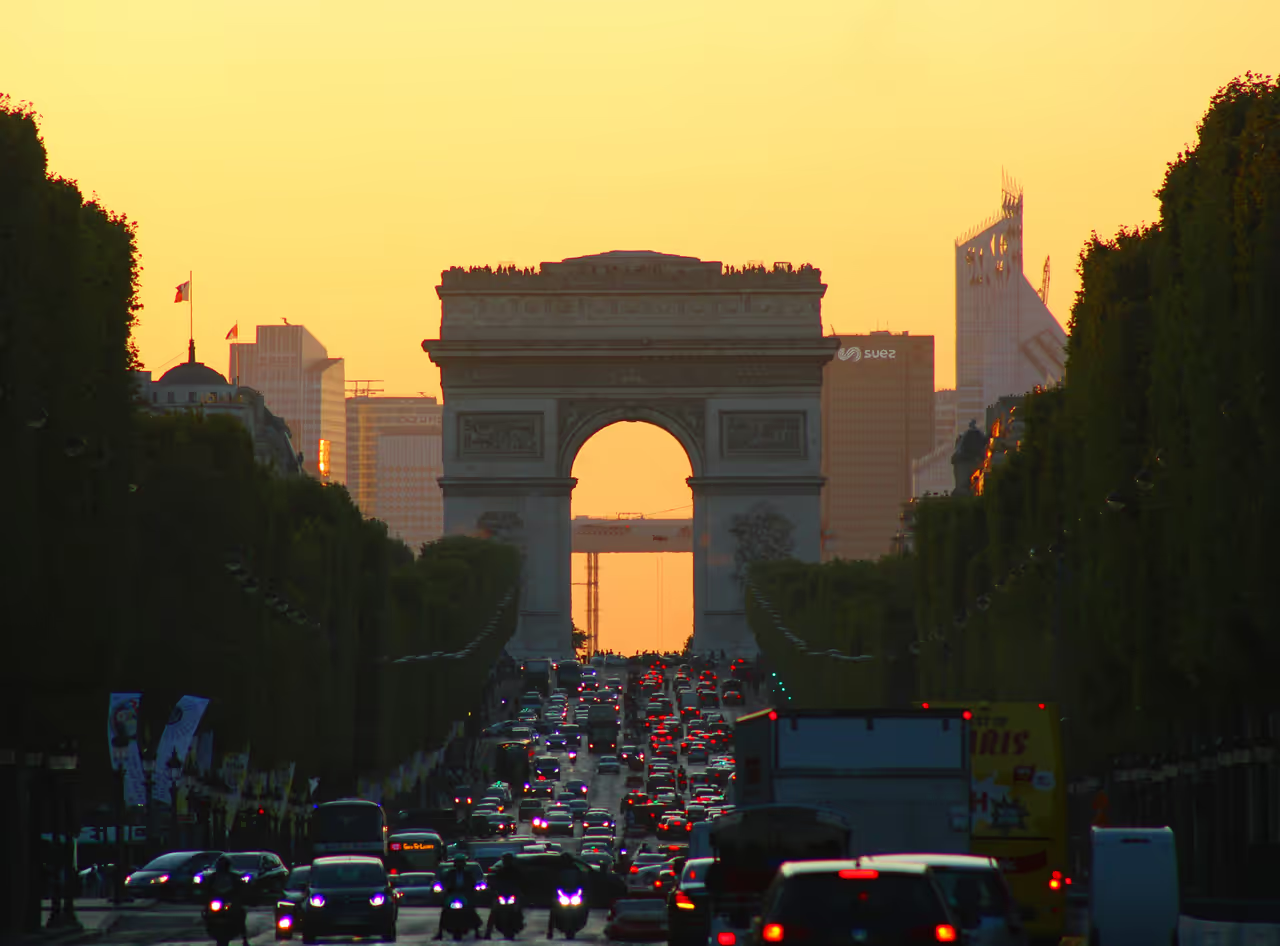
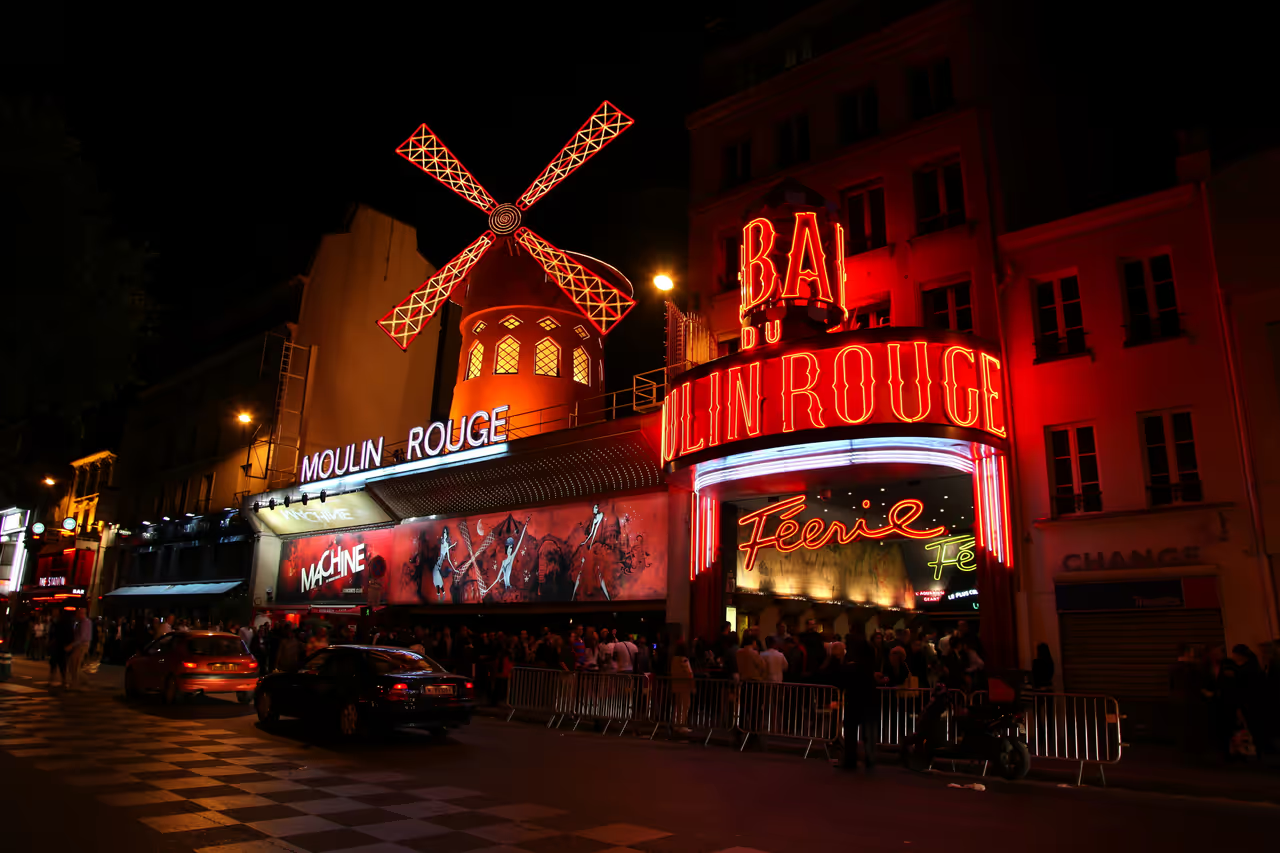
3 Days in Paris: Culture and History Itinerary
A well-balanced three-day journey that allows for a deeper dive into the rich architectural and artistic legacy of the city. It expands beyond the primary monuments to explore the stunning stained glass of the royal chapel and the bohemian energy of the northern hills. The pacing affords enough time to properly absorb the massive art collections and enjoy leisurely meals in distinct historic districts. This route perfectly captures the diverse aesthetic and intellectual spirit of the metropolis.
view itinerary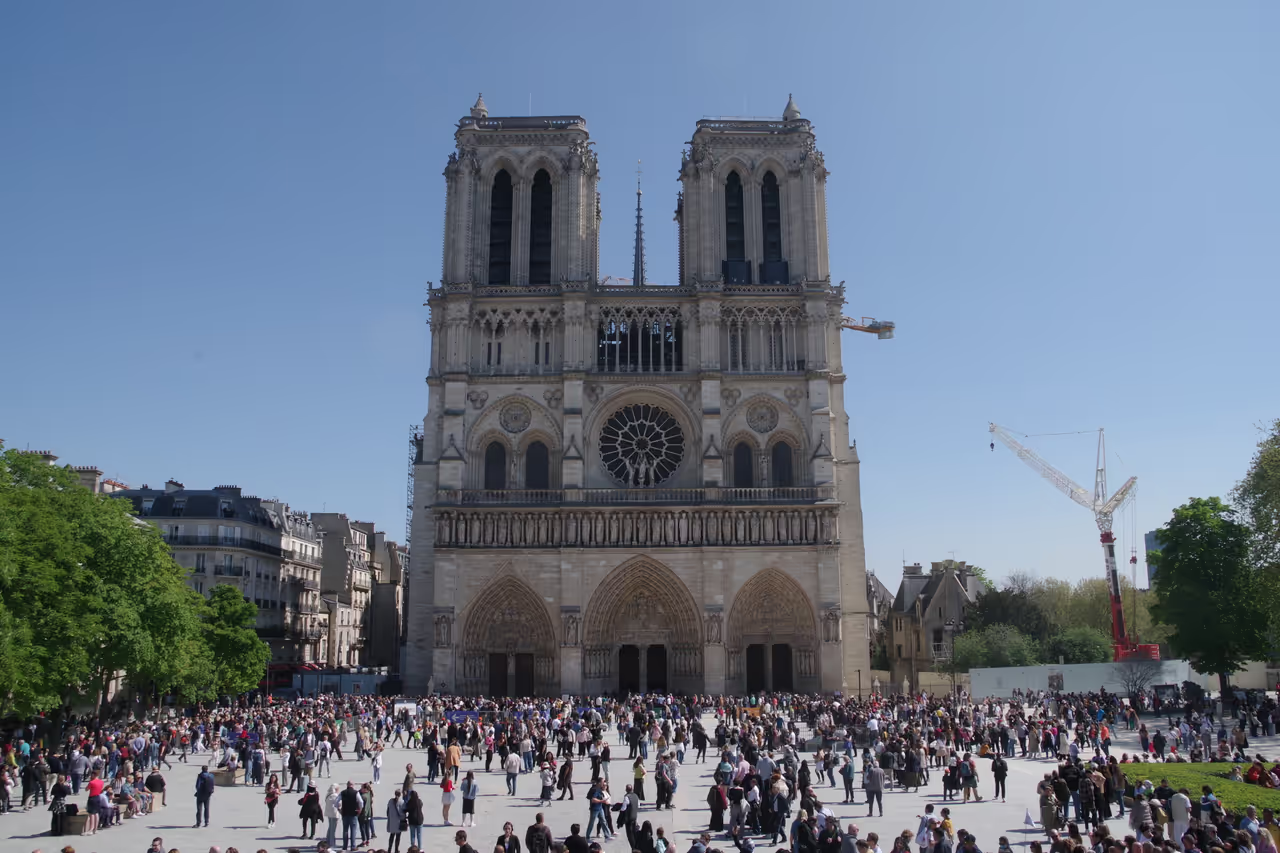
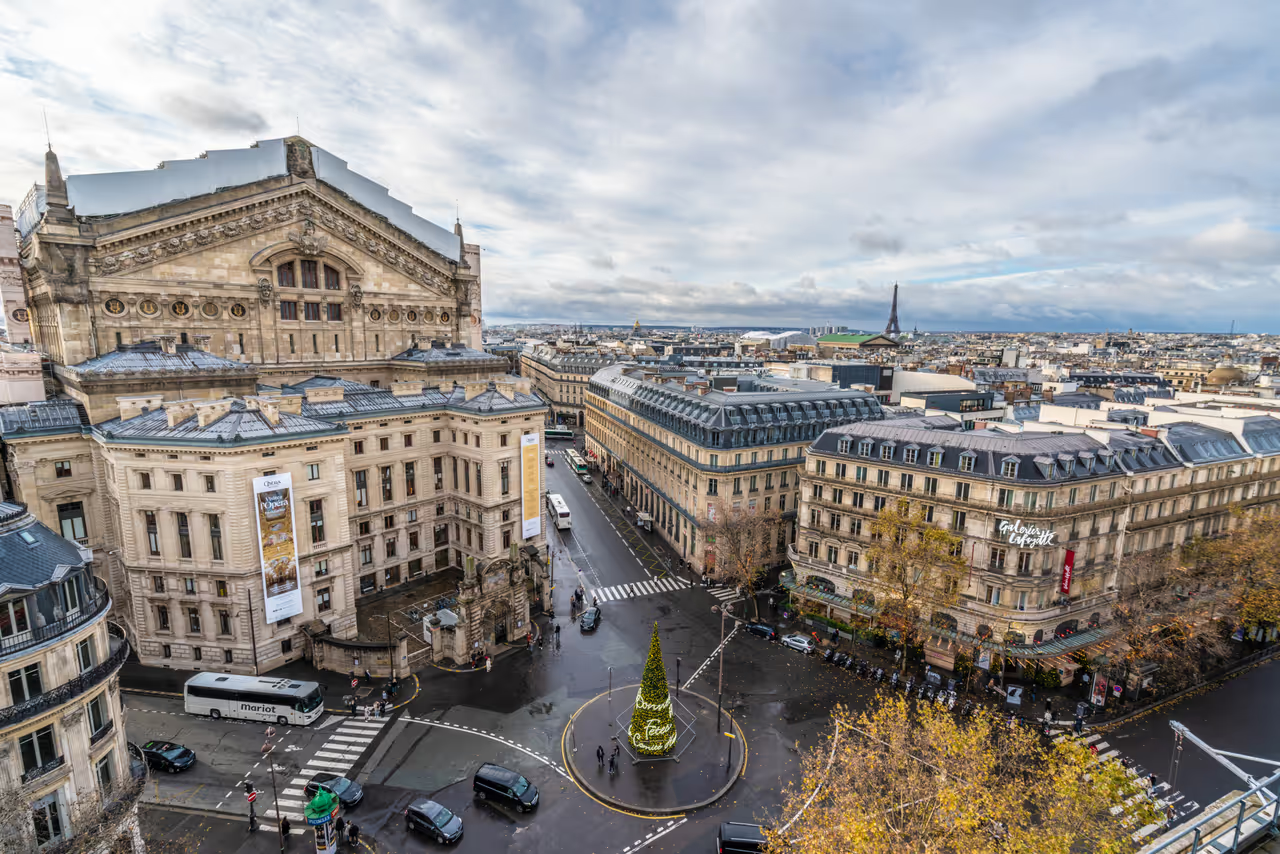
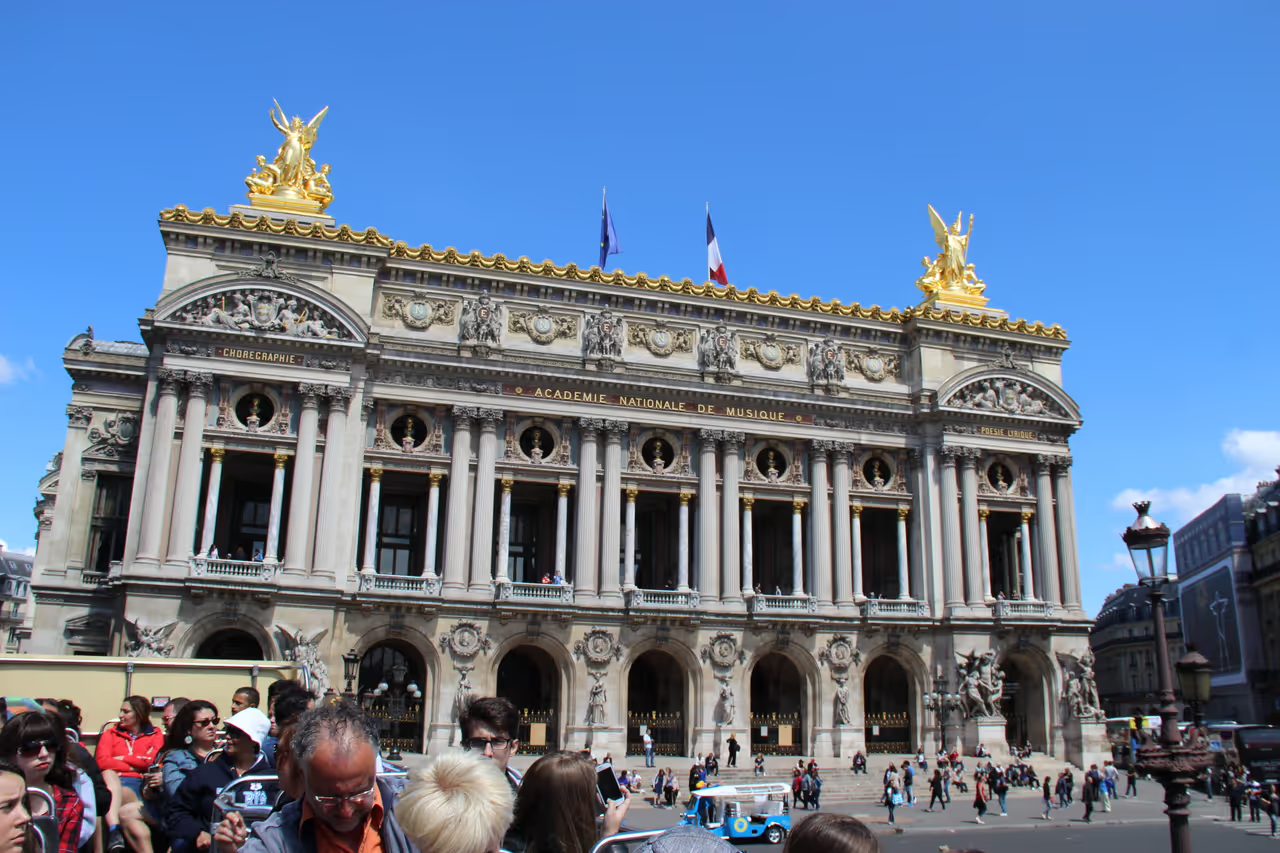
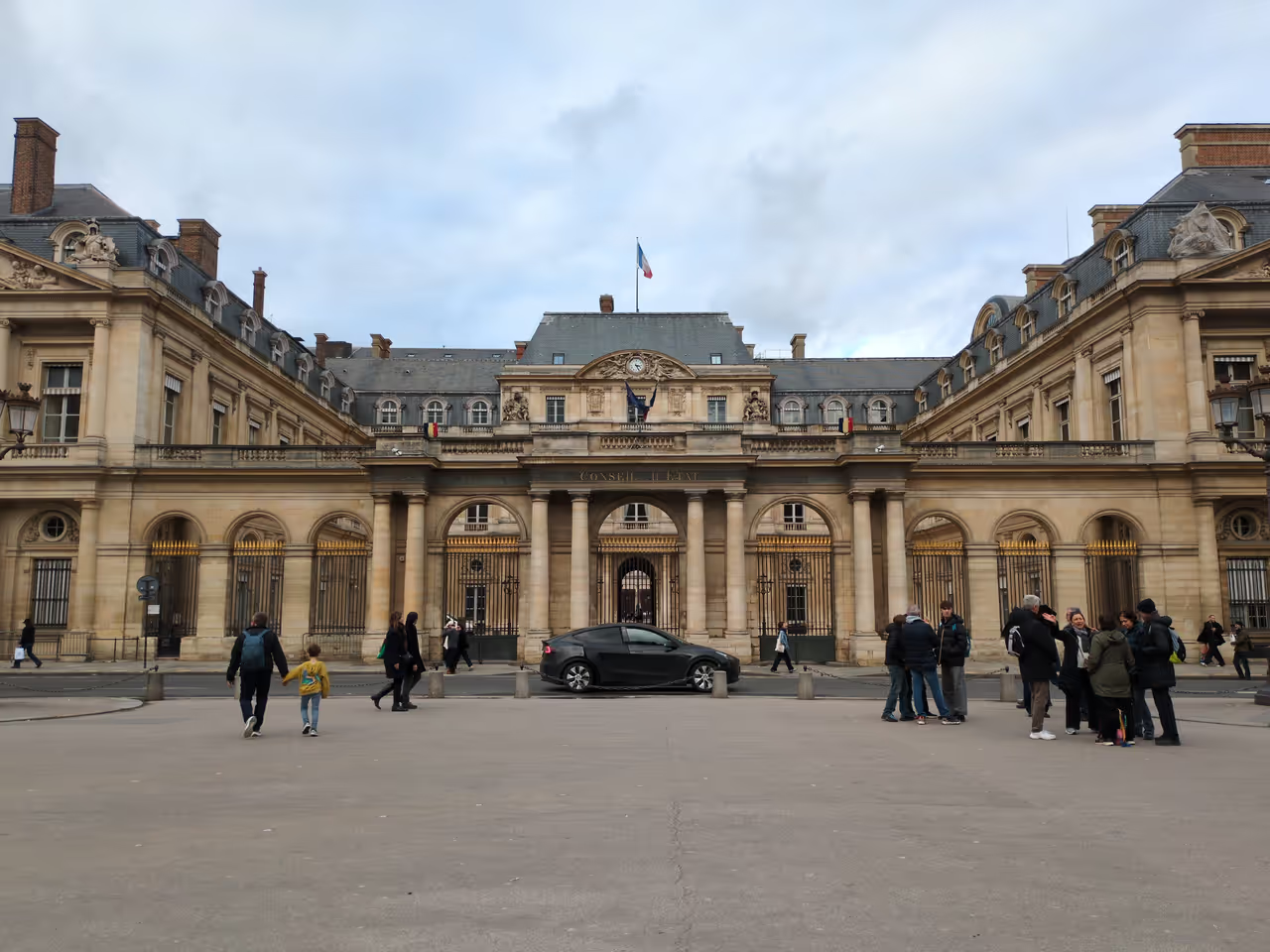
5 Days in Paris: Complete Experience Itinerary
An extensive five-day exploration designed to blend the obligatory monumental sights with authentic local experiences and hidden parks. Visitors will traverse grand boulevards, reflect in historic cemeteries, and relax in elevated green spaces. The generous timeframe allows for the discovery of modern architectural marvels alongside centuries-old churches without succumbing to fatigue. It is the ideal itinerary for fully immersing oneself in the sophisticated, multifaceted lifestyle of the capital.
view itinerary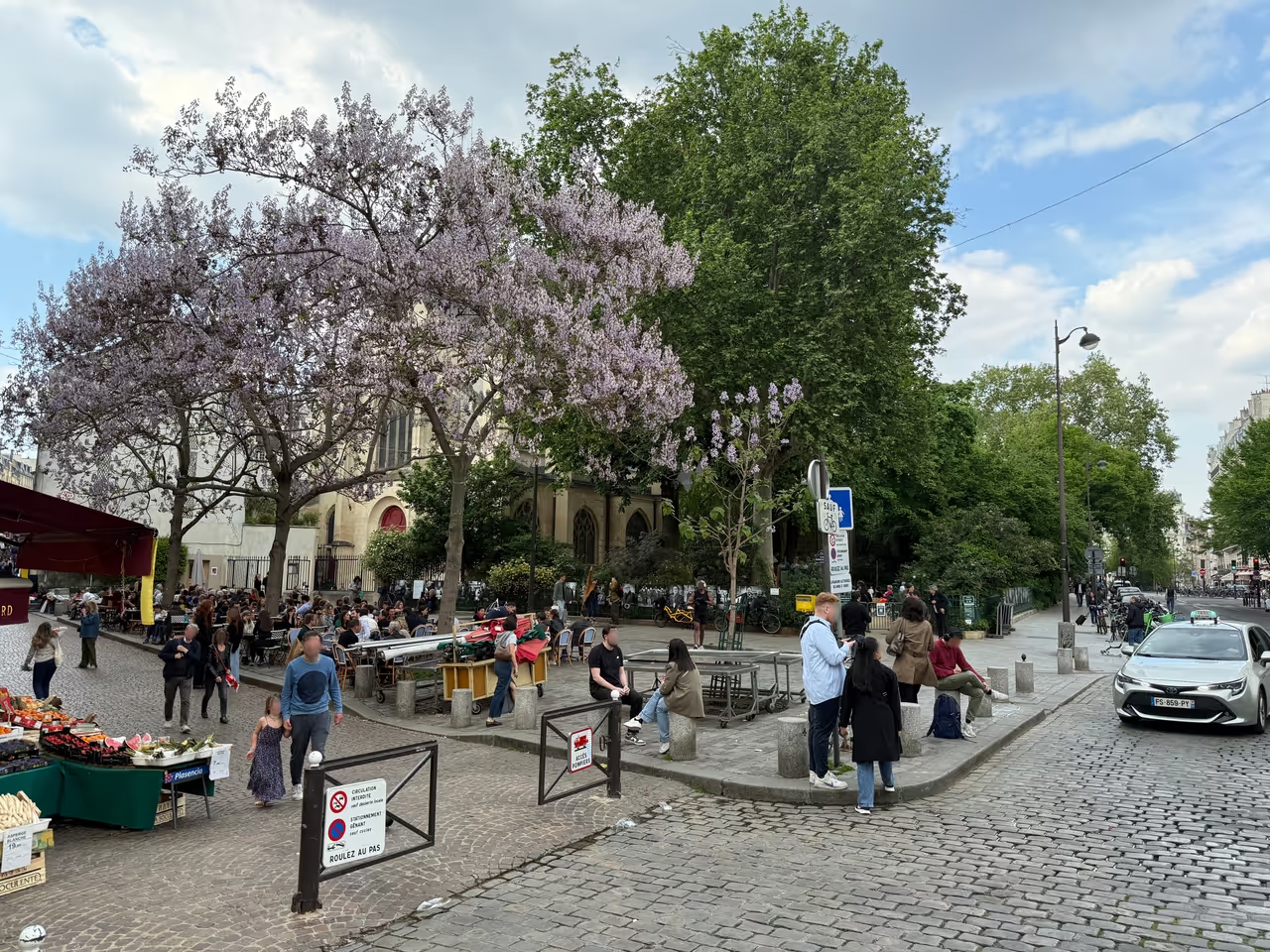
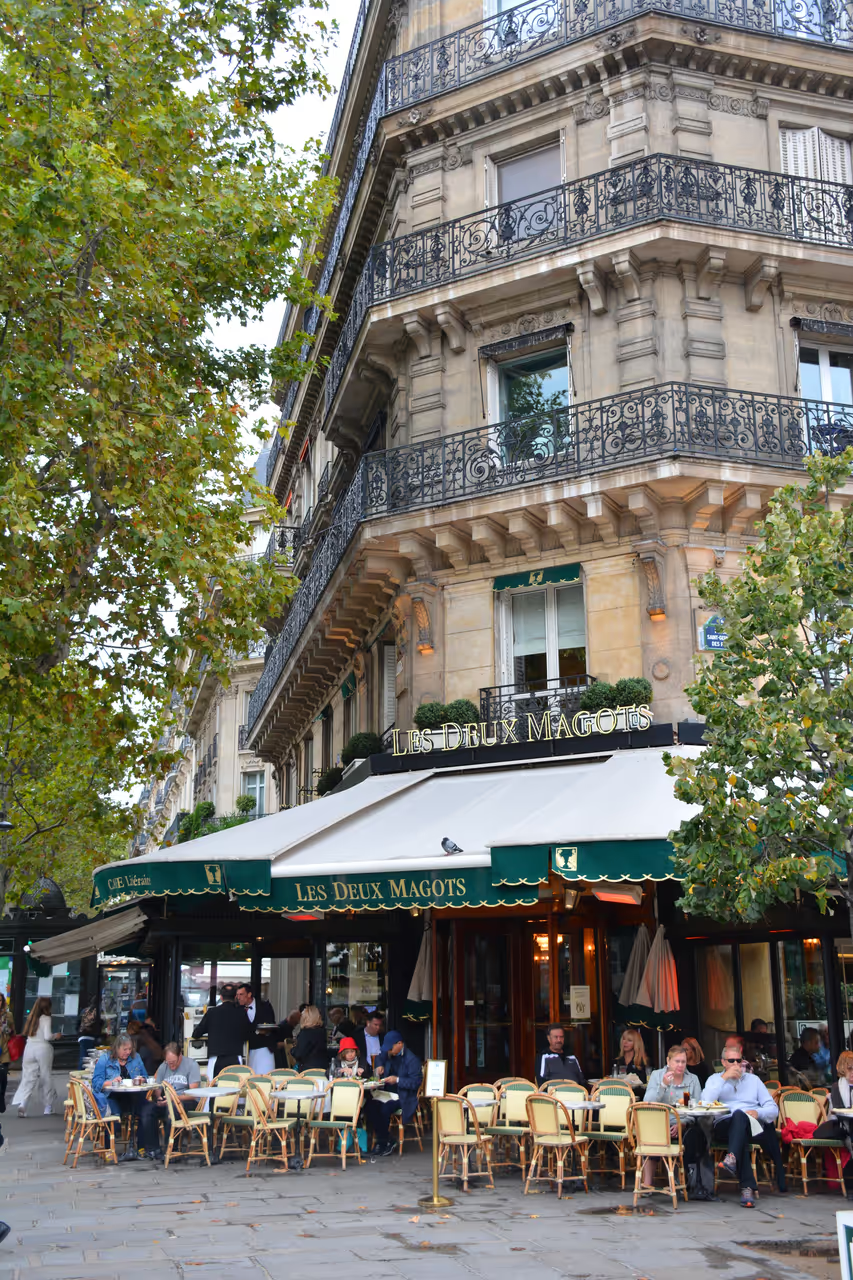
Hemingway's Left Bank
Step into the roaring nineteen twenties by tracking the footsteps of the famous 'Lost Generation' of expatriate writers. The route explores the cafes, apartments, and bookshops where literary giants like Ernest Hemingway and F. Scott Fitzgerald worked and socialised. It focuses on the vibrant intellectual atmosphere of the Latin Quarter and Saint-Germain-des-Prés. The tour offers a nostalgic glimpse into an era when the city was the undisputed creative capital of the world.
view self-guided tour
See all attractions in Paris
Arc de Triomphe, Eiffel Tower, Louvre Museum, Notre-Dame Cathedral, Sacré-Cœur Basilica, Musée d'Orsay, Centre Pompidou...