Bois de Vincennes
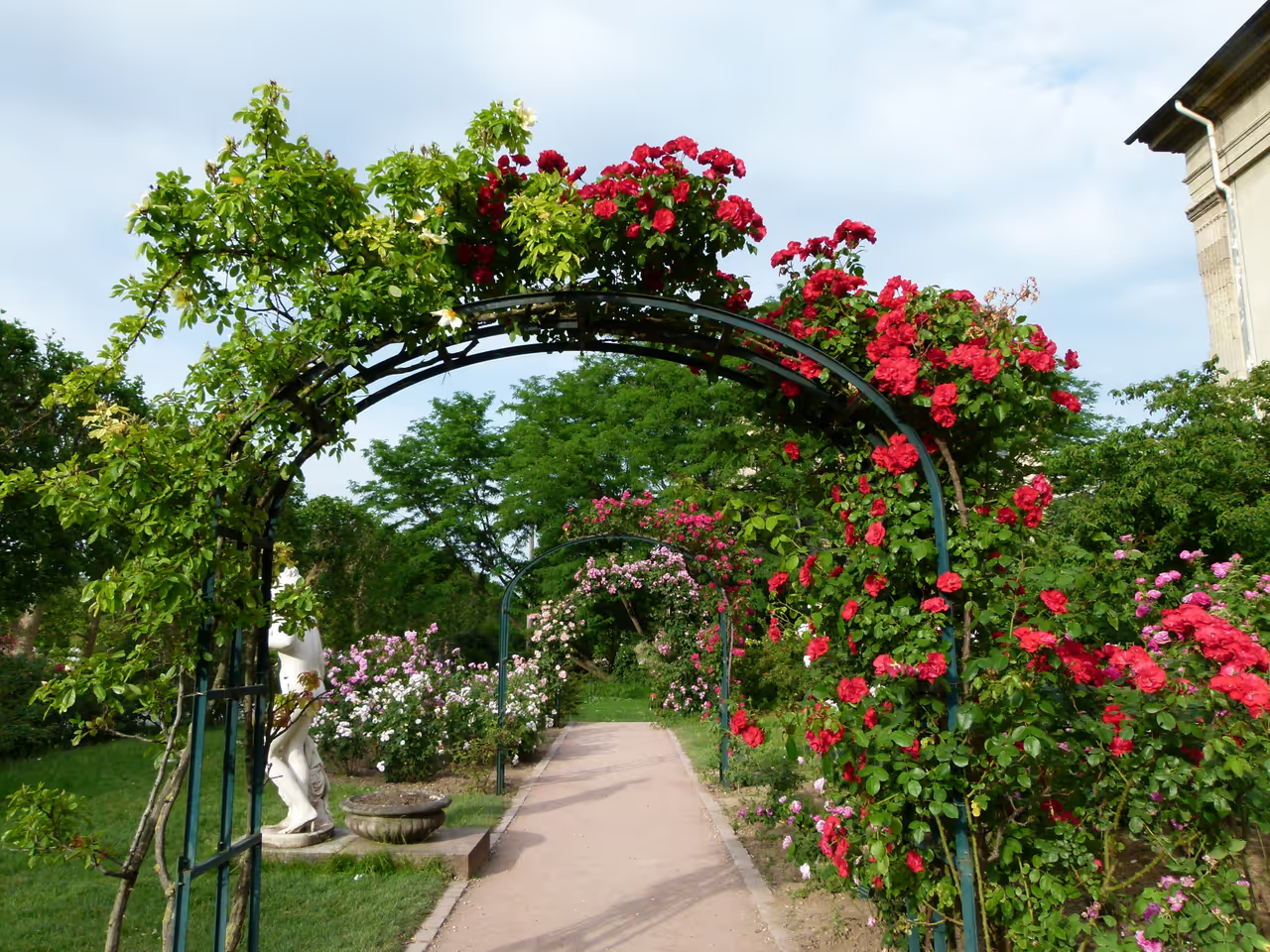
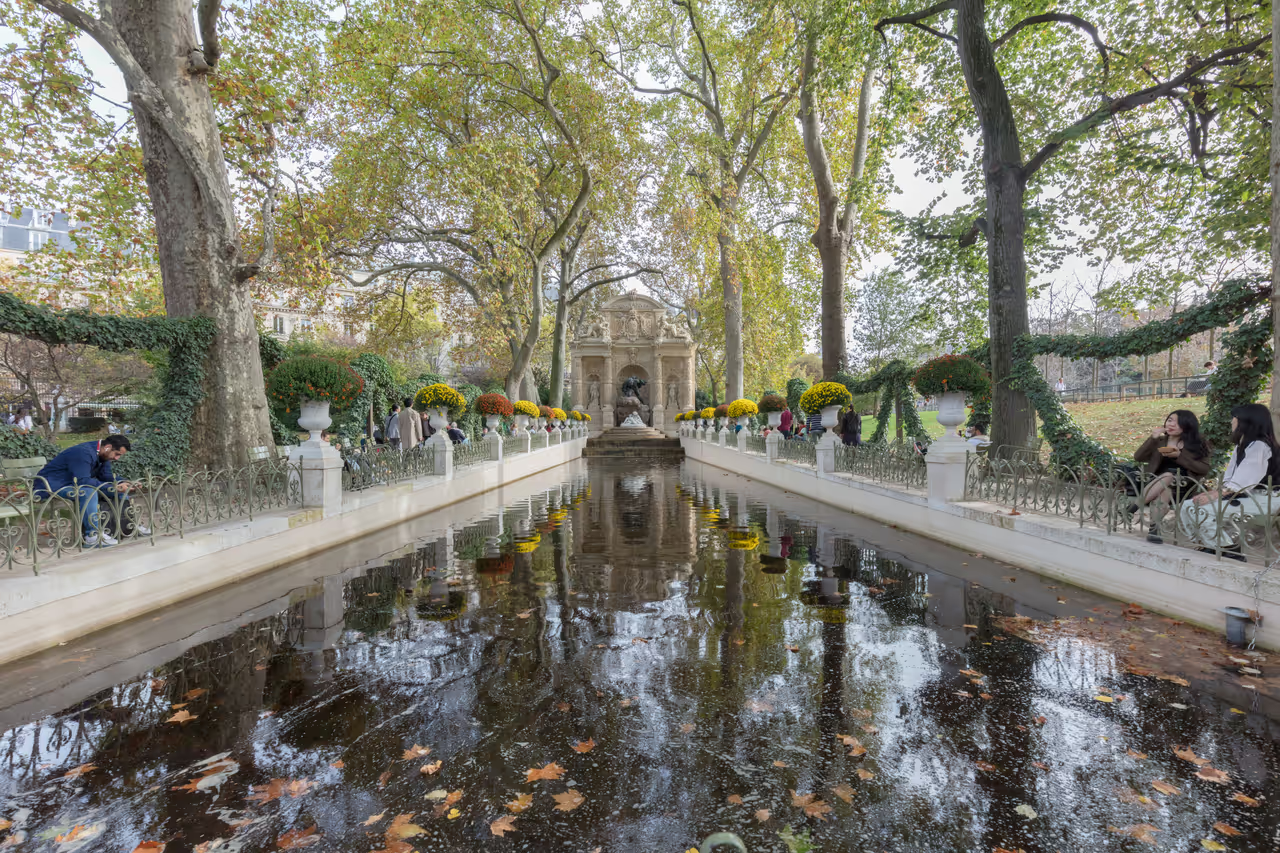
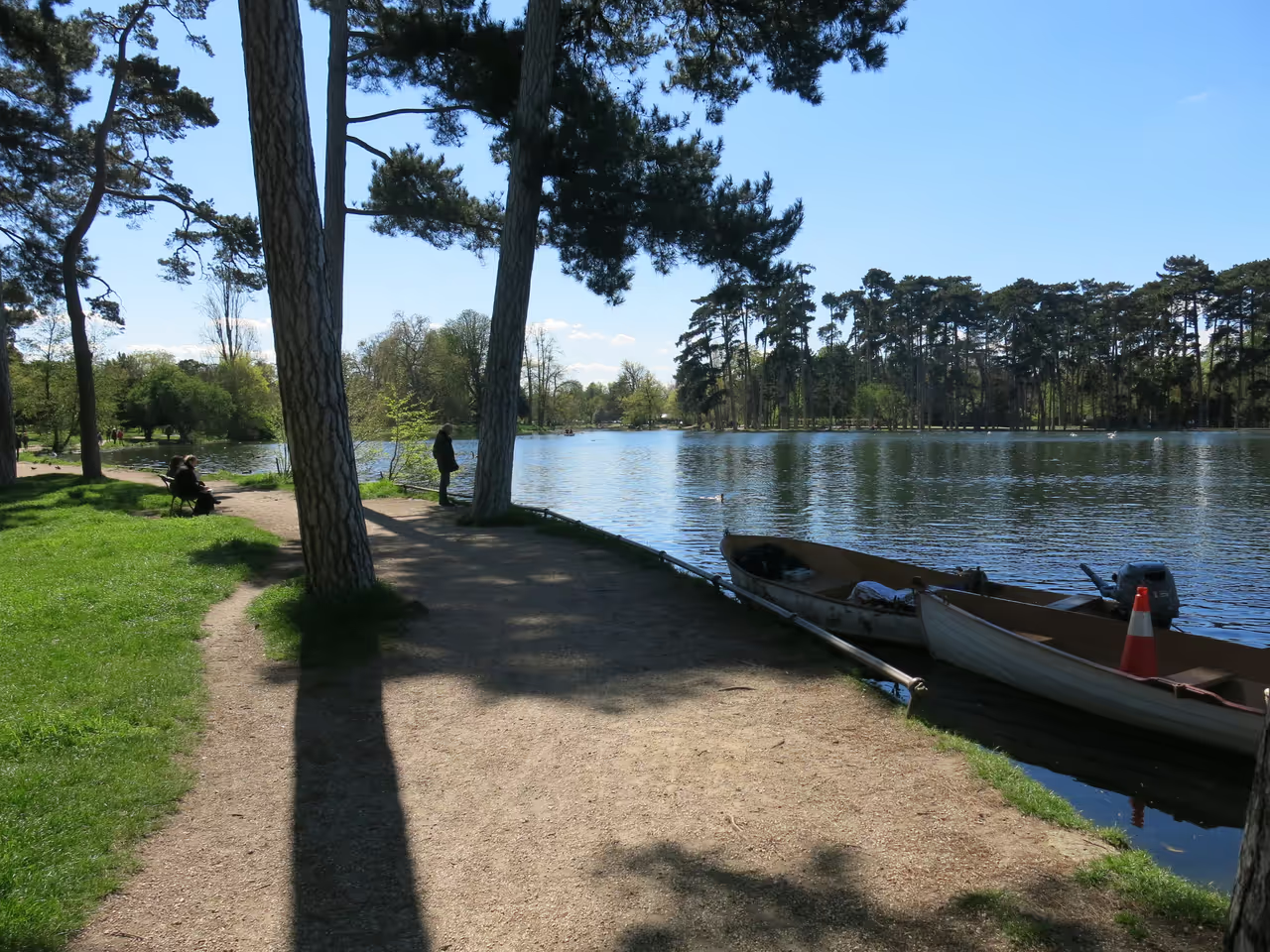
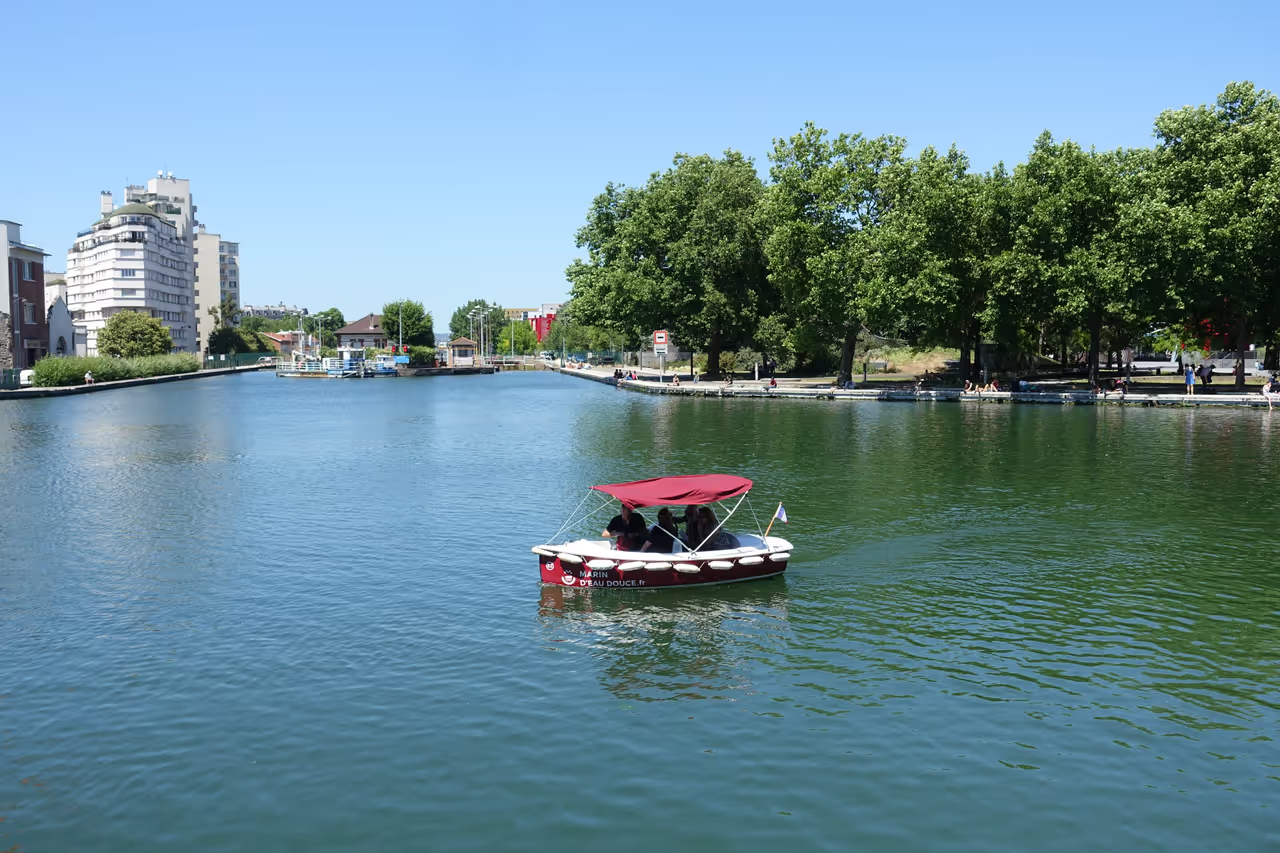
Serving as the vast, leafy counterpart to the Bois de Boulogne, this expansive woodland offers a refreshing escape on the eastern edge of Paris. More than just a park, it is a living landscape where royal hunting grounds have evolved into a beloved recreational haven for locals and visitors alike. Whether you are wandering through English style gardens, admiring the tranquil lakes, or exploring the cultural gems hidden within its foliage, the atmosphere here is one of serene discovery. It remains the largest public park in the capital, providing a vital breath of fresh air that feels worlds away from the city centre. With its intriguing blend of history, sports facilities, and quiet corners, it invites you to slow down and experience a different, greener side of Parisian life.
Videos
History of Bois de Vincennes
Long before it became a park, this land was a privileged sanctuary for the kings of France. It served as their private hunting reserve, a wild expanse where monarchs retreated from the pressures of the court. Local legends even tell of Saint Louis sitting beneath the boughs of an oak tree to dispense justice to his subjects, a testament to the area's deep rooted significance in the royal imagination. For centuries, the forest remained largely off limits, enclosed behind walls that separated the crown's private domain from the lives of ordinary citizens. The nineteenth century brought a radical transformation, as Napoleon III sought to provide the labouring populations of eastern Paris with a magnificent park, mirroring the Bois de Boulogne in the west. Under the guidance of Adolphe Alphand, the military landscape was reimagined, with the ground broken to create a series of interconnected lakes and streams that gave the area its lush, pastoral character. Thousands of trees were planted, and the old military fortifications gradually gave way to elegant avenues and paths. This era redefined the wood, turning a former military and hunting ground into a democratic space for leisure, boating, and contemplation. Today, the site stands as a mosaic of Paris's multifaceted history. It hosts everything from the solemn beauty of the Château de Vincennes, with its imposing keep, to the vibrant cultural life found at the Cartoucherie. The modern spirit of the area is one of diversity and resilience, where nature thrives alongside cultural institutions like the Parc Floral and the zoo. It continues to evolve, reflecting the changing values of a city that cherishes its green lungs. Walking through its trails, you sense the layers of the past, from the royal echoes to the industrial era planning, all harmonising into the unique, expansive sanctuary that draws so many to its gates.
Events spanning 1169 years
Fun Facts
- • After the 1999 storms devastated many trees, a policy was implemented to leave parts of the park to grow wild, allowing visitors to witness natural forest regeneration.
- • Despite being administratively part of the 12th arrondissement of Paris, the park shares its borders with seven separate towns in the Val de Marne, creating a unique cross municipal relationship.
- • During the 1900 Summer Olympics, many events were held within the park grounds, highlighting its role as a centre for athletic endeavour.
- • Four artificial lakes, Daumesnil, Saint Mandé, Gravelle, and Minimes, were engineered in the 1860s to bring water features to the plateau, requiring a complex hydraulic system.
- • It is significantly larger than New York's Central Park, covering nearly 1000 hectares, making it the true green giant of Paris.
- • The Cartoucherie, once a military munitions factory, has been brilliantly repurposed into a vibrant cluster of theatres that have defined French experimental drama.
- • The Parc Floral, a massive garden within the park, was inaugurated in 1969 and remains one of the premier botanical destinations in the city.
- • The park houses a hidden piece of international architecture, the Pagoda of Vincennes, which was originally a pavilion built for the 1931 Colonial Exhibition.
- • The park remains the site of the Château de Vincennes, which boasts the tallest fortified medieval keep in Europe, a remnant of its regal past.
- • While now a place of leisure, the site was long referred to as Canonville by locals in the 19th century due to the heavy military presence and artillery drills taking place nearby.
RESOURCES
Official WebsiteBois de Vincennes FAQ
While we strive to keep this information accurate and up to date, we recommend verifying any details independently before making decisions based on them.
Bois de Vincennes Map & Neighborhood Explorer
This interactive map is centered on Bois de Vincennes. Zoom in and move the map around to automatically discover Wikipedia photos and summaries of other nearby sights, monuments, and historical points of interest and stories in real-time!
Places near Bois de Vincennes
Make the most of your trip. Check out these top-rated spots located nearby.
 1236m
1236mParis Jazz Festival
Held in the beautiful botanical surroundings of the Parc Floral, this summer event attracts jazz enthusiasts from around the globe. Attendees can relax on the sweeping lawns while listening to both established legends and emerging talents in the jazz scene. The outdoor setting creates a wonderfully relaxed weekend vibe perfect for picnicking with friends. It celebrates the deep, historical connection the capital has maintained with jazz music since the nineteen twenties.
festival view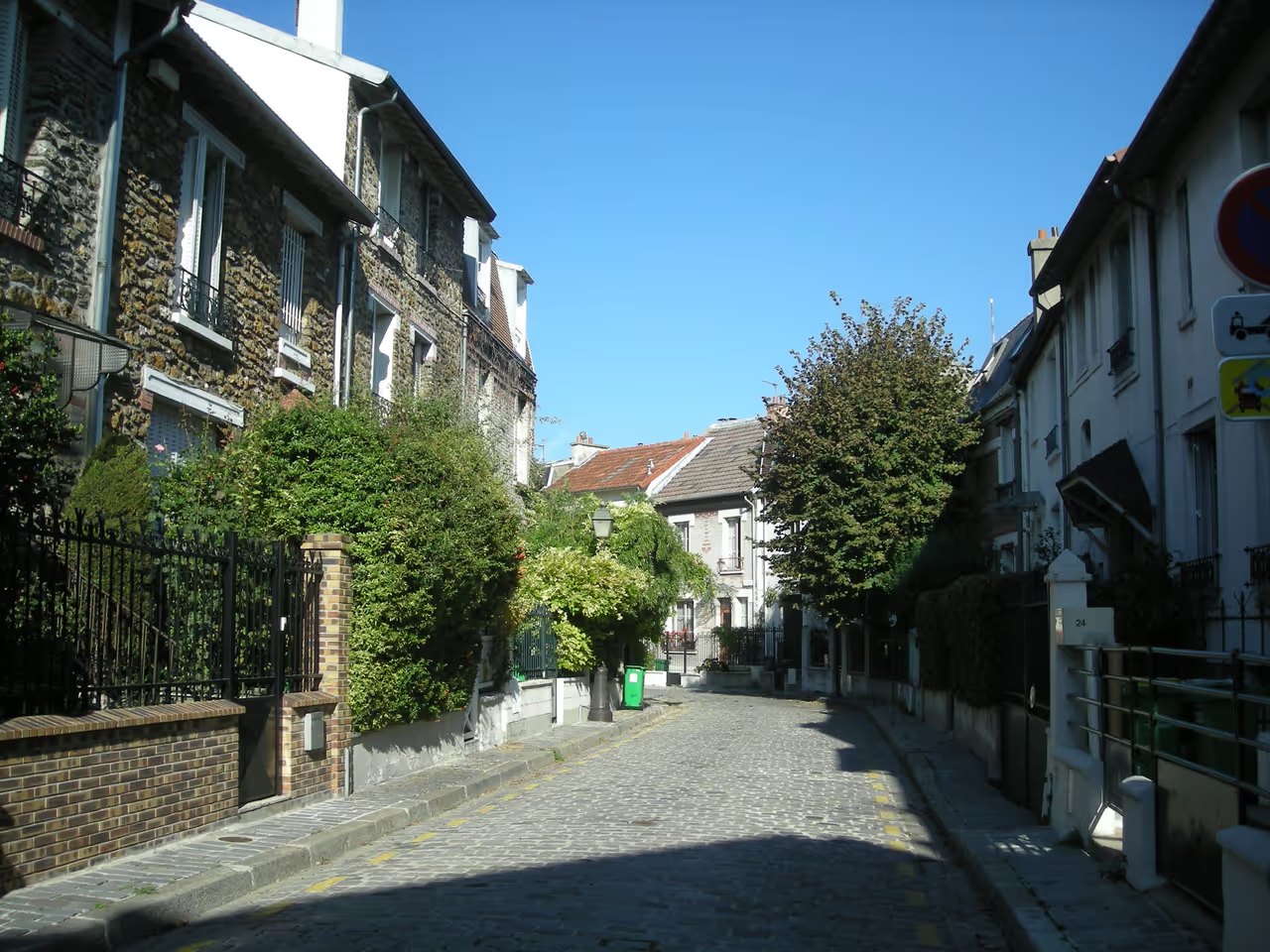 4510m
4510mCountryside in Paris
A remarkably tranquil enclave located on a small hill in the twentieth district, where small brick houses covered in ivy line narrow, cobbled streets. Walking through here feels akin to discovering a peaceful provincial village that has somehow been airlifted into the metropolis. The lack of traffic and the abundance of front gardens overflowing with flowers create an incredibly soothing environment. It is a delightful architectural curiosity that showcases a completely different, idyllic side of urban living.
hidden gem view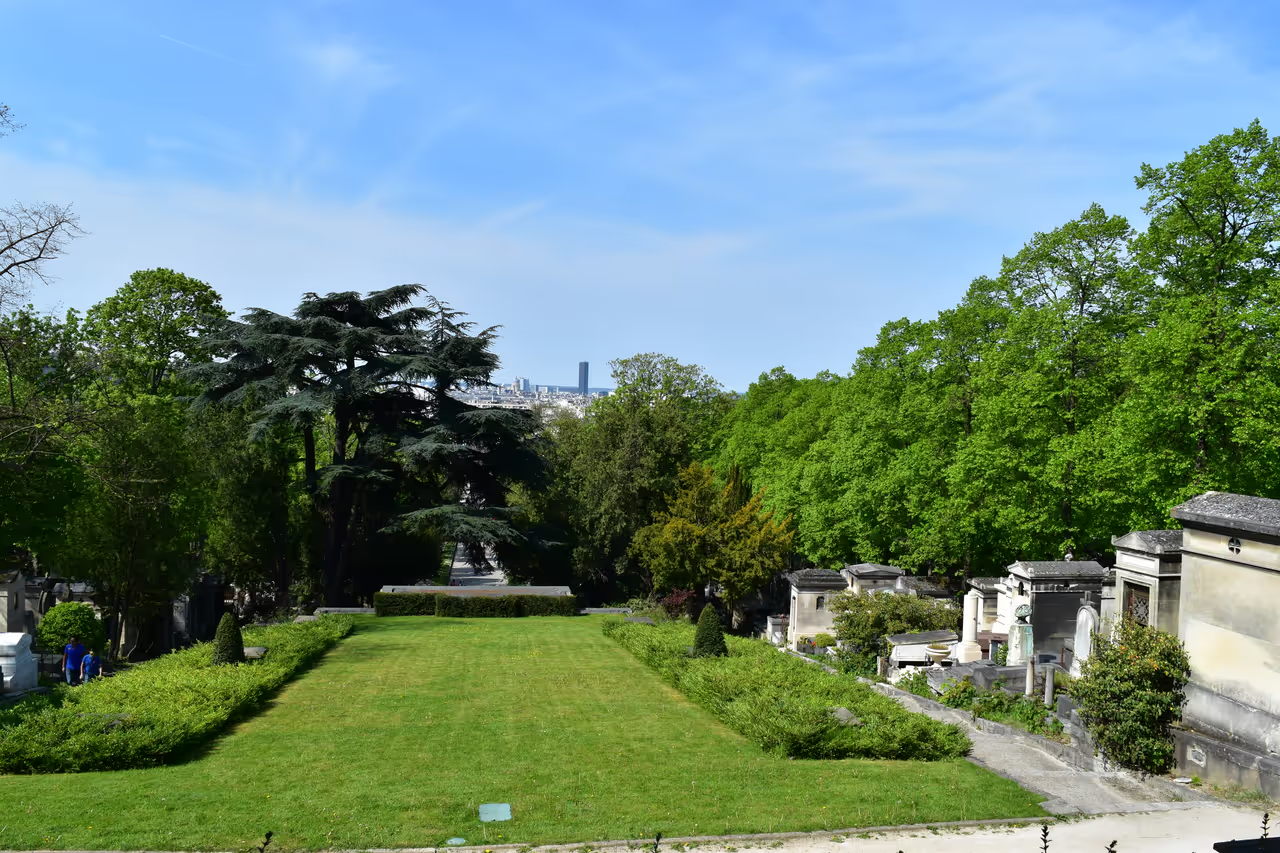 4601m
4601mWander Through Père Lachaise
This expansive, tree-lined cemetery functions as both a peaceful park and an incredible outdoor museum of funerary art. The winding cobblestone paths lead past ornate tombs housing some of history's most famous cultural figures, including Oscar Wilde, Jim Morrison, and Edith Piaf. The atmosphere is serene and deeply melancholic, with elaborate sculptures slowly being reclaimed by moss and ivy. It offers a wonderfully reflective environment for a quiet afternoon stroll away from the frantic traffic.
highlight view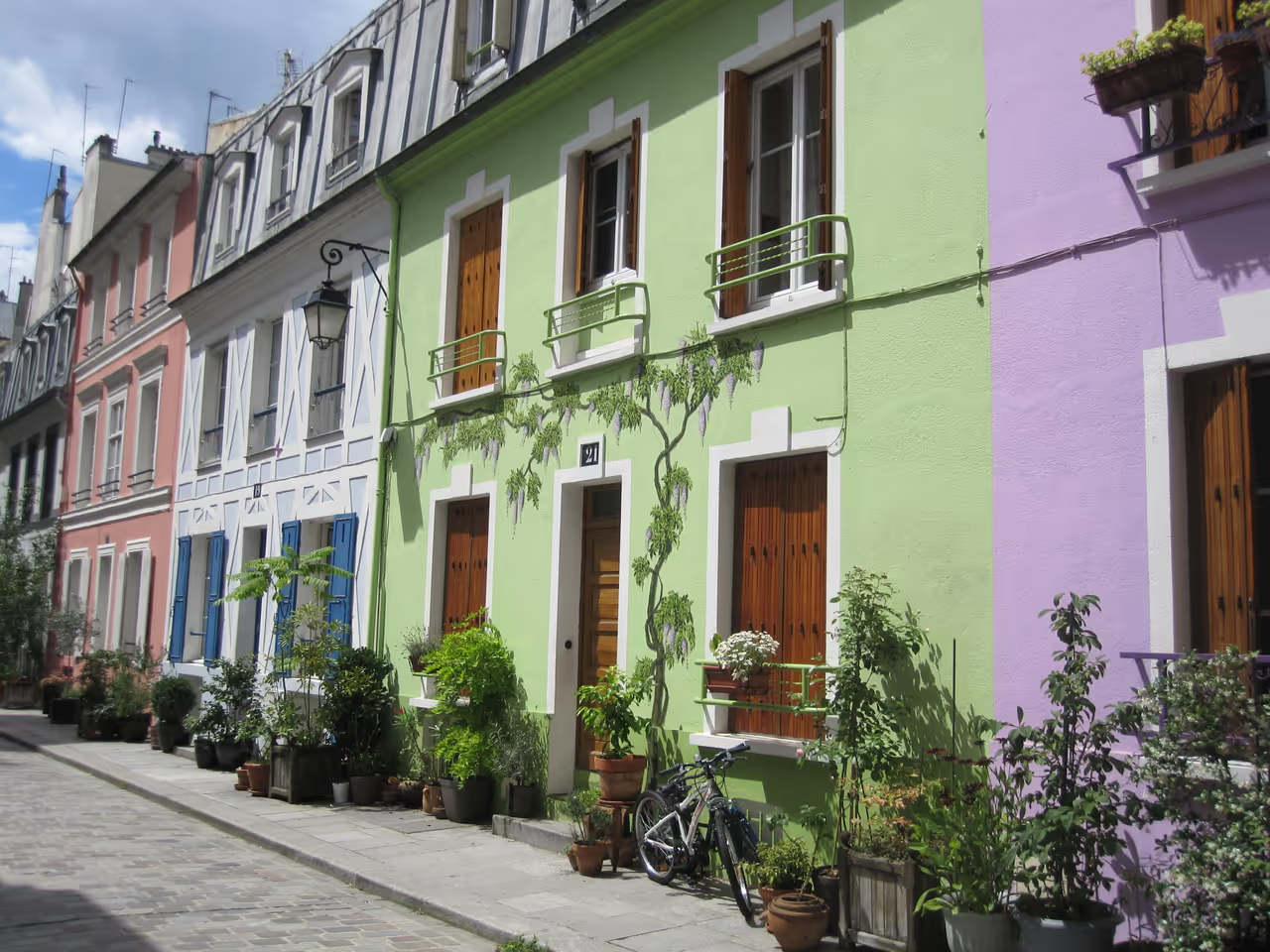 5014m
5014mCrémieux Street
This pedestrianised street in the twelfth district has become famous for its terraced houses painted in vibrant pastel shades of pink, green, and blue. The colourful facades, complete with ornate window boxes and sleeping cats, provide a whimsical backdrop that feels entirely distinct from the usual grey zinc and cream stone architecture. Photographers flock here to capture the cheerful, almost cinematic charm of the perfectly aligned homes. It offers a wonderful pop of colour and a delightful, village-like aesthetic.
photo spot view
See all nature & parks in Paris
Jardin des Plantes, Luxembourg Gardens, Bois de Boulogne, Parc de la Villette, Parc des Buttes-Chaumont, Tuileries Garden...