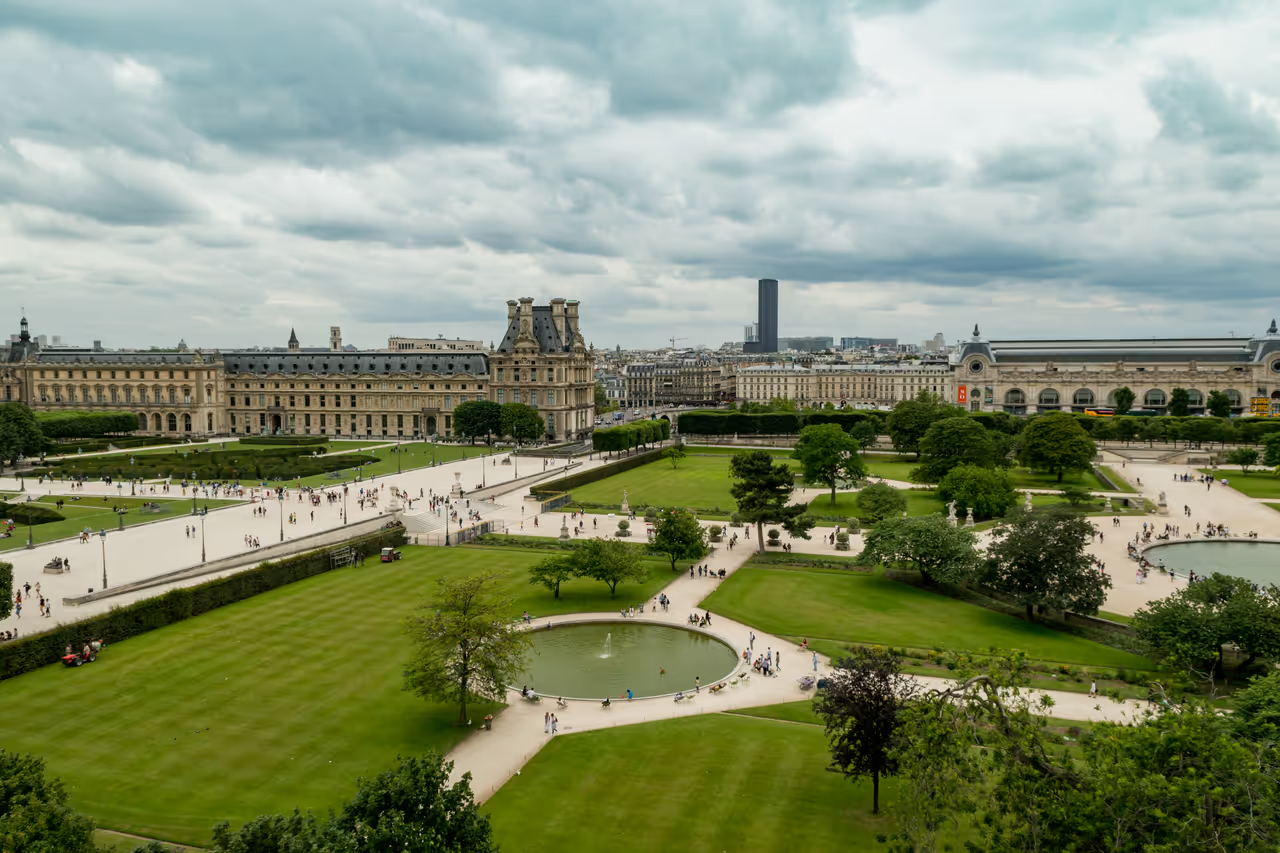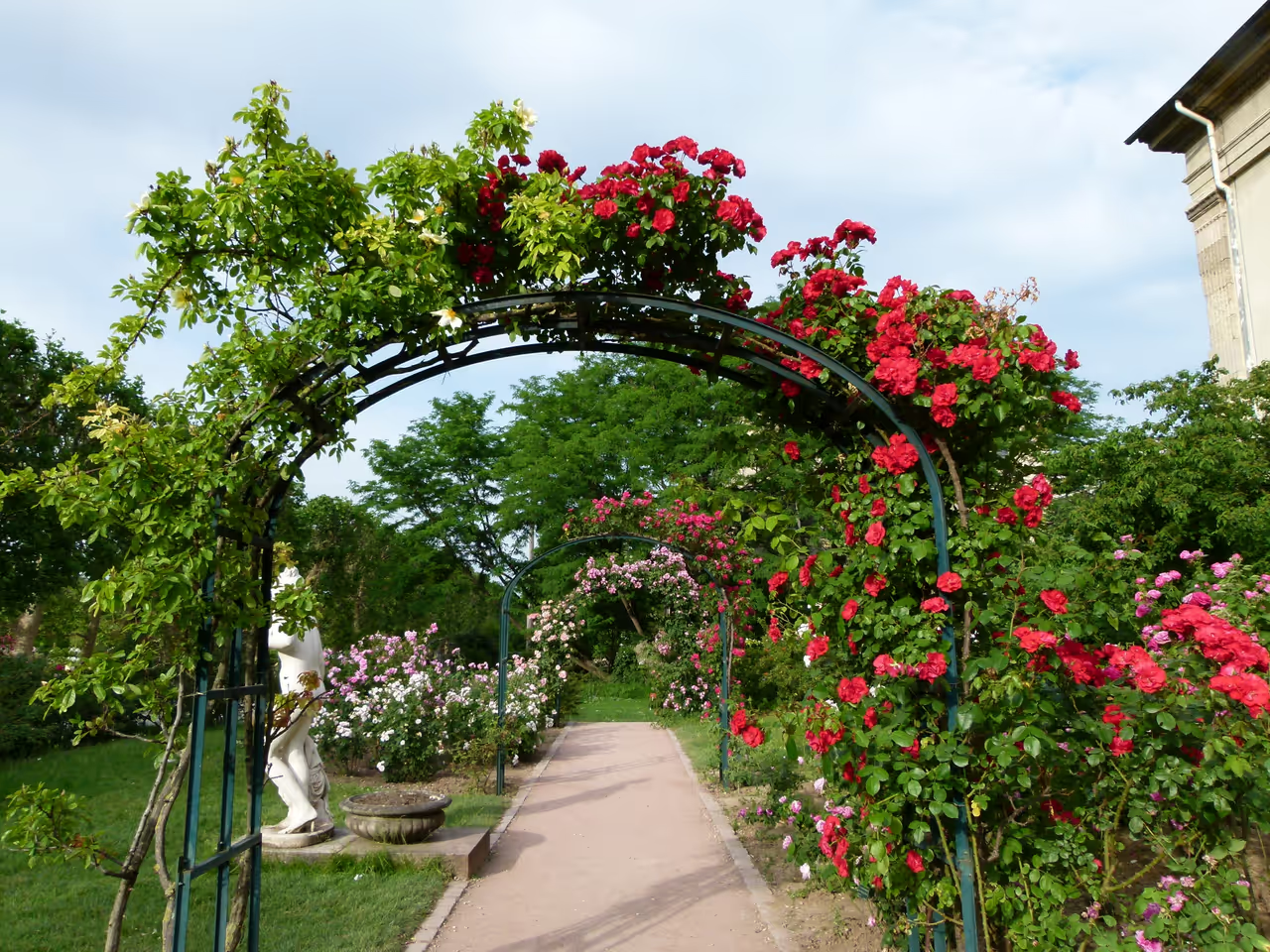
Jardin des Plantes
The Jardin des Plantes is more than just a park; it is a living laboratory of nature's wonders nestled in the heart of Paris. Established in the 17th century to cultivate medicinal herbs for the royal court, today it serves as the prestigious headquarters of the National Museum of Natural History. Visitors can wander through vibrant botanical gardens, marvel at ancient specimens in the stunning Grande Galerie de l'Évolution, and observe exotic wildlife in the Menagerie. Its peaceful pathways, historic greenhouses, and the mysterious Labyrinthe provide a serene escape from the urban tempo. Whether you are exploring the alpine rock gardens or admiring the centuries old Cedre de Jussieu, this space is a testament to the pursuit of knowledge and the beauty of the natural world.
Videos
History of Jardin des Plantes
The Jardin des Plantes began its life as the Jardin royal des plantes médicinales in 1626. Conceived by Louis XIII and his physicians to teach botany to medical students, the garden initially focused on utility rather than beauty. However, the appointment of the brilliant naturalist Georges Louis Leclerc, Comte de Buffon, in 1739 changed everything. Buffon poured his own wealth and passion into the site, transforming a small plot of medicinal beds into a sweeping, sophisticated center for scientific discovery that drew scholars from across Europe. The chaos of the French Revolution brought about a radical metamorphosis. Rather than destroying this royal site, the revolutionary government elevated it, founding the National Museum of Natural History in 1793. This act cemented the garden's role as a temple of enlightenment where education and research were paramount. The 19th century saw further expansion, with the addition of the Menagerie, the construction of iconic greenhouses, and the establishment of dedicated galleries for mineralogy, paleontology, and anatomy, creating the scholarly complex that anchors the institution today. In the modern era, the Jardin des Plantes stands as an enduring sanctuary of biodiversity amidst the urban landscape. It continues to function as a major research campus, where scientists study everything from microscopic organisms to ancient fossils. Yet, it remains deeply accessible, inviting Parisians and travellers alike to witness the intersection of history and biology. From the seasonal blooms of its magnificent rose garden to the prehistoric treasures housed in its museums, the site serves as a vital bridge between humanity and the natural history we all share.
Events spanning 384 years
Fun Facts
- • Beneath the garden lies a network of ancient limestone quarries that were historically mined to provide the stone used for many Parisian monuments.
- • During the Siege of Paris in 1870, the starving population was forced to consume many of the animals from the Menagerie, including the famous elephants.
- • Scientists at the garden have successfully cross bred plants and conducted groundbreaking studies in botany that helped establish the field of modern evolutionary biology.
- • The 'Jardin écologique' is a unique, semi closed area of the park where human intervention is intentionally kept minimal to allow natural biodiversity to flourish.
- • The 'bâtiment de la baleine' (whale building) was originally a utilitarian storage space for anatomy collections before earning its nickname from the giant whale skeletons housed inside.
- • The Gloriette de Buffon, an elegant metal structure at the peak of the garden's labyrinth, bears the Latin motto 'I only count the happy hours'.
- • The Menagerie housed within the garden is the second oldest public zoo in the world, tracing its roots back to 1793.
- • The famous Cedre de Jussieu, planted in 1734, stands as one of the oldest trees in Paris and has survived countless historical upheavals.
- • The garden was a clandestine hub for libertine meetings in the 18th century, where aristocrats would gather anonymously near the labyrinthe after the gates closed.
- • The garden's rose collection features over 170 varieties, curated specifically to showcase the history and diversity of this beloved flower.
RESOURCES
Official WebsiteJardin des Plantes FAQ
While we strive to keep this information accurate and up to date, we recommend verifying any details independently before making decisions based on them.
Jardin des Plantes Map & Neighborhood Explorer
This interactive map is centered on Jardin des Plantes. Zoom in and move the map around to automatically discover Wikipedia photos and summaries of other nearby sights, monuments, and historical points of interest and stories in real-time!
Places near Jardin des Plantes
Make the most of your trip. Check out these top-rated spots located nearby.
 491m
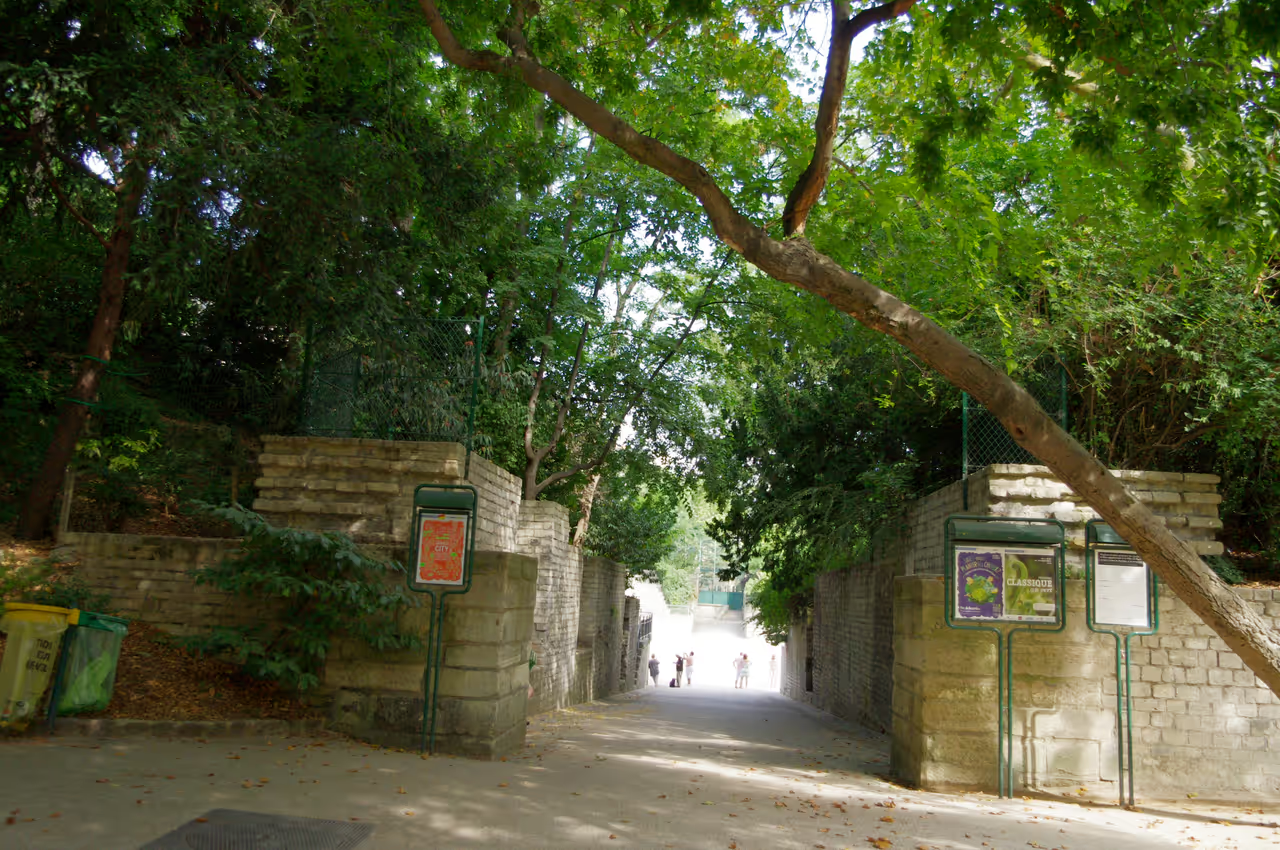
491mArenas of Lutetia
Hidden behind a block of modern residential buildings in the Latin Quarter, the surprisingly intact remains of an ancient Roman amphitheatre offer a surreal historical juxtaposition. Visitors can sit on the tiered stone seating where thousands once watched theatrical performances and gladiatorial combat. Today, the sandy central floor is primarily used by locals engaged in leisurely games of pétanque or impromptu football matches. It is a profoundly quiet, evocative space that provides a direct physical link to the ancient origins of the settlement.
hidden gem view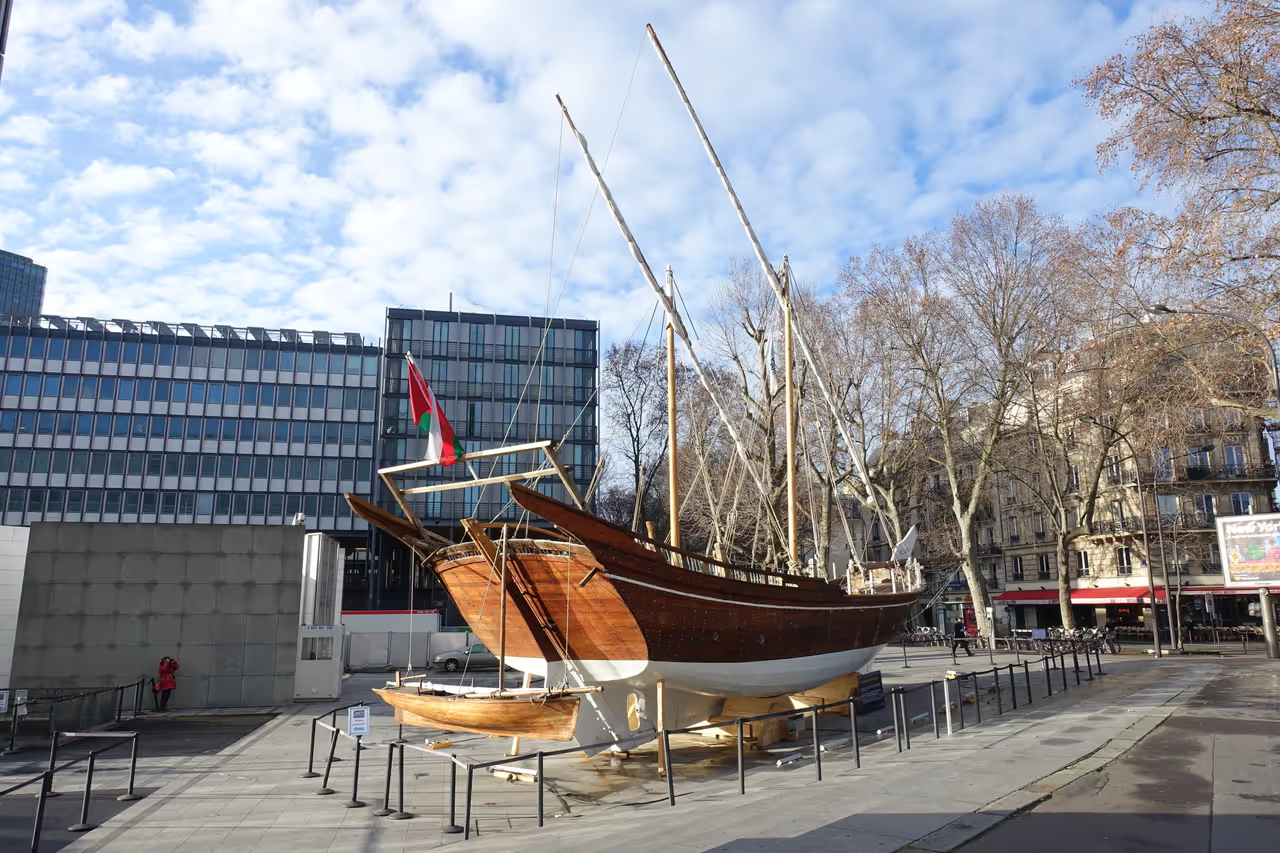 566m
566mArab World Institute
This remarkable cultural institution brilliantly fuses modern engineering with traditional Islamic geometric motifs. The famous southern facade is constructed from hundreds of metallic diaphragms that operate like camera lenses, automatically opening and closing to regulate the sunlight entering the building. This kinetic architecture creates stunning patterns of light and shadow inside the museum spaces. It stands as an incredibly sophisticated and innovative architectural bridge between diverse cultures.
architecture view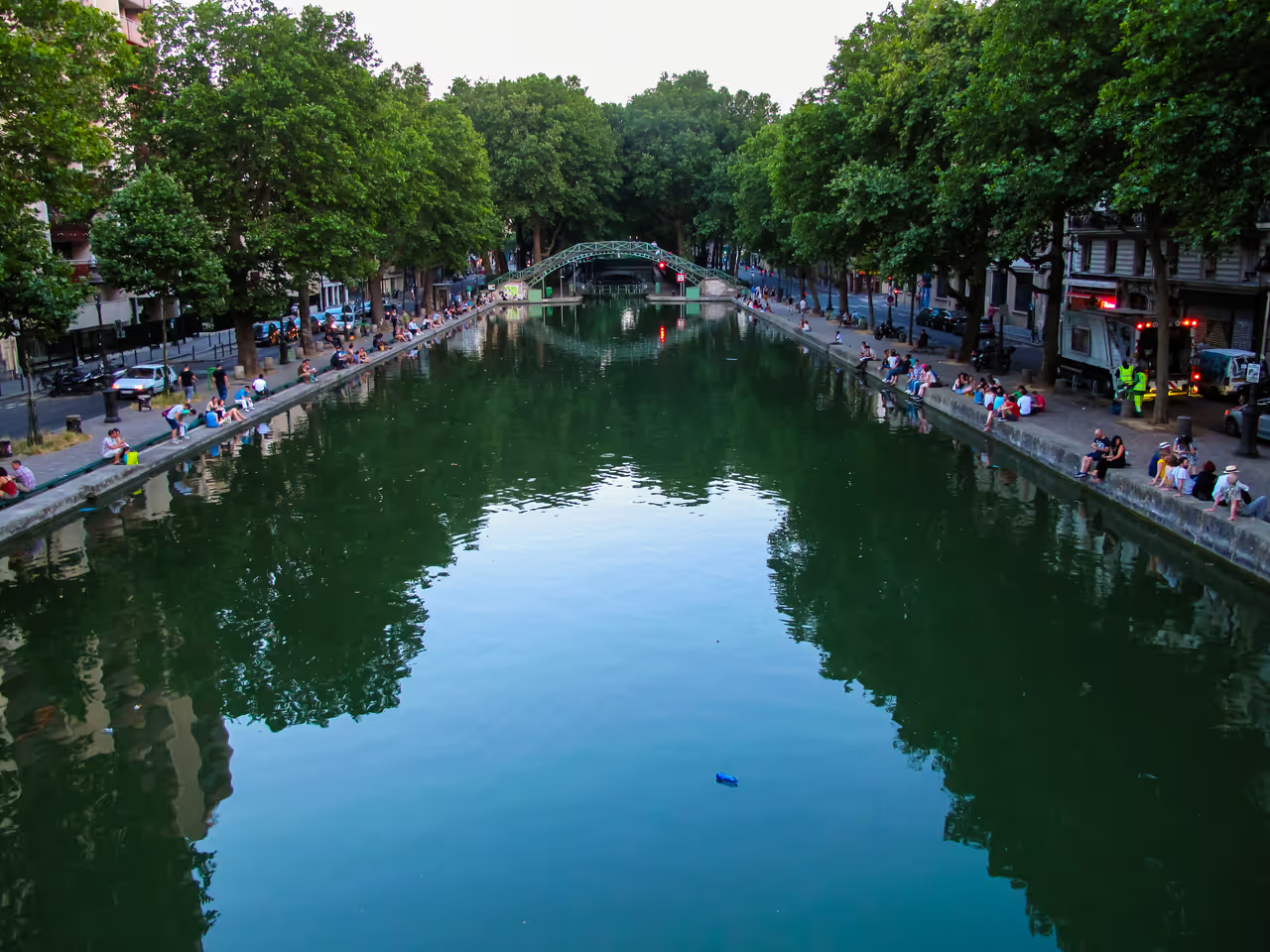 620m
620mCanal Saint-Martin Nightlife
The picturesque waterways of the tenth district have evolved into a highly desirable destination for relaxed evening socialising. Locals often begin their nights by sitting directly on the canal banks with a bottle of wine and a picnic. The surrounding streets feature an array of quirky bars, craft beer taprooms, and stylish bistros. The ambience here is markedly laid-back, appealing to a trendy crowd looking to unwind by the water.
nightlife view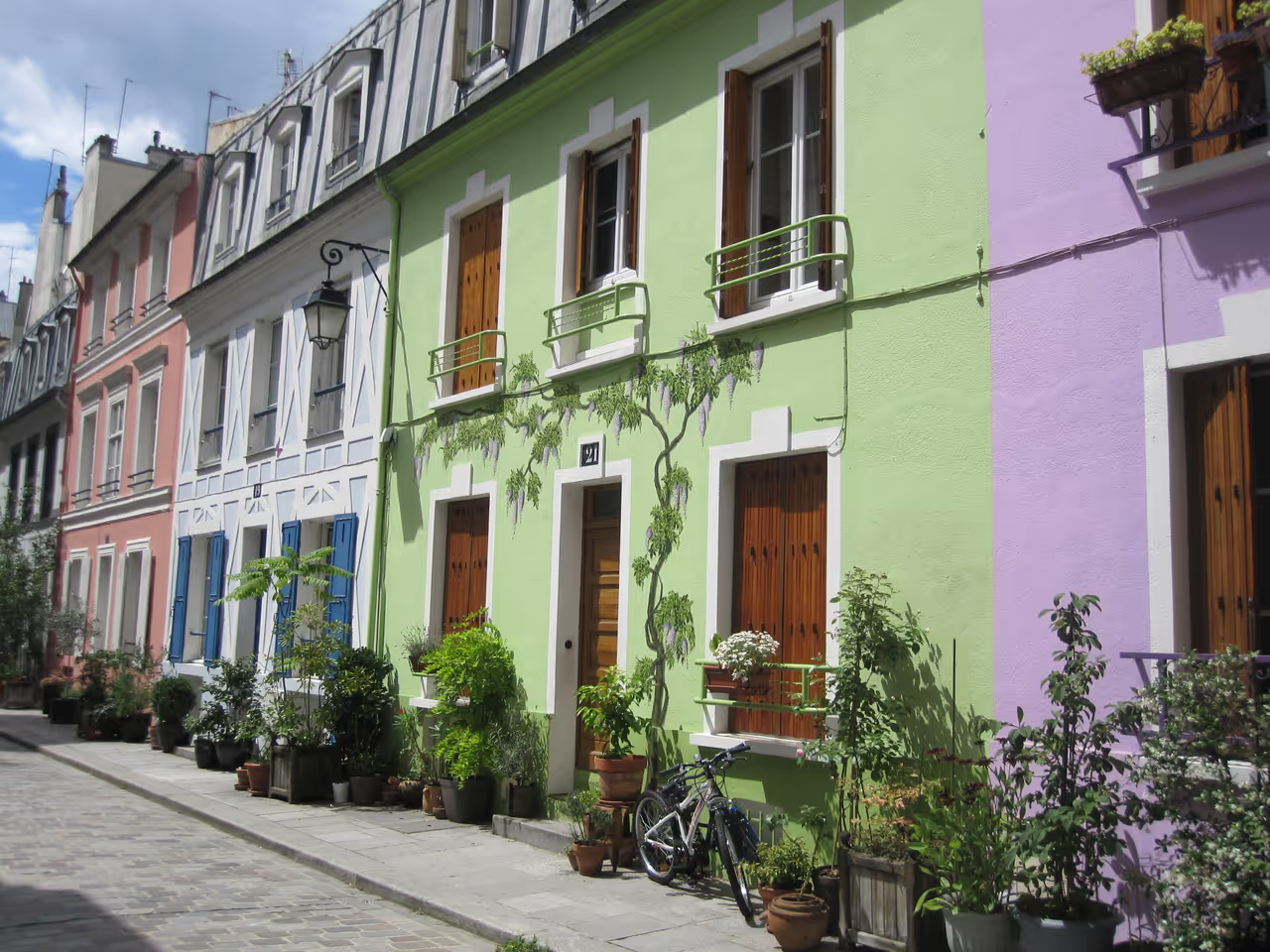 909m
909mCrémieux Street
This pedestrianised street in the twelfth district has become famous for its terraced houses painted in vibrant pastel shades of pink, green, and blue. The colourful facades, complete with ornate window boxes and sleeping cats, provide a whimsical backdrop that feels entirely distinct from the usual grey zinc and cream stone architecture. Photographers flock here to capture the cheerful, almost cinematic charm of the perfectly aligned homes. It offers a wonderful pop of colour and a delightful, village-like aesthetic.
photo spot view
See all nature & parks in Paris
Bois de Vincennes, Luxembourg Gardens, Bois de Boulogne, Parc de la Villette, Parc des Buttes-Chaumont, Tuileries Garden...