Eiffel Tower
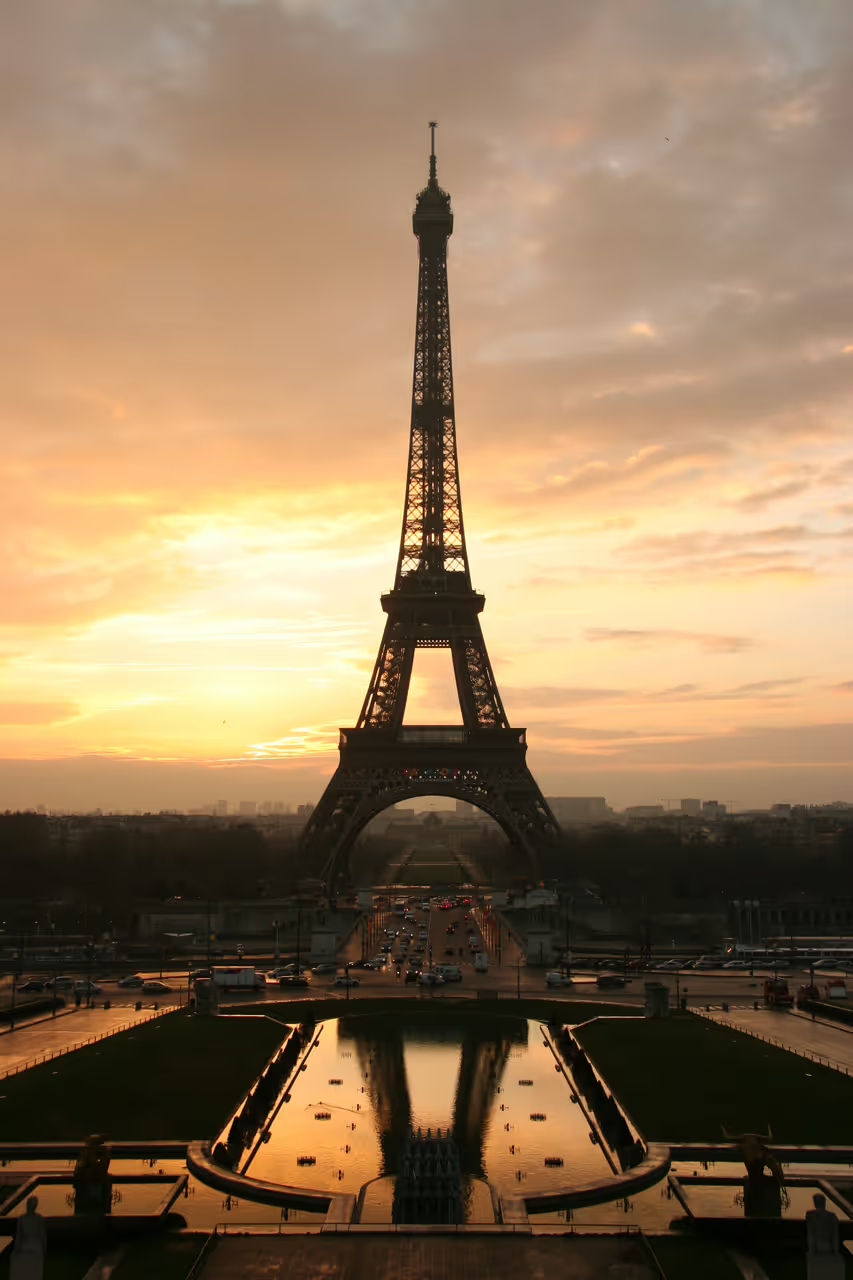
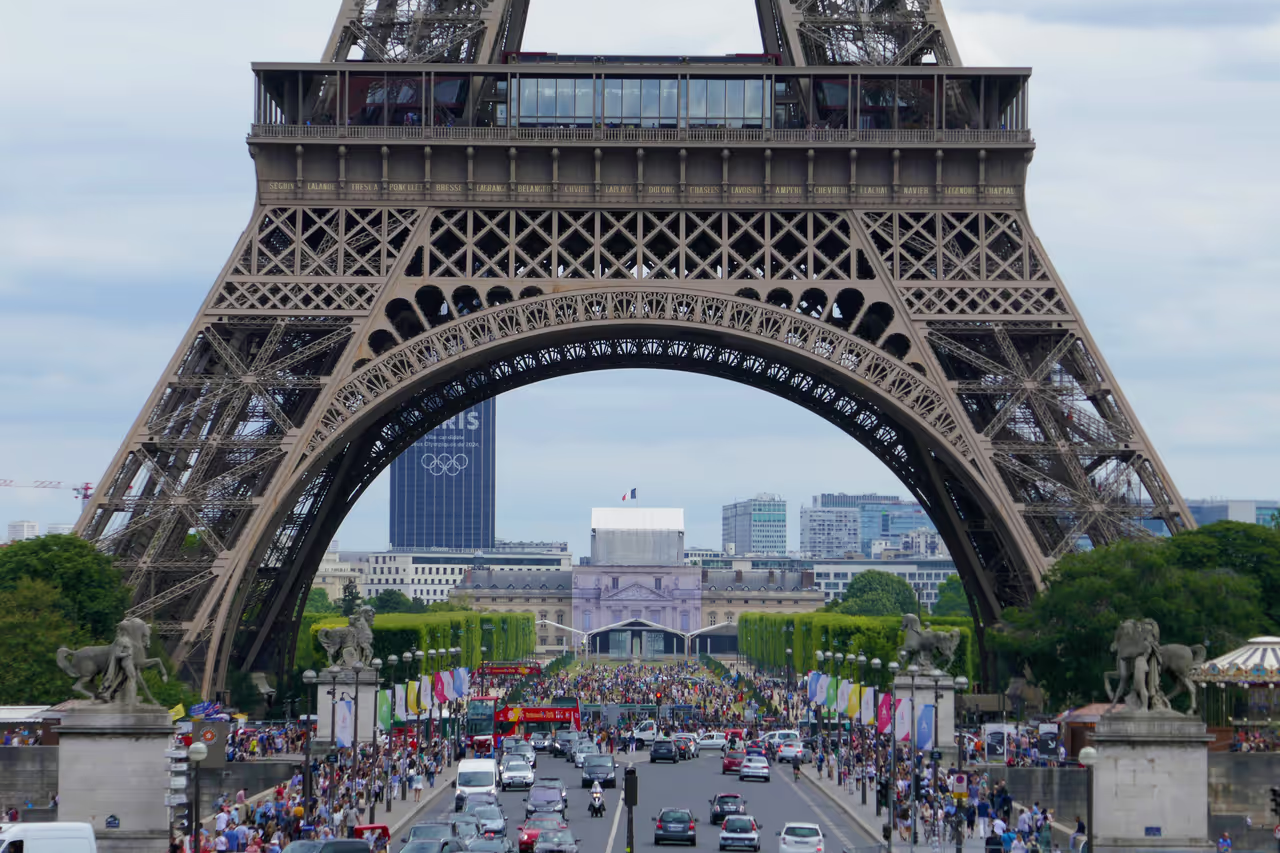
Standing as the iron heart of Paris, the Eiffel Tower is far more than a mere landmark; it is a global symbol of romance and architectural ambition. Originally derided by local artists as a monstrous structure, this lattice work masterpiece defied its critics to become the most visited paid monument on Earth. Visitors can ascend to its various levels to experience breathtaking panoramas of the City of Light, dine in the world class restaurant Le Jules Verne, or simply admire the intricate engineering that defined the industrial age. Whether you are witnessing its golden illumination at night or relaxing on the surrounding Champ de Mars, the atmosphere remains unparalleled. It is a testament to Gustave Eiffel’s vision and remains an essential pilgrimage for anyone exploring the capital.
Videos
History of Eiffel Tower
A human femur bone provided the structural blueprint for the most recognisable silhouette in Paris. When Maurice Koechlin and Émile Nouguier began drafting ideas for the 1889 Universal Exhibition, they based their lattice design on the work of anatomist Hermann von Meyer. Meyer had recently demonstrated how bone trabeculae support the heavy weight of the hip joint. Gustave Eiffel initially dismissed their sketch of a 300-metre pylon. He only changed his mind after chief architect Stéphen Sauvestre added heavy masonry bases and sweeping decorative arches to the bottom section. Eiffel bought the patent from his employees and immediately set about selling the concept to the French government, transforming an anatomical engineering experiment into a heavily contested government contract. Parisian cultural elites despised the project the moment ground broke on the Champ de Mars in 1887. Novelists Guy de Maupassant and Alexandre Dumas fils signed a furious letter to the press, warning that a gigantic factory chimney would humiliate Notre-Dame and the Louvre. Unfazed, Eiffel pushed forward with a radically modern assembly process. Rather than forging everything on site, workers manufactured the majority of the two and a half million iron rivets in his Levallois-Perret factories. The pieces arrived in five-metre sections, ready to be bolted together by a small crew of 250 men. When the workforce went on strike in September 1888 over the sheer danger of operating at such unprecedented heights, Eiffel flatly refused to index their pay to altitude. He did concede a flat wage increase to keep the iron rising. The original contract dictated that the city of Paris would dismantle the structure at the end of 1909. Knowing his creation was on borrowed time, Eiffel aggressively pitched the tower as a giant scientific instrument. He funded a meteorological station, built an aerodynamic wind tunnel on the Rue Boileau, and allowed military engineer Gustave Ferrié to string wireless telegraphy antennas from the summit. This military application proved decisive. By the outbreak of the First World War, the soaring transmitter was intercepting vital German radio traffic, including the famous radiogram of victory that helped thwart the advance on the Marne. The army's reliance on these high altitude transmissions permanently halted any plans for demolition. Extreme weather continuously manipulates the iron lattice. The metal physically flees the sun. As the heated side expands, the apex tilts slightly away from the light, shifting the summit by up to eighteen centimetres during a fierce summer heatwave. Painters scale the lattice to apply a fresh coat by hand every seven years. This process has gradually shifted the structure's colour from its original Venetian red to the specific brown shade seen today. Down at the western pillar, a red brick chimney sits quietly among the shrubs. This 1889 relic once vented smoke from the coal machinery used to hoist the very first exhibition crowds towards the summit.
Events spanning 137 years
Fun Facts
- • A group of famous French artists and writers, including Guy de Maupassant, published a petition in the newspaper Le Temps calling the tower a useless and monstrous blemish on Paris.
- • Due to thermal expansion, the iron structure can grow up to 15 centimetres taller during the heat of a Parisian summer.
- • During the Second World War, French resistance fighters cut the elevator cables, forcing Nazi soldiers to climb the stairs if they wanted to hoist their flag at the top.
- • Gustave Eiffel included a secret apartment for himself at the very top of the tower, where he hosted prestigious guests like Thomas Edison.
- • In 1925, a con artist named Victor Lustig successfully convinced a group of scrap metal dealers that the city wanted to sell the tower for scrap, resulting in a successful fraud.
- • Seventy two names of French scientists, engineers, and mathematicians are engraved on the first level of the tower to honour their contributions to science.
- • The tower is held together by approximately 2.5 million rivets, and every single one was inserted by hand by a team of four workers.
- • The tower was originally intended to be a temporary structure with a permit to stand for only twenty years before being dismantled.
- • The tower was the tallest man made structure in the world for 41 years until the Chrysler Building was completed in New York City in 1930.
- • The tower was the world's first major radio tower, and this scientific utility is exactly what prevented it from being torn down as originally planned.
Eiffel Tower FAQ
While we strive to keep this information accurate and up to date, we recommend verifying any details independently before making decisions based on them.
Eiffel Tower Map & Neighborhood Explorer
This interactive map is centered on Eiffel Tower. Zoom in and move the map around to automatically discover Wikipedia photos and summaries of other nearby sights, monuments, and historical points of interest and stories in real-time!
Places near Eiffel Tower
Make the most of your trip. Check out these top-rated spots located nearby.
 750m
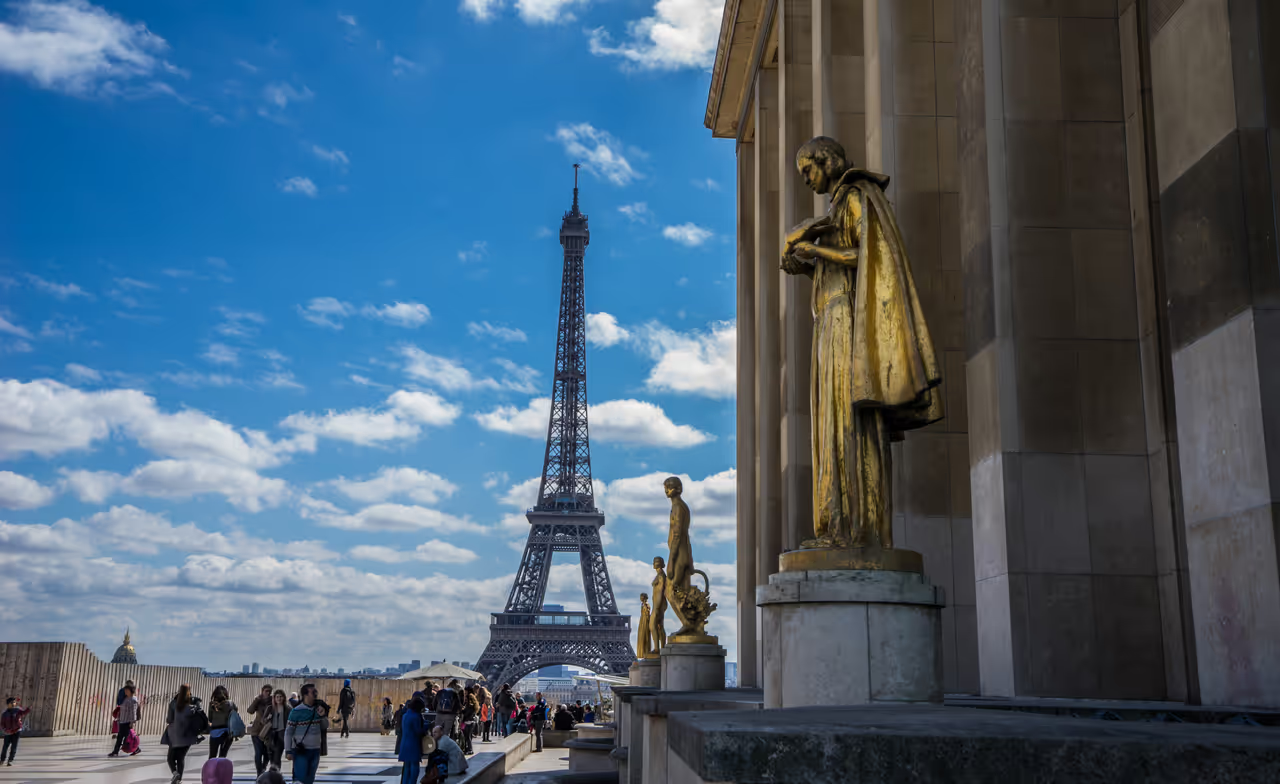
750mTrocadéro Esplanade
This vast, elevated marble plaza offers what is undeniably the most famous and dramatic ground-level view in the capital. The esplanade aligns perfectly with the Eiffel Tower across the river, framing the immense iron structure between the curving wings of the Palais de Chaillot. The visual impact of seeing the tower rise majestically from the Champ de Mars is incredibly powerful and endlessly photogenic. It is the definitive location to watch the tower burst into sparkling lights at the top of the hour.
viewpoint view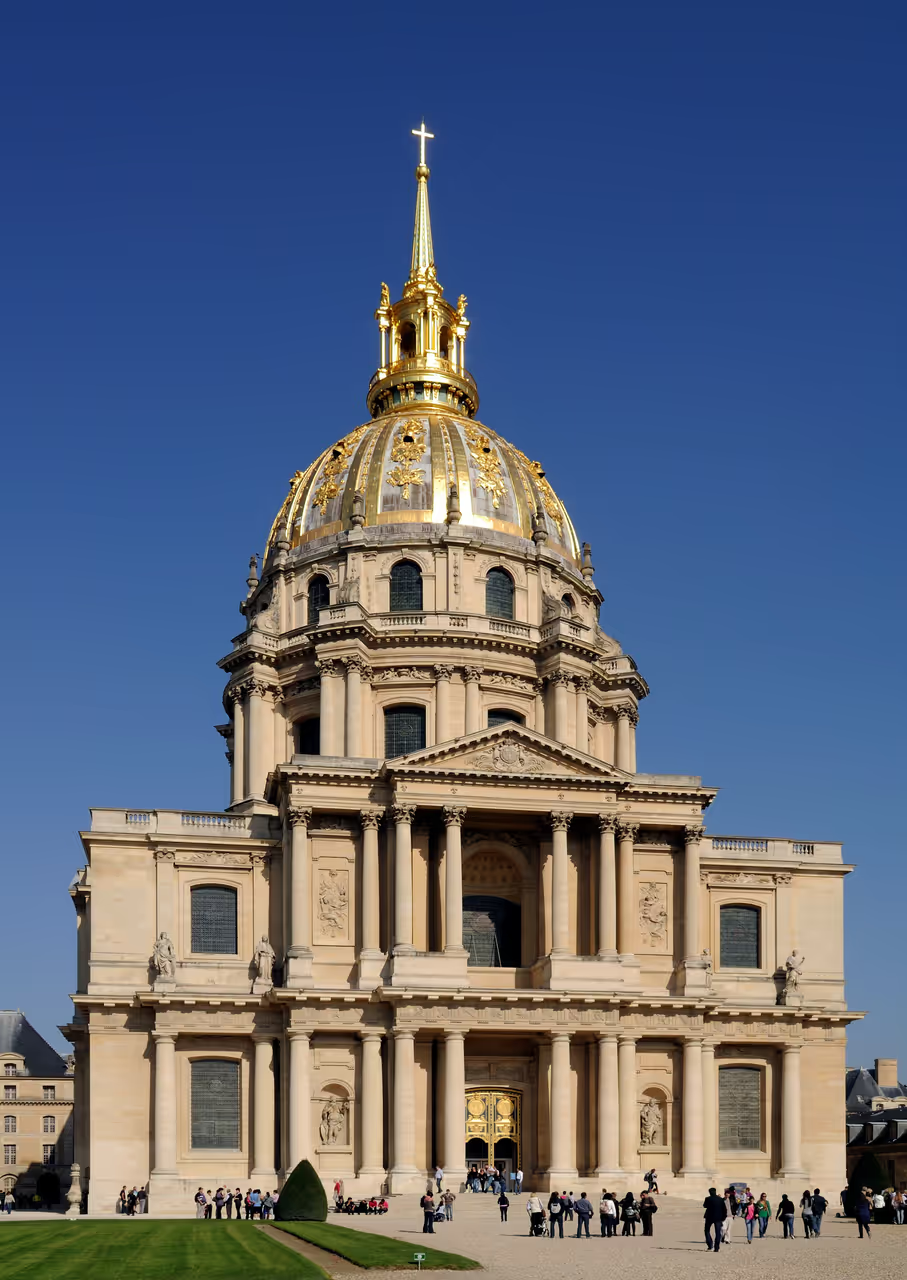 1367m
1367mExplore Les Invalides
This vast, imposing complex was originally constructed under Louis XIV as a hospital and retirement home for war veterans. Today, its grand, gilded dome dominates the skyline and houses the monumental tomb of Napoleon Bonaparte. The extensive buildings also contain an incredibly comprehensive military museum showcasing medieval armour, artillery, and modern warfare exhibits. It is a deeply impressive site that highlights the complex and often turbulent military history of the nation.
highlight view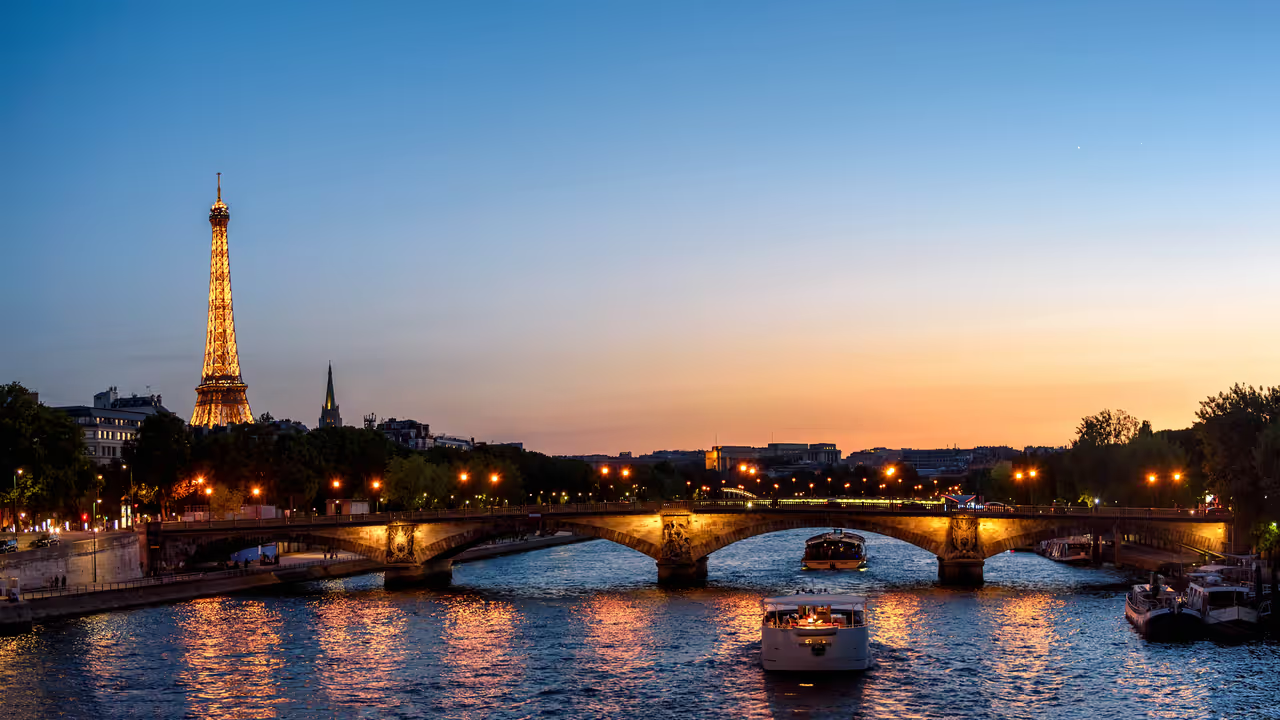 1507m
1507mAlexander III Bridge
Widely regarded as the most ornate and extravagant bridge crossing the Seine, this structure is a masterpiece of Beaux-Arts design. The soaring gilded bronze statues, elegant Art Nouveau lamps, and elaborate cherub sculptures create an incredibly majestic foreground. Photographers particularly love framing the Eiffel Tower or the glass roof of the Grand Palais through the bridge's intricate decorations. Capturing the golden statues catching the warm light of a setting sun yields consistently stunning results.
photo spot view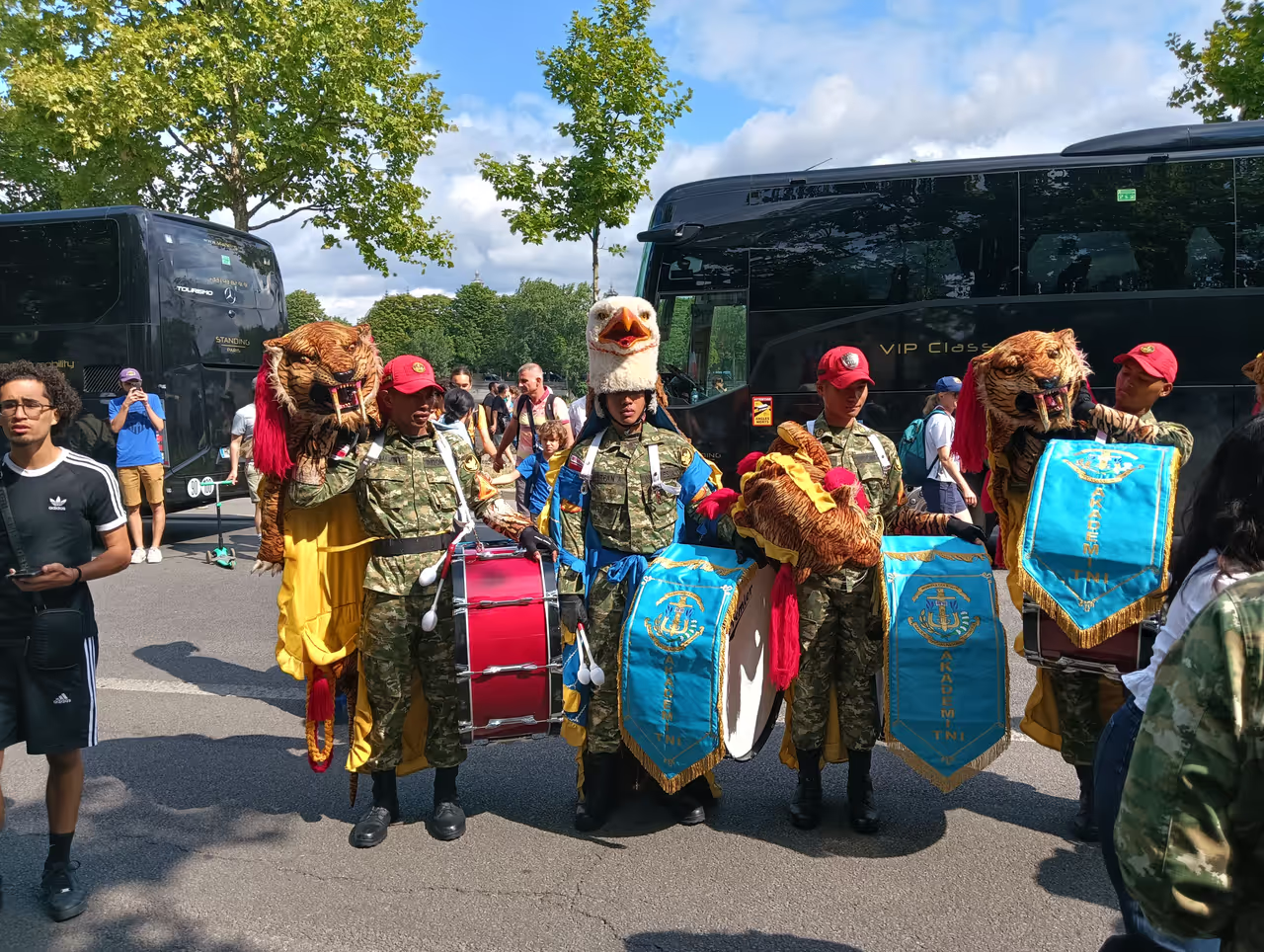 1542m
1542mBastille Day Celebrations
This magnificent national holiday commemorates the storming of the infamous prison fortress during the French Revolution. The day begins with a grand military parade marching down the Champs-Élysées, showcasing impressive pageantry and aerial displays. As evening approaches, locals and visitors gather around the Champ de Mars for a spectacular classical music concert. The festivities culminate in a breathtaking fireworks display launched from the gardens of the Eiffel Tower, illuminating the night sky.
festival view
Explore Similar Places in This Collection
Featured on These Itineraries and Routes
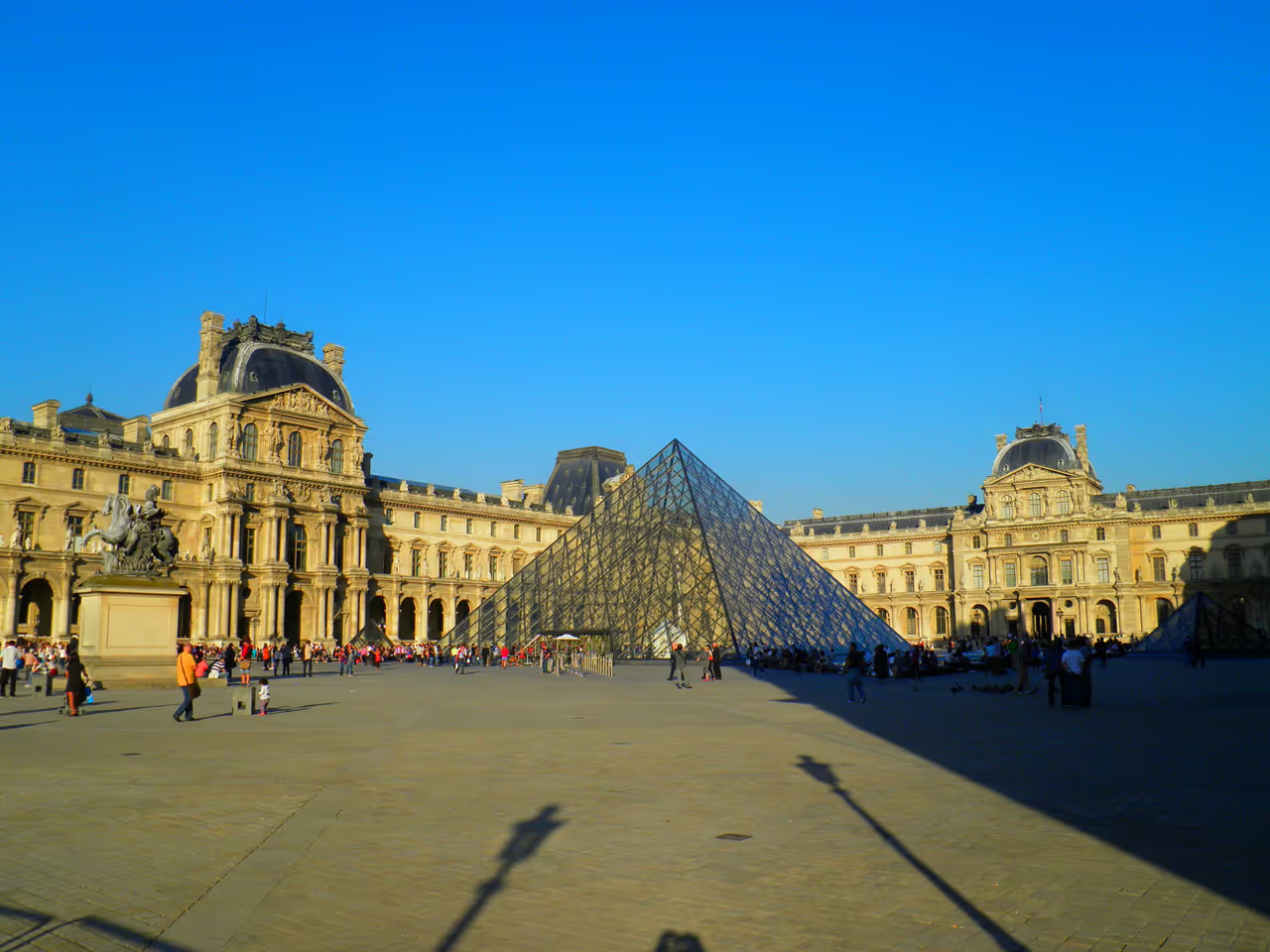
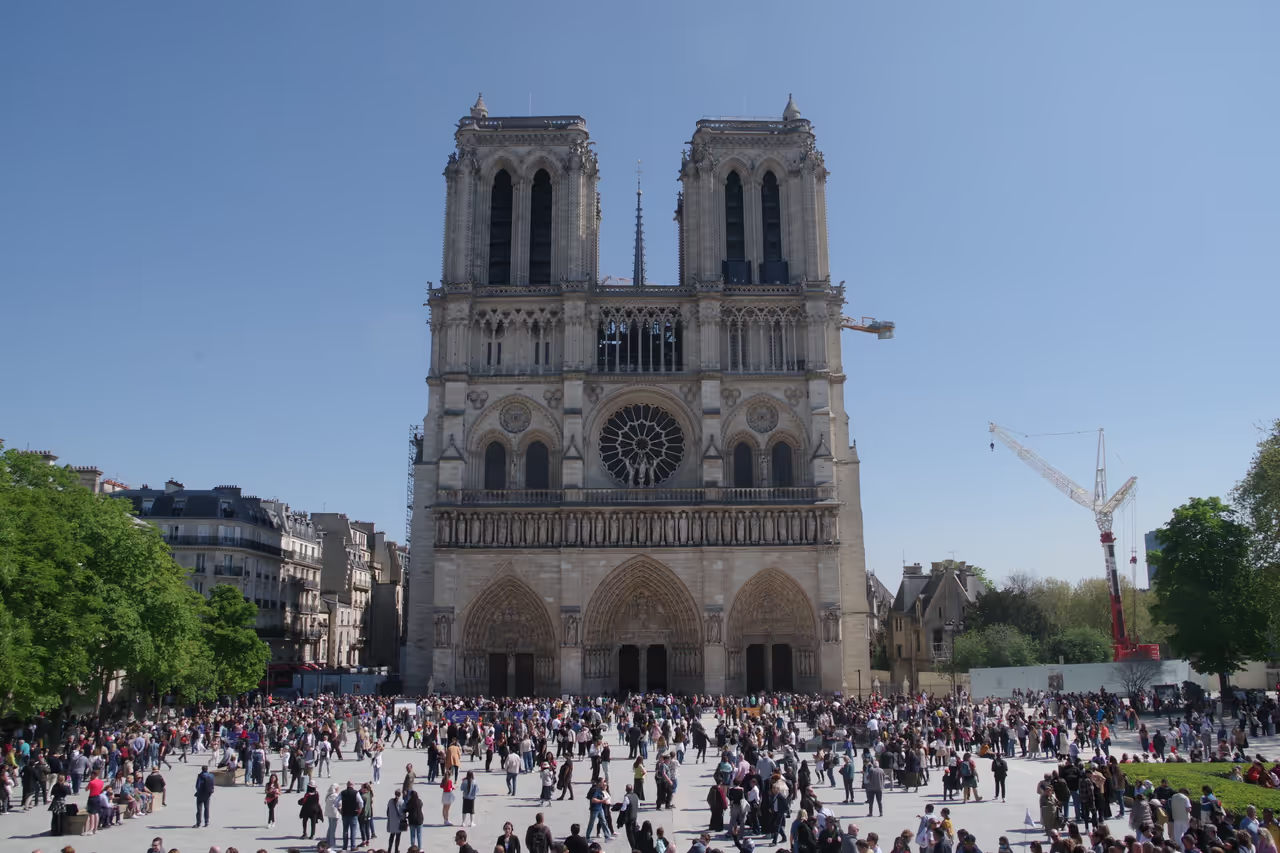
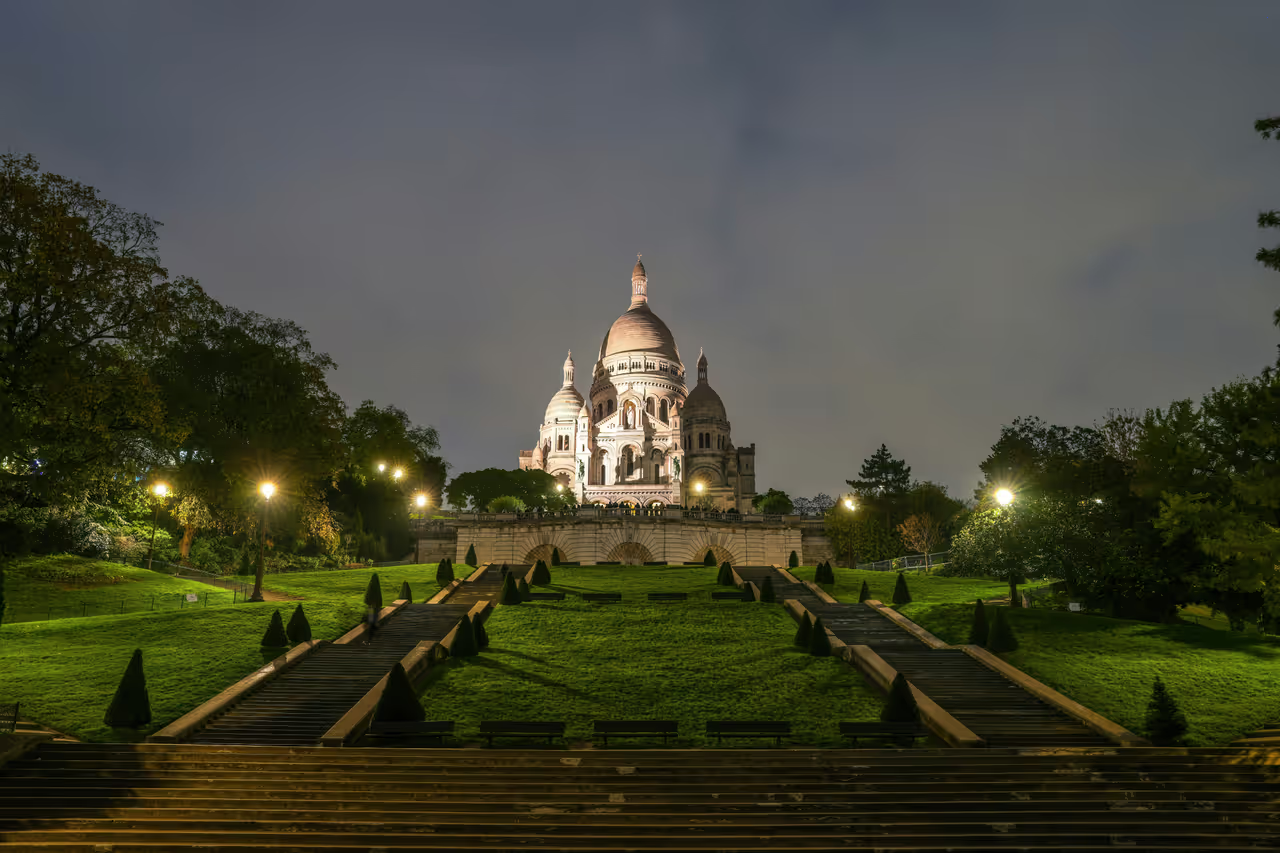
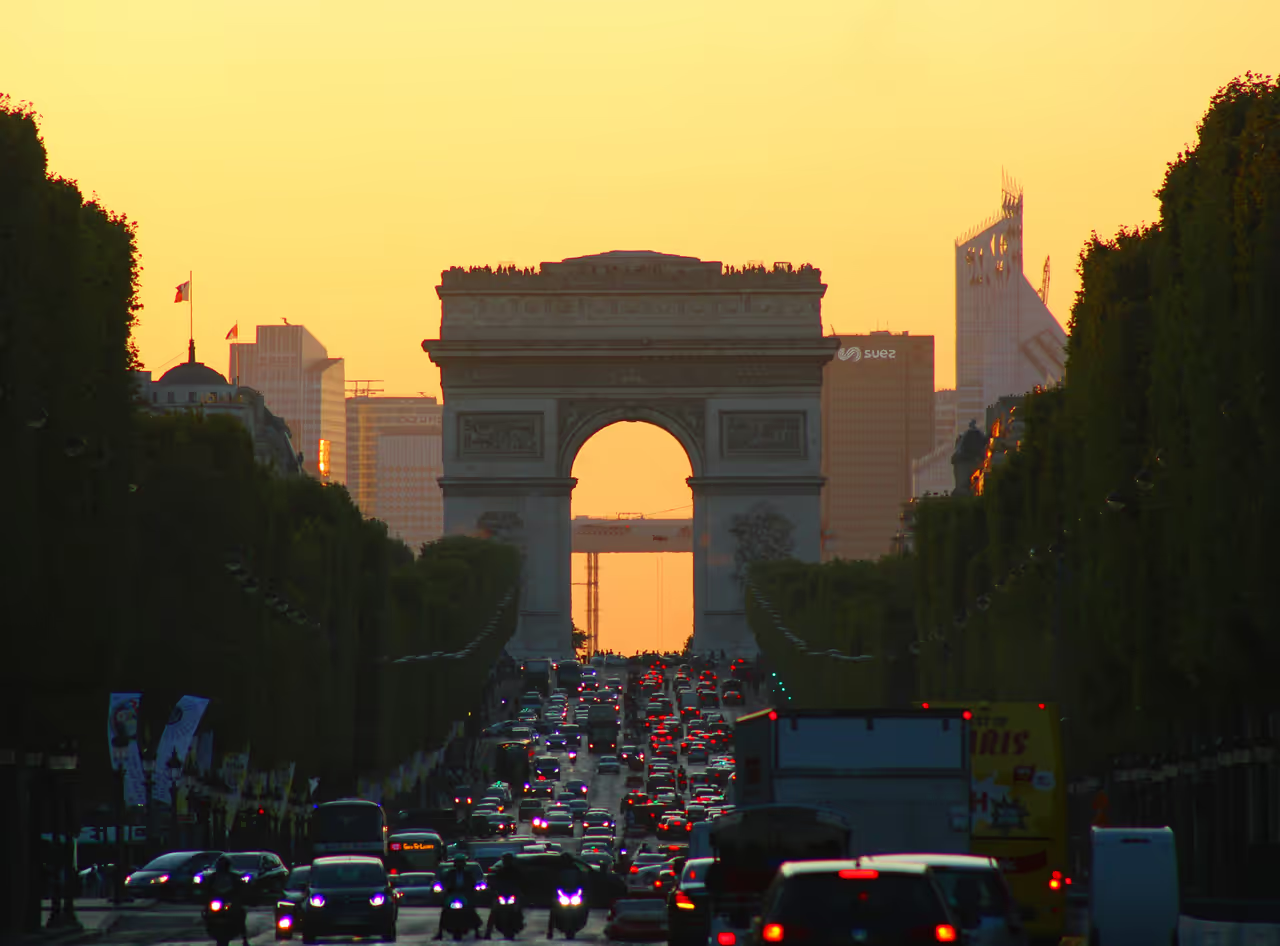
1 Day in Paris Itinerary
This ambitious itinerary is designed for those with severely limited time who want to experience the absolute core identity of the capital. It links the most globally recognised monuments and iconic views into one intense, highly memorable journey. The route spans the majestic river, historic islands, and elevated viewpoints, ensuring no major postcard image is missed. While it demands a brisk pace, it delivers the definitive monumental experience.
view itinerary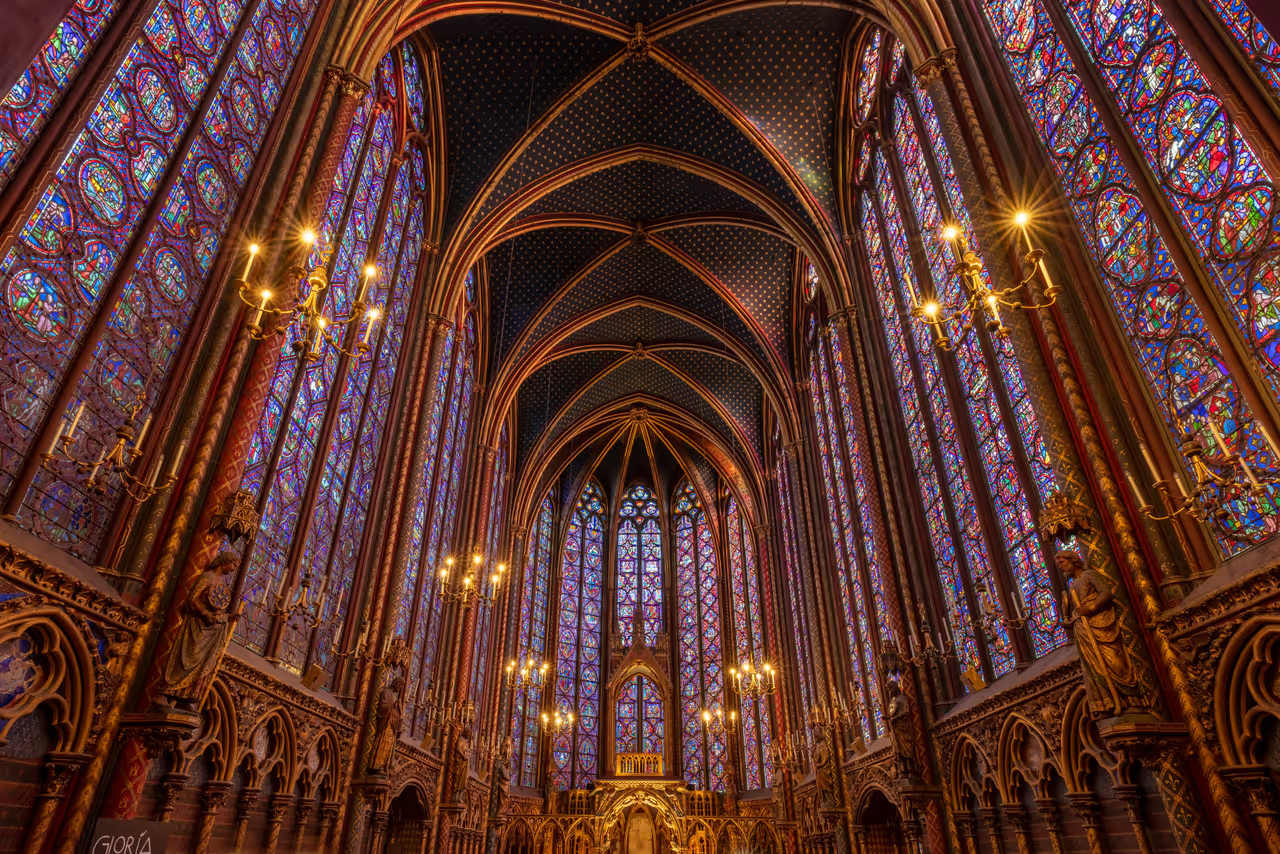
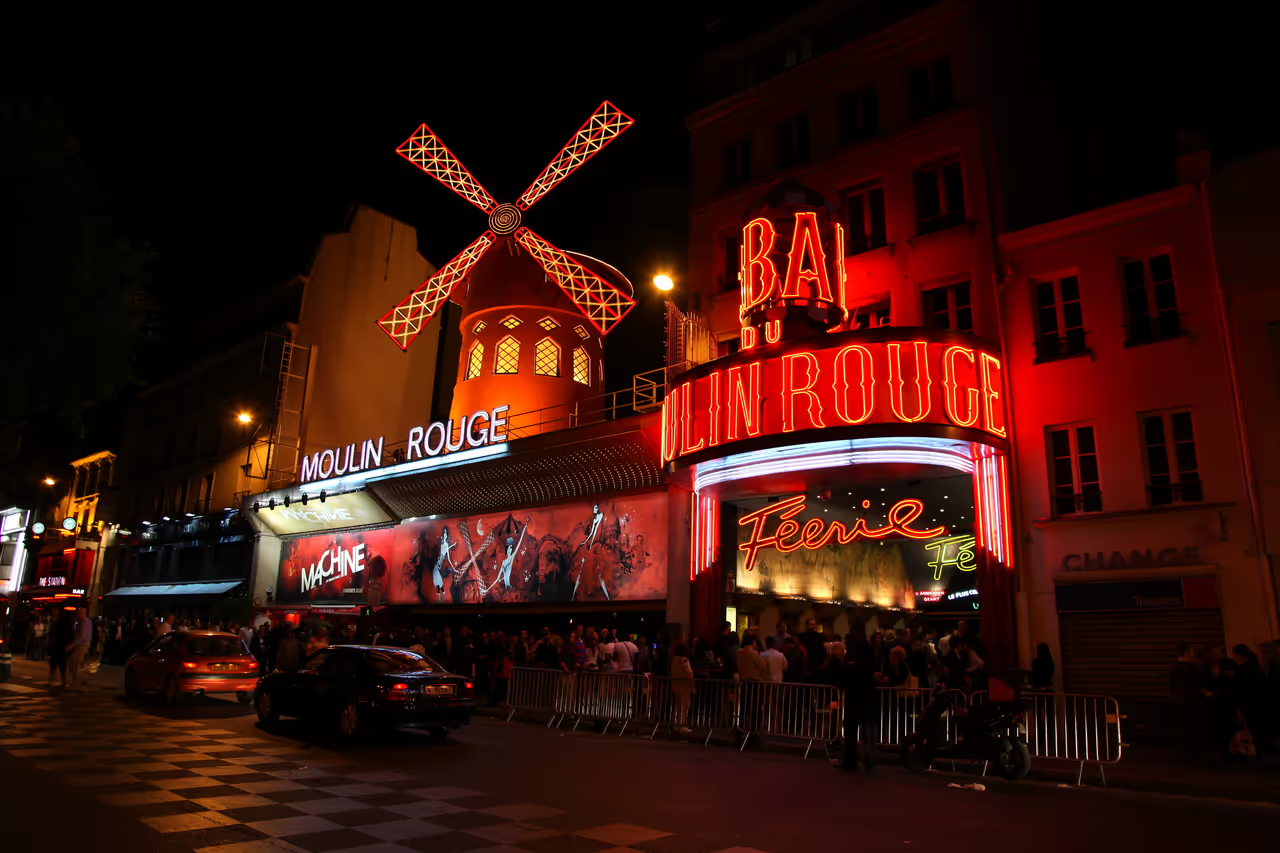
3 Days in Paris: Culture and History Itinerary
A well-balanced three-day journey that allows for a deeper dive into the rich architectural and artistic legacy of the city. It expands beyond the primary monuments to explore the stunning stained glass of the royal chapel and the bohemian energy of the northern hills. The pacing affords enough time to properly absorb the massive art collections and enjoy leisurely meals in distinct historic districts. This route perfectly captures the diverse aesthetic and intellectual spirit of the metropolis.
view itinerary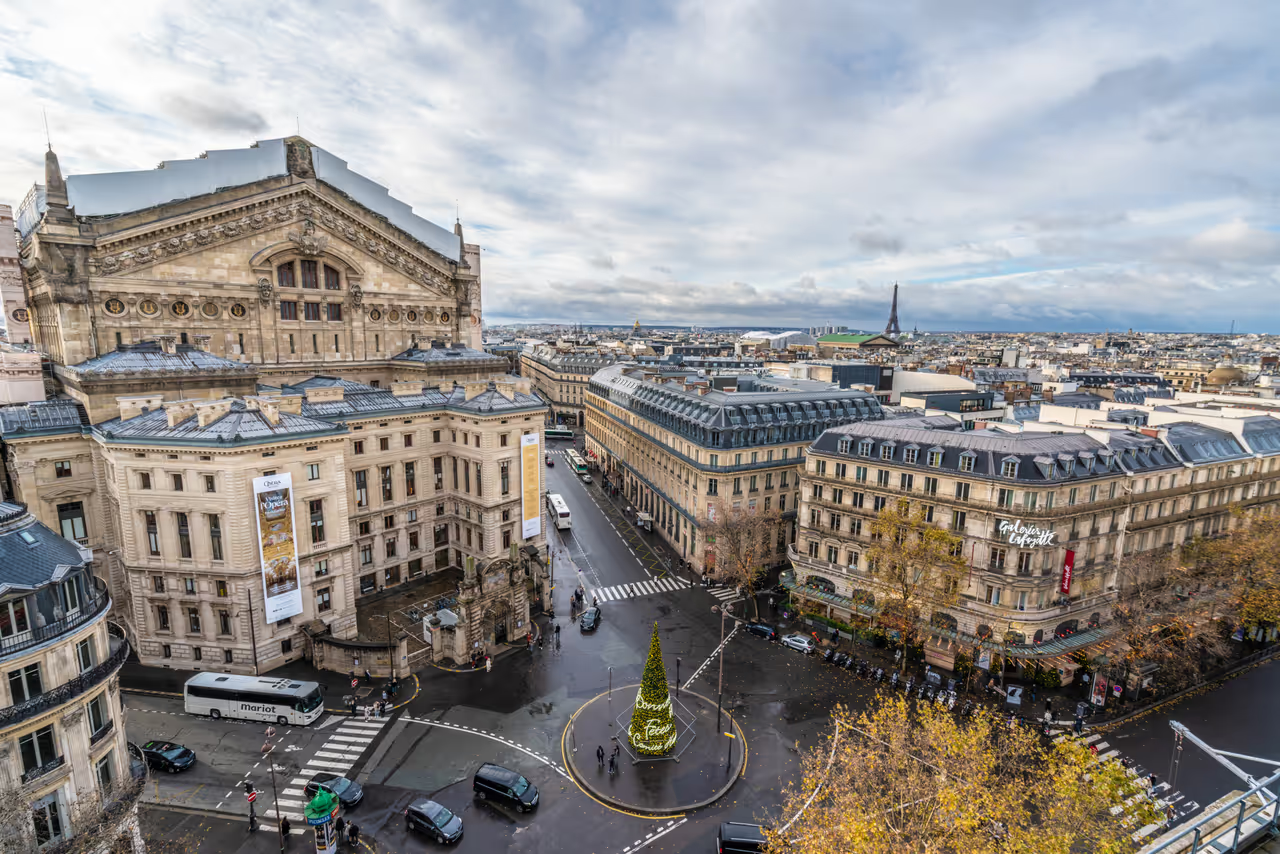
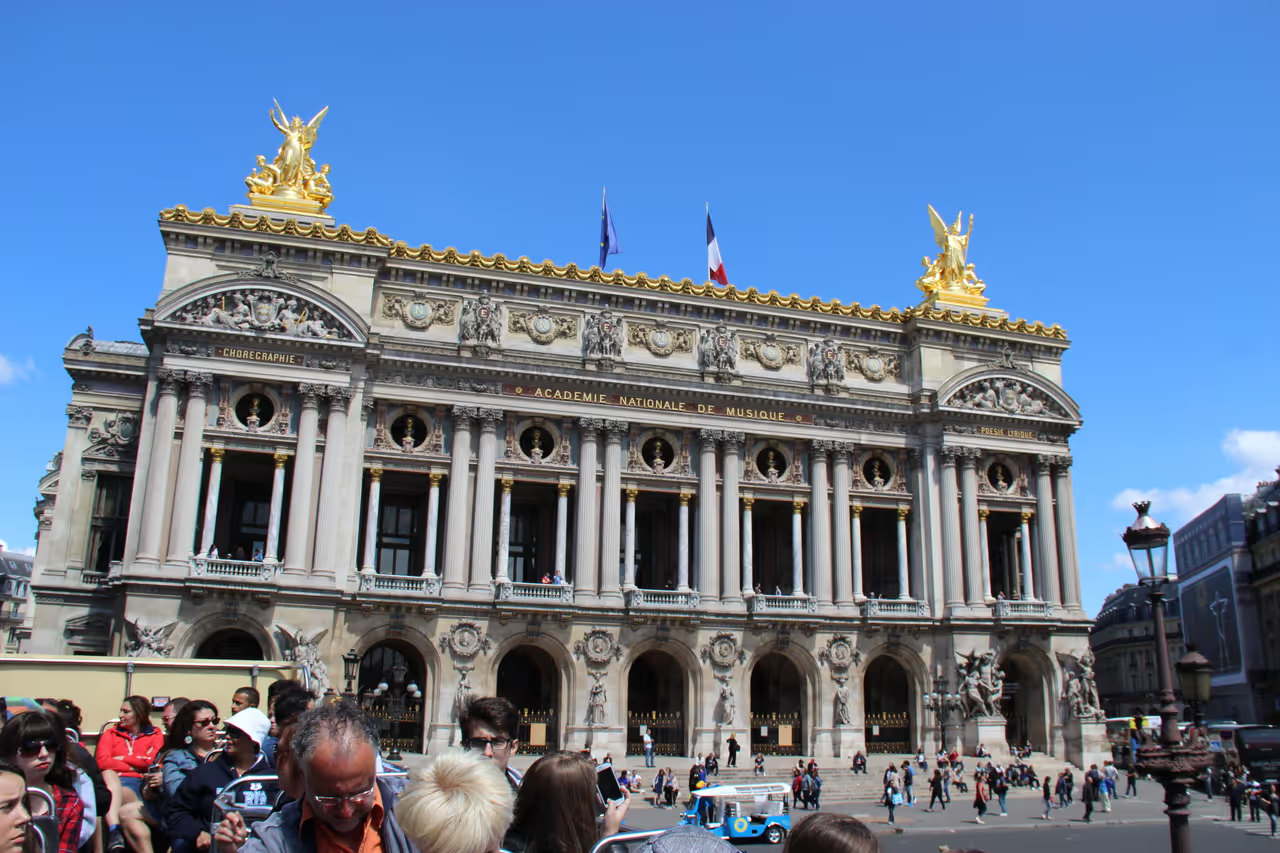
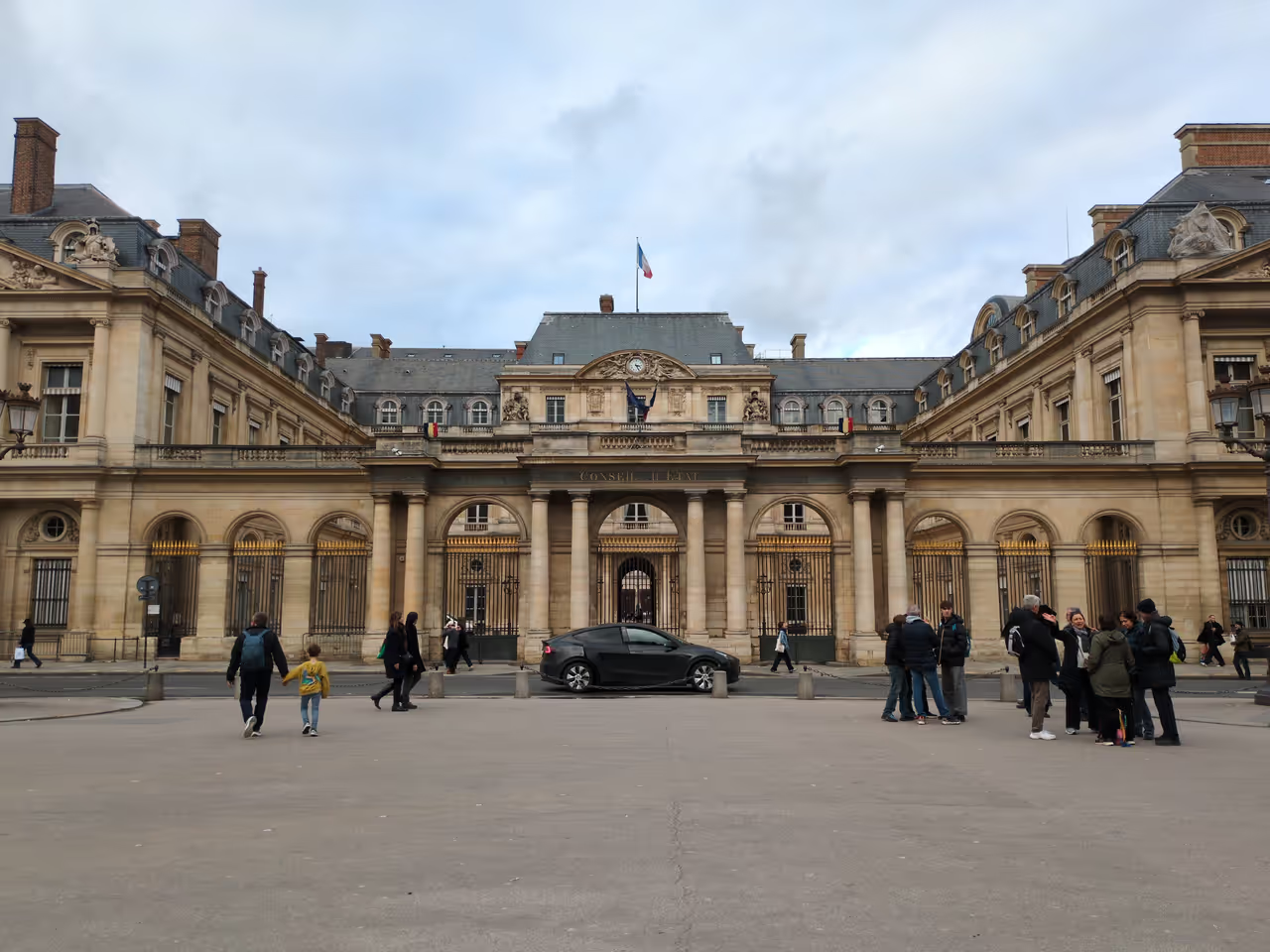
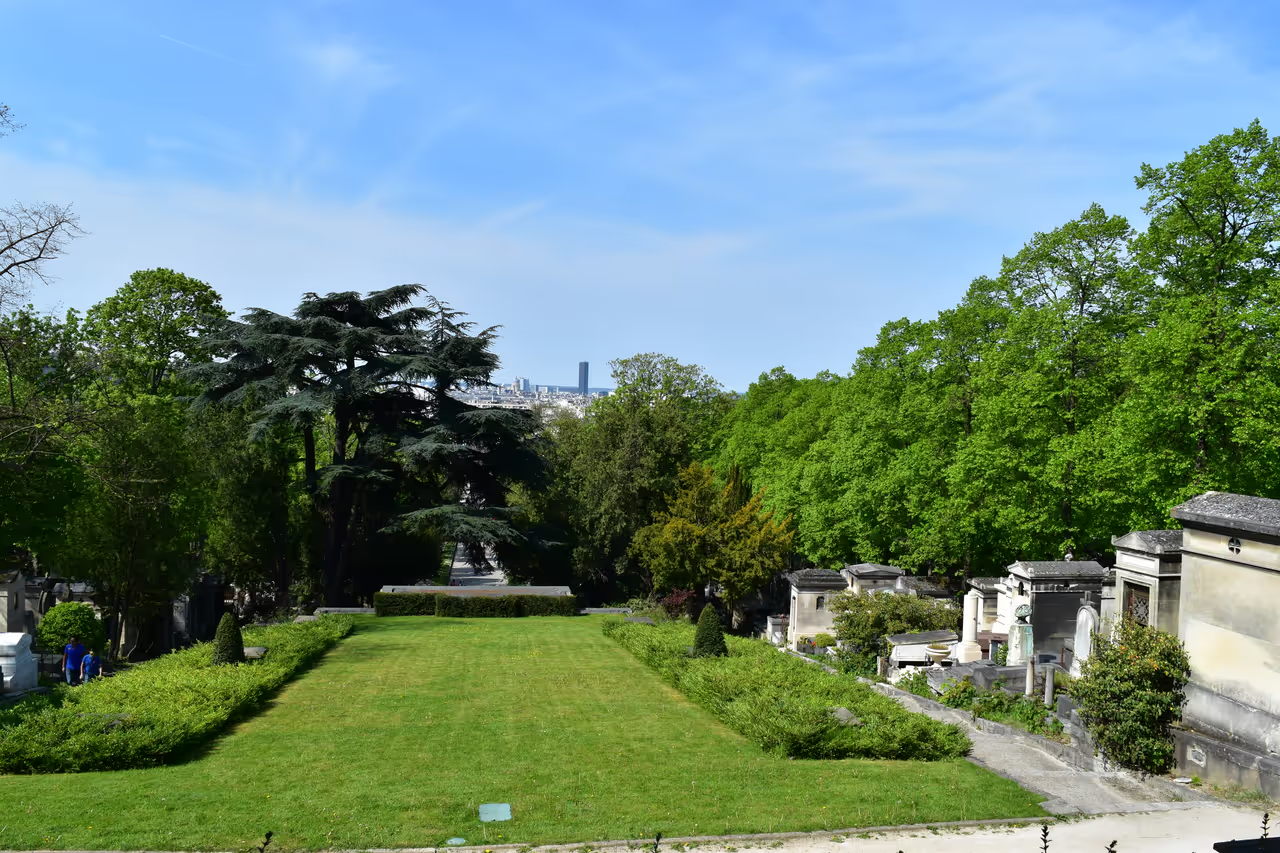
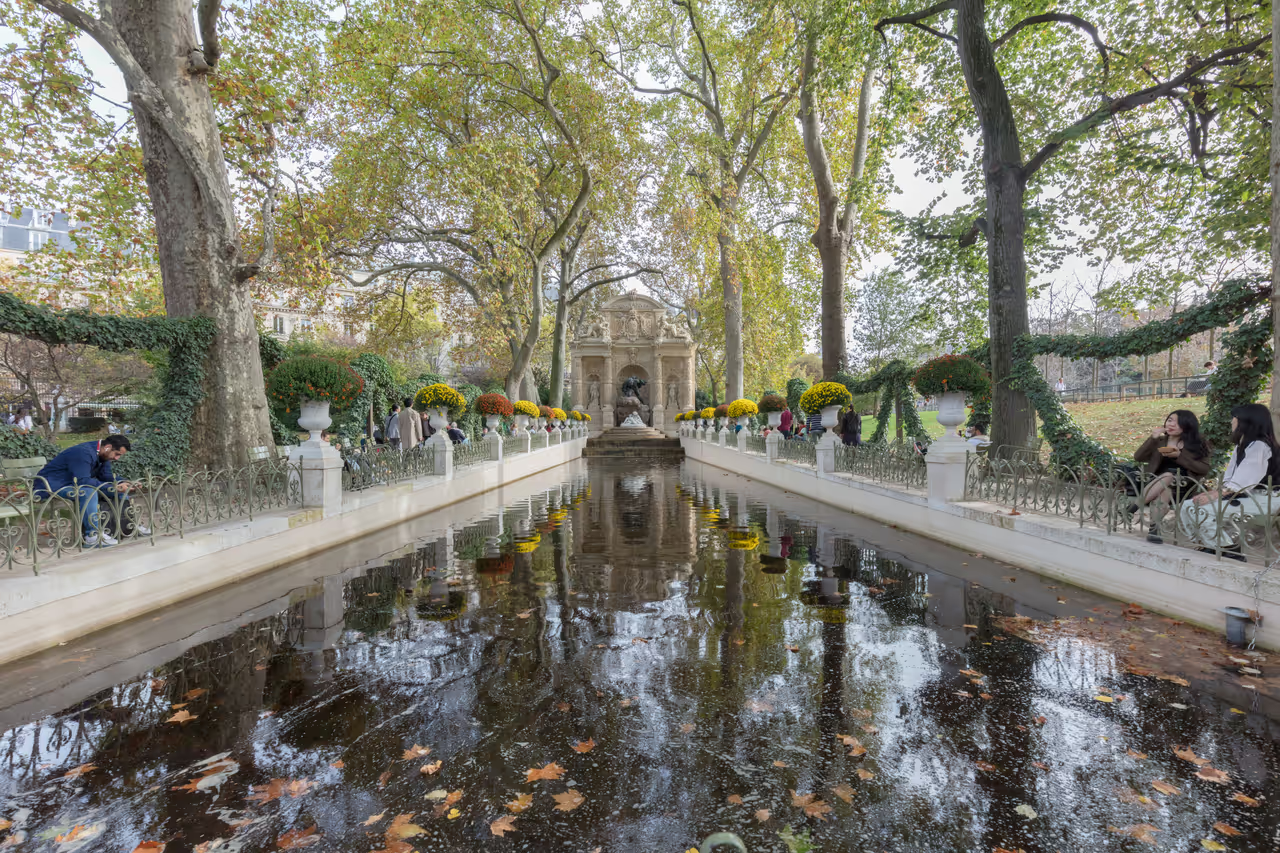
5 Days in Paris: Complete Experience Itinerary
An extensive five-day exploration designed to blend the obligatory monumental sights with authentic local experiences and hidden parks. Visitors will traverse grand boulevards, reflect in historic cemeteries, and relax in elevated green spaces. The generous timeframe allows for the discovery of modern architectural marvels alongside centuries-old churches without succumbing to fatigue. It is the ideal itinerary for fully immersing oneself in the sophisticated, multifaceted lifestyle of the capital.
view itinerary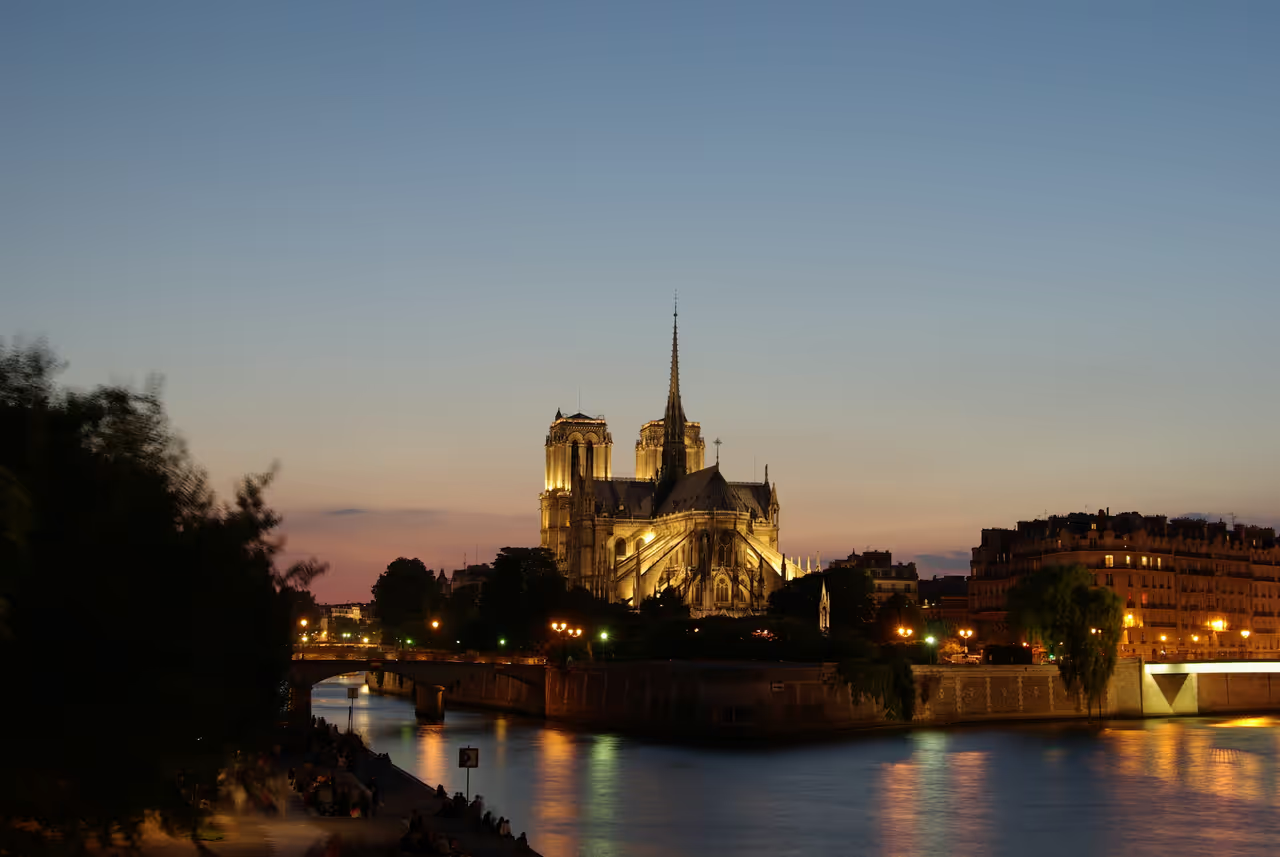
Seine Riverfront Ride
This magnificent route takes full advantage of the pedestrianised quays along the majestic river. Cyclists can enjoy a smooth, flat journey entirely separated from the stressful vehicular traffic above. The path sweeps past some of the most famous historical architecture, offering spectacular, unobstructed views across the water. It serves as an incredibly efficient and visually stunning method for traversing the historic core of the capital.
view cycling route
See all attractions in Paris
Arc de Triomphe, Louvre Museum, Notre-Dame Cathedral, Panthéon, Sacré-Cœur Basilica, Musée d'Orsay, Centre Pompidou...