Carcassonne
Full City Guide, Map & 121 Things To Do
46,080 people live here.
That's 0.07% of the entire population of France.
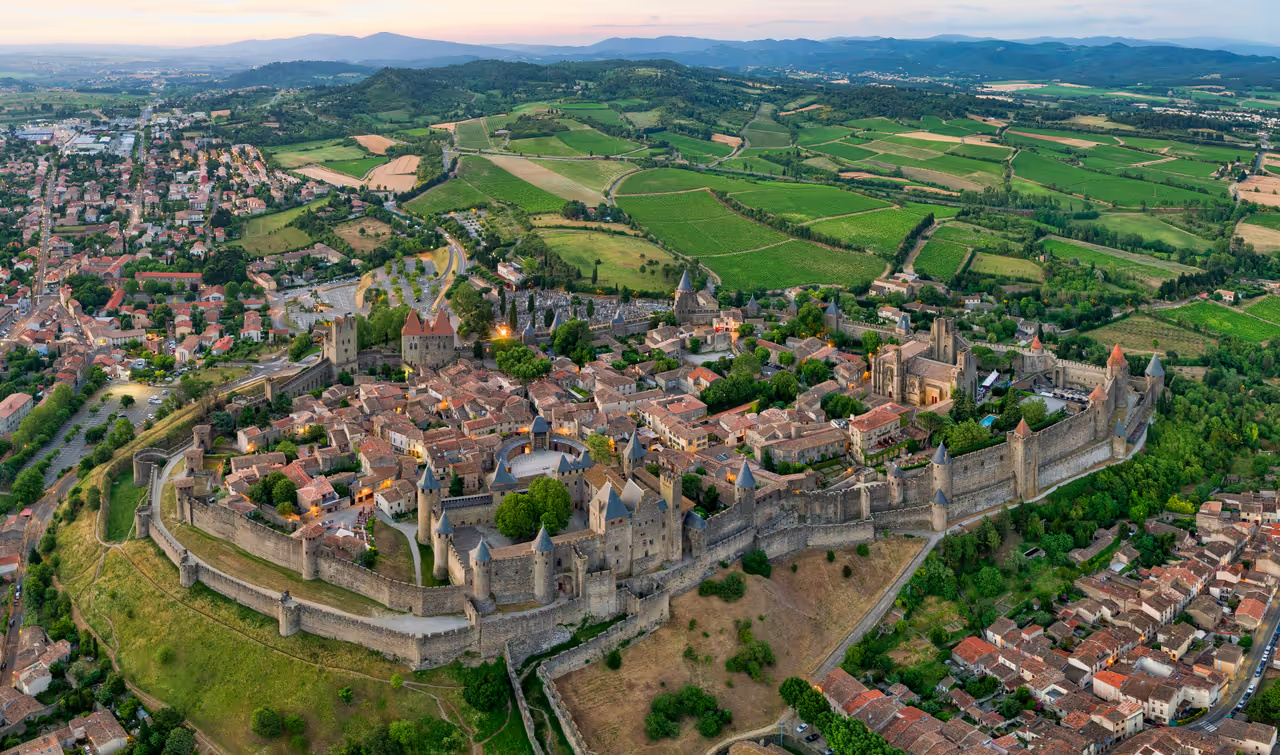
Carcassonne commands the Aude plain with a cinematic skyline of pointed towers and concentric walls. The River Aude divides the city into two distinct halves. High on the right bank sits the medieval Cité, a heavily fortified stone labyrinth shaped by Roman engineers, medieval kings, and 19th-century visionaries. Down on the left bank, the Bastide Saint-Louis presents a sharp geometric grid built on the wealth of the historical wool trade. The Canal du Midi cuts through the northern edge, moving slow barges beneath thick plane trees. Visitors navigate a sharp contrast between an elevated military fortress and a flat, pragmatic merchant town.
Carcassonne DNA
History of Carcassonne
The earliest inhabitants settled on the plateau of Carsac around the 8th century BC, trading pottery and grain long before Roman engineers arrived. By the 1st century BC, the Roman Empire recognised the strategic value of the corridor linking the Atlantic to the Mediterranean. They shifted the settlement to a steep rocky outcrop, paving the Via Aquitania straight through the valley and laying the first heavy stones of the fortress that would dominate the horizon for two millennia. When the Roman grip faded, Visigoths claimed the hill, holding off Frankish sieges and cementing the location as a permanent military stronghold. In 1209, the Albigensian Crusade brought absolute devastation to the region. The Pope declared the local Cathar sympathisers heretics, and a massive crusader army descended on the city during the brutal heat of August. The wells dried up quickly. The young Viscount Raymond-Roger Trencavel surrendered to save his people from slaughter, only to die shortly after in his own dungeon from dysentery. The French Crown seized control, drastically transforming the site. They evicted the rebellious local population from the hill and constructed a colossal second ring of walls, turning the Cité into an impenetrable Royal fortress meant to guard the border against Aragon. The displaced citizens were permitted to settle on the flat land across the River Aude in 1247. They laid out a strict, mathematical grid of streets around a central market square, creating the Bastide Saint-Louis. Without walls to rely on, they turned to commerce. The lower town quickly established a wool and textile industry that generated immense wealth, exporting fine cloth to Alexandria and Constantinople. The two halves of Carcassonne stared at each other across the river: an aristocratic military base on the hill and a pragmatic, rapidly expanding merchant hub on the plain. The military importance of the upper fortress evaporated completely in 1659 when the Treaty of the Pyrenees pushed the Spanish border far to the south. The garrison packed up, leaving the great walls to rot. Desperately poor weavers moved into the abandoned towers, building makeshift slums in the spaces between the ramparts. Down below, the Bastide continued to thrive, completely disconnected from the decaying silhouette on the hill. By the 19th century, the French government officially condemned the medieval fortress and ordered its complete demolition. A local historian named Jean-Pierre Cros-Mayrevieille fought frantically to halt the destruction, eventually enlisting the influential architect Eugène Viollet-le-Duc to save the walls. Viollet-le-Duc imposed his own highly romanticised vision on the ruins, crowning the southern towers with sharp slate roofs that belonged in Normandy, not the Mediterranean. Despite the historical inaccuracies, the monumental restoration project rescued the Cité from oblivion and redefined its image for the modern era. During World War II, the Gestapo seized the restored fortress, using the ancient castle as an ammunition dump. Local resistance fighters waged a quiet war in the valley below, culminating in the tragic execution of patriots at the nearby Baudrigue estate in August 1944. Today, Carcassonne balances the weight of its violent history with its role as an agricultural and administrative centre. The vineyards of Malepère creep up to the city limits, and the dual identity of the fortress and the Bastide continues to define everyday life in the Aude valley.
14 events spanning 2797 years
Map of Carcassonne
Interactive Destination & Itinerary Map
This map blends our curated city guides—featuring best photo spots, scenic walks, viewpoints, hidden gems and much more—with a live Wikipedia explorer. Click on our numbered pins to plan your routes, or zoom in on the surrounding neighborhoods to discover verified local landmarks, museums, and stories with dynamic Wikipedia summaries and photos!
Fun Facts
- • According to a beloved local legend, a Saracen woman named Dame Carcas ended a seven-year siege by force-feeding her last sack of wheat to a pig and tossing it over the walls, tricking Charlemagne into thinking the city had endless food supplies.
- • The immensely popular tabletop board game 'Carcassonne' drew direct visual inspiration from the city's concentric walls, selling millions of copies worldwide since its release in 2000.
- • During the Nazi occupation in World War II, the Gestapo requisitioned the medieval castle to store high explosives, prompting the paralysed local poet Joë Bousquet to write desperate letters begging them not to accidentally blow up the ancient monument.
- • The sharp, pointed slate roofs on the fortress towers are historically incorrect for southern France, placed there by a 19th-century architect who preferred northern Gothic styles over the flat terracotta tiles actually used in the region.
- • The massive church tower in the lower town holds a carillon of exactly 54 bells, requiring immense physical effort from the carillonneur to ring them all.
- • Robin Hood's Nottingham was filmed here. Scenes of Robin Hood: Prince of Thieves shot in 1990 used the Cité's ramparts as a stand-in for medieval England.
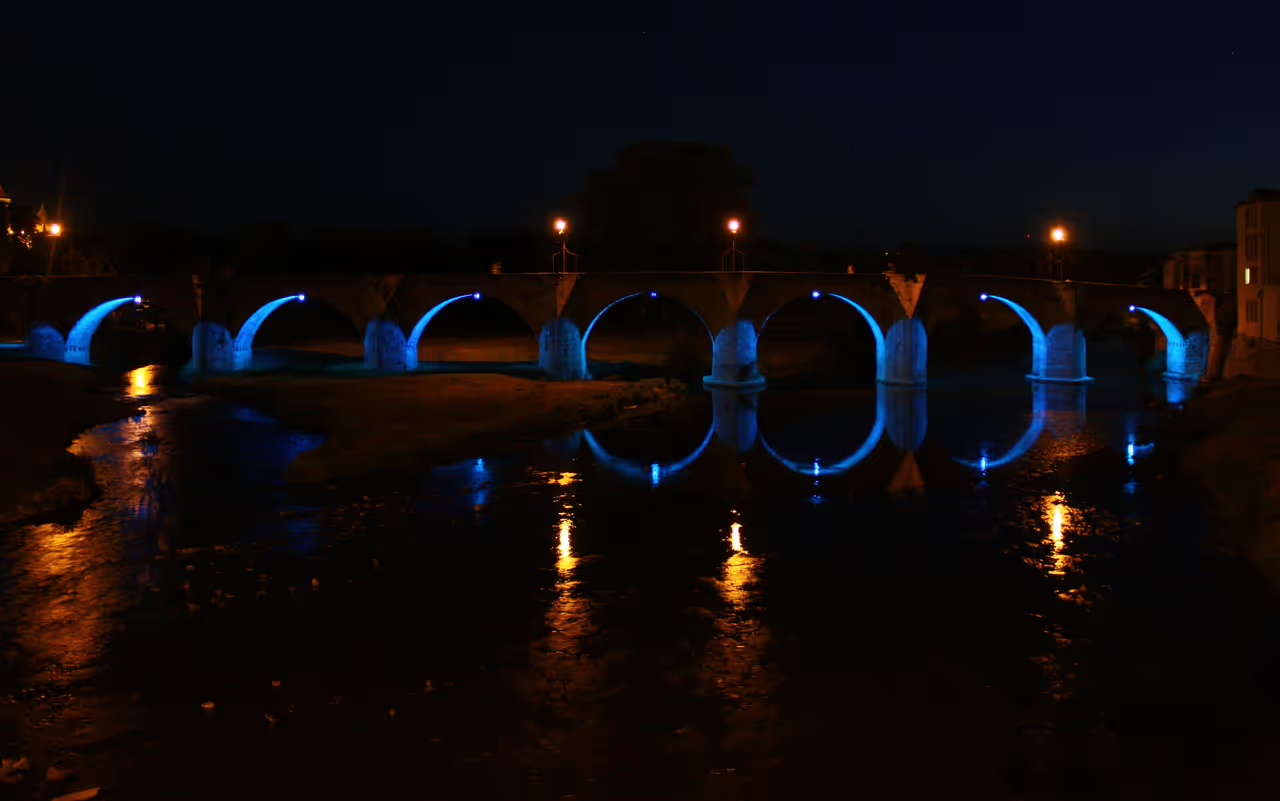
- • For centuries there was only one way in. The twelve-arched Pont Vieux, with its earliest written record dating to 1184, was the single crossing between the Cité and the lower town.
- • The man who named the French Revolutionary months was a Carcassonnais. Fabre d'Églantine, born here in 1750, invented names like Thermidor and Brumaire for the Republican Calendar.
Did You Know?
- • The military circuit of the Cité measures exactly three kilometres in length and is fortified by 52 distinct towers, making it one of the largest surviving medieval structures in Europe.
- • Saint-Vincent Church in the lower town features a single-span nave measuring 20 metres across, ranking it as the second widest of its kind in the entire country.
- • The city served as the absolute epicentre for Europe's textile industry in the 14th century, generating enough wealth to export locally made broadcloth as far away as the Ottoman Empire.
- • The Canal du Midi originally bypassed the city by two kilometres because local magistrates arrogantly refused to pay a 100,000-livre subsidy to the canal's creator in 1681, a mistake they spent a century fixing.
- • Restoration experts estimate that only fifteen percent of the current fortress masonry is actually the work of the 19th-century rebuild, with the vast majority of the lower walls remaining purely original Roman and medieval stone.
- • One town holds two UNESCO World Heritage Sites. The Canal du Midi was listed in 1996 and the Historic Fortified City of Carcassonne in 1997.
- • Roman foundations still show in the inner wall. Bands of narrow brick and small stone blocks in the lower courses date back to Gallo-Roman builders.
- • The Carcassonne Gap is a geographic hinge. This low corridor between the Pyrenees and the Massif Central has carried armies, traders and canal builders for two thousand years.
Videos of Carcassonne
Seasons
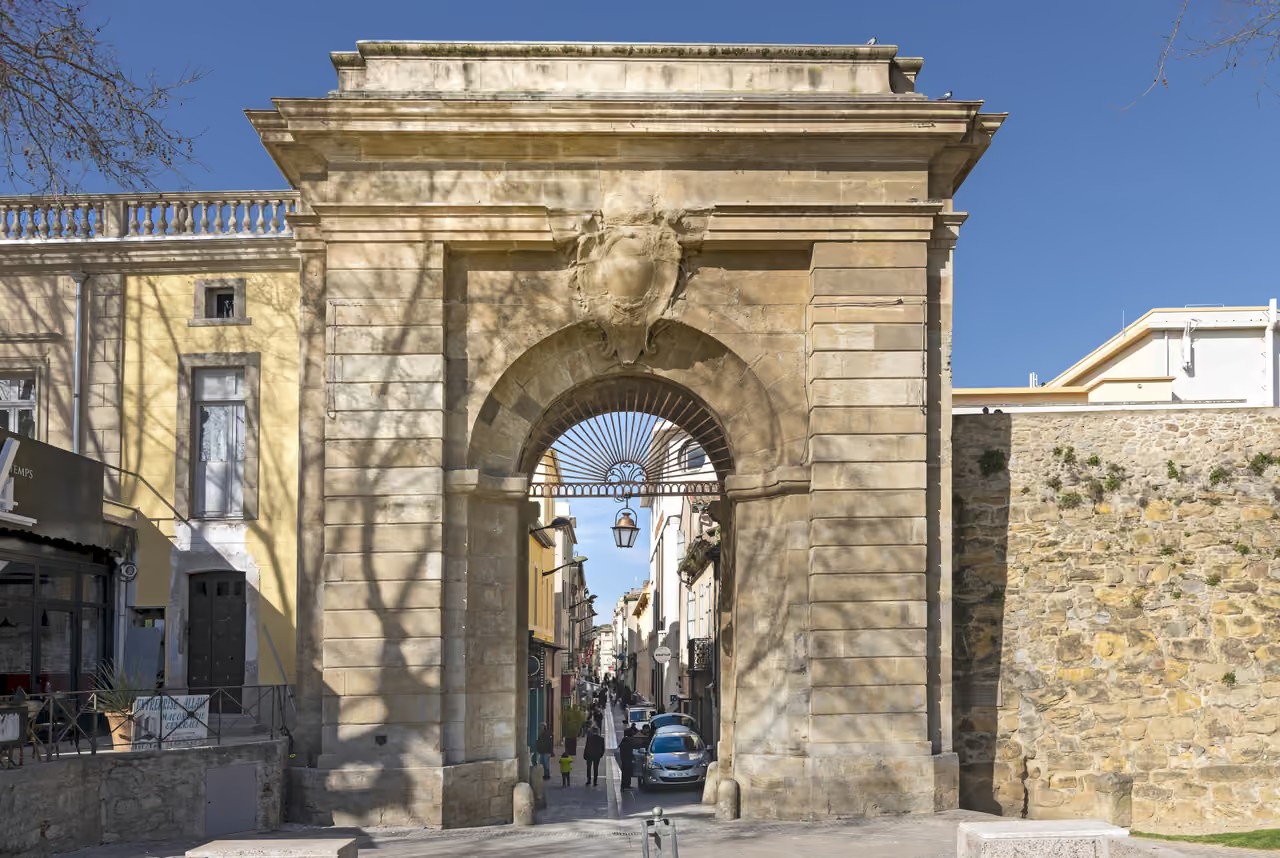
Spring
The vast agricultural plains surrounding the city explode into sharp, bright green. The brutal winter winds die down, making the...
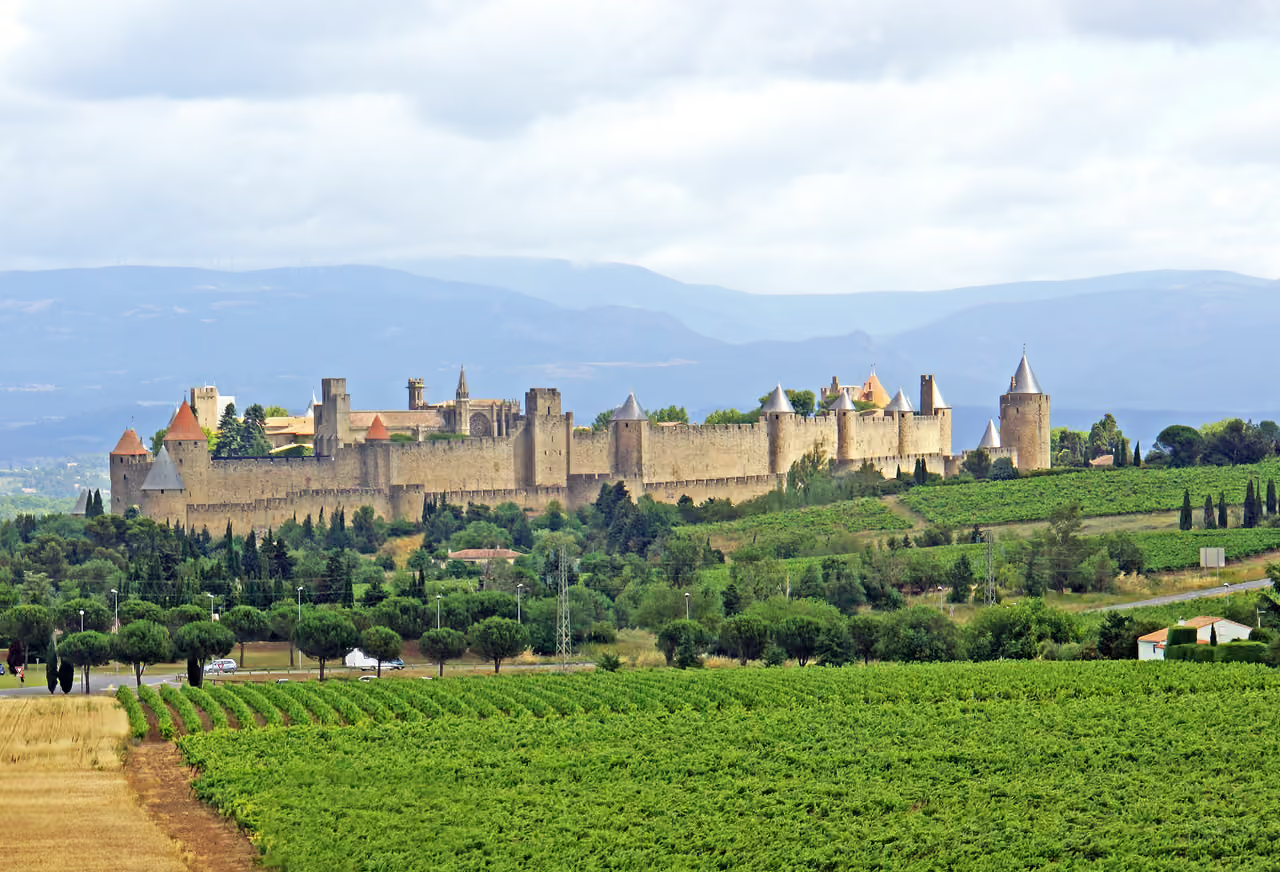
Summer
The city operates at maximum volume and capacity. The heat is punishing, baking the heavy stone walls of the fortress and...
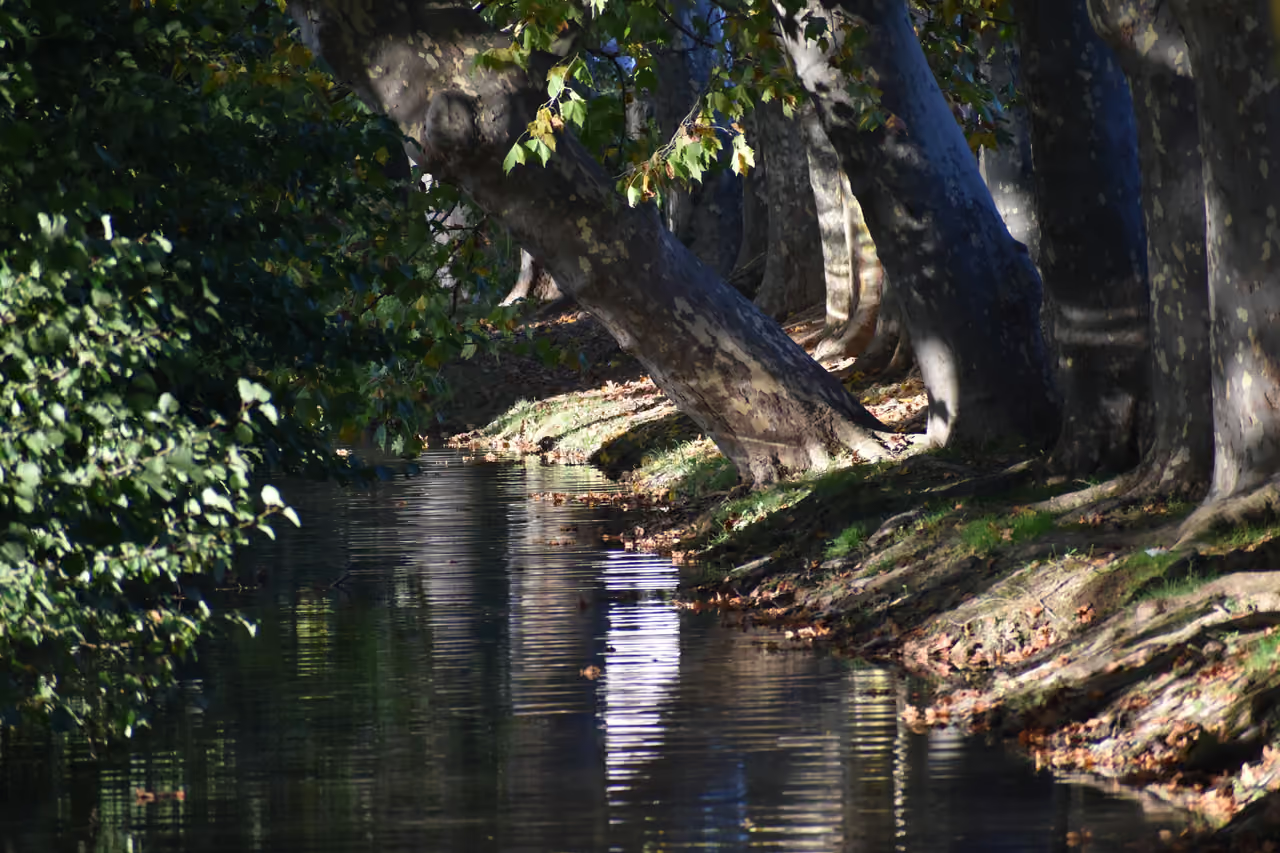
Autumn
The temperature drops sharply, and the smell of crushed grapes drifts in from the nearby Malepère and Corbières regions. The...
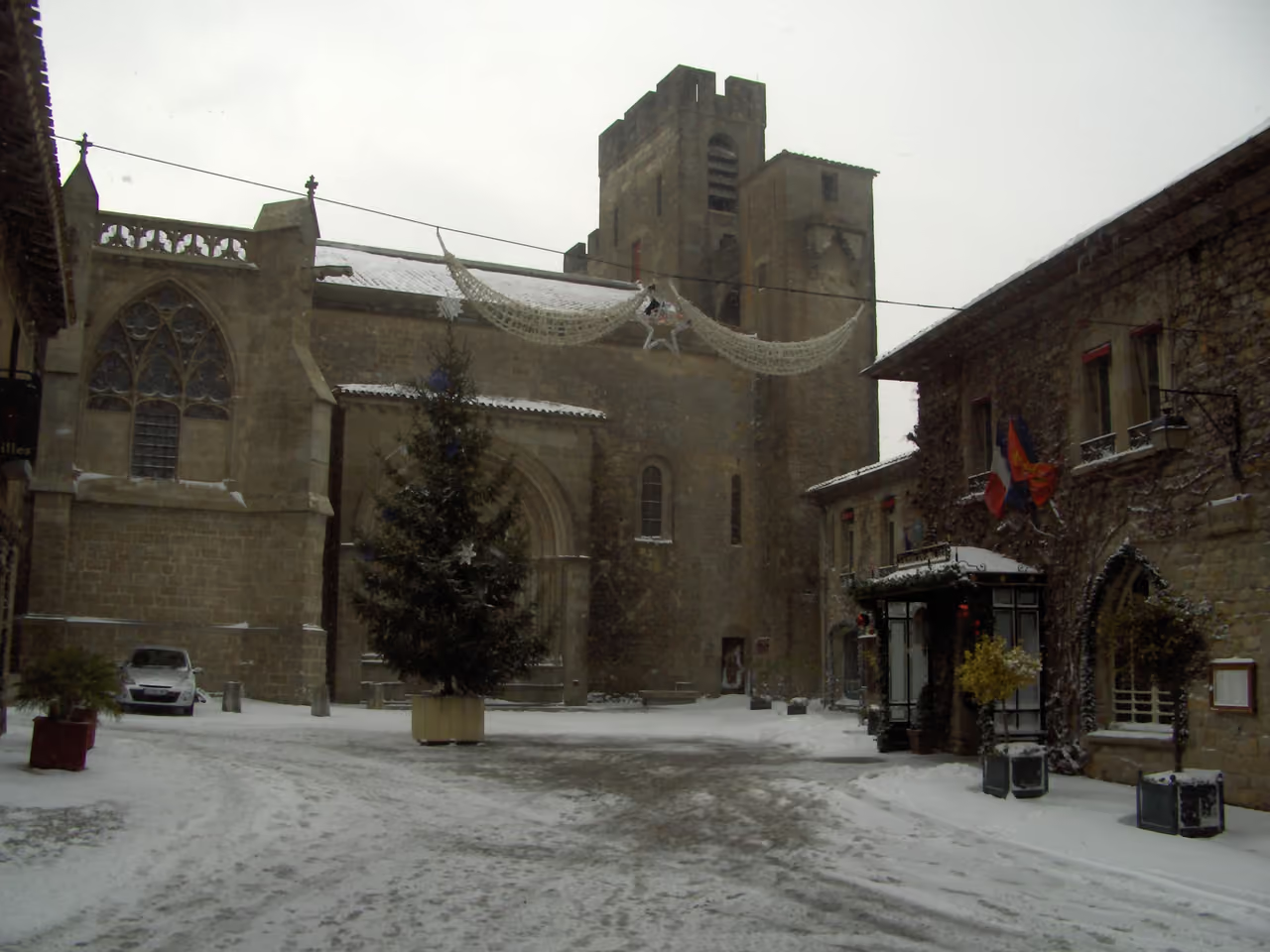
Winter
A biting, aggressive wind sweeps straight down from the Black Mountain, clearing the streets completely. The medieval fortress...
Top Attractions in Carcassonne
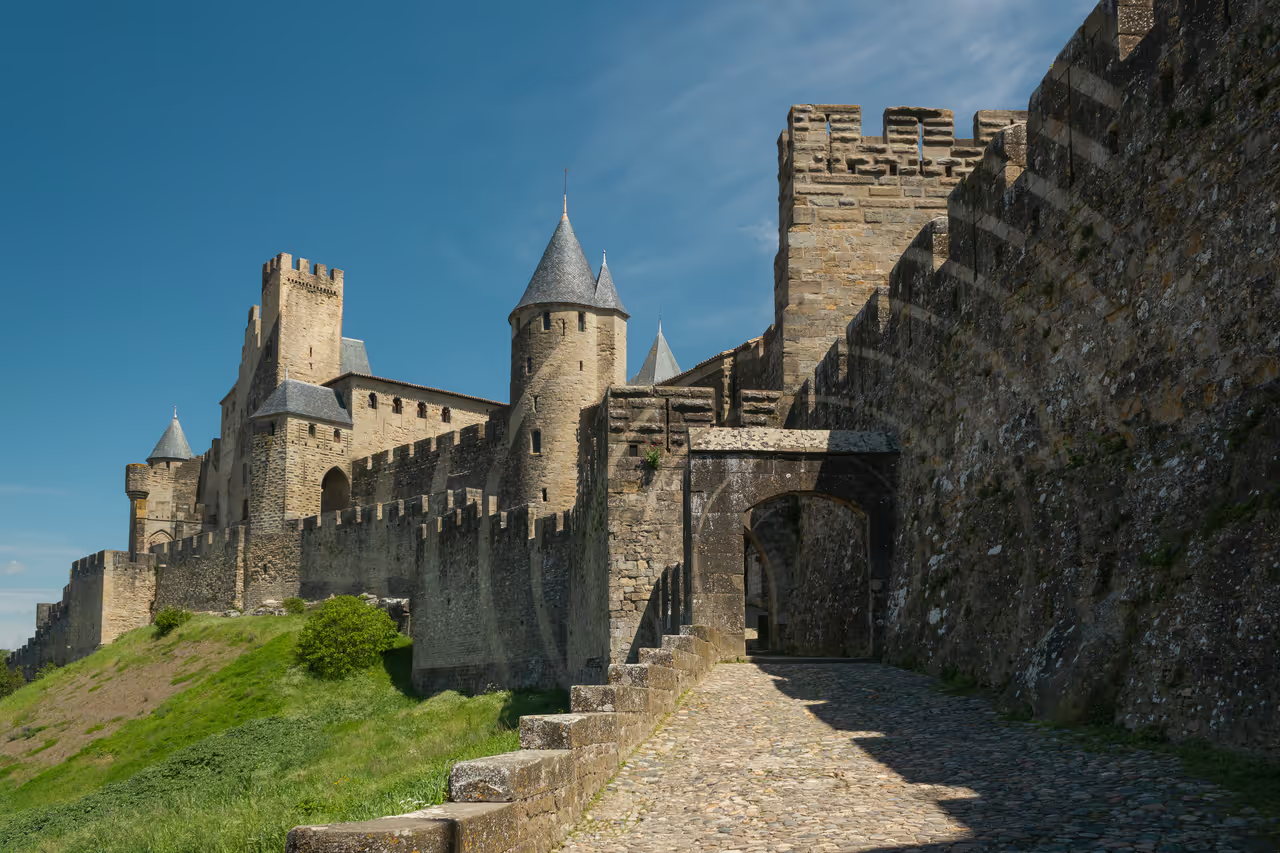
Aude Gate
Carcassonne’s western entrance was built to exhaust attackers long before they reached the heavy timber doors. Approaching the...
view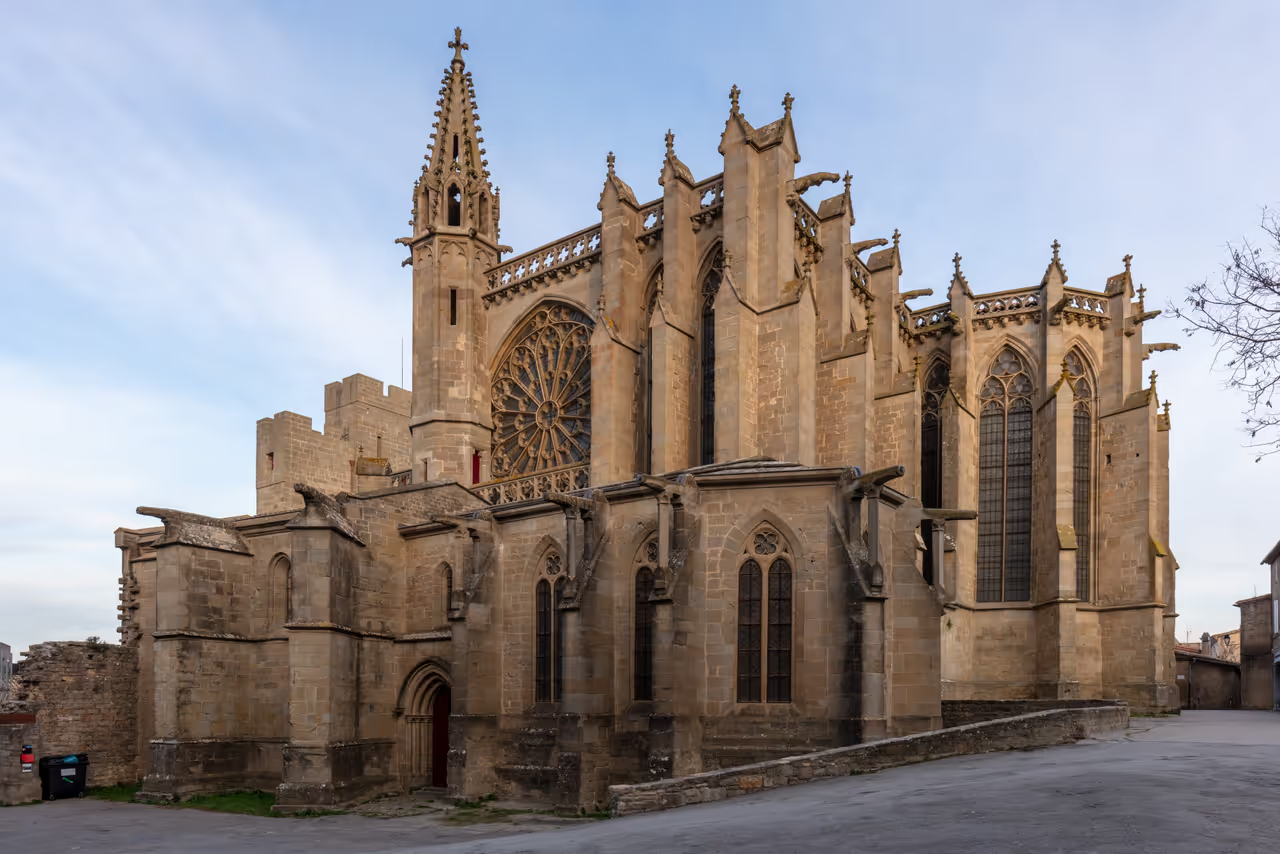
Basilica of Saint-Nazaire and Saint-Celse
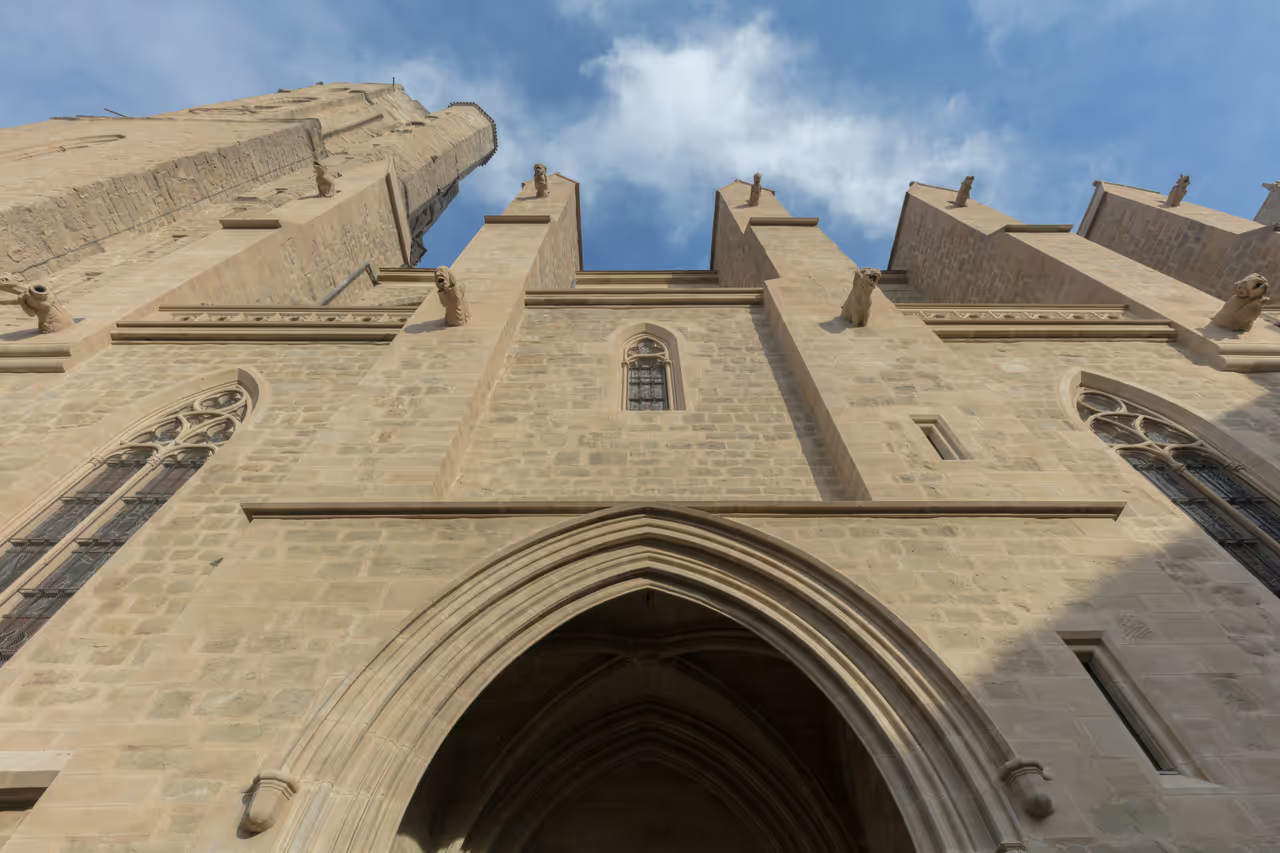
Step into the Basilica of Saint-Nazaire and Saint-Celse within Carcassonne's fortified walls, and you're entering a living...
view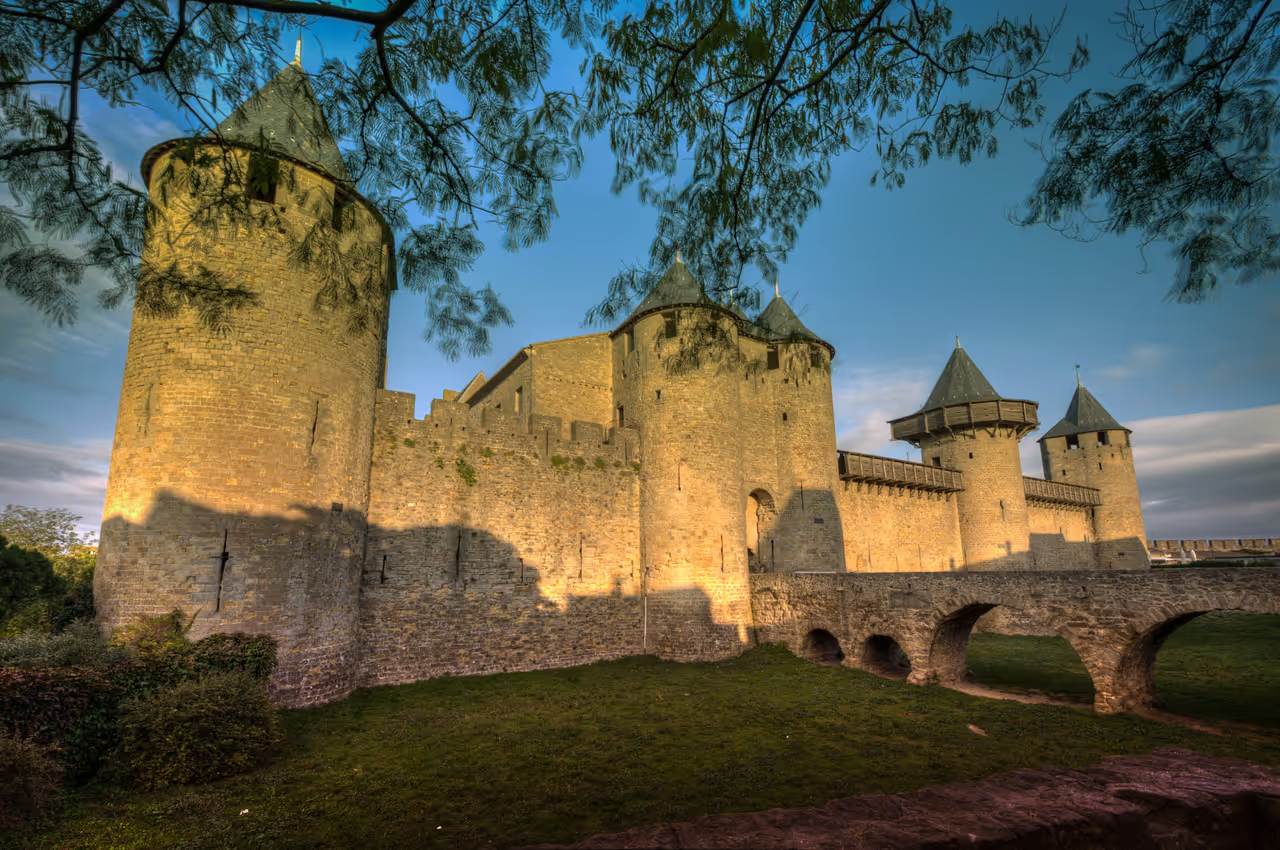
Count's Castle
A dry moat and a heavy timber drawbridge separate this twelfth-century fortress from the rest of the medieval citadel...
view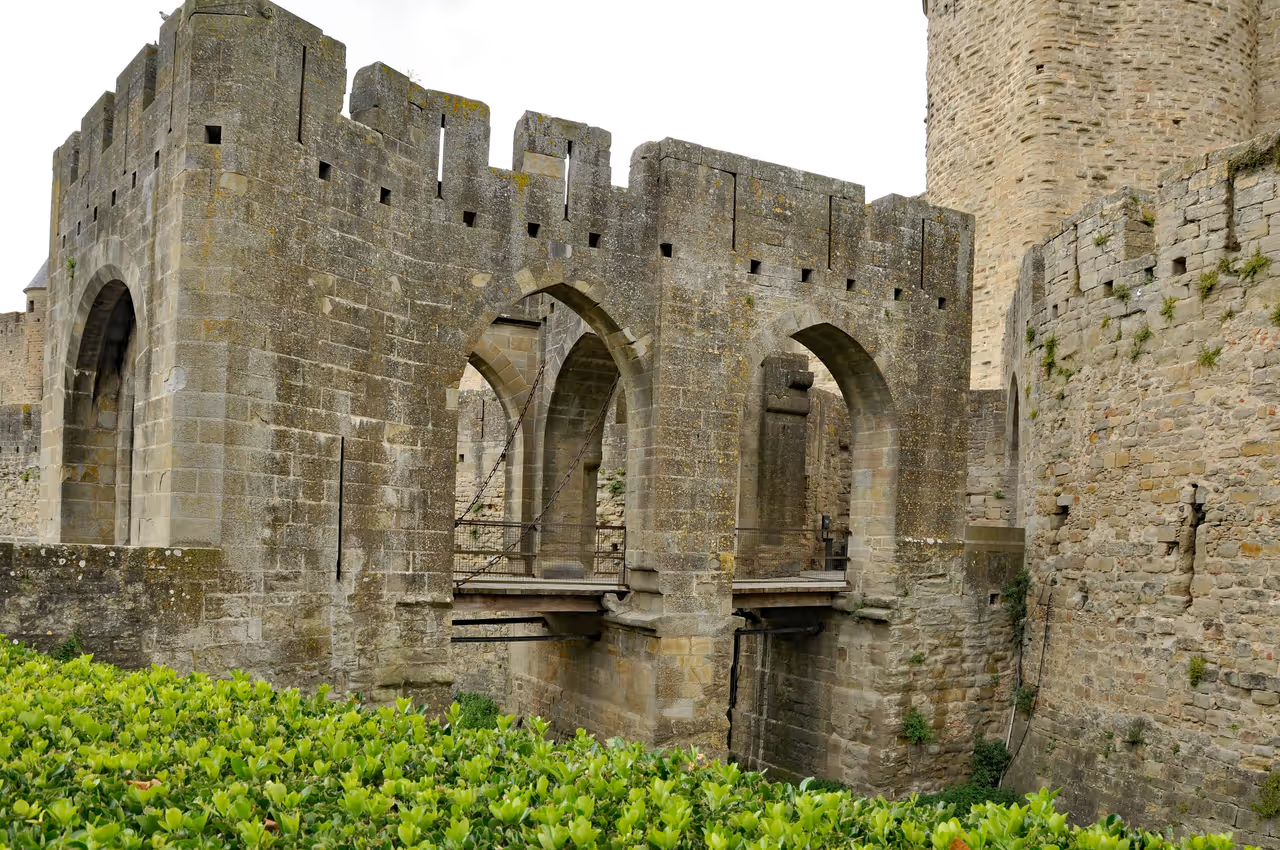
Narbonne Gate
Two massive sandstone towers flank the eastern entrance to the Cité de Carcassonne, plunging downward like the prow of a...
view
Best Views
Carcassonne Itineraries
TRIP PLANNER
3 Days Recommended
Three days provides enough time to walk the full circuit of the Cité ramparts and explore the lower grid of the Bastide without rushing. It allows for a dedicated afternoon cycling along the Canal du Midi and an evening to properly experience a heavy, slow-cooked local dinner. This duration prevents fortress fatigue while ensuring the main historical sites are thoroughly covered.
1 Day in Carcassonne: The Fortress Focus
A highly concentrated, aggressive strike directly at the city's most famous assets. This route ignores the wider region to ensure you thoroughly absorb the terrifying scale of the medieval military architecture. It involves steep climbs, tight crowds, and heavy stone, culminating in a deeply traditional, calorie-dense dinner.
view itinerary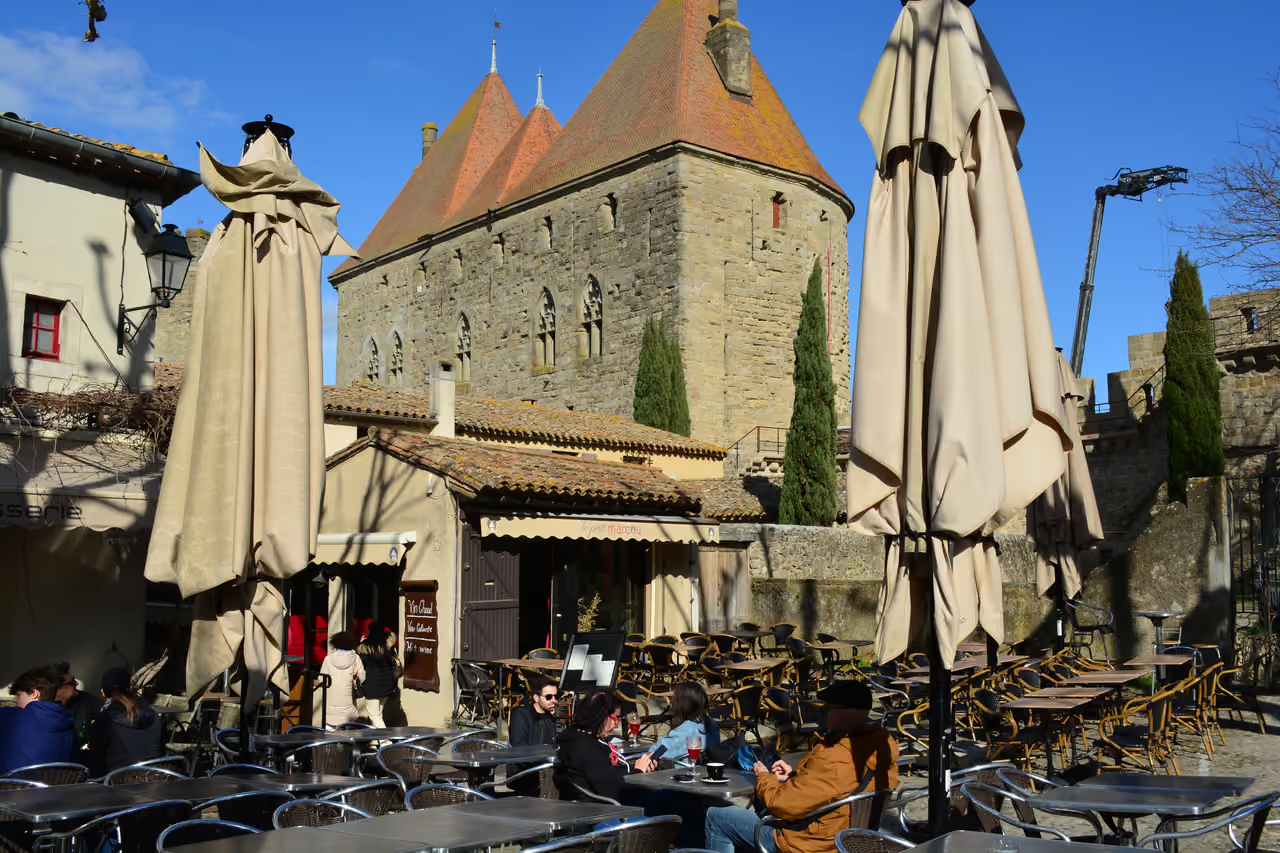
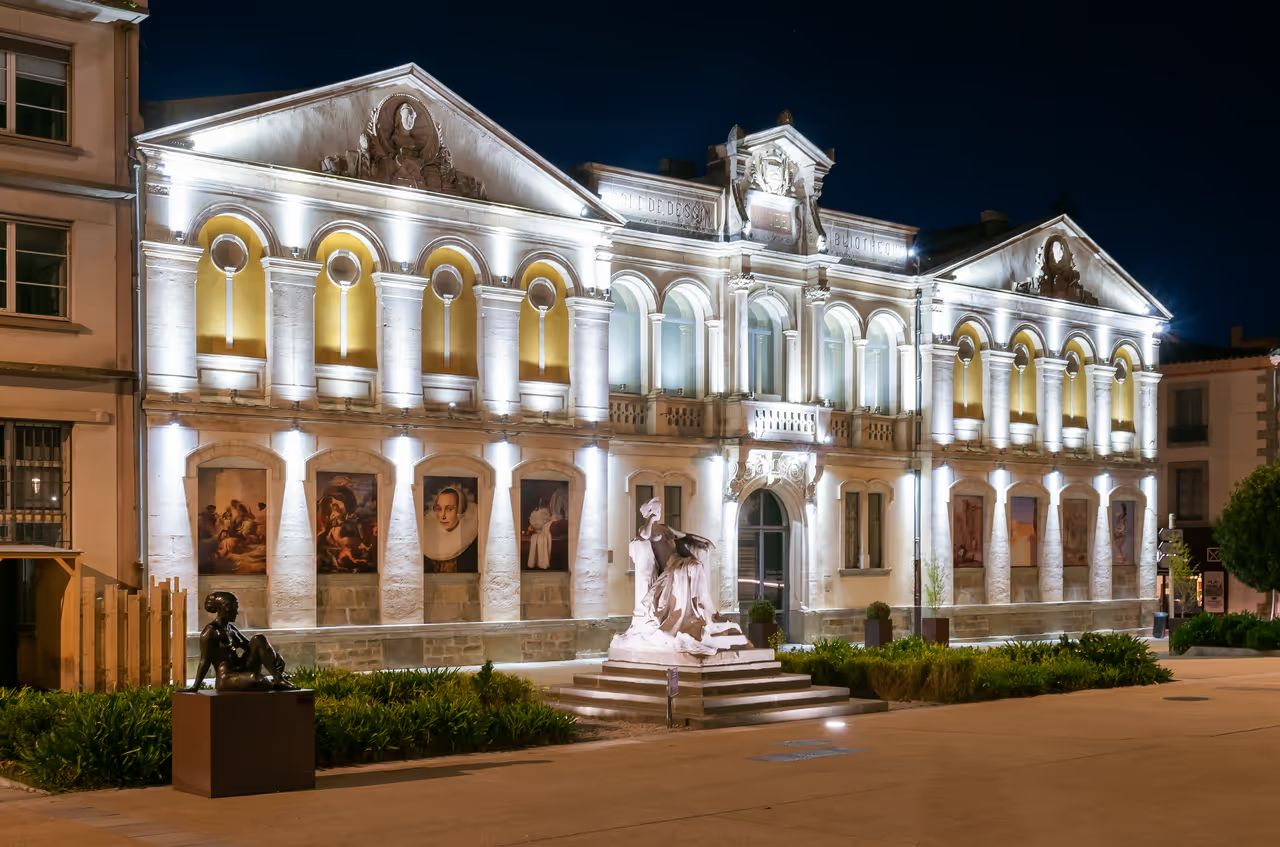
3 Days in Carcassonne: The Split City
This extended timeline allows you to properly separate the aristocratic military history on the hill from the pragmatic merchant history in the valley. It forces you out of the medieval theme park and onto the flat, working grid of the Bastide. You will navigate the locks of the Canal du Midi and climb the brutal limestone ridges outside the city limits.
view itinerary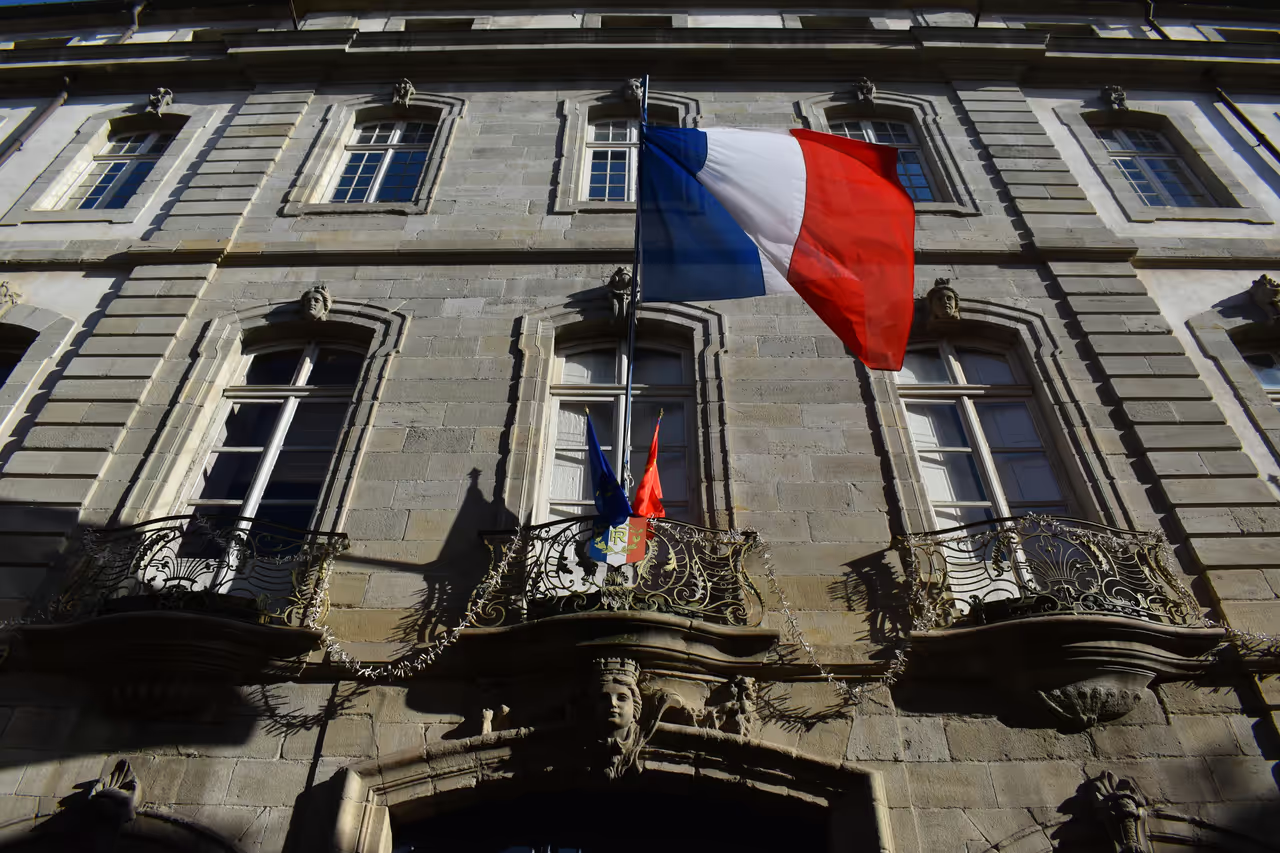
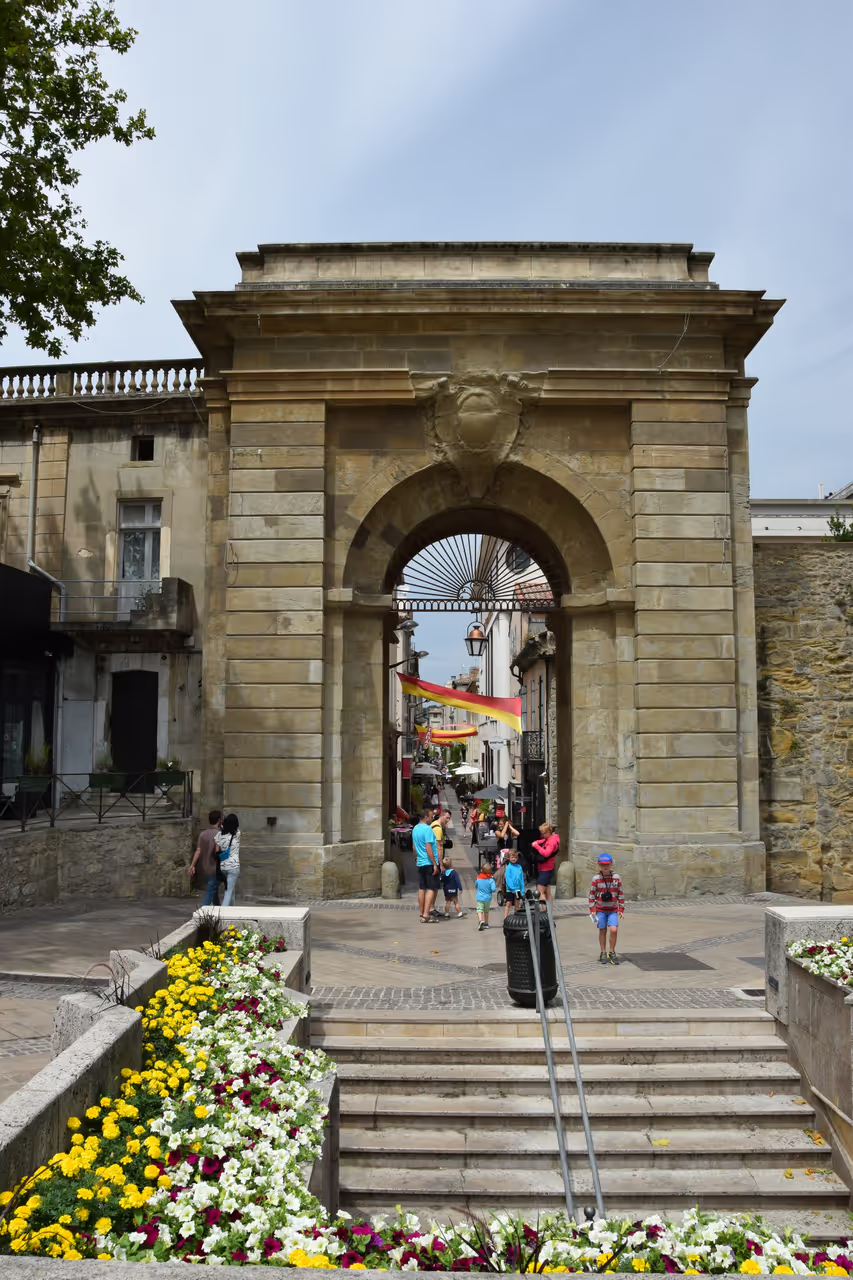
5 Days in Carcassonne: Terroir and Defences
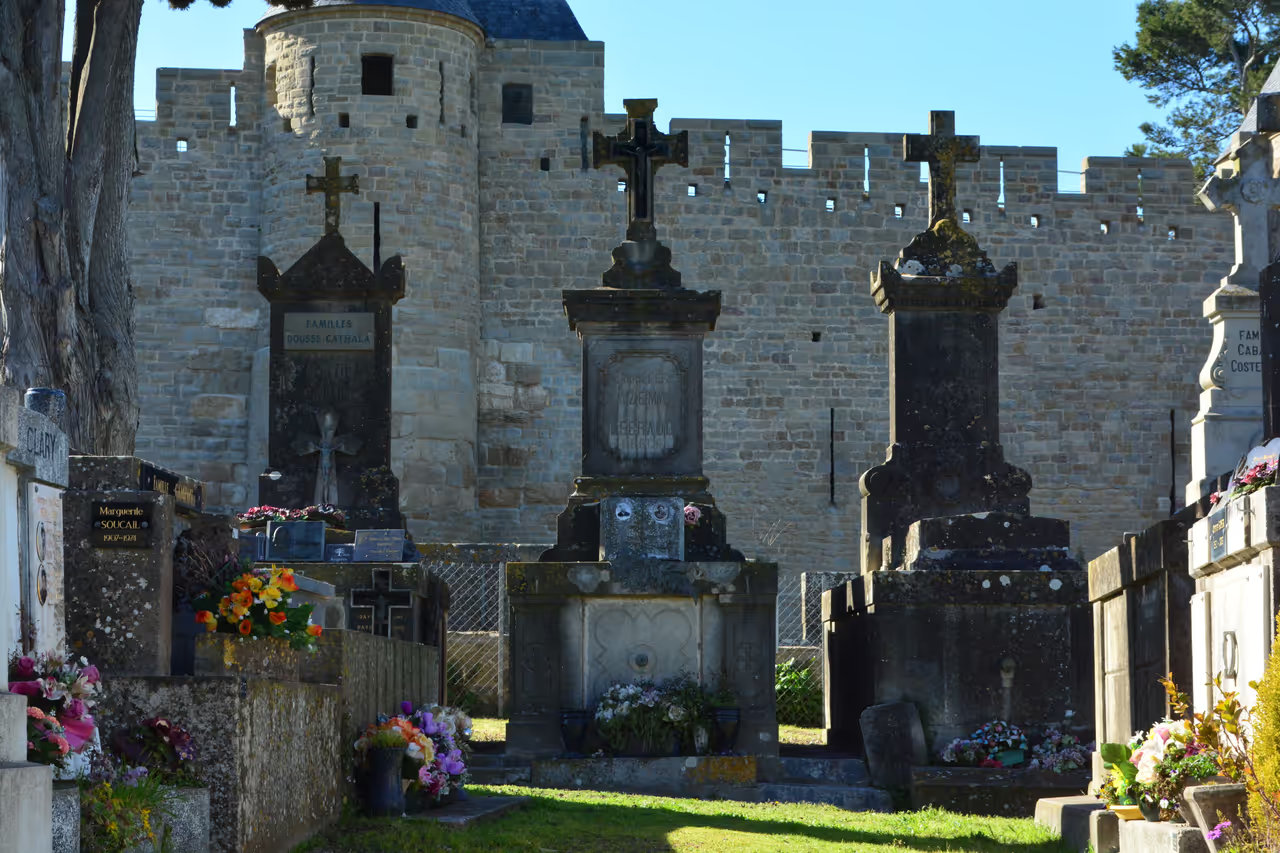
A slow, deliberate extraction of everything the region has to offer. This pacing allows for serious culinary exploration and day trips into the brutal, rocky scrubland of the Corbières. You will spend hours simply sitting in cafes watching the city function, alternating between the manicured wealth of the 18th-century mansions and the raw stone of the ancient outposts.
view itinerary
Food in Carcassonne
UNESCO World Heritage Sites
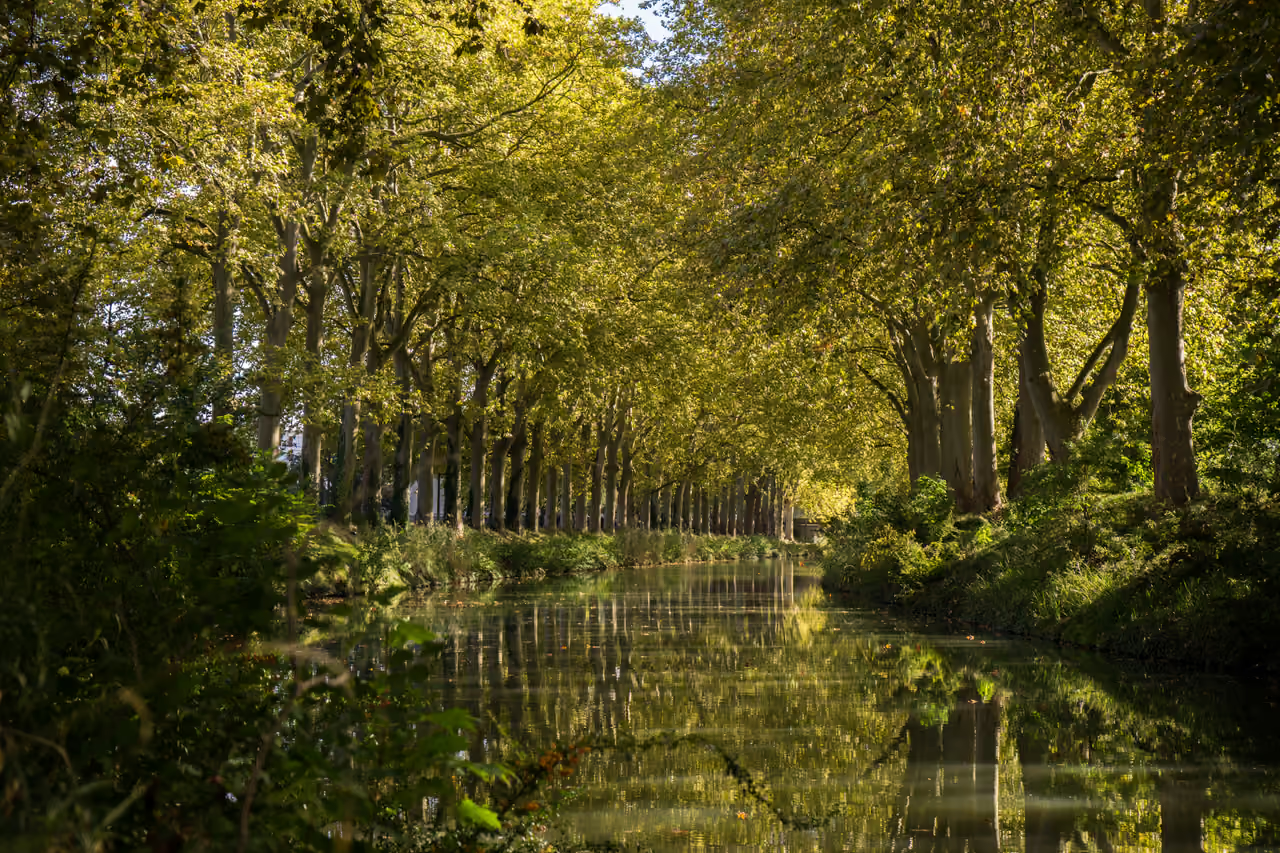
Canal du Midi
Plane trees lean over the water, the towpath runs flat and shaded, and the surface barely seems to move. In Toulouse the canal...
view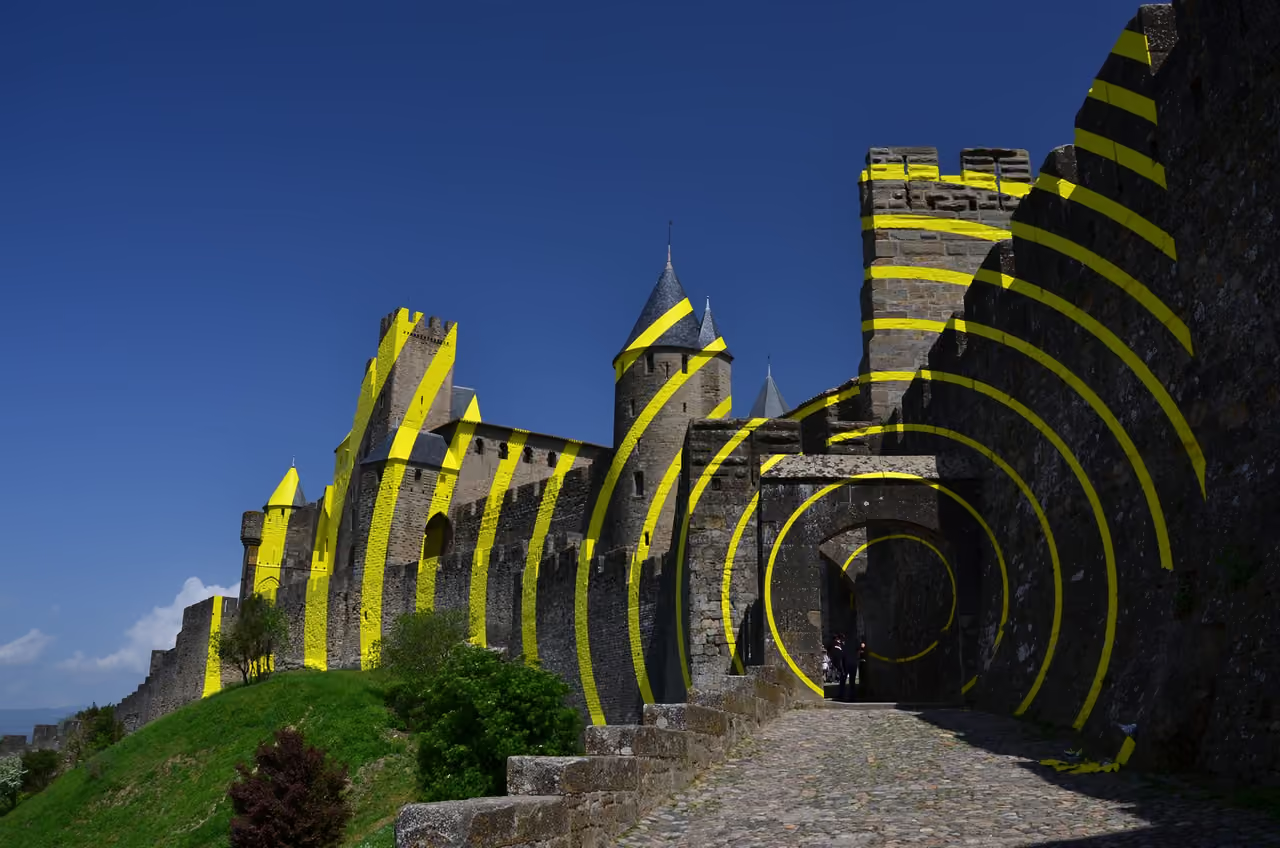
Cité de Carcassonne
Count the towers along the ramparts of the Cité and you will reach 52, which gives you something to do while the queue at the...
view
Free Things to do in Carcassonne
Chasing Stained Glass Light
Lumière des vitraux à Saint-Nazaire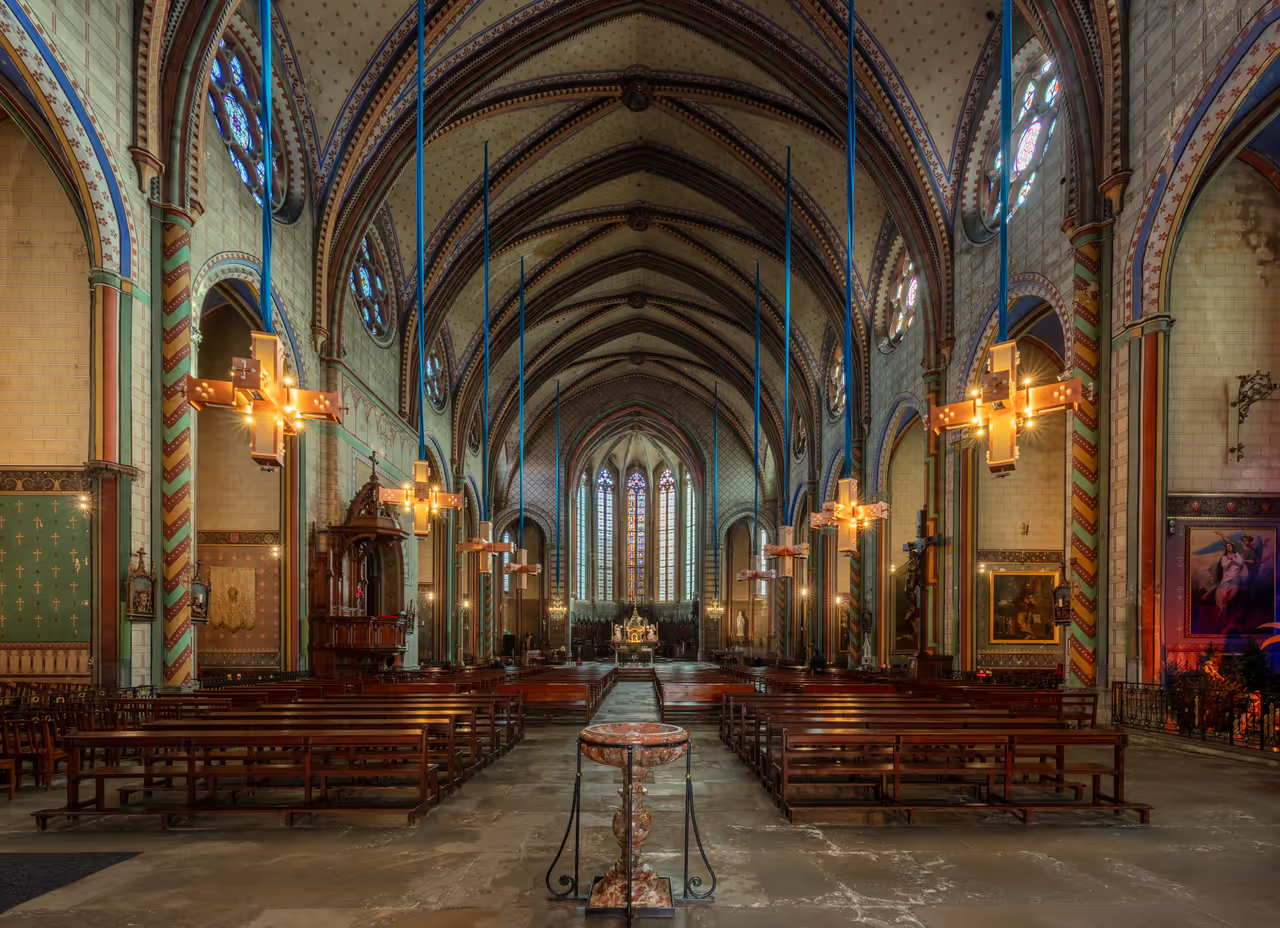
Visiting Saint-Michel Cathedral
Visite de la Cathédrale Saint-Michel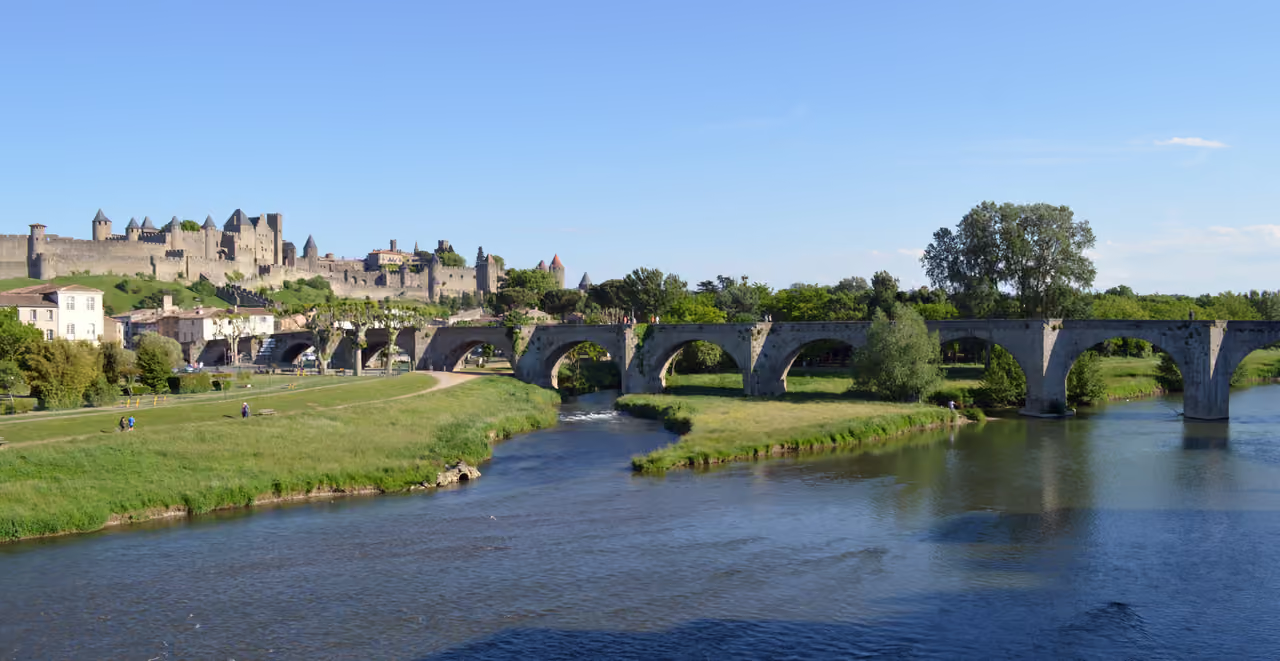
Walking the Aude Riverbanks
Promenade sur les berges de l'Aude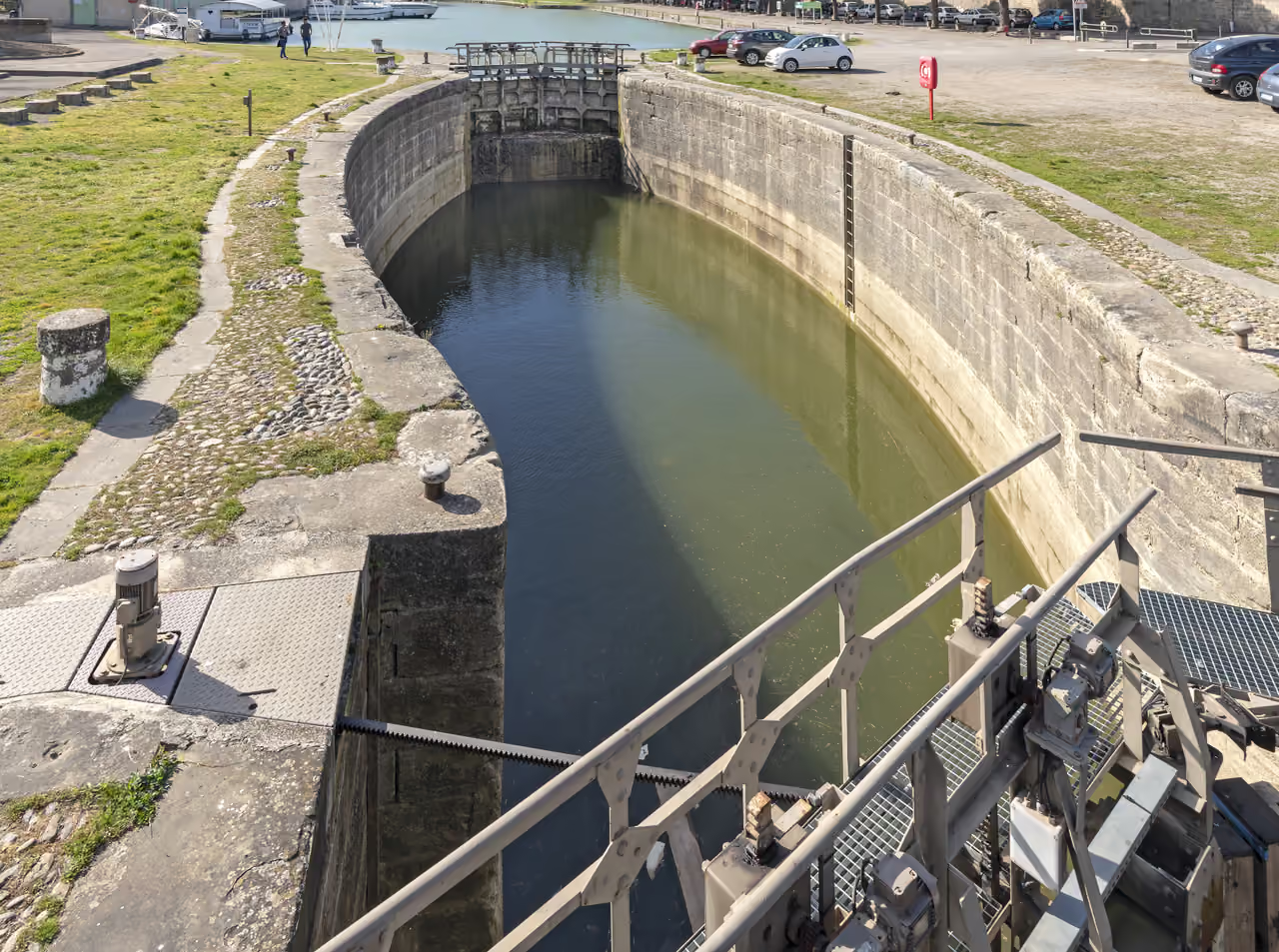
Watching the Canal Locks
Observer les écluses du canal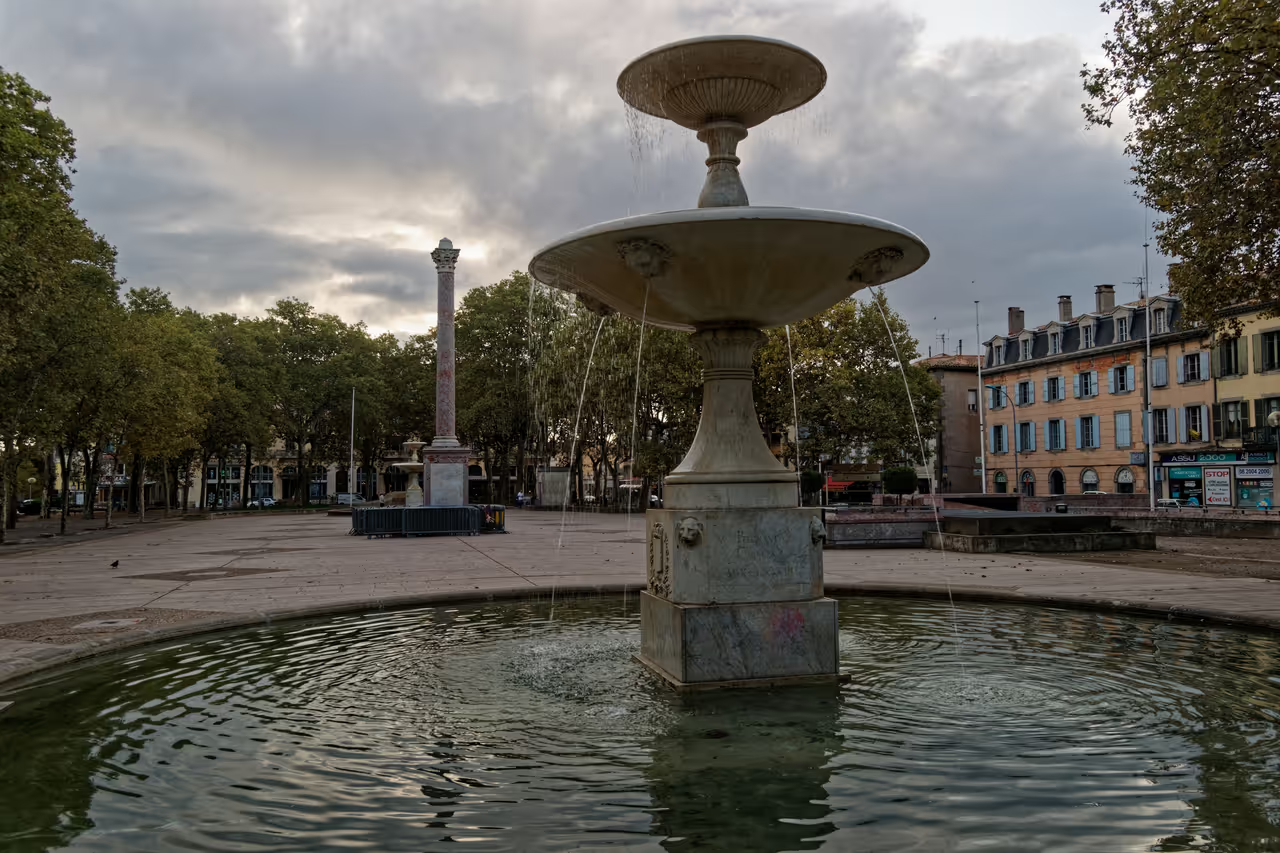
Relaxing in André Chénier Square
Se détendre au Square André Chénier
Parks & Nature
André Chénier Square
Travellers stepping off the train at the Carcassonne SNCF station usually encounter this manicured plaza before anything else...
view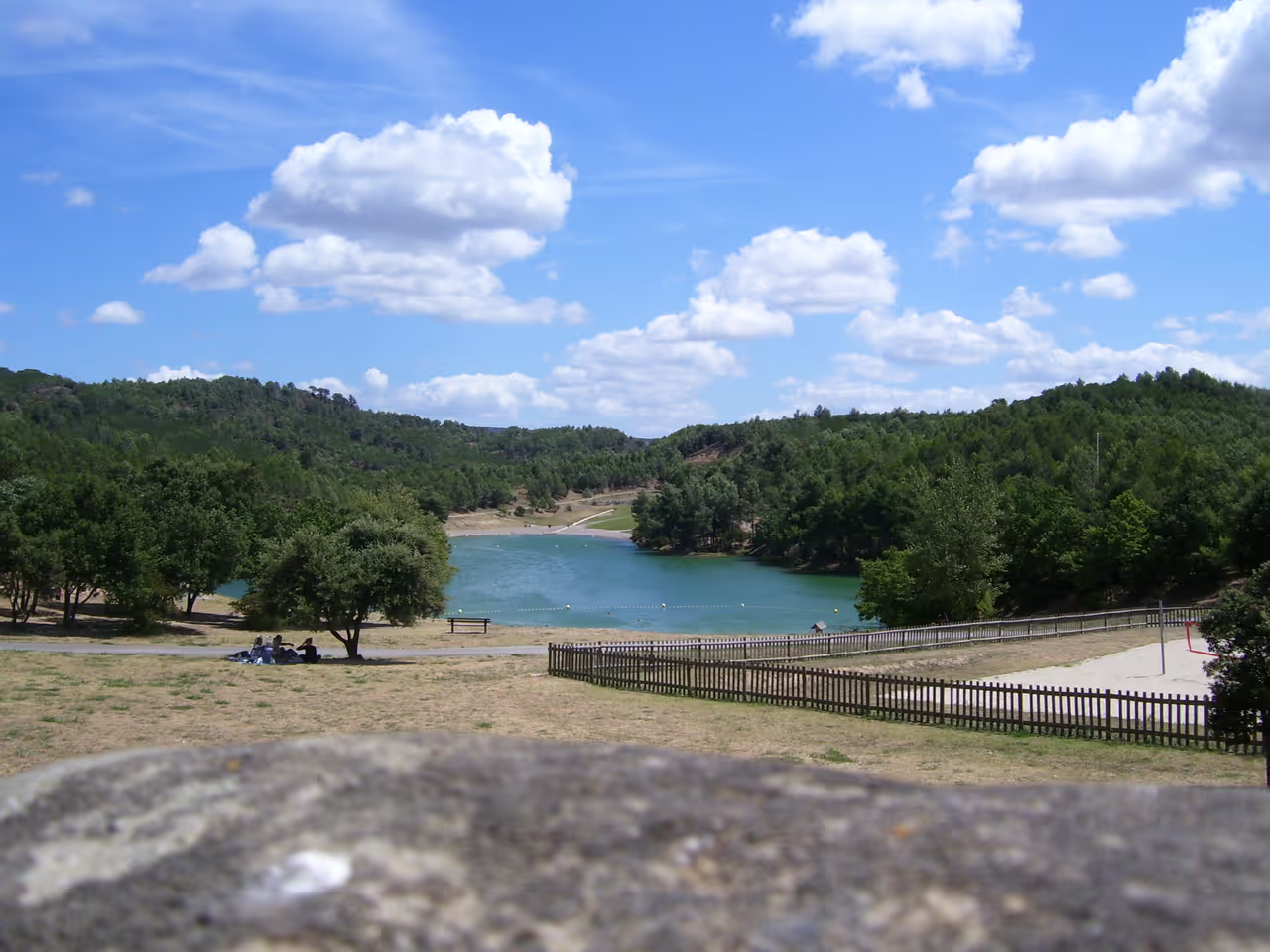
Cavayère Lake
Imagine escaping the historical grandeur of Carcassonne for a lively, sun-drenched oasis, affectionately known by locals as...
view
Highlights & Must-Sees
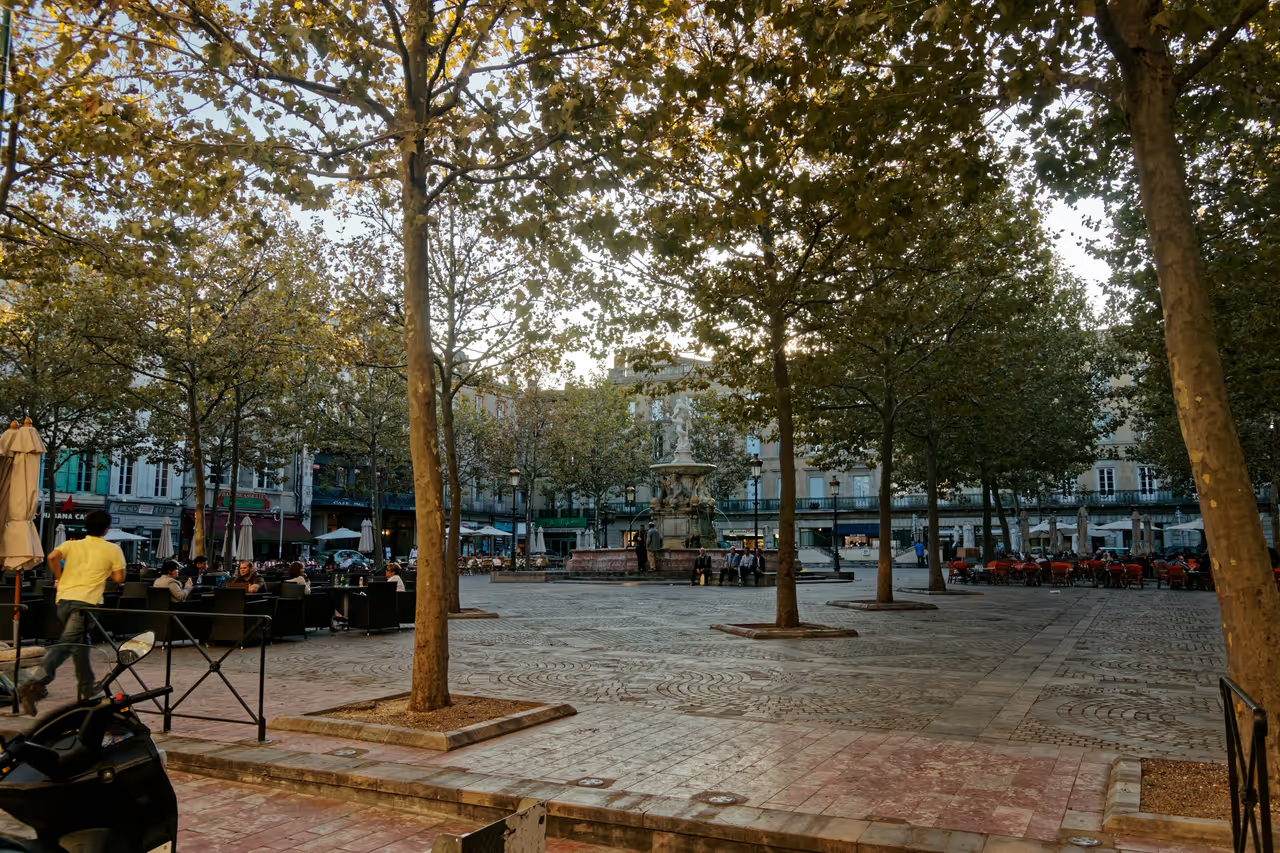
Carnot Square
The flat, marble-paved centre of the Bastide dictates the social life of the lower town. A massive 18th-century fountain...
viewCovered Market
Built in the 18th century, this enclosed pavilion serves as the primary culinary engine for the city. Local butchers proudly...
view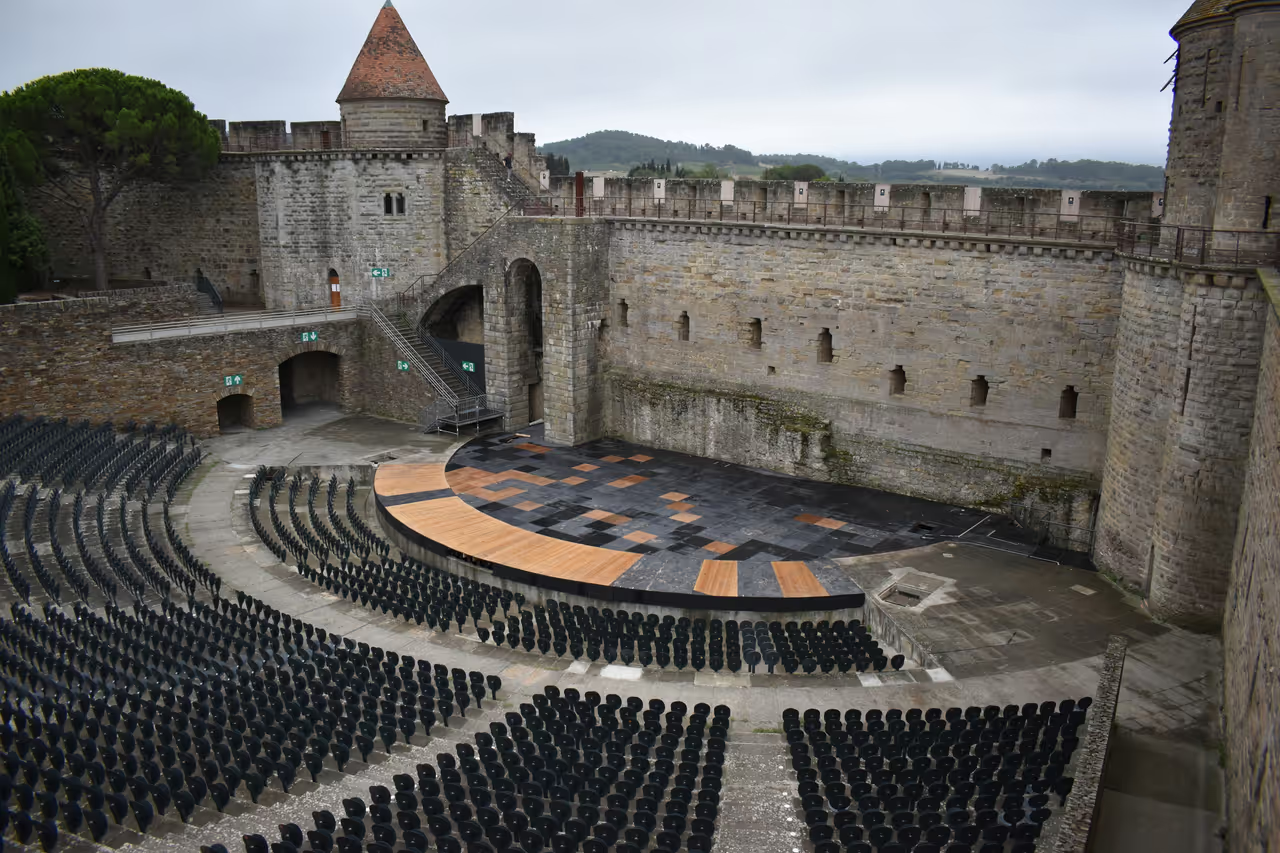
Jean-Deschamps Theatre
An open-air amphitheatre carved directly into the space between the medieval walls of the Cité. Tiered seating curves...
view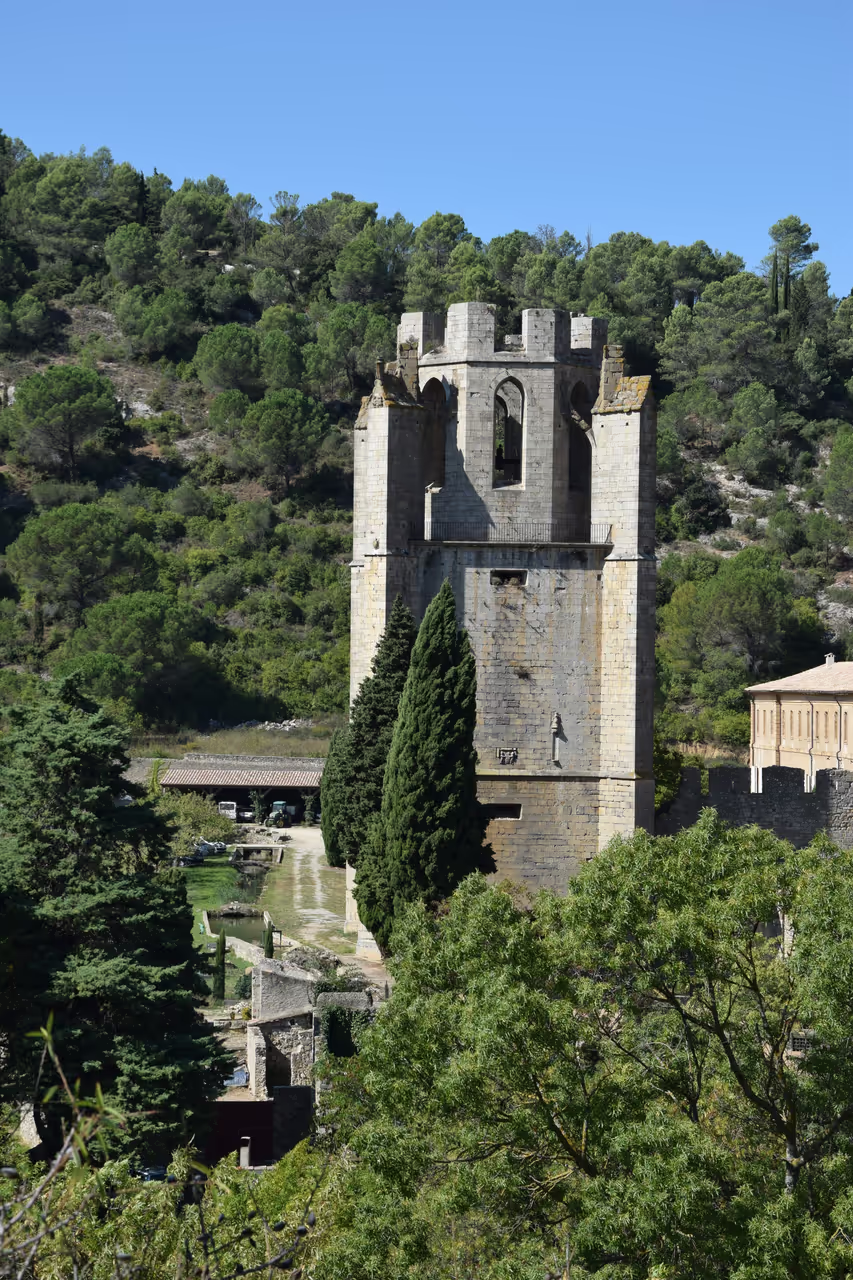
Lagrasse Village and Abbey
Located roughly forty minutes from Carcassonne, this heavily preserved medieval village sits quietly in the Corbières hills. An...
view
Best Walks in Carcassonne
- HIGHLY RECOMMENDED
Circuit of the Lices
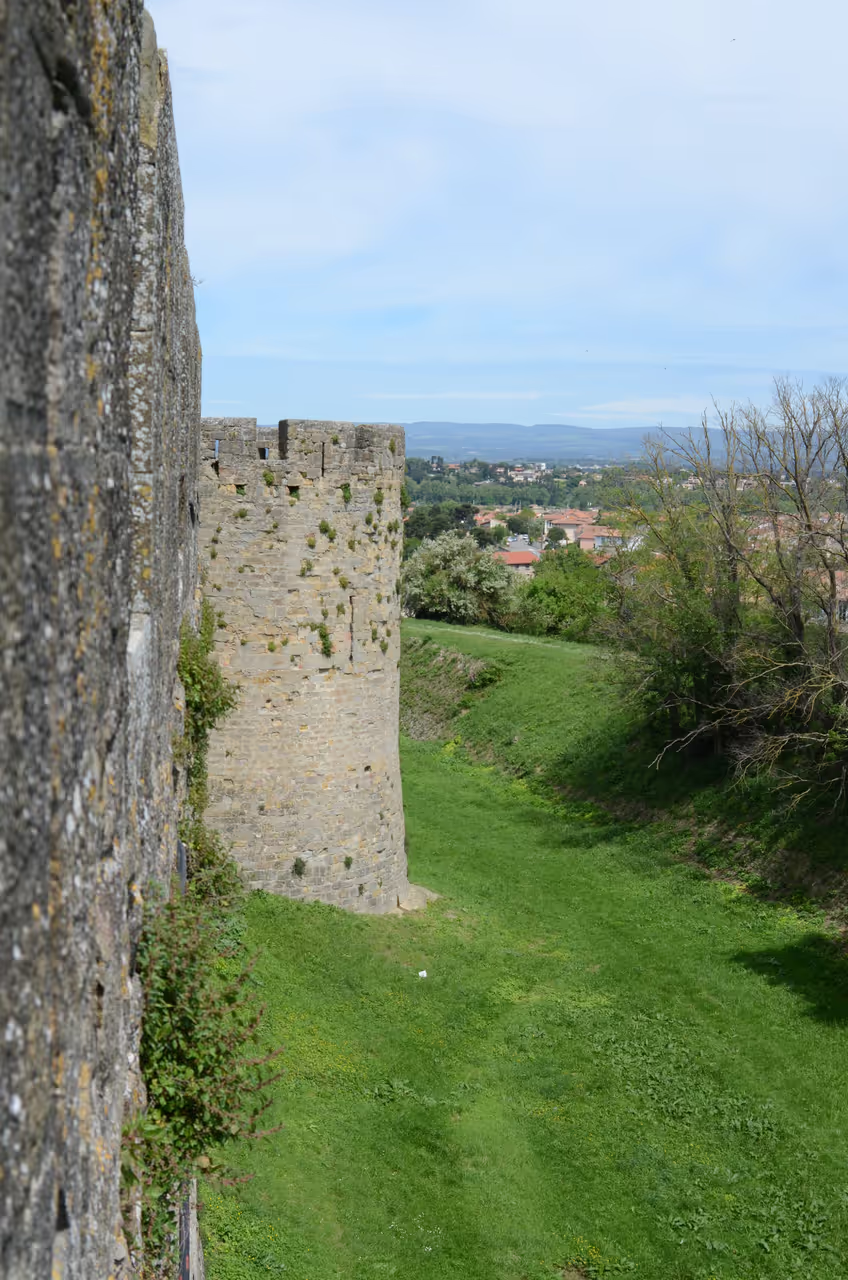
A massive, dry moat separates the inner and outer defensive walls of the medieval fortress. The space is vast, dusty, and completely enclosed by towering masonry. Tour groups huddle around specific gates, but long stretches remain remarkably empty. The sheer vertical drop of the stone tricks the eye, making the sky feel narrow and distant.
Grid of Saint-Louis
A calculated, geometric wander through the flat streets of the lower town. The architecture shifts from medieval foundations to grand 18th-century bourgeois mansions. Narrow pedestrian lanes funnel brisk winds directly into the main squares. Locals carry long baguettes and heavy shopping bags, ignoring the historical plaques entirely.
Weavers and the Willows
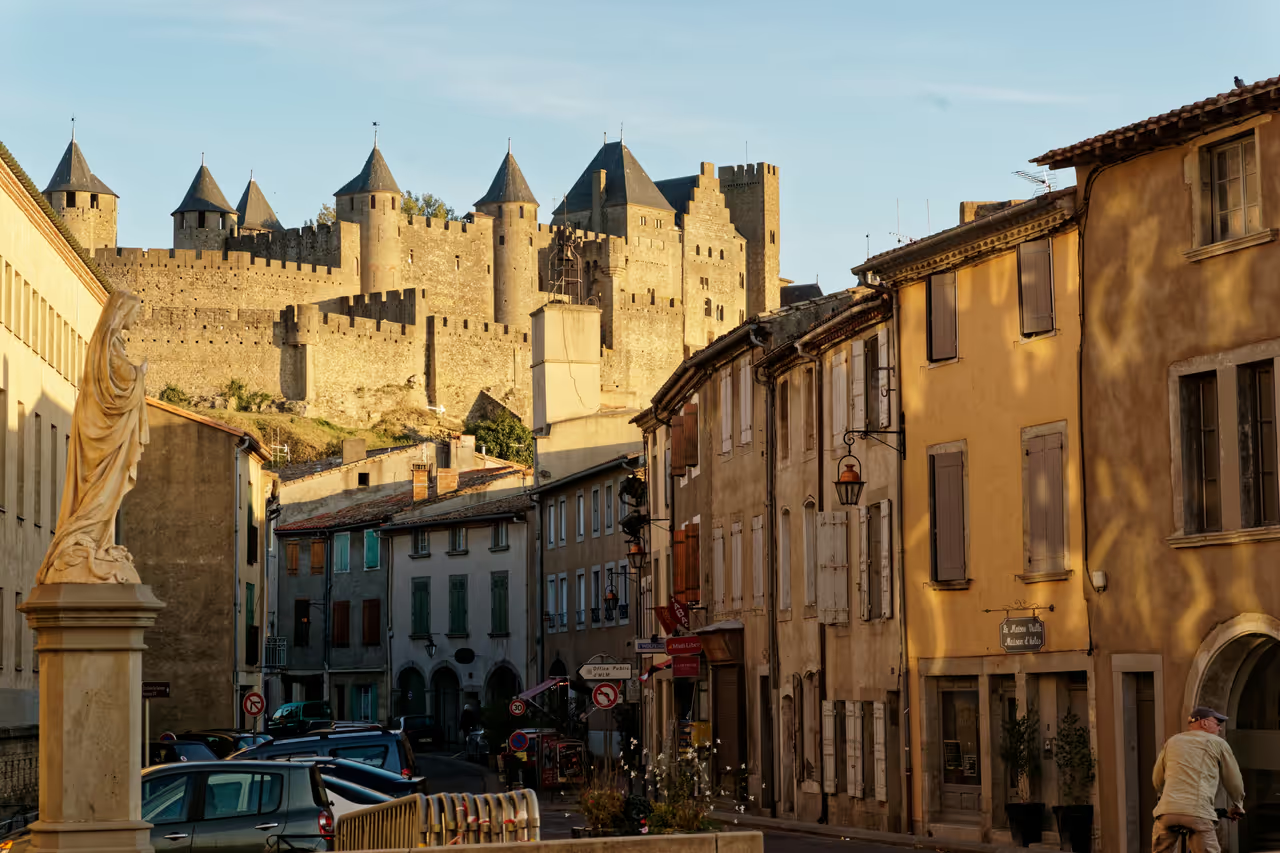
A descent from the shadow of the fortress down through the historic working-class quarter, ending in a lush, river-bound park. The route explores Rue Trivalle, where textile workers once lived, before crossing into the dense, wild greenery of the Parc de l'Île. The atmosphere transitions from a tight, vibrant street scene with clinking tapas bars to the total silence of drooping willow branches grazing the fast-moving River Aude. It highlights the city's complex relationship with its waterways.
Architecture & Landmarks
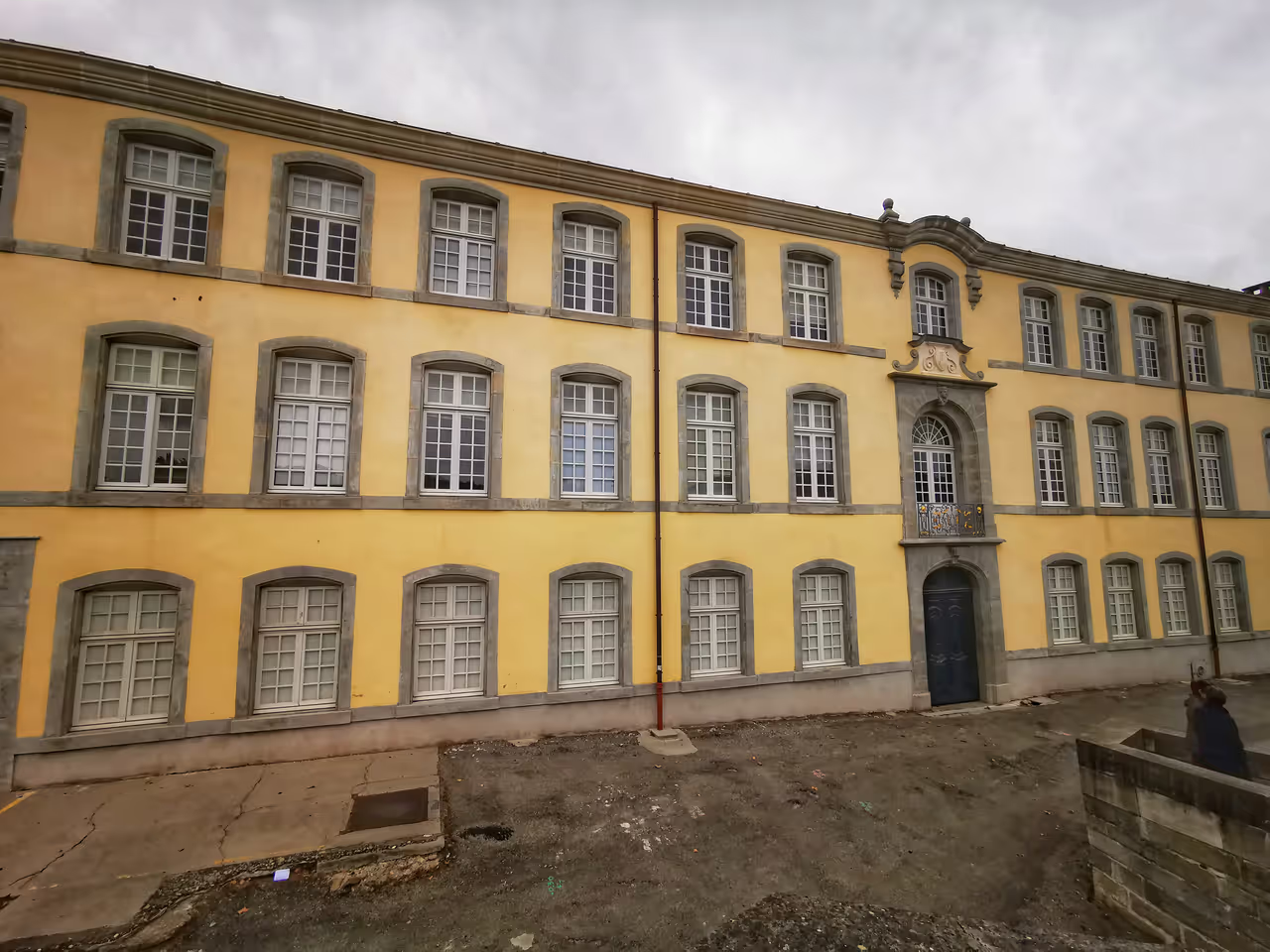
Rolland Mansion
Serving as the current town hall, this 18th-century structure screams bourgeois dominance. It was built during the peak of the...
viewSaint-Vincent Bell Tower
Rising 54 metres above the flat grid of the Bastide, this massive octagonal tower operates as the primary navigational landmark...
view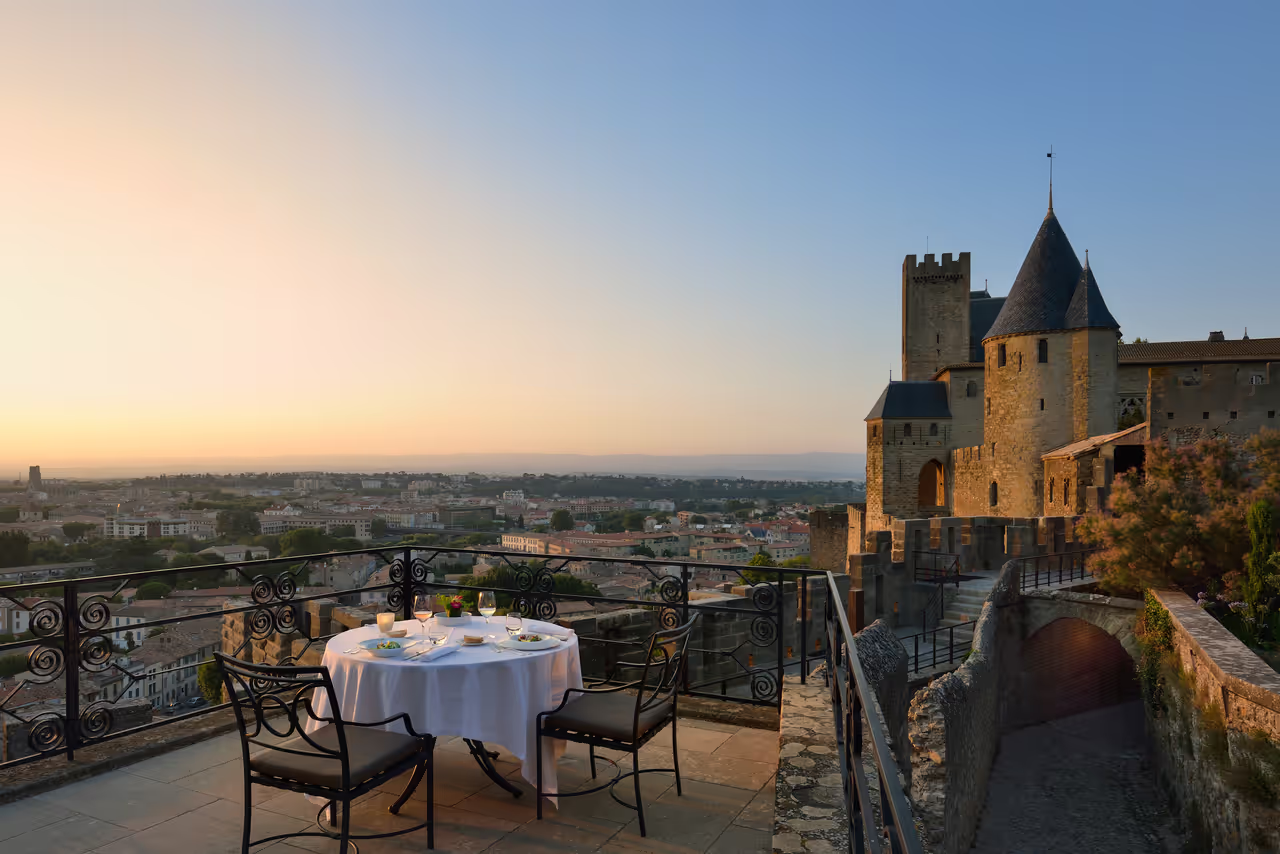
Hotel of the City
Constructed directly inside the walls of the medieval fortress, this luxury hotel blends aggressively into its ancient...
view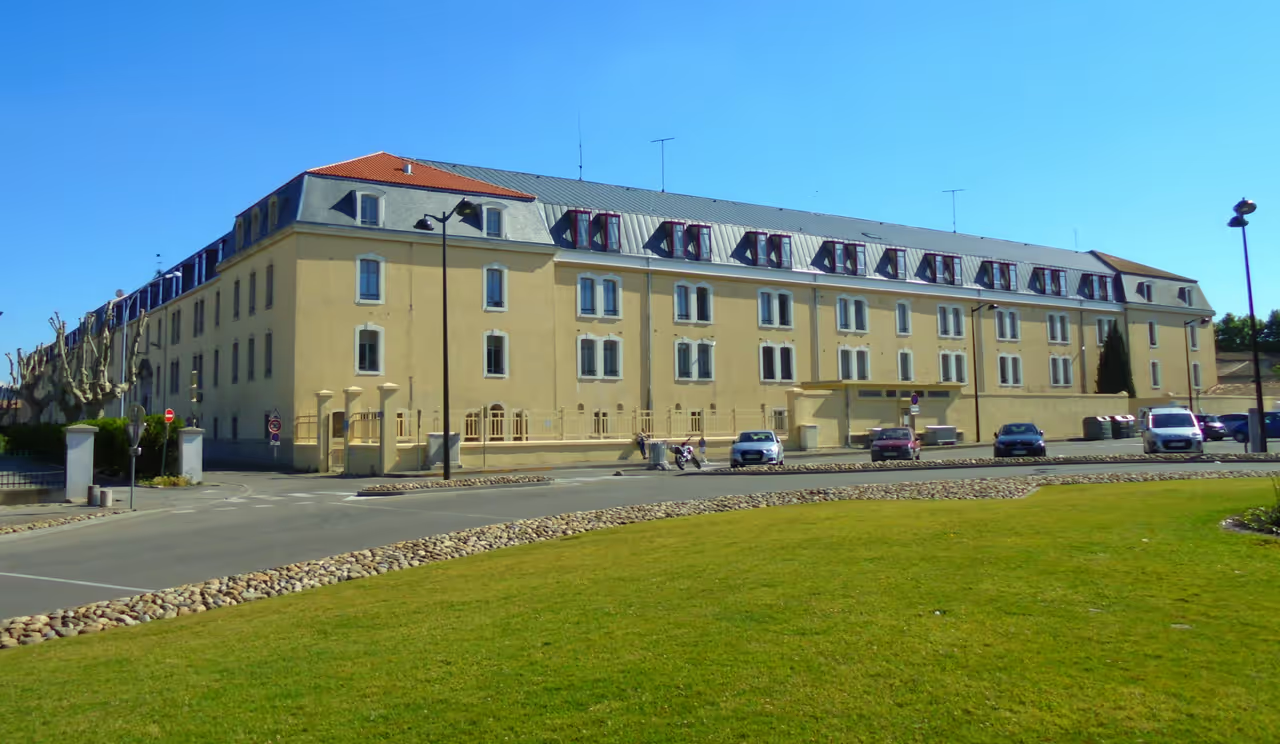
Laperrine Barracks
A sprawling, highly disciplined 18th-century military complex that still houses an active parachute regiment today. The...
view
Markets & Shopping
Carcassonne Nightlife
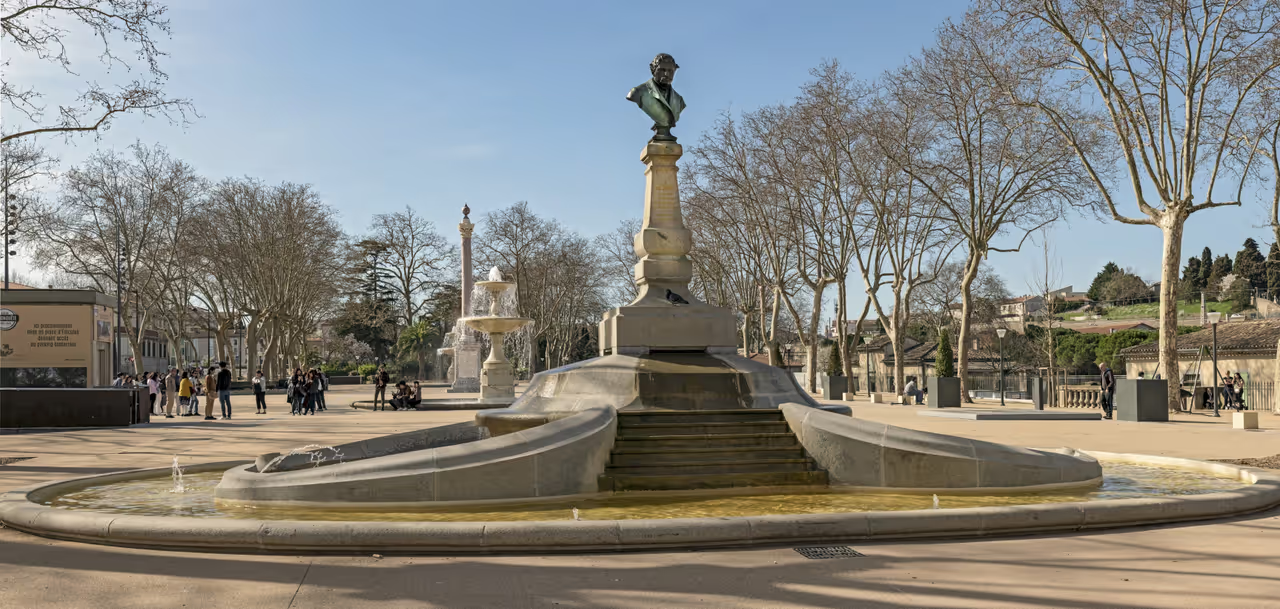
Photo Spots
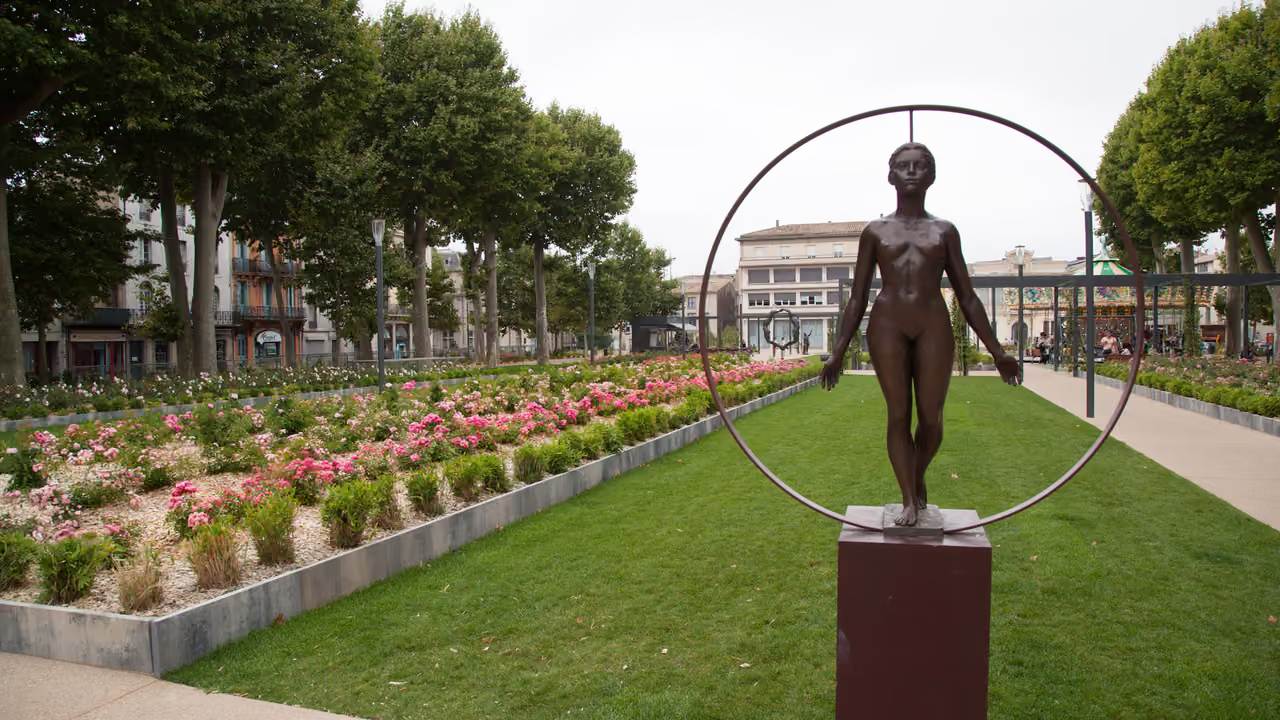
Activities & Experiences
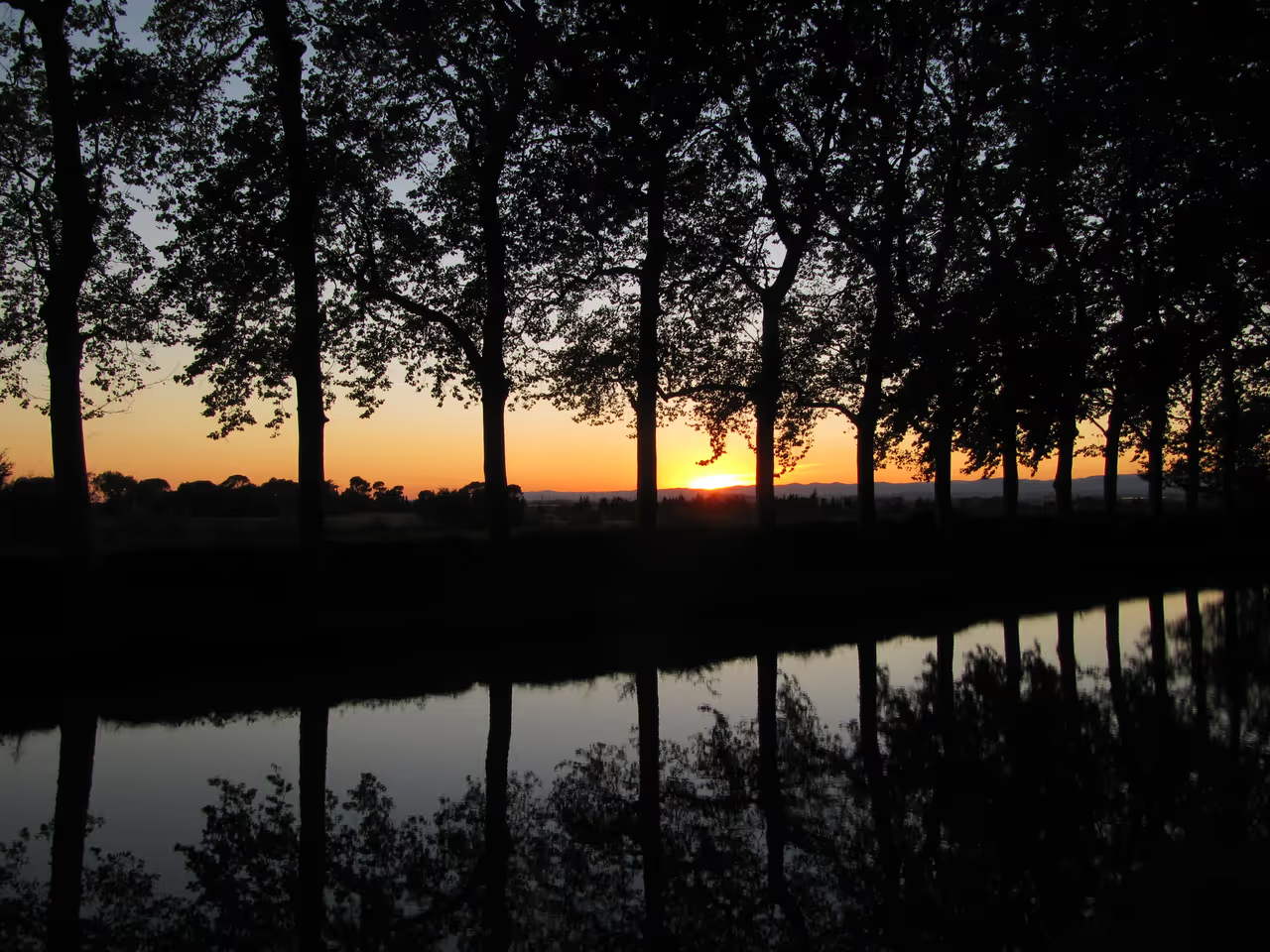
Cycling the Canal du Midi
Vélo sur le Canal du Midi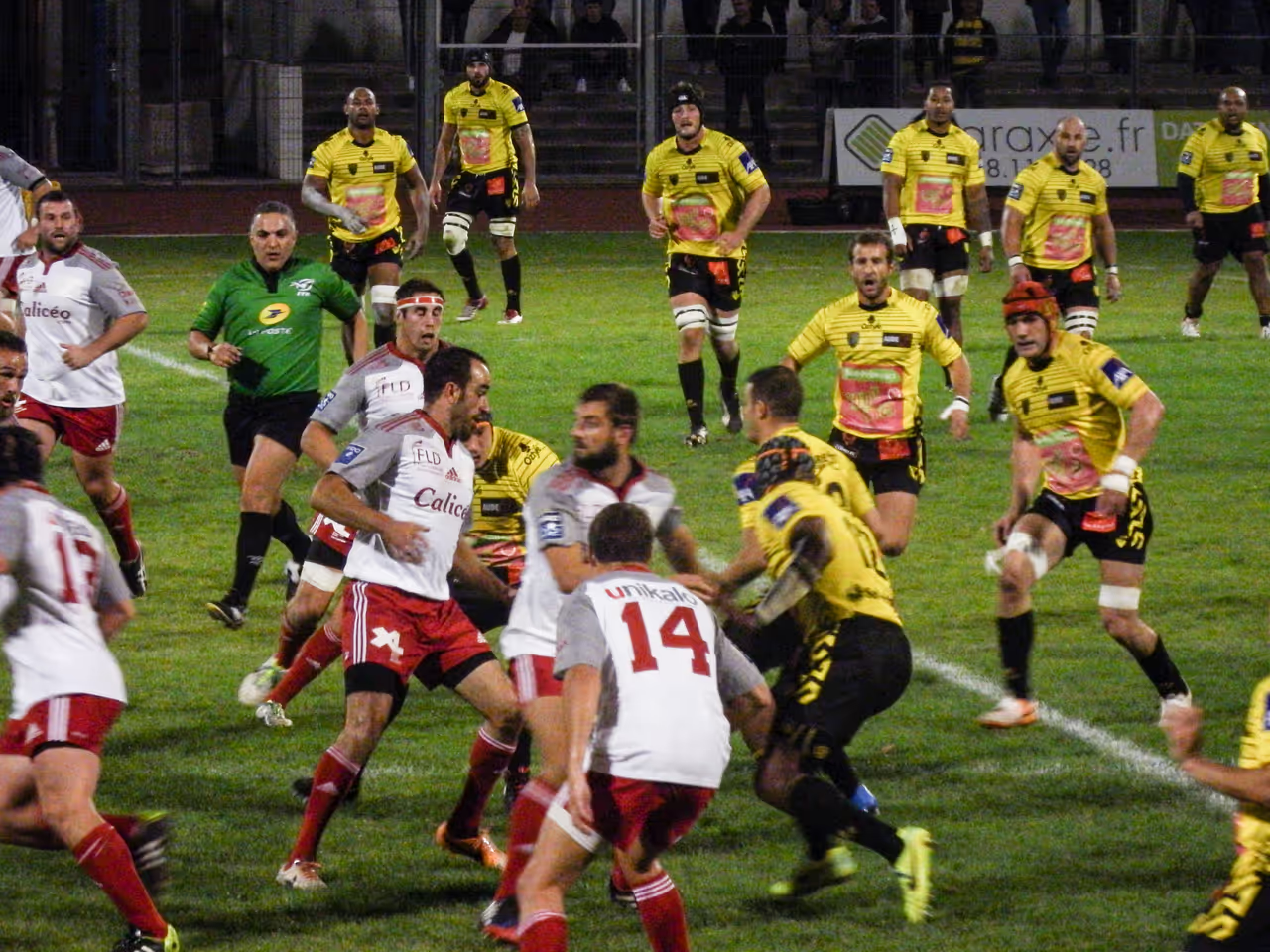
Attending a Rugby Match
Assister à un match de Rugby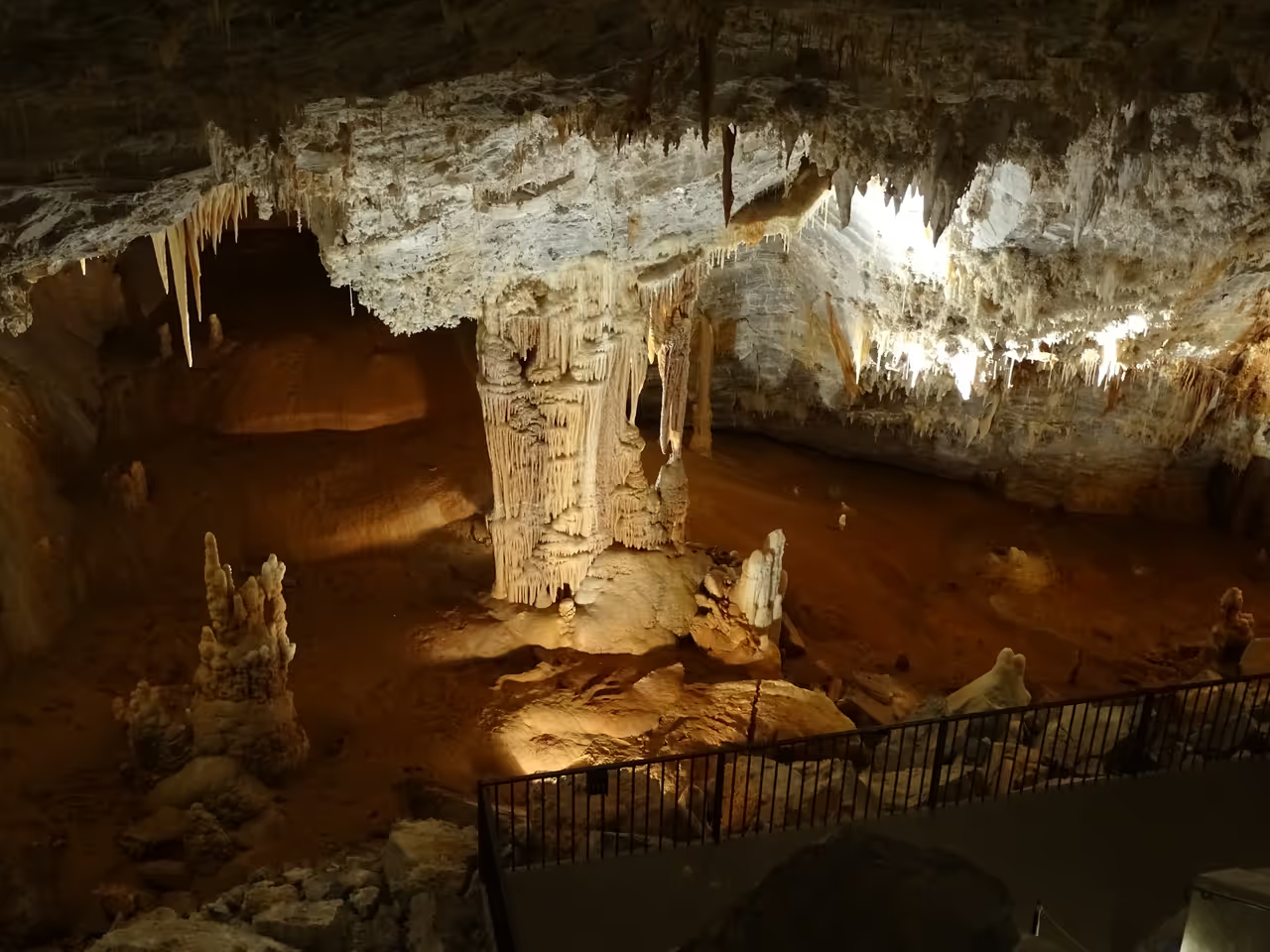
Caving the Giant Chasm
Gouffre Géant de Cabrespine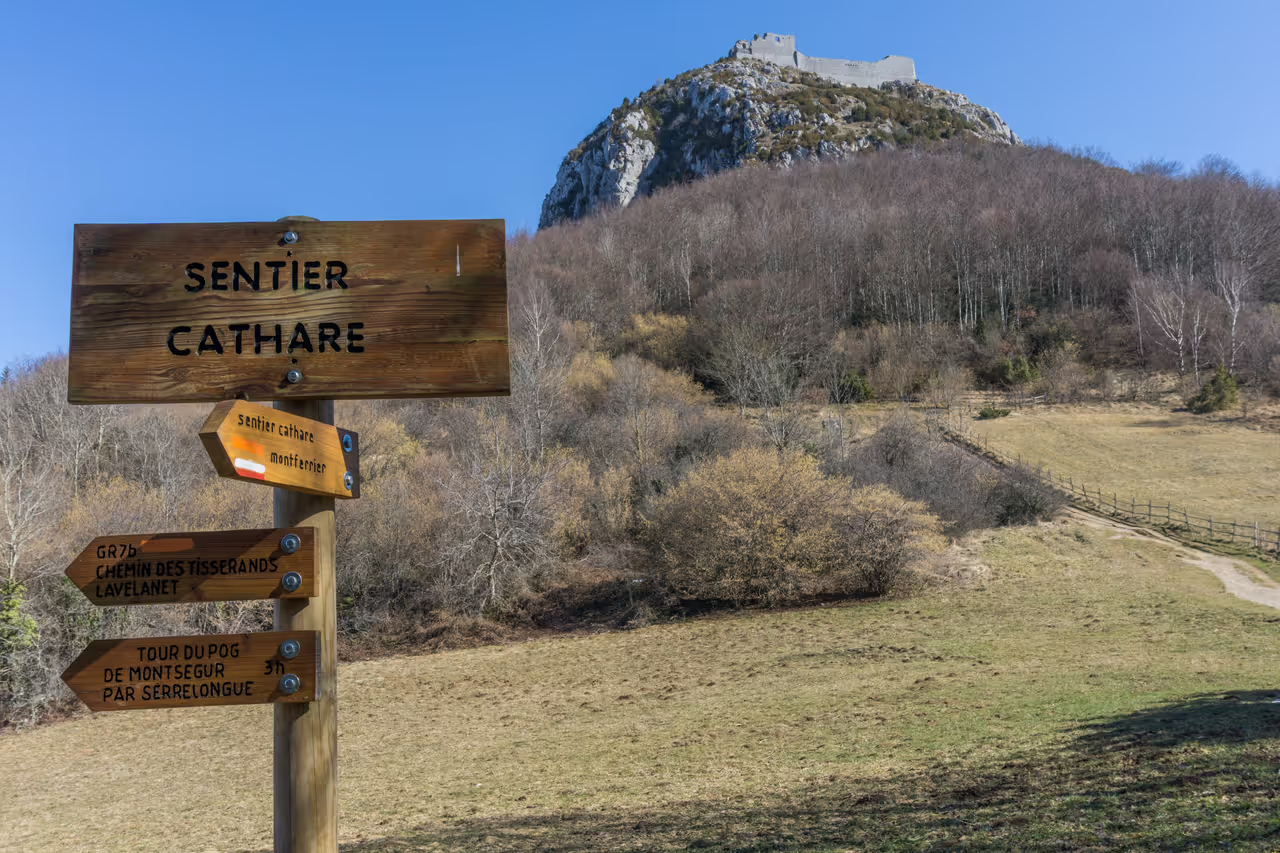
Hiking the Cathar Trail
Randonnée sur le Sentier Cathare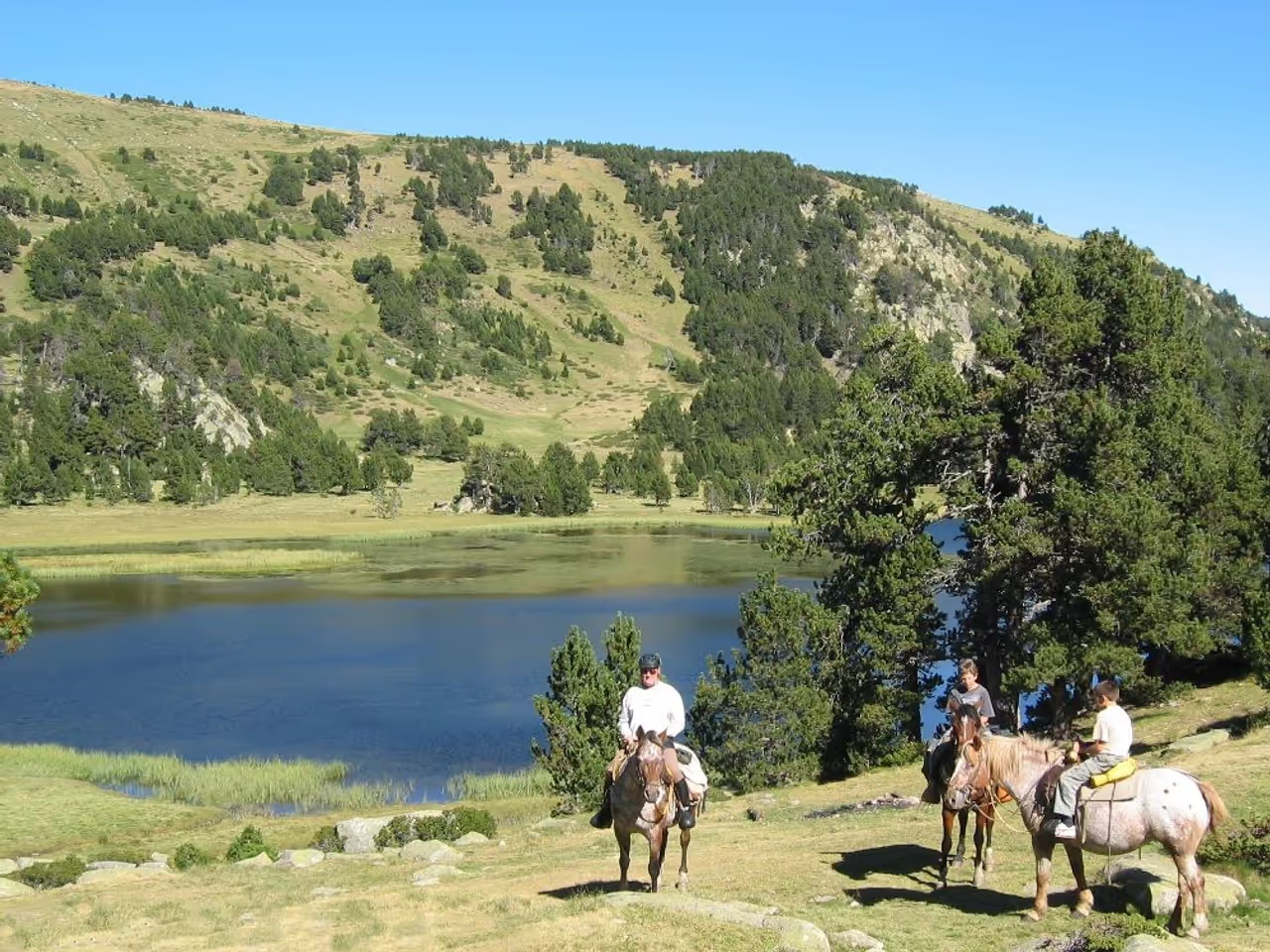
Horse Riding in the Valley
Équitation à Pommayrac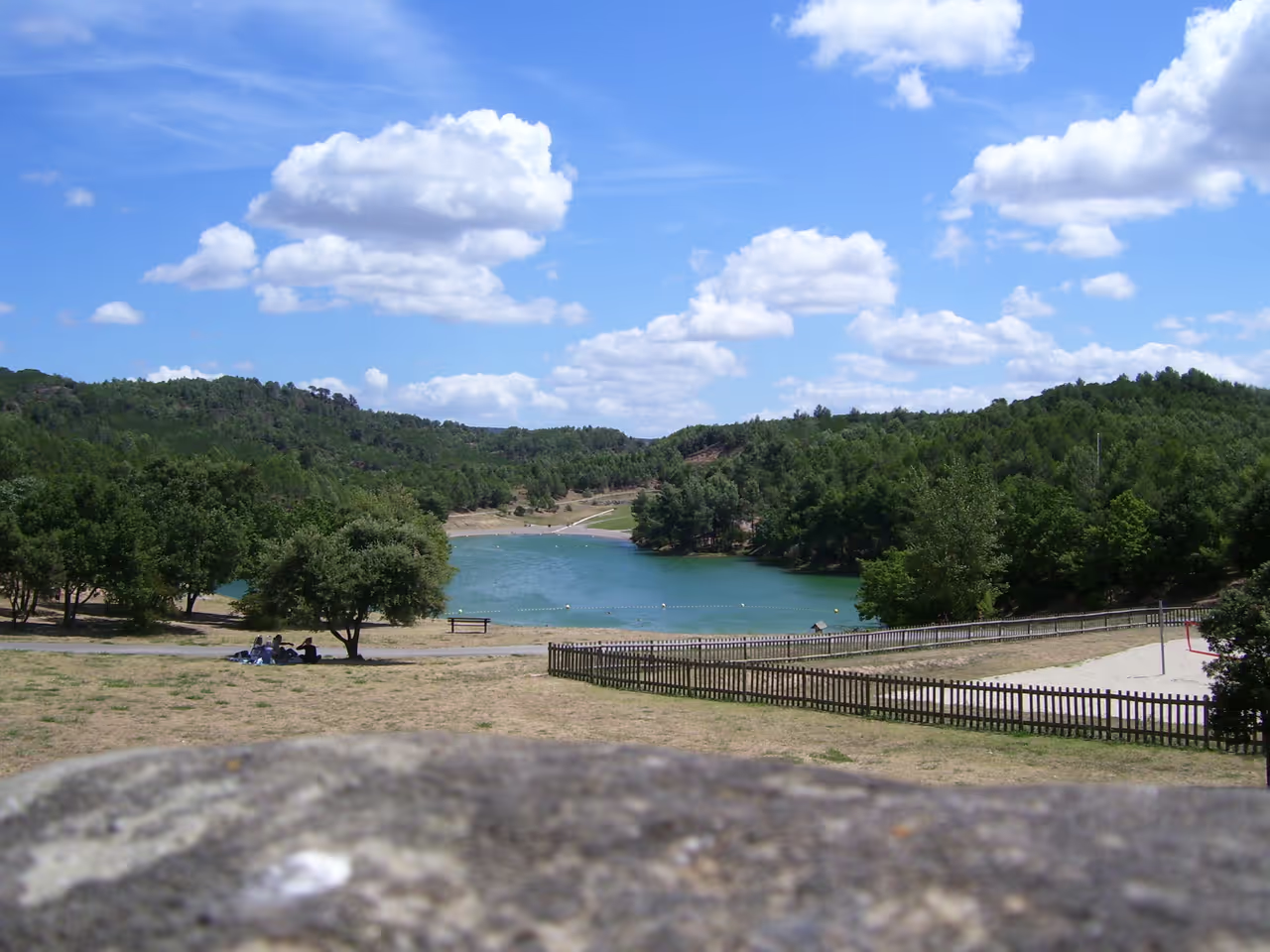
Swimming at Lake Cavayère
Baignade au Lac de la Cavayère
Cycling Routes
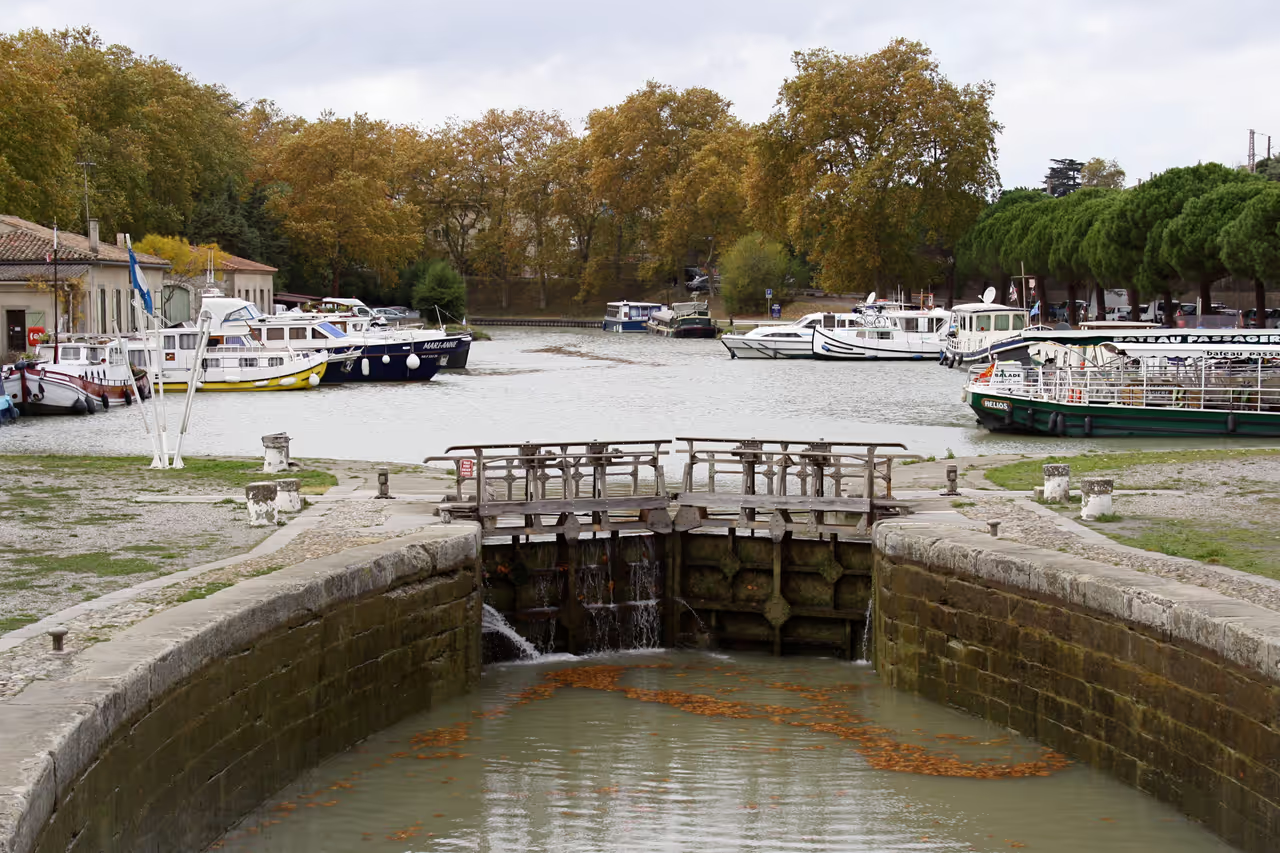
Port to Port Run
A straightforward push along the water's edge connecting the city directly to the neighbouring village. The dirt track stays resolutely flat, flanked by heavy agricultural land and rows of ancient trees. Barges hum quietly in the water alongside the path. The changing light filters through the canopy, creating a strobe effect on the ground.
River Aude Loop
A wide loop tracking the fast-flowing water that physically divides the city. The route shifts constantly between paved urban cycle lanes and packed gravel paths cutting through dense riverside vegetation. The imposing silhouette of the fortress reveals itself from multiple low angles. Herons stand completely still in the shallows, ignoring the passing traffic.
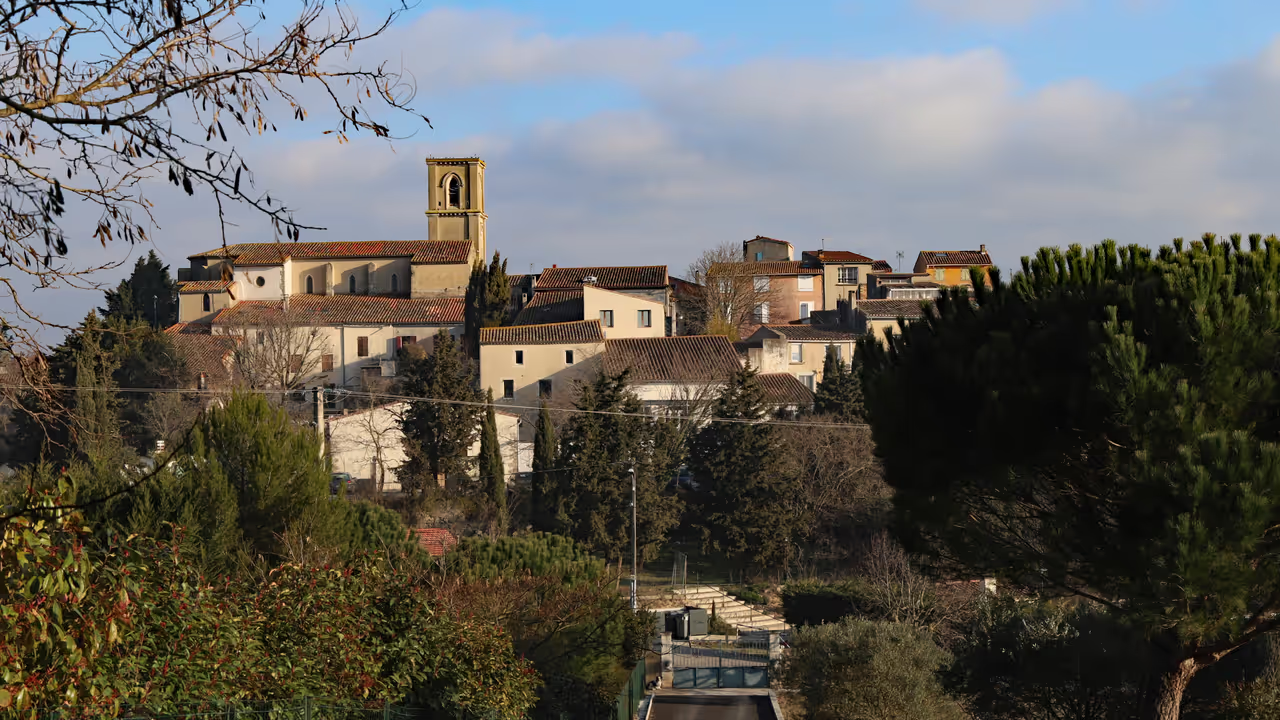
Malepère Run
A challenging push up into the gentle, rolling hills situated just southwest of the urban centre. The landscape is entirely dominated by low, geometric rows of grapevines. Small farming hamlets interrupt the vast agricultural expanses. The smell of damp soil and crushed leaves is overwhelming during the autumn harvest.
Self-Guided Tours
- HIGHLY RECOMMENDED
Siege Defence Circuit
A brutal examination of medieval military paranoia. The route explores the precise architectural choices made to kill attackers and preserve defenders. It focuses on the chokepoints, the murder holes, and the blindingly steep approach angles. The narrative shifts from the despair of the Cathars to the overwhelming might of the French Royal engineers.
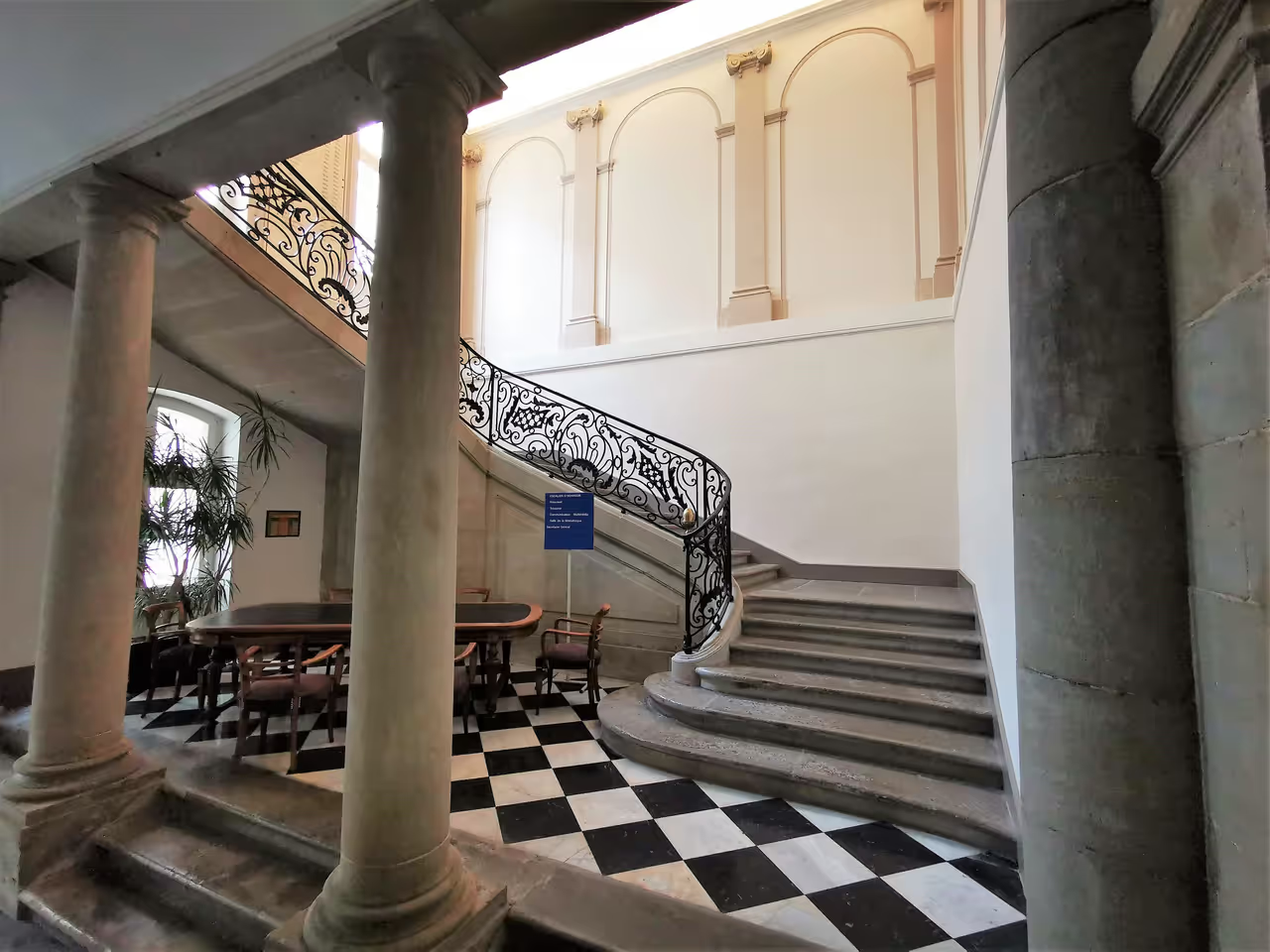
Wool Barons' Route
A hunt for the hidden wealth of the lower town. The tour traces the explosive economic growth of the Bastide during the 17th and 18th centuries when local cloth was shipped globally. It focuses on the grand mansions, the old manufacturing sites, and the infrastructure built to support a booming industry. The narrative reveals how a defeated people turned a muddy riverbank into an economic powerhouse.
Architect's Illusion
An investigation into one of the most controversial restoration projects in architectural history. The route examines Eugène Viollet-le-Duc's heavy-handed, highly romantic 19th-century intervention. It highlights the obvious fakes, the brilliant stabilisations, and the philosophical debate between preserving a ruin and rebuilding a fantasy. The narrative asks whether authenticity matters if the forgery is this beautiful.
Annual Festivals & Events
 HIGHLY RECOMMENDED
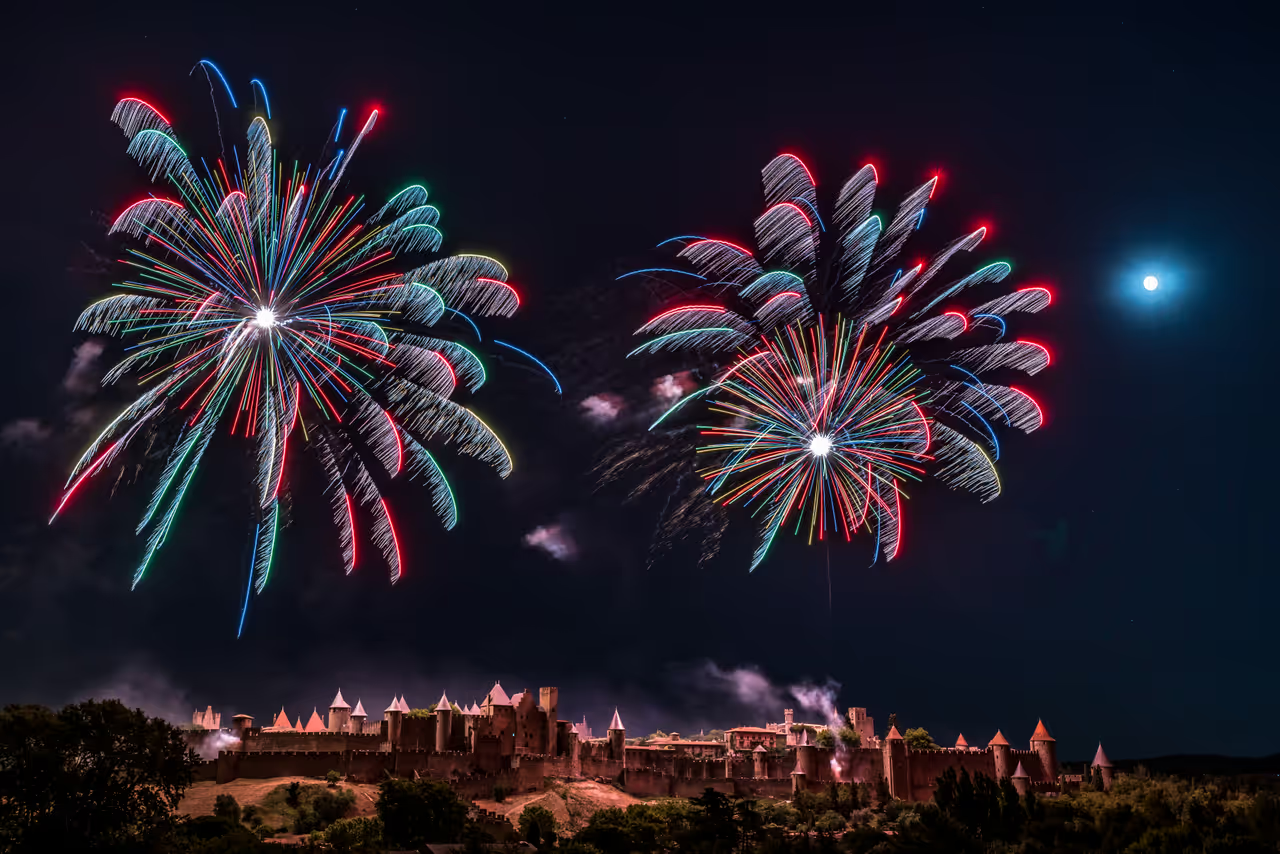
Burning of the City Fireworks
On the evening of July 14th, the city stages one of the most spectacular pyrotechnic displays in Europe. The entire medieval fortress is illuminated with red flares to simulate a massive historical fire, followed by a highly choreographed fireworks show launched directly from the ramparts. Crowds gather along the banks of the River Aude and on the nearby bridges hours in advance to secure a view. The sheer scale and noise of the event shake the surrounding valley.
 HIGHLY RECOMMENDED
Carcassonne Festival
A massive performing arts festival takes over the city throughout July. Stages are erected in the open-air Jean-Deschamps Theatre inside the medieval walls and in the squares of the lower town. The programming mixes contemporary pop music, classical opera, modern dance, and theatre, drawing hundreds of thousands of spectators. The contrast of modern stage lighting against medieval stone creates a highly theatrical atmosphere.
Carcassonne Feria
In late August, the lower town gives itself over to a traditional southern French street party. Brass bands march through the grid of the Bastide playing loud, repetitive local anthems while crowds gather at pop-up outdoor bars serving regional wine and tapas. The atmosphere leans heavily on Occitan and Spanish influences, complete with Sevillanas dancing in Place Carnot. It is a loud, crowded, and deeply local celebration marking the end of the summer.
Insider Tips
Book a table for dinner inside the Cité walls well in advance during July and August, as the best spots fill up weeks ahead of time.
Take the 'navette aéroport' shuttle bus directly from the airport to the train station; it connects directly with all Ryanair flights and costs far less than a taxi.
Walk across the Pont-Vieux just before sunrise if you want a clear photograph of the fortress without modern vehicles or large crowds in the frame.
Buy wine directly from the small local cavistes in the Bastide rather than the souvenir shops on the hill, where markups are significantly higher.
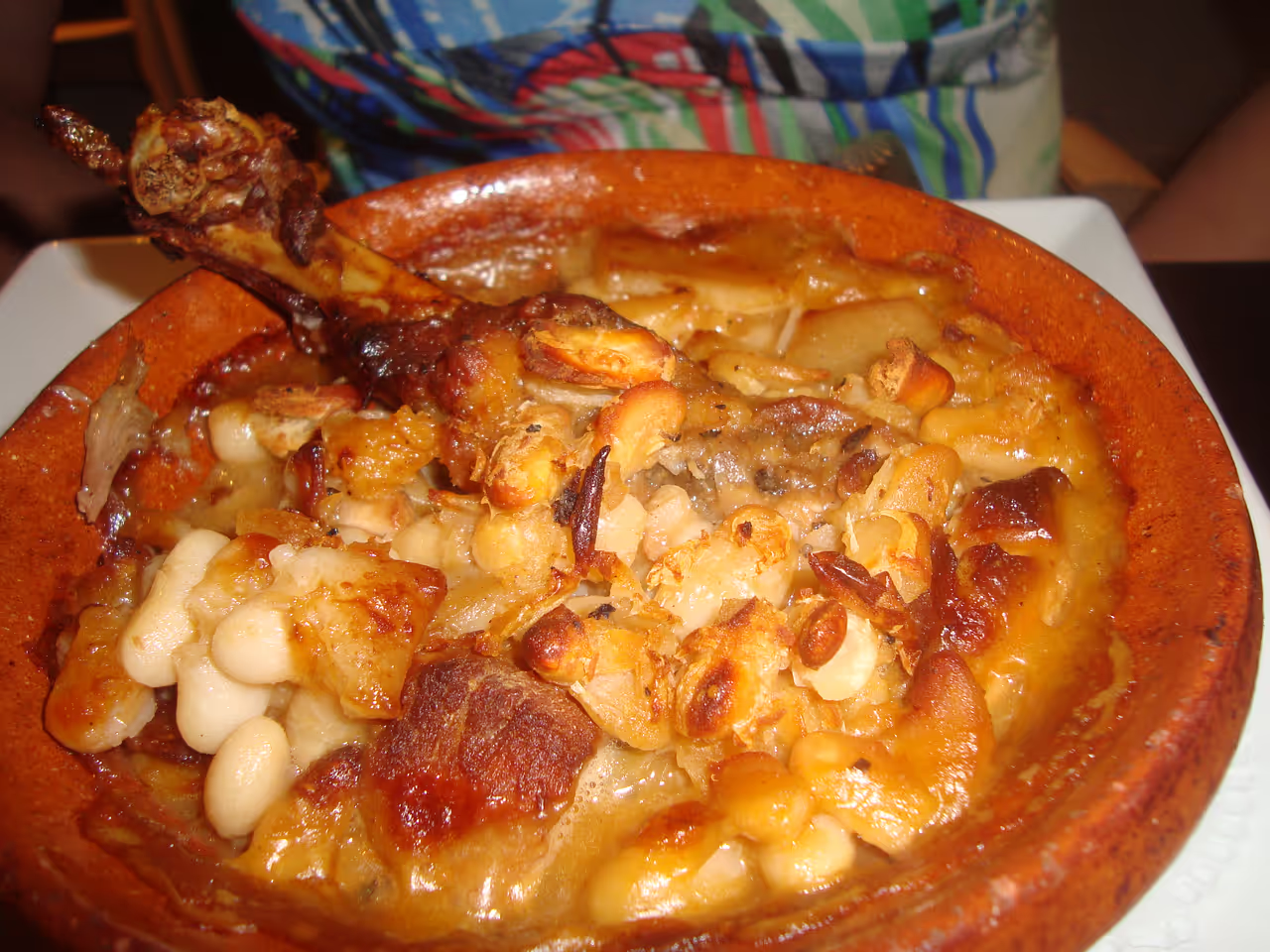
Avoid ordering a cassoulet in the middle of a hot summer day; the dish is exceptionally heavy and is much better suited to the cooler evening temperatures.
Use the underground parking at Place Gambetta if you are driving, as street parking around the medieval walls is strictly regulated and heavily ticketed.
Say 'Bonjour' before asking any question in a shop, café, or market stall. In southern France, jumping straight to a question without a greeting is considered incredibly rude and changing this simple habit transforms the entire interaction.
Keep euro coins and a little cash on hand for the Place Carnot market stalls and small wine producers. Many independent artisans still prefer cash or set strict card minimums.
PERFECT FOR
Carcassonne heavily rewards those fascinated by medieval military architecture and the dark history of the crusades. It provides an excellent base for cyclists wanting to trace the flat, shaded routes of the Canal du Midi. Food enthusiasts looking to explore deep, rich southern French cooking will find highly traditional, uncompromising local dishes in the city's old taverns.
VIBE
The lower town moves at the steady, practical pace of a regional administrative centre, filled with government workers and local shoppers. Across the river, the atmosphere shifts sharply into high drama as the massive stone walls of the fortress loom overhead. Mornings bring a quiet, almost eerie stillness to the cobblestones, while afternoons hum with the loud conversations of international crowds exploring the ramparts.
Frequently Asked Questions about Carcassonne
While we strive to keep this information accurate and up to date, we recommend verifying any details independently before making decisions based on them.
Similar Destinations in France
Continue your journey. Explore these highly recommended cities and uncover more of what France has to offer.