André Chénier Square
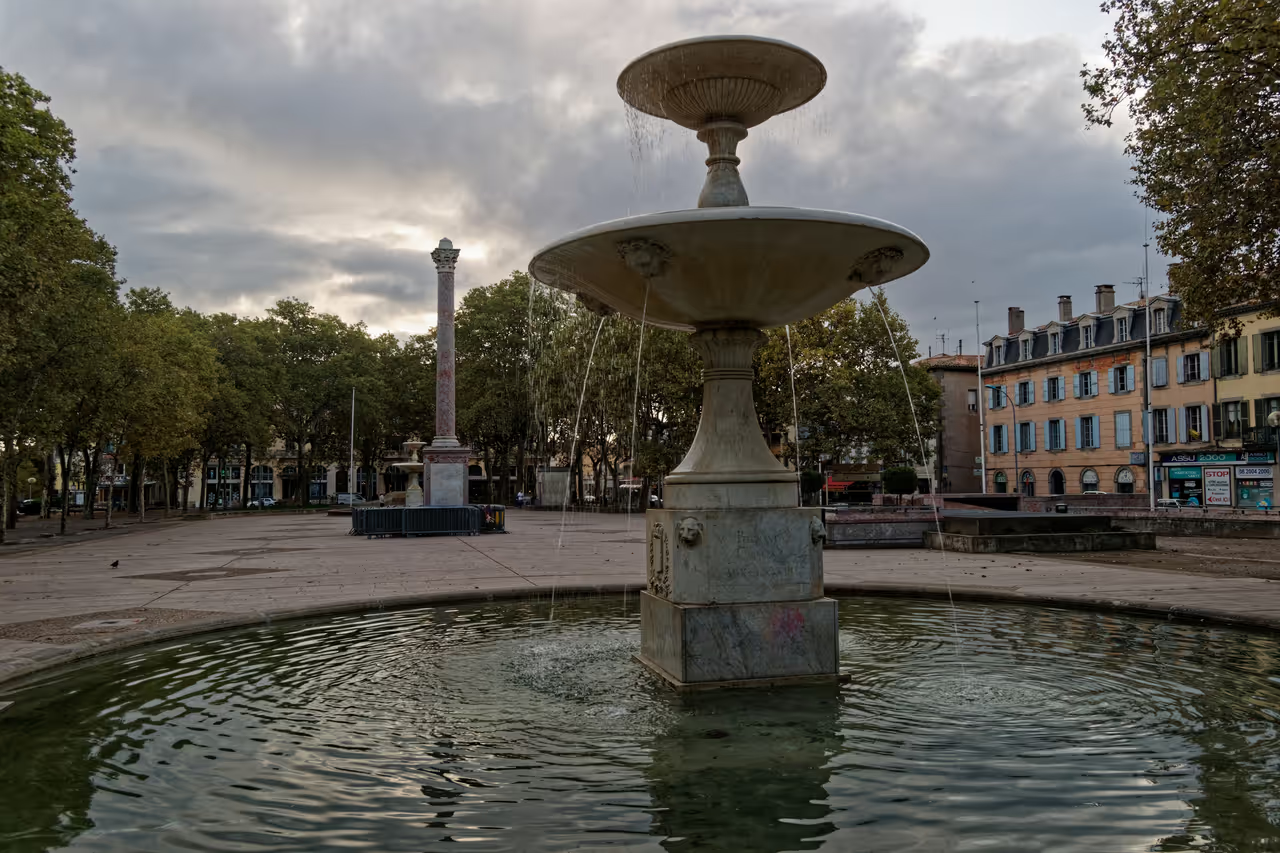
Travellers stepping off the train at the Carcassonne SNCF station usually encounter this manicured plaza before anything else. André Chénier Square serves as the green handshake between the industrial railway and the old Bastide Saint Louis. At its centre stands a heavy red marble column from Caunes Minervois that was originally carved for the royal estate of Versailles but somehow ended up here. Water cascades down the restored Omer Sarraut fountain, masking the noise of suitcases rolling over the pavement. The local council recently spent millions ripping up old concrete to plant fresh plane trees, trying to undo decades of harsh urban planning. Taking a short rest on one of the wooden benches provides an excellent vantage point for watching narrowboats drift into the nearby Canal du Midi port.
Videos
History of André Chénier Square
Before anyone planted a single flower here, the ground beneath this park served as the largest medieval cemetery in Carcassonne. Generations of citizens were buried in the soil just outside the original town limits. By 1826, the local authorities decided the area needed an aesthetic overhaul to impress merchants arriving at the newly constructed Canal du Midi port. They established the Jardin des Plantes, an immaculate botanical space designed to project wealth and cleanliness. Two years later, a massive red marble column originally destined for the Grand Trianon at Versailles was mysteriously redirected to the town and erected directly in the middle of the walkways. The twentieth century brought severe disruption to the peaceful garden. When occupying German forces arrived in 1942, they ordered the dismantling of the park's grand bronze fountain to melt it down for munitions. A few brave residents managed to detach the bronze bust of former mayor Omer Sarraut in the dead of night, hiding the heavy head in a safe location until the war ended. The restored face was eventually placed back onto a newly carved stone plinth. The most shocking chapter of the site occurred much later. In 1985, Mayor Raymond Chésa pushed through a highly controversial plan to construct a massive underground car park. Heavy machinery rolled in and completely annihilated the historic gardens. Furthermore, the construction crews dug straight through the ancient medieval cemetery without conducting a single preventive archaeological excavation. For over thirty years, the roof of the car park functioned as a sterile concrete plaza devoid of greenery. Only a recent lengthy public works project finally cracked the concrete open again, reintroducing trees and water channels to give the space back its dignity.
events spanning 818 years
Fun Facts
- • During the Second World War, locals managed to detach and hide the bronze head of a former mayor to save it from Nazi munitions factories.
- • For decades, a neglected statue known as La Belle Hélène stood awkwardly in the bushes here after local politicians completely ignored the sculptor's installation instructions.
- • It was historically named the Jardins des Plantes to give train passengers arriving from the nearby station an immediate impression of a highly cultivated city.
- • The central red marble column was originally commissioned for the Grand Trianon in Versailles before being curiously repurposed for this provincial town square.
- • The grounds hold the unexcavated remains of Carcassonne's largest medieval burial site, completely ignored by property developers in the 1980s.
- • The marble used for the square's decorative basins was quarried from nearby Caunes Minervois, which was the exact same geological source favoured by King Louis XIV.
- • The space was radically stripped of all its flowers and vegetation in 1986, replaced entirely by harsh stone slabs and concrete to serve as a car park roof.
- • The underground car park built beneath the square in 1985 was completed in a suspiciously fast eleven months, largely because builders bypassed mandatory archaeological surveys.
André Chénier Square FAQ
While we strive to keep this information accurate and up to date, we recommend verifying any details independently before making decisions based on them.
André Chénier Square Map & Neighborhood Explorer
This interactive map is centered on André Chénier Square. Zoom in and move the map around to automatically discover Wikipedia photos and summaries of other nearby sights, monuments, and historical points of interest and stories in real-time!
Places near André Chénier Square
Make the most of your trip. Check out these top-rated spots located nearby.
 130m
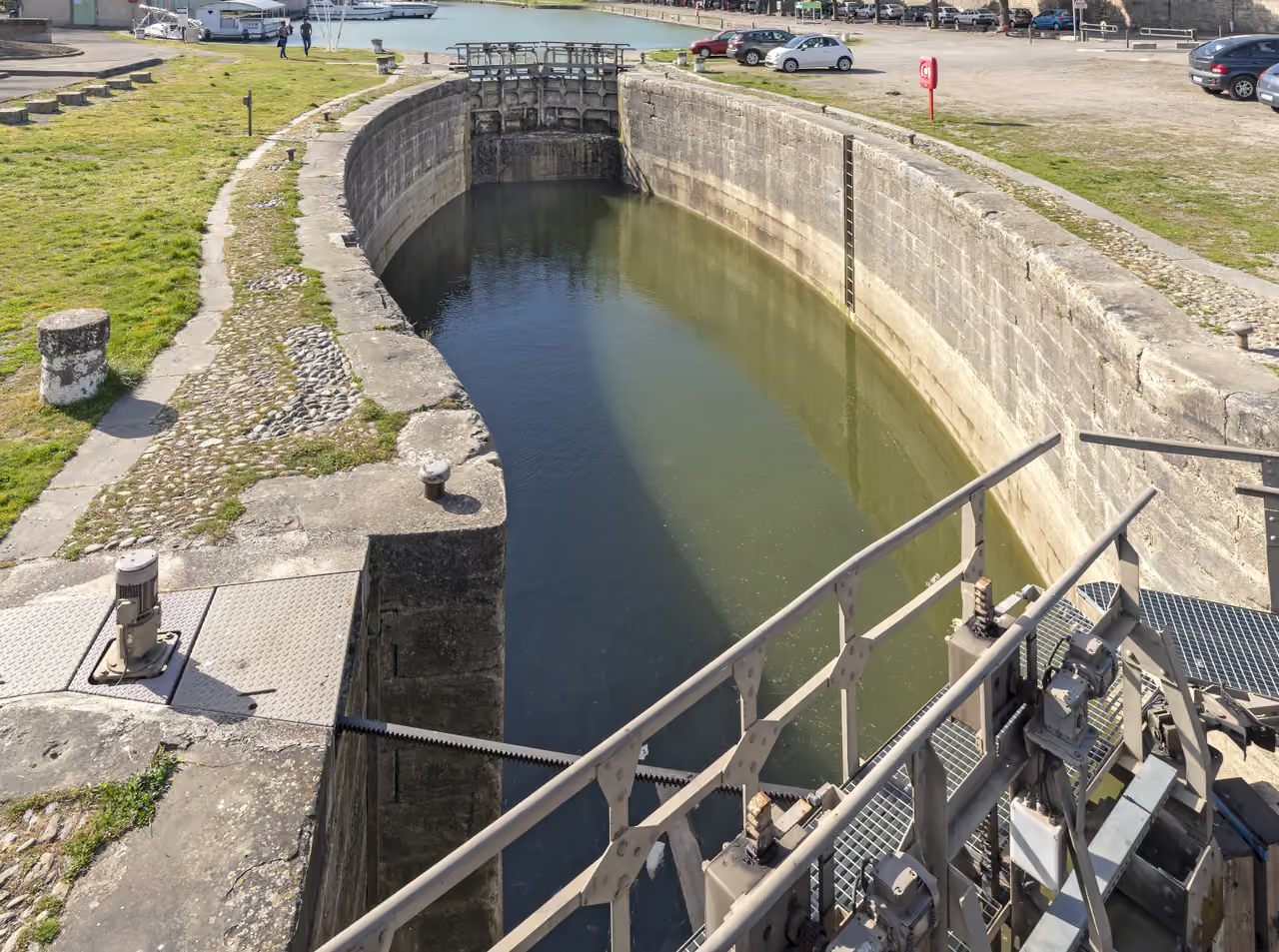
130mWatching the Canal Locks
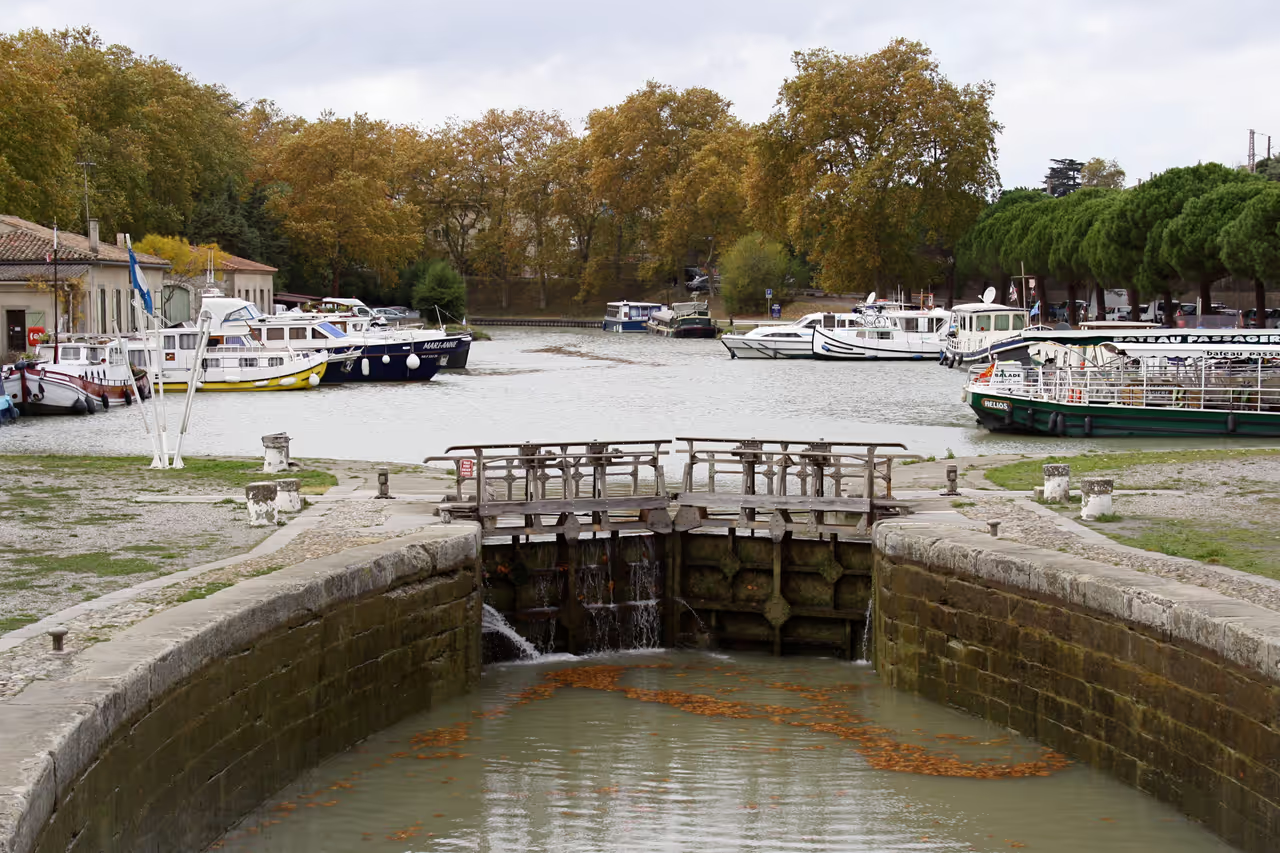
Standing next to the deep stone basin near the port provides a free lesson in 17th-century hydro-engineering. The lock keeper cranks heavy iron gears by hand, releasing a violent torrent of white water that violently throws the waiting barges against their ropes. The process is loud, mechanical, and fascinating to watch. It offers a completely different rhythm compared to the static historical monuments.
free thing to do view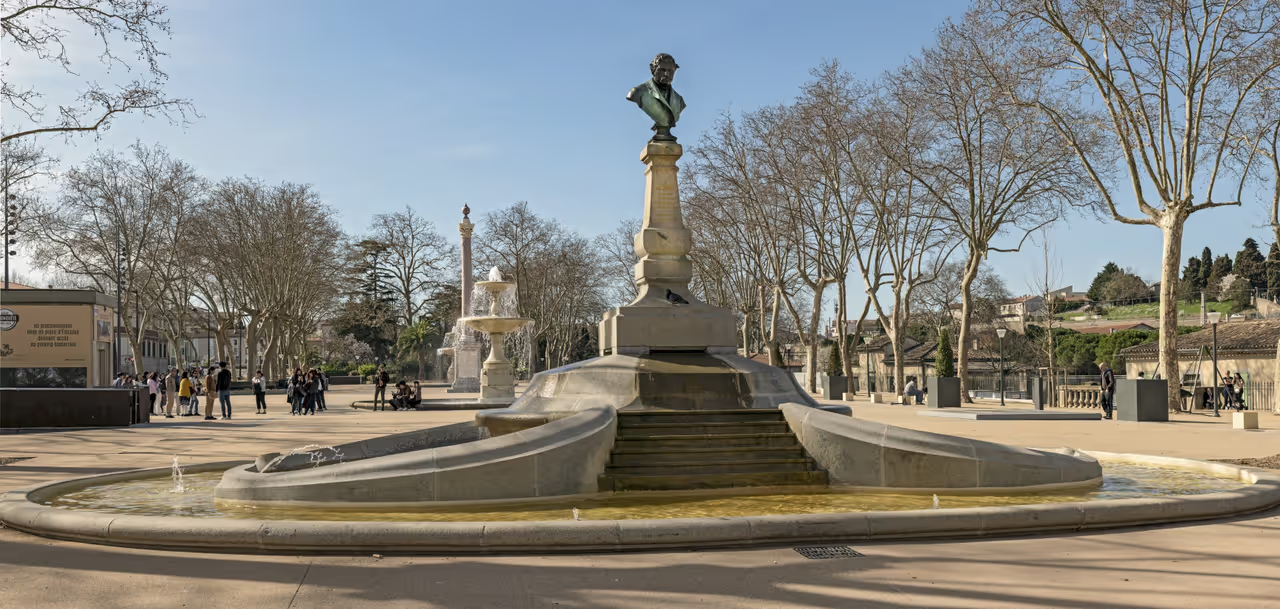 132m
132mBoulevard Omer Sarraut
Located on the edge of the lower town grid, this wide road hosts a few larger, more modern drinking establishments. The venues have more floor space, allowing for louder music and standing crowds. Younger locals gather here late in the evening before heading to clubs on the outskirts of the city. The noise frequently spills out into the wide street.
nightlife view- 181m
International Political Film Festival
Held in the dead of winter, this specialised film festival screens international cinema focused entirely on political and social issues. Directors, journalists, and actors participate in heated debates and panel discussions after the screenings. The event takes place primarily in the Colisée cinema and the local theatre. It provides a sharp, intellectual contrast to the more tourist-driven summer events.
festival view 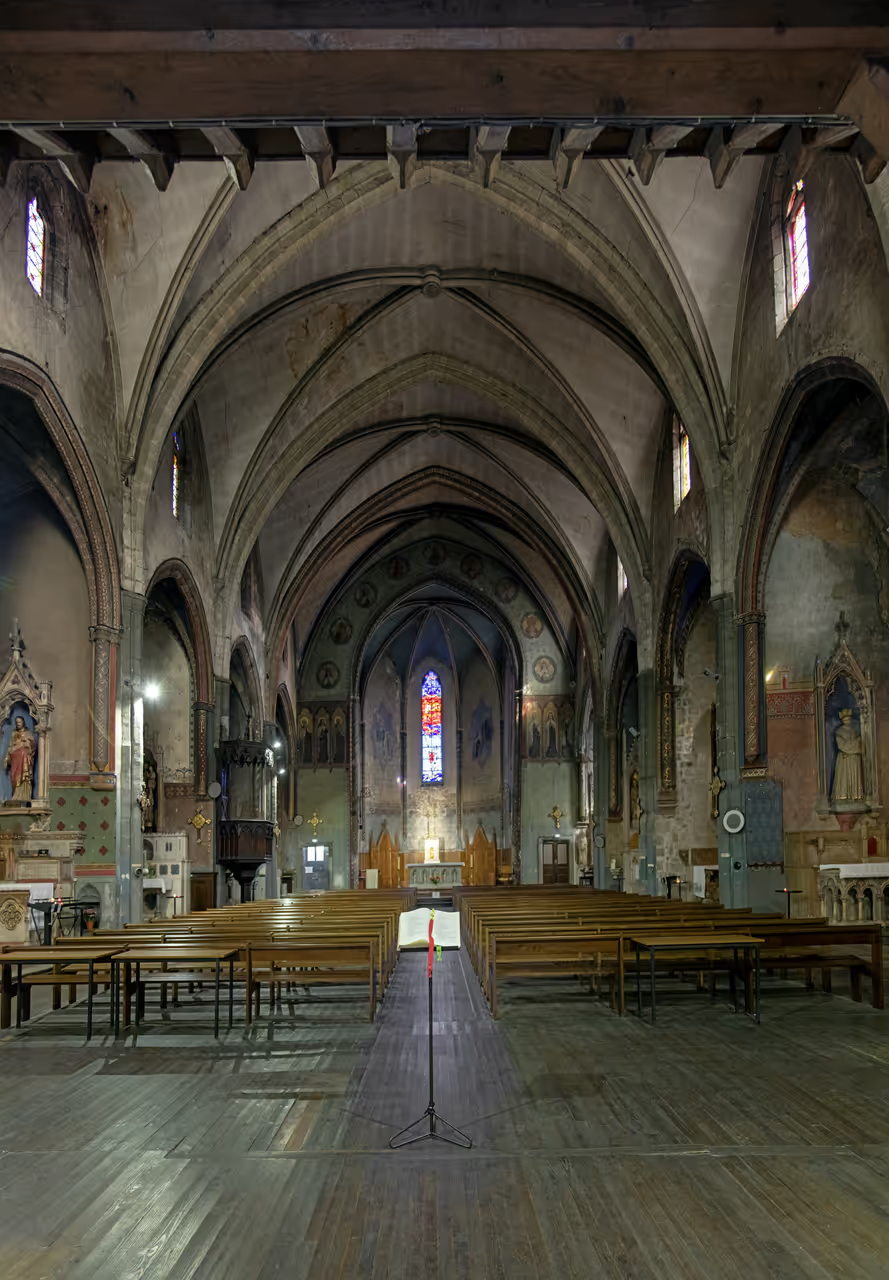 231m
231mCarmelite Church
A deeply historical parish church embedded in the grid of the lower town, rebuilt repeatedly from the 14th to the 18th centuries. The facade remains plain and unassuming, but the interior holds sharp, detailed woodwork and heavy stone altars. It serves the daily religious needs of the local population, completely ignored by the massive tourist crowds across the river. It smells faintly of old incense and damp stone.
highlight view
Featured on This Itinerary
See all nature & parks in Carcassonne
Including Cavayère Lake