Narbonne Gate
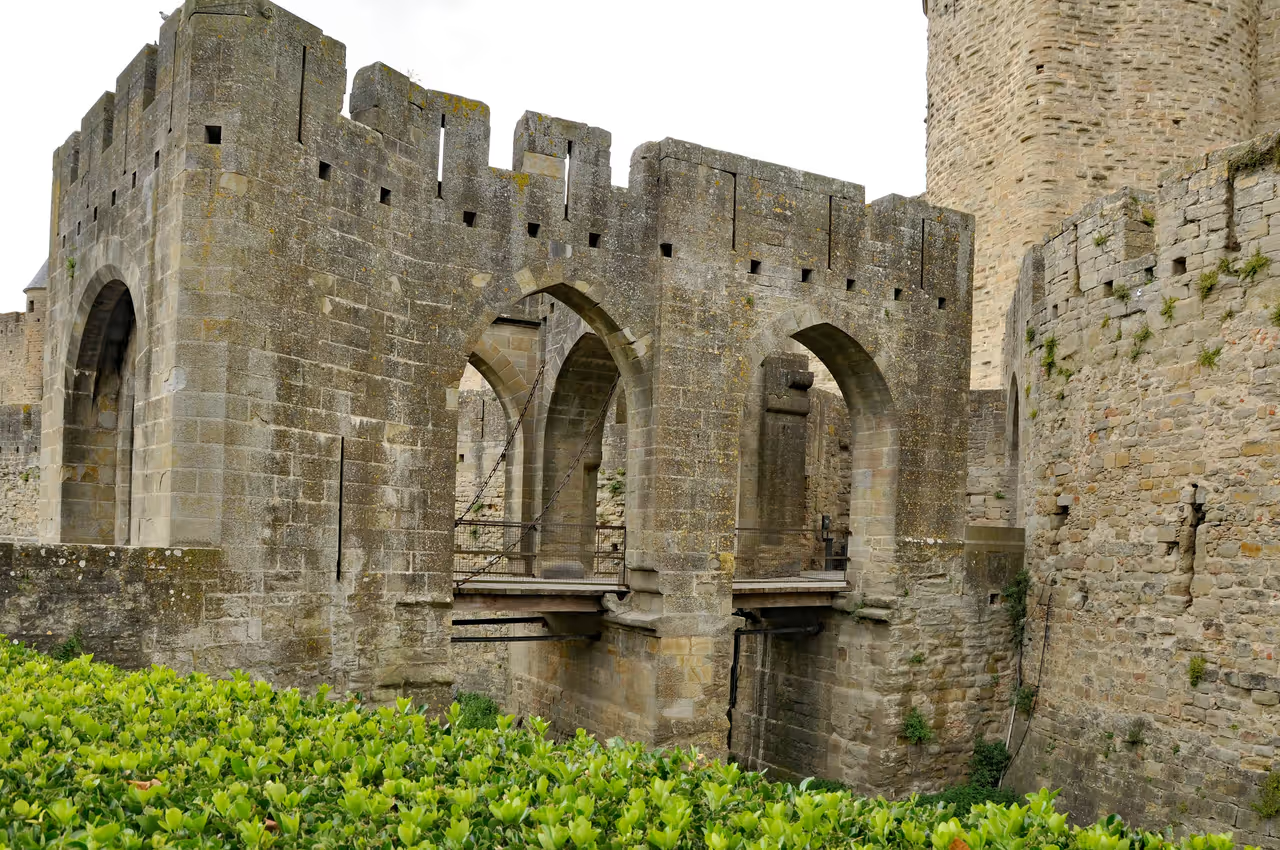
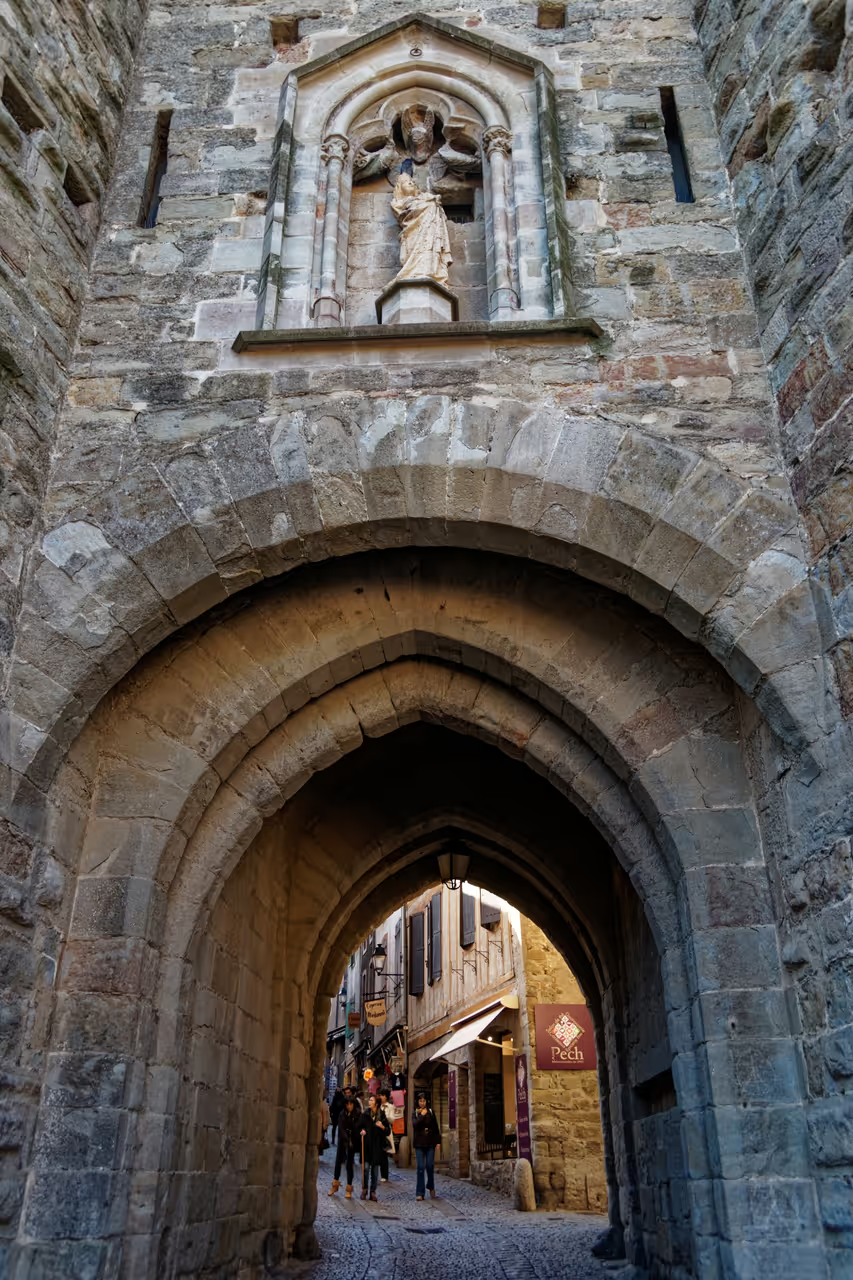
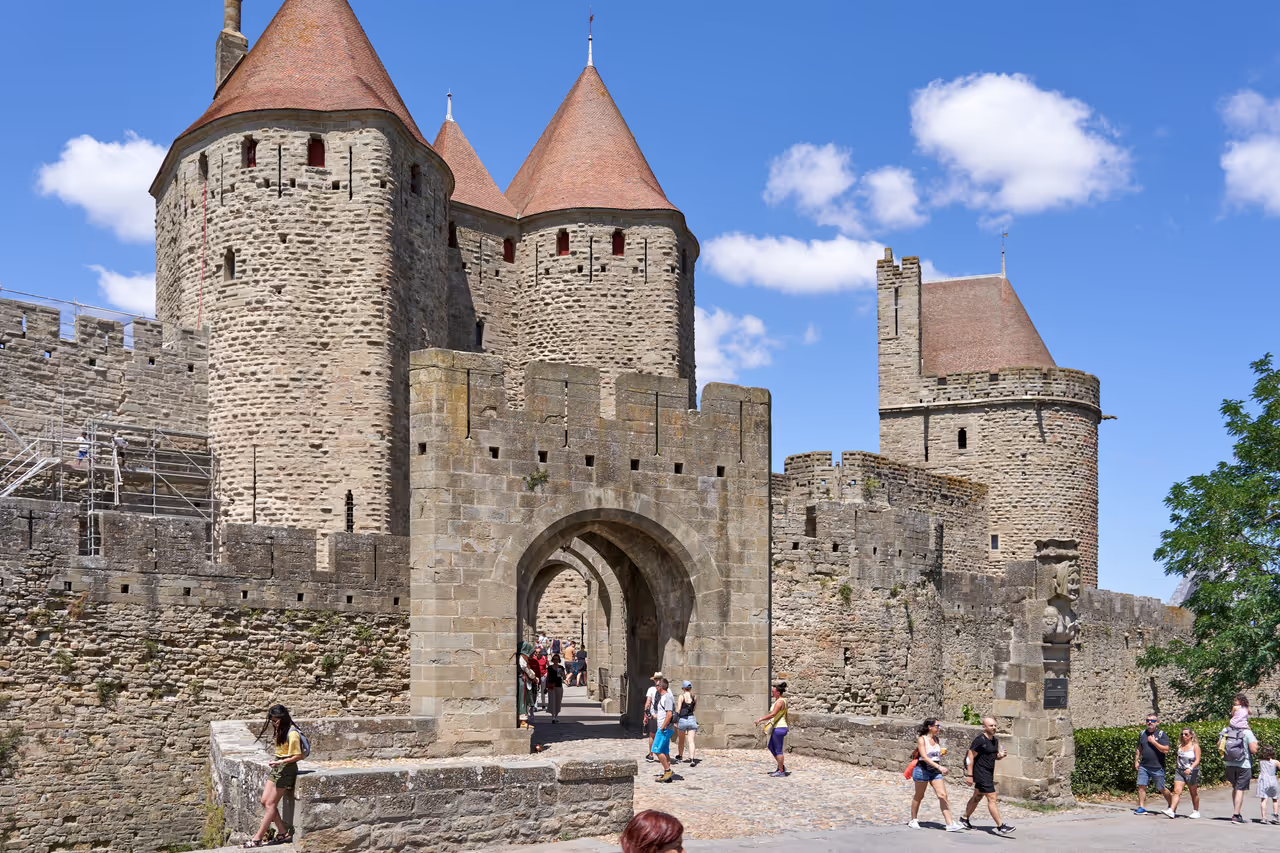
Two massive sandstone towers flank the eastern entrance to the Cité de Carcassonne, plunging downward like the prow of a medieval warship. This is the Narbonne Gate, constructed under King Philip III to ensure the fortress would never fall to a siege again. Passing under the gaze of a stone bust of Dame Carcas, visitors cross a heavy wooden drawbridge and enter a narrow stone passage originally designed to trap attackers. Look up to spot the iron portcullis and the high machicolations where defenders once stood ready to drop projectiles. Today, carriage horses clatter across the cobblestones here, filtering crowds into the narrow lanes of the old city. The sheer defensive paranoia of the thirteenth century remains entirely intact above your head.
History of Narbonne Gate
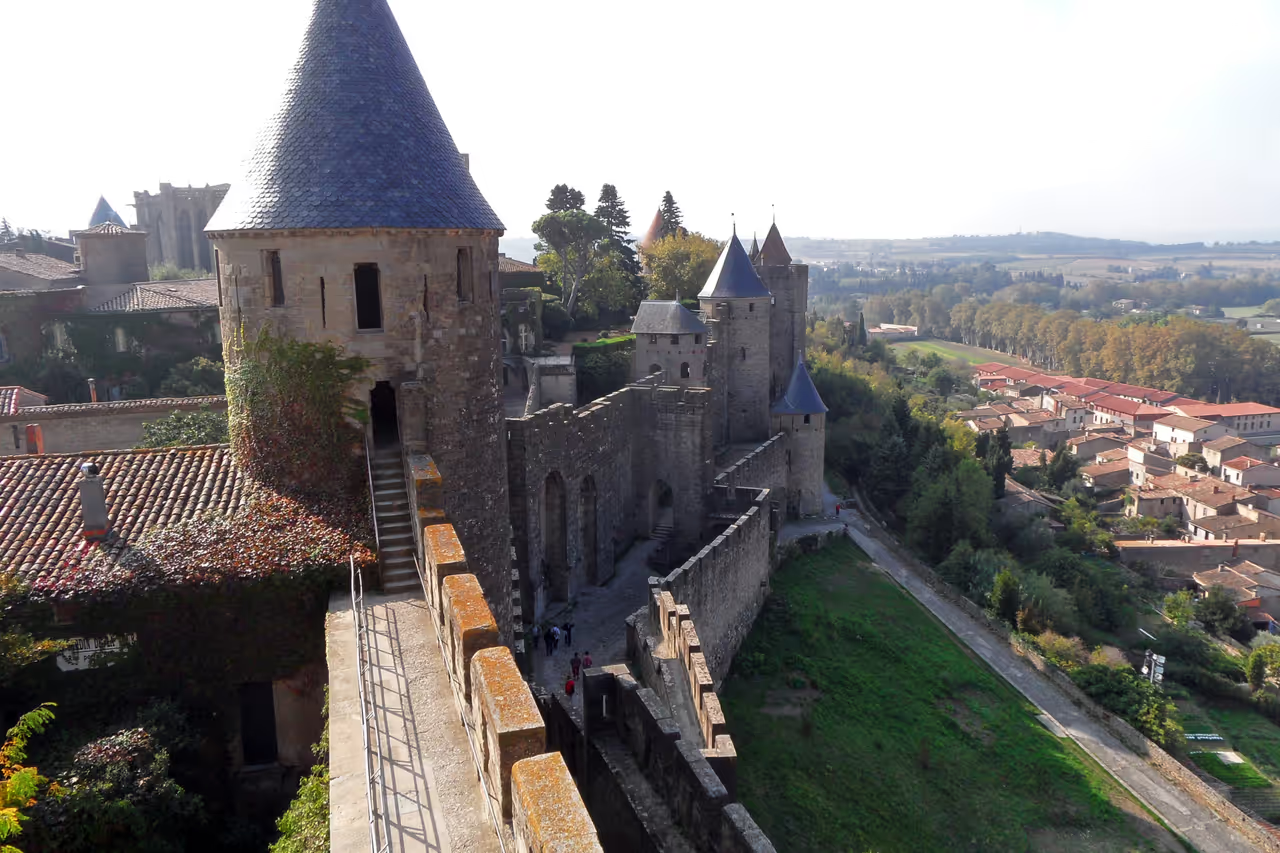
In the late thirteenth century, the French crown had a serious problem. Having seized Carcassonne from the rebellious Trencavel dynasty during the Albigensian Crusade, they needed to ensure the fortress could never be taken back. King Philip III ordered a radical upgrade to the eastern flank of the city. The result was the Narbonne Gate, completed around 1280. Its architects discarded traditional flat or round tower designs, opting instead for two enormous spur towers with sharpened, beak like edges facing the countryside. This distinct shape deflected enemy projectiles and made dead zones impossible, leaving attackers exposed to a lethal crossfire. The gatehouse functioned as an impenetrable bottleneck. Invaders who managed to cross the dry moat faced a gauntlet of overlapping defences. These included a heavy chain, a reinforced wooden door, and a pair of iron portcullises dropping from the ceiling. The vault of the inner passage featured murder holes for dropping heavy stones on anyone trapped between the gates. For centuries, this intimidating stone funnel did exactly what Philip III intended. It discouraged full scale assaults entirely, allowing the garrison to control the surrounding Languedoc region without ever having to test the ultimate breaking point of the masonry. By the nineteenth century, the military necessity of the gate had long vanished, and the structure had fallen into severe decay. Locals began pillaging the stonework for cheap building materials. Enter Eugène Viollet le Duc, a passionate and highly opinionated architect tasked with saving the fortress from demolition in 1853. He rebuilt the crenellations and added the slate cone roofs that define the gate today. While architectural purists argued his additions were overly romanticised, his intervention rescued the gateway from total collapse and cemented its status as a definitive symbol of medieval power.
events spanning 573 years
Fun Facts
- • An intricate system of counterweights and pulleys for the main portcullis remains visible in the upper chambers, demonstrating the advanced mechanical engineering of thirteenth century French military architects.
- • During the height of its military use, the gate complex housed its own self contained garrison and living quarters, functioning almost as a miniature castle within the larger fortress.
- • Just outside the entrance stands a replica bust of Dame Carcas, a legendary Saracen princess who supposedly tricked Charlemagne into ending a long siege by tossing a well fed pig over the walls.
- • Stone blocks from the older Roman walls were recycled by King Philip III's stonemasons to construct the lower foundations of the twin towers.
- • The French government officially classified the structure as a historical monument in 1840, stepping in just before locals could successfully petition to have it torn down.
- • The distinctive pointed shape of the towers was specifically engineered to cause incoming siege boulders to glance off the sides rather than hitting the masonry flat on.
- • The heavy wooden drawbridge visitors cross today is entirely a nineteenth century invention by architect Eugène Viollet le Duc, as the original entrance relied on a fixed bridge and a steep defensive ramp.
- • The original medieval builders incorporated a massive cistern beneath the gatehouse, ensuring defenders had a private water supply even if the main city ran dry during a prolonged attack.
Narbonne Gate FAQ
While we strive to keep this information accurate and up to date, we recommend verifying any details independently before making decisions based on them.
Narbonne Gate Map & Neighborhood Explorer
This interactive map is centered on Narbonne Gate. Zoom in and move the map around to automatically discover Wikipedia photos and summaries of other nearby sights, monuments, and historical points of interest and stories in real-time!
Places near Narbonne Gate
Make the most of your trip. Check out these top-rated spots located nearby.
 45m
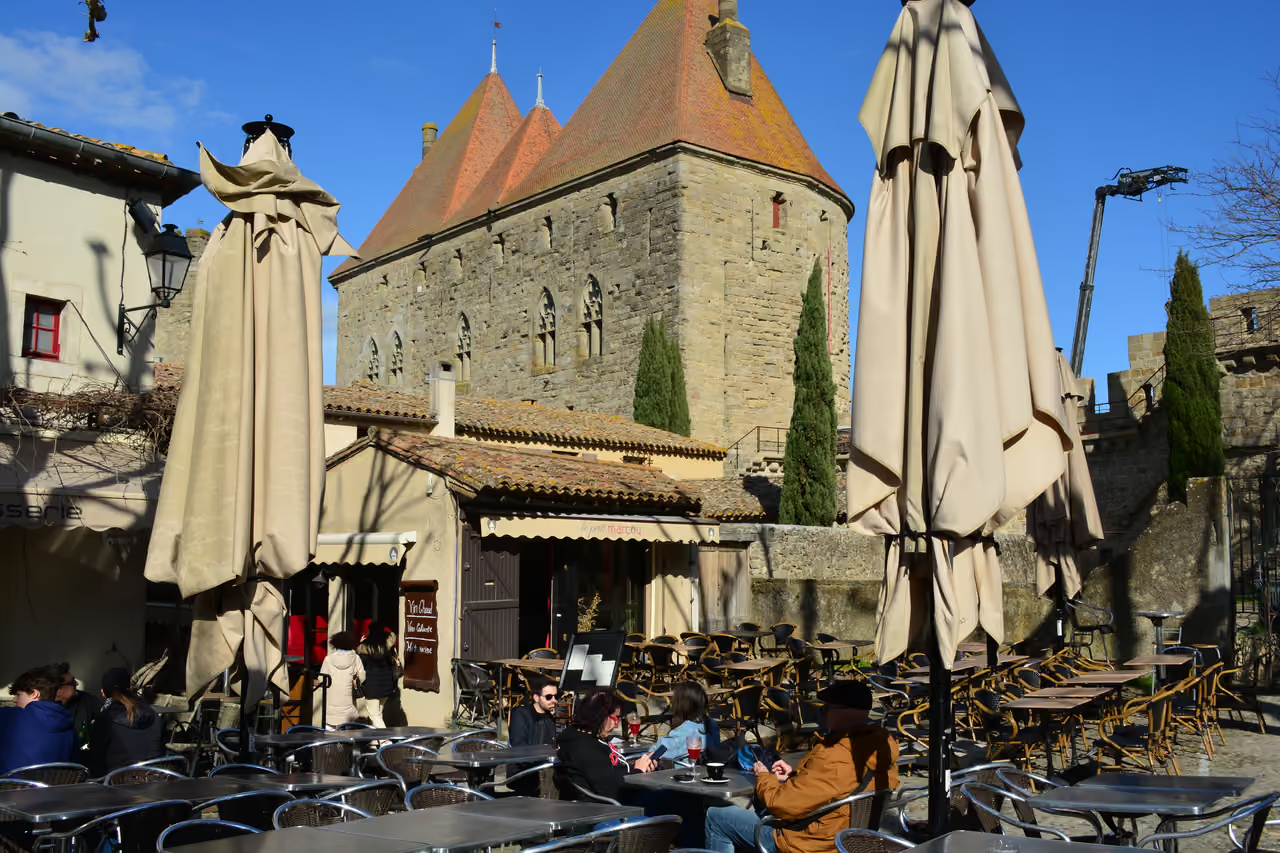
45mPlace Marcou in the Morning
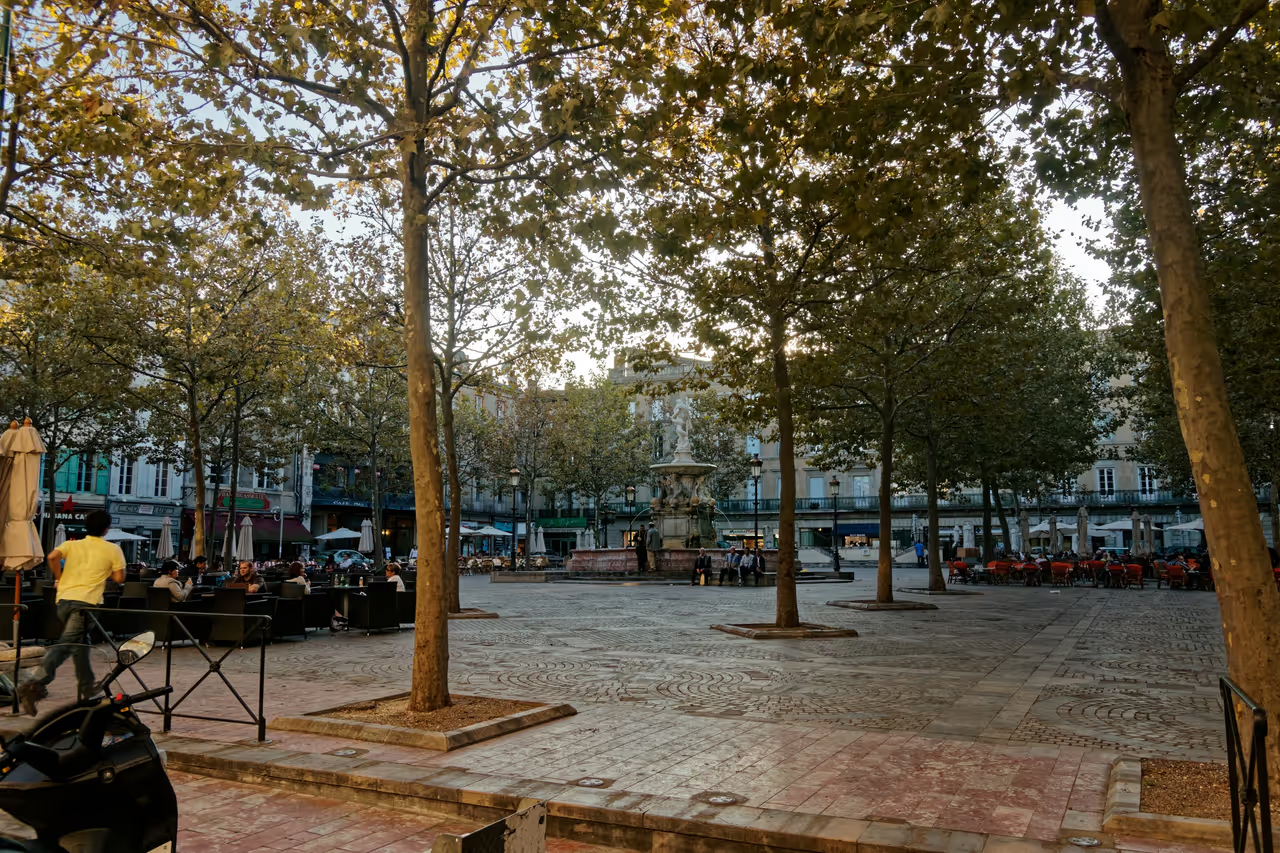
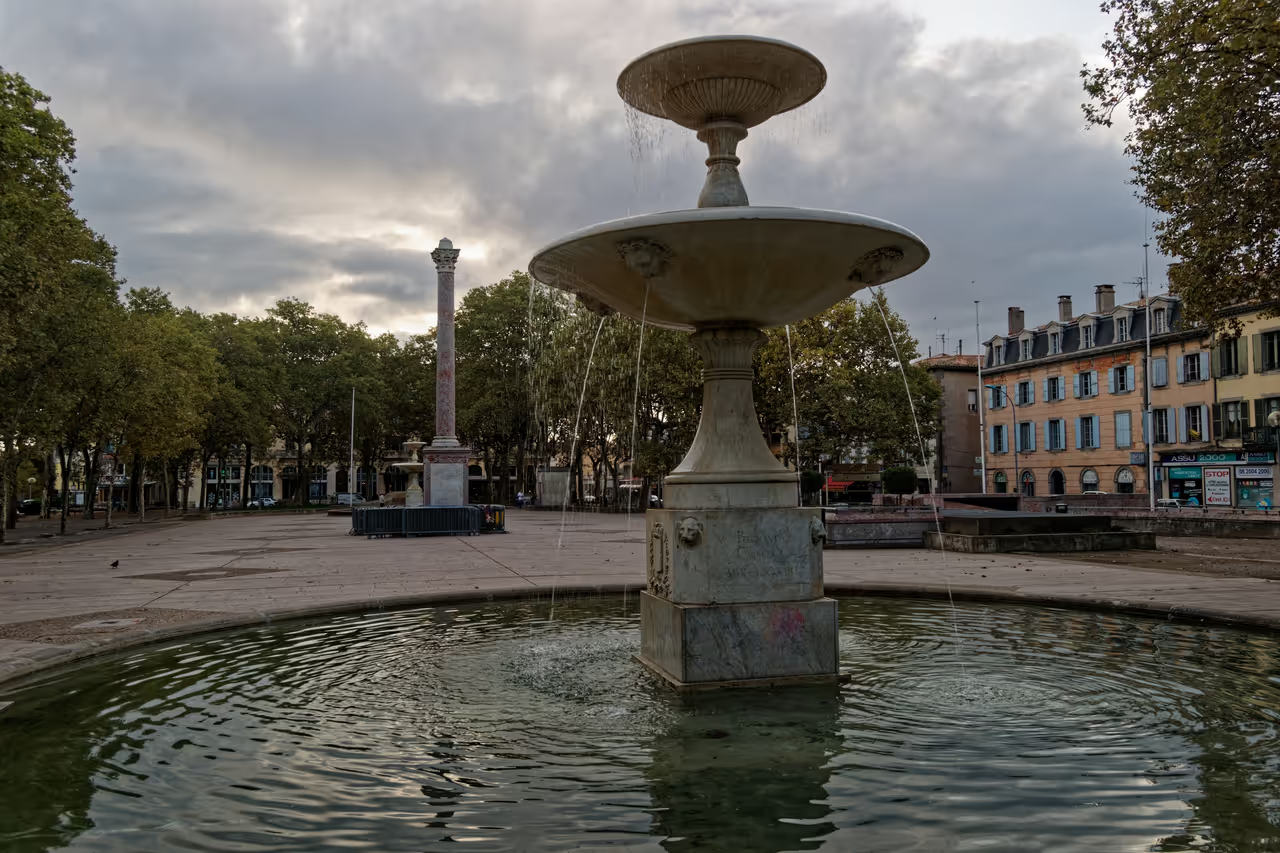
Before the restaurants open and the crowds arrive, this enclosed square reveals its pure medieval geometry. The sharp morning light slices through the surrounding rooftops, illuminating the uneven cobblestones and tightly packed facades. Stacked cafe chairs and wet pavement reflect the early sun. It captures the quiet, domestic side of a highly commercialised zone.
photo spot view 114m
114mBurning of the City Fireworks
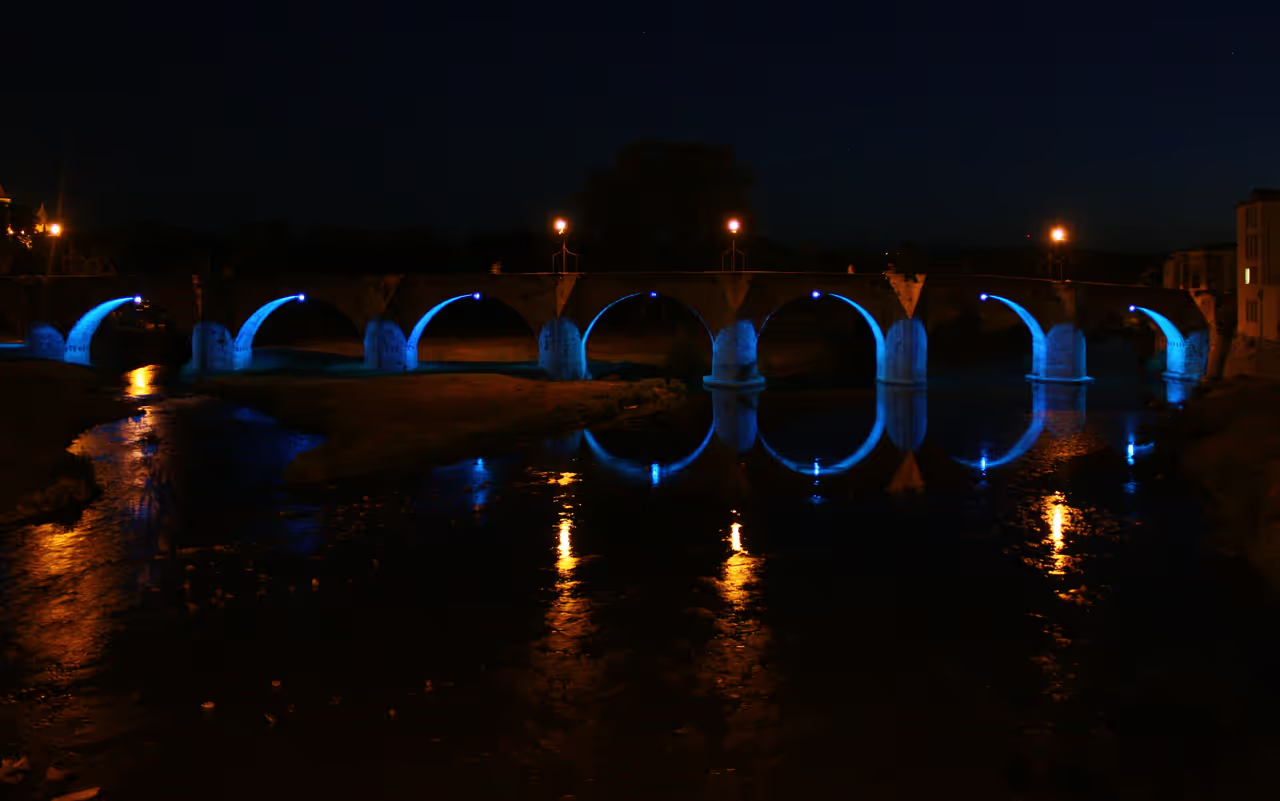
On the evening of July 14th, the city stages one of the most spectacular pyrotechnic displays in Europe. The entire medieval fortress is illuminated with red flares to simulate a massive historical fire, followed by a highly choreographed fireworks show launched directly from the ramparts. Crowds gather along the banks of the River Aude and on the nearby bridges hours in advance to secure a view. The sheer scale and noise of the event shake the surrounding valley.
festival view- 132m
Museum of the Inquisition
A small, heavily atmospheric exhibition detailing the gruesome methods used to extract confessions during the suppression of the Cathars. Iron chairs, stretching racks, and heavy metal masks sit under harsh spotlights in tight, stone-walled rooms. The displays refuse to romanticise the period, focusing instead on the cold mechanics of religious persecution. It is genuinely unsettling and deeply memorable.
highlight view 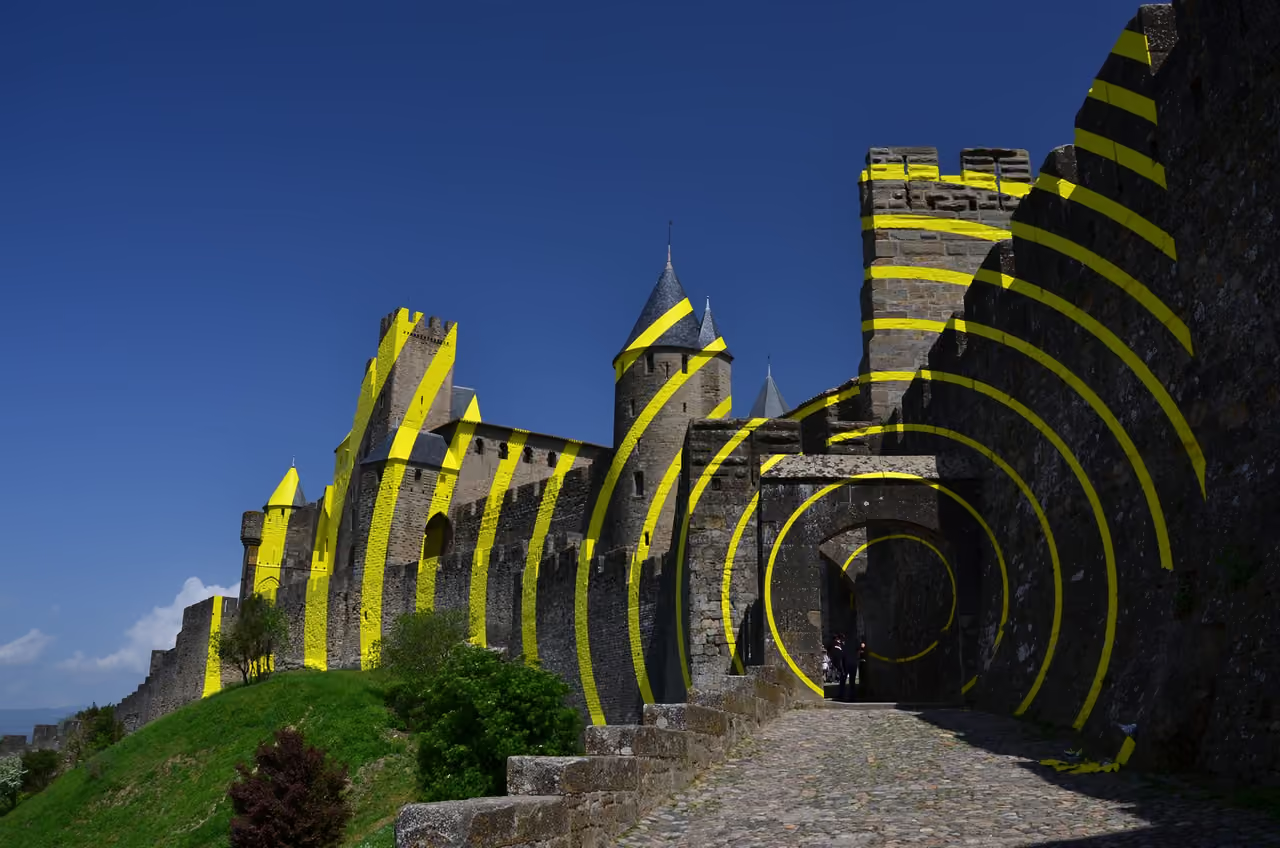 134m
134mCité de Carcassonne
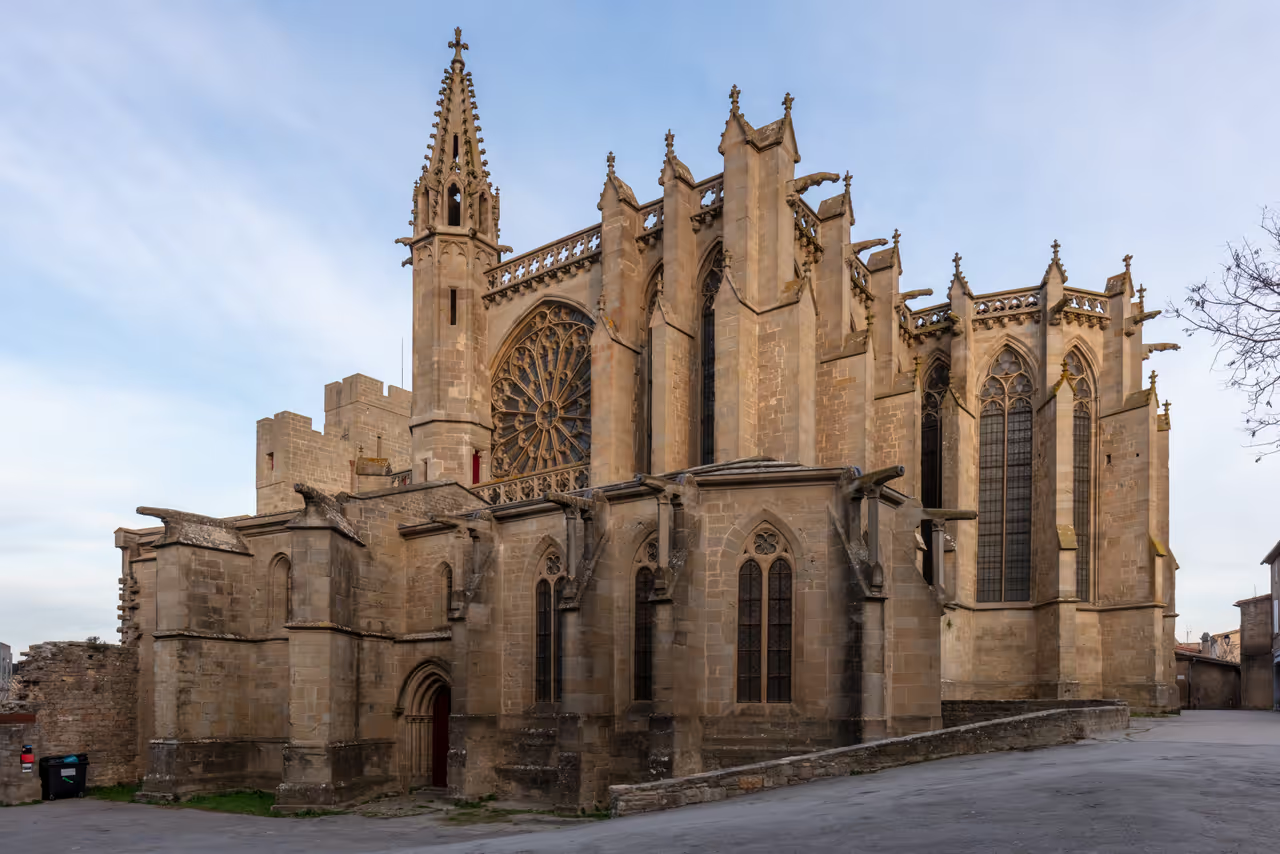
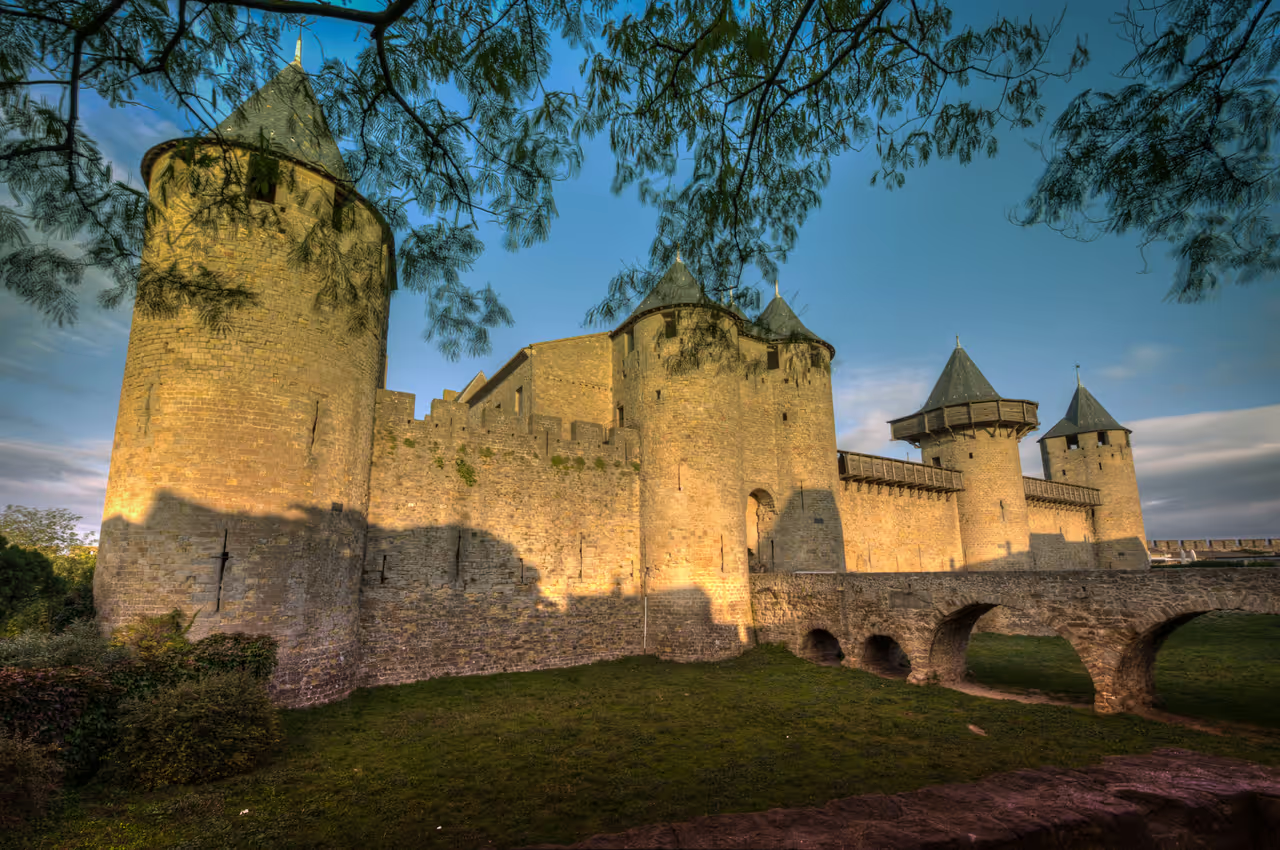
Count the towers along the ramparts of the Cité and you will reach 52, which gives you something to do while the queue at the Porte Narbonnaise shuffles forward on a July afternoon. Two lines of wall, roughly three kilometres in all, wrap a hilltop town that people still live in, so the lanes behind the gate hold crêpe stalls and cassoulet on the terrace tables of Place Marcou. The Château Comtal leads across a drawbridge and up onto the ramparts, where the wooden galleries show how defenders once dropped missiles on anyone who reached the foot of the wall. The Basilica of Saint-Nazaire has Romanesque arches at one end and medieval stained glass at the other, and it is worth ten quiet minutes out of the crowds. Come late, once the day trippers have drifted off, and the only sound along the Lices is shoes on cobbles and a shop shutter coming down.
unesco heritage site view
Featured on These Itineraries and Routes
1 Day in Carcassonne: The Fortress Focus
A highly concentrated, aggressive strike directly at the city's most famous assets. This route ignores the wider region to ensure you thoroughly absorb the terrifying scale of the medieval military architecture. It involves steep climbs, tight crowds, and heavy stone, culminating in a deeply traditional, calorie-dense dinner.
view itinerary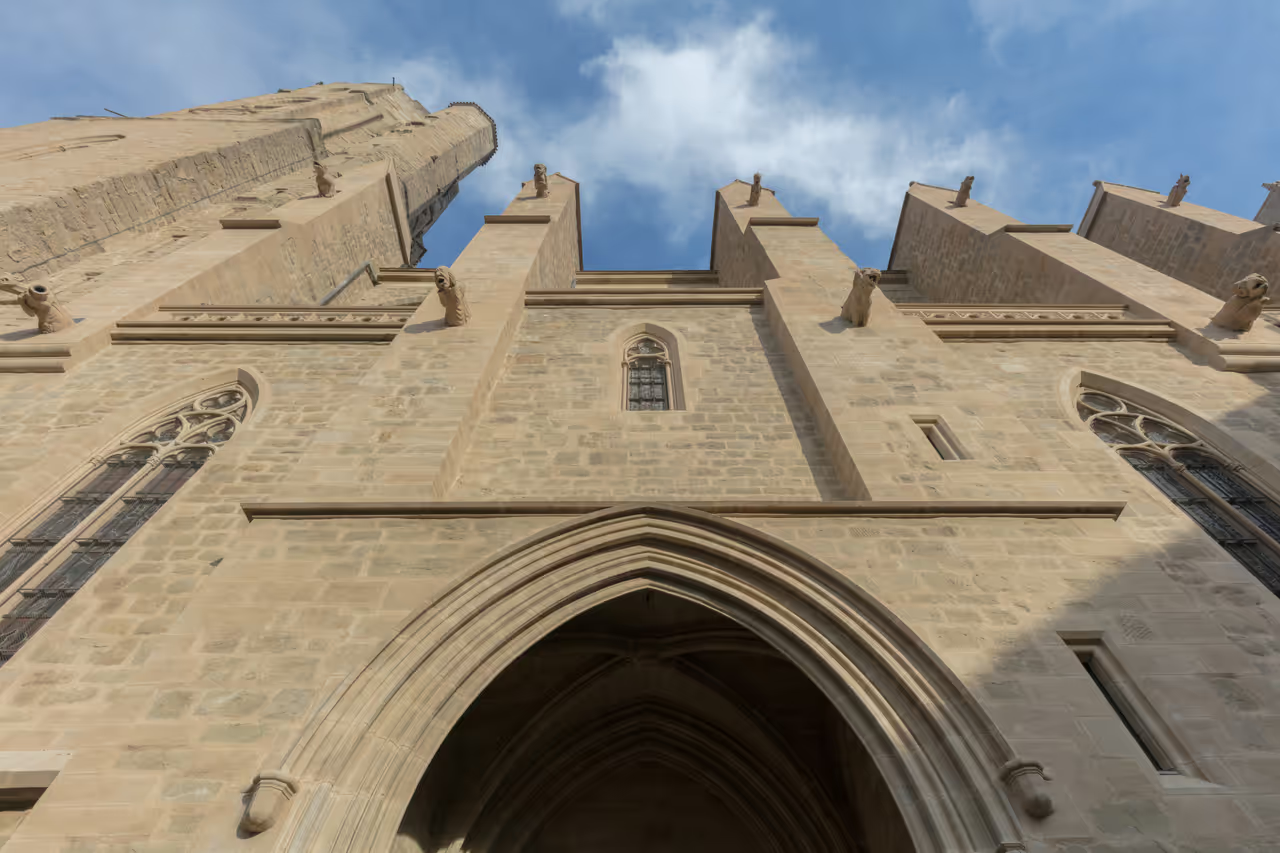
3 Days in Carcassonne: The Split City
This extended timeline allows you to properly separate the aristocratic military history on the hill from the pragmatic merchant history in the valley. It forces you out of the medieval theme park and onto the flat, working grid of the Bastide. You will navigate the locks of the Canal du Midi and climb the brutal limestone ridges outside the city limits.
view itinerary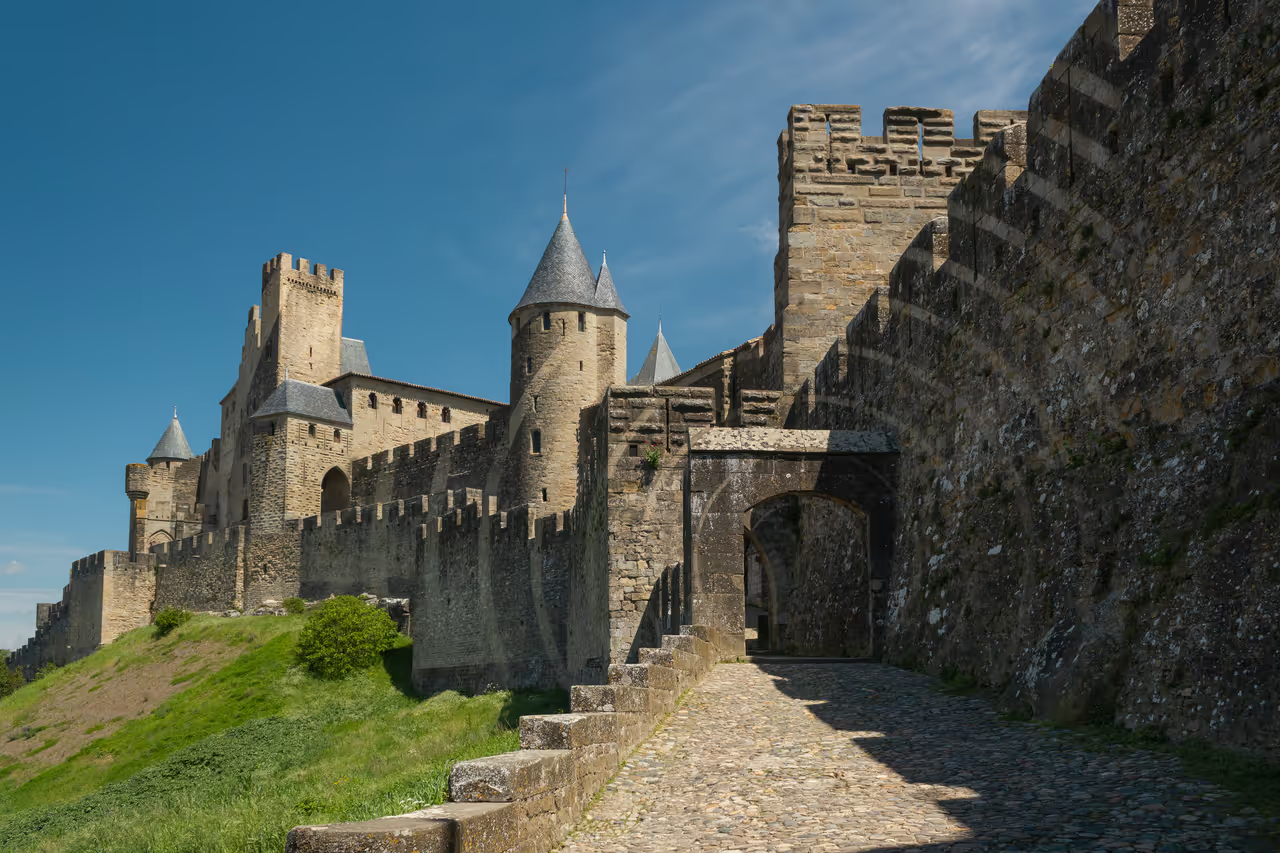
Circuit of the Lices
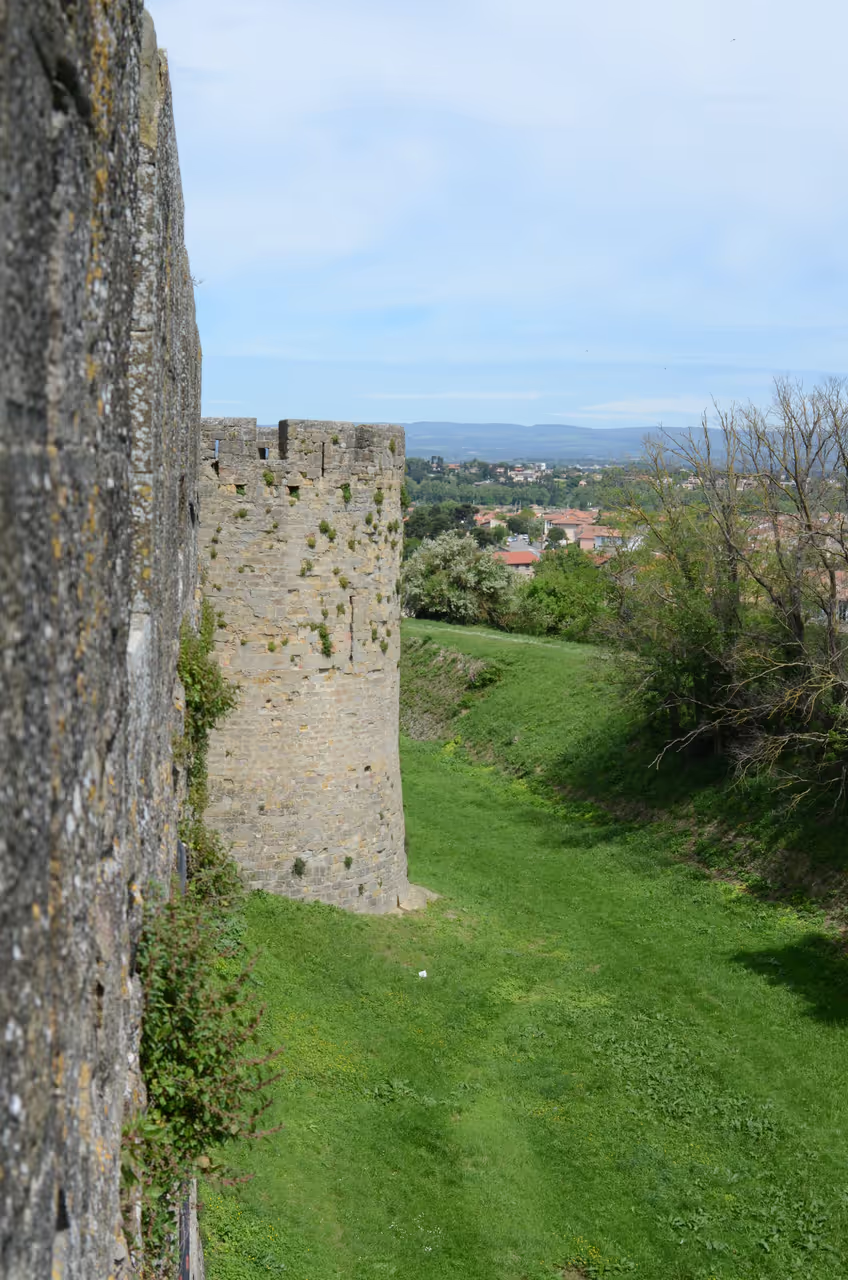
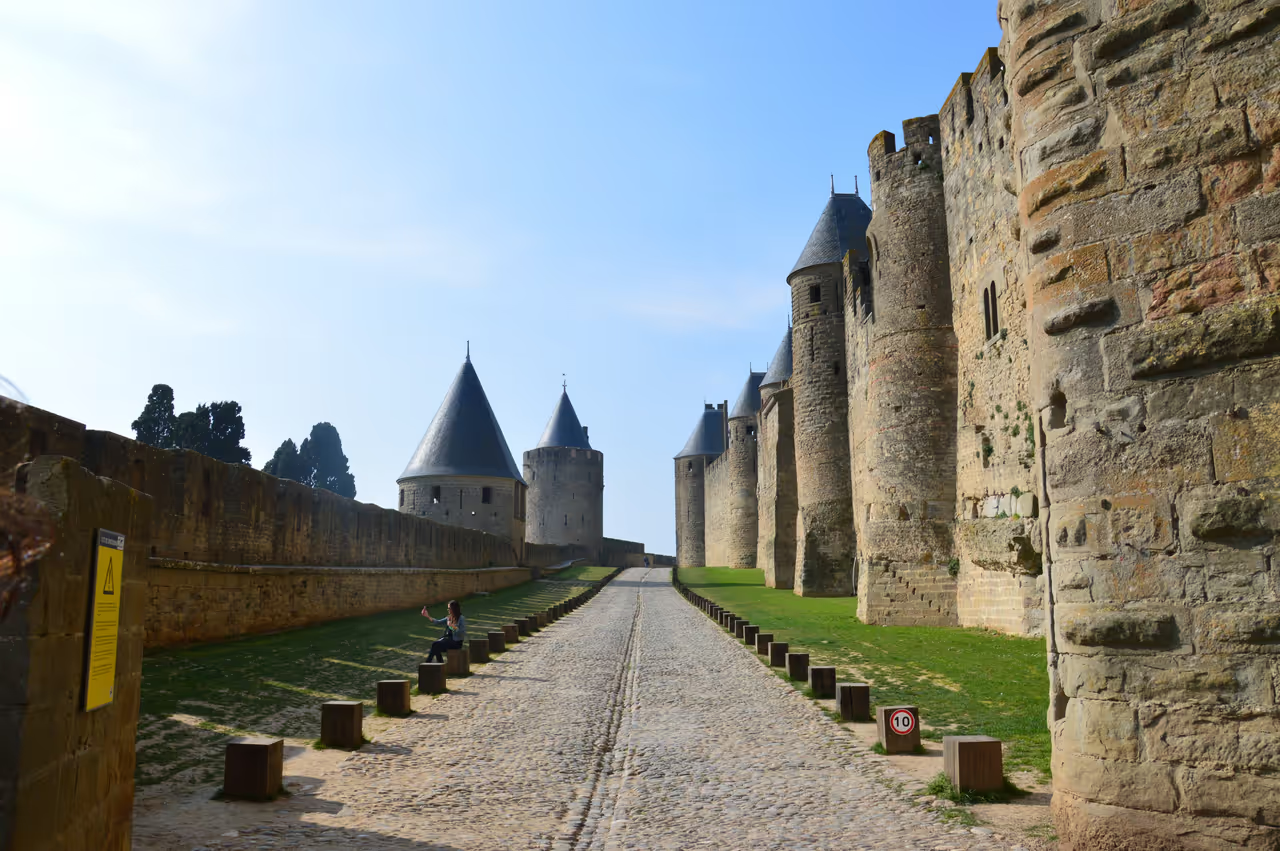
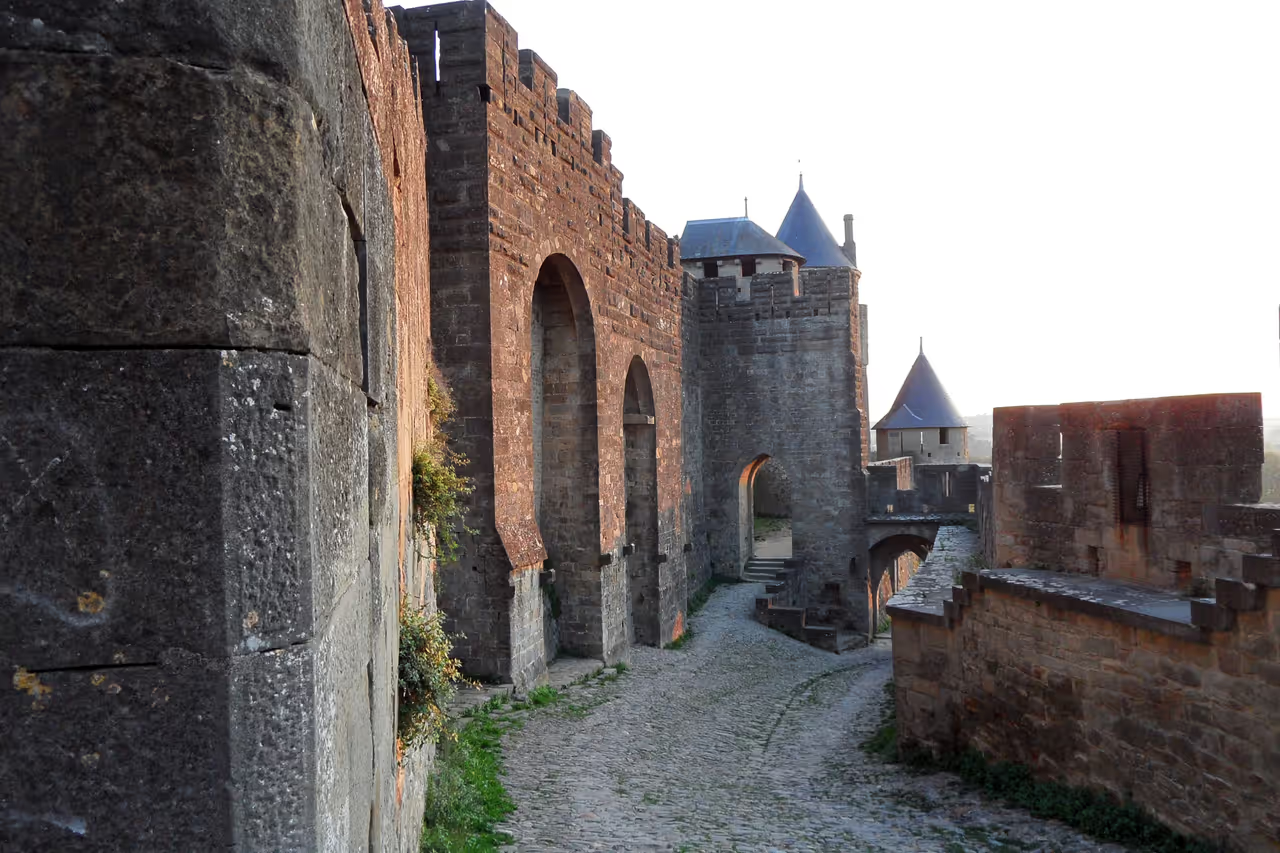
A massive, dry moat separates the inner and outer defensive walls of the medieval fortress. The space is vast, dusty, and completely enclosed by towering masonry. Tour groups huddle around specific gates, but long stretches remain remarkably empty. The sheer vertical drop of the stone tricks the eye, making the sky feel narrow and distant.
view walking route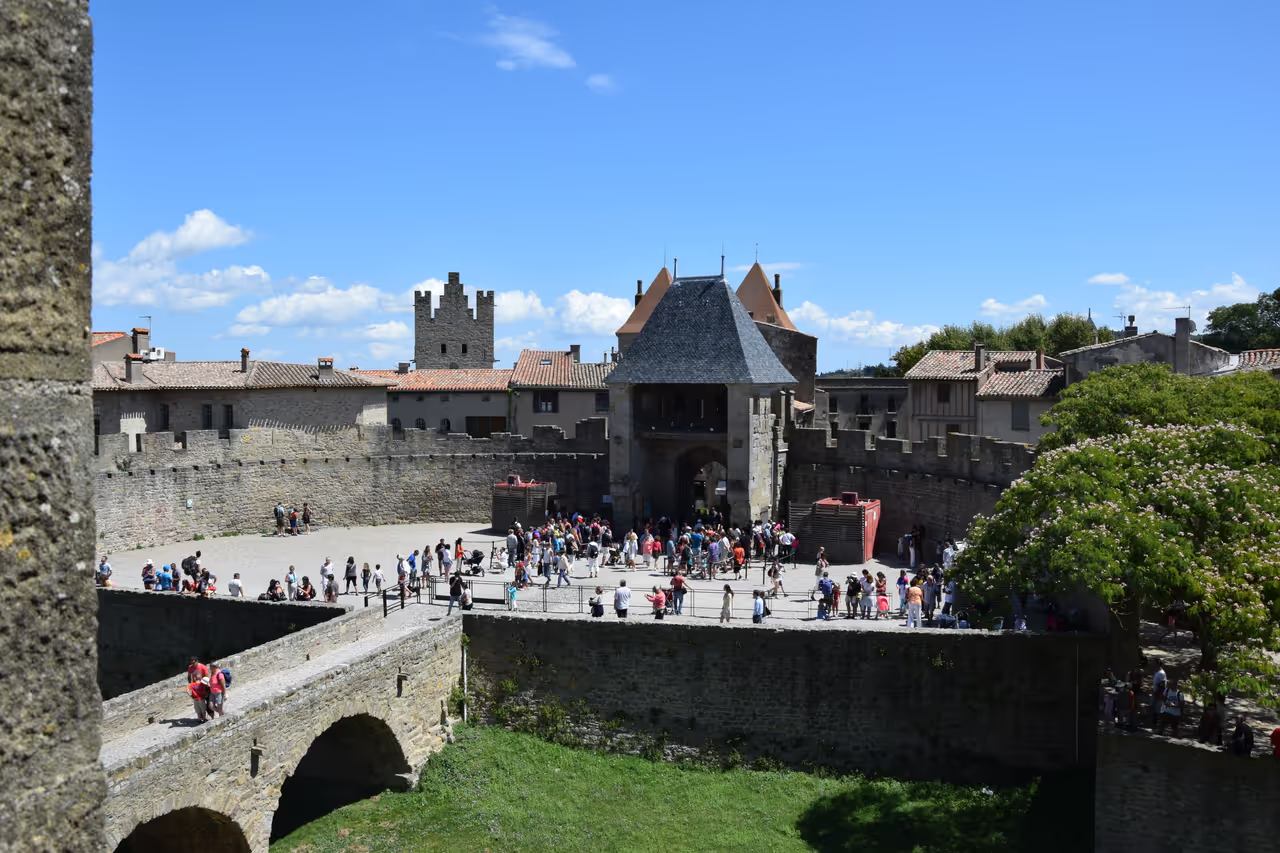
Siege Defence Circuit
A brutal examination of medieval military paranoia. The route explores the precise architectural choices made to kill attackers and preserve defenders. It focuses on the chokepoints, the murder holes, and the blindingly steep approach angles. The narrative shifts from the despair of the Cathars to the overwhelming might of the French Royal engineers.
view self-guided tour
See all attractions in Carcassonne
Including Aude Gate, Basilica of Saint-Nazaire and Saint-Celse, Count's Castle, and more