Basilica of Saint-Nazaire and Saint-Celse
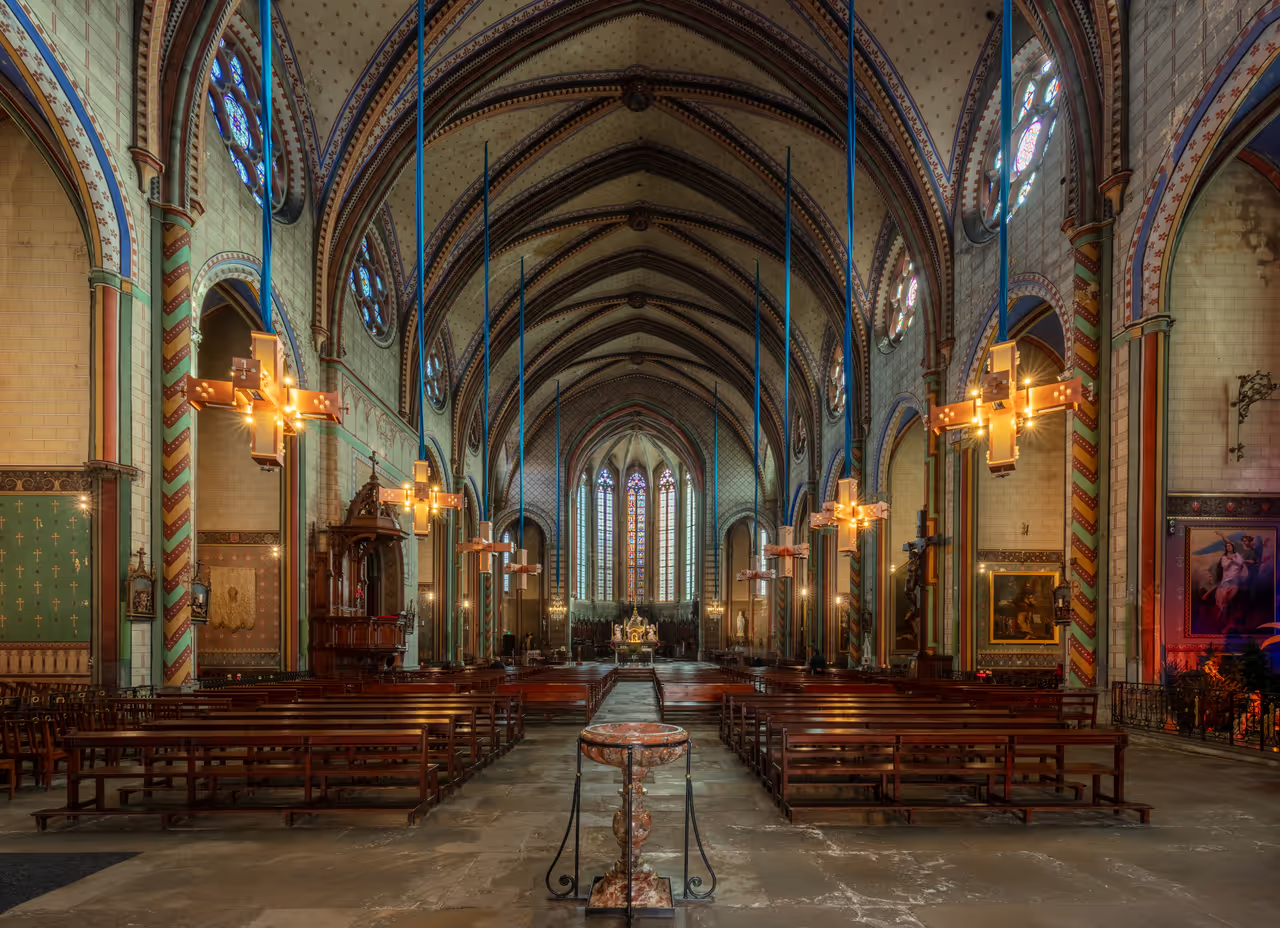
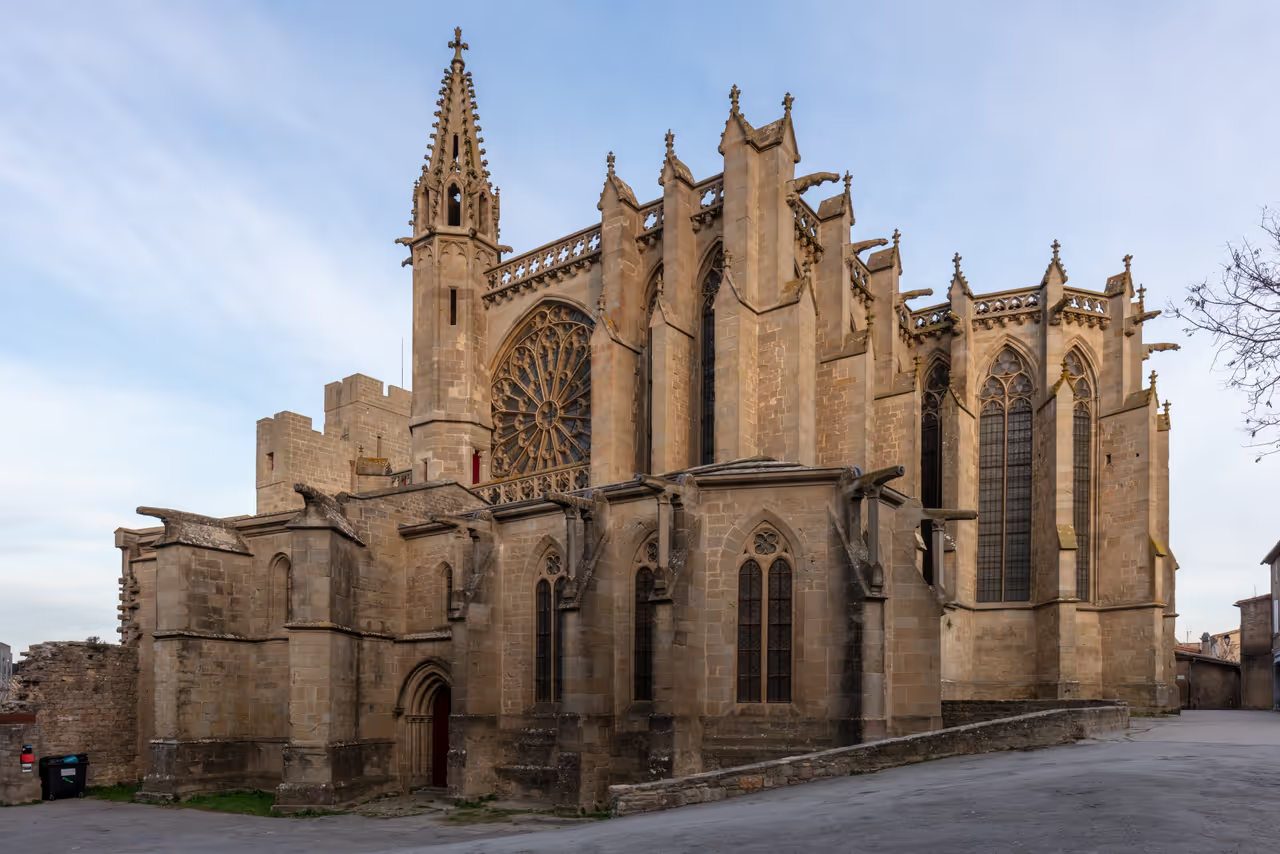
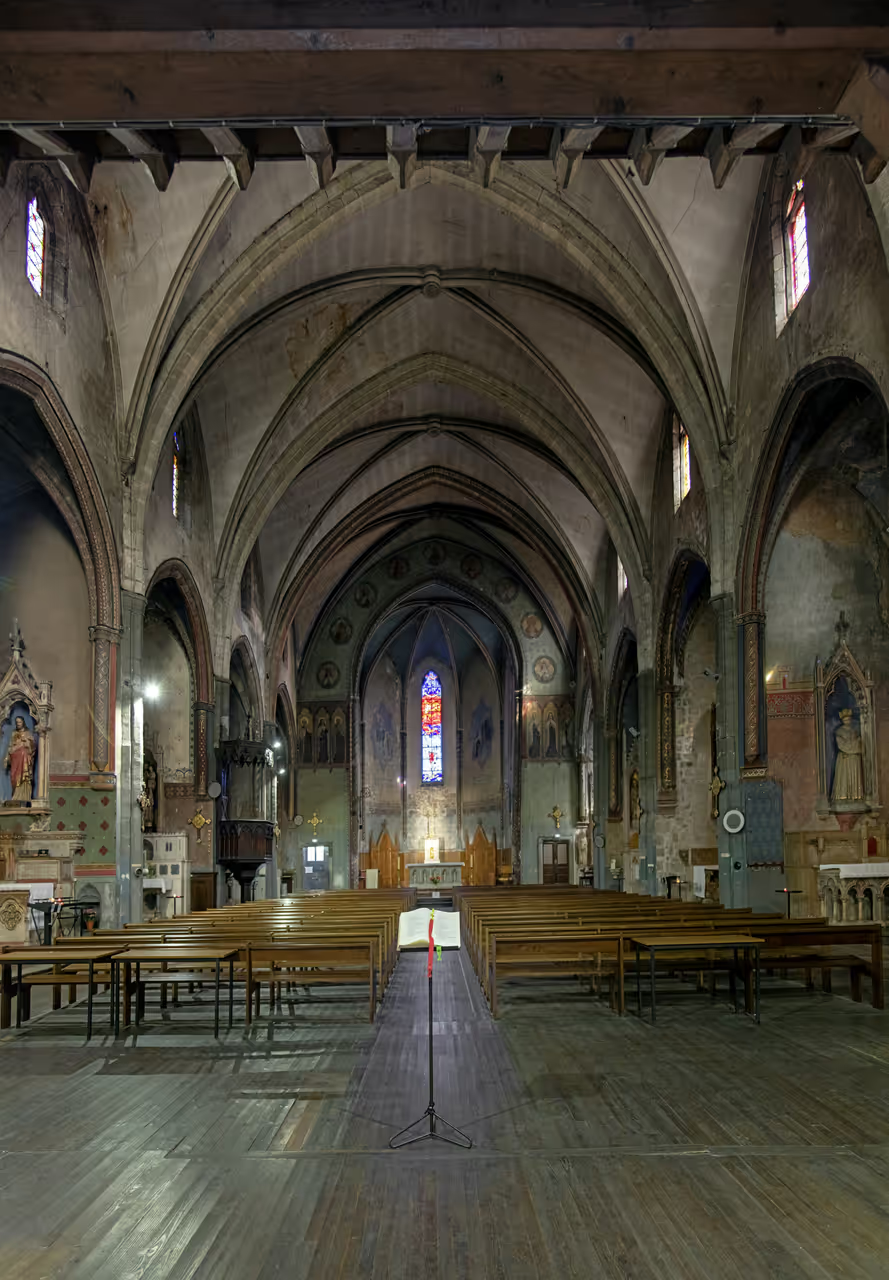
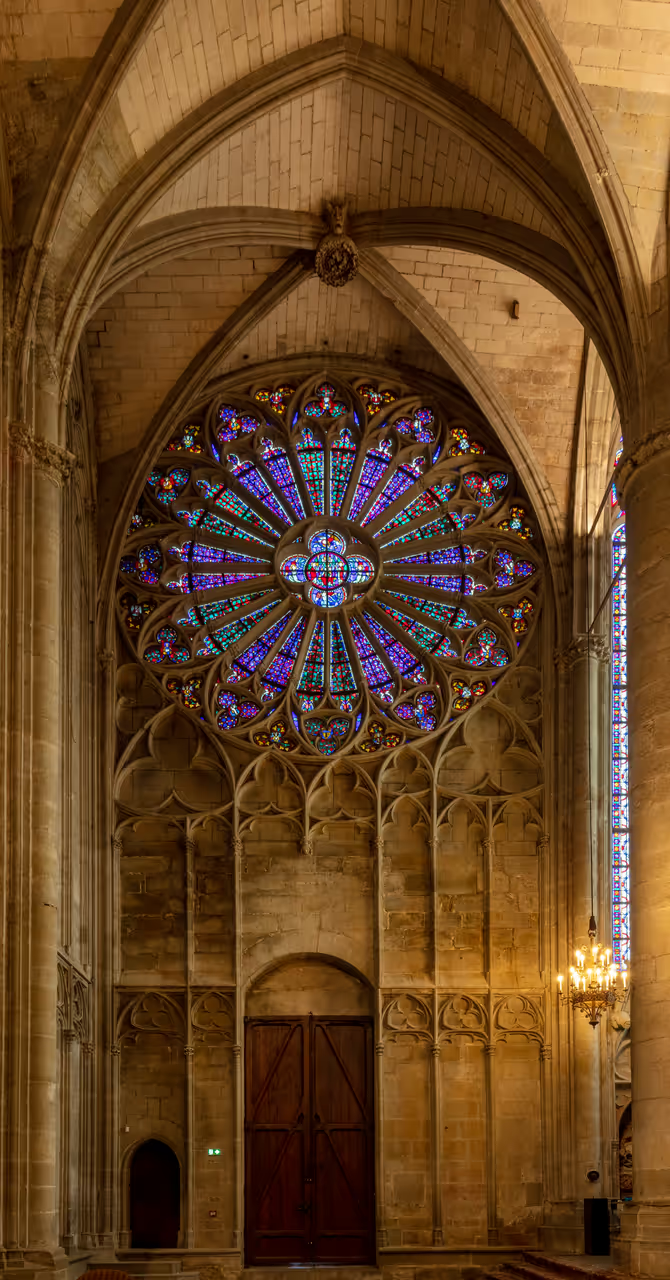
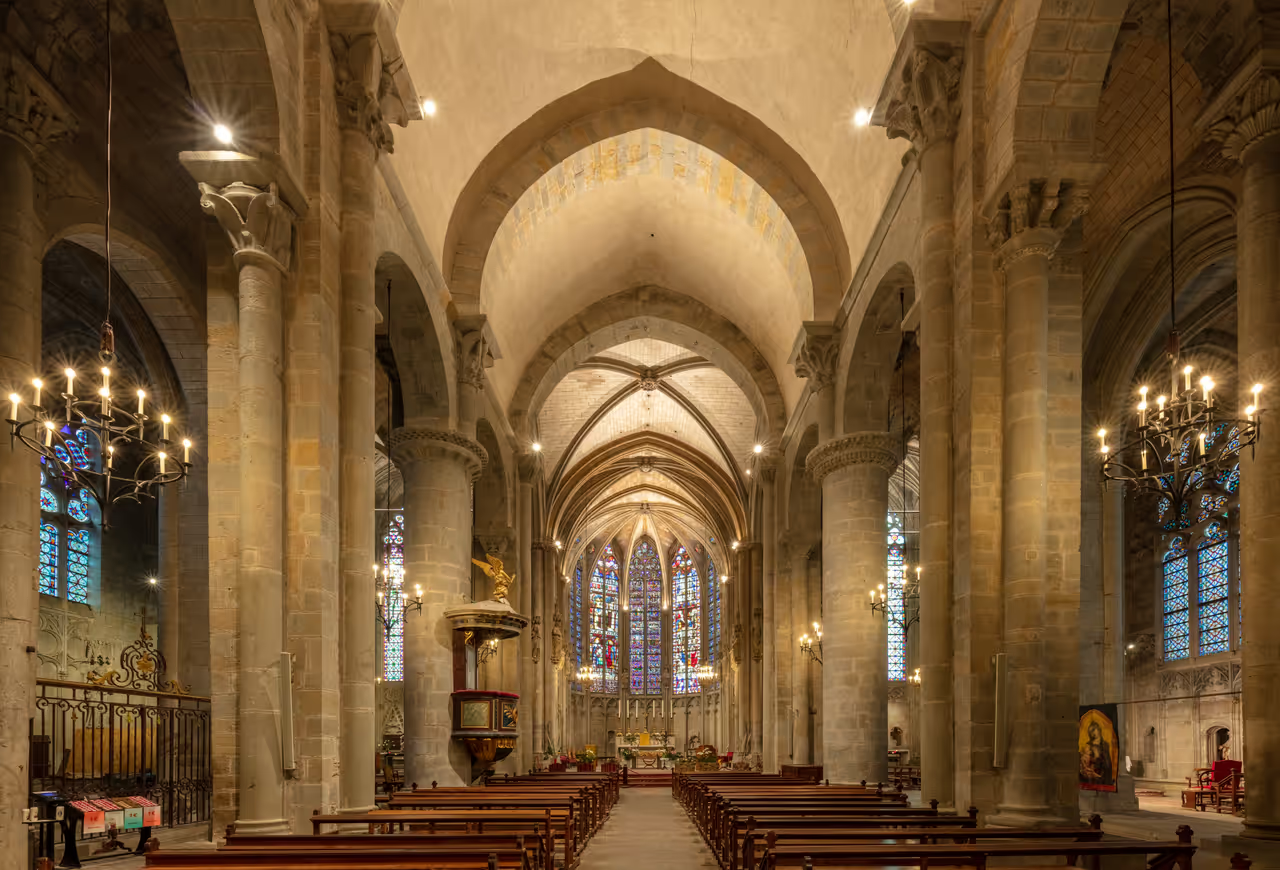
Step into the Basilica of Saint-Nazaire and Saint-Celse within Carcassonne's fortified walls, and you're entering a living timeline where Romanesque strength meets Gothic elegance. This isn't just an old church; it's the spiritual heart of the Cité, its stone walls whispering tales from centuries of dramatic history. Gaze up at the dazzling stained-glass windows, some dating back to the 13th and 14th centuries, which bathe the interior in a kaleidoscope of colours. Marvel at the intricate sculptures and the soaring Gothic choir, a testament to medieval artistry. It's a truly captivating experience, offering a serene escape and a profound connection to Carcassonne's enduring legacy. Don't forget to take a moment to appreciate the magnificent 17th-century organ, a true auditory masterpiece.
Videos
History of Basilica of Saint-Nazaire and Saint-Celse
The story of the Basilica of Saint-Nazaire and Saint-Celse begins with whispers of an early Christian foundation in the 6th century, potentially under the rule of Theodoric the Great. While concrete evidence from that era is scarce, the presence of Carcassonne's first historically recorded bishop, Sergius, at the Third Council of Toledo in 589 suggests a significant ecclesiastical presence was already rooted here. The first authenticated mention of a cathedral dedicated to Saints Nazaire and Celse emerged in 925, setting the stage for the edifice we see today. The 11th century ushered in a new era of construction. Under the patronage of the powerful Trencavel family, a grander Romanesque cathedral began to rise. Pope Urban II himself lent his blessing to the foundation stones on 11 June 1096, a powerful endorsement that spurred its creation. This Romanesque structure, with its sturdy nave, was a beacon of faith within the fortified city. However, the turbulence of the Albigensian Crusade cast a shadow over Carcassonne. The devastating siege of 1209 led to parts of the cathedral's monastic buildings being dismantled to provide stones for reinforcing the city's beleaguered ramparts, a stark reminder of the church's intimate connection to the city's defence. The basilica underwent its most dramatic transformation following the region's integration into the French crown after the Albigensian Crusade. From 1269 to 1330, the cathedral was significantly expanded in the captivating Rayonnant Gothic style, a testament to the new French masters' architectural preferences. Bishop Bernard de Capendu initiated this ambitious project, securing royal permission and establishing a synodal constitution that encouraged widespread financial contributions. Two Parisian architects, bringing the latest Gothic innovations, shaped the soaring transept, an exquisite choir, and installed a remarkable collection of stained-glass windows that remain among the finest in Southern France. These additions, with their intricate sculptures and vibrant colours, dramatically contrasted with the older Romanesque nave, creating a unique blend of styles. For centuries, Saint-Nazaire held its esteemed position as Carcassonne's primary religious centre, its organ and choir filling the ancient stones with music. However, by the late 18th century, as the Cité itself began to decline in population, its role diminished. In 1801, the unthinkable happened: the cathedral's seat was transferred to Saint-Michel in the lower, burgeoning city. Yet, the basilica's resilience shone through. In 1898, Pope Leo XIII recognised its enduring historical and architectural importance by elevating it to the honorary title of a minor basilica. In the 19th century, famed architect Eugène Viollet-le-Duc undertook extensive restorations, particularly on the exterior, including a complete overhaul of the Romanesque portal. More recently, in the 1980s, the magnificent 17th-century pipe organ underwent a meticulous restoration, ensuring its grand melodies continue to resonate within these historic walls.
8 events spanning 1396 years
Fun Facts
- • A vibrant cloister once stood to the south of the basilica but was tragically demolished in 1792 during revolutionary fervour; its site is now occupied by the open-air Théâtre Jean Deschamps.
- • Before the French Revolution, the cathedral maintained a small but dedicated musical ensemble, complete with an organist, a master of music, and at least five choir boys, indicating a rich liturgical tradition.
- • During the 1209 siege of Carcassonne, parts of the monastic buildings surrounding the cathedral were actually demolished to provide stones for reinforcing the city's vital ramparts.
- • Eugène Viollet-le-Duc's extensive 19th-century restoration efforts notably included completely rebuilding the Romanesque portal, giving it a reconstructed appearance.
- • The Gothic additions, specifically the choir and transept, were partly financed by a unique synodal constitution in 1270, which mandated all testators in the diocese to contribute to the cathedral's construction.
- • The basilica's current location may not have been the original site of Carcassonne's first cathedral; historical discussions ponder whether it was here, at Notre-Dame, or even outside the Cité walls.
- • The basilica's oldest stained-glass windows, dating back to the late 13th century, depict scenes from the life of Christ and his apostles, offering a stunning glimpse into medieval artistic narratives.
- • The magnificent 17th-century organ underwent a significant reconstruction and enlargement by the famous Cavaillé family of organ builders in the 18th century, before its meticulous restoration in the 1980s.
- • The statues of apostles adorning the choir and apse piles were explicitly modelled after those found in the prestigious Sainte-Chapelle in Paris, showcasing a direct influence from the French capital.
- • Two distinct Parisian architects were responsible for the Gothic expansion, with the second taking over around 1290, making subtle technical and stylistic adjustments that can still be observed.
Basilica of Saint-Nazaire and Saint-Celse FAQ
While we strive to keep this information accurate and up to date, we recommend verifying any details independently before making decisions based on them.
Basilica of Saint-Nazaire and Saint-Celse Map & Neighborhood Explorer
This interactive map is centered on Basilica of Saint-Nazaire and Saint-Celse. Zoom in and move the map around to automatically discover Wikipedia photos and summaries of other nearby sights, monuments, and historical points of interest and stories in real-time!
Places near Basilica of Saint-Nazaire and Saint-Celse
Make the most of your trip. Check out these top-rated spots located nearby.
 27m
27mHotel of the City
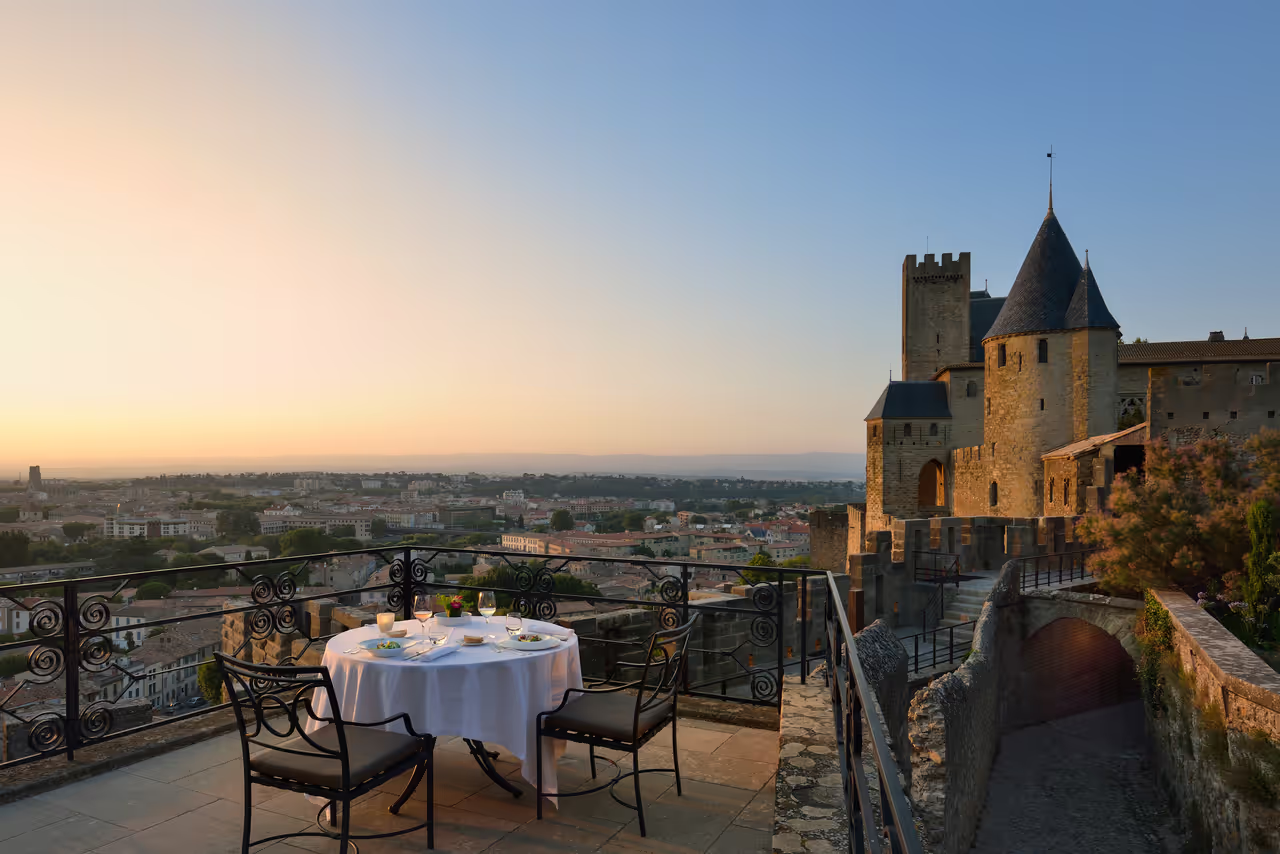
Constructed directly inside the walls of the medieval fortress, this luxury hotel blends aggressively into its ancient surroundings. Built in the 1920s on the site of a former bishop's palace, it features pointed arches, heavy leaded glass, and neo-Gothic woodwork. The building deliberately blurs the line between historical preservation and wealthy theatricality. Deep, manicured gardens separate it from the chaotic tourist paths.
architecture view 69m
69mCarcassonne Festival
A massive performing arts festival takes over the city throughout July. Stages are erected in the open-air Jean-Deschamps Theatre inside the medieval walls and in the squares of the lower town. The programming mixes contemporary pop music, classical opera, modern dance, and theatre, drawing hundreds of thousands of spectators. The contrast of modern stage lighting against medieval stone creates a highly theatrical atmosphere.
festival view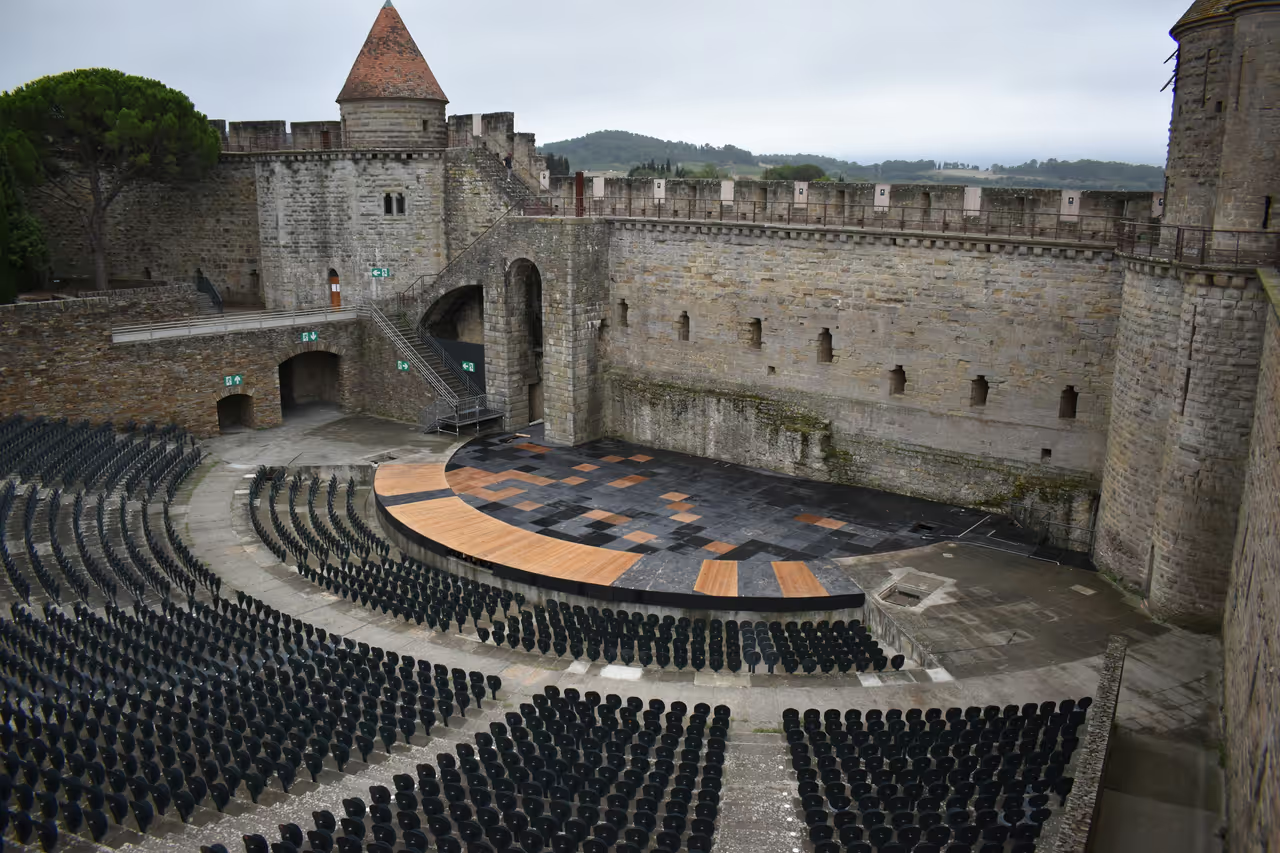 69m
69mJean-Deschamps Theatre
An open-air amphitheatre carved directly into the space between the medieval walls of the Cité. Tiered seating curves aggressively around a central stage, ensuring brutal, uncompromised acoustics for every spectator. During the summer, modern stage rigging and massive lighting towers clash brilliantly with the 13th-century masonry. Sitting here at night feels like occupying a highly secretive, fortified arena.
highlight view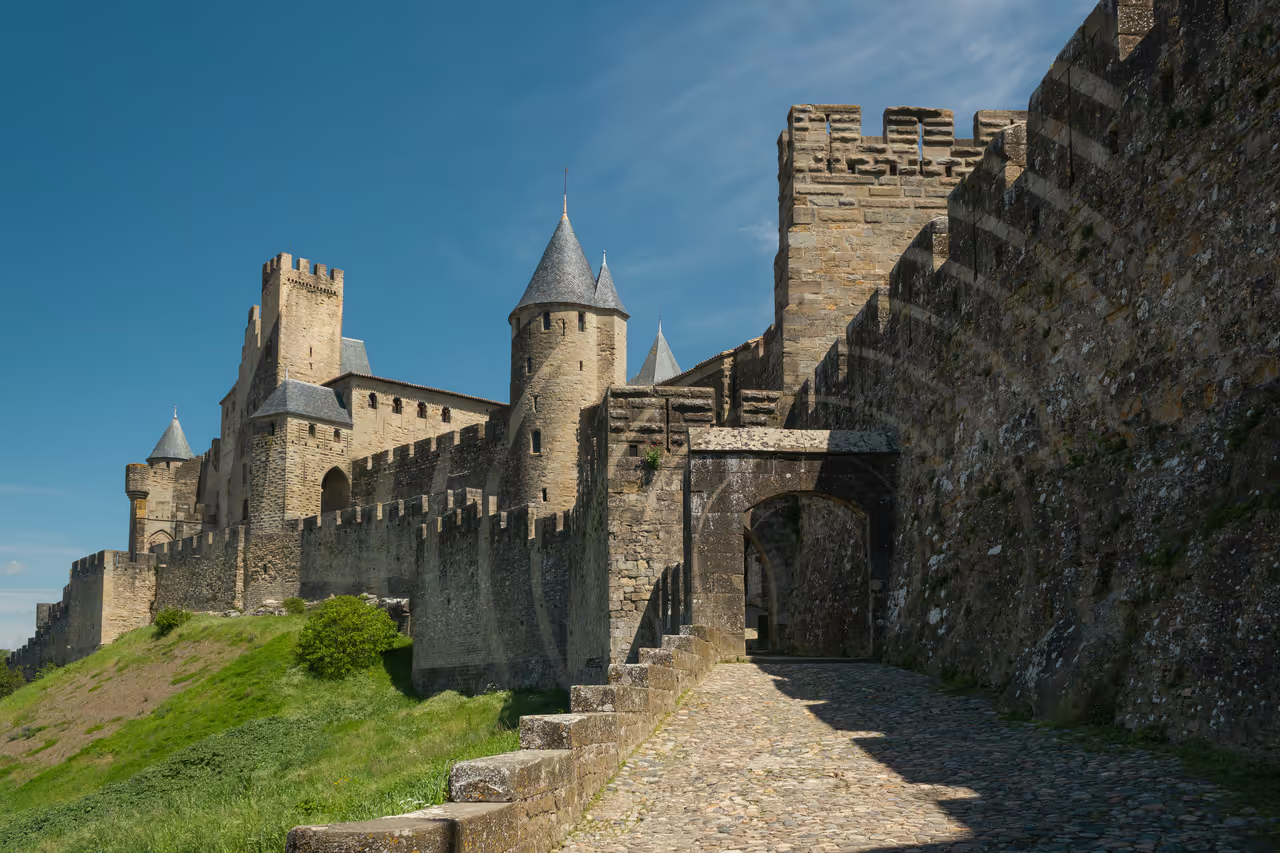 112m
112mAude Gate
Carcassonne’s western entrance was built to exhaust attackers long before they reached the heavy timber doors. Approaching the Aude Gate means hauling yourself up a steep, curving cobbled ramp that rises sharply from the lower town. The local Tramontane wind often funnels directly through this stone archway, catching unsuspecting hats and forcing walkers to lean forward into the breeze. Unlike the grand Narbonnaise entrance on the opposite side of the city, this defensive choke point lacks a drawbridge or a moat. Instead, it relies on a twisting path exposed to overlapping lines of fire from the flanking towers. Today, finishing the climb rewards walkers with sweeping views over the roofs of Bastide Saint-Louis and the slow-moving River Aude far below.
attraction view
Explore Similar Places in This Collection
Featured on These Itineraries and Routes
1 Day in Carcassonne: The Fortress Focus
A highly concentrated, aggressive strike directly at the city's most famous assets. This route ignores the wider region to ensure you thoroughly absorb the terrifying scale of the medieval military architecture. It involves steep climbs, tight crowds, and heavy stone, culminating in a deeply traditional, calorie-dense dinner.
view itinerary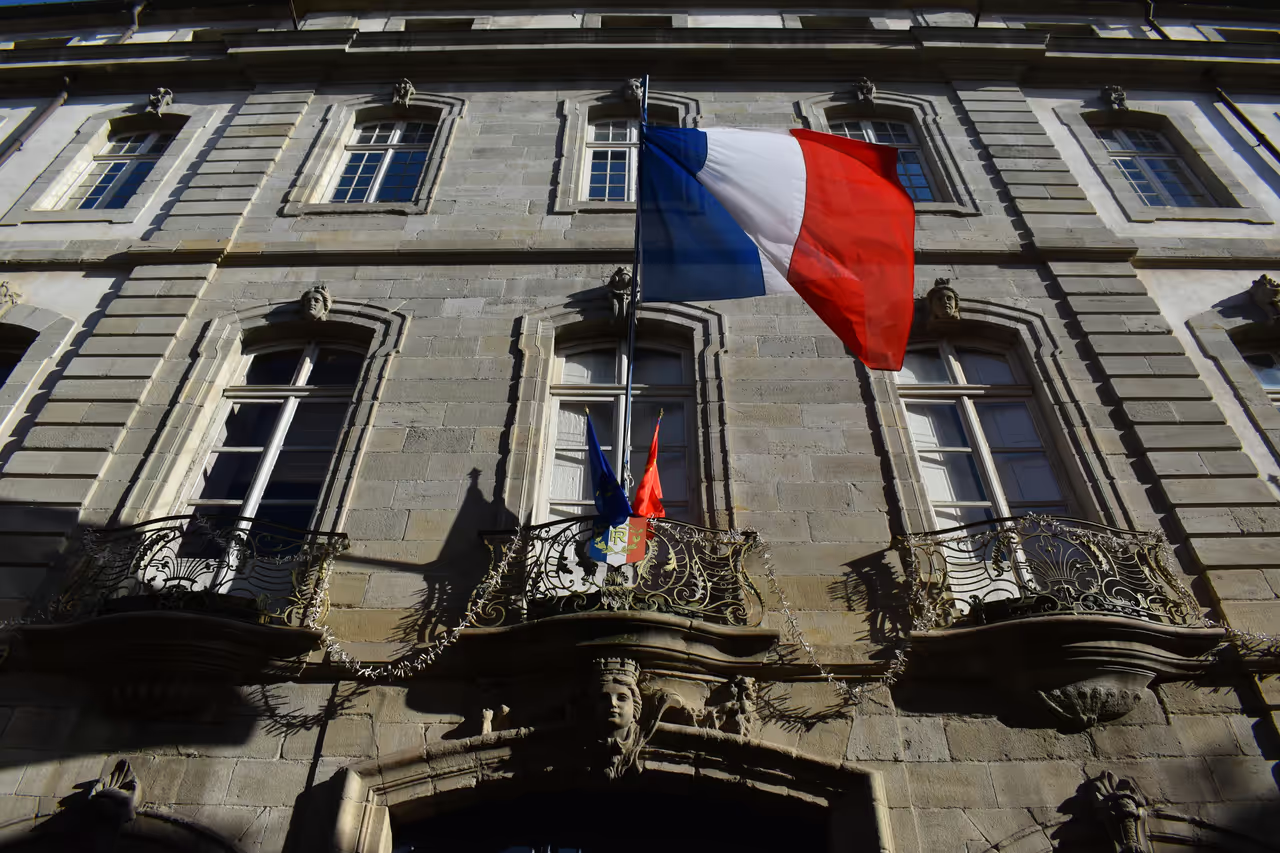
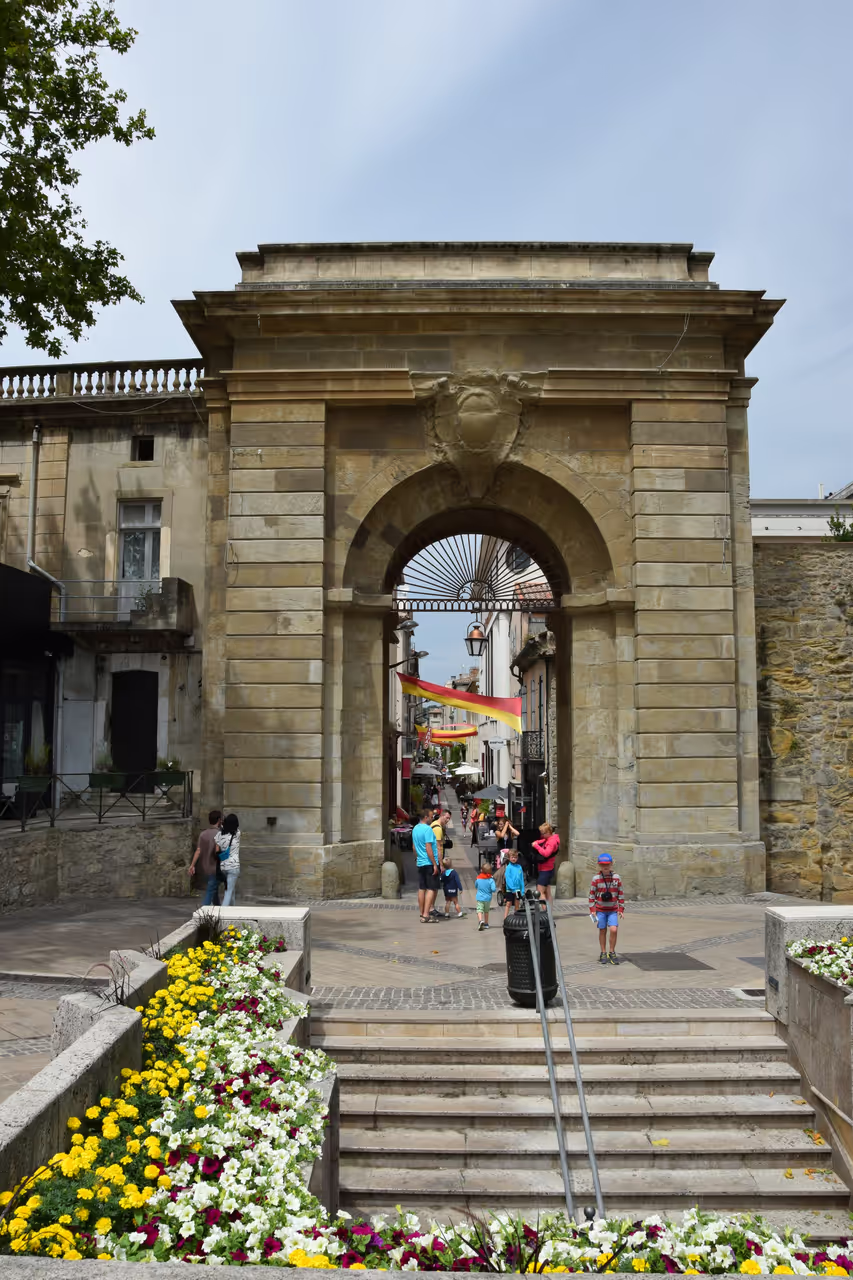
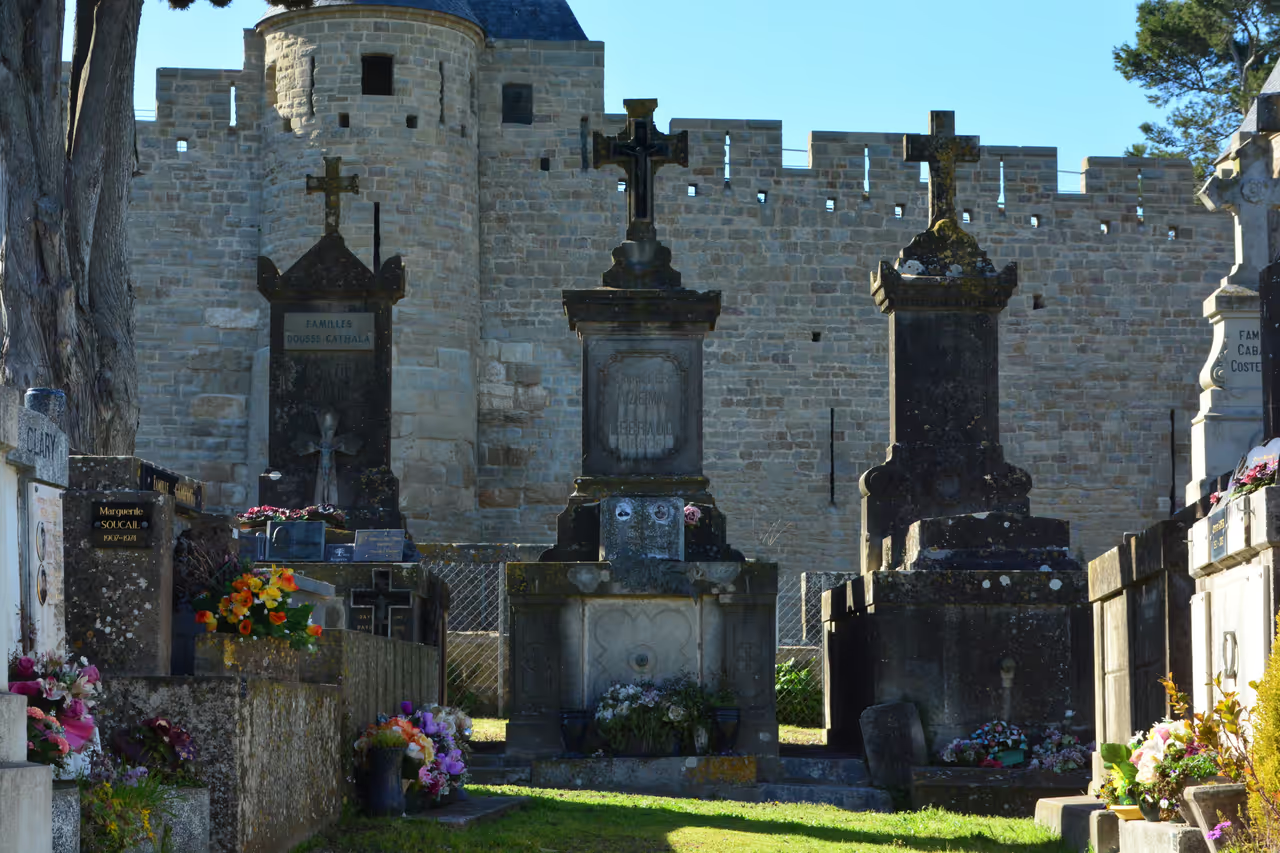
5 Days in Carcassonne: Terroir and Defences
A slow, deliberate extraction of everything the region has to offer. This pacing allows for serious culinary exploration and day trips into the brutal, rocky scrubland of the Corbières. You will spend hours simply sitting in cafes watching the city function, alternating between the manicured wealth of the 18th-century mansions and the raw stone of the ancient outposts.
view itinerary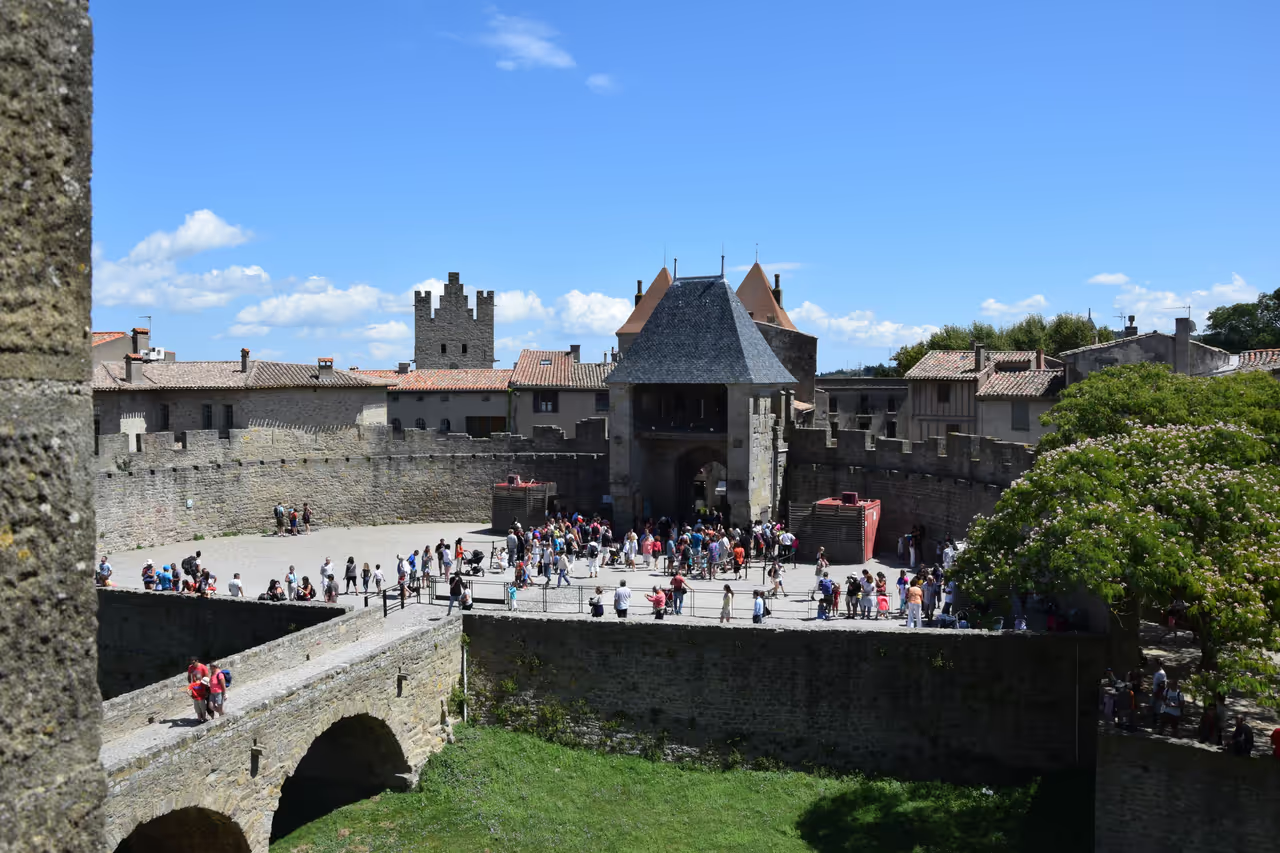
Architect's Illusion
An investigation into one of the most controversial restoration projects in architectural history. The route examines Eugène Viollet-le-Duc's heavy-handed, highly romantic 19th-century intervention. It highlights the obvious fakes, the brilliant stabilisations, and the philosophical debate between preserving a ruin and rebuilding a fantasy. The narrative asks whether authenticity matters if the forgery is this beautiful.
view self-guided tour
See all attractions in Carcassonne
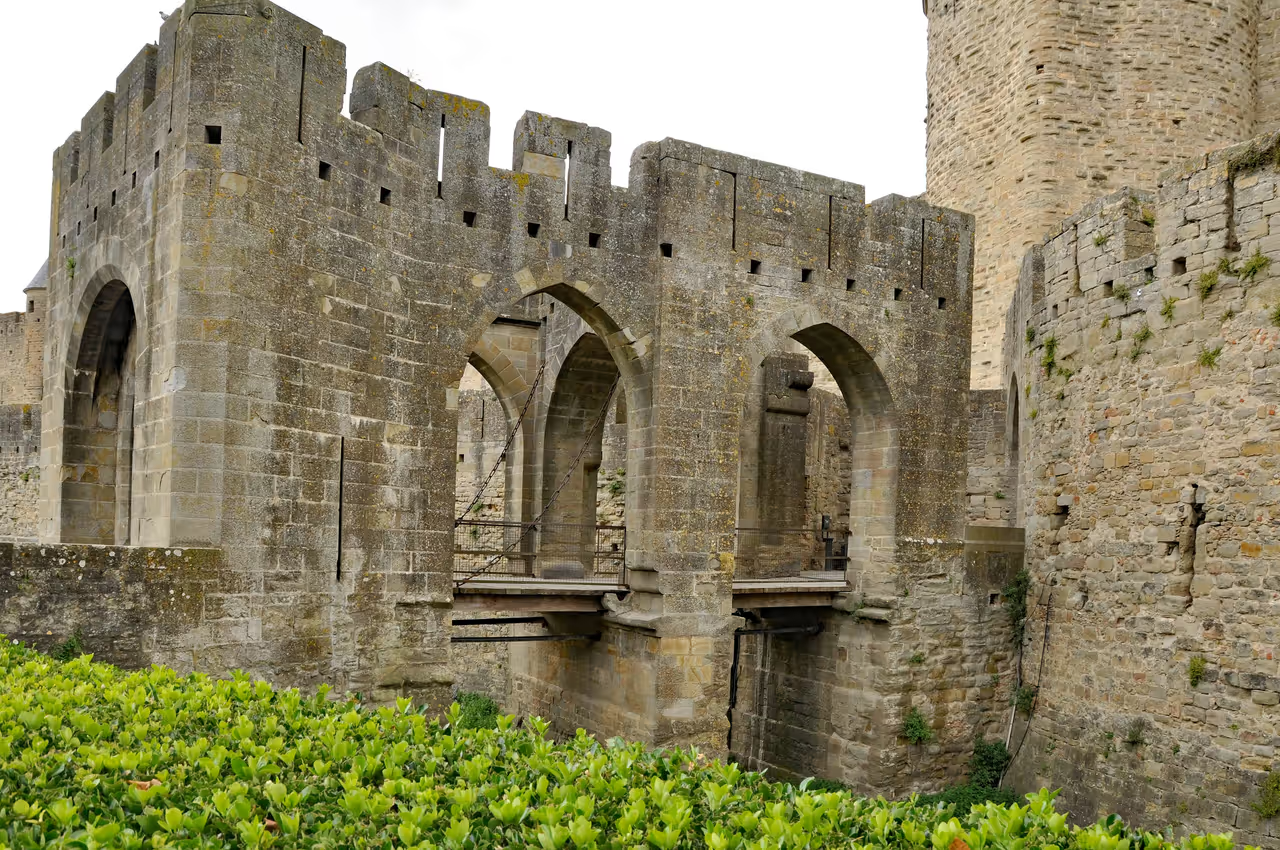
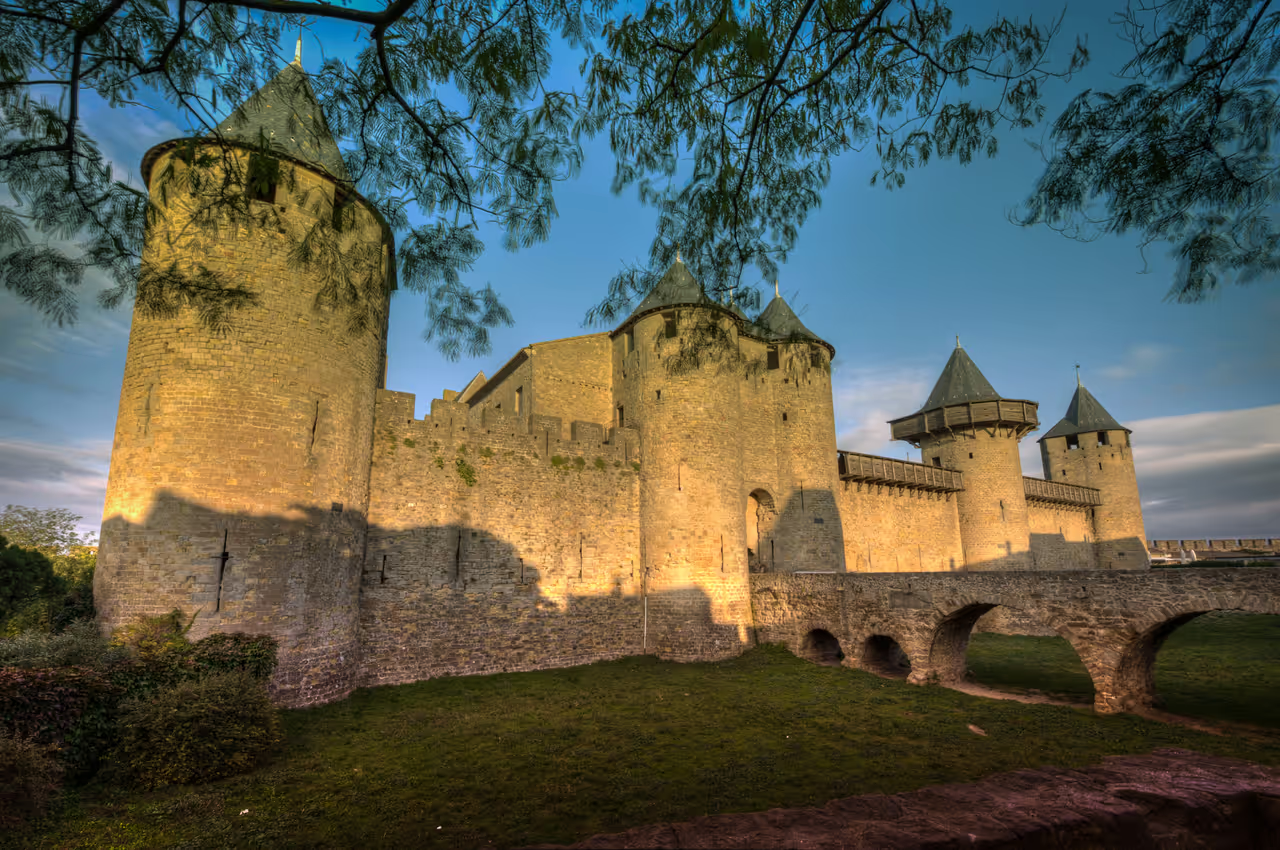
Including Aude Gate, Count's Castle, Narbonne Gate, and more