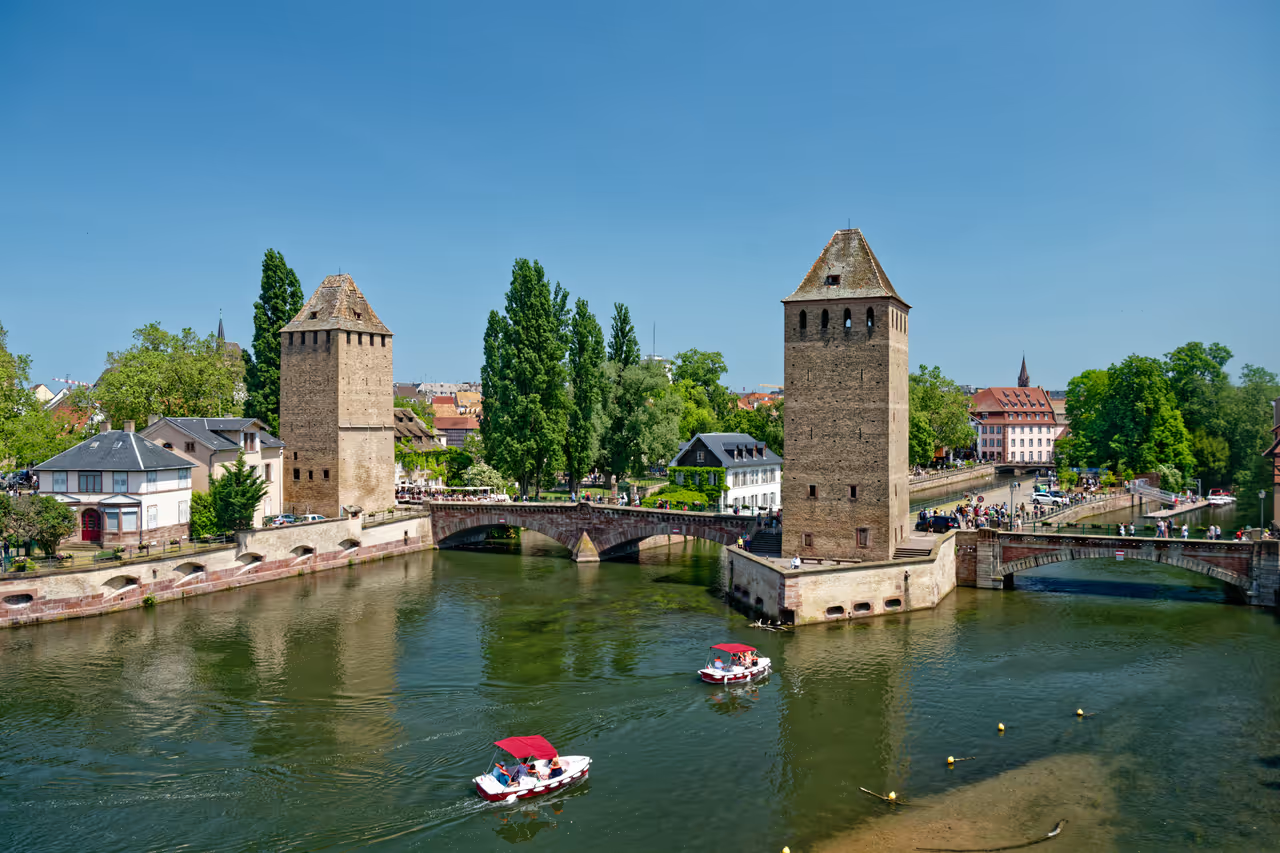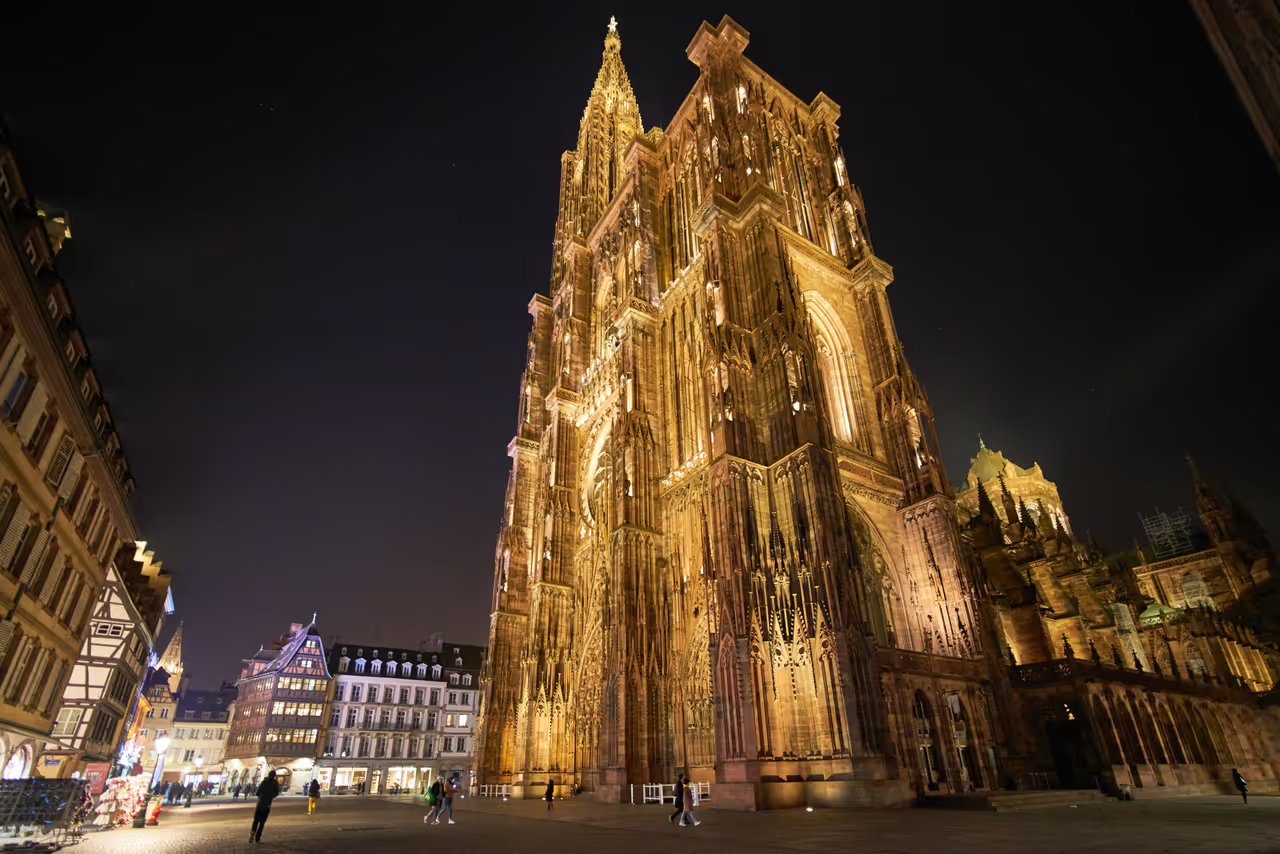
Strasbourg Cathedral
Dominating the skyline of Alsace, Strasbourg Cathedral stands as a masterpiece of Gothic architecture constructed from distinctive pink sandstone. Famous for its single soaring spire that made it the tallest building in the world for over two centuries, this breathtaking monument leaves visitors spellbound from the moment they step onto the cathedral square. Inside, delicate stained glass windows bathe the nave in magical light, while an extraordinary Renaissance astronomical clock performs its intricate animated show daily. Visitors can wander through centuries of sacred art, admire the intricately sculpted Angel Pillar, or embark on a climb up to the viewing platform for magnificent sweeping vistas towards the Black Forest. It remains an enduring symbol of civic pride and artistic triumph in the heart of the historic Grande Île.
Videos
History of Strasbourg Cathedral
The origins of Strasbourg Cathedral stretch back to the early Middle Ages, where a succession of early Christian structures stood upon an ancient Roman sanctuary. In 1015, Bishop Werner laid the foundations for a massive Romanesque basilica that set the dramatic scale for everything to follow. Devastating fires repeatedly swept through the timbered roof during the twelfth century, prompting a complete rebuilding effort that gradually embraced the revolutionary Gothic style spreading from central France. Local master builders adapted these innovative architectural techniques, erecting the magnificent nave and creating an ethereal sandstone facade laced with delicate stone tracery. As Strasbourg grew into a wealthy free imperial city, control of the cathedral construction shifted from the bishop to the proud citizens themselves through the Foundation of Women's Work. This unique civic arrangement fueled ambitious design changes, culminating in the construction of the soaring north tower. Master mason Ulrich von Ensingen and later Jean Hültz pushed medieval engineering to its absolute limits, topping the octagonal tower with an openwork spire in 1439. Reaching 142 metres into the Alsatian sky, the cathedral became the tallest structure in the world, an unbelievable crown of stone that remained unchallenged for more than two hundred years. Through centuries of turmoil, including fierce religious shifts during the Reformation and destructive revolutionary fervor, the cathedral proved remarkably resilient. Local citizens repeatedly rallied to protect their cherished monument, even capping the spire with a giant metal Phrygian cap during the French Revolution to save it from Jacobin demolition. Modern times brought further trials, from artillery shelling in 1870 to strategic aerial bombardment in 1944. Each time, dedicated craftspeople lovingly restored the delicate pink sandstone, ensuring that this triumph of human creativity continues to inspire marvel and awe today.
8 Events spanning 929 years
Fun Facts
- • During the French Revolution, over two hundred medieval statues were vandalised or destroyed before local citizens managed to intervene.
- • For 227 years between 1647 and 1874, Strasbourg Cathedral held the undisputed record as the tallest building in the entire world.
- • In 1911, engineers discovered that the north tower was sinking, prompting a groundbreaking rescue mission that successfully replaced the decaying foundations with a massive concrete slab.
- • Inside the main portal stonework lies a subtle humorist carving known as the blowing rear, a medieval demonic figure expressing insult through anatomical satire.
- • Literary giant Johann Wolfgang von Goethe frequently climbed the winding stairs of the cathedral tower during his student days to conquer his fear of heights.
- • The Pillar of Angels inside the south transept is a marvel of medieval engineering that relies on hidden iron bars embedded within the stonework for structural integrity.
- • The cathedral astronomical clock features an intricate mechanism that shows planetary orbits, solar time, and animated figures of the apostles every day at noon.
- • The distinct pink hue of the cathedral comes from red Vosges sandstone, which was transported along waterways and by wagon from nearby quarries.
- • To save the spire from radical revolutionaries who deemed it unegalitarian, a town councillor placed a ten metre high metal red Phrygian cap on its tip.
- • Unlike most traditional Gothic cathedrals that feature twin towers, Strasbourg Cathedral famously boasts only one spire because funds ran out and architectural tastes shifted in the fifteenth century.
RESOURCES
Official WebsiteStrasbourg Cathedral FAQ
While we strive to keep this information accurate and up to date, we recommend verifying any details independently before making decisions based on them.
Strasbourg Cathedral Map & Neighborhood Explorer
This interactive map is centered on Strasbourg Cathedral. Zoom in and move the map around to automatically discover Wikipedia photos and summaries of other nearby sights, monuments, and historical points of interest and stories in real-time!
Places near Strasbourg Cathedral
Make the most of your trip. Check out these top-rated spots located nearby.
 29m
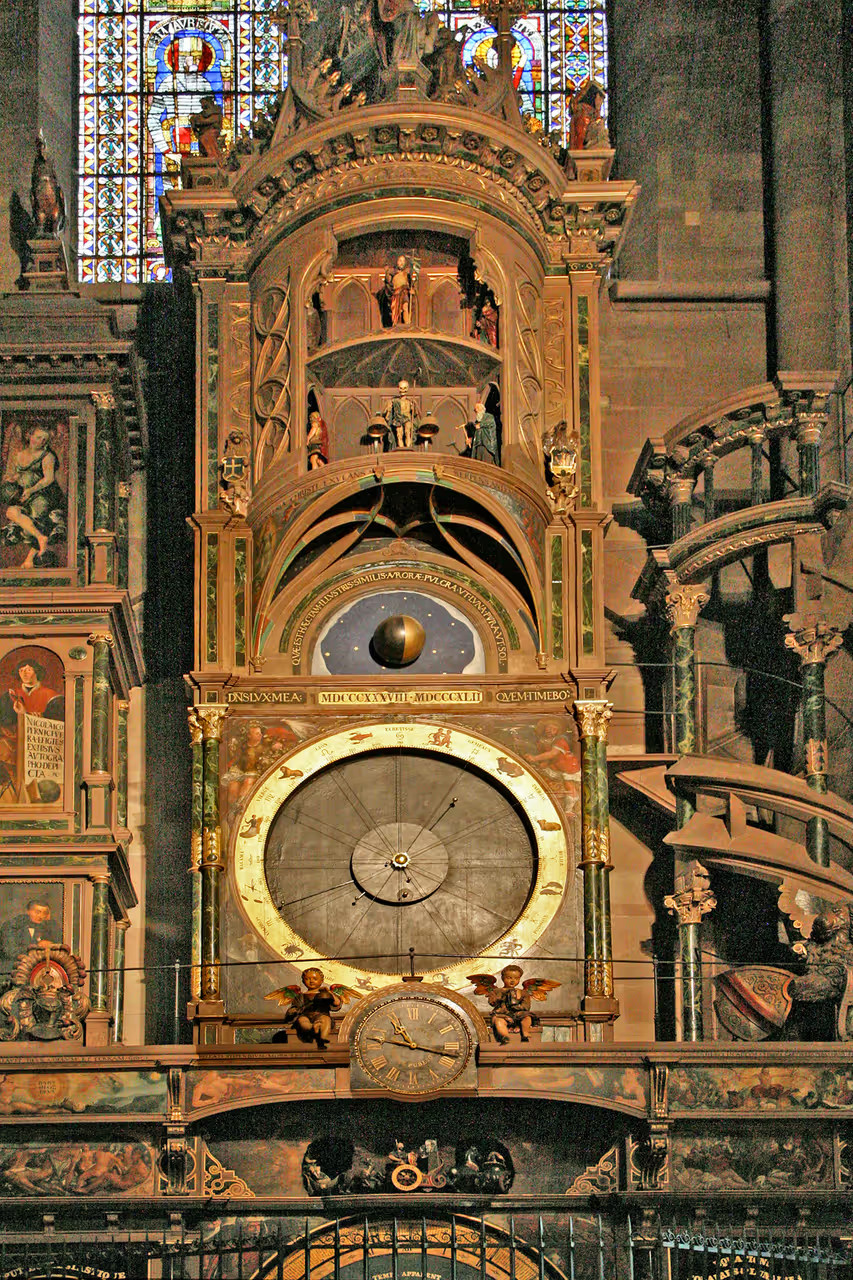
29mAstronomical Clock
An astonishing Renaissance masterpiece of mathematics and horology located inside the Cathedral. This incredibly complex mechanism calculates the phases of the moon, planetary positions, and even leap years with stunning accuracy. Every day at 12:30 PM, crowds gather to watch the animated figures spring to life, depicting the different stages of life and the apostles parading before Christ. It is a mesmerising blend of art, science, and theology. The sheer ingenuity of this centuries old device leaves viewers completely awestruck.
highlight view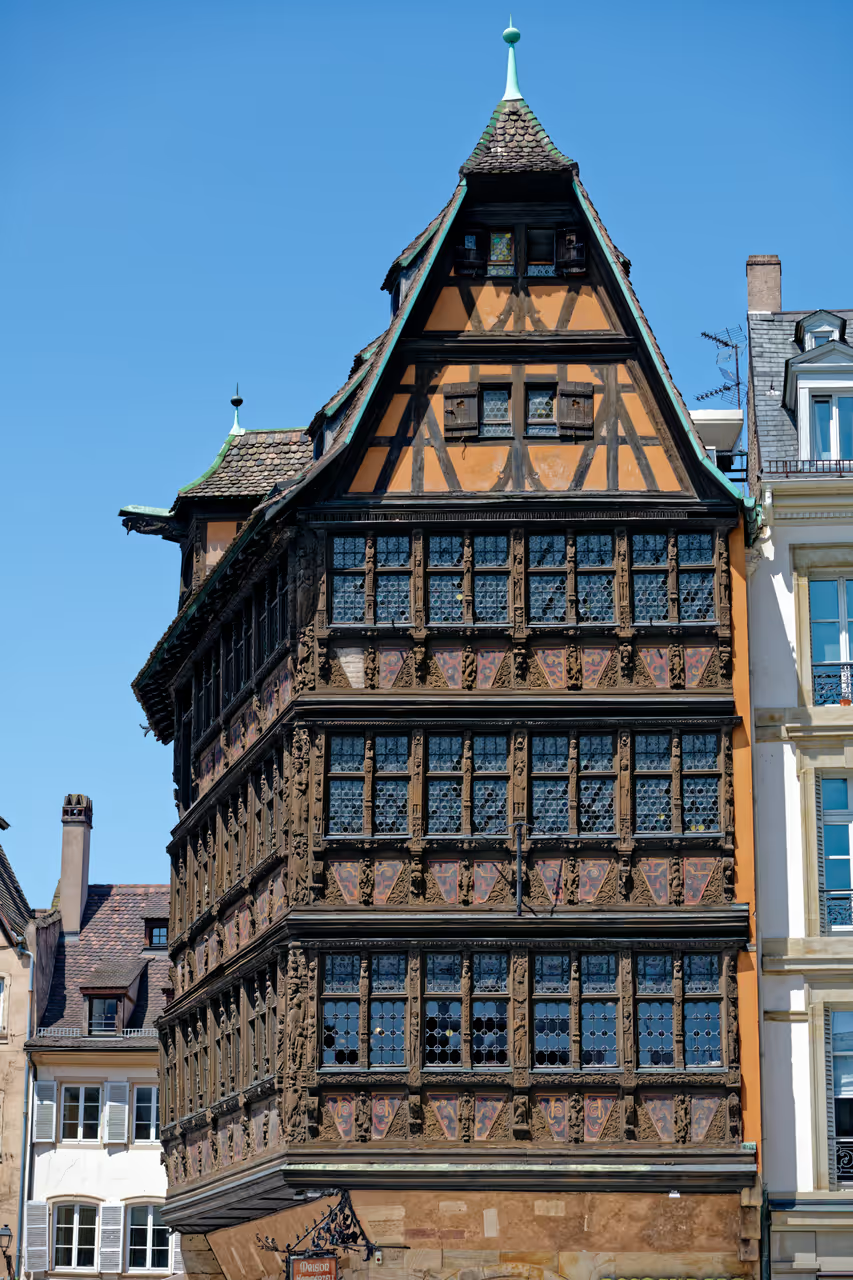 105m
105mKammerzell House
One of the most famous and exquisitely decorated buildings in the city, standing proudly on the cathedral square. The dark, timber framed facade is entirely covered in intricate, hand carved wooden sculptures depicting mythical figures, zodiac signs, and historical heroes. Built in the 15th century and heavily modified during the Renaissance, it demonstrates the incredible wealth of the city's early merchants. The ground floor now operates as a high end traditional restaurant. It is a stunning, highly photogenic piece of architectural history.
highlight view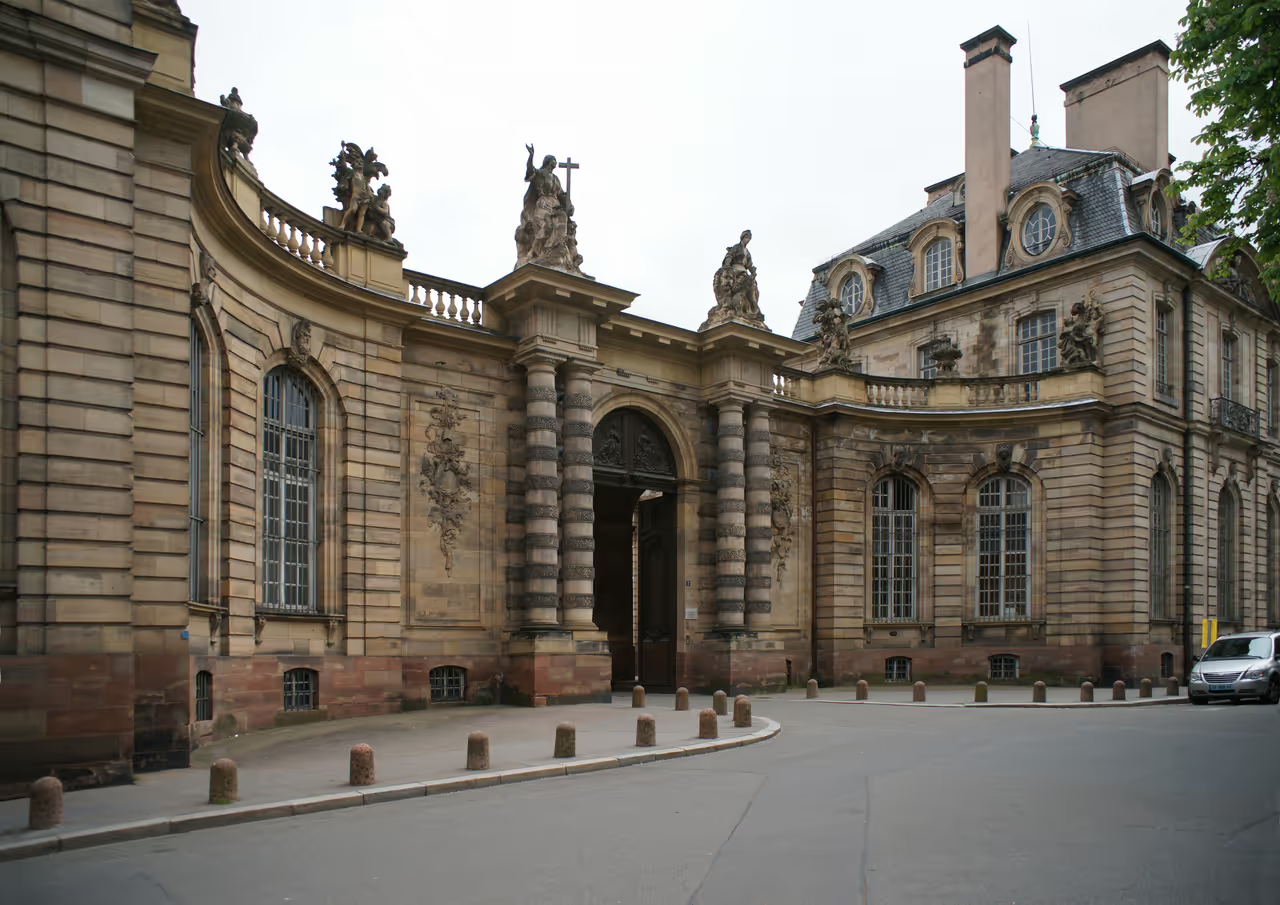 126m
126mPalais Rohan
Standing right next to the magnificent Strasbourg Cathedral, Palais Rohan is a sparkling jewel of 18th century French Baroque architecture. Once the lavish residence of prince bishops and cardinals, this sprawling palace now houses three of the finest museums in the city, covering archaeology, decorative arts, and fine arts. Walking through its grand courtyard and lavishly furnished royal apartments offers an effortless leap back into an era of French splendour. You can admire centuries of European masterworks, marvel at ancient Roman artefacts underground, or simply soak up the opulent atmosphere where kings and emperors once slept. It is an unmissable destination for art lovers, history enthusiasts, and anyone captivated by royal heritage.
attraction view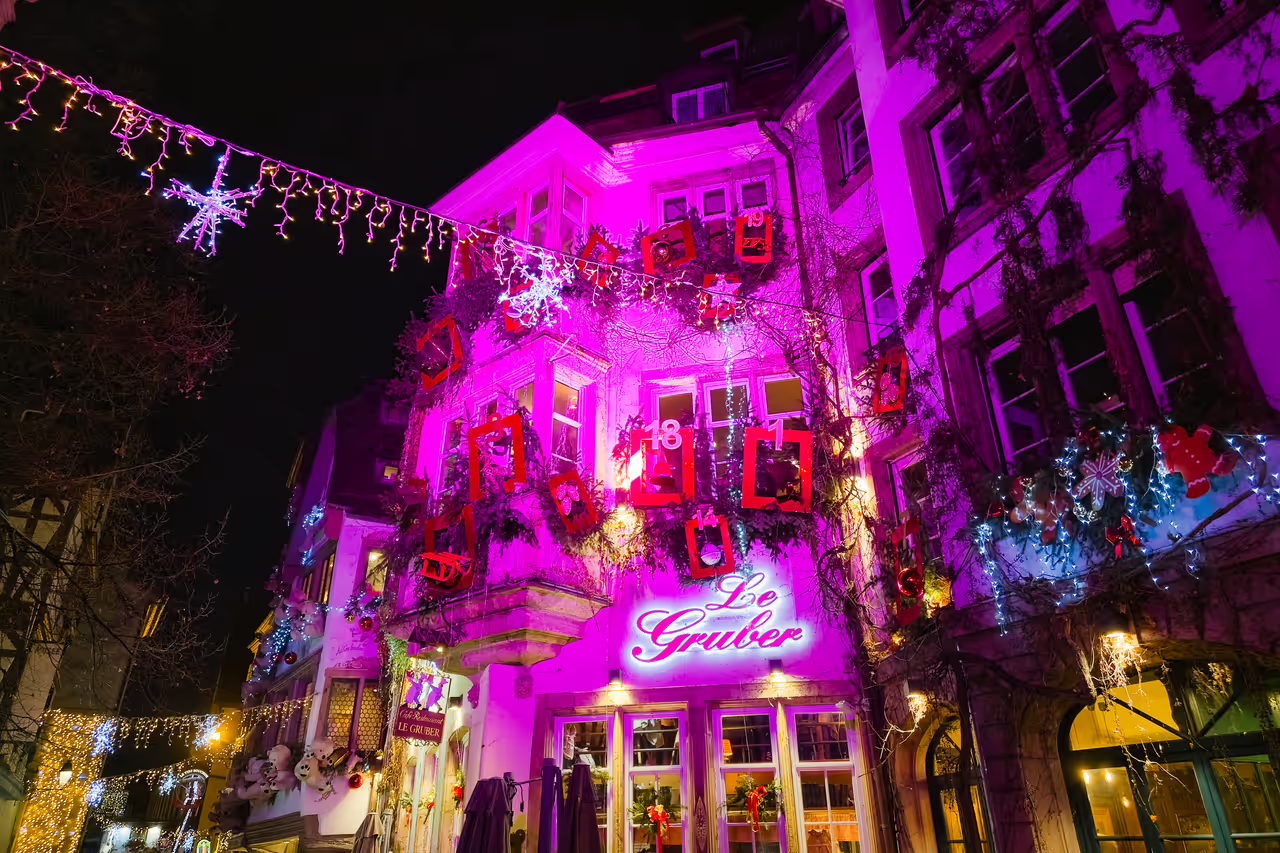 131m
131mMaroquin Street
A narrow, incredibly charming street packed with traditional Winstubs that leads directly toward the Cathedral. The dramatic juxtaposition of the quaint, low timber framed restaurants in the foreground and the colossal, intricately carved Cathedral spire looming at the end of the street is visually stunning. It perfectly captures the dizzying scale of the gothic architecture. The warm glow of the restaurant lights in the evening makes for a deeply atmospheric shot.
photo spot view
Explore Similar Places in This Collection
Featured on These Itineraries and Routes
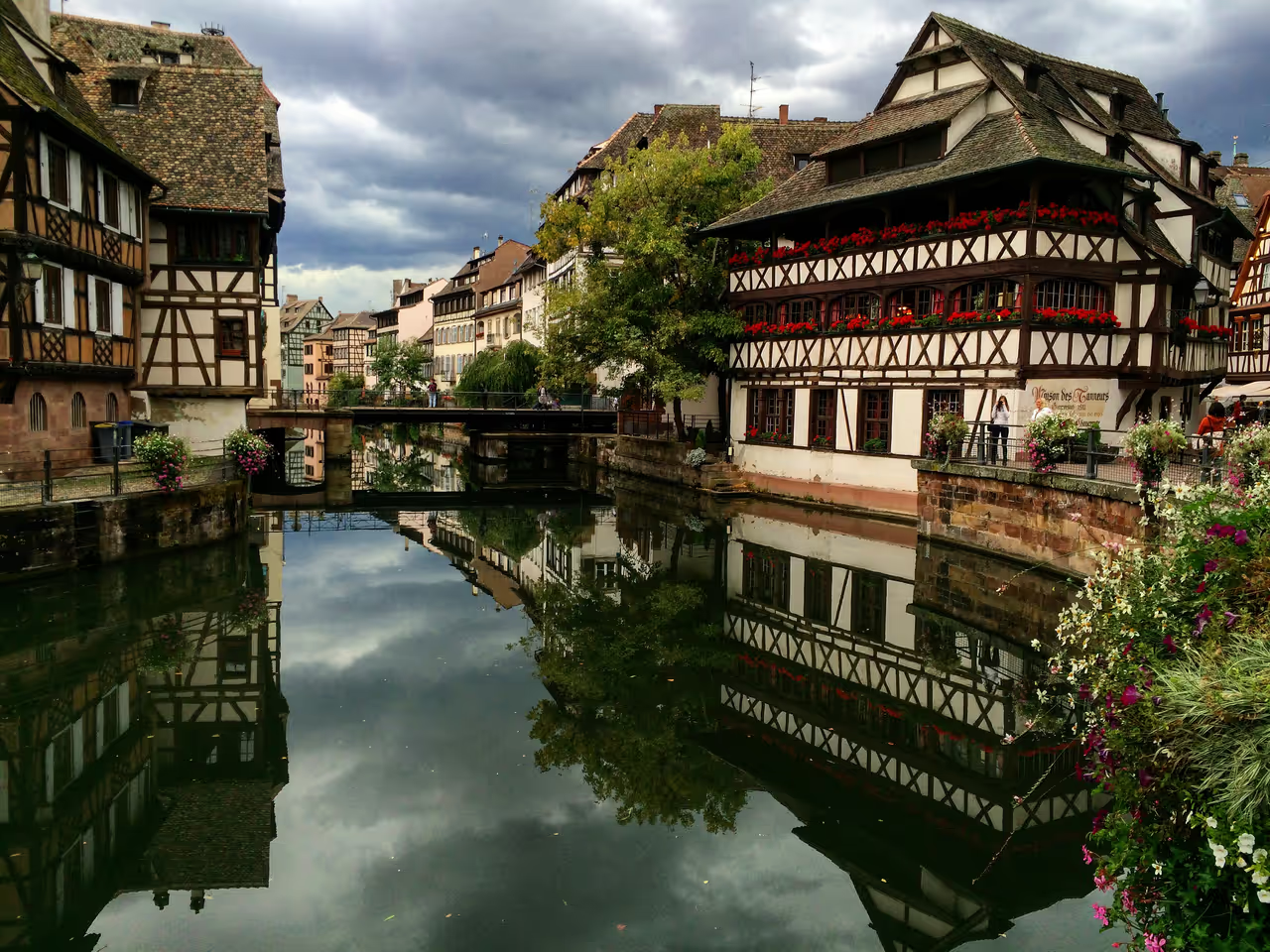
1 Day in Strasbourg: The Medieval Heart Itinerary
This highly focused itinerary captures the absolute essence of the city for visitors short on time. You will spend your day entirely within the historical core, exploring the staggering gothic architecture and the most picturesque canal streets. It provides a perfect balance of awe inspiring monuments and relaxed, atmospheric wandering. You will experience the quintessential charm that earned the city its UNESCO status.
view itinerary
3 Days in Strasbourg: Heritage & Europe Itinerary
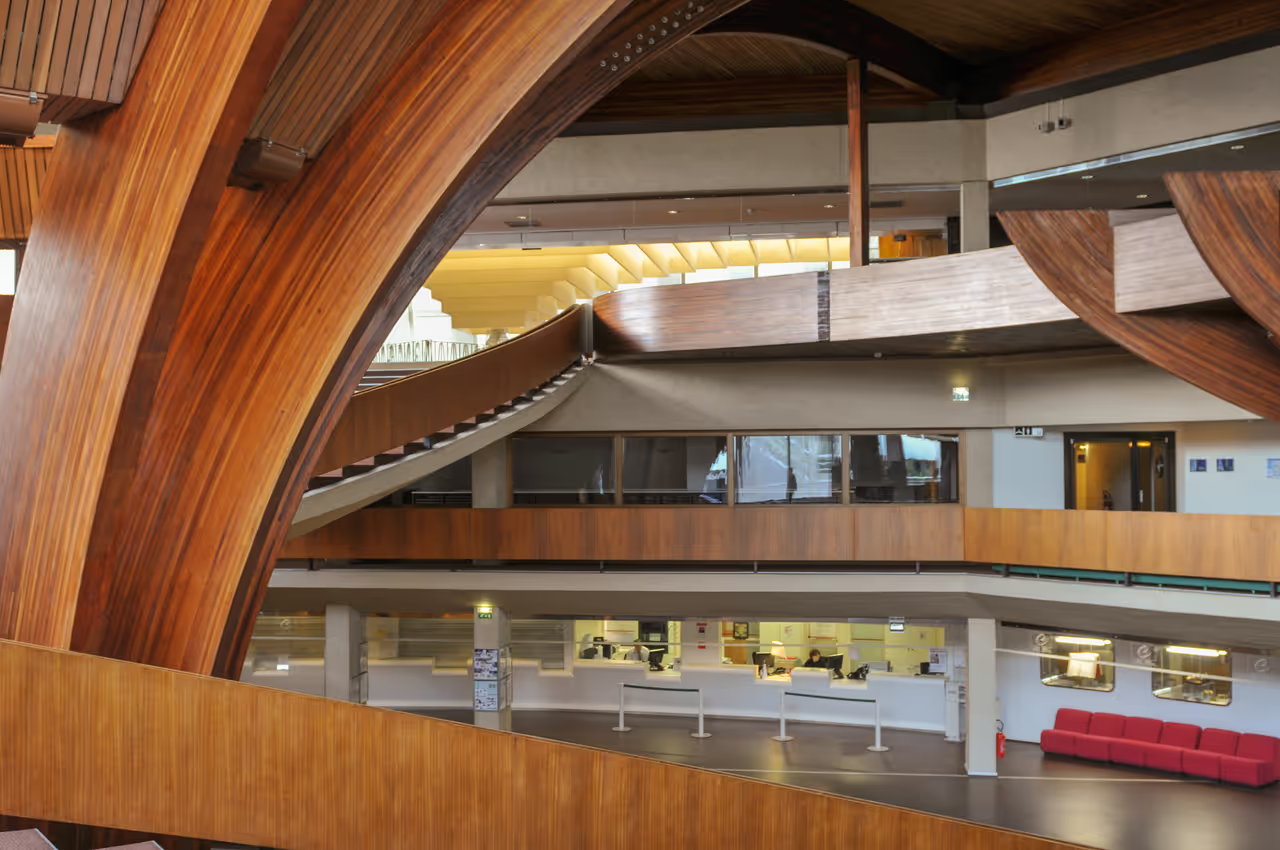
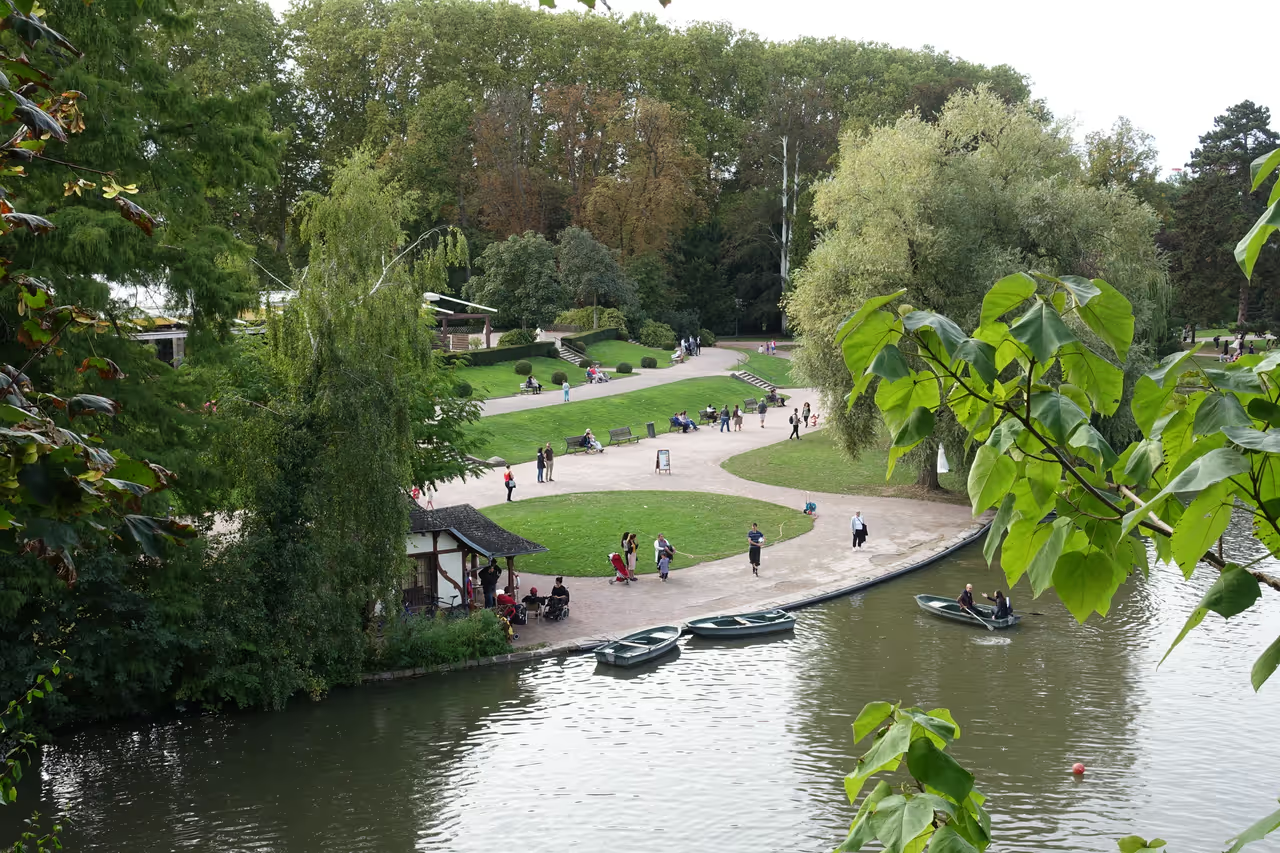
A comprehensive journey that allows you to fully appreciate the city's dual identity as a medieval jewel and a modern European capital. After exploring the historical centre, you will dive into the grand imperial architecture and the sleek international institutions. This pace leaves plenty of time to enjoy long meals at traditional Winstubs and relaxed walks through the parks. It is the ideal duration for a deeply satisfying city break.
view itinerary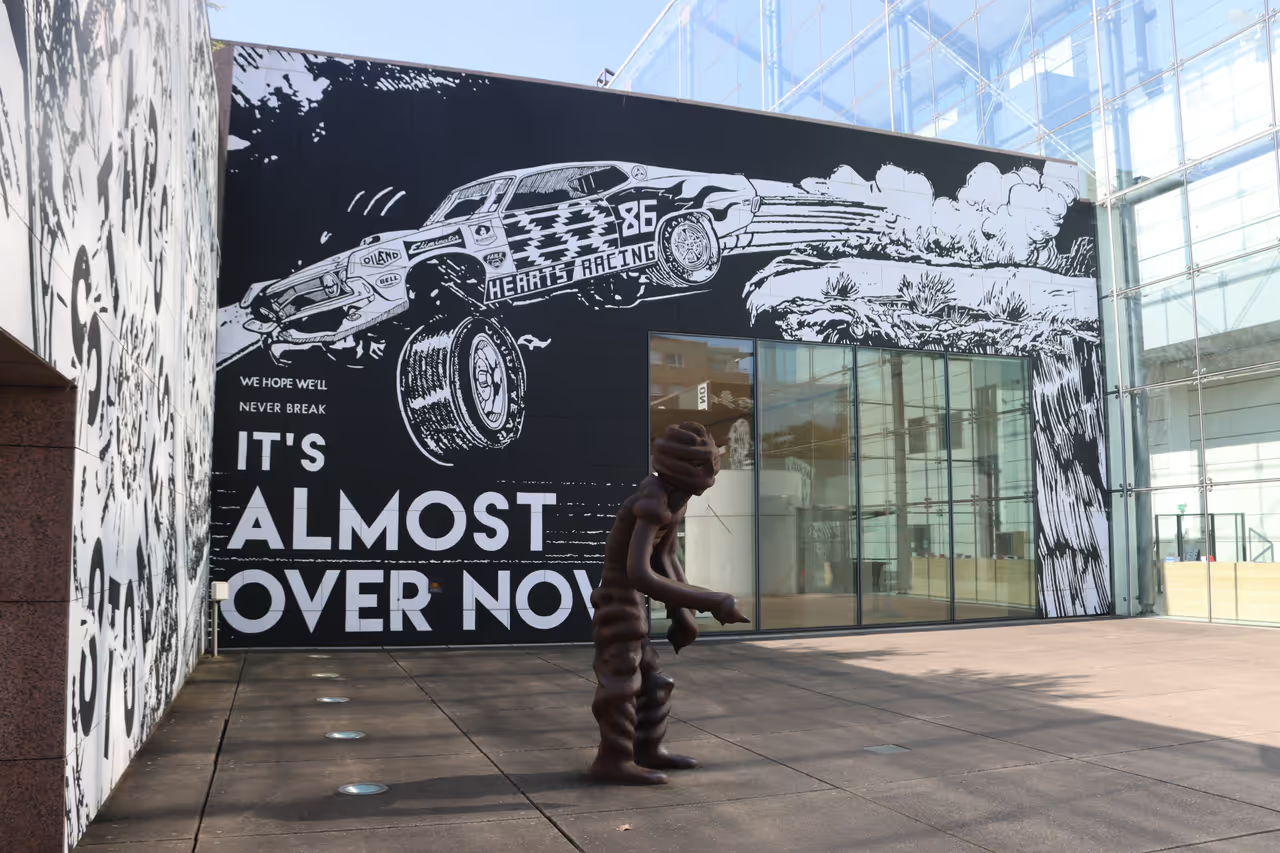
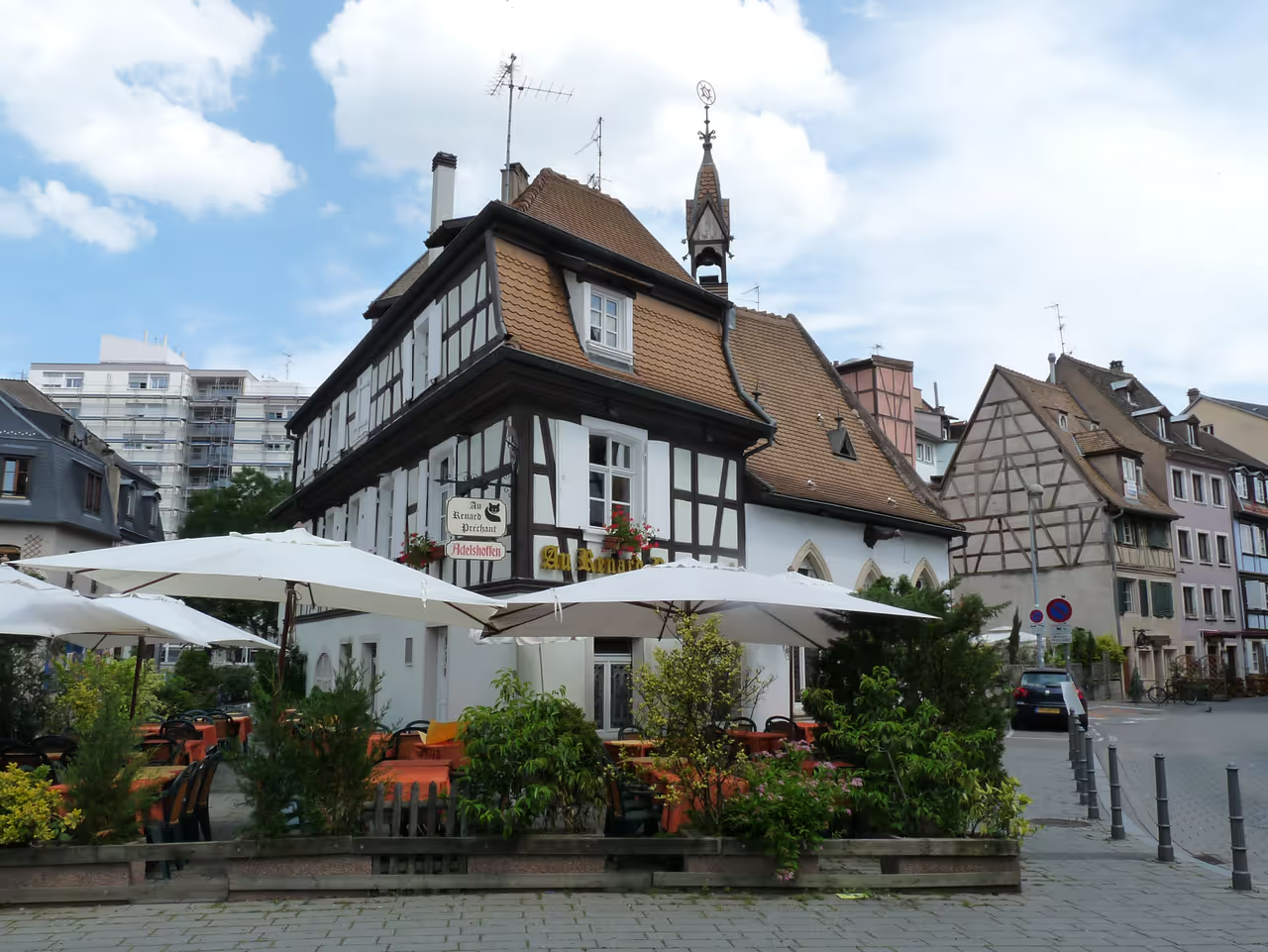
5 Days in Strasbourg: The Complete Experience Itinerary
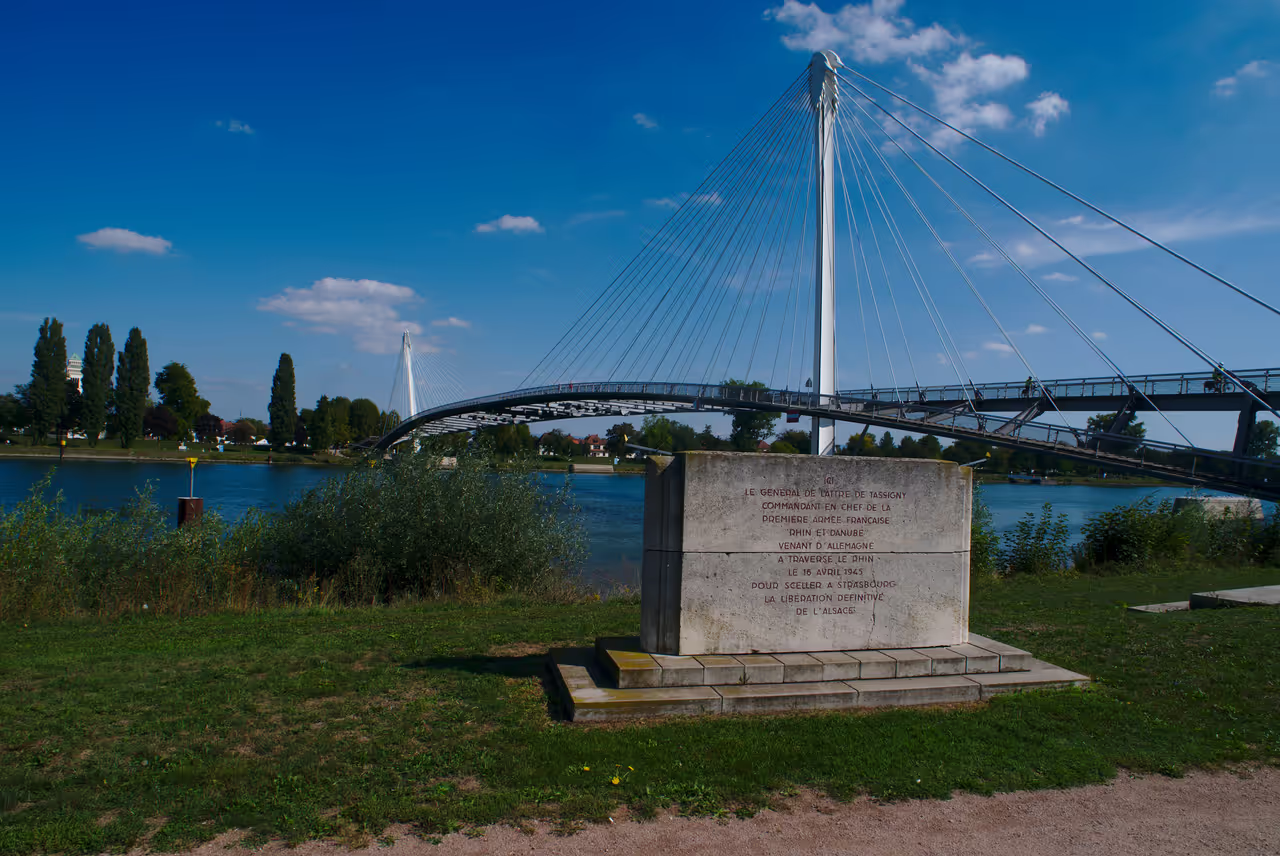
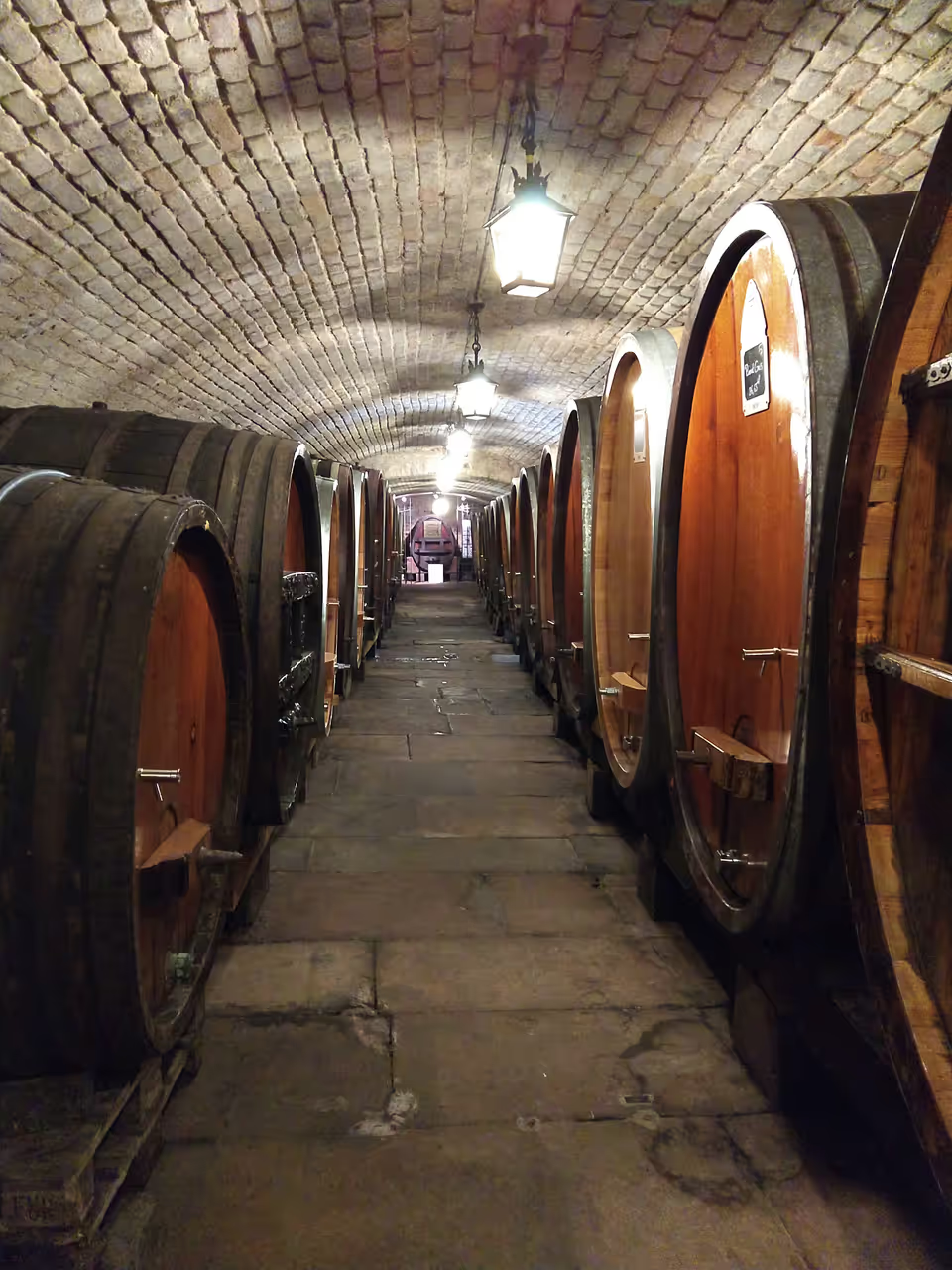
An immersive, unhurried exploration that ventures well beyond the typical tourist paths. Over five days, you will uncover hidden historical oddities, explore vast green spaces crossing international borders, and absorb the city's vibrant modern culture. This itinerary allows you to truly sync with the local rhythm, mixing world class attractions with quiet, atmospheric discoveries. It is perfect for the curious traveller wanting a deep connection with the region.
view itinerary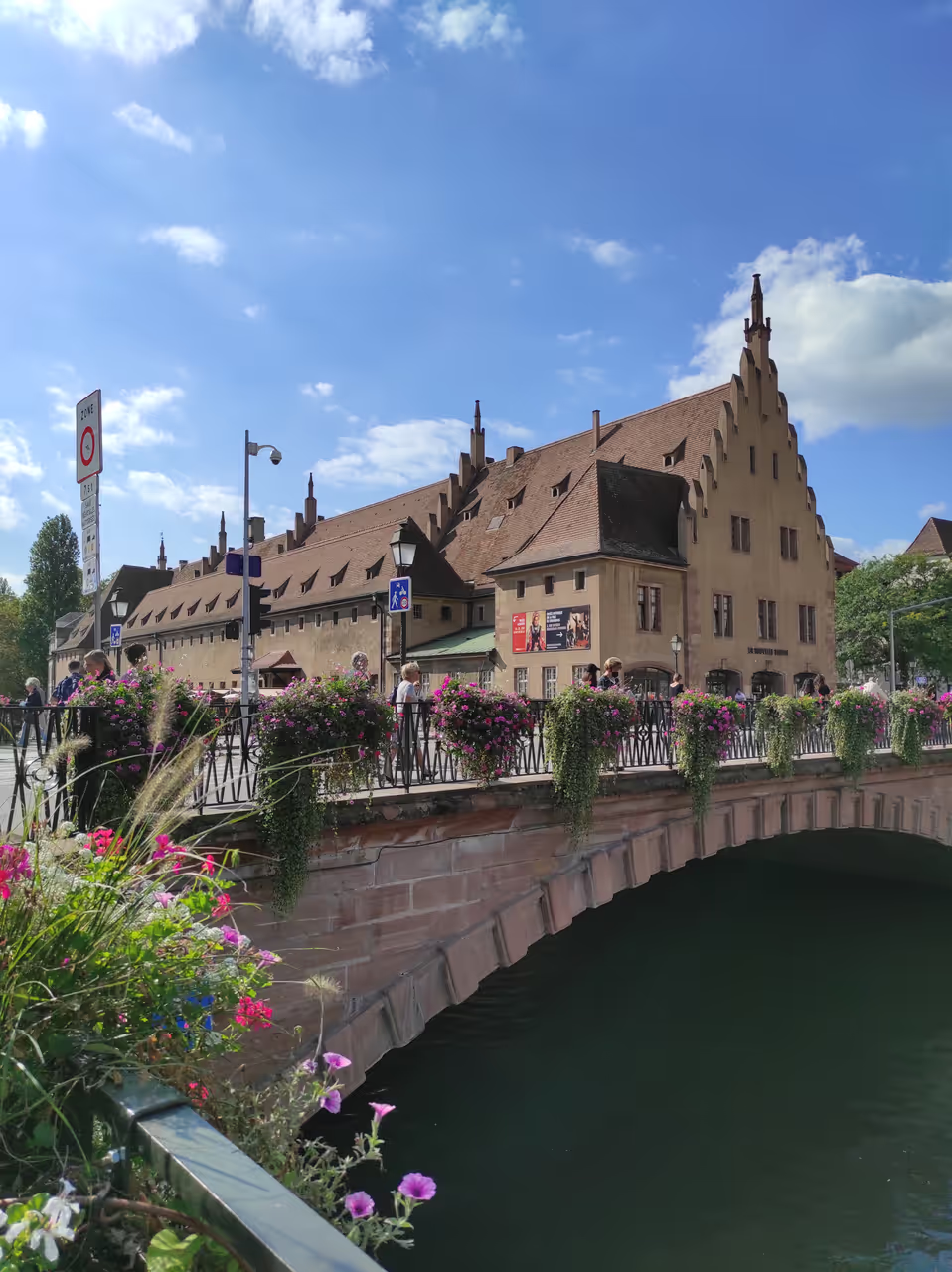
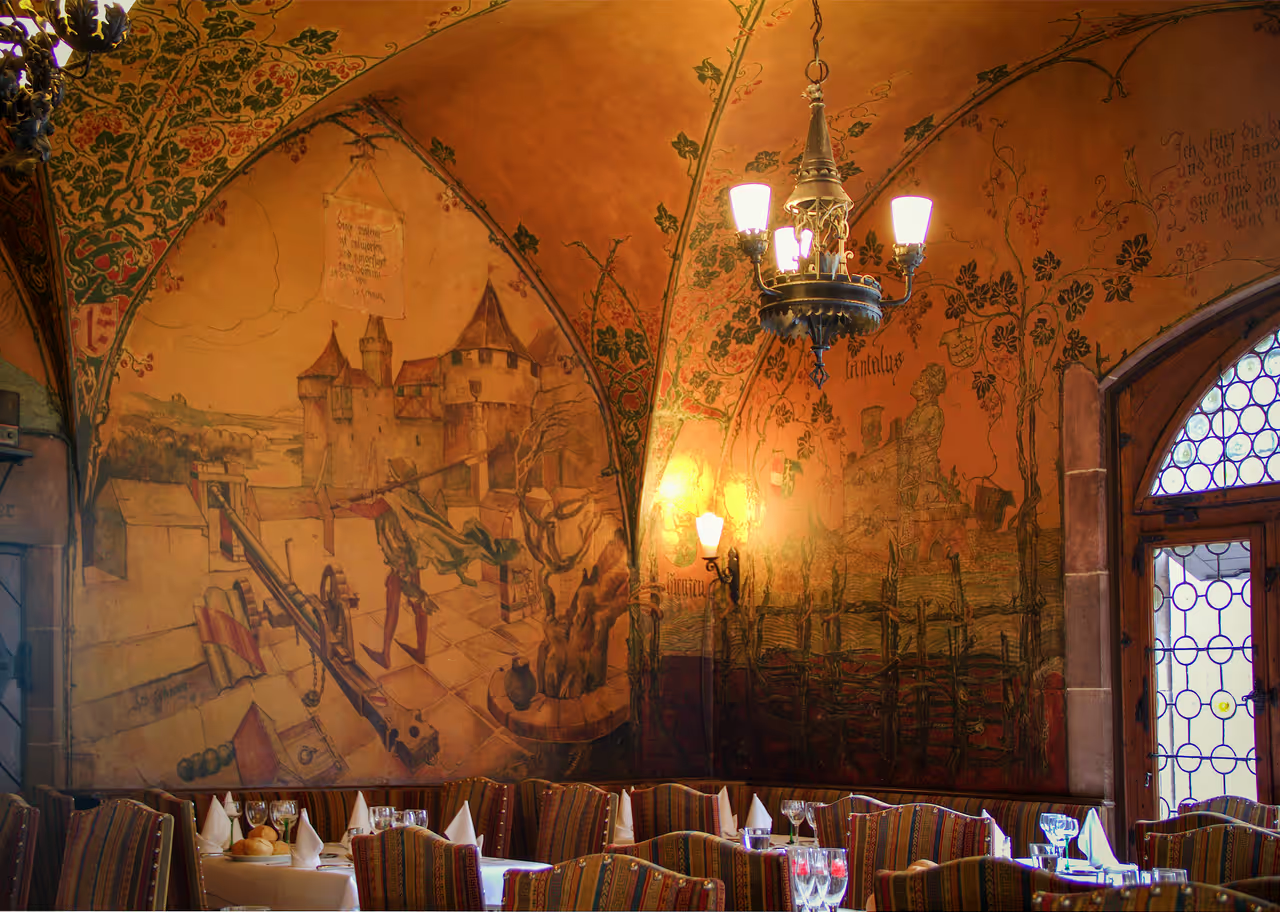
Medieval Grande Île Tour
A captivating exploration of the UNESCO World Heritage listed island that forms the historical core of the city. This route guides you through a labyrinth of narrow alleys, revealing centuries of architectural evolution. You will encounter towering gothic masterpieces, ornate Renaissance merchant houses, and charming cobblestone squares. The narrative focuses on the city's golden age as a Free Imperial City and a hub of humanistic thought. It is the definitive route for absorbing the city's quintessential fairytale charm.
view self-guided tour
See all attractions in Strasbourg
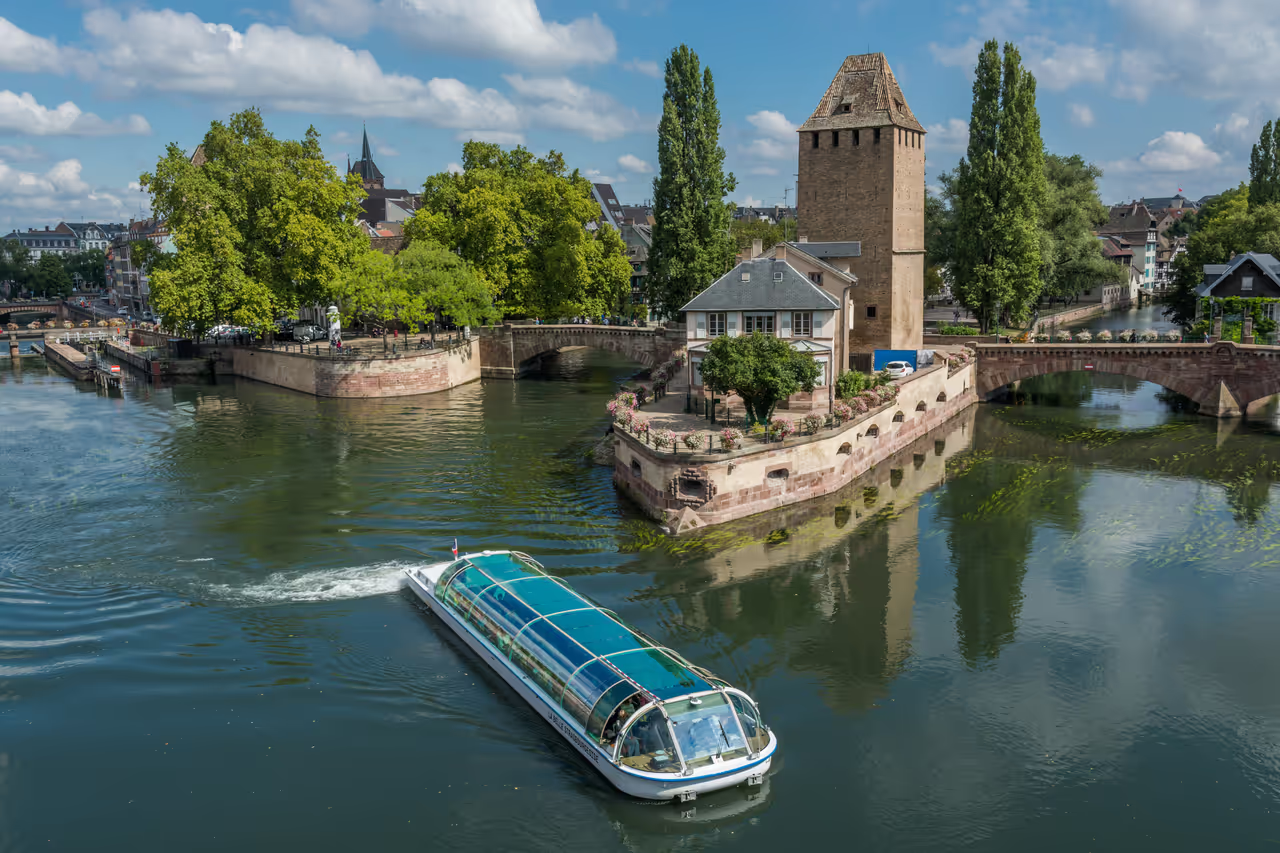
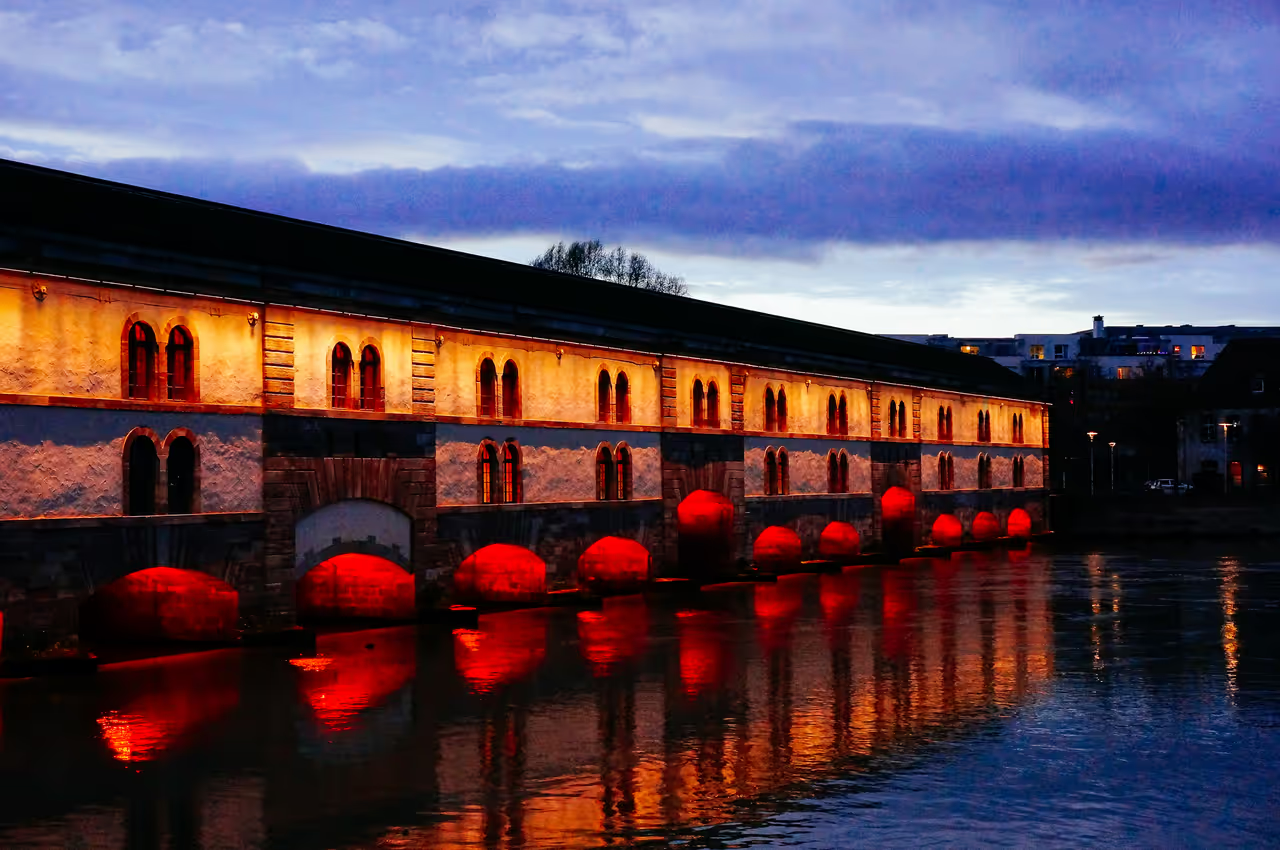
Covered Bridges of Strasbourg, Palais Rohan, Petite France, Vauban Dam...