Grande Île
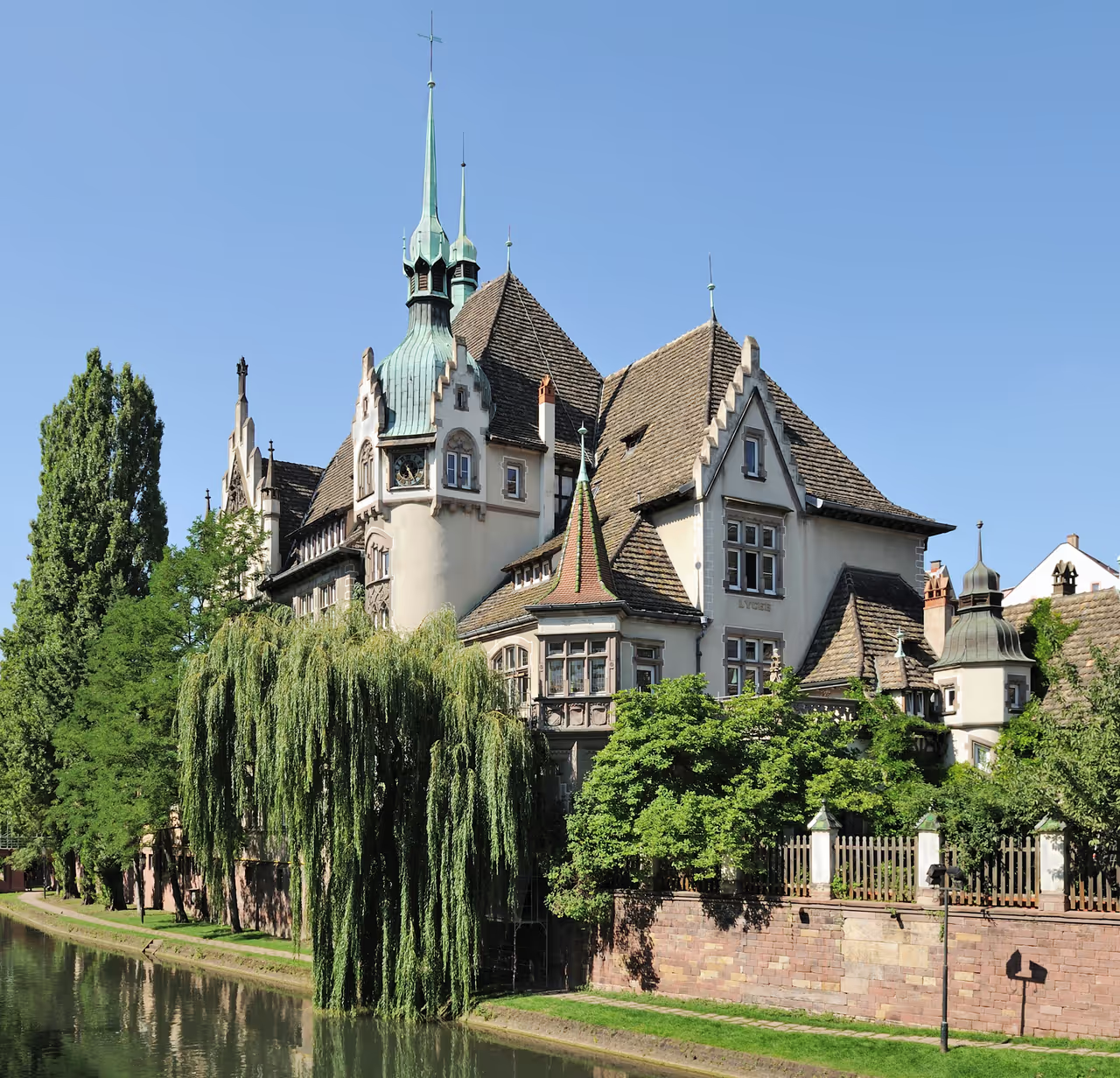
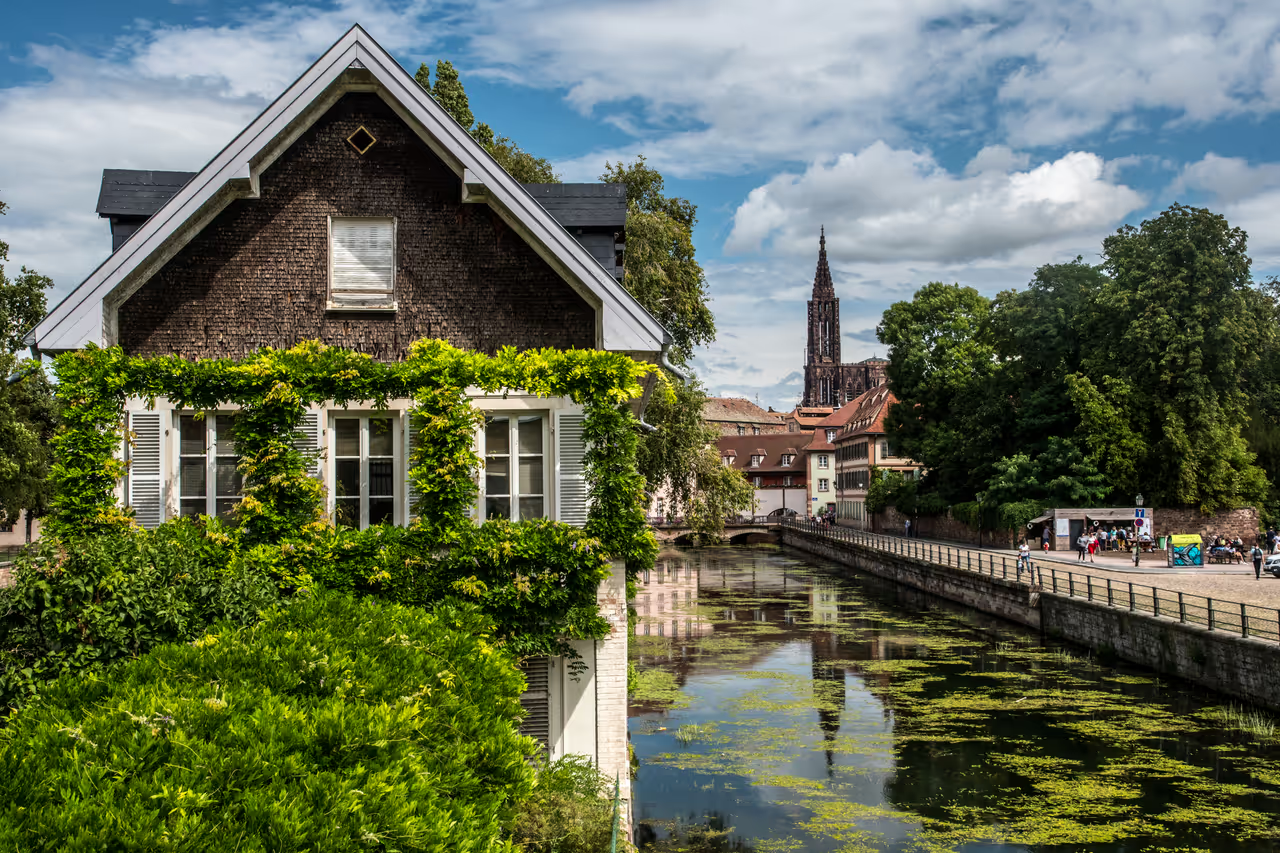
Surrounded by the river Ill and its winding canals, the Grande Île forms the historic heart of Strasbourg. Wandering through its cobblestone lanes feels like stepping straight into a fairytale filled with half timbered houses and grand 18th century mansions. At its centre stands the breathtaking Strasbourg Cathedral, famous for its intricate gothic spire and astronomical clock. The island also contains the picturesque Petite France district, where former leather tanners once dried skins along the peaceful waterways. Visitors can enjoy relaxed outdoor cafes, sample rich Alsatian cuisine in local winstubs, and explore vibrant markets throughout the year. This entire island was recognised as a UNESCO World Heritage site in 1988, celebrating its exceptional urban beauty and rich European heritage.
Videos
History of Grande Île
The story of the Grande Île began around 12 BC when the Roman general Drusus established a key military stronghold named Argentoratum on this strategic river island. Situated along the Rhine frontier, the settlement grew into a vibrant crossroads where Germanic and Latin cultures met. As the centuries progressed, medieval trade guilds gained influence on the island, turning the district into a thriving craft hub where leather tanners, fishermen, and millers utilized the flowing waters of the Ill. The construction of the grand Strasbourg Cathedral, starting in the 12th century, established the island as an intellectual and religious beacon across Central Europe. During the Renaissance, the island experienced an incredible boom in culture and scholarship, notably linked to Johannes Gutenberg who developed his moveable type printing press while living in Strasbourg. The architectural landscape transformed as elaborate half timbered houses arose along winding medieval streets, featuring steep roofs designed for drying hides and storing goods. By 1681, French forces under King Louis XIV annexed Strasbourg, bringing refined French baroque design to the town. Grand townhouses like the Palais Rohan were constructed, creating a unique aesthetic blending French elegance with historic German timbered charm. Modern times brought further dramatic shifts as control of Alsace shifted between France and Germany through several wars. Despite these conflicts, local craftspeople meticulously preserved and restored the unique urban layout of the island. In 1988, UNESCO declared the entire Grande Île a World Heritage site, honouring an extraordinary urban sanctuary that preserves centuries of harmonious European architectural evolution.
Events spanning 2000 years
Fun Facts
- • An underground waterway known as the Tanner Canal ran through the middle of the island until health concerns prompted town planners to cover it over in 1840.
- • Johannes Gutenberg developed his revolutionary moveable type printing press concept during his ten year residence on the Grande Île between 1434 and 1444.
- • Palais Rohan on the island hosted four French monarchs, including Napoleon Bonaparte and King Louis XV, along with Marie Antoinette on her journey to Paris.
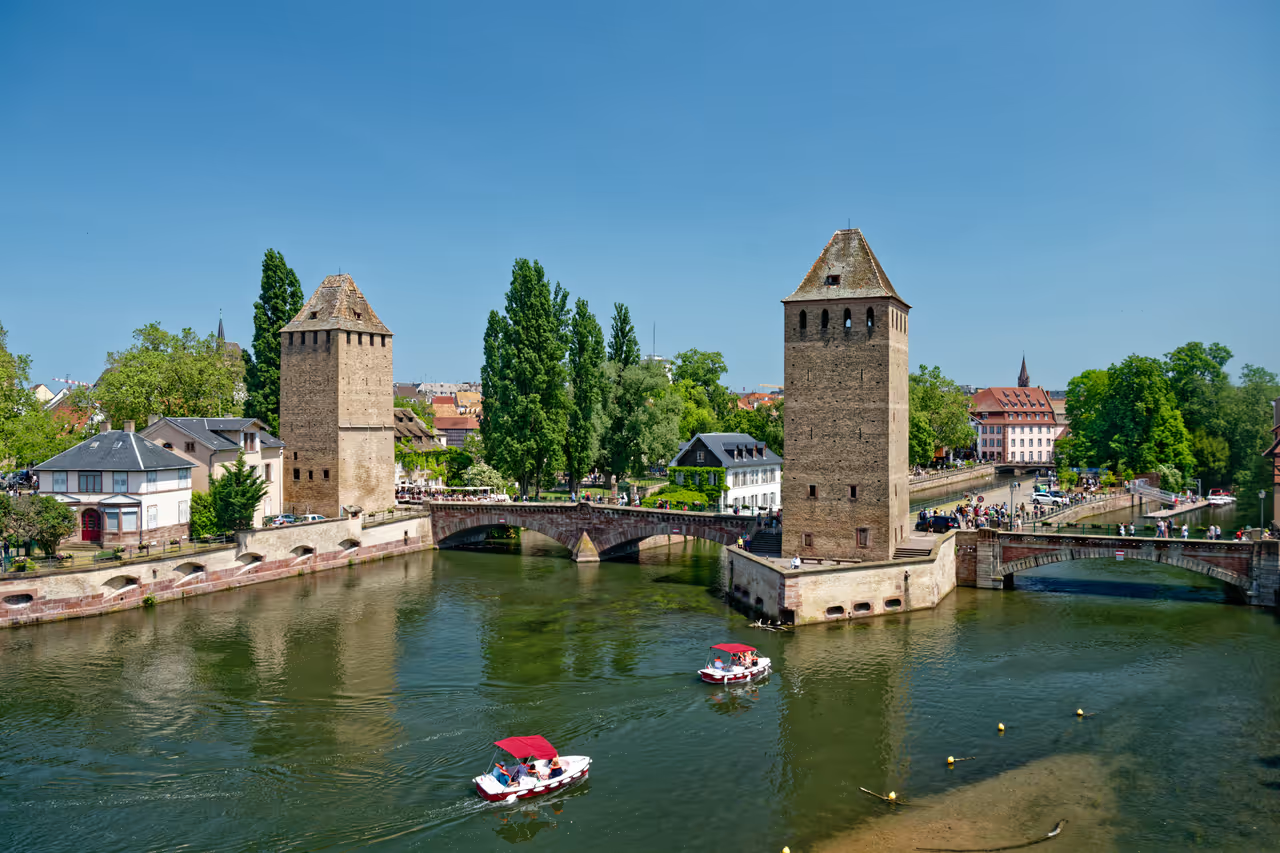
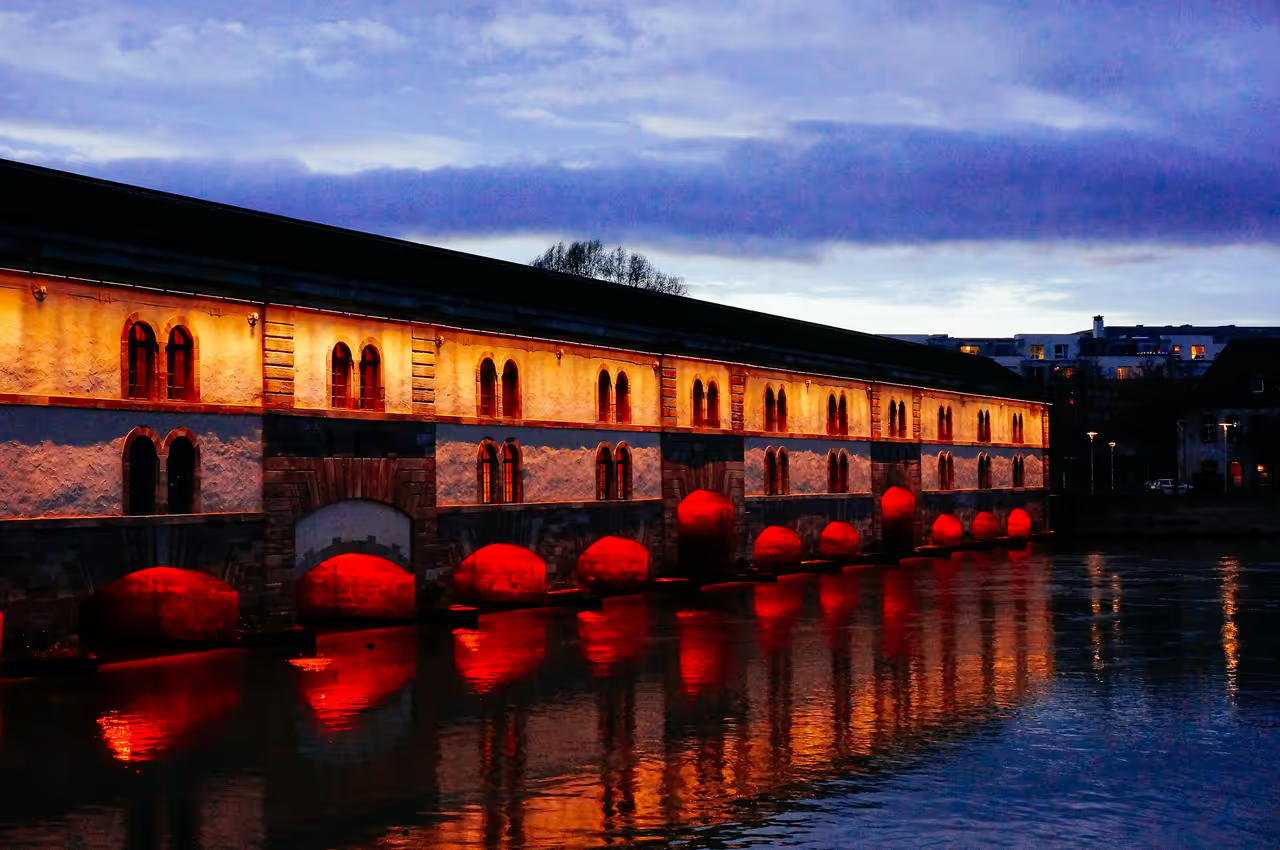
- • The covered bridges at the western edge of the island still retain their medieval fortification towers, which held prisoners and defended water access during medieval sieges.
- • The famous tanners quarter in Petite France gained its distinct look from open air attics designed specifically for drying animal hides.
- • The historic Maison Kammerzell features seventy five ornate carved wooden windows depicting secular and sacred figures from antiquity and the Middle Ages.
- • The island was the very first entire historic city centre in France to be designated as a UNESCO World Heritage Site in 1988.
- • The soaring spire of Strasbourg Cathedral on the island made it the tallest human made structure in the world for over two centuries, holding the record from 1647 until 1874.
- • To modernise traffic without destroying ancient charm, urban planners launched the Grande Percée project in the early 20th century, carving a wide central boulevard through medieval alleyways.
RESOURCES
Heritage UNESCO SiteGrande Île FAQ
While we strive to keep this information accurate and up to date, we recommend verifying any details independently before making decisions based on them.
Grande Île Map & Neighborhood Explorer
This interactive map is centered on Grande Île. Zoom in and move the map around to automatically discover Wikipedia photos and summaries of other nearby sights, monuments, and historical points of interest and stories in real-time!
Places near Grande Île
Make the most of your trip. Check out these top-rated spots located nearby.
 163m
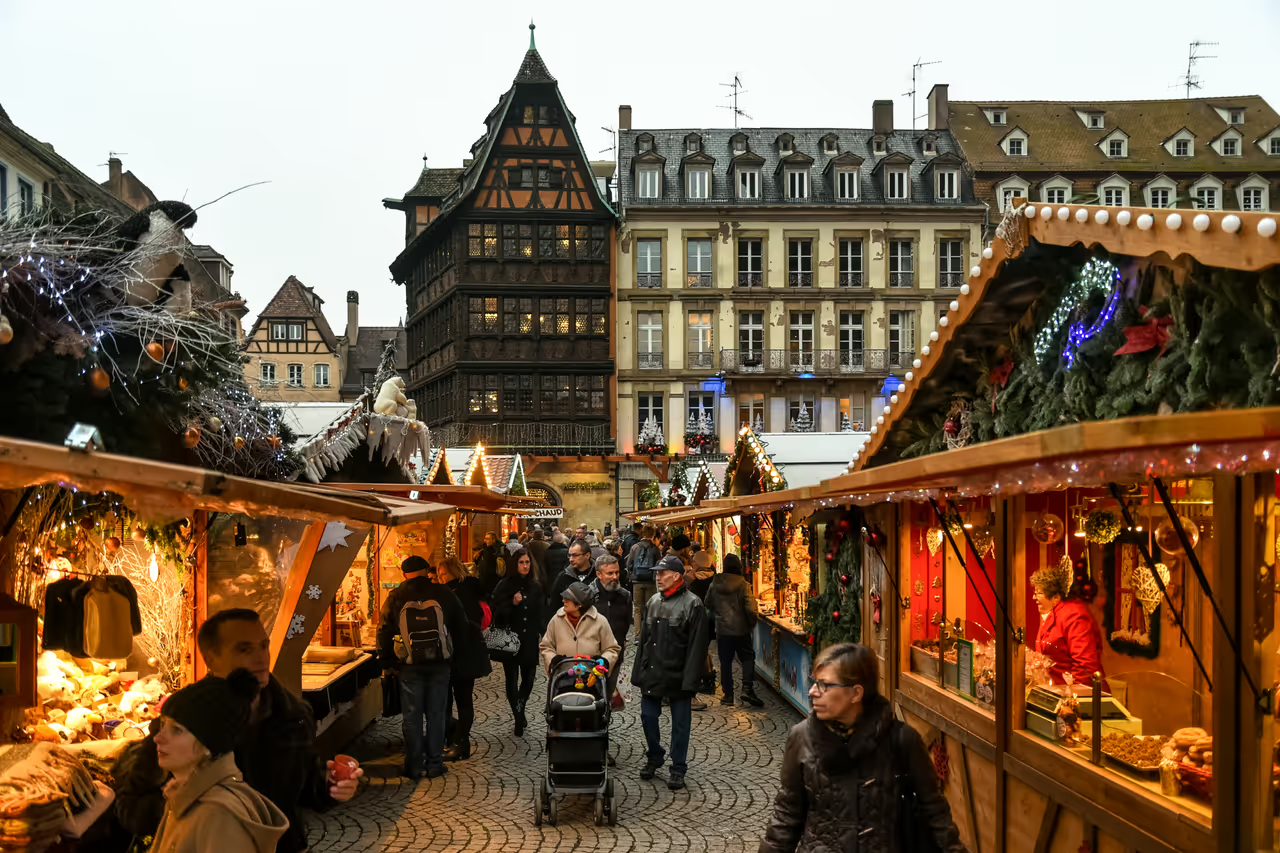
163mStrasbourg Christmas Market
One of the oldest and most famous Christmas markets in Europe, dating back to 1570. The entire city transforms into a winter wonderland with miles of twinkling lights and a towering Christmas tree on Place Kléber. Hundreds of wooden chalets sell artisanal crafts, warm spiced wine, and traditional Alsatian treats. The festive atmosphere attracts millions of visitors from across the globe. It is an incredibly magical experience that completely takes over the historic centre.
festival view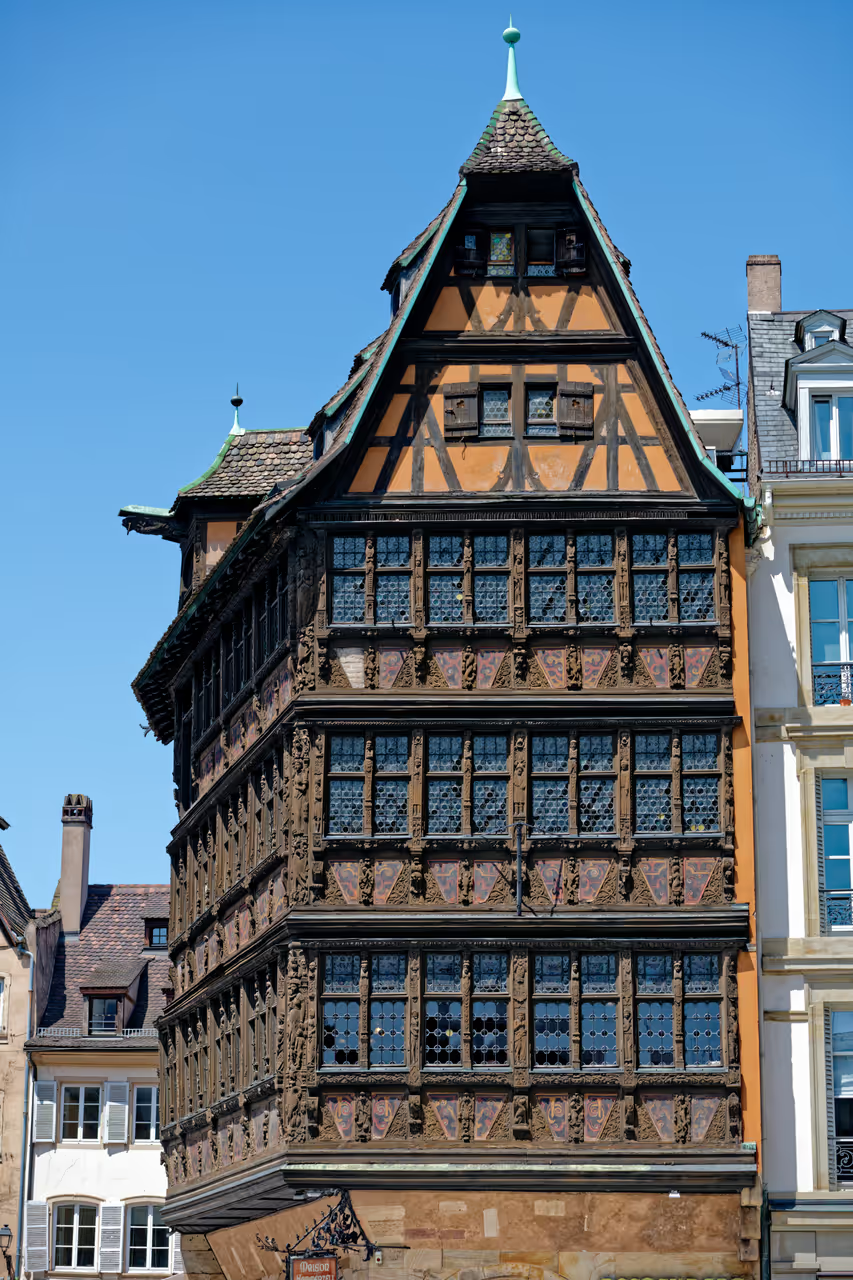 166m
166mKammerzell House
One of the most famous and exquisitely decorated buildings in the city, standing proudly on the cathedral square. The dark, timber framed facade is entirely covered in intricate, hand carved wooden sculptures depicting mythical figures, zodiac signs, and historical heroes. Built in the 15th century and heavily modified during the Renaissance, it demonstrates the incredible wealth of the city's early merchants. The ground floor now operates as a high end traditional restaurant. It is a stunning, highly photogenic piece of architectural history.
highlight view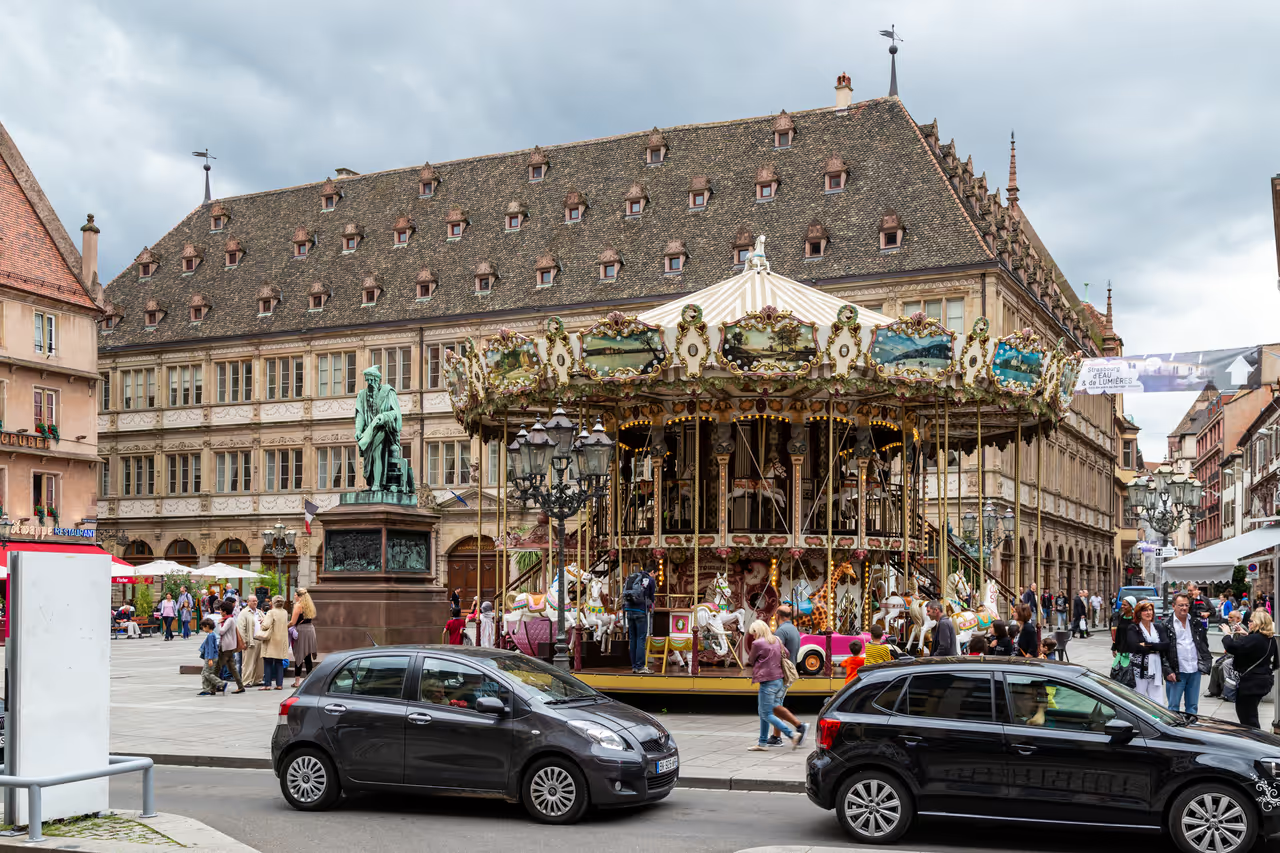 183m
183mPlace Gutenberg & Rue des Tonneliers
Situated in the very heart of the historic centre, this area offers a slightly more polished but equally vibrant evening experience. The narrow streets are lined with stylish wine bars, traditional winstubs, and trendy craft beer pubs. It is a fantastic location to sit on an outdoor terrace and watch the world go by against a backdrop of stunning medieval architecture. The venues here cater to a slightly older, professional crowd looking for quality drinks. It is ideal for a sophisticated evening of bar hopping.
nightlife view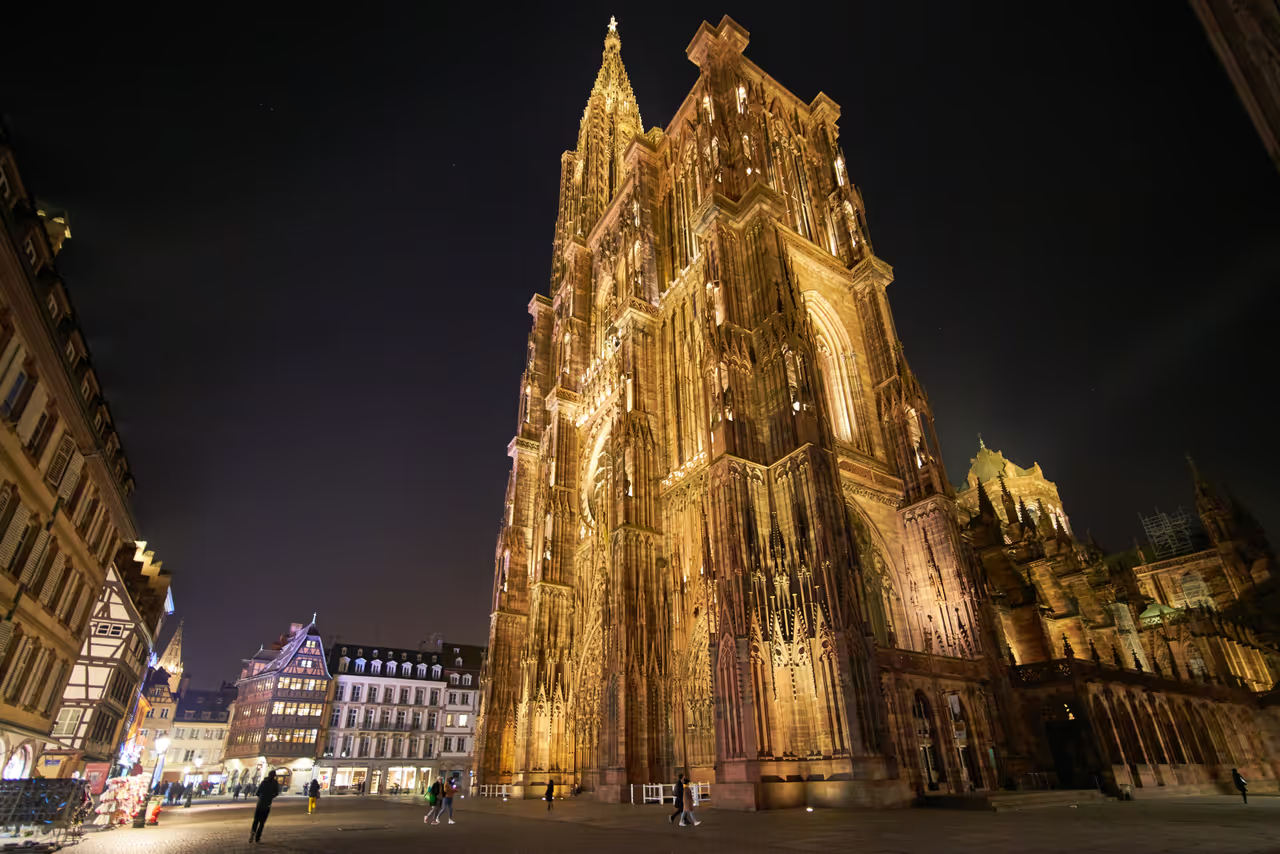 254m
254mStrasbourg Cathedral
Dominating the skyline of Alsace, Strasbourg Cathedral stands as a masterpiece of Gothic architecture constructed from distinctive pink sandstone. Famous for its single soaring spire that made it the tallest building in the world for over two centuries, this breathtaking monument leaves visitors spellbound from the moment they step onto the cathedral square. Inside, delicate stained glass windows bathe the nave in magical light, while an extraordinary Renaissance astronomical clock performs its intricate animated show daily. Visitors can wander through centuries of sacred art, admire the intricately sculpted Angel Pillar, or embark on a climb up to the viewing platform for magnificent sweeping vistas towards the Black Forest. It remains an enduring symbol of civic pride and artistic triumph in the heart of the historic Grande Île.
attraction view
Explore Similar Places in These Collections
See all unesco sites in Strasbourg
Neustadt...