Milan
Full City Guide, Map & 190 Things To Do
24,993 people live here.
That's 0.04% of the entire population of Italy.
Milan is where Italy does its money, its fashion and its design, and it also happens to hold Leonardo da Vinci's Last Supper, a marble cathedral with 135 spires and the opera house that opera singers measure themselves against. From a train window it can look grey and businesslike. Then a doorway on Corso Magenta opens onto a frescoed church, or a lane off the Naviglio Grande turns out to be an old washing alley hung with geraniums. Trams built in the 1920s still rattle past the Castello Sforzesco, and at seven in the evening half the city is holding a Campari in one hand and a plate of focaccia in the other.
Milan DNA
History of Milan
Milan begins with a pig. Livy tells how a Celtic chief called Belloveso led his people over the Alps, followed an omen, and settled where a sow half covered in wool was found. The Romans took the town in 222 BC and called it Mediolanum, a name usually read as 'in the middle of the plain'. They never built an aqueduct here, because the water table came to the surface in springs and the city sat among rivers and ditches. Julius Caesar granted it municipal status in 49 BC, and the settlement started to behave like a place that expected to matter. It did matter, and quickly. In 286 the emperor Diocletian made Mediolanum a capital of the western empire, and a few decades later the Edict of Milan allowed Christians to worship openly. Then came Ambrose, a provincial governor acclaimed bishop by the crowd before he was even baptised, who shaped Western Christianity from Milanese pulpits and baptised Augustine here. The glory ended with a siege in 402 and the court's move to Ravenna. The Goths burned the city in 539. Milan rebuilt, over and over, and by 1117 the first consuls of a free commune appeared. When the emperor Barbarossa levelled it in 1162, the Lombard League beat him at Legnano in 1176 and the city stood up again. Under the Visconti and then the Sforza, Milan became a duchy with ambitions to match. Work on the cathedral began in 1386, and marble for it floated in along the canals for centuries. Leonardo da Vinci arrived at the Sforza court and stayed for years, redesigning waterworks and painting The Last Supper on a refectory wall. Then the foreigners came: the French, the Spanish, the Austrians. The plague of 1630 shaped the city's memory so deeply that Manzoni built a novel on it. Austrian rule brought reforming minds, Beccaria and the Verri brothers, and La Scala opened in 1778. In 1805 Napoleon crowned himself King of Italy beneath the cathedral's spires. The nineteenth century turned Milan into the engine of a new country. In March 1848 the city rose against the Austrians in the Five Days and drove out Radetzky's army. The Galleria Vittorio Emanuele II opened as a glass-roofed salon in 1867, and in 1883 the Santa Radegonda power station lit the city, the first of its kind in Europe. Factories, banks and publishers followed. Milan hosted a World's Fair in 1906 and earned the nickname 'moral capital' for its work ethic. In August 1943 Allied bombs hit the centre, and La Scala, the Galleria and neighbourhoods across the city were badly damaged. The Milanese rebuilt faster than almost anyone thought possible. The 1950s and 1960s gave the skyline the Pirelli Tower and the Torre Velasca, and a metro opened in 1964. The 1980s added fashion and the phrase 'Milano da bere', and the designers who took over a quiet Via Montenapoleone made it a world address. Today Milan keeps reinventing itself without discarding the old. Glass towers rise at Porta Nuova and CityLife, while the Navigli are lined with bars where Leonardo's canals once carried marble. The city hosted Expo 2015 and shared the 2026 Winter Olympics with Cortina. Locals still walk past Roman columns on their way to dinner, and few of them stop to look.
30 events spanning 2616 years
Map of Milan
Interactive Destination & Itinerary Map
This map blends our curated city guides—featuring best photo spots, scenic walks, viewpoints, hidden gems and much more—with a live Wikipedia explorer. Click on our numbered pins to plan your routes, or zoom in on the surrounding neighborhoods to discover verified local landmarks, museums, and stories with dynamic Wikipedia summaries and photos!
Fun Facts
15- 01
Napoleon crowned himself King of Italy under the Duomo's spires. In May 1805 he took the Iron Crown of Lombardy and, according to the story, announced that God had given it to him and woe to anyone who touched it.
- 02
The Pirelli Tower wears a tiny Madonna on its roof. For decades, the golden Madonnina on the Duomo was the highest point in Milan by unwritten agreement, and when the 127 metre Pirelli skyscraper was completed in 1958, a replica of the statue was placed on its summit as a courtesy.
- 03
The Duomo took almost six centuries to finish. Work began in 1386 and carried on until the last bronze doors were unveiled in 1965, which is why the Milanese say 'fabbrica del Duomo' for any job that never ends.
- 04
Milan's bishop Ambrose was not even baptised when the crowd elected him. As governor of the province he stepped in to calm a disputed election in 374, and the people acclaimed him bishop on the spot.
- 05
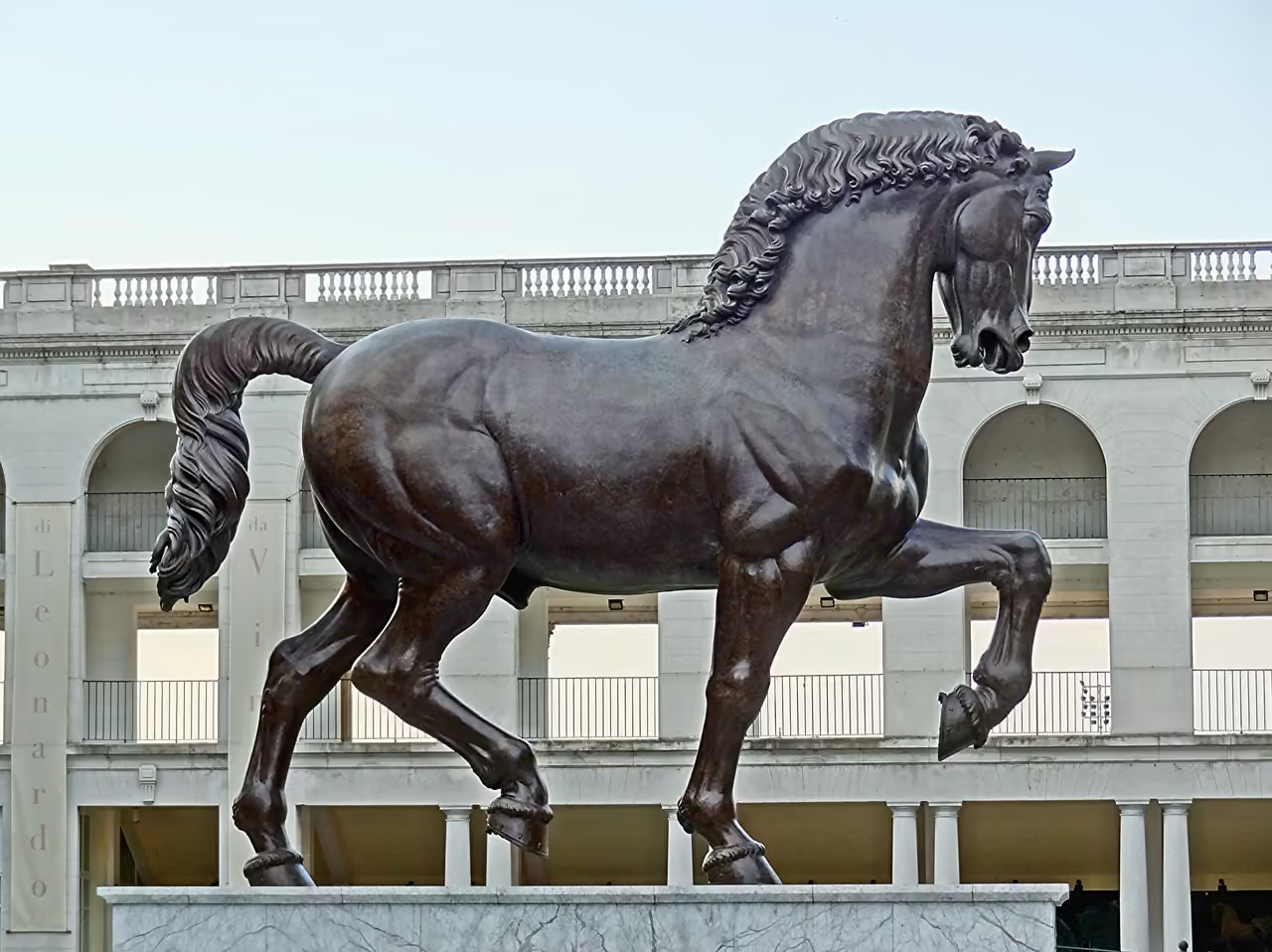
Leonardo da Vinci's bronze horse still stands in Milan, though not as he imagined it. His enormous clay model of a horse for Francesco Sforza was reportedly used as target practice by French archers in 1499, and a bronze based on his drawings was finally cast and set up at the San Siro racecourse in 1999.
- 06
There is a hill in Milan built from rubble. Monte Stella, on the western edge of the city, was raised from the debris of buildings bombed in the Second World War and is now covered in trees.
- 07
The Last Supper survived the 1943 bombing behind sandbags. Santa Maria delle Grazie's refectory was hit and lost its roof, but protective sandbags and scaffolding around the painting spared it.
- 08
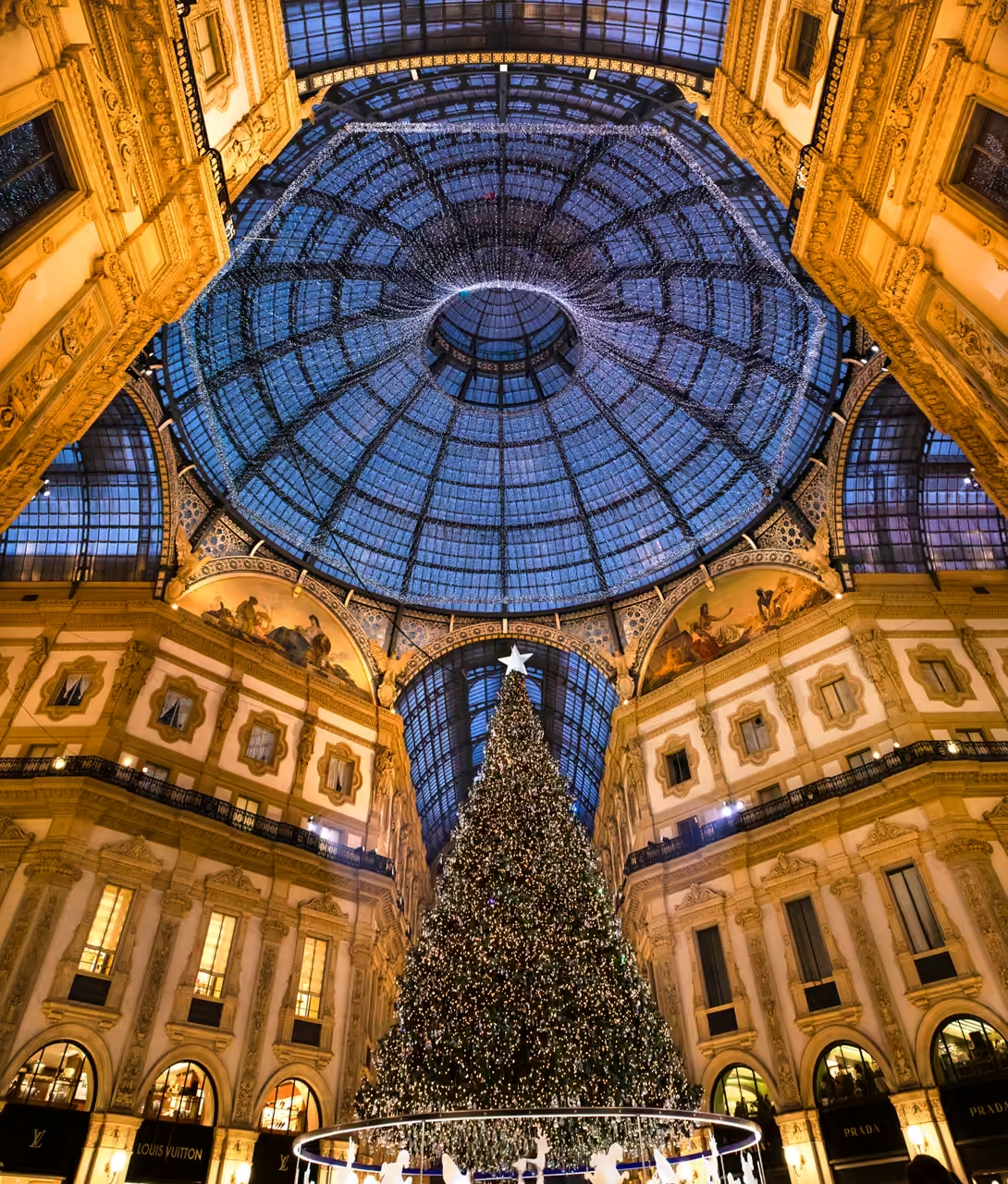
Spinning on a bull is a Milan tradition. Under the Galleria's octagon, visitors place a heel on the mosaic bull from Turin's coat of arms and spin around for luck, and the mosaic has been replaced after years of wear.
- 09
Milan had no Roman aqueducts. With springs rising at the surface and rivers like the Olona and Seveso running nearby, the Romans never needed them.
- 10
A Milan bell tower was once part of a Roman racecourse. The tower of San Maurizio al Monastero Maggiore grew out of a tower beside the starting gates of the imperial circus and now stands in the courtyard of the Civic Archaeological Museum.
- 11
Ugo Foscolo nicknamed Milan 'Paneropoli'. The poet teased the city for its love of butter, cream and mascarpone, from the Milanese word 'pànera', meaning cream.
- 12
The vintage Ventotto trams have been running for more than ninety years. Built between 1928 and 1930 and still in daily service, they are among the city's best loved symbols.
- 13
La Scala is named after a church that no longer exists. The theatre stands on the site of Santa Maria alla Scala, founded by Regina della Scala of Verona's Scaligeri dynasty.
- 14
Europe's first power station with a distribution network opened in Milan. The Santa Radegonda plant began supplying electricity to the city centre in 1883.
- 15
Milan's old canal ring was covered over in just two years. Between 1929 and 1930 the Cerchia dei Navigli, the former moat of the medieval walls, was filled and became a ring road.
Did You Know?
12- 01
Milan's Biblioteca Ambrosiana, founded in 1607 by Cardinal Federico Borromeo, was the first library in Italy to open to the public. It still holds Leonardo da Vinci's Codex Atlanticus.
- 02
The Edict of Milan in 313 granted freedom of worship across the Roman Empire. It is one of the founding documents of religious tolerance in the West.
- 03
Milan accounts for about 5 per cent of Italy's entire GDP. It is the seat of the Borsa Italiana and Italy's main financial and business hub.
- 04
The Fiera Milano exhibition complex is the largest in Europe by exhibition area, with around 753,000 square metres in total.
- 05
The Milanese amphitheatre was the third largest in Roman Italy, after the Colosseum and the amphitheatre of Capua. Its remains lie in the Antiquarium park.
- 06
Milan's metro is the longest in Italy, with five lines and over 100 km of track. A suburban rail link also runs through a 9 km tunnel under the centre.
- 07
Teatro alla Scala is one of the most prestigious opera houses in the world. Its season traditionally opens on 7 December, the feast of Sant'Ambrogio.
- 08
Milan hosted two World's Fairs, in 1906 and 2015. The earlier one celebrated the Simplon Tunnel and the later one the theme of feeding the planet.
- 09
Four Milan universities appear in the QS World University Rankings: the Università degli Studi di Milano, the Politecnico di Milano, the Cattolica and Bocconi. The Politecnico, founded in 1863, is a leading European centre for engineering, architecture and design.
- 10
The Piccolo Teatro di Milano, founded after the war by Paolo Grassi and Giorgio Strehler, is the oldest permanent repertory theatre in Italy.
- 11
Milan's Stazione Centrale handles around 320,000 passengers a day. It is the second busiest station in Italy after Roma Termini.
- 12
Milan Fashion Week is one of the 'big four' fashion events in the world, alongside New York, London and Paris. The city also hosts Salone del Mobile, the leading international furniture fair.
Videos of Milan
Seasons
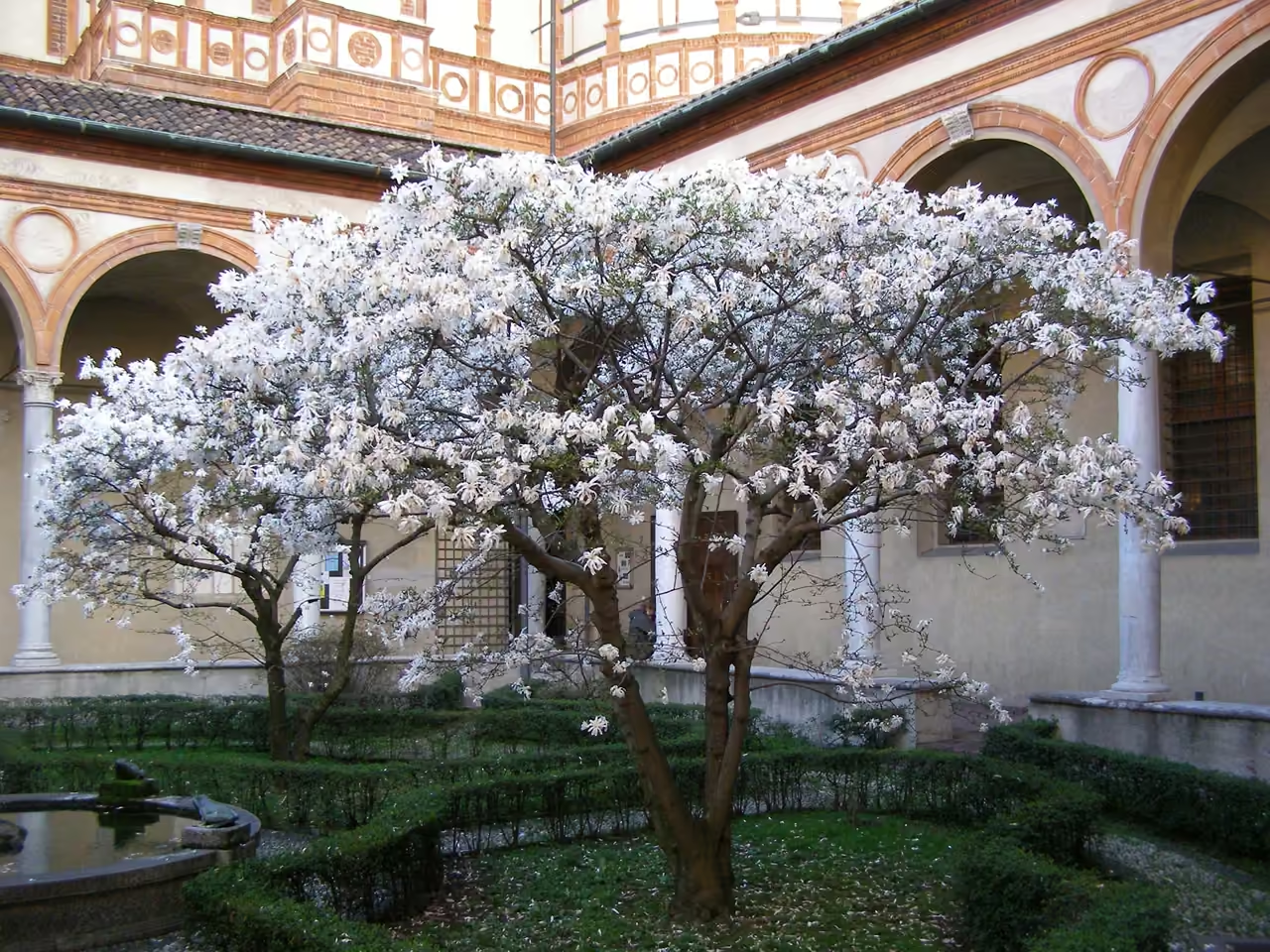
Spring
Temperatures hover around 14 degrees and the parks turn green. April brings Design Week, when courtyards and showrooms open...
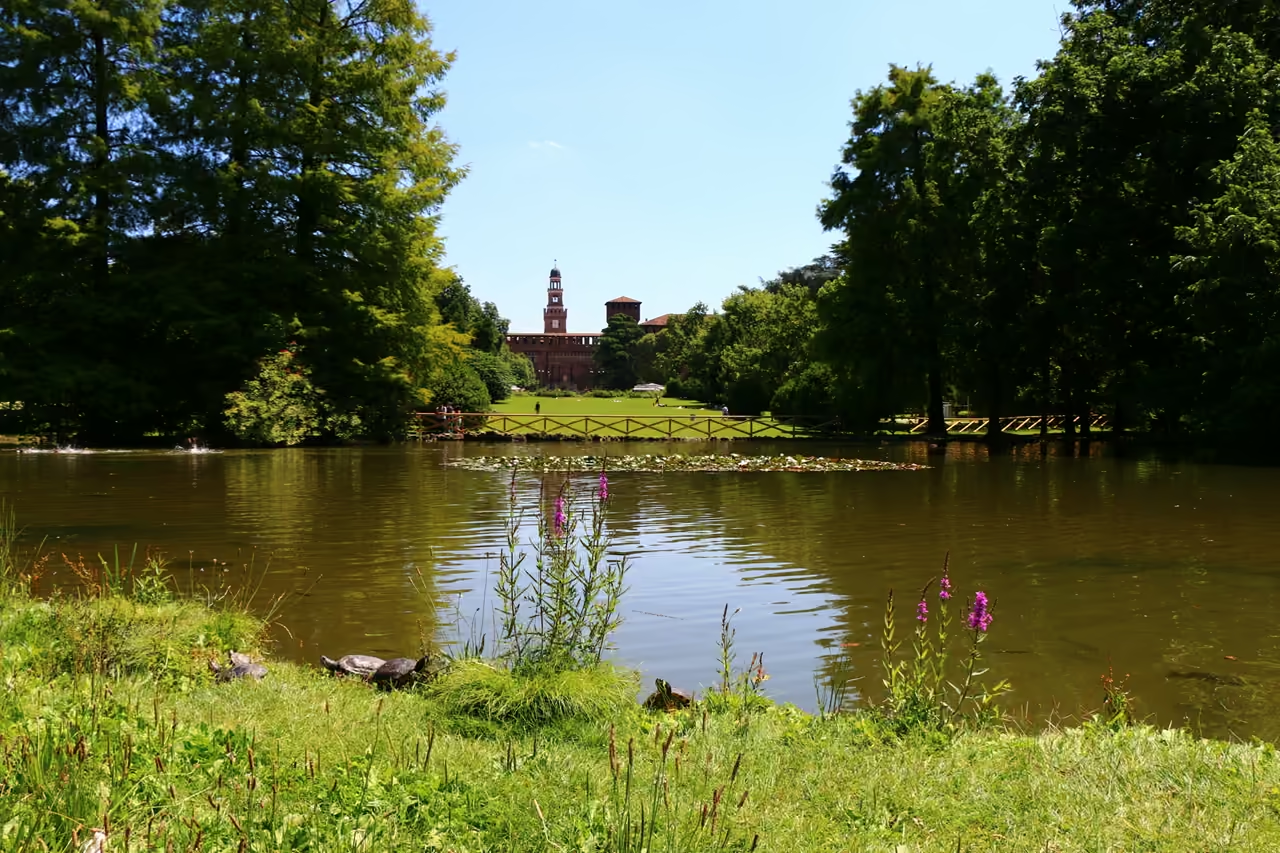
Summer
Summers are hot and humid, with average highs around 30 degrees in July. Terraces on the Navigli stay busy until late and the...
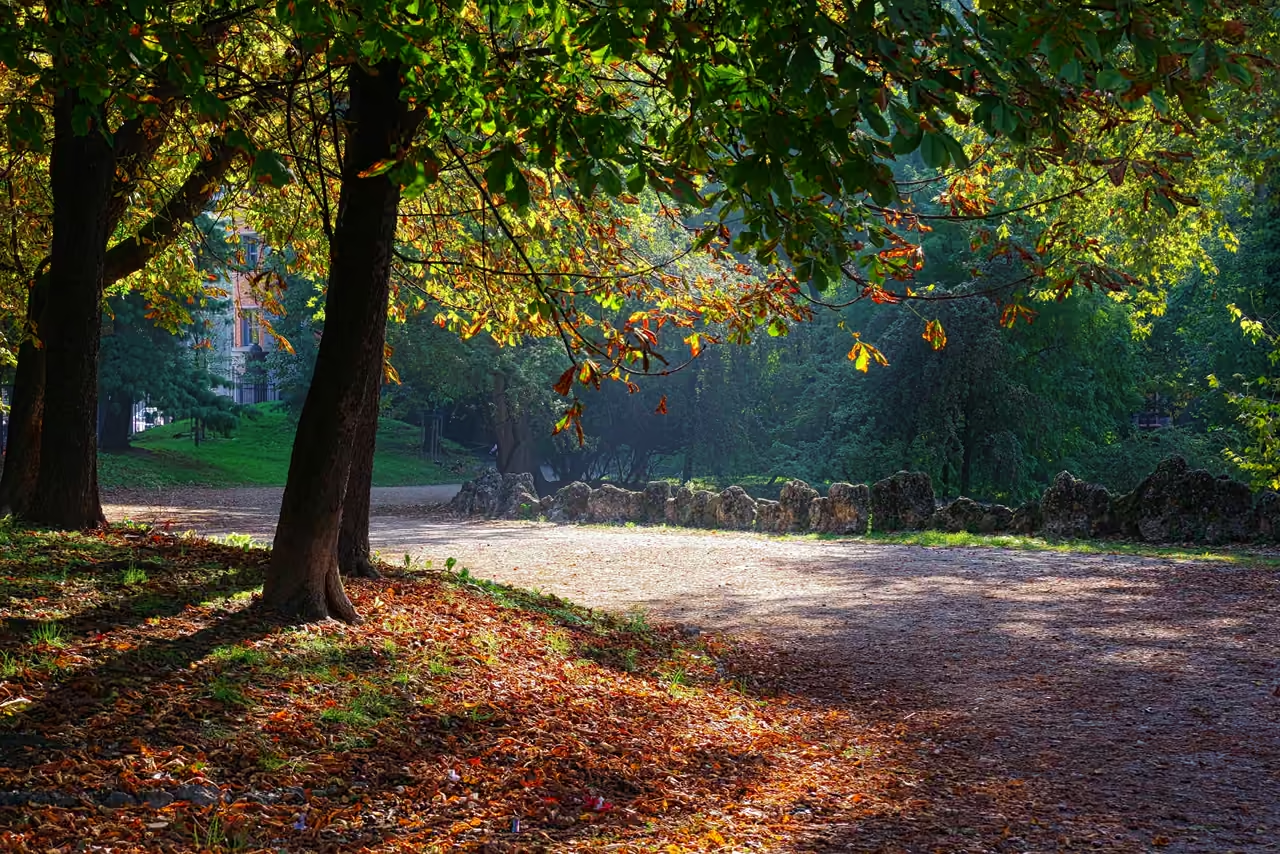
Autumn
September opens with Fashion Week and the return of the city's working rhythm. October is mild and often sunny, while November...
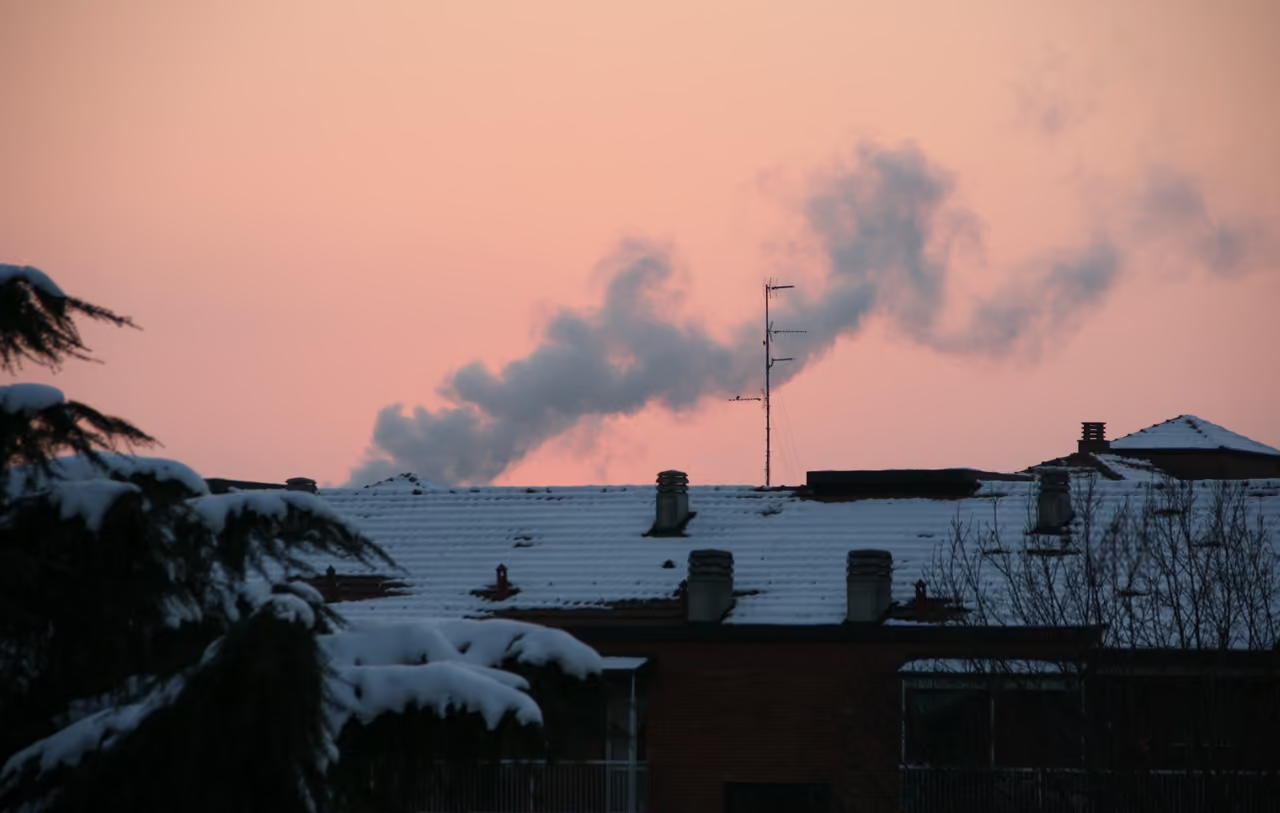
Winter
Winter is cold, often foggy and sometimes snowy, with average temperatures around 4 degrees. In December a giant tree rises in...
Top Attractions in Milan
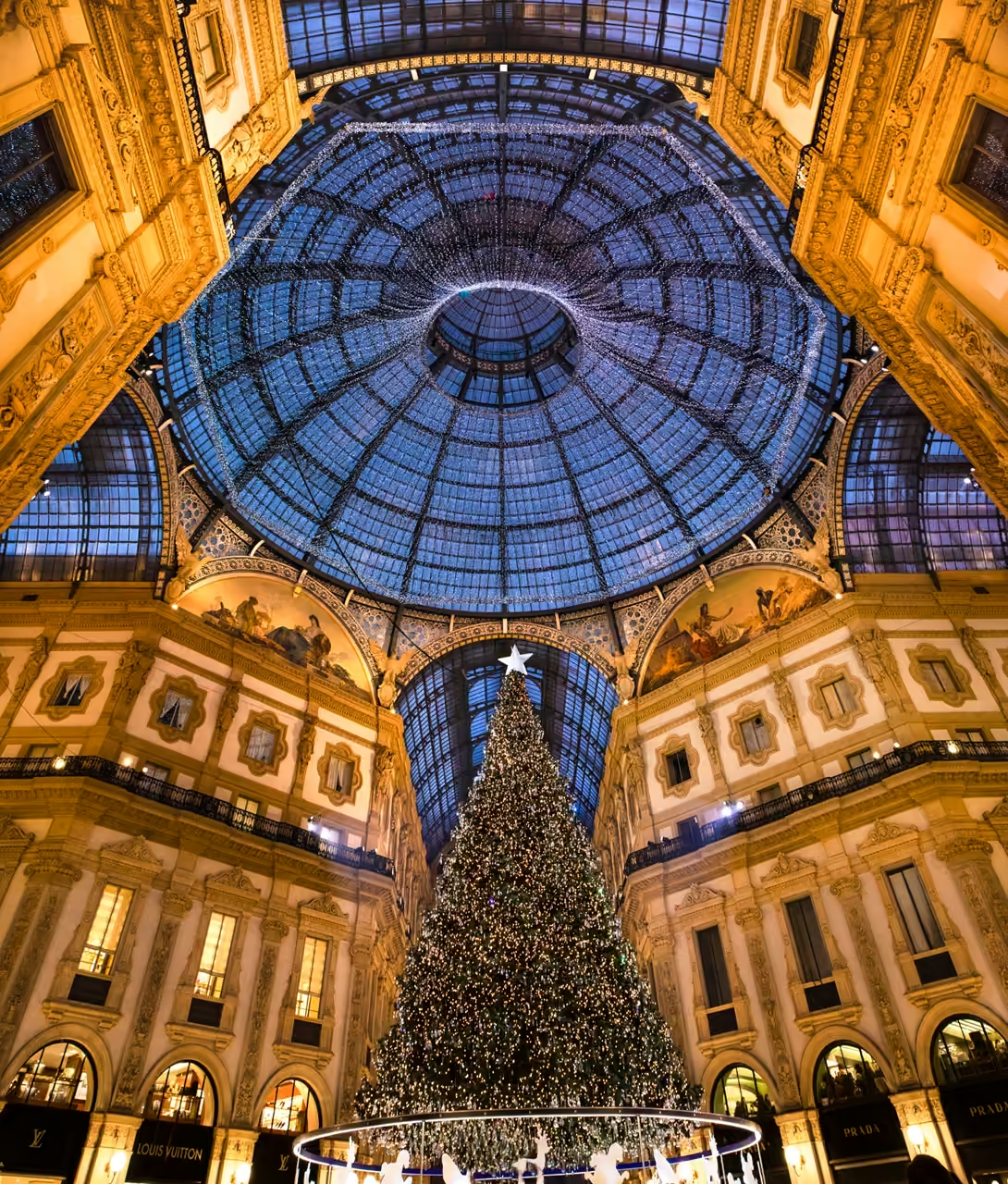
Galleria Vittorio Emanuele II
Locals call it simply la Galleria, and the shorthand suits a covered street that has served as Milan's drawing room since 1867...
view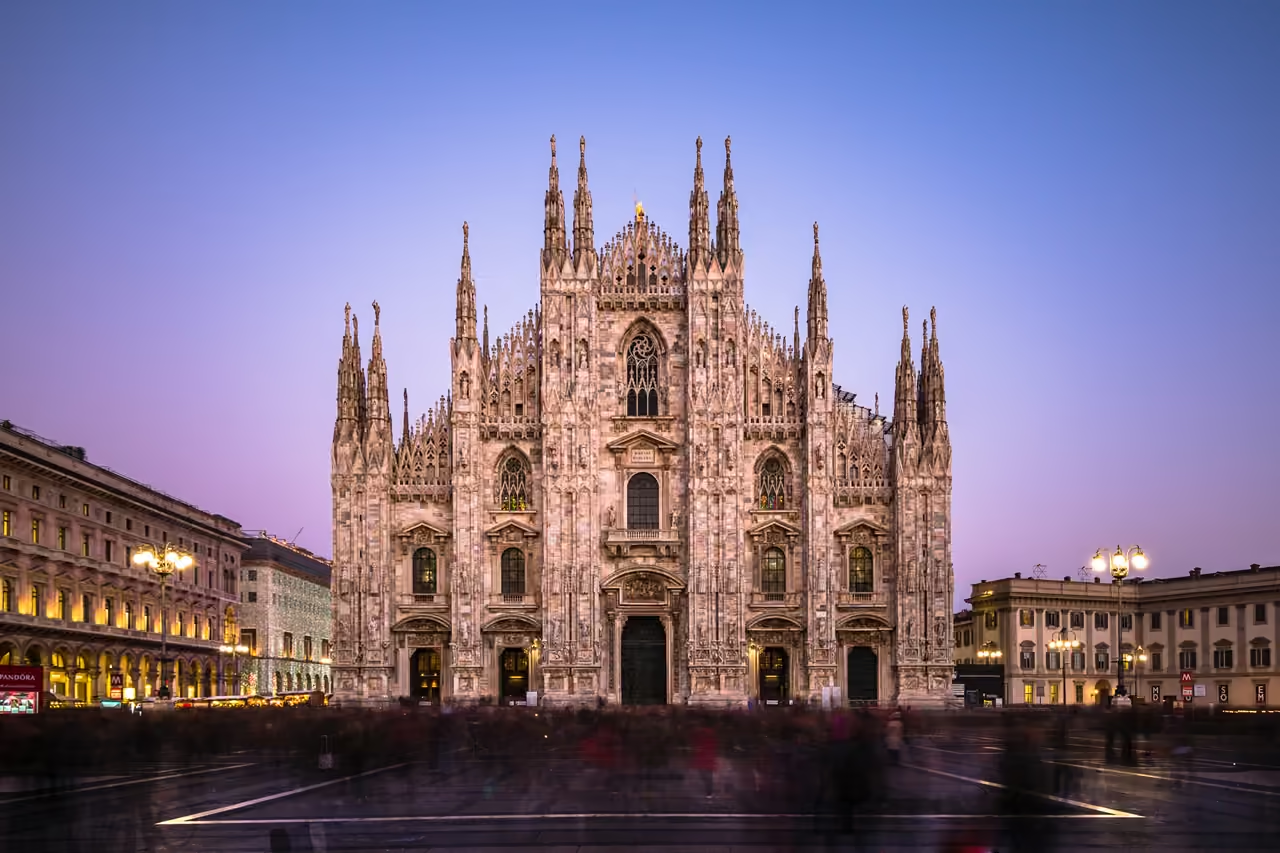
Milan Cathedral
Clad in pinkish white Candoglia marble and bristling with 135 spires, the Duomo is the largest church in Italy, with only Saint...
view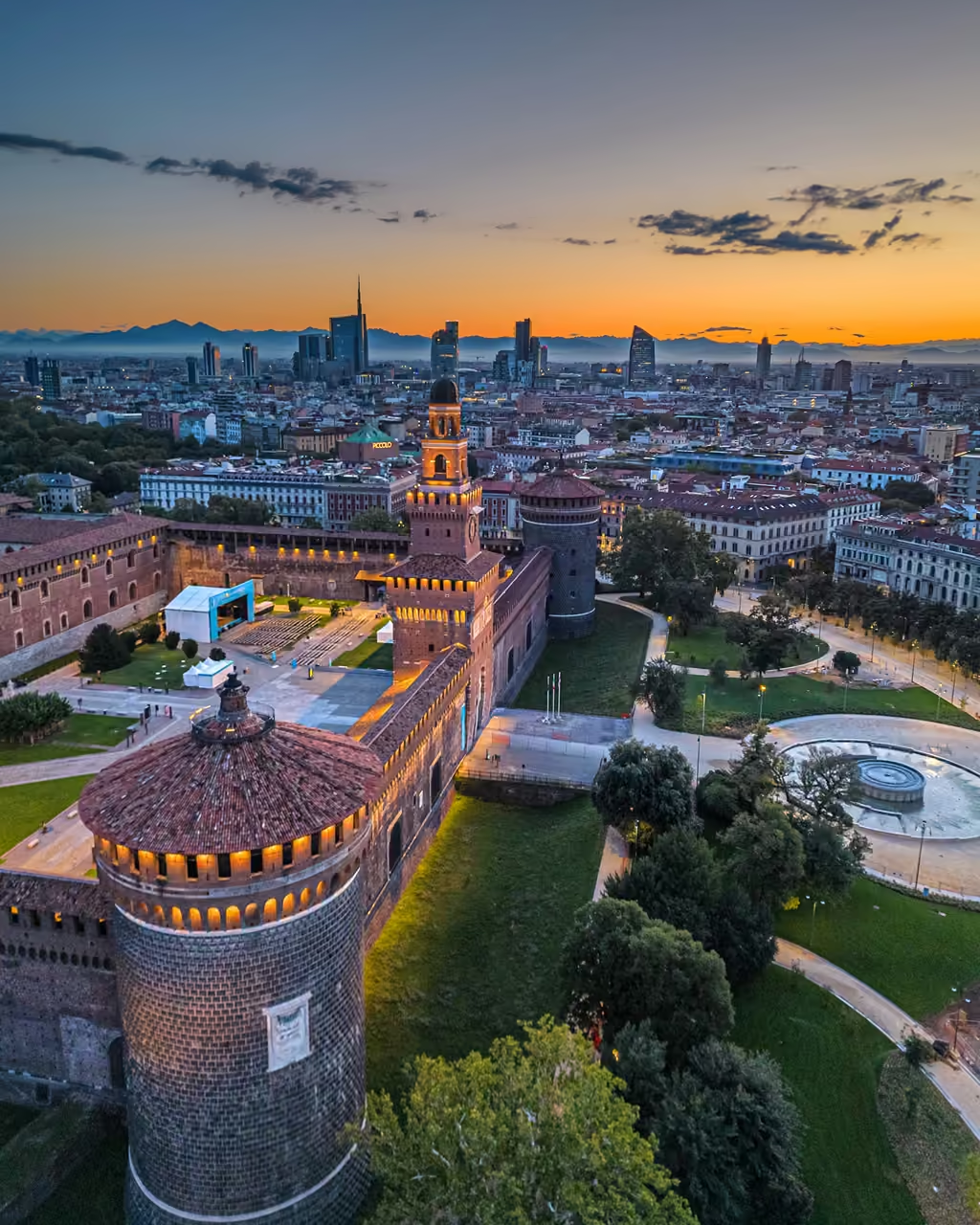
Sforza Castle
You hear the rush of the modern fountain long before the red brick mass of the Filarete Tower finally dominates the view at the...
view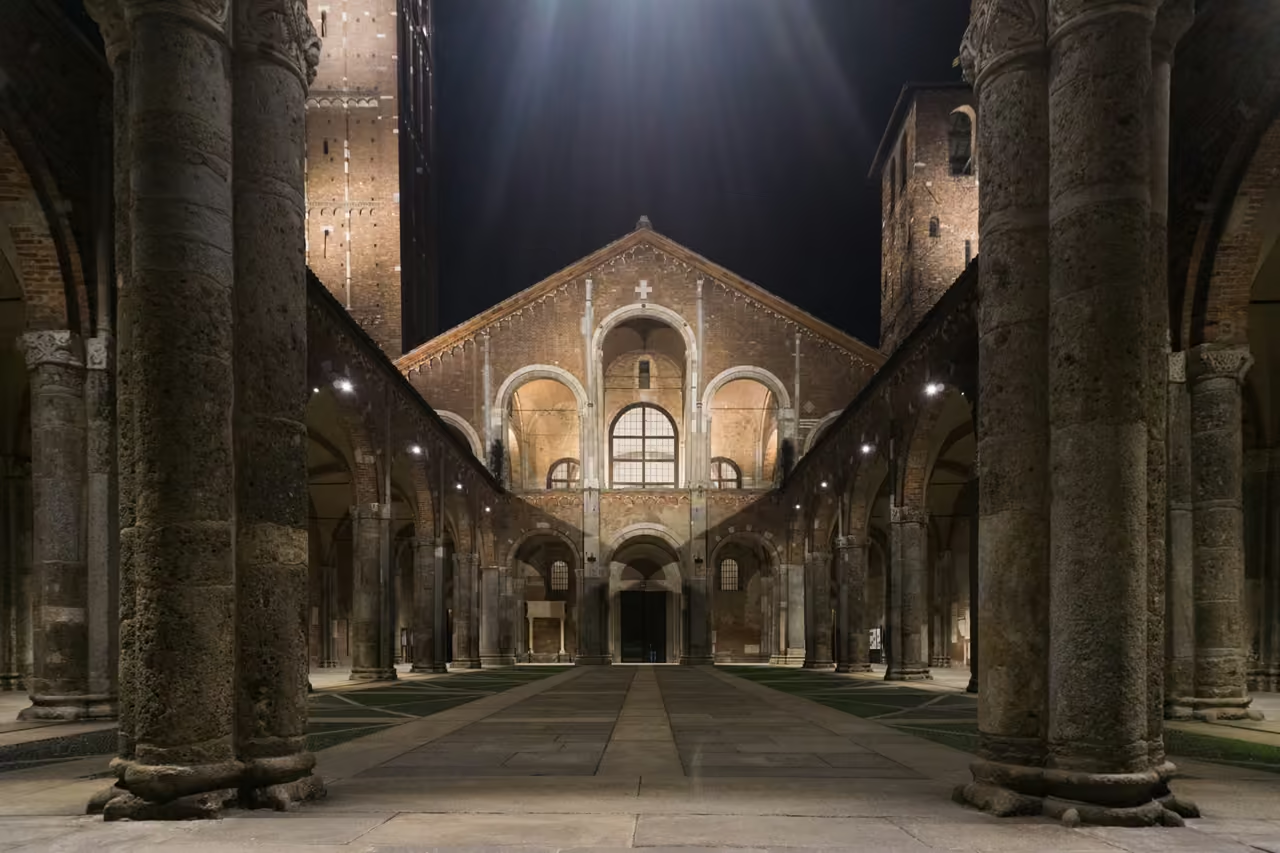
Basilica of Sant'Ambrogio
Two bell towers of different heights stand either side of a low, wide brick facade. The shorter one belonged to the monks and...
view
Best Views
Milan Itineraries
TRIP PLANNER
3 Days Recommended
Three days allow time for the cathedral, Galleria and La Scala, a morning for The Last Supper and the castle, and an evening on the Navigli. Most main sights sit within walking distance or a short metro ride, so the pace stays comfortable. Many museums close on Mondays, which makes a longer stay easier to plan.
1 Day in Milan
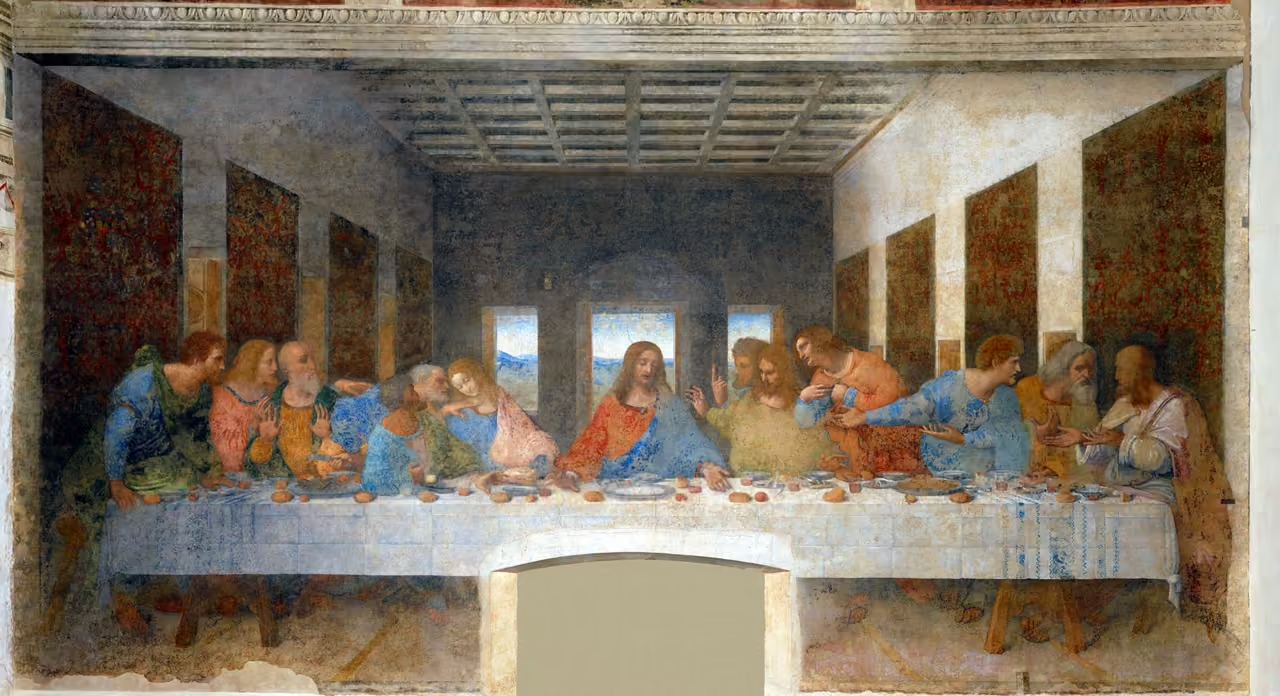
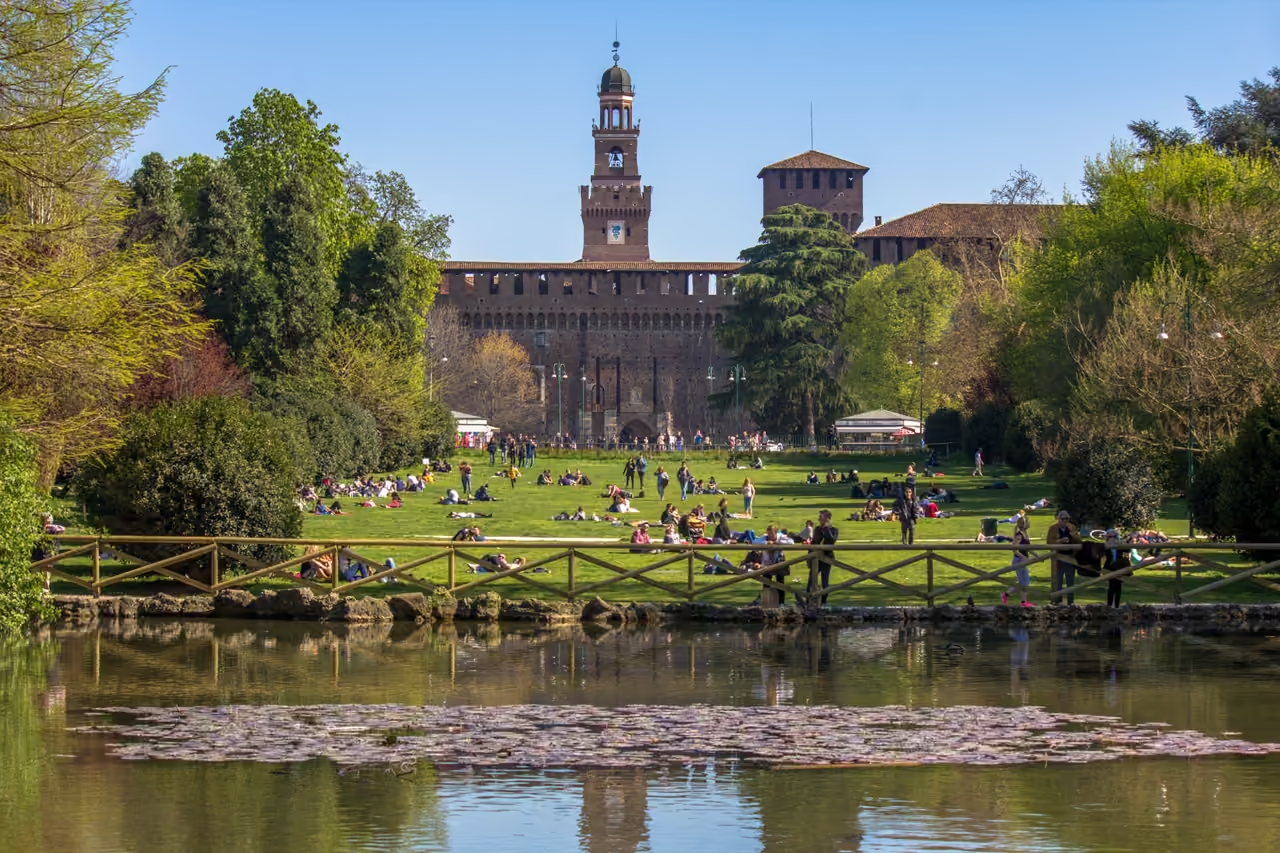
A single day that links Leonardo's masterpiece, a castle, a park, the cathedral and an evening on the canals. Book The Last Supper for the morning and the rest falls into place.
view itinerary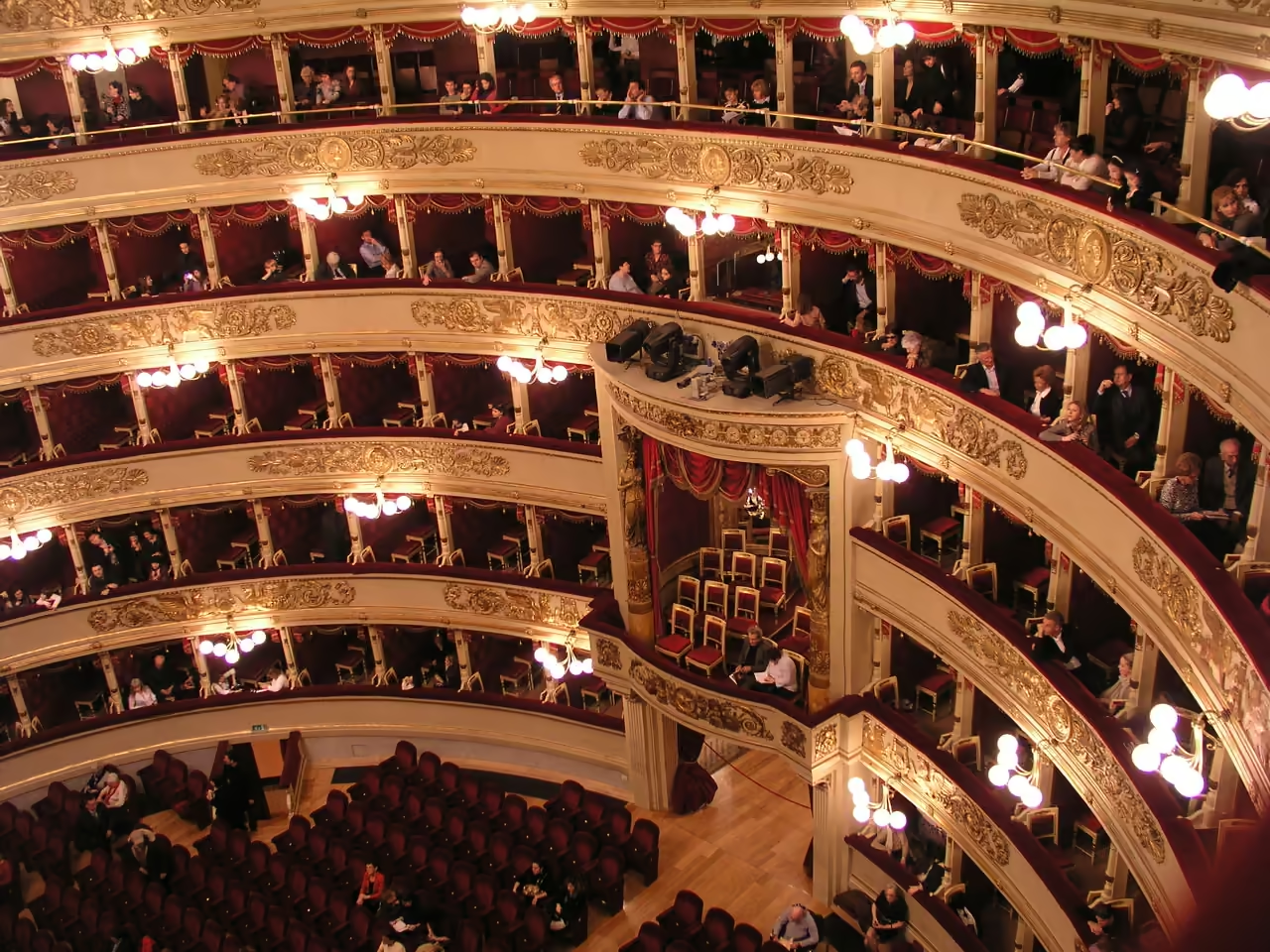
3 Days in Milan
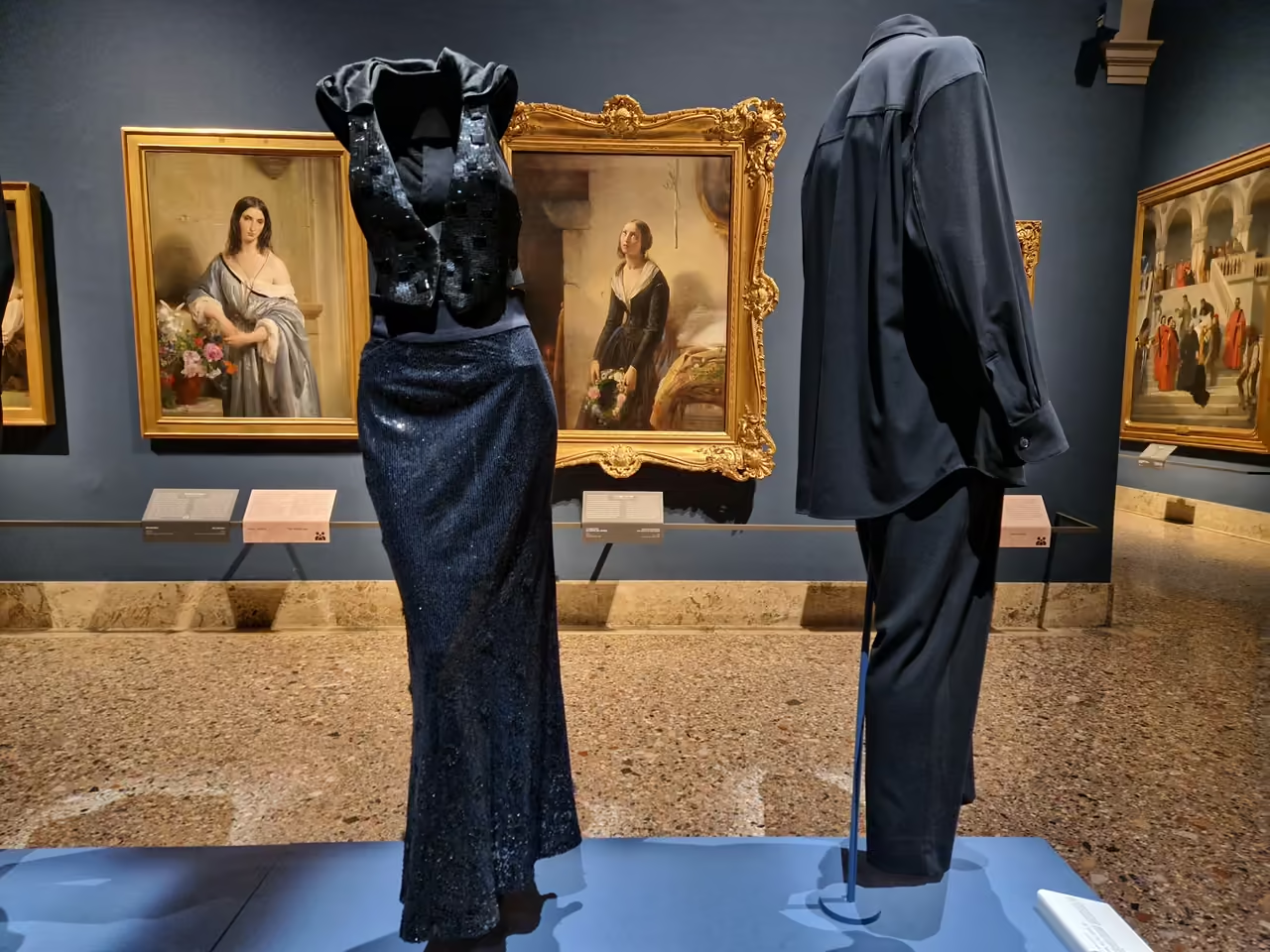
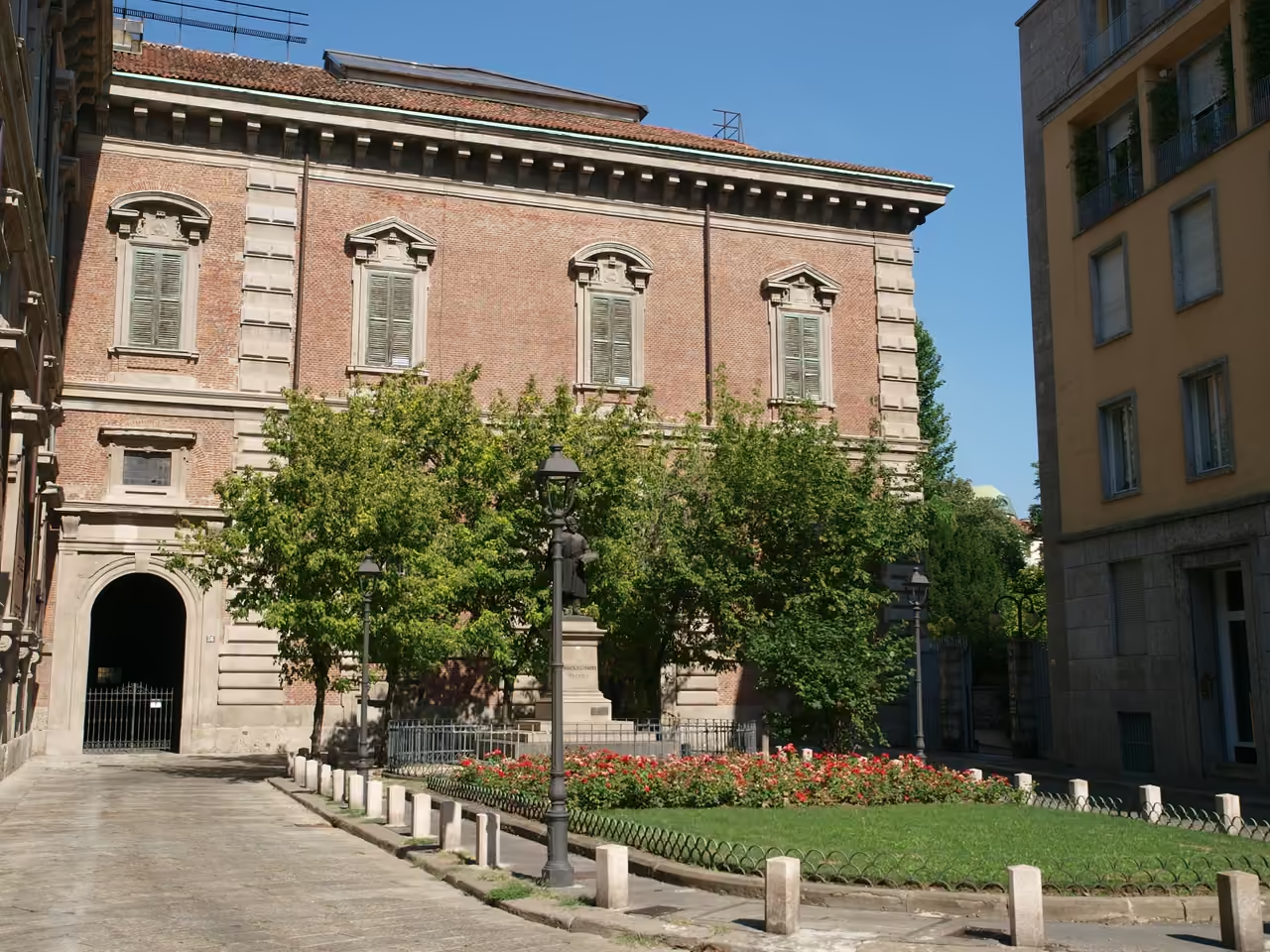
Three days that take in the cathedral district, Leonardo and the castle, and the churches and canals of the south. The pace allows for long lunches and an aperitivo each evening.
view itinerary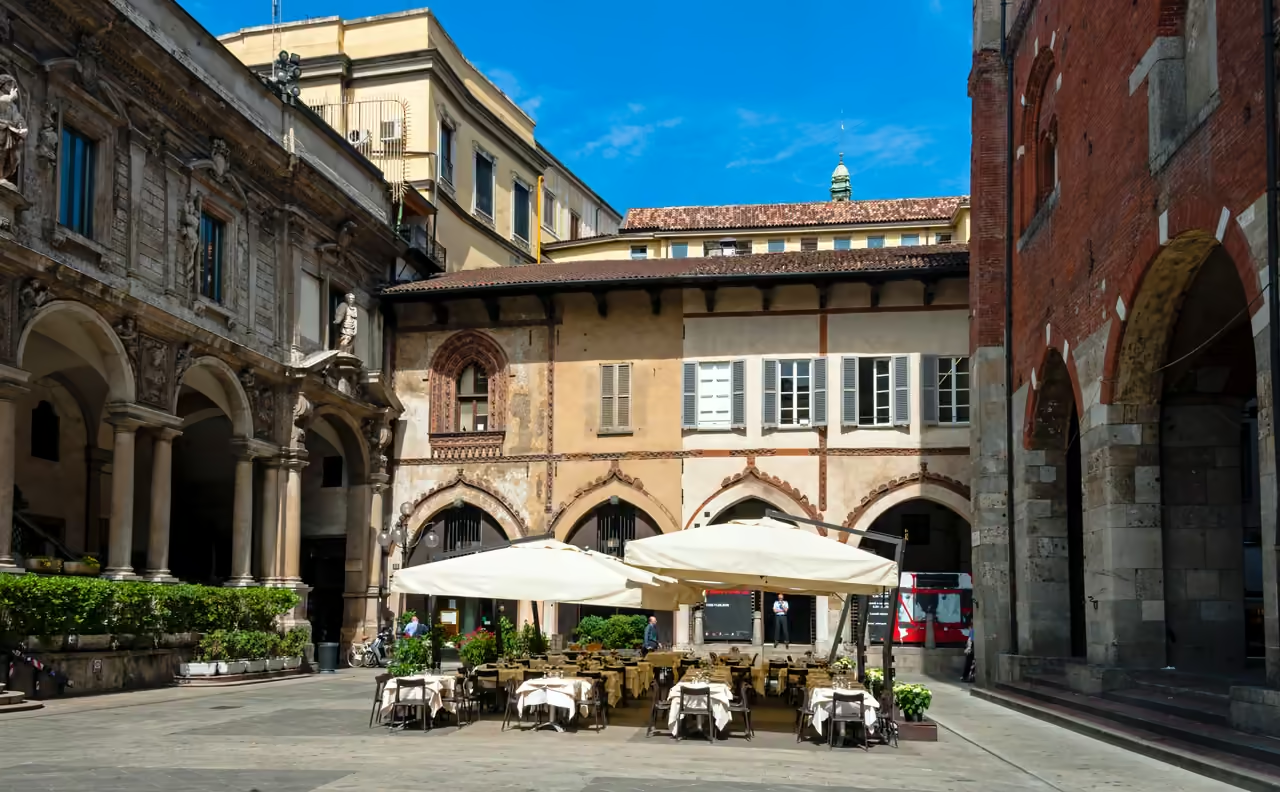
5 Days in Milan
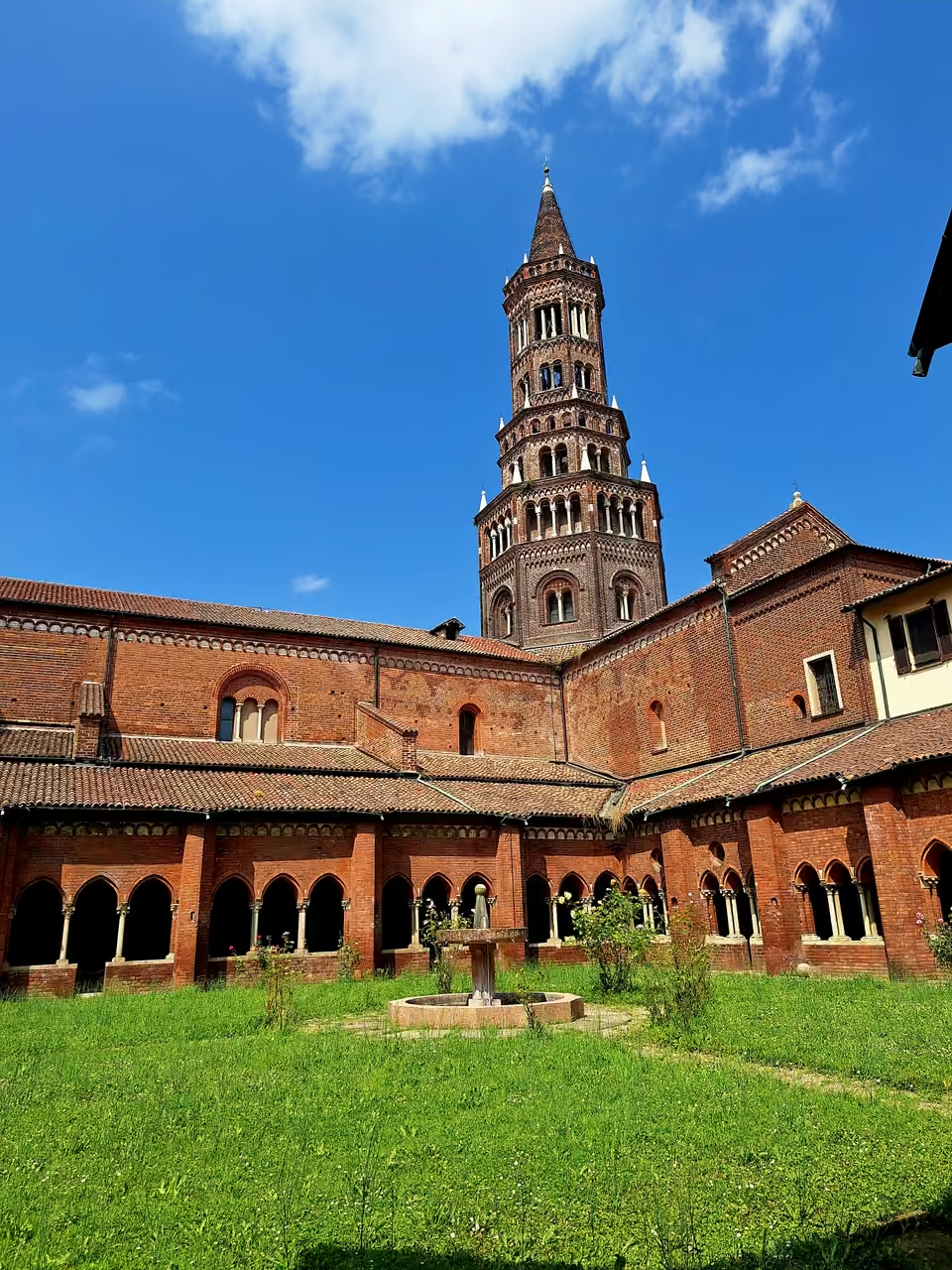
Five days that cover the classic sights, Leonardo and the Ambrosian churches, fashion and parks, the canals, and a day among the abbeys and towers outside the centre.
view itinerary
Food in Milan
UNESCO World Heritage Sites
Free Things to do in Milan
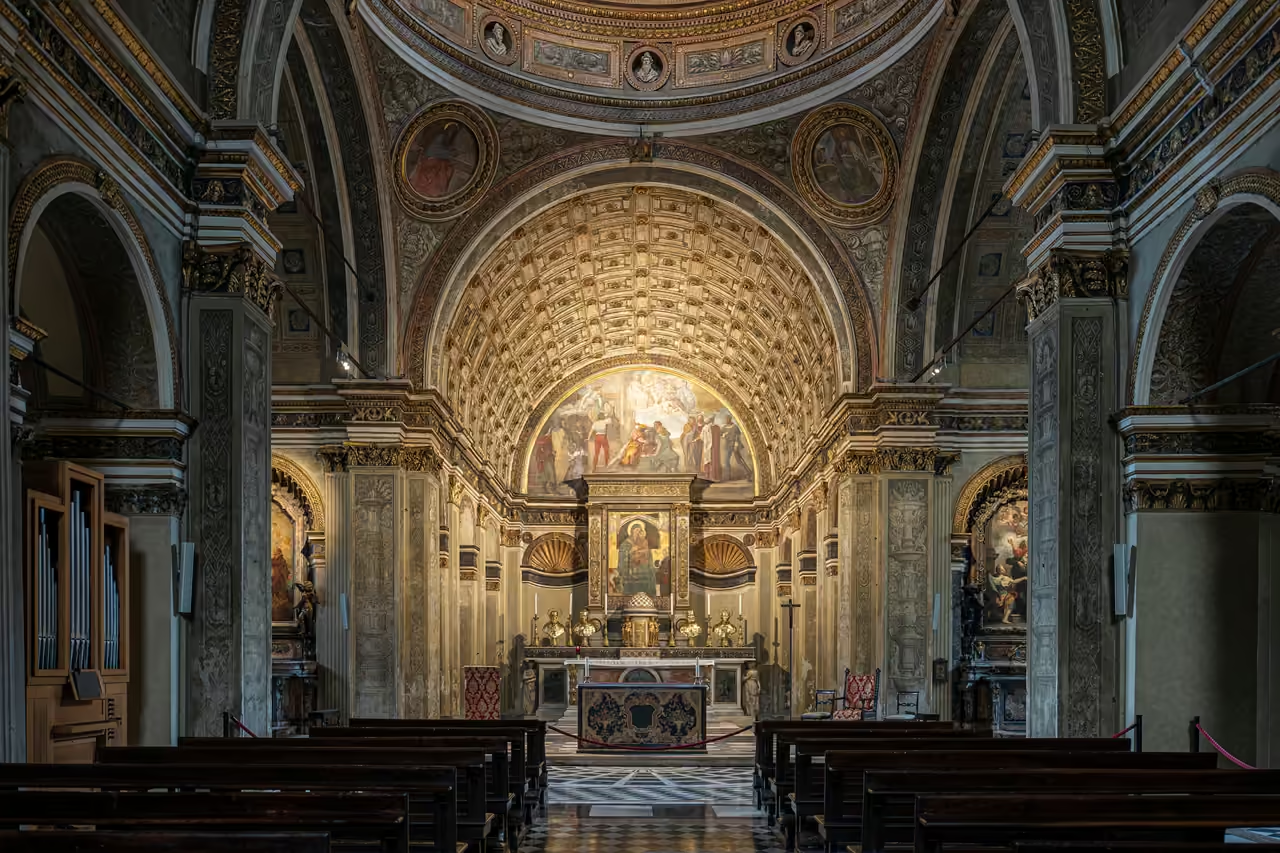
Be Fooled by Bramante's Painted Apse
Il finto coro di Bramante a San SatiroSpin on the Galleria's Bull Mosaic
Girare sul toro della Galleria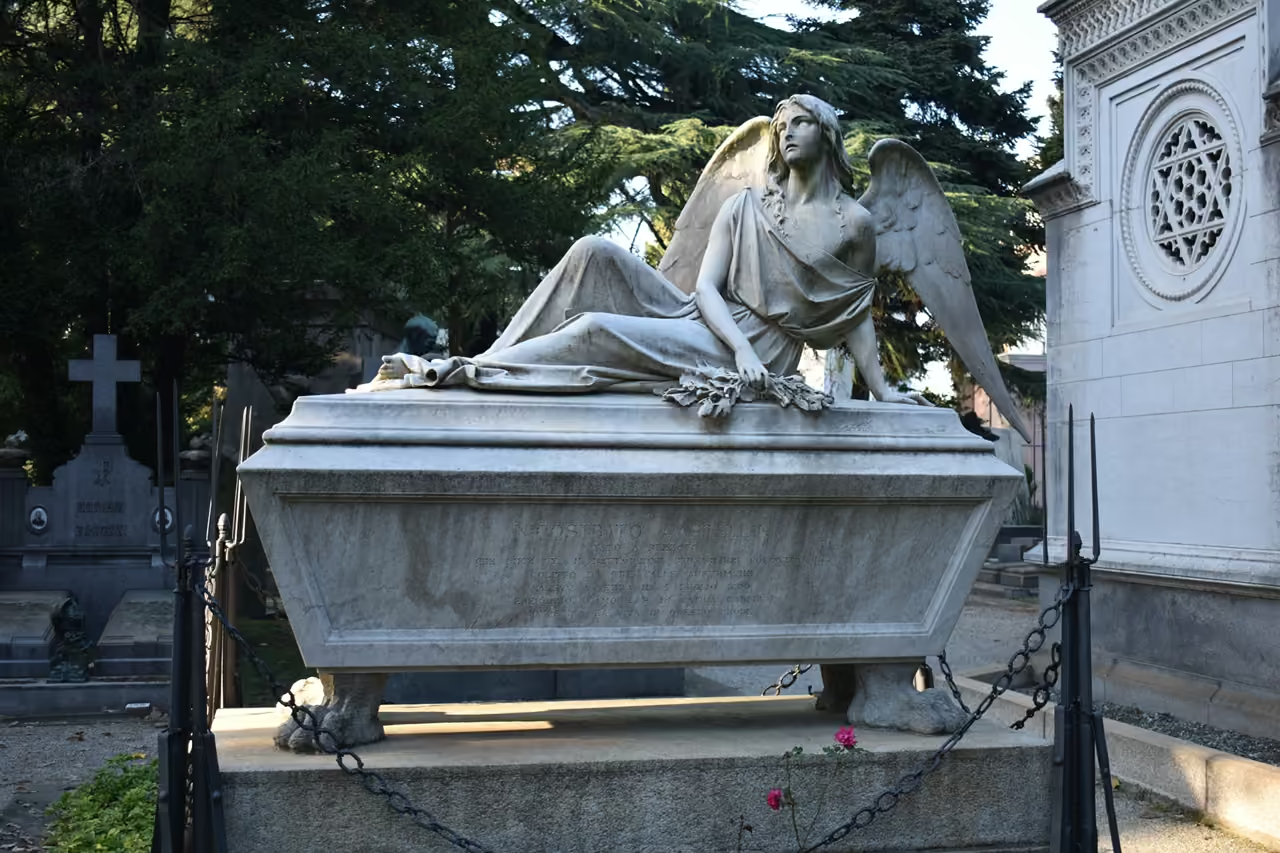
Walk Among the Sculptures of the Monumental Cemetery
Passeggiata tra le sculture del Cimitero Monumentale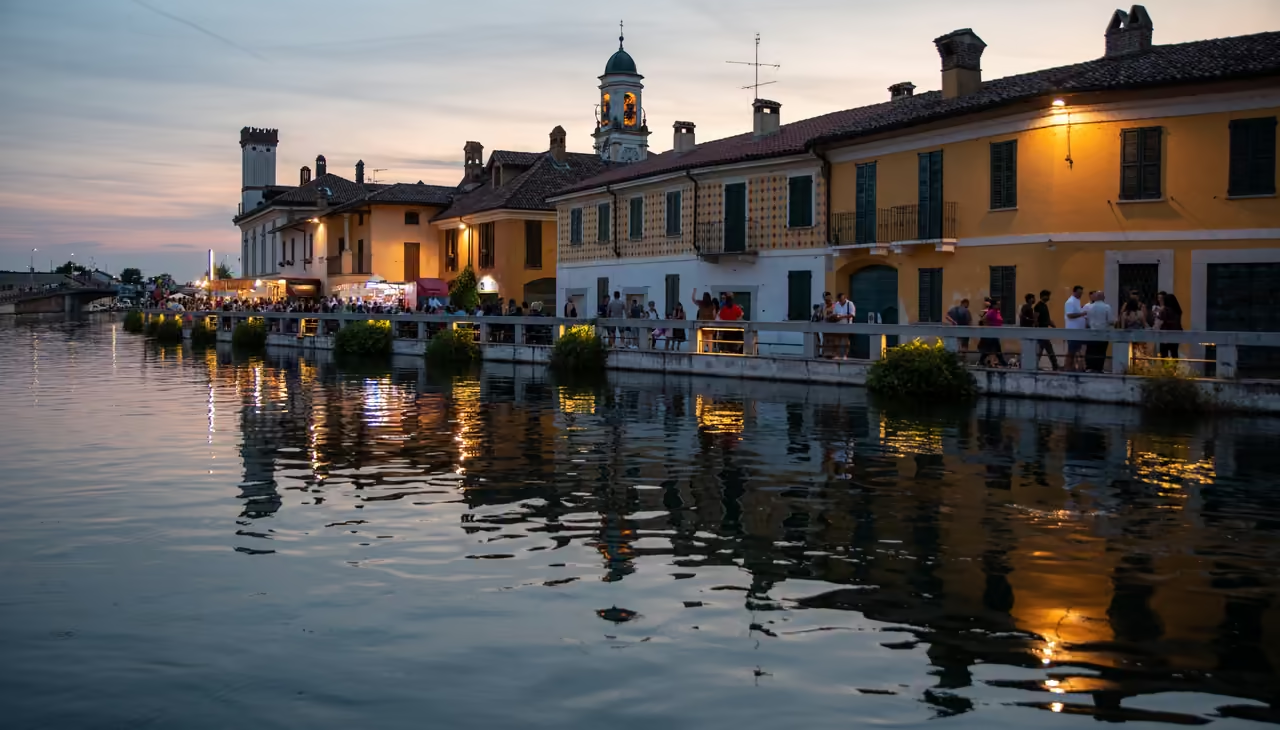
Watch the Sunset from the Darsena
Tramonto alla Darsena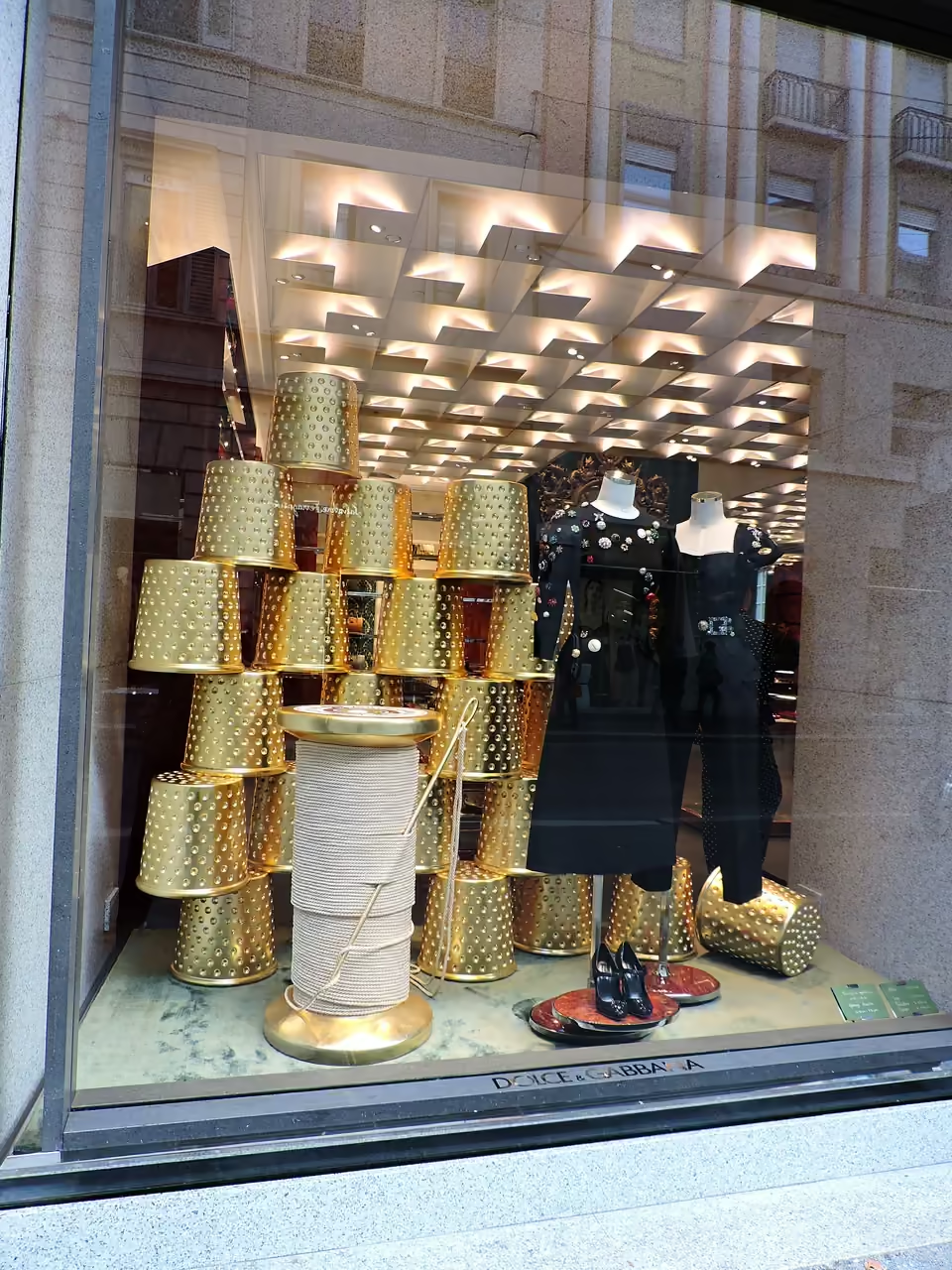
Window Shopping the Quadrilatero
Vetrine del Quadrilatero della Moda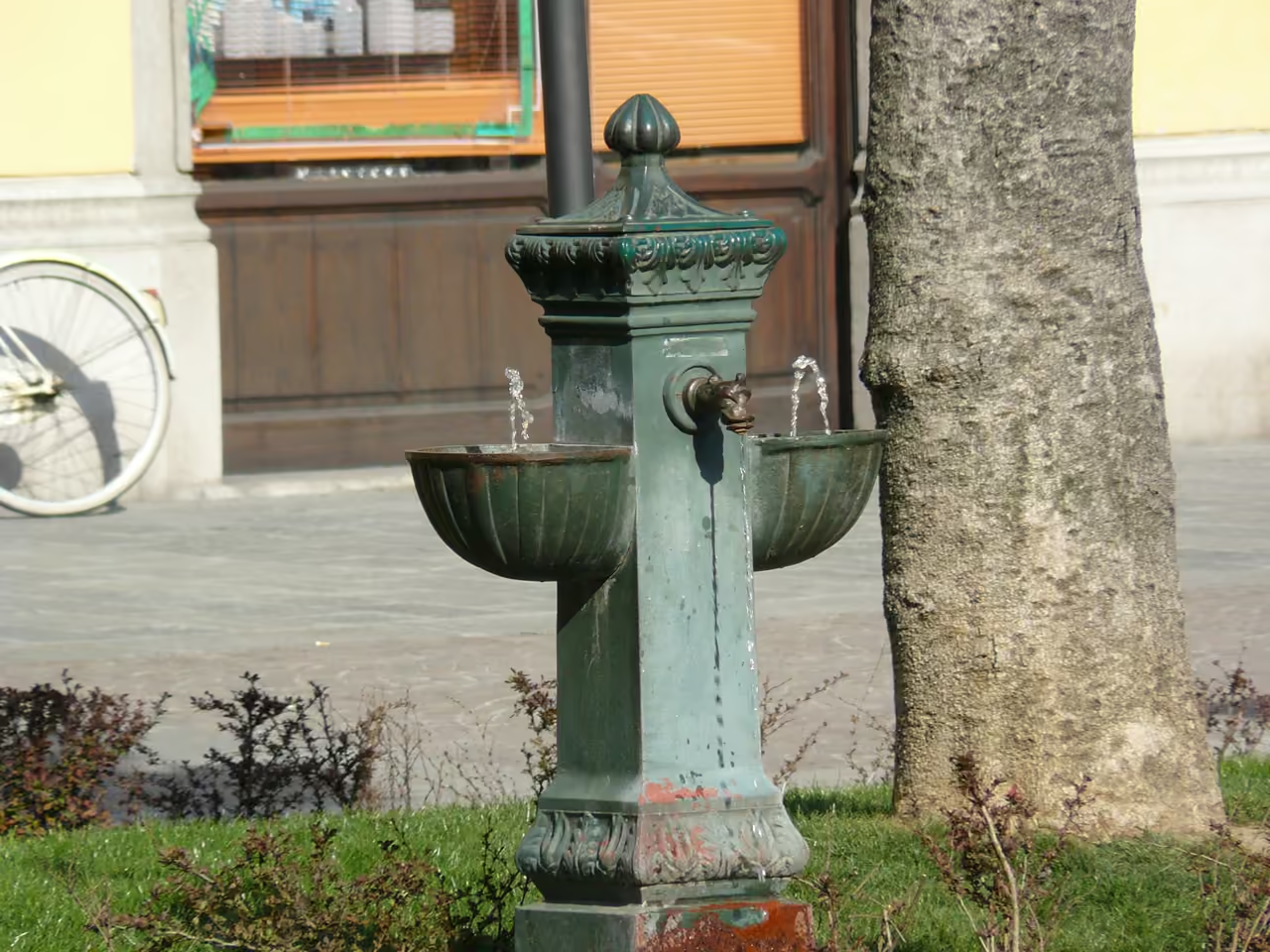
Drink from a Green Dragon Fountain
Bere a una vedovella
Parks & Nature
Sempione Park
At 386,000 square metres, this patch of greenery completely severed the city's military past from its civilian future. Once a...
view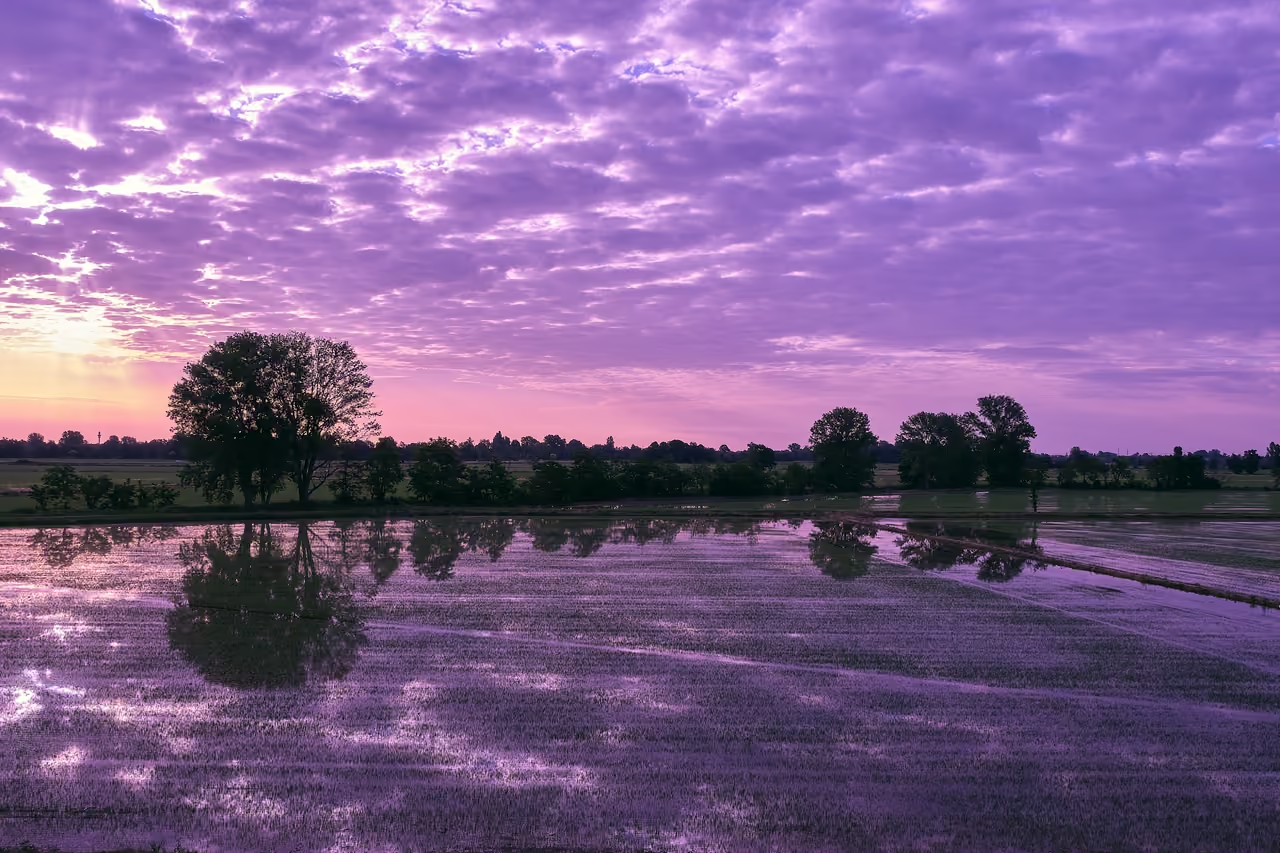
South Milan Agricultural Park
Just south of Milan, a truly exceptional landscape unfurls: the Parco Agricolo Sud Milano. This vast green belt isn't merely a...
view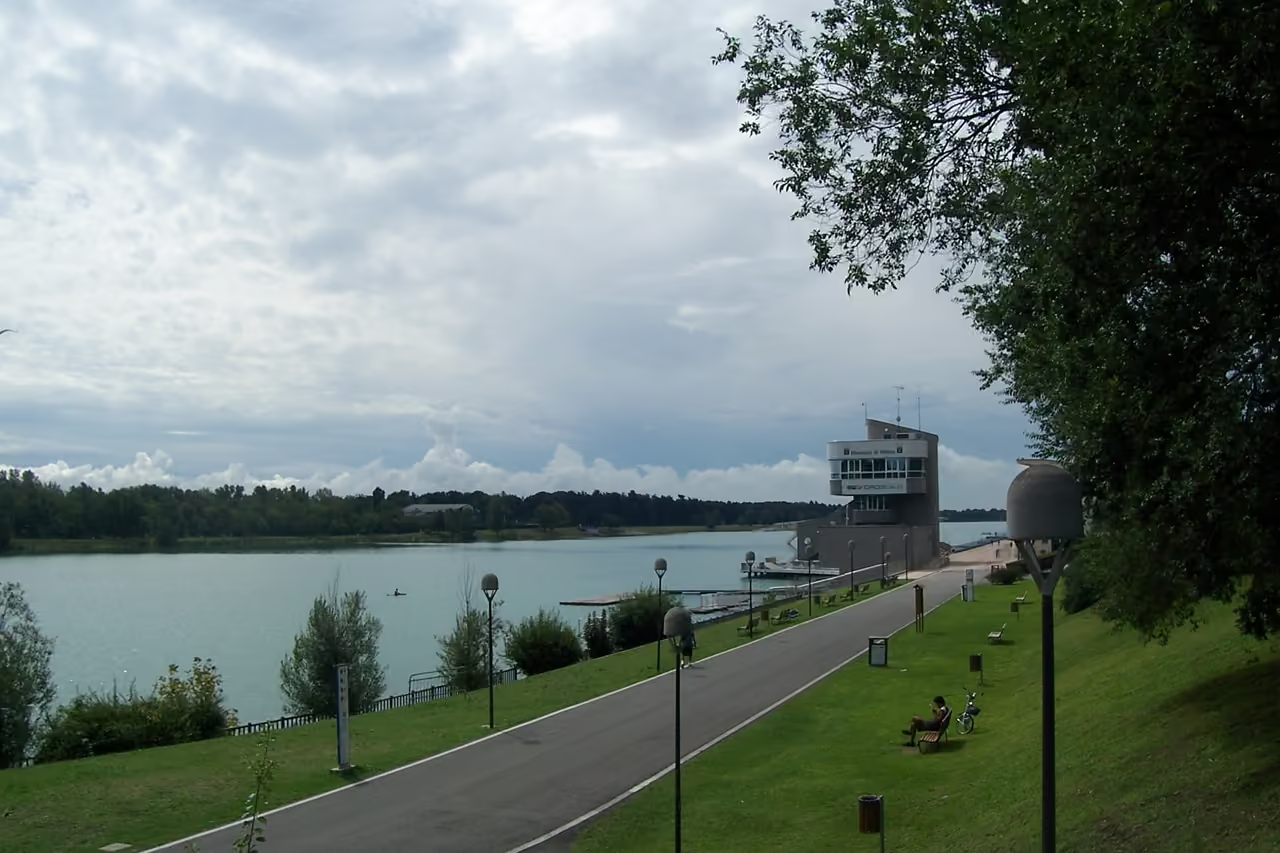
Idroscalo
Imagine escaping the city bustle to a vast, shimmering lake that locals affectionately call "the sea of the Milanese." This is...
view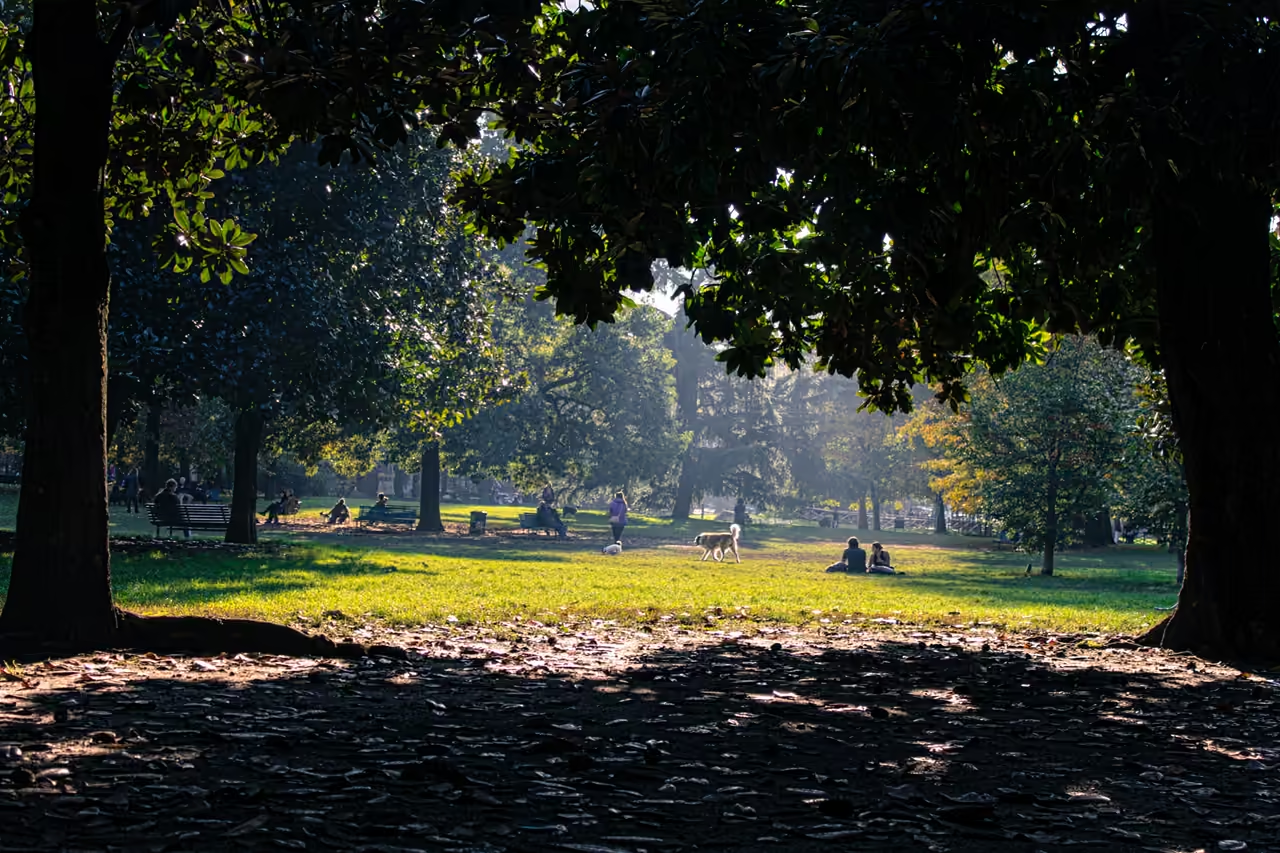
Indro Montanelli Public Gardens
Walk through the Porta Venezia gates and the city traffic fades behind a wall of towering Himalayan cedars. This sprawling green...
view
Highlights & Must-Sees
Last Supper
Leonardo da Vinci’s masterpiece covers the refectory wall of the Santa Maria delle Grazie convent, surviving centuries of...
view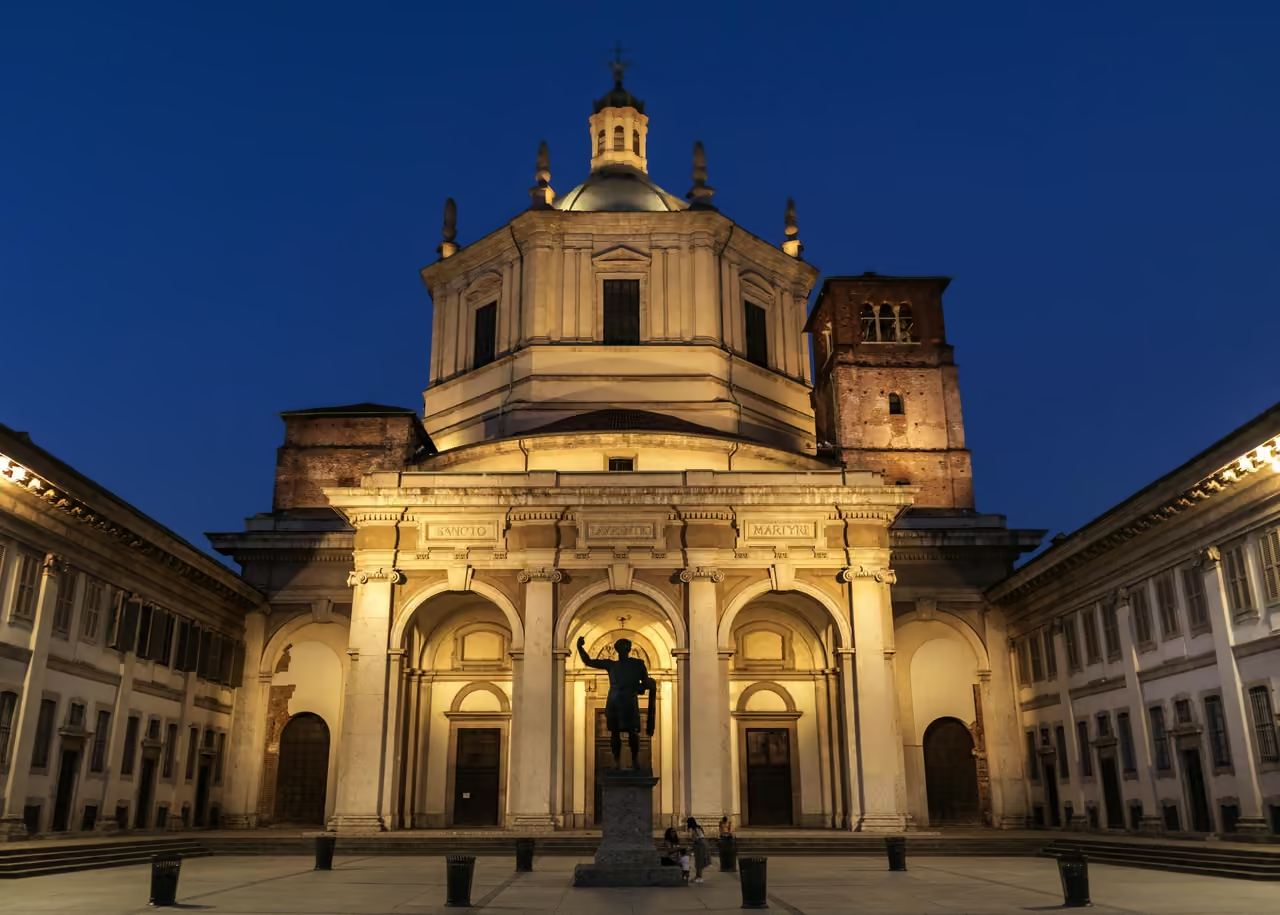
Basilica of San Lorenzo
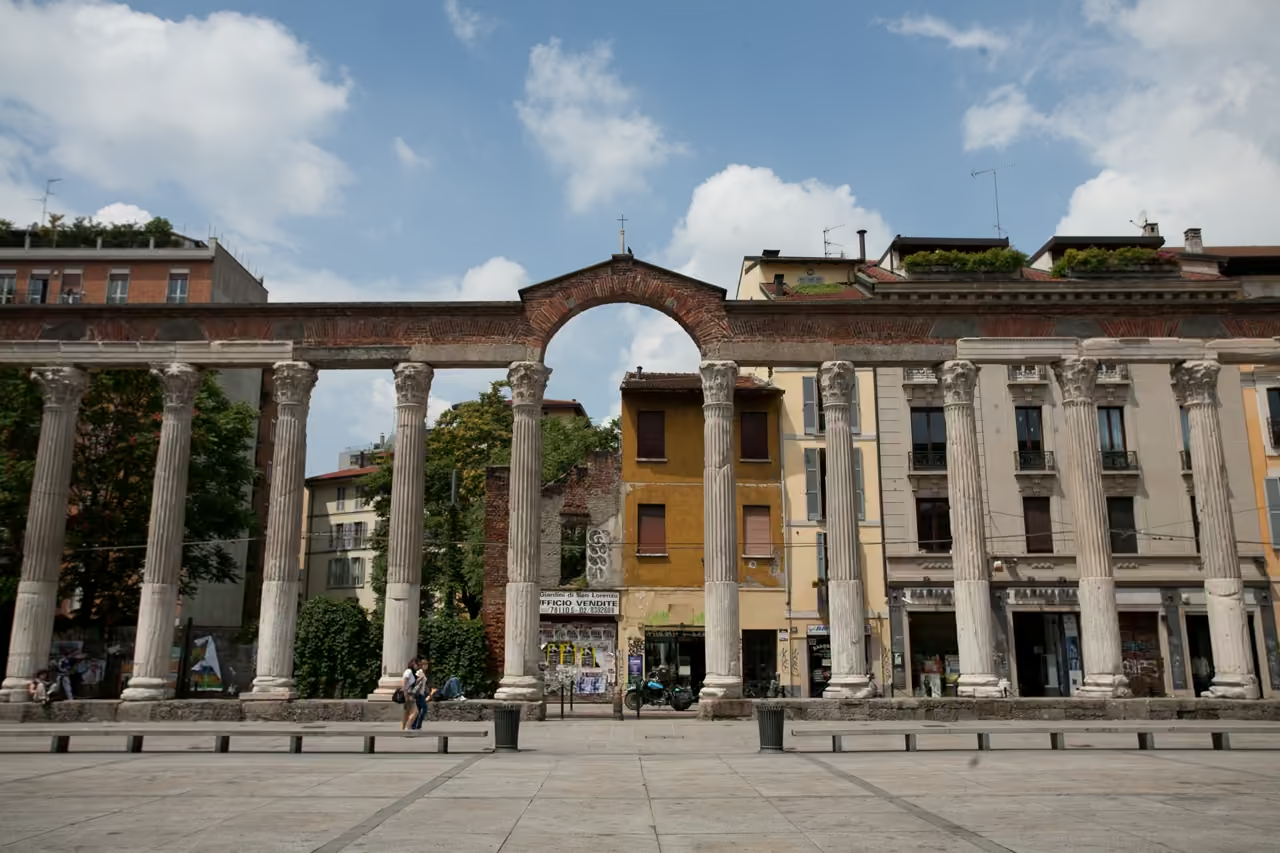
Sixteen towering Roman columns stand aggressively on the pavement outside, hinting at the deep antiquity of the structure behind...
view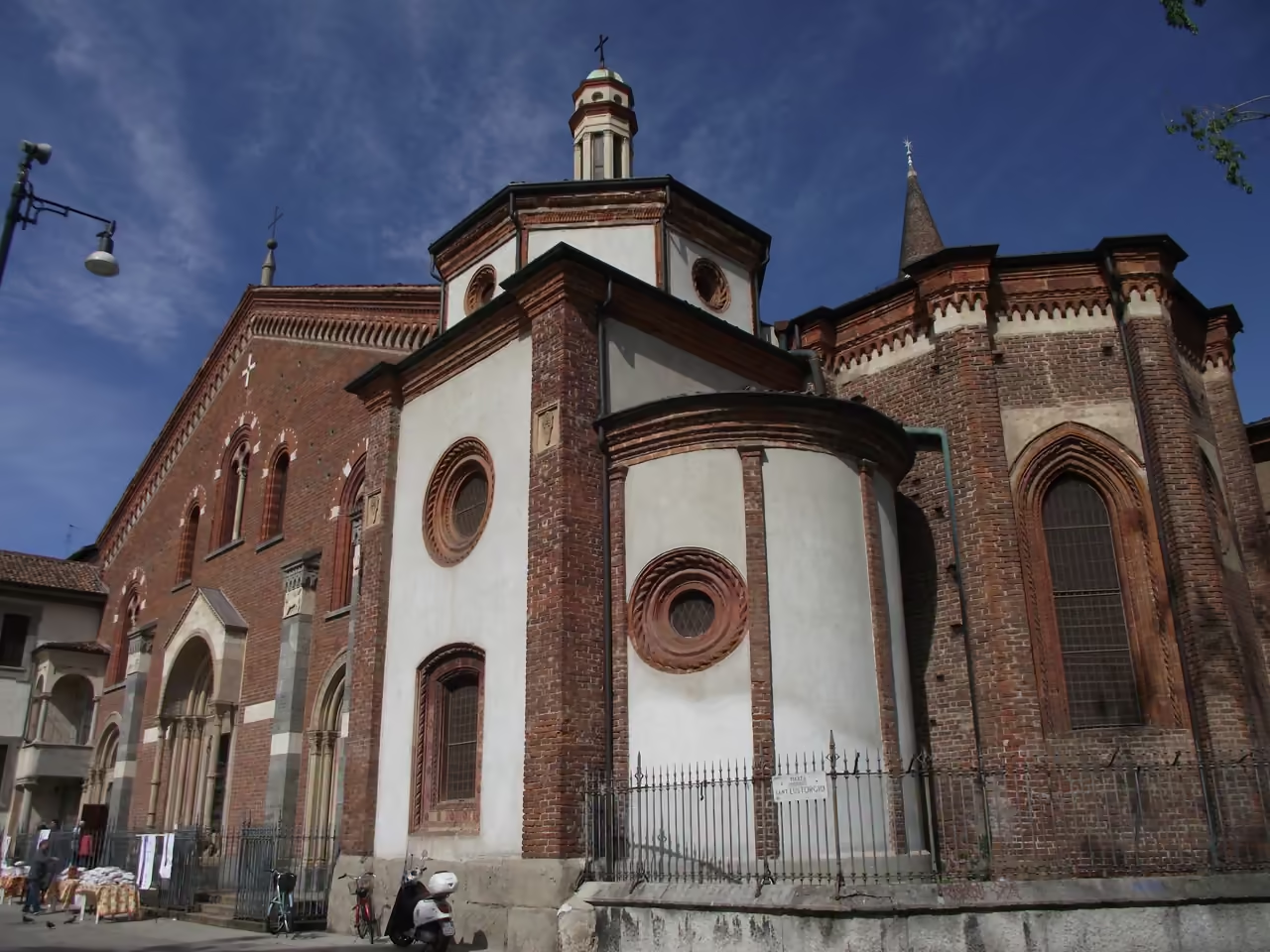
Basilica of Sant'Eustorgio
Heavy Romanesque brickwork shelters a church founded in the 4th century, long renowned for holding the relics of the Three...
view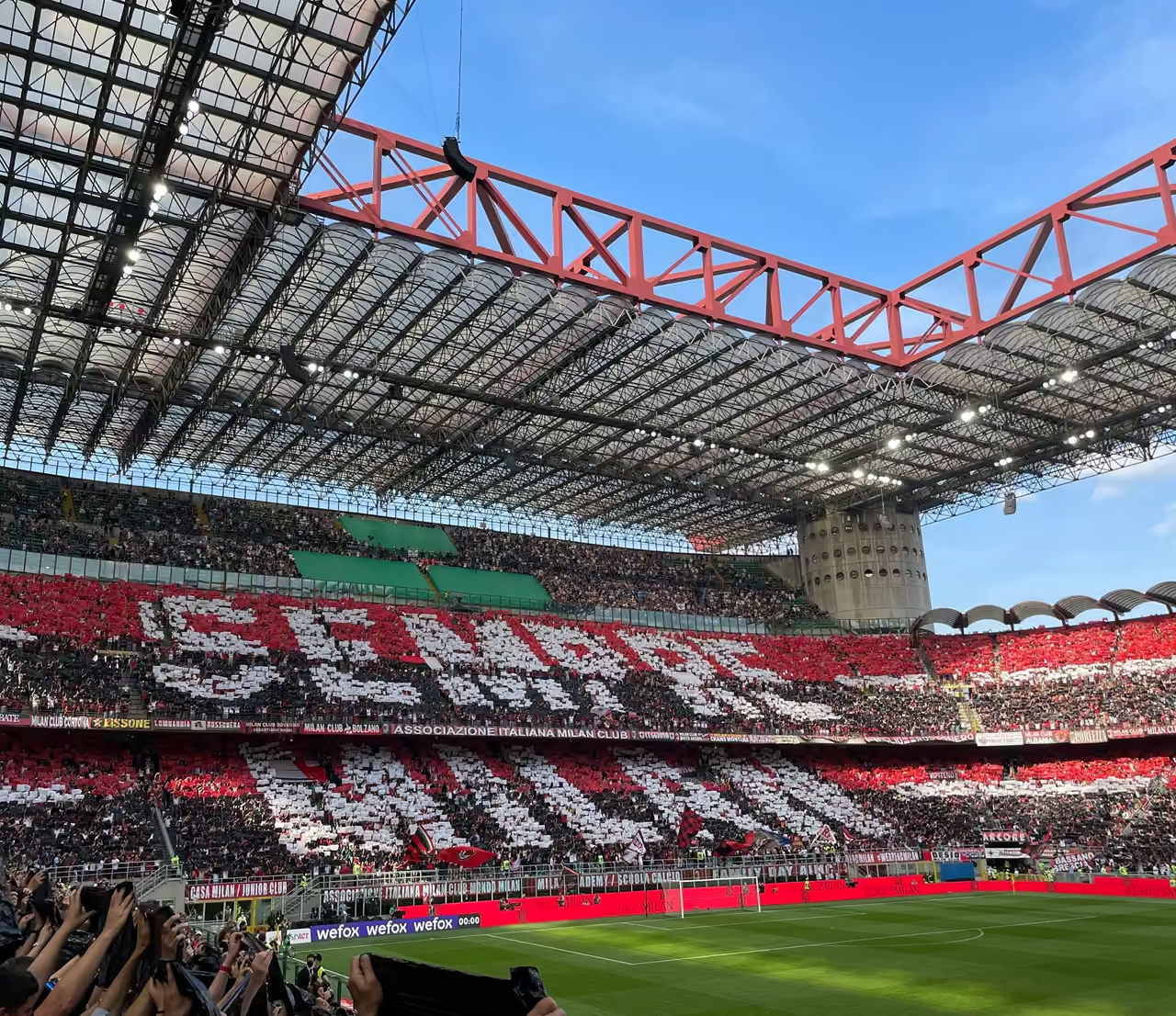
Feel the Derby della Madonnina at San Siro
AC Milan and Inter share the Stadio Giuseppe Meazza, and a match day fills the surrounding streets with scarves, flags and...
view
Best Walks in Milan
 HIGHLY RECOMMENDED
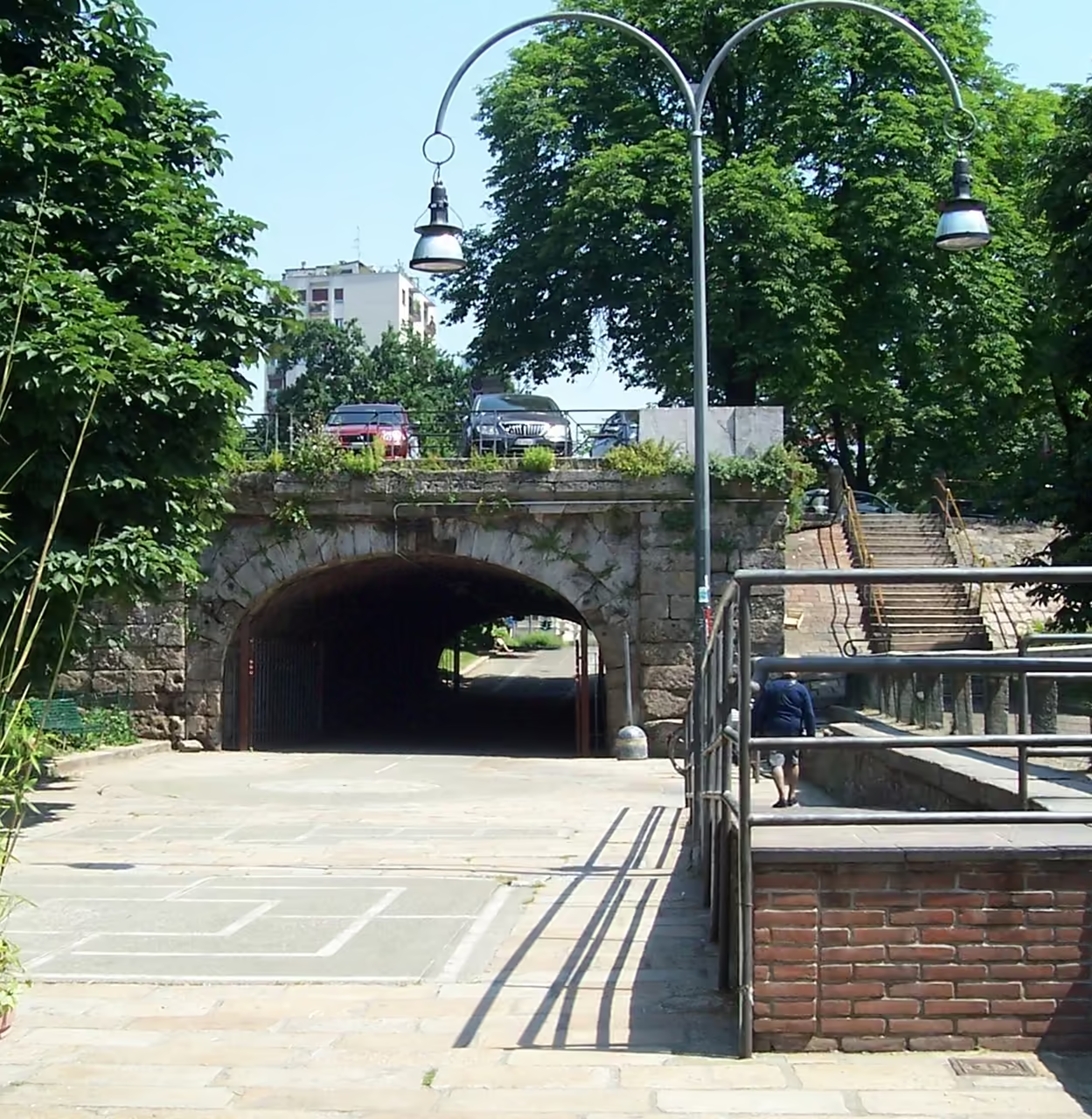
Navigli Canalside Stroll at Golden Hour
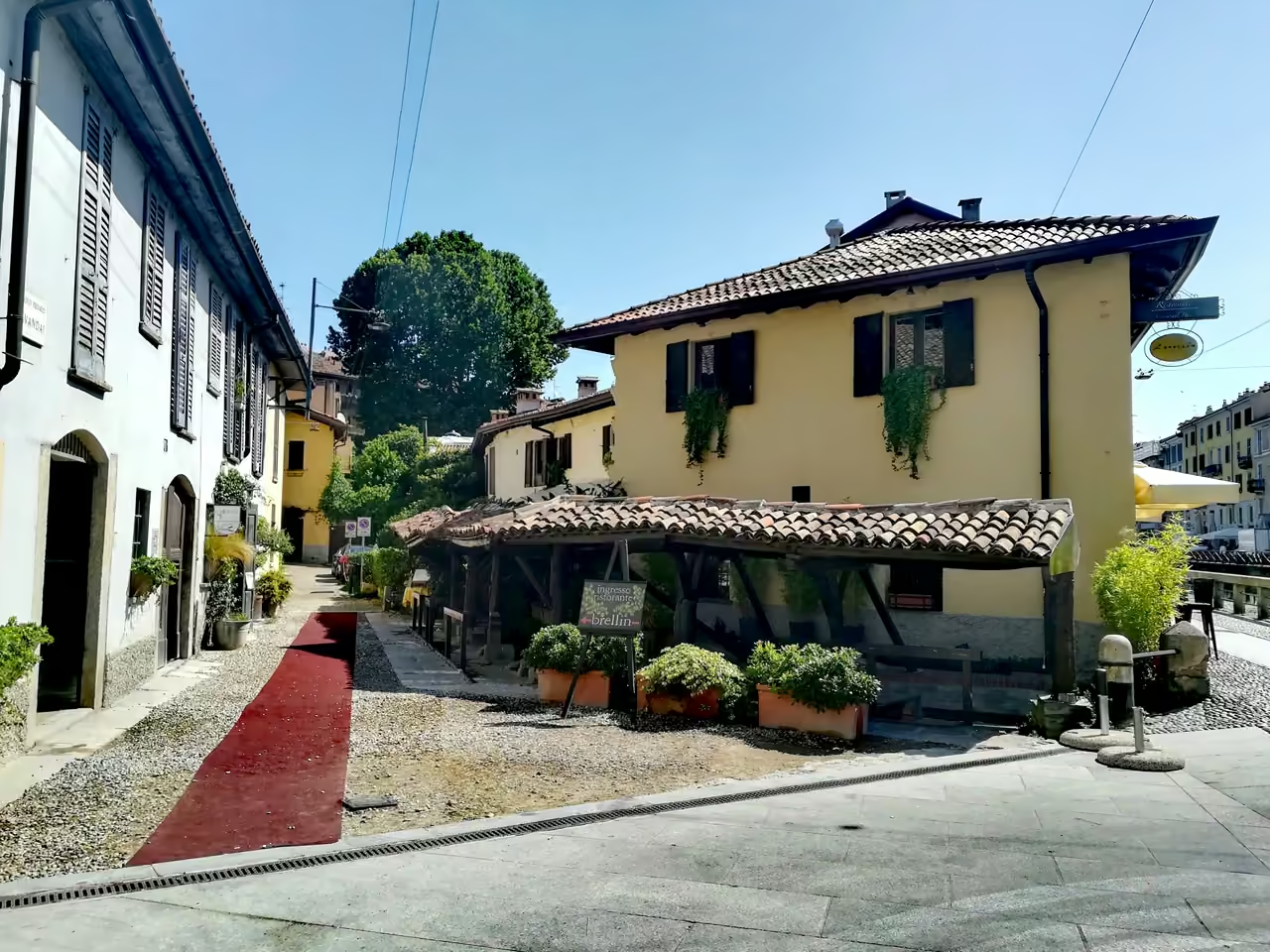
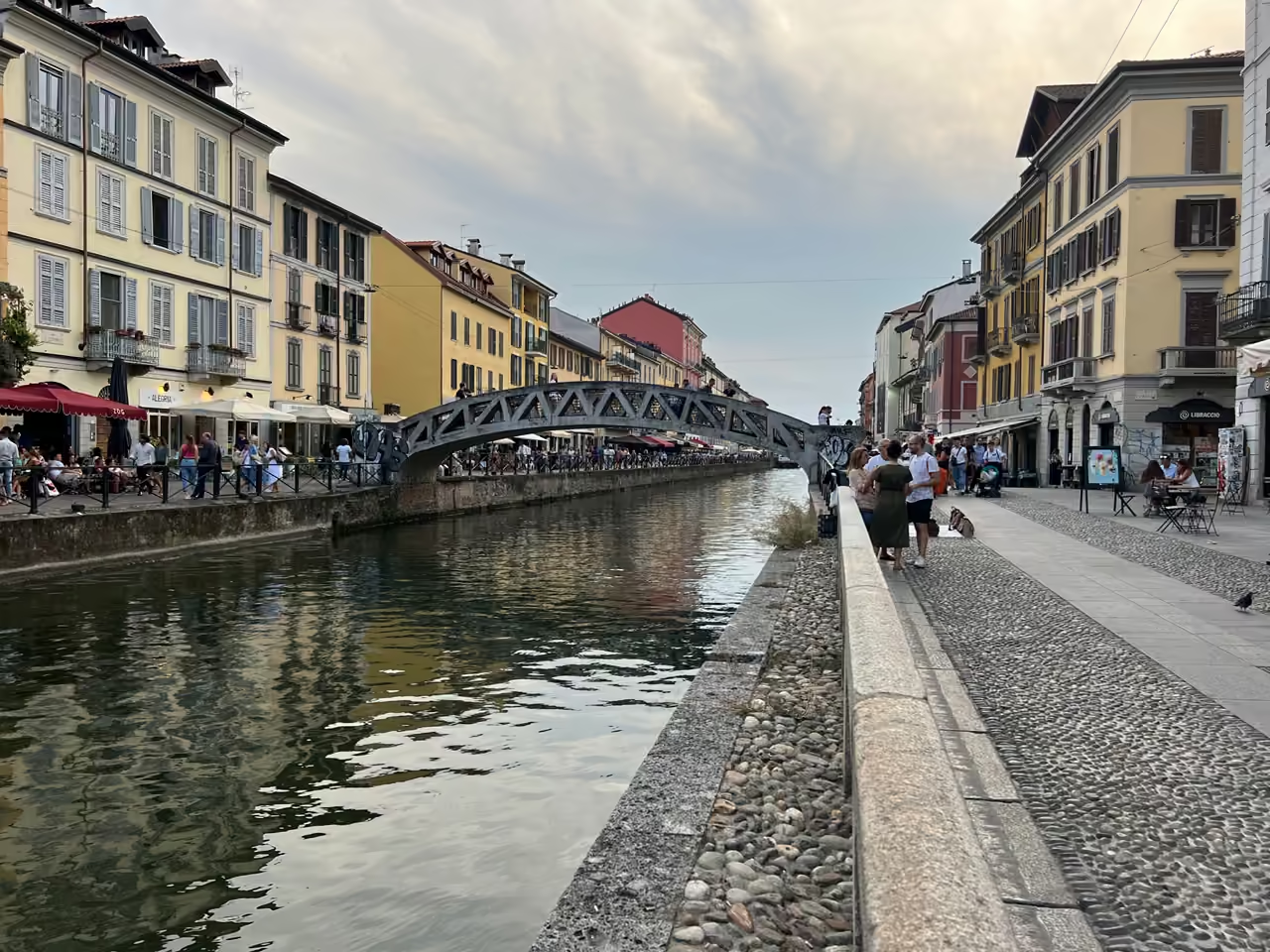
A slow walk along the Darsena and the Naviglio Grande as the light softens, past old bridges, balconied houses and a hidden washing alley. The towpath fills with strollers and tables just as the sun drops.
Parco Sempione Stroll from Castle to Peace Arch
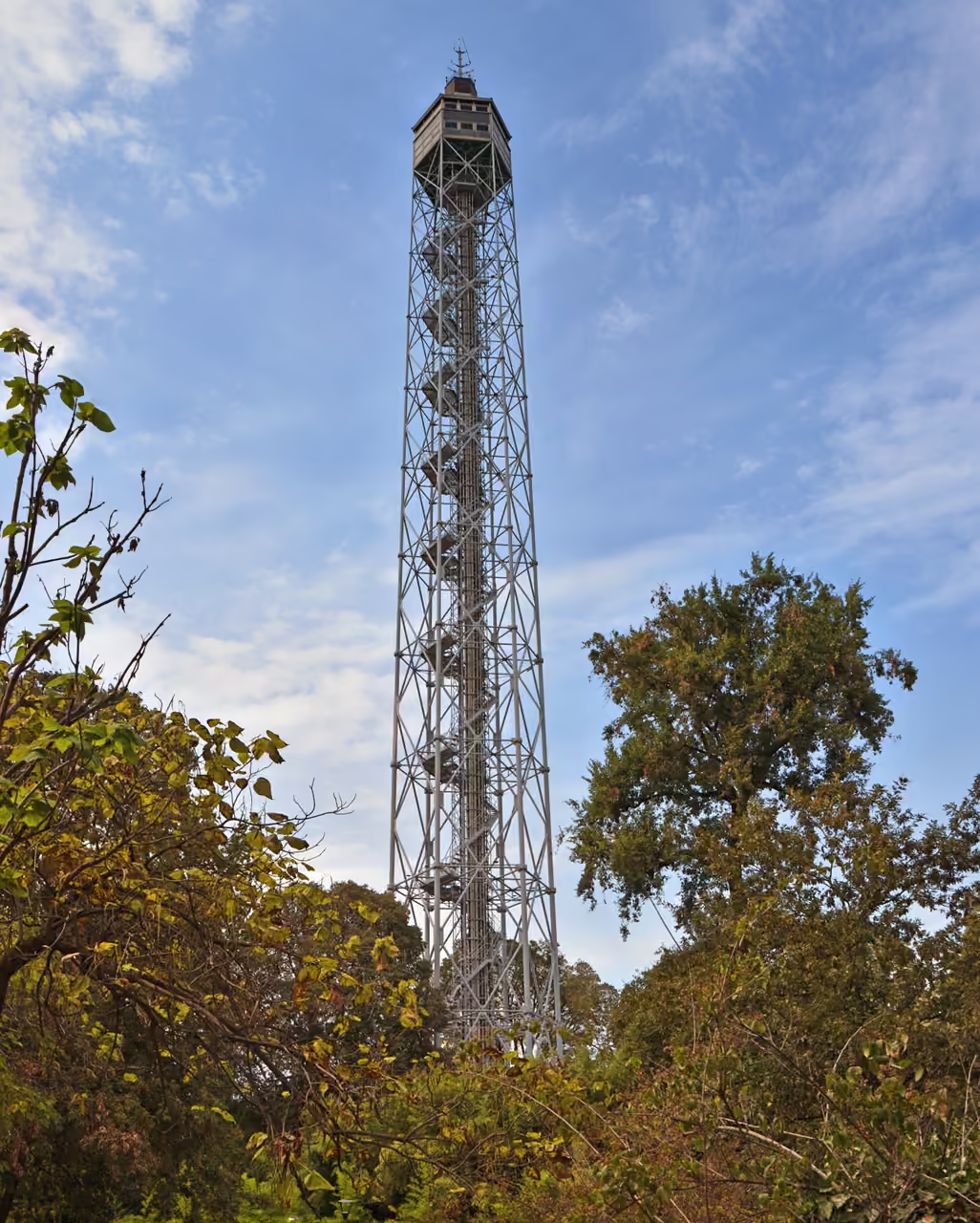
A leafy walk through the city's central park, from the Sforza ramparts across lawns and past a lake to a neoclassical triumphal arch. The route passes a tower with a view over the city.
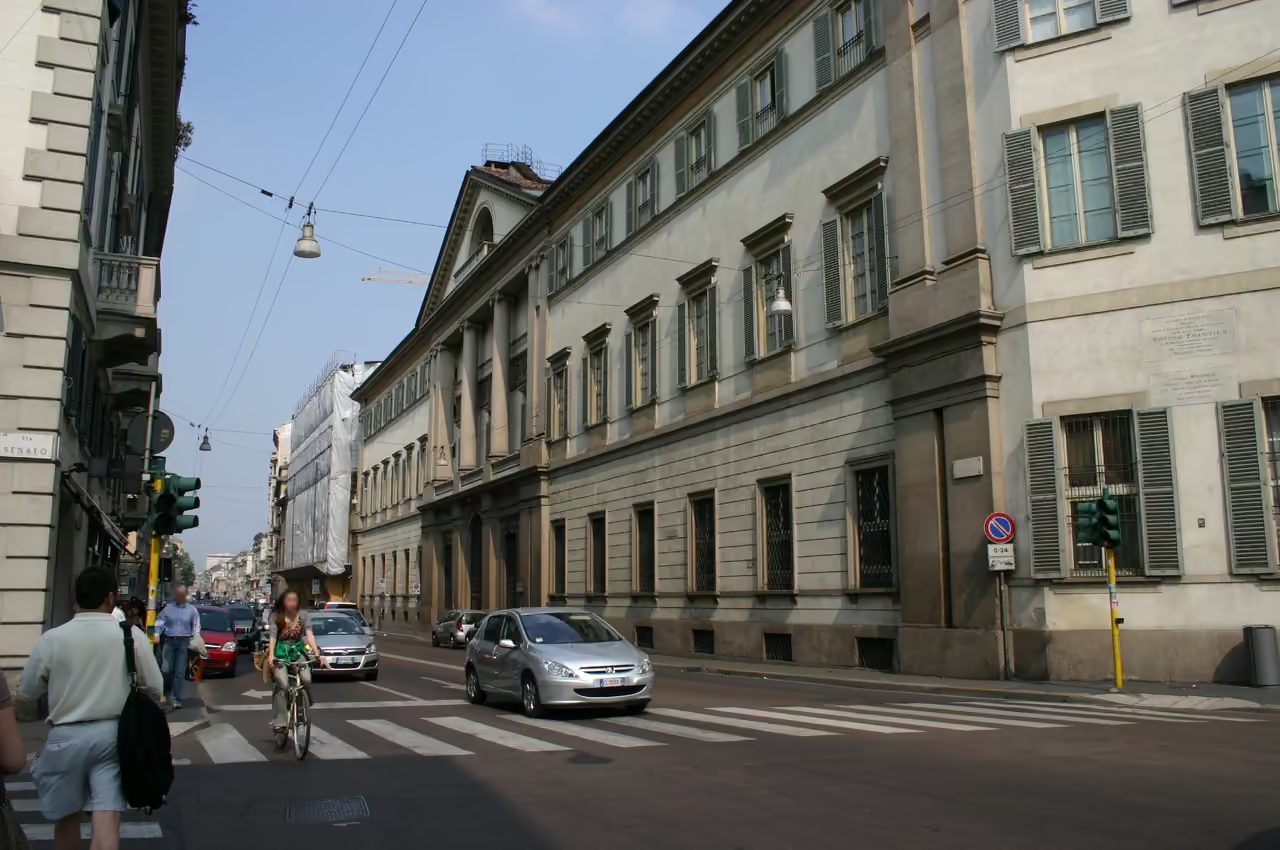
Giardini Pubblici and Corso Venezia Palaces
An elegant walk through Milan's oldest public gardens and along a street lined with neoclassical palaces, with museums and a planetarium to dip into on the way.
Architecture & Landmarks
Gothic Spires of the Duomo
The cathedral's forest of pinnacles and thousands of statues make it one of the largest Gothic churches in the world.
view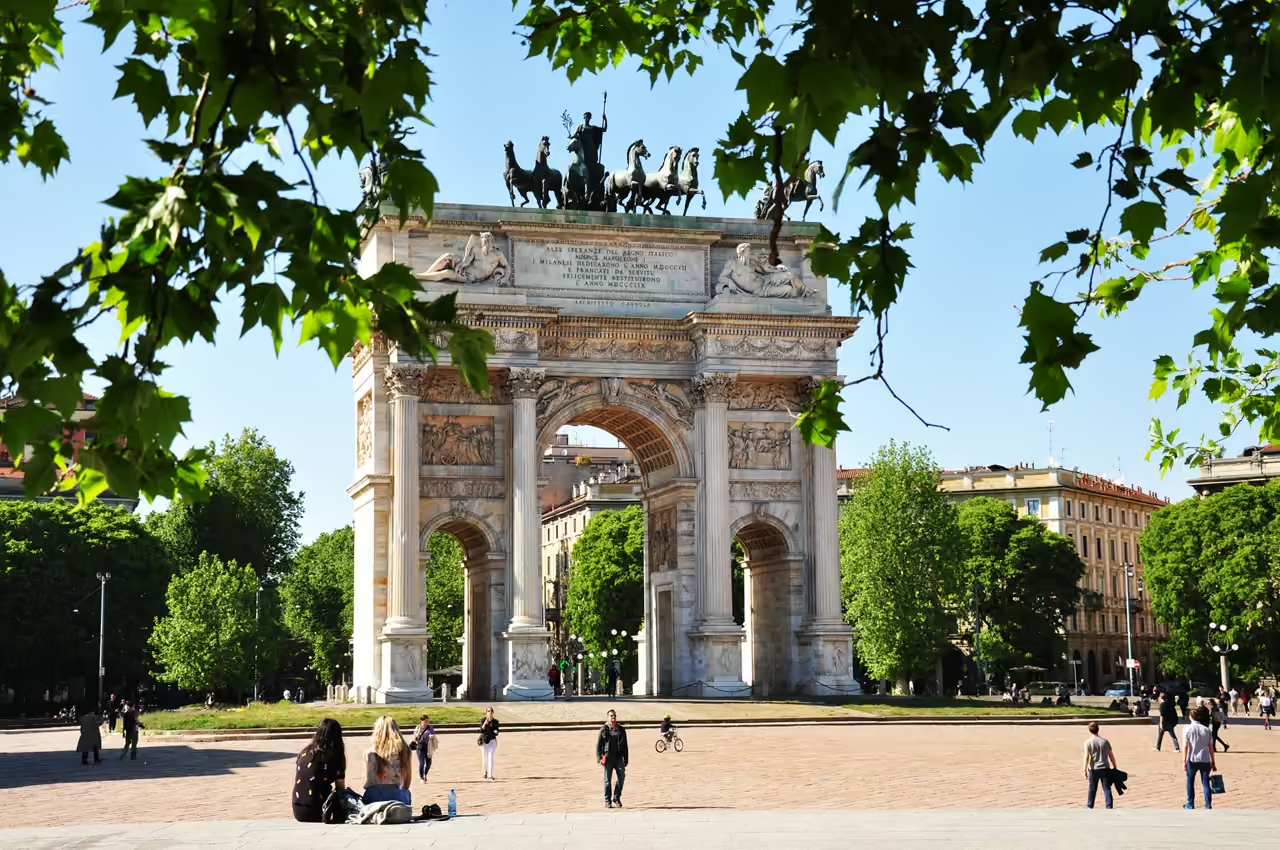
Arco della Pace
A white marble triumphal arch at the edge of Parco Sempione, begun to honour Napoleon and completed under Austrian rule...
view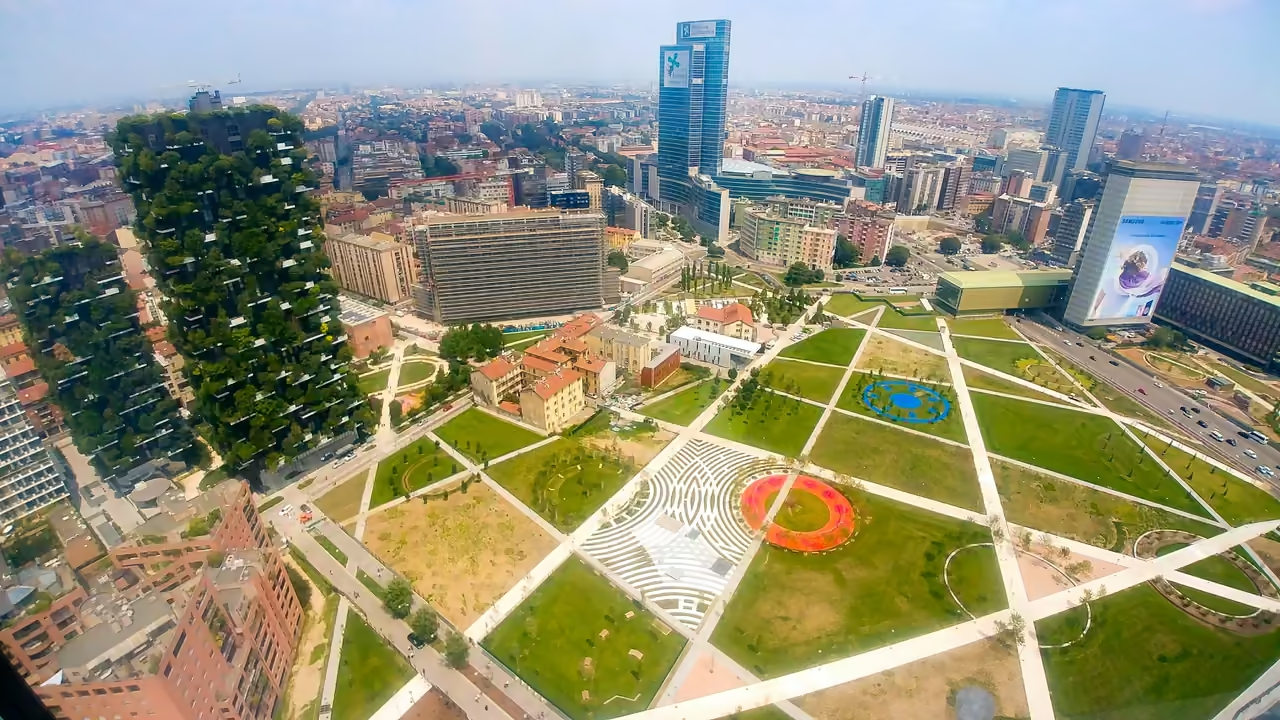
Bosco Verticale
Two residential towers in Porta Nuova whose balconies carry hundreds of trees and thousands of shrubs and plants, designed by...
viewLombard Romanesque at Sant'Ambrogio
The brick basilica of Saint Ambrose is regarded as the model of Lombard Romanesque, with a columned atrium and an uneven pair of...
view
Markets & Shopping
Milan Nightlife
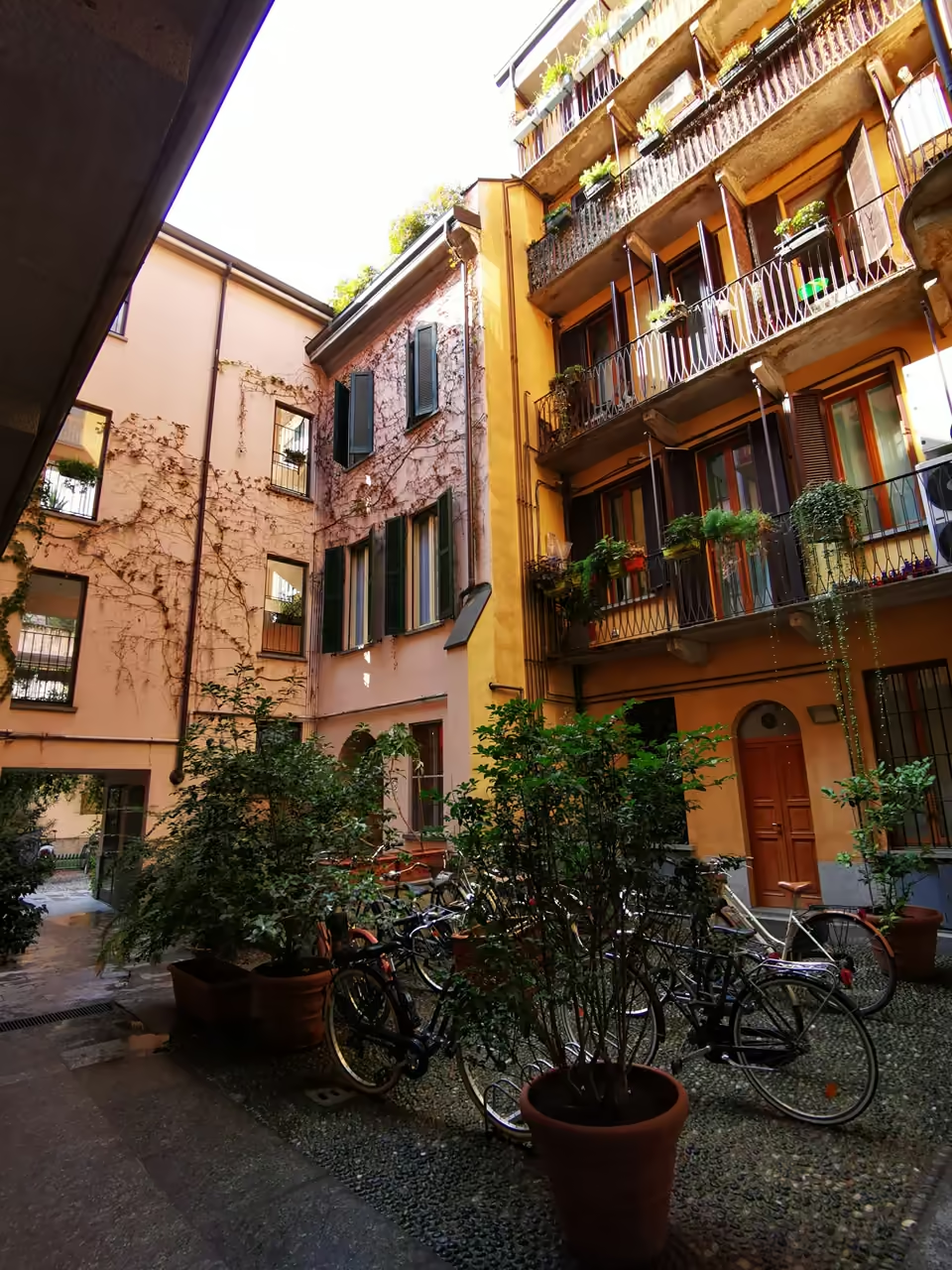
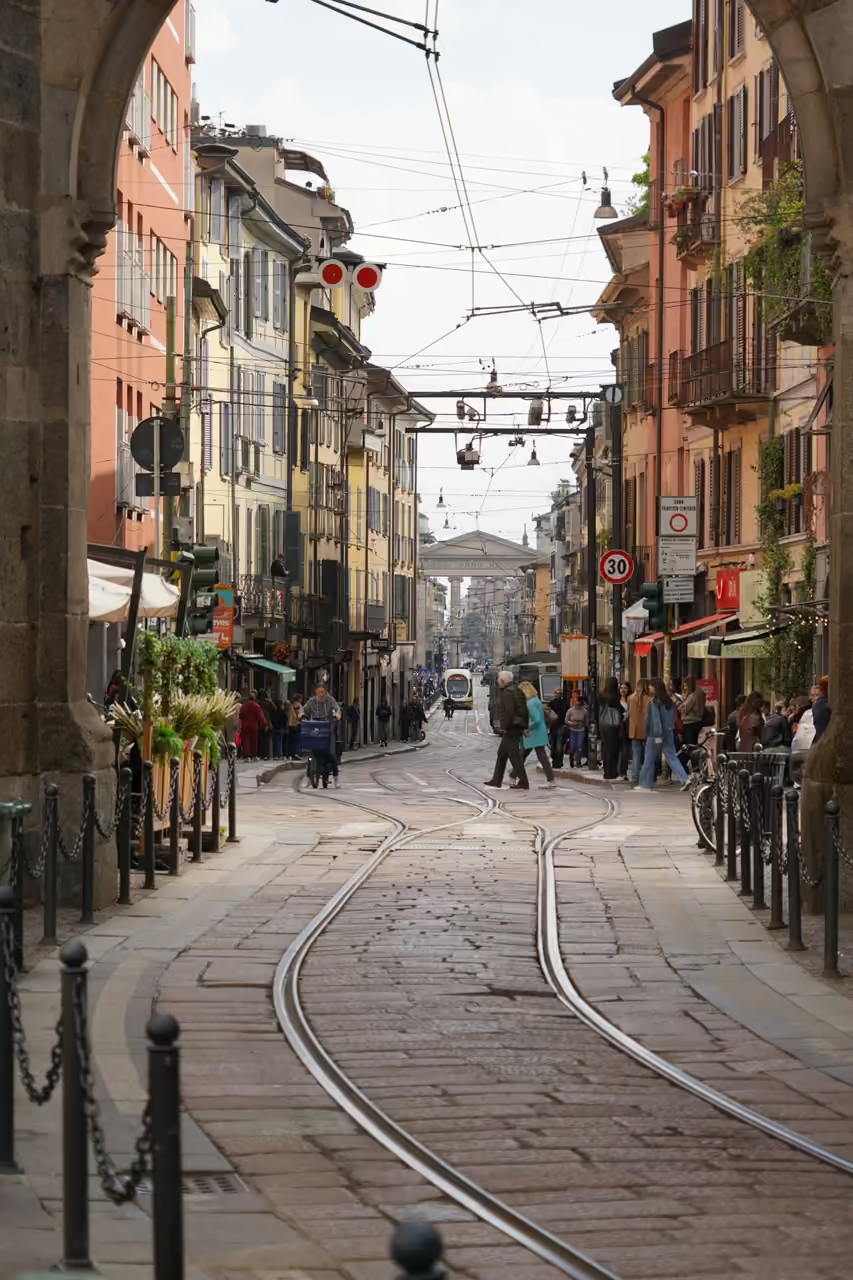
Photo Spots
Activities & Experiences
Cycling the Canals
In bicicletta sui Navigli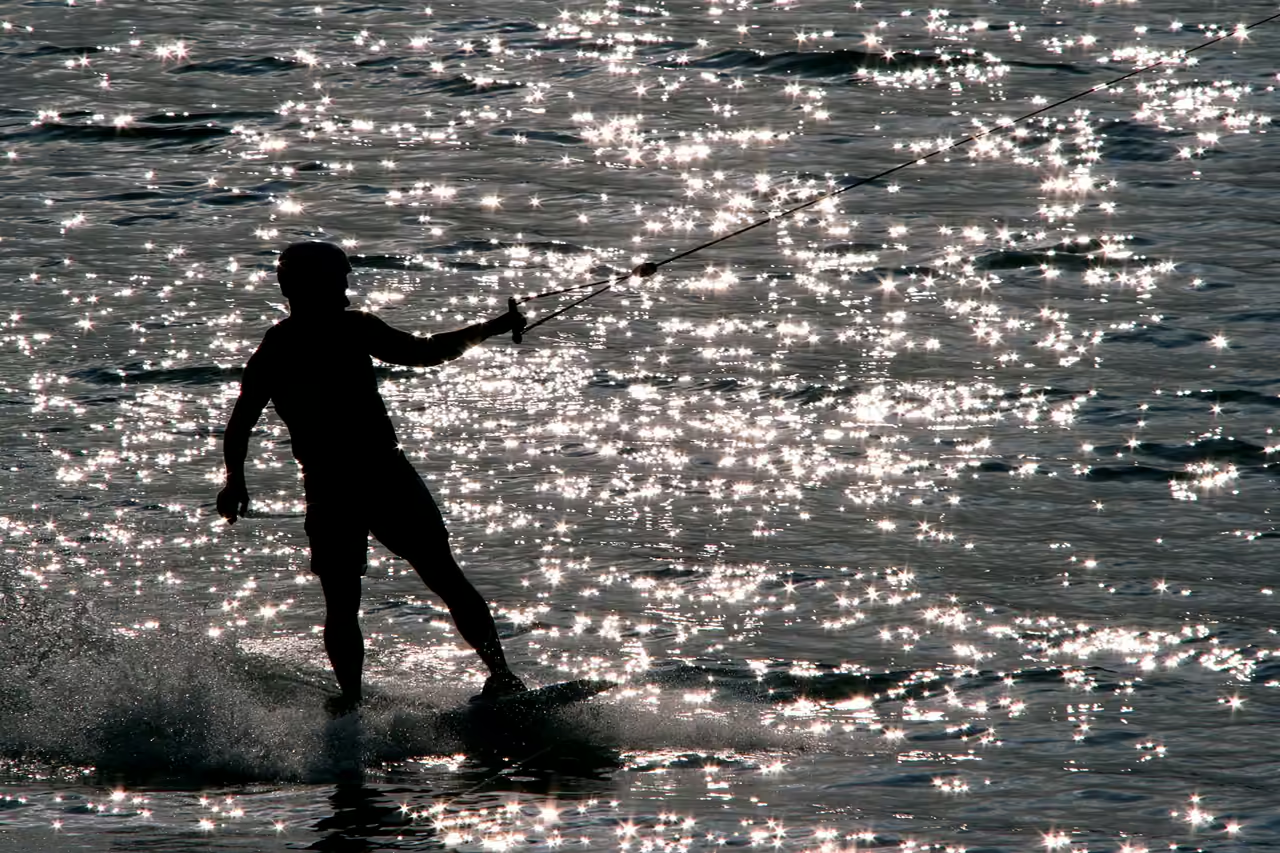
Rowing and Water Sports at the Idroscalo
Sport nautici all'Idroscalo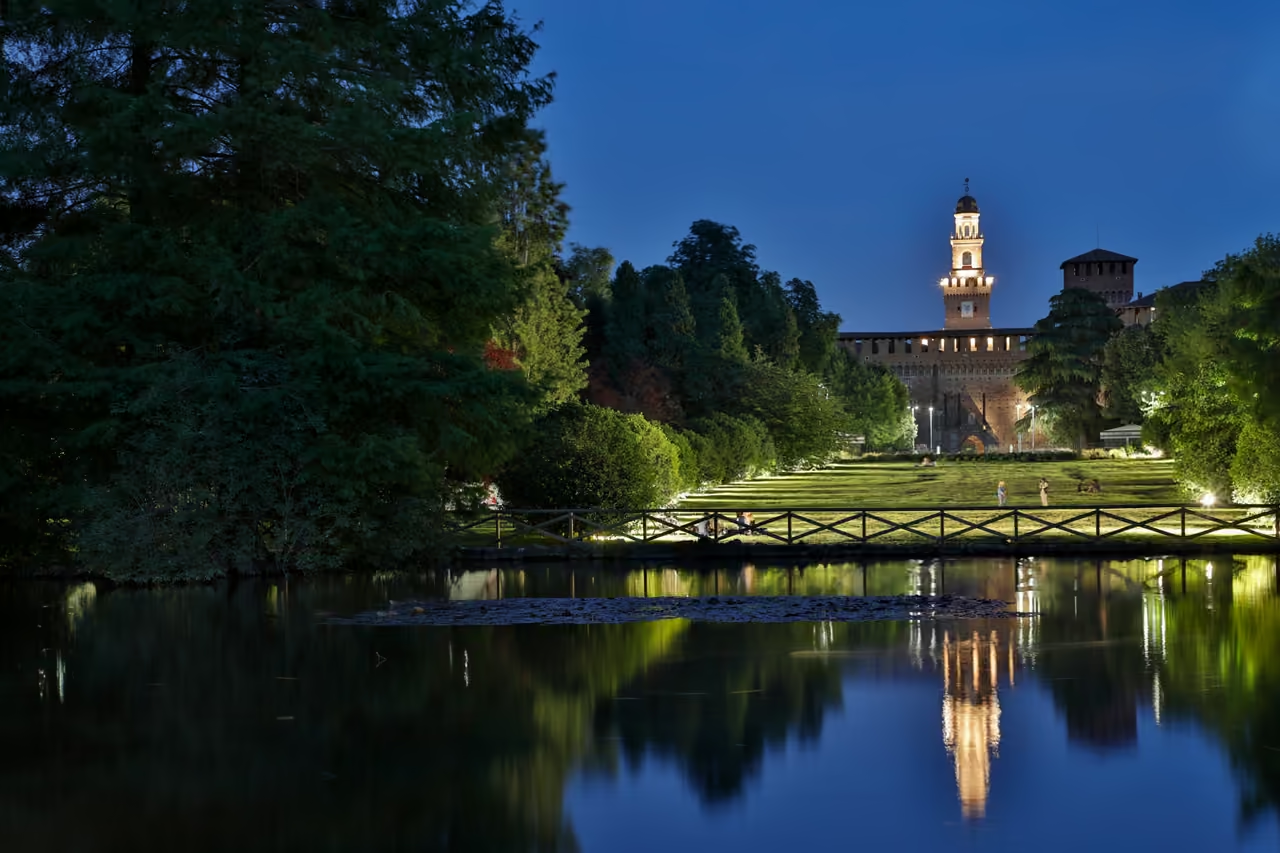
Running in Parco Sempione and the Giardini Pubblici
Corsa nei parchi cittadiniTreetop Adventure at Monkey Park Arese
Percorsi acrobatici al Monkey Park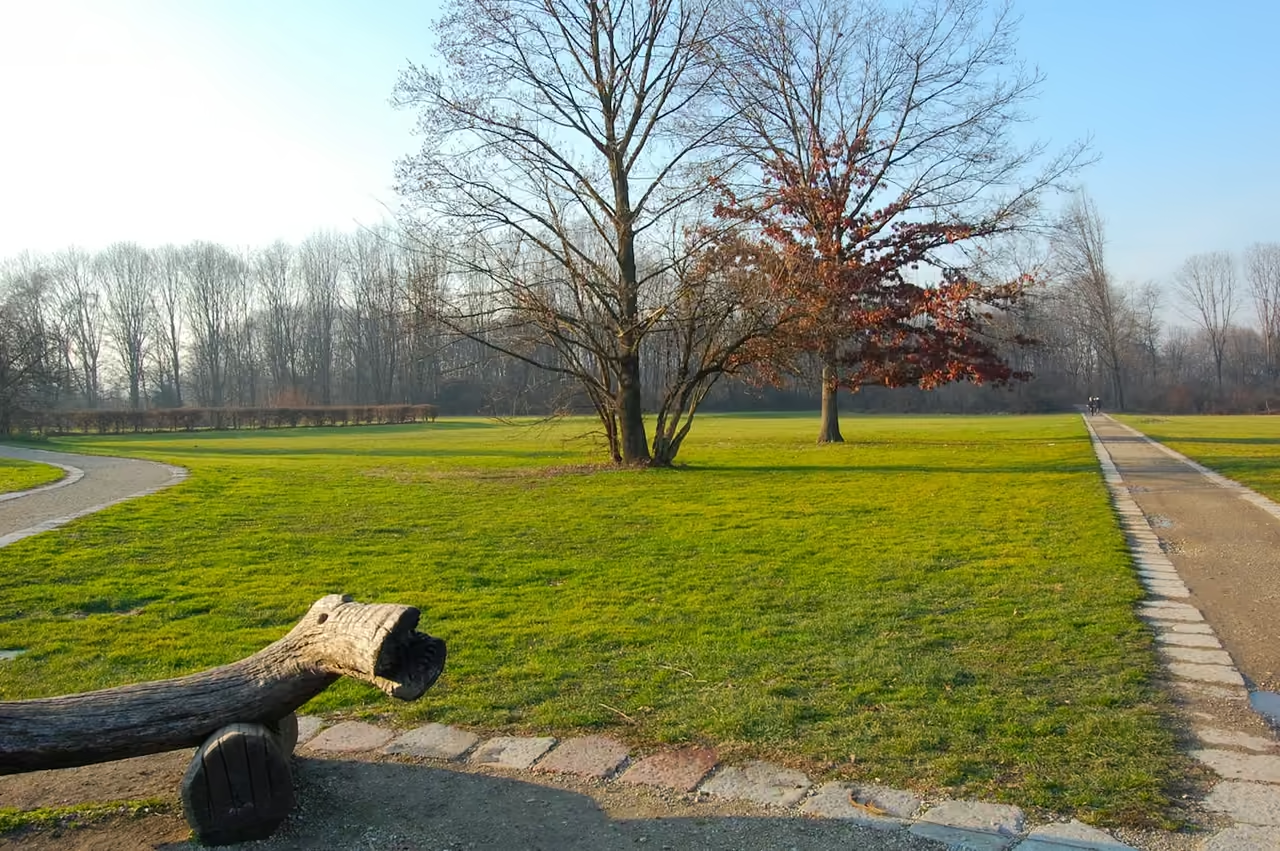
Woodland Walks in Boscoincittà and Parco Nord
Passeggiate nei boschi urbani
Cycling Routes
- HIGHLY RECOMMENDED
Naviglio Grande Cycle to Abbiategrasso
A flat towpath ride from the Darsena out into the Lombard countryside, following the canal that once carried marble to the cathedral. Old farms, locks and villas replace the city streets within a few kilometres. Cafes at Gaggiano and Abbiategrasso give natural stopping points.
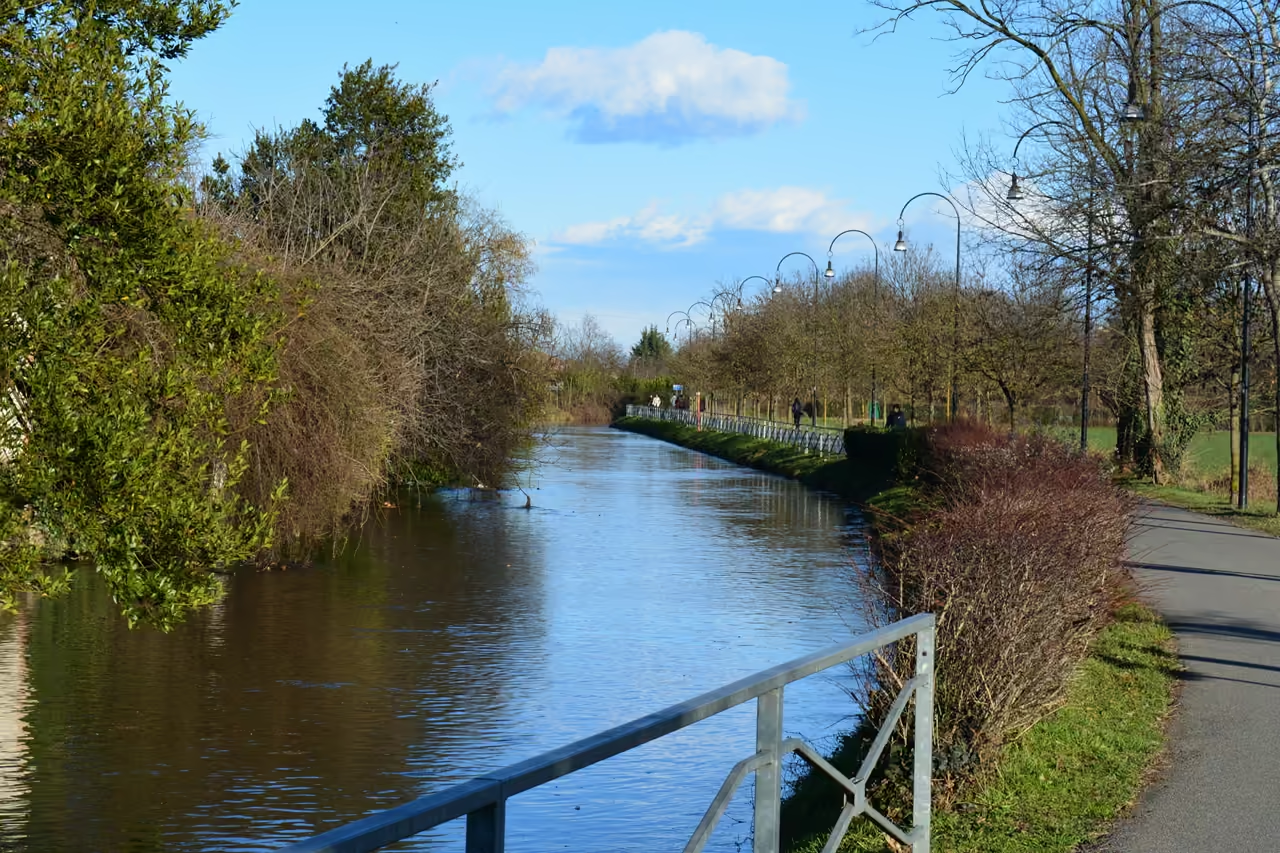
Martesana Canal Cycle Path to the Adda
A long, gentle ride along the Martesana canal, which flows east from Milan to the Adda river past old mills and aristocratic villas. The path is quiet, shaded and almost entirely flat. It joins the Adda cycleway at Cassano d'Adda.
Abbeys and Farmland Ride Through the Parco Sud
A ride south of the city through the Parco Agricolo Sud Milano, linking two medieval abbeys by farm tracks and country lanes. Rice paddies, cascine and hedgerows replace the ring road within minutes. The route suits a relaxed morning with a stop for lunch at a farm.
Self-Guided Tours
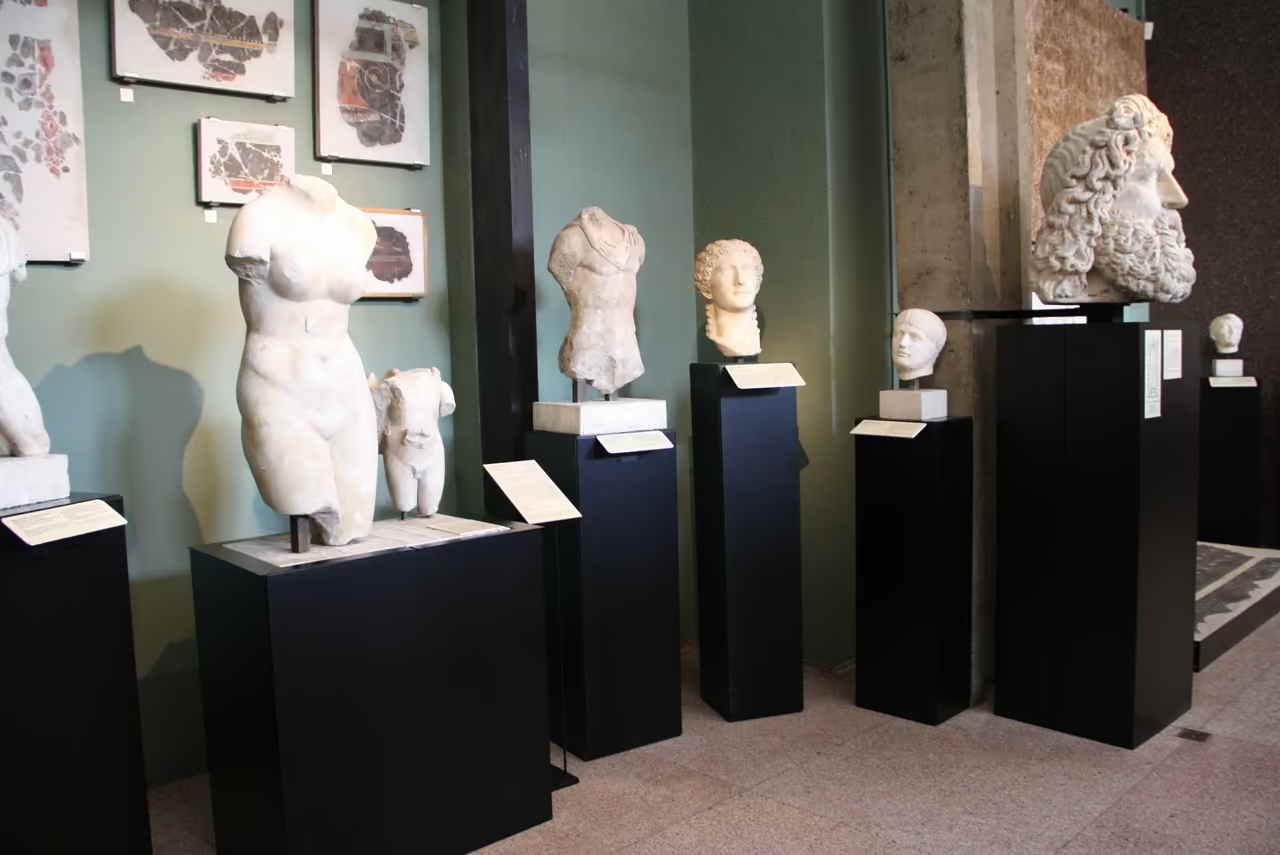
Roman Mediolanum Trail
A walking route through the surviving traces of imperial Milan, from a museum built on a Roman racecourse to columns that have stood since the second or third century.
 HIGHLY RECOMMENDED
Leonardo da Vinci's Milan
A trail through the city where Leonardo spent some of his most productive years, from the refectory that holds his Last Supper to a bronze horse made from his drawings.
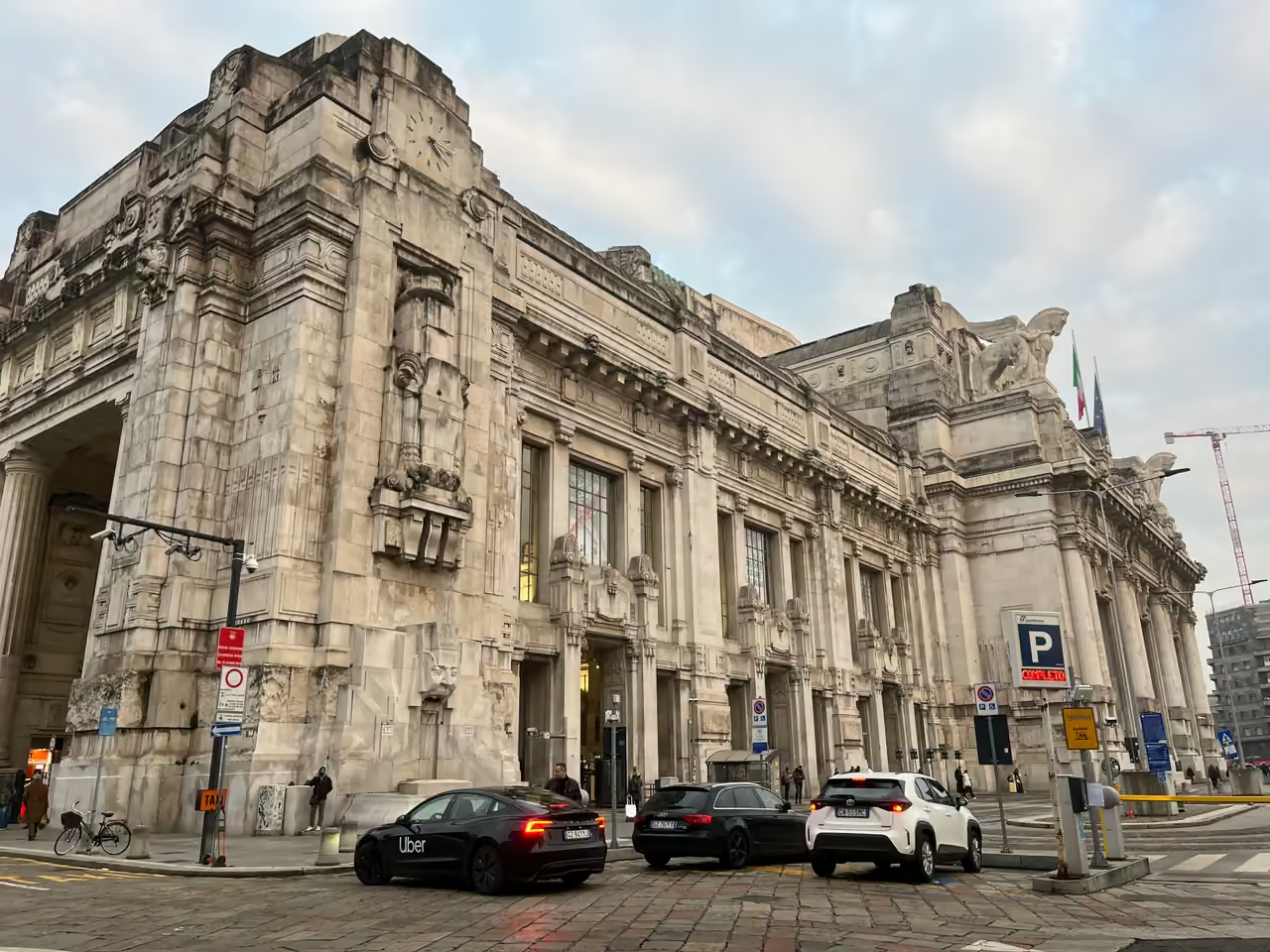
Modernist Milan Architecture Trail
A route from the postwar towers of the 1950s to the glass skyline of today, via a monumental station and a rationalist villa.
Annual Festivals & Events
 HIGHLY RECOMMENDED
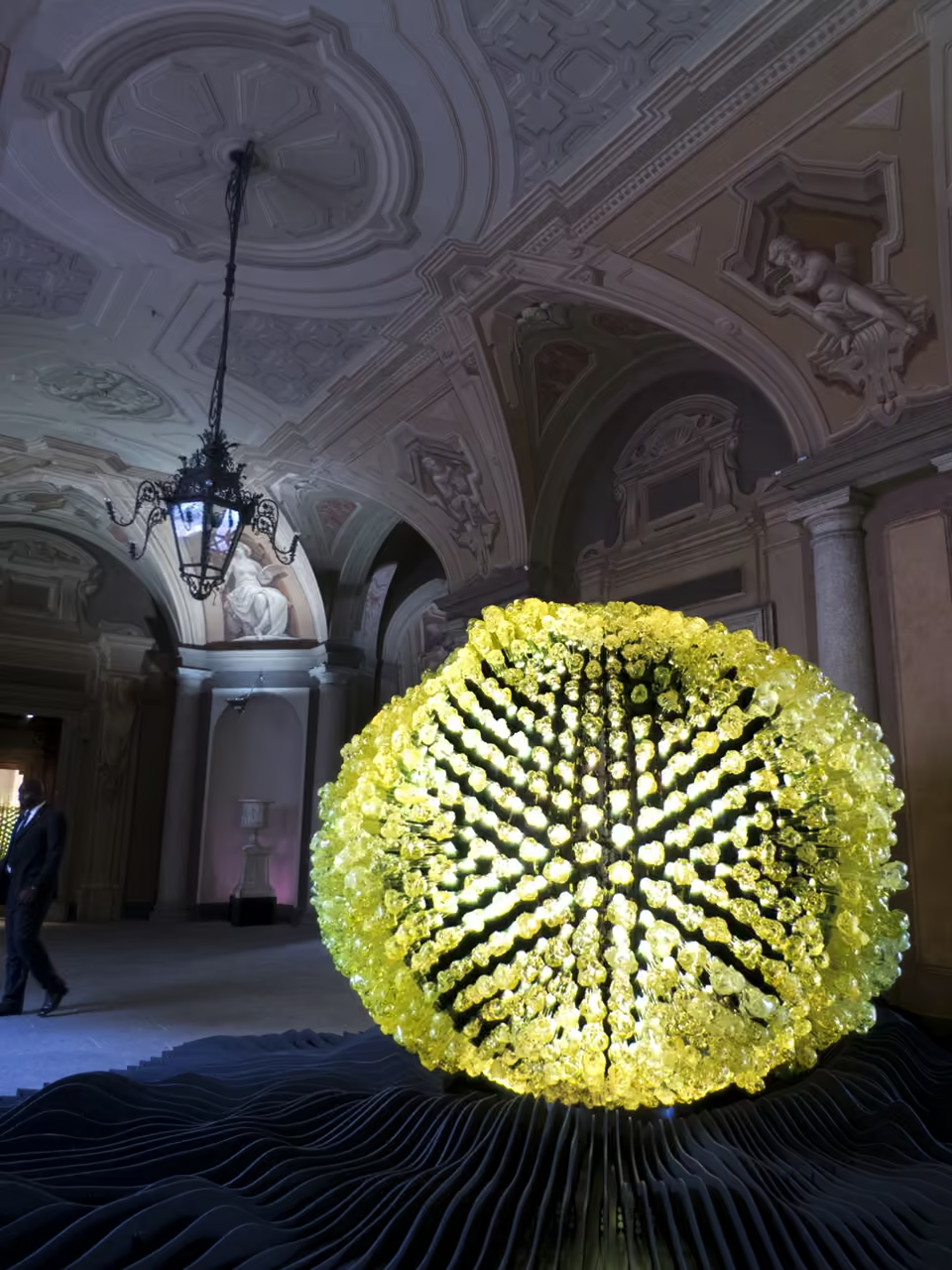
Milan Design Week
The world's biggest furniture fair takes over Fieramilano in Rho, while the Fuorisalone spreads installations, pop-up bars and courtyard exhibitions across Brera, Tortona and Lambrate. Palaces that are normally closed throw open their doors for a week. Expect queues, free drinks and a lot of talk about chairs.
Feast of Sant'Ambrogio and the La Scala Opening Night
On 7 December Milan honours its patron saint with a city holiday, church services at the Basilica of Sant'Ambrogio and the opening night of the La Scala season. Red carpets, evening dress and crowds outside the theatre make it the grandest night in the Milanese calendar. The Oh Bej! Oh Bej! market opens the same day around the Castello Sforzesco.
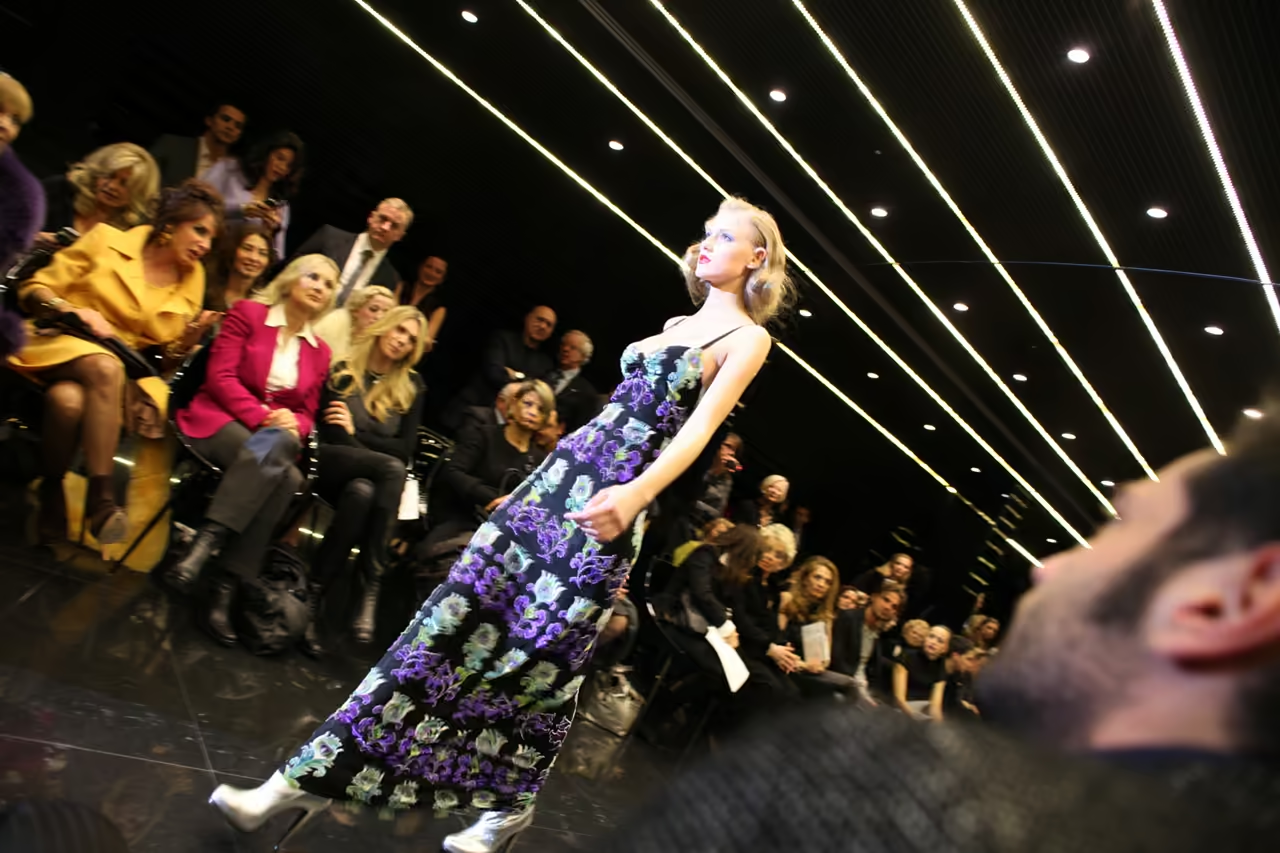
Milan Fashion Week
Twice a year the Quadrilatero della Moda turns into a catwalk, with shows in palaces, warehouses and the grand halls of the old industrial quarters. Models, buyers and photographers fill the pavements around Via Montenapoleone, and shop windows are dressed to the last thread. It is one of the four big fashion weeks in the world, and hotel prices climb accordingly.
Insider Tips
Tap a contactless bank card on the metro turnstile, and tap again when you leave. The system caps what you pay in a day, but a missed tap-out can trigger a penalty fare.
Paper tickets are sold at tabaccherie (look for the white T on a dark sign), newsstands and metro machines. Validate on the turnstile or the on-board reader, and remember a single ticket works across metro, trams and buses for 90 minutes.
Linate sits on metro line M4, so reaching the centre costs the same as any other city journey. From Malpensa, the Malpensa Express runs to Cadorna and Centrale, and Milan-licensed taxis charge fixed fares on the airport route.
Skip the car. Area C charges vehicles entering the old centre inside the former canal ring, and parking is scarce. Park and ride lots at metro terminals such as Lampugnano and Cascina Gobba are easier.
Book The Last Supper well ahead, and check the museum websites before you set a day aside, because many close on Mondays. Late August is quiet as shops and restaurants shut for the holidays, with signs reading 'chiuso per ferie'.
Most restaurants add a small coperto, a cover charge of a couple of euros per person. Restaurants right on the cathedral square tend to charge more for less, so walk a few streets away for a better meal.
Aperitivo is a drink with snacks, not a free dinner. Order one drink, graze politely, then move on to dinner, which Milanese usually eat from about 8 pm.
Coffee is cheaper standing at the bar than sitting at a table, and the difference is bigger near the Duomo and San Babila. Locals drink a quick espresso at the counter and leave.
Italians rarely leave large tips. A few coins or rounding up is plenty for a meal, and nothing is expected at a bar counter.
Near the Duomo and the Castello Sforzesco, people may press friendship bracelets or bird feed into your hands and then ask for money. A firm 'no, grazie' and keeping walking works best.
Keep phones off restaurant tables and bags zipped on crowded metro trains. At ticket machines, politely decline any stranger offering to help, since the offer usually ends in a request for money.
Buy fashion in the shops, not from street sellers. Most branded goods on the pavements are imitations, and customs officers at home may seize them.
Cover shoulders and knees for church visits, and expect a bag check at the Duomo's entrance. Travel light on days when you plan to enter several churches.
English is widely spoken, but a 'buongiorno' on entering a shop and a 'grazie, arrivederci' on leaving goes a long way. The Milanese dialect is mostly heard from older residents and in theatre.
PERFECT FOR
Milan suits travellers drawn to design, fashion, opera and art, and anyone who likes a city with energy and good food. It also rewards curious walkers who enjoy peeling back layers of Roman, medieval and modern history. Football fans, shoppers and aperitivo devotees will find plenty to fill a long weekend.
VIBE
Milan feels brisk and well dressed, a city where people drink espresso standing at the bar and then linger for an hour over aperitivo. Grey stone and glass towers give way, without warning, to courtyards of pink brick, canal-side terraces and the green flash of a vintage tram. The pace is quick during the day and delightfully loose after seven.
Frequently Asked Questions about Milan
From Malpensa, the Malpensa Express train runs to Milano Cadorna and Milano Centrale in roughly 40 minutes. Linate is the city airport, about 8 km out, and metro line M4 connects it to the centre. Orio al Serio, the Bergamo airport used by low-cost airlines, is linked to Milano Centrale by direct coach services that take a little over an hour.
Yes. Visits to Leonardo's painting at Santa Maria delle Grazie are timed and limited, and tickets can sell out weeks or even months ahead. Book through the official channel as soon as your dates are fixed. Cancelled slots are sometimes released at short notice.
Largely, yes. The Duomo, Galleria, La Scala, Brera and the Castello Sforzesco sit within a short stroll of each other, and Corso Vittorio Emanuele II and Via Dante are pedestrian. For longer hops, the metro has five lines and the tram network is one of the most scenic ways to cover ground.
Aperitivo is the early-evening ritual of a drink with snacks, usually from about 7 pm to 9 pm. Many bars lay out buffets of pasta, cold cuts and small bites with the drink price. It is meant as a social warm-up before dinner rather than a full meal, and the Navigli, Brera and Corso Buenos Aires are good places to try it.
Spring and early autumn bring mild weather, with Design Week in April and Fashion Week in September. Winter has fog and chill, but the weeks before Christmas fill the centre with lights, markets and a giant tree in Piazza del Duomo. August is hot and many shops and restaurants close for the holidays, though museums and major sights stay open.
Major retail areas like Corso Buenos Aires and the fashion quadrangle keep their doors open on Sundays. Smaller independent boutiques in residential neighbourhoods generally close for the day.
Between 19:00 and 21:00, most bars serve drinks accompanied by access to a buffet of snacks, pastas, and cold cuts. You pay a fixed price for the cocktail, but the food is included, though loading a plate too high is considered poor etiquette.
We recommend spending about 3 days in Milan. Three days allow time for the cathedral, Galleria and La Scala, a morning for The Last Supper and the castle, and an evening on the Navigli. Most main sights sit within walking distance or a short metro ride, so the pace stays comfortable. Many museums close on Mondays, which makes a longer stay easier to plan.
Milan has an average temperature of 14°C in spring, 24°C in summer, 14°C in autumn, and 4°C in winter. Choose the season that best matches your weather preference.
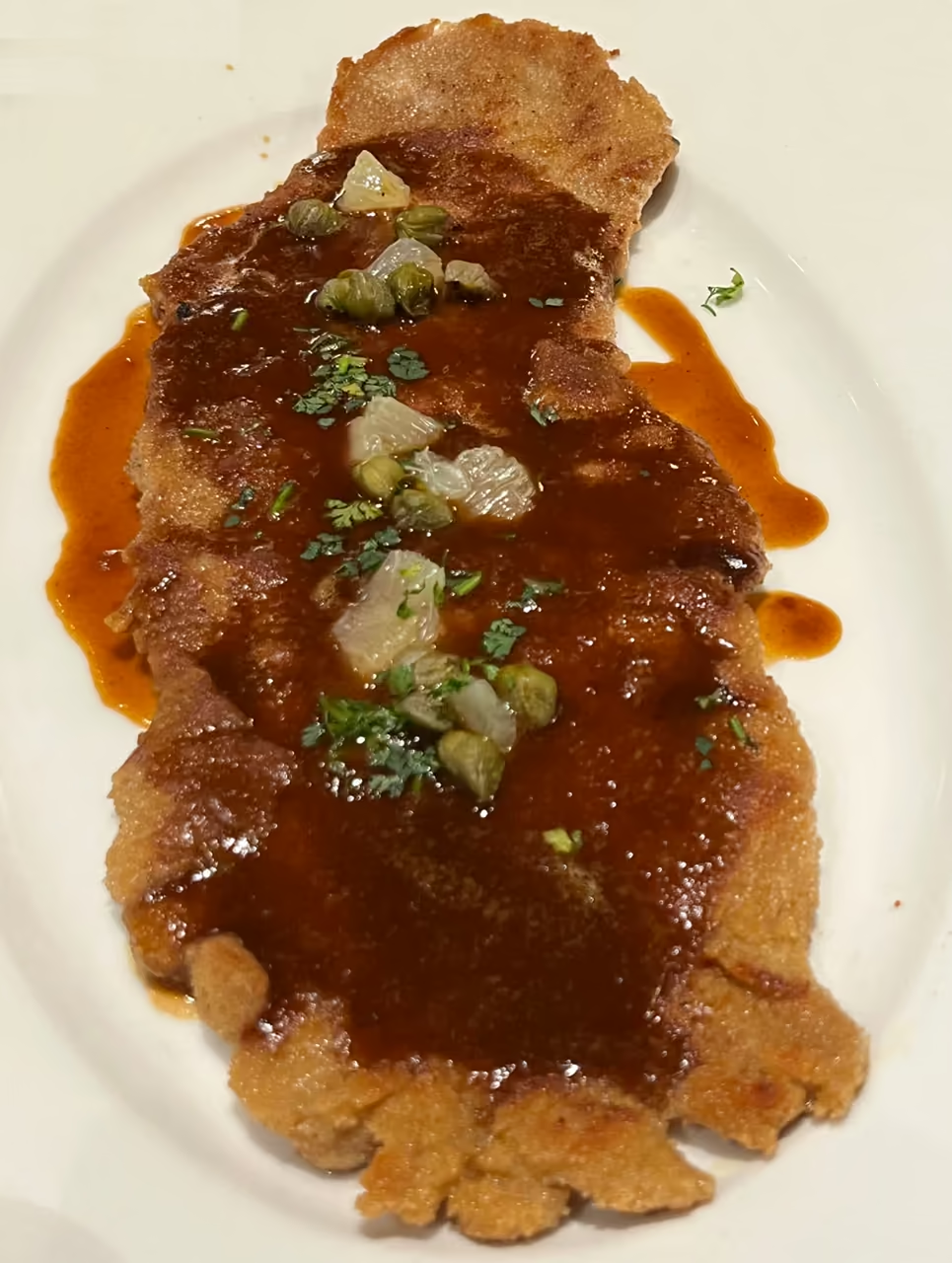
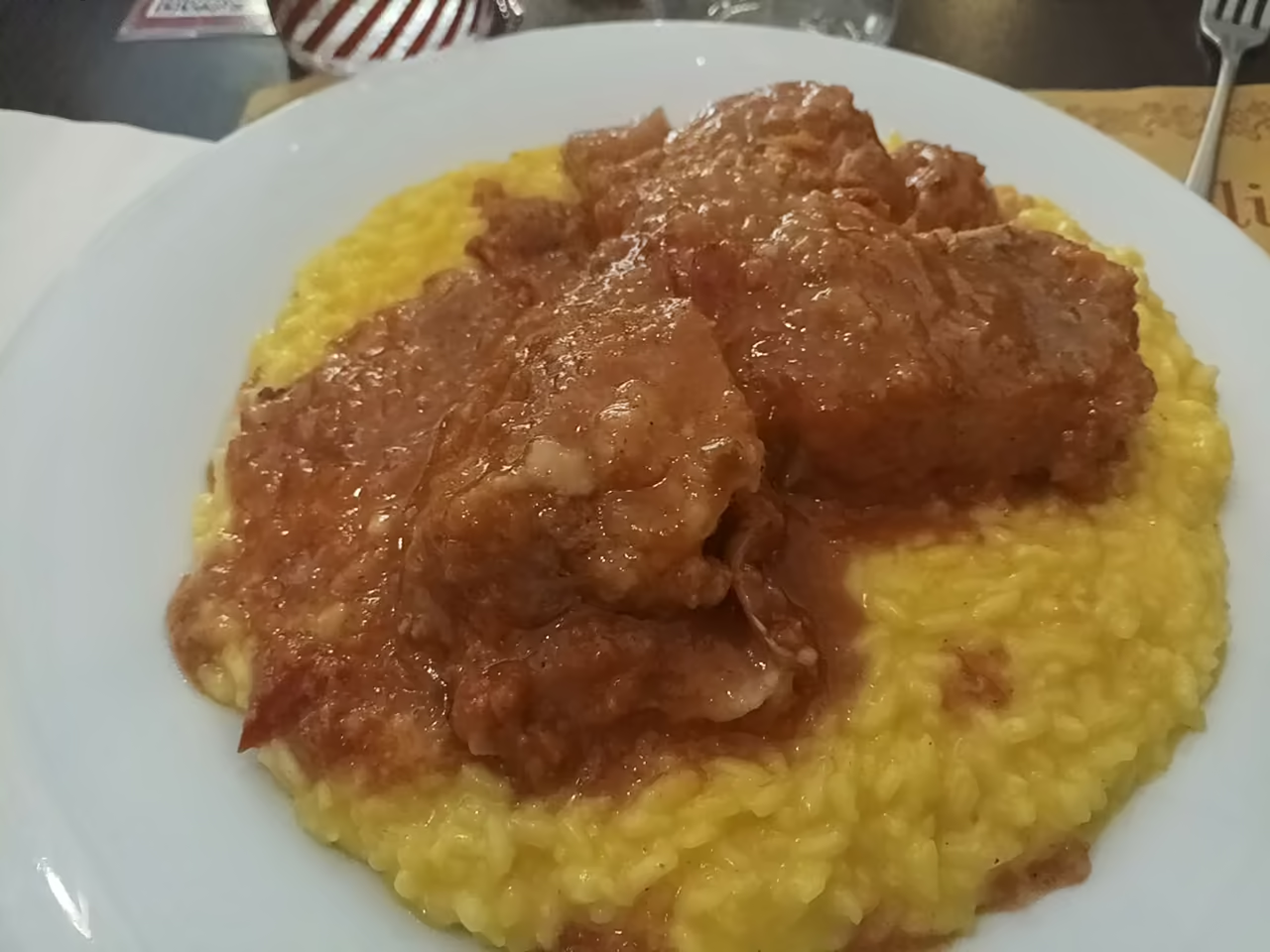
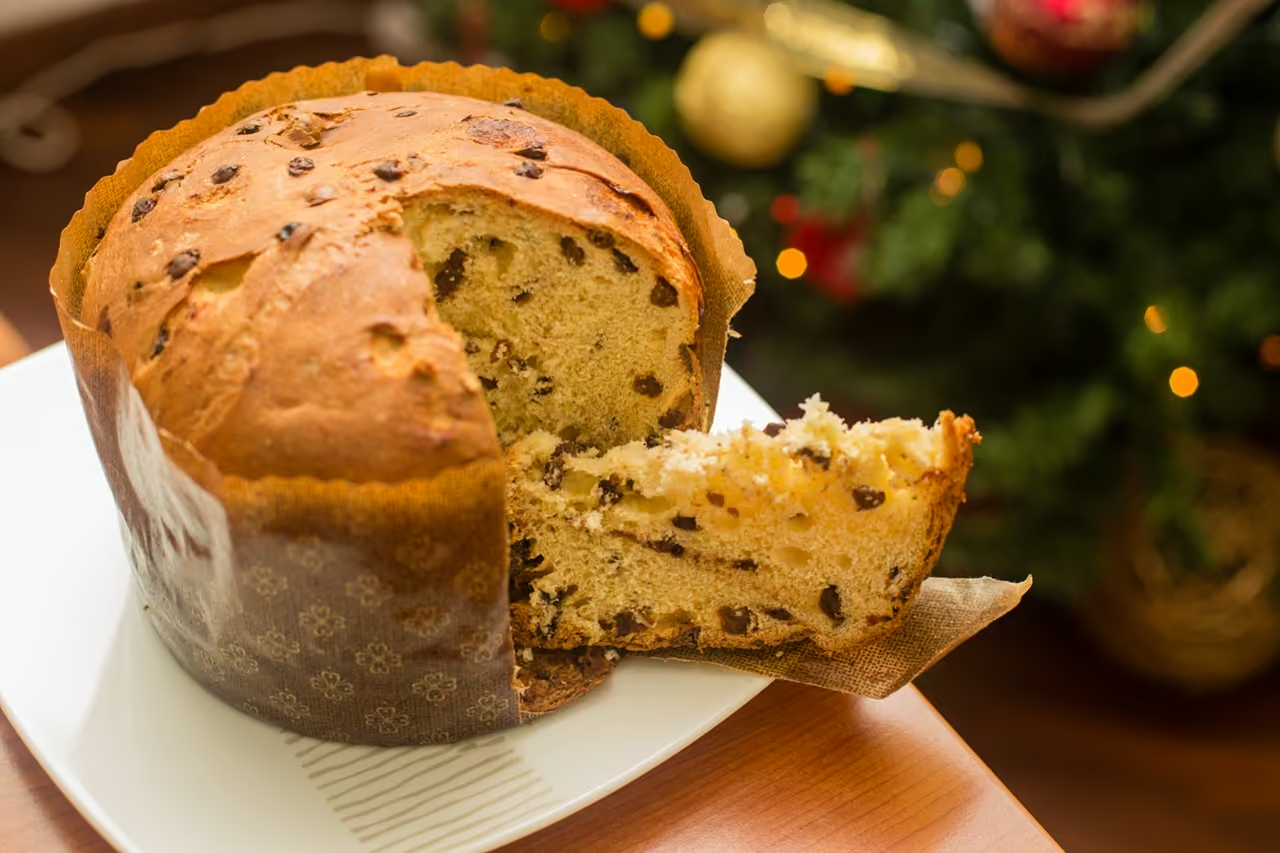
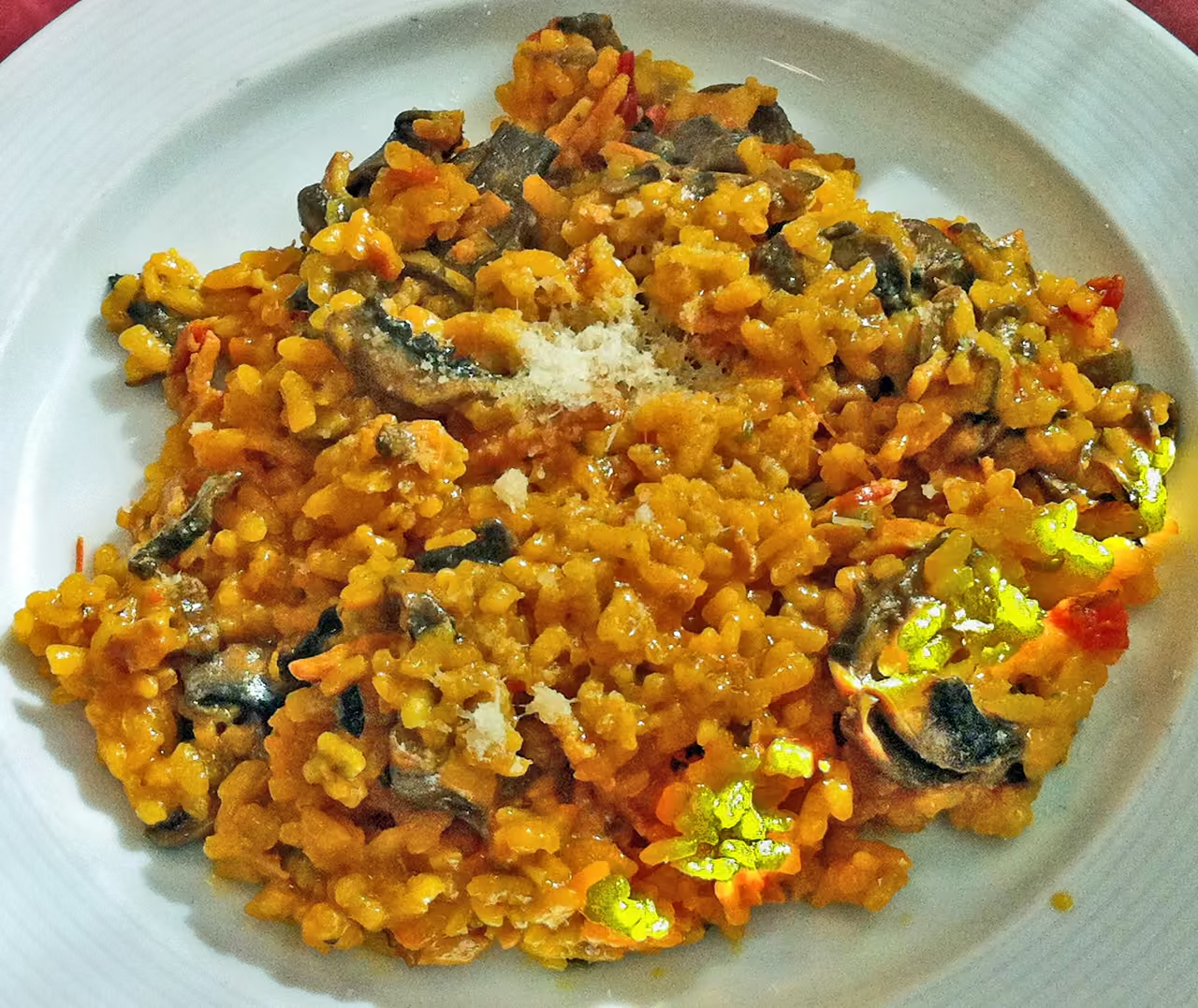
Some popular local food choices in Milan include Cotoletta alla Milanese, Ossobuco alla Milanese, Panettone, Risotto alla Milanese, Cassoeula, Negroni Sbagliato, Panzerotti at Luini, Barbajada, Michetta Bread Roll and Mondeghili.
Yes, Milan is home to a UNESCO World Heritage Site: Church of Santa Maria delle Grazie.
It has a population of 24,993 people.
It was founded in -590, making it 2616 years old.
While we strive to keep this information accurate and up to date, we recommend verifying any details independently before making decisions based on them.
Similar Destinations in Italy
Continue your journey. Explore these highly recommended cities and uncover more of what Italy has to offer.