Venice
Full City Guide, Map & 120 Things To Do
250,369 people live here.
That's 0.41% of the entire population of Italy.
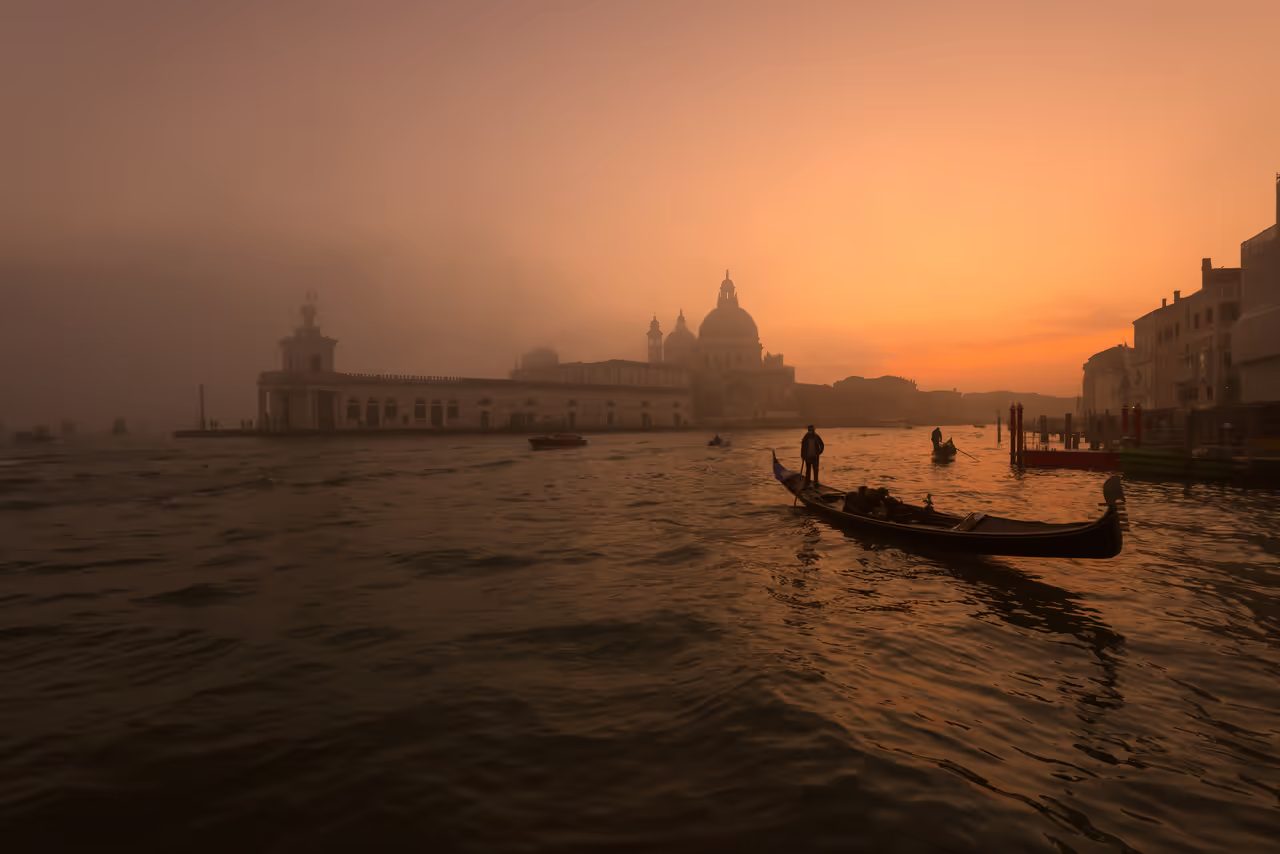
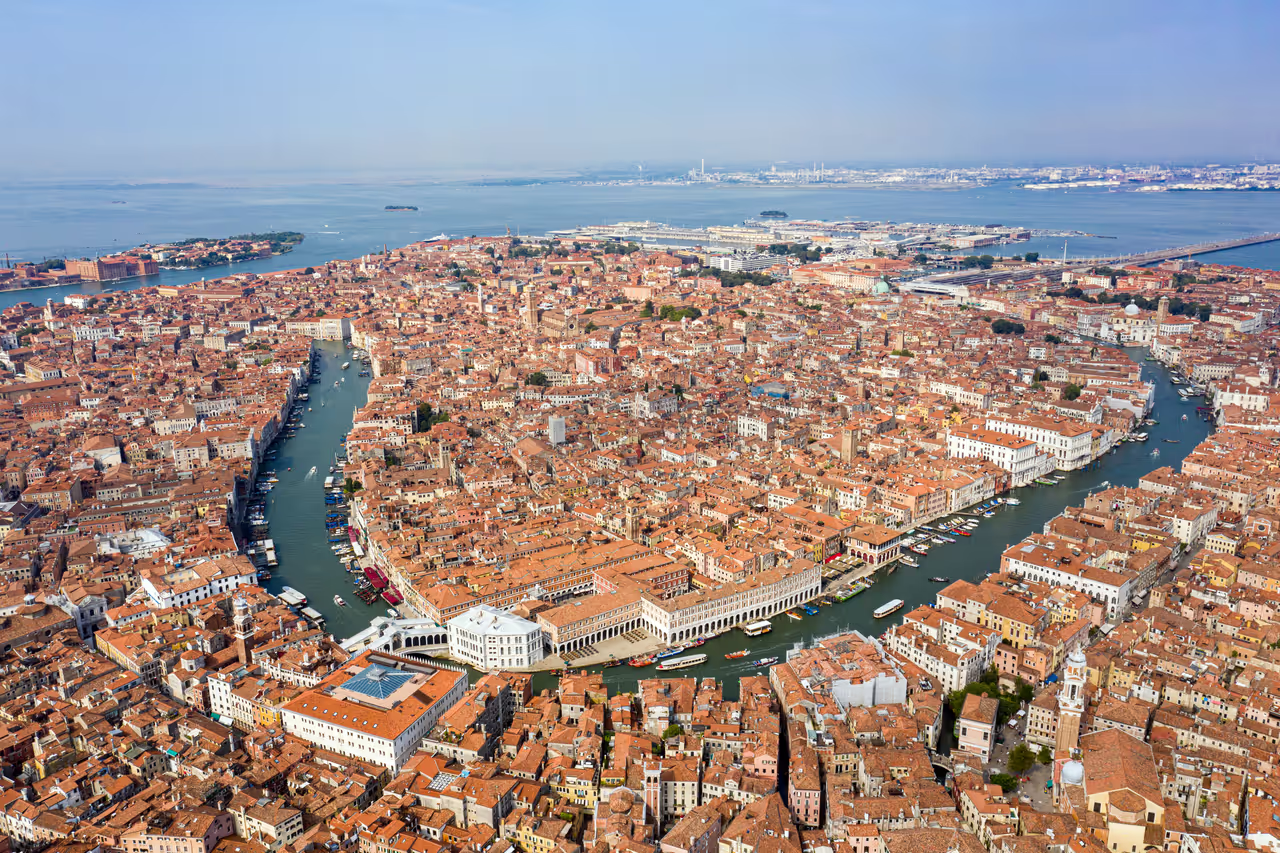
Venice is an architectural miracle suspended between the sky and the sea. Built upon millions of wooden pilings driven into marshy ground, this historic maritime republic feels like a living museum where shimmering canals replace asphalt roads. You will find yourself enchanted by the gentle lapping of water against ancient stone palaces and the soft echoing of footsteps through the narrowest of alleyways. Getting lost in its labyrinth of bridges and quiet piazzas is entirely part of the magic, revealing hidden artisan workshops and traditional wine bars along the way. The sheer artistic wealth left behind by centuries of prosperous merchants makes every corner visually breathtaking. It is a place that captures your heart instantly and invites you to slow down to the natural rhythm of the water.
Venice DNA
History of Venice
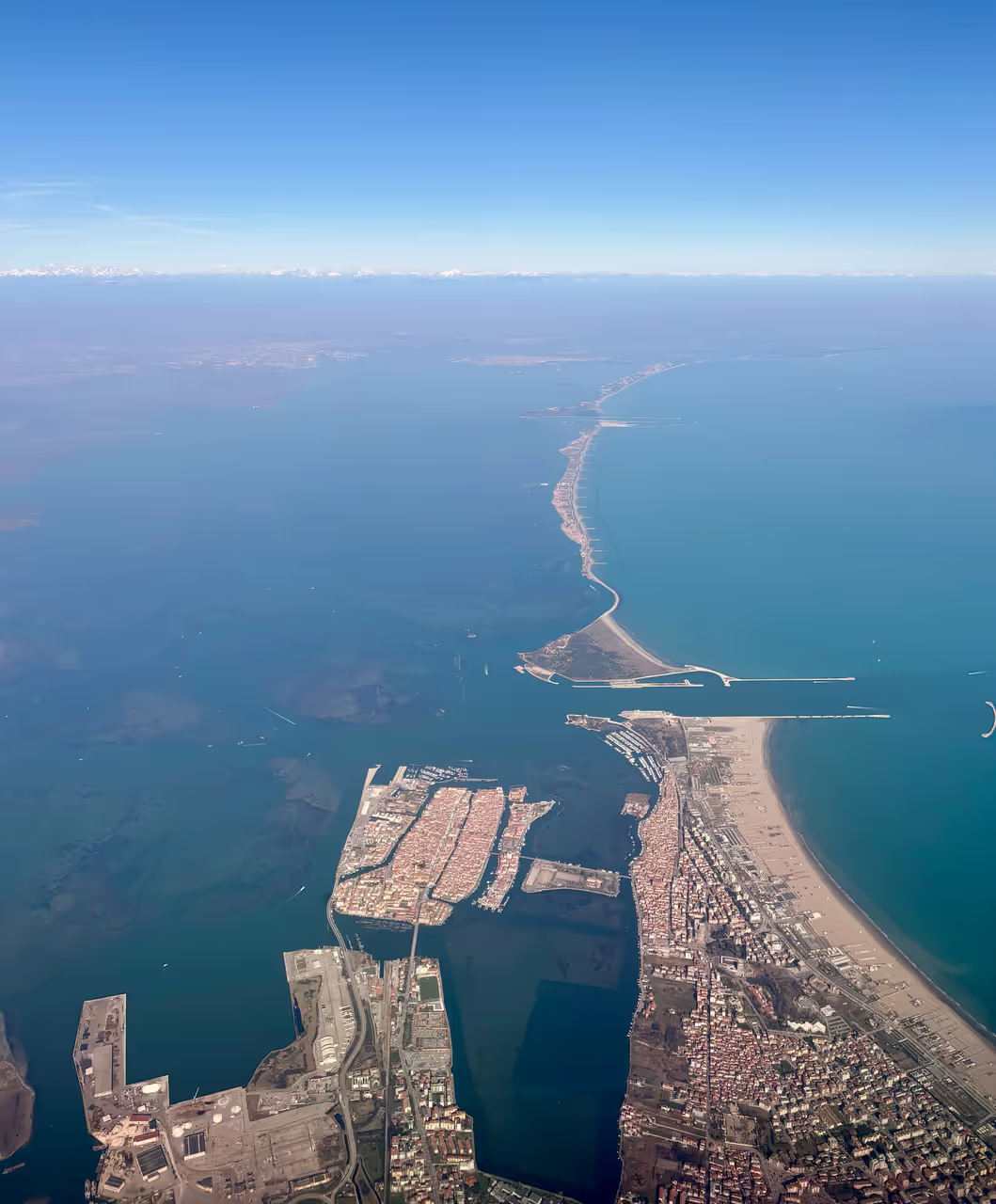
Residents of the mainland fled into the muddy lagoon during the fifth century to escape invading armies. They found safety among the shifting marshy islands. Building a permanent settlement required driving thousands of wooden poles deep into the unstable clay. These submerged foundations petrified in the oxygen deprived water. The resulting platform supported heavy stone palaces. Rialto officially became the capital of the republic in the year 821. Distance from both the Franks and the Byzantine Empire allowed a ruthless merchant class to thrive. During the Fourth Crusade in 1204, Enrico Dandolo orchestrated the brutal capture of Constantinople. His forces looted the Byzantine capital and dragged four bronze horses back to the lagoon. The republic expanded its control across the Adriatic coast and the Aegean islands. This maritime dominance funded the construction of increasingly elaborate marble architecture along the Canal Grande. Wealth poured into the hands of a few powerful families. Napoleon forced Doge Ludovico Manin to abdicate in 1797. The French immediately began altering the urban layout. They filled in the Sant'Anna canal to create the wide Via Garibaldi and demolished the Terranova granaries to build royal gardens. Austrian rule followed shortly after. The city finally joined the Kingdom of Italy following a plebiscite in 1866. Twentieth century priorities shifted toward industrial expansion. The construction of the Liberty Bridge in 1933 introduced road traffic to the western edge of the islands. Heavy manufacturing at Porto Marghera drew workers away from the historic centre. Extreme flooding in 1966 forced the government to confront the sinking ground. The modern MOSE project now raises yellow steel barriers at the lagoon inlets to block the sea.
15 Events spanning 1599 years
Map of Venice
Interactive Destination & Itinerary Map
This map blends our curated city guides—featuring best photo spots, scenic walks, viewpoints, hidden gems and much more—with a live Wikipedia explorer. Click on our numbered pins to plan your routes, or zoom in on the surrounding neighborhoods to discover verified local landmarks, museums, and stories with dynamic Wikipedia summaries and photos!
Fun Facts
- • The entire historic centre is supported by millions of petrified wooden logs driven deep into the marshy ground centuries ago.
- • The narrowest street in the city, known as Calletta Varisco, is a mere 53 centimetres wide at chest height.
- • The word quarantine originates here from the historic practice of keeping arriving ships waiting forty days before docking to prevent the spread of the plague.
- • There are over four hundred individual bridges connecting the 118 small islands that make up the central district.
- • Gondolas are painted completely black by law, a regulation introduced in the sixteenth century to stop wealthy nobles from trying to outdo each other with extravagant boat decorations.
Did You Know?
- • The historic Arsenal was arguably the world's first true factory complex, capable of producing a fully equipped warship in a single day during its absolute peak.
- • The republic operated as a completely independent sovereign state for over a millennium, making it one of the longest lasting republics in human history.
- • Elena Lucrezia Cornaro Piscopia, who hailed from a noble local family, is widely considered the first woman in the world to ever receive a university degree.
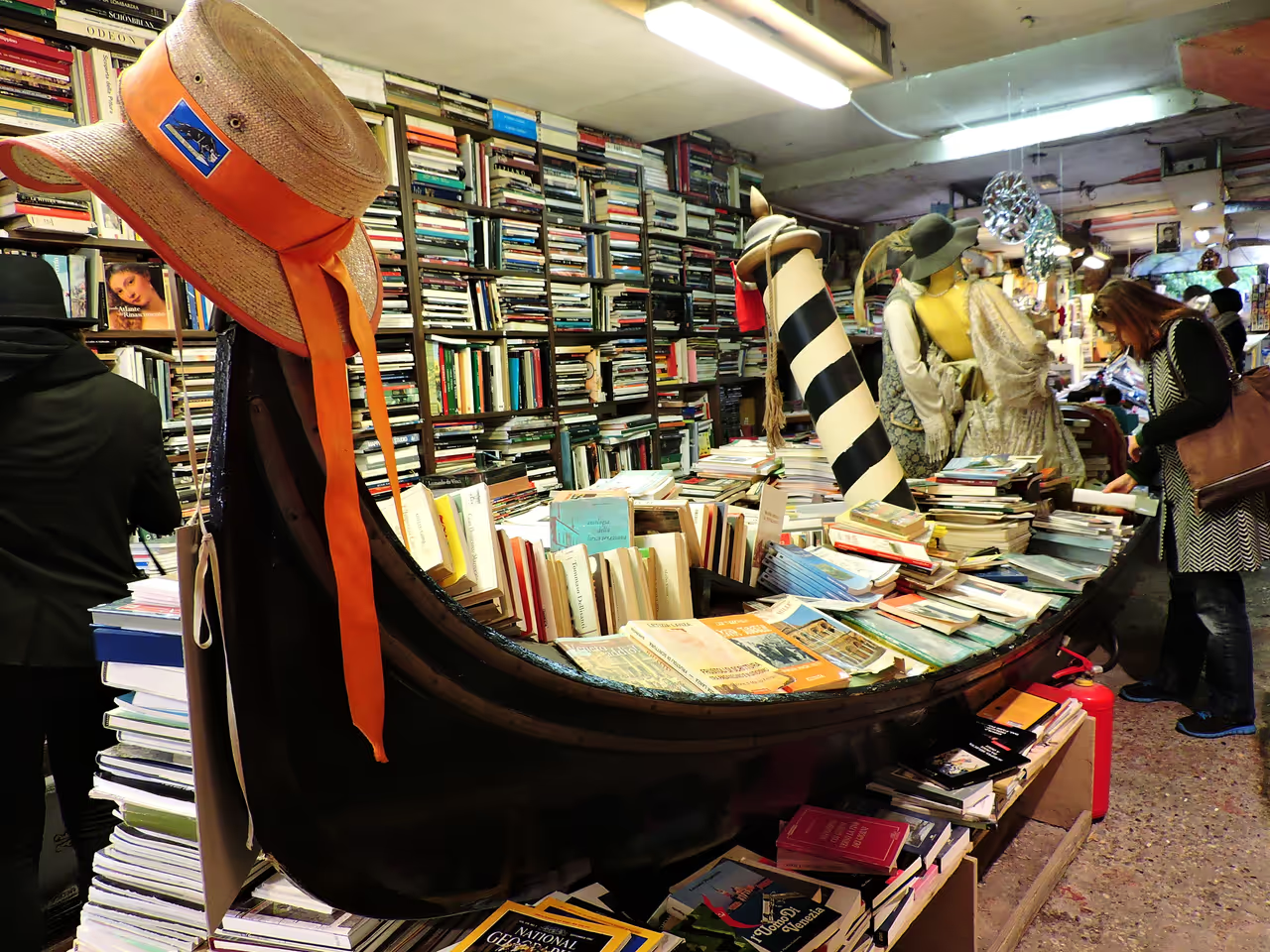
- • The city was a pioneering powerhouse for book printing during the Renaissance, where the famous Aldus Manutius invented both italic type and the pocket book format.
- • The MOSE project is an incredible modern engineering feat consisting of 78 mobile gates designed to temporarily isolate the entire lagoon from the Adriatic Sea during extreme high tides.
Videos of Venice
Seasons
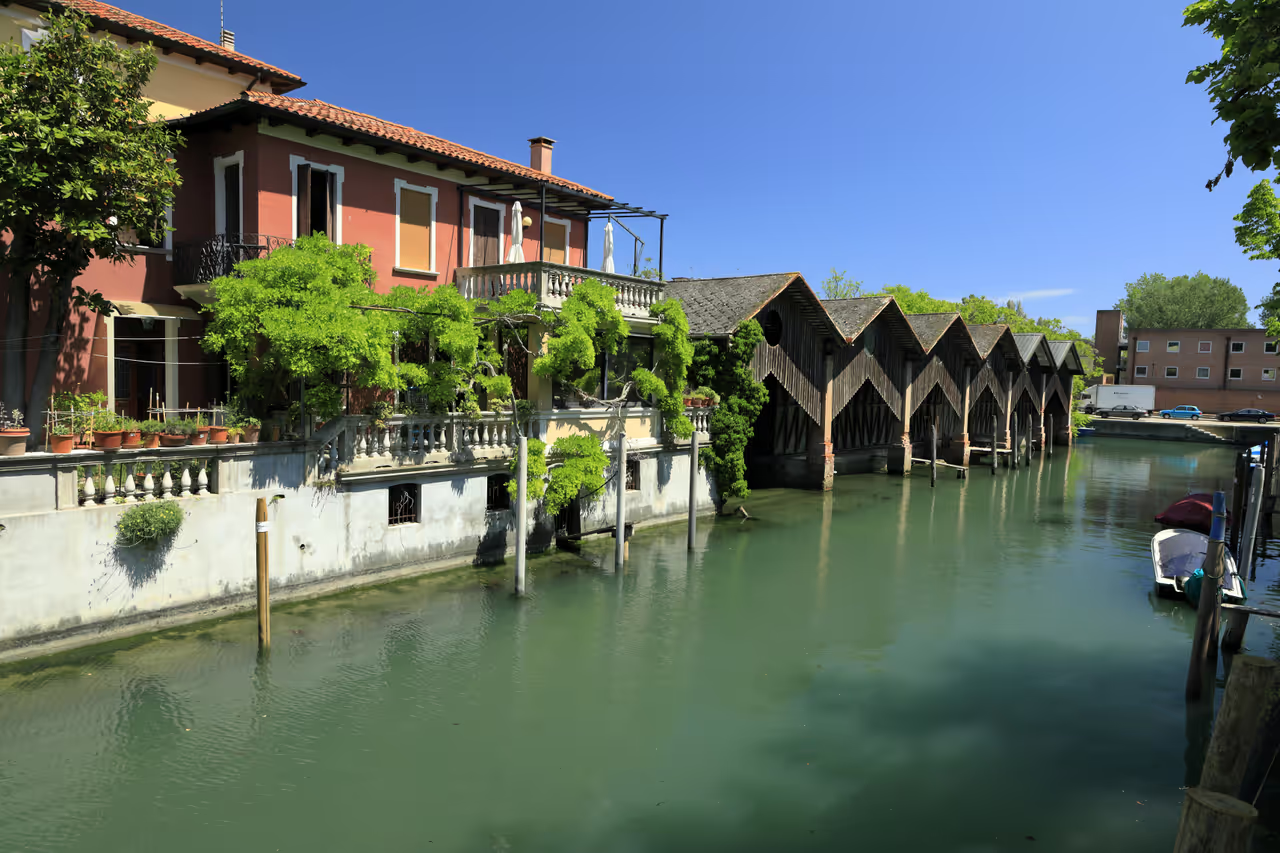
Spring
This is widely considered the most beautiful time to explore the lagoon. The weather warms up to a comfortable and breezy...
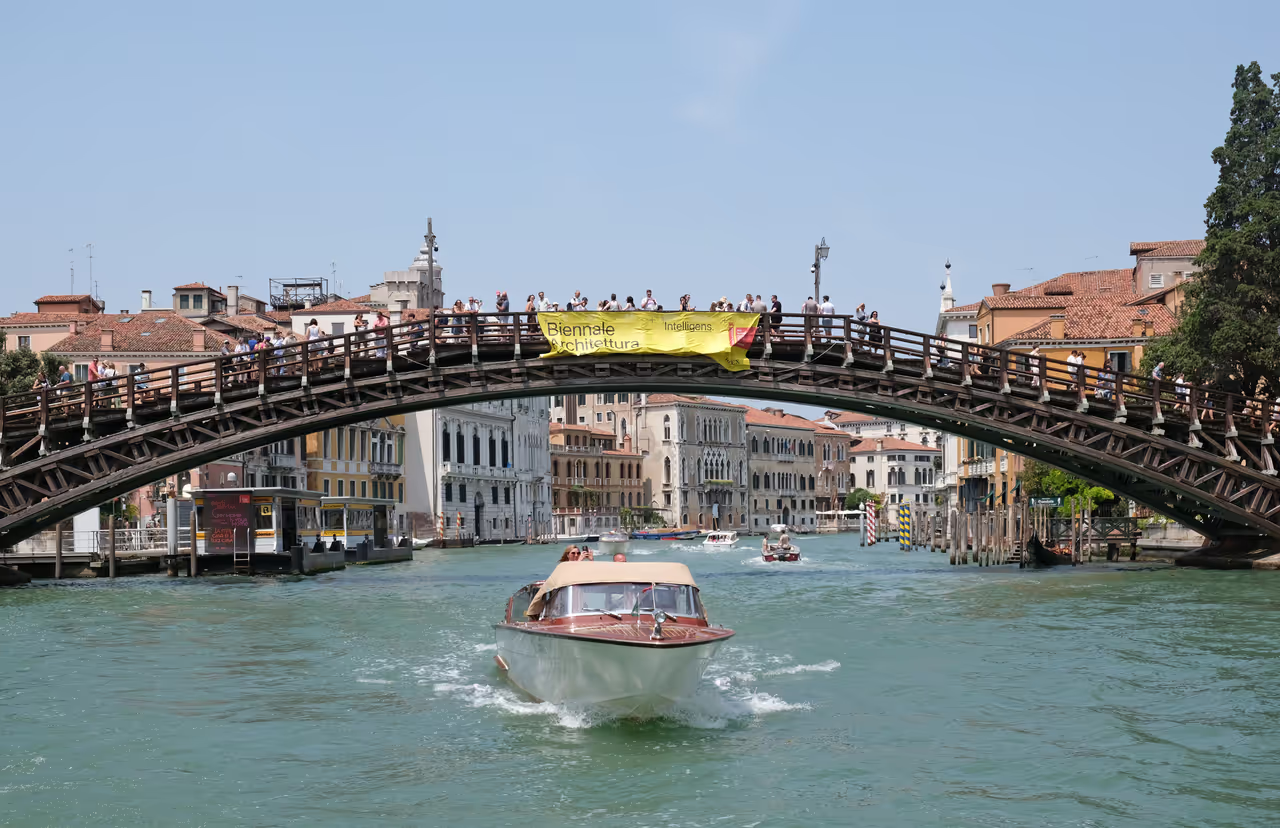
Summer
The city bursts into intense energy during these months, with temperatures averaging twenty three degrees and often feeling much...
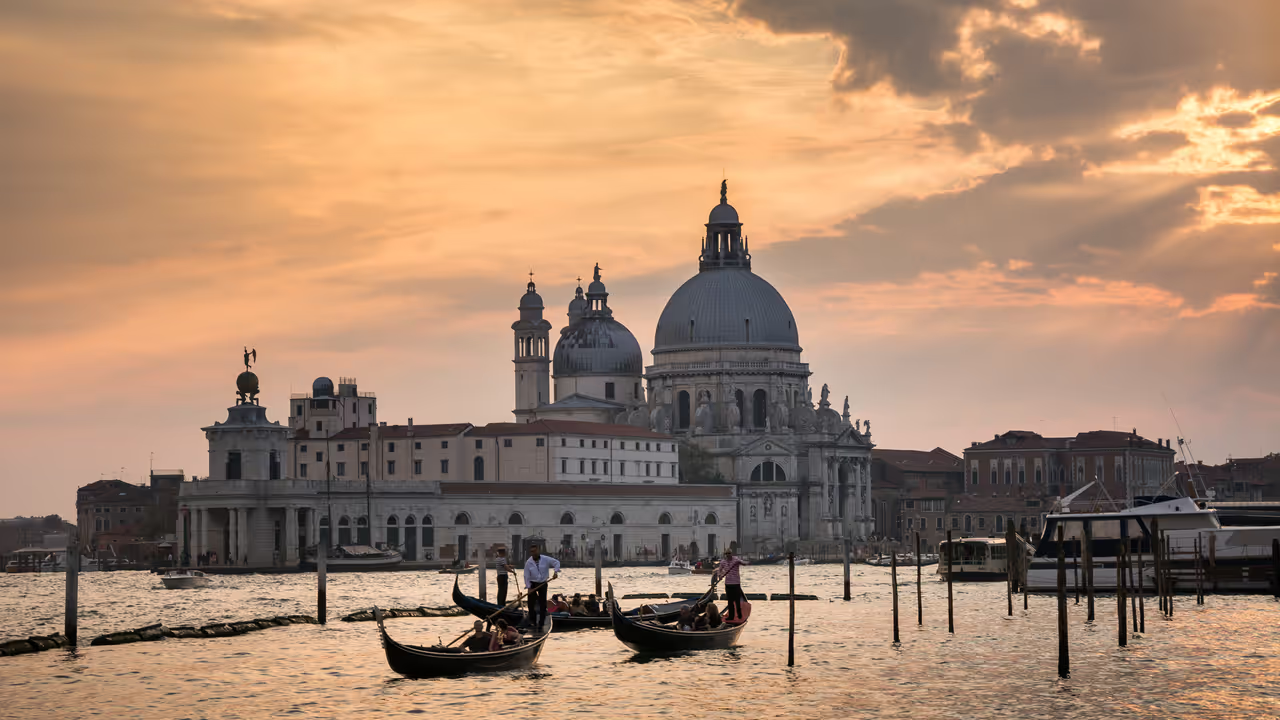
Autumn
A deeply atmospheric and romantic time to visit, as the harsh summer heat fades to a mild fourteen degrees. The golden autumn...
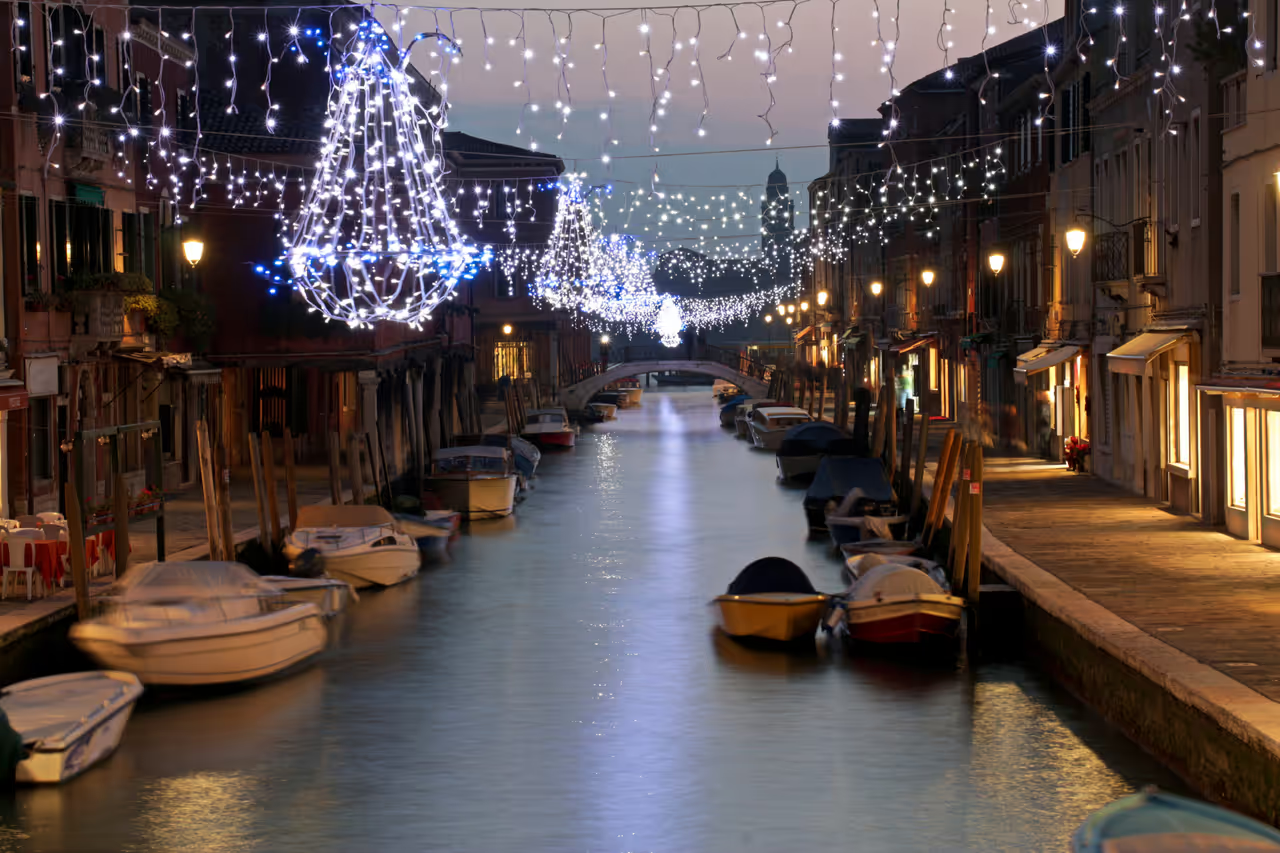
Winter
The city transforms into a quiet, hauntingly beautiful landscape wrapped in chilly mists, with temperatures hovering around four...
Top Attractions in Venice
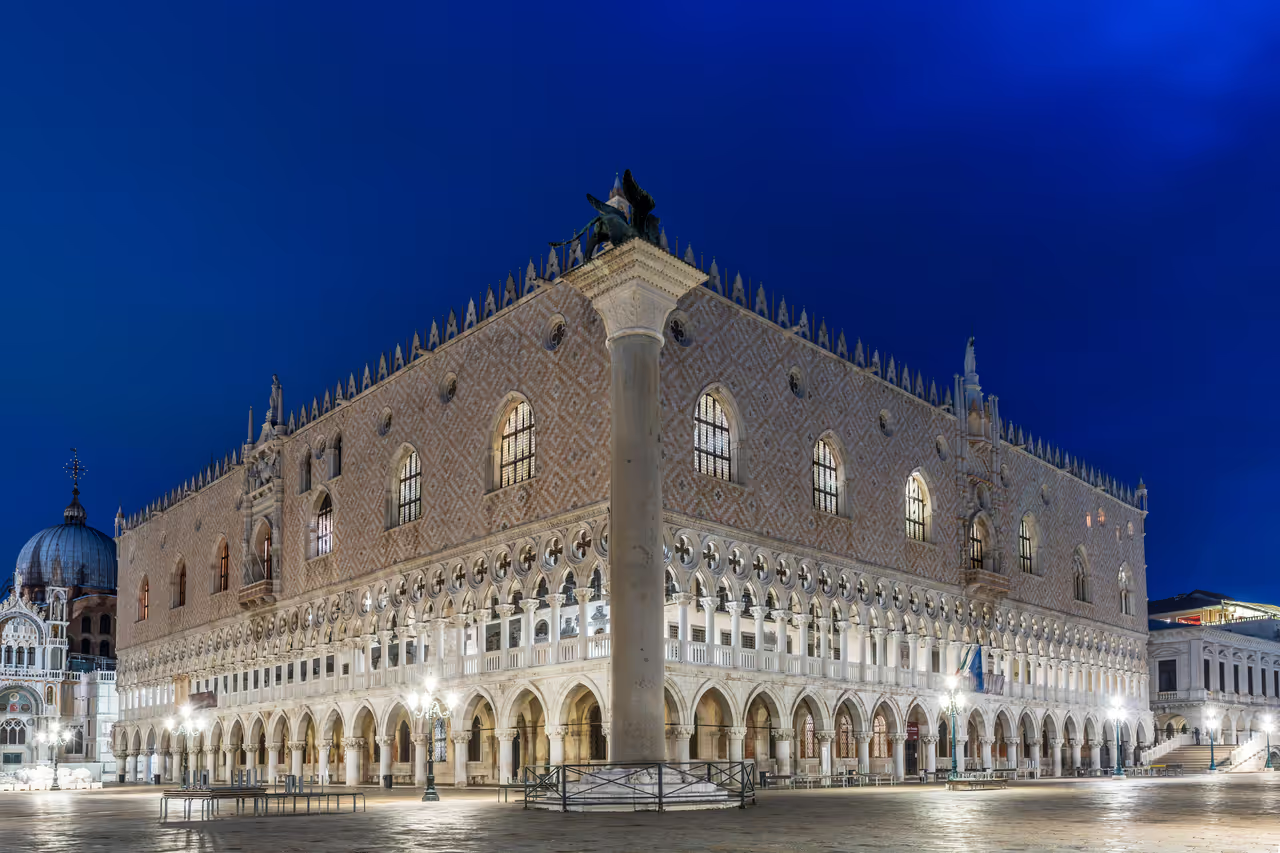
Doge's Palace
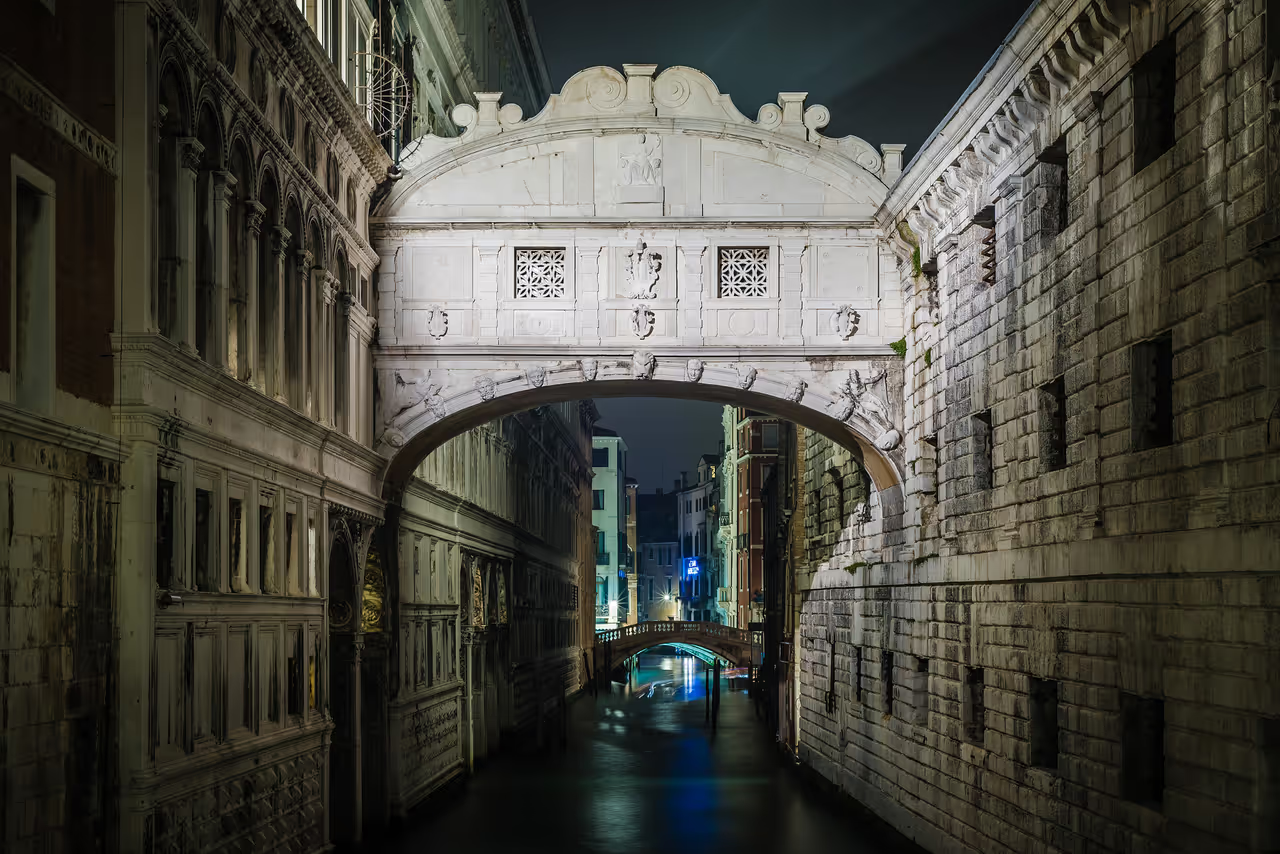
Standing as a magnificent testament to the power of the Venetian Republic, this Gothic masterpiece is the definitive symbol of...
view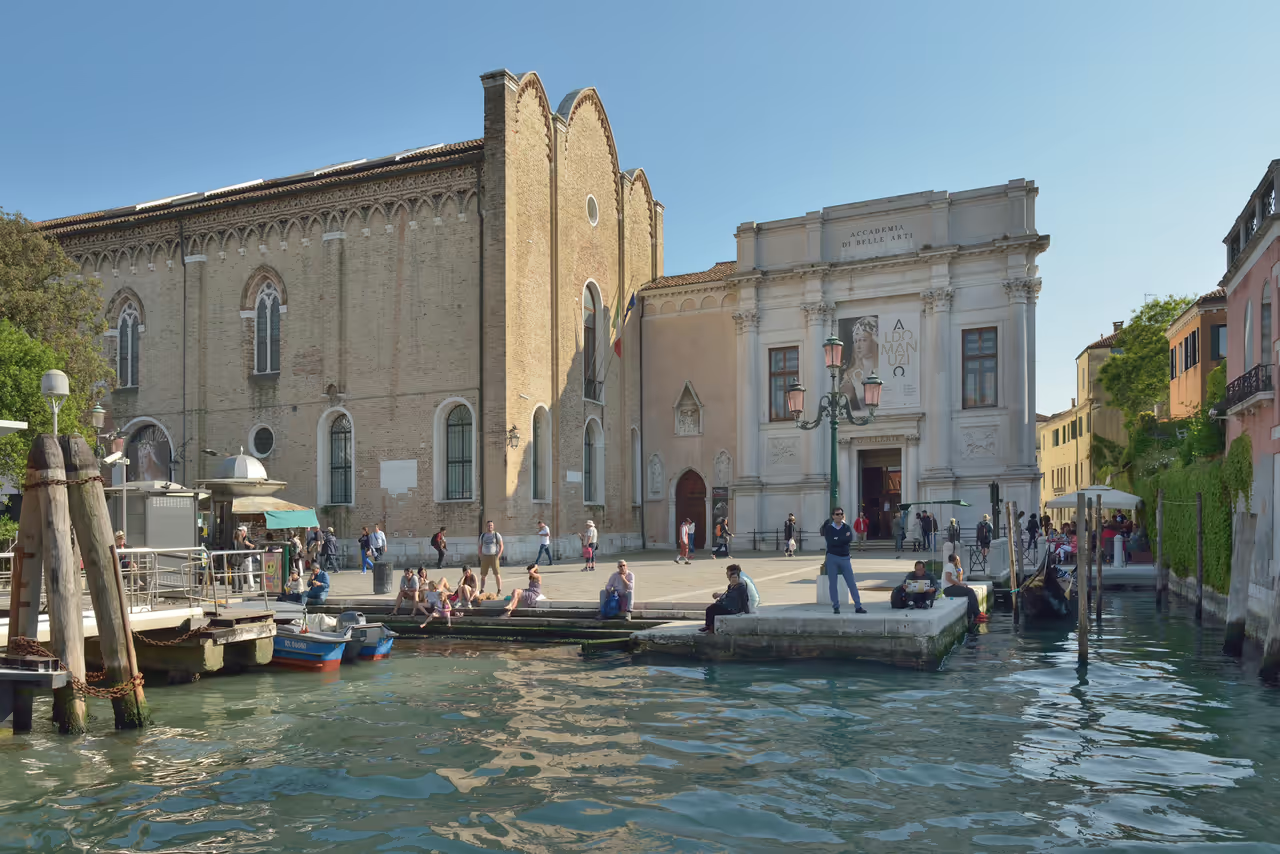
Gallerie dell'Accademia
The Gallerie dell'Accademia serves as the ultimate sanctuary for Venetian art, housing an unparalleled collection that charts...
view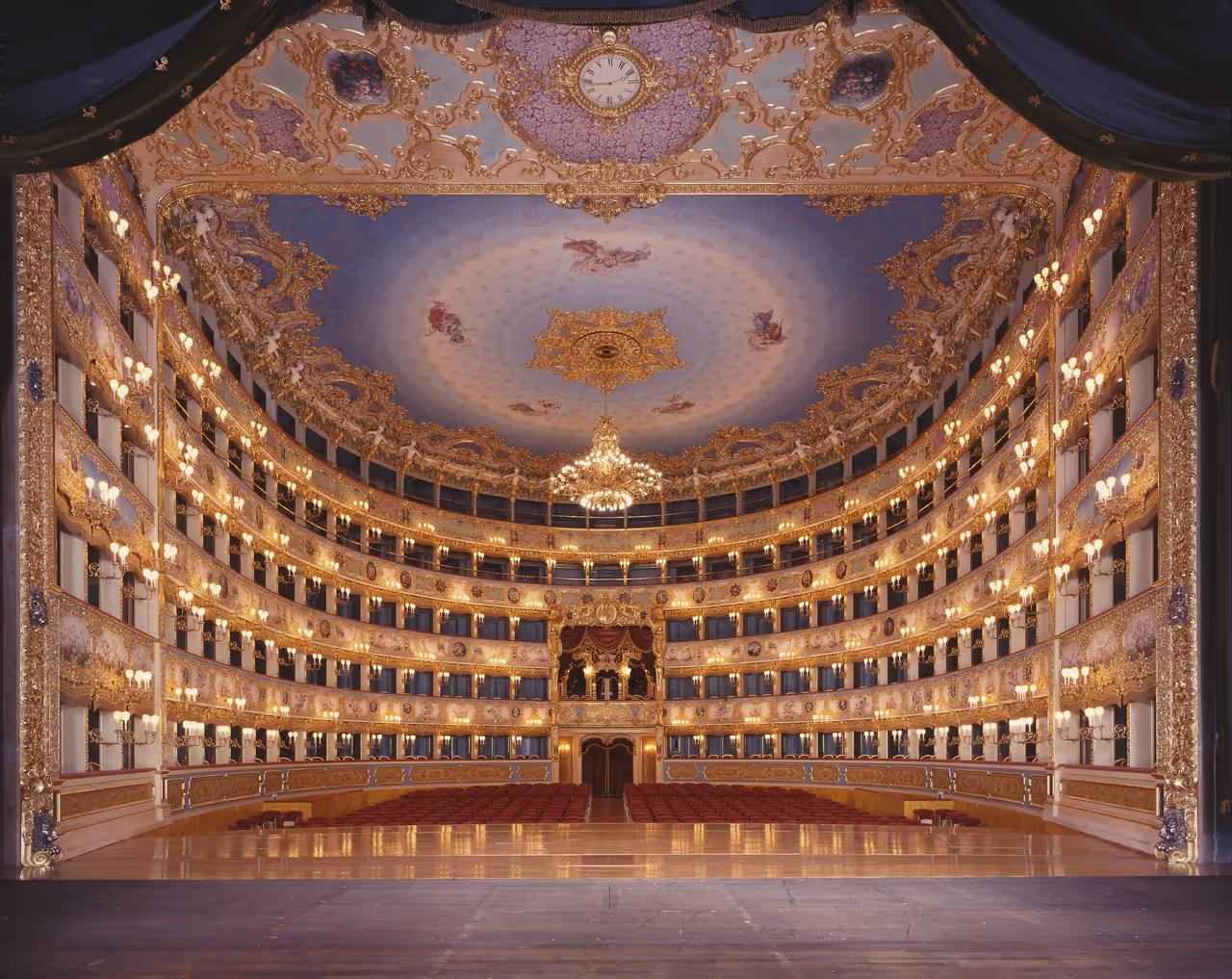
Gran Teatro La Fenice
Gran Teatro La Fenice is much more than a world-renowned opera house; it is a triumphant symbol of Venetian resilience. Its...
view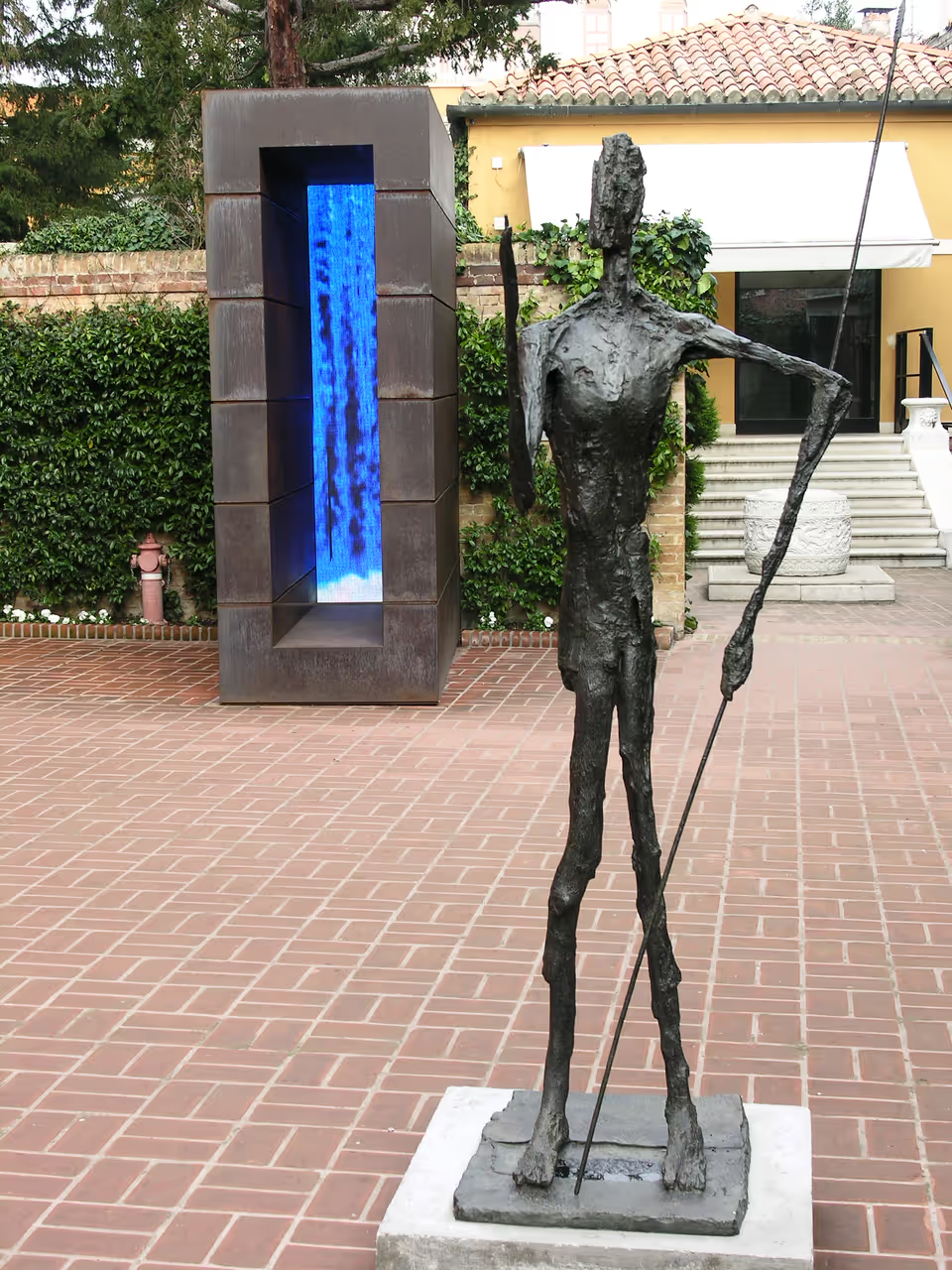
Peggy Guggenheim Collection
The Peggy Guggenheim Collection offers an unparalleled journey into the world of modern art, housed within the stunning walls of...
view
Best Views
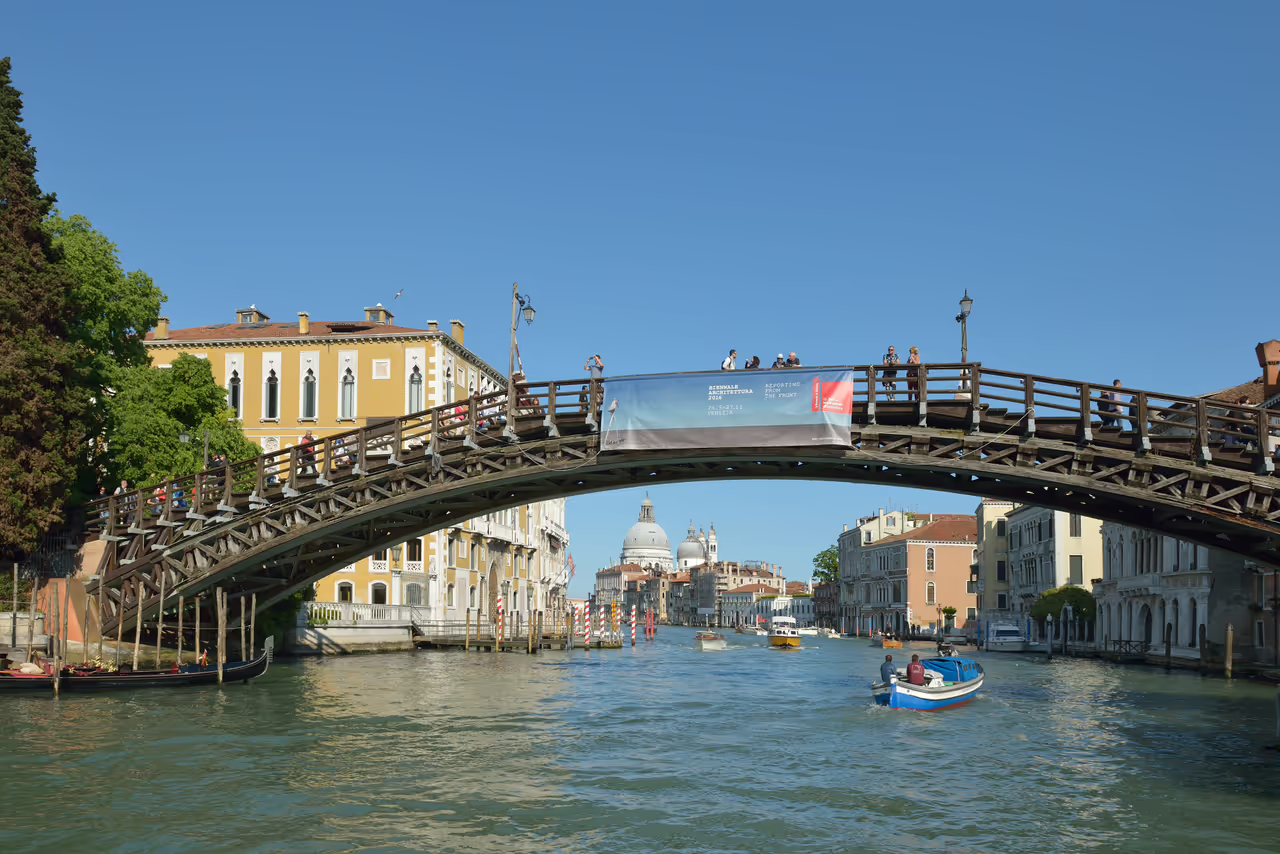
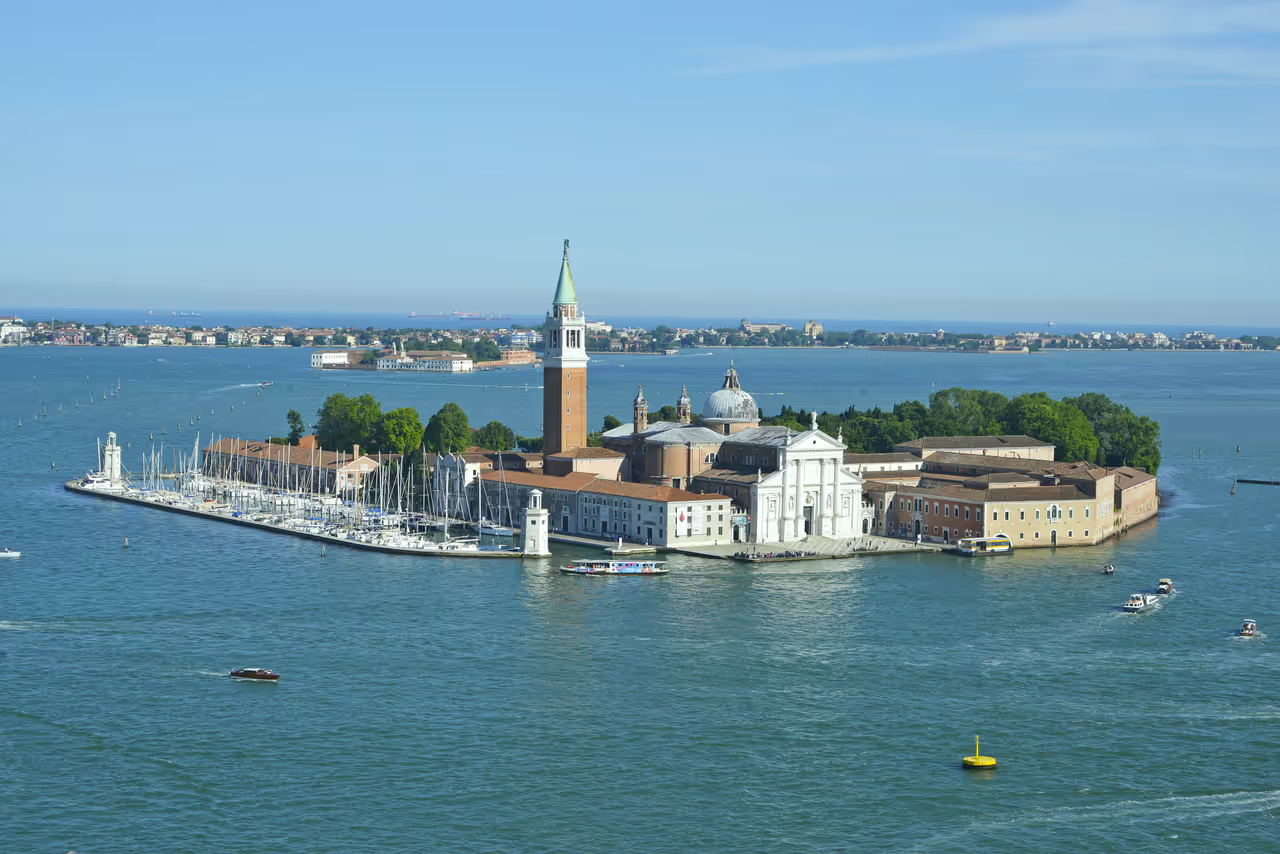
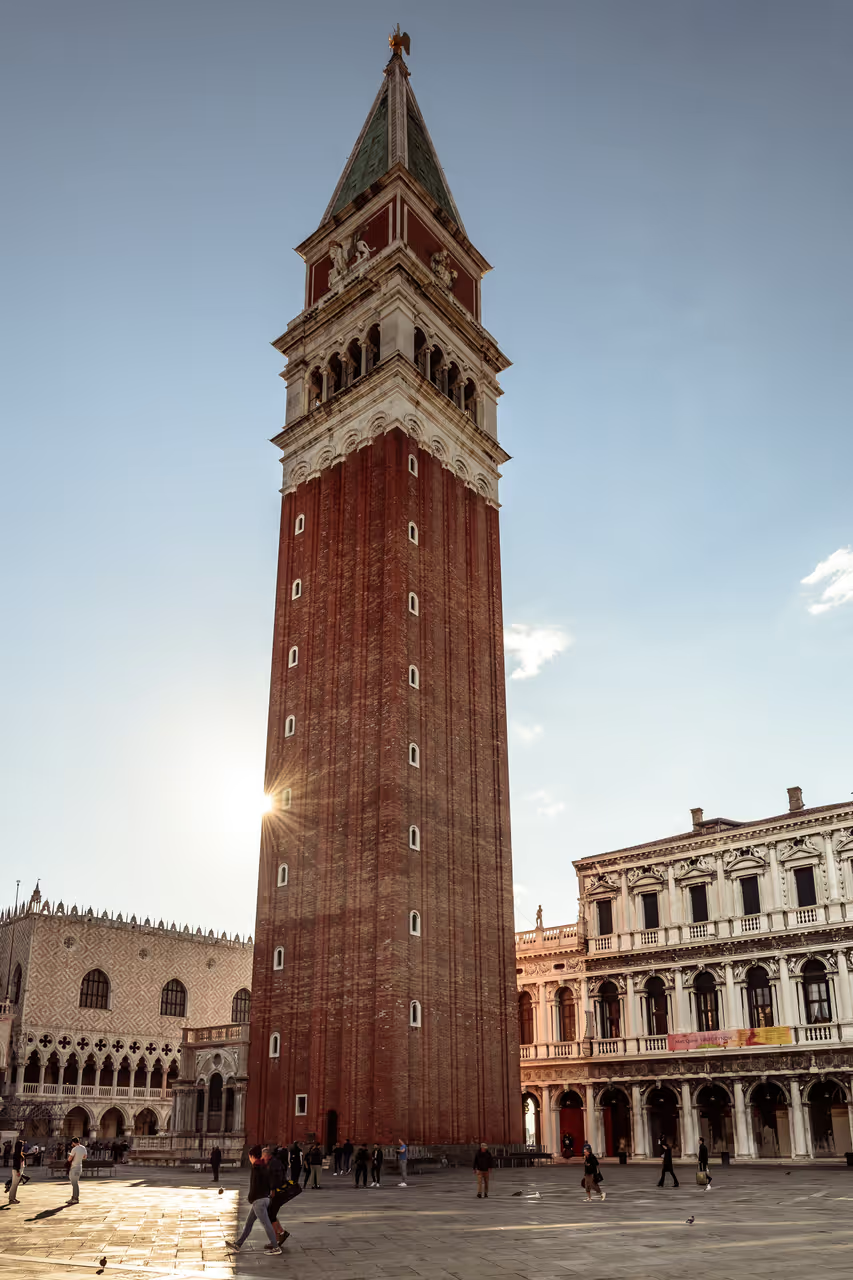
Venice Itineraries
TRIP PLANNER
4 Days Recommended
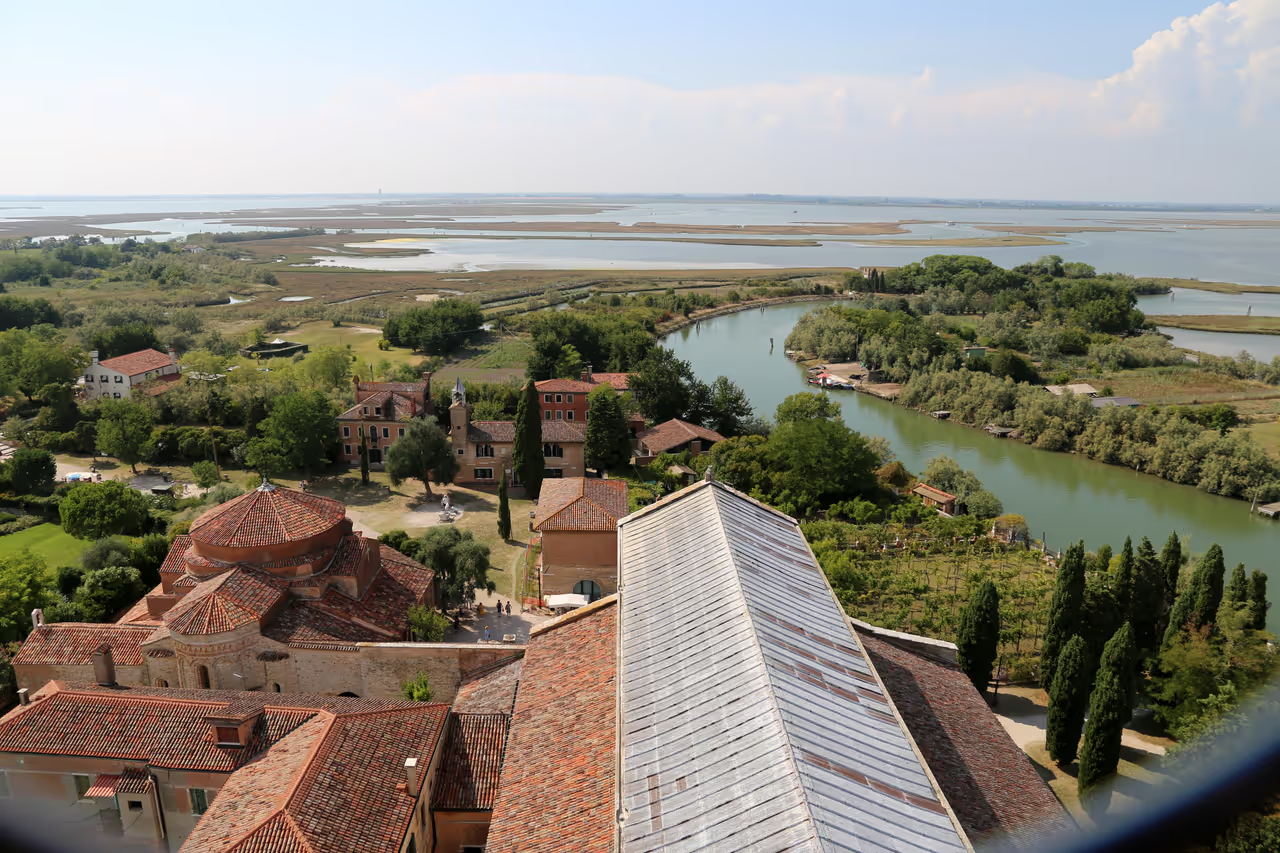
Four days provides enough time to see the monumental landmarks around St Mark's Square without rushing. It also leaves ample opportunity to dedicate a full day to exploring the outer islands of Murano and Burano. You will have plenty of spare hours to simply wander the quiet residential districts and enjoy leisurely meals.
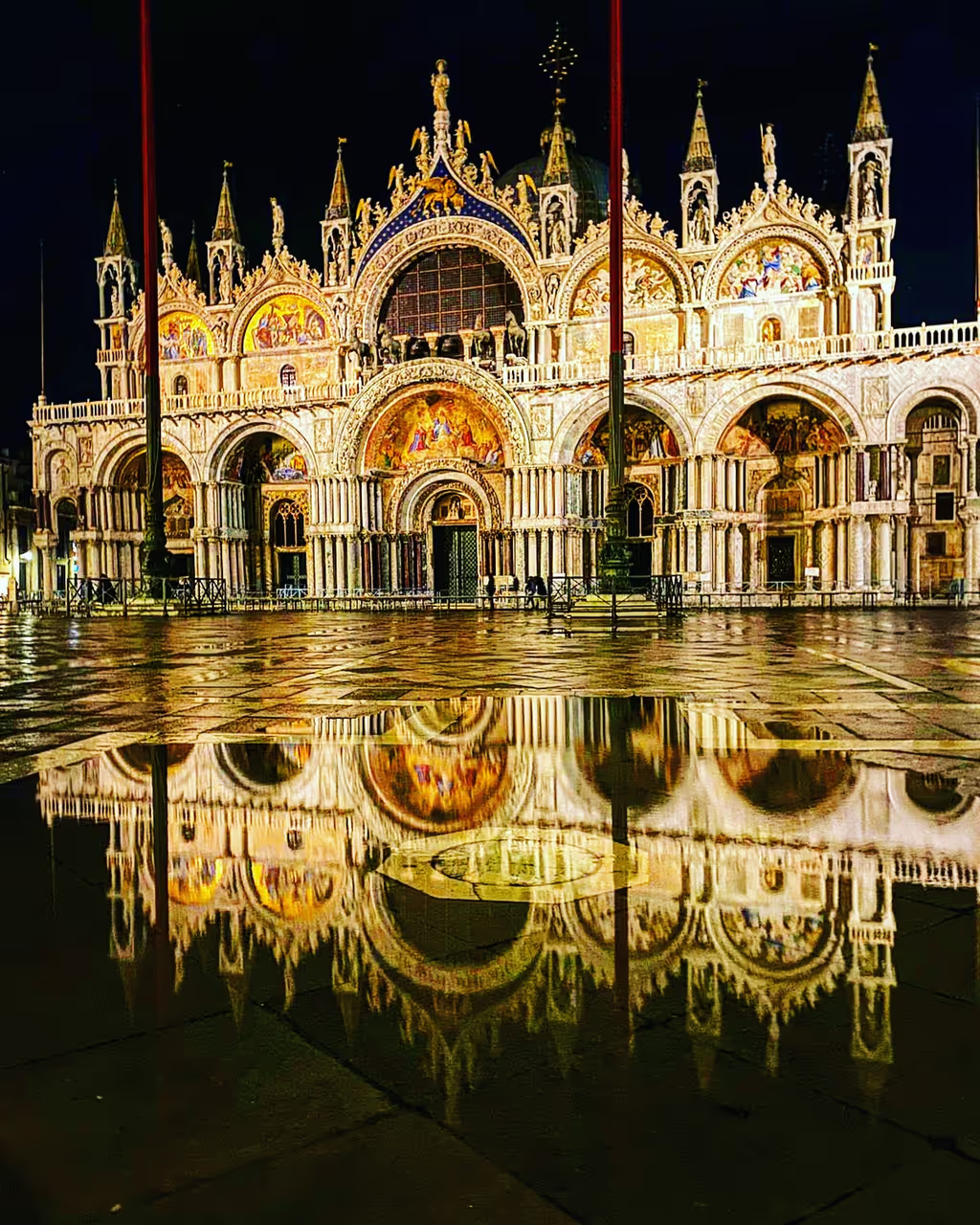
1 Day in Venice Itinerary
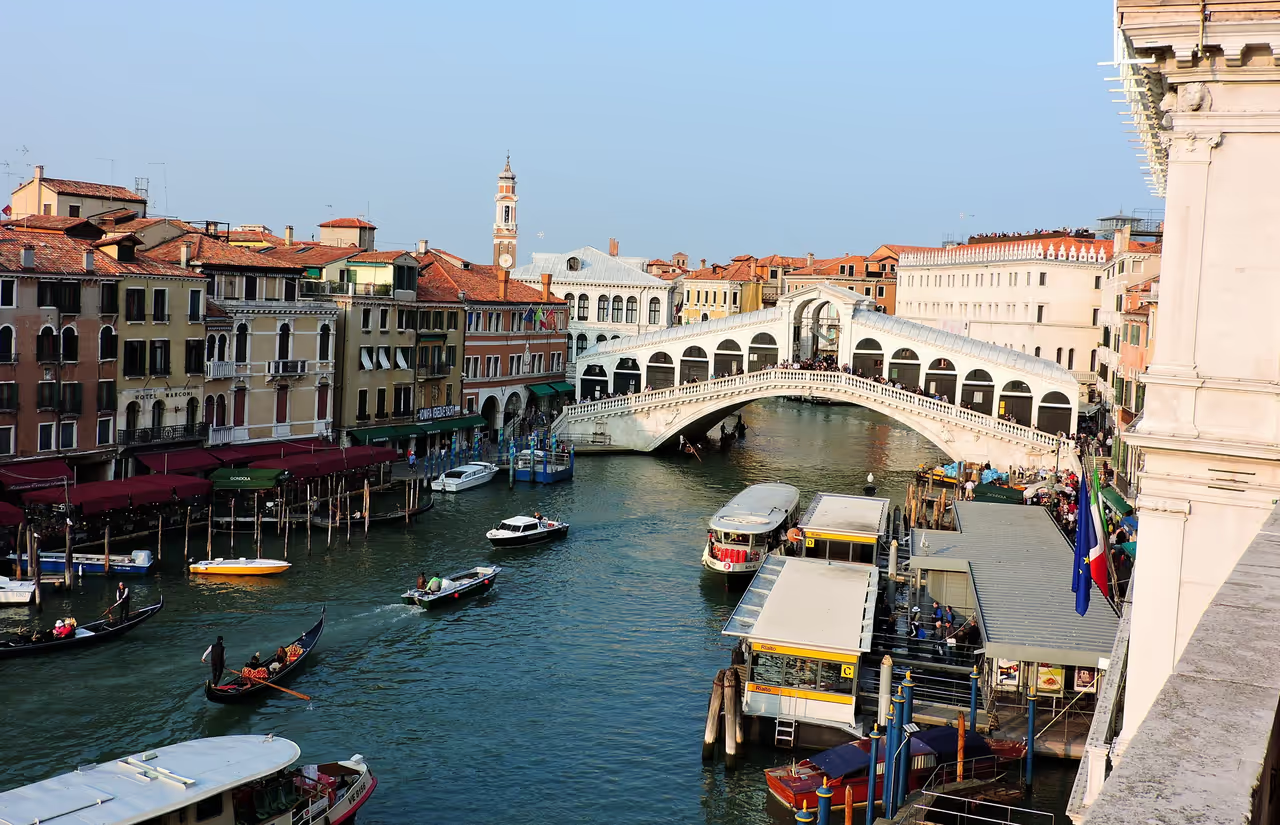
If you only have one day, this fast paced itinerary covers the absolute highlights of the historic republic. You will experience the sheer majesty of the central squares, marvel at the incredible Byzantine and Gothic architecture, and witness the bustling energy of the ancient markets. By utilizing the public water buses, you will also grasp the breathtaking scale of the palaces lining the main waterway. It is designed to deliver maximum visual impact and historical understanding in a short timeframe. Expect a thrilling, unforgettable introduction to the lagoon city.
view itinerary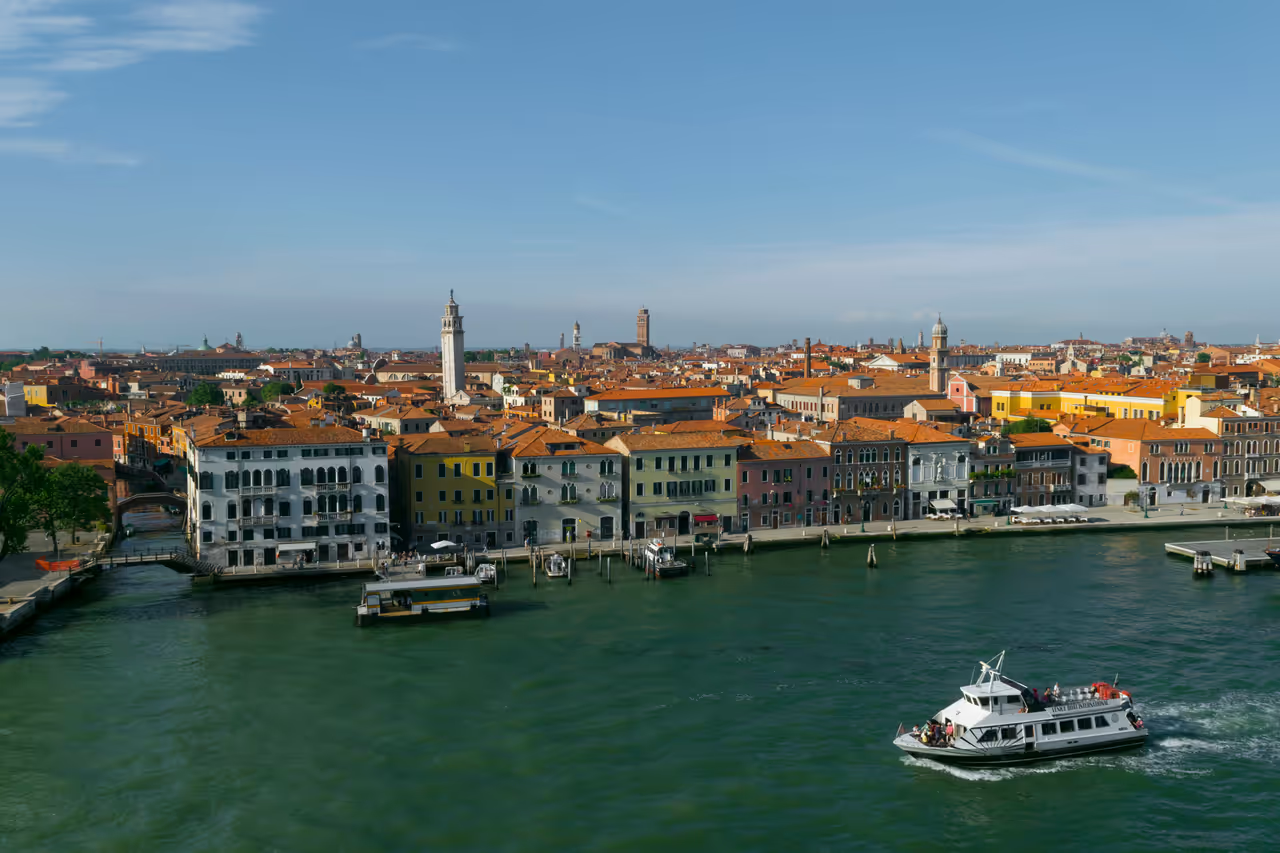
3 Days in Venice: Art and Water Itinerary
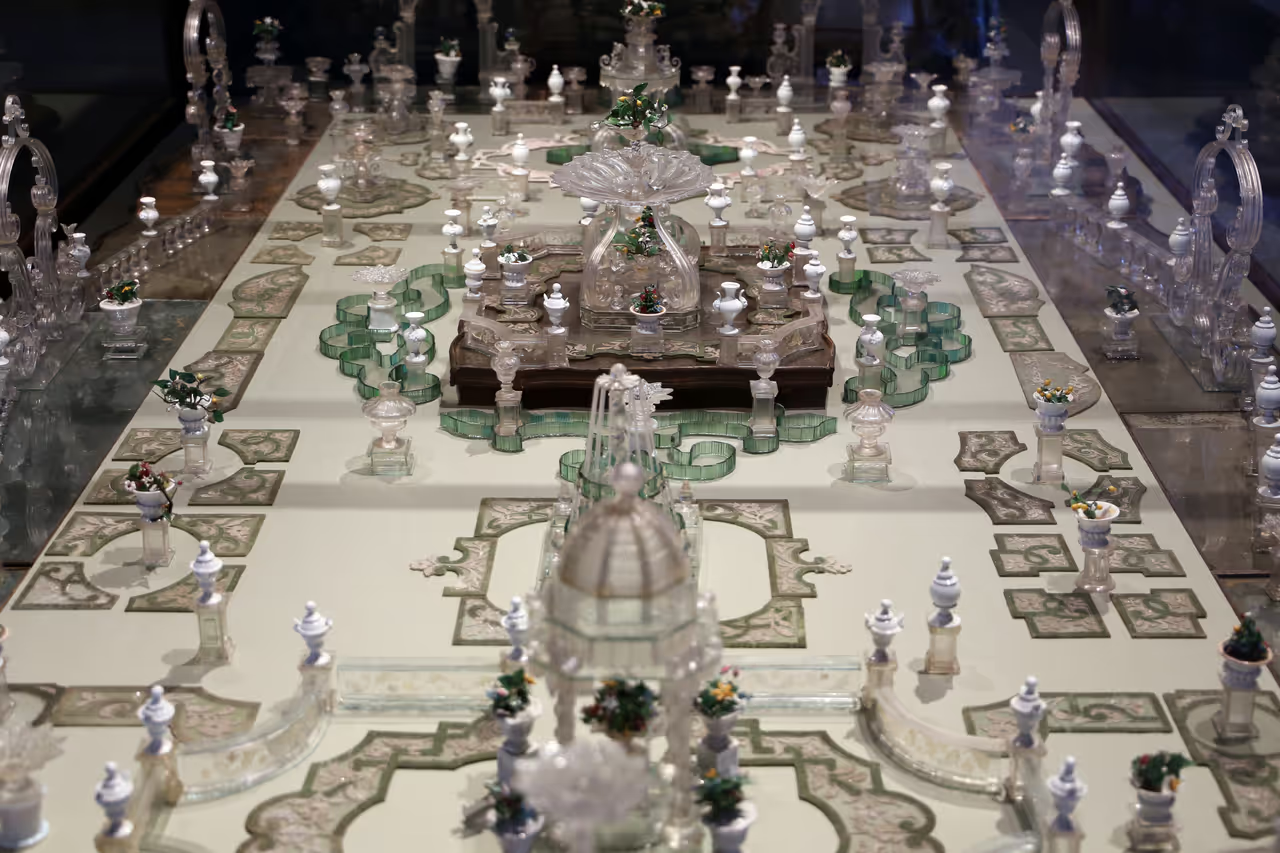
This balanced three day journey allows you to look beyond the immediate centre and explore the incredible artistic legacy of the surrounding districts. You will conquer the grand monuments on the first day, followed by a deep dive into world class art galleries and the bohemian atmosphere of the southern waterfront. The final day takes you off the main islands to discover the vibrant colours and historic crafts of the wider lagoon. It strikes the perfect balance between hitting the major sights and enjoying relaxed, authentic local experiences. You will leave with a profound appreciation for the city's diverse character.
view itinerary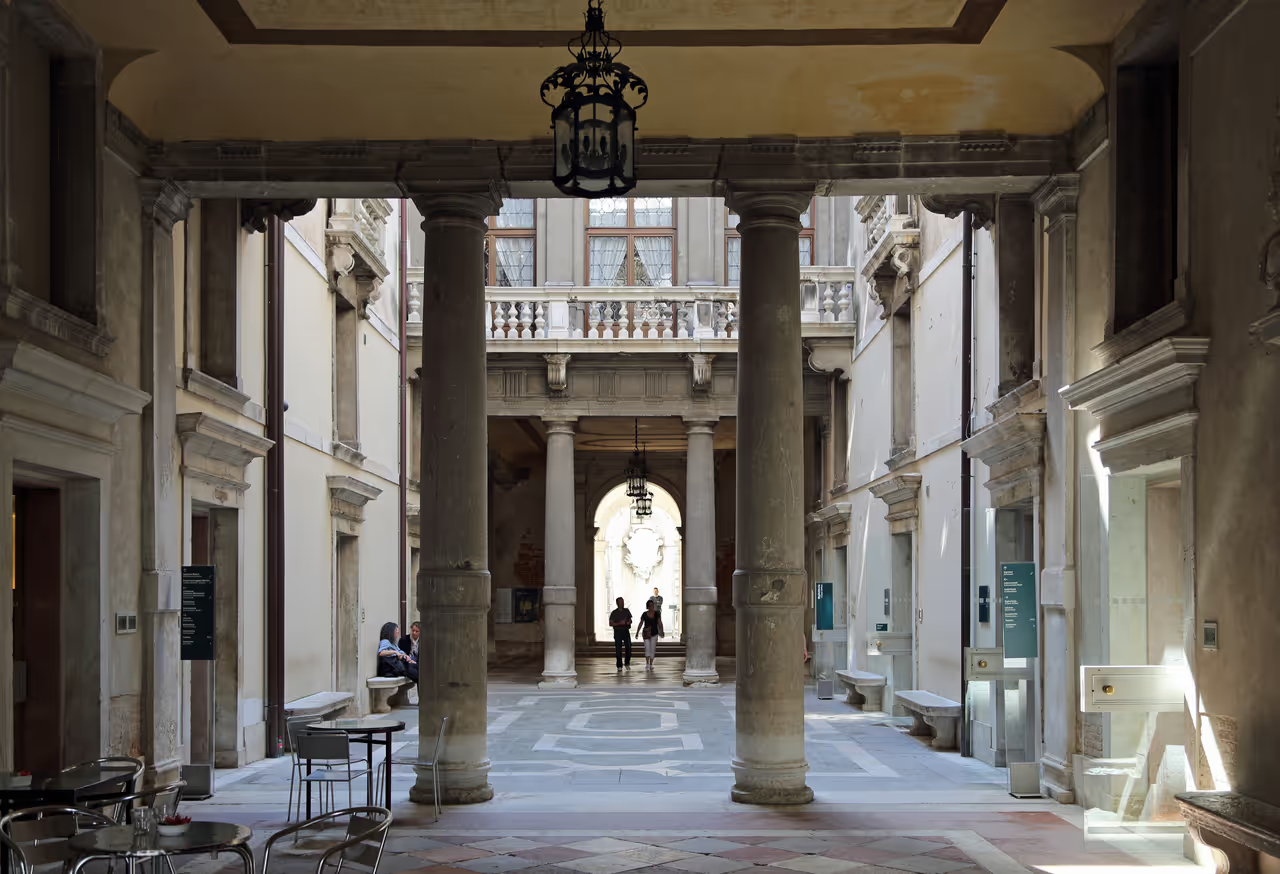
5 Days in Venice Itinerary
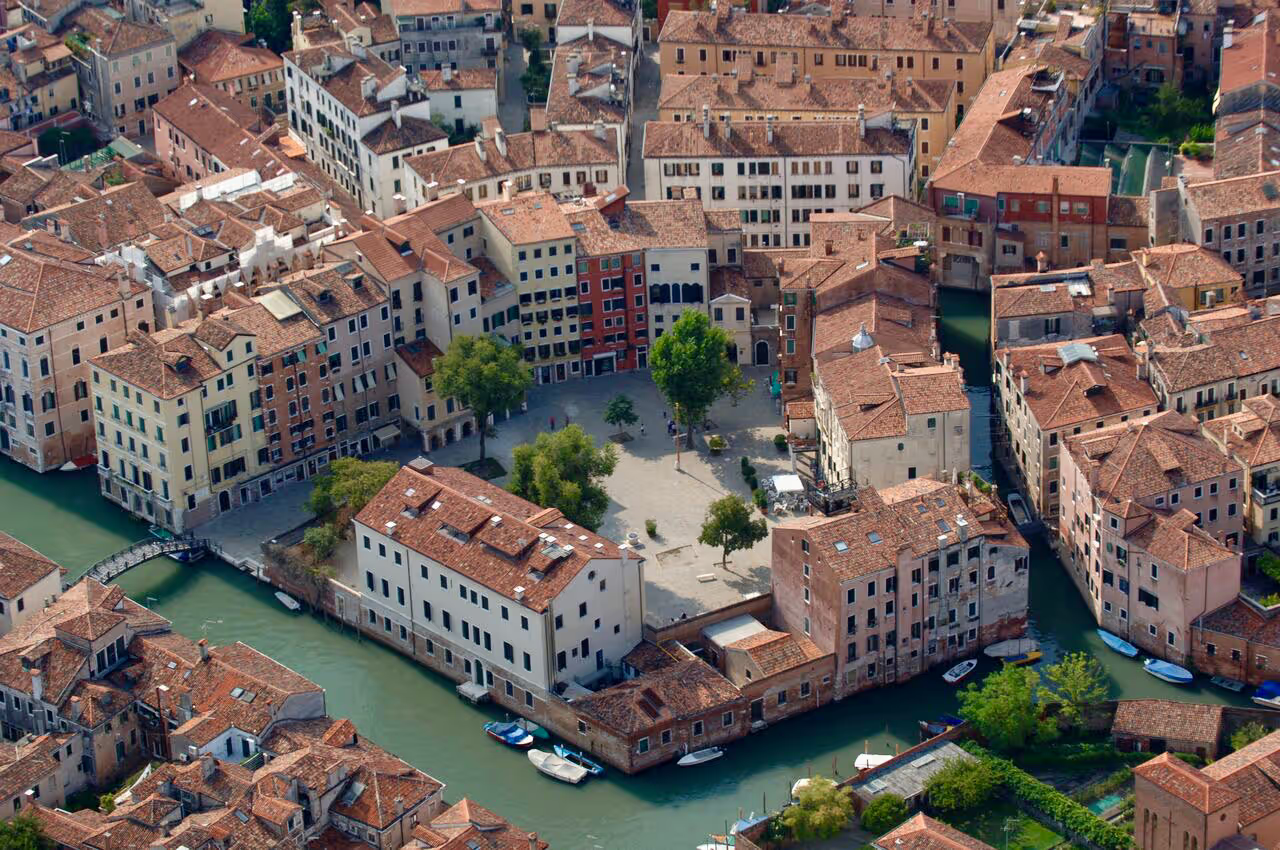
A comprehensive five day immersion allows you to truly sync with the slow, watery rhythm of the old republic. Beyond the essential monuments and famous outer islands, you will have time to discover incredibly peaceful hidden courtyards, historic ghettos, and majestic baroque palaces. This extended time frame permits leisurely evenings enjoying the local wine bar culture and quiet mornings appreciating panoramic waterfront views before the crowds arrive. It transforms a standard tourist visit into a deep, cultural exploration of residential life and artistic mastery. This is the ultimate way to understand the complex soul of the city.
view itinerary
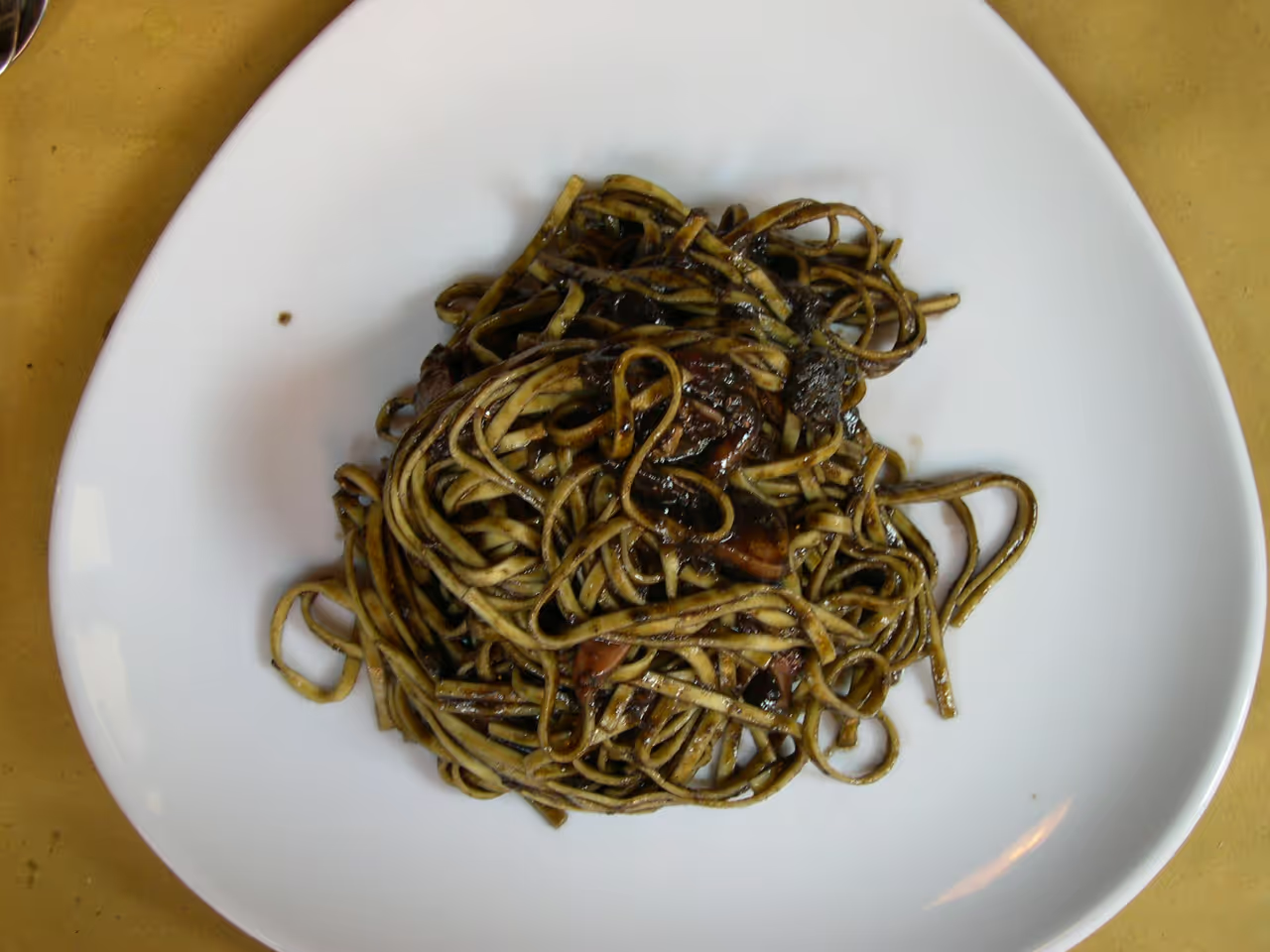
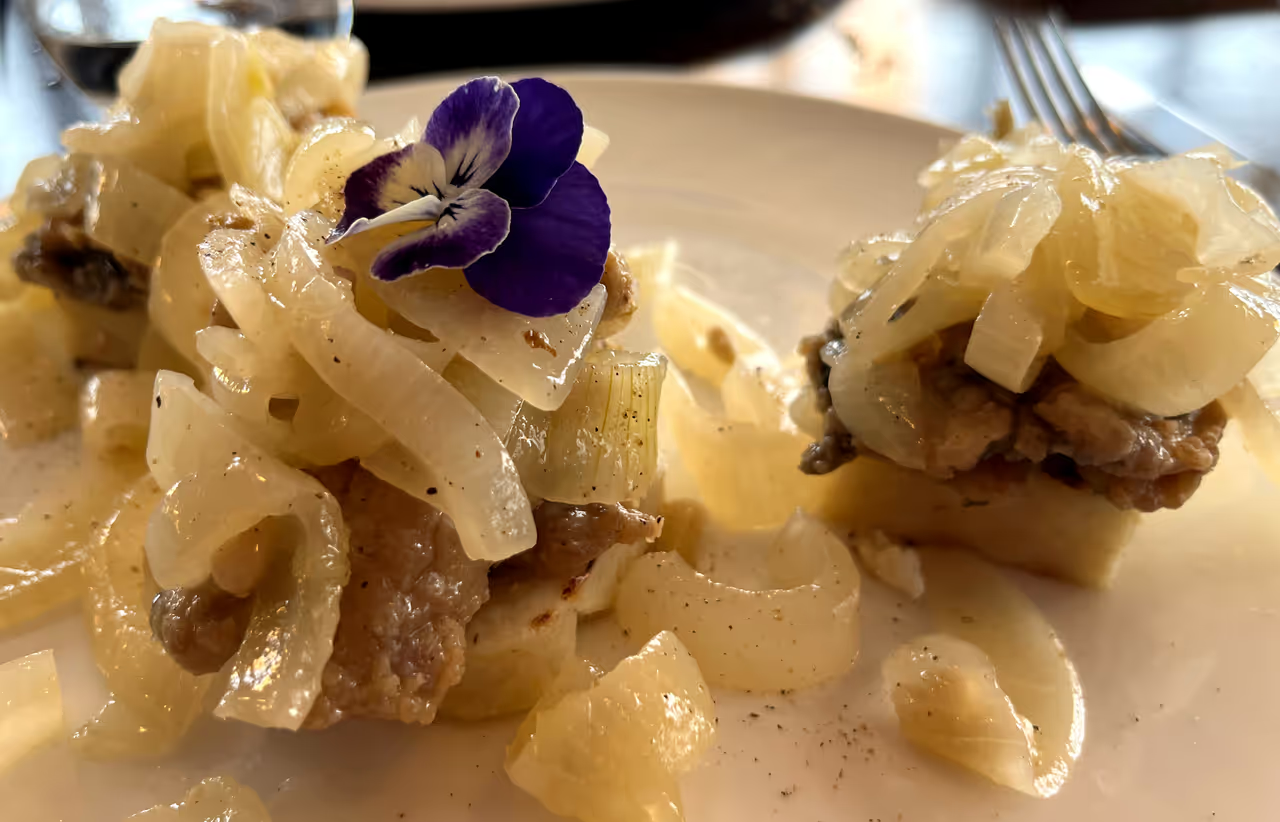
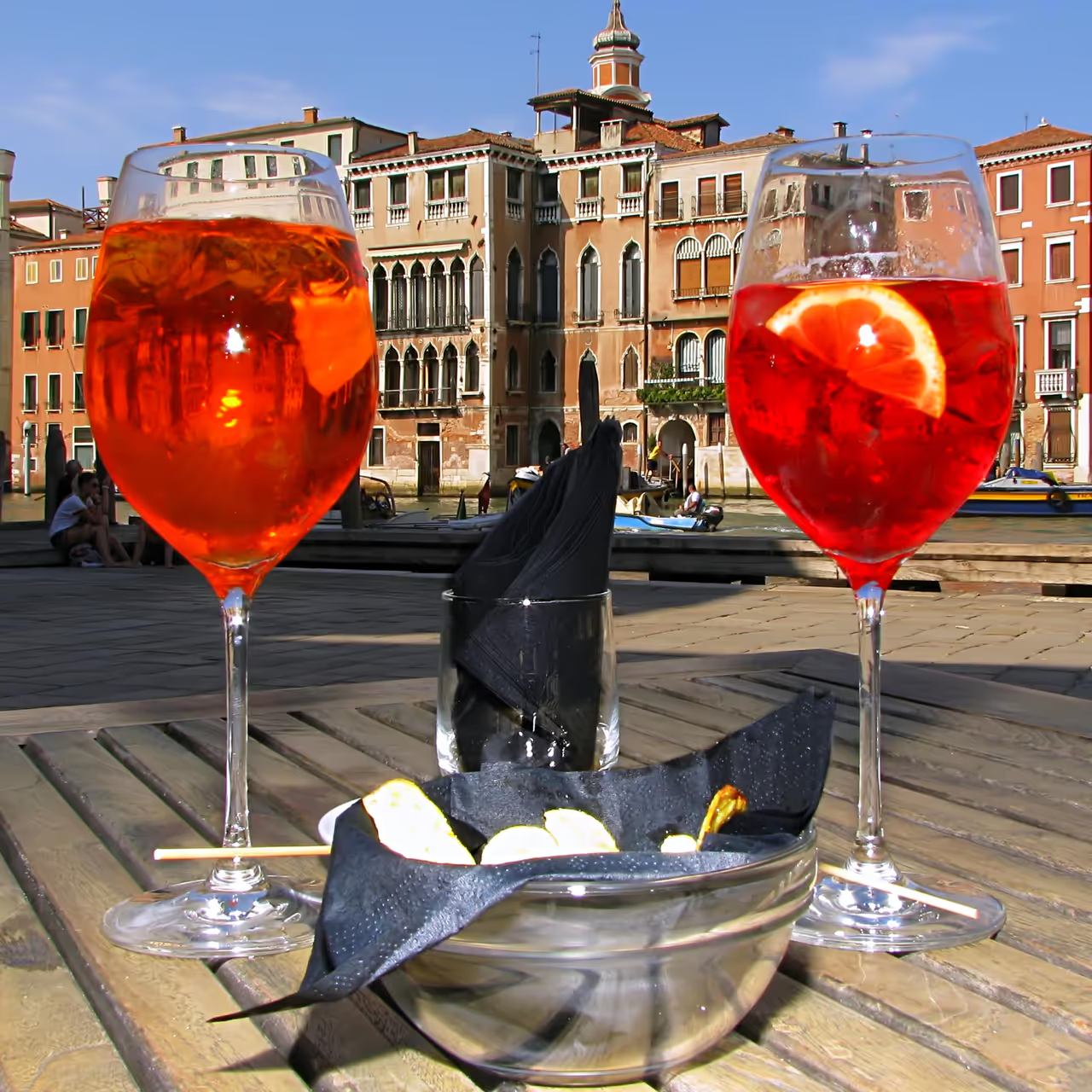
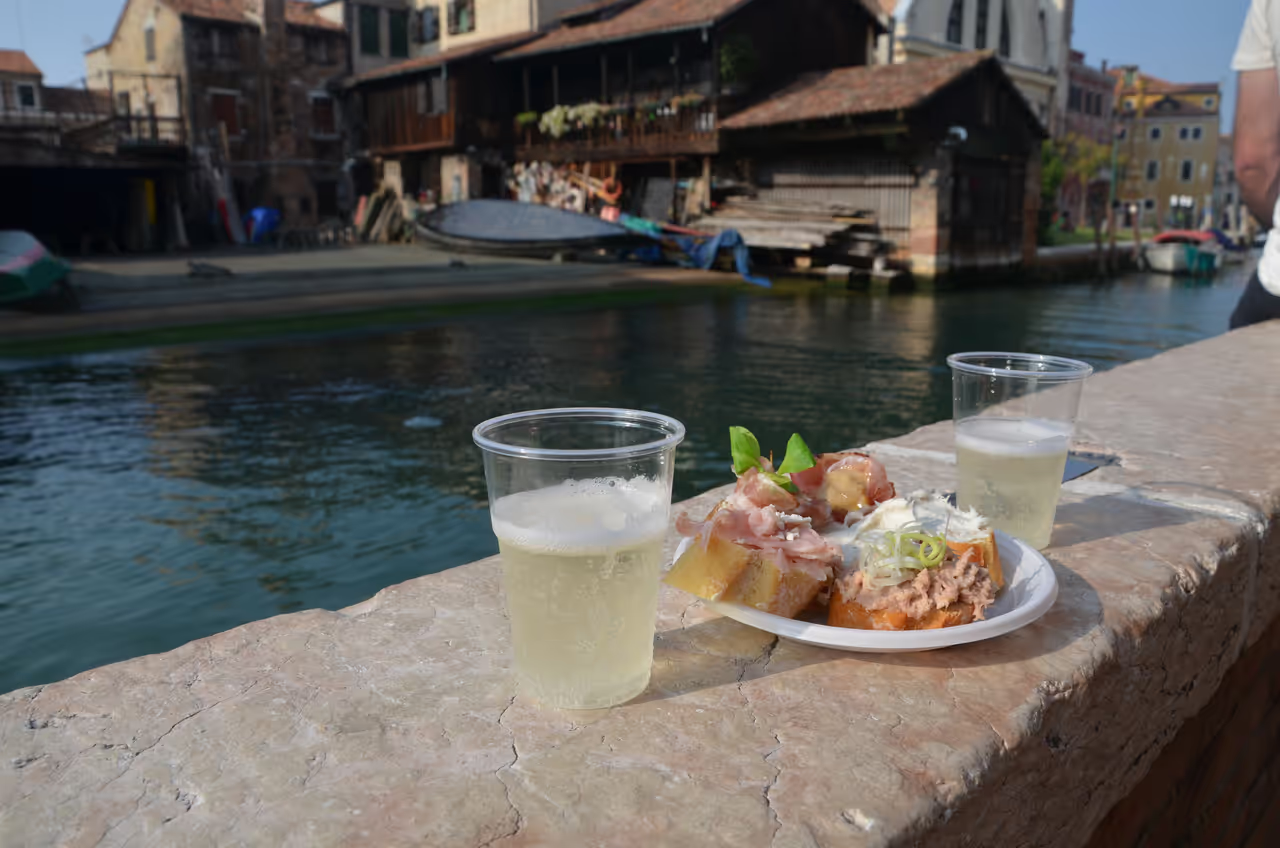
Food in Venice
UNESCO World Heritage Sites
Free Things to do in Venice
Parks & Nature
Biennale Gardens
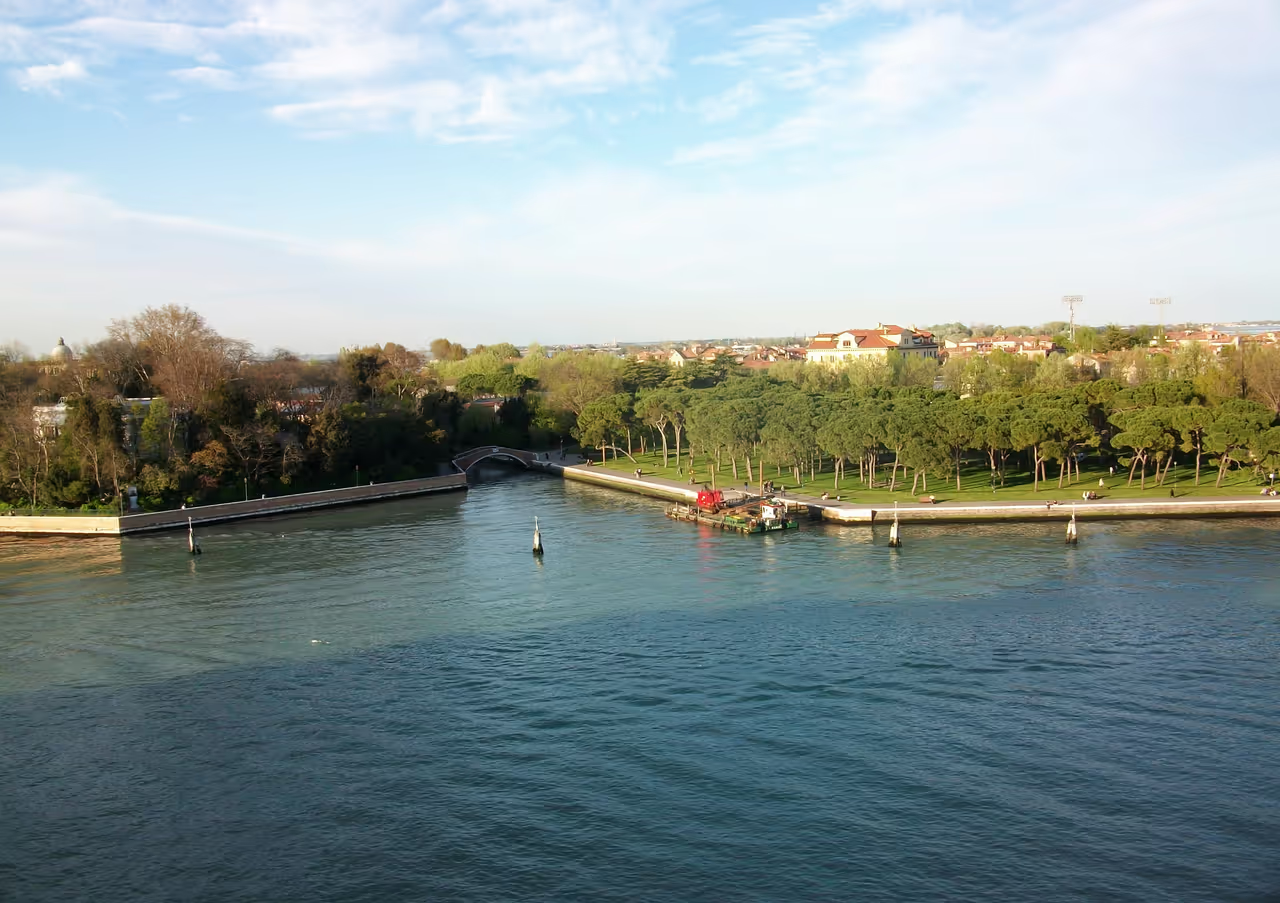
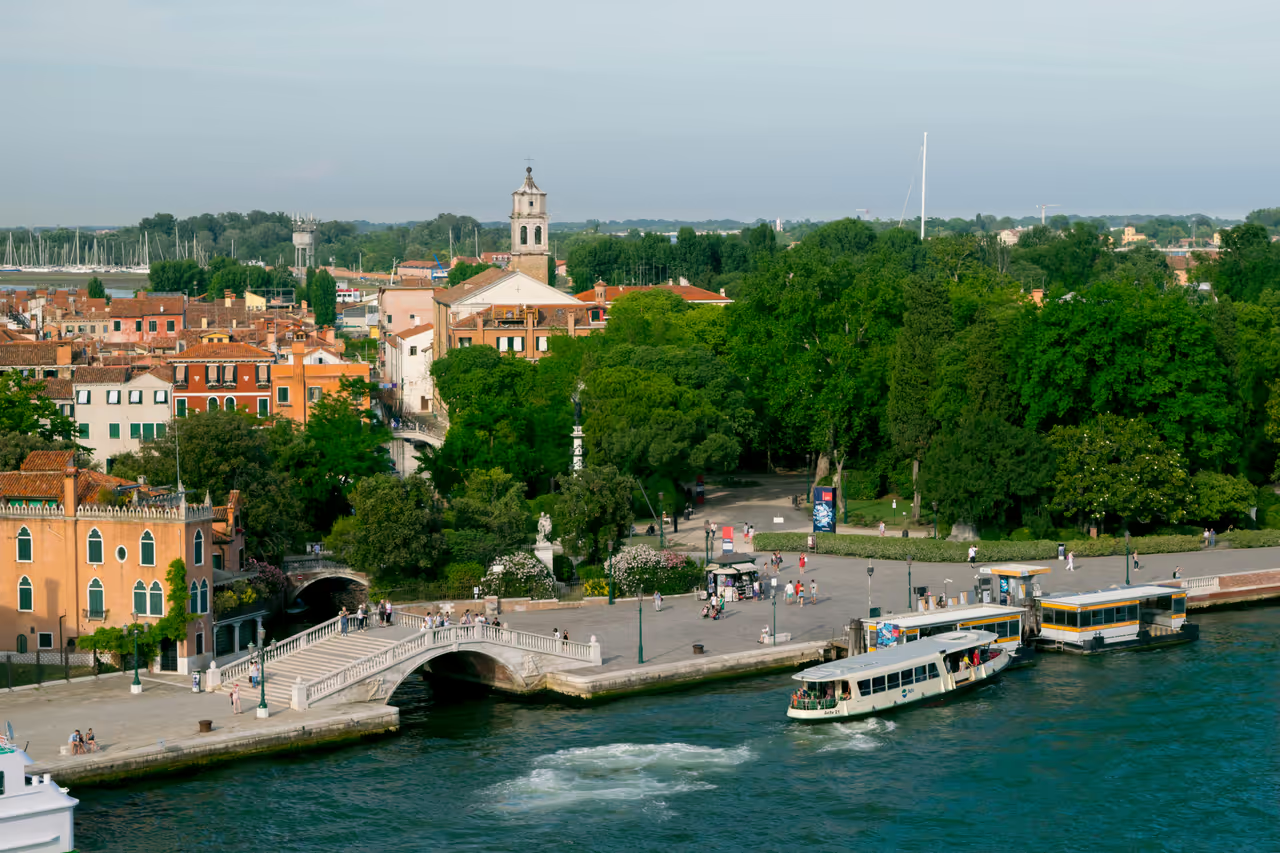
Tucked away in the quiet Castello district, the Biennale Gardens offer a lush green sanctuary that feels a world away from the...
view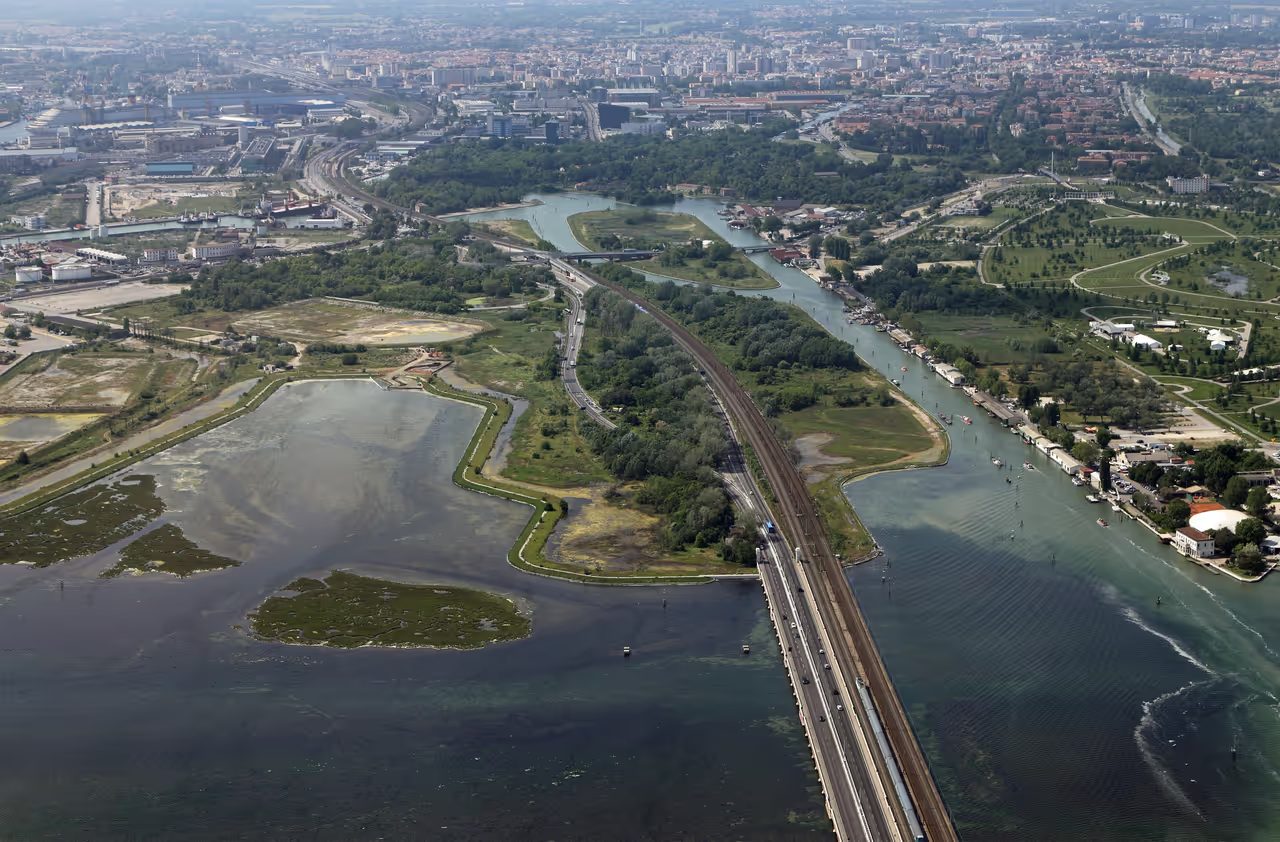
San Giuliano Park
San Giuliano Park offers a stunning green escape that feels worlds away from the iconic canals of Venice, yet it sits right on...
view
Highlights & Must-Sees
Cicchetti and Ombra Crawl
Embark on a culinary adventure by hopping between traditional, wood panelled wine bars scattered throughout the narrow alleys...
view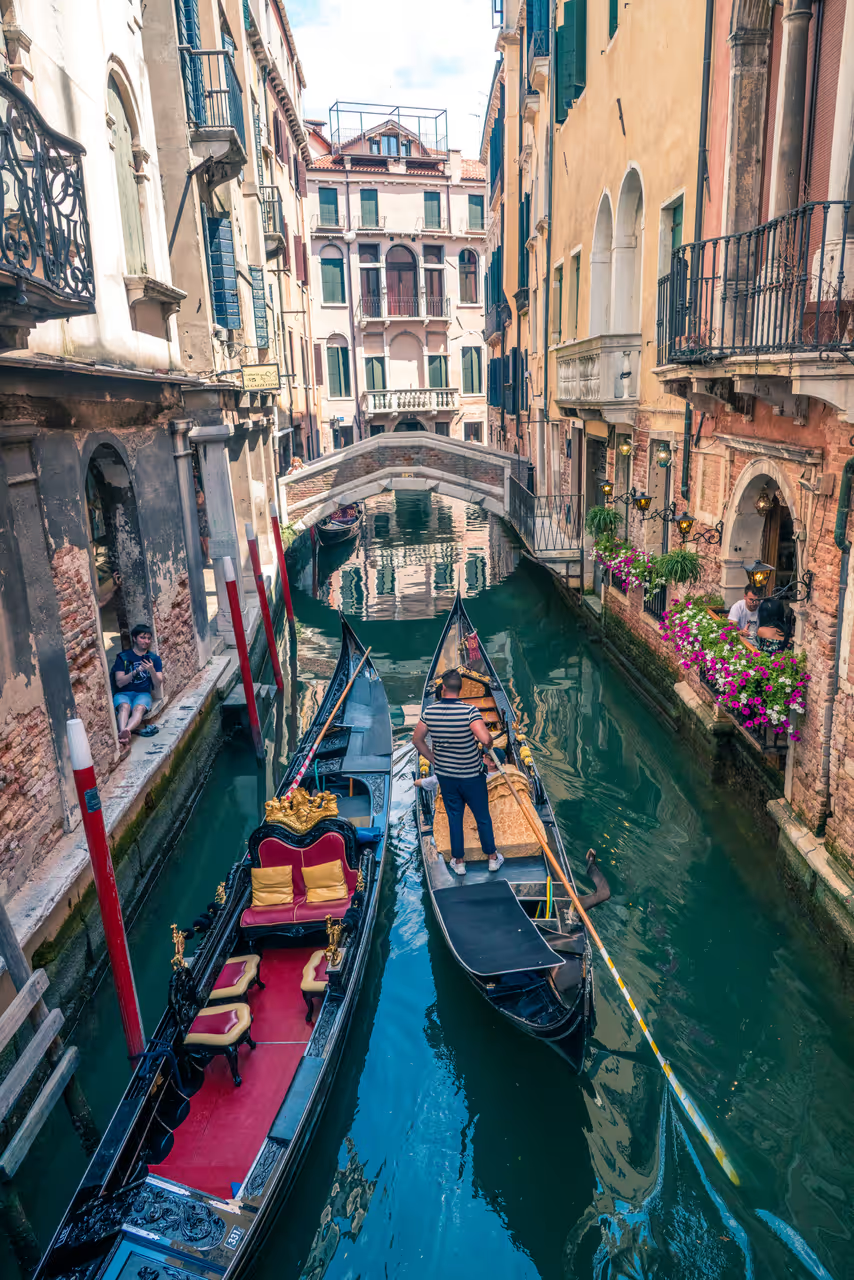
Traditional Gondola Ride
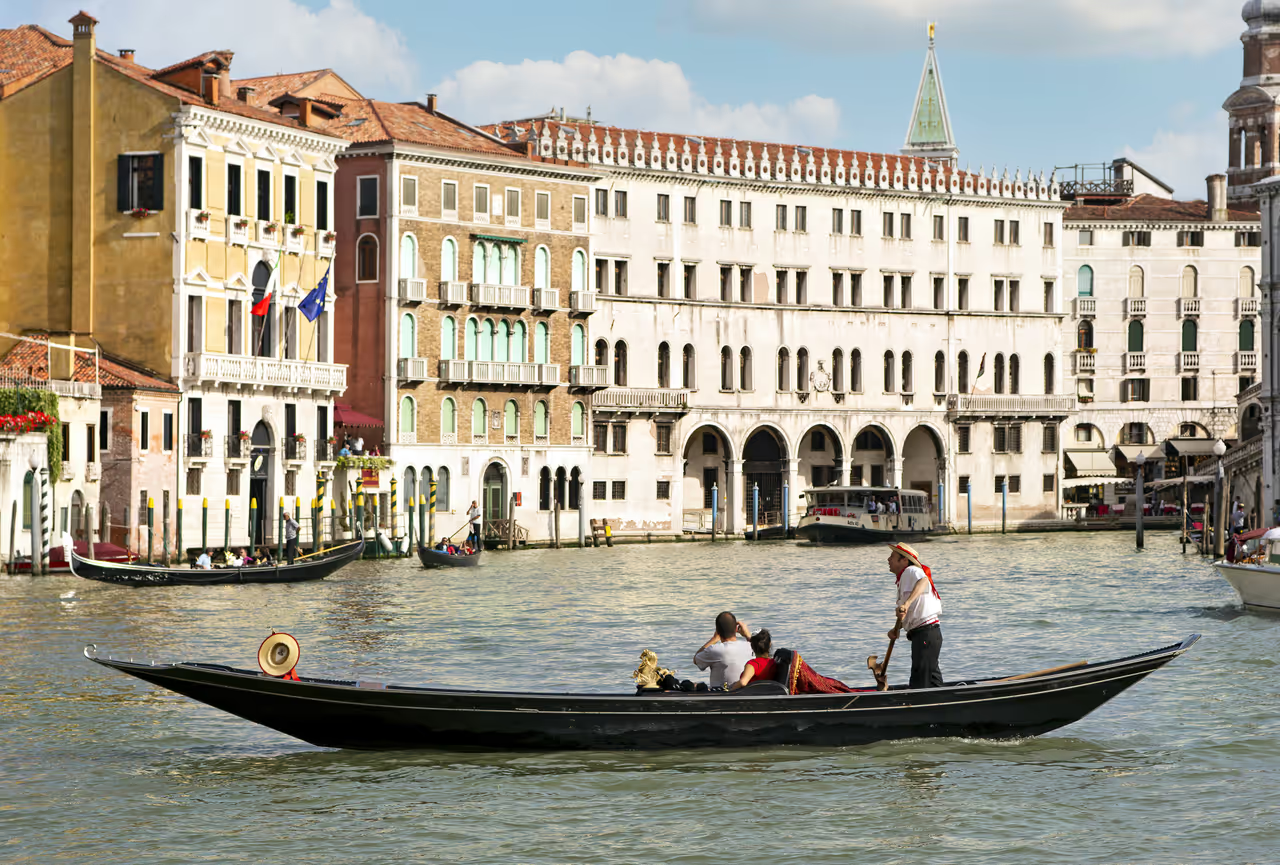
There is nothing quite as romantic or iconic as drifting through the narrow, silent back canals in a sleek, black wooden boat. A...
viewVaporetto down the Grand Canal
Taking the public water bus down the main curving waterway is arguably the greatest public transit experience on earth. You will...
viewDiscover Lace in Burano
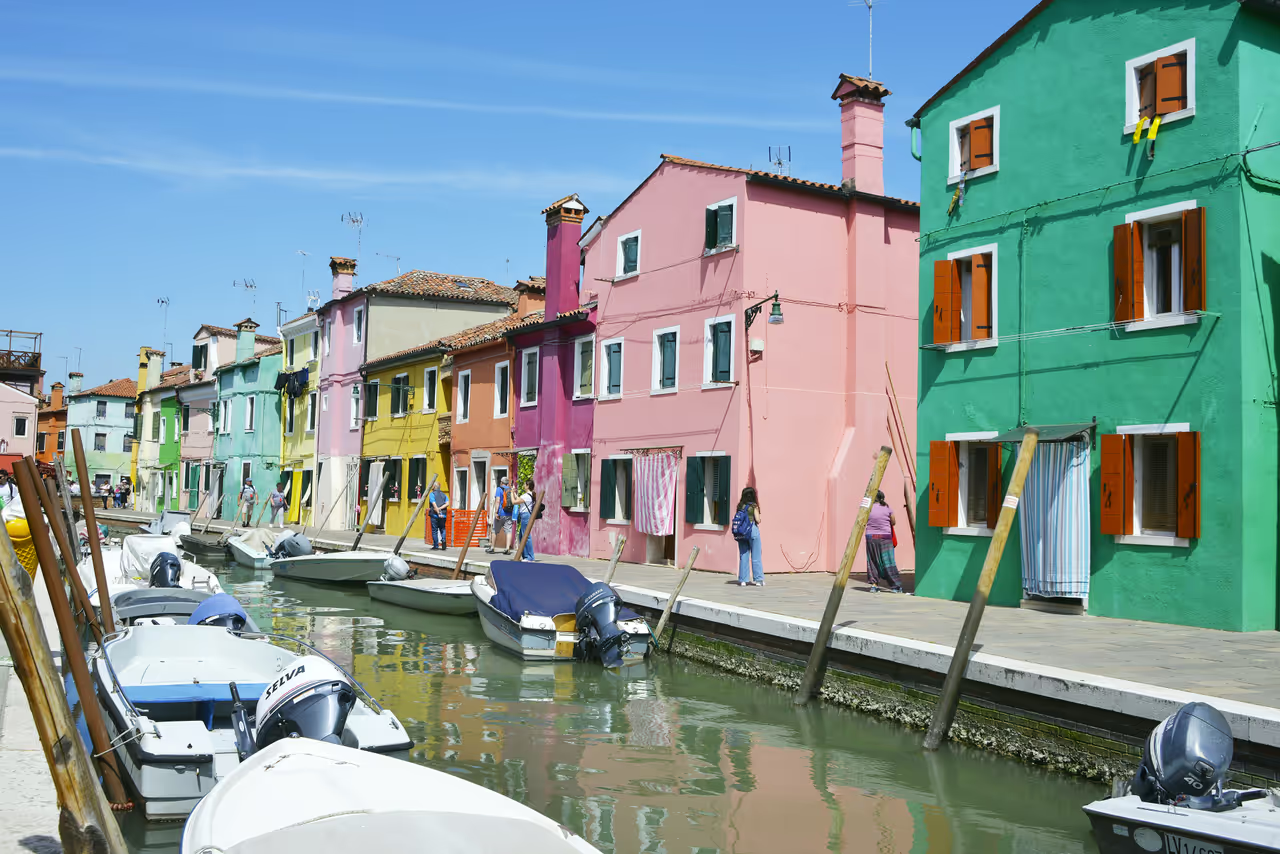
Venture out to this impossibly photogenic fishing island, famous for its streets lined with intensely coloured, brightly painted...
view
Best Walks in Venice
 HIGHLY RECOMMENDED
Zattere Promenade
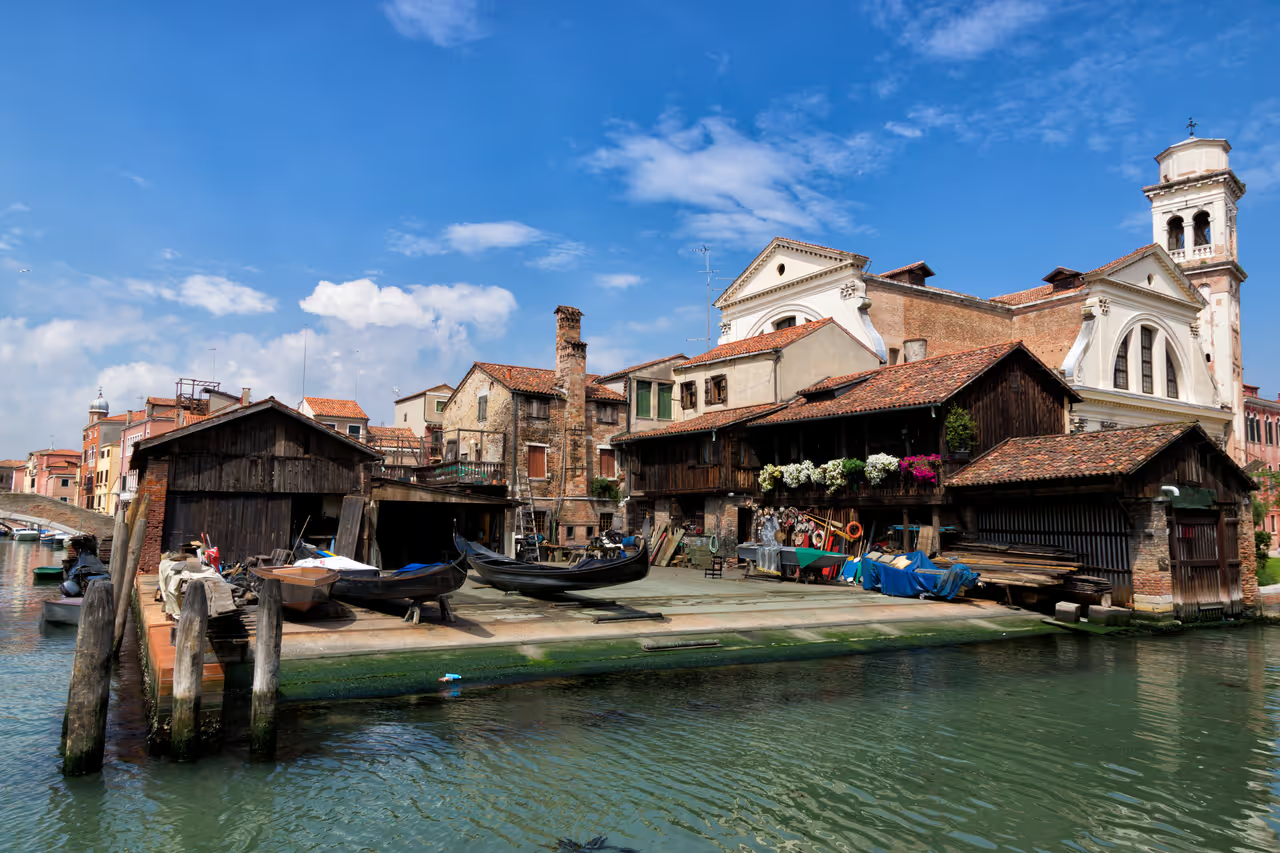
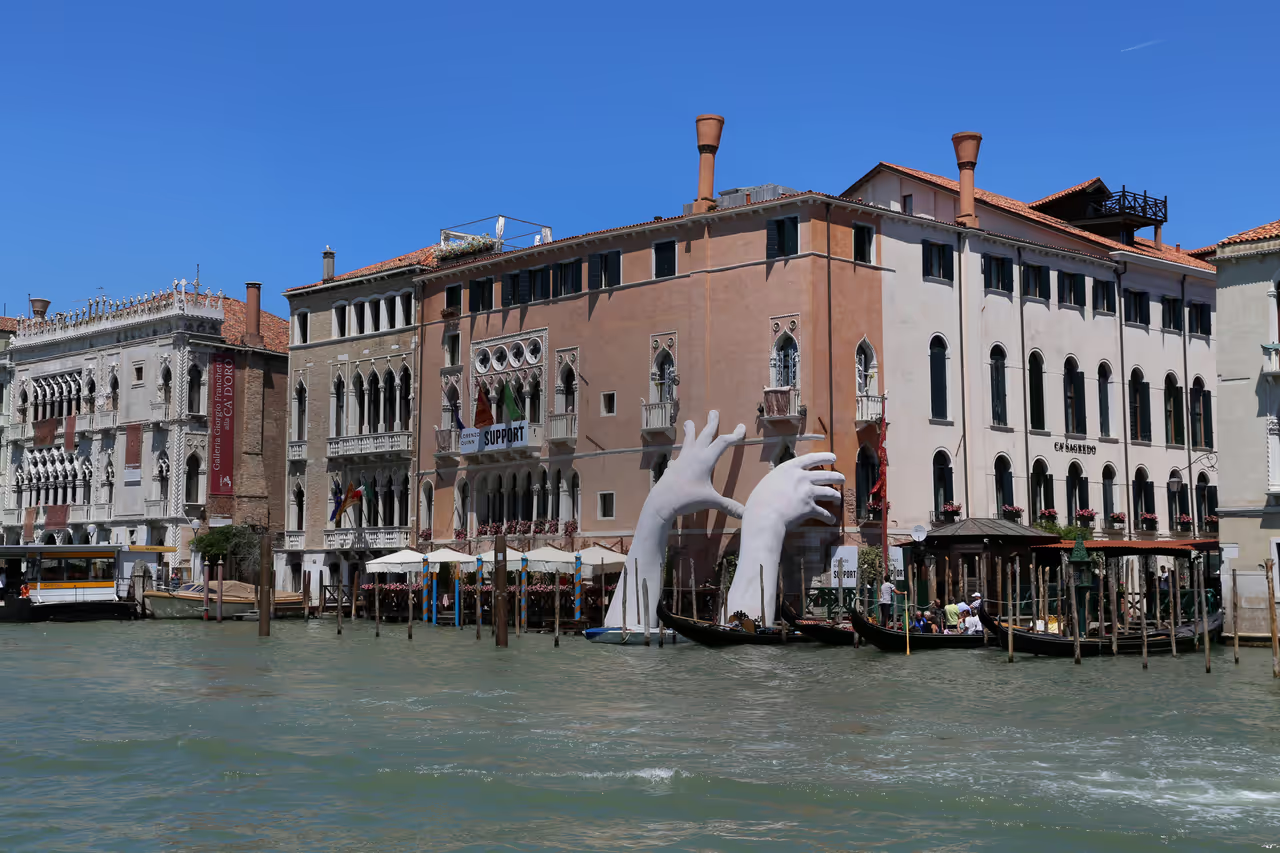
This wide, sun drenched walkway stretches along the southern edge of the Dorsoduro district, directly facing the Giudecca Canal. It is the perfect place for a leisurely afternoon stroll, entirely free from the claustrophobia of the narrower inner alleys. The path offers sweeping views of the grand maritime traffic passing by, from sleek water taxis to large ferries. You will walk past elegant churches, classic gelaterias, and historic boatyards. The gentle sea breeze and the brilliant light bouncing off the water make it an incredibly uplifting and relaxing experience.
Cannaregio Canal Walk
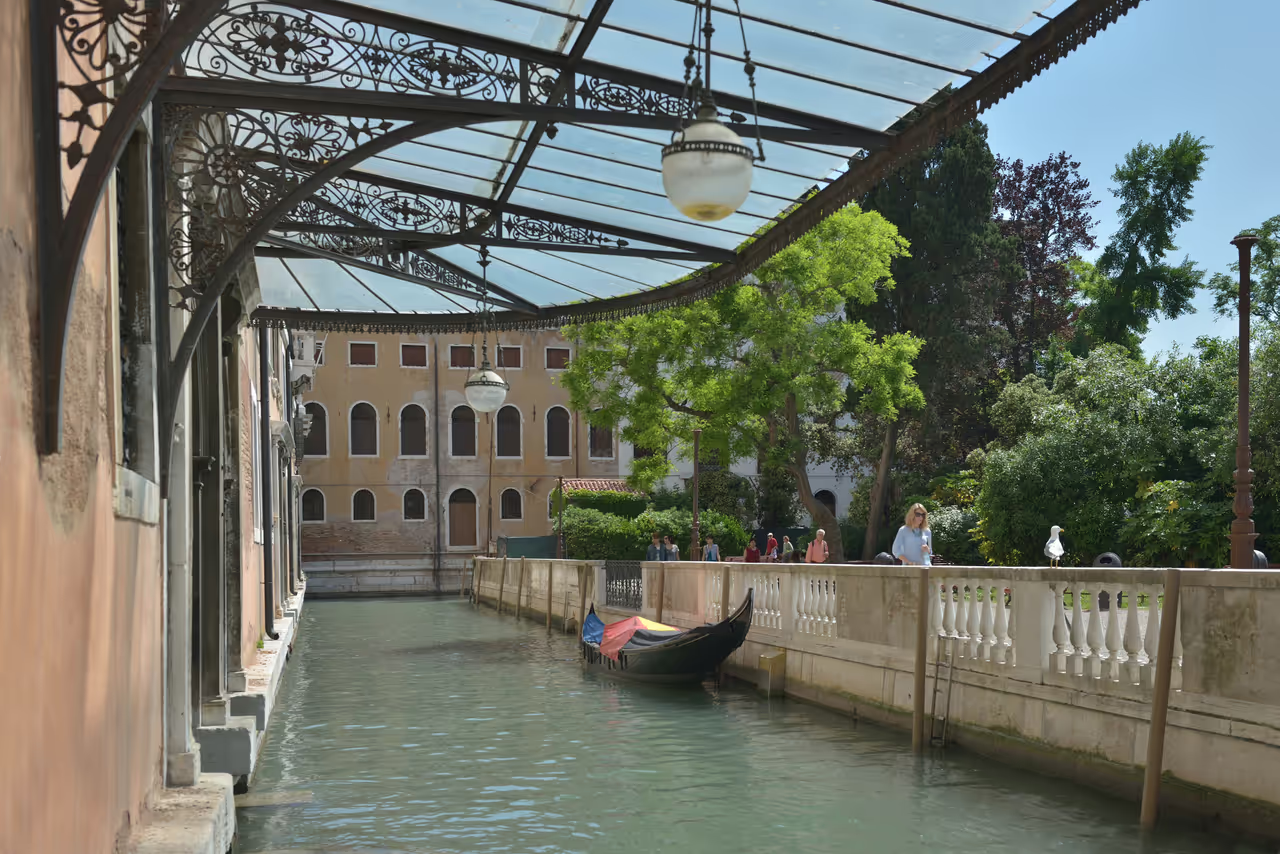
Explore the northernmost district, a deeply atmospheric and highly residential area that feels worlds apart from the central tourist zones. This stroll follows long, straight canals bordered by wide pavements, allowing for an easy and relaxed pace. You will pass historic brick churches, traditional bakeries, and quiet squares where local children play after school. The architecture here features slightly more modest yet beautifully weathered facades reflecting the daily life of actual residents. It is a fantastic route to experience the genuine, everyday rhythm of the lagoon city.
 HIGHLY RECOMMENDED
Schiavoni Waterfront to Gardens
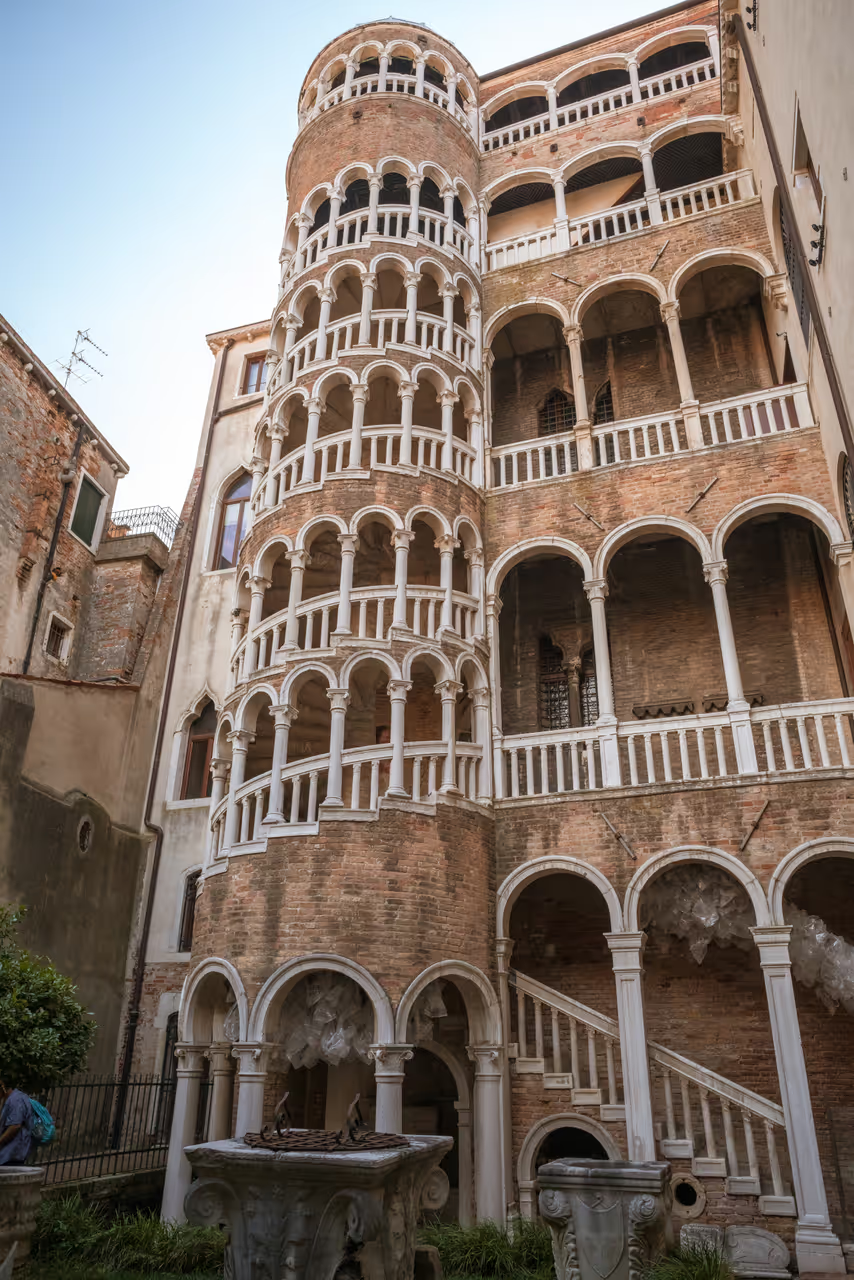
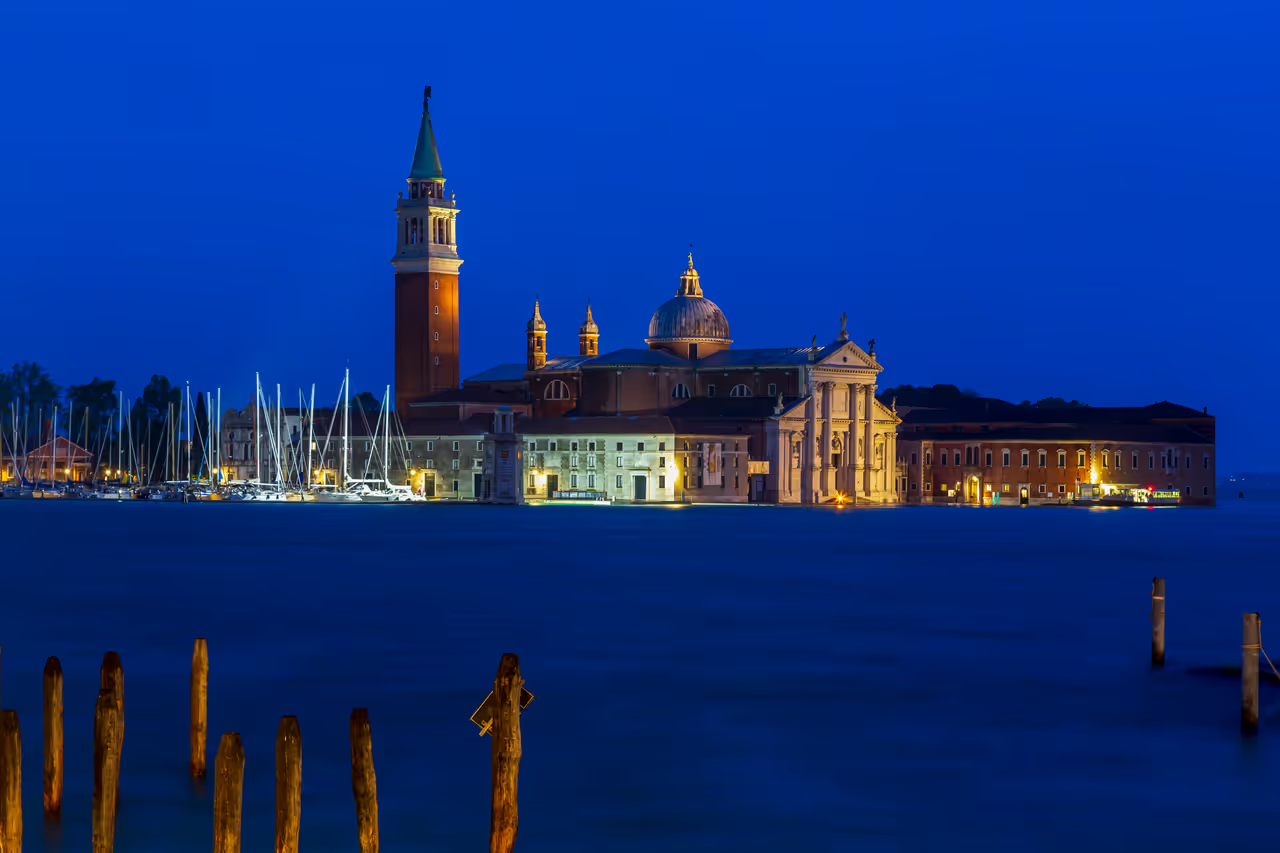
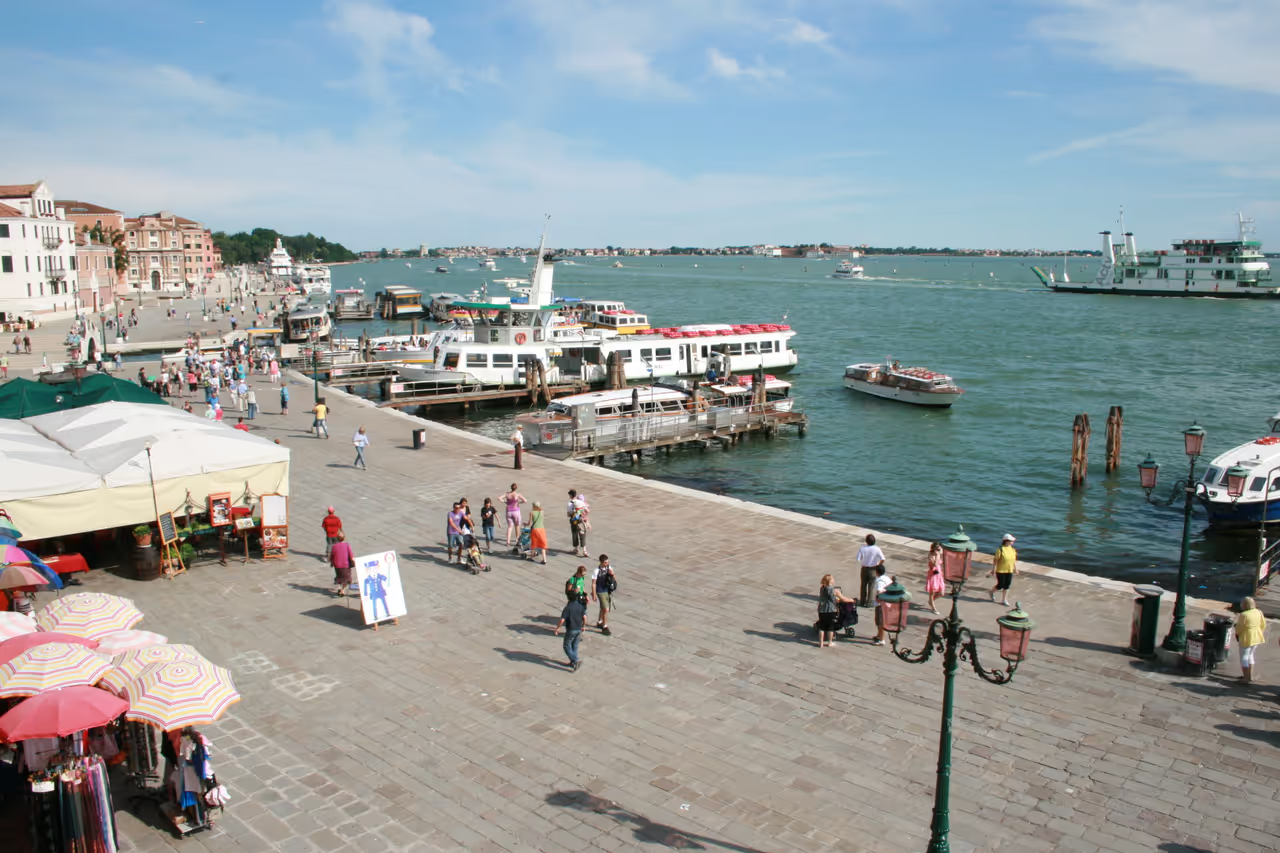
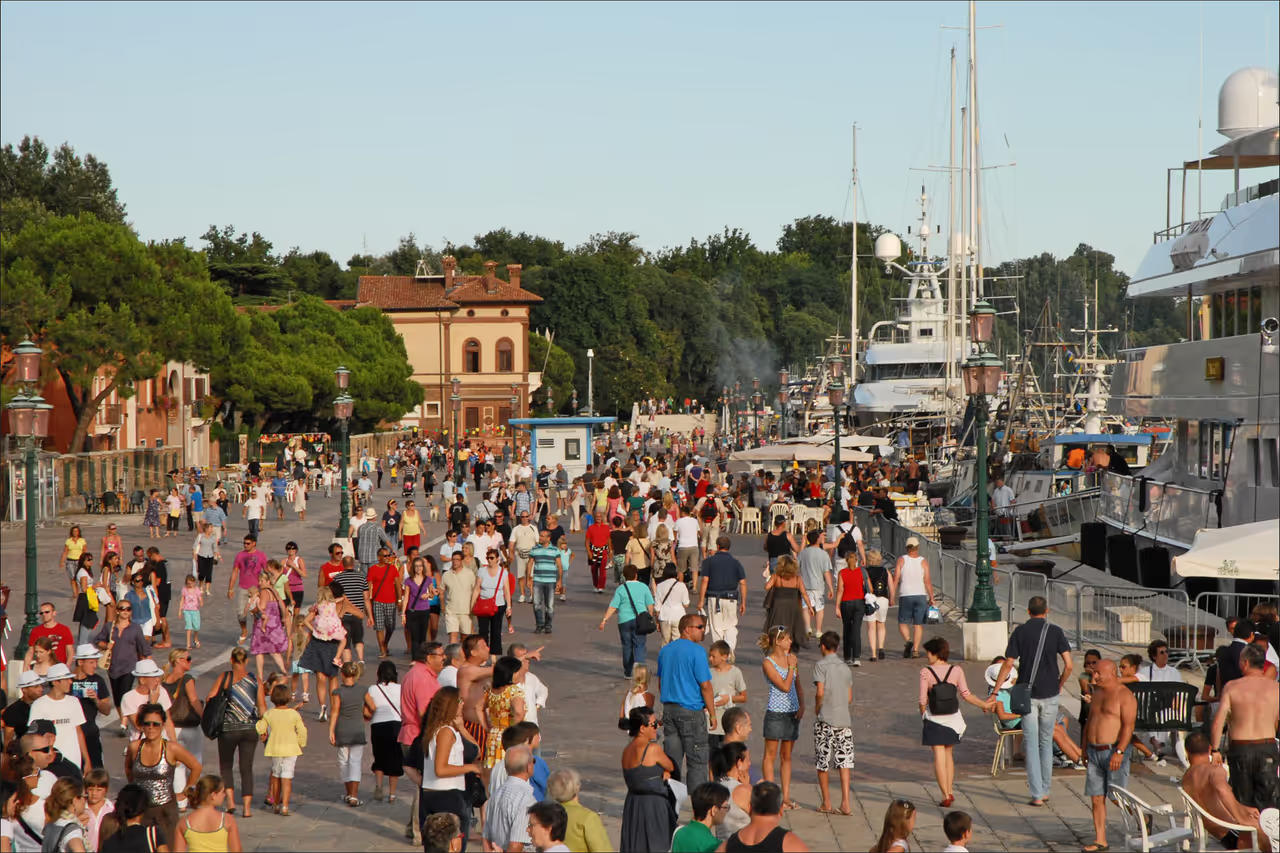
Begin near the political heart of the old republic and walk east along the monumental stone embankments of the main basin. This magnificent promenade was historically the principal docking area for merchant fleets returning from the Orient. Today, it is lined with luxurious historic hotels, bustling market stalls, and countless bobbing boats. As you progress further east, the dense crowds gradually thin out, and the grand stone paving gives way to the lush, green canopy of the public parks. It is a walk that transitions beautifully from imperial grandeur to peaceful nature.
Architecture & Landmarks
House of Gold
Considered the absolute masterpiece of floral Gothic architecture, this stunning palace sits proudly on the Grand Canal. Its...
view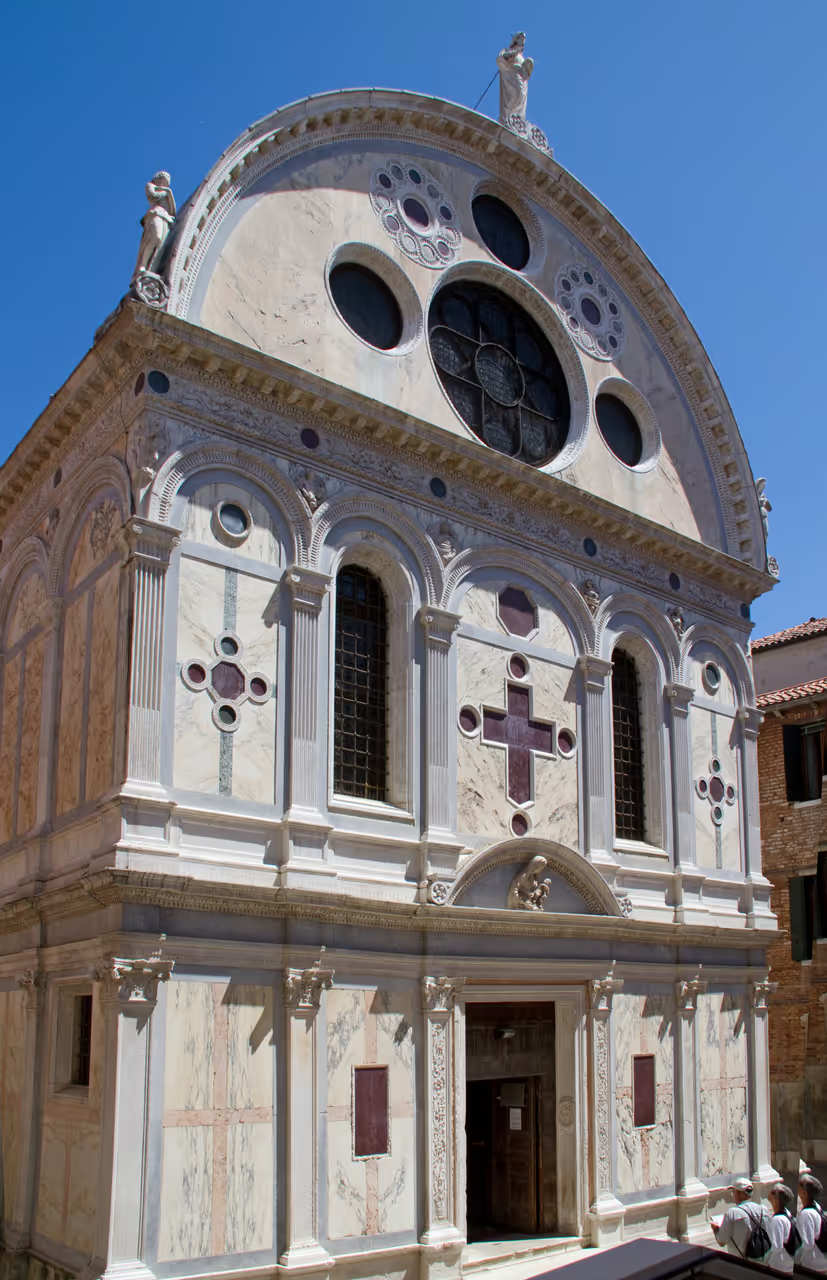
Church of Miracles
This perfect jewel box of a church represents the pinnacle of early Renaissance design in the city. Unlike most brick churches...
view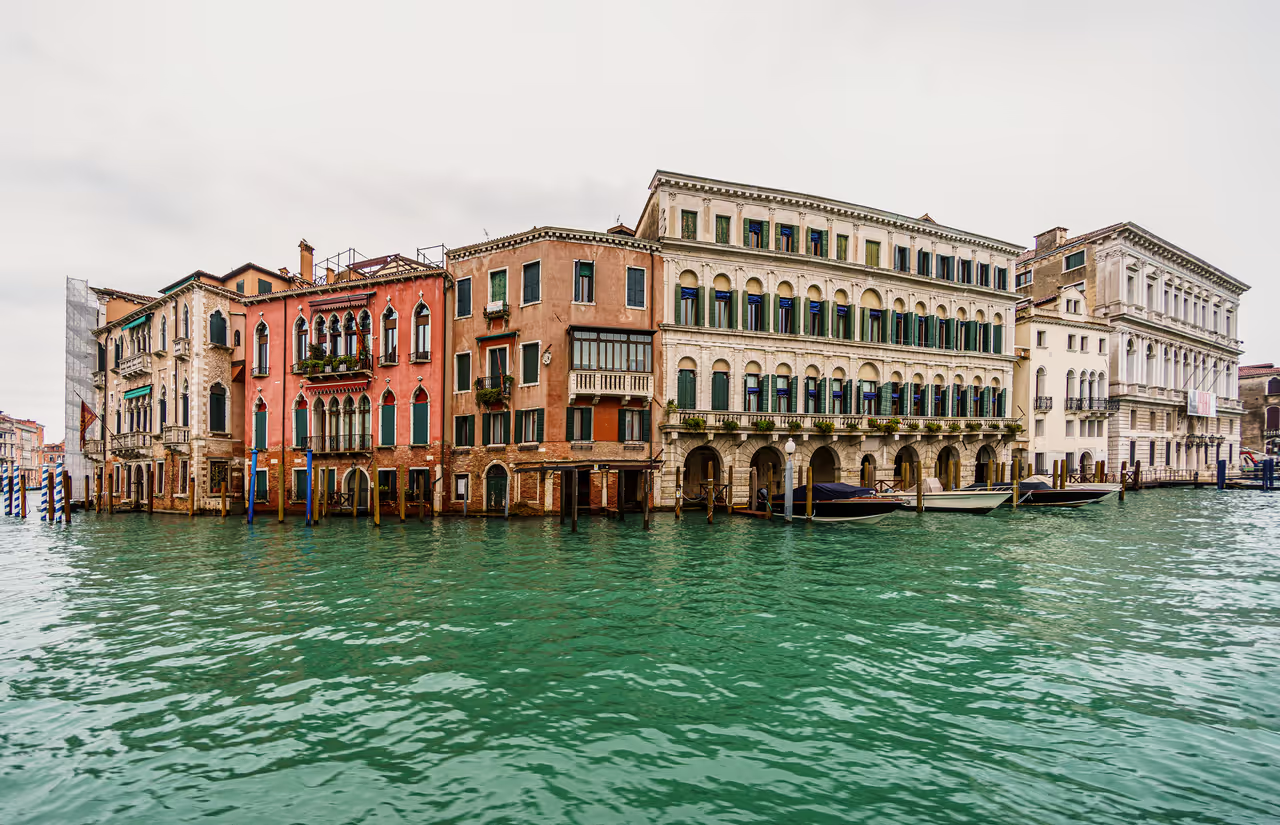
Grassi Palace
One of the last great aristocratic palaces built before the fall of the republic, featuring a severe, monumental classical...
viewRezzonico Palace
A monumental expression of opulent Baroque architecture, this grand palace dominates its section of the main waterway. Designed...
view
Markets & Shopping
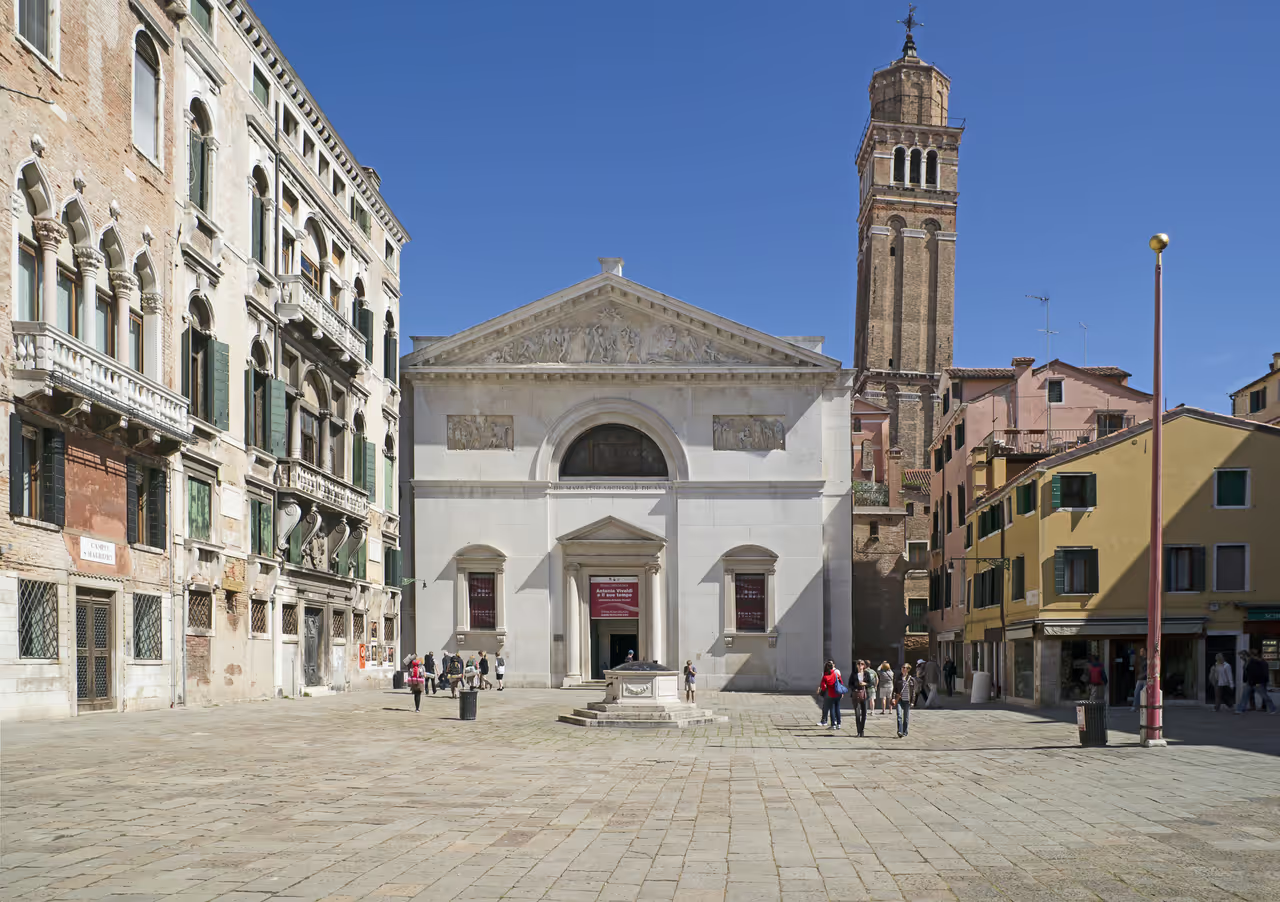
Venice Nightlife
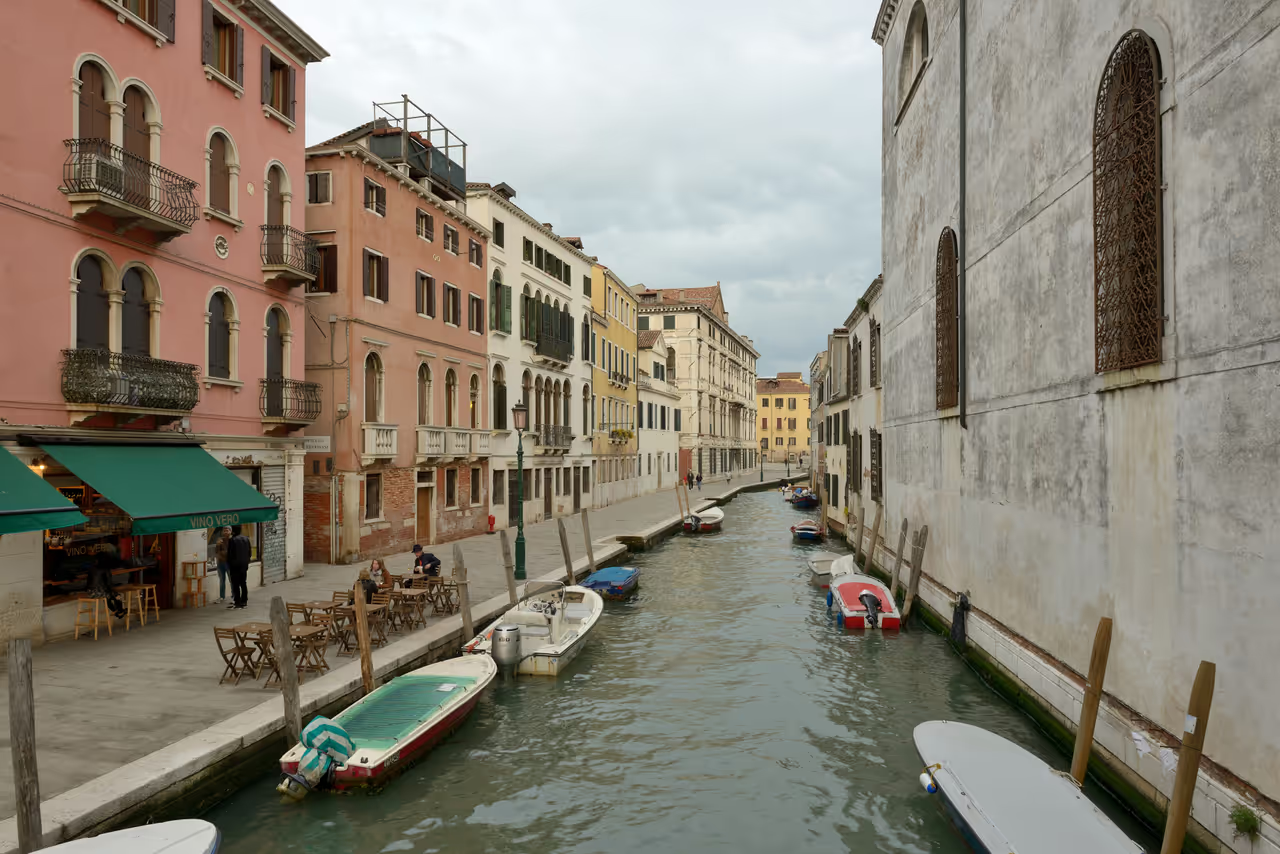
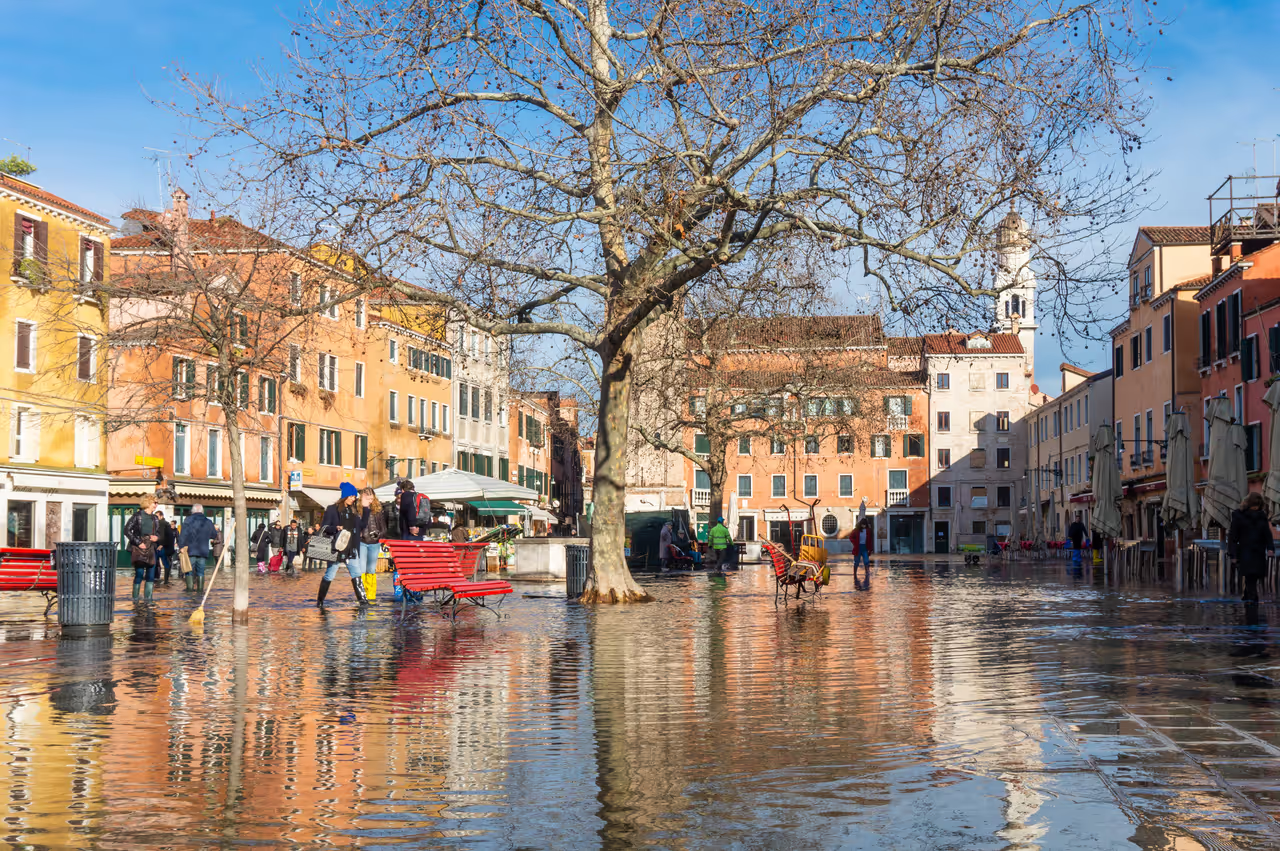
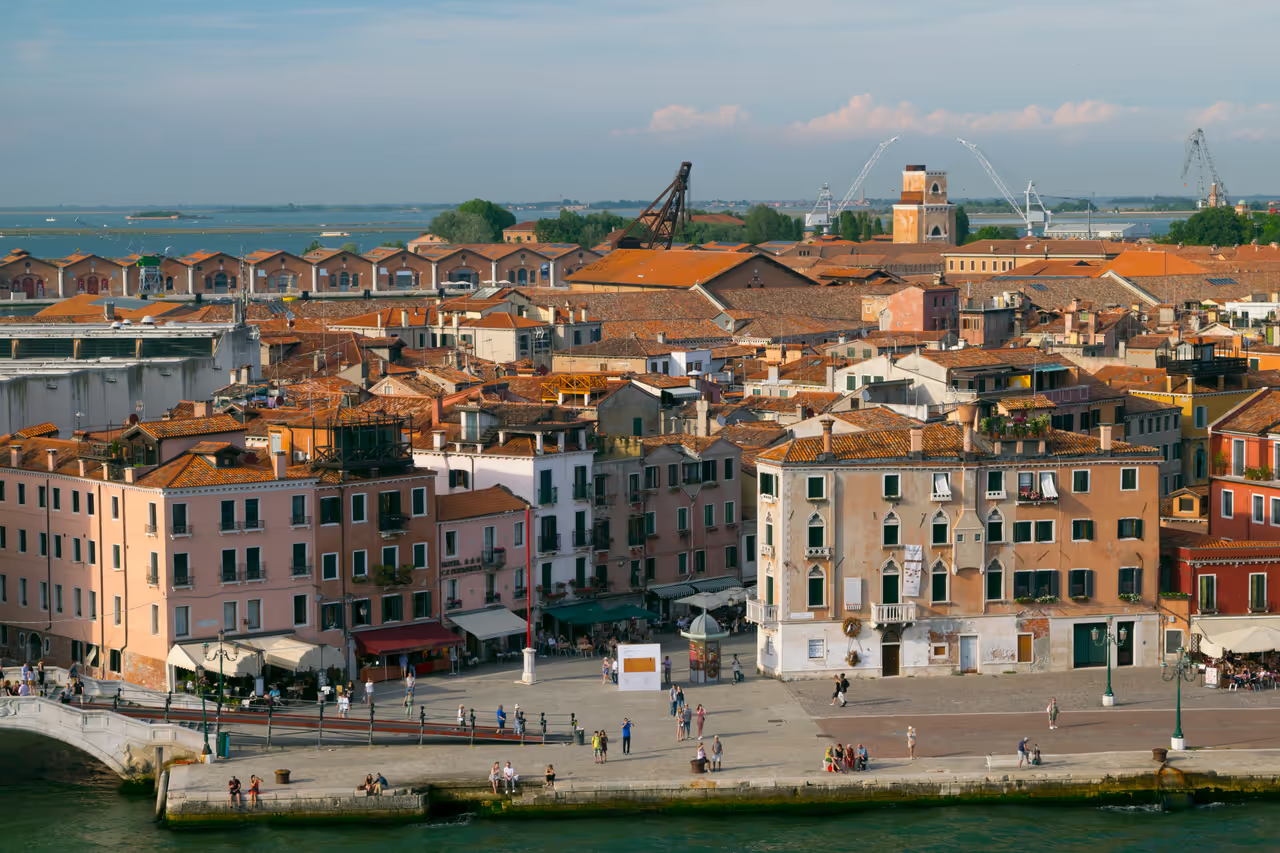
Photo Spots
Activities & Experiences
Cycling Routes
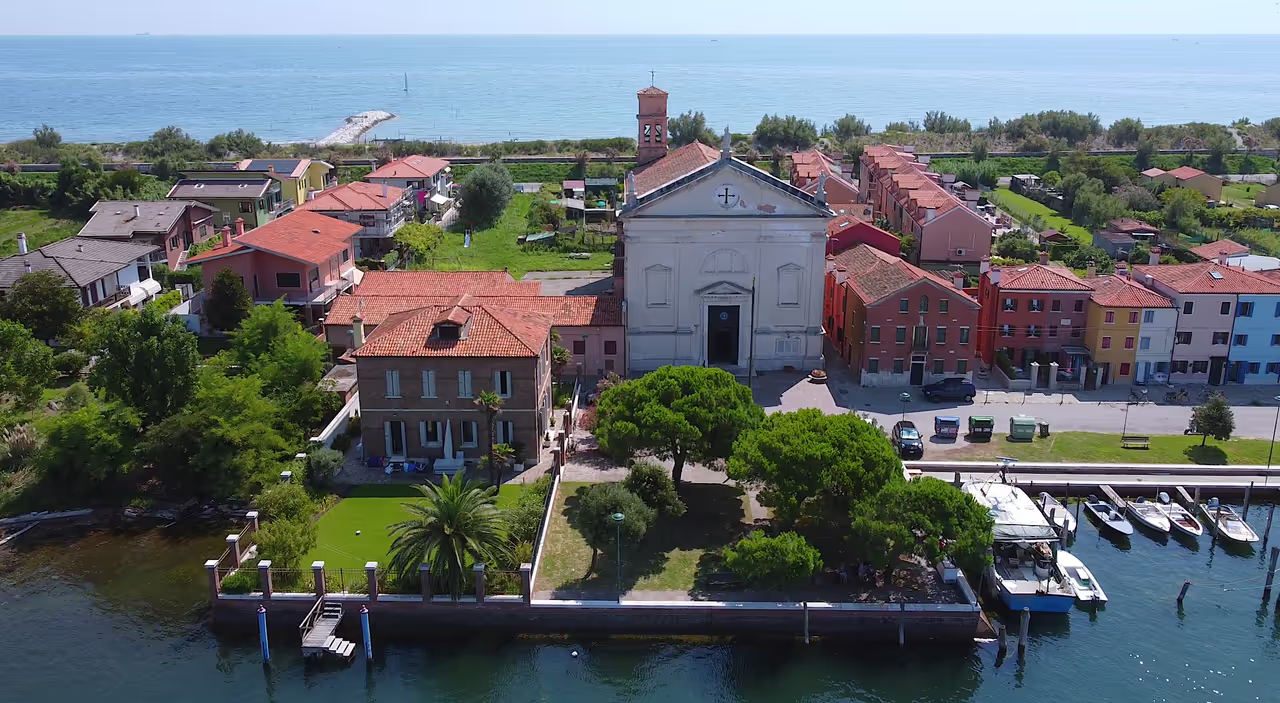
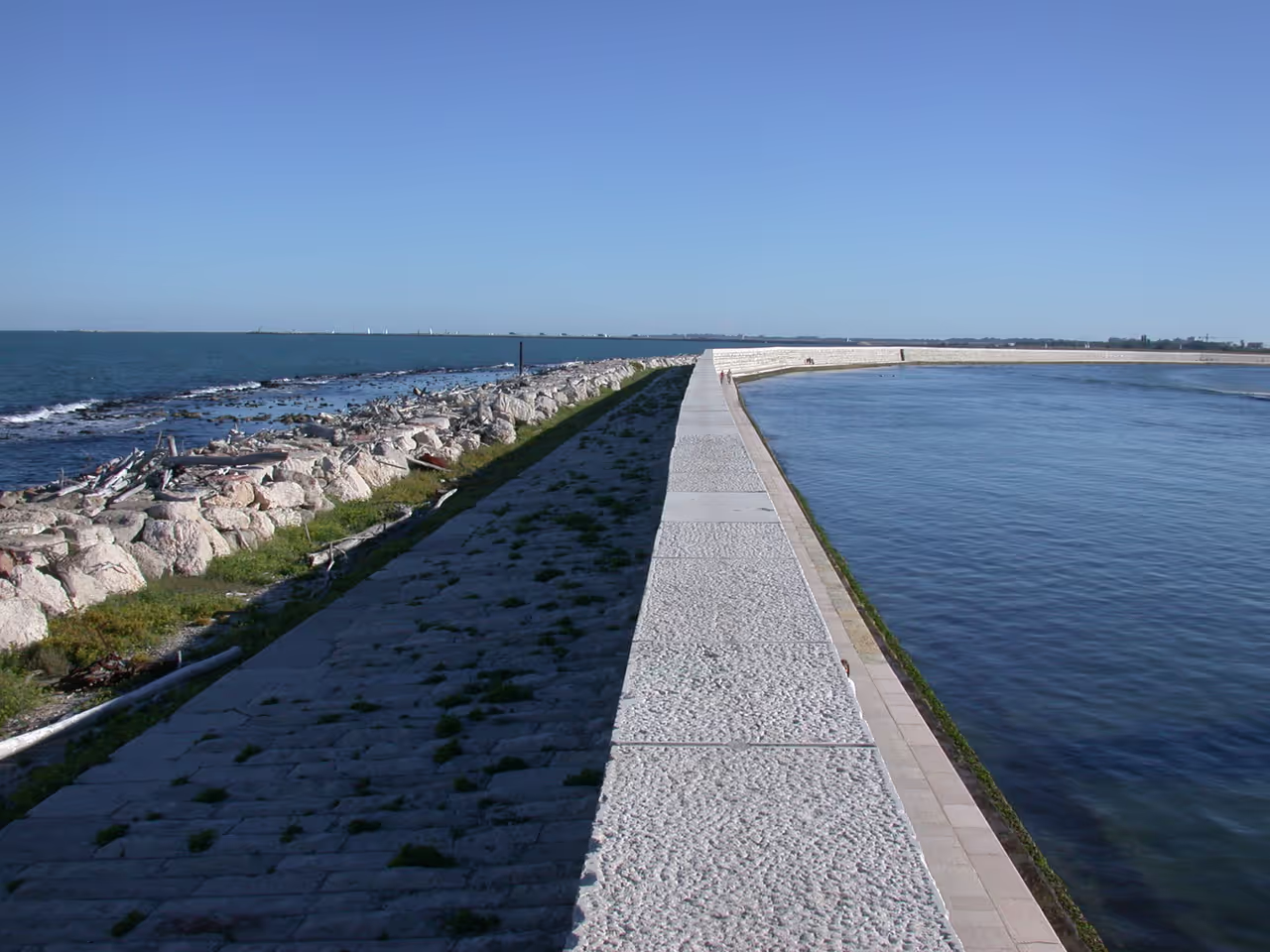
Pellestrina Island Trail
For a truly remote and adventurous ride, take the ferry south to this incredibly narrow, eleven kilometre long strip of land. This island is primarily home to traditional fishing communities and feels entirely untouched by mass tourism. The cycling route follows the massive historic sea walls known as the Murazzi, offering elevated, uninterrupted views of the water on both sides. You will pass rows of brightly painted fishermen's houses and fleets of small wooden boats bobbing in the water. It is a stunning, sun drenched journey into the authentic heart of lagoon life.
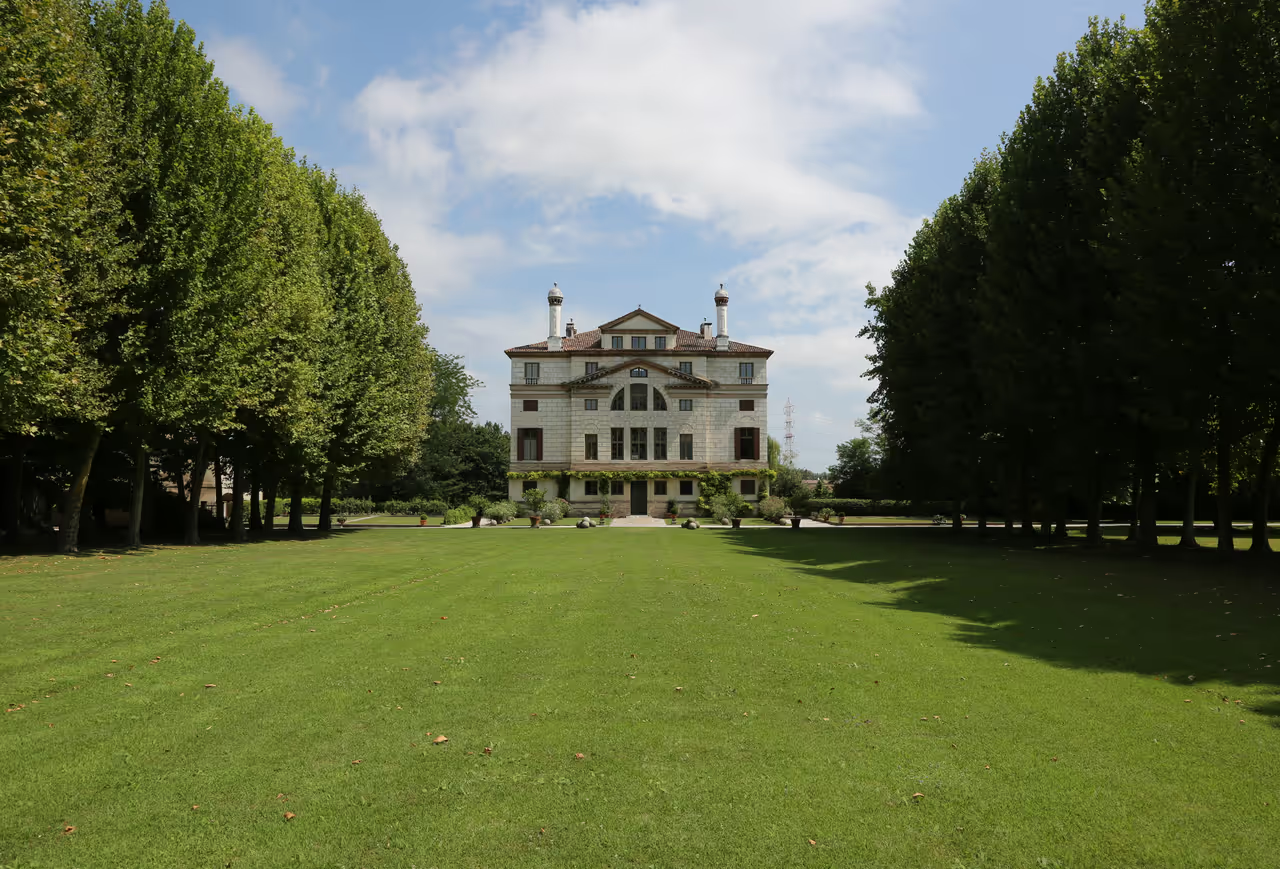
Brenta Riviera Villa Route
Head to the immediate mainland to cycle along the calm waters of the historic Brenta Canal. This route was once the glorious summer retreat for wealthy nobles who built magnificent rural estates along the water's edge. You will pedal past stunning Palladian architecture, weeping willows, and ancient mechanical watermills. The path is mostly flat and incredibly scenic, linking small, charming towns together. It provides a fascinating historical context, showing how the wealth generated in the lagoon was displayed on the surrounding mainland.
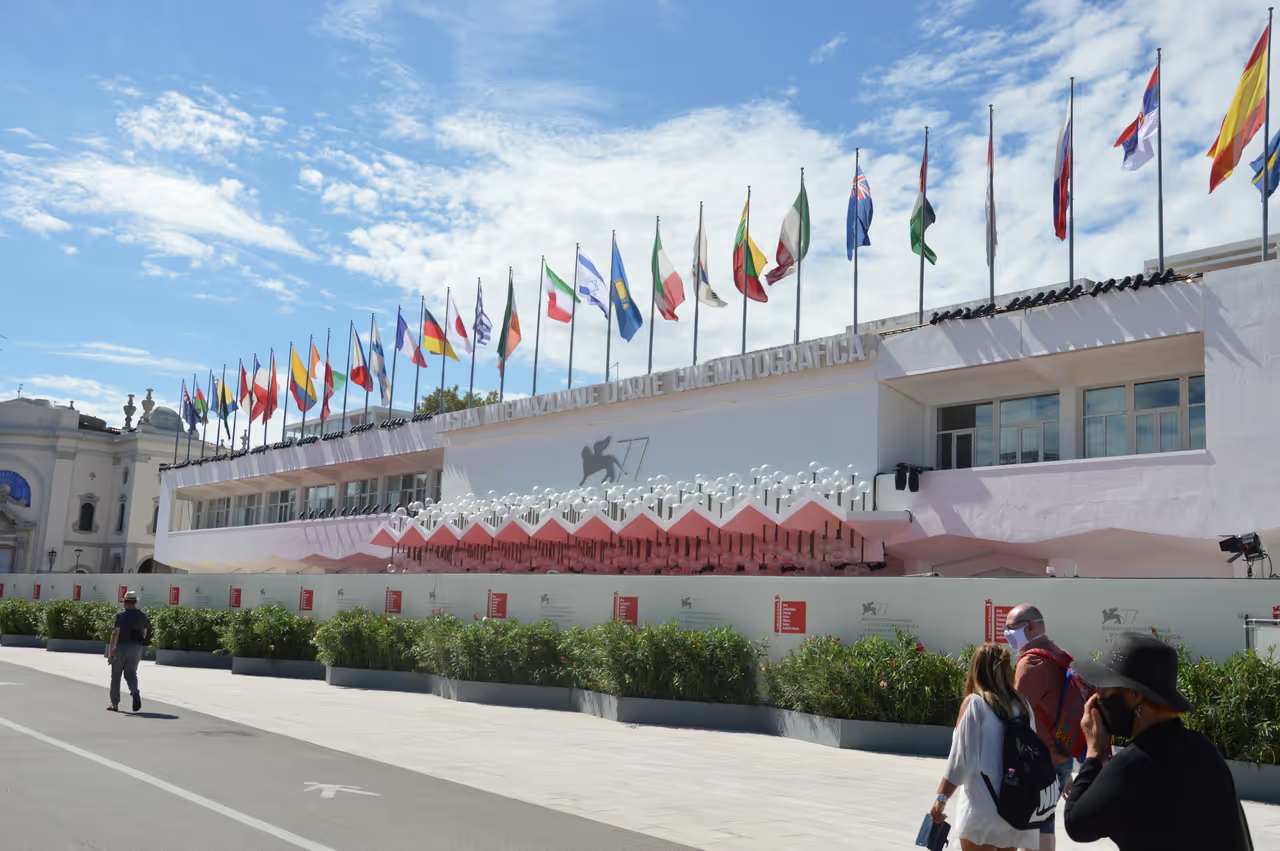
Lido Coastal Ride
Since bicycles are strictly banned in the historic city centre, cycling enthusiasts must head to the protective barrier island of the Lido. This ride offers a smooth, entirely flat journey along dedicated paths that run the length of the island. You will pedal past glamorous Art Deco hotels that once hosted royalty, sweeping sandy beaches, and quiet residential avenues. The sea breeze is incredibly refreshing, and there are numerous spots to stop for a quick swim or a beachside gelato. It perfectly combines a relaxed resort atmosphere with beautiful views back toward the main city.
Self-Guided Tours
- HIGHLY RECOMMENDED
Grand Canal Architecture Tour
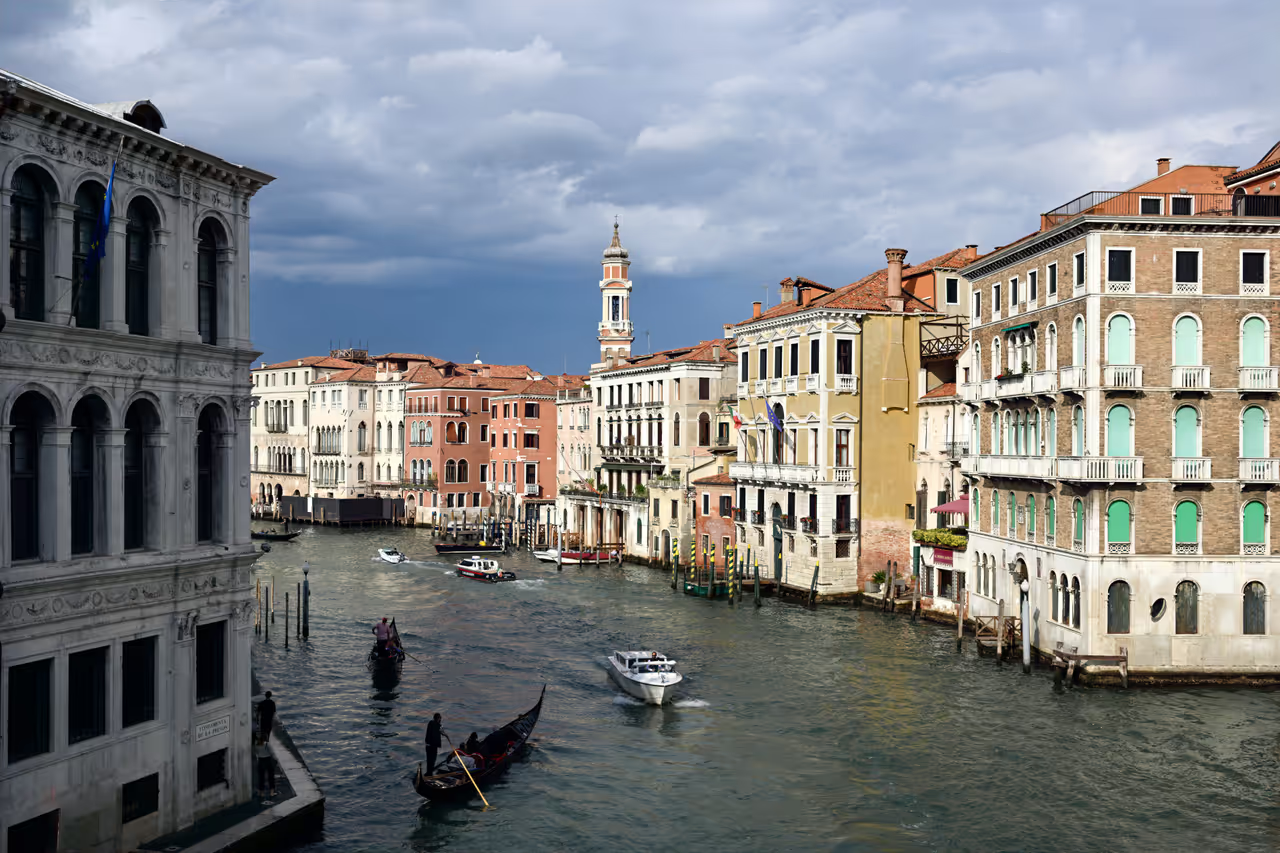
The main waterway curves through the city like a grand, inverted letter S, flanked on both sides by the most spectacular aristocratic palaces ever built. This self guided journey is best experienced by hopping on and off the slow moving public water bus, treating it as a moving viewing platform. You will trace the evolution of architectural styles from early Byzantine arches to elaborate Baroque facades. Every building tells a story of the wealthy merchant families who competed fiercely for the most prestigious waterfront real estate. It is a stunning visual history lesson that reveals the immense wealth of the old republic.
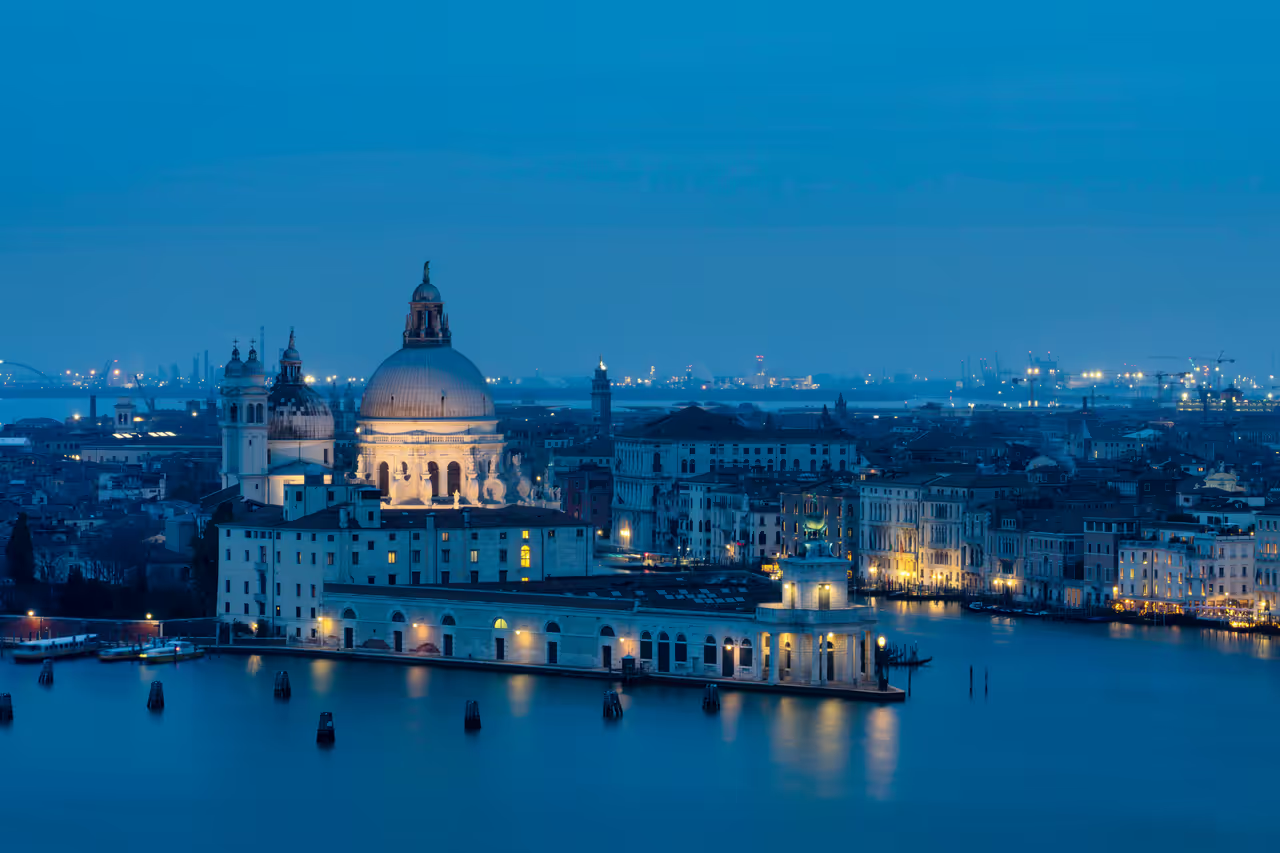
Art and Churches of Dorsoduro
The southern district is widely considered the intellectual and artistic soul of the city. This route connects world class galleries with stunning religious architecture, all set against a backdrop of quiet, leafy squares and sunlit promenades. You will explore the profound contrast between classical Renaissance painting and striking twentieth century modern art. The atmosphere here is noticeably more relaxed and cultured than the heavily congested central areas. It is an incredibly rewarding journey for anyone deeply interested in visual arts and quiet contemplation.
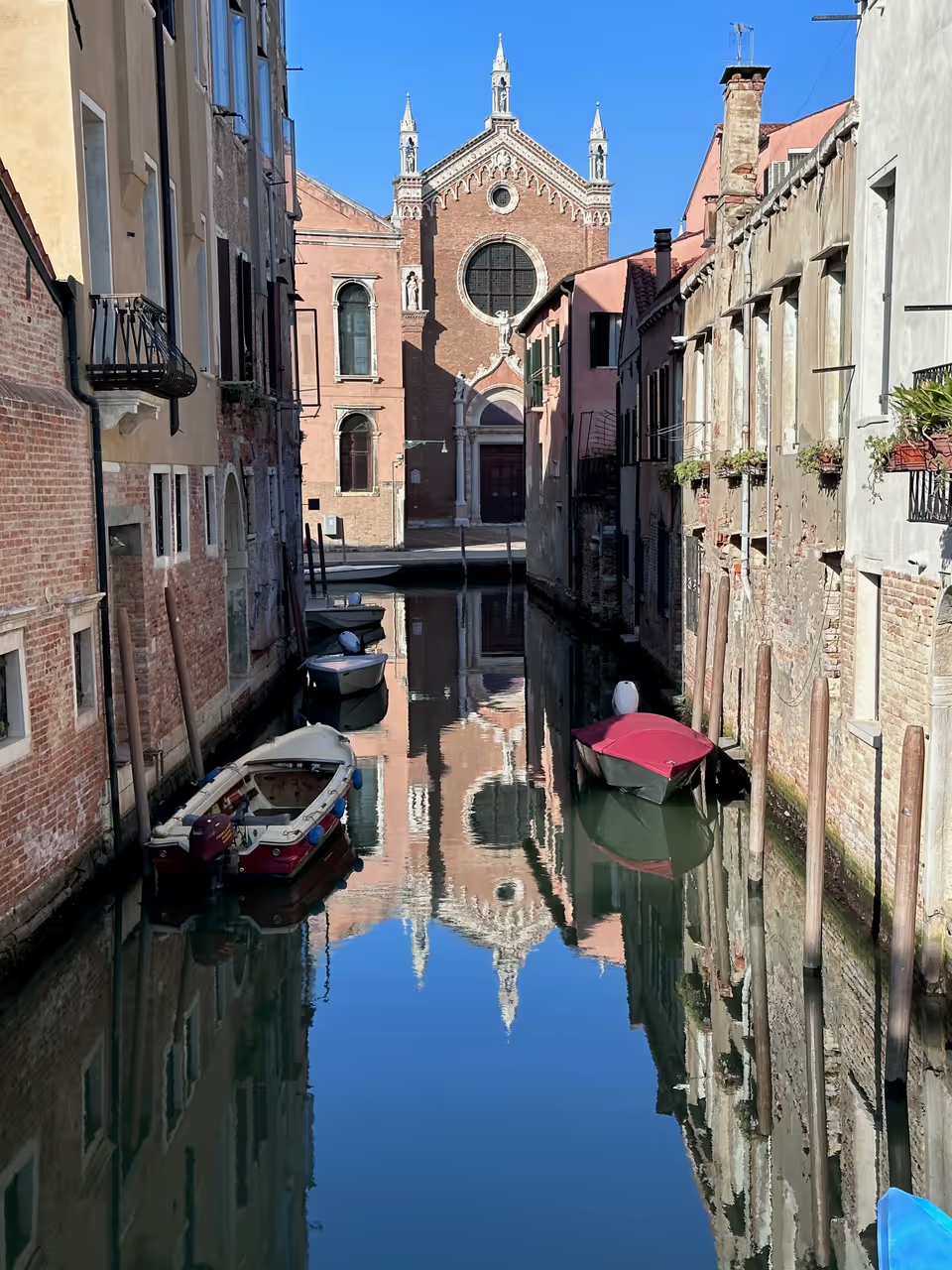
Venetian Gothic Discovery
The unique architectural style developed here blends heavy northern European Gothic elements with delicate Byzantine and Islamic influences brought back by merchant ships. This walking tour hunts down the finest examples of this incredibly distinctive, lace like stone carving. You will marvel at pointed arches, intricate quatrefoil windows, and stunning brickwork that seems to defy gravity. The journey will take you from the epicentre of political power into quiet, hidden courtyards where incredible staircases remain hidden from the main streets. It is a fantastic way to decode the visual language of the old republic.
Annual Festivals & Events
 HIGHLY RECOMMENDED
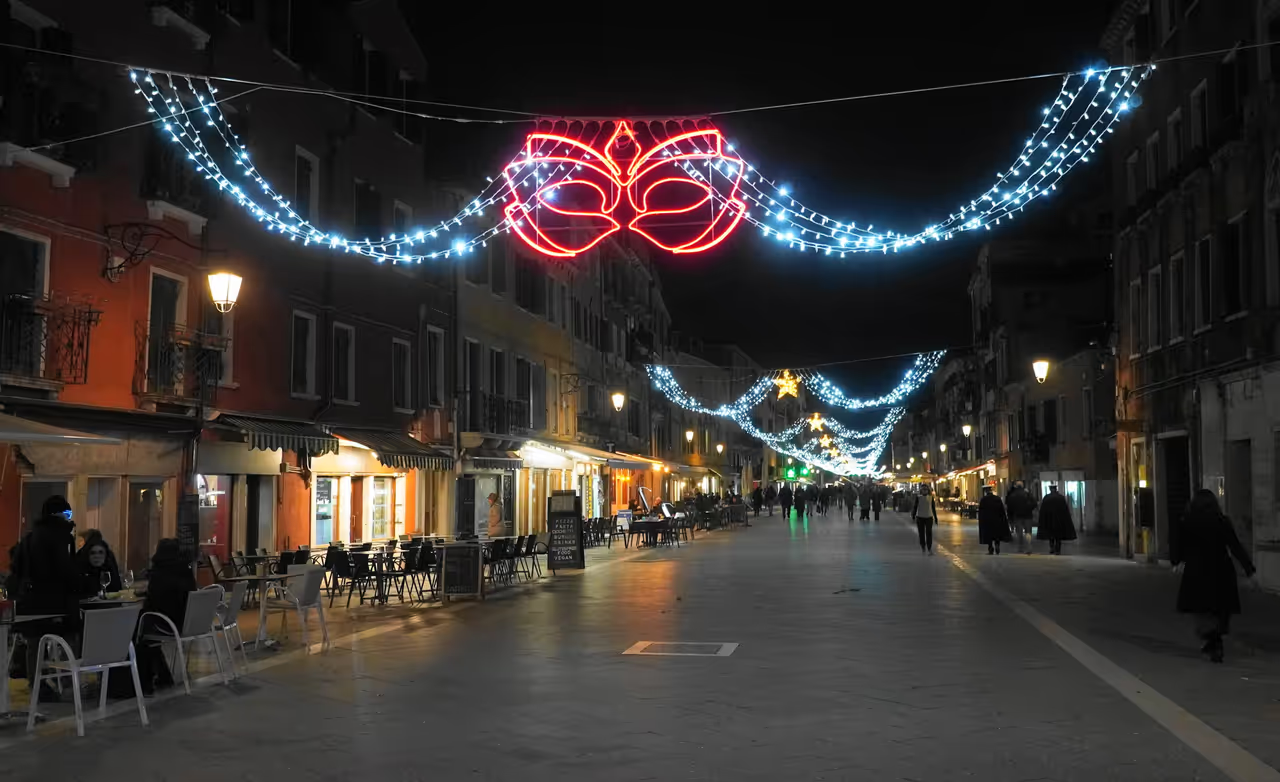
Carnival of Venice
This is one of the most famous and elaborate celebrations in the world, renowned for its exquisite masks and historic costumes. The tradition originated centuries ago to allow citizens to hide their social class and mingle freely during the festivities. Today, the streets and canals are filled with people parading in stunning eighteenth century attire. It offers incredible photographic opportunities as performers pose against the backdrop of the misty winter lagoon. Various glamorous balls and street performances occur throughout the city during the two weeks leading up to Lent.
 HIGHLY RECOMMENDED
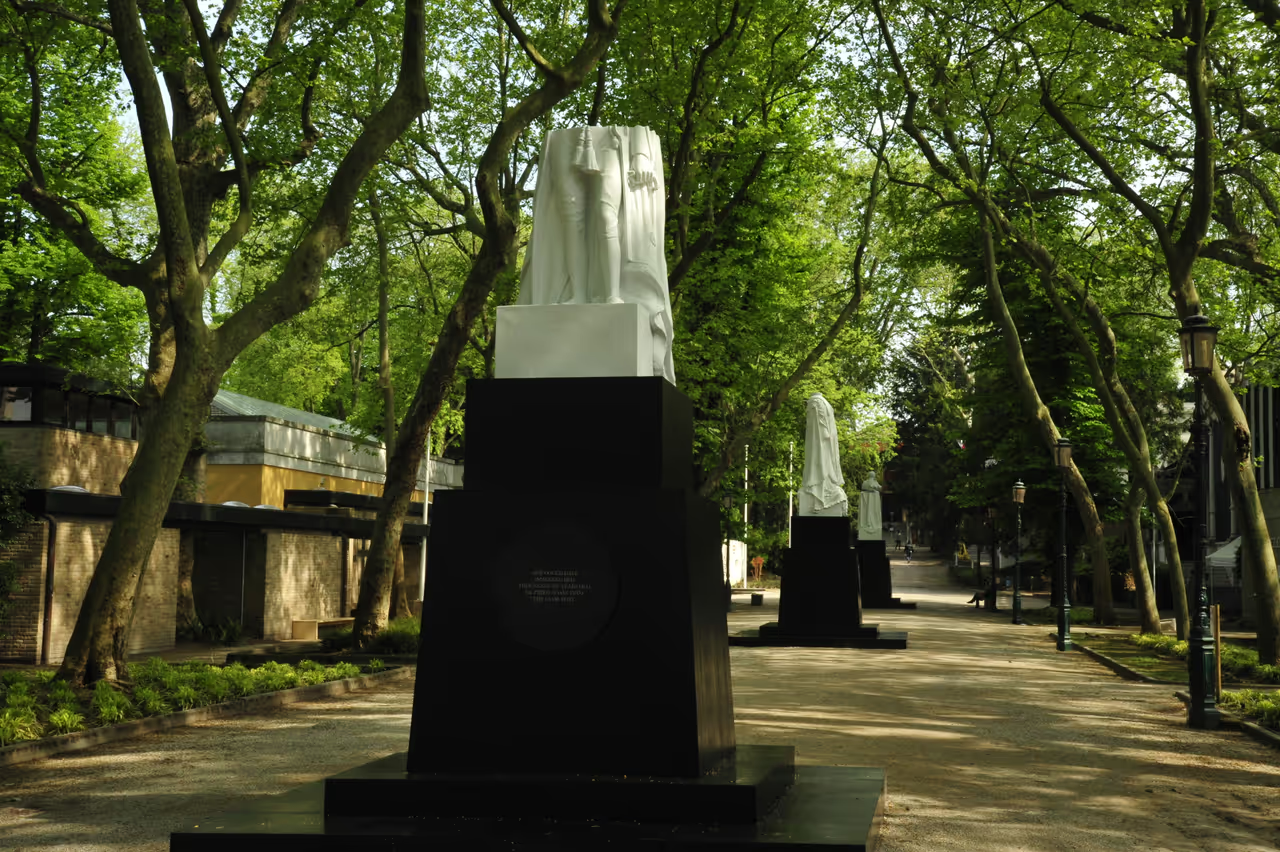
Venice Biennale
An internationally prestigious cultural institution that alternates annually between showcasing contemporary art and architecture. The main exhibitions are held in the historic Arsenale shipyards and the dedicated national pavilions in the eastern gardens. It transforms the entire city into a massive gallery, with countless fringe exhibitions housed in grand palaces that are normally closed to the public. It draws creators, critics, and enthusiasts from all over the globe to experience cutting edge artistic expression. The sheer scale and quality of the installations make it an unforgettable experience.
Feast of the Redeemer
This deeply loved local festival commemorates the end of a devastating plague in the sixteenth century. A massive temporary bridge made of boats is constructed across the wide Giudecca Canal, allowing pilgrims to walk directly to the Palladian church. The highlight is the spectacular Saturday night fireworks display over the water, which locals watch from thousands of decorated boats moored in the basin. Following the fireworks, many young people head to the Lido beaches to wait for the sunrise. It is a wonderfully authentic and joyous summer celebration.
Insider Tips
Walk on the right side of the alleyways to keep foot traffic flowing smoothly and avoid blocking the locals.
Bring a reusable water bottle to fill up at the numerous free public fountains scattered around the small squares.
Always validate your public transport ticket at the electronic machines before stepping onto the floating wooden platforms.
Stand at the bar to drink your espresso if you want to pay the lower local price rather than the premium seating fee.
Carry physical coins for the traghetto gondola ferries that cross the Grand Canal as they strictly do not accept cards.
Keep your luggage light and easily carried as dragging wheeled suitcases over countless stepped bridges is exhausting and damages the historic stone.
Avoid buying cheap glass souvenirs from street vendors as authentic local glass from Murano will always come with official certification.
Be aware of your surroundings and keep valuables secure in tight spaces especially when boarding crowded water buses.
PERFECT FOR
This destination is a dream for incurable romantics, architecture enthusiasts, and lovers of slow travel. It appeals deeply to those who enjoy getting lost on purpose to find hidden local taverns and quiet waterfront promenades. Art aficionados and history seekers will find endless treasures hidden behind the facades of ancient palazzi.
VIBE
It feels like stepping into a living painting where water takes the place of asphalt. The gentle lapping of the canals, the echoing footsteps in narrow stone alleyways, and the soft light reflecting off ancient palaces create an atmosphere of pure romance and mystery. You easily lose your sense of time as you wander across countless small bridges and discover quiet piazzas.
Frequently Asked Questions about Venice
While we strive to keep this information accurate and up to date, we recommend verifying any details independently before making decisions based on them.
Similar Destinations in Italy
Continue your journey. Explore these highly recommended cities and uncover more of what Italy has to offer.