Biennale Gardens
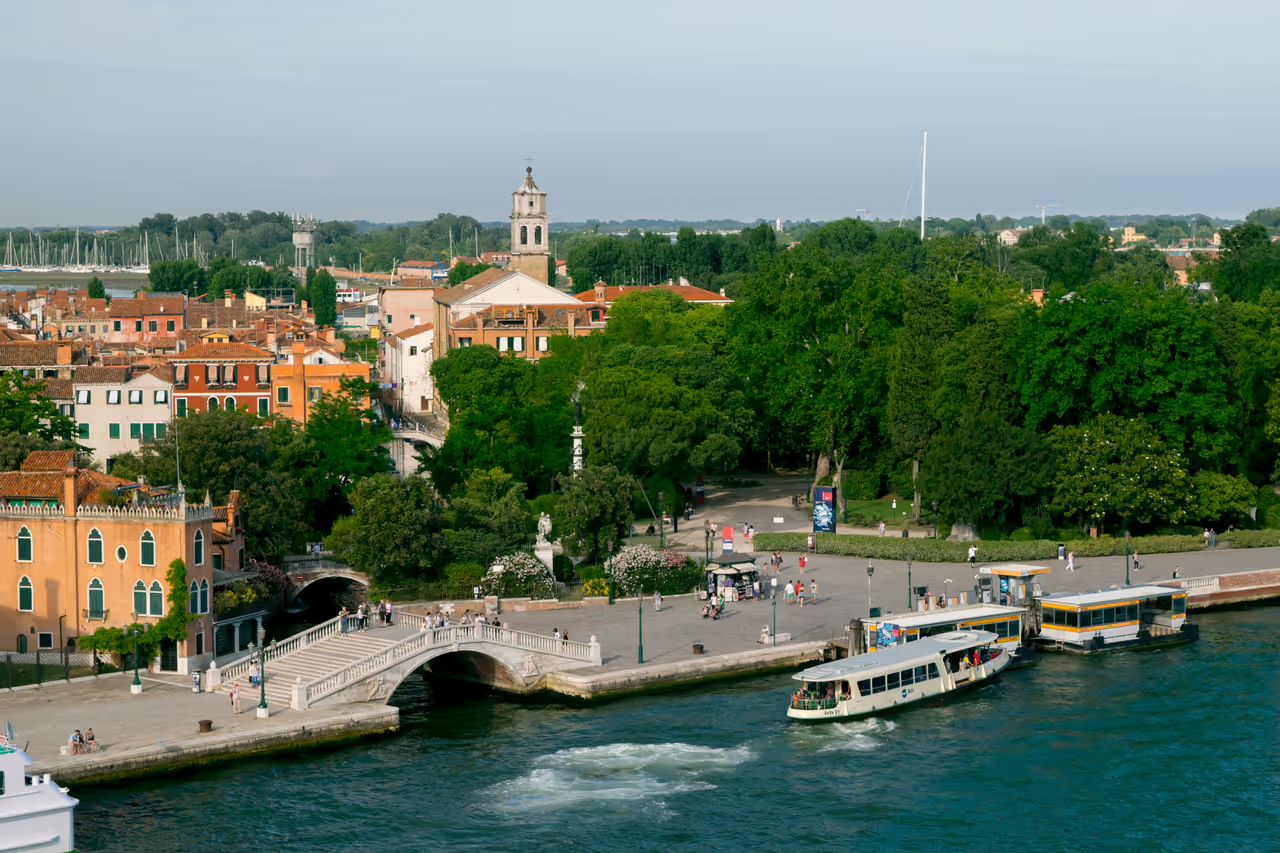
Tucked away in the quiet Castello district, the Biennale Gardens offer a lush green sanctuary that feels a world away from the busy canals. This sprawling oasis, established by Napoleon himself, serves as the historic heart of the world famous Venice Biennale. As you stroll down the main avenue, you will find yourself surrounded by a captivating mix of nature and international architecture, with various national pavilions showcasing artistic innovation. It is a rare space where leafy trees meet avant garde design, making it a perfect spot to wander and reflect. Beyond the art, the park is a treasure trove of monuments, each telling a piece of Venice's rich and storied past. Whether you are an art aficionado or simply seeking a peaceful retreat, this park provides a unique lens through which to experience the city.
Videos
History of Biennale Gardens
Venice has always been a city of stone, water, and tight alleyways. When Napoleon Bonaparte set his sights on the city at the turn of the nineteenth century, he envisioned a change. He sought to introduce open breathing space to a city that had very little. In 1807, his decree set in motion a transformation that required a heavy price. Centuries old churches, monasteries, and convents were demolished, their rubble repurposed to reshape the landscape and create the very ground upon which visitors walk today. It was a radical act of urban renewal that replaced silent religious sanctuaries with public leisure space.
Events spanning 218 years
Fun Facts
- • It serves as the permanent home to over thirty national pavilions, each reflecting the unique architectural style of its home country.
- • Pietro Antonio Zorzi worked to develop a planting strategy capable of surviving the challenging salt air and climate of the Venetian lagoon.
- • Renowned architects such as Alvar Aalto and Gerrit Rietveld contributed designs for the pavilions, turning the grounds into an open air architectural museum.
- • The Partigiana monument, dedicated to resistance fighters, features a base designed by the celebrated architect Carlo Scarpa.
- • The bricks and rubble from the demolished religious structures were repurposed to raise the ground level and create the park's topography.
- • The grounds are divided into two sections, with one managed by the Biennale for exhibitions and the other serving as a public park for residents.
- • The park contains a monument to Richard Wagner, standing in tribute to the composer who had a deep connection with the city.
- • The park was originally linked to the urban project that created Via Garibaldi, with material from the demolitions used to cover the canal.
- • The statue of Minerva atop a lion was relocated here from the facade of the Gallerie dell'Accademia in 1938.
- • To create space for this green area, the city ordered the demolition of five churches and convents, including the ancient Convent of San Domenico.
Biennale Gardens FAQ
While we strive to keep this information accurate and up to date, we recommend verifying any details independently before making decisions based on them.
Biennale Gardens Map & Neighborhood Explorer
This interactive map is centered on Biennale Gardens. Zoom in and move the map around to automatically discover Wikipedia photos and summaries of other nearby sights, monuments, and historical points of interest and stories in real-time!
Places near Biennale Gardens
Make the most of your trip. Check out these top-rated spots located nearby.
 67m
67mVenice Biennale
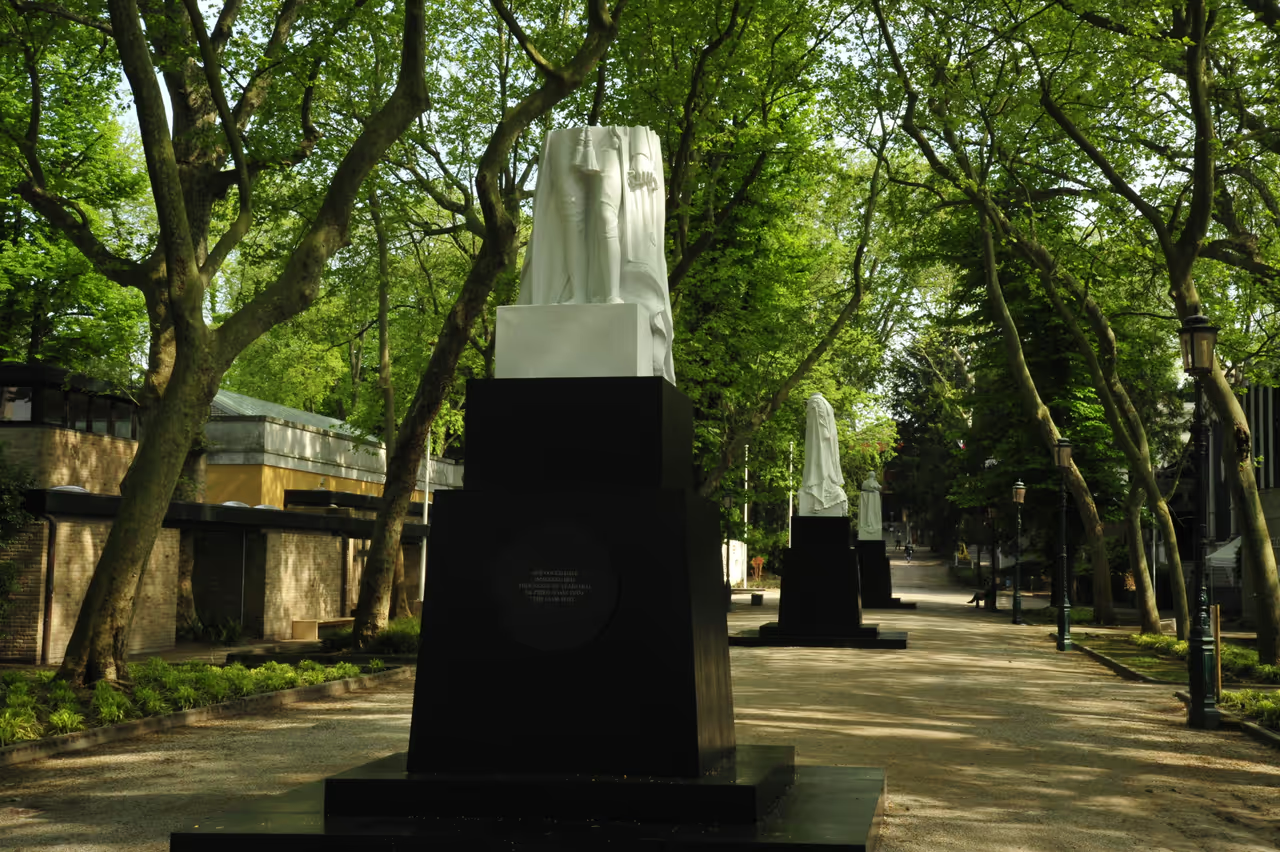
An internationally prestigious cultural institution that alternates annually between showcasing contemporary art and architecture. The main exhibitions are held in the historic Arsenale shipyards and the dedicated national pavilions in the eastern gardens. It transforms the entire city into a massive gallery, with countless fringe exhibitions housed in grand palaces that are normally closed to the public. It draws creators, critics, and enthusiasts from all over the globe to experience cutting edge artistic expression. The sheer scale and quality of the installations make it an unforgettable experience.
festival view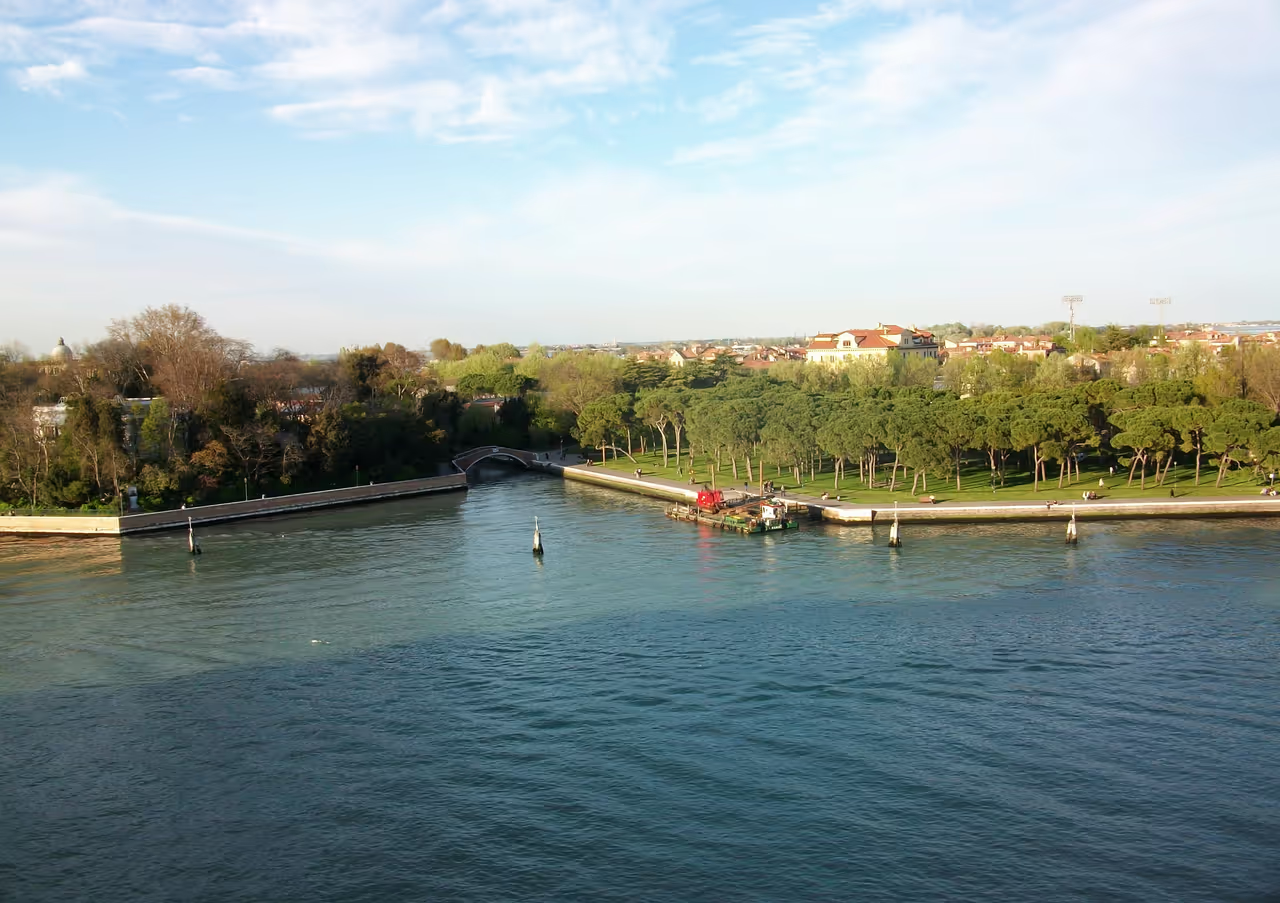 427m
427mRemembrance Park
Located at the far eastern tip of the city in the peaceful Sant'Elena district, this sprawling public park is a fantastic, free escape into nature. It is heavily shaded by towering pine trees and offers spectacular, wide open views across the lagoon towards the Lido. Locals flock here to jog, walk their dogs, and enjoy relaxed afternoon picnics on the actual grass, a rare luxury in this city of stone. Wandering through this serene, residential end of the island feels completely removed from the tourist epicentres. It is a wonderful spot to watch the sun dip lower over the water while surrounded by genuine local life.
free thing to do view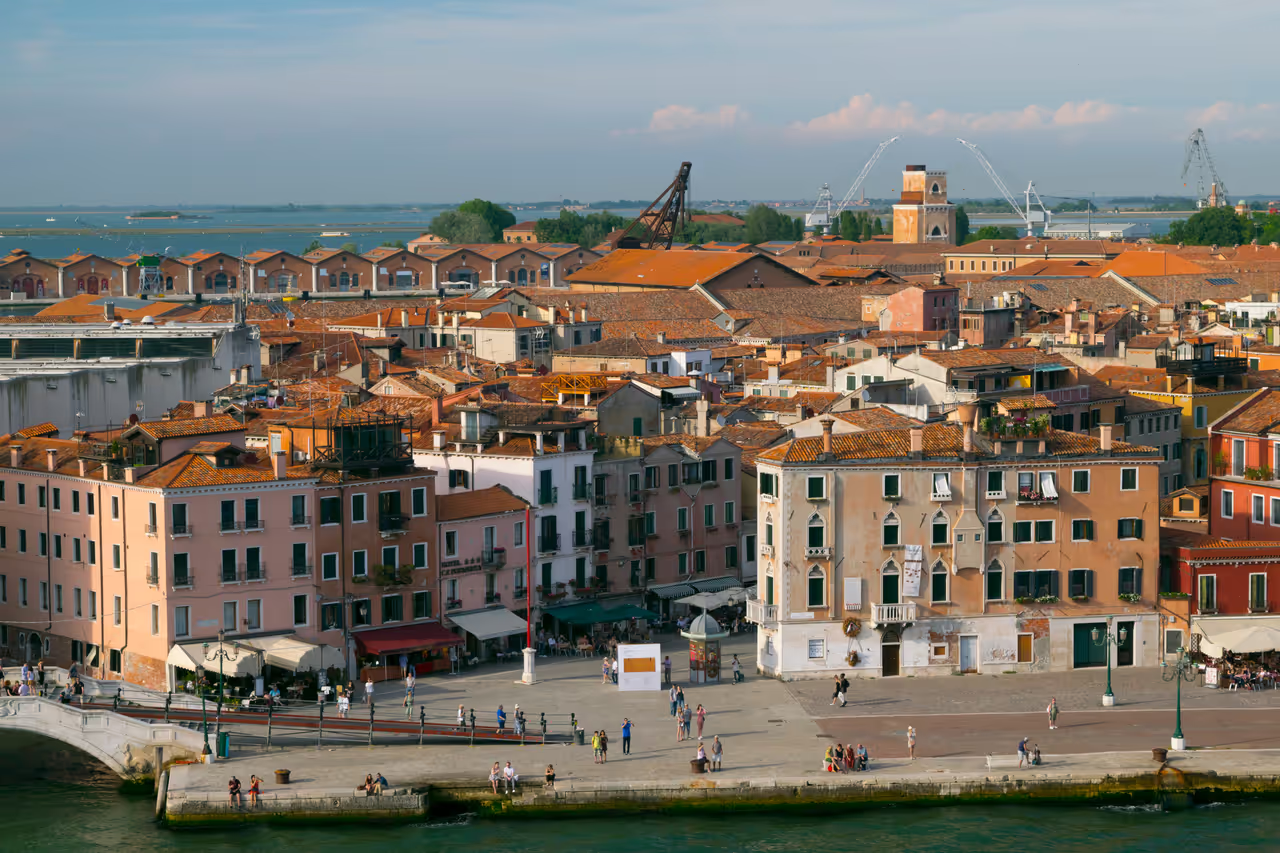 525m
525mGaribaldi Street
Located in the easternmost district, this unusually wide street offers a glimpse into the everyday life of working class residents. Away from the dense tourist crowds, the bars here are incredibly genuine and welcoming. The evening starts with older residents catching up over a bitter aperitif and slowly transitions into a lively neighbourhood gathering. You can find excellent, unpretentious seafood snacks and generous pours of local wine at very reasonable prices. It is a fantastic place to end a day of exploring the nearby art exhibitions.
nightlife view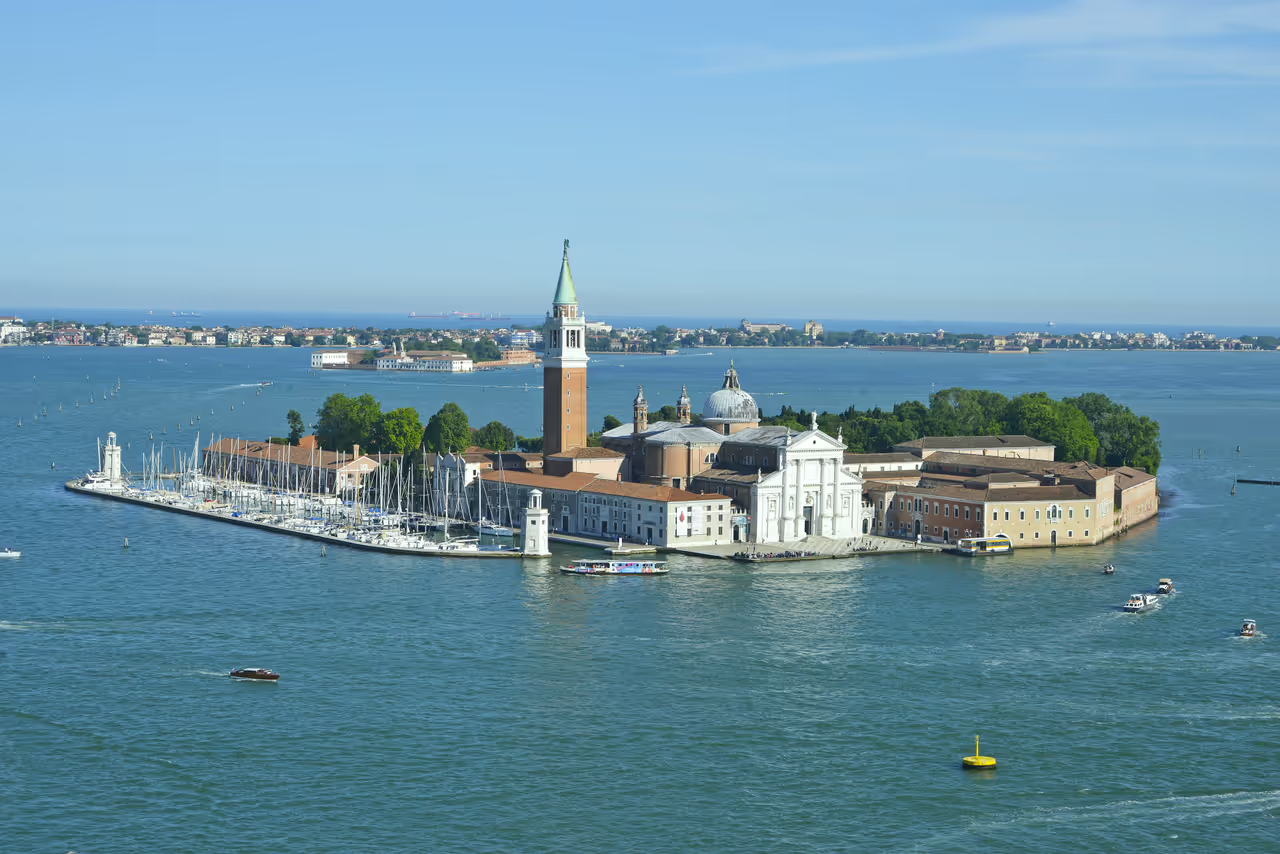 1032m
1032mSan Giorgio Maggiore Bell Tower
Located on an island just across the basin, this bell tower offers what many consider the absolute best view in the region. Unlike the tower in the main square, looking out from here allows you to see the iconic St Mark's facade and the Doge's Palace from across the glittering water. The sweeping perspective of the entire waterfront skyline is incredibly photogenic and majestic. The queue for the lift here is typically much shorter and more relaxed than the one across the water. The serene atmosphere of the monastery island adds a peaceful charm to the visit.
viewpoint view
Featured on These Itineraries and Routes
5 Days in Venice Itinerary
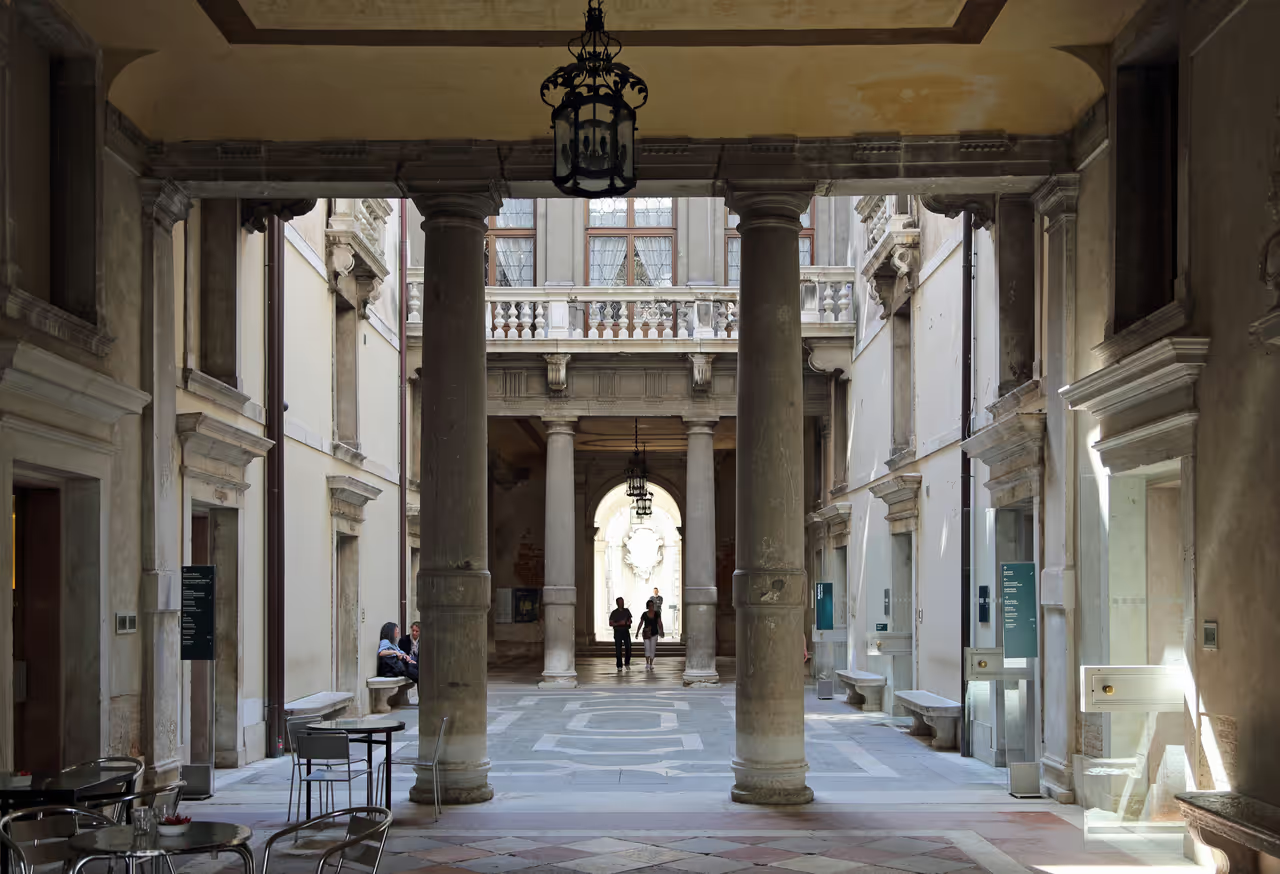
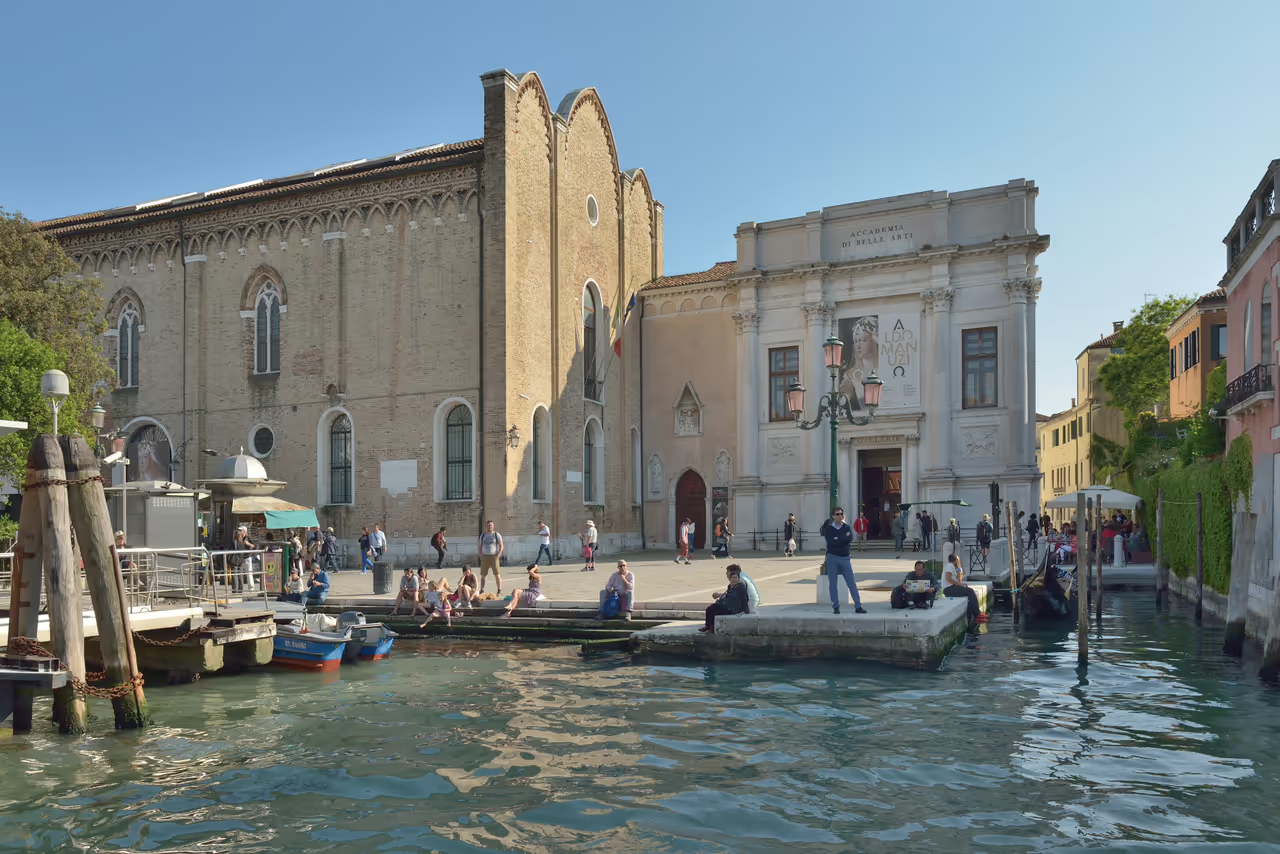
A comprehensive five day immersion allows you to truly sync with the slow, watery rhythm of the old republic. Beyond the essential monuments and famous outer islands, you will have time to discover incredibly peaceful hidden courtyards, historic ghettos, and majestic baroque palaces. This extended time frame permits leisurely evenings enjoying the local wine bar culture and quiet mornings appreciating panoramic waterfront views before the crowds arrive. It transforms a standard tourist visit into a deep, cultural exploration of residential life and artistic mastery. This is the ultimate way to understand the complex soul of the city.
view itinerary
Schiavoni Waterfront to Gardens
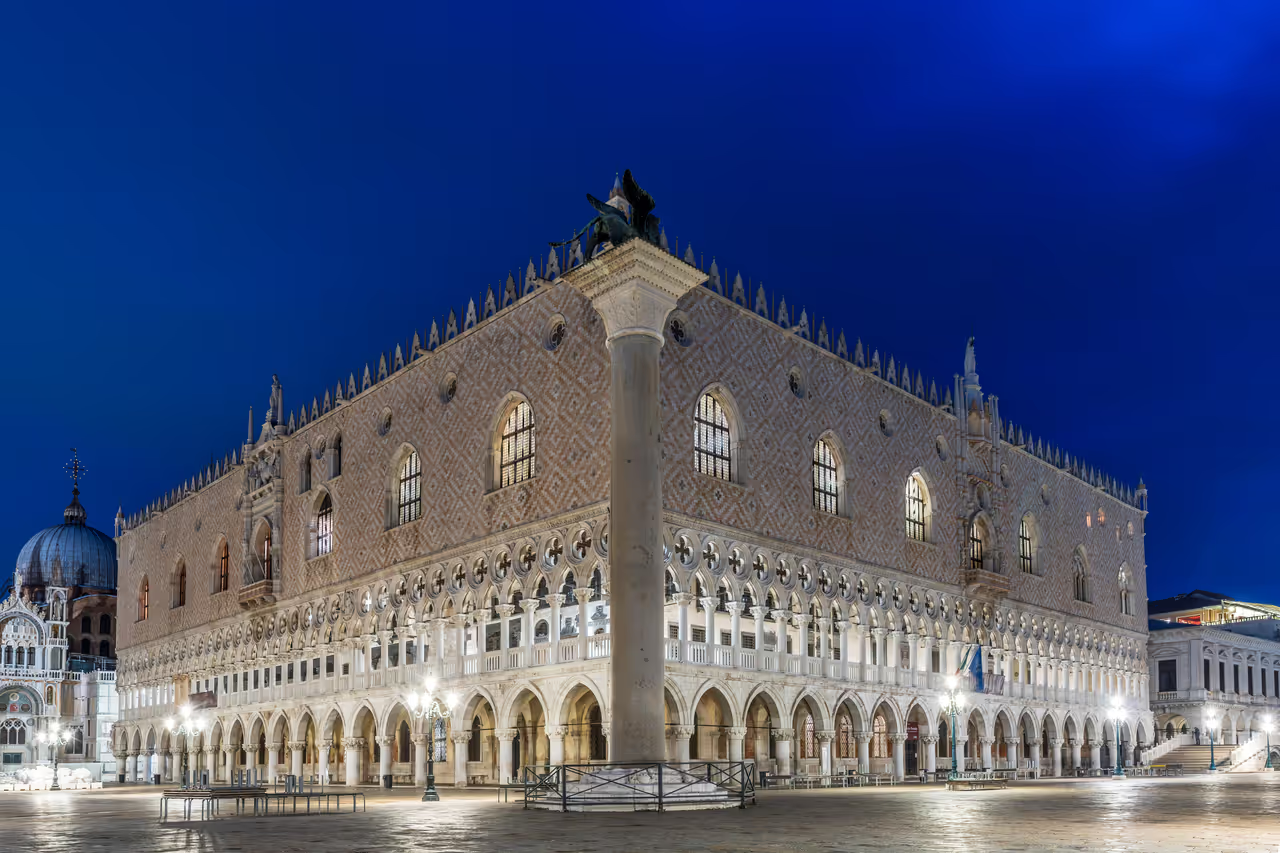
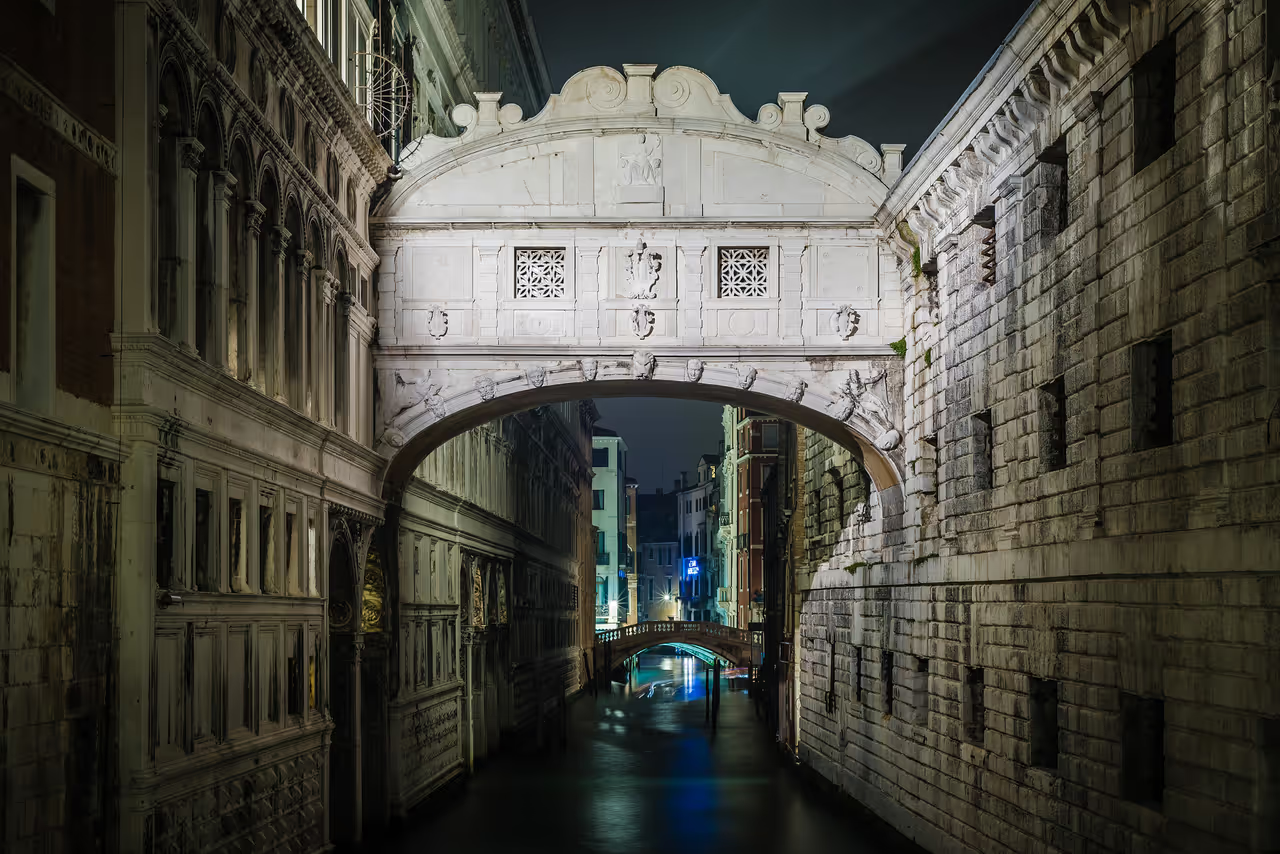
Begin near the political heart of the old republic and walk east along the monumental stone embankments of the main basin. This magnificent promenade was historically the principal docking area for merchant fleets returning from the Orient. Today, it is lined with luxurious historic hotels, bustling market stalls, and countless bobbing boats. As you progress further east, the dense crowds gradually thin out, and the grand stone paving gives way to the lush, green canopy of the public parks. It is a walk that transitions beautifully from imperial grandeur to peaceful nature.
view walking route
See all nature & parks in Venice
San Giuliano Park...