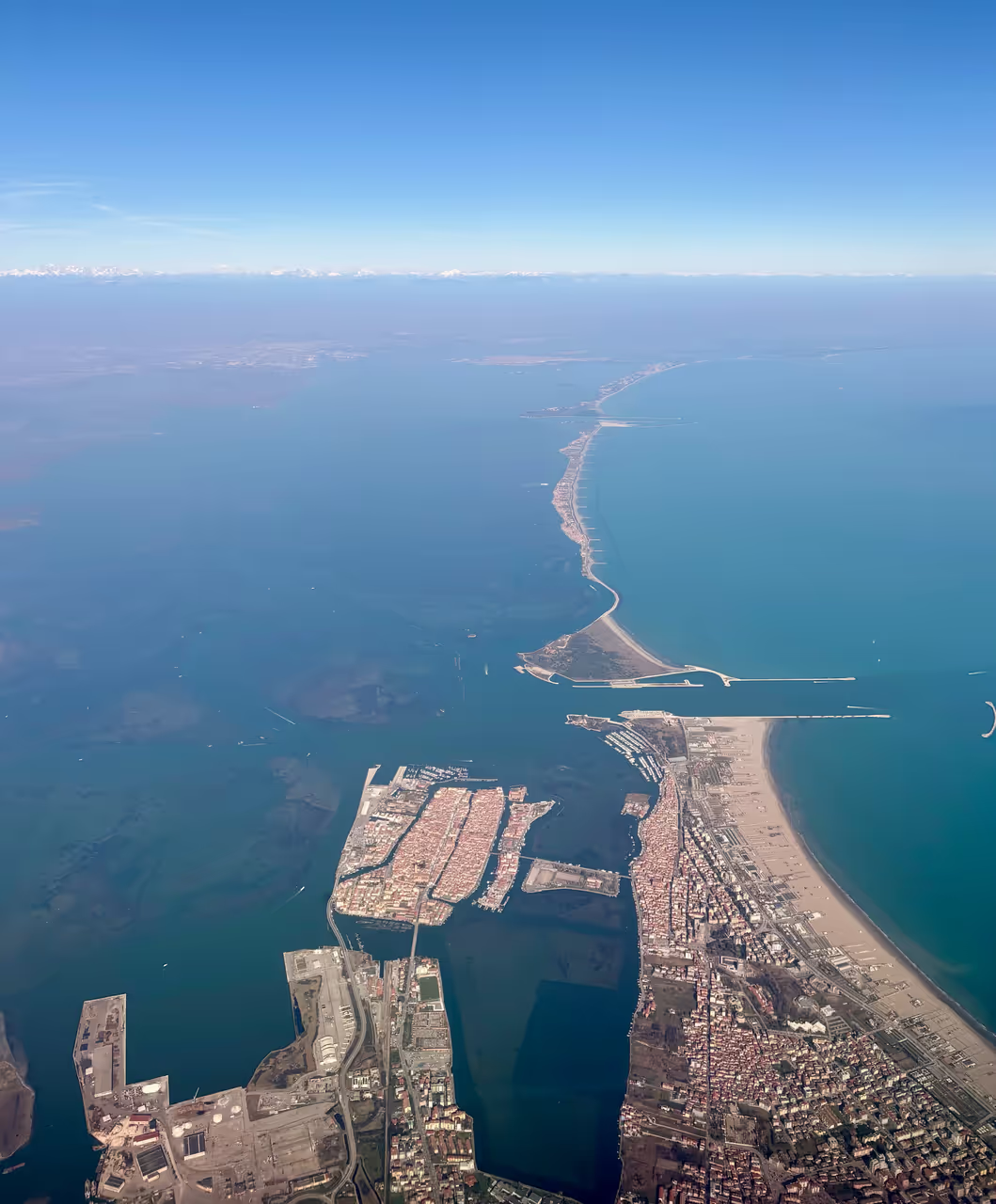
Venice Lagoon
The Venice Lagoon is a mesmerizing expanse of water and marshland that serves as the lifeblood of one of the most iconic cities in the world. This unique ecosystem, recognized as a UNESCO World Heritage site, is a labyrinth of canals, salt marshes, and islands that have sheltered civilisations for over a millennium. Beyond the main tourist paths, you will find a serene world where time seems to slow down, offering an intimate glimpse into the traditional way of life that relies on the tides and the sea. Visiting allows you to experience the silent beauty of Torcello, the vivid colours of Burano, and the artisan heritage of Murano, all while learning about the immense effort required to protect this delicate balance between nature and human ingenuity. It is an essential journey for anyone looking to understand the true spirit of Venice.
Videos
History of Venice Lagoon
Long before the majestic palaces of Venice were built, the lagoon served as a vital, if humble, sanctuary. During the chaotic centuries of the late Roman Empire, local populations fled to these marshy shores to escape barbarian invasions. They found safety within the treacherous mudflats and shifting waters, adapting to an environment that outsiders found nearly impossible to navigate. This forced isolation sparked a unique ingenuity, leading to the creation of a maritime culture that would eventually grow to dominate the Mediterranean trade routes. It was here that people learned to harvest salt, build structures that seemed to float like birds nests, and thrive in an area that the rest of the world initially overlooked. As the centuries passed, the lagoon became the foundation of a formidable republic. The small, scattered settlements on islands like Torcello gradually gave way to the central power of Venice itself. The lagoon was not just a protective moat, but a hub of industry and transport. From the glass furnaces of Murano to the fishing boats that fed the growing population, every drop of water played a role in the survival of the city. The lagoon shaped the Venetians, instilling in them a deep respect for the volatile nature of the sea and the engineering skills required to manipulate it. In modern times, the relationship between the lagoon and its inhabitants has reached a critical turning point. The struggle against rising sea levels and the environmental impact of industrial development on the mainland have forced a new era of conservation. Projects such as the MOSE flood barriers represent a daring, modern attempt to preserve this ancient heritage against the forces of nature. To walk along the edges of the lagoon today is to witness a story of survival, artistry, and constant adaptation, where the history of humanity is written in the movement of the tides.
Events spanning 1519 years
Fun Facts
- • Ancient Roman artefacts have been discovered beneath the water, suggesting the area was a busy commercial hub long before modern Venice rose.
- • Local fishing culture, known as the Pescatori, still employs traditional techniques passed down through generations to navigate the shallow, complex channels.
- • Some smaller islands, such as Poveglia, carry dark legends and stories that have intrigued locals and historians for centuries.
- • The islands were historically used for diverse purposes, ranging from quarantine stations like the Lazzaretto Nuovo to monasteries and glass factories.
- • The lagoon spans roughly 550 square kilometres, making it the largest in the Mediterranean.
- • The lagoon's water quality faced severe challenges due to 20th-century industrial activities at nearby Porto Marghera, leading to intensive environmental cleanup projects.
- • The unique salt marshes, known as barene, are vital for the ecosystem and act as natural filters for the water.
- • Three main inlets connect the lagoon to the Adriatic Sea, functioning as the lungs of the entire aquatic system.
- • Torcello, once a thriving city of thousands during the Middle Ages, is now a peaceful, mostly empty island featuring an ancient cathedral.
- • Traditional wooden markers known as bricole are still used to guide boats through the shallow, winding waters.
RESOURCES
Heritage UNESCO SiteVenice Lagoon FAQ
While we strive to keep this information accurate and up to date, we recommend verifying any details independently before making decisions based on them.
Venice Lagoon Map & Neighborhood Explorer
This interactive map is centered on Venice Lagoon. Zoom in and move the map around to automatically discover Wikipedia photos and summaries of other nearby sights, monuments, and historical points of interest and stories in real-time!
Places near Venice Lagoon
Make the most of your trip. Check out these top-rated spots located nearby.
 45m
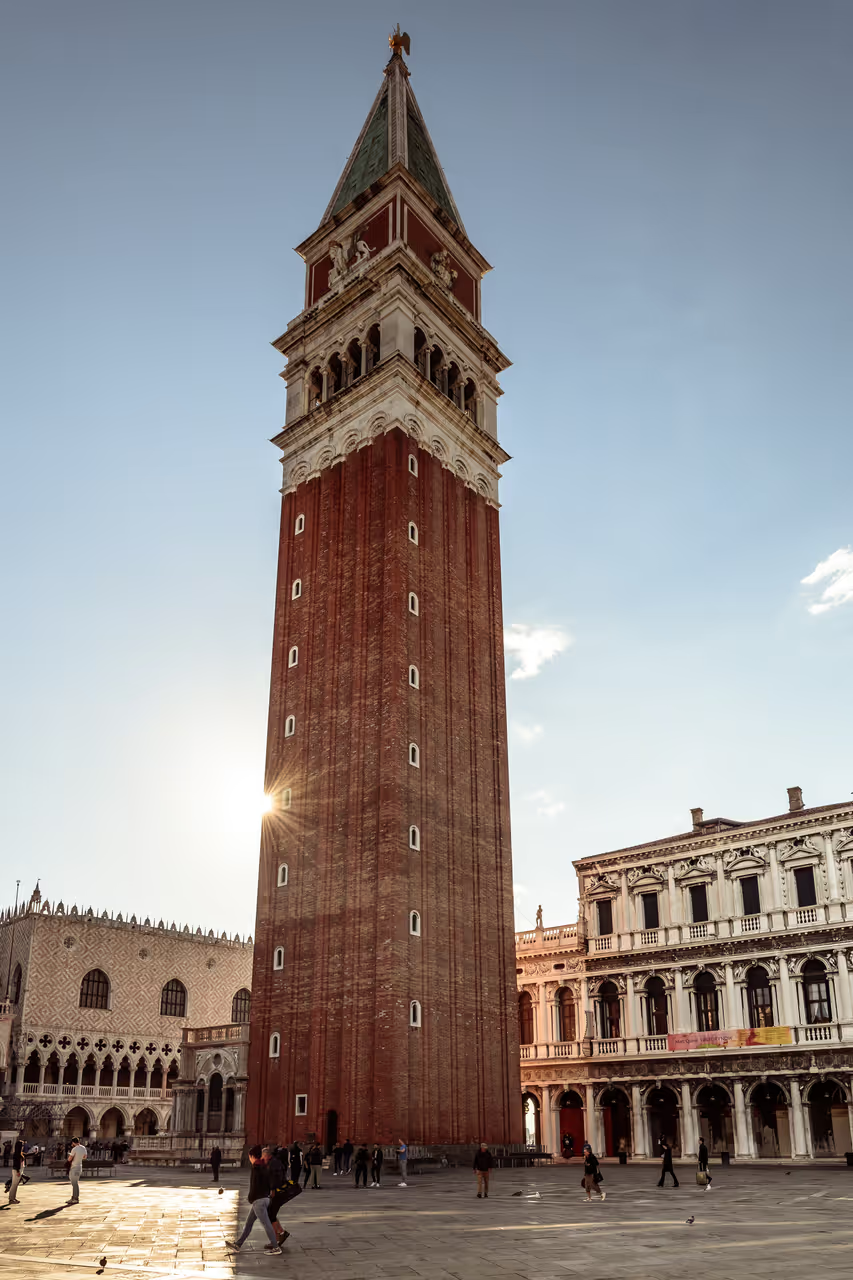
45mSt Mark's Bell Tower
Standing at nearly 99 metres tall, this massive brick tower provides the absolute highest vantage point over the historic centre. From the belfry, the entire maze of red tiled roofs, winding canals, and hidden courtyards is laid out spectacularly below. On a clear day, the panoramic view extends across the entire lagoon all the way to the snow capped peaks of the Alps. Originally built as a lighthouse for navigating ships, it collapsed entirely in 1902 and was rebuilt exactly as it was. Taking the lift to the top is an essential experience for understanding the sheer scale of the city.
viewpoint view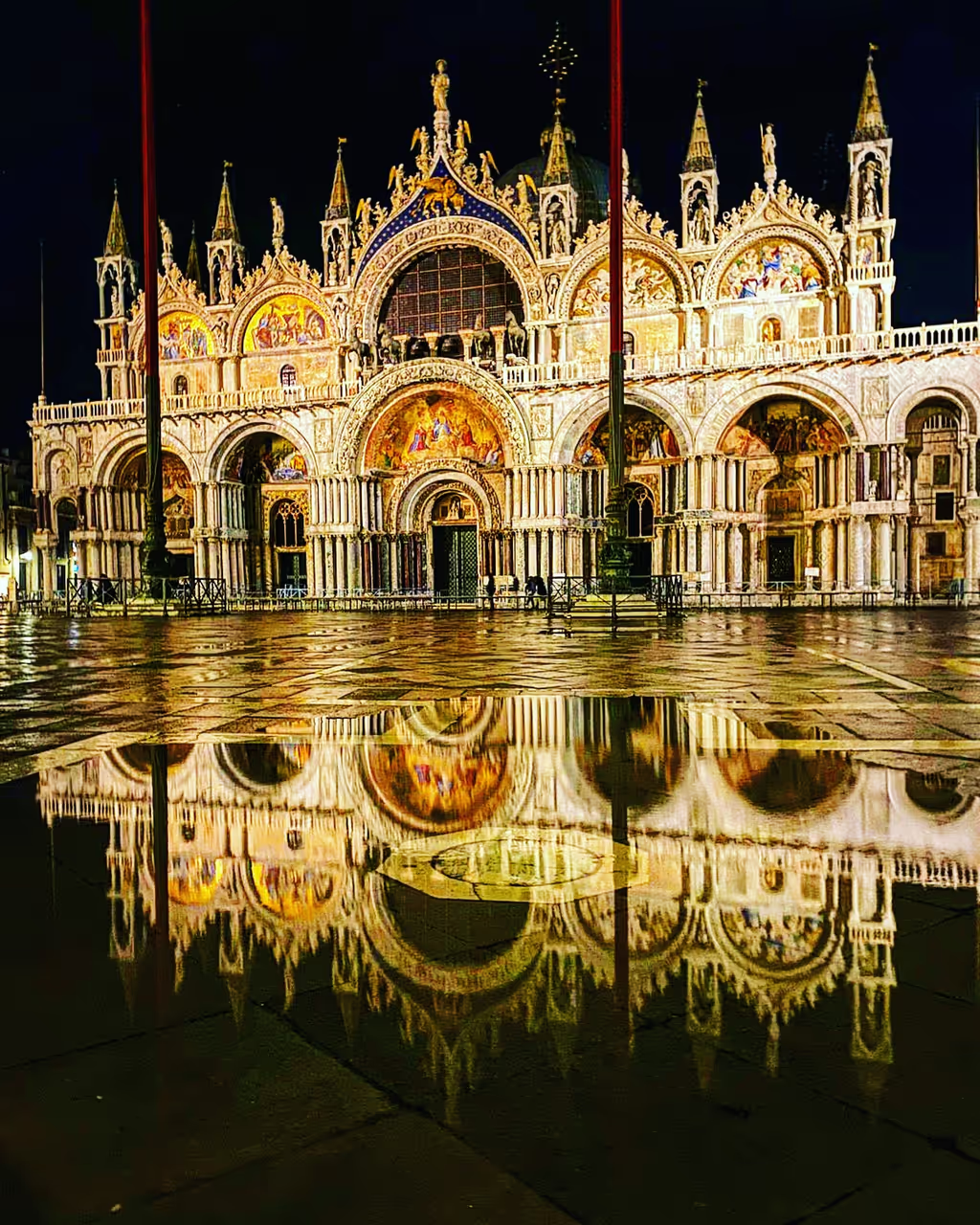 70m
70mSt Mark's Basilica
Step inside St Mark's Basilica to witness a golden masterpiece that truly defines the spirit of Venice. Often called the Church of Gold, this architectural wonder blends Byzantine, Romanesque, and Gothic styles into a dazzling display of history and faith. Marvel at the intricate golden mosaics that span centuries, telling biblical stories across the vaulted ceilings. Beyond its religious significance, the basilica holds treasures brought back from the East, including the famous bronze horses that once adorned the Hippodrome of Constantinople. It is the heart of Venetian identity, where history meets artistry in every shimmering detail.
attraction view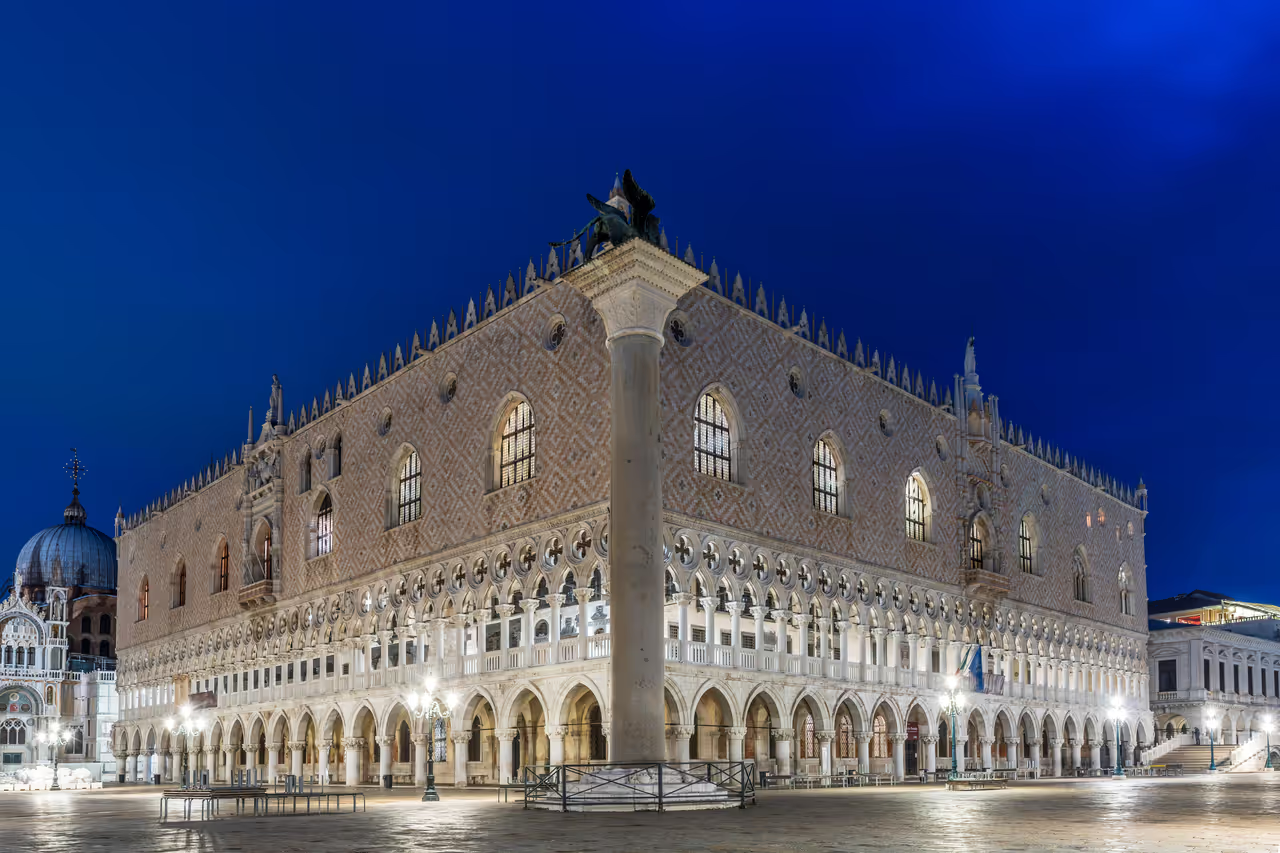 149m
149mDoge's Palace
Standing as a magnificent testament to the power of the Venetian Republic, this Gothic masterpiece is the definitive symbol of Venice. Its unique facade, with heavy pink marble resting atop delicate stone arches, creates an architectural paradox that is as enchanting as it is imposing. Visitors can wander through vast ceremonial halls adorned with world-class art, including one of the largest oil paintings ever created. Beyond the golden ceilings and grand staircases lies a darker history found in the narrow passages leading to the infamous prisons. This transition from opulence to confinement offers a gripping look into the life of the Doges and the secrets of the state. It is an essential experience that captures the artistic brilliance and the political intrigue of the Serenissima.
attraction view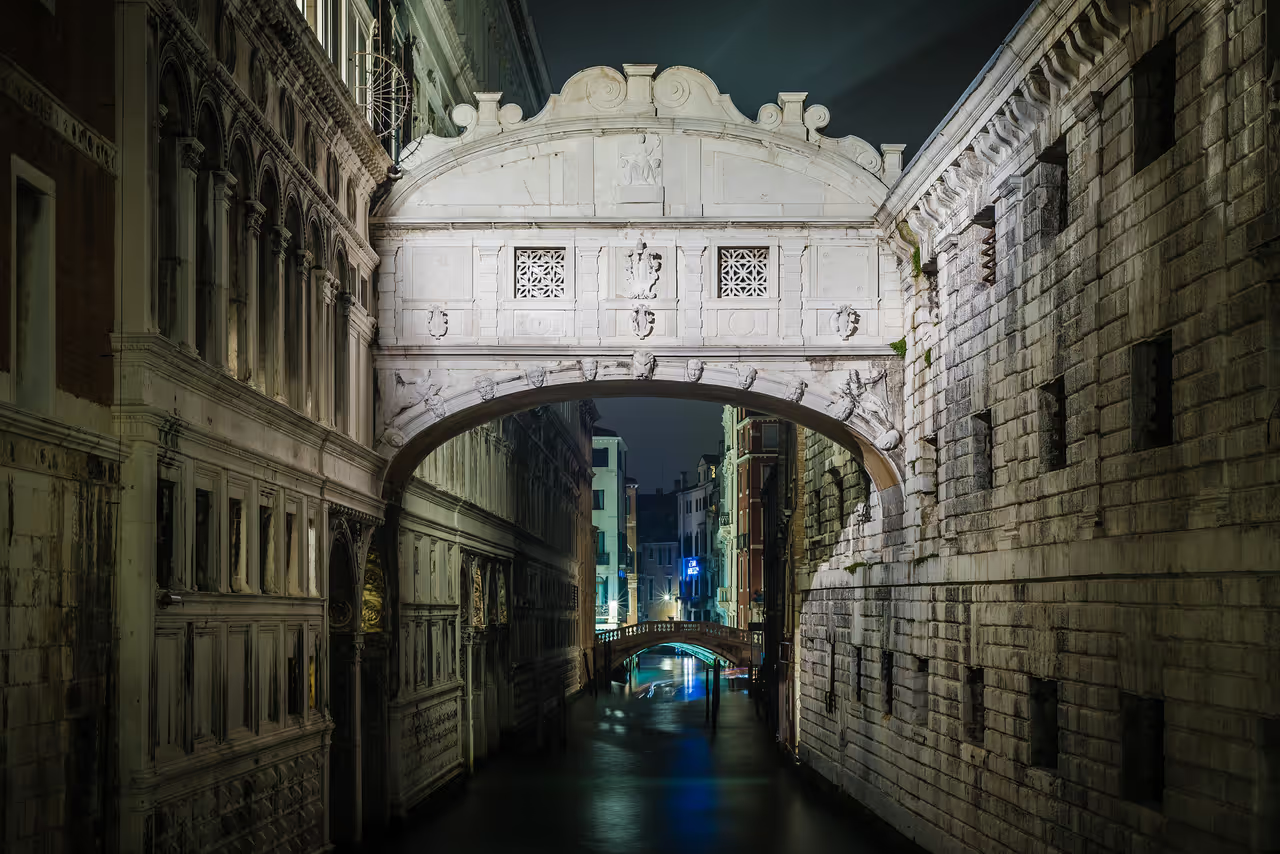 158m
158mBridge of Sighs
This exquisite, fully enclosed bridge made of bright white limestone spans a narrow canal just behind the grand Doge's Palace. It is famous for connecting the interrogation rooms of the palace directly to the grim new prisons. The best spot to photograph it is from the adjacent Ponte della Paglia along the main waterfront. The contrast of the delicate, ornate stonework against the dark water below creates a dramatic and deeply romantic composition. It is particularly striking in the late afternoon light or during a heavy, atmospheric fog.
photo spot view