St Mark's Basilica
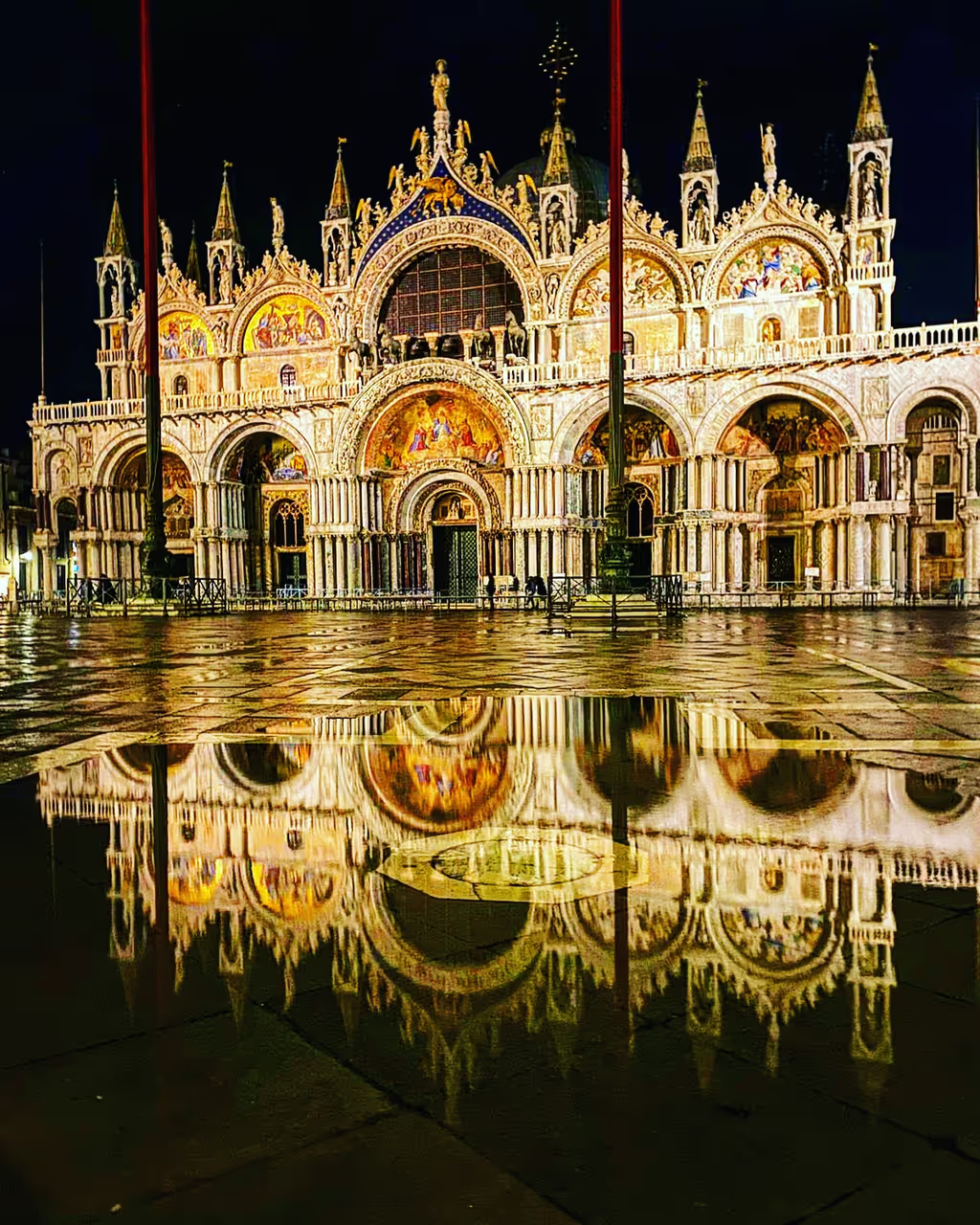
Step inside St Mark's Basilica to witness a golden masterpiece that truly defines the spirit of Venice. Often called the Church of Gold, this architectural wonder blends Byzantine, Romanesque, and Gothic styles into a dazzling display of history and faith. Marvel at the intricate golden mosaics that span centuries, telling biblical stories across the vaulted ceilings. Beyond its religious significance, the basilica holds treasures brought back from the East, including the famous bronze horses that once adorned the Hippodrome of Constantinople. It is the heart of Venetian identity, where history meets artistry in every shimmering detail.
Videos
History of St Mark's Basilica
The story of St Mark's Basilica begins with an act of daring theft that forever changed the identity of Venice. In 828, two Venetian merchants arrived in Alexandria with a singular goal to steal the remains of St Mark the Evangelist. Legend says they hid the holy relics in a shipment of pork, a ruse that effectively deterred customs officers from searching the barrels. When the body arrived in Venice, it was not just a religious acquisition, but a political masterstroke. By claiming the patronage of an Evangelist, Venice elevated itself from a trading outpost to a city with divine protection, eventually surpassing rivals who held the remains of lesser saints. This act of audacity became the foundation of the Venetian Republic. As the Republic grew in power, so did its church. The current structure, begun in the 11th century, was designed to broadcast this newfound status to the world. Architects turned away from local European designs and instead embraced the Byzantine aesthetic, mirroring the grand churches of Constantinople. When the Fourth Crusade struck in 1204, the Venetians returned home with a bounty of riches that transformed the building into a treasure house of the Mediterranean. Columns, sculptures, and precious marbles were stripped from the East and reassembled on the Venetian facade. The famous bronze horses, taken from the Hippodrome of Constantinople, became the ultimate trophies of this military and cultural conquest. For centuries, the basilica served as the private chapel of the Doge, a theatre where the religious and the political became one. It was here that music evolved, with composers creating a polychoral style that took advantage of the building's distinct acoustics, turning the interior into an echo chamber of sound. Even as the political fortunes of Venice eventually waned, the basilica remained its enduring symbol. It survived fires, floods, and political upheaval to stand as the Church of Gold, a testament to a time when Venice stood at the crossroads of empires and commanded the trade routes of the world.
Events spanning 979 years
Fun Facts
- • For centuries, the church was the hub for the Venetian polychoral style of music, which exploited the basilica's unique acoustics to create immersive soundscapes.
- • The Pala d'Oro is a glittering masterpiece of medieval goldsmithing, consisting of Byzantine enamels and thousands of precious gems gathered over centuries.
- • The basilica architecture was a deliberate rejection of Western European building styles at the time, favouring Byzantine models to link Venice to the Eastern Empire.
- • The basilica features an ambone, a raised platform, from which the newly elected Doge was presented to the cheering crowds in the square.
- • The basilica was originally built as the private chapel of the Doge, rather than the city cathedral, serving as a symbol of the state's power.
- • The facade is adorned with diverse sculptures and columns salvaged from across the Mediterranean, turning the building into a living museum of looted history.
- • The famous four bronze horses were looted from the Hippodrome of Constantinople during the Fourth Crusade and are the only surviving bronze equestrian group from classical antiquity.
- • The floor of the basilica is a masterpiece of marble inlay work that has survived for centuries despite the challenging foundations of the lagoon.
- • The mosaic cycle is not the work of one era but an evolving gallery of art spanning eight centuries, featuring designs by Renaissance giants like Tintoretto and Titian.
- • The nickname Church of Gold stems from the vast quantities of gold leaf used in the mosaics, which cover over 8,000 square metres of ceiling.
- • The so called Stones of Acre outside the building are actually trophy pillars looted from the Basilica of St Polyeuctus in Constantinople.
- • To smuggle the remains of St Mark out of Egypt, the merchants concealed them in a barrel of pork, knowing that the Muslim guards would not search it.
RESOURCES
Official WebsiteSt Mark's Basilica FAQ
While we strive to keep this information accurate and up to date, we recommend verifying any details independently before making decisions based on them.
St Mark's Basilica Map & Neighborhood Explorer
This interactive map is centered on St Mark's Basilica. Zoom in and move the map around to automatically discover Wikipedia photos and summaries of other nearby sights, monuments, and historical points of interest and stories in real-time!
Places near St Mark's Basilica
Make the most of your trip. Check out these top-rated spots located nearby.
 70m
70mVenice Lagoon
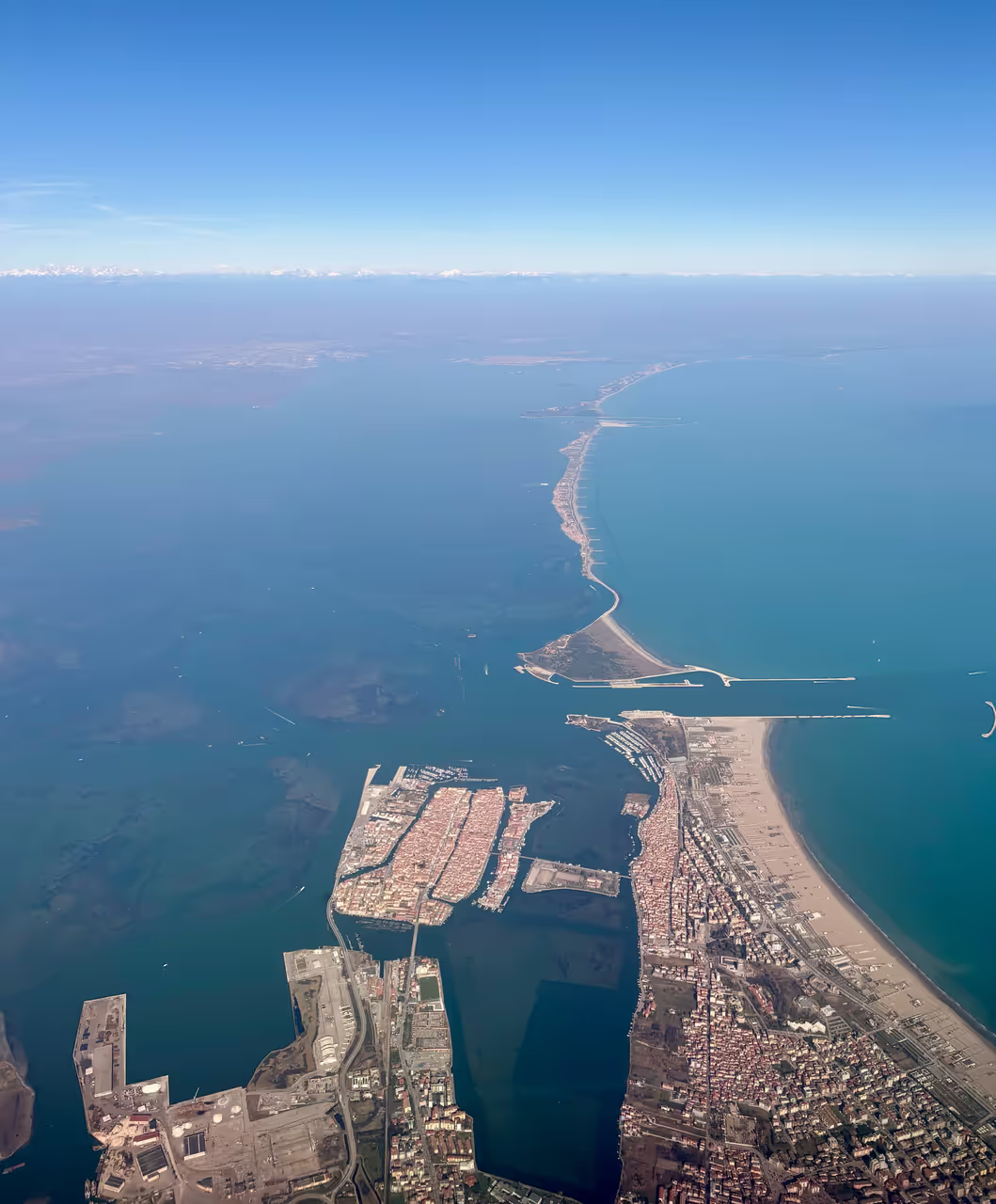
The Venice Lagoon is a mesmerizing expanse of water and marshland that serves as the lifeblood of one of the most iconic cities in the world. This unique ecosystem, recognized as a UNESCO World Heritage site, is a labyrinth of canals, salt marshes, and islands that have sheltered civilisations for over a millennium. Beyond the main tourist paths, you will find a serene world where time seems to slow down, offering an intimate glimpse into the traditional way of life that relies on the tides and the sea. Visiting allows you to experience the silent beauty of Torcello, the vivid colours of Burano, and the artisan heritage of Murano, all while learning about the immense effort required to protect this delicate balance between nature and human ingenuity. It is an essential journey for anyone looking to understand the true spirit of Venice.
unesco heritage site view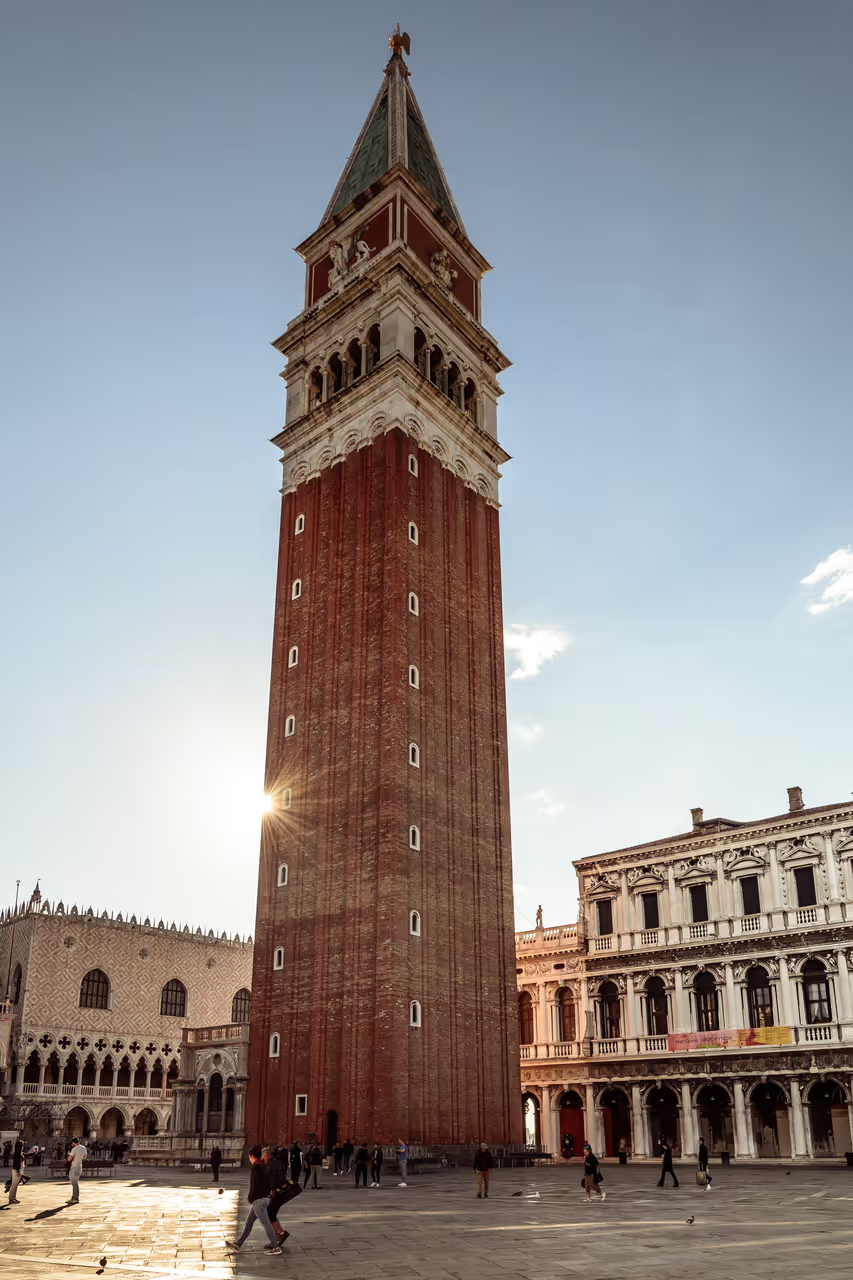 83m
83mSt Mark's Bell Tower
Standing at nearly 99 metres tall, this massive brick tower provides the absolute highest vantage point over the historic centre. From the belfry, the entire maze of red tiled roofs, winding canals, and hidden courtyards is laid out spectacularly below. On a clear day, the panoramic view extends across the entire lagoon all the way to the snow capped peaks of the Alps. Originally built as a lighthouse for navigating ships, it collapsed entirely in 1902 and was rebuilt exactly as it was. Taking the lift to the top is an essential experience for understanding the sheer scale of the city.
viewpoint view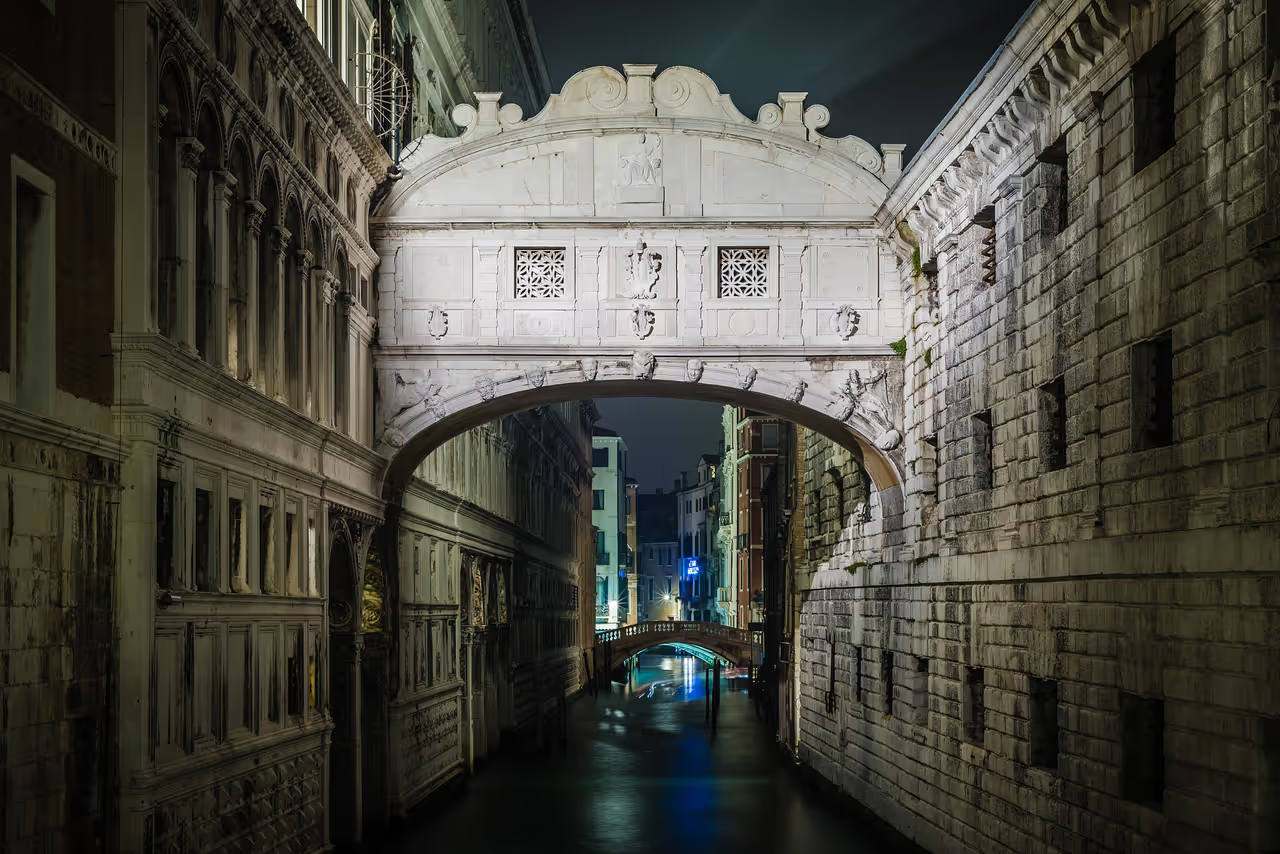 94m
94mBridge of Sighs
This exquisite, fully enclosed bridge made of bright white limestone spans a narrow canal just behind the grand Doge's Palace. It is famous for connecting the interrogation rooms of the palace directly to the grim new prisons. The best spot to photograph it is from the adjacent Ponte della Paglia along the main waterfront. The contrast of the delicate, ornate stonework against the dark water below creates a dramatic and deeply romantic composition. It is particularly striking in the late afternoon light or during a heavy, atmospheric fog.
photo spot view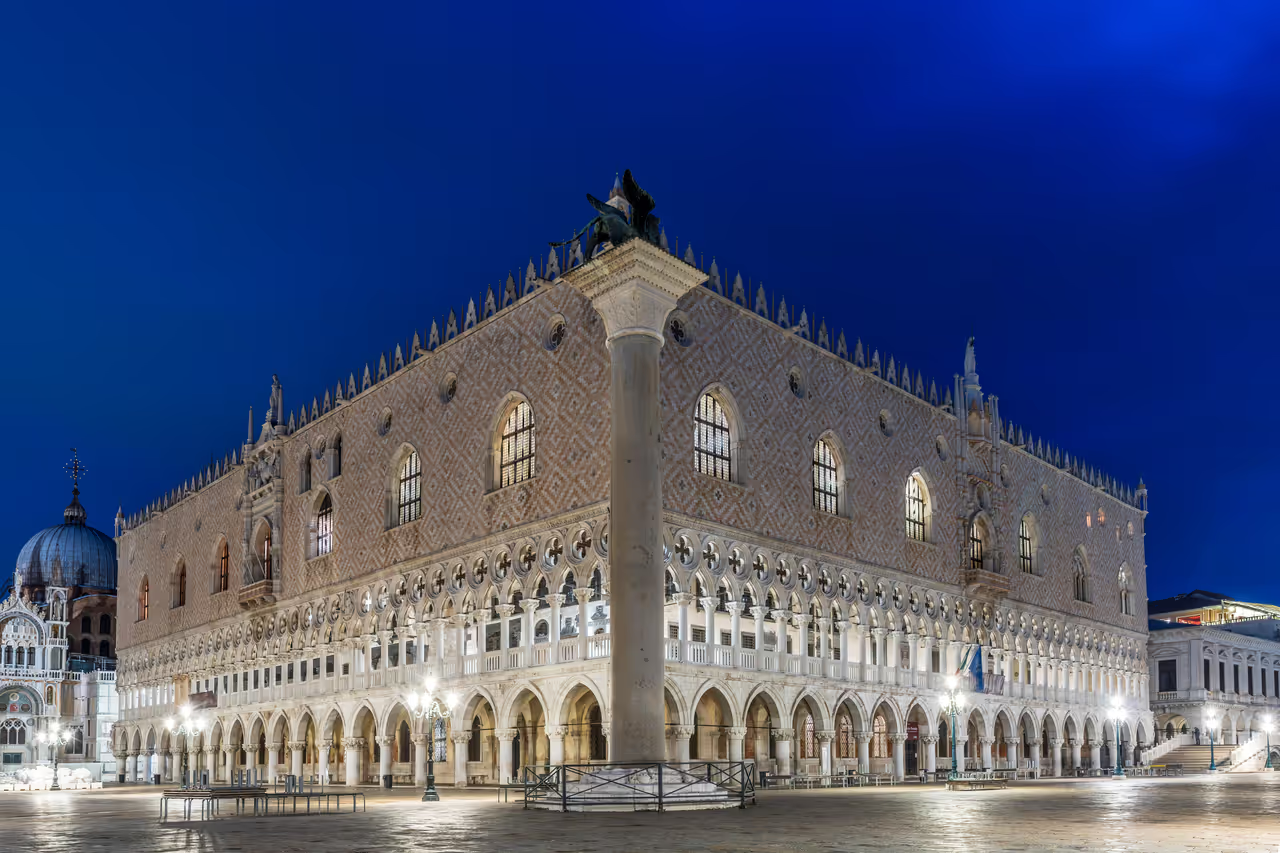 113m
113mDoge's Palace
Standing as a magnificent testament to the power of the Venetian Republic, this Gothic masterpiece is the definitive symbol of Venice. Its unique facade, with heavy pink marble resting atop delicate stone arches, creates an architectural paradox that is as enchanting as it is imposing. Visitors can wander through vast ceremonial halls adorned with world-class art, including one of the largest oil paintings ever created. Beyond the golden ceilings and grand staircases lies a darker history found in the narrow passages leading to the infamous prisons. This transition from opulence to confinement offers a gripping look into the life of the Doges and the secrets of the state. It is an essential experience that captures the artistic brilliance and the political intrigue of the Serenissima.
attraction view
Explore Similar Places in This Collection
Featured on These Itineraries
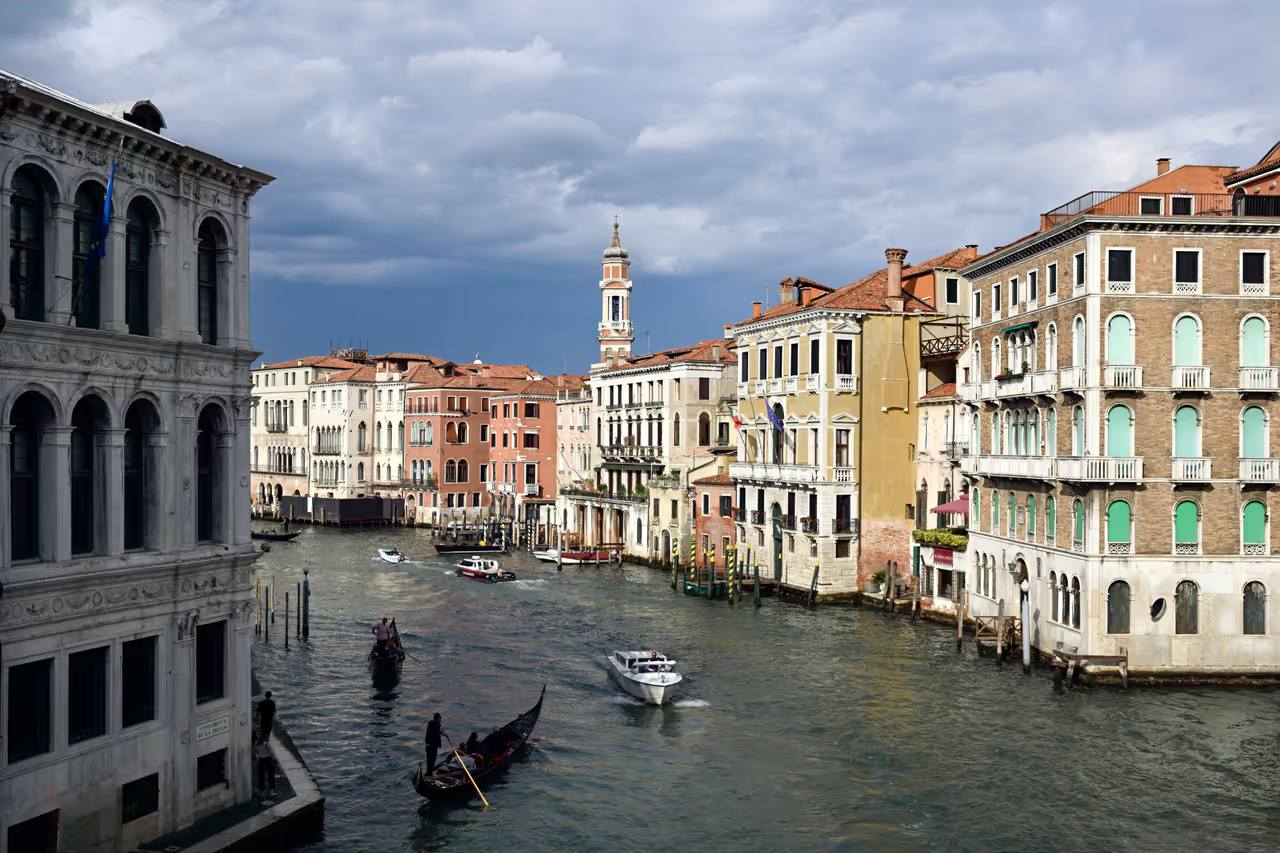
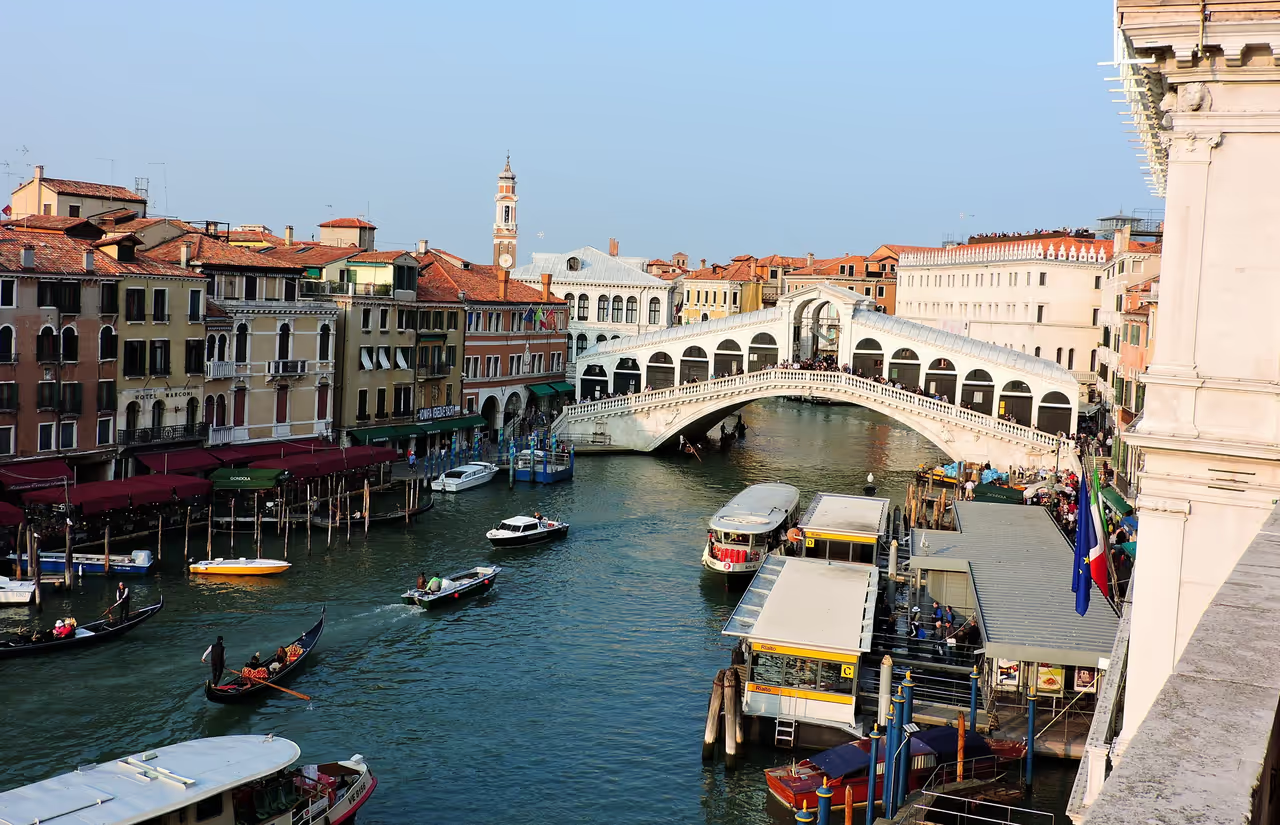
1 Day in Venice Itinerary
If you only have one day, this fast paced itinerary covers the absolute highlights of the historic republic. You will experience the sheer majesty of the central squares, marvel at the incredible Byzantine and Gothic architecture, and witness the bustling energy of the ancient markets. By utilizing the public water buses, you will also grasp the breathtaking scale of the palaces lining the main waterway. It is designed to deliver maximum visual impact and historical understanding in a short timeframe. Expect a thrilling, unforgettable introduction to the lagoon city.
view itinerary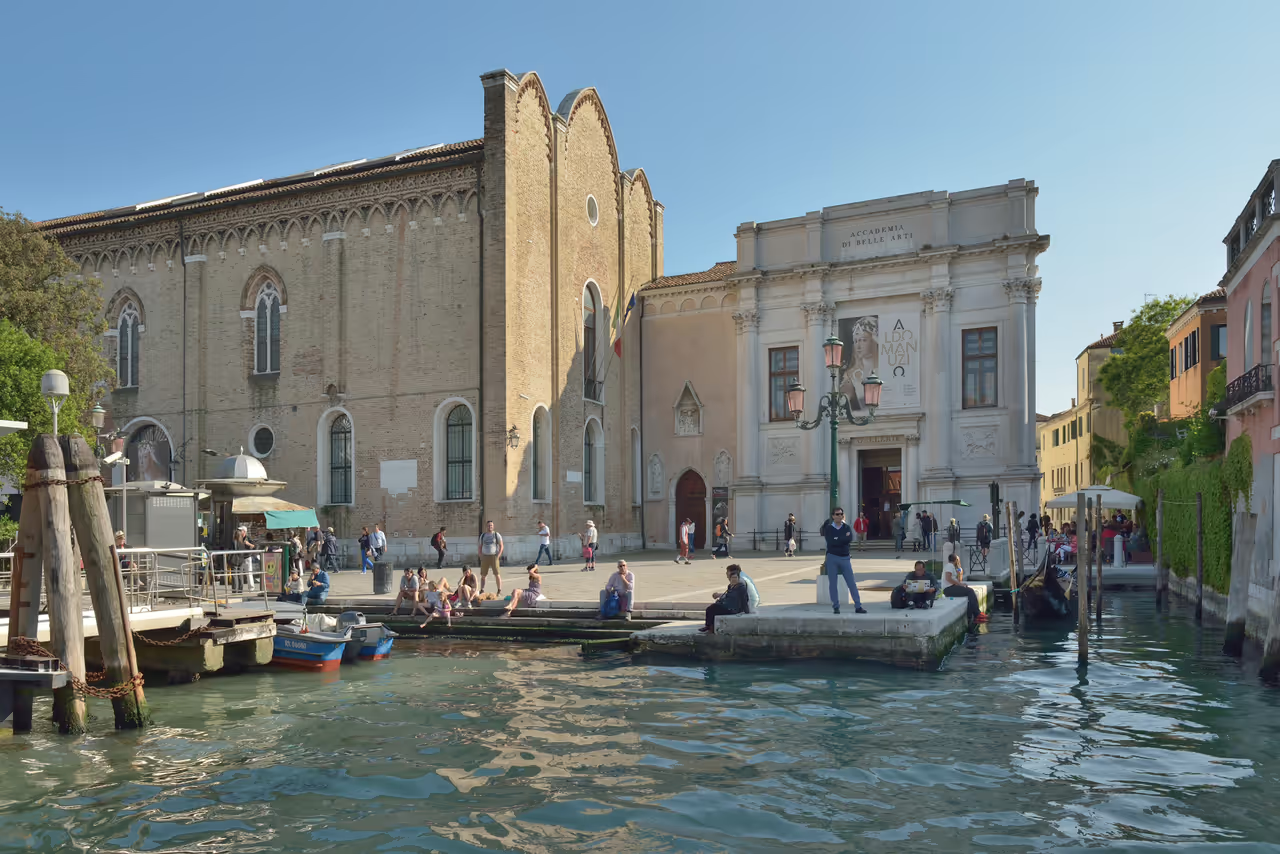
3 Days in Venice: Art and Water Itinerary
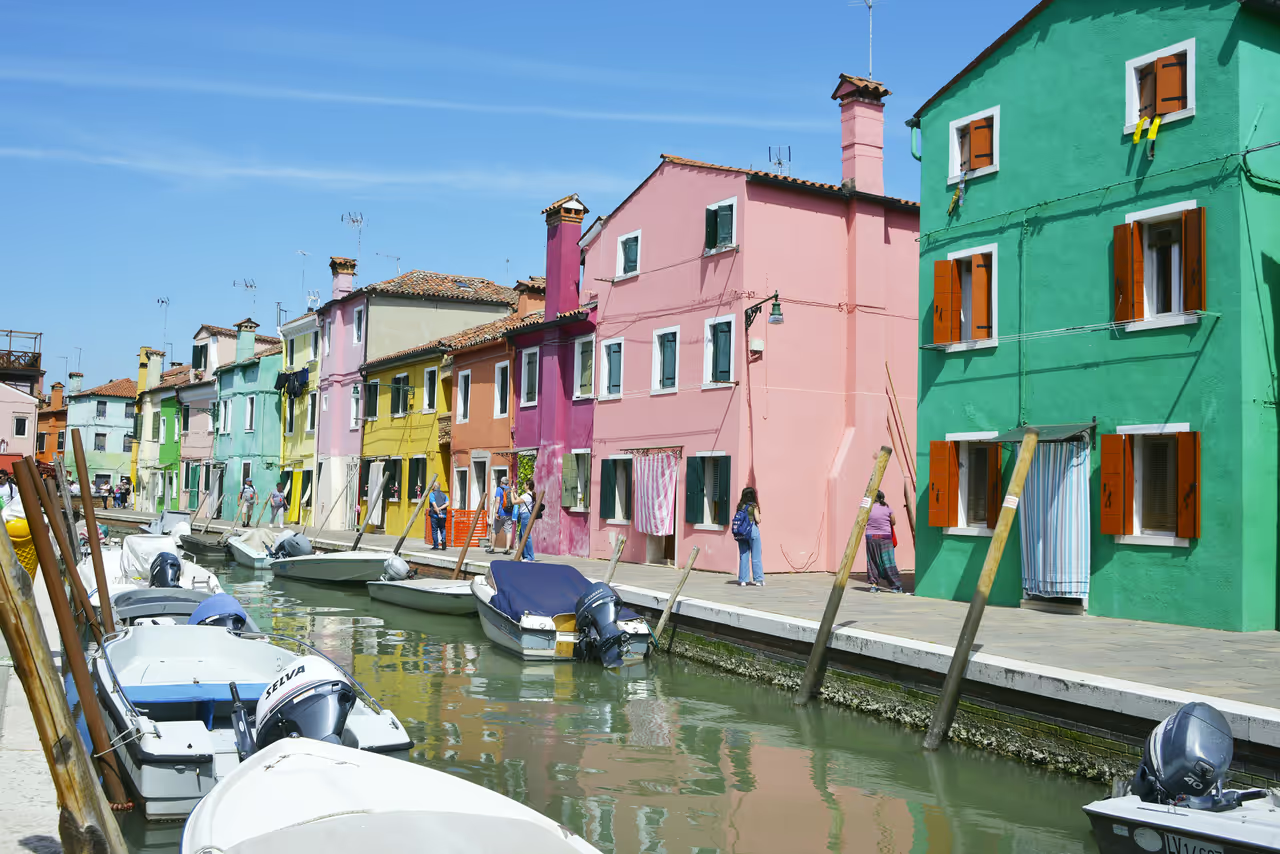
This balanced three day journey allows you to look beyond the immediate centre and explore the incredible artistic legacy of the surrounding districts. You will conquer the grand monuments on the first day, followed by a deep dive into world class art galleries and the bohemian atmosphere of the southern waterfront. The final day takes you off the main islands to discover the vibrant colours and historic crafts of the wider lagoon. It strikes the perfect balance between hitting the major sights and enjoying relaxed, authentic local experiences. You will leave with a profound appreciation for the city's diverse character.
view itinerary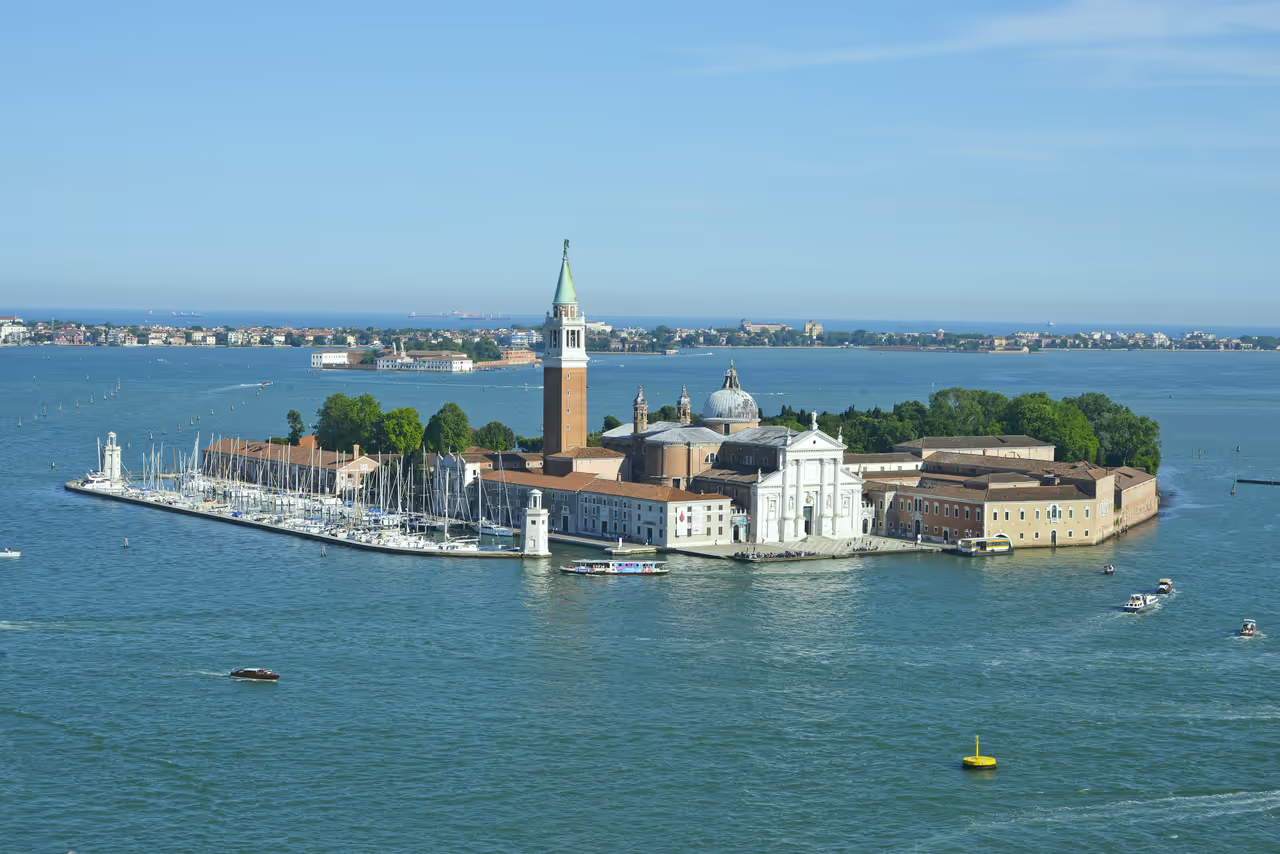
5 Days in Venice Itinerary
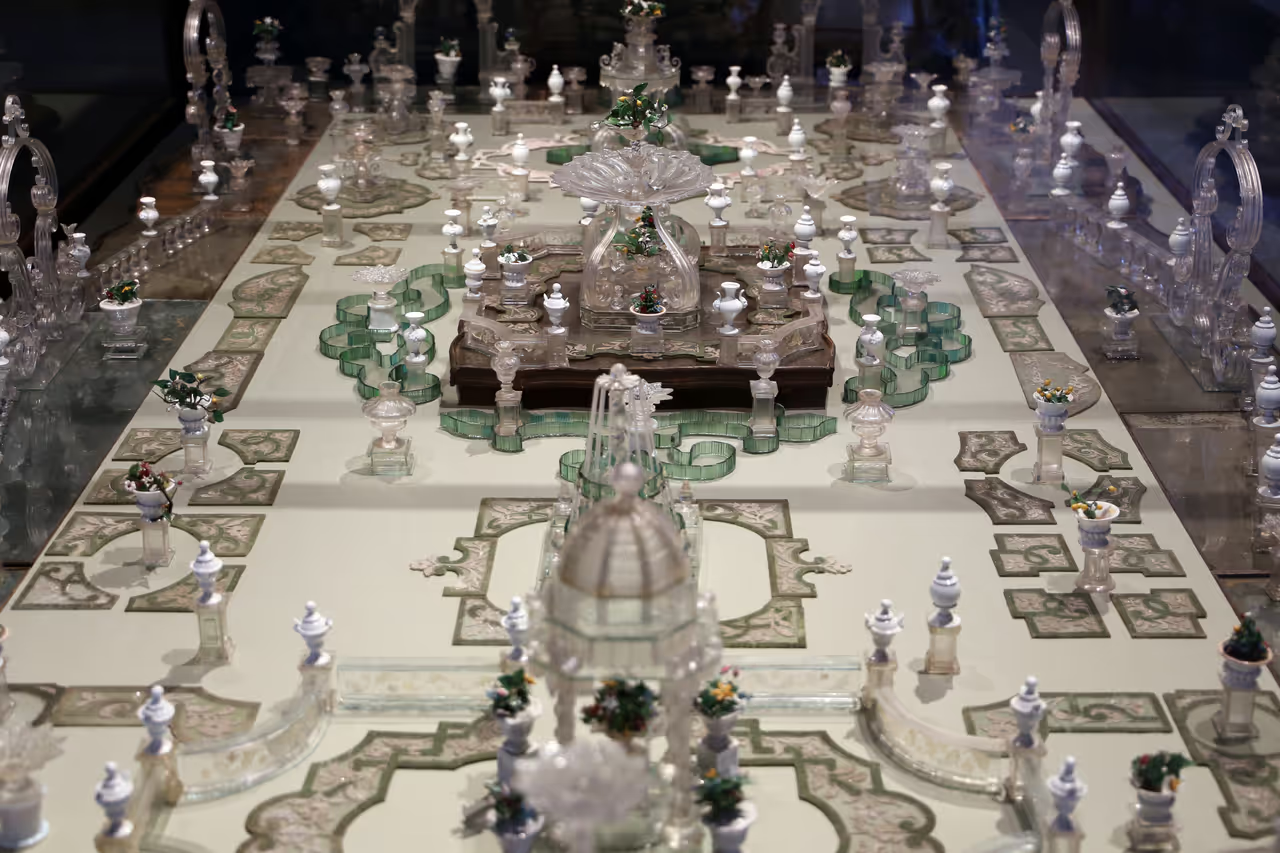
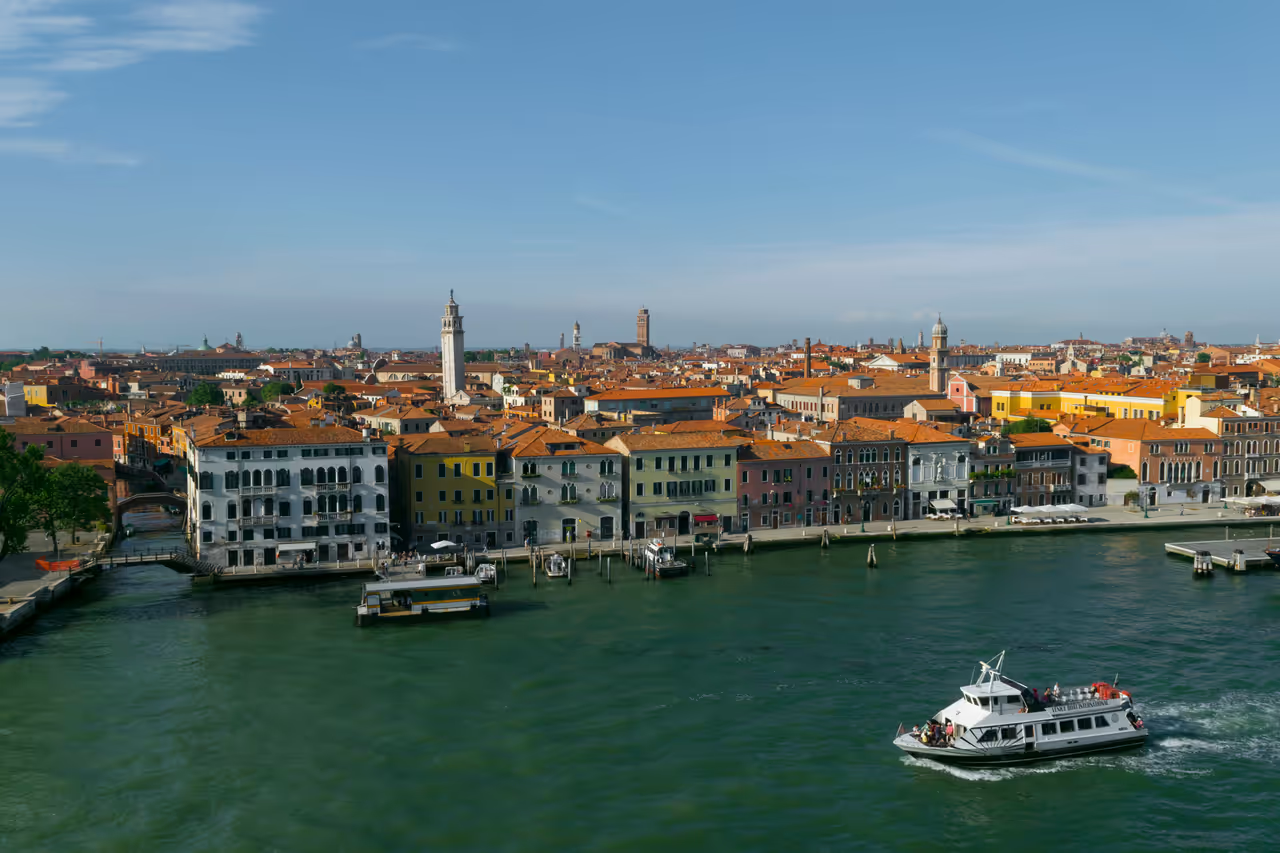
A comprehensive five day immersion allows you to truly sync with the slow, watery rhythm of the old republic. Beyond the essential monuments and famous outer islands, you will have time to discover incredibly peaceful hidden courtyards, historic ghettos, and majestic baroque palaces. This extended time frame permits leisurely evenings enjoying the local wine bar culture and quiet mornings appreciating panoramic waterfront views before the crowds arrive. It transforms a standard tourist visit into a deep, cultural exploration of residential life and artistic mastery. This is the ultimate way to understand the complex soul of the city.
view itinerary
See all attractions in Venice
Doge's Palace, Gallerie dell'Accademia, Gran Teatro La Fenice, Peggy Guggenheim Collection, Rialto Bridge...