Doge's Palace
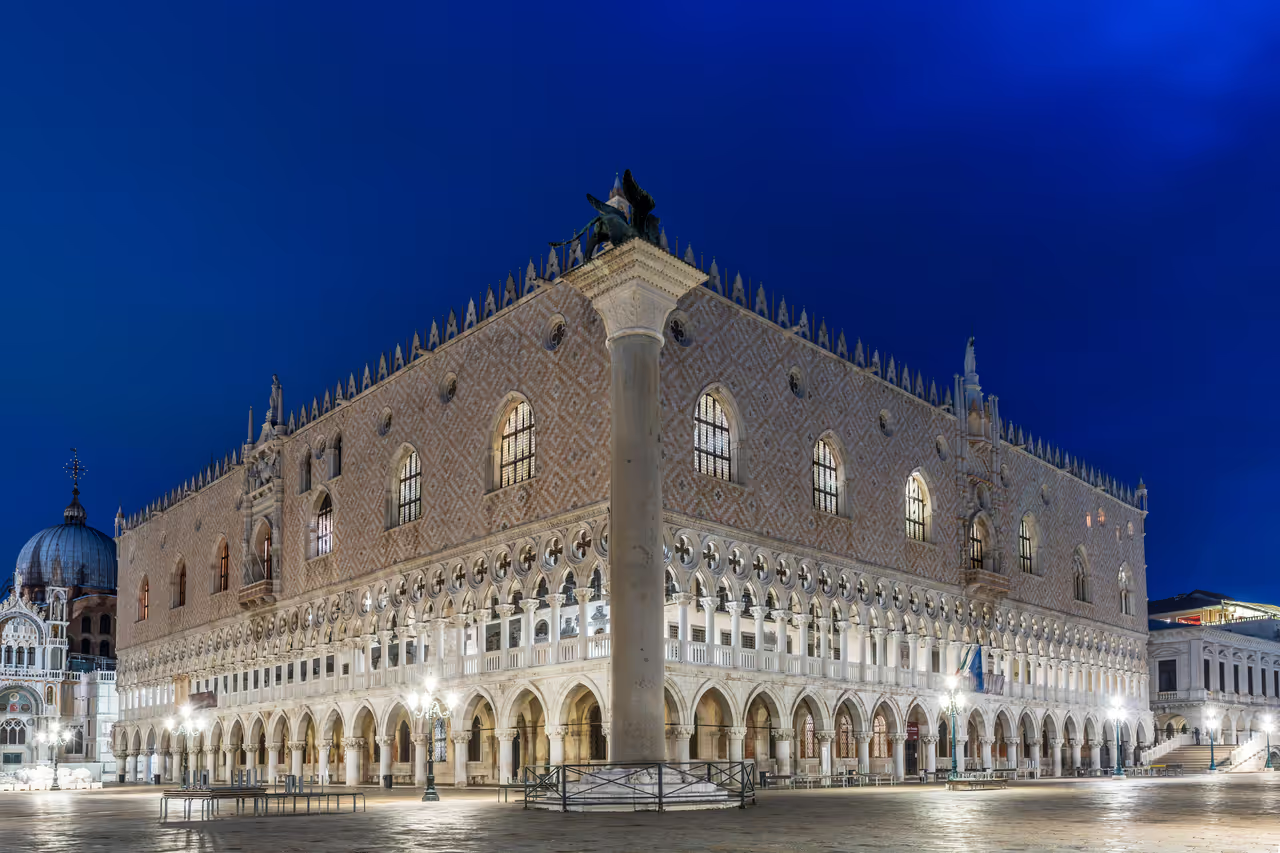
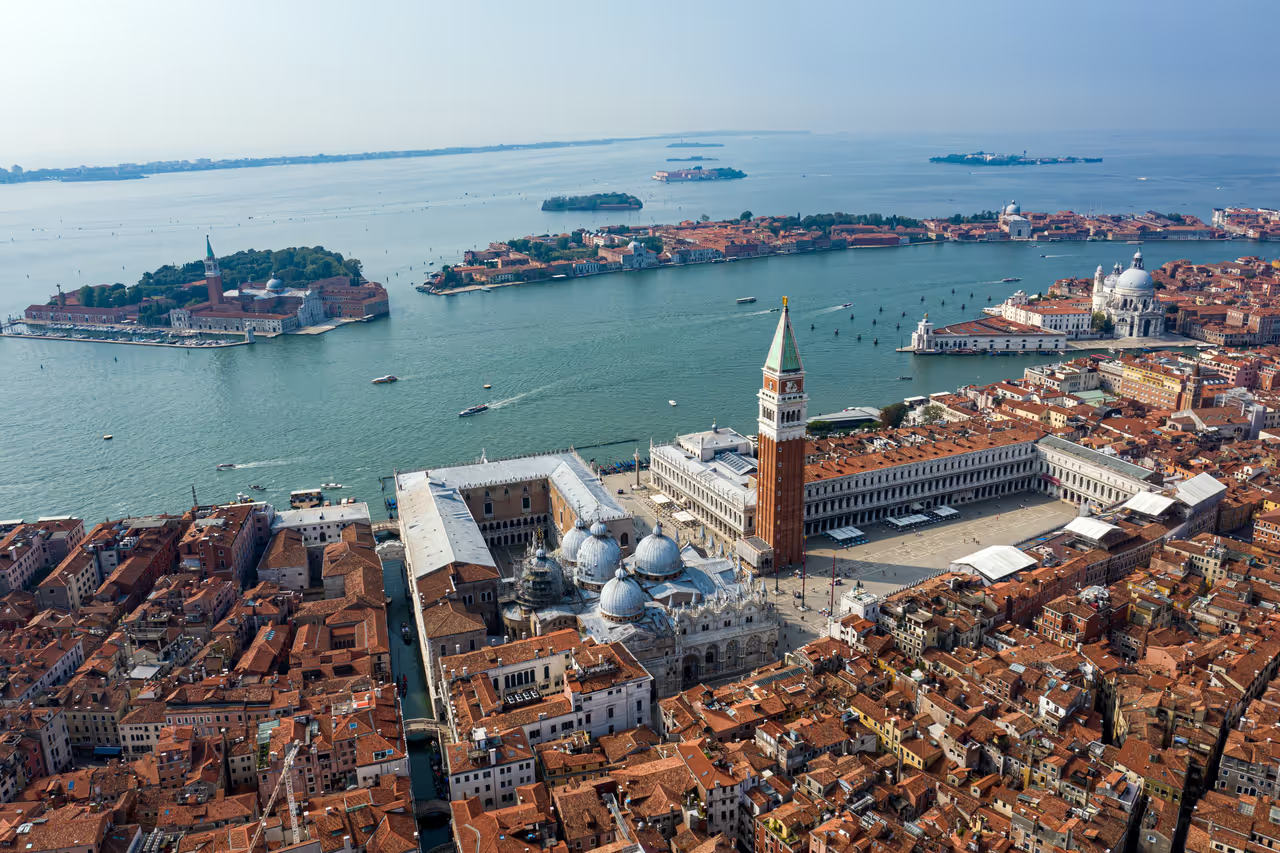
Standing as a magnificent testament to the power of the Venetian Republic, this Gothic masterpiece is the definitive symbol of Venice. Its unique facade, with heavy pink marble resting atop delicate stone arches, creates an architectural paradox that is as enchanting as it is imposing. Visitors can wander through vast ceremonial halls adorned with world-class art, including one of the largest oil paintings ever created. Beyond the golden ceilings and grand staircases lies a darker history found in the narrow passages leading to the infamous prisons. This transition from opulence to confinement offers a gripping look into the life of the Doges and the secrets of the state. It is an essential experience that captures the artistic brilliance and the political intrigue of the Serenissima.
Videos
History of Doge's Palace
Mud and paranoia shaped the first iteration of this building. In 811, the Venetian government abandoned the exposed coastal settlement of Metamaucum and dragged its seat of power to a safer, marshy cluster of islands called Rialto. It built a fortress. The original residence was a heavily fortified wooden castle surrounded by defensive water trenches, designed entirely to repel attacks. It barely survived a popular uprising in 976 when angry crowds attempted to burn the entire compound to the mud. Yet, diplomacy required a show of wealth. When Emperor Otto III arrived for a visit a few decades later, he stayed in the eastern tower and left highly impressed by the silk tapestries and gilded woodwork completely hidden behind the raw defensive palisades. The real catalyst for the sprawling stone structure facing the water today was a bureaucratic crisis. In 1297, a law passed restricting government participation to a strictly defined list of aristocratic families. The Great Council swelled almost overnight from roughly three hundred men to over a thousand. They simply could not fit into the existing meeting rooms. Masons and architects began a massive southern expansion, shifting the entire aesthetic from a defensive stronghold to an airy, open Gothic masterpiece. They placed the massive weight of the top floor council chambers directly on top of seemingly fragile, lace like ground floor arcades. This created an architectural paradox that still looks as though it might collapse into the Piazzetta at any moment. Inside, the politics were far less delicate than the exterior stonework. The palace walls were fitted with 'bocche di leone'. These carved stone lion heads featured open mouths that acted as mailboxes for secret denunciations. Citizens could slip a piece of paper through the slot to report tax evasion, treason, or corruption directly to the state inquisitors. If a ruler crossed the line, the punishment was absolute. Doge Marin Falier attempted a coup in 1355 to consolidate power. He failed. He was beheaded on the palace stairs, and the state ordered his portrait in the Great Council chamber to be painted over. That black painted veil still stares down at the empty wooden benches today. Fire was a constant enemy. Flames tore through the wooden roofs and priceless artworks in 1483, 1574, and most devastatingly in 1577. That final blaze melted the lead tiles right off the roof and reduced the massive Great Council hall to ash. Instead of tearing the weakened walls down, the Republic ordered a rapid reconstruction. They commissioned an aging Jacopo Tintoretto and his son to cover the entire wall behind the doge's throne with a new painting. They delivered Il Paradiso. This canvas is nearly twenty five metres long and required piecing together multiple woven sections. It swirls with hundreds of celestial figures, permanently replacing the lost medieval frescoes with a dizzying rush of angelic bodies. The justice system operating out of these rebuilt rooms was notoriously layered. Suspects were interrogated in the Chamber of Torment before being sent to one of two distinct cellblocks. Common criminals went down to the 'Pozzi', the notoriously damp ground floor dungeons that occasionally flooded with the tide. High profile political prisoners and fallen nobles were sent upstairs to the 'Piombi', a series of baking hot cells tucked directly under the lead roof tiles. In 1614, an enclosed stone bridge was built over the Rio di Palazzo to connect the interrogation rooms to a newly built prison next door. Today, the slow, shuffling queue of sightseers inching across this passageway frequently stalls. That brief halt provides enough time to peer through the stone lattice and catch the exact same fleeting patch of lagoon water that condemned men saw on their way to the cells.
Events spanning 1112 years
Fun Facts
- • Archaeologists recently discovered ruins of a 9th-century wall and tower beneath the square, proving the site's importance since the city's infancy.
- • Deep beneath the palace lie the Pozzi, damp and lightless cells used for the city's most dangerous or lower-class prisoners.
- • During the 16th century, the palace was so essential to the city's identity that the government famously refused to move, even after multiple fires.
- • Giacomo Casanova is the only person known to have ever successfully escaped from the high-security Piombi prisons located under the lead roof.
- • Hidden within the walls are secret passages that allowed the Council of Ten to move between offices and torture chambers without being seen.
- • Inside the Great Council Chamber hangs Jacopo Tintoretto's Paradise, which remains one of the largest oil paintings on canvas in existence.
- • The Bocche di Leone or Lion's Mouths are stone carvings where citizens could drop secret letters to denounce criminals or corrupt officials.
- • The Bridge of Sighs was built to connect the interrogation rooms in the palace to the New Prisons across the narrow canal.
- • The Giant's Staircase features colossal statues of Mars and Neptune, representing Venice's absolute power over both land and sea.
- • The palace is an architectural anomaly because the heaviest part of the building sits on the light, airy arches of the lower loggia.
- • The pink and white marble pattern on the exterior was designed to shift its hue depending on the intensity of the Mediterranean sunlight.
- • Two red marble columns in the upper loggia mark the exact spot where death sentences were once publicly announced to the crowd below.
RESOURCES
Official WebsiteDoge's Palace FAQ
While we strive to keep this information accurate and up to date, we recommend verifying any details independently before making decisions based on them.
Doge's Palace Map & Neighborhood Explorer
This interactive map is centered on Doge's Palace. Zoom in and move the map around to automatically discover Wikipedia photos and summaries of other nearby sights, monuments, and historical points of interest and stories in real-time!
Places near Doge's Palace
Make the most of your trip. Check out these top-rated spots located nearby.
 78m
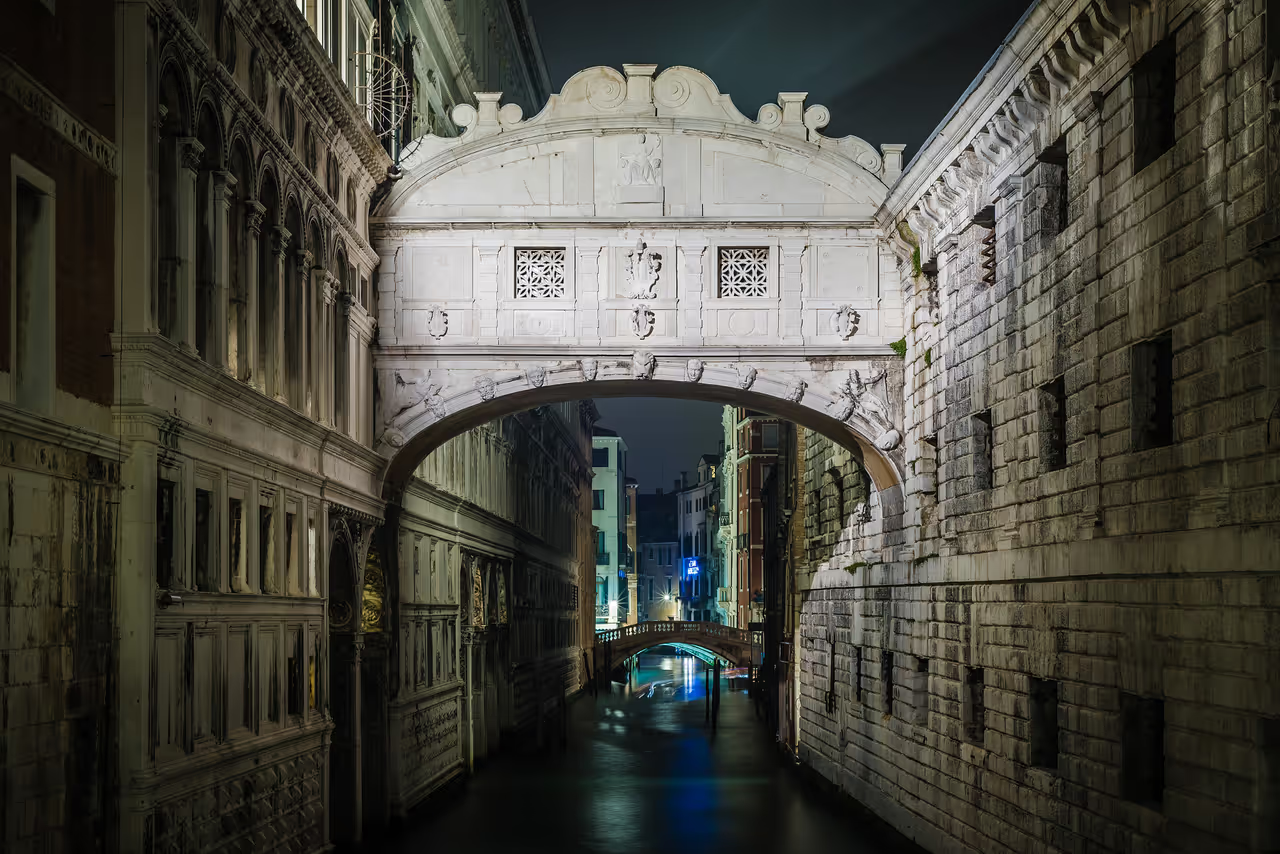
78mBridge of Sighs
This exquisite, fully enclosed bridge made of bright white limestone spans a narrow canal just behind the grand Doge's Palace. It is famous for connecting the interrogation rooms of the palace directly to the grim new prisons. The best spot to photograph it is from the adjacent Ponte della Paglia along the main waterfront. The contrast of the delicate, ornate stonework against the dark water below creates a dramatic and deeply romantic composition. It is particularly striking in the late afternoon light or during a heavy, atmospheric fog.
photo spot view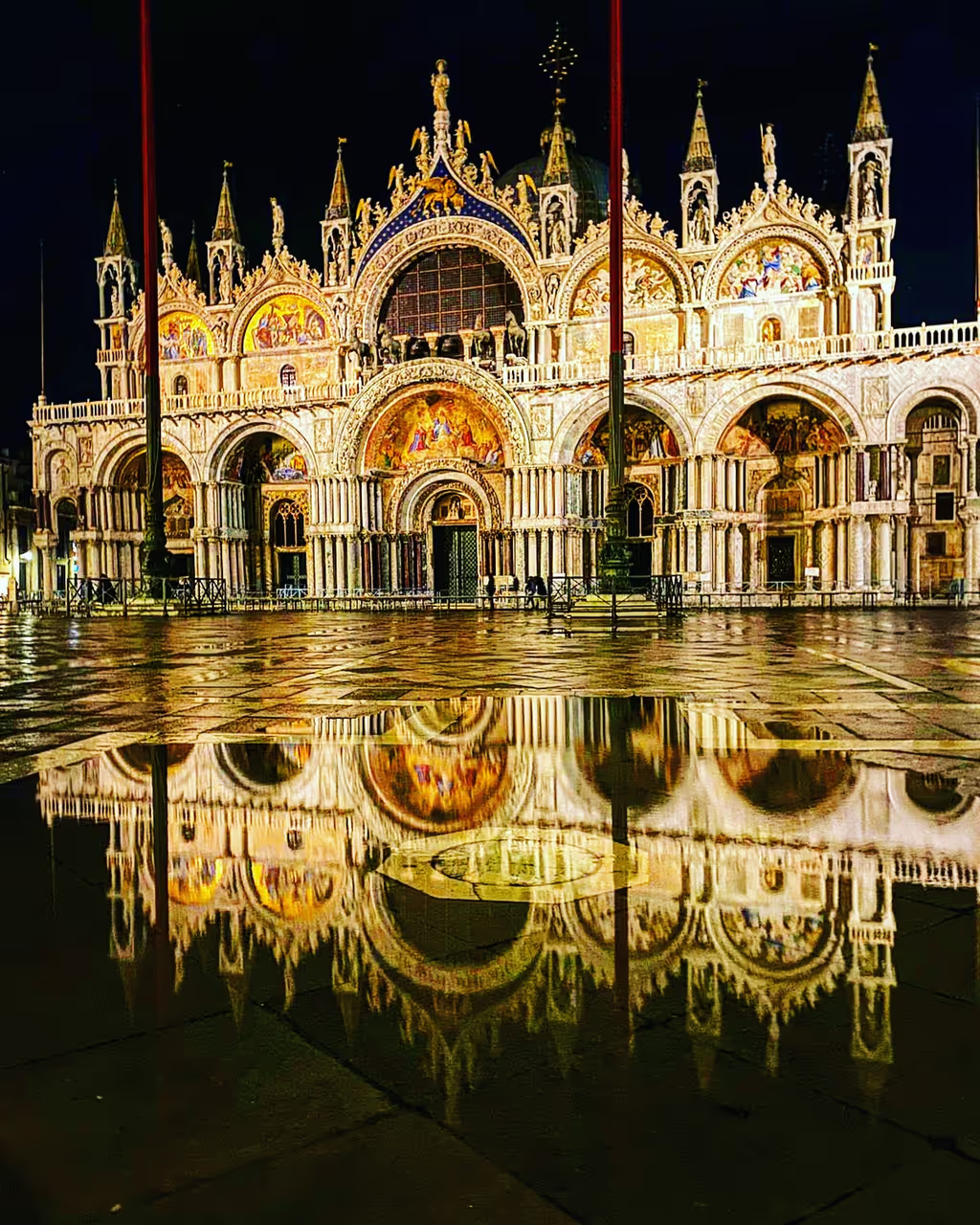 113m
113mSt Mark's Basilica
Step inside St Mark's Basilica to witness a golden masterpiece that truly defines the spirit of Venice. Often called the Church of Gold, this architectural wonder blends Byzantine, Romanesque, and Gothic styles into a dazzling display of history and faith. Marvel at the intricate golden mosaics that span centuries, telling biblical stories across the vaulted ceilings. Beyond its religious significance, the basilica holds treasures brought back from the East, including the famous bronze horses that once adorned the Hippodrome of Constantinople. It is the heart of Venetian identity, where history meets artistry in every shimmering detail.
attraction view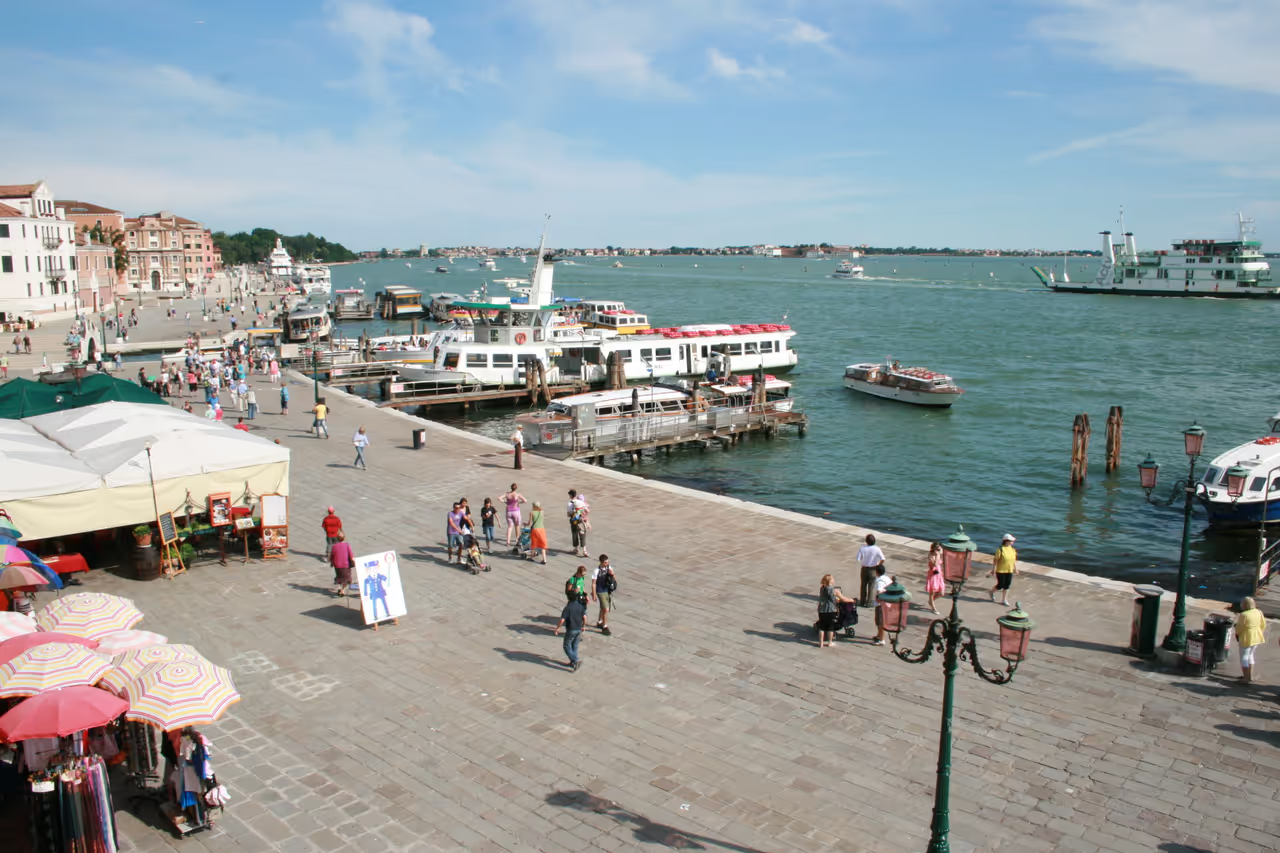 118m
118mSchiavoni Waterfront
This monumental stone promenade stretches elegantly along the main lagoon basin, offering the classic, sweeping postcard view of the city. Photographing the rows of black gondolas bobbing gently in the foreground with the majestic silhouette of San Giorgio Maggiore rising across the water is an absolute must. The light here is phenomenal, especially during the blue hour just after sunrise or right at sunset. Capturing the ornate streetlamps and the vast, open expanse of the lagoon provides a sense of the immense maritime history. It is visually dramatic from almost any angle.
photo spot view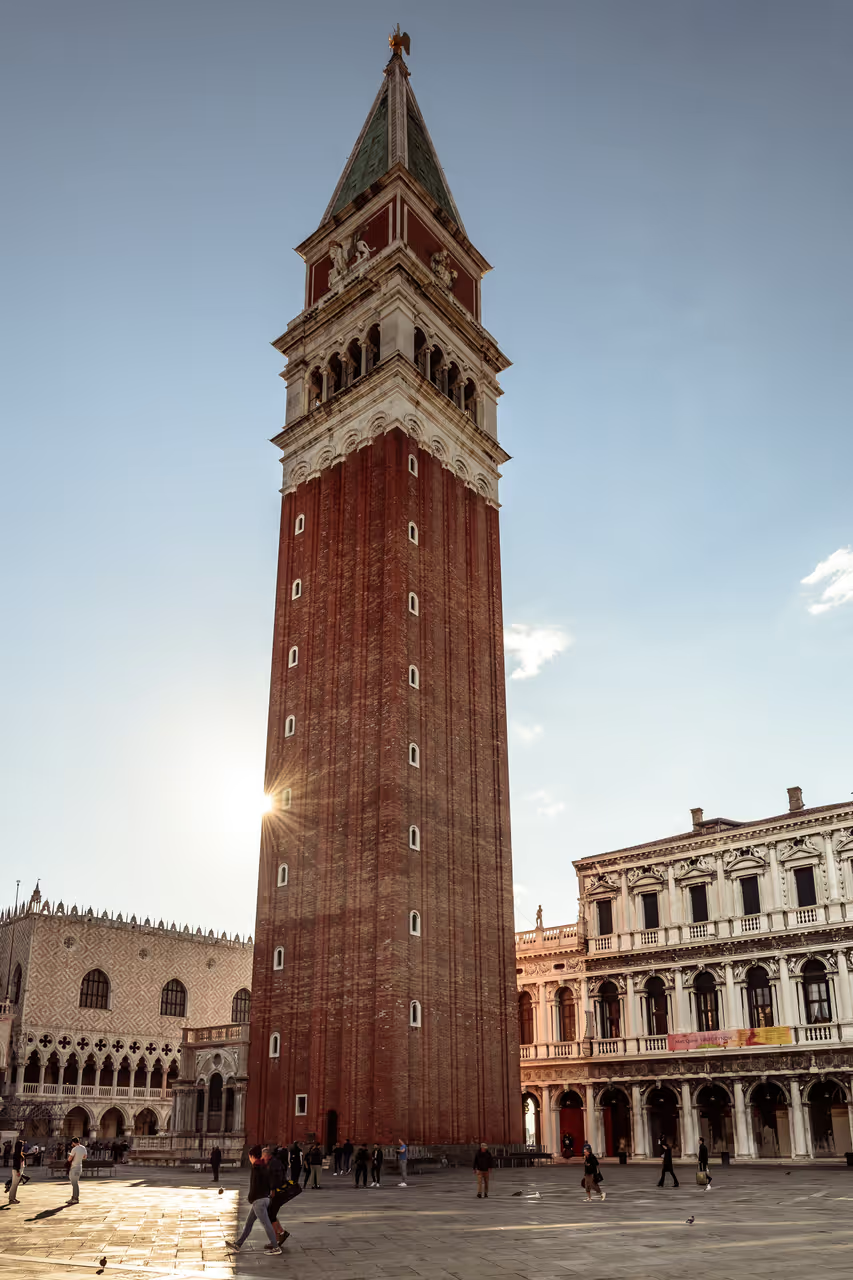 119m
119mSt Mark's Bell Tower
Standing at nearly 99 metres tall, this massive brick tower provides the absolute highest vantage point over the historic centre. From the belfry, the entire maze of red tiled roofs, winding canals, and hidden courtyards is laid out spectacularly below. On a clear day, the panoramic view extends across the entire lagoon all the way to the snow capped peaks of the Alps. Originally built as a lighthouse for navigating ships, it collapsed entirely in 1902 and was rebuilt exactly as it was. Taking the lift to the top is an essential experience for understanding the sheer scale of the city.
viewpoint view
Explore Similar Places in These Collections

Featured on These Itineraries and Routes
1 Day in Venice Itinerary
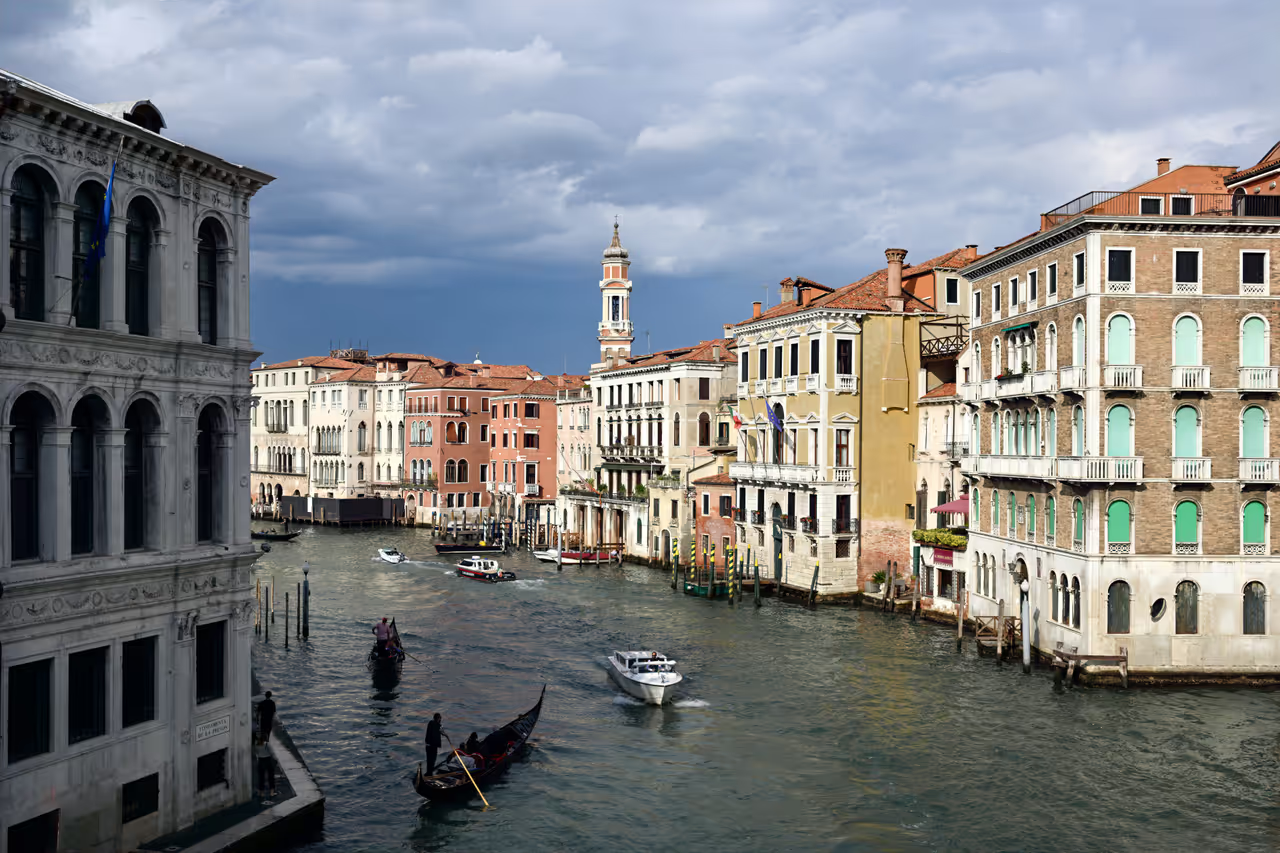
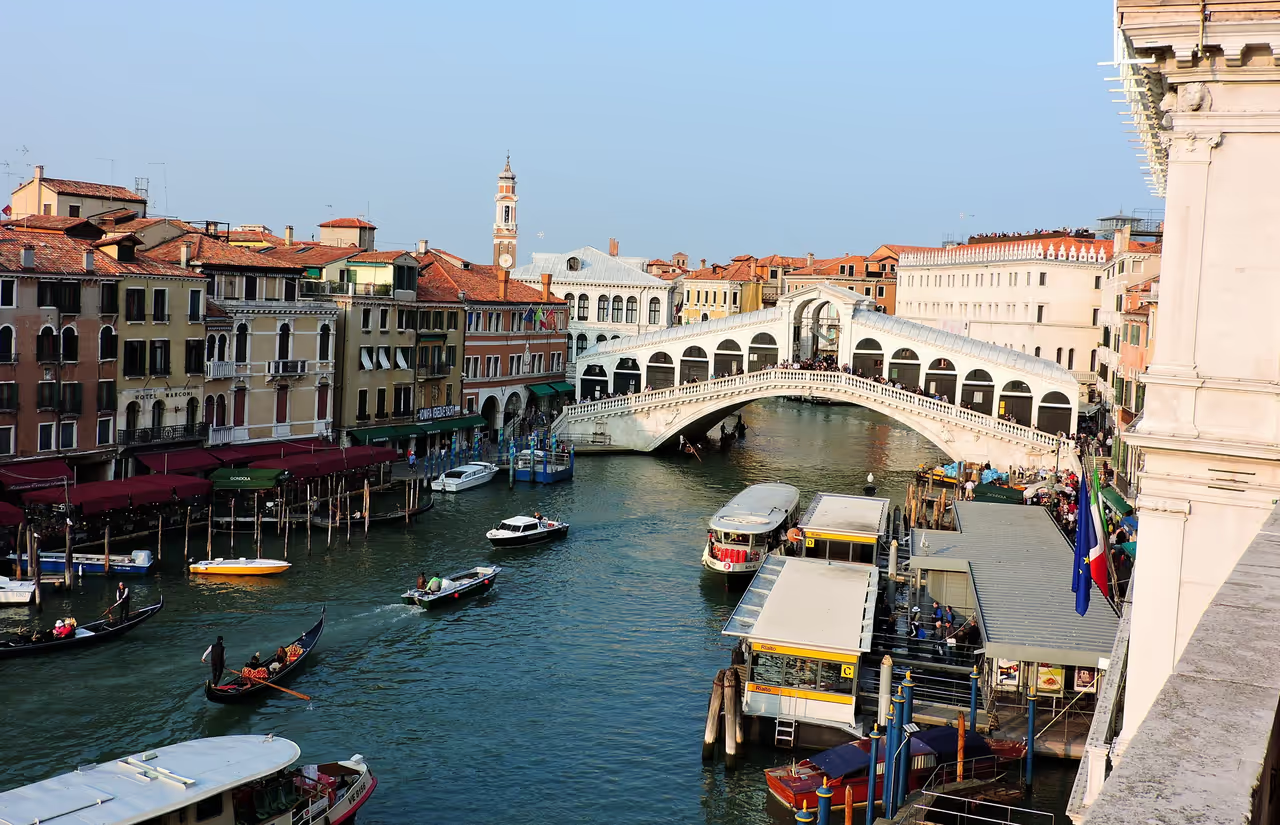
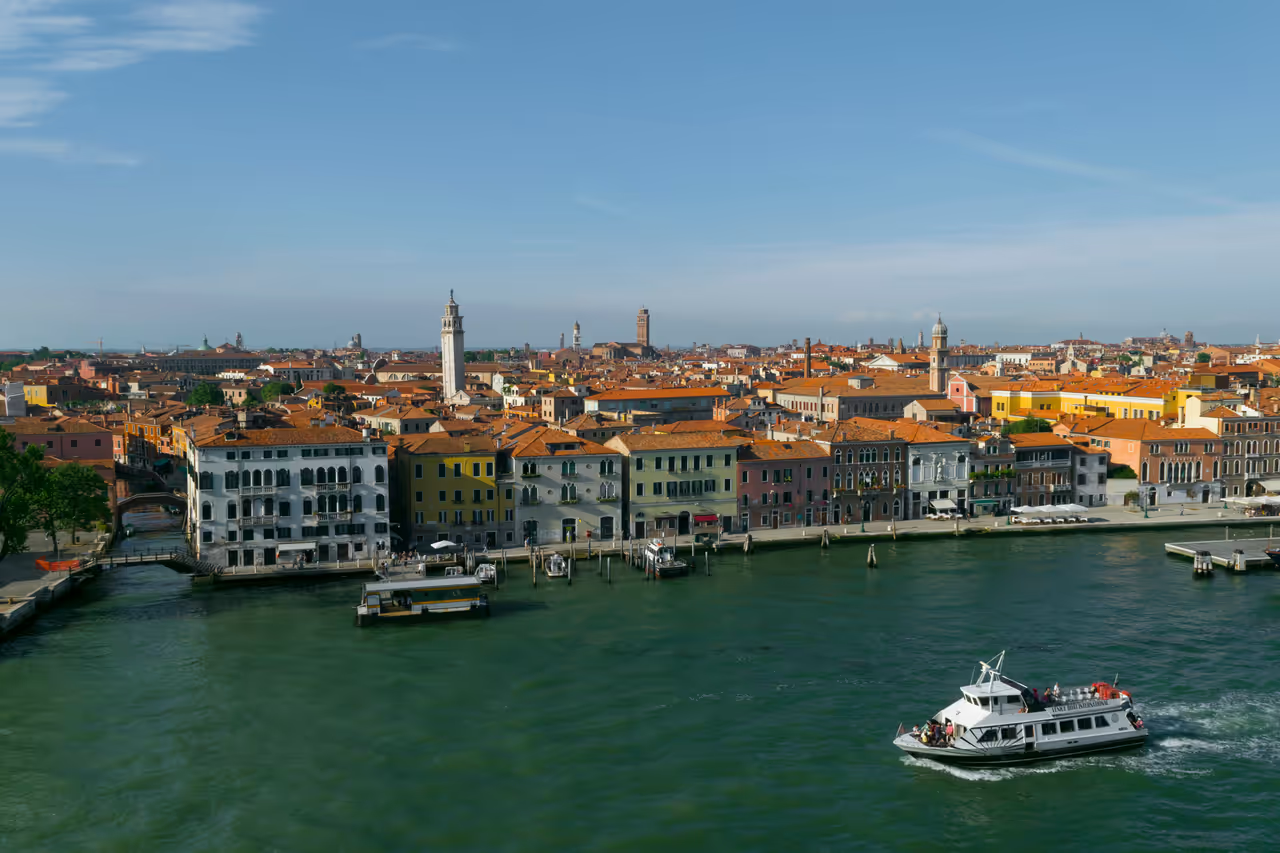
If you only have one day, this fast paced itinerary covers the absolute highlights of the historic republic. You will experience the sheer majesty of the central squares, marvel at the incredible Byzantine and Gothic architecture, and witness the bustling energy of the ancient markets. By utilizing the public water buses, you will also grasp the breathtaking scale of the palaces lining the main waterway. It is designed to deliver maximum visual impact and historical understanding in a short timeframe. Expect a thrilling, unforgettable introduction to the lagoon city.
view itinerary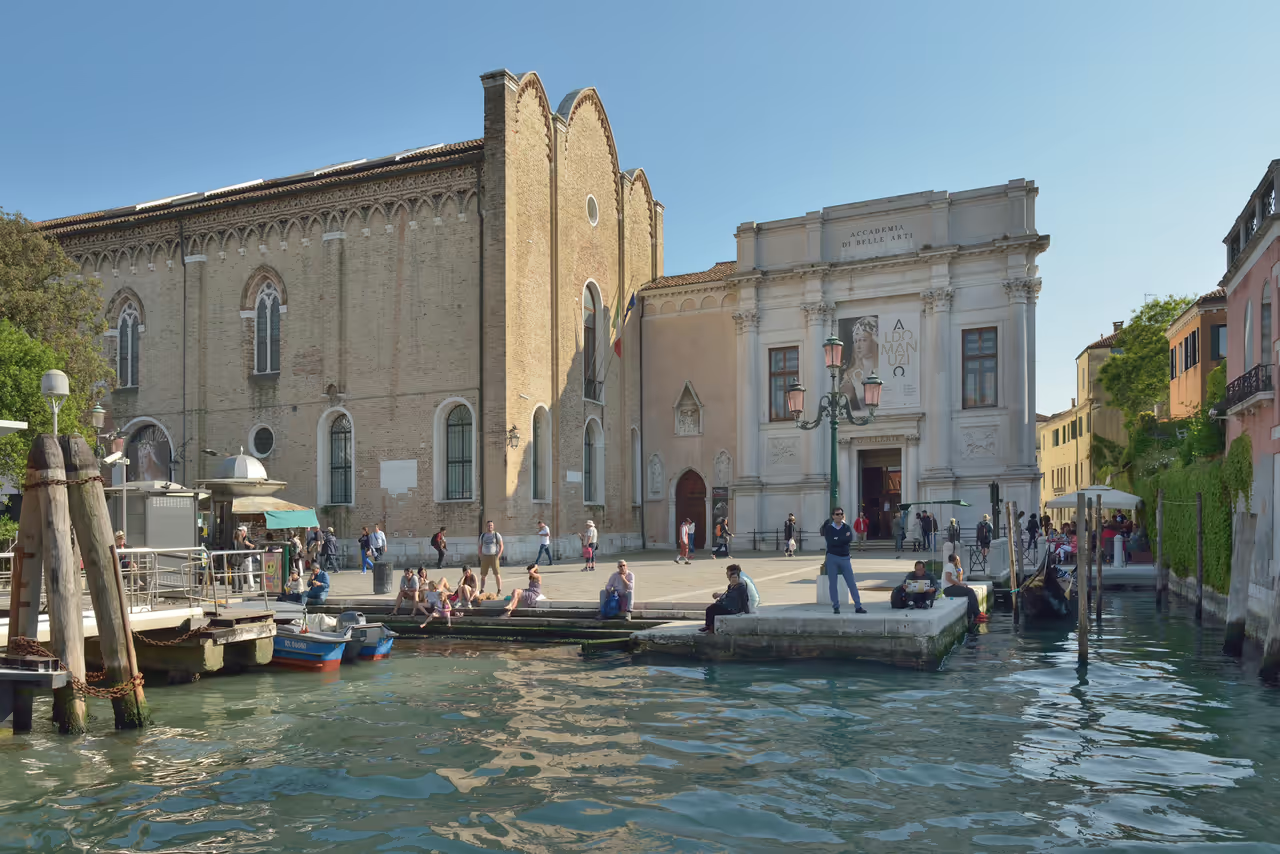
3 Days in Venice: Art and Water Itinerary
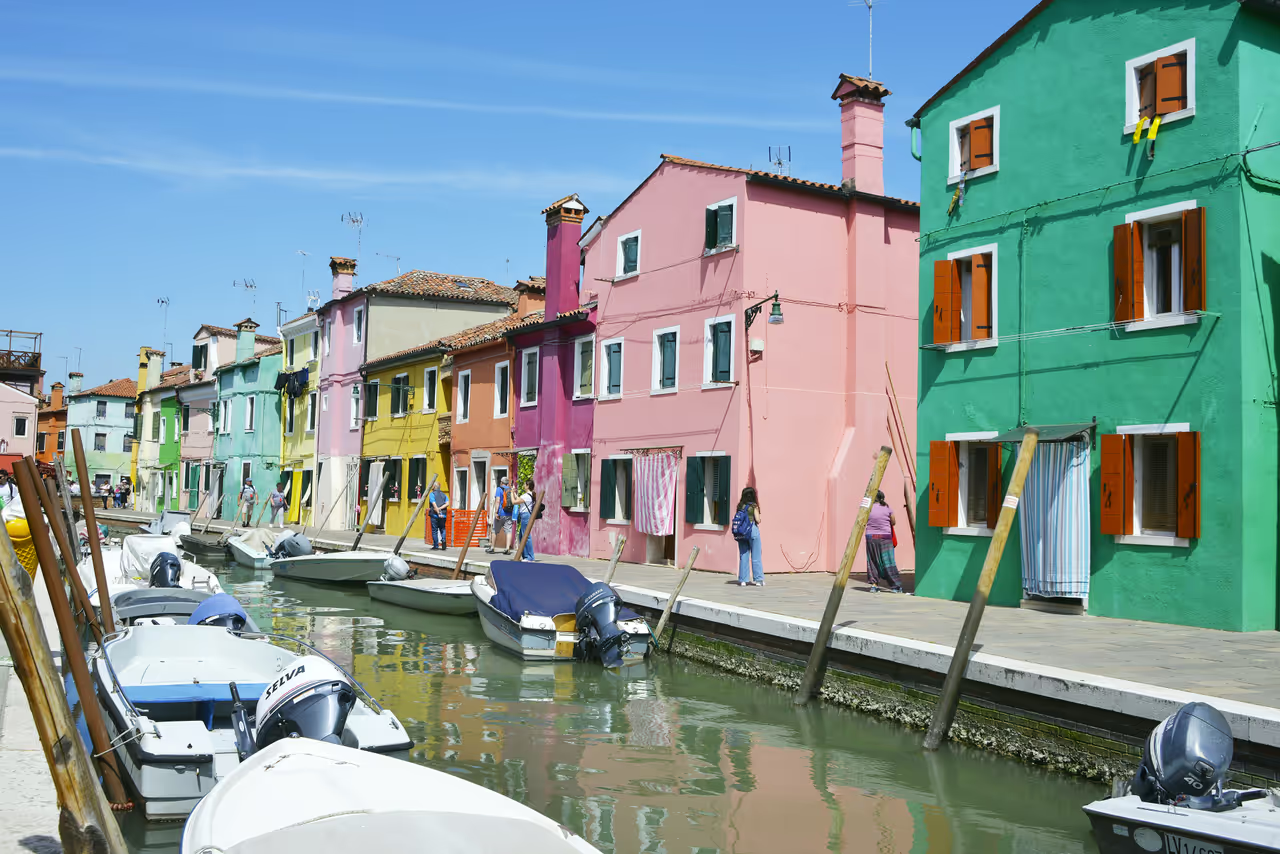
This balanced three day journey allows you to look beyond the immediate centre and explore the incredible artistic legacy of the surrounding districts. You will conquer the grand monuments on the first day, followed by a deep dive into world class art galleries and the bohemian atmosphere of the southern waterfront. The final day takes you off the main islands to discover the vibrant colours and historic crafts of the wider lagoon. It strikes the perfect balance between hitting the major sights and enjoying relaxed, authentic local experiences. You will leave with a profound appreciation for the city's diverse character.
view itinerary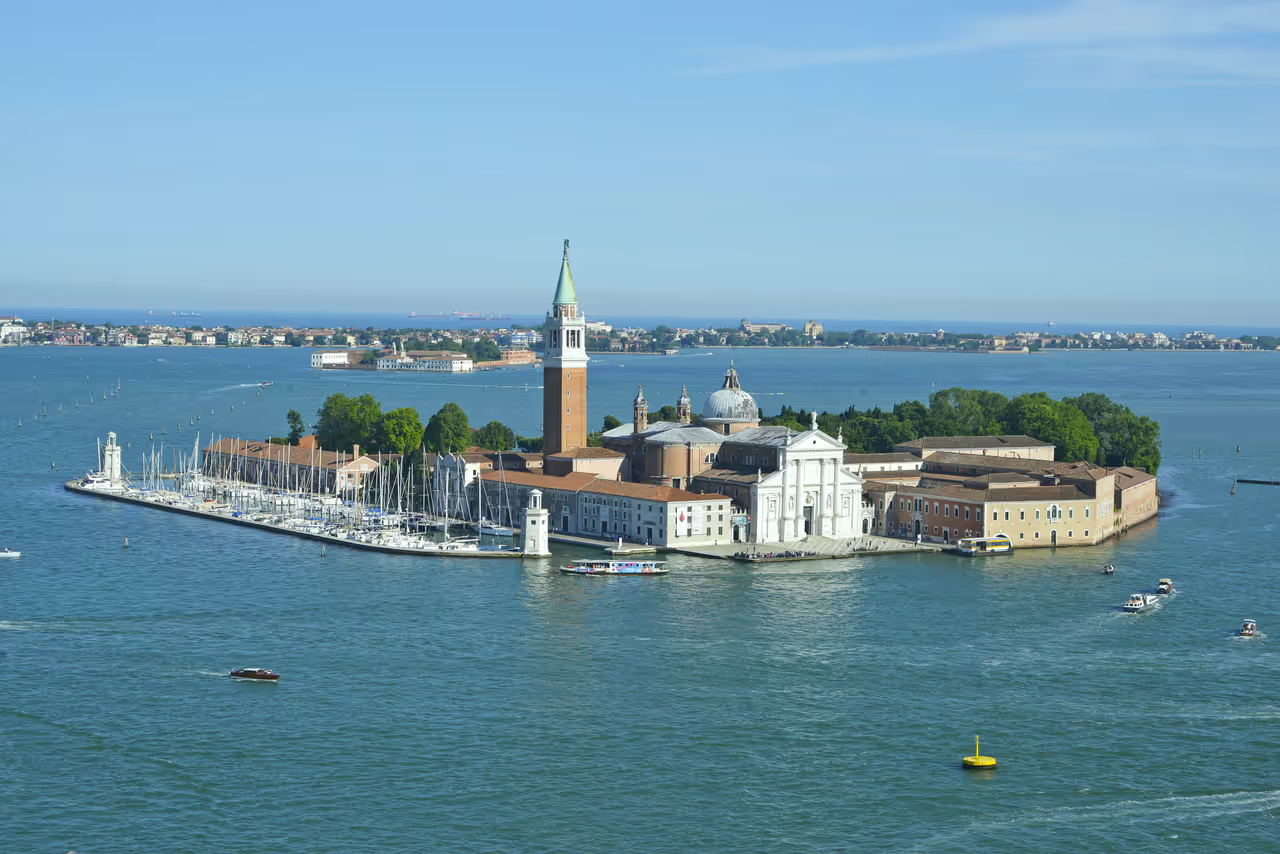
5 Days in Venice Itinerary
A comprehensive five day immersion allows you to truly sync with the slow, watery rhythm of the old republic. Beyond the essential monuments and famous outer islands, you will have time to discover incredibly peaceful hidden courtyards, historic ghettos, and majestic baroque palaces. This extended time frame permits leisurely evenings enjoying the local wine bar culture and quiet mornings appreciating panoramic waterfront views before the crowds arrive. It transforms a standard tourist visit into a deep, cultural exploration of residential life and artistic mastery. This is the ultimate way to understand the complex soul of the city.
view itinerary
Schiavoni Waterfront to Gardens
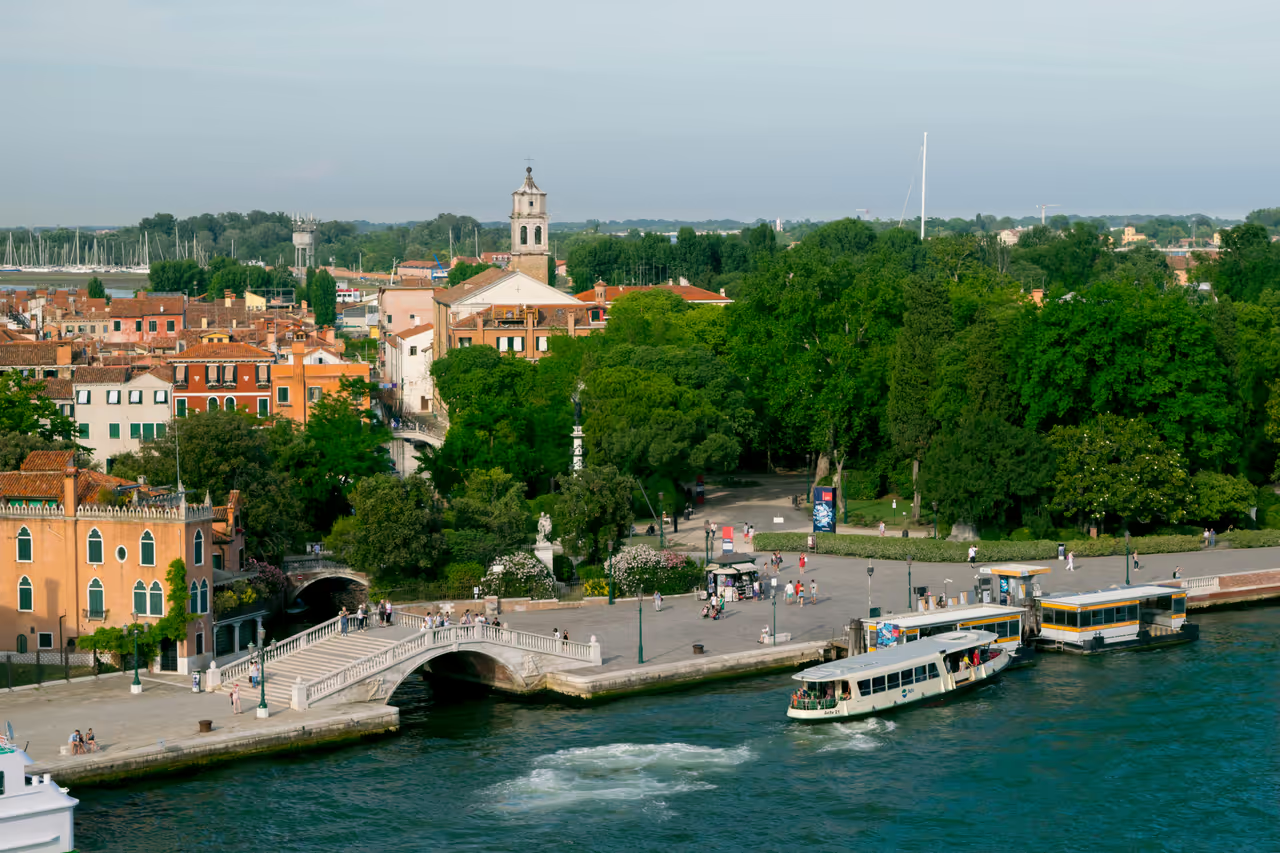
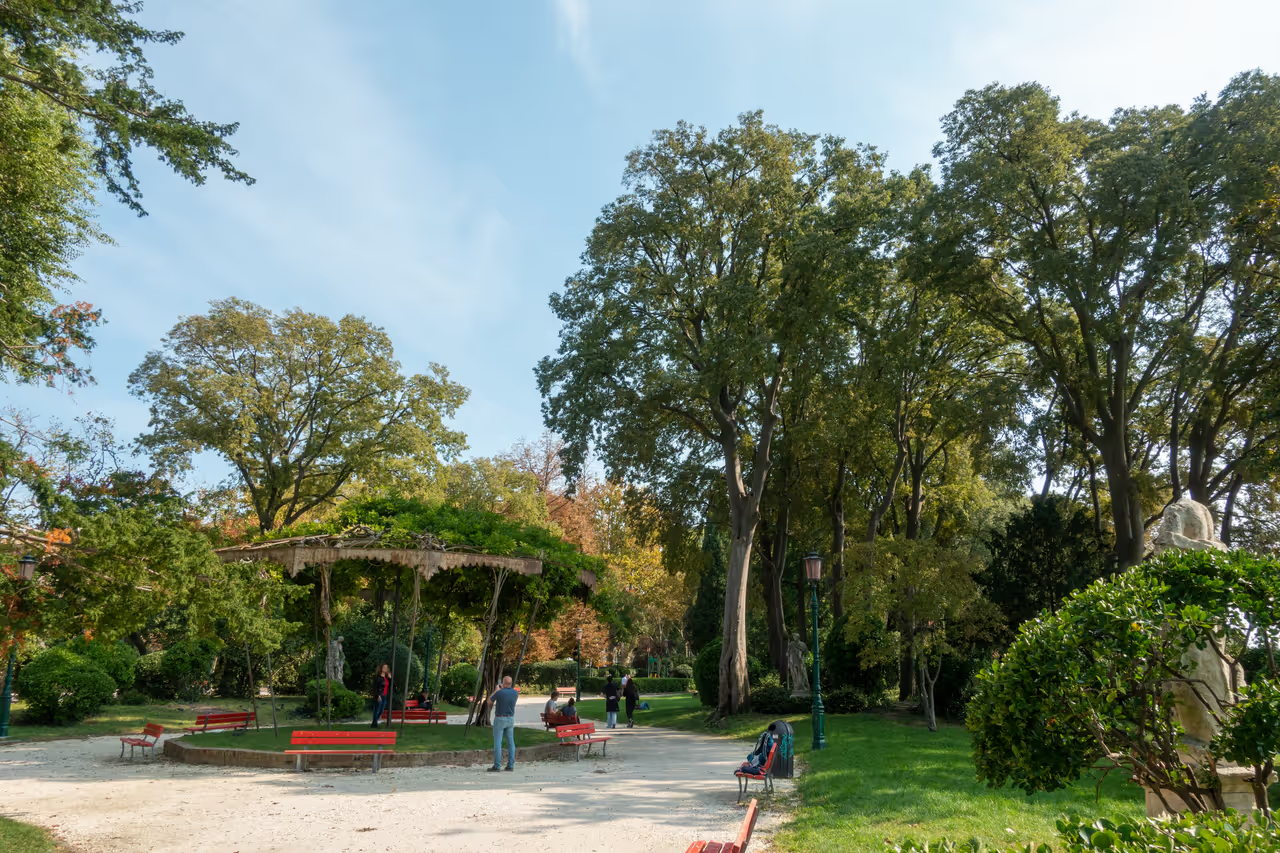
Begin near the political heart of the old republic and walk east along the monumental stone embankments of the main basin. This magnificent promenade was historically the principal docking area for merchant fleets returning from the Orient. Today, it is lined with luxurious historic hotels, bustling market stalls, and countless bobbing boats. As you progress further east, the dense crowds gradually thin out, and the grand stone paving gives way to the lush, green canopy of the public parks. It is a walk that transitions beautifully from imperial grandeur to peaceful nature.
view walking route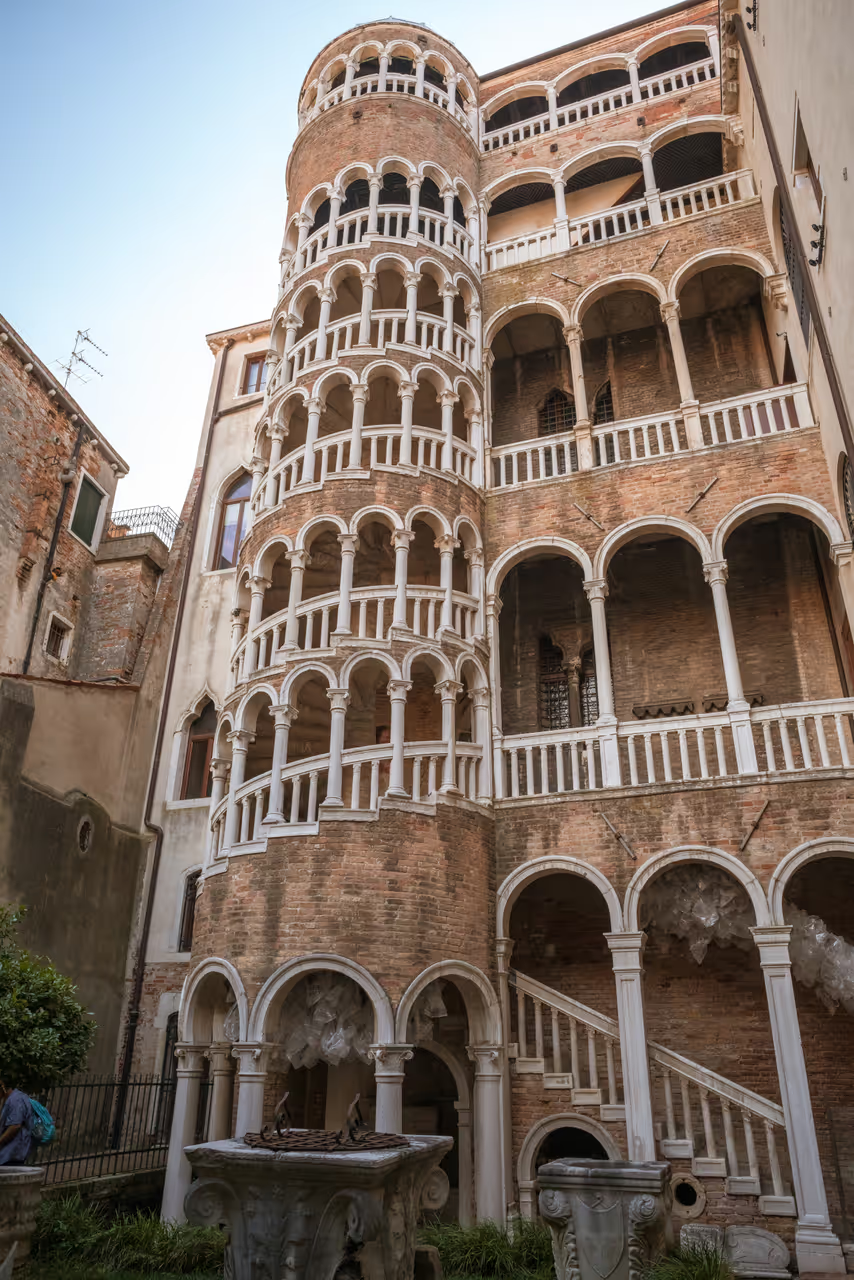
Venetian Gothic Discovery
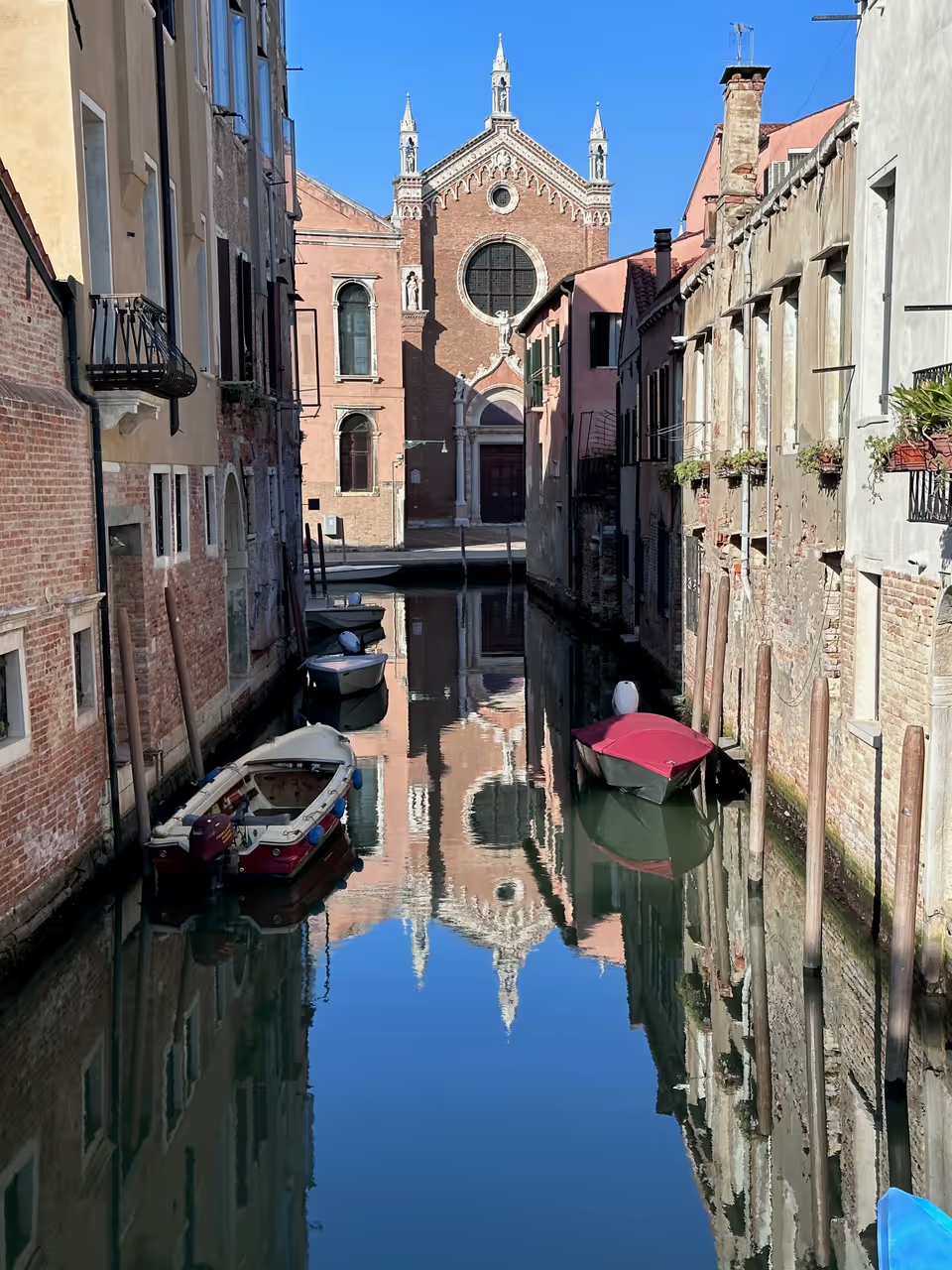
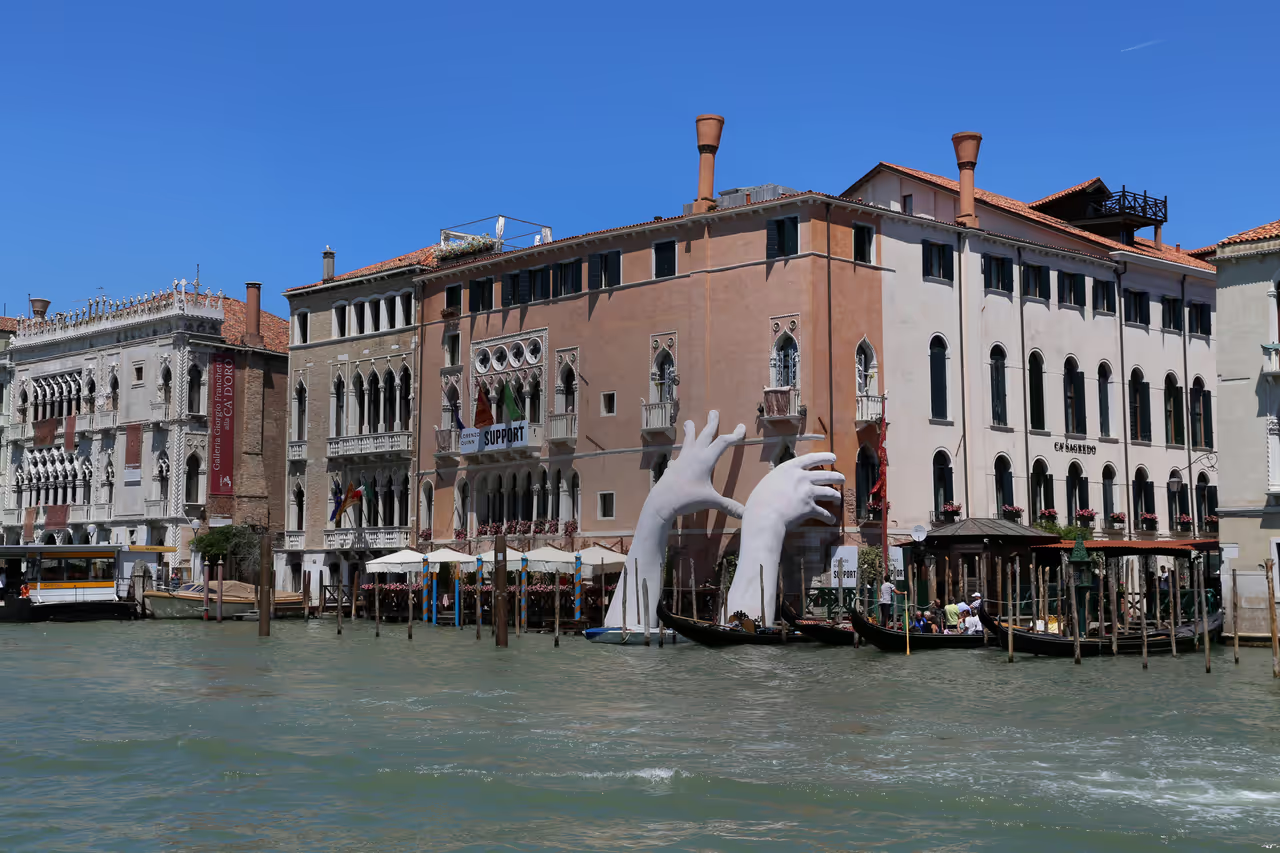
The unique architectural style developed here blends heavy northern European Gothic elements with delicate Byzantine and Islamic influences brought back by merchant ships. This walking tour hunts down the finest examples of this incredibly distinctive, lace like stone carving. You will marvel at pointed arches, intricate quatrefoil windows, and stunning brickwork that seems to defy gravity. The journey will take you from the epicentre of political power into quiet, hidden courtyards where incredible staircases remain hidden from the main streets. It is a fantastic way to decode the visual language of the old republic.
view self-guided tour
See all attractions in Venice
Gallerie dell'Accademia, Gran Teatro La Fenice, Peggy Guggenheim Collection, Rialto Bridge, St Mark's Basilica...