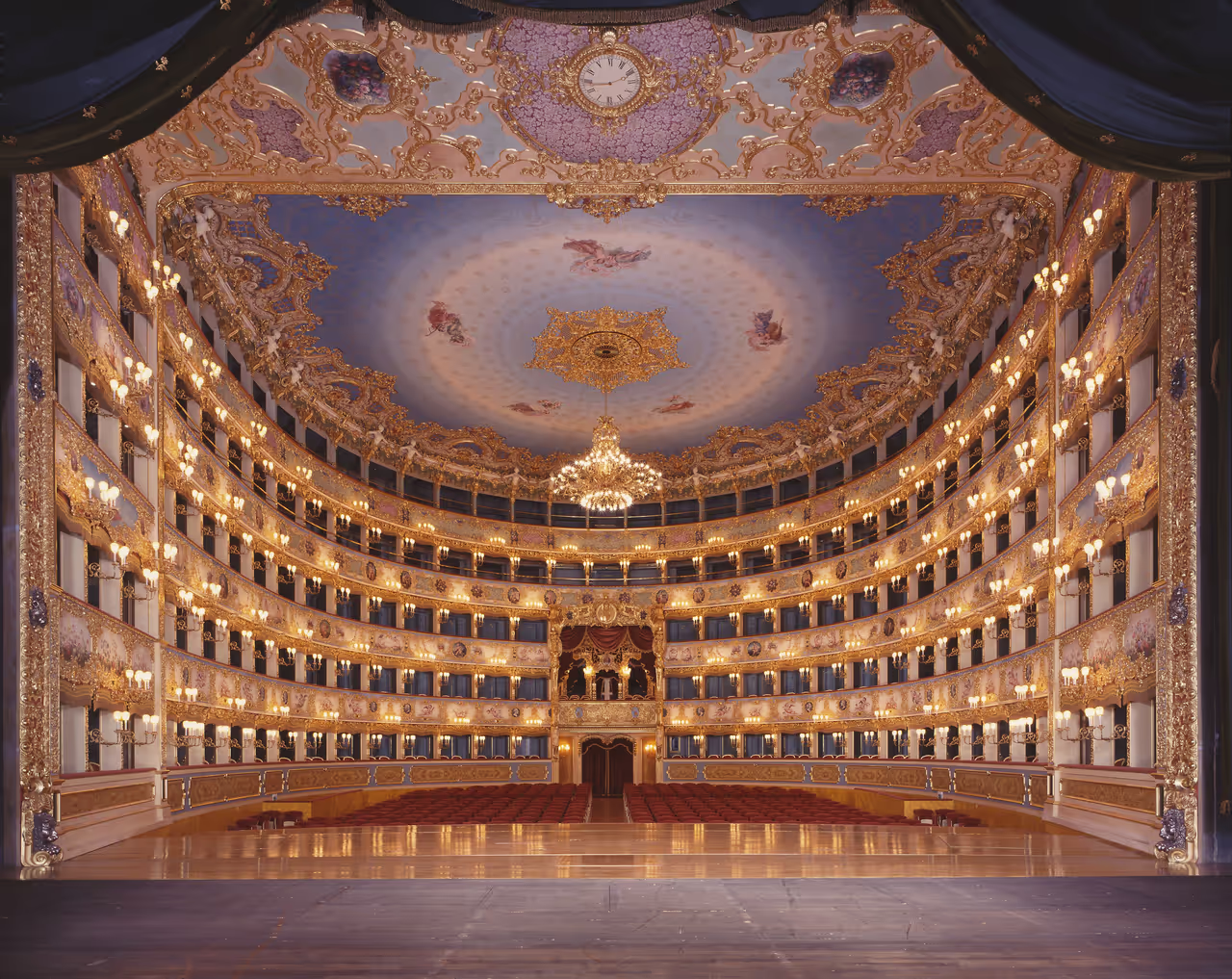
Gran Teatro La Fenice
Gran Teatro La Fenice is much more than a world-renowned opera house; it is a triumphant symbol of Venetian resilience. Its name, meaning The Phoenix, perfectly captures a history of rising from the ashes after three devastating fires. Stepping inside reveals a realm of shimmering gold leaf, plush velvet, and some of the finest acoustics on the planet. This is the stage where masterpieces by Verdi and Rossini first met the world, cementing its status as a temple of global culture. Whether you attend a black-tie premiere or take a daytime tour, the atmosphere is thick with the spirits of musical legends. It is a place of breathtaking beauty that proves art and heritage can always find a way to bloom again.
Videos
History of Gran Teatro La Fenice
The story of La Fenice is a cycle of destruction and rebirth that mirrors the history of Venice itself. Born out of a legal dispute in the late 1700s, the Nobile Società found themselves without a theatre and decided to build a grander, more luxurious venue. They named it after the mythical Phoenix, a bird that rises from its own ashes, little knowing how prophetic that name would become. When it opened in 1792, it quickly became the crown jewel of Italian opera, attracting the greatest composers of the age who sought to have their works heard within its acoustically perfect walls. Throughout the 19th century, the theatre was the social and cultural heart of the city. It was here that Giuseppe Verdi found his creative home, debuting some of his most legendary works to an audience that treated opera as a high-stakes passion. The theatre's architecture, including its lavish private boxes, allowed the Venetian aristocracy to maintain their social lives within the auditorium, eating, drinking, and playing cards while the music played. Even as Venice faced political decline and Austrian occupation, La Fenice remained a defiant bastion of Italian art and national pride. Disaster struck multiple times, most recently in 1996 when the theatre was completely gutted by fire. The loss felt like a wound to the city's soul, but the subsequent reconstruction proved the enduring spirit of the name. Every detail of the original stucco, wood carvings, and gold leaf was meticulously recreated using historical photographs and traditional techniques. Today, the theatre stands as a masterpiece of restoration, proving that while fire may consume the physical structure, the cultural legacy of La Fenice is truly immortal.
Events spanning 211 years
Fun Facts
- • A permanent exhibition within the theatre is dedicated to the legendary soprano Maria Callas, chronicling her many performances in Venice.
- • During the 19th century, La Fenice was the primary stage for the 'Bel Canto' era, hosting premieres by Bellini, Donizetti, and Rossini.
- • In the 1930s, the stage was modernised to become rotatable and significantly taller, making it one of the most technologically advanced of its time.
- • Since 2004, the theatre has hosted a televised New Year's Day concert that is broadcast to millions of viewers across the globe.
- • The 1996 fire was found to be a deliberate act of arson by two electricians whose company was facing heavy fines for work delays.
- • The interior is adorned with an incredible amount of gold leaf and intricate papier-mâché decorations that mimic heavy carved wood to enhance the acoustics.
- • The phrase 'com'era, dov'era' (how it was, where it was) became the rallying cry for the reconstruction, ensuring the theatre was rebuilt to its original 18th-century design.
- • The reconstruction after the 1996 fire increased the theatre's capacity from 840 to 1,000 seats while actually improving the safety and acoustics.
- • The theatre features a unique water entrance on the Rio Menuo, allowing patrons to arrive in style via gondola directly to the foyer.
- • The theatre's name was chosen specifically to represent the Nobile Società's ability to survive legal disputes and move on from their previous theatre.
RESOURCES
Official WebsiteGran Teatro La Fenice FAQ
While we strive to keep this information accurate and up to date, we recommend verifying any details independently before making decisions based on them.
Gran Teatro La Fenice Map & Neighborhood Explorer
This interactive map is centered on Gran Teatro La Fenice. Zoom in and move the map around to automatically discover Wikipedia photos and summaries of other nearby sights, monuments, and historical points of interest and stories in real-time!
Places near Gran Teatro La Fenice
Make the most of your trip. Check out these top-rated spots located nearby.
 134m
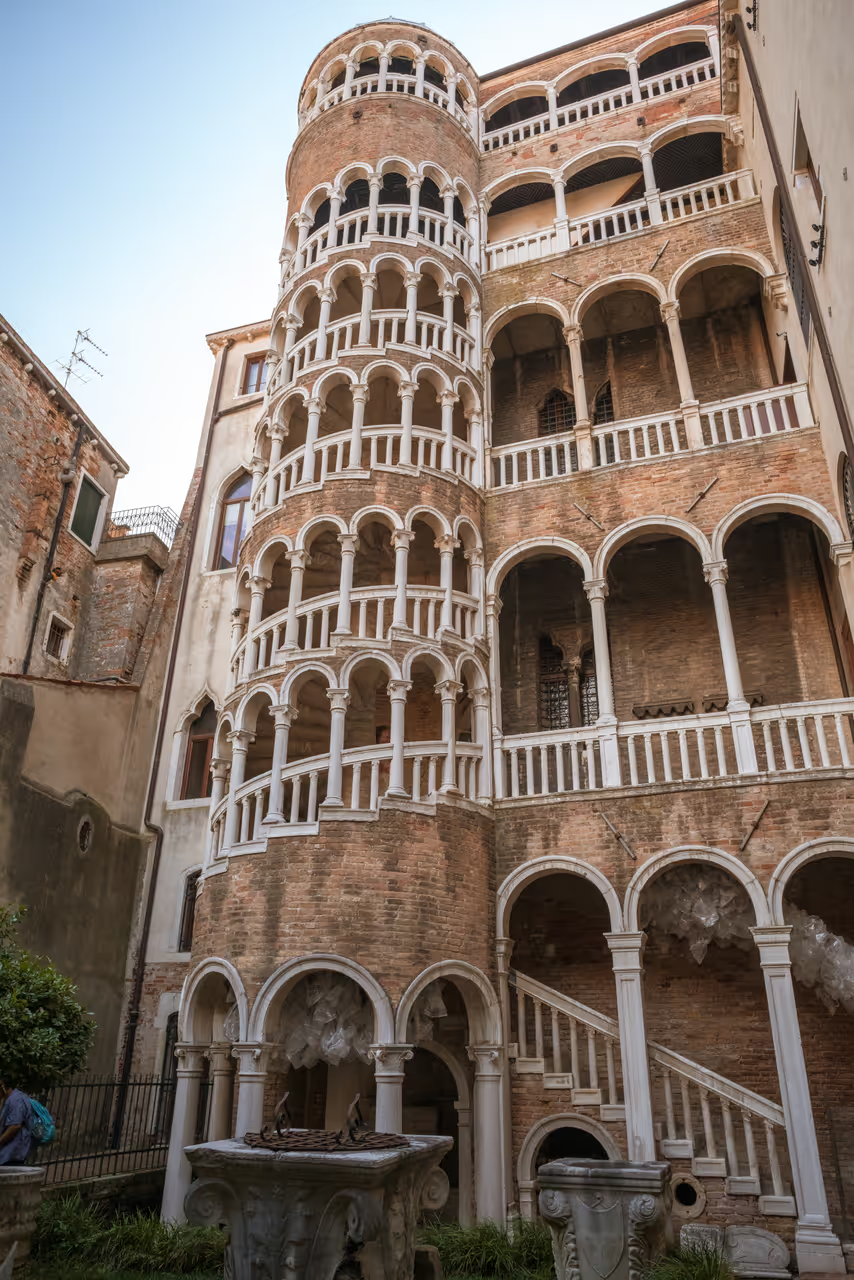
134mBovolo Staircase
Hidden deep within a convoluted maze of narrow alleys near the centre lies one of the city's most breathtaking architectural secrets. This stunning, multi story spiral staircase is attached to the exterior of a late Gothic palace, wrapped elegantly in ascending brick and white stone arches. The word bovolo translates to snail shell in the local dialect, perfectly describing its swirling, delicate shape. Climbing to the top rewards you with an incredibly intimate, rooftop view over the terracotta tiles and domes of the city. It feels like uncovering a hidden piece of aristocratic history.
hidden gem view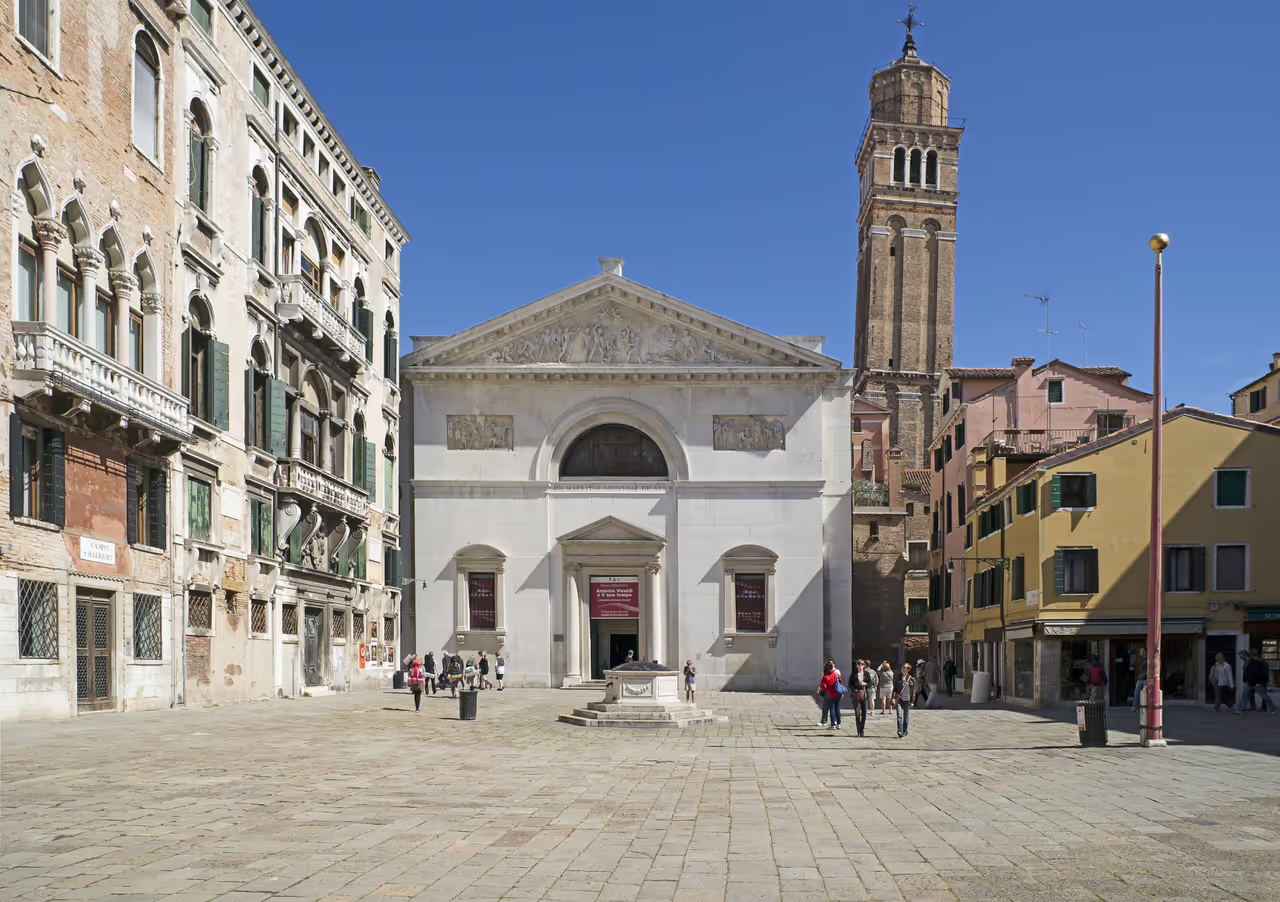 216m
216mSan Maurizio Antique Market
Held only a few weekends throughout the year, this charming market transforms a quiet square into a treasure hunter's paradise. Dozens of specialised vendors set up wooden stalls filled with historic Venetian artifacts, vintage glass, antique books, and curious collectibles. It is a wonderful place to browse for unique souvenirs that have a genuine connection to the city's past. The atmosphere is relaxed and cultured, attracting serious collectors and curious strollers alike. Even if you do not buy anything, observing the intricate craftsmanship of the old wares is a delightful experience.
market view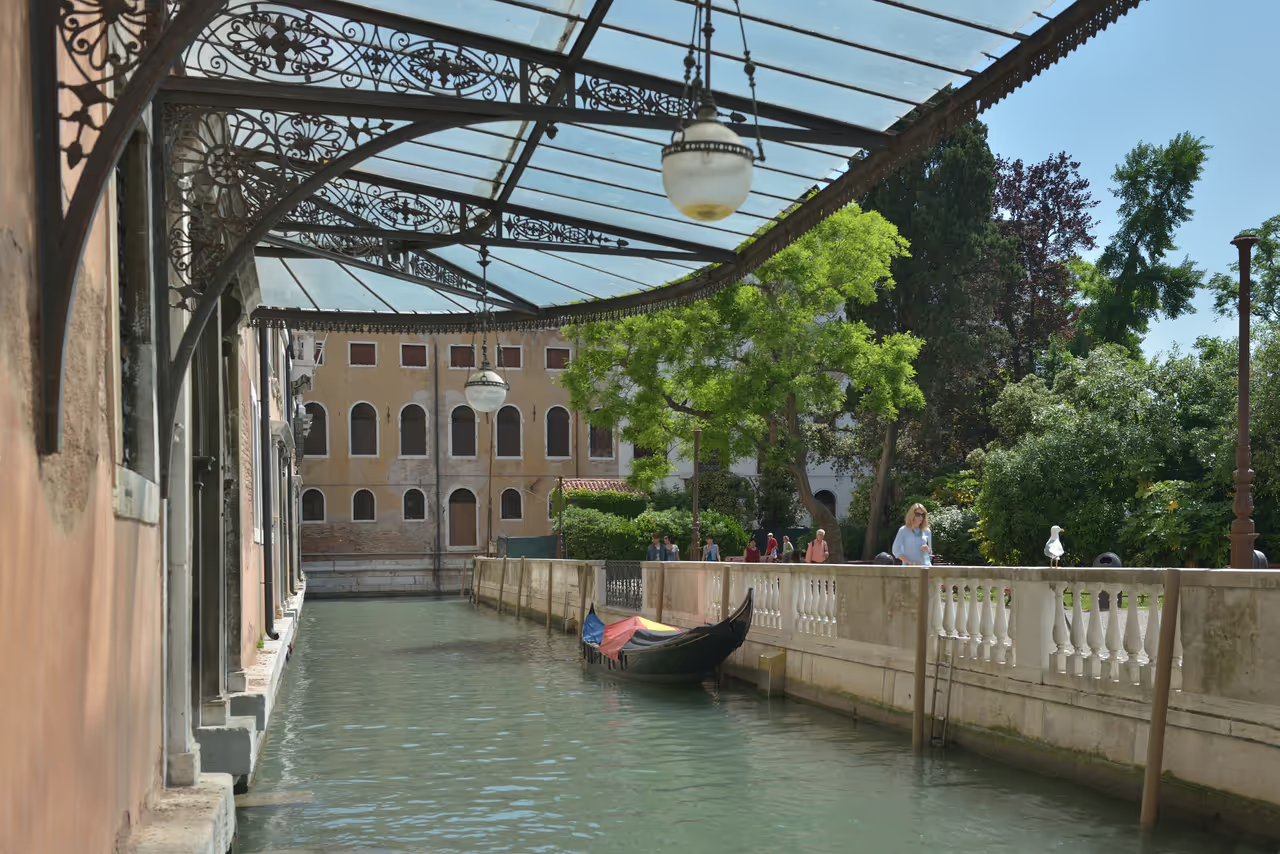 332m
332mRoyal Gardens
Tucked away just steps from the bustling St Mark's Square, this elegant garden provides a much needed, completely free sanctuary of shade and tranquility. Originally commissioned by Napoleon Bonaparte, the gardens have recently been beautifully restored to their former glory. You can stroll under romantic cast iron pergolas draped in lush wisteria and admire the carefully curated botanical layouts. It is the perfect place to sit on a quiet bench and rest your feet after exploring the monumental palaces nearby. The contrast between the intense crowds of the waterfront and this quiet, green oasis is incredibly refreshing.
free thing to do view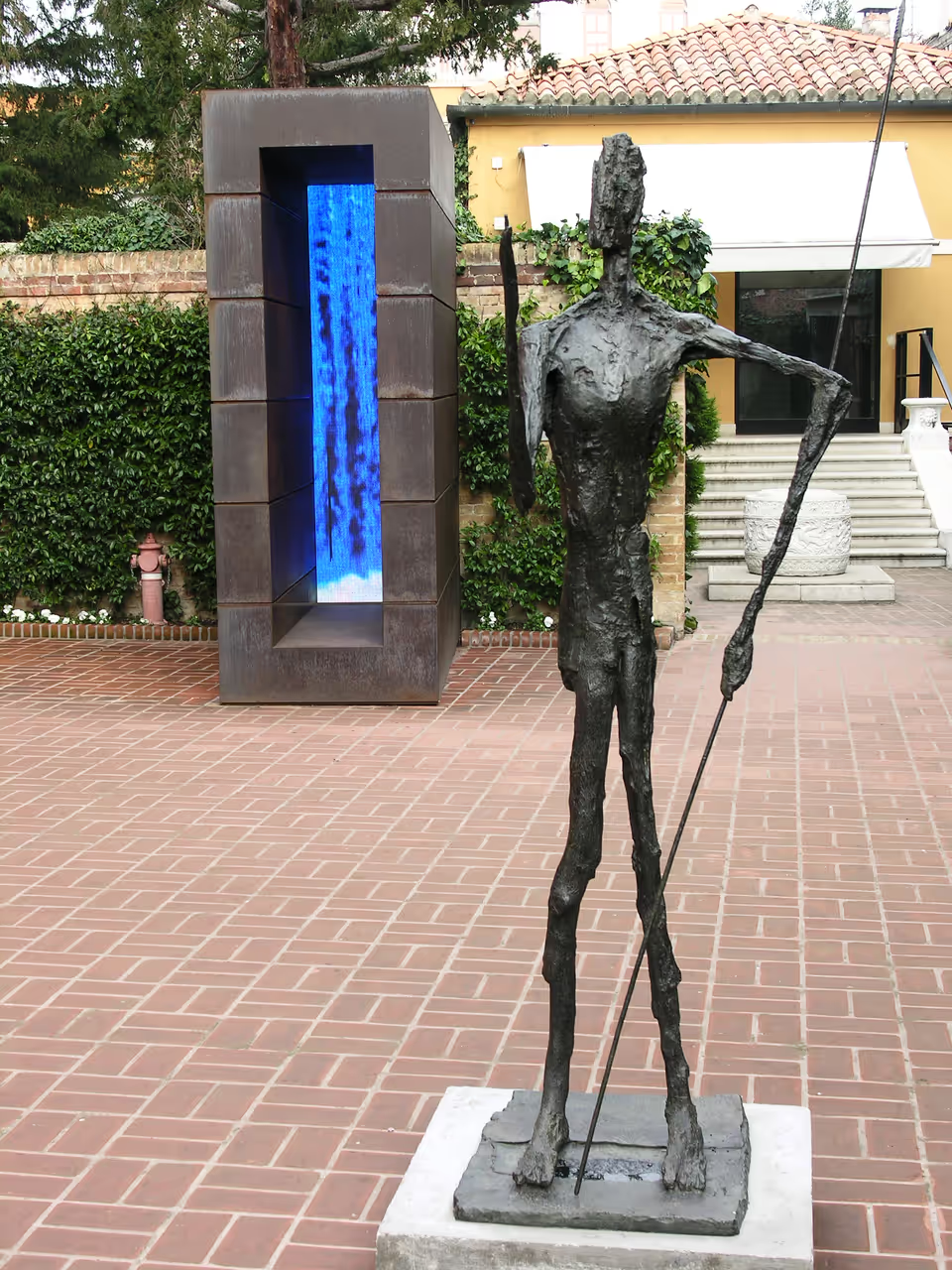 357m
357mPeggy Guggenheim Collection
The Peggy Guggenheim Collection offers an unparalleled journey into the world of modern art, housed within the stunning walls of an unfinished eighteenth century palace on the Grand Canal. Visitors can wander through the intimate rooms where the legendary Peggy Guggenheim once lived, discovering masterpieces by Picasso, Dalí, and Pollock in a setting that feels deeply personal and alive. Beyond the galleries, the sculpture garden invites quiet reflection, blending contemporary art with the serene beauty of Venetian nature. It is this unique combination of avant garde brilliance and the relaxed charm of a private home that makes this museum a standout experience in Venice. Whether you are a seasoned art lover or simply curious, the collection provides a refreshing and thought provoking pause from the historic opulence of the city. Spending time here allows you to connect with the radical spirit of twentieth century art while soaking in one of the most picturesque locations on the canal.
attraction view
Explore Similar Places in This Collection
See all attractions in Venice
Doge's Palace, Gallerie dell'Accademia, Peggy Guggenheim Collection, Rialto Bridge, St Mark's Basilica...