South Milan Agricultural Park
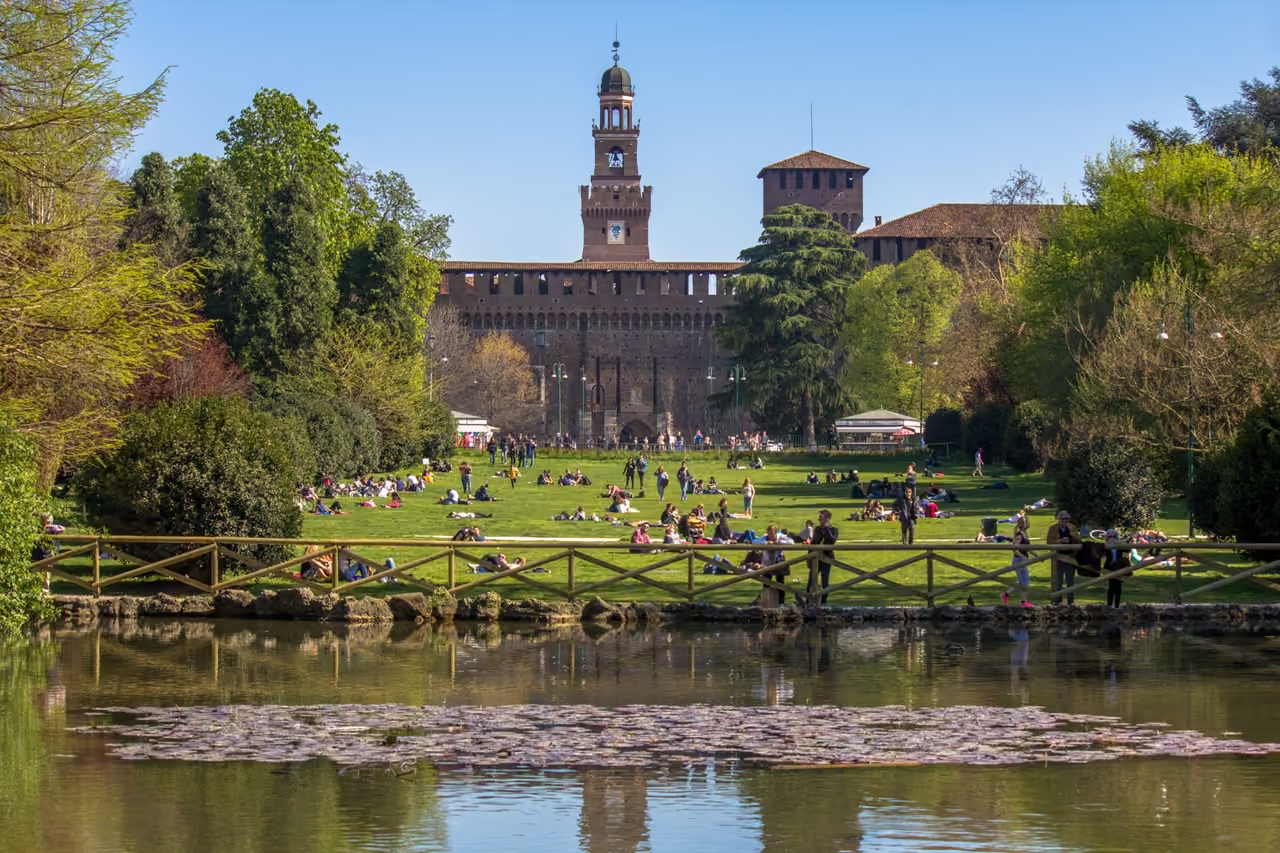
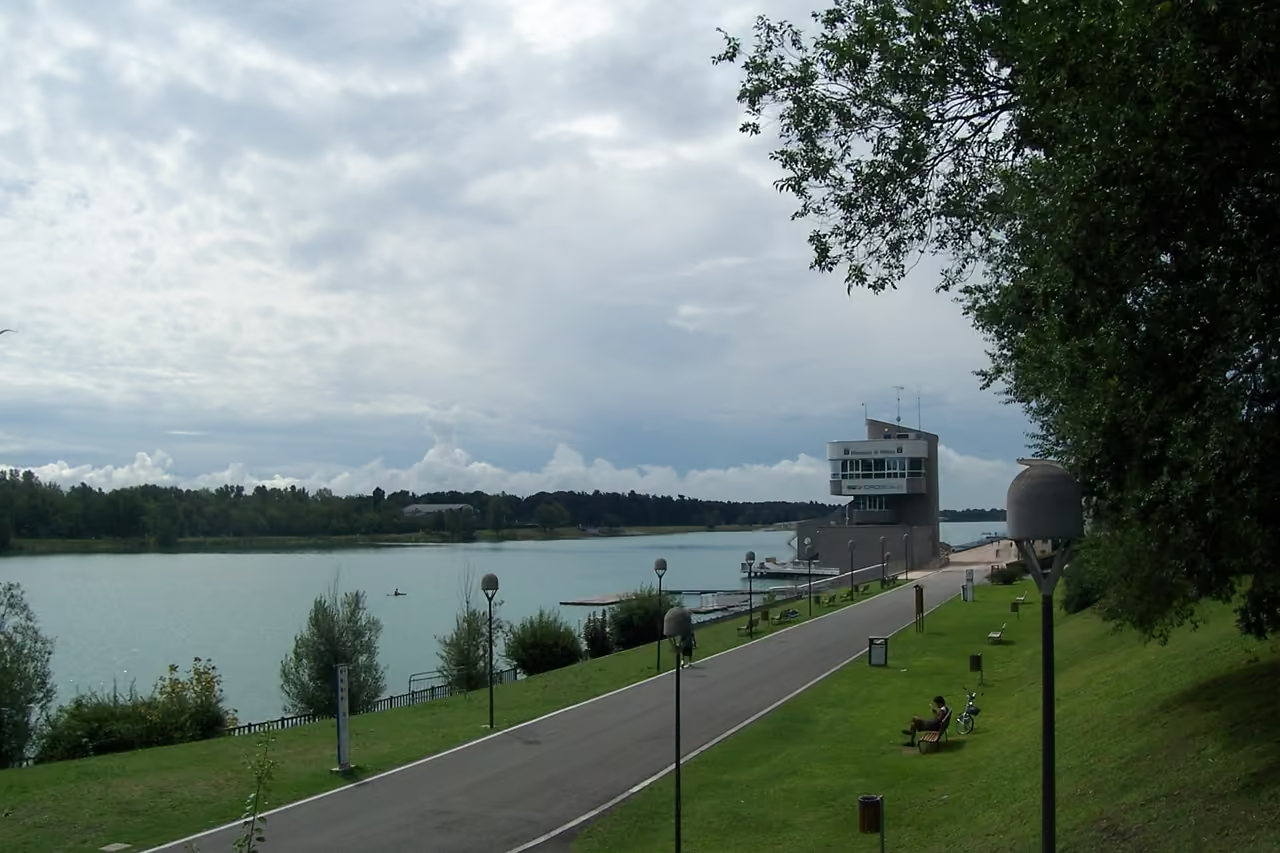
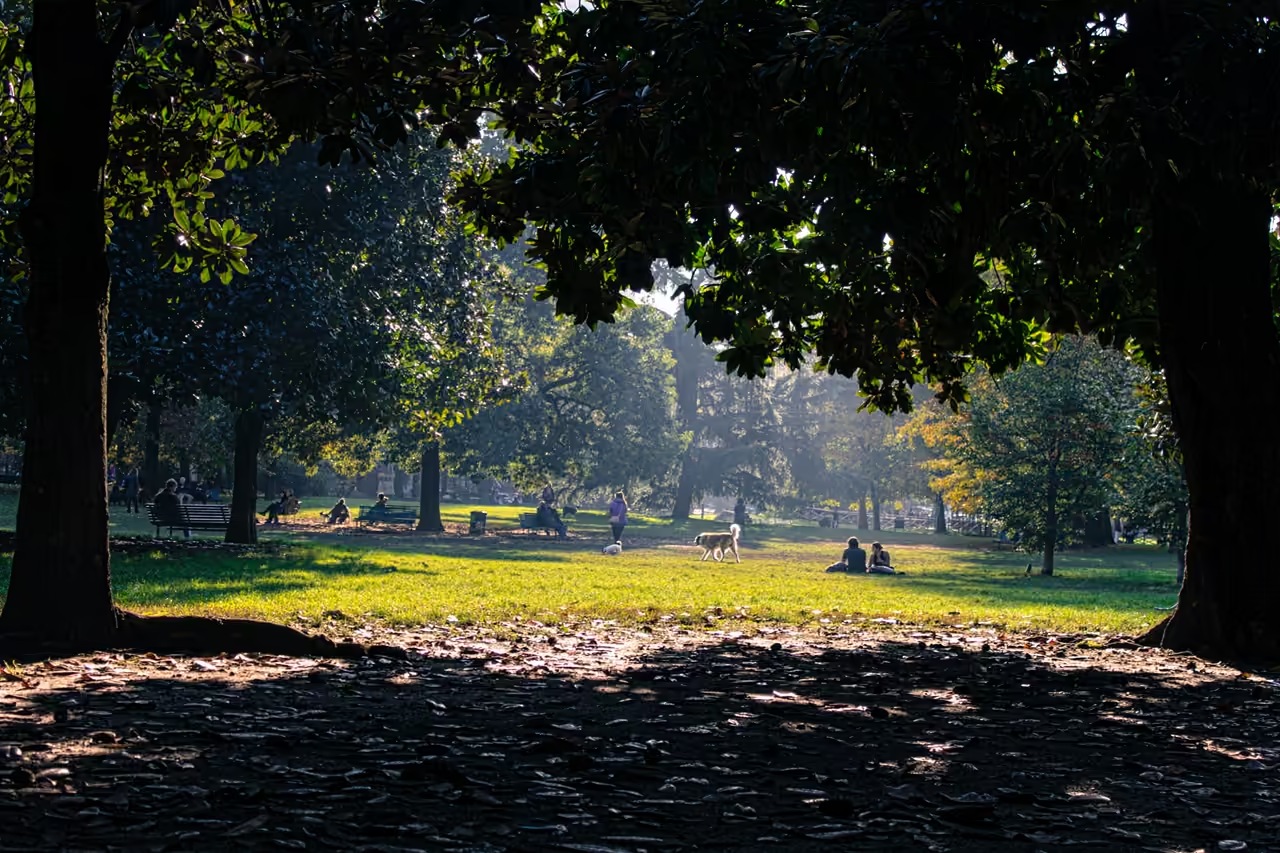
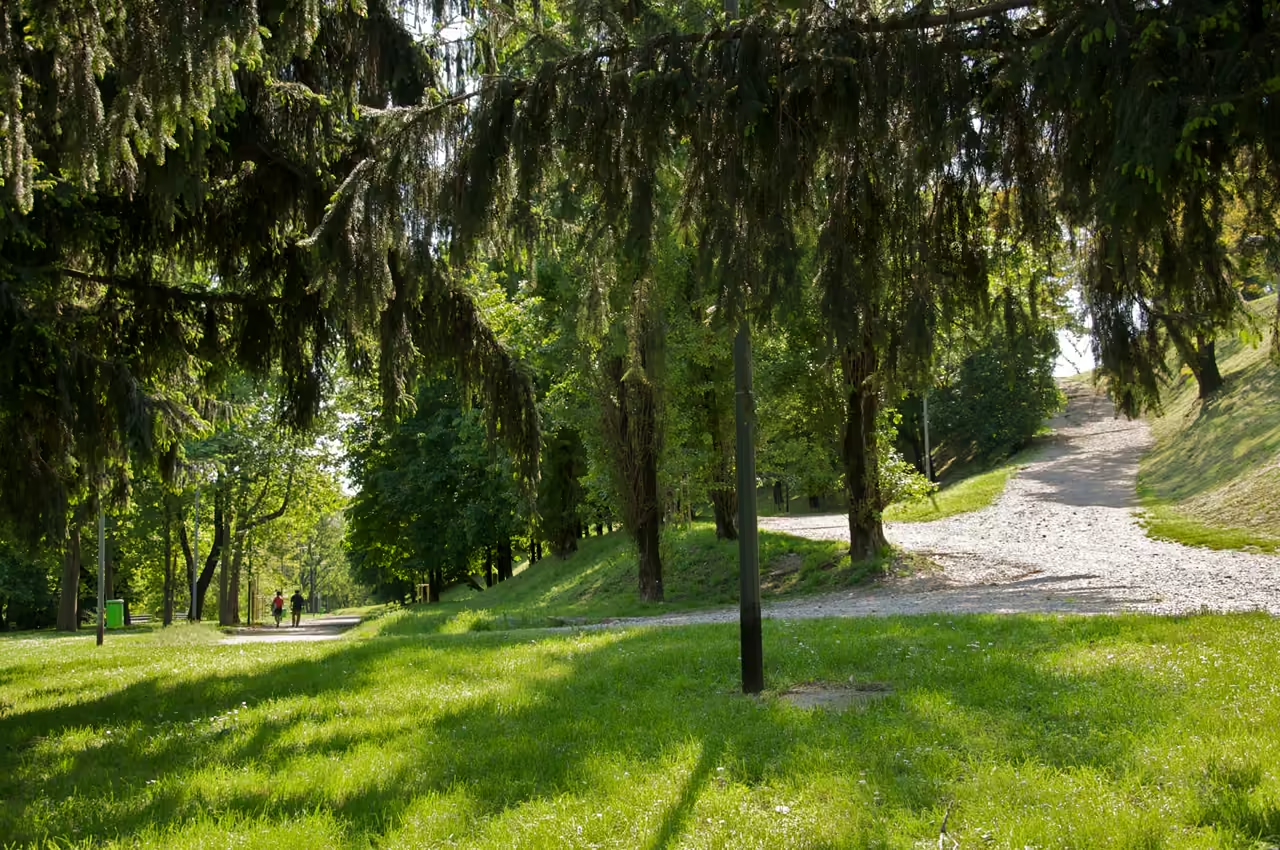
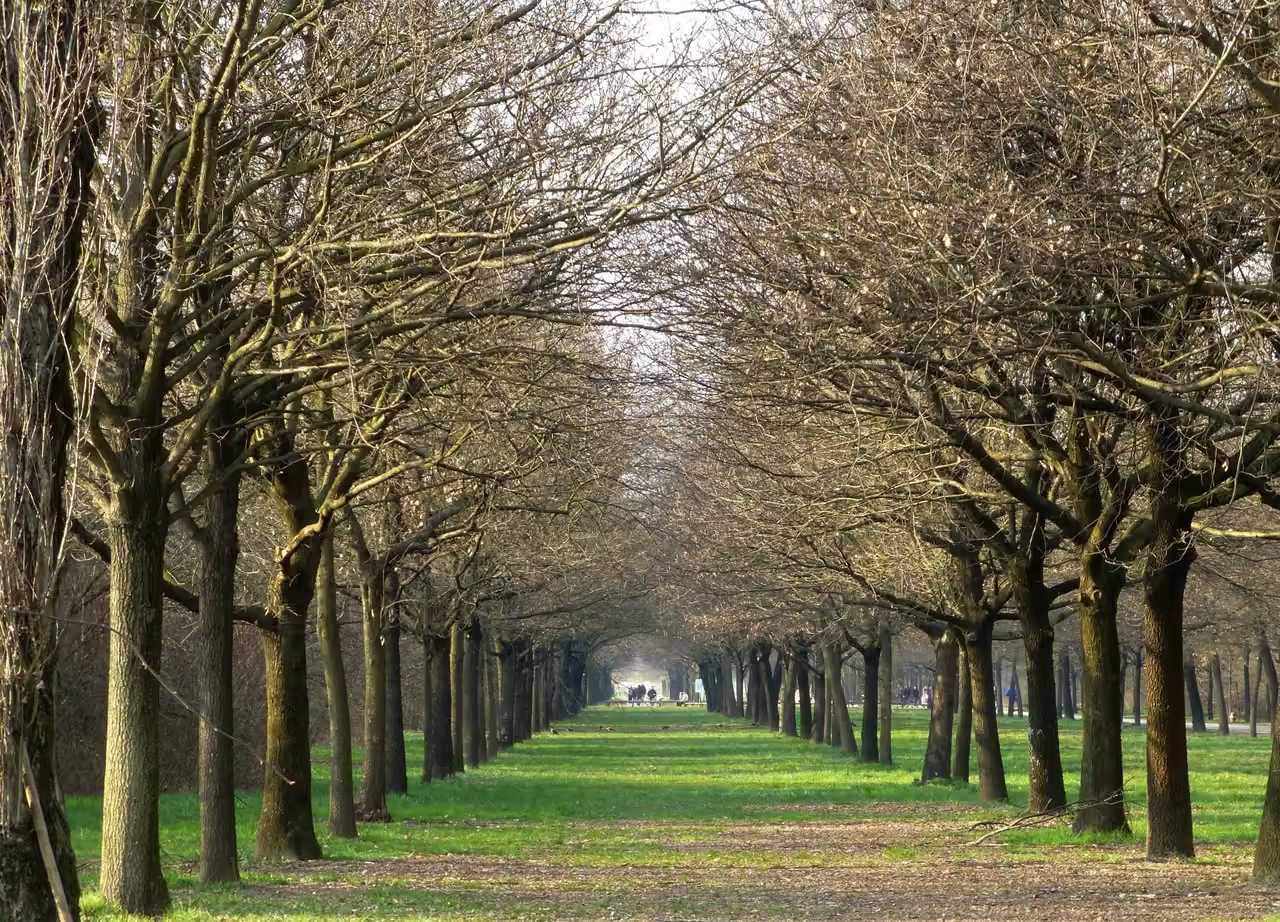
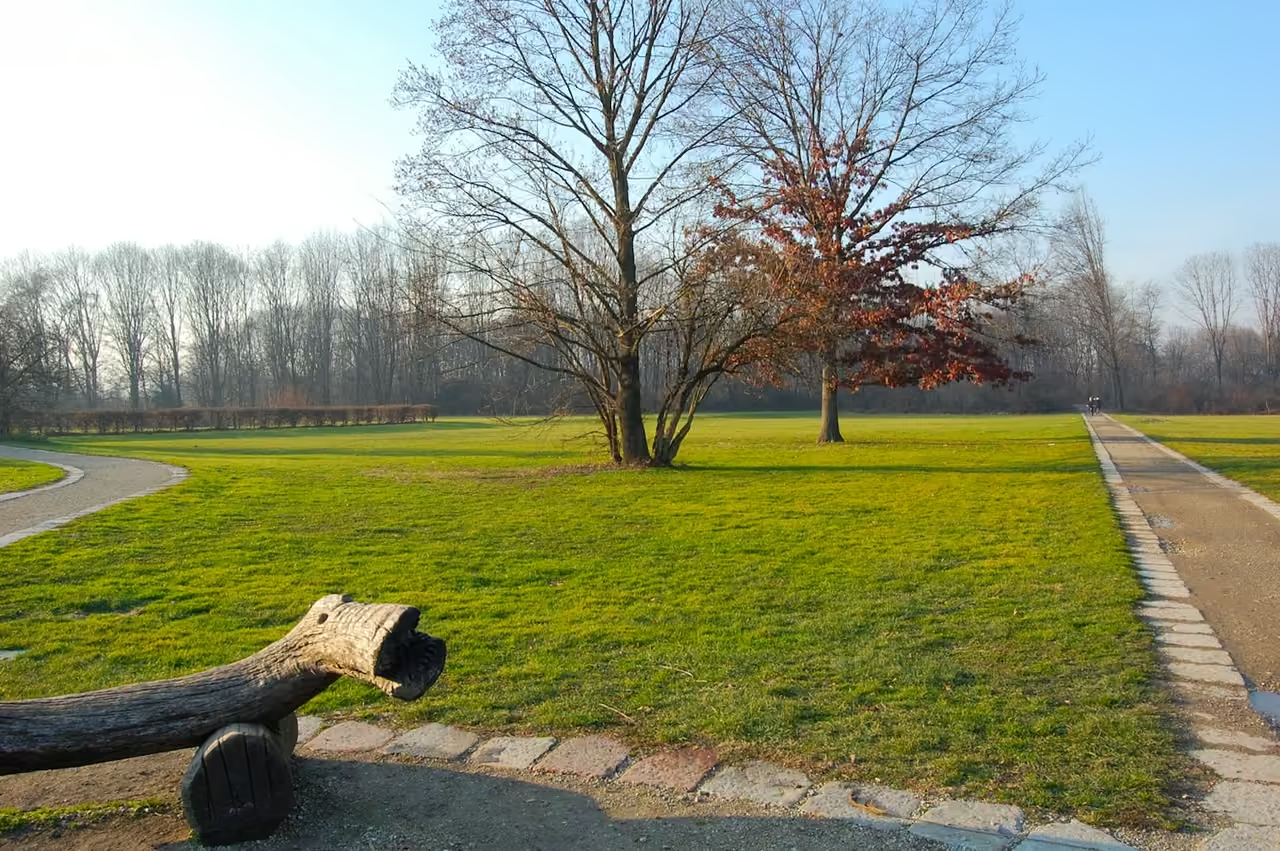
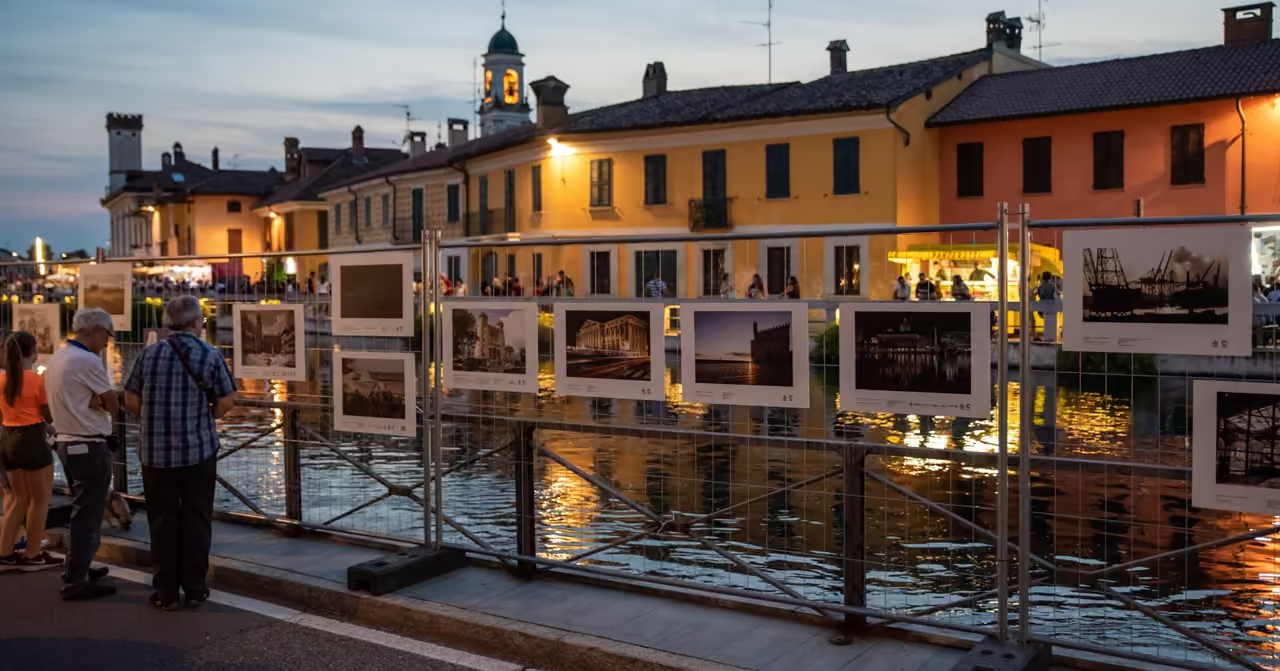
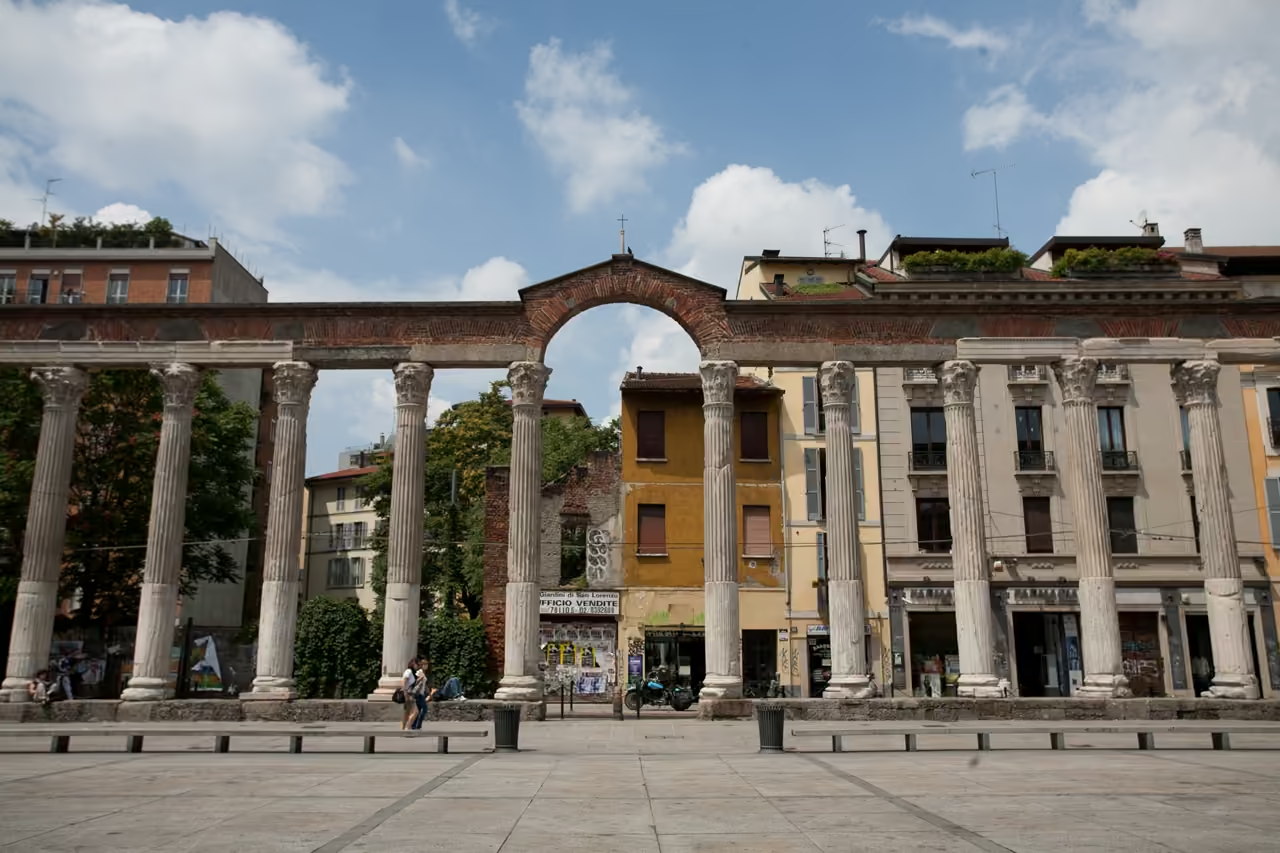
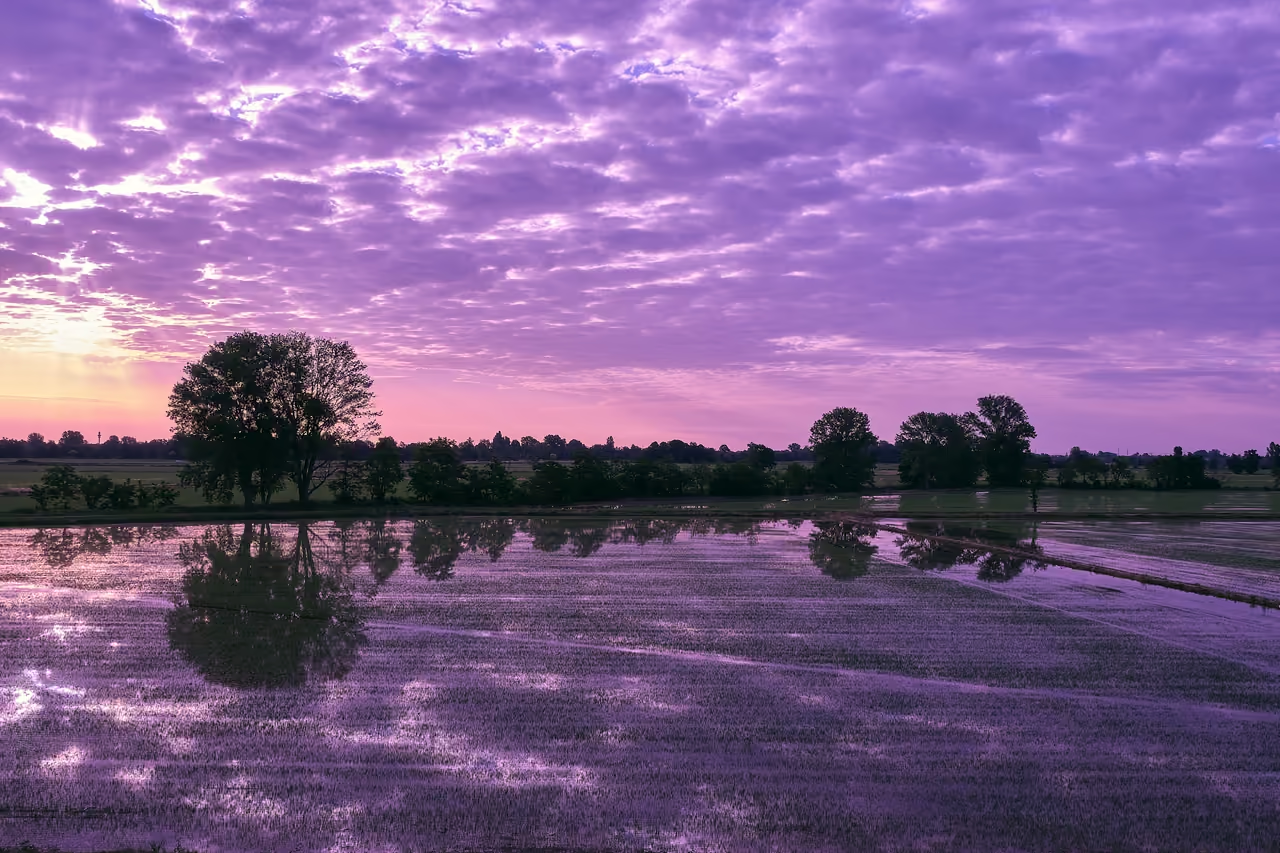
Just south of Milan, a truly exceptional landscape unfurls: the Parco Agricolo Sud Milano. This vast green belt isn't merely a park, it's a living, working agricultural heartland wrapping around the city's urban sprawl, offering a remarkable escape into tradition and nature. Imagine meandering along ancient irrigation canals, spotting herons in hidden waterways, or cycling past historic farmsteads that have fed Milan for centuries. It's a place where time slows down, allowing you to connect with the deep roots of the region's food production and experience a pastoral calm so close to a bustling metropolis. The park's character is defined by its extensive cultivated fields, crisscrossing network of streams and Navigli, and a surprising abundance of wildlife, all against a backdrop of ancient abbeys and castles.
Videos
History of South Milan Agricultural Park
The story of the South Milan Agricultural Park is deeply entwined with the history of the Lombard plain itself, a tale of human ingenuity shaping a fertile landscape. For centuries, this area was the breadbasket of Milan, its flat terrain and abundant waterways, including the Adda, Lambro, and the famed Navigli, proving ideal for intensive agriculture. Medieval monks played a crucial role, developing sophisticated irrigation systems like the 'marcite' that allowed for year-round cultivation, a testament to their innovative spirit and the enduring legacy of farming. As Milan expanded dramatically through the 20th century, encroaching upon these vital green spaces, a pressing need emerged to protect this unique agricultural and natural heritage. This led to the park's formal establishment in 1990. It wasn't just about preserving fields; it was about safeguarding an entire ecosystem that included forests, fontanili (natural springs), and an incredible diversity of flora and fauna, alongside the numerous historic abbeys, castles, and traditional 'cascine' (farmsteads) that dot the landscape. Most recently, the park entered a new chapter in its stewardship. A regional law in 2022 paved the way for the creation of a dedicated public entity, the 'Ente Parco Agricolo Sud-Milano,' which officially took over management in 2025. This move underscored the growing recognition of the park's critical role as a living museum of agricultural traditions, a natural refuge, and a recreational haven, ensuring its continued preservation and evolution for generations to come, standing as a testament to Milan's commitment to its rural soul.
events spanning 35 years
Fun Facts
10- 01
Alongside native flora, the park also grapples with the presence of various non-native species, from the grey squirrel and nutria to the sacred ibis and red swamp crayfish, highlighting ongoing ecological challenges.
- 02
Ancient 'marcite', a unique traditional irrigation system from the Middle Ages that allows grass to grow even in winter, are a protected feature of the park, with 41 documented sites.
- 03
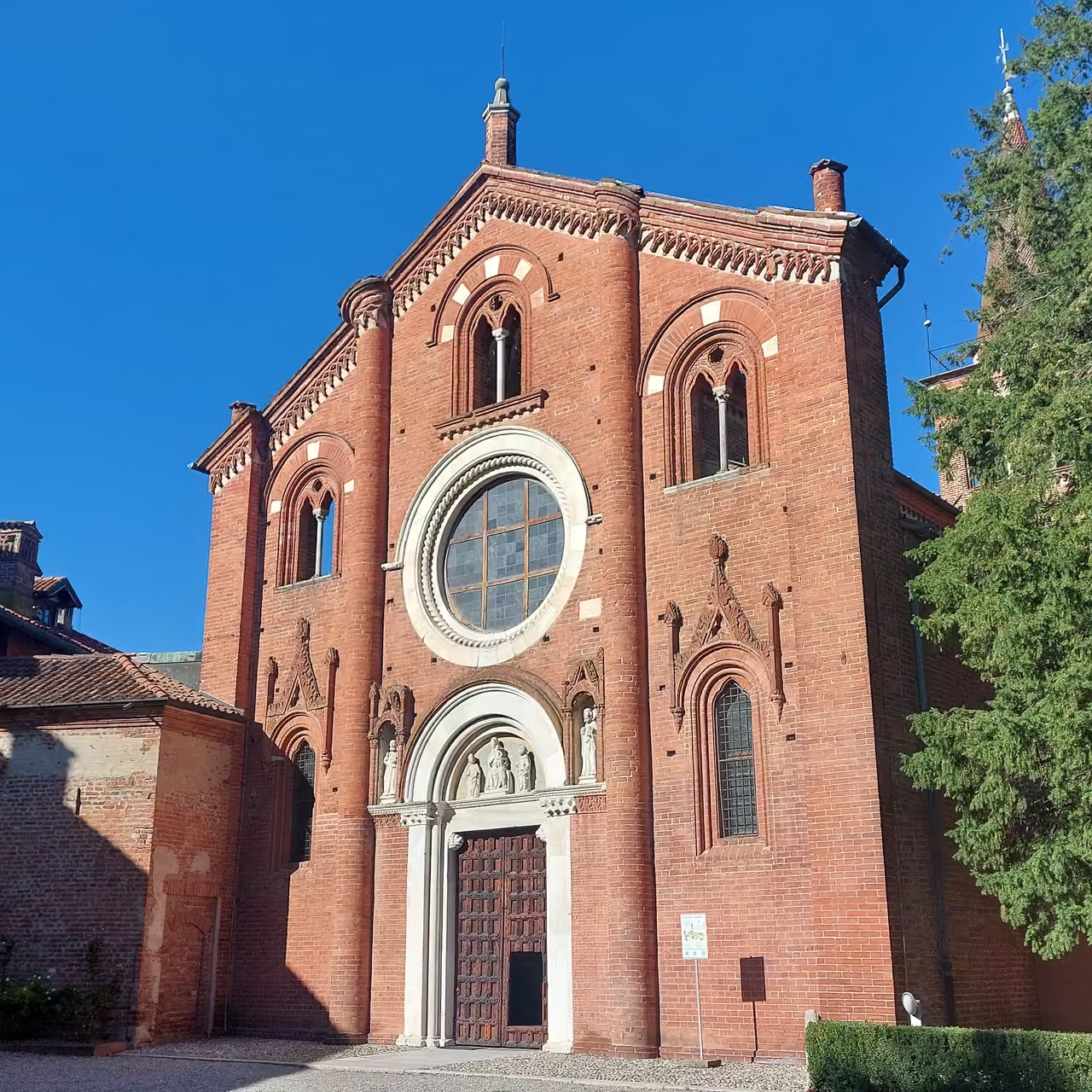
Historically significant religious sites like the Abbeys of Chiaravalle, Mirasole, and Viboldone, dating back centuries, are found within the park, offering a glimpse into Lombardy's monastic past.
- 04
Several medieval castles, including those in Binasco, Cusago, and Melegnano, stand sentinel across the park's territory, reminding visitors of its strategic importance throughout history.
- 05
The South Milan Agricultural Park spans a colossal 46,300 hectares, making it one of Italy's largest regional parks and a significant green lung for the Milan metropolitan area.
- 06
The network of ancient fortified farmsteads, known as 'cascine', such as those in Carpiano, Fagnano, and Tolcinasco, are not just architectural landmarks but represent the enduring rural soul of the region.
- 07
The park is a haven for diverse wildlife, including elusive roe deer and wild boar in its wooded areas, and a remarkable array of birds such as grey herons, kingfishers, and white storks along its waterways.
- 08
The park's landscape is intensely shaped by its rich water resources, featuring major rivers like the Adda and Lambro, numerous minor streams, and the historic Navigli Grande and Pavese canals, which were once vital transport routes to Milan.
- 09
Traditional crops like cereals (43%), rice (22%), and hay (16%) dominate the cultivated land, reflecting centuries of agricultural practices in the fertile Po Valley.
- 10
Unlike typical parks, its primary purpose is to protect and enhance the agricultural economy, with over 1,400 active farms operating within its boundaries, primarily engaged in cattle and pig breeding.
FULL PLACE DETAILS
Updated
FULL PLACE DETAILS
UpdatedOVERVIEW & STATS
- Established
- In 1990, making it 36 years old
WEB & AMENITIES
South Milan Agricultural Park Map & Neighborhood Explorer
This interactive map is centered on South Milan Agricultural Park. Zoom in and move the map around to automatically discover Wikipedia photos and summaries of other nearby sights, monuments, and historical points of interest and stories in real-time!
South Milan Agricultural Park FAQ
The South Milan Agricultural Park is a vast protected area encompassing over 60 municipalities south of Milan. It was established to safeguard the region's agricultural economy, environment, and historical heritage, offering a unique blend of working farms, natural landscapes, and cultural sites.
Visitors can enjoy cycling along dedicated paths, exploring historic abbeys and castles, walking through cultivated fields and riparian forests, or simply observing the diverse wildlife. It's a fantastic place for nature lovers and those interested in agricultural heritage.
Yes, the park is rich in history! You'll find magnificent medieval abbeys like Chiaravalle and Mirasole, several ancient castles such as Binasco and Cusago, and numerous traditional fortified farmsteads ('cascine') that illustrate centuries of rural life.
The park is easily accessible from Milan, spreading in an arc around the southern districts. Many areas can be reached by public transport or car, with numerous entry points across the various municipalities it covers. Specific access points vary depending on the area you wish to explore.
The park is home to a wide array of wildlife. In its natural zones and along the waterways, you might spot mammals like roe deer, wild boar, and foxes. Birdwatchers will be delighted by species such as grey herons, kingfishers, cuckoos, and various waterfowl.
The closest place to visit near South Milan Agricultural Park is Chiaravalle Abbey, around 3.1 km away. Other things to do near South Milan Agricultural Park include Prada Foundation (4.7 km), Arco di Porta Ticinese (5.9 km) and Vicolo dei Lavandai (6 km). All of these are within roughly 6 km of South Milan Agricultural Park.
It dates back to 1990, making it 36 years old.
While we strive to keep this information accurate and up to date, we recommend verifying any details independently before making decisions based on them.
Places near South Milan Agricultural Park
Make the most of your trip. Check out these top-rated spots located nearby.
 3123m
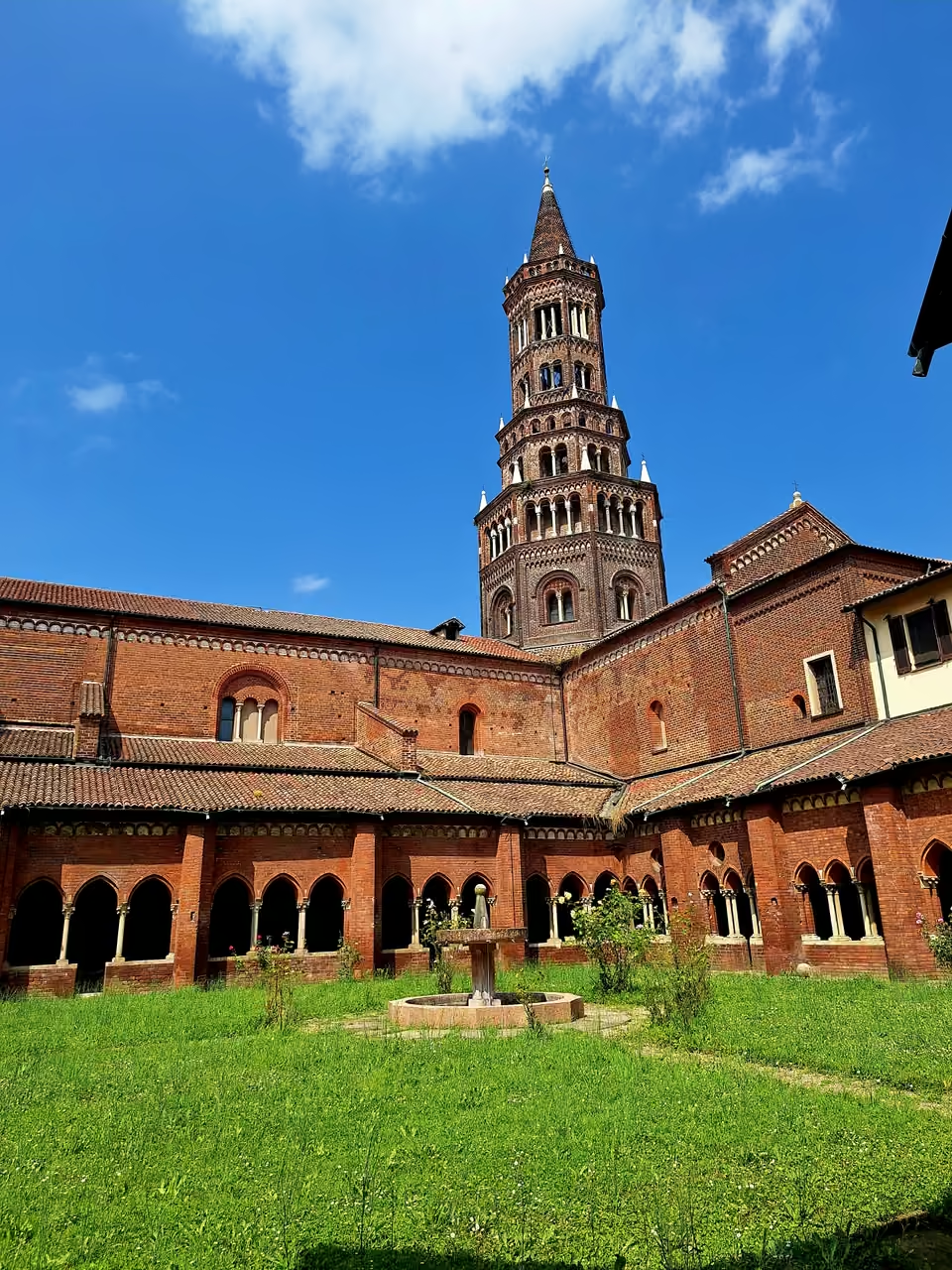
Chiaravalle Abbey
A working Cistercian monastery sits isolated in the agricultural parklands just south of the city limits. The striking, multi-tiered brick tower, known locally as the 'Ciribiciaccola', defines the skyline against the flat fields. Monks wander through the quiet gothic cloisters and tend to the surrounding farmland, maintaining an ancient rhythm of prayer and labour. The interior nave features heavy brick columns and fading 14th-century frescoes.
hidden gem view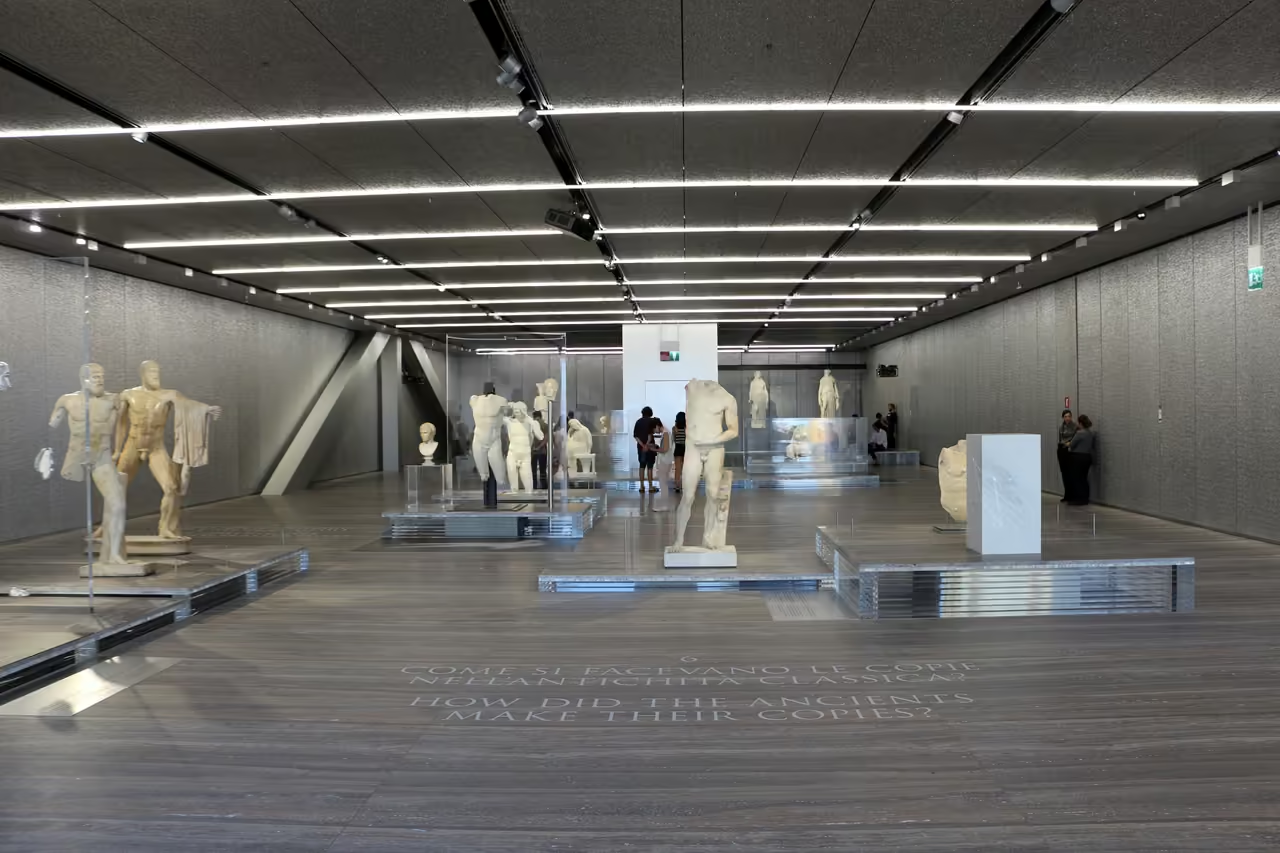 4716m
Prada Foundation
Rem Koolhaas and his OMA architectural firm transformed an abandoned 1910s gin distillery into a sprawling, hyper-modern contemporary art complex. The campus starkly contrasts raw concrete industrial warehouses with entirely new structures, including a towering white block and a 'Haunted House' coated entirely in 24-carat gold leaf. It serves as a formidable cultural powerhouse, hosting rotating exhibitions of avant-garde cinema, modern sculpture, and provocative installations. Visitors frequently end their visit at Bar Luce, a pastel-hued cafe meticulously designed by film director Wes Anderson to resemble a vintage Milanese bar.
highlight view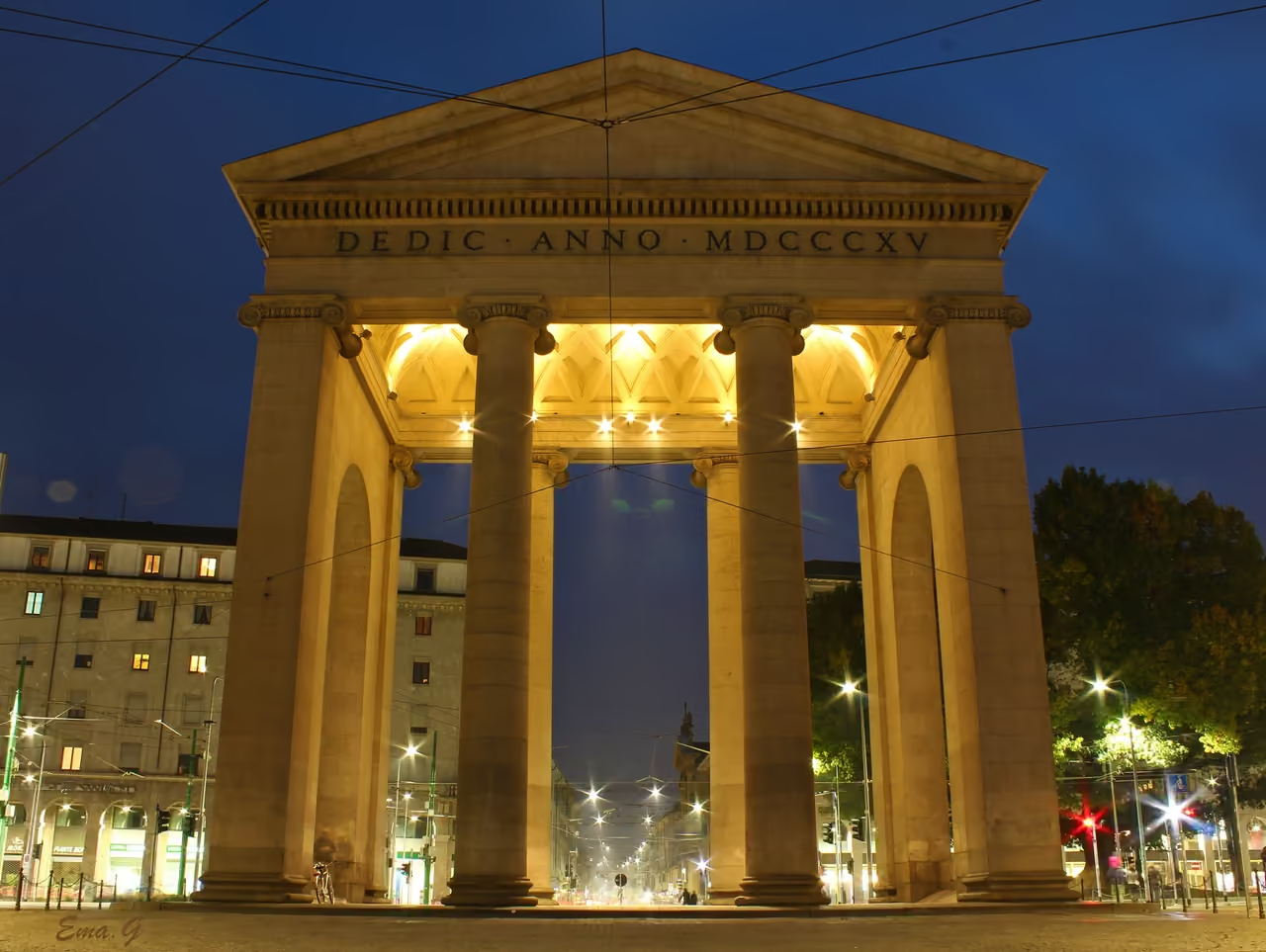 5940m
Arco di Porta Ticinese
A neoclassical gate of the early nineteenth century at Piazza XXIV Maggio, designed by Luigi Cagnola, with tram lines passing through and the Darsena just behind. Sunset light warms the columns, and the combination of stone and tram makes a classic Milan frame.
photo spot view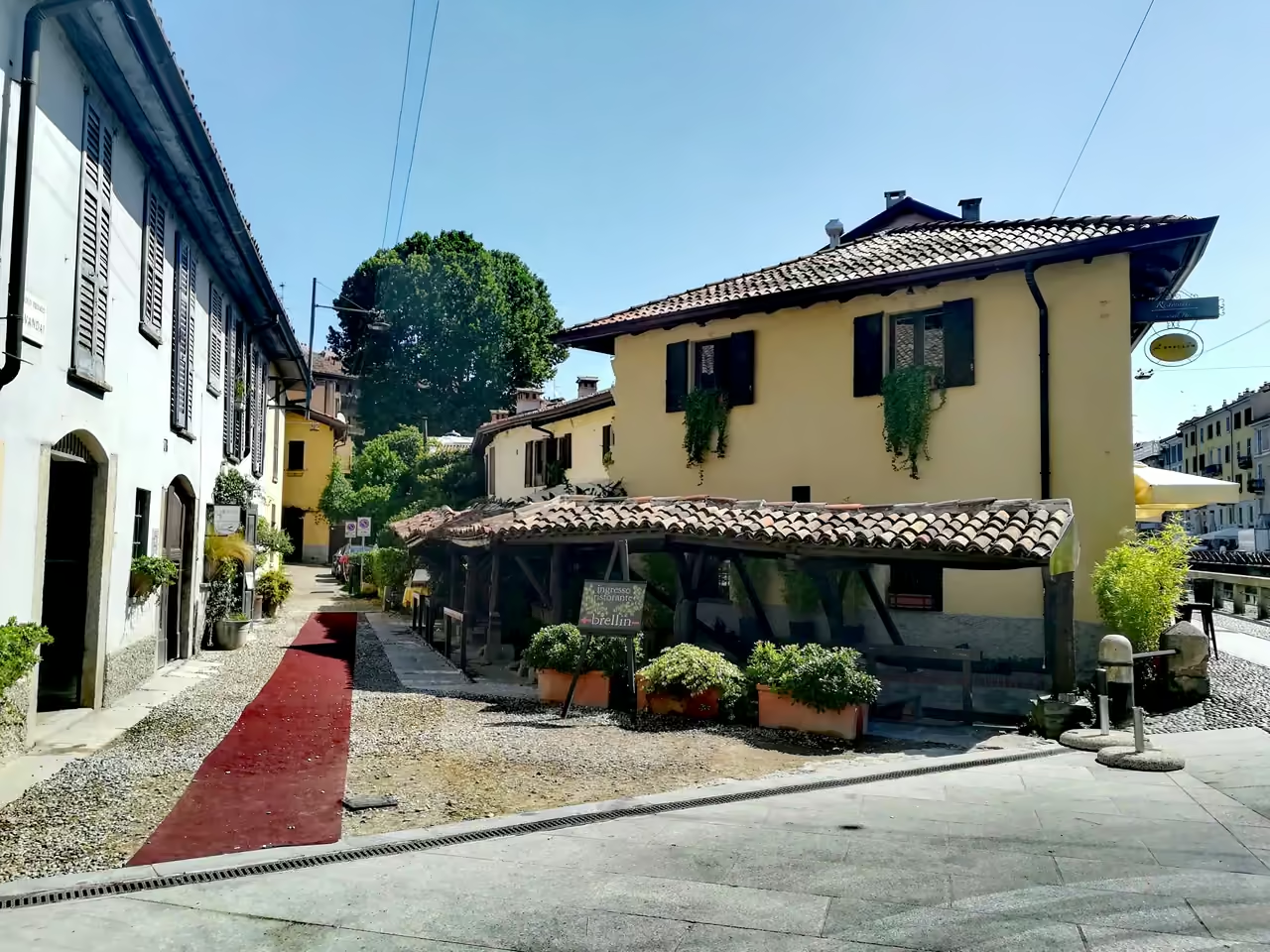 6000m
Vicolo dei Lavandai
A narrow alley beside the Naviglio Grande where stone washing basins still line the canal, left from the days when the water was the neighbourhood laundry. Flowers hang from the balconies and the water below reflects the old houses. It is a few steps off the busiest section of the canal.
photo spot view
Featured on This Route
See all parks & nature in Milan
Including Sempione Park, Idroscalo, Indro Montanelli Public Gardens, and more