Sempione Park
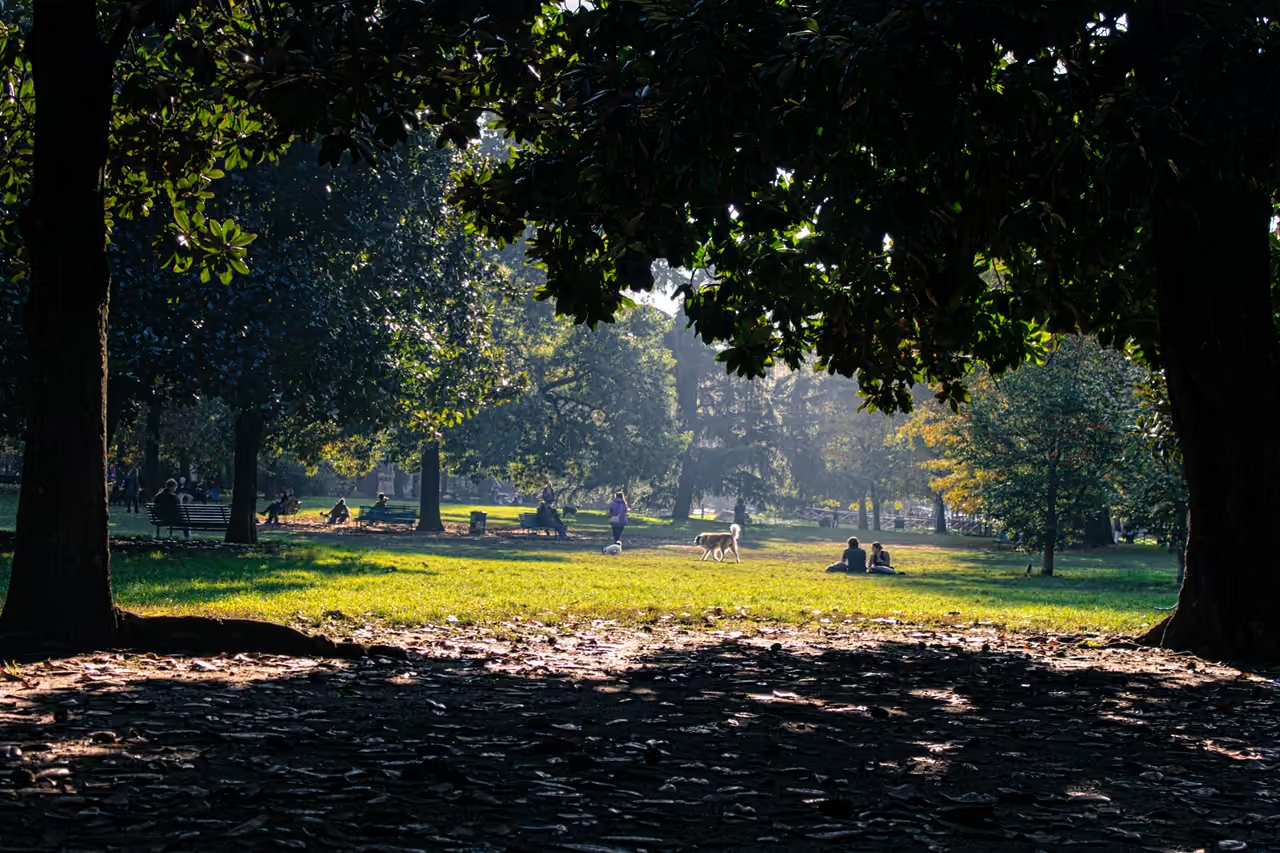
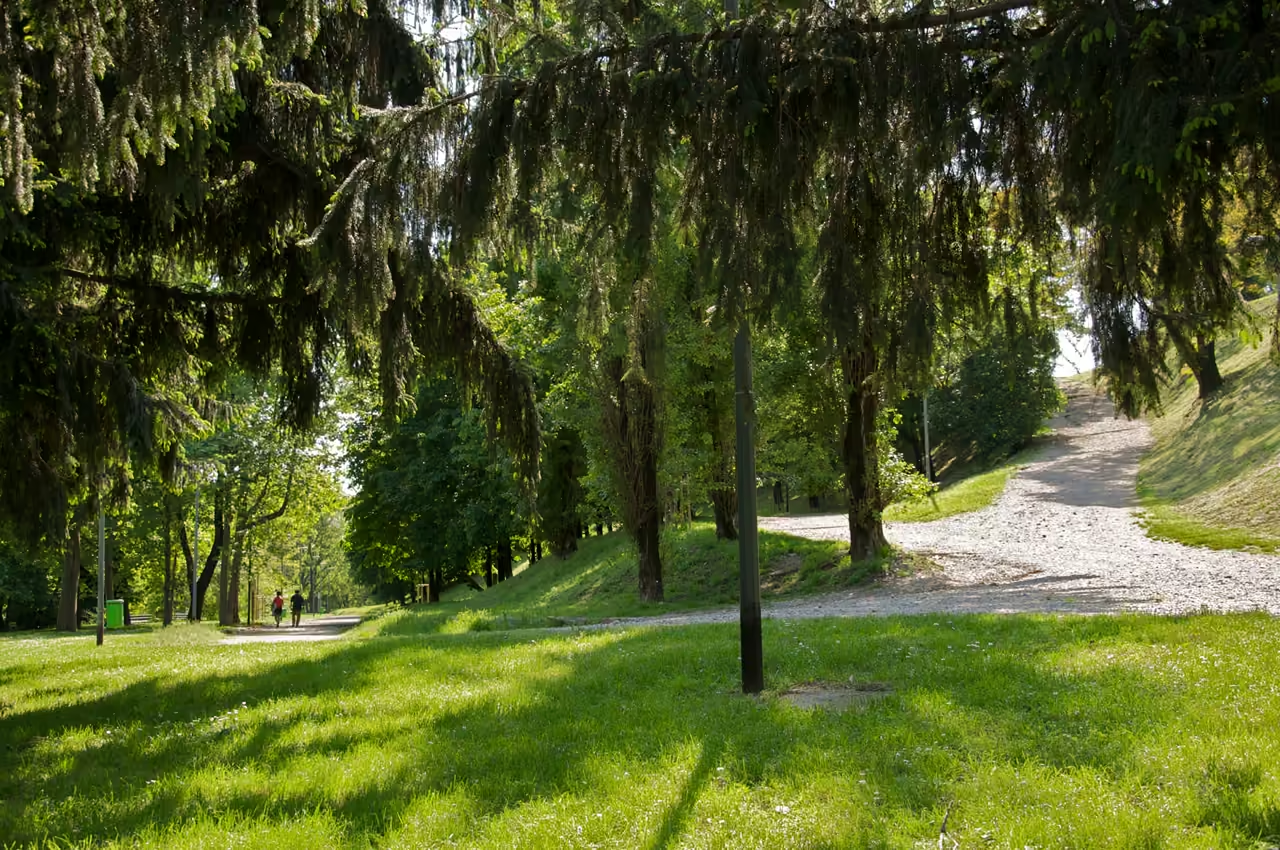
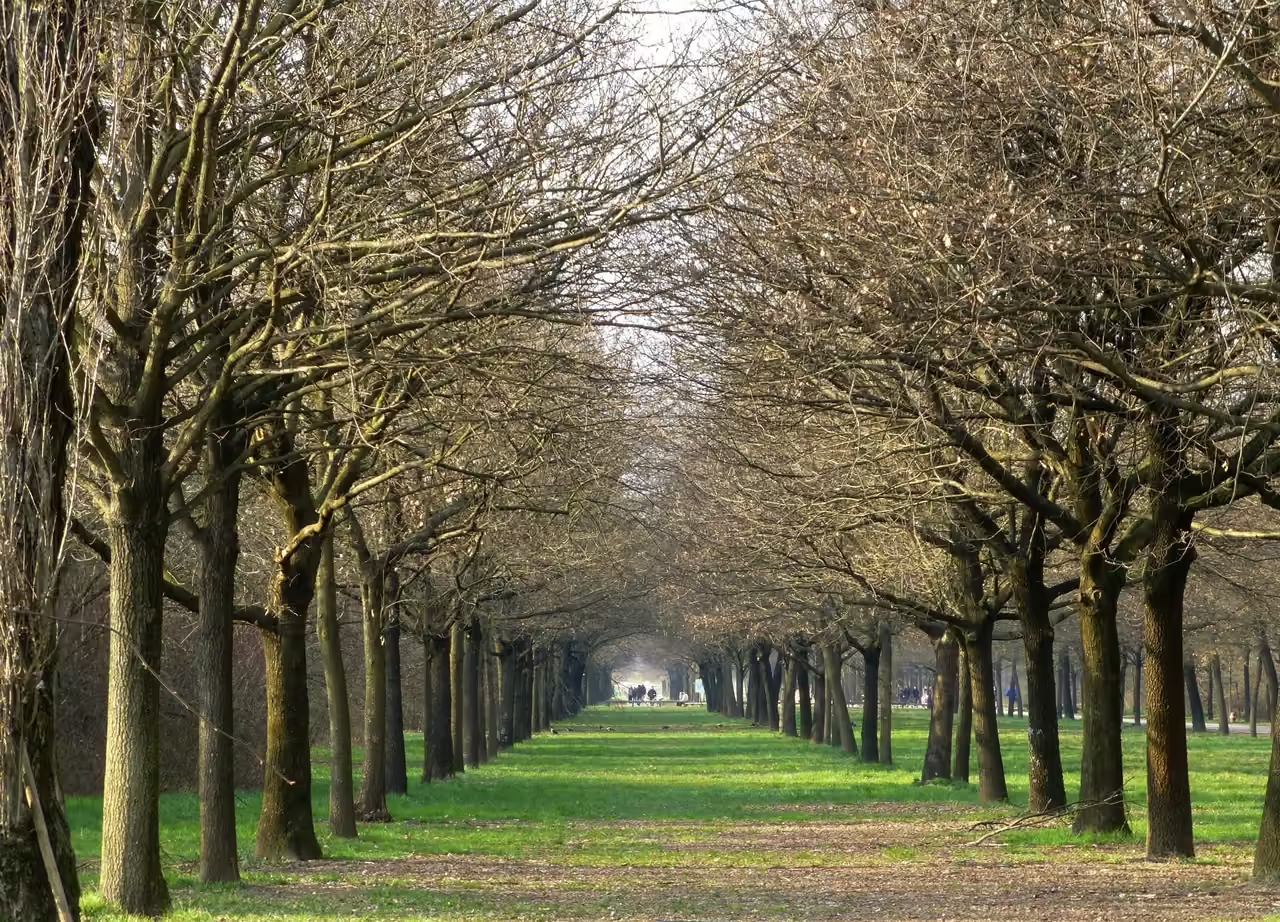
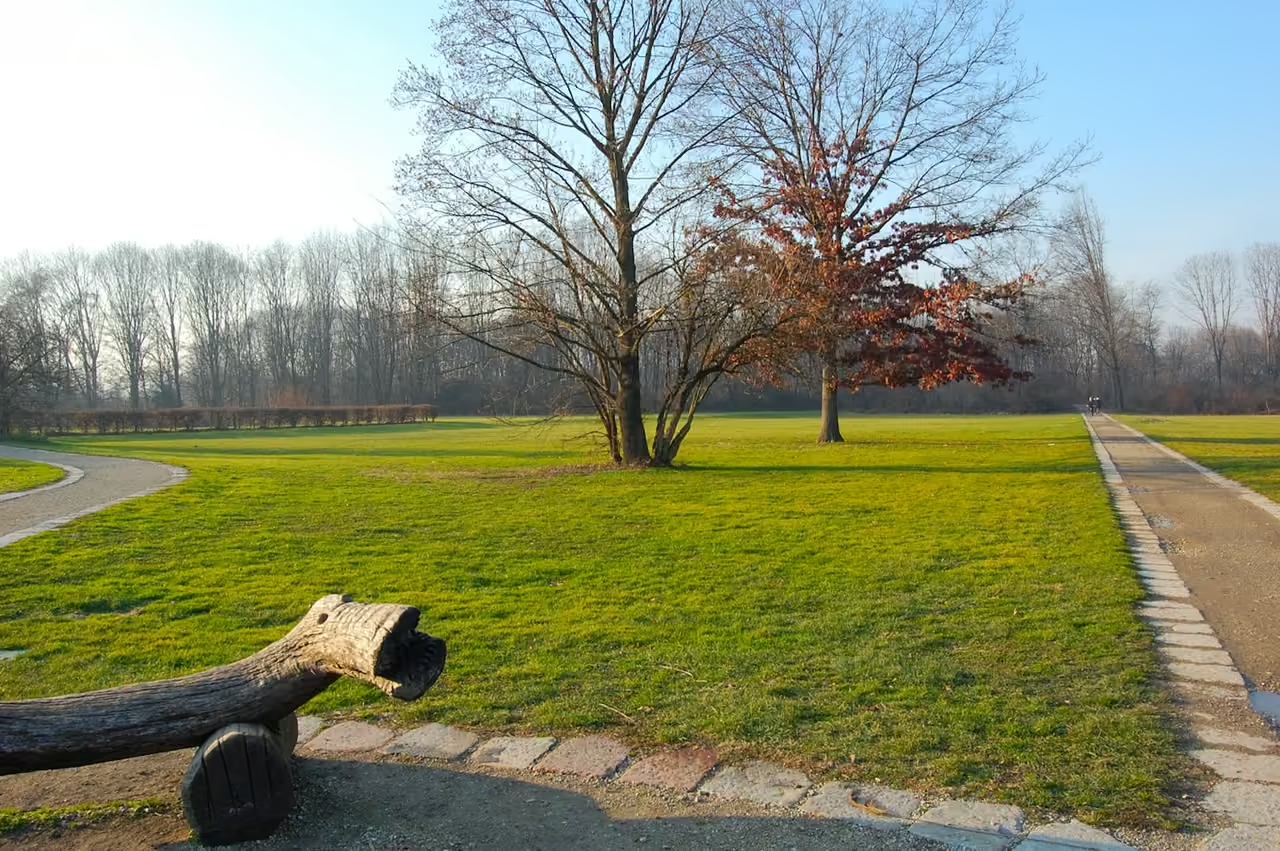
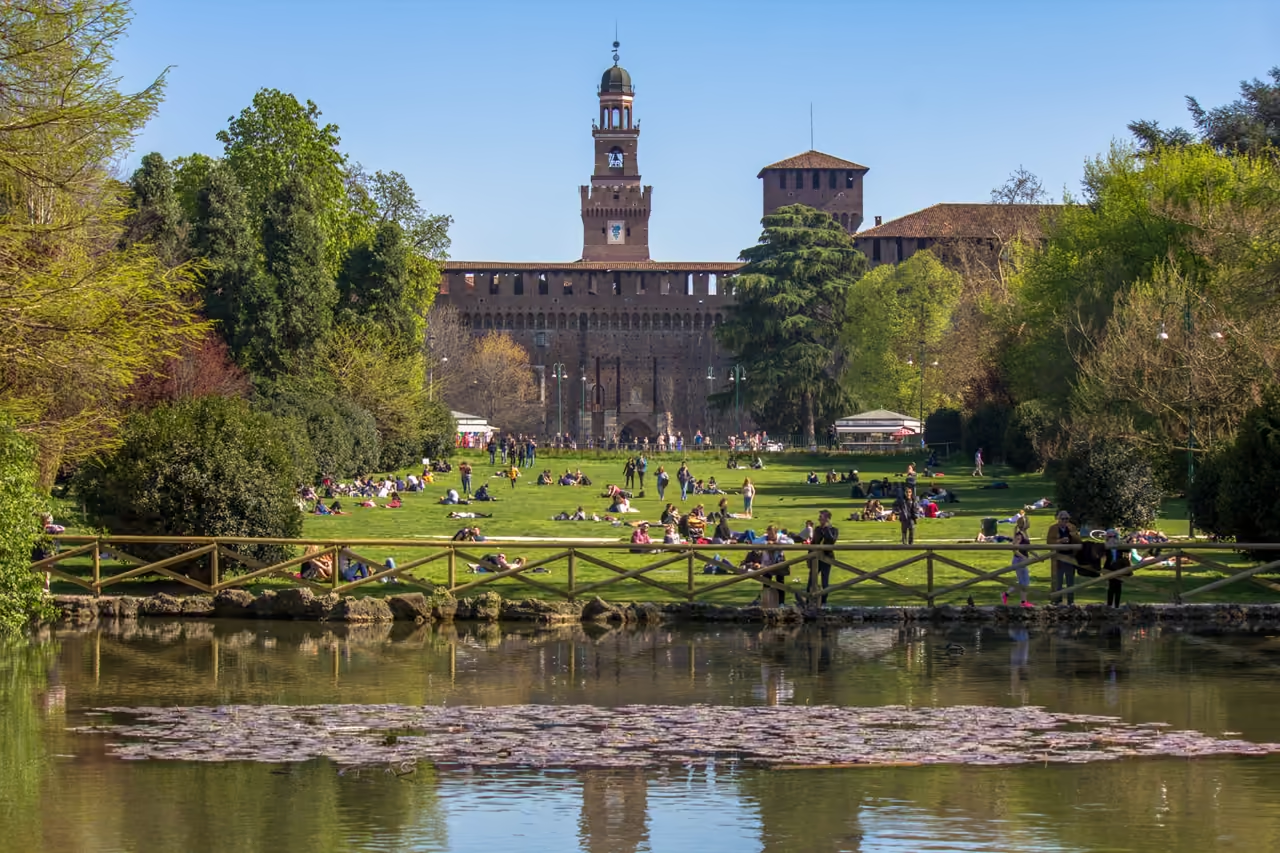
At 386,000 square metres, this patch of greenery completely severed the city's military past from its civilian future. Once a dusty parade ground for troops garrisoned at the nearby Castello Sforzesco, the area now acts as the central lungs of Milan. English-style romantic landscaping dominates the layout, with sweeping gravel paths curving past weeping beeches and Caucasian walnut trees. Stop by the Ponte delle Sirenette, a cast-iron bridge relocated here when the city paved over its inner canals. Locals often cluster around the Fontana dell'Acqua Marcia to fill bottles with mildly sulphurous water, chatting over the distinct scent of rotten eggs. Walk towards the north-western edge to catch the geometric bulk of the Arco della Pace framing the late afternoon sky.
Videos
History of Sempione Park
Dukes of the Visconti and Sforza dynasties originally claimed this expanse as a private playground. They called it the "Barcho", a vast walled woodland of oak and chestnut trees where they hunted exotic animals brought in from foreign courts. When Spanish rule took over the region, the dukes vanished and the woodland fell into total disrepair. By the 19th century, the trees were gone. The area became an arid, heavily trodden military parade ground serving the soldiers barracked inside the decaying Castello Sforzesco. Following the unification of Italy, a rapidly expanding civilian population needed housing, and a ruthless real estate scheme proposed flattening the castle entirely to build residential blocks over the parade ground. Outraged citizens mounted a fierce protest that forced a complete reversal of the plan. Engineer Cesare Beruto and architect Emilio Alemagna stepped in instead, designing a vast romantic public garden equipped with carriage trails and a scenic lake. Through the 20th century, the park evolved into an outdoor gallery for the city's artistic ambitions. The 1906 International Exhibition left behind an ornate civic aquarium, while the 1930s saw the construction of Gio Ponti's steel Torre Branca and Giovanni Muzio's Palazzo dell'Arte. A short-lived chairlift even carried visitors ten metres above the lawns during the 1951 Triennale. Giorgio de Chirico added his surreal Bagni Misteriosi sculpture pool shortly after. Today, the park absorbs the noise of modern Milan, holding onto architectural eccentricities and century-old Atlas cedars while cyclists weave through the Piazza del Cannone.
events spanning 611 years
Fun Facts
8- 01
A phantom woman dressed in a black veil smelling of violets supposedly wanders the park on foggy nights. According to local legend, she leads lonely men to a hidden mansion before revealing a skull beneath her veil.
- 02
Artist Alberto Burri erected his minimalist Teatro Continuo on the park's central axis for the 1973 Triennale. The council demolished it in 1989 due to severe decay, only to completely rebuild and reinstate the structure in 2015.
- 03
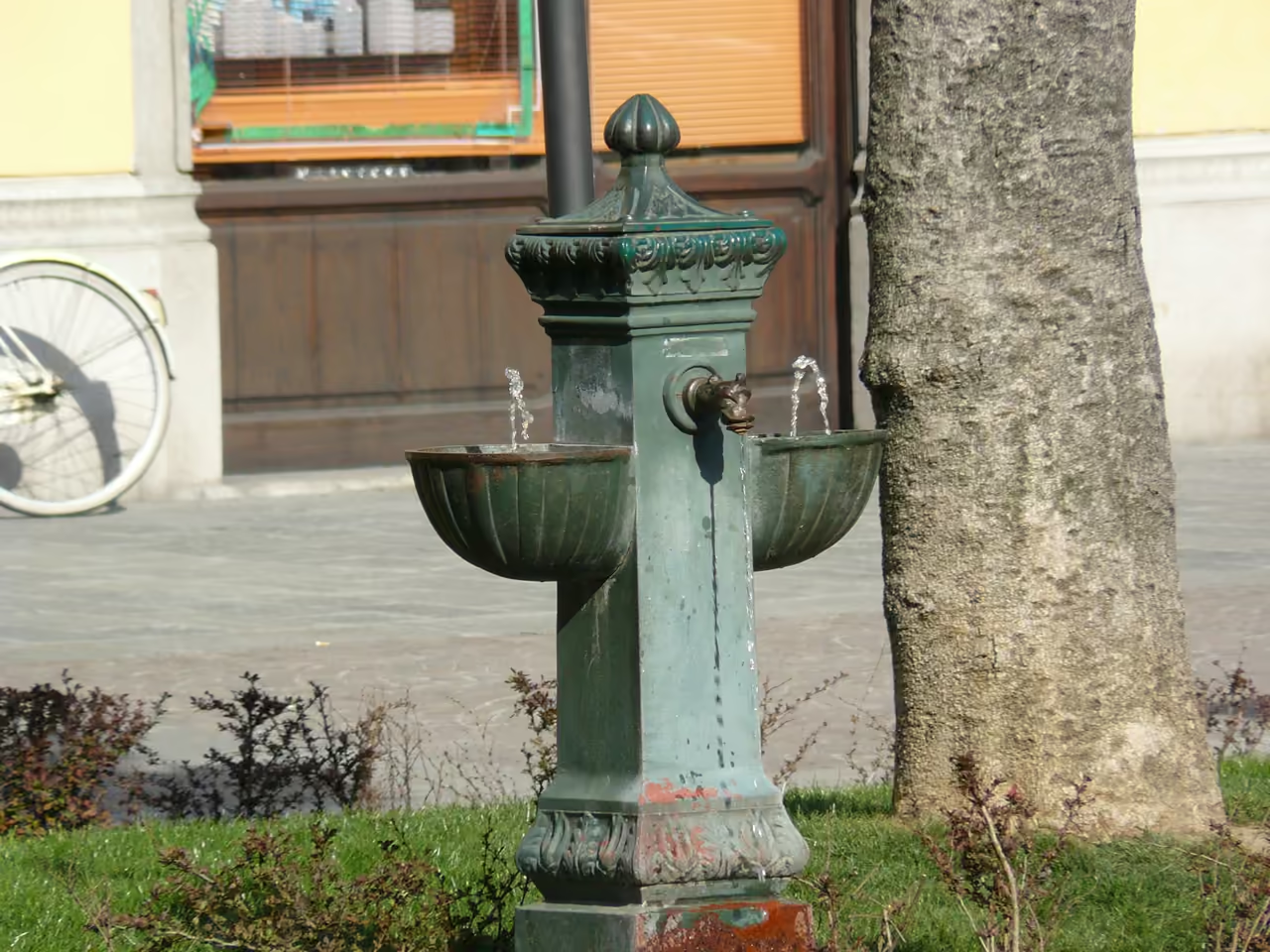
Built in 1925 during municipal drilling tests, the Acqua Marcia fountain dispenses oligomineral water with a strong sulphur smell. The council officially classifies it as non-potable, but older locals firmly believe in its health properties and drink it regularly.
- 04
During a major botanical restoration between 1999 and 2003, gardeners specifically planted winter-flowering shrubs like witch hazel and Sarcococca confusa to ensure the paths retained visual interest even in the dead of January.
- 05
Early in the 19th century, architect Giovanni Antonio Antolini proposed ringing the castle with a colossal circular colonnade named Foro Buonaparte. The ambitious project ran out of momentum, leaving the vast parade ground completely bare until Alemagna's English garden took shape.
- 06
For a single year in 1951, visitors could view the park's canopy from a ten-metre-high cable car. The mid-air route zigzagged past De Chirico's fountains before terminating at the park library.
- 07
Francesco Tettamanzi's cast-iron bridge originally spanned the San Damiano canal, where locals affectionately nicknamed its four statues 'Le sorelle Ghisini' (the cast-iron sisters). It narrowly escaped the scrapyard when the city covered its inner waterways in 1930.
- 08
Volunteer ecological guards map the park's dense botanical variety, handing out guides to help students identify the massive Caucasian walnuts reflecting over the lake and the monumental elm standing opposite the Napoleon III statue.
FULL PLACE DETAILS
Updated
FULL PLACE DETAILS
UpdatedOVERVIEW & STATS
- Established
- In 1893, making it 133 years old
WEB & AMENITIES
Sempione Park Map & Neighborhood Explorer
This interactive map is centered on Sempione Park. Zoom in and move the map around to automatically discover Wikipedia photos and summaries of other nearby sights, monuments, and historical points of interest and stories in real-time!
Sempione Park FAQ
Yes, the entire park is fully public and free to explore, though it does close its gates at night.
Gates open at 6:00 AM year-round. They close at midnight from April to September, and earlier at 10:00 PM from October to March.
Standard drinking fountains dotted around the paths provide safe tap water. The famous Acqua Marcia fountain near the Arena smells strongly of sulphur and is officially classified as non-potable, despite some locals choosing to drink it anyway.
You can walk straight in from Piazza Castello immediately after viewing the castle courtyards. Other convenient gates sit at the Arco della Pace and along Viale Gadio near the Civic Aquarium.
Dog walkers have access to four dedicated enclosed dog areas within the park limits.
The closest place to visit near Sempione Park is Torre Branca, around 198 m away. Other things to do near Sempione Park include Arco della Pace (318 m), Sforza Castle (419 m) and Oh Bej! Oh Bej! Christmas Market (563 m). All of these are within roughly 563 m of Sempione Park, close enough to walk.
It dates back to 1893, making it 133 years old.
While we strive to keep this information accurate and up to date, we recommend verifying any details independently before making decisions based on them.
Places near Sempione Park
Make the most of your trip. Check out these top-rated spots located nearby.
 198m
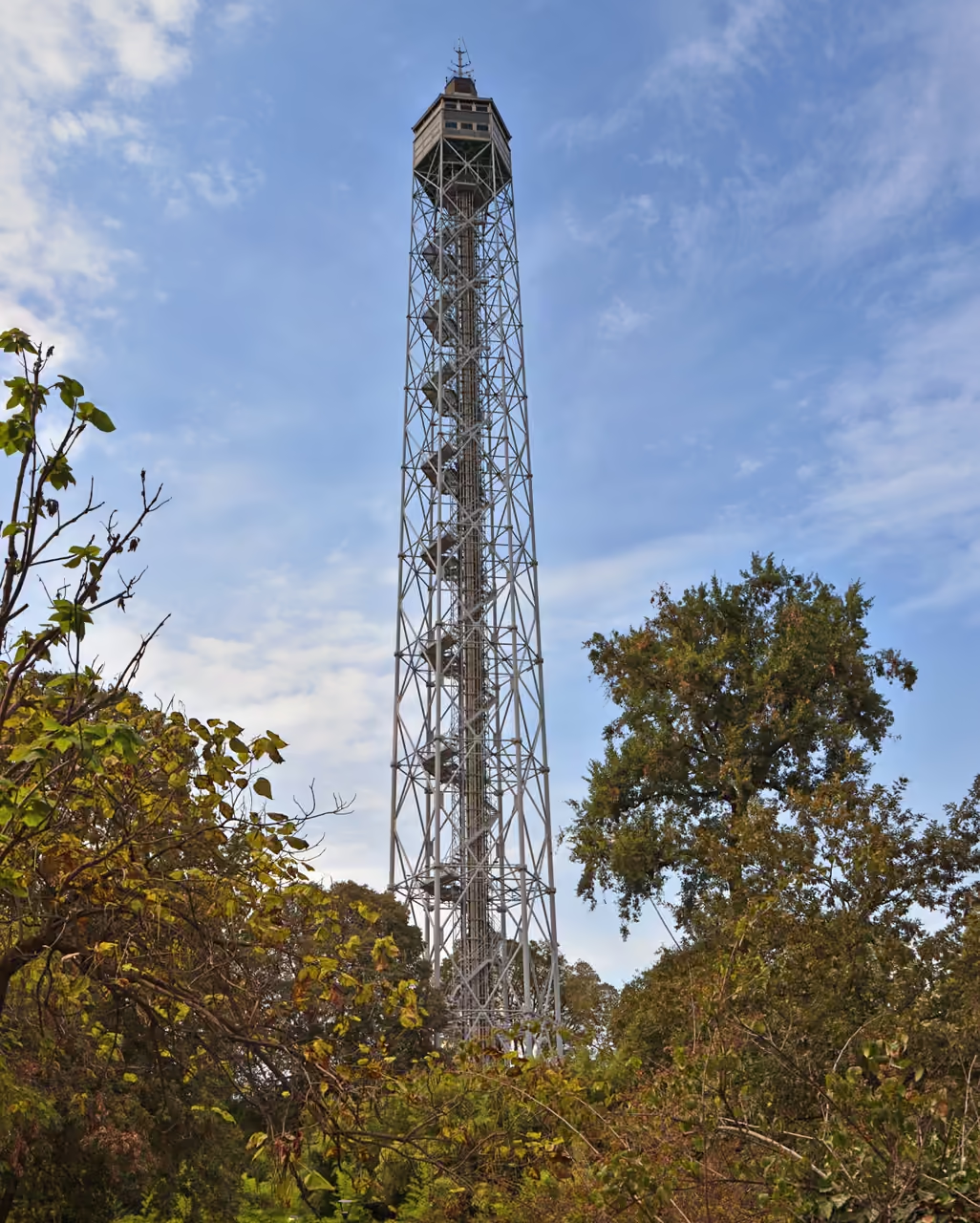
Torre Branca
A slender steel tower of 1933 by Giò Ponti, 108 metres high, in Parco Sempione. A lift carries visitors to an open platform with views over the Duomo, the park and the skyline of the new towers. A restaurant at its foot is a popular meeting spot.
viewpoint view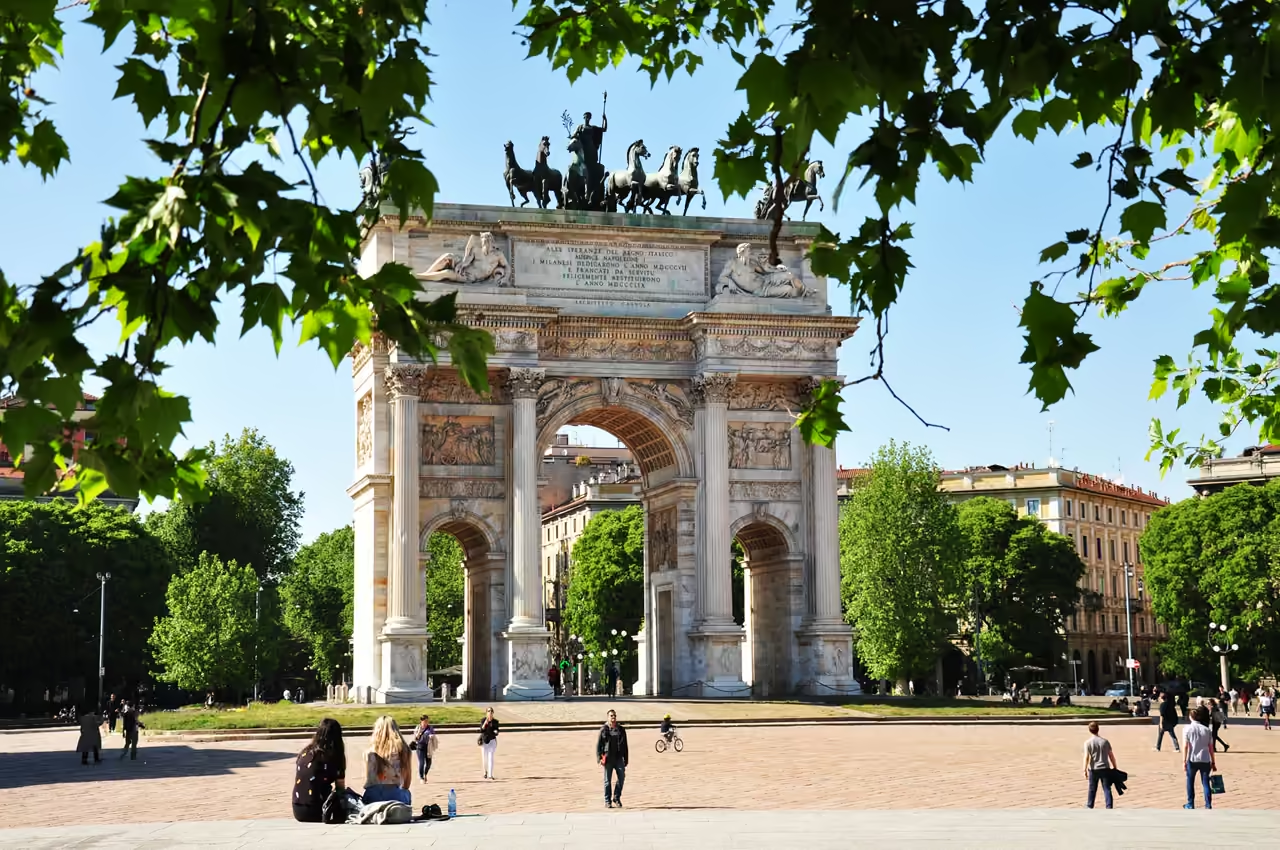 318m
Arco della Pace
A white marble triumphal arch at the edge of Parco Sempione, begun to honour Napoleon and completed under Austrian rule. Sculpted horses and winged victories crown the top, and Corso Sempione runs away from its base. It is one of the finest neoclassical monuments in the city.
architecture view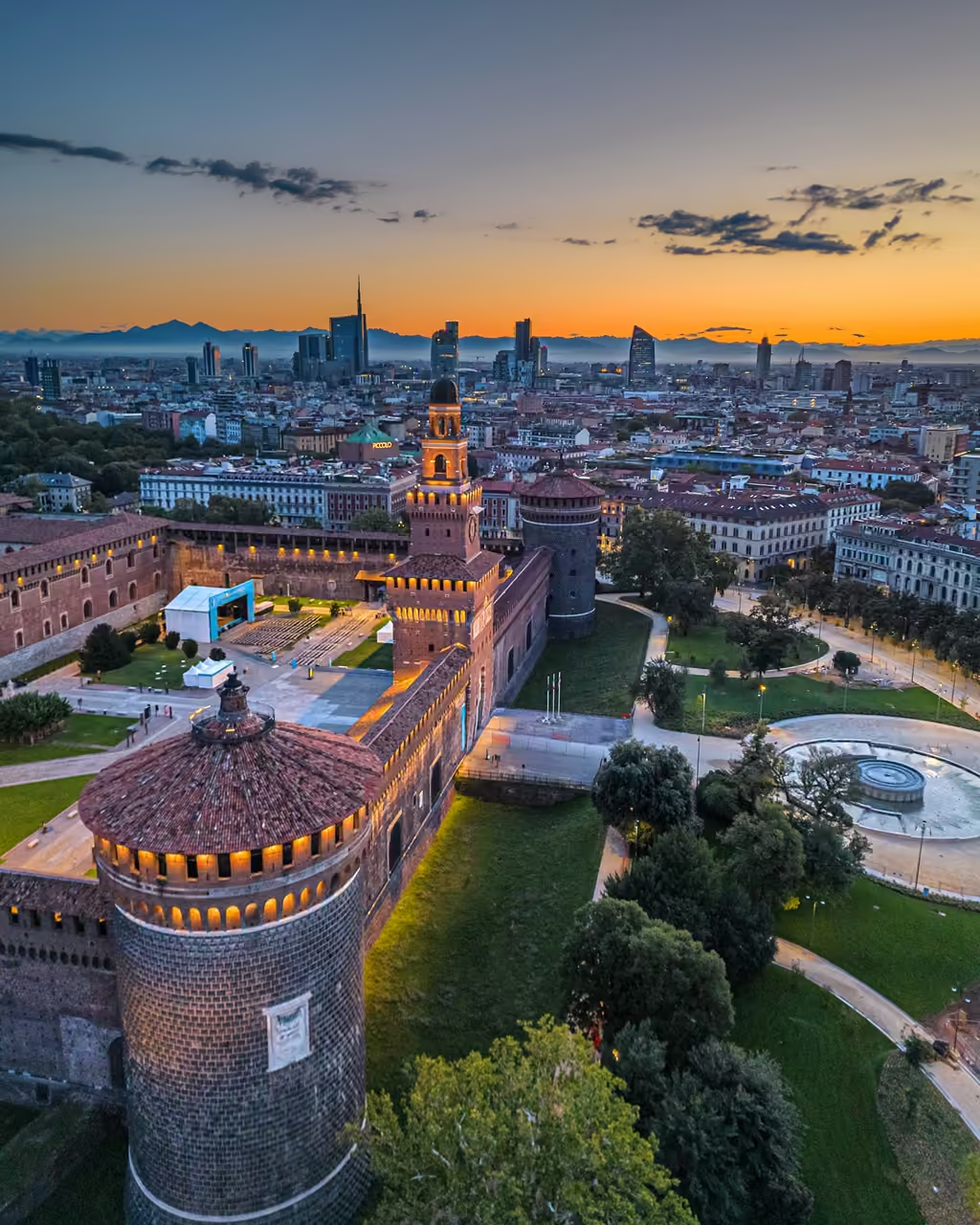 419m
Sforza Castle
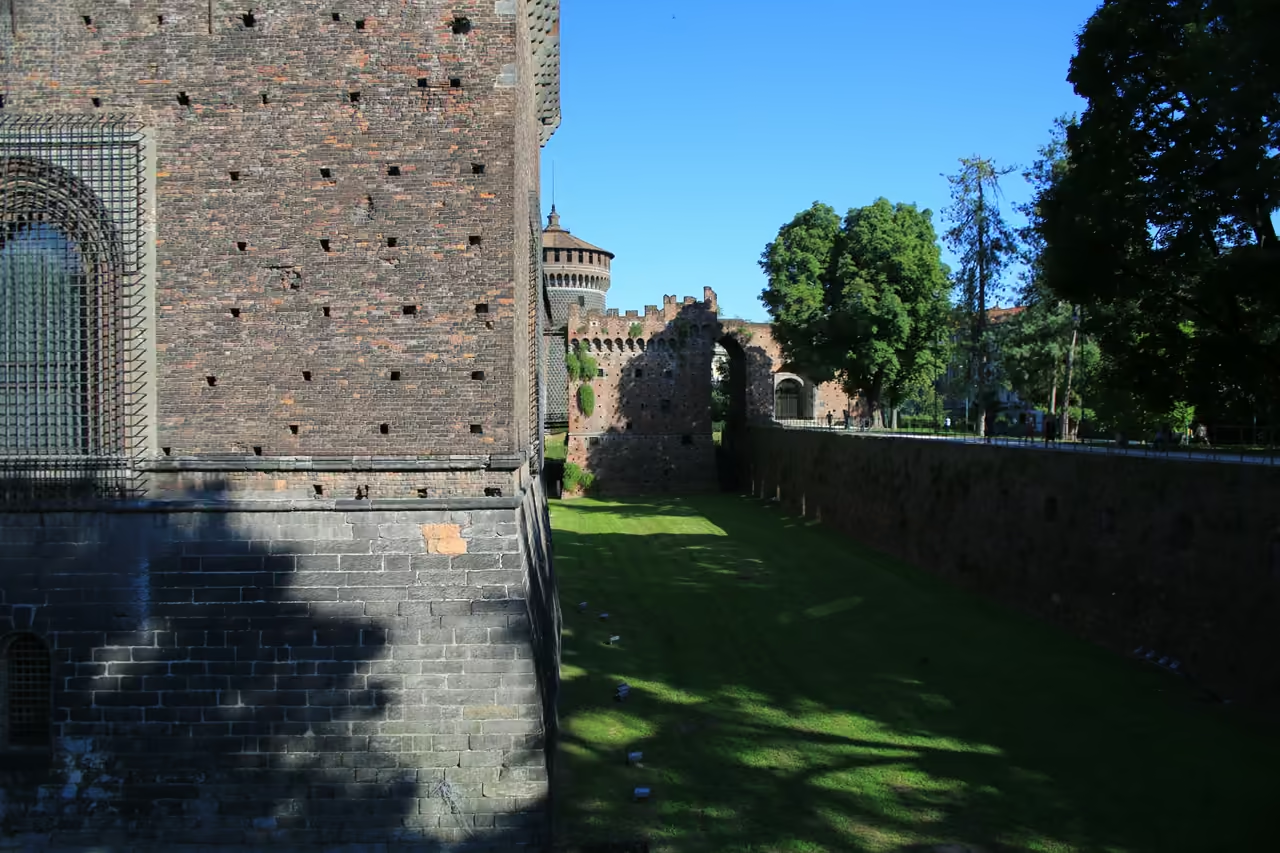
You hear the rush of the modern fountain long before the red brick mass of the Filarete Tower finally dominates the view at the end of Via Dante. Stepping through the main archway means dodging a few erratic pigeons by the entrance before the space suddenly opens up into the vast expanse of the Piazza d'Armi. This massive quadrangle immediately reveals that the complex is far more than a simple defensive perimeter. Crossing the dry moat takes you into the Rocchetta, an inner stronghold where the walls swap bare military brick for delicate terracotta window frames and pale plaster. Under the nearby Portico of the Elephant, a faded Renaissance fresco of exotic animals watches over the ducal courtyard. Look up at the marble statue of Saint John of Nepomuk standing solitary in the middle of the parade ground, marking exactly where the Spanish garrisons once mustered.
attraction view- 563m
Oh Bej! Oh Bej! Christmas Market
Milan's traditional Christmas market opens on 7 December, the feast of Sant'Ambrogio, and fills stalls around the Castello Sforzesco with sweets, roasted chestnuts, crafts and decorations. The name comes from the Milanese cry 'Oh bei, oh bei', meaning 'oh beautiful'. It is a family outing with a crowd of locals and the smell of hot sugar.
market view
Featured on These Itineraries and Routes
1 Day in Milan
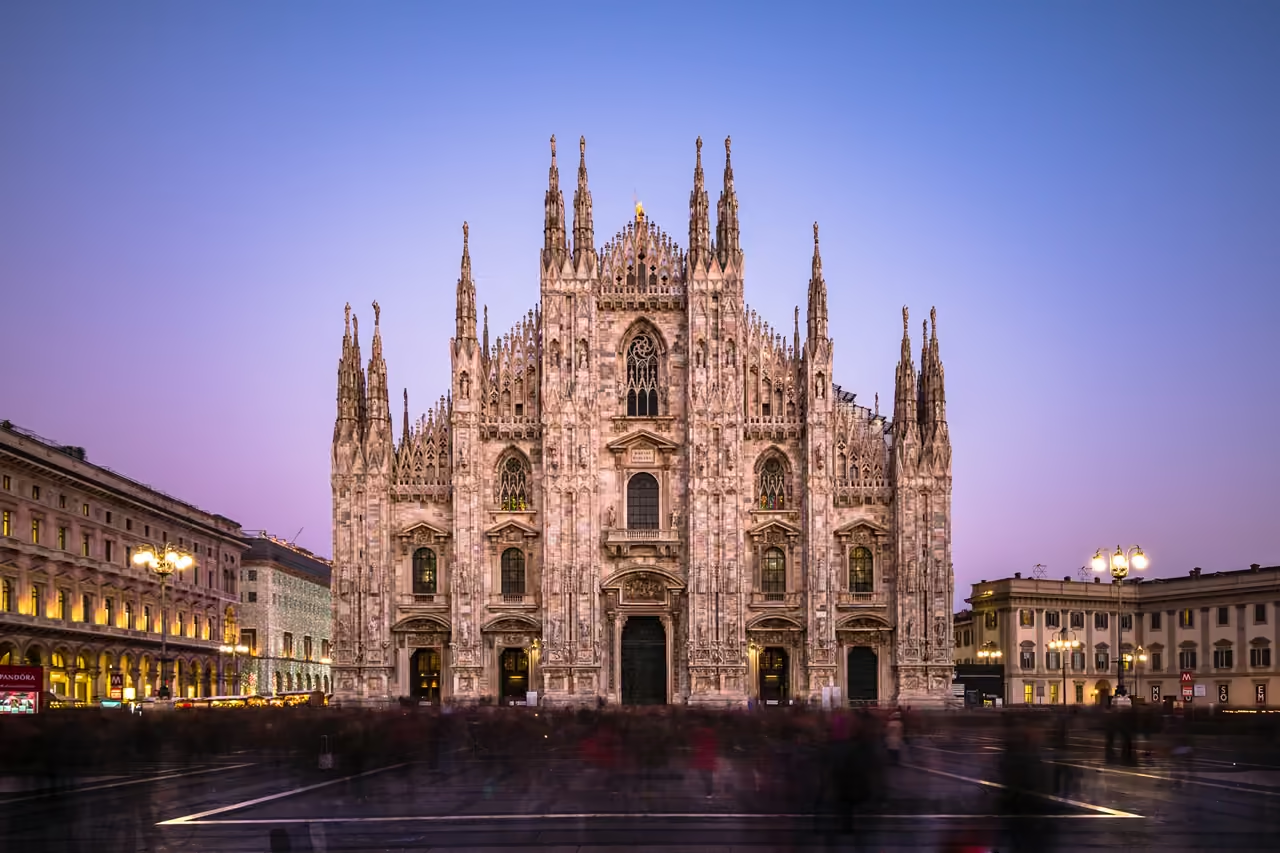
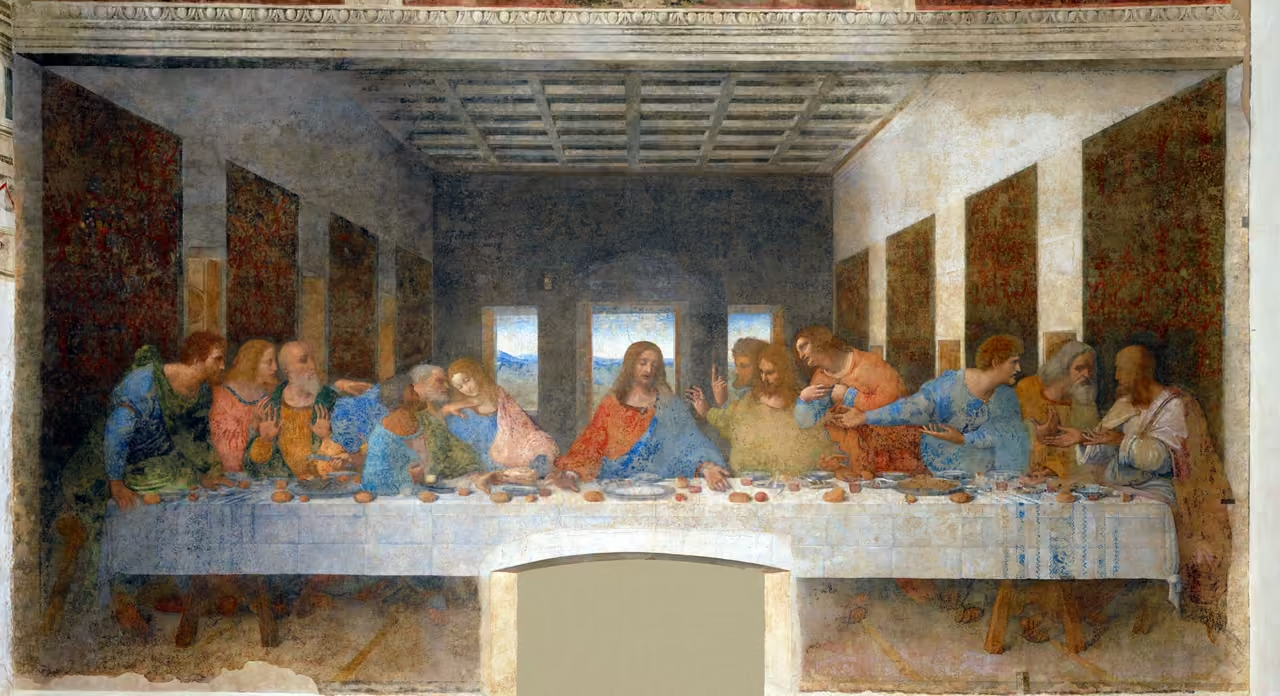
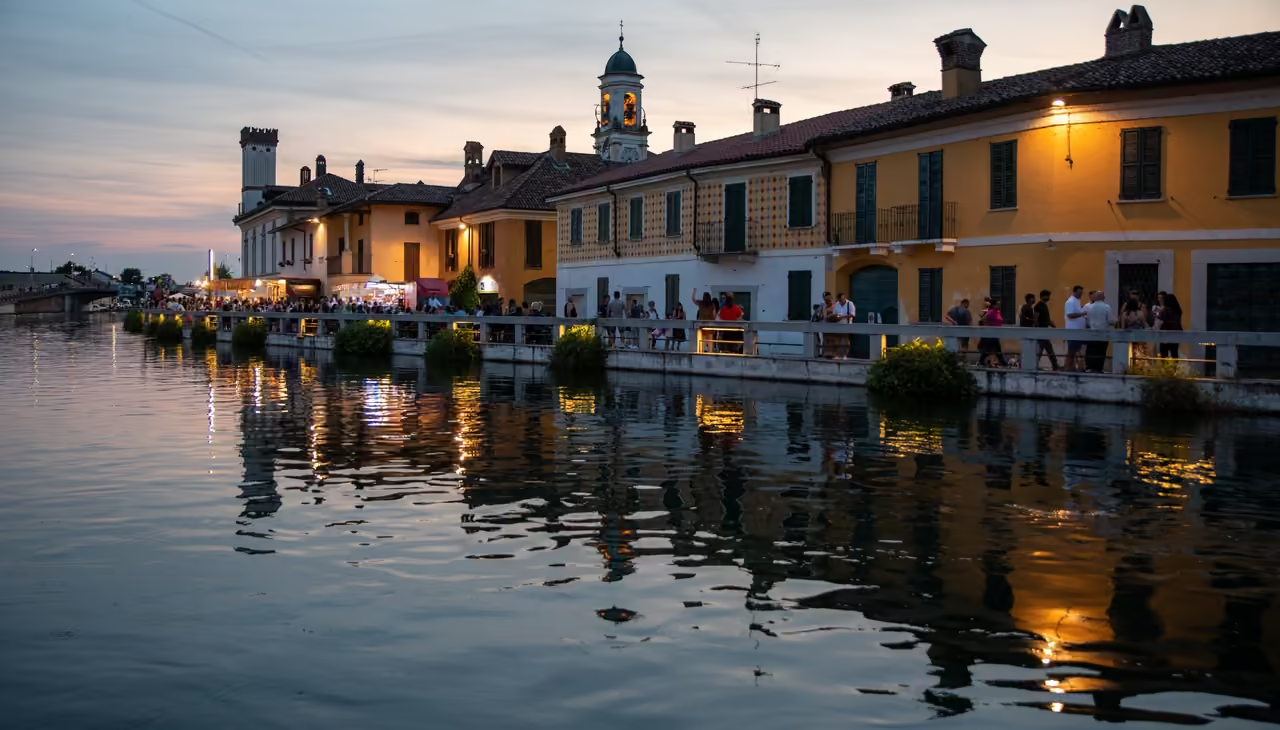
A single day that links Leonardo's masterpiece, a castle, a park, the cathedral and an evening on the canals. Book The Last Supper for the morning and the rest falls into place.
view itinerary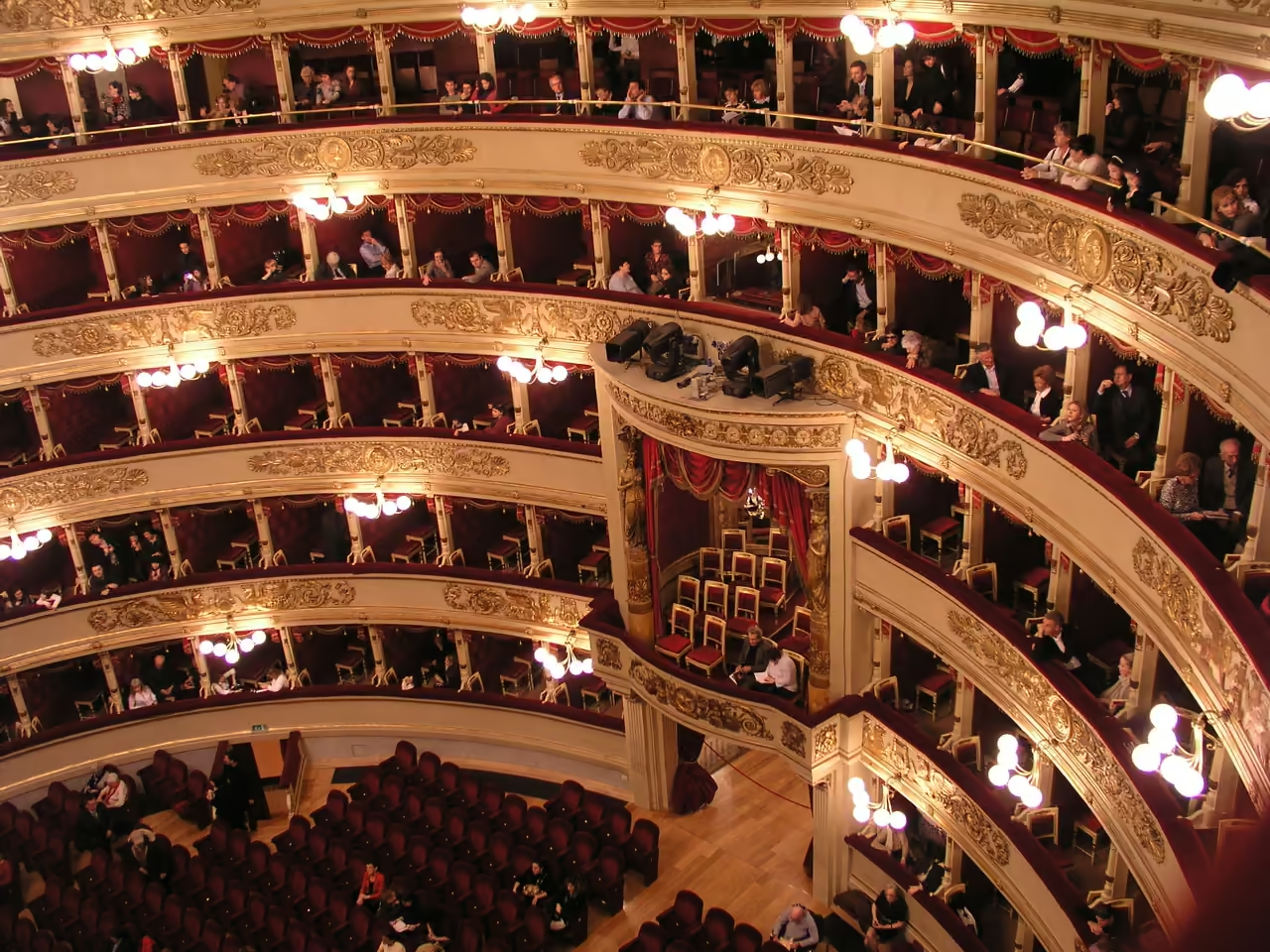
3 Days in Milan
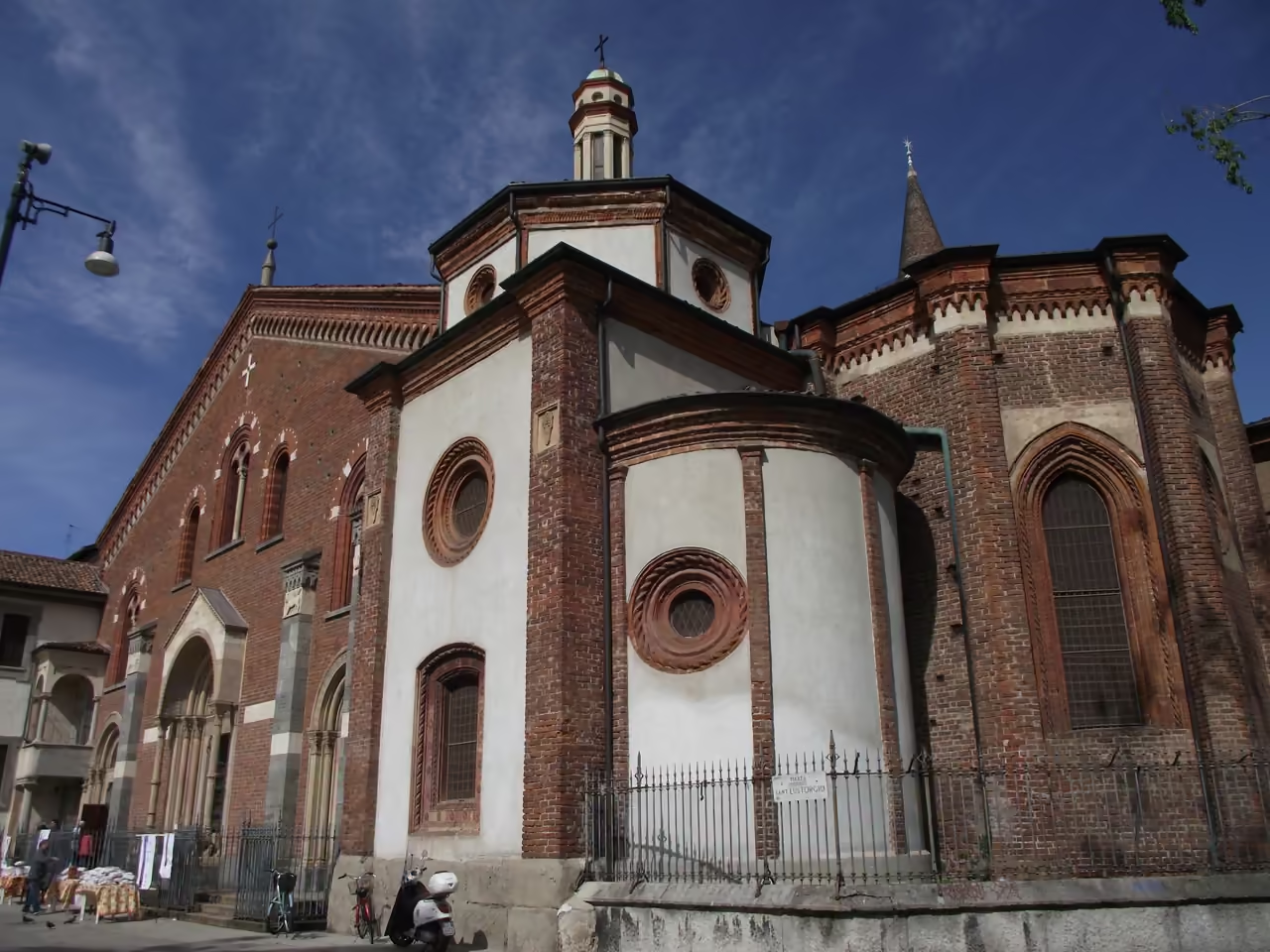
Three days that take in the cathedral district, Leonardo and the castle, and the churches and canals of the south. The pace allows for long lunches and an aperitivo each evening.
view itinerary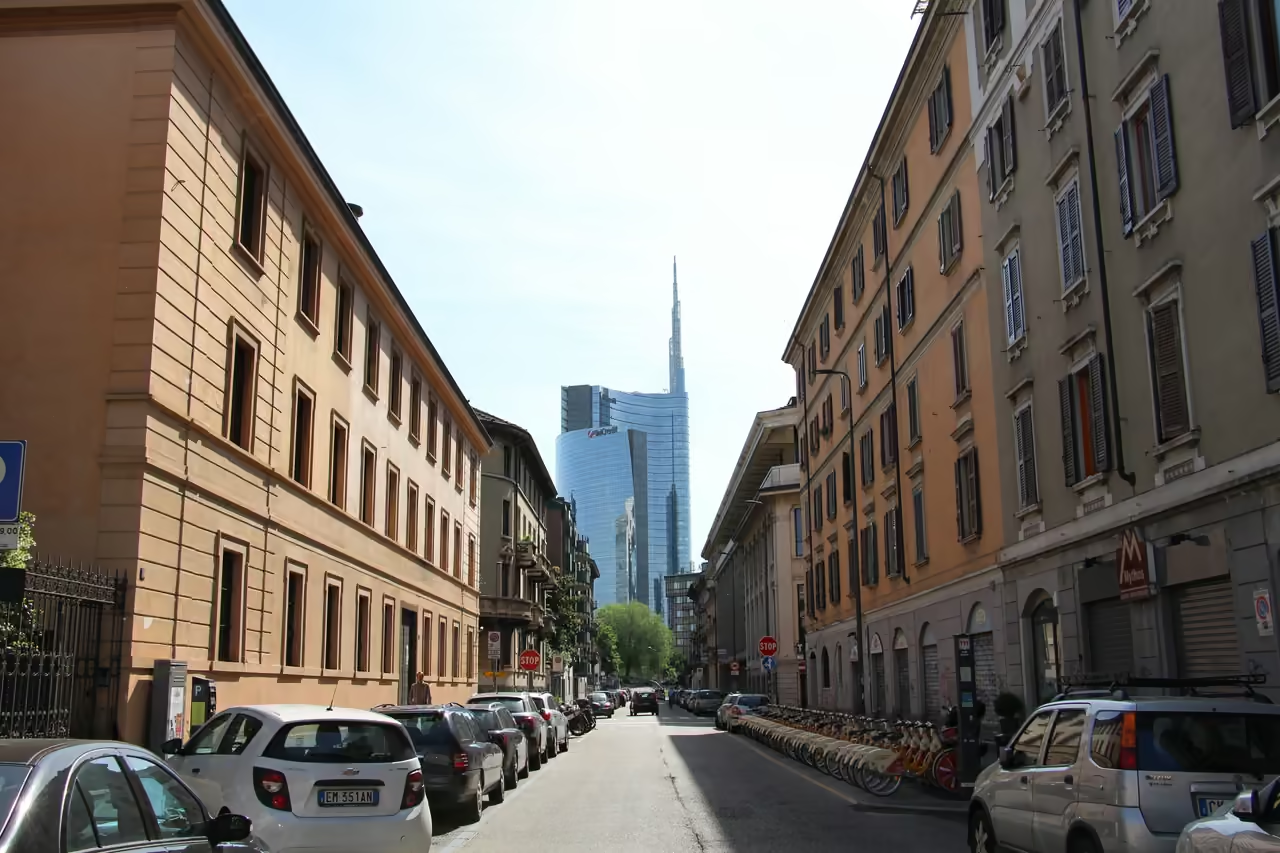
Skyline and Parks Cycle: Porta Nuova to CityLife
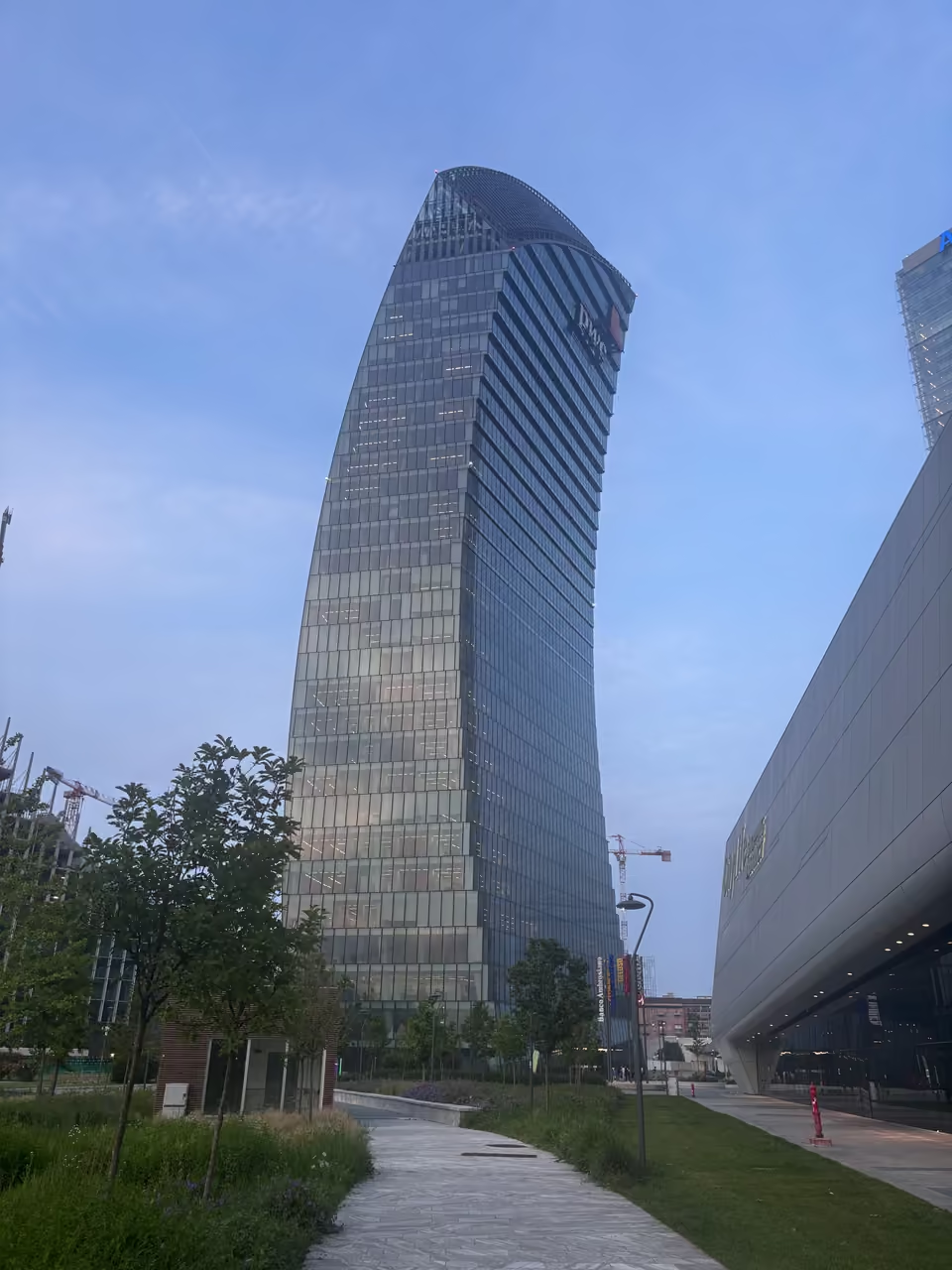
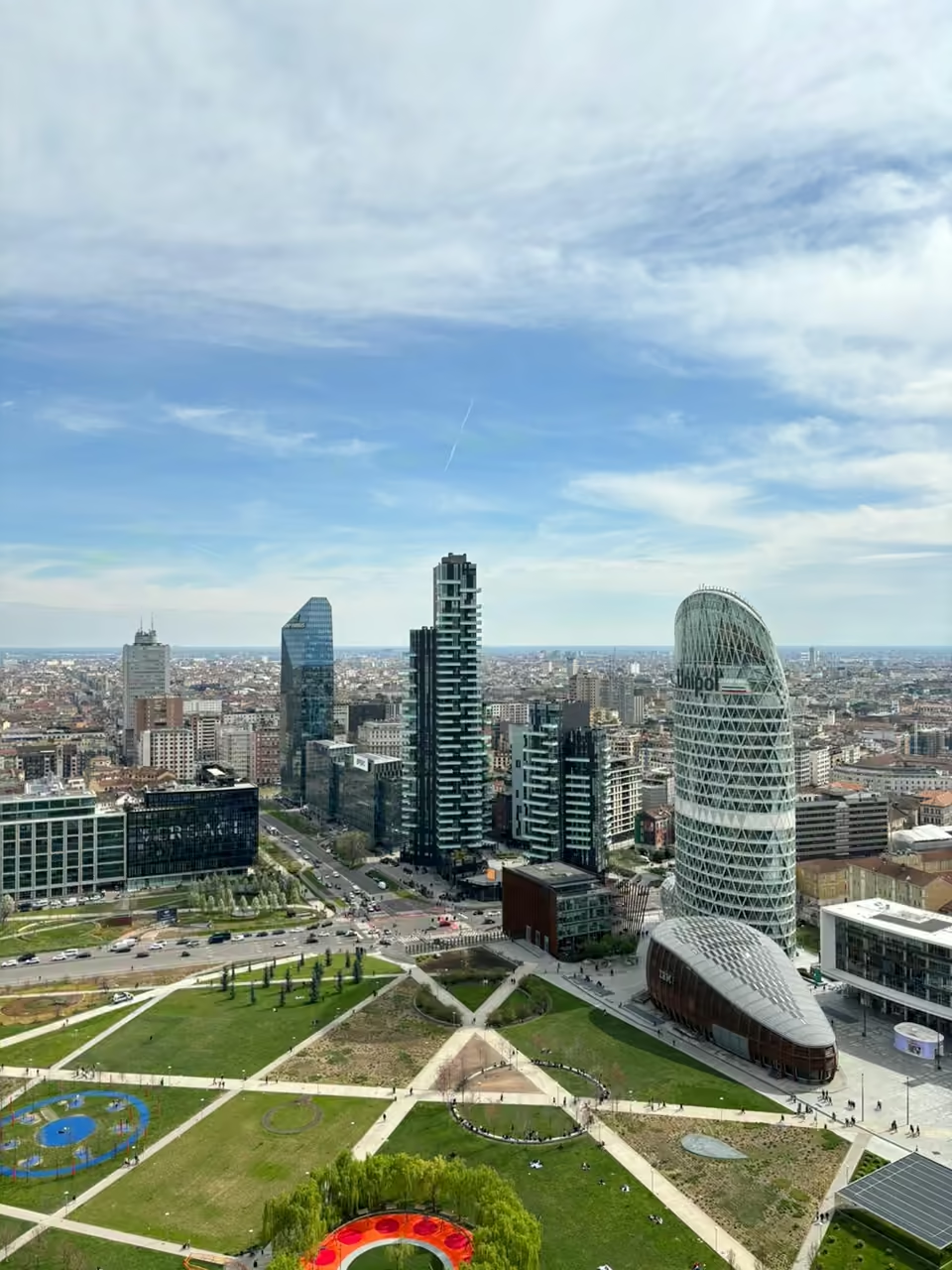
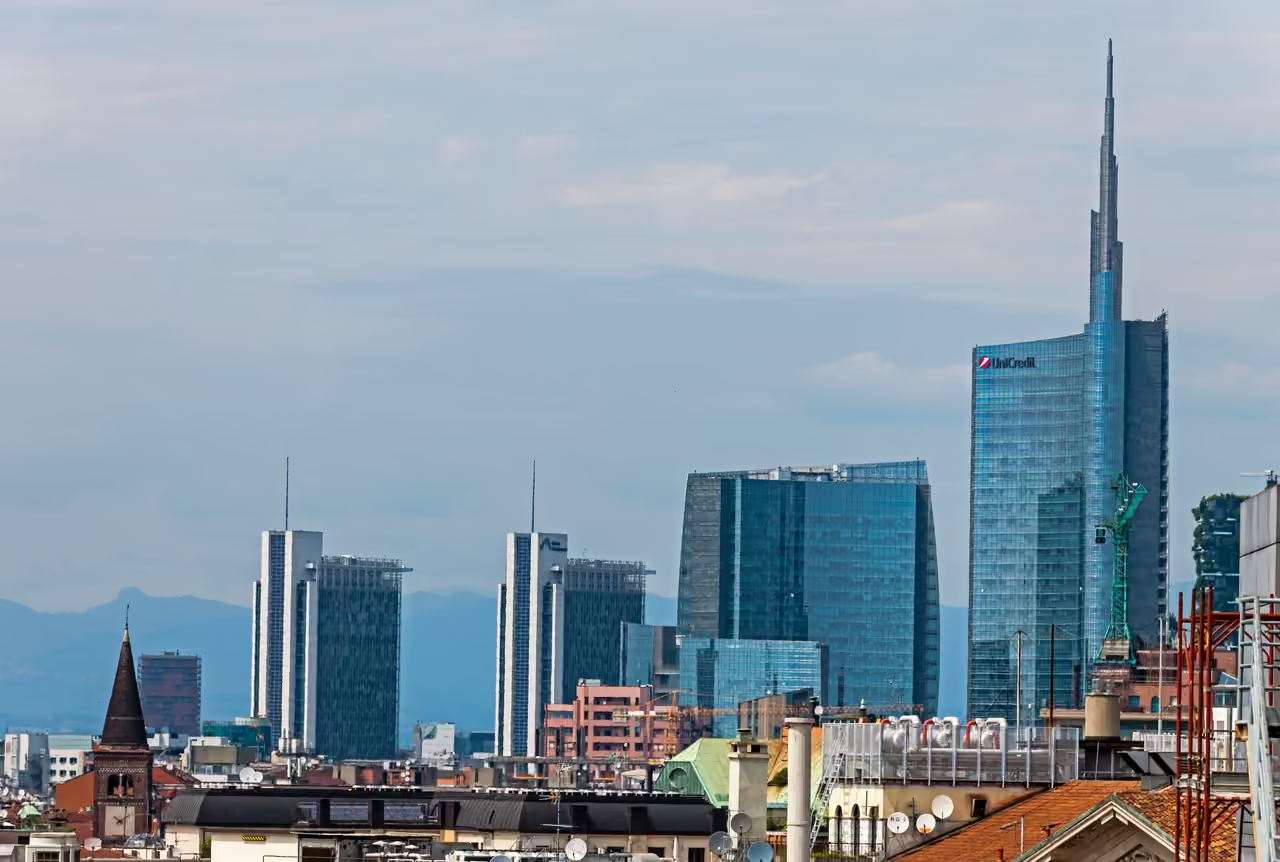
A city ride through Milan's new skyline and oldest parks, linking Porta Nuova's towers with the greenery of Parco Sempione and the shapes of CityLife. Bike lanes and quiet streets make the route comfortable. The contrast between glass and old trees is the point.
view cycling route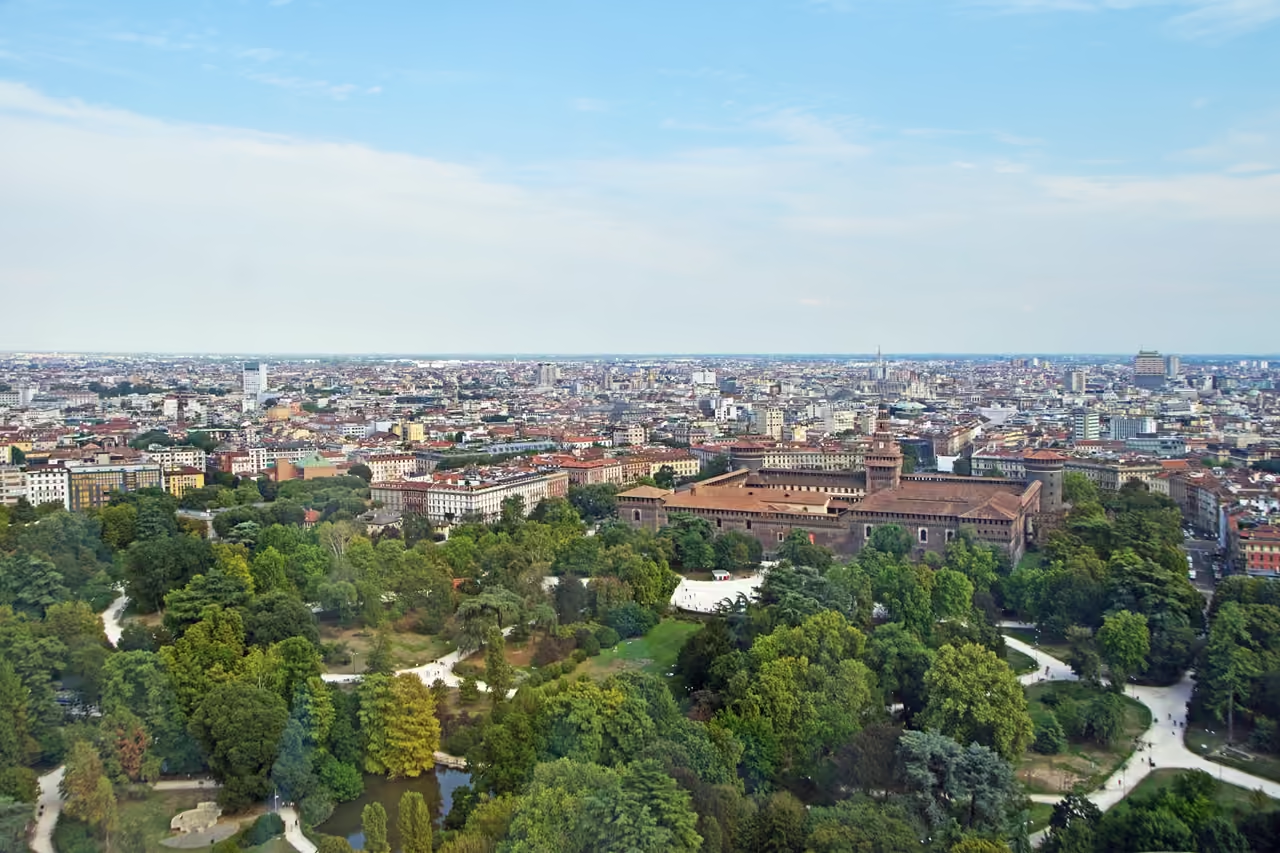
Parco Sempione Stroll from Castle to Peace Arch
A leafy walk through the city's central park, from the Sforza ramparts across lawns and past a lake to a neoclassical triumphal arch. The route passes a tower with a view over the city.
view walking route
See all parks & nature in Milan
Including South Milan Agricultural Park, Idroscalo, Indro Montanelli Public Gardens, and more