Basilica of Sant'Ambrogio
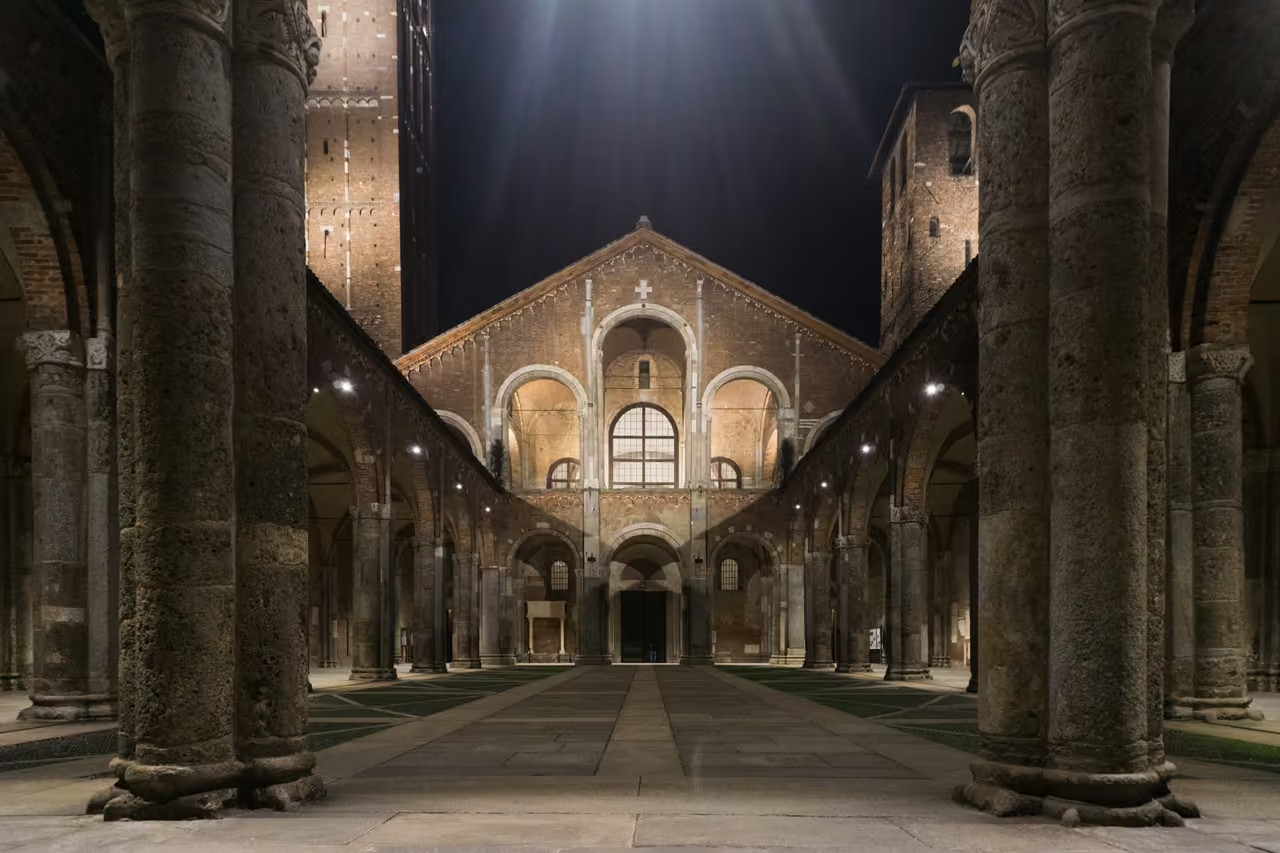
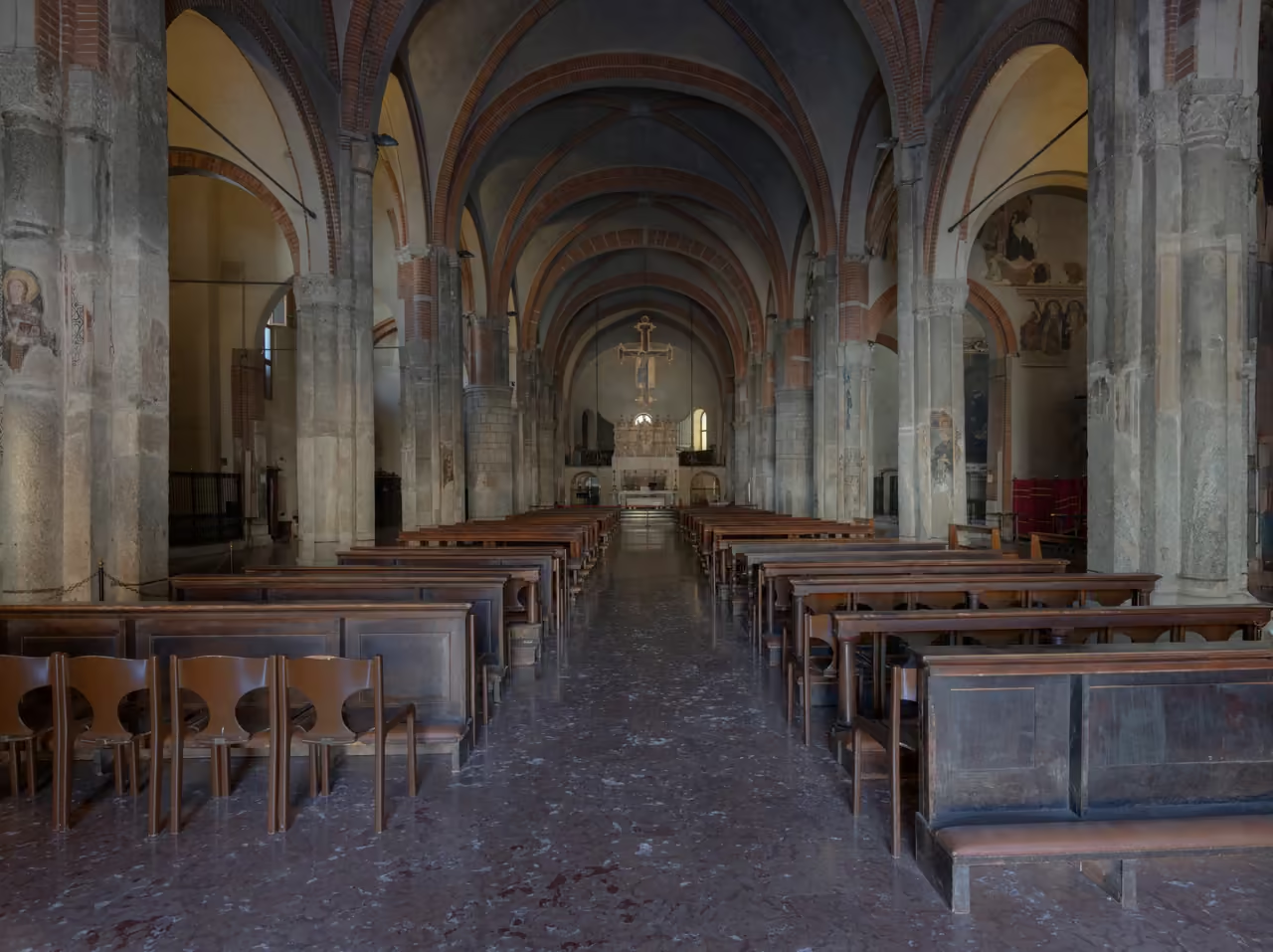
Two bell towers of different heights stand either side of a low, wide brick facade. The shorter one belonged to the monks and went up in the ninth century, while the taller, the canons' tower, followed in the twelfth. Inside, a golden altar from the 800s sits beneath a stucco canopy carried on red porphyry columns that were already ancient when the Romanesque church was built around them. A small chapel off the nave has a vault covered entirely in gold mosaic, and its deep blue walls hold the oldest known portrait of Ambrose. Milan's patron saint founded the original church here in the 380s, and he still lies in the crypt below the altar. Leave time for the arcaded courtyard out front and for the cloisters Bramante drew up next door. On the way out, look back down the nave for the little bronze serpent coiled on its granite column.
Videos
History of Basilica of Sant'Ambrogio
Milan in the 380s was an imperial capital with an unusual problem: its bishop was more powerful than most governors. Ambrose knew the type, because he had been one. Sent to the city as a Roman administrator, he was acclaimed bishop by the crowd in 374 before he had even been baptised, and he went on to stand up to empresses and emperors alike. He famously kept the emperor Theodosius out of the cathedral until the ruler had done public penance, a scene later painted by Camillo Procaccini, whose canvas now hangs in this very basilica. Between 379 and 386 Ambrose built a church outside the city walls, near the Porta Vercellina, on ground where Christians killed in the Roman persecutions had been buried. It was one of four basilicas he planned on the roads leading out of Milan, each dedicated to a whole category of saints because naming a church after a single person had not yet become the habit. This one belonged to the martyrs. In 386 the bones of two of them, Gervasius and Protasius, were discovered, and Ambrose led them in procession to the new building. He is said to have remarked that the place suited a priest, and he was buried there himself in 397. The saint's tomb turned the church into a magnet. Late in the fifth century a small chapel with a gold mosaic vault was added, and the growing building later swallowed it whole. In 784 Archbishop Peter founded a Benedictine abbey alongside, which Charlemagne approved five years later, and Milan's closeness to the Frankish world began to take physical form. Between 824 and 859 the goldsmith Vuolvino made the great altar for Archbishop Angilbert II, with gold, silver, enamel and gems on all four sides and the relics of the saints set beneath it. The apse mosaic and the stucco canopy above followed, and the monks' bell tower rose around 842. The church that stands today is mostly the work of the years between 1088 and 1099, when Archbishop Anselm III da Rho had the old building taken down and rebuilt in the Romanesque manner. The builders kept the ground plan exactly as Ambrose had left it: three aisles, three apses, no transept, and a colonnaded courtyard in front. Their materials were local brick, stone and whitewashed plaster, and yet the arcaded facade and the dome tower with its two tiers of blind galleries became models for churches across Lombardy. That tower, added late in the twelfth century, collapsed on 6 July 1196 and was rebuilt at once. The courtyard changed jobs as well. Once a waiting room for people preparing for baptism, it turned into the city's meeting place when infants began to be baptised as a matter of course, with bishops blessing the crowd from the upper loggia and officials addressing it from the same height. Politics kept coming through the doors. According to tradition, kings of Italy were crowned here with the Iron Crown on Epiphany, beginning with Otto I in 961 and continuing with Conrad of Lorraine in 1093, Otto IV in 1209, Henry VII in 1311 and Charles IV in 1355, with the poet Petrarch looking on. Knights were invested here too. On 4 August 1258 the basilica hosted the Peace of Sant'Ambrogio, which ended years of strife between Milan's nobles and its common citizens. Bramante's cloisters date from 1497, the year the Benedictines handed the abbey to Cistercians from Chiaravalle, who opened the monastic library to the public. The calm ended in 1799, when the Cisalpine Republic, in the aftermath of the French Revolution, abolished the chapter of canons and turned the church into a military hospital. It reopened for worship after the Austrians returned at the end of the Napoleonic era. Air raids on Milan in August 1943 left the basilica badly damaged. The outer side of the courtyard was destroyed, the dome was hit, and a bomb that entered the apse wrecked the old mosaic. Ferdinando Reggiori led the restoration through the 1950s, and the apse still shows the patchwork where surviving fragments were set back in place. Then, from 2005, digging for an underground car park beside the church uncovered about ninety poor graves from the Roman cemetery of the martyrs, three and a half to four metres down: the very ground that had drawn Ambrose here sixteen centuries earlier.
19 events spanning 1626 years
Fun Facts
14- 01
A Roman column stands outside the railings on the left of the basilica, pierced by two holes. Legend says the Devil lunged at Ambrose, got his horns stuck in the stone and fled in terror once he had wrenched free. Locals add that the holes smell of sulphur and that an ear pressed to the stone can hear the sounds of hell.
- 02
For 120 years, from 1886 to 2006, the square in front of the basilica hosted the Oh Bej! Oh Bej! Christmas fair, which opens on 7 December, the feast of Saint Ambrose. The tradition goes back to 1510 and has since moved to the area around Castello Sforzesco.
- 03
Giuseppe Verdi set the first act of his fourth opera, I Lombardi alla prima crociata, inside Sant'Ambrogio. It premiered at La Scala on 11 February 1843.
- 04
In 1908 Pope Pius X allowed the chapter of the basilica to use a double headed eagle on its coat of arms, the sign of an imperial basilica, along with the motto Dominus Adjutor Meus.
- 05
Panels from the original fourth century door, carved with scenes from the story of David that Ambrose himself chose, are now kept in the Museo Diocesano. A fourth century sarcophagus traditionally named after the Roman general Stilicho remains in the basilica, decorated with scenes from the life of Jesus.
- 06
The abbots of Sant'Ambrogio are mitred, meaning they wear a bishop's mitre, and by an ancient papal concession they are still given the title of counts of Limonta and the Three Valleys and addressed as Excellency. The Italian Republic does not recognise the title, since it is a noble one.
- 07
The bronze serpent in the nave was a gift from the Byzantine emperor Basil II in 1007 and was long believed to be the very one Moses made in the desert. People still pray to it for relief from certain ailments, and a local tradition says the end of the world will be announced by the serpent climbing down from its column.
- 08
The facade of Royce Hall at the University of California, Los Angeles, built in 1929, was inspired by the basilica's front. A medieval church in Milan thus has a twin on a Californian campus.
- 09
The four stucco reliefs on the canopy over the altar include Saint Benedict and Saint Scholastica, each honoured by attendants, a reminder that the basilica was for centuries the church of a monastic community.
- 10
The real use of the same column was more ceremonial. The medieval chronicler Galvano Fiamma wrote that emperors being crowned king of Italy swore on a missal, received the Iron Crown and then embraced the column, as a sign that justice would stand straight in them. Scholars think it came from the Roman imperial palace of Milan.
- 11
The relics of Ambrose, Gervasius and Protasius lie in the crypt under the high altar. A small window at the back of the altar lets visitors see them, which was the purpose of the arrangement when the golden altar was made.
- 12
The remains of the early church of Santa Valeria, demolished in 1786, survive nearby in via Santa Valeria. Valeria was the mother of Gervasius and Protasius, the martyrs whose relics Ambrose placed under the altar.
- 13
The taller bell tower, the canons' tower, once held a single bell that could not be rung because it had no rope. Only between 1185 and 1187, when the tower was raised slightly, was a rope fitted, and in 1891 the addition of the top two storeys gave it a frame of five bells.
- 14
The vault of the chapel of San Vittore in Ciel d'Oro is covered in gold mosaic, with a bust of Saint Victor at its centre, surrounded by a ribbon set with a ruby and by fruits of the four seasons. The side walls are a deep blue, which makes the gold appear to glow.
FULL PLACE DETAILS
Updated
FULL PLACE DETAILS
UpdatedOVERVIEW & STATS
- Established
- In 300, making it 1726 years old
ARCHITECTURE & HERITAGE
- Heritage Status
- Italian National Heritage
- Architectural Styles
- Romanesque
- Founders
- Ambrose
WEB & AMENITIES
Basilica of Sant'Ambrogio Map & Neighborhood Explorer
This interactive map is centered on Basilica of Sant'Ambrogio. Zoom in and move the map around to automatically discover Wikipedia photos and summaries of other nearby sights, monuments, and historical points of interest and stories in real-time!
Basilica of Sant'Ambrogio FAQ
It was founded by Ambrose, the bishop who became Milan's patron saint, and it holds his remains. Ambrose built it between 379 and 386, and the Milanese still celebrate his feast on 7 December, the day on which the opera season at La Scala traditionally opens. It is often called the city's second church after the Duomo, and it was where kings of Italy were crowned in the Middle Ages.
Start with the golden altar made by Vuolvino in the ninth century and the stucco canopy above it, held up by red porphyry columns from Ambrose's original church. Then look at the apse mosaic, the bronze serpent on its column in the nave, and the chapel of San Vittore in Ciel d'Oro with its gold mosaic vault. The crypt below the altar holds the relics of Ambrose and the martyrs Gervasius and Protasius.
It is a Roman column with two holes in it, standing in Piazza Sant'Ambrogio to the left of the church, outside the railings. Legend says the Devil's horns became stuck in it during a struggle with Ambrose. Historians say it was likely used in the medieval ceremonies in which emperors were crowned kings of Italy, and that it came originally from the Roman imperial palace.
Not entirely. The church seen today is mostly the Romanesque rebuild finished in 1099, but it follows the ground plan of Ambrose's original, with three aisles, three apses and a courtyard in front. A few pieces survive from the fourth century, including the porphyry columns of the canopy and the Stilicho sarcophagus. Air raids in 1943 also damaged it, and it was restored through the 1950s.
The M2 metro line has a station named Sant'Ambrogio a few minutes' walk from the basilica. It is a working church, so it is usual to cover shoulders and knees, and parts of it may close during services.
A typical visit takes about 2 hours. We recommend planning your schedule accordingly to make the most of your time there.
The closest place to visit near Basilica of Sant'Ambrogio is Leonardo da Vinci Science Museum, around 415 m away. Other things to do near Basilica of Sant'Ambrogio include Civic Archaeological Museum (425 m), San Maurizio al Monastero Maggiore (435 m) and Church of Santa Maria delle Grazie (518 m). All of these are within roughly 518 m of Basilica of Sant'Ambrogio, close enough to walk.
Basilica of Sant'Ambrogio holds the following heritage designation: Italian National Heritage.
It dates back to 300, making it 1726 years old.
Basilica of Sant'Ambrogio was founded by Ambrose. It was built in the Romanesque style.
While we strive to keep this information accurate and up to date, we recommend verifying any details independently before making decisions based on them.
Places near Basilica of Sant'Ambrogio
Make the most of your trip. Check out these top-rated spots located nearby.
 415m
Leonardo da Vinci Science Museum
Housed within an expansive 16th-century monastery, the exhibits transition brutally from Renaissance cloisters to heavy industrial machinery. The halls contain thousands of technical models, including wooden interpretations of Leonardo's flying machines and war engines. A real submarine, the Enrico Toti, sits aggressively parked in the outdoor courtyard. It documents the region's relentless shift from agricultural craftsmanship to heavy engineering.
highlight view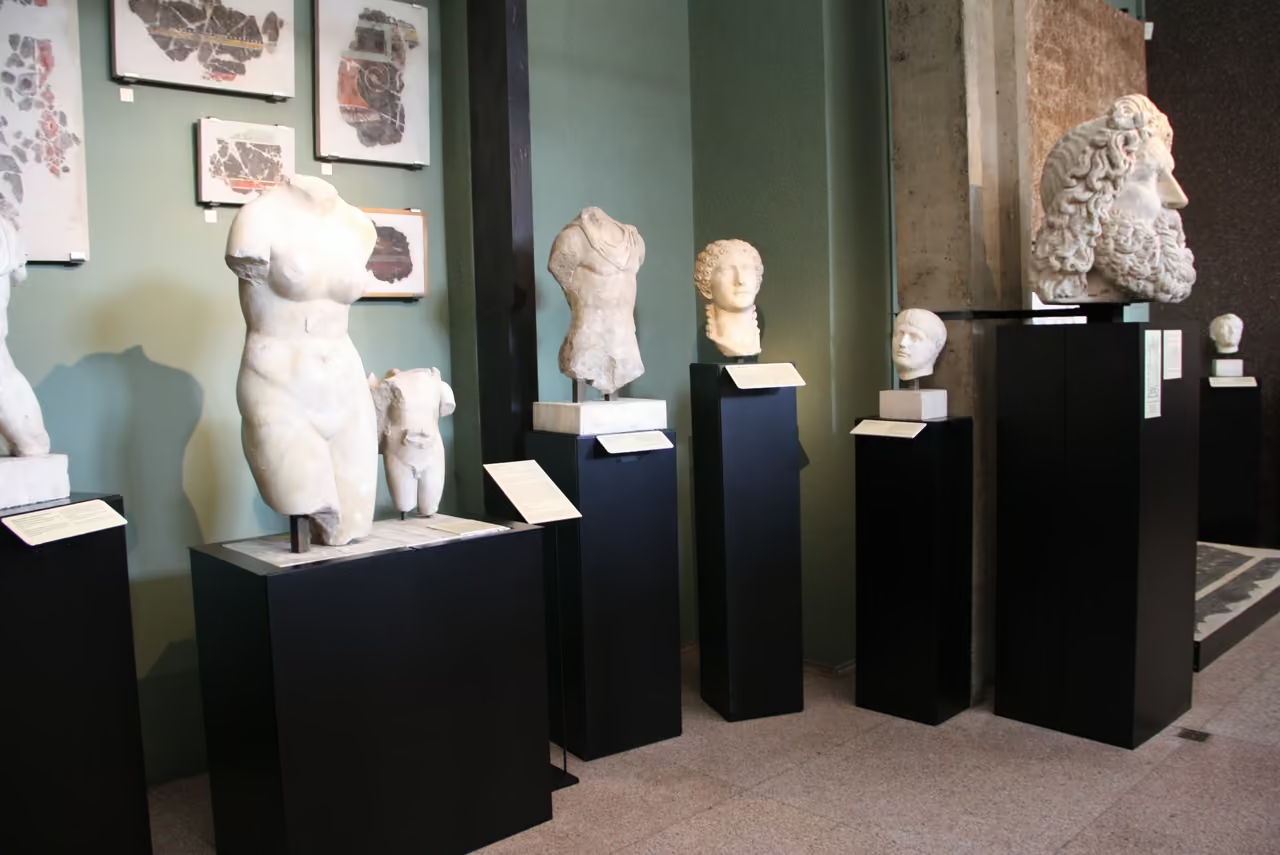 425m
Civic Archaeological Museum
Housed within an ex-convent, this quiet institution displays Roman, Etruscan, and early medieval artefacts directly over the ancient city ruins. The inner courtyard unexpectedly preserves a massive polygonal brick tower and a section of the original 3rd-century defensive walls. Visitors can physically walk inside the Roman boundary tower, touching the masonry that once protected emperors. It strips away the modern metropolis entirely, revealing the raw, violent foundations of Mediolanum.
hidden gem view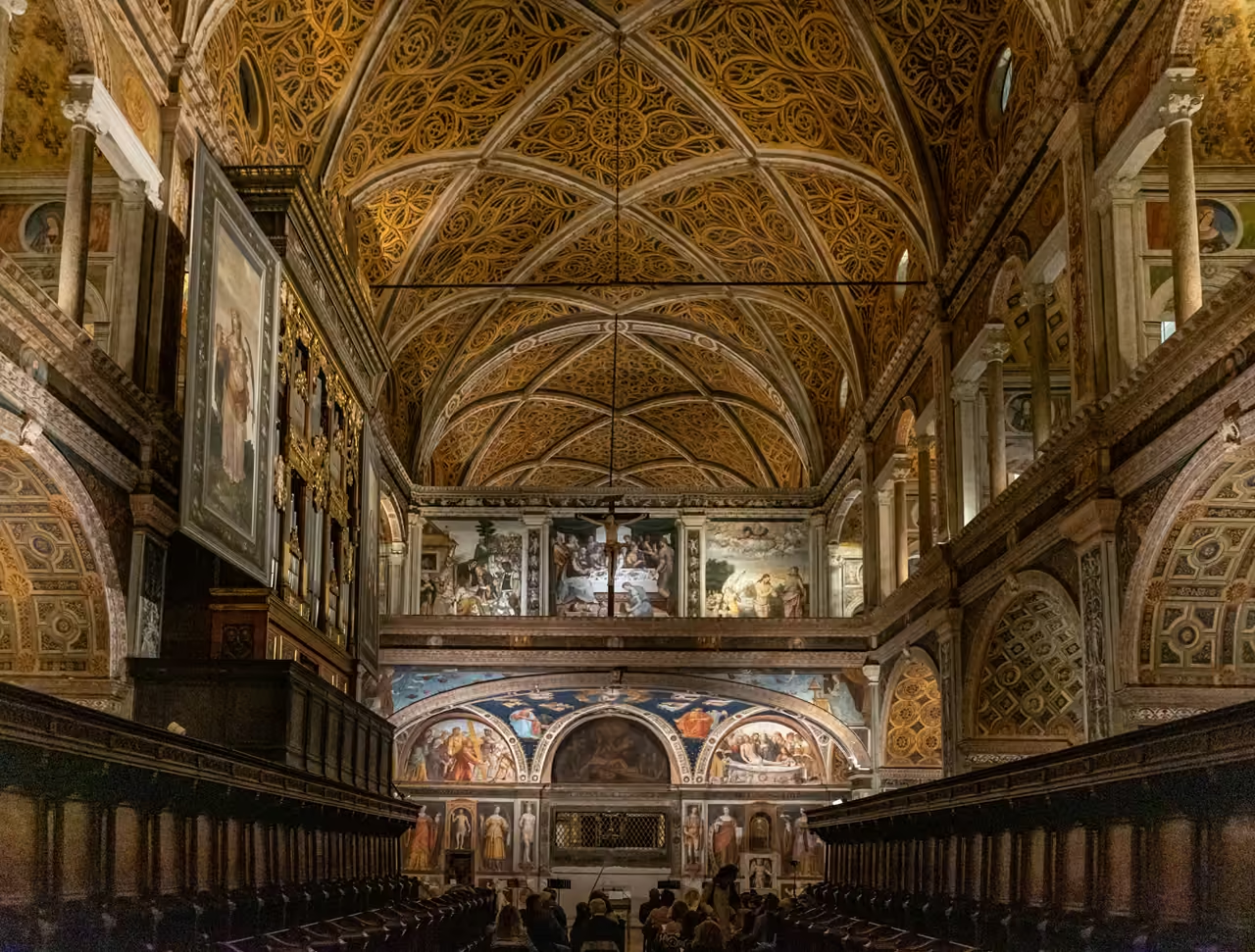 435m
San Maurizio al Monastero Maggiore
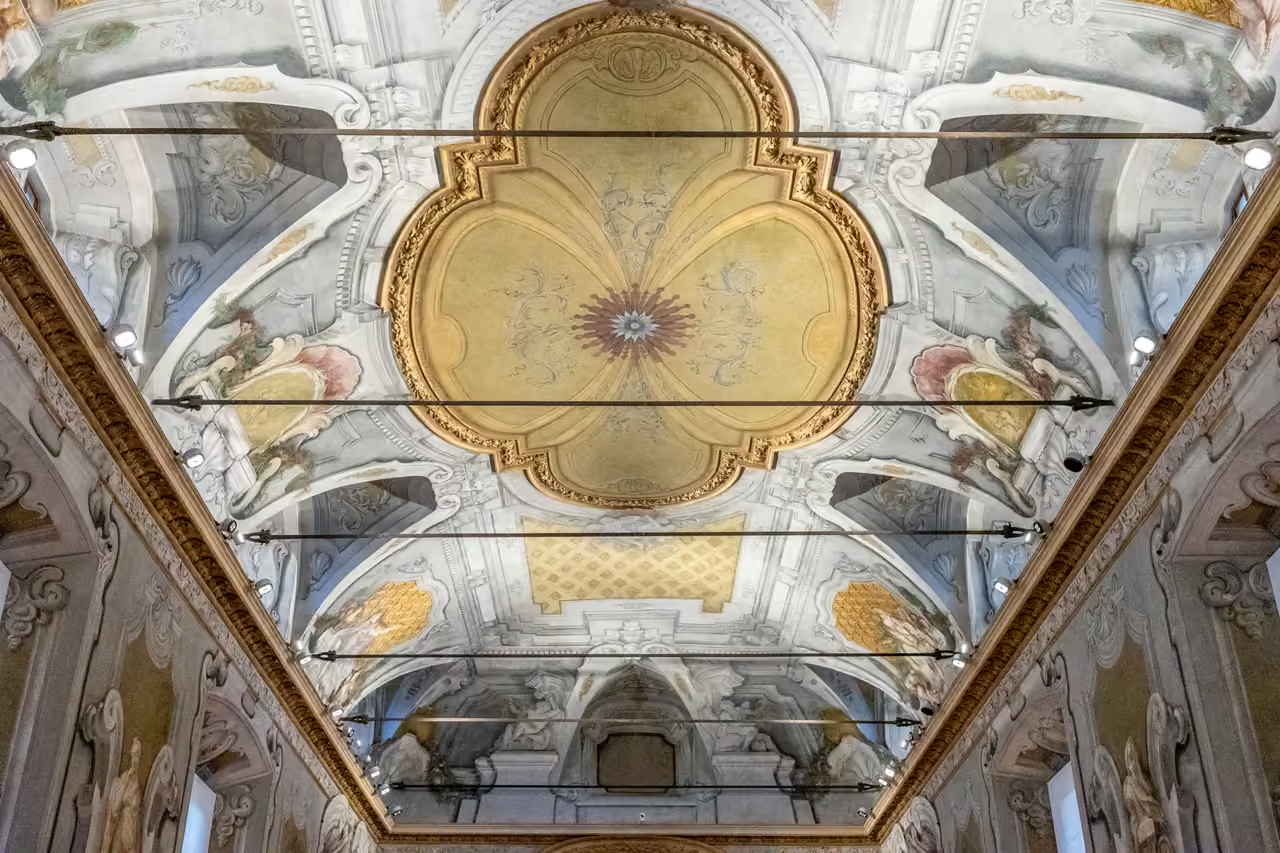
Every wall and vault of this church is covered in Renaissance frescoes, earning it the nickname of Milan's Sistine Chapel. Most visitors hurry past on Corso Magenta toward The Last Supper, so the nave is often calm. Bernardino Luini painted much of the interior, with saints in gold, rose and blue.
hidden gem view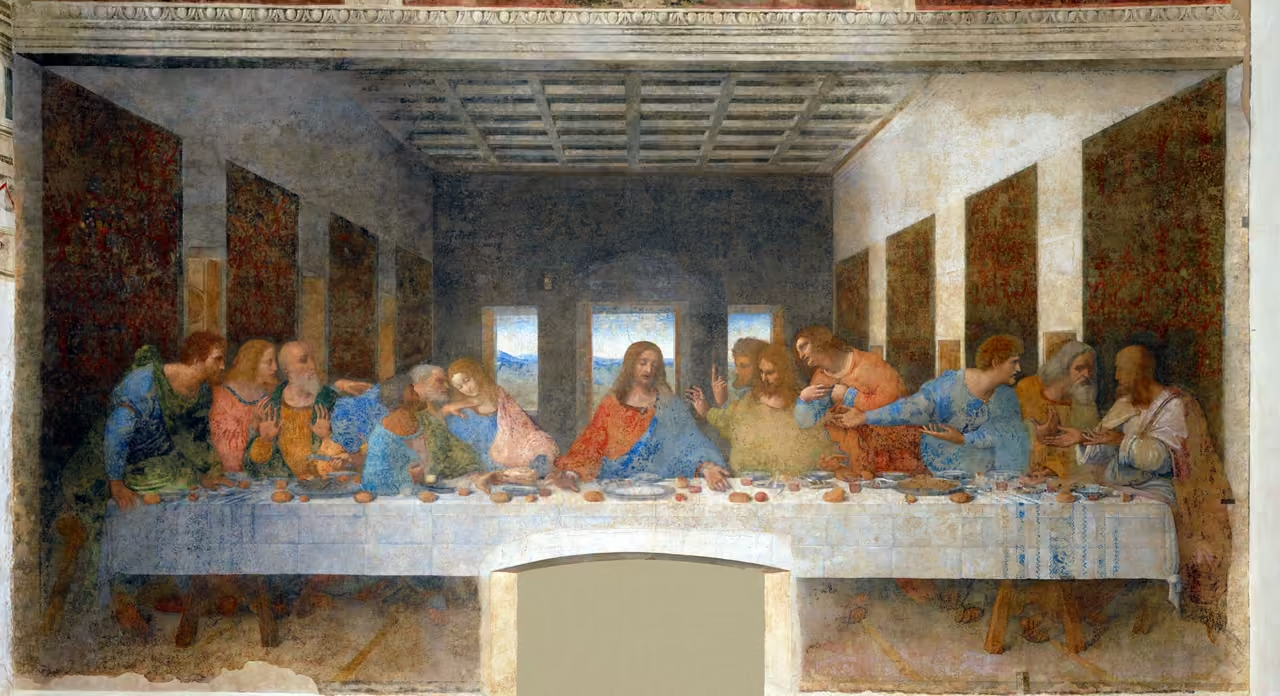 518m
Church of Santa Maria delle Grazie
A painting almost nine metres wide fills the end wall of a former friars' dining hall here, and small groups are ushered in to stand before it in near silence. That is Leonardo da Vinci's Last Supper, but the complex around it has far more to say than most visitors expect. Next door, the church is a study in contrasts: Guiniforte Solari's low red brick Gothic naves give way at the east end to Bramante's cube of pale, geometric light, crowned by a dome and a sixteen sided drum. Chapels along both aisles hold Gaudenzio Ferrari's Passion frescoes and altarpieces from the sixteenth century, so lingering pays off. Timed tickets for the Last Supper sell out well in advance, which is the one real hassle, while the church is the easier half to fit in. Finish in the Cloister of the Frogs, a perfectly square Renaissance arcade where small bronze frogs sit around the fountain.
unesco heritage site view
Explore Similar Places in This Collection
Featured on These Itineraries and Routes
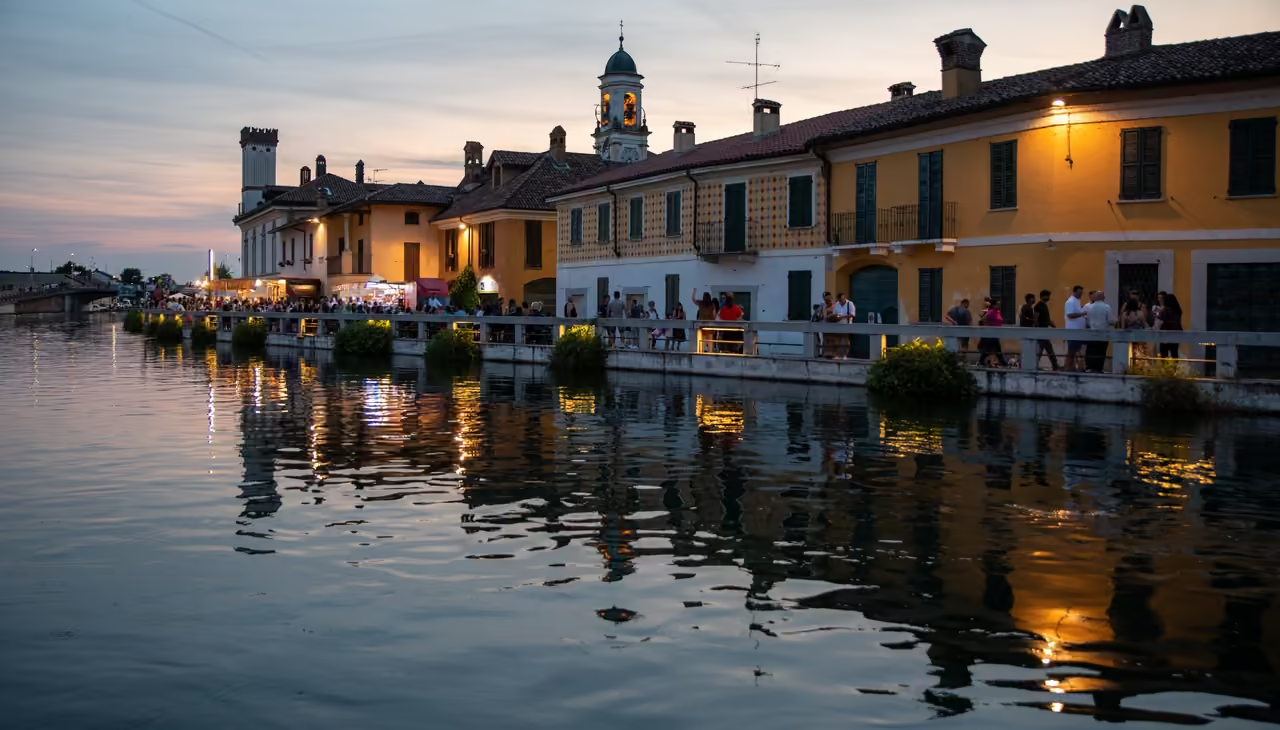
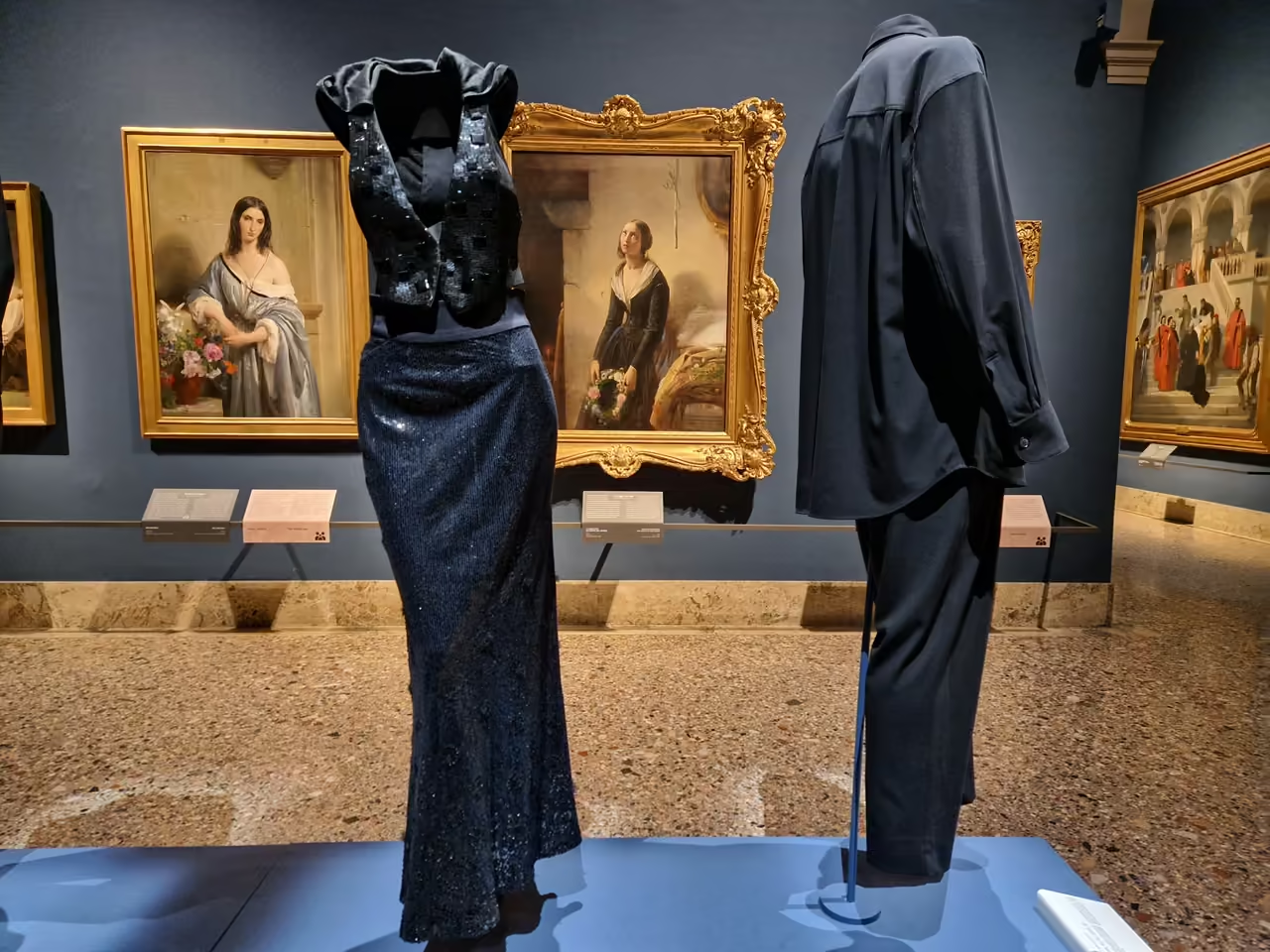
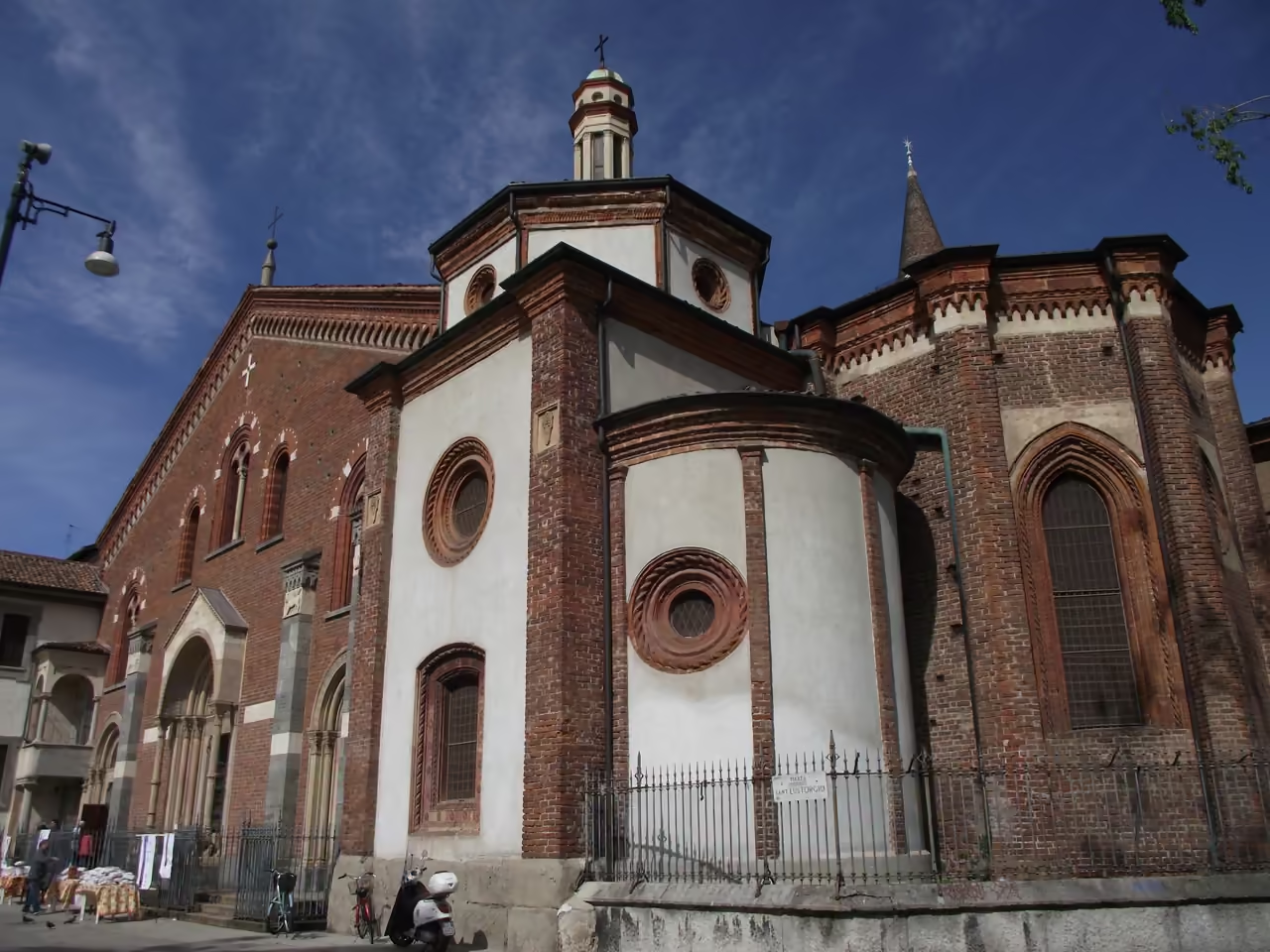
3 Days in Milan
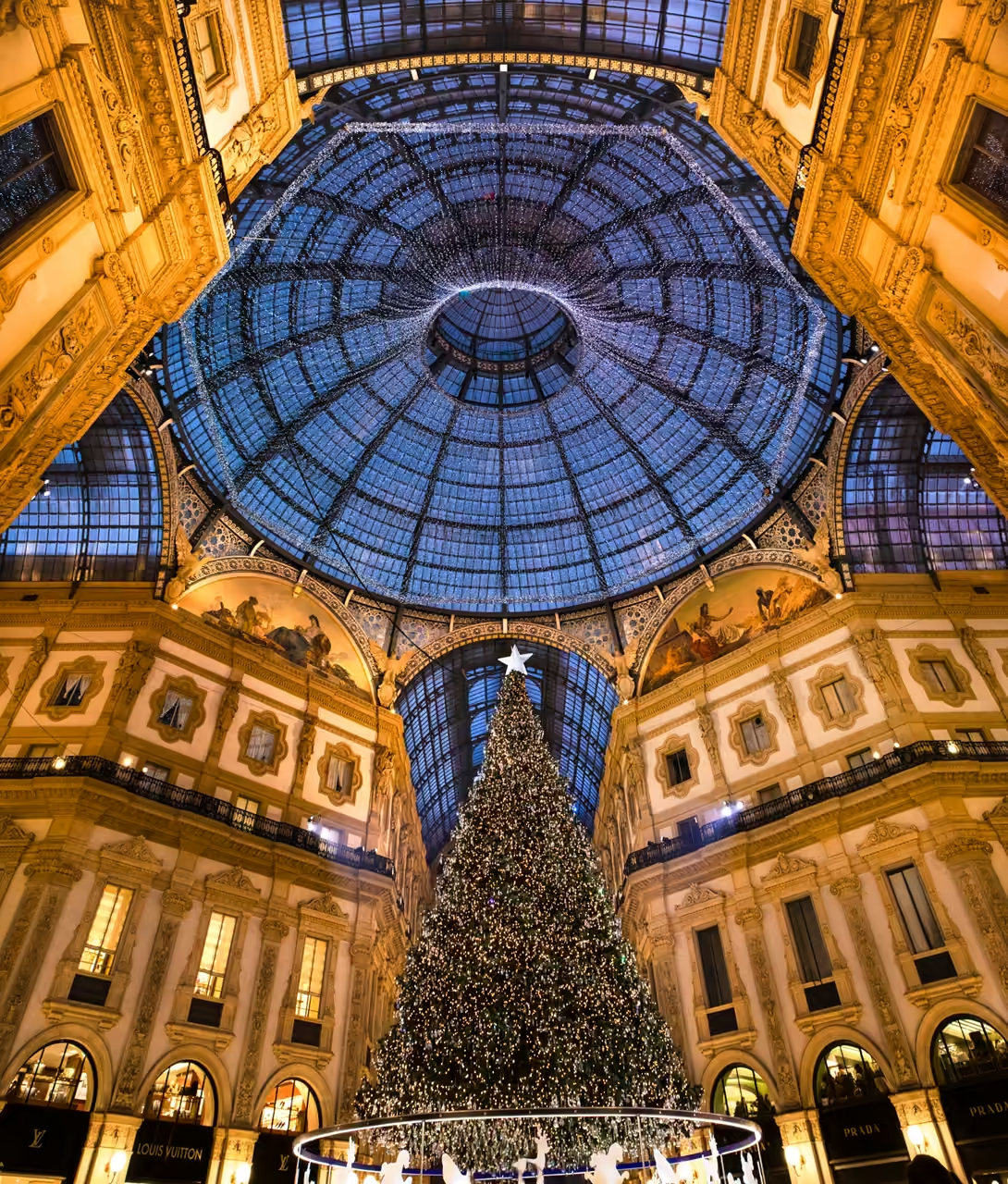
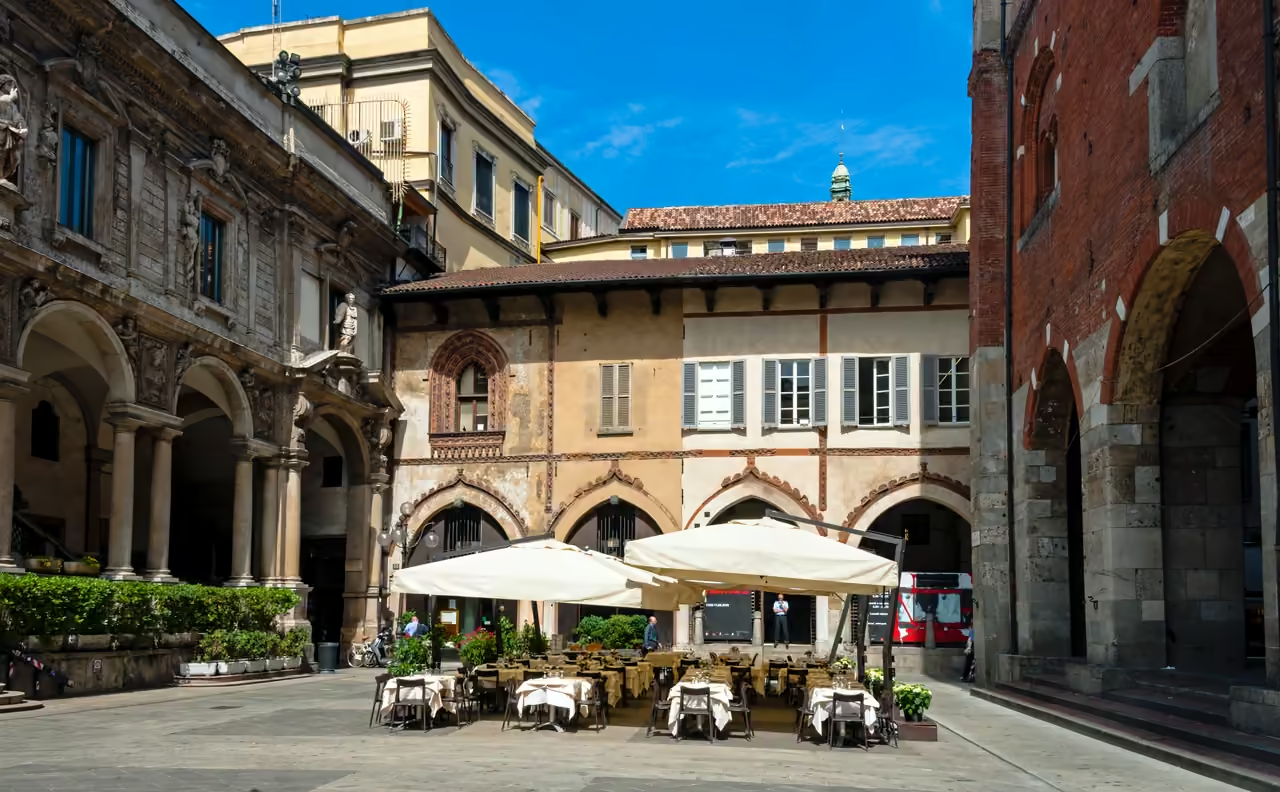
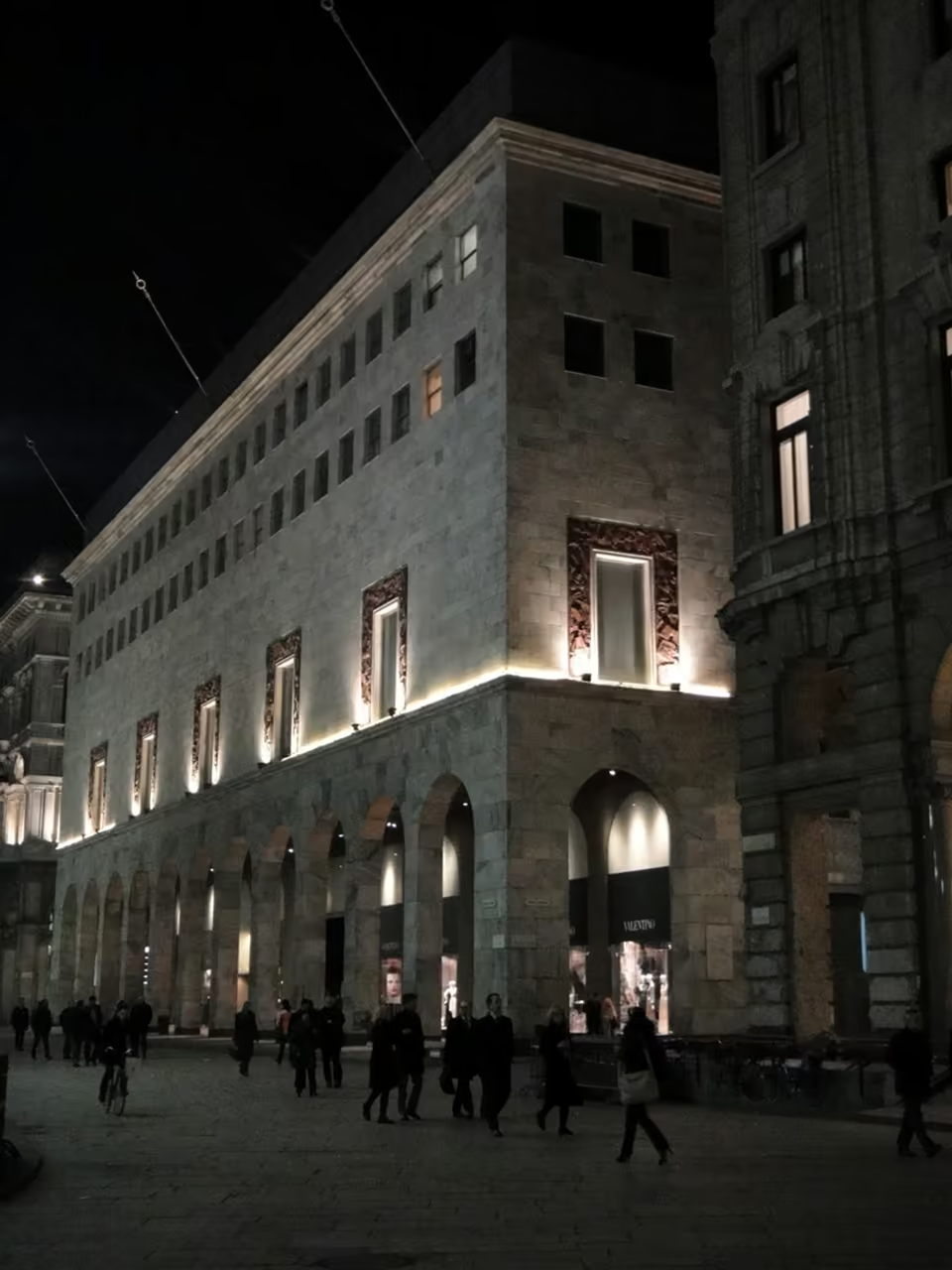
Three days that take in the cathedral district, Leonardo and the castle, and the churches and canals of the south. The pace allows for long lunches and an aperitivo each evening.
view itinerary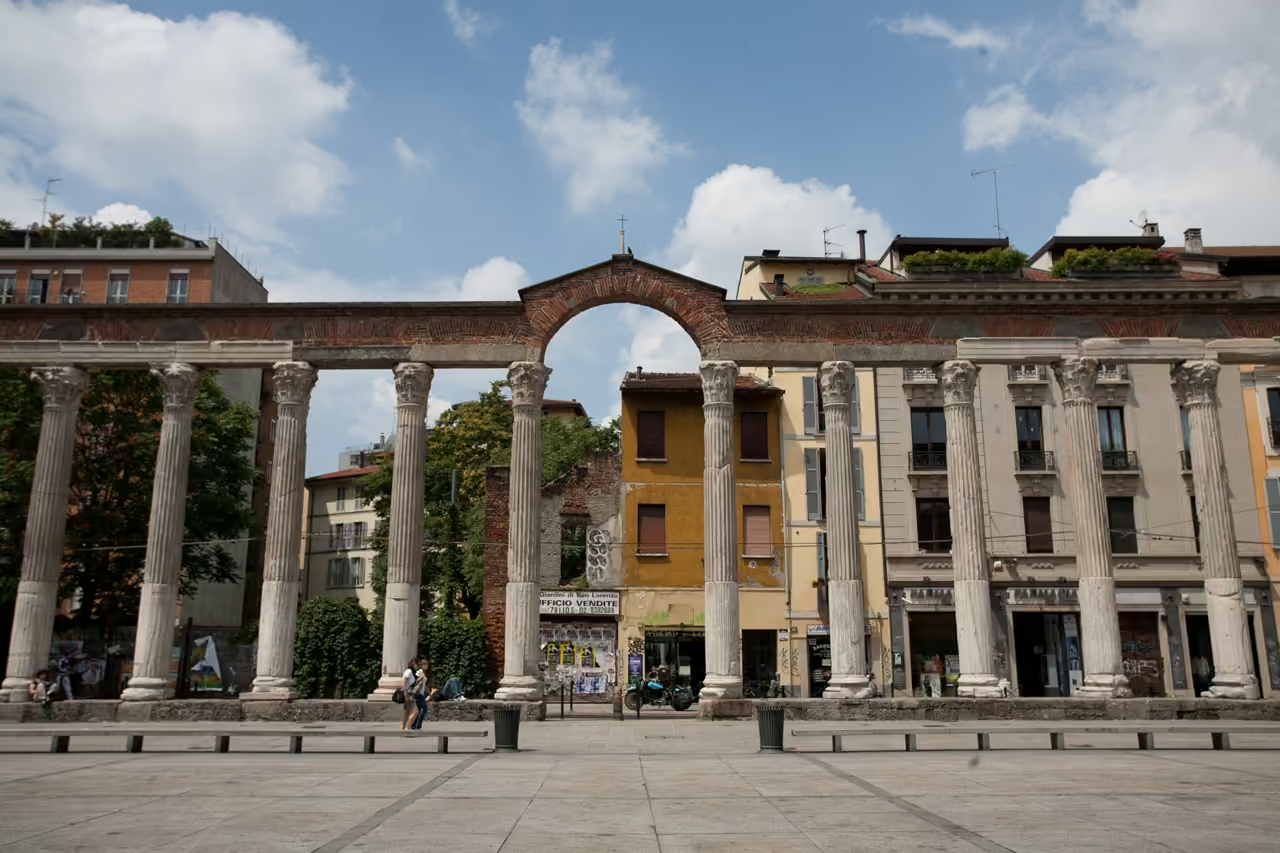
5 Days in Milan
Five days that cover the classic sights, Leonardo and the Ambrosian churches, fashion and parks, the canals, and a day among the abbeys and towers outside the centre.
view itinerary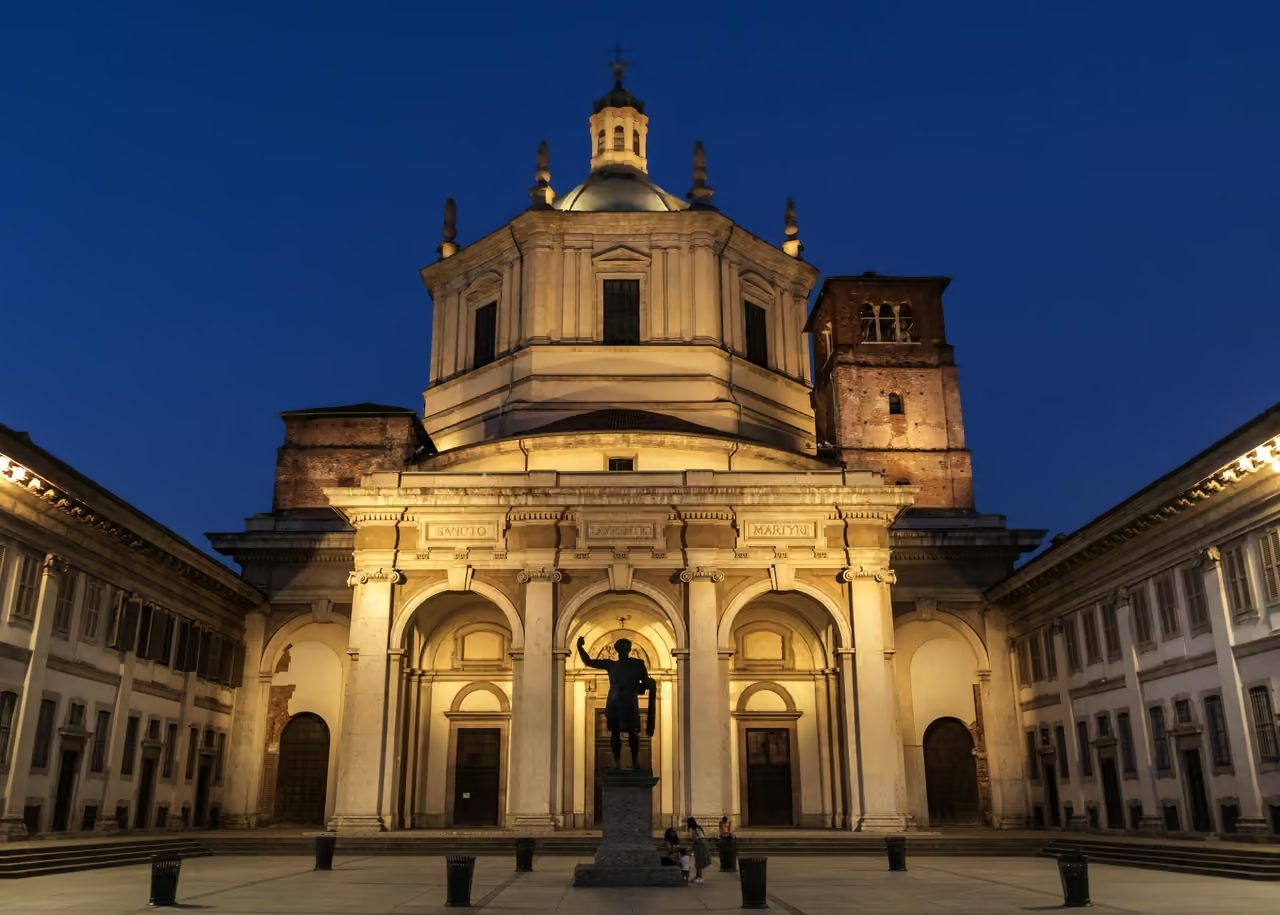
Ambrosian Churches Trail
A route through Milan's oldest churches, from Saint Ambrose's own basilica to Romanesque and Renaissance masterpieces that carry the story of the city's faith.
view self-guided tour
See all attractions in Milan
Including Galleria Vittorio Emanuele II, Milan Cathedral, Sforza Castle, and more