Church of Santa Maria delle Grazie
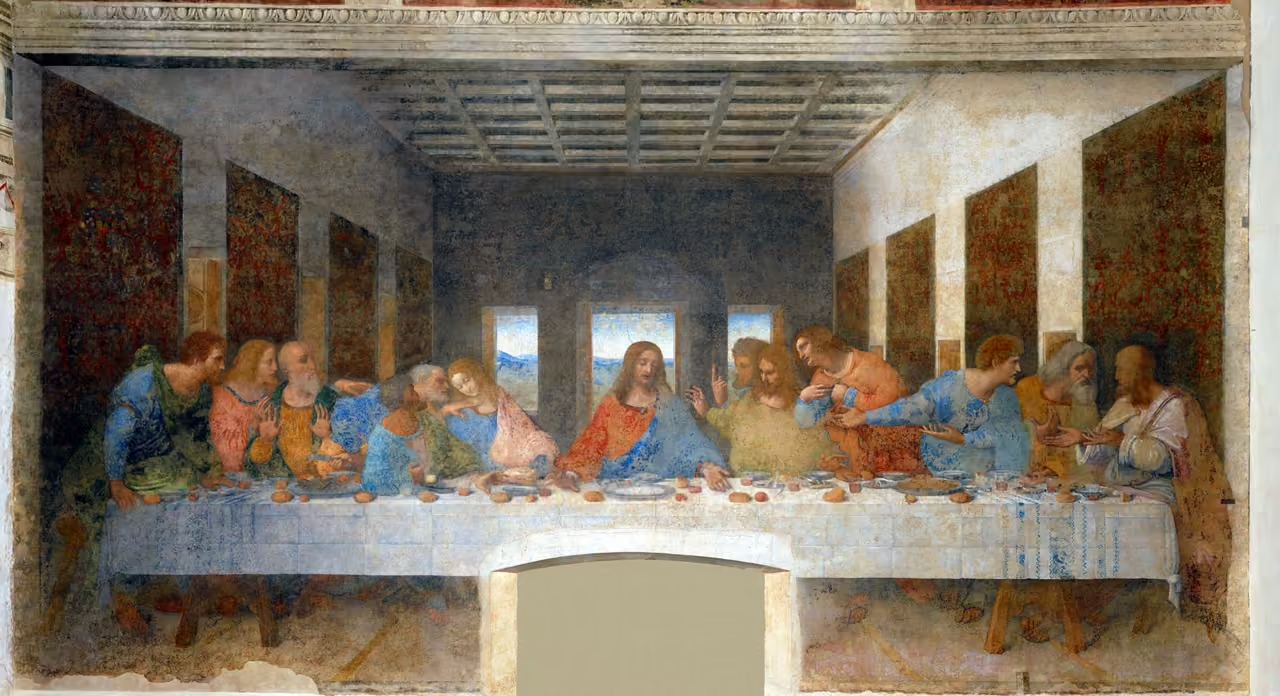
A painting almost nine metres wide fills the end wall of a former friars' dining hall here, and small groups are ushered in to stand before it in near silence. That is Leonardo da Vinci's Last Supper, but the complex around it has far more to say than most visitors expect. Next door, the church is a study in contrasts: Guiniforte Solari's low red brick Gothic naves give way at the east end to Bramante's cube of pale, geometric light, crowned by a dome and a sixteen sided drum. Chapels along both aisles hold Gaudenzio Ferrari's Passion frescoes and altarpieces from the sixteenth century, so lingering pays off. Timed tickets for the Last Supper sell out well in advance, which is the one real hassle, while the church is the easier half to fit in. Finish in the Cloister of the Frogs, a perfectly square Renaissance arcade where small bronze frogs sit around the fountain.
Videos
History of Church of Santa Maria delle Grazie
A gift of land started it. In 1460 Count Gaspare Vimercati, a commander in the pay of the Sforza dukes, handed Milan's Dominican friars a plot that held a small chapel to the Virgin of Grace and a courtyard building where his soldiers were quartered. The friars already had a house at Sant'Eustorgio and wanted a second base, and on 10 September 1463 the first stone was laid. Guiniforte Solari, who had already worked on Milan Cathedral, the Ospedale Maggiore and the Certosa di Pavia, drew up a church in the Lombard Gothic tradition: three broad aisles of red brick, held up by slender granite columns, with the little original chapel folded into the side of the nave. The convent was finished by 1469, and the church followed over the next decade or so. It was a handsome, sober building, and it might have stayed that way. Then Ludovico Sforza, known as il Moro, took an interest. Newly married to Beatrice d'Este, he wanted Milan to show off the architecture that was fashionable in Florence, Ferrara, Mantua and Urbino. In 1492 the choir Solari had finished barely ten years earlier was knocked down, and on 29 March the archbishop blessed the first stone of its replacement. Tradition gives the design to Bramante, though no document proves it and some scholars point to Giovanni Antonio Amadeo as the man running the site. What rose was a cube crowned by a hemispherical dome, with a loggia of arched windows circling the drum, two semicircular apses at the sides and a third behind the choir. Ludovico probably meant to rebuild the whole church in this manner, but only the east end was ever finished. Grief changed what the project was for. In January 1497 Beatrice died after a premature birth, still in her early twenties, and was buried in the choir beneath a marble monument by Cristoforo Solari that showed her and Ludovico lying side by side at life size. The duke's interest had by then spread across the whole convent. Around 1495 he had asked Leonardo da Vinci to paint the end wall of the friars' dining hall, and by about 1498 the Last Supper was done. Leonardo ignored the quick, unforgiving method of true fresco and worked on dry plaster, which let him rework faces and gestures for as long as he liked. The price was that the paint began to flake within decades. On the opposite wall, Donato Montorfano's Crucifixion had been painted in true fresco and has fared noticeably better, an accidental experiment that the fresco method won. Ludovico lost Milan to the French in 1499 and died in captivity in France, so the family mausoleum he had imagined never received him. In 1564, in line with the reforming rules of the Council of Trent, the marble monument was dismantled and sold. Only the lid with the two effigies survived, and it ended up at the Certosa di Pavia. Under Spanish rule the building took on a darker role. In 1558 the Inquisition moved its Milan seat into the convent, and later a full tribunal palace was built alongside, with a monumental entrance, a prison tower, an apothecary and an archive. Its last inquisitor died in 1779 and the palace was pulled down in 1785, though a few stretches of its old walls can still be seen near the entrance to the refectory. The French returned in force in the 1790s. Titian's Crowning with Thorns, painted for the chapel of Santa Corona, was seized and taken to Paris, and Gaudenzio Ferrari's Saint Paul was sent to Lyon. When the dust of the Congress of Vienna settled, the Austrian government did not ask for them back. In 1799 the convent was suppressed and turned into a barracks, while cheap houses crept up against the great apse and the cloister. The rescue began in 1860 under the architect Luca Beltrami, who cut open Via Caradosso, stripped the buildings from the apse and rebuilt the bell tower lower and in the style of Bramante's east end. Beneath later layers of paint, the original fifteenth century frescoes of the aisles and the graffito decoration of the tribune came back into view. Work continued into the 1930s, and the Dominicans returned to their convent in 1924. On the night of 15 August 1943 Allied bombers hit the complex. The refectory roof and its long side walls fell, the Cloister of the Dead was destroyed and the library was lost. The end wall with the Last Supper survived because it had been shielded in advance by sandbags and a casing of steel tubes. Rebuilding began in 1945, and from 1978 to 1999 the painting underwent a restoration of more than two decades. UNESCO inscribed the site in 1980, and in 1993 Pope John Paul II raised the church to the rank of minor basilica. Today the complex holds two rhythms side by side. In the refectory, small timed groups and carefully filtered air protect a painting that was never meant to last. Next door, the church carries on as a working Dominican house, with Mass under Bramante's dome and an organ whose pipes sit in a pit sunk into the apse floor.
22 events spanning 539 years
Fun Facts
15- 01
A decorative knot in the vault of the Old Sacristy, known as the Vinci knot, is the same motif that appears in the Sala delle Asse at the Sforza Castle. This is why some have suggested that Leonardo had a hand in the sacristy's decoration.
- 02
A local legend says Ludovico had a secret passage dug from the Sforza Castle to the convent. No trace has been confirmed, but the story is still told in Milan.
- 03
A long tradition says that French troops used the refectory as a stable after arriving in Milan in the 1790s. The story has been told for generations, and the painting survived whatever really happened.
- 04
Bramante's tribune is built on one measurement. The width of the central nave, doubled, gives the sides of the presbytery and the diameter of the dome.
- 05
Gaudenzio Ferrari, who frescoed the Chapel of Santa Corona in the 1540s, was ranked by the writer Giovanni Paolo Lomazzo as second only to Michelangelo, and even above Leonardo.
- 06
In 1498 Ludovico gave Leonardo a vineyard beside the convent. Casa degli Atellani, a fifteenth century palace right next to the church, still stands, and a vineyard has been replanted in its garden.
- 07
In 1652 the friars widened a doorway in the refectory wall directly beneath the Last Supper, and the cut removed a slice of the painting's lower centre, including the feet of Christ.
- 08
Leonardo also painted portraits of Ludovico il Moro, Beatrice d'Este and their two sons in the upper corners of Montorfano's Crucifixion wall. Done in the same fragile dry technique as the Last Supper, they have almost completely vanished, though the biographer Giorgio Vasari saw and praised them.
- 09
Louis XII of France is said to have been so taken with the Last Supper after his arrival in 1499 that he wanted to carry it home, but a painted wall could not simply be lifted out.
- 10
Ludovico il Moro's emblem, a small brush known as the scopetta, is carved on a pilaster of the main portal, where the left hand pillar is decorated with candelabra motifs.
- 11
The Chapel of the Virgin of Grace holds Cerano's canvas of the Virgin freeing Milan from the plague of 1630, painted with such unsparing realism that it still evokes the grim atmosphere of Manzoni's novel about the same epidemic.
- 12
The Last Supper measures roughly 4.6 metres high and 8.8 metres wide, and fills almost the entire short wall of a refectory that is about 35 metres long.
- 13
The church's pipe organ, built in 1965 and rebuilt in 2004 and 2005, has 44 stops and about 3,200 pipes, all housed in a pit sunk into the floor of the apse, below the level where visitors walk.
- 14
The convent library, destroyed in 1943, was modelled on Michelozzo's celebrated library at the Dominican convent of San Marco in Florence.
- 15
Titian's Crowning with Thorns, painted as the altarpiece for the Chapel of Santa Corona here, now hangs in the Louvre, in the same room as the Mona Lisa.
FULL PLACE DETAILS
Updated
FULL PLACE DETAILS
UpdatedOVERVIEW & STATS
- Established
- In 1401, making it 625 years old
ARCHITECTURE & HERITAGE
- Heritage Status
- Italian National HeritageWorld Heritage Site
- Architectural Styles
- Italian GothicRenaissance
- Architects
- Donato BramanteGualtiero GalmaniniGuiniforte SolariPiero Portaluppi
WEB & AMENITIES
Church of Santa Maria delle Grazie Map & Neighborhood Explorer
This interactive map is centered on Church of Santa Maria delle Grazie. Zoom in and move the map around to automatically discover Wikipedia photos and summaries of other nearby sights, monuments, and historical points of interest and stories in real-time!
Church of Santa Maria delle Grazie FAQ
Yes, booking ahead is strongly advised. Entry to the refectory is by timed slots for small groups, which sell out well in advance, particularly in busy seasons. It is best to check the official booking channels for current availability and book as early as your plans allow.
Visits to the refectory are short and tightly timed, usually around fifteen minutes per group. This helps protect the painting, which is kept in carefully controlled conditions. Reading about the work beforehand makes the time in front of it feel much richer.
Not in the strict sense. Leonardo painted on dry plaster, using a mix of tempera and oil, rather than applying pigment to wet plaster as in true fresco. This gave him time to refine details, but the paint began to deteriorate within decades. That is why the work has needed so many restorations.
Absolutely. The church holds Bramante's remarkable tribune, with its dome and rings of circular decoration, plus side chapels with frescoes by artists such as Gaudenzio Ferrari. The adjoining Cloister of the Frogs and the Old Sacristy are further reasons to go. The church has its own visiting rhythm and does not depend on a Last Supper ticket.
Yes. Santa Maria delle Grazie is a basilica and shrine run by the Dominican order, and it continues to host services. Visitors should dress modestly, keep voices low and avoid walking around during Mass.
The complex stands on Corso Magenta, in the west of the historic centre. The nearest metro stops are Conciliazione and Cadorna on the red line, and Cadorna also serves the green line. From the centre it is also a pleasant walk of around fifteen to twenty minutes from the Duomo area.
A typical visit takes about 2 hours. We recommend planning your schedule accordingly to make the most of your time there.
The closest place to visit near Church of Santa Maria delle Grazie is Leonardo da Vinci Science Museum, around 434 m away. Other things to do near Church of Santa Maria delle Grazie include Basilica of Sant'Ambrogio (518 m), Civic Archaeological Museum (591 m) and San Maurizio al Monastero Maggiore (601 m). All of these are within roughly 601 m of Church of Santa Maria delle Grazie, close enough to walk.
Church of Santa Maria delle Grazie holds the following heritage designations: Italian National Heritage and World Heritage Site.
It dates back to 1401, making it 625 years old.
Church of Santa Maria delle Grazie was designed by Donato Bramante, Gualtiero Galmanini, Guiniforte Solari and Piero Portaluppi in the Italian Gothic style.
While we strive to keep this information accurate and up to date, we recommend verifying any details independently before making decisions based on them.
Places near Church of Santa Maria delle Grazie
Make the most of your trip. Check out these top-rated spots located nearby.
 434m
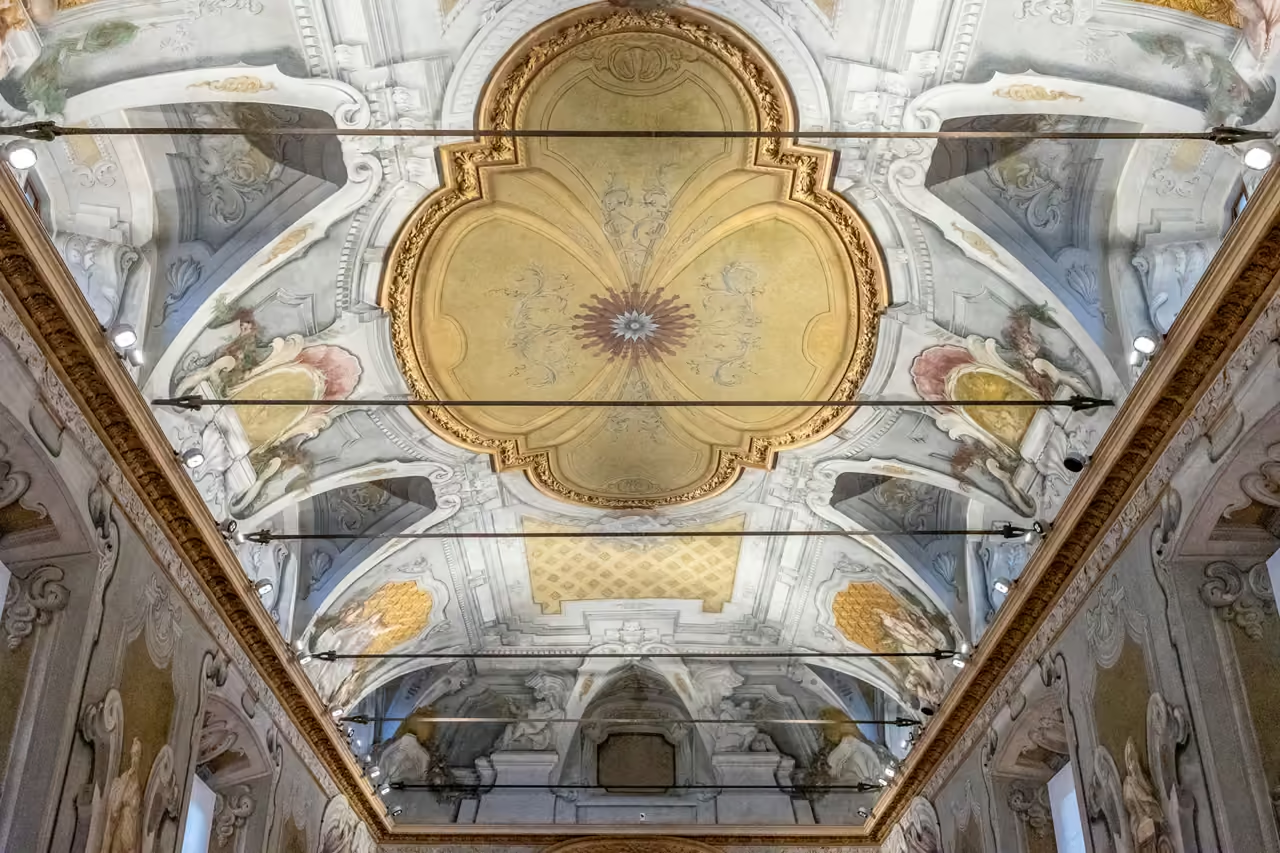
Leonardo da Vinci Science Museum
Housed within an expansive 16th-century monastery, the exhibits transition brutally from Renaissance cloisters to heavy industrial machinery. The halls contain thousands of technical models, including wooden interpretations of Leonardo's flying machines and war engines. A real submarine, the Enrico Toti, sits aggressively parked in the outdoor courtyard. It documents the region's relentless shift from agricultural craftsmanship to heavy engineering.
highlight view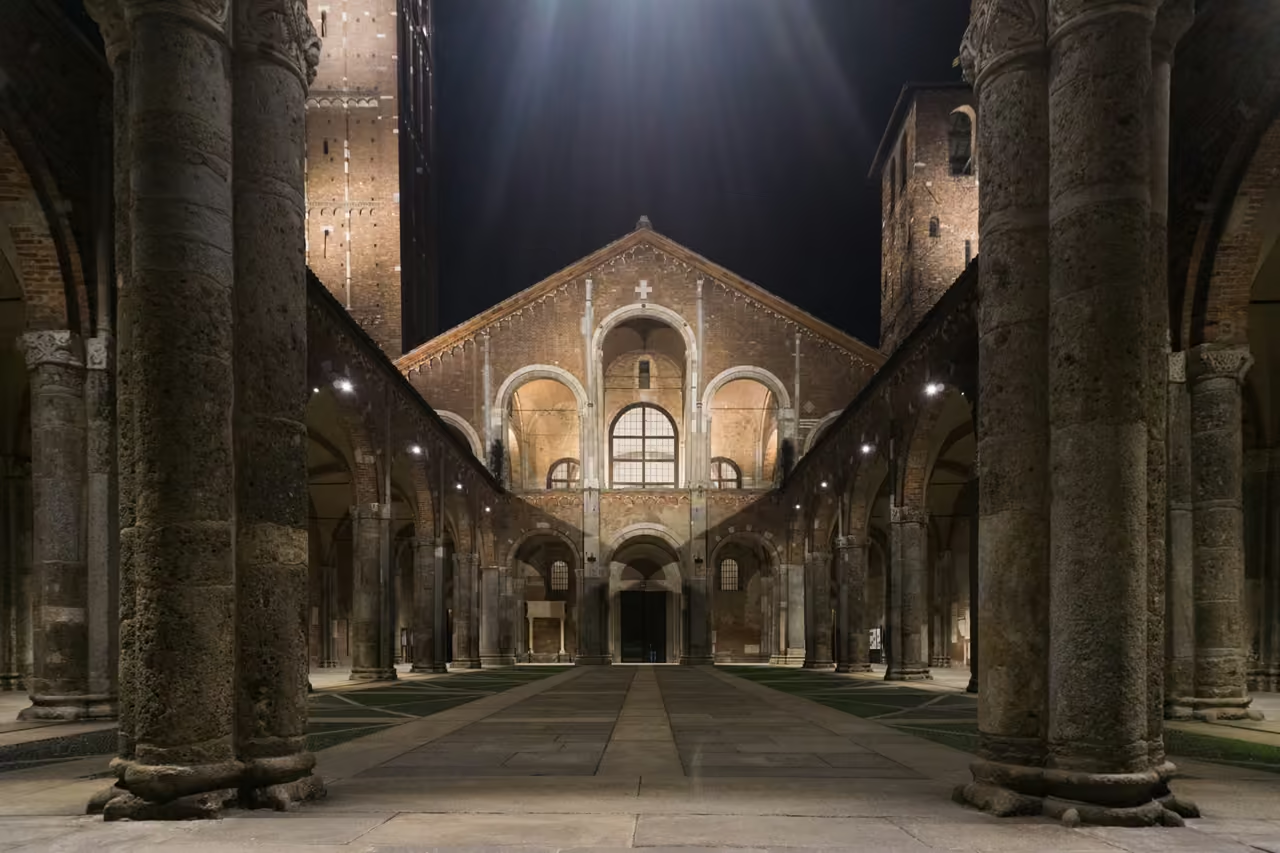 518m
Basilica of Sant'Ambrogio
Two bell towers of different heights stand either side of a low, wide brick facade. The shorter one belonged to the monks and went up in the ninth century, while the taller, the canons' tower, followed in the twelfth. Inside, a golden altar from the 800s sits beneath a stucco canopy carried on red porphyry columns that were already ancient when the Romanesque church was built around them. A small chapel off the nave has a vault covered entirely in gold mosaic, and its deep blue walls hold the oldest known portrait of Ambrose. Milan's patron saint founded the original church here in the 380s, and he still lies in the crypt below the altar. Leave time for the arcaded courtyard out front and for the cloisters Bramante drew up next door. On the way out, look back down the nave for the little bronze serpent coiled on its granite column.
attraction view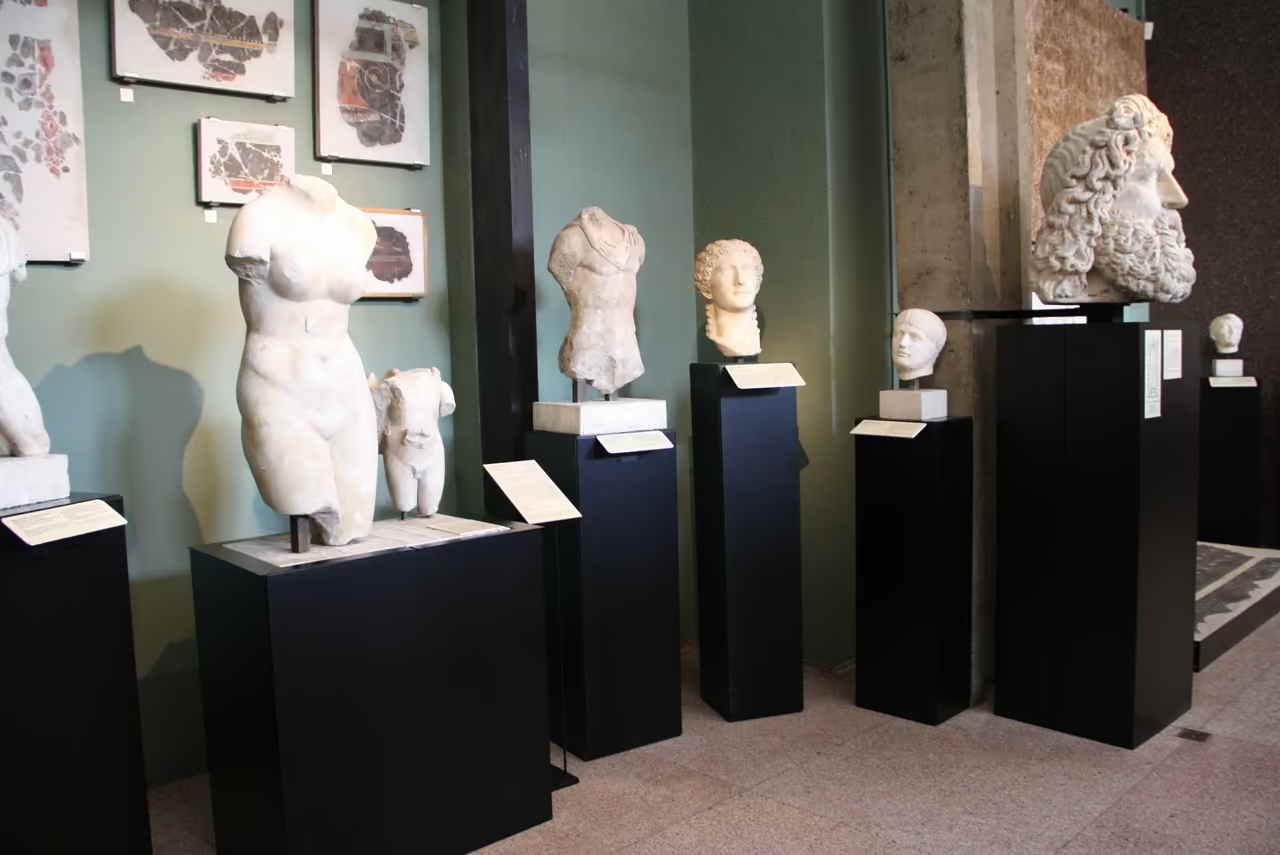 591m
Civic Archaeological Museum
Housed within an ex-convent, this quiet institution displays Roman, Etruscan, and early medieval artefacts directly over the ancient city ruins. The inner courtyard unexpectedly preserves a massive polygonal brick tower and a section of the original 3rd-century defensive walls. Visitors can physically walk inside the Roman boundary tower, touching the masonry that once protected emperors. It strips away the modern metropolis entirely, revealing the raw, violent foundations of Mediolanum.
hidden gem view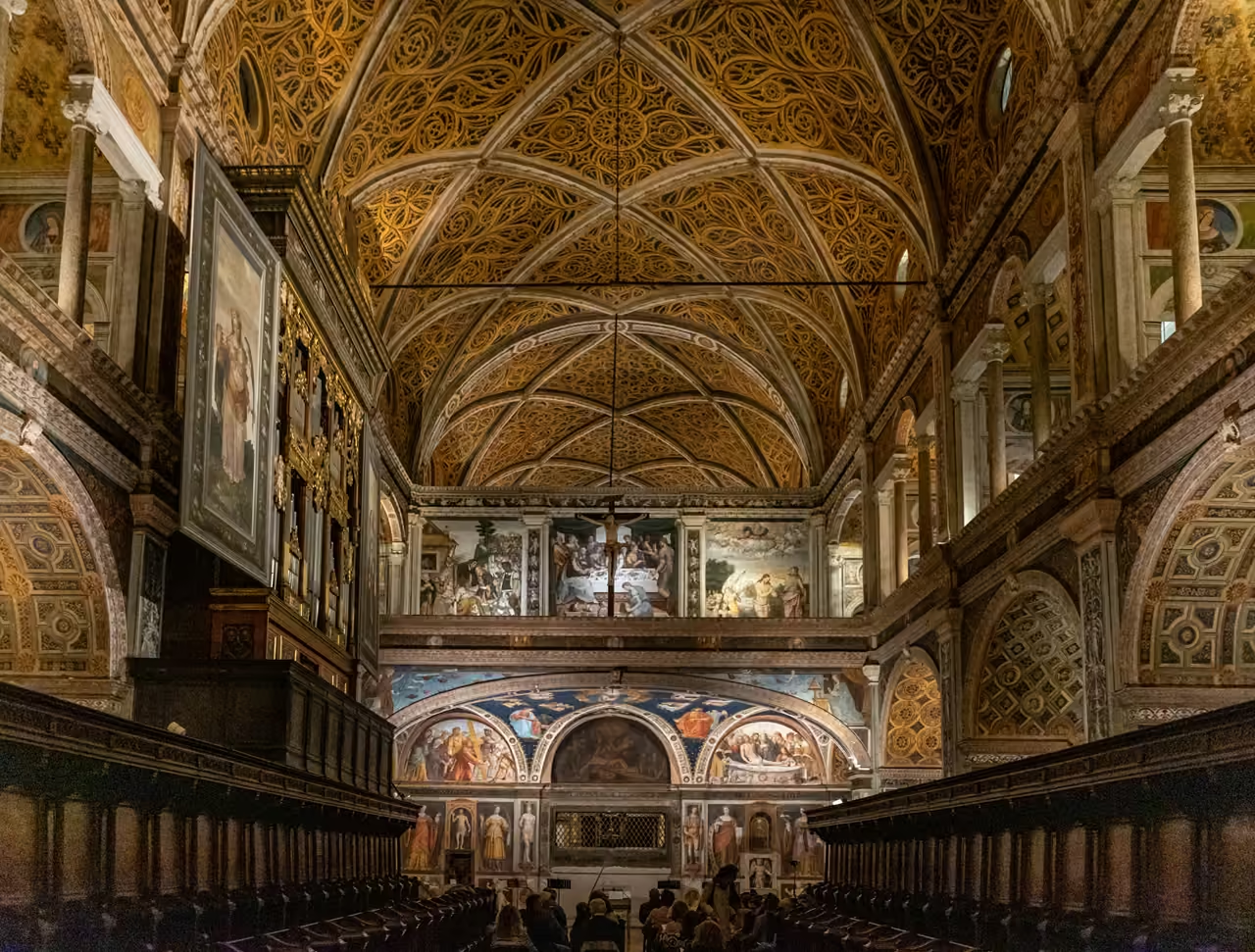 601m
San Maurizio al Monastero Maggiore
Every wall and vault of this church is covered in Renaissance frescoes, earning it the nickname of Milan's Sistine Chapel. Most visitors hurry past on Corso Magenta toward The Last Supper, so the nave is often calm. Bernardino Luini painted much of the interior, with saints in gold, rose and blue.
hidden gem view
Explore Similar Places in This Collection
Featured on These Itineraries and Routes
1 Day in Milan
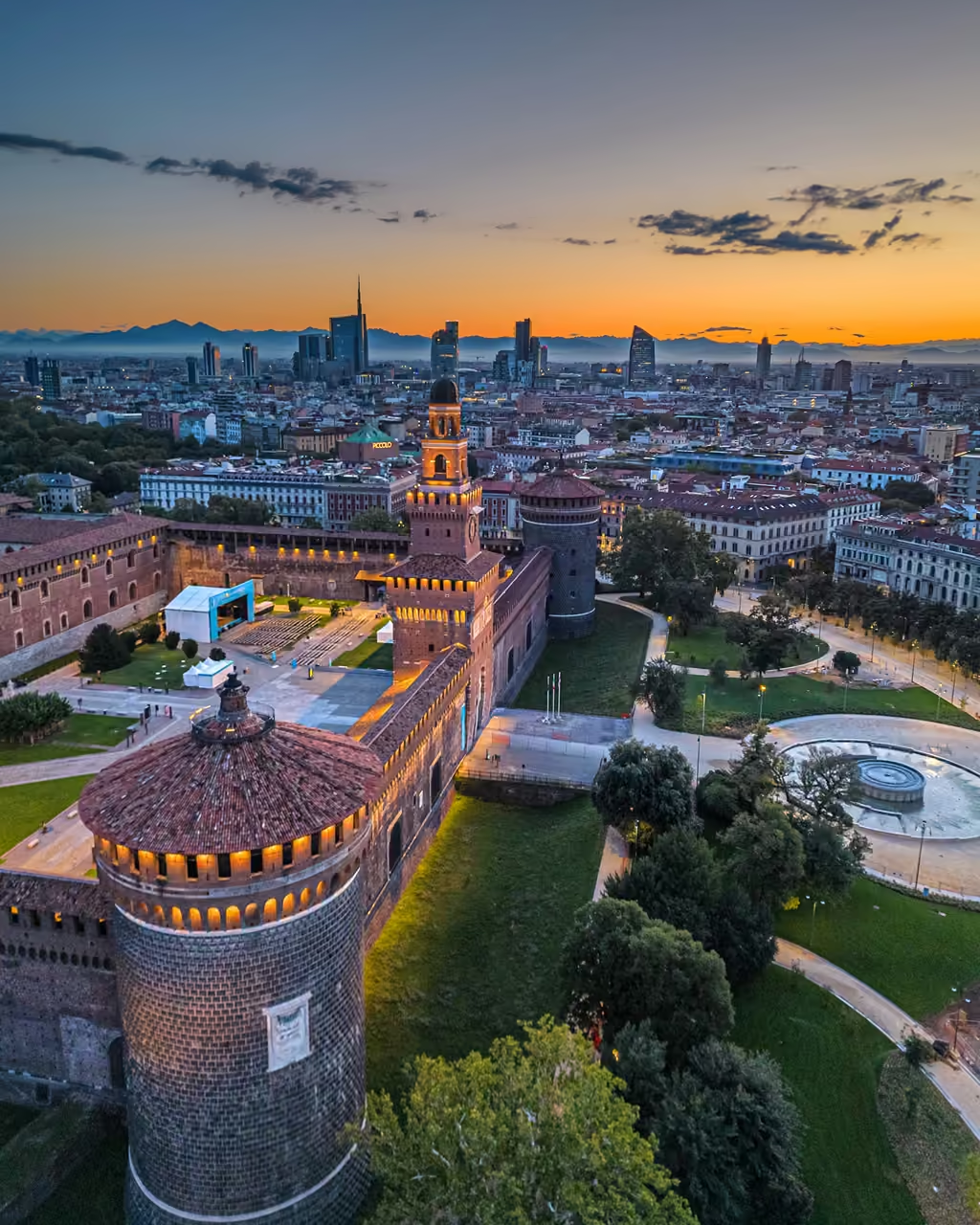
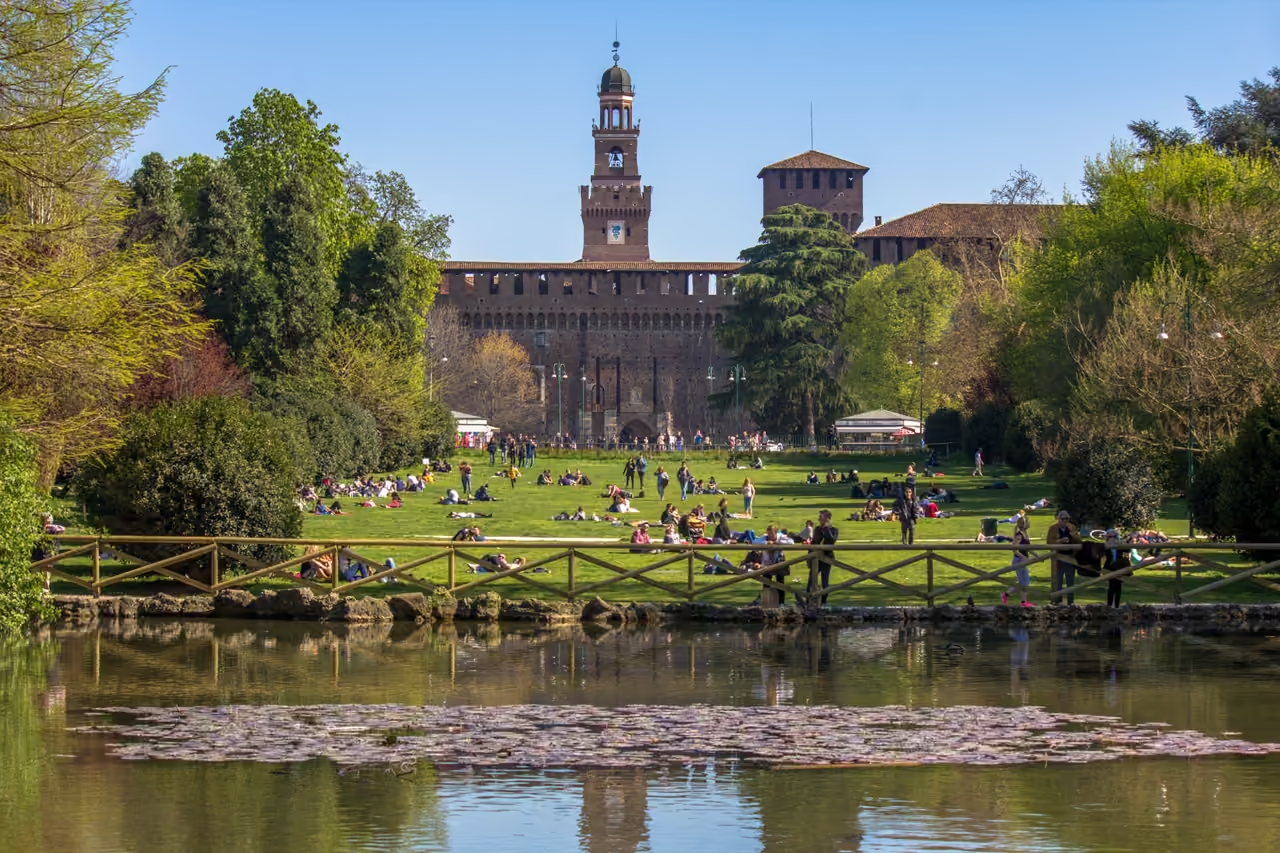
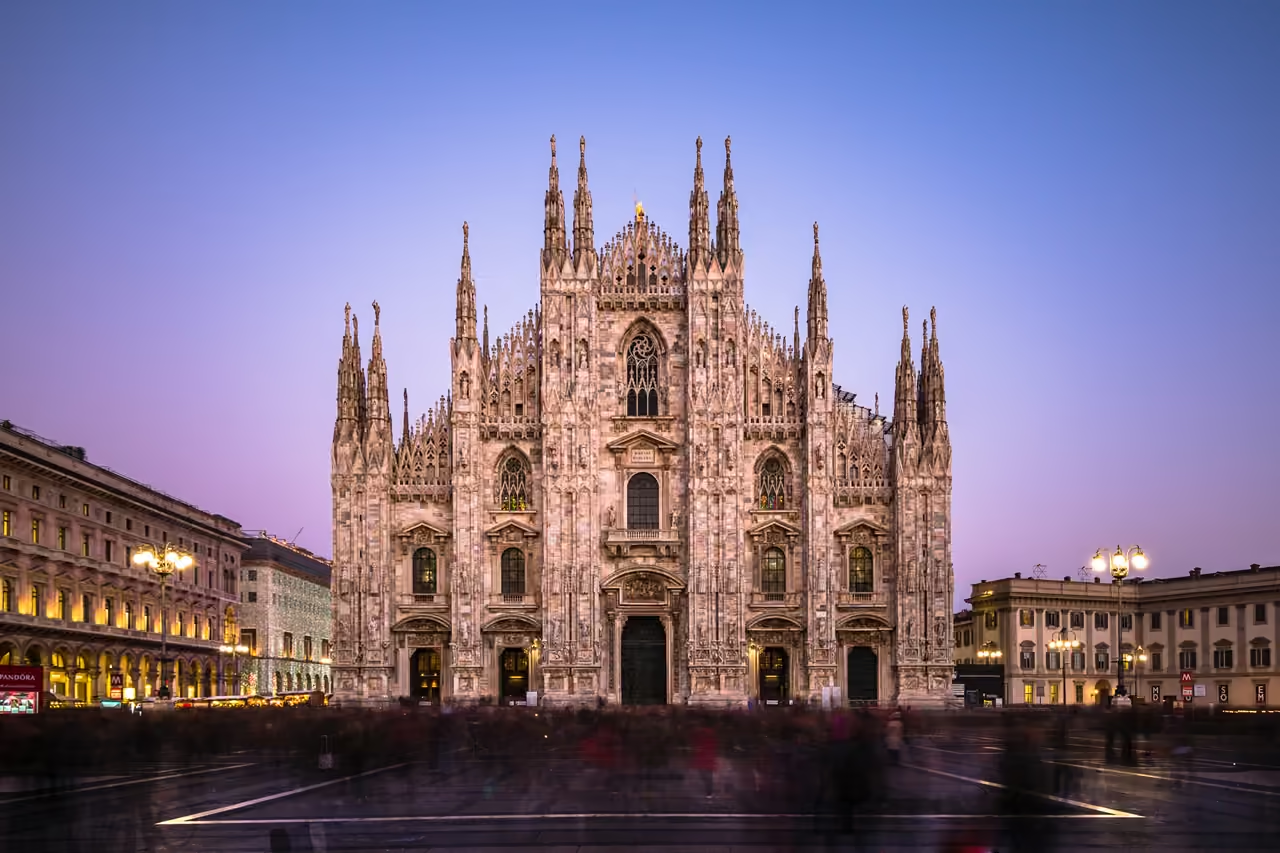
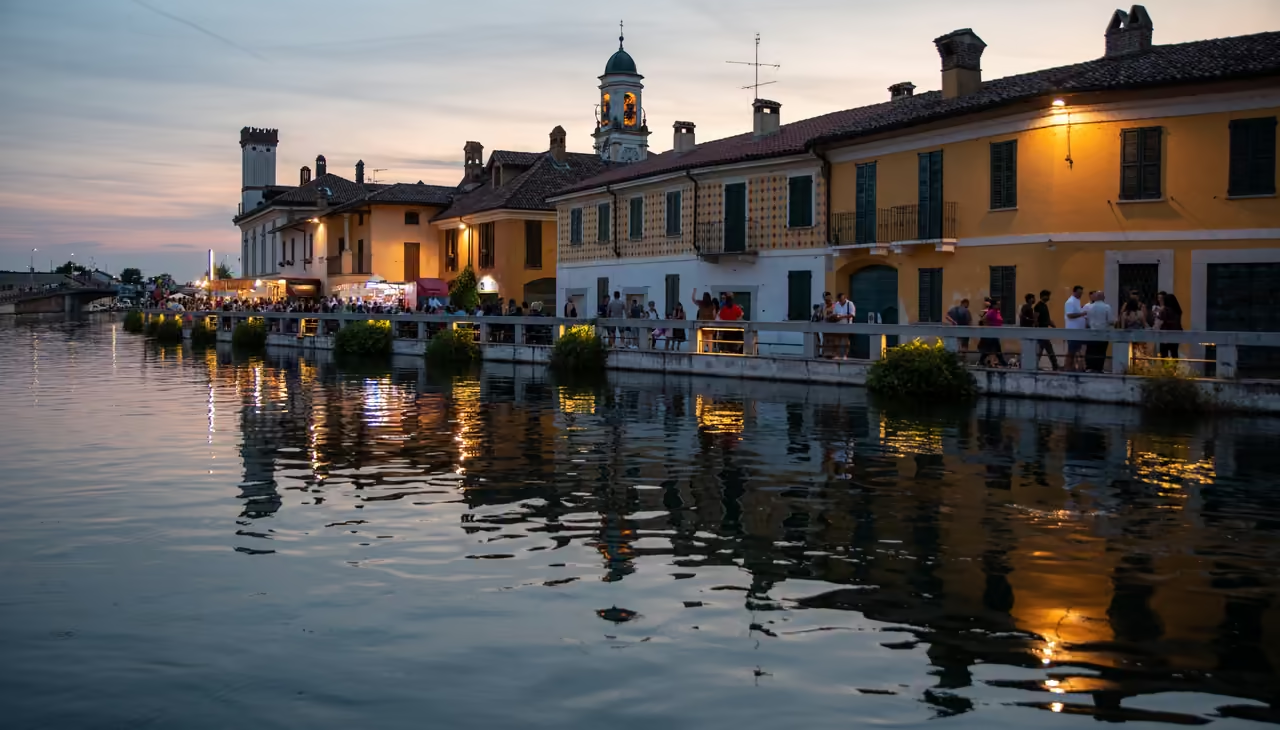
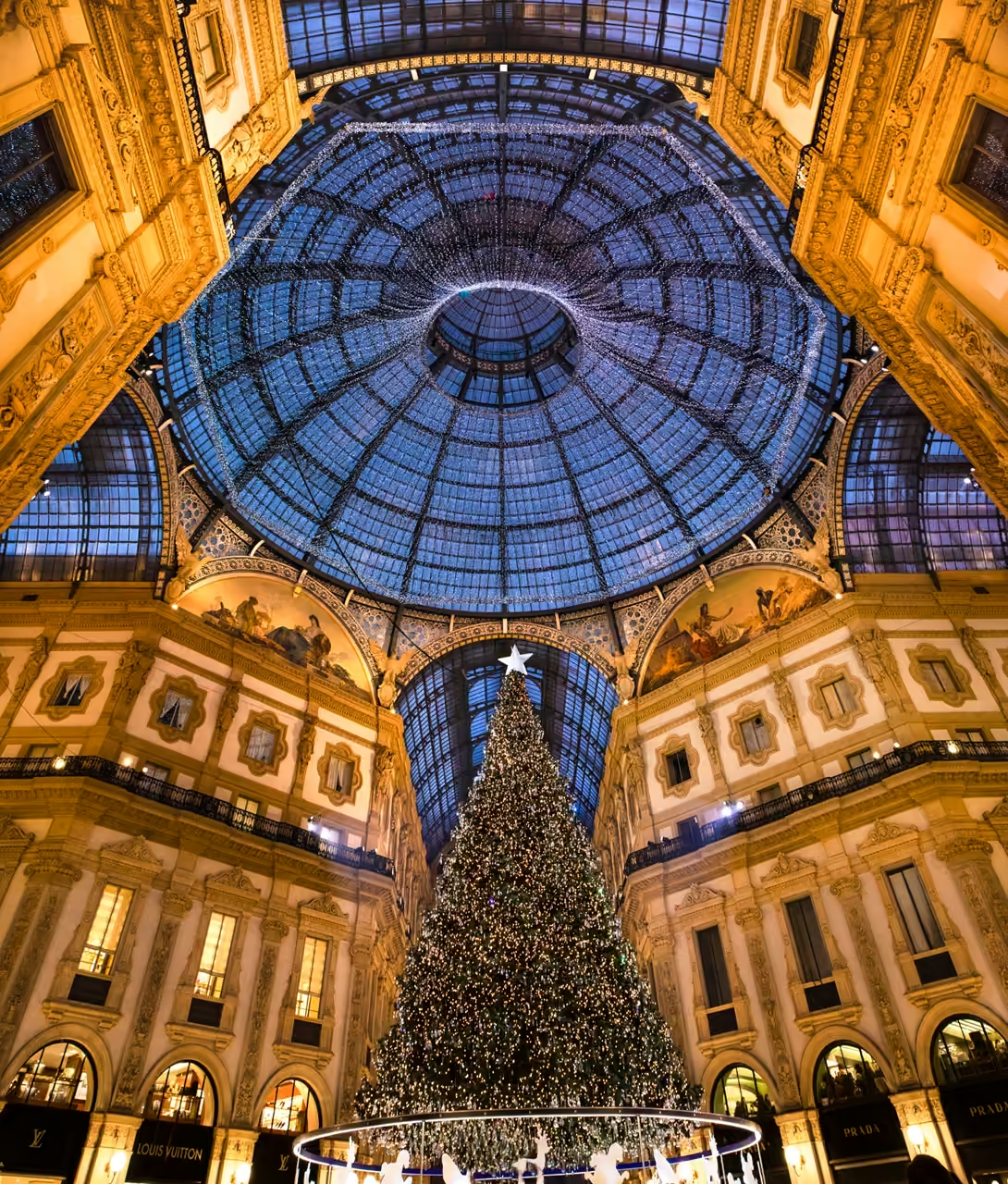
A single day that links Leonardo's masterpiece, a castle, a park, the cathedral and an evening on the canals. Book The Last Supper for the morning and the rest falls into place.
view itinerary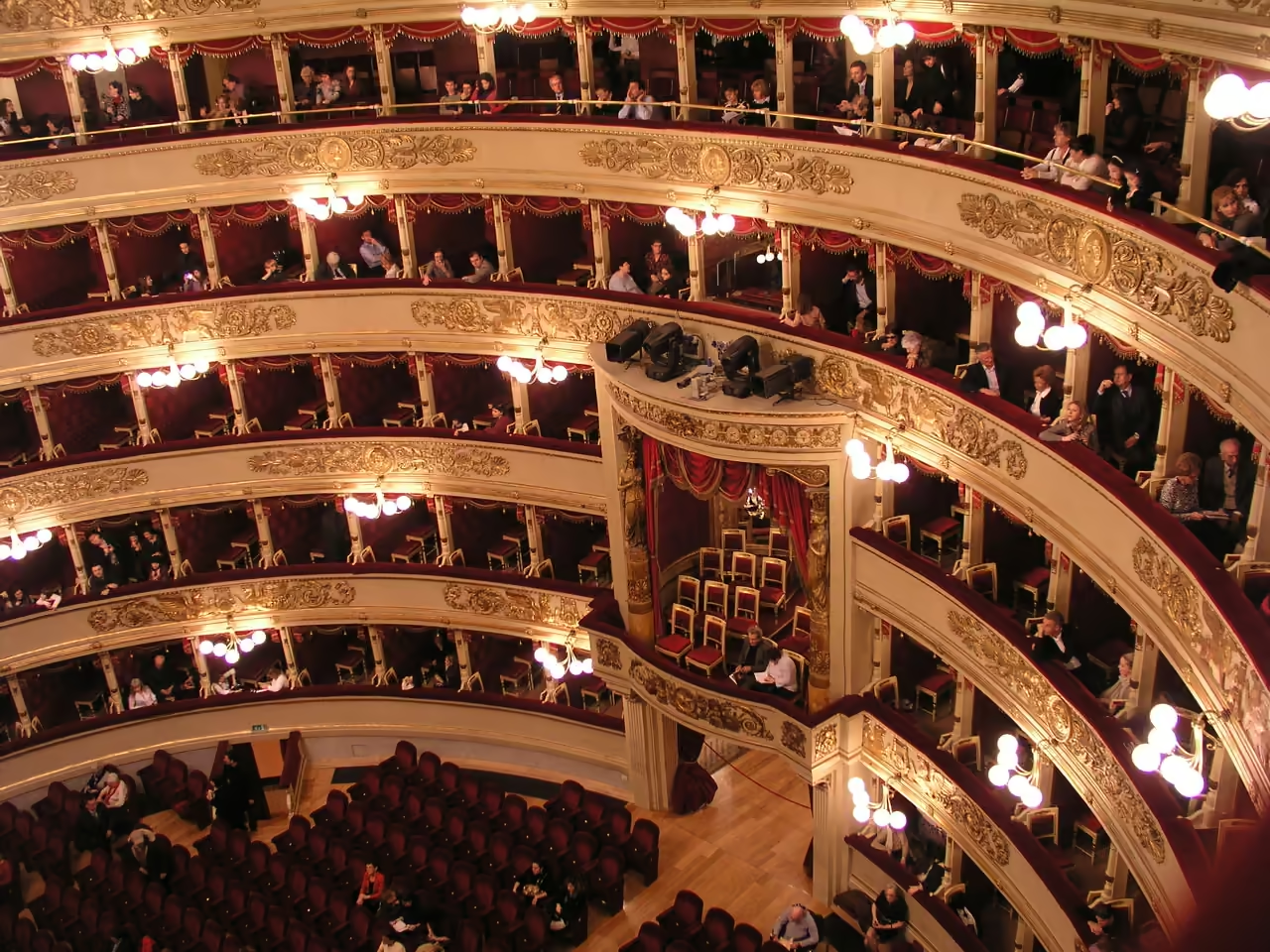
3 Days in Milan
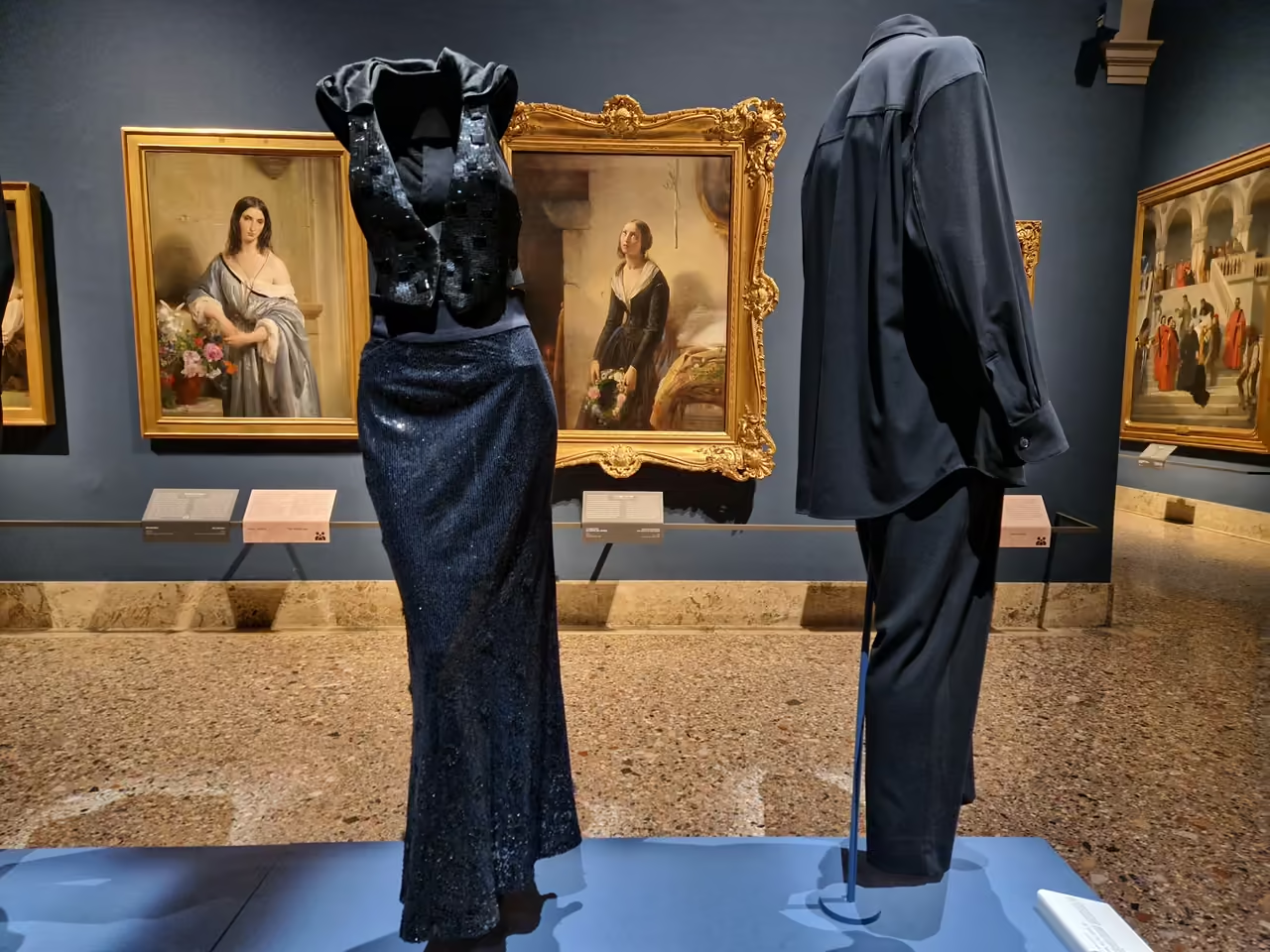
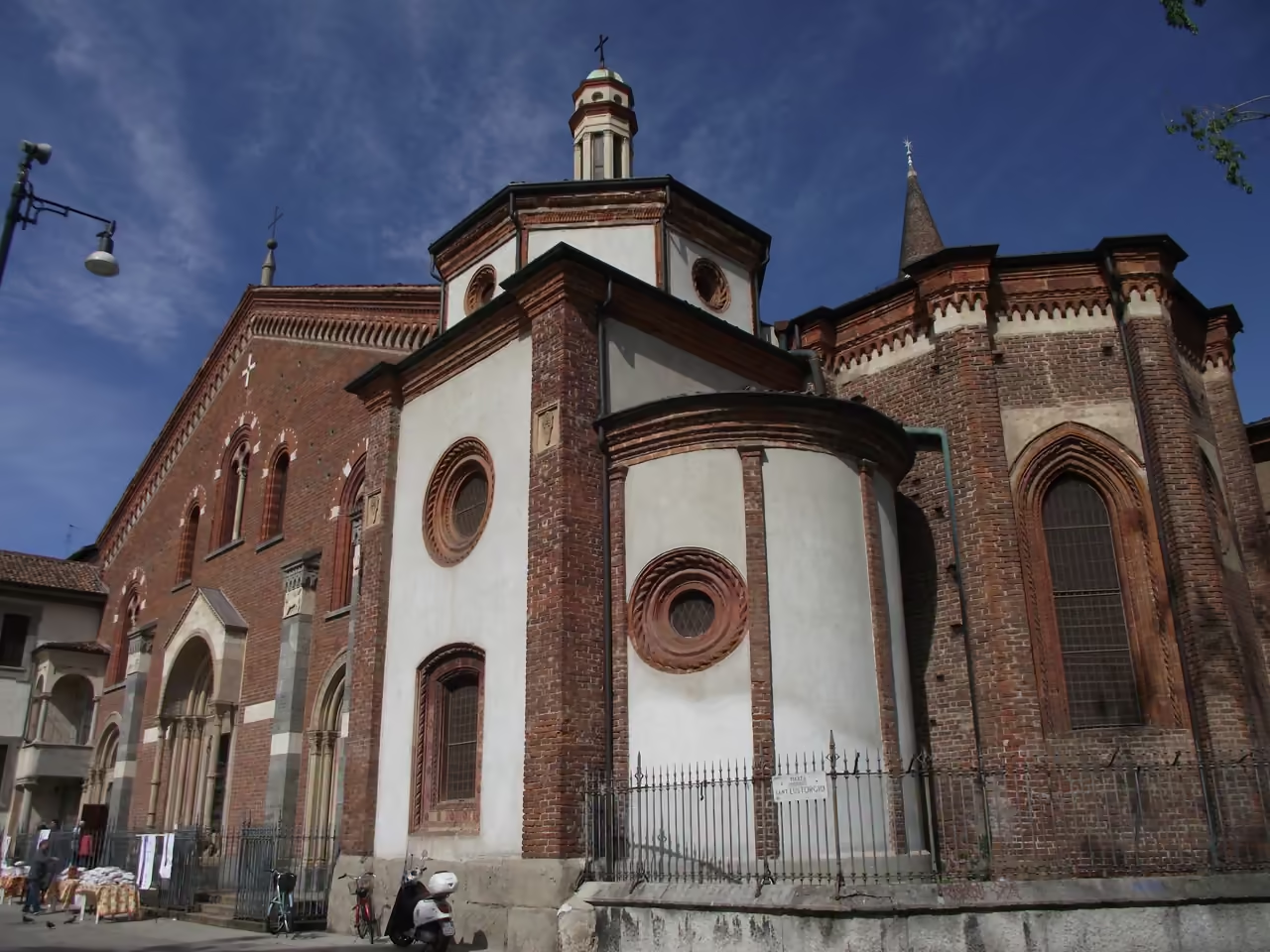
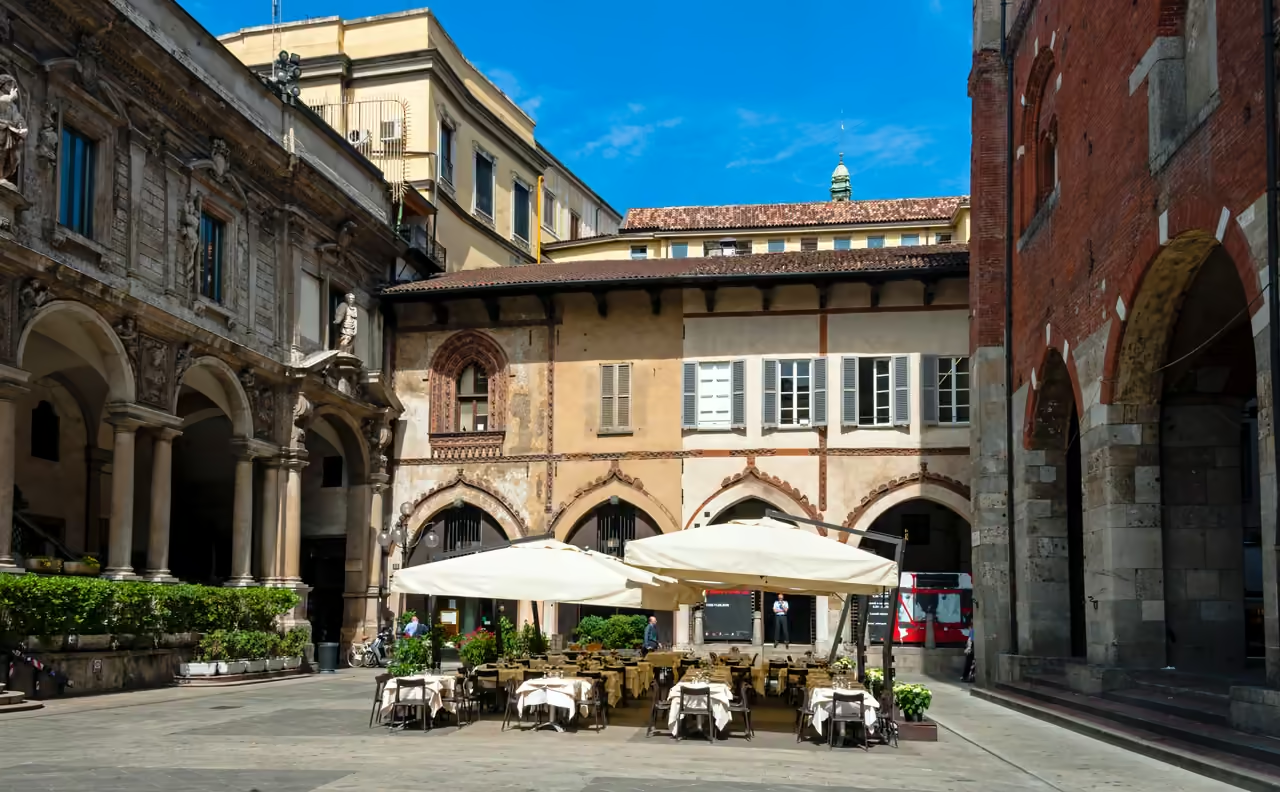
Three days that take in the cathedral district, Leonardo and the castle, and the churches and canals of the south. The pace allows for long lunches and an aperitivo each evening.
view itinerary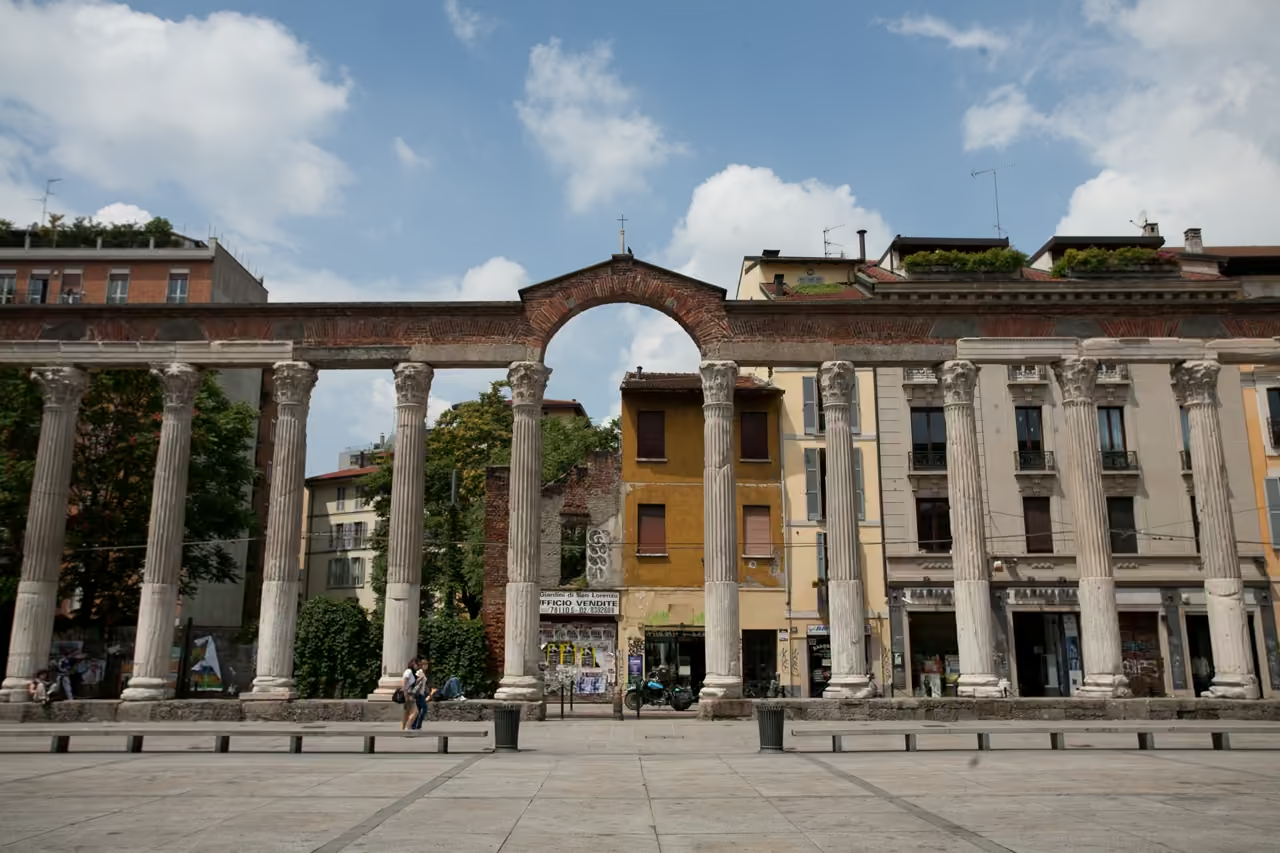
5 Days in Milan
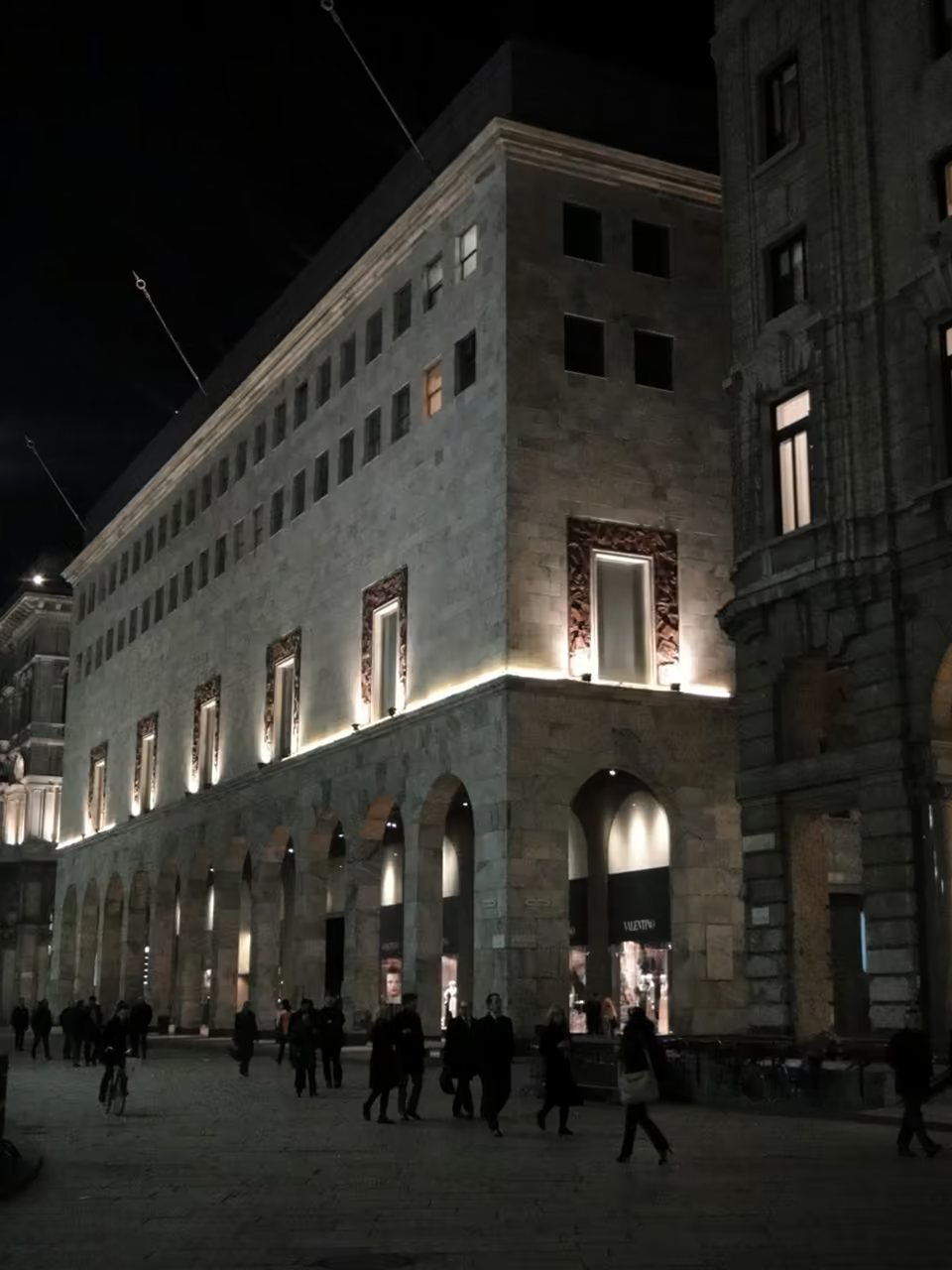
Five days that cover the classic sights, Leonardo and the Ambrosian churches, fashion and parks, the canals, and a day among the abbeys and towers outside the centre.
view itinerary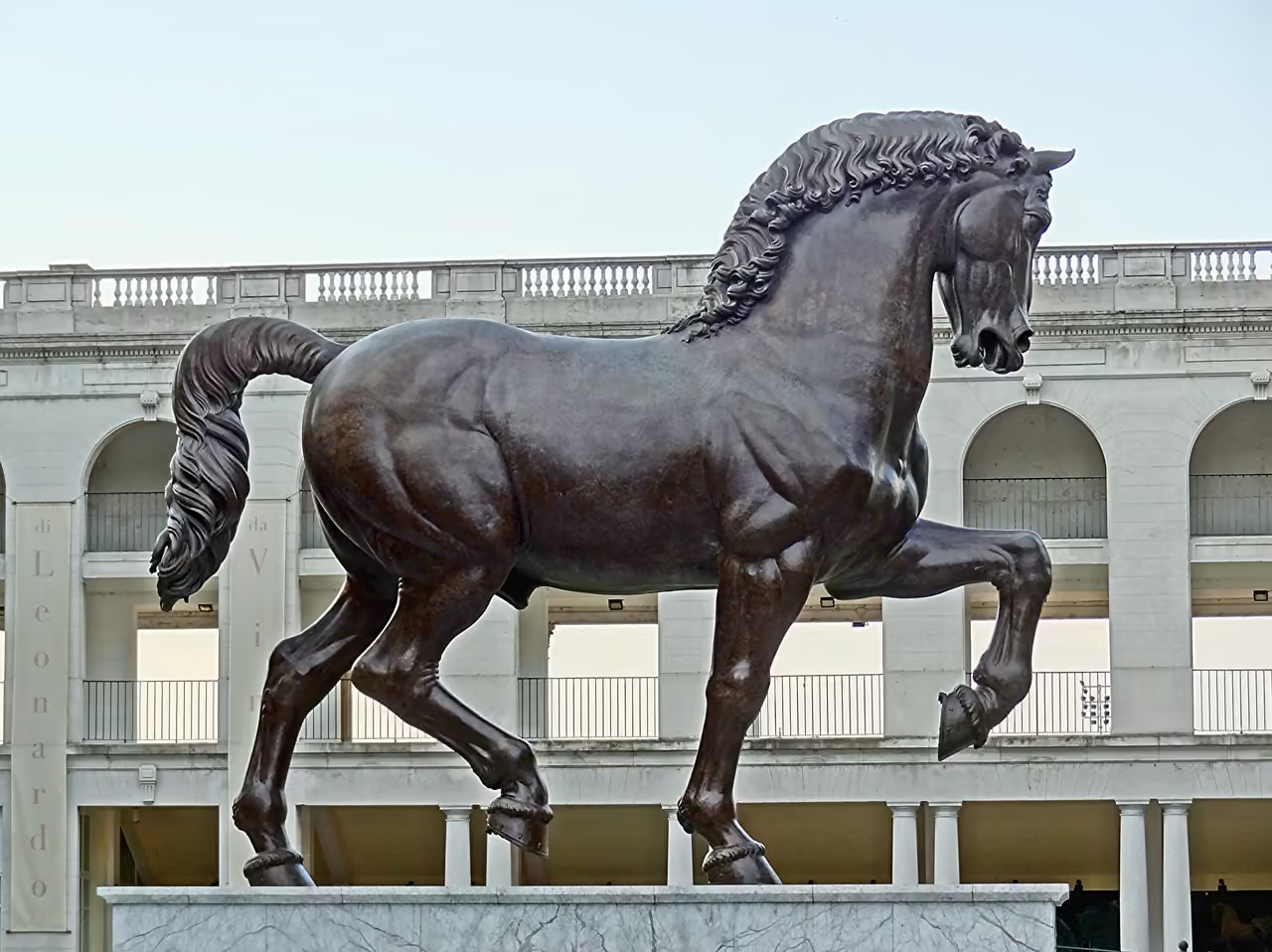
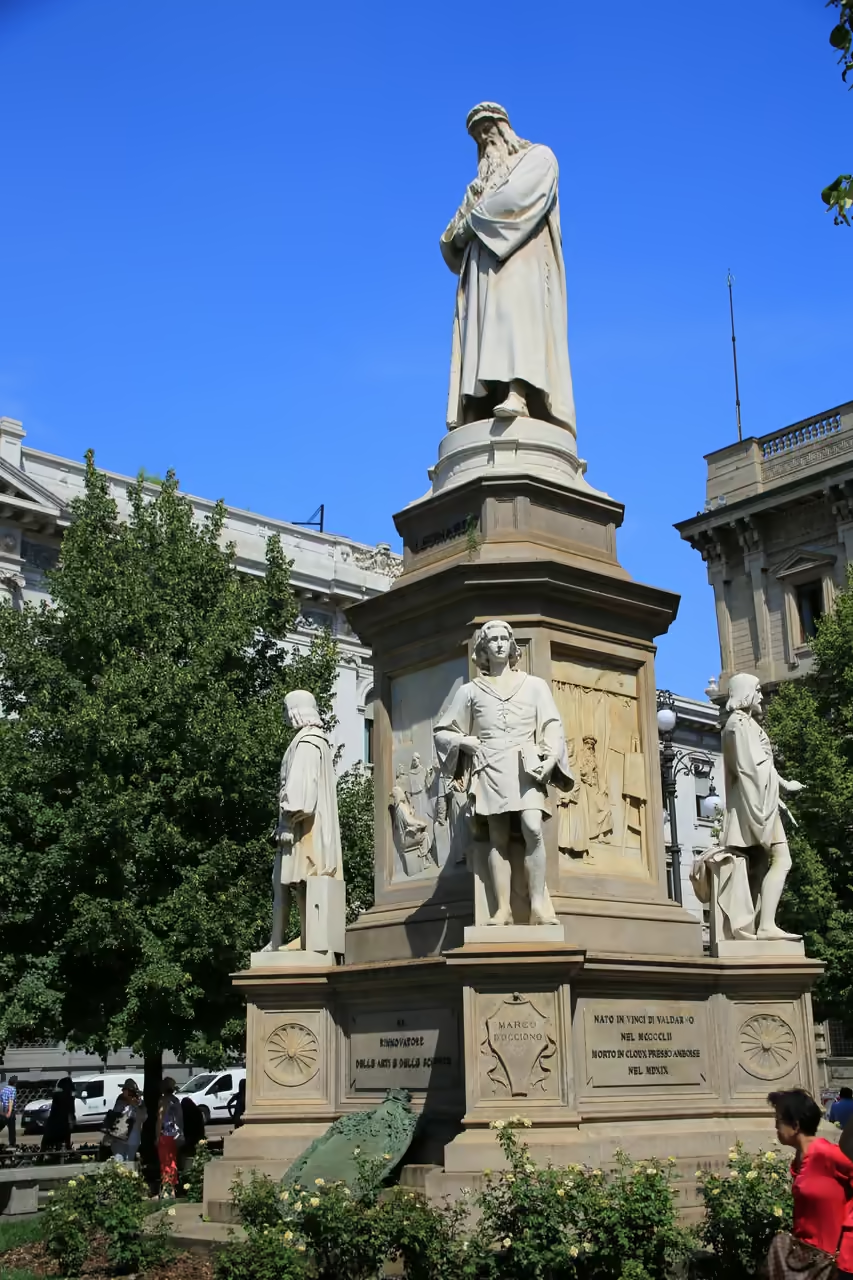
Leonardo da Vinci's Milan
A trail through the city where Leonardo spent some of his most productive years, from the refectory that holds his Last Supper to a bronze horse made from his drawings.
view self-guided tour