Idroscalo
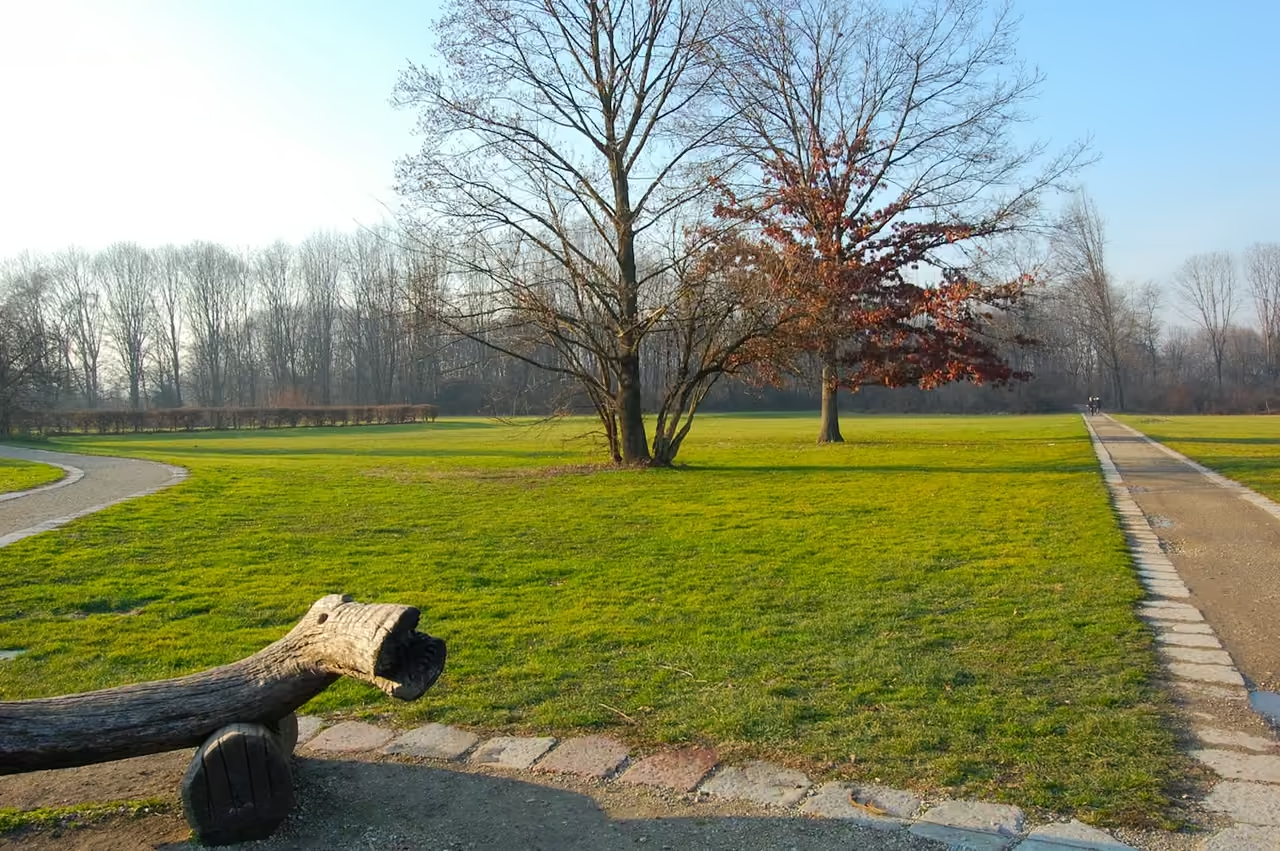
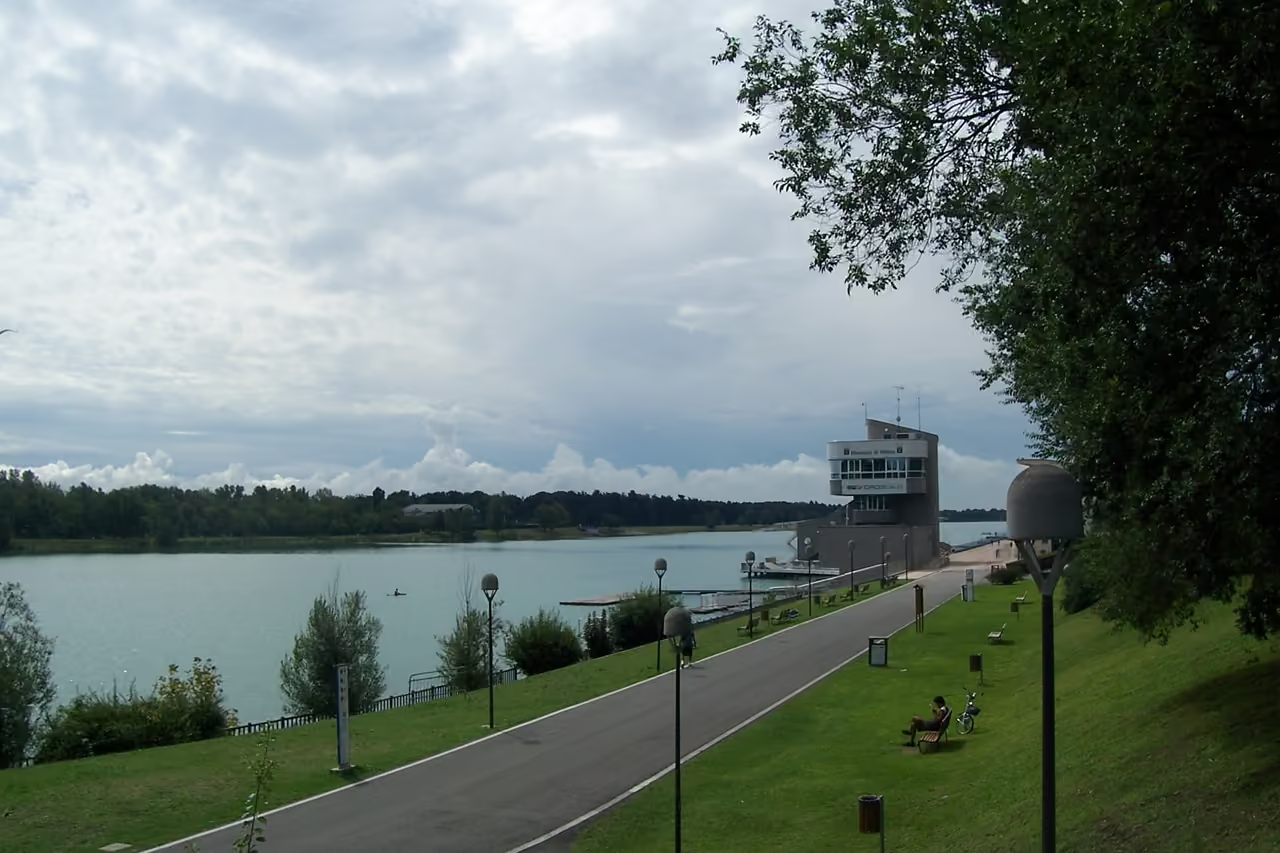
Imagine escaping the city bustle to a vast, shimmering lake that locals affectionately call "the sea of the Milanese." This is the Idroscalo, a sprawling artificial lake that began life in the 1930s as a seaplane base and has since transformed into a vibrant recreational hub. You can spend a day here indulging in an array of water sports, from kayaking and rowing to waterskiing and sailing, or simply unwinding by the shore. Its transformation from an aviation marvel to a public park with extensive green spaces, picnic areas, and playgrounds makes it a unique urban oasis. Whether you are seeking active recreation or a tranquil escape, the Idroscalo offers a refreshing perspective on Milanese leisure, often hosting concerts and festivals that fill the air with excitement.
Videos
History of Idroscalo
The idea to provide Milan with a seaplane base first emerged in 1926, at a time when seaplanes were considered the pinnacle of long-distance air travel. Unlike land-based aircraft, seaplanes didn't require long, expensive runways, making them ideal for a country like Italy with its abundant coastlines and lakes. Milan, however, lacked a suitable natural water body. The project gained significant traction in 1927 with legislative approval and strong backing from city officials. Gino Utili of Caproni, a prominent Italian aircraft manufacturer, designed the ambitious plan. The site chosen, nestled between Segrate and Peschiera Borromeo, cleverly utilized existing quarries, which significantly accelerated the initial excavation process. Construction began in 1928, and the 'Idroscalo Provincia di Milano' was inaugurated in October 1930. While the vast basin was ready and witnessed its first seaplane landings, crucial airport infrastructure like hangars, administrative offices, and passenger facilities were still incomplete. Progress slowed considerably, with the Province of Milan even having to take over the construction site in 1933 due to disputes with contractors. Yet, even as aviation infrastructure lagged, the Idroscalo's potential as a sporting venue quickly became apparent. In 1934, it hosted the 'Littoriali del Remo', a major rowing competition, and by 1938, it welcomed the European Rowing and Powerboating Championships. This event marked not only the completion of the Idroscalo's main structures, including grandstands, but also cemented its growing identity. By the close of the 1930s, as land-based aviation technology advanced, the commercial viability of seaplanes dwindled, decisively shifting the Idroscalo's purpose from aviation hub to a beloved center for aquatic sports and recreation. In the modern era, the Idroscalo, often affectionately dubbed 'the sea of the Milanese,' has fully embraced its role as a sprawling urban park. Now managed by the Metropolitan City of Milan, it offers extensive green spaces, a wide array of sporting facilities, and a year-round calendar of events, including major music festivals. It stands as a testament to Milan's ingenuity, transforming an ambitious, yet ultimately obsolete, aviation project into a cherished recreational oasis for its citizens.
14 events spanning 99 years
Fun Facts
10- 01
Although geographically outside the municipality of Milan, the Idroscalo is considered an integral and cherished part of the Milanese park system, managed by the Metropolitan City of Milan.
- 02
Although inaugurated in 1930 with its impressive basin ready for use, the Idroscalo was far from complete; essential airport infrastructure like hangars, control towers, and passenger facilities were still missing, leading to prolonged construction.
- 03
Beyond sports, the Idroscalo is a major cultural venue, frequently hosting large-scale music festivals such as Gods of Metal, Evolution Festival, Rock In Idro, Mi Ami Festival, and the Aquabike Music Festival.
- 04
By the late 1930s, the Idroscalo's original purpose as a commercial seaplane base waned with the decline of seaplane transport, fully cementing its pivot towards recreational and sporting activities.
- 05
Despite its name, the Idroscalo is an artificial lake, meticulously engineered and fed by groundwater from the Lambro river, covering an expansive 1.6 square kilometres.
- 06
In the 1920s, seaplanes were considered the superior choice for major air routes, as they didn't demand the long, paved runways that land-based aircraft needed—a significant advantage when most airports were little more than well-maintained fields.
- 07
Locals affectionately refer to the Idroscalo as 'the sea of the Milanese,' a testament to its vastness and its role as a beloved aquatic escape for city residents.
- 08
The construction of the Idroscalo basin was intentionally sited over existing quarries near Segrate and Peschiera Borromeo, a clever decision that significantly sped up the initial excavation works.
- 09
The idea for a seaplane base in Milan originated in 1926 as part of a visionary plan to expand the city's Taliedo airfield, highlighting the era's belief in seaplanes for long-distance travel.
- 10
The lake measures 2,600 metres long, between 250 and 400 metres wide, and 3 to 5 metres deep, with a perimeter of approximately 6,125 metres, making it an ideal circuit for running and cycling.
FULL PLACE DETAILS
Updated
FULL PLACE DETAILS
UpdatedOVERVIEW & STATS
- Elevation
- 93 m
WEB & AMENITIES
Idroscalo Map & Neighborhood Explorer
This interactive map is centered on Idroscalo. Zoom in and move the map around to automatically discover Wikipedia photos and summaries of other nearby sights, monuments, and historical points of interest and stories in real-time!
Idroscalo FAQ
The Idroscalo of Milan is a large artificial lake, originally conceived as a seaplane base in the 1920s. Today, it has transformed into a popular recreational park offering a wide array of sports, leisure activities, and cultural events for both locals and visitors.
Locals call it 'the sea of the Milanese' because its substantial size and diverse range of water-based activities provide a refreshing escape from the city, akin to a seaside resort. It serves as a beloved naturalistic and recreational hub for Milan's residents.
You can enjoy numerous activities, including various water sports like rowing, canoeing, kayaking, sailing, and water skiing. On land, there are facilities for running, cycling along its extensive perimeter, picnicking, and simply relaxing in its green spaces. It also hosts major concerts and festivals.
The artificial basin is approximately 2,600 metres long, between 250 and 400 metres wide, and has a depth ranging from 3 to 5 metres. The total perimeter that can be explored is about 6,125 metres.
The Idroscalo is easily accessible by public transport, with ATM bus lines (923, 973, and 183 in summer) stopping nearby. The Linate Aeroporto M4 metro station is just a 15-minute walk away. For cyclists, it connects to Milan's cycling network via the Cambio project's Line 6, and parking is available for those arriving by car.
The closest place to visit near Idroscalo is Città Studi and Piazzale Susa, around 5.2 km away. Other things to do near Idroscalo include Shopping in Corso Buenos Aires (6.5 km), Chiaravalle Abbey (6.6 km) and Casa Galimberti (6.7 km). All of these are within roughly 6.7 km of Idroscalo.
While we strive to keep this information accurate and up to date, we recommend verifying any details independently before making decisions based on them.
Places near Idroscalo
Make the most of your trip. Check out these top-rated spots located nearby.
 5167m
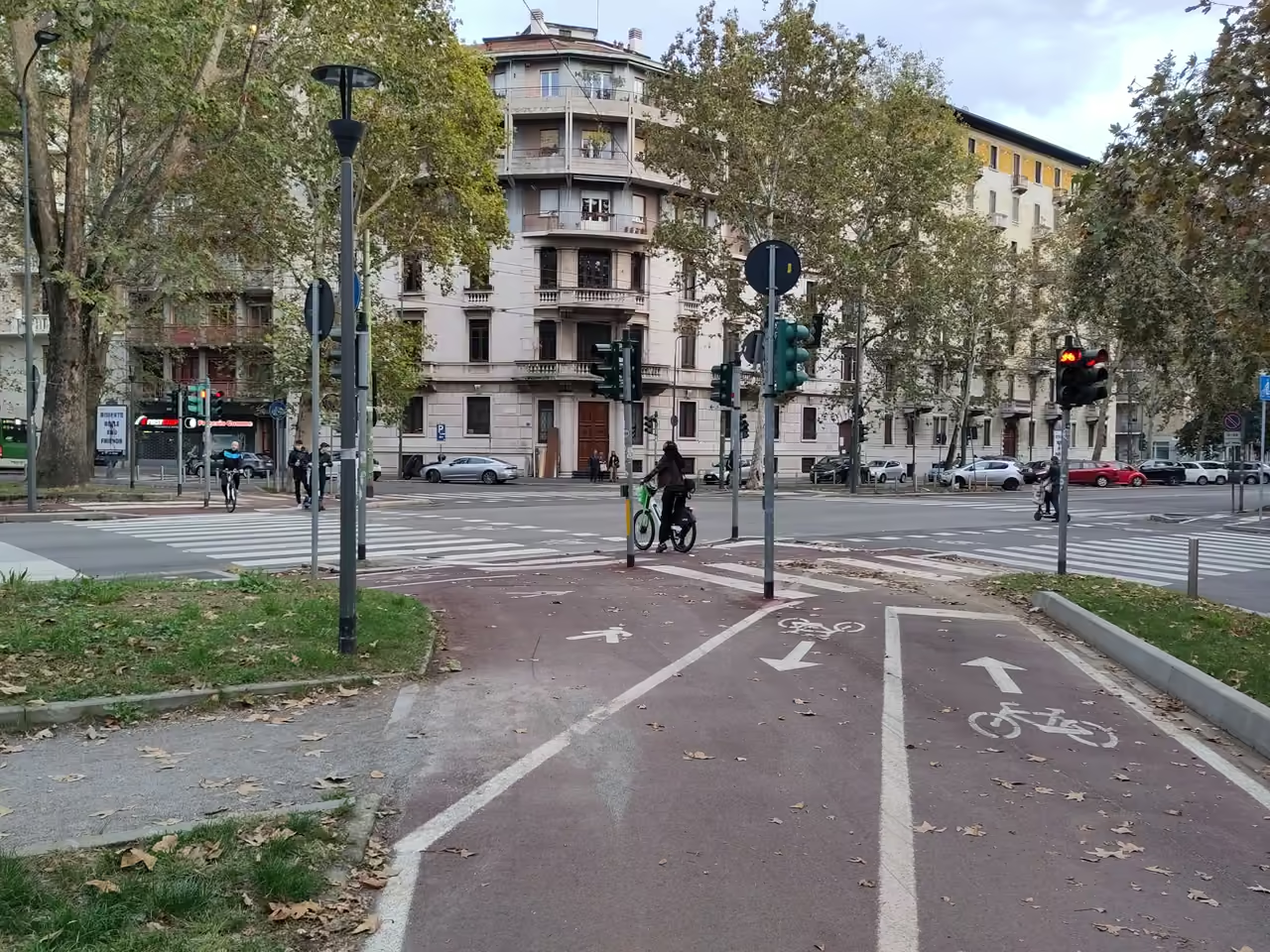
Città Studi and Piazzale Susa
The university district around Piazzale Susa fills with students in the evenings, with cheap bars, pizzerias and pubs.
nightlife view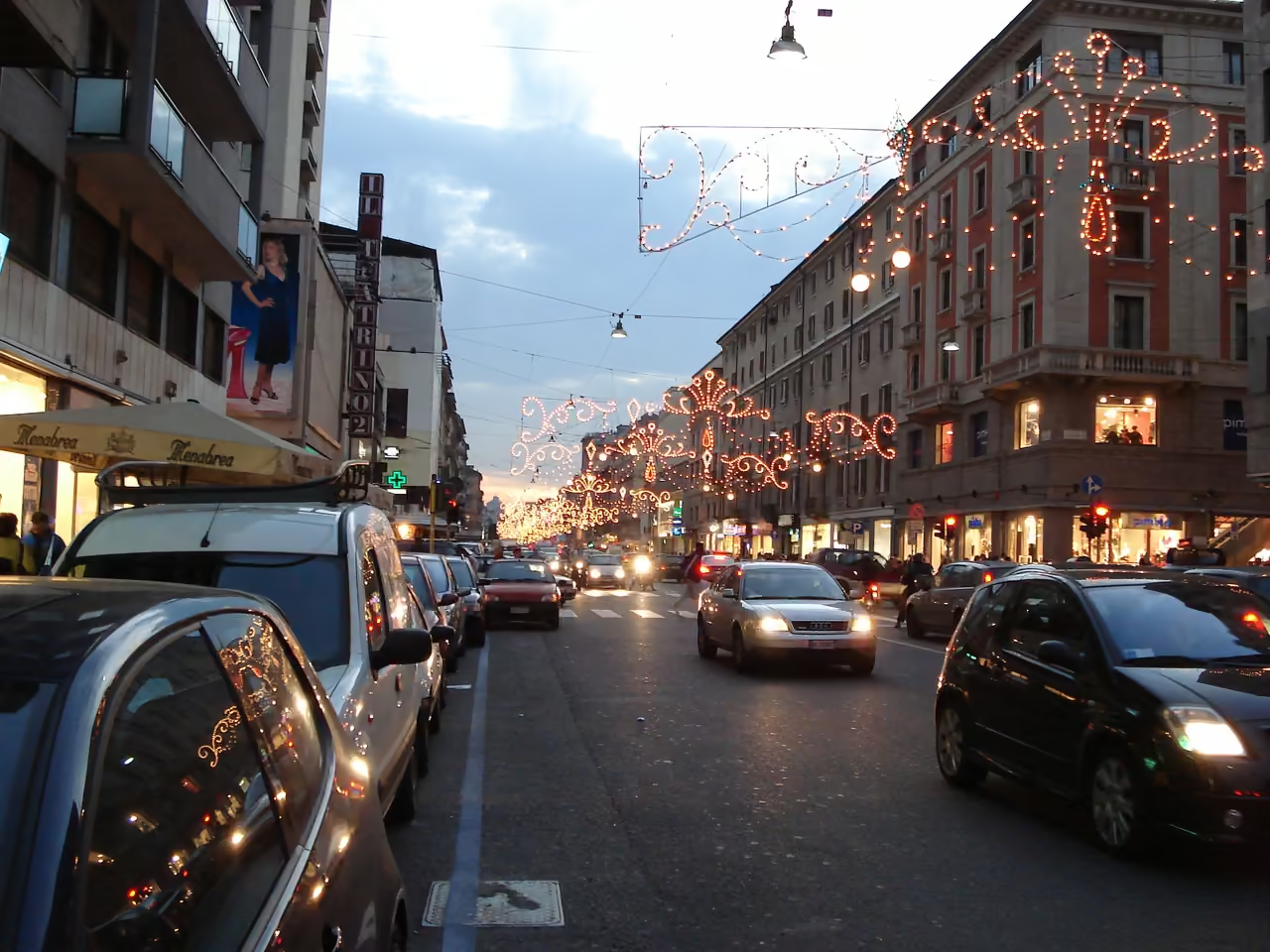 6511m
Shopping in Corso Buenos Aires
More than 350 shops line this long, straight avenue between Porta Venezia and Piazzale Loreto, making it one of the busiest shopping streets in Europe. Prices are far gentler than in the Quadrilatero, and the chain stores sit beside small independents. The pavements are wide enough for the crowds.
highlight view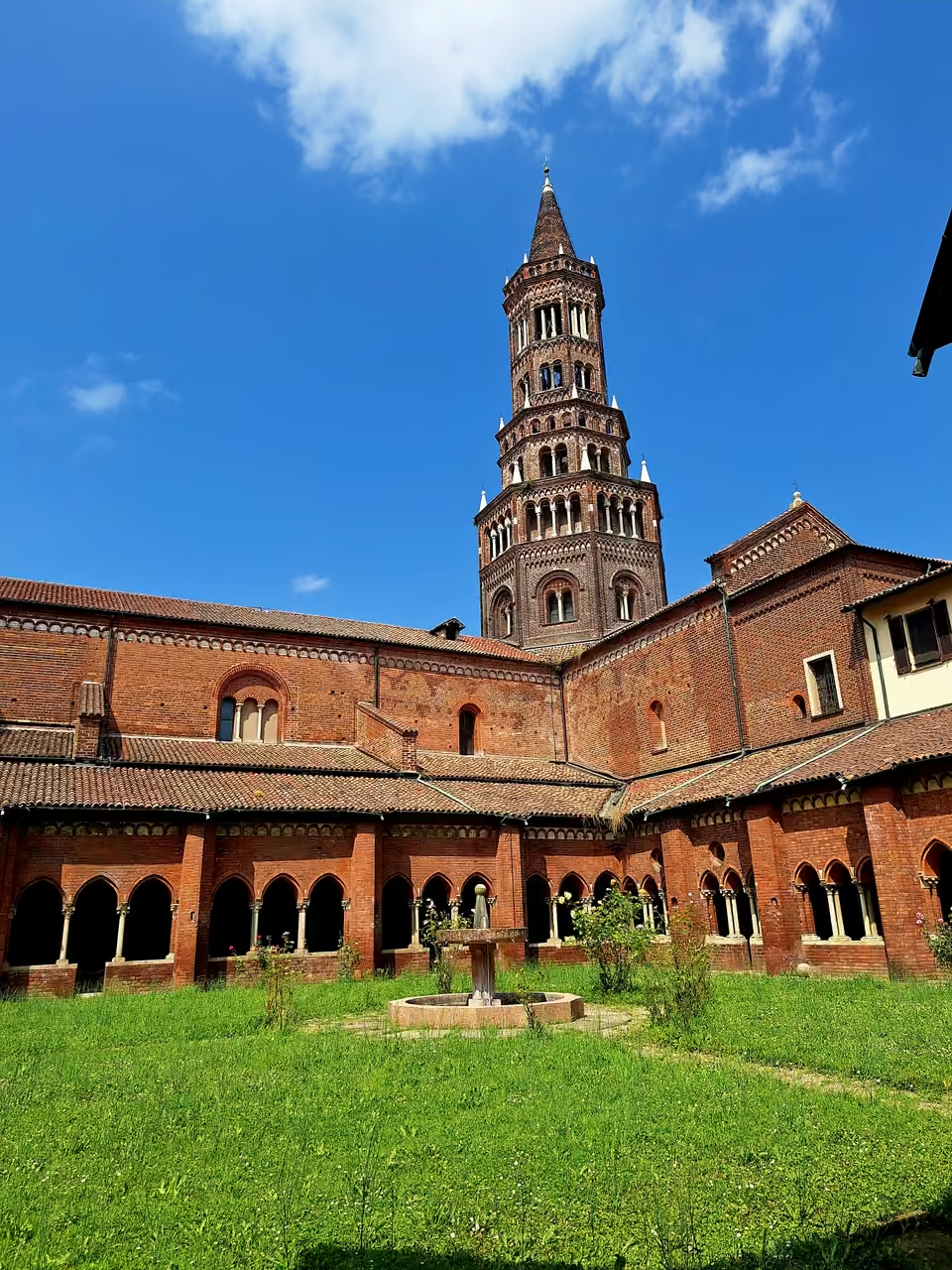 6570m
Chiaravalle Abbey
A working Cistercian monastery sits isolated in the agricultural parklands just south of the city limits. The striking, multi-tiered brick tower, known locally as the 'Ciribiciaccola', defines the skyline against the flat fields. Monks wander through the quiet gothic cloisters and tend to the surrounding farmland, maintaining an ancient rhythm of prayer and labour. The interior nave features heavy brick columns and fading 14th-century frescoes.
hidden gem view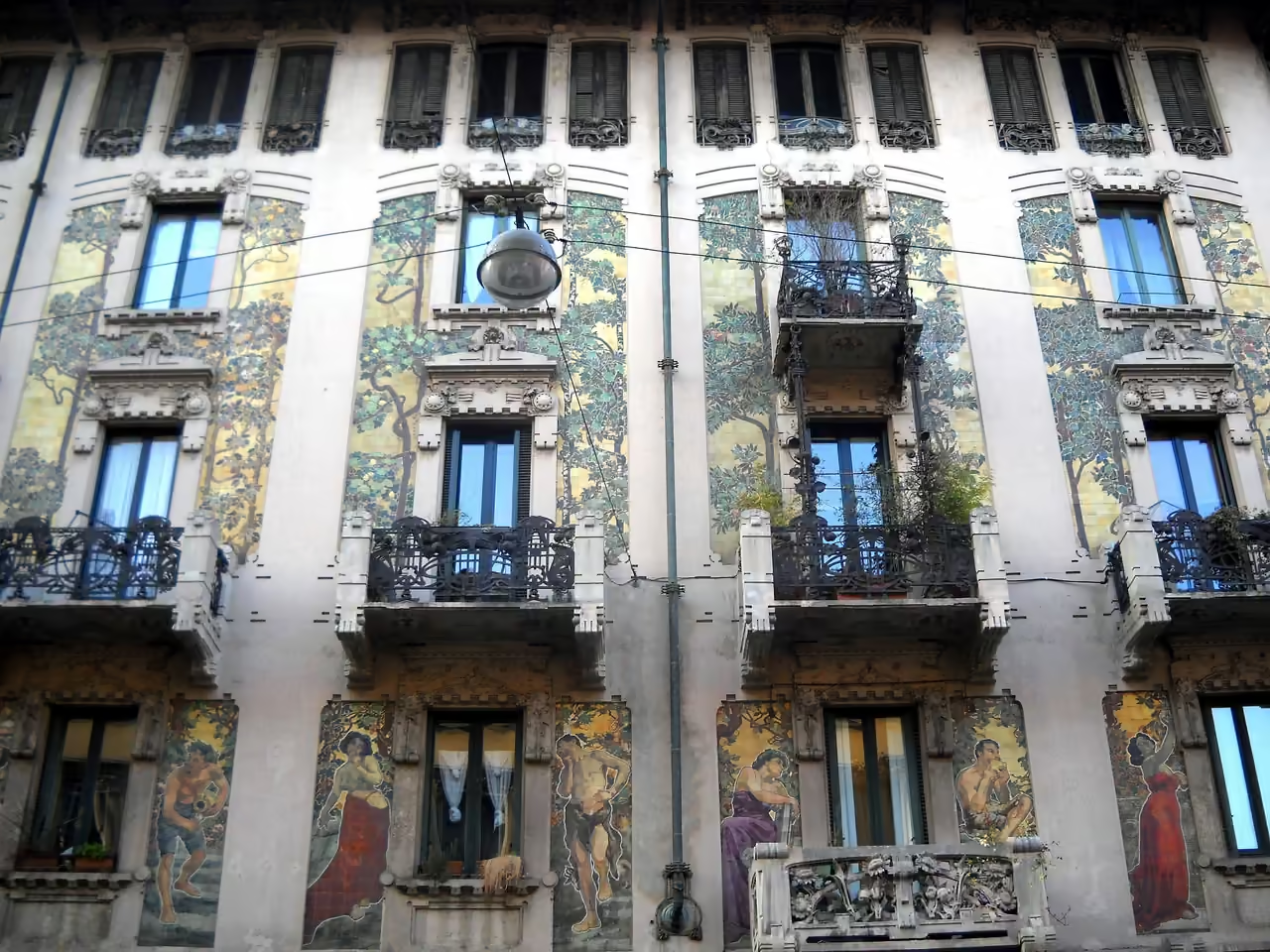 6659m
Casa Galimberti
A house on Via Malpighi covered in painted ceramic panels and ironwork balconies, one of the best examples of Milanese Liberty. The panels show floral and figurative designs that look best in the afternoon light. The street itself is quiet, so there is room to step back and shoot the whole facade.
photo spot view
See all parks & nature in Milan
Including Sempione Park, South Milan Agricultural Park, Indro Montanelli Public Gardens, and more