Indro Montanelli Public Gardens
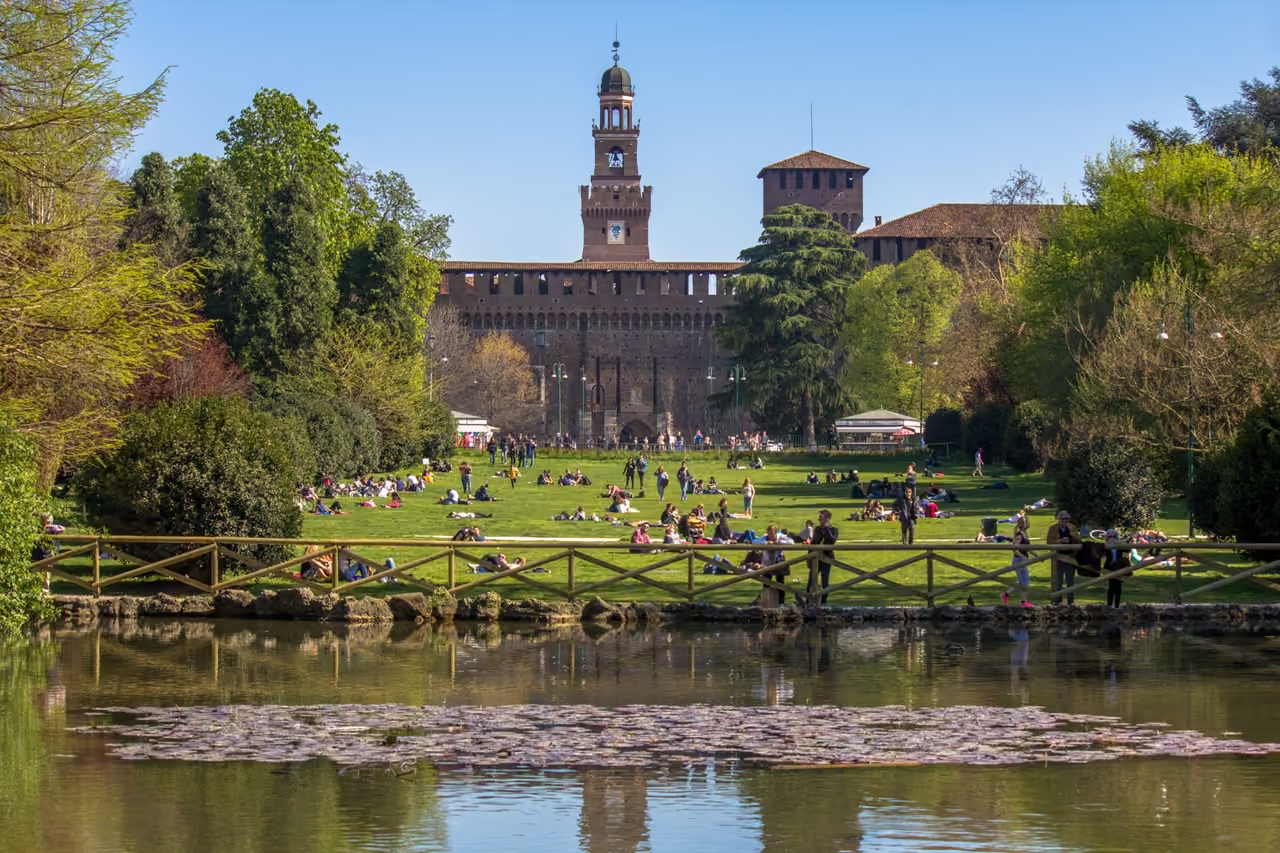
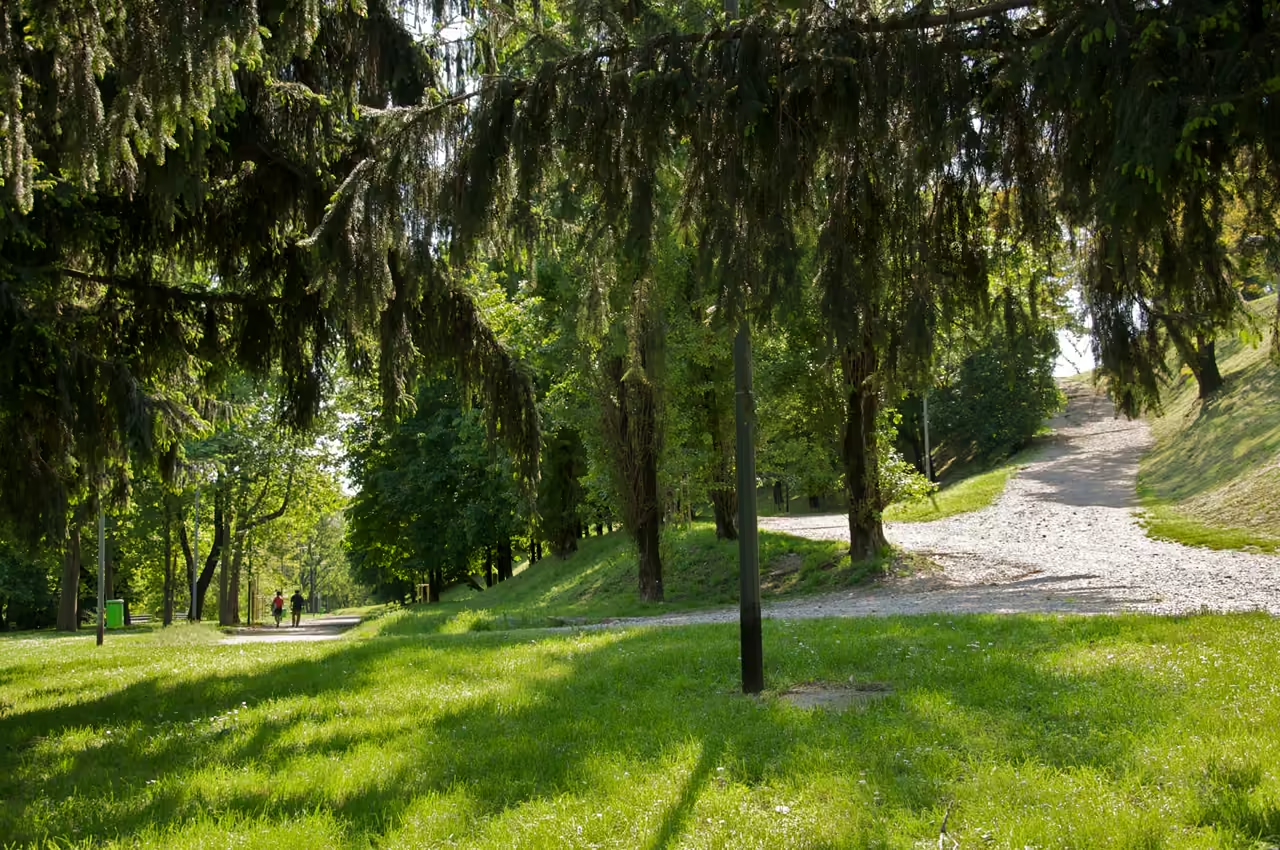
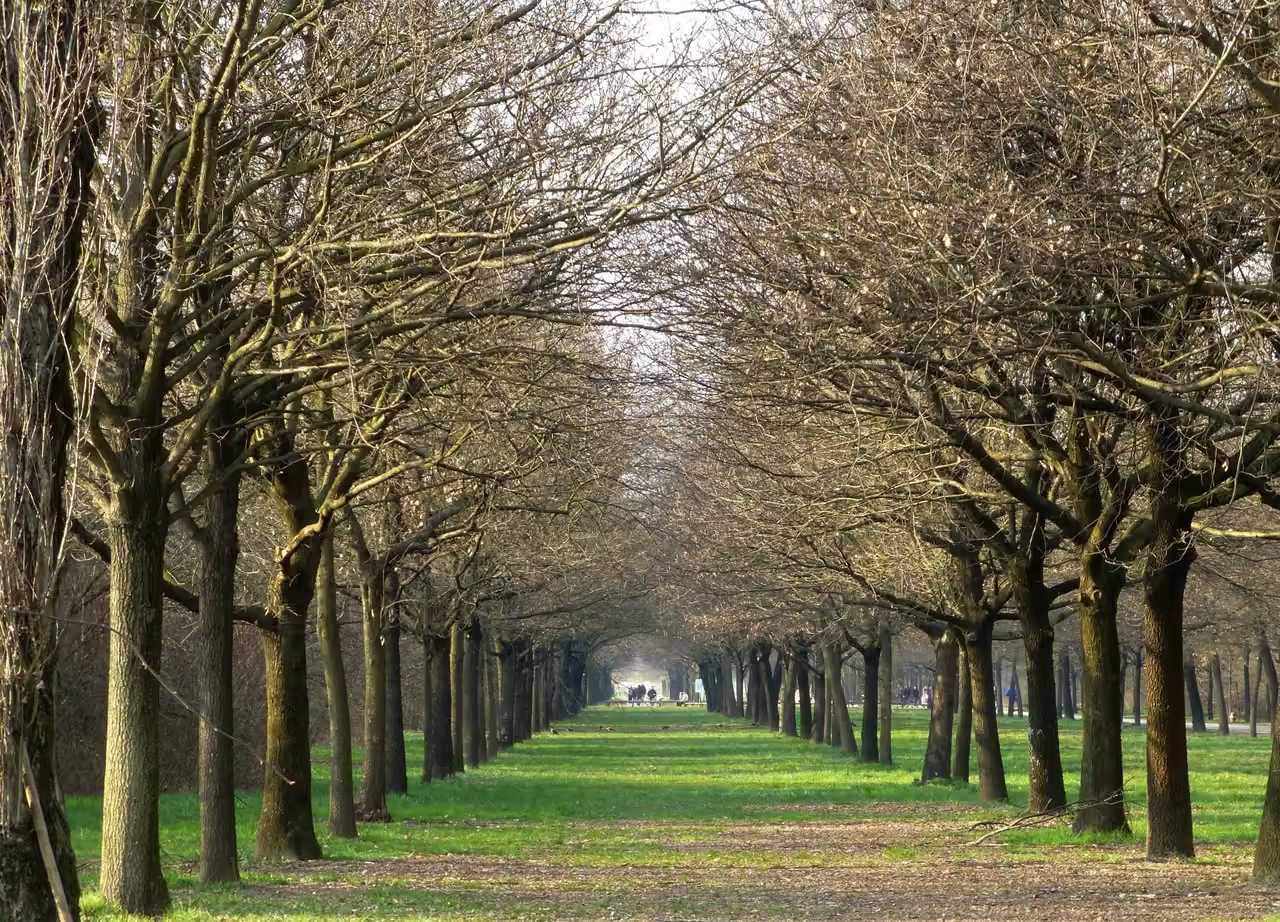
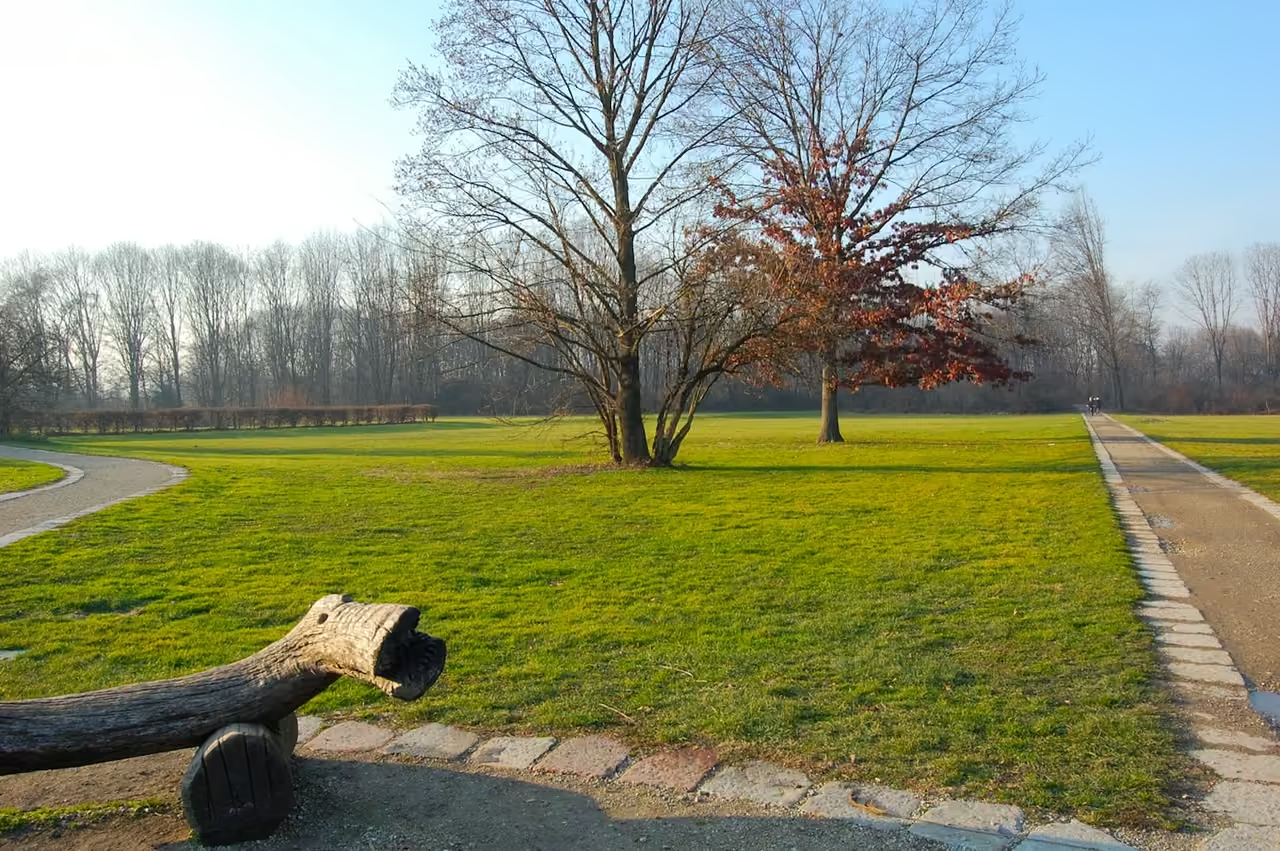
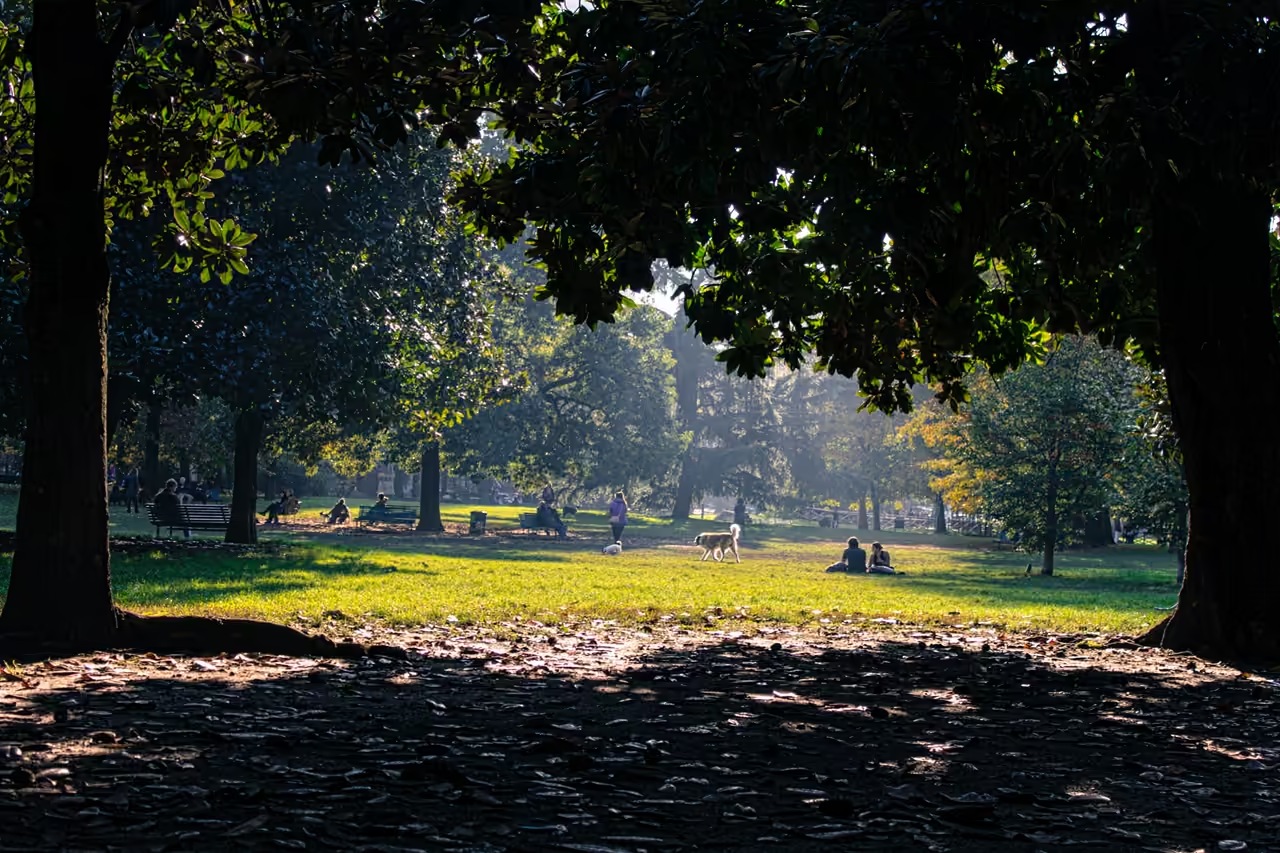
Walk through the Porta Venezia gates and the city traffic fades behind a wall of towering Himalayan cedars. This sprawling green sanctuary gives Milanese locals a place to walk their dogs, read on shaded benches, or explore winding paths around artificial lakes. You will find wide, geometric avenues intersecting with rolling English garden landscapes. Look out for the bronze statue of a man typing on a portable typewriter, a quiet tribute to the journalist who made this very spot his daily refuge. The grand terracotta facade of the Civic Museum of Natural History peeks through the foliage near the eastern edge. Catch an open-air film screening here on a warm July evening, or simply grab an espresso and watch children trace the edge of the old sea lion pool.
Videos
History of Indro Montanelli Public Gardens
In the late eighteenth century, the northern edge of Milan was a sunken patchwork of rented vegetable plots and winding waterways owned by the Dugnani family. Two local monasteries stood nearby until the Habsburg government suppressed them, clearing the way for a radical idea. Archduke Ferdinand of Austria-Este ordered the creation of a park designed specifically for the collective leisure of the public. Architect Giuseppe Piermarini took charge of the project in 1780, drafting rigid, geometric French gardens that required immense physical labour to realise. To get the job done, city officials brought in convicts serving life sentences to move the earth and lay the sweeping avenues. The space evolved dramatically in the following century. Giuseppe Balzaretti took over the western expansion, ditching the strict lines of the French style for an English landscape approach full of artificial hills and meandering streams. By the late 1800s, the gardens housed a growing menagerie of exotic animals. What started as a few deer and a solitary giraffe eventually grew into the Milan Zoo, drawing crowds to look at big cats and sea lions. The roars of caged animals echoed across the lawns until sustained pressure from environmental groups forced the zoo to close its gates for good in 1992. Today, the old feline pavilion serves as an educational space, and a few of the zoo's former residents watch over visitors as taxidermy exhibits inside the nearby natural history museum. More recently, the park became intertwined with the life of a single prominent figure. The journalist Indro Montanelli walked through these gates every morning on his way to work, often stopping at a specific bench near the Piazza Cavour entrance. On a spring morning in 1977, members of the Red Brigades terrorist group ambushed Montanelli right on his daily route, shooting him in the legs. He survived the attack and continued his work, leading the city to dedicate the entire park to his memory in 2002. A bronze statue now marks his favourite spot, capturing him forever hunched over a typewriter beneath the shade of a centenary plane tree.
events spanning 239 years
Fun Facts
7- 01
A beautifully ornate pavilion designed in 1863 originally served as an upscale coffee house for strolling aristocrats, but the city later repurposed the eclectic building into a functioning kindergarten.
- 02
An Indian elephant named Bombey once lived in the park's enclosures; after the zoo closed, she was preserved through taxidermy and now watches over the halls of the Civic Museum of Natural History located just steps away.
- 03
Before the artificial lakes and rolling lawns were installed, the land was a depressed basin of rented vegetable plots fed by a network of small streams like the Acqualunga.
- 04
In the middle of the lake, there used to be an island holding a statue of the poet Carlo Porta, but a direct hit during an aerial bombardment in 1943 obliterated the monument completely.
- 05
The first ever Milan Trade Fair took place right on the park's bastions in 1920, proving so popular that organisers had to move it to a massive dedicated parade ground a few years later.
- 06
The park operated a fully functioning zoo for over a century, and while the live animal exhibits are gone, the original pavilion built to house large predatory cats still stands today as an educational space.
- 07
To build the park's foundational avenues in the 1780s, the city relied entirely on the physical labour of inmates serving life sentences, bringing them out of their cells to physically reshape the terrain.
FULL PLACE DETAILS
Updated
FULL PLACE DETAILS
UpdatedOVERVIEW & STATS
- Established
- In 1784, making it 242 years old
ARCHITECTURE & HERITAGE
- Heritage Status
- Italian National Heritage
Indro Montanelli Public Gardens Map & Neighborhood Explorer
This interactive map is centered on Indro Montanelli Public Gardens. Zoom in and move the map around to automatically discover Wikipedia photos and summaries of other nearby sights, monuments, and historical points of interest and stories in real-time!
Indro Montanelli Public Gardens FAQ
The live zoo closed in 1992, so you will not see elephants or tigers roaming the grounds anymore. However, you can spot turtles swimming in the artificial ponds, and the old feline cages are still visible near the museum.
The monument depicts Indro Montanelli, a famous Italian journalist who visited the park daily. The statue sits near the Piazza Cavour entrance, close to the exact spot where he survived an assassination attempt by the Red Brigades in 1977.
Yes, the park is very dog-friendly and features two large, fenced-in areas specifically dedicated to dogs, covering over 10,000 square metres where they can run off the leash.
The park is home to several major institutions, including the Civic Museum of Natural History, the Ulrico Hoepli Planetarium, and the 17th-century Palazzo Dugnani.
May is particularly colourful due to the annual Orticola flower and plant show, while the summer months feature the Arianteo open-air cinema festival right inside the park grounds.
The closest place to visit near Indro Montanelli Public Gardens is Porta Venezia Nights, around 408 m away. Other things to do near Indro Montanelli Public Gardens include Palazzo Castiglioni (416 m), Casa Galimberti (566 m) and Window Shopping the Quadrilatero (621 m). All of these are within roughly 621 m of Indro Montanelli Public Gardens, close enough to walk.
Indro Montanelli Public Gardens holds the following heritage designation: Italian National Heritage.
It dates back to 1784, making it 242 years old.
While we strive to keep this information accurate and up to date, we recommend verifying any details independently before making decisions based on them.
Places near Indro Montanelli Public Gardens
Make the most of your trip. Check out these top-rated spots located nearby.
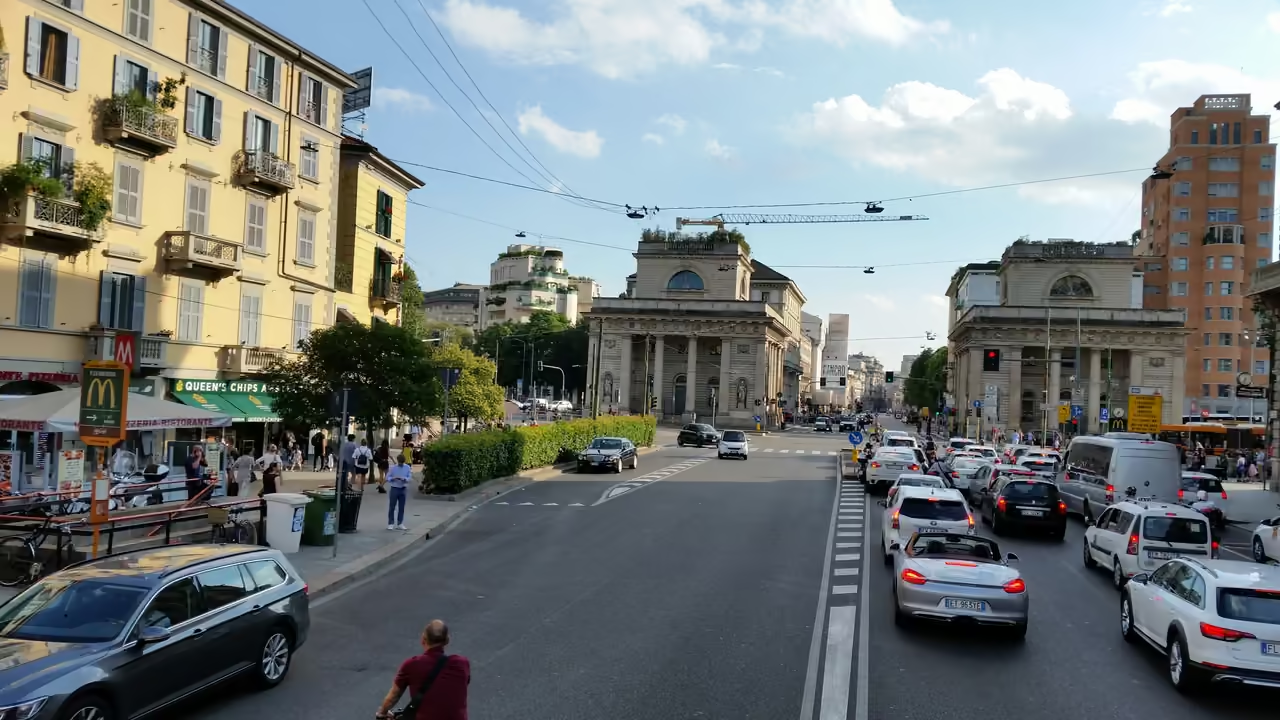 408m
Porta Venezia Nights
Milan's lively queer district clusters around Via Lecco, Via Panfilo Castaldi and Corso Buenos Aires, with bars, restaurants and clubs that welcome everyone.
nightlife view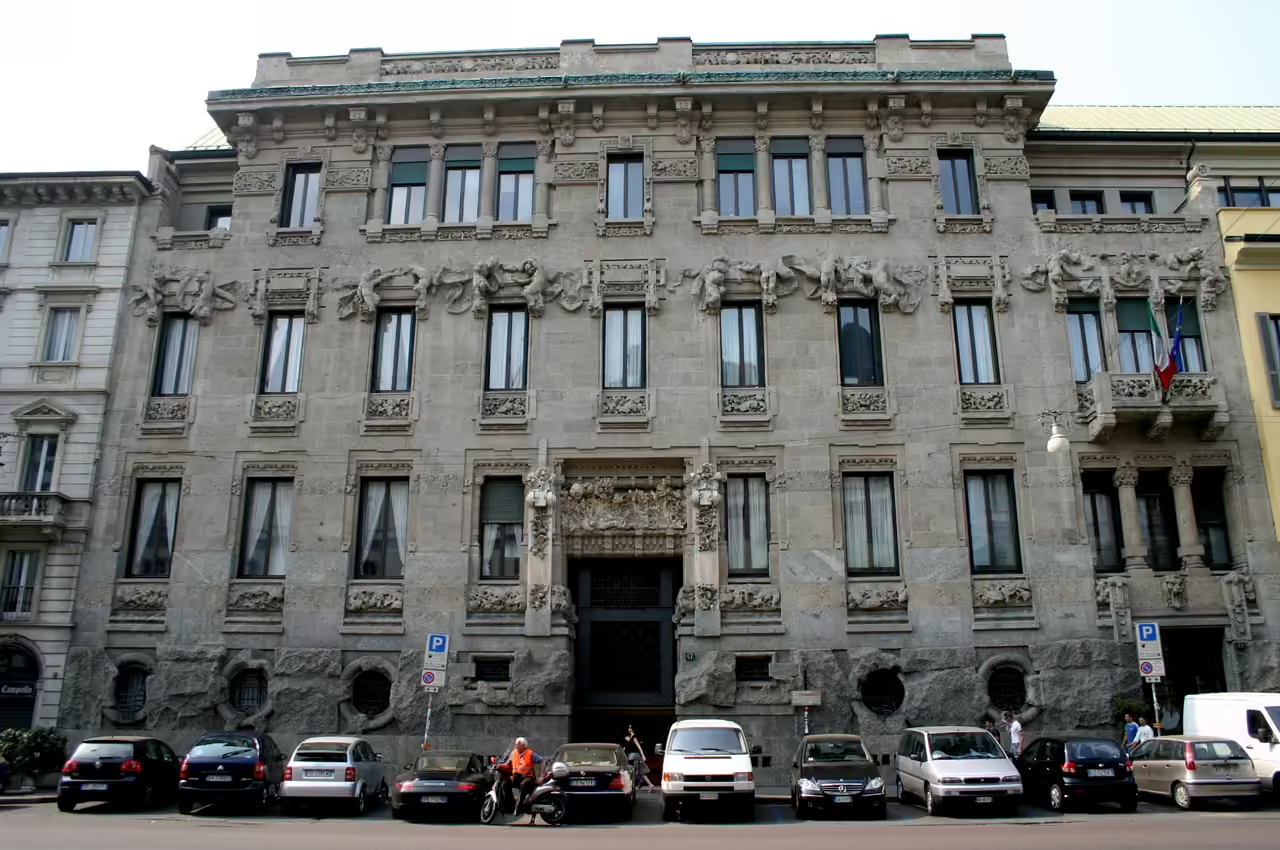 416m
Palazzo Castiglioni
A Corso Venezia house of the early twentieth century that became a landmark of Milanese Liberty style. Its sculpted decoration and elaborate balconies drew controversy at the time and still stop passers-by. It is the most flamboyant facade on a street of restrained palaces.
architecture view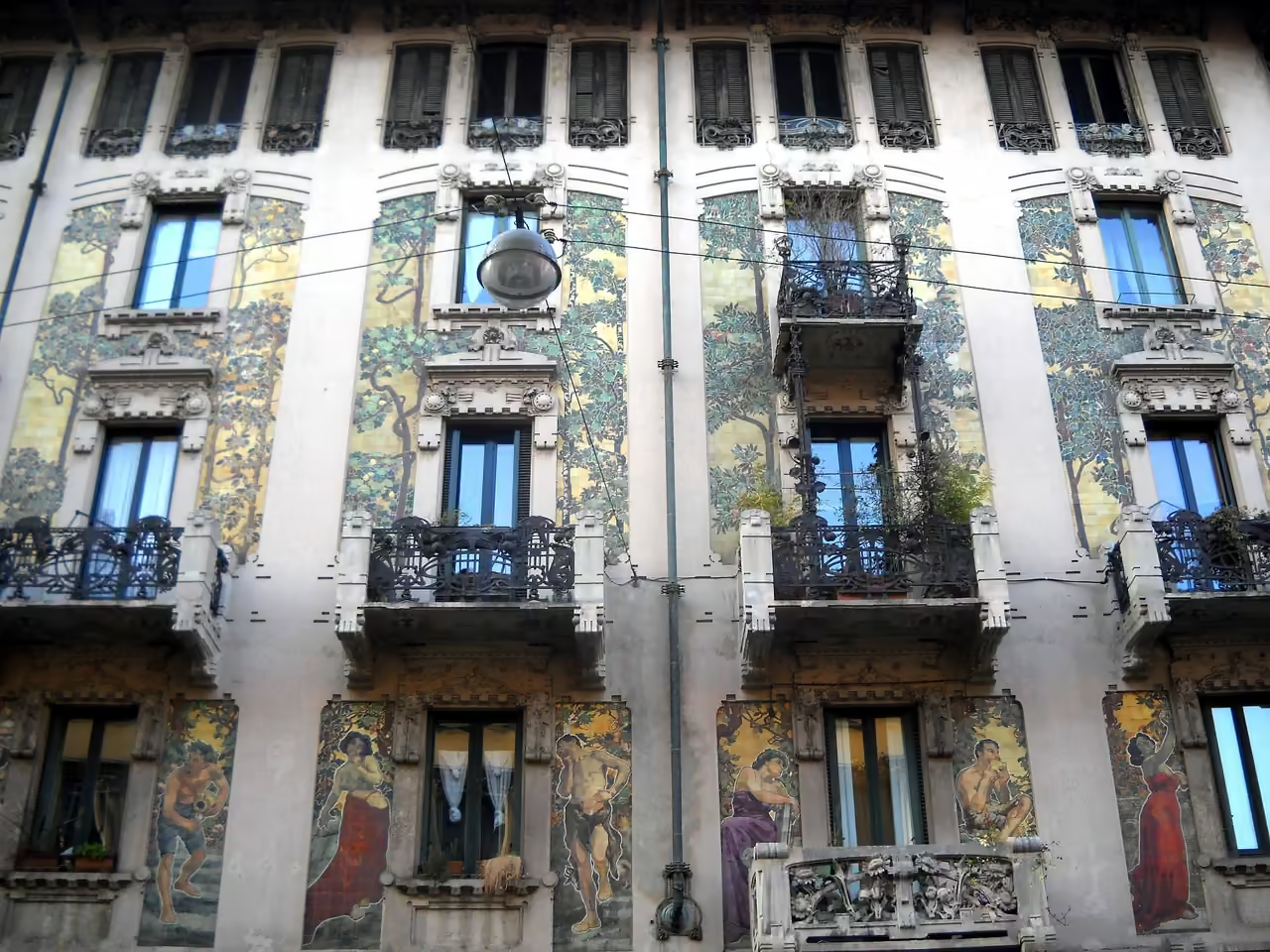 566m
Casa Galimberti
A house on Via Malpighi covered in painted ceramic panels and ironwork balconies, one of the best examples of Milanese Liberty. The panels show floral and figurative designs that look best in the afternoon light. The street itself is quiet, so there is room to step back and shoot the whole facade.
photo spot view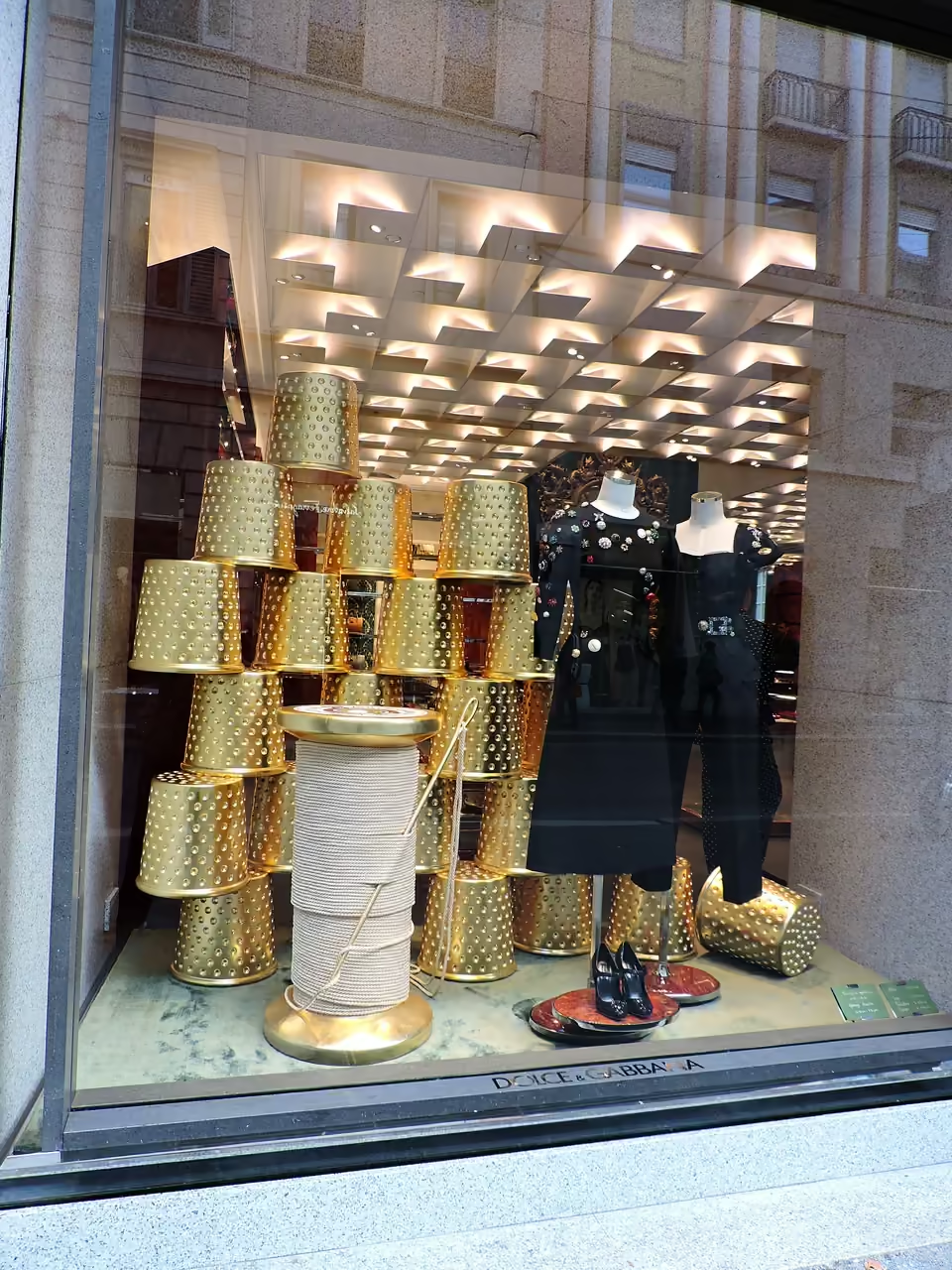 621m
Window Shopping the Quadrilatero
The four streets enclosing the fashion district display some of the most expensive and tightly curated clothing in the world. Security guards in dark suits stand outside heavy glass doors, monitoring the flow of high-net-worth clients. The window displays function as highly conceptual art installations, frequently changing to reflect the season. Observing the hyper-groomed crowds strutting down the narrow pavements provides hours of free entertainment.
free thing to do view
Featured on These Itineraries and Routes
5 Days in Milan
Five days that cover the classic sights, Leonardo and the Ambrosian churches, fashion and parks, the canals, and a day among the abbeys and towers outside the centre.
view itinerary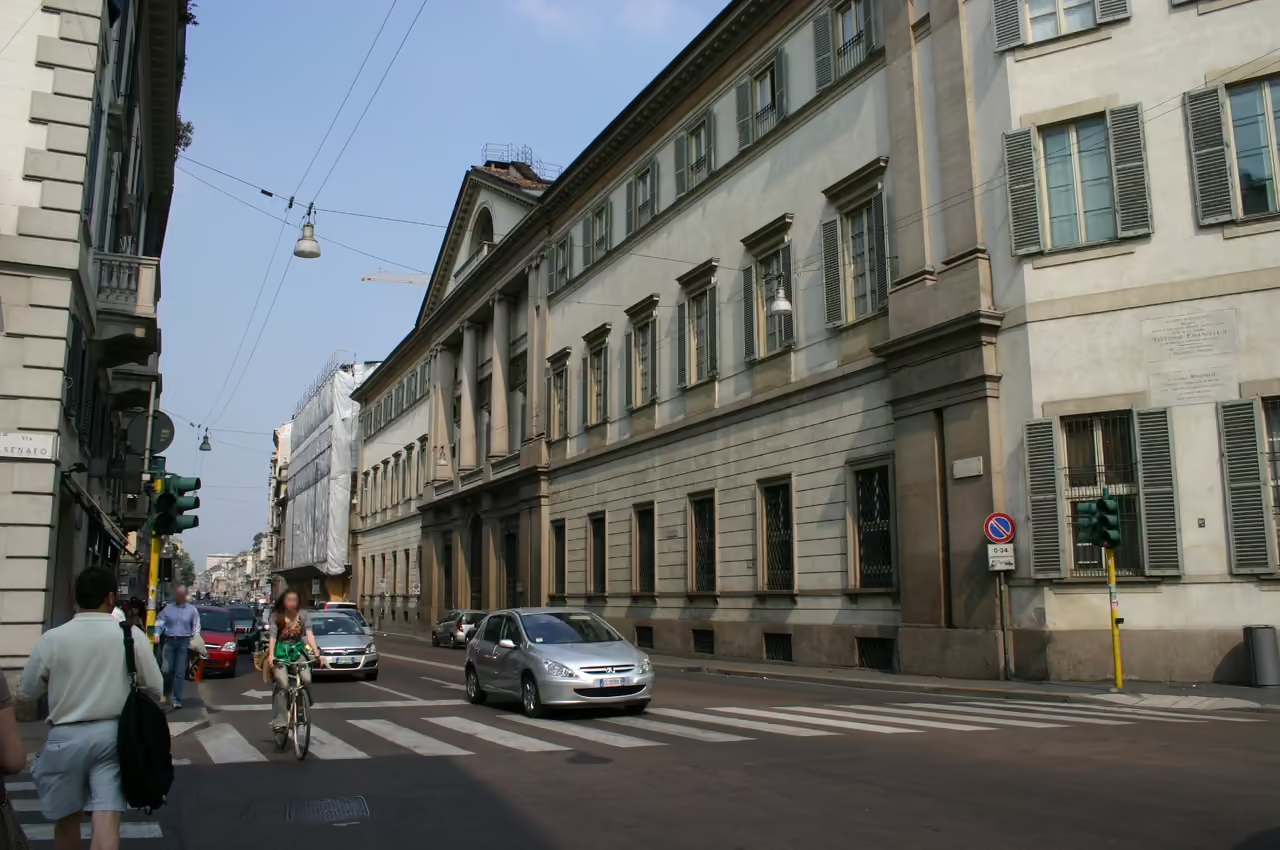
Giardini Pubblici and Corso Venezia Palaces
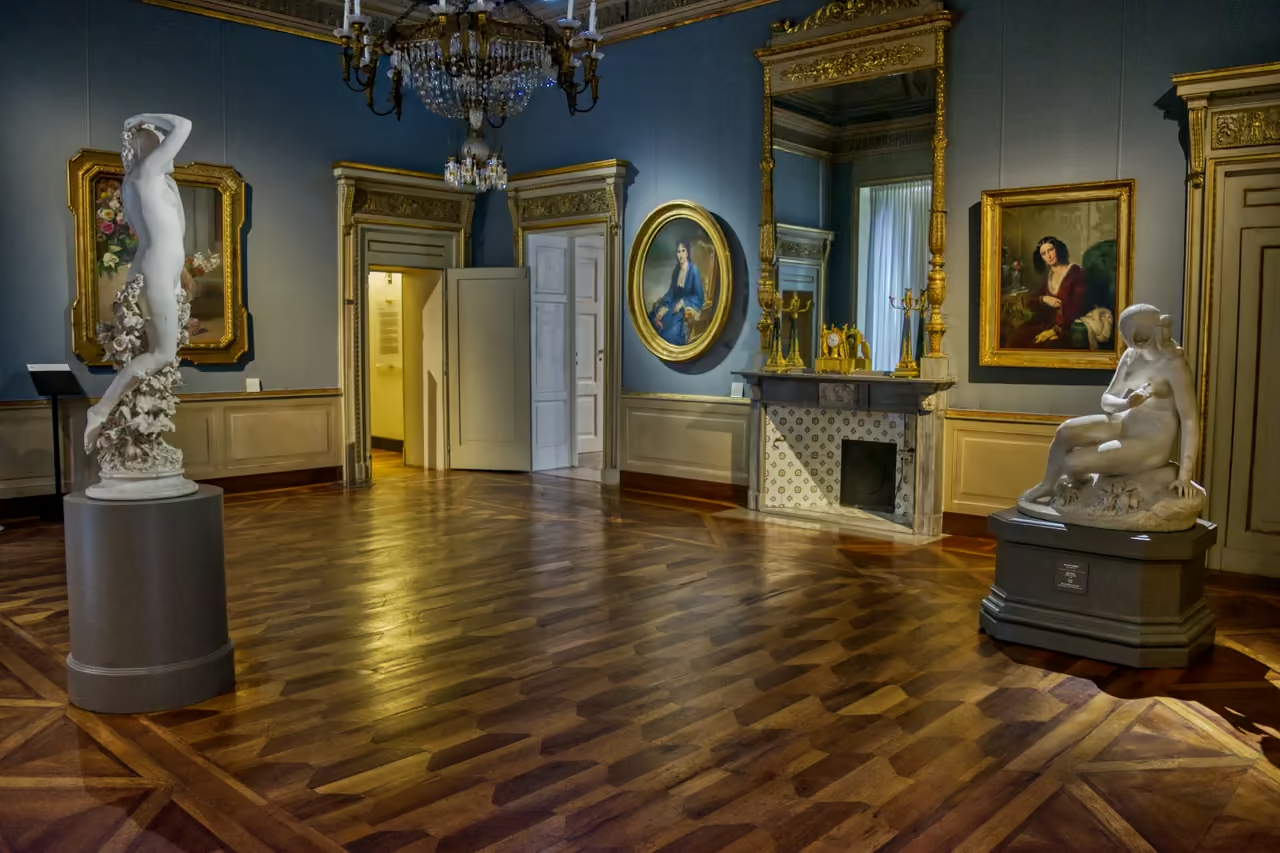
An elegant walk through Milan's oldest public gardens and along a street lined with neoclassical palaces, with museums and a planetarium to dip into on the way.
view walking route
See all parks & nature in Milan
Including Sempione Park, South Milan Agricultural Park, Idroscalo, and more