Florence
Full City Guide, Map & 124 Things To Do
360,930 people live here.
That's 0.59% of the entire population of Italy.
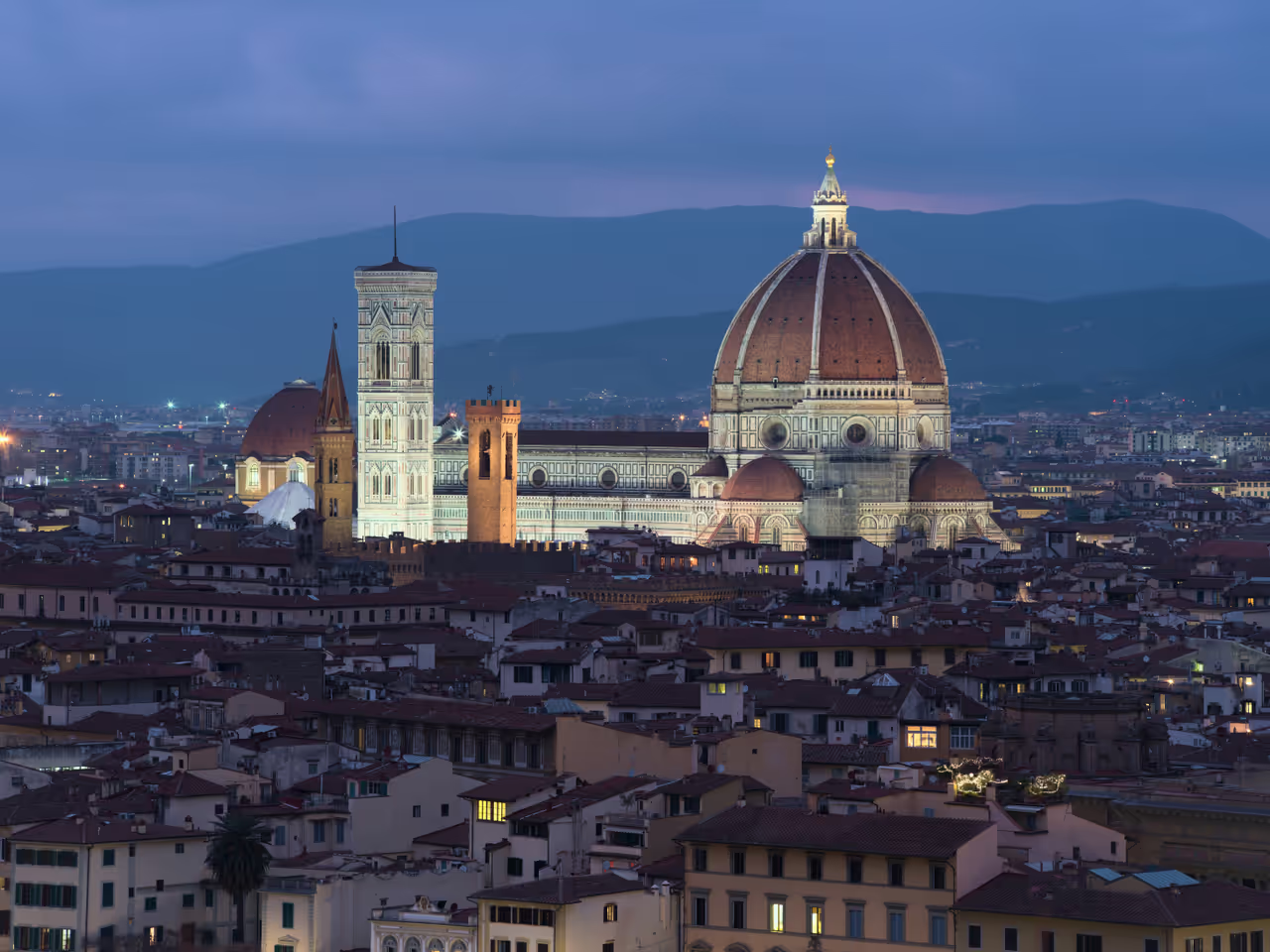
Florence stands as a brilliant jewel in the heart of Tuscany and is universally celebrated as the birthplace of the Renaissance. The city feels like an open air museum where every cobblestone street and grand piazza whispers tales of artistic genius and immense wealth. Visitors can wander through alleys once walked by Michelangelo and Dante, gazing up at magnificent architecture that revolutionised European design. It is a place where exceptional culinary traditions meet world class art collections. Spending time here allows you to completely immerse yourself in an atmosphere of elegant history and timeless beauty.
Florence DNA
History of Florence
Long before the grand domes and marble facades defined the skyline, Florence was just a wooden bridge. Etruscans from the hill town of Visul ventured down to the river Arno to build a small satellite settlement around 150 BC. Decades later, Roman veterans claimed the flat, fertile land, laying out a military grid of streets and naming their camp Florentia. Pedestrians can still trace the exact lines of their ancient cardo and decumanus when crossing the intersection of Via Roma and Via degli Speziali today. The town remained a modest river crossing for centuries, changing hands between Byzantines, Ostrogoths, and Lombards, its population occasionally shrinking to a few thousand farmers huddling near the water. Wealth eventually poured in through the wool trade. By the thirteenth century, tens of thousands of workers were weaving fortunes, and the city minted its own gold coin, the florin, which quickly became the standard currency across Europe. This sudden prosperity ignited fierce political violence. Rival factions known as the Guelphs and Ghibellines tore through the alleys, building fortified stone towers like the Torre della Castagna to drop boiling oil on their political rivals. Even after the Guelphs claimed victory, they split into Black and White factions. This endless brawling resulted in the exile of a local writer named Dante Alighieri. He never saw the banks of the Arno again, though his marble statue now glares disapprovingly at people tripping over the uneven paving stones outside the Basilica di Santa Croce. Out of this chaotic wealth emerged a single banking family that would rewrite European history. The Medici used their enormous financial leverage to secure political control, choosing to spend their money on art rather than private armies. Surviving the violent Pazzi conspiracy, Lorenzo de' Medici actively funded minds like Botticelli, Leonardo da Vinci, and a young Michelangelo. Filippo Brunelleschi figured out how to cap the massive cathedral with a self-supporting brick dome, an engineering puzzle that had sat unsolved for decades. Painters mixed pigments in cramped workshops along Via dei Calzaiuoli, treating the city as a living laboratory for geometry and light. Power shifted abruptly at the end of the fifteenth century when a radical Dominican friar named Girolamo Savonarola convinced the population to burn their worldly possessions in the Piazza della Signoria. His strict republic ended with his execution on the exact same spot in 1498. The Medici eventually clawed their way back, trading their merchant robes for noble titles as the Grand Dukes of Tuscany. They expanded their control over rival cities and retreated into the colossal Palazzo Pitti, constructing the elevated Corridoio Vasariano so they could walk across the Ponte Vecchio without having to mingle with the butchers who originally occupied the bridge. Scholars at the newly formed Accademia del Cimento spent their days dropping objects and measuring temperatures, laying the groundwork for modern experimental physics. When the final Medici heir died in 1737, the Habsburg-Lorraine dynasty took the keys to the city. Grand Duke Pietro Leopoldo made history in 1786 by using his Florentine court to officially abolish the death penalty and torture. Following the unification of Italy, Florence briefly served as the national capital from 1865 to 1871. In a rush to look modern, politicians demolished the ancient Mercato Vecchio to build the wide, Parisian-style Piazza della Repubblica. The twentieth century brought severe trials, including the retreating Nazi forces who blew up every historic bridge except the Ponte Vecchio in 1944. Twenty-two years later, the Arno burst its banks, burying the historic centre in mud. Young volunteers travelled from across the globe to scrape sludge off waterlogged manuscripts in the Biblioteca Nazionale, preserving the city's legacy for the millions who now walk those same damp streets.
13 Events spanning 2025 years
Map of Florence
Interactive Destination & Itinerary Map
This map blends our curated city guides—featuring best photo spots, scenic walks, viewpoints, hidden gems and much more—with a live Wikipedia explorer. Click on our numbered pins to plan your routes, or zoom in on the surrounding neighborhoods to discover verified local landmarks, museums, and stories with dynamic Wikipedia summaries and photos!
Fun Facts
- • The local Tuscan dialect became the foundation for modern Italian entirely because Dante, Petrarch, and Boccaccio chose to write their famous works in it.
- • The city is credited with inventing Opera in the late sixteenth century, when a group of musicians and intellectuals known as the Florentine Camerata attempted to recreate ancient Greek storytelling.
- • Stendhal Syndrome, a psychosomatic condition causing rapid heartbeat and dizziness when exposed to great beauty, was named after an author who felt overwhelmed while visiting the Basilica of Santa Croce.
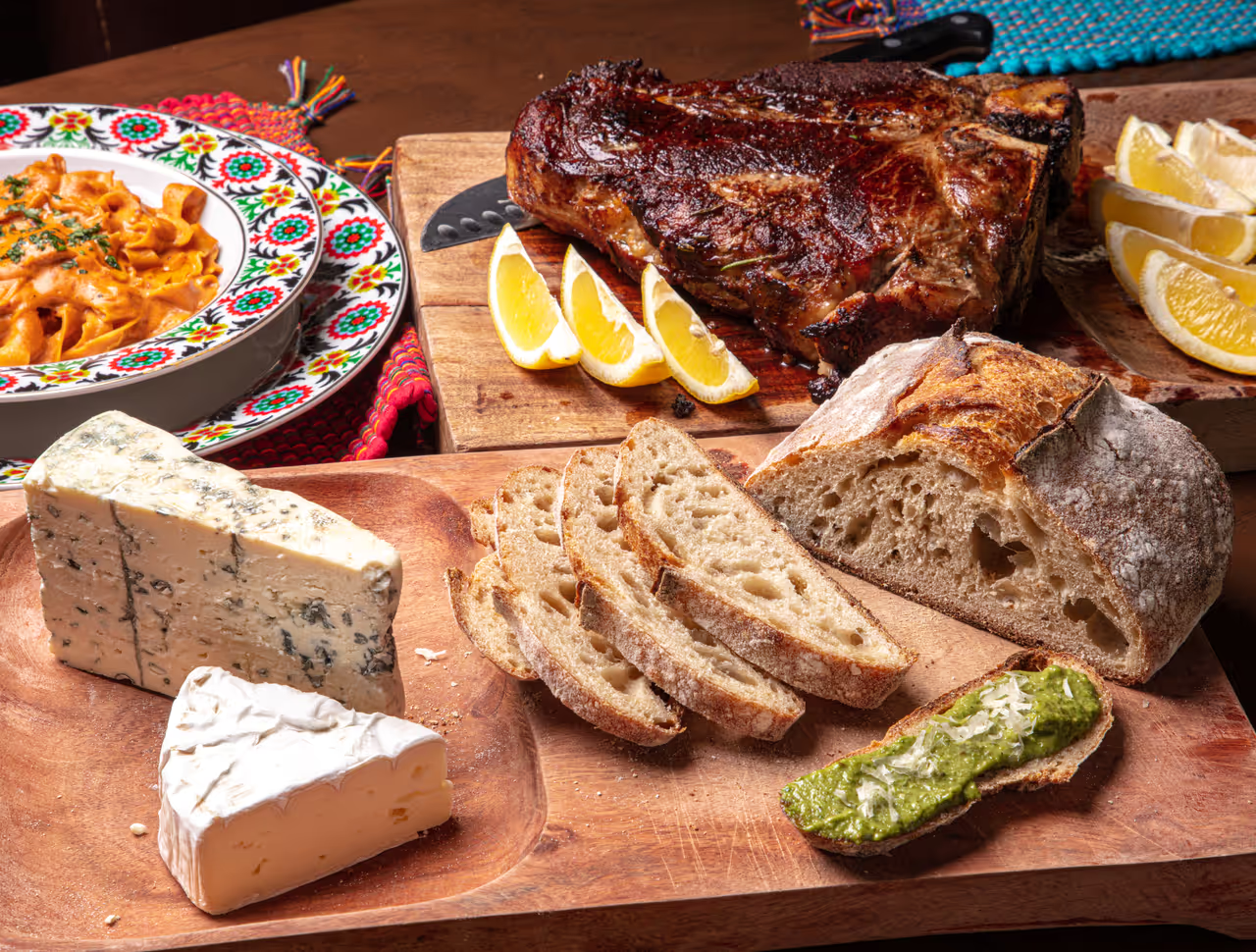
- • The traditional unsalted bread originates from a historical dispute with Pisa, where locals refused to pay a hefty salt tax and simply learned to bake without it.
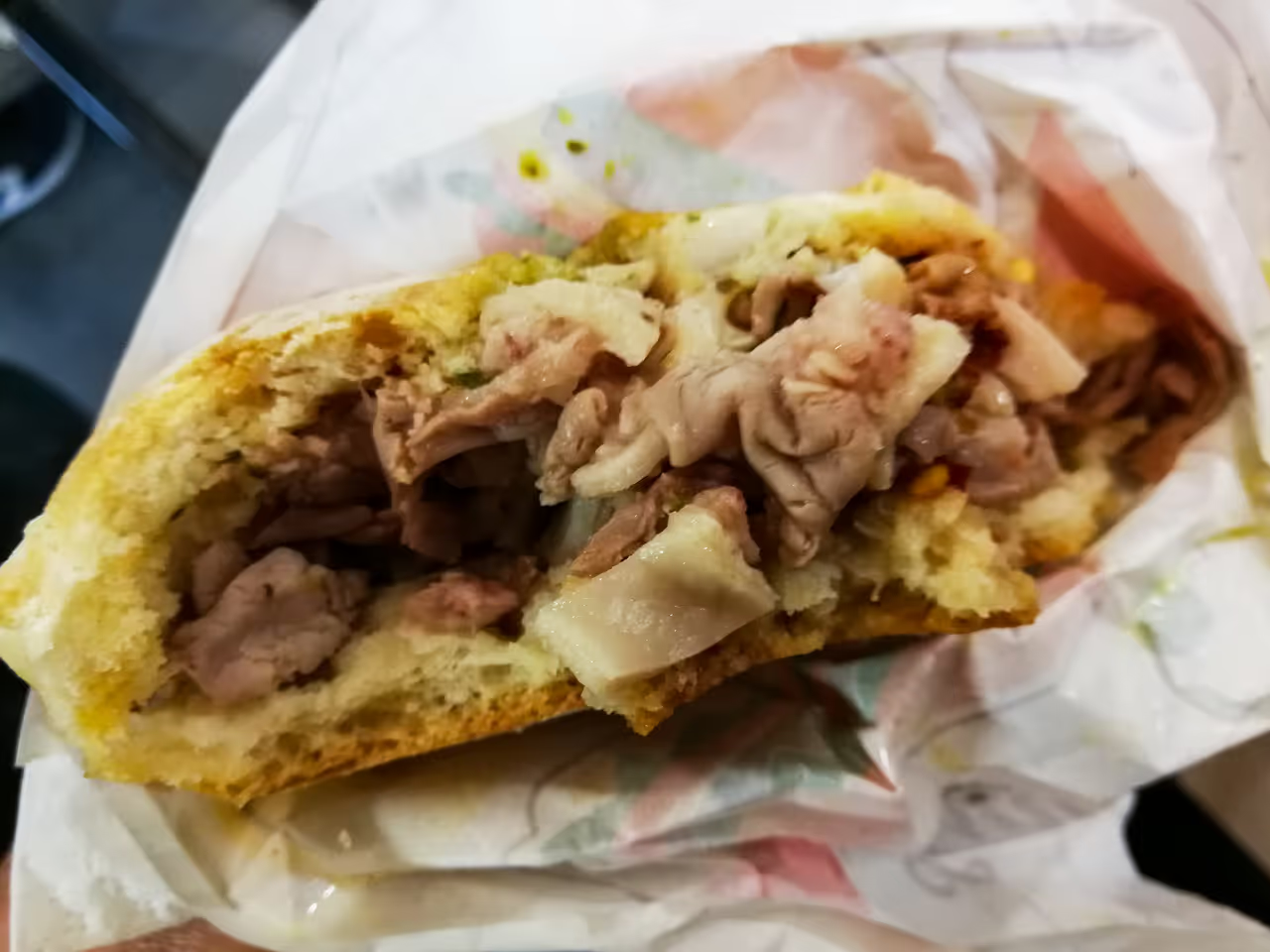
- • A famous local delicacy involves eating cow stomach from street carts, an ancient tradition that has survived for centuries as a beloved working class lunch.
Did You Know?
- • The colossal dome of the Cathedral was built completely without the use of temporary wooden scaffolding, an architectural feat that remains highly studied by modern engineers.
- • Under the rule of the Grand Duchy of Tuscany, the region became the first sovereign state in the world to officially abolish capital punishment in 1786.
- • The global age of discovery was heavily financed by local bankers, who funded expeditions for explorers across Europe.
- • The western hemisphere gets its name from a local mapmaker and explorer, Amerigo Vespucci, who first proved that the lands discovered by Columbus were an entirely separate continent.
- • Modern political science finds its roots here, pioneered by Niccolo Machiavelli who wrote extensive treatises on statecraft and power dynamics based on his experiences in the local government.
Videos of Florence
Seasons
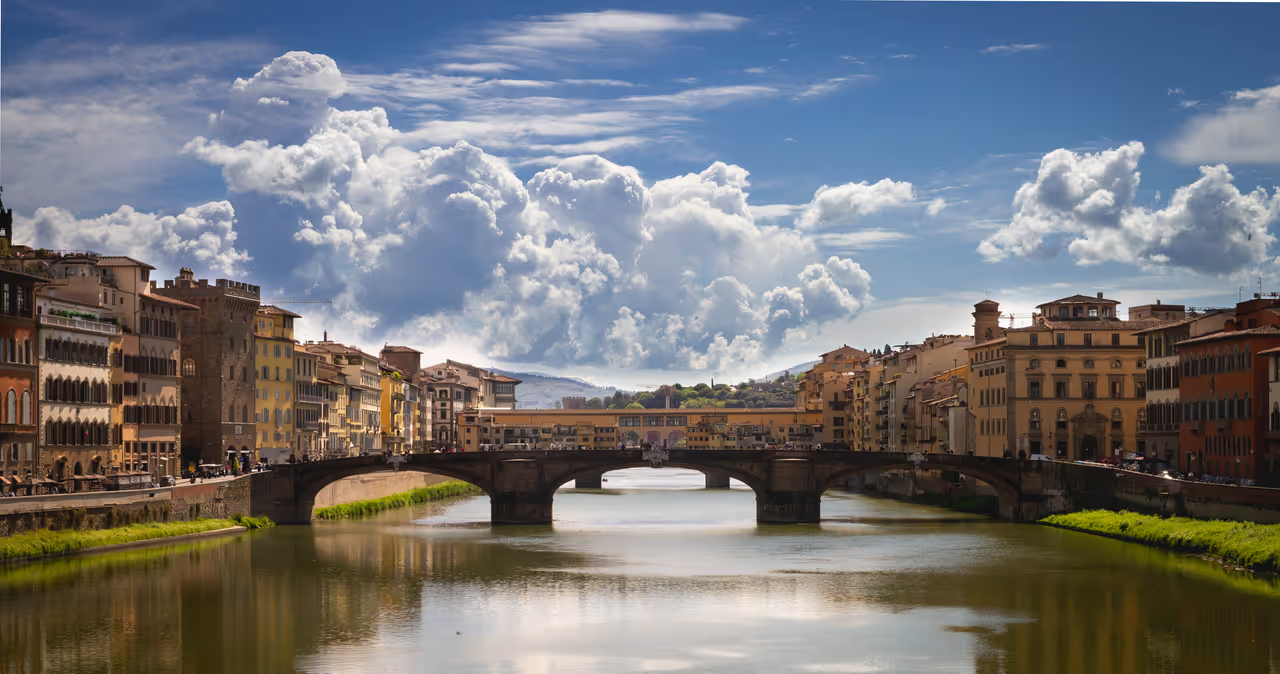
Spring
The city awakens with brilliant, comfortable weather and the blooming of the hillside botanical gardens. The famous Iris and...
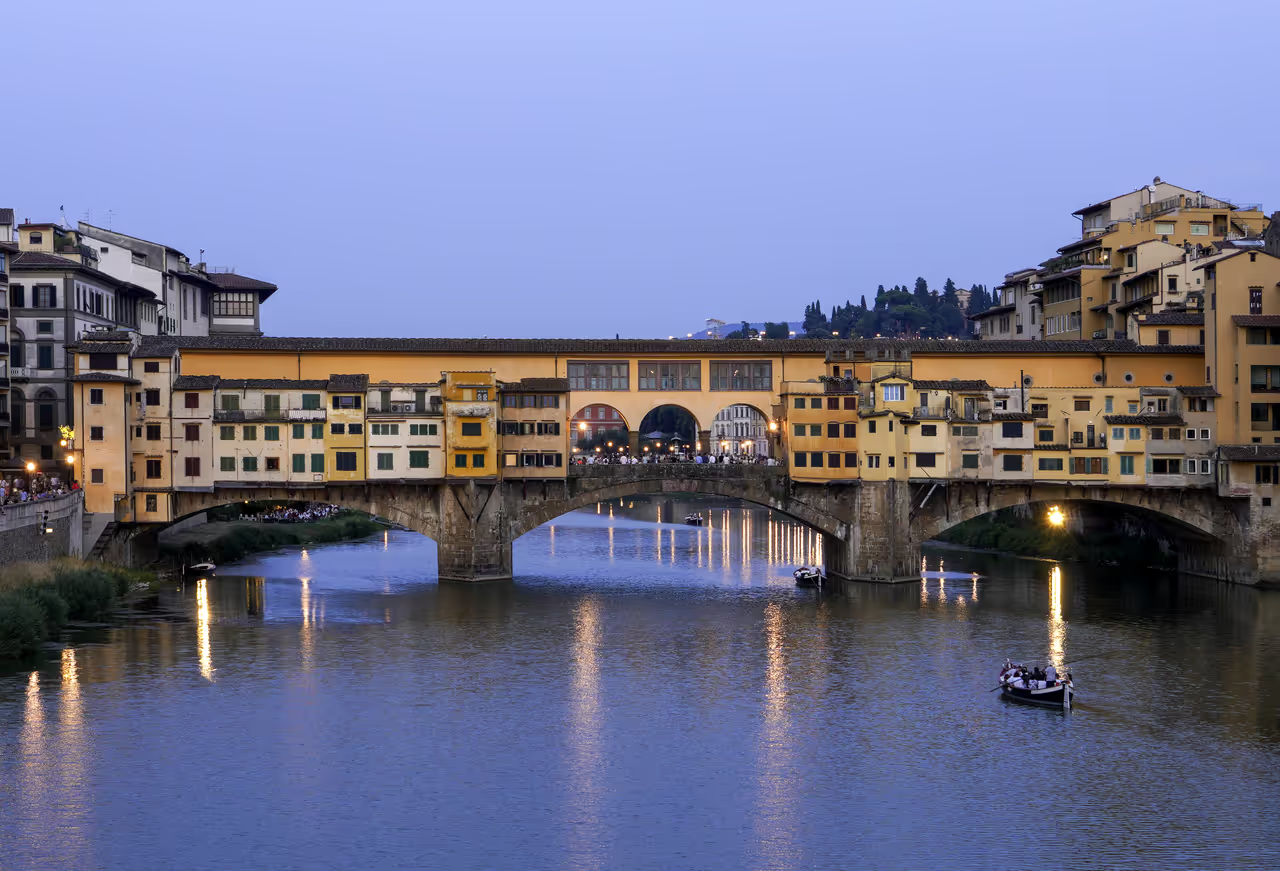
Summer
The weather becomes incredibly hot, often driving tourists indoors to the air conditioned galleries and museums during the...
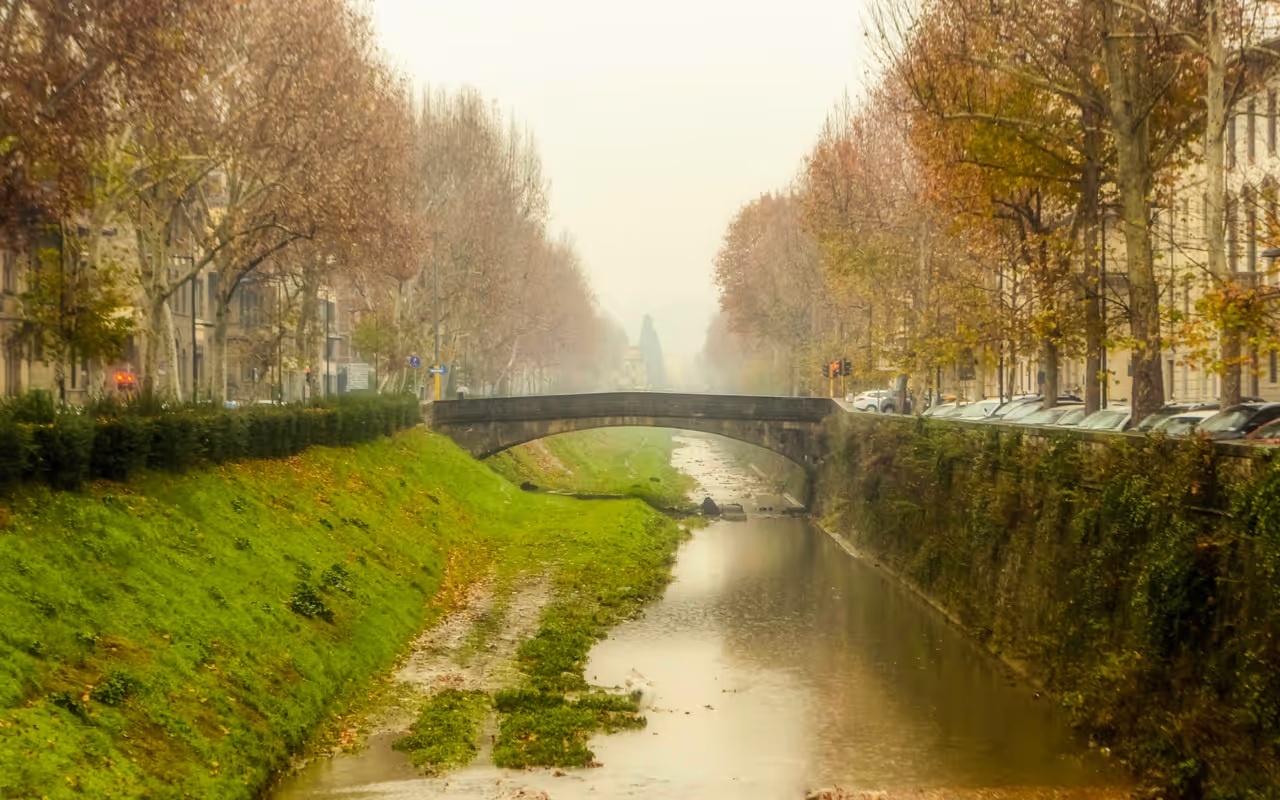
Autumn
The harsh summer heat finally breaks, bringing crisp, extremely comfortable weather perfectly suited for heavy walking. The...
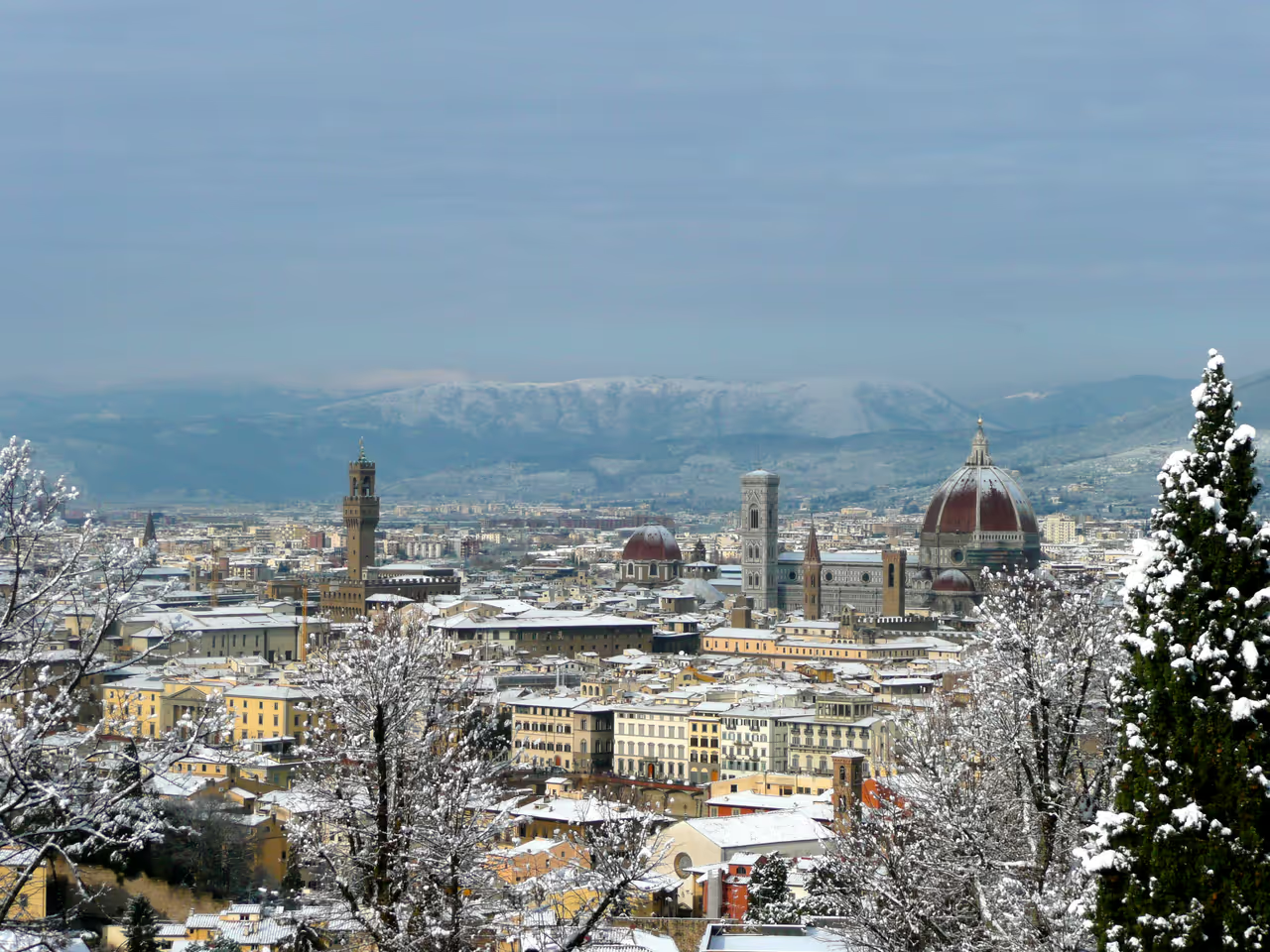
Winter
The temperatures drop to chilly, damp levels, but the city takes on a beautifully moody, romantic atmosphere. The massive...
Top Attractions in Florence
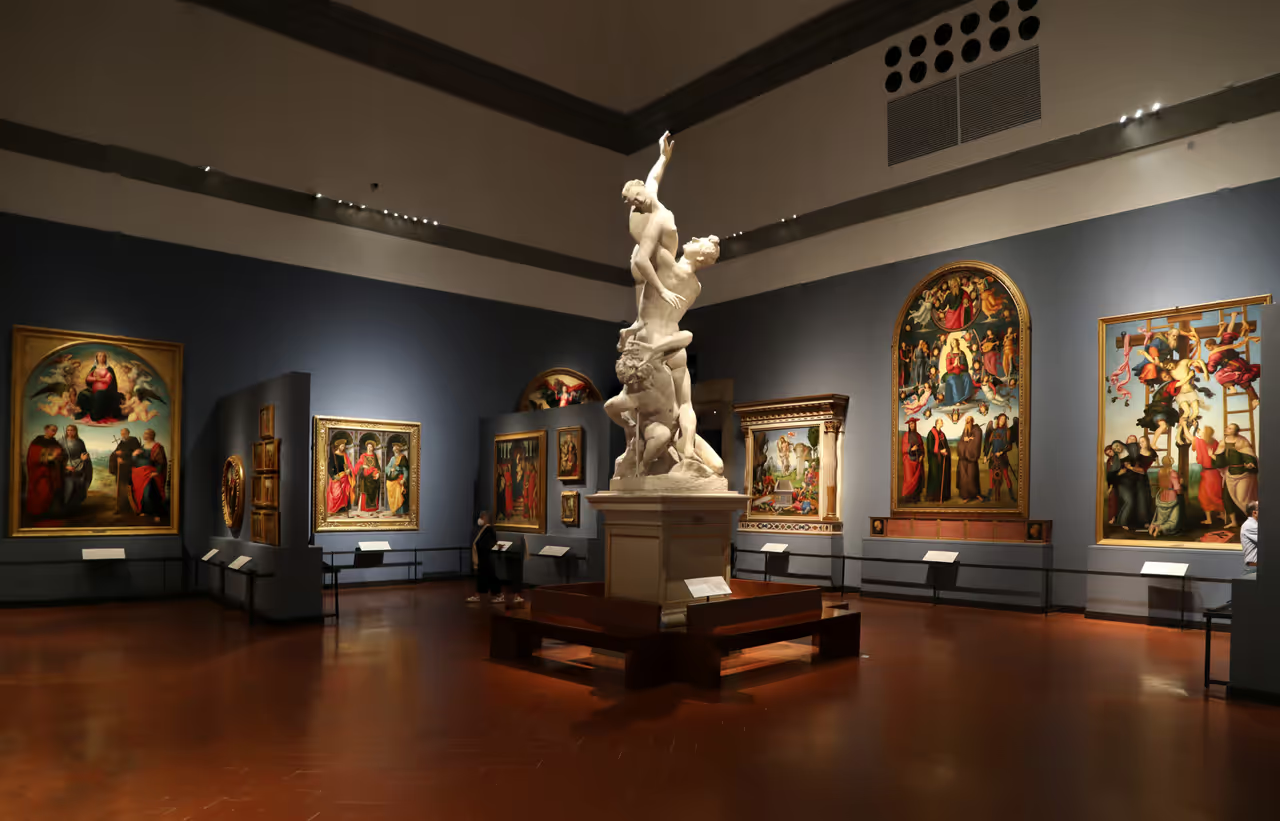
Accademia Gallery
The Galleria dell'Accademia in Florence offers a profoundly moving encounter with Renaissance genius, centring on the presence...
view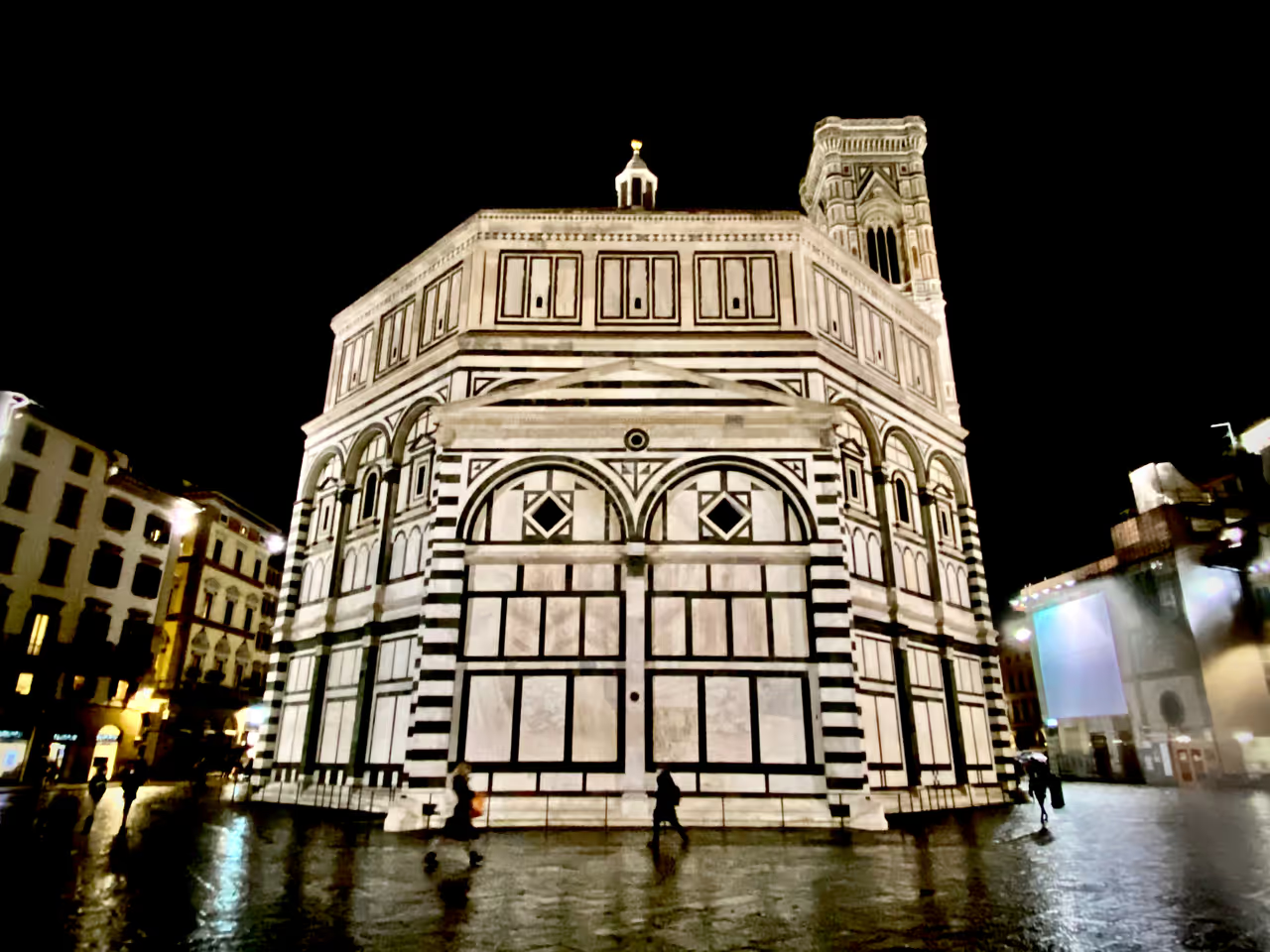
Baptistery of San Giovanni
Standing proudly in the heart of the city, this octagonal masterpiece is one of Florence's oldest and most beloved buildings. It...
view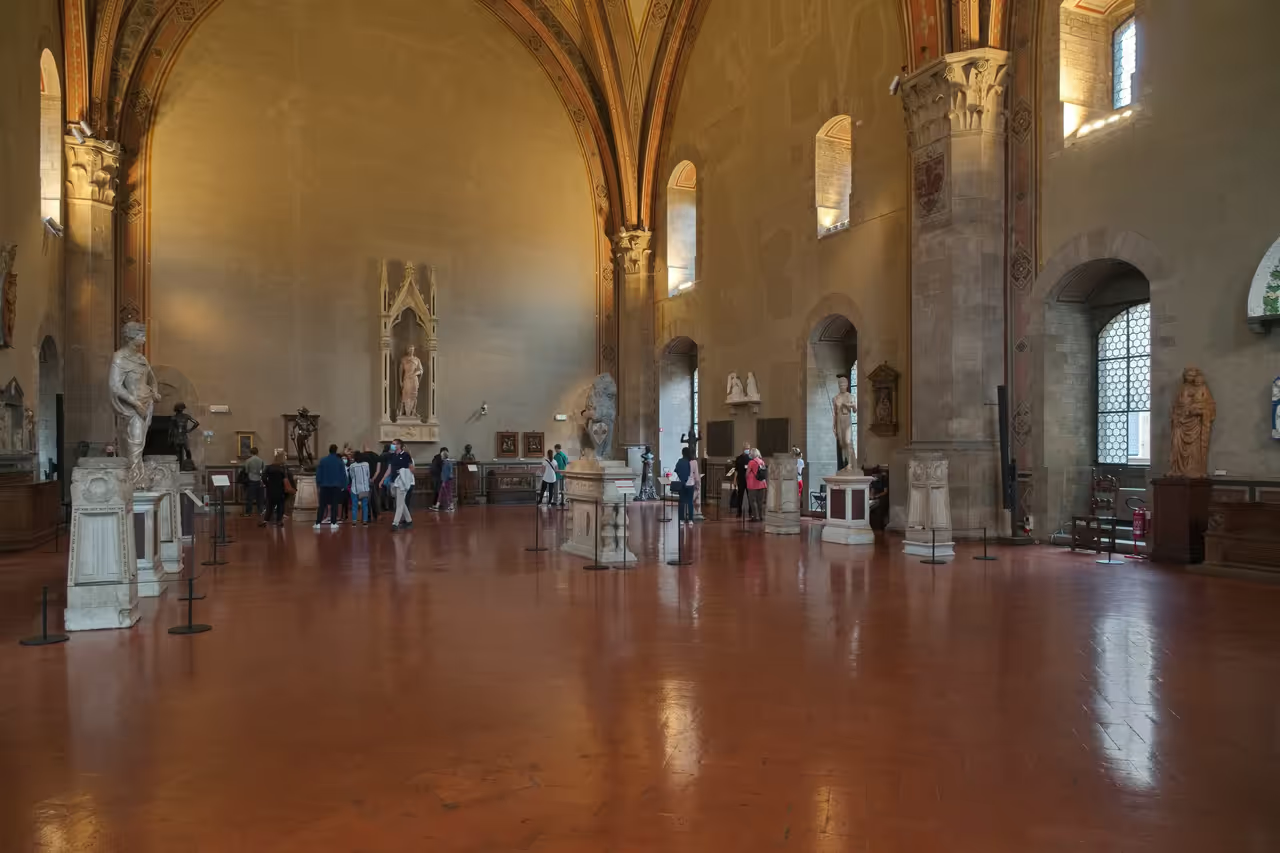
Bargello National Museum
Discover a world where stone and bronze breathe at the Bargello National Museum. Housed within a fortified medieval palace, this...
view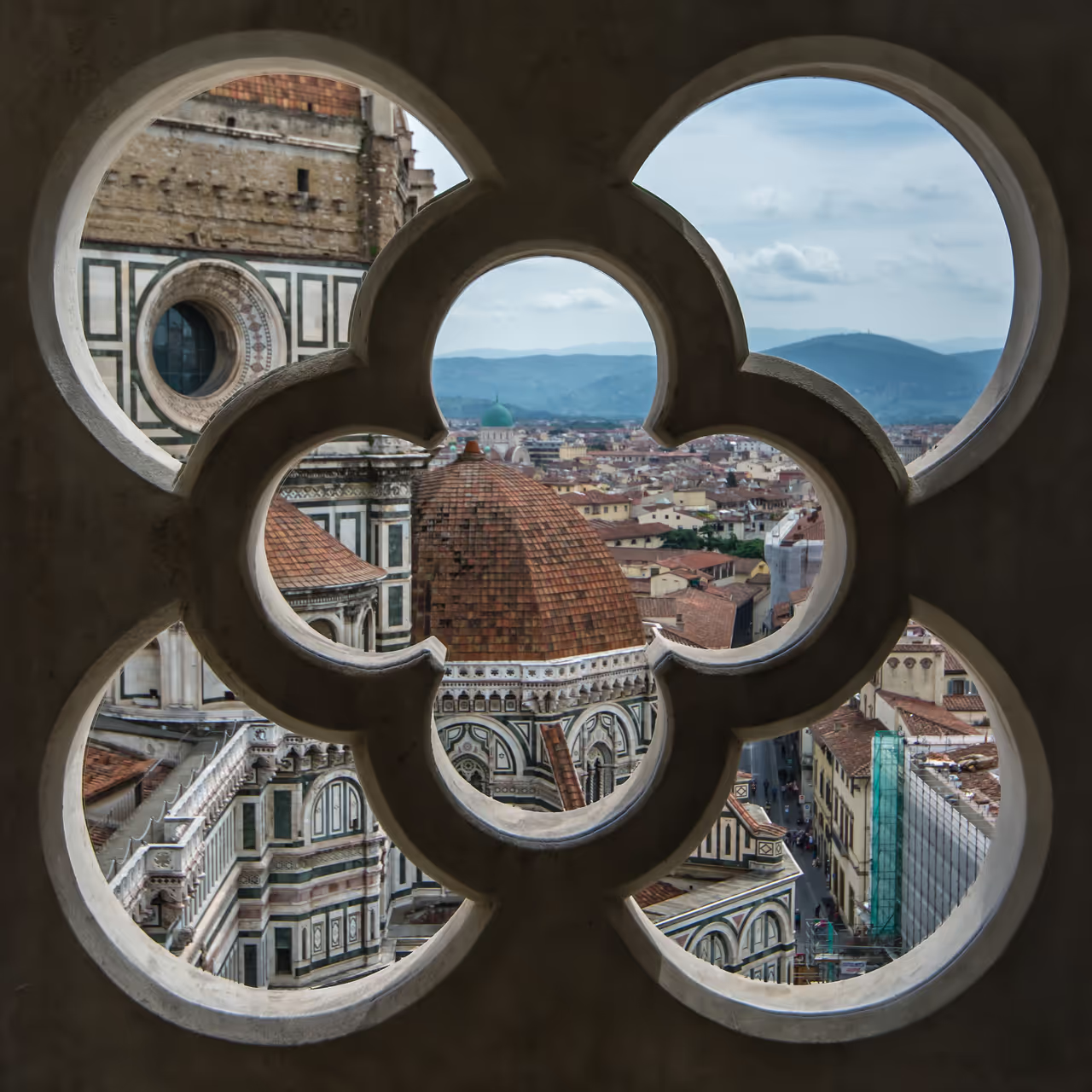
Florence Cathedral
Dominated by Filippo Brunelleschi's colossal red tiled dome, the Florence Cathedral stands as the undisputed heart and soul of...
view
Best Views
Florence Itineraries
TRIP PLANNER
3 Days Recommended
Three days offer a comfortable pace to absorb the heavy concentration of art without feeling completely overwhelmed. This timeframe allows dedicated days for the major galleries, exploring the monumental churches, and wandering across the river to discover artisan workshops. It also ensures you have enough evening time to enjoy the lengthy, relaxed dining culture.
1 Day in Florence: Essential Itinerary
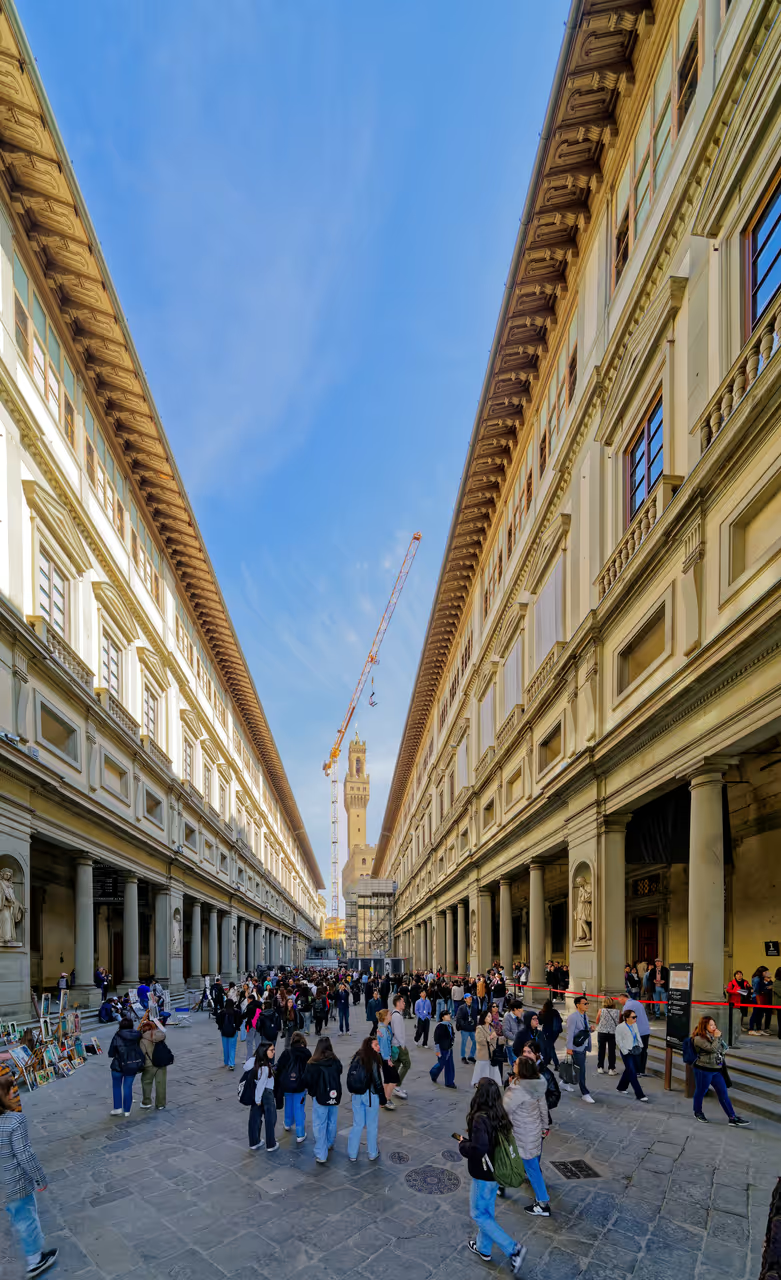
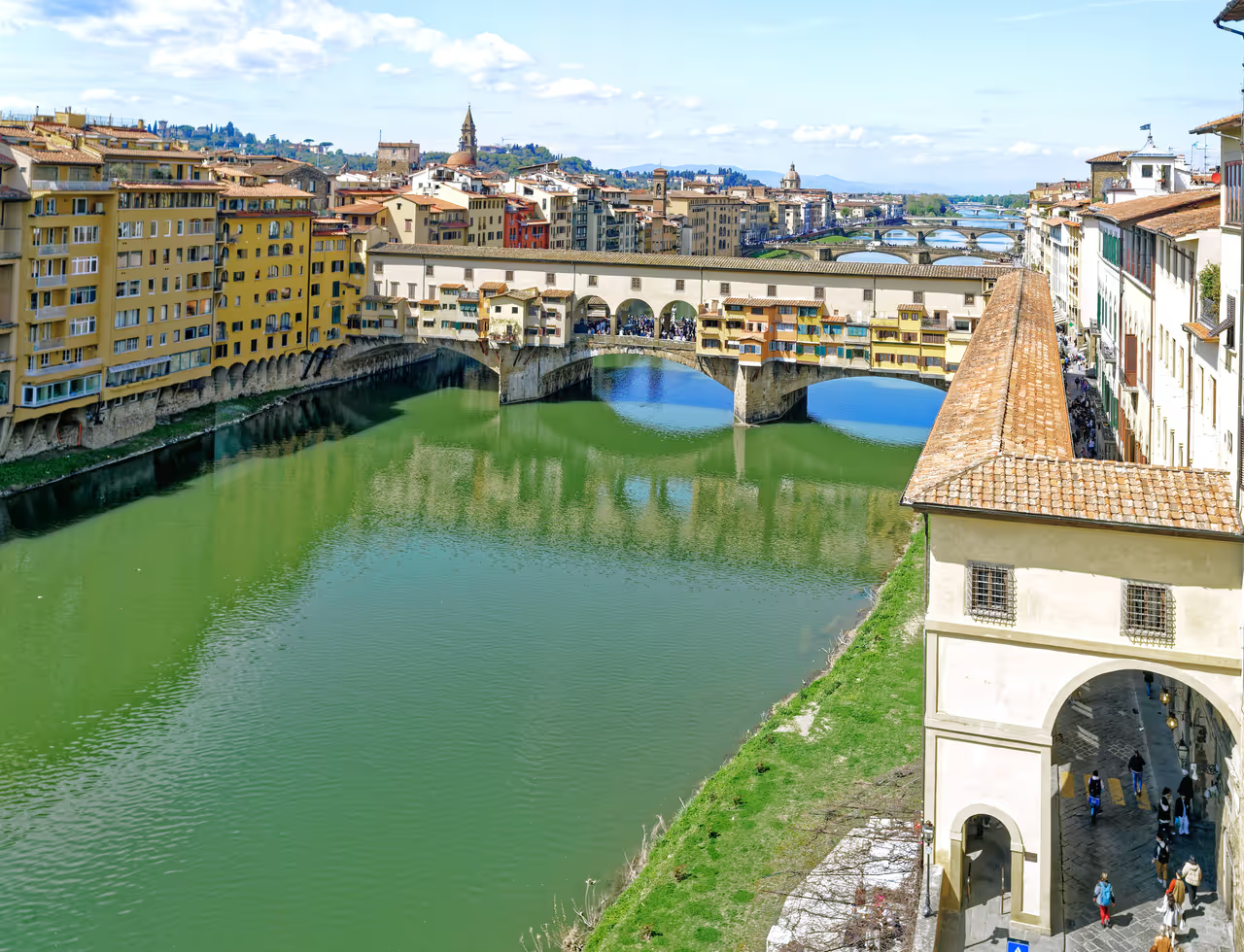
This intense, tightly packed route is designed for travellers who only have a single day to experience the absolute pinnacle of the city's offerings. It rapidly hits the monumental architectural symbols, the most famous art collection, and the iconic river crossing before culminating in a spectacular panoramic sunset. You will cover the heavy hitters of the Renaissance, ensuring you do not miss the universally recognized landmarks. It requires significant energy but guarantees a massively rewarding, unforgettable highlight reel.
view itinerary
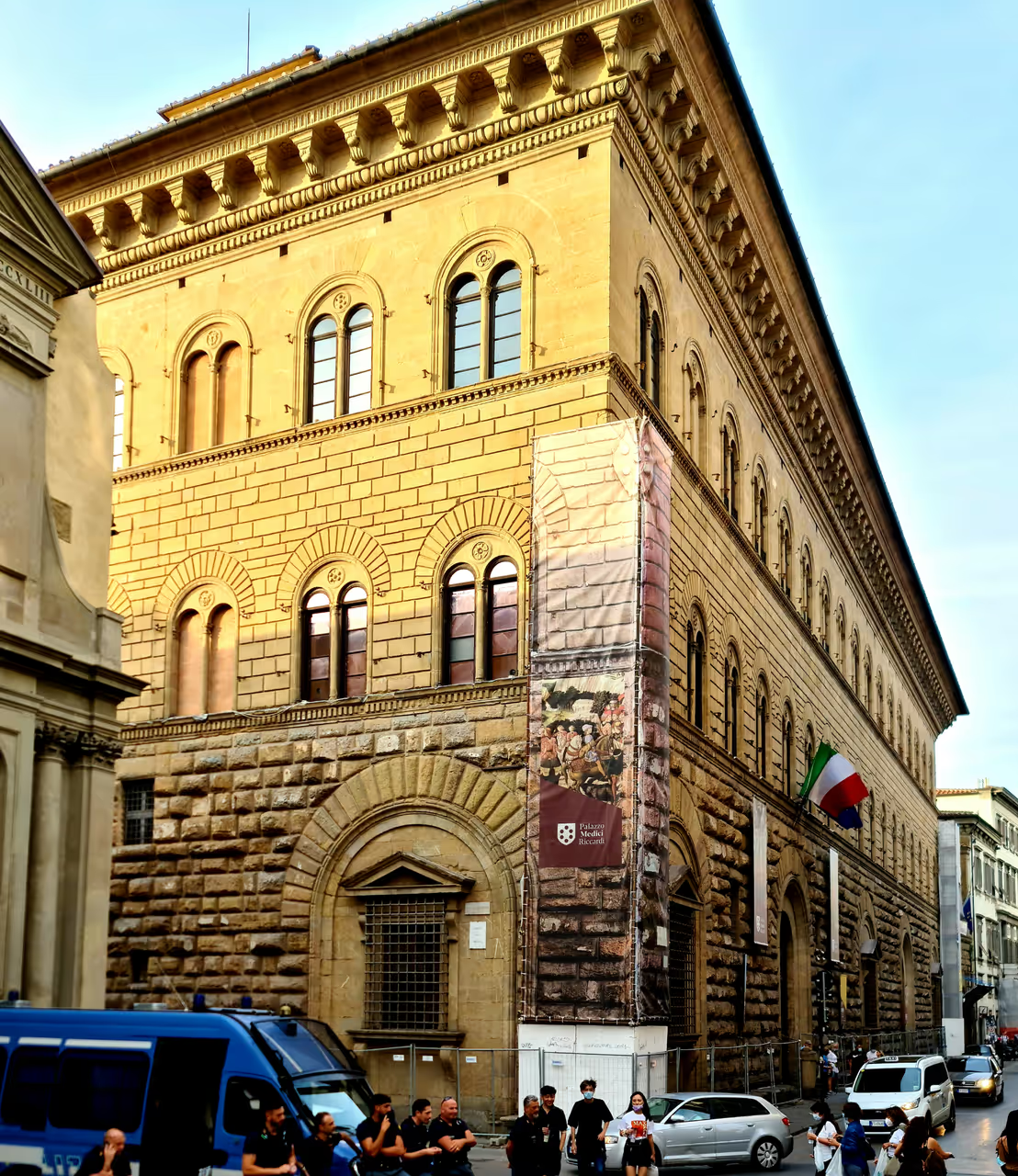
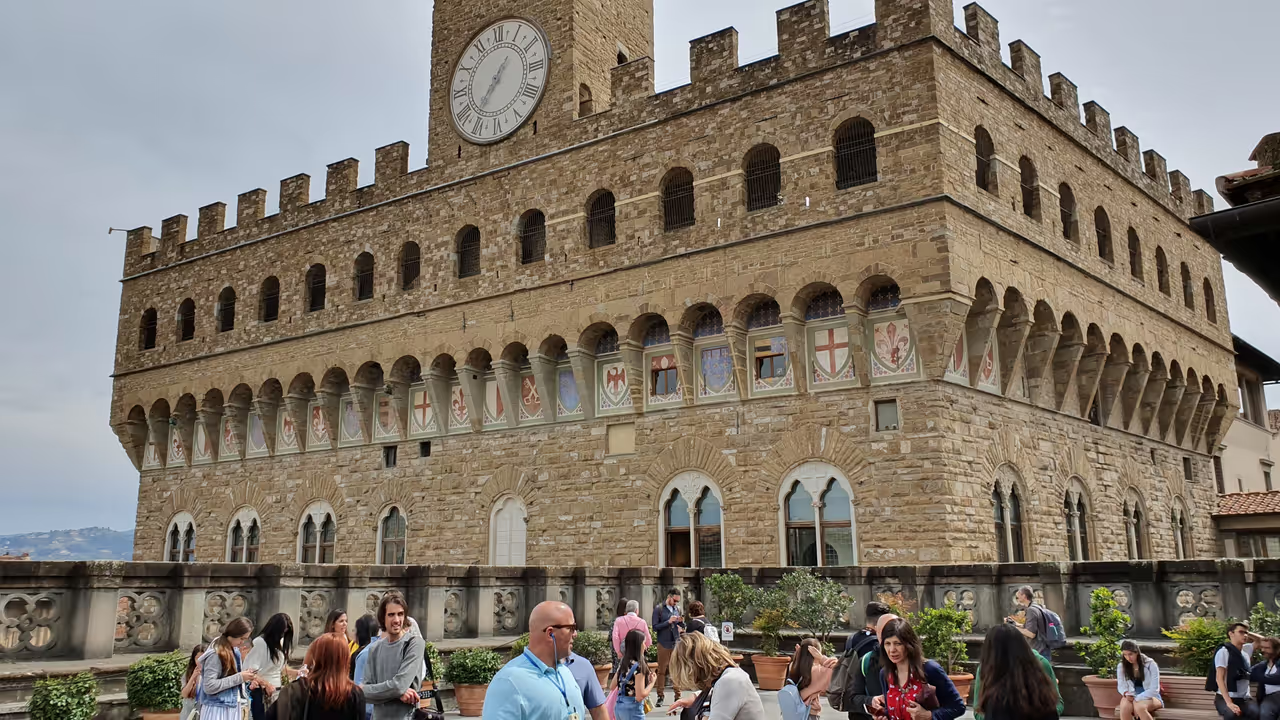
3 Days in Florence: Renaissance Deep Dive Itinerary
Three days allow you to spread out the heavy cultural intake, exploring different historical neighbourhoods and digging deeper into the artistic legacies. You will spend dedicated time admiring the greatest sculptures, wandering through vast royal gardens, and exploring the gritty political history of the medieval squares. This pace permits you to comfortably cross the river and experience the artisan workshops without constantly rushing. It perfectly balances monumental tourism with authentic local exploration.
view itinerary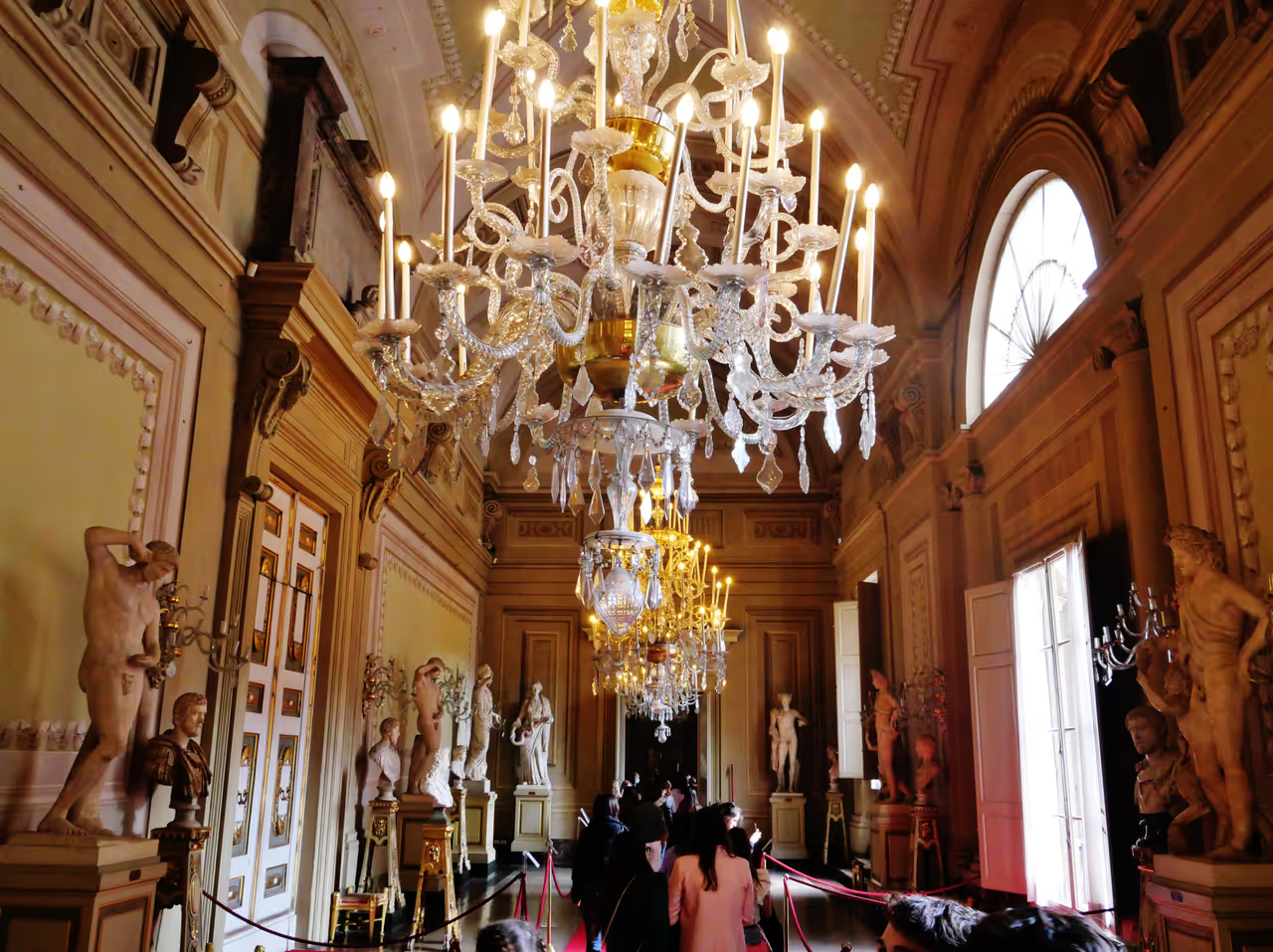
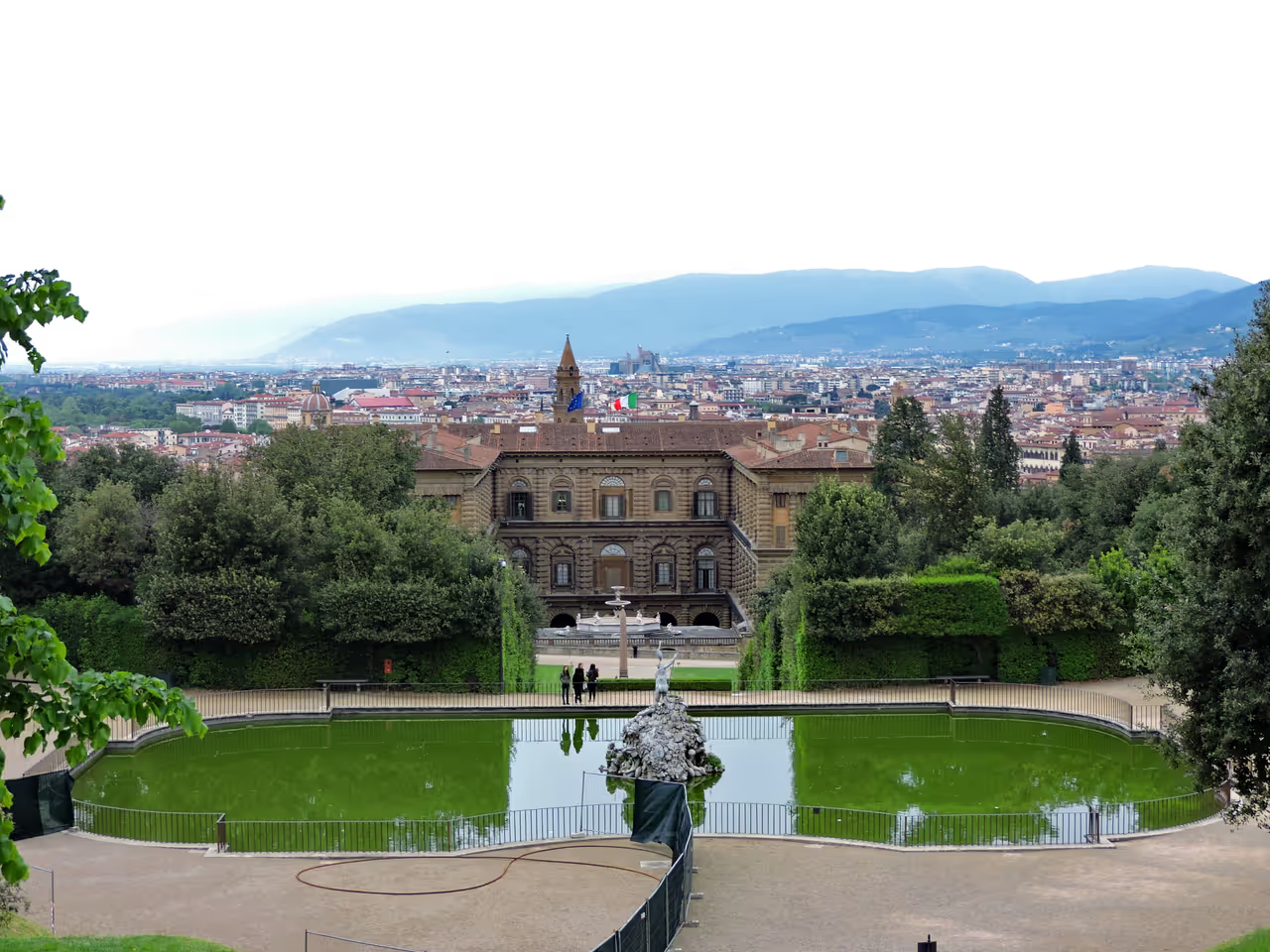
5 Days in Florence: The Ultimate Experience Itinerary
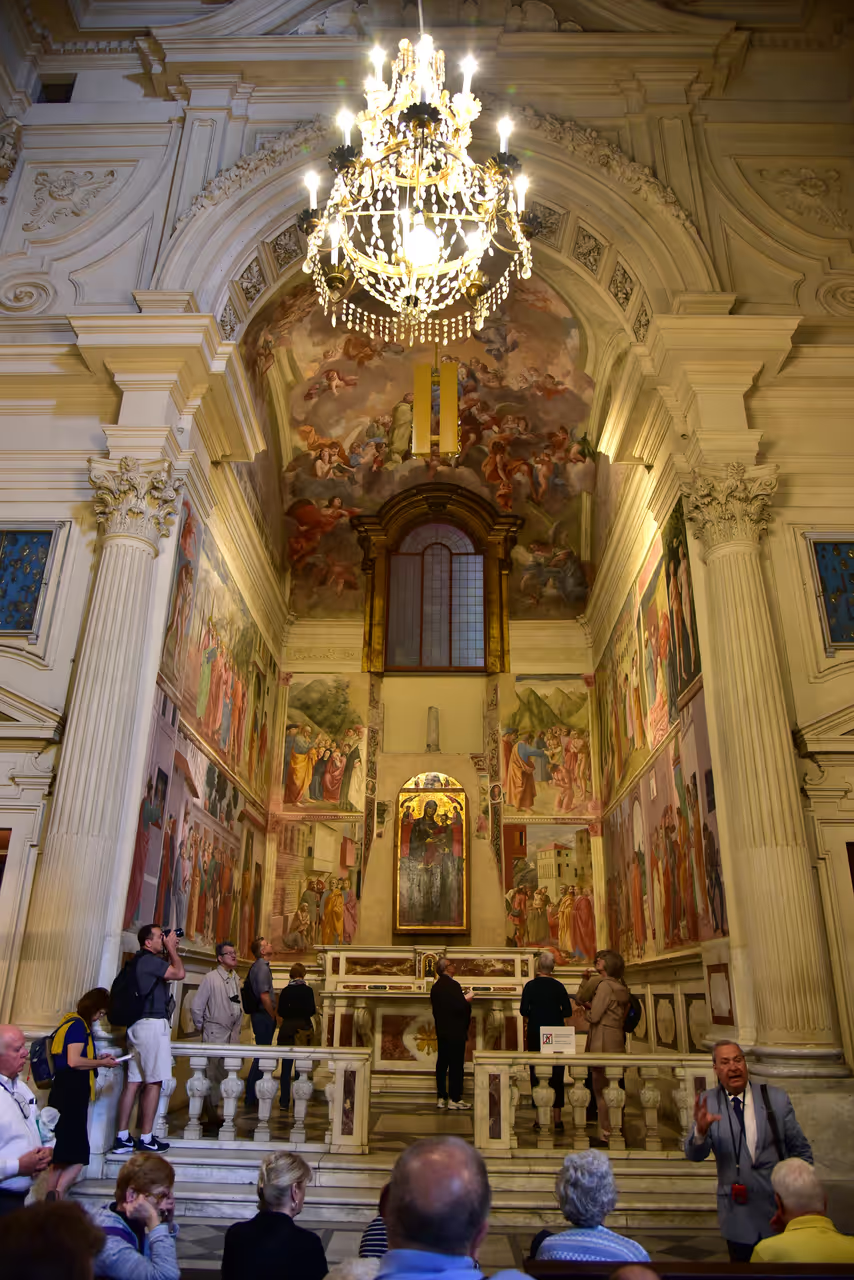
With five days, you can truly absorb the rhythm of the city, moving beyond the central museums to discover eccentric hidden gems and quiet hilltop retreats. You will have time to climb the famous towers, explore bizarre scientific collections, and venture out to the ancient Etruscan ruins in the mountains. This extended stay allows you to appreciate the subtle, romantic atmosphere of the city that is often missed by rushed tourists. It is a highly comprehensive, incredibly satisfying cultural immersion.
view itinerary
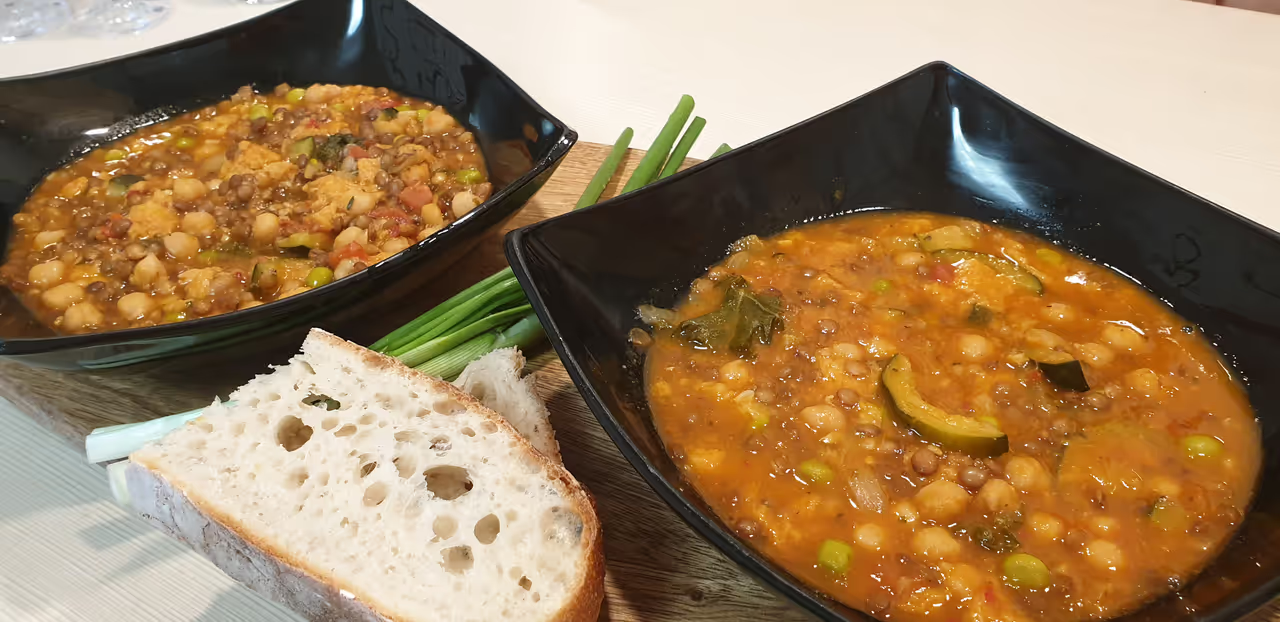
Food in Florence
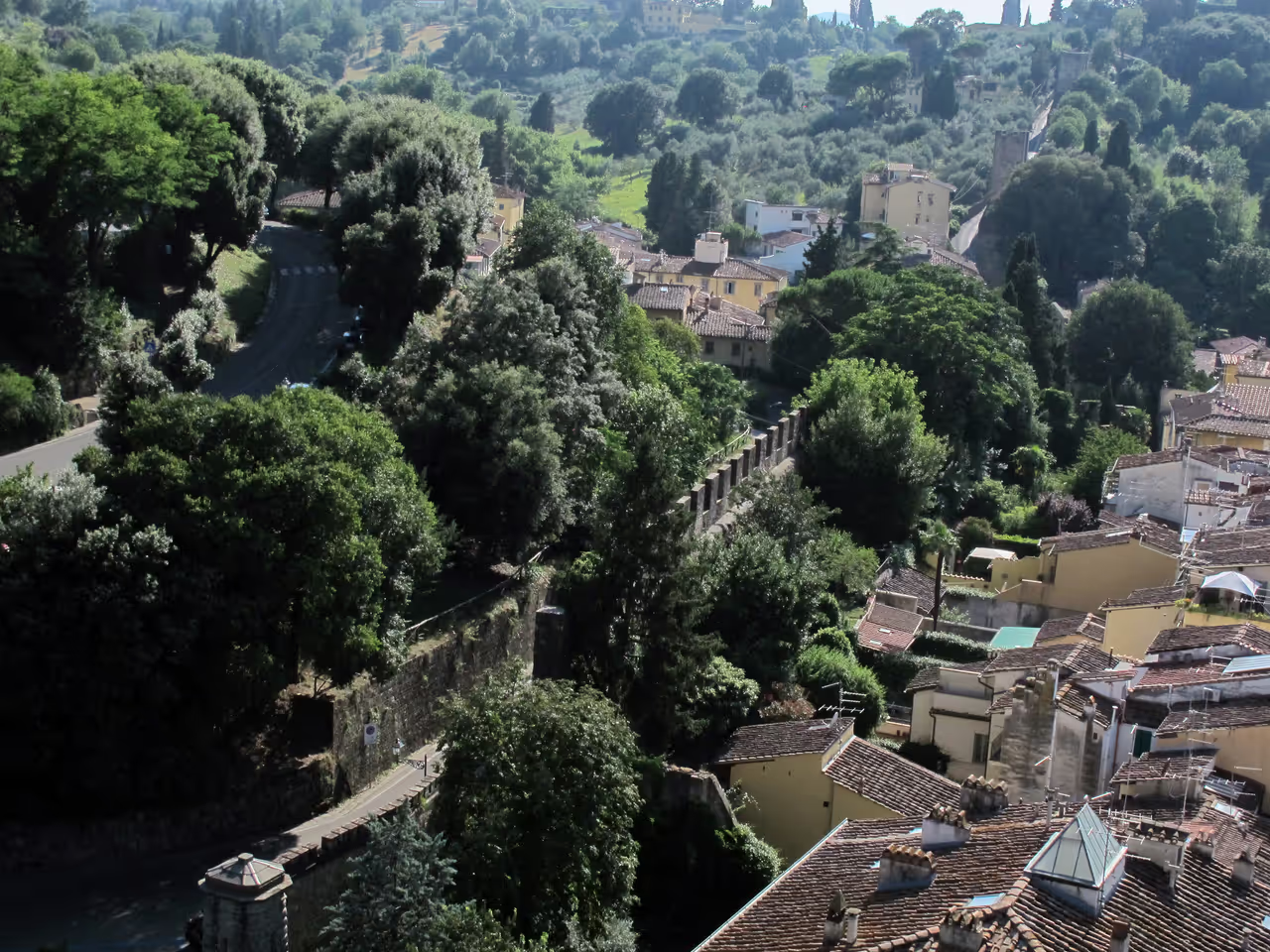
UNESCO World Heritage Sites
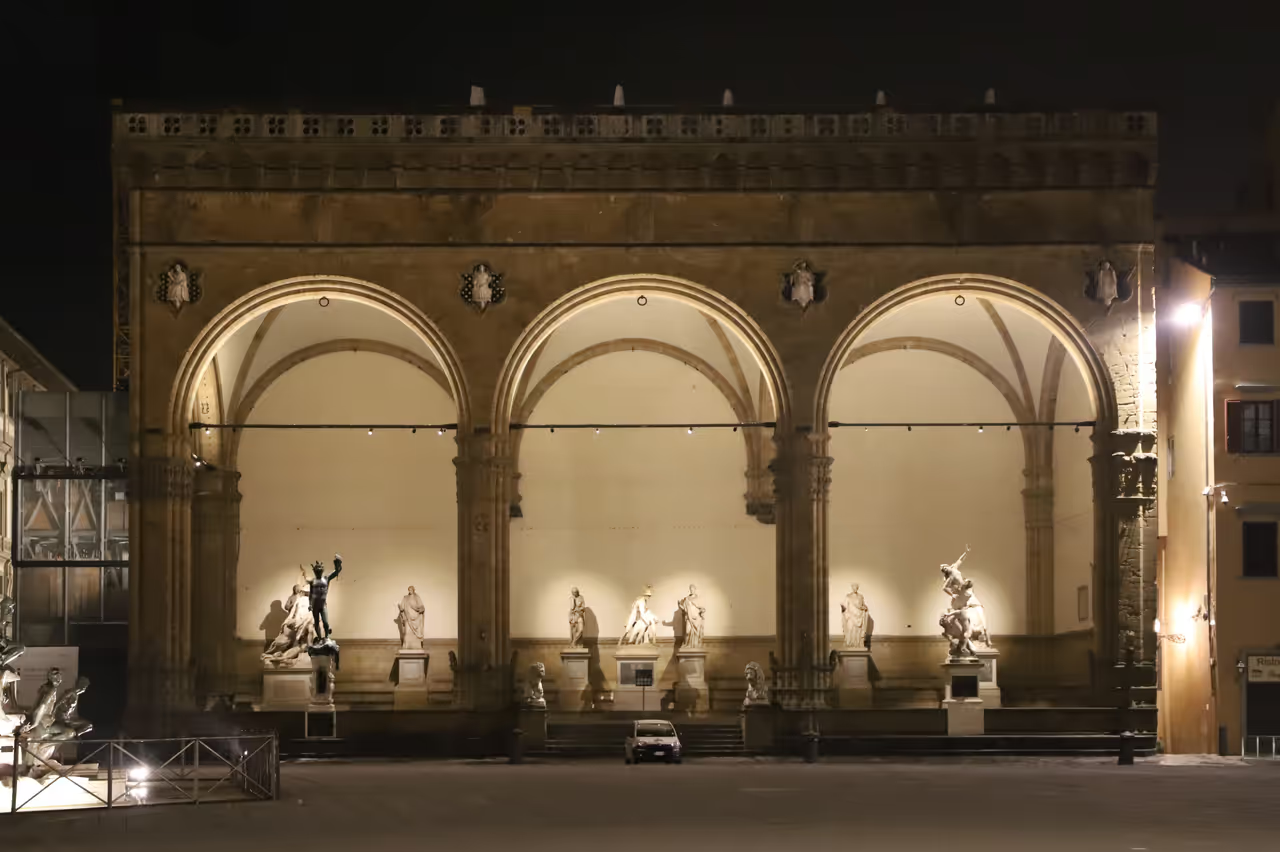
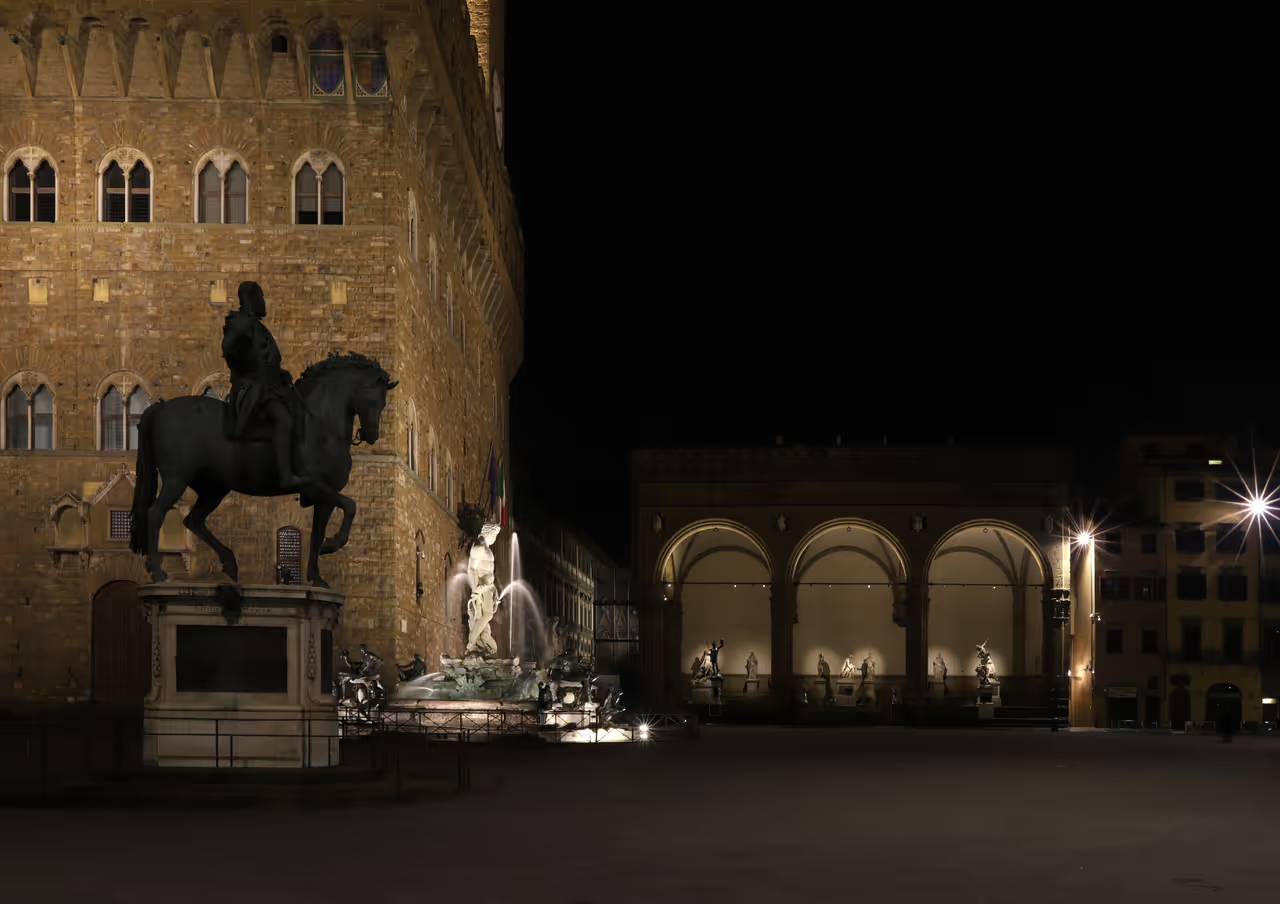
Free Things to do in Florence
Parks & Nature
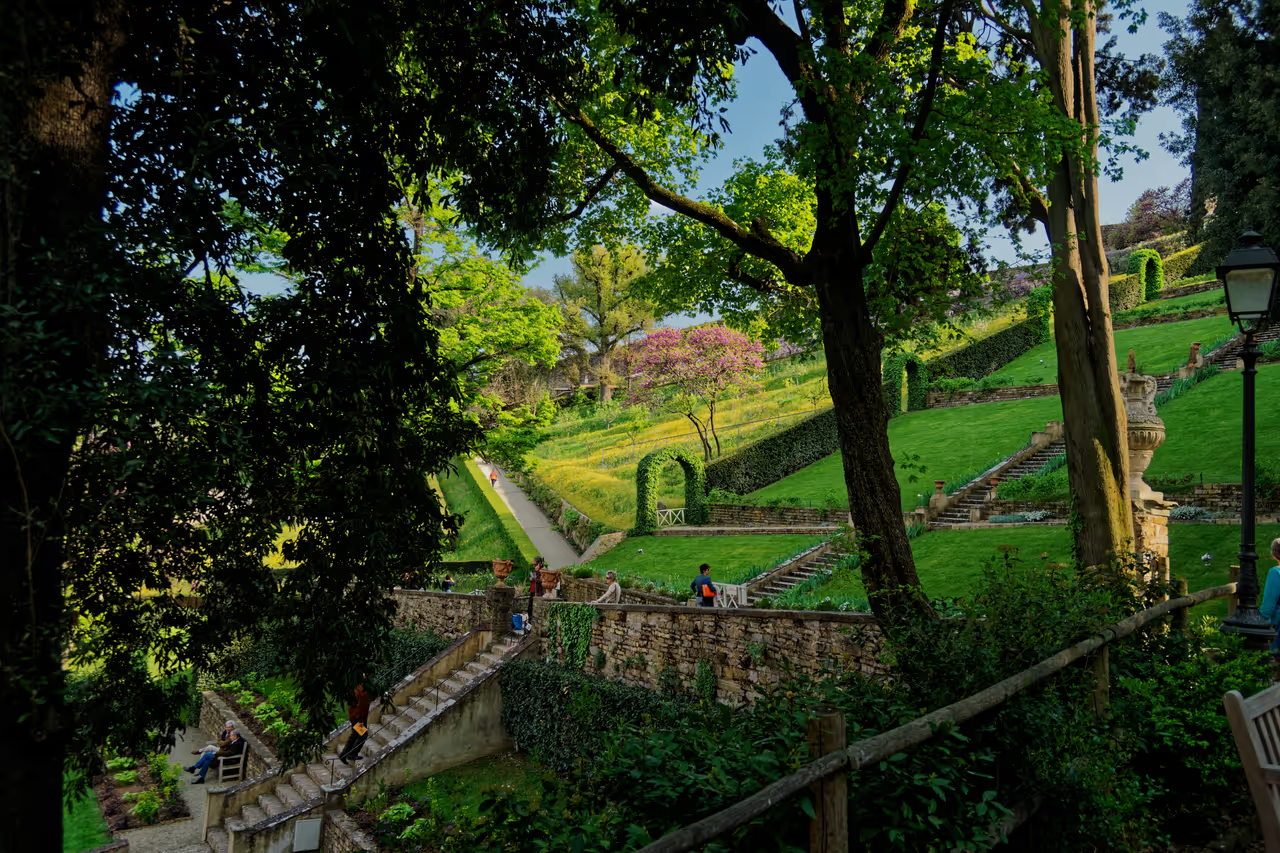
Bardini Gardens
Nestled in the heart of the Oltrarno district, the Bardini Gardens offer one of the most breathtaking panoramas of Florence...
viewBoboli Gardens
Step into the verdant heart of Florence, where the Boboli Gardens invite you on a journey through centuries of Medici grandeur...
view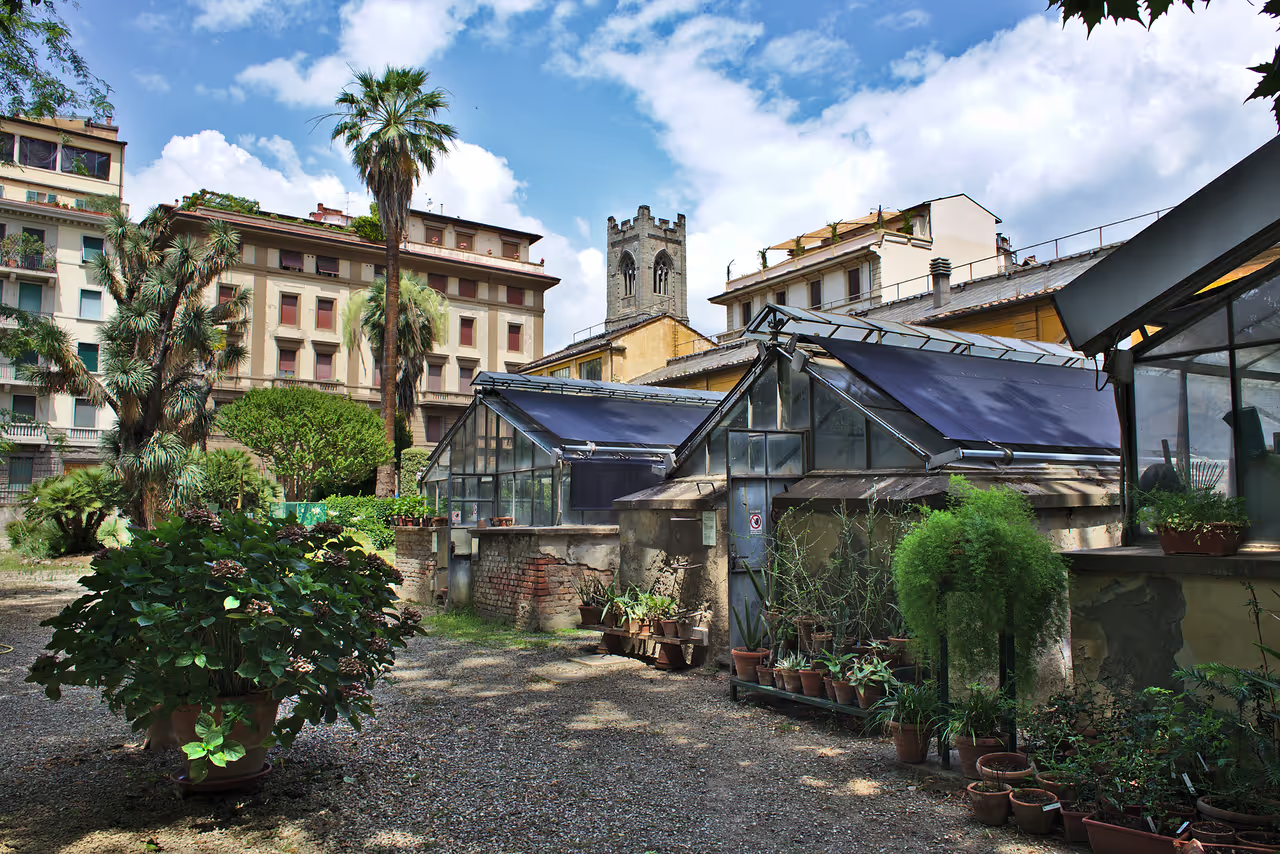
Botanical Garden of Florence
Step into a living archive of scientific history at the Giardino dei Semplici, the second oldest botanical garden in the world...
view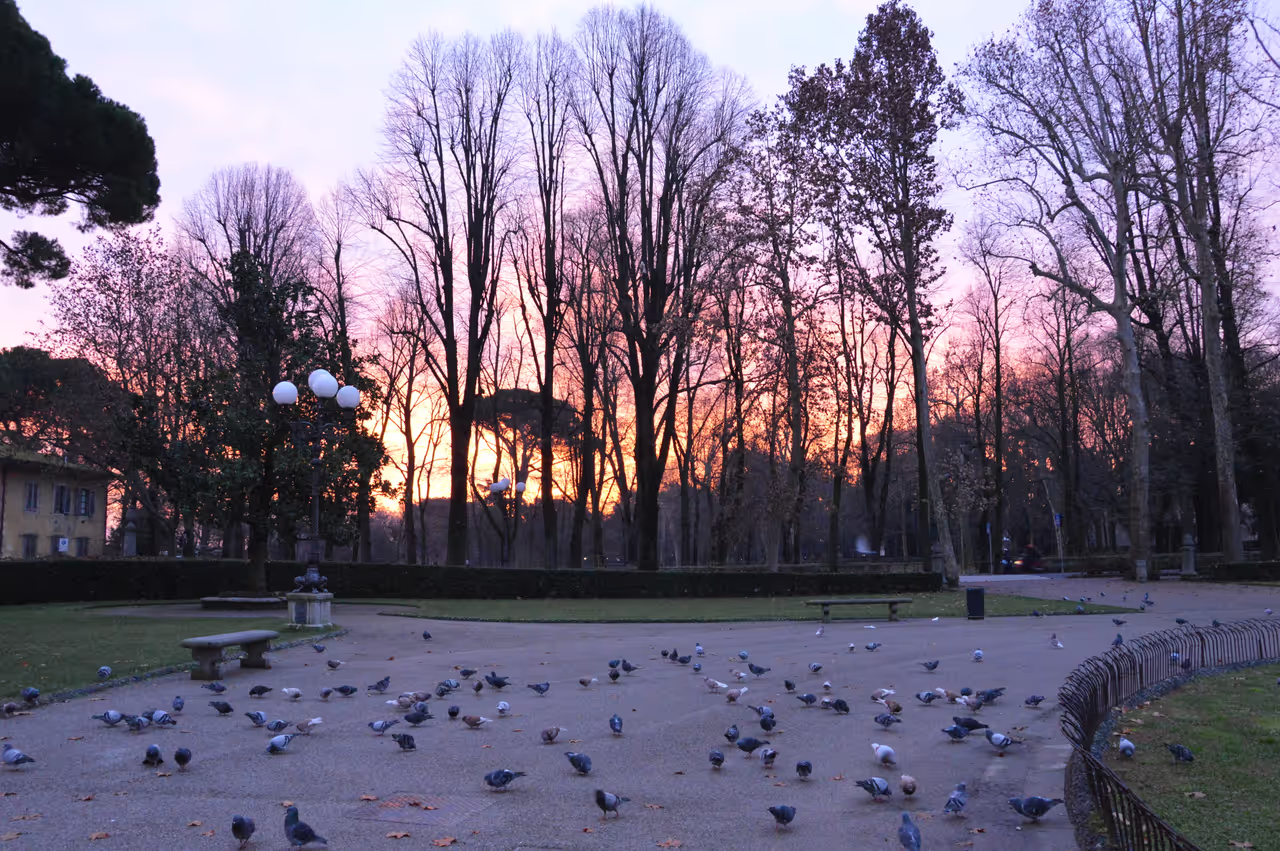
Cascine Park
Stretching along the Arno River, Cascine Park serves as the green heart of Florence. Once a private hunting reserve for the...
view
Highlights & Must-Sees
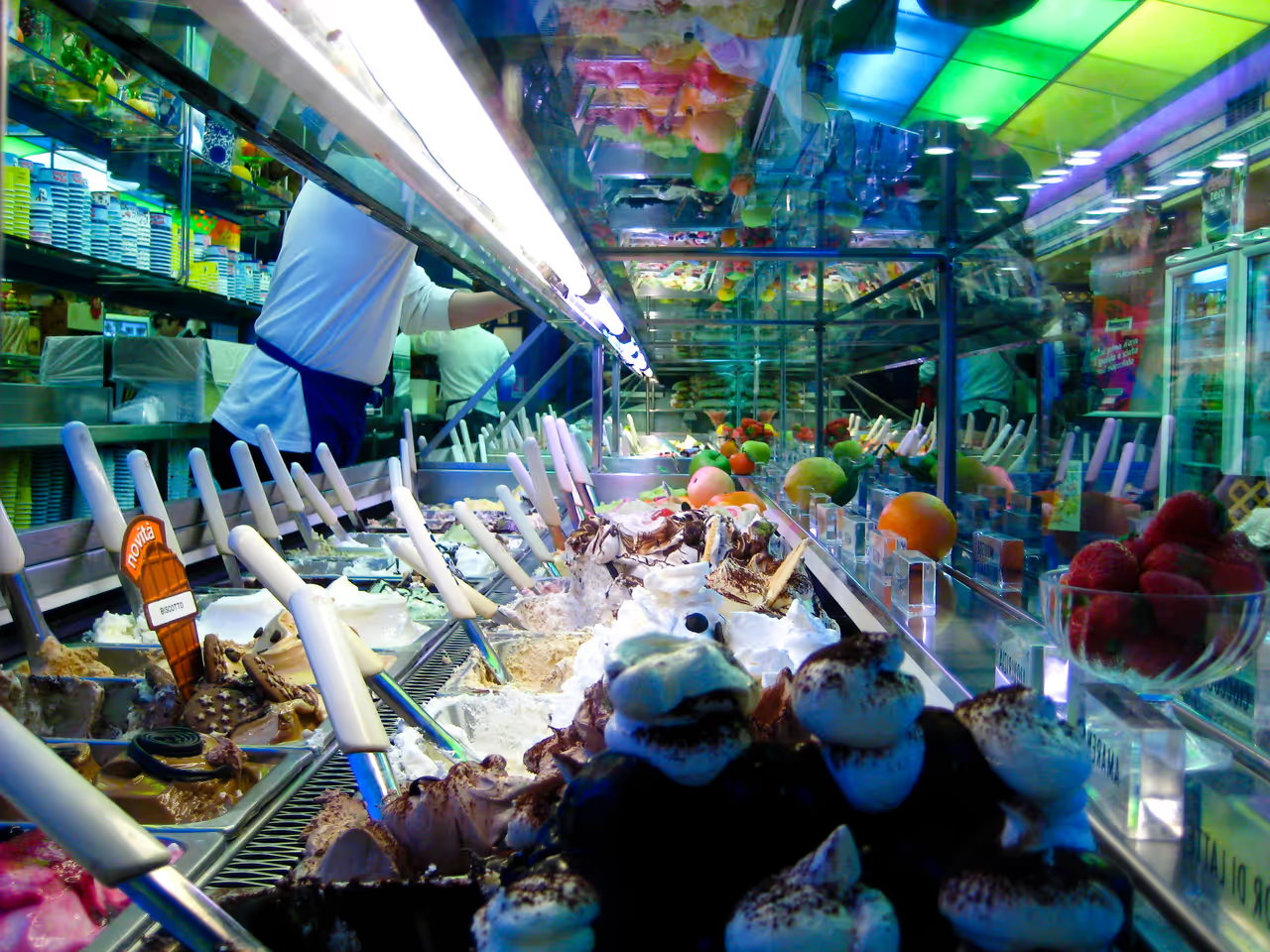
Artisanal Gelato Tasting
As the widely accepted birthplace of gelato, the city is packed with artisanal shops producing incredibly dense, flavourful...
view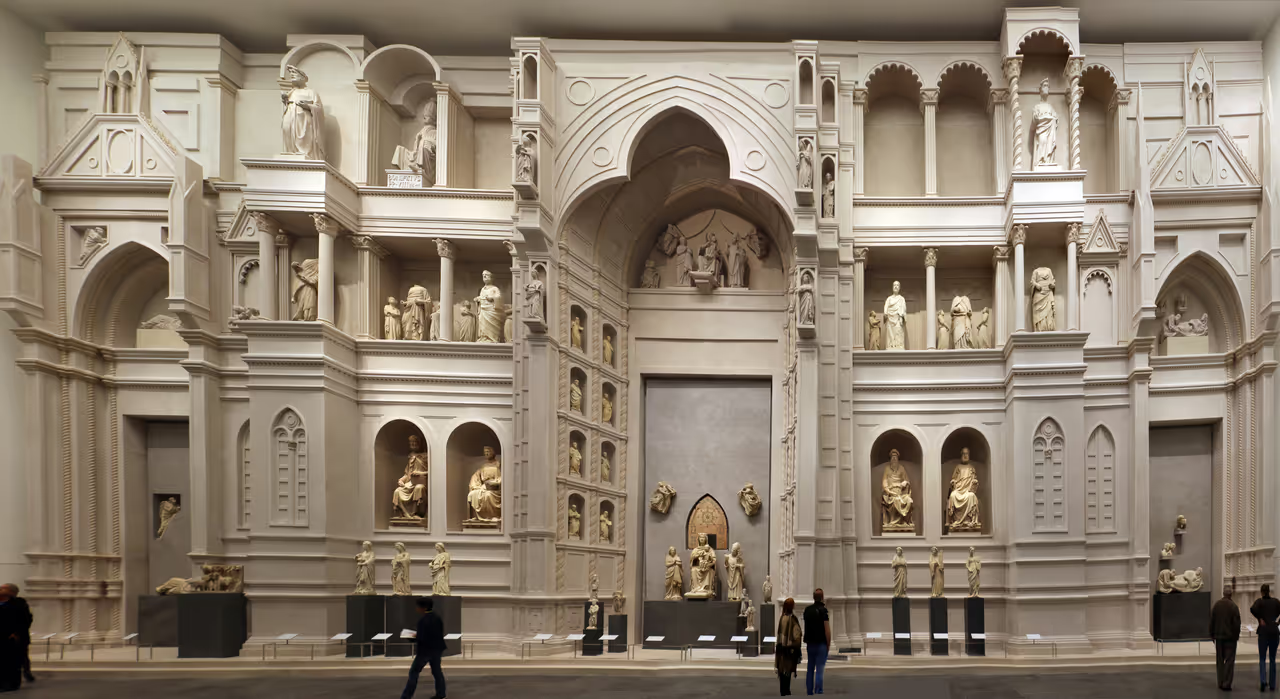
Cathedral Works Museum
This spectacularly modernised museum holds the original, priceless artworks removed from the cathedral complex to protect them...
view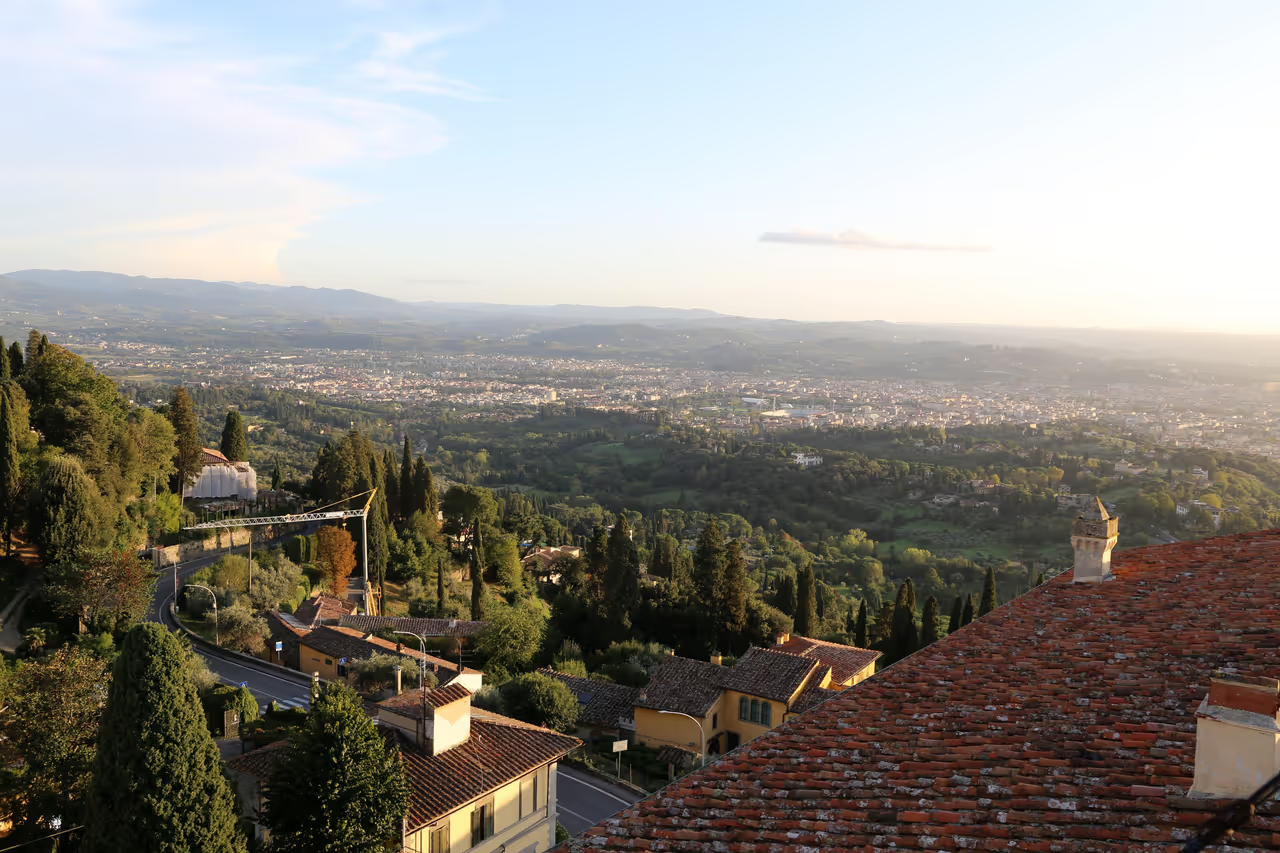
Fiesole Hilltop Excursion
Taking a short local bus ride up the steep northern mountains brings you to an elegant town that vastly predates the city below...
view
Galileo Museum
This phenomenal institution houses one of the most important collections of scientific instruments in the world, proving that...
view
Best Walks in Florence
- HIGHLY RECOMMENDED
Left Bank Artisans
This captivating walk takes you through the fiercely authentic neighbourhoods located south of the river. Wandering these narrow streets reveals a dense network of traditional artisan workshops creating everything from bound leather books to gilded frames. The atmosphere is distinctly local, filled with the sounds of craftsmanship and the chatter of residents. It provides a deeply intimate look at the enduring traditions that keep the city's historic economy alive.
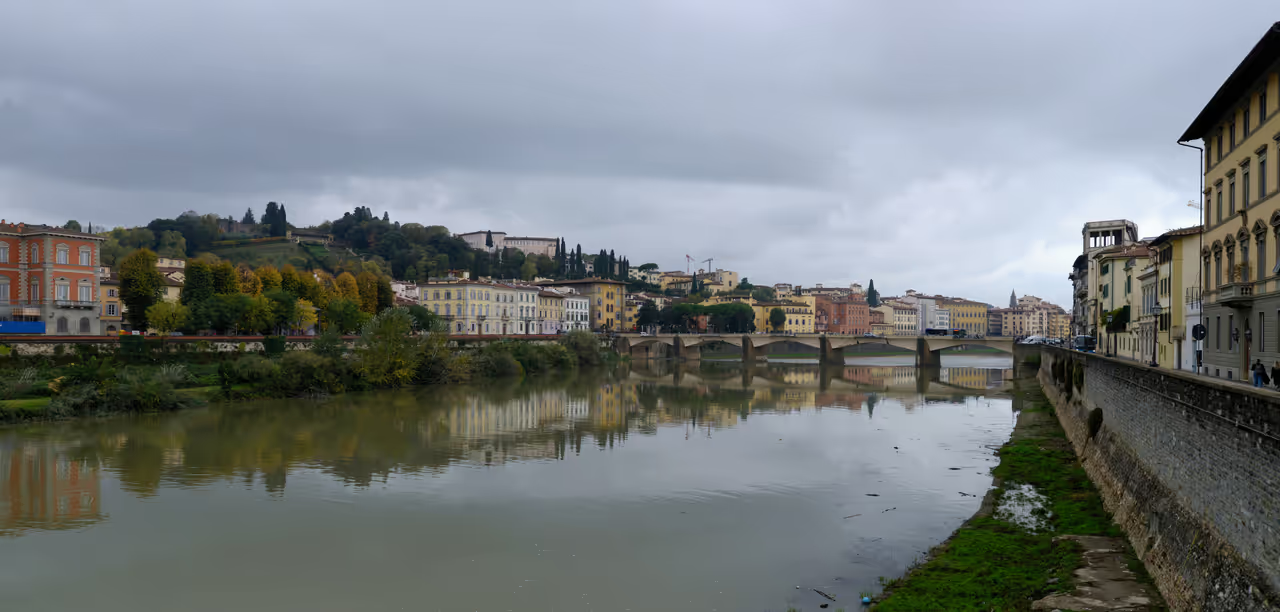
Bridges of the Arno
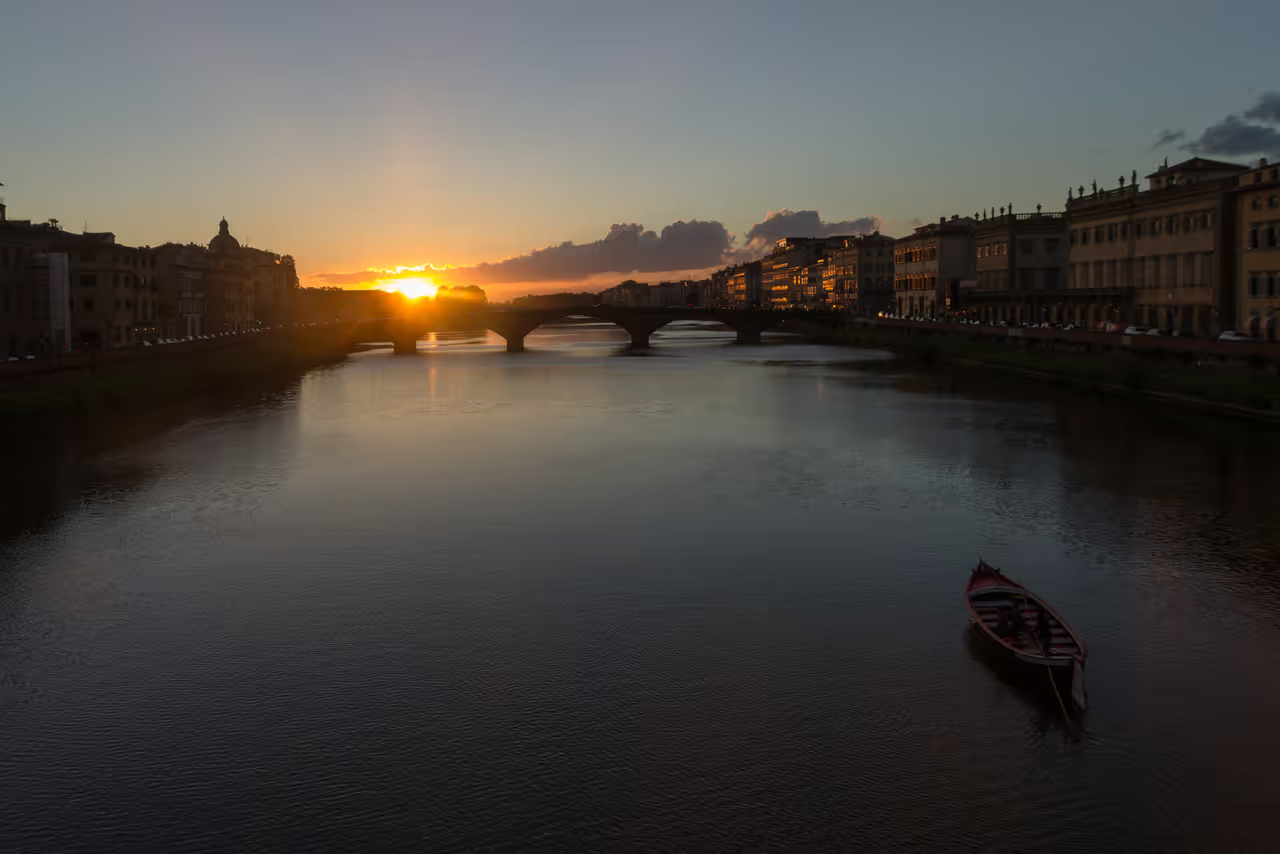
This romantic walk keeps you close to the water, zigzagging across the historic bridges that span the central river. Each bridge possesses its own distinct architectural character and offers a different vantage point of the city skyline. The changing light playing on the water creates a continuously shifting, beautiful atmosphere. It is a wonderfully relaxing way to experience the monumental scale of the riverside palaces.
Terraced Gardens Path
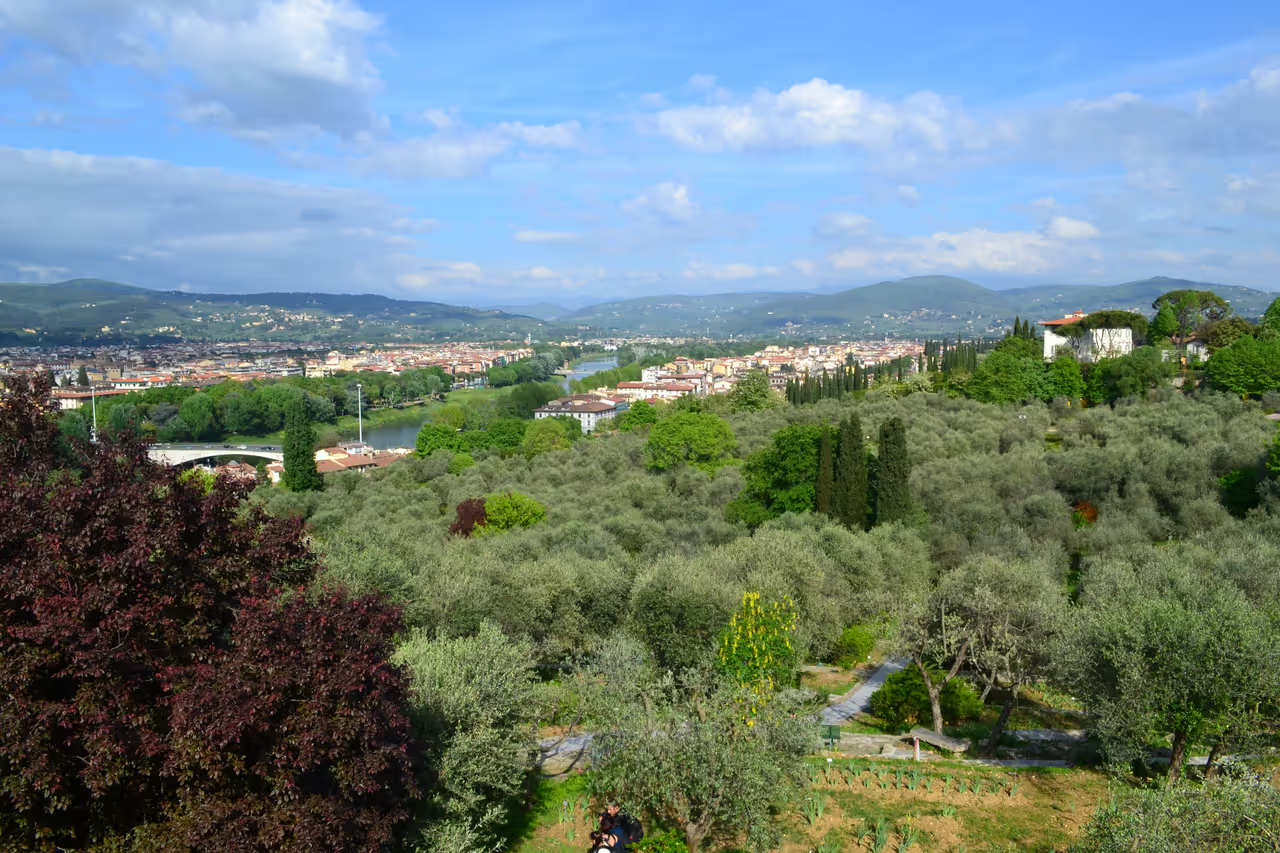
This steep but incredibly rewarding stroll leads you up through beautifully maintained botanical terraces located just south of the river. The paths wind through blooming flowerbeds, offering increasingly magnificent views of the monumental dome as you gain elevation. It is a quiet, heavily fragrant environment that feels completely separated from the dense stone architecture below. It perfectly blends vibrant horticulture with world class cityscapes.
Architecture & Landmarks
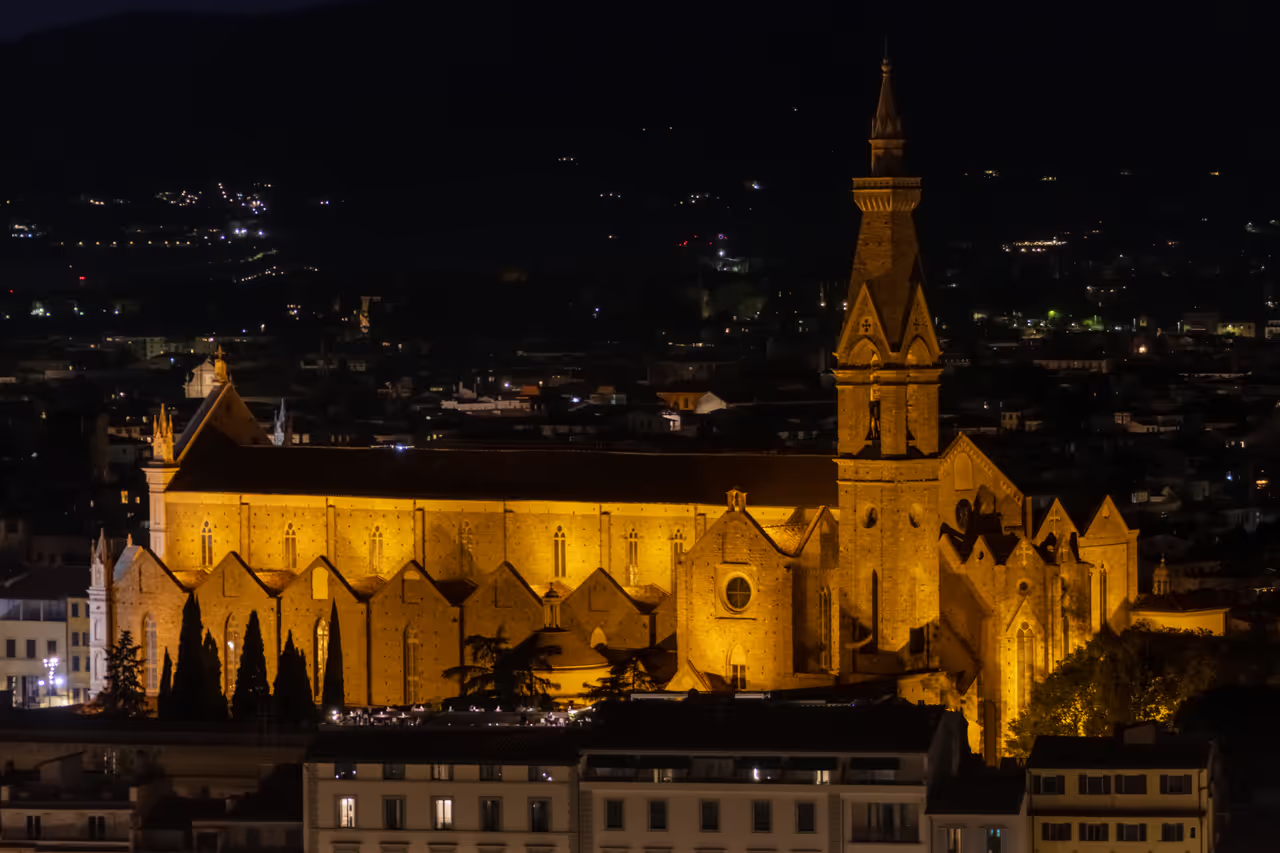
Basilica of Santa Croce
This vast Franciscan church is renowned globally as the 'Temple of the Italian Glories', serving as the burial place for immense...
view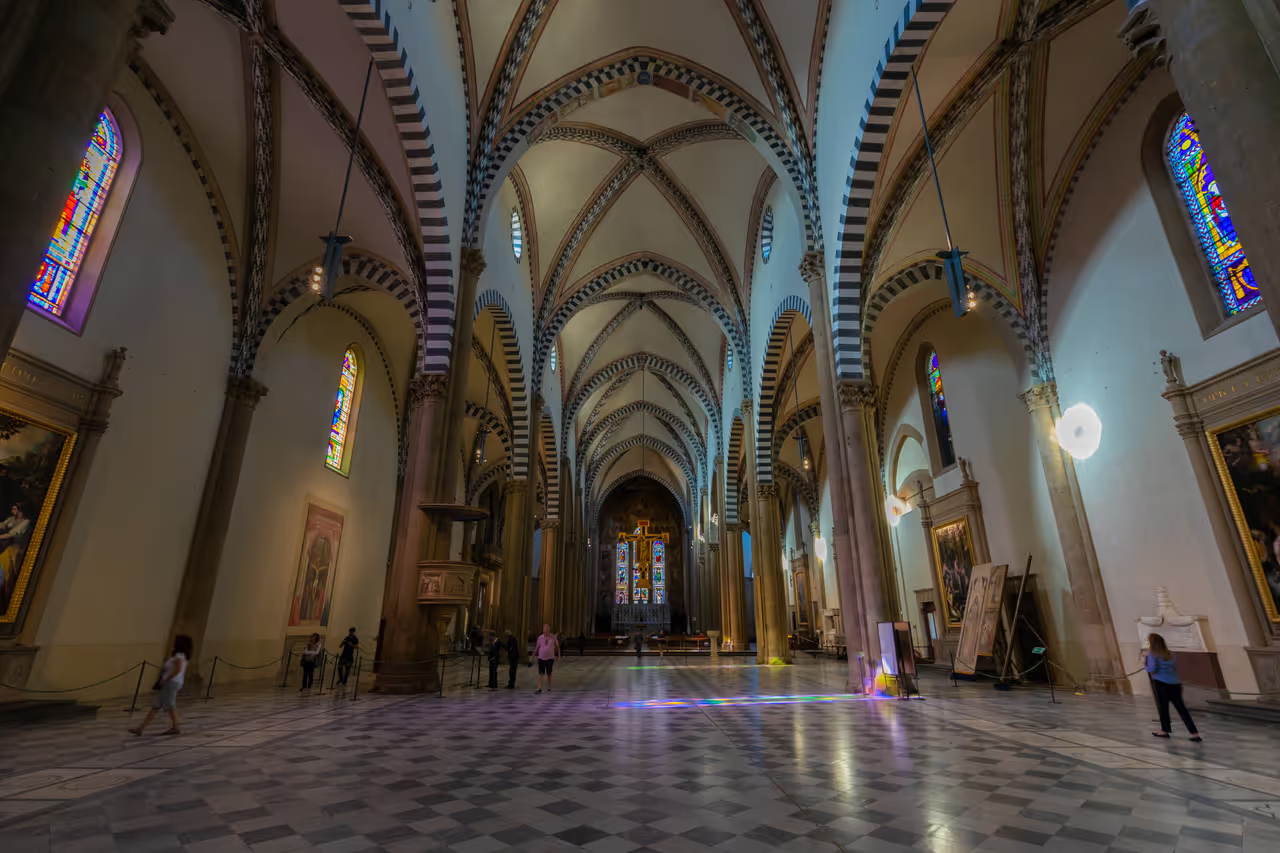
Basilica of Santa Maria Novella
Greeting visitors right near the main train station, this magnificent structure features a striking, mathematically perfect...
view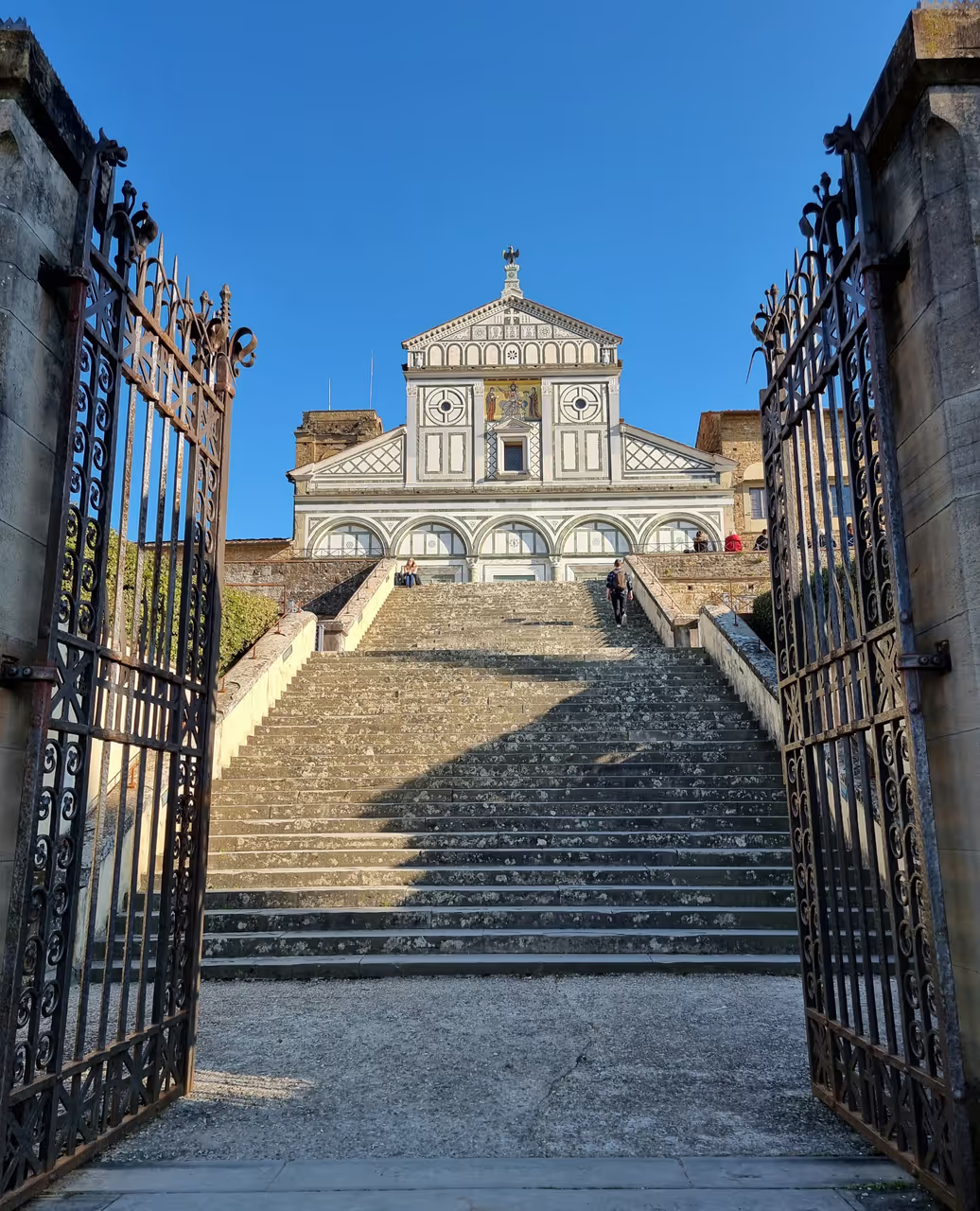
Basilica of San Miniato
Perched dramatically atop one of the highest hills overlooking the city, this is widely considered one of the finest Romanesque...
view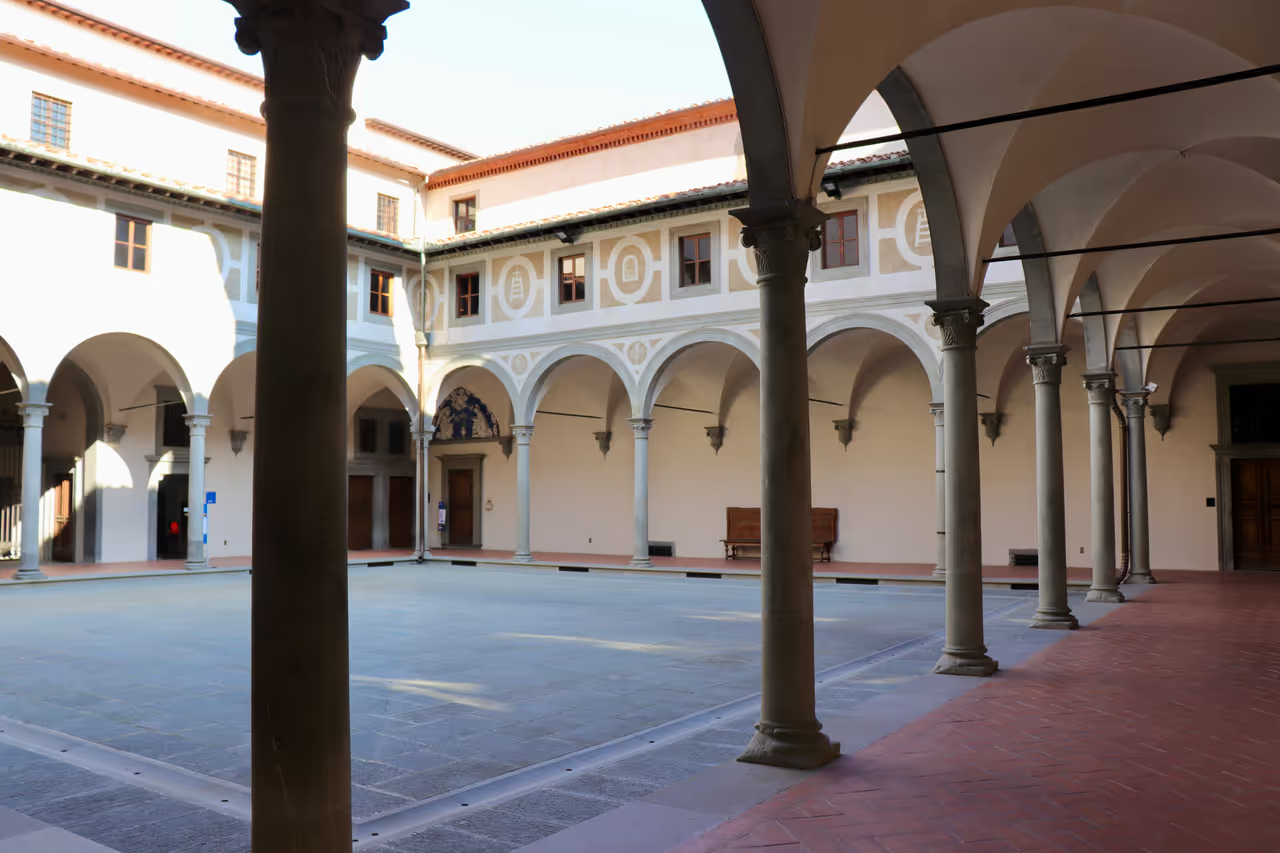
Hospital of the Innocents
Originally functioning as an orphanage, this elegant building is heavily celebrated as the very first purely Renaissance...
view
Markets & Shopping
Florence Nightlife
Photo Spots
Activities & Experiences
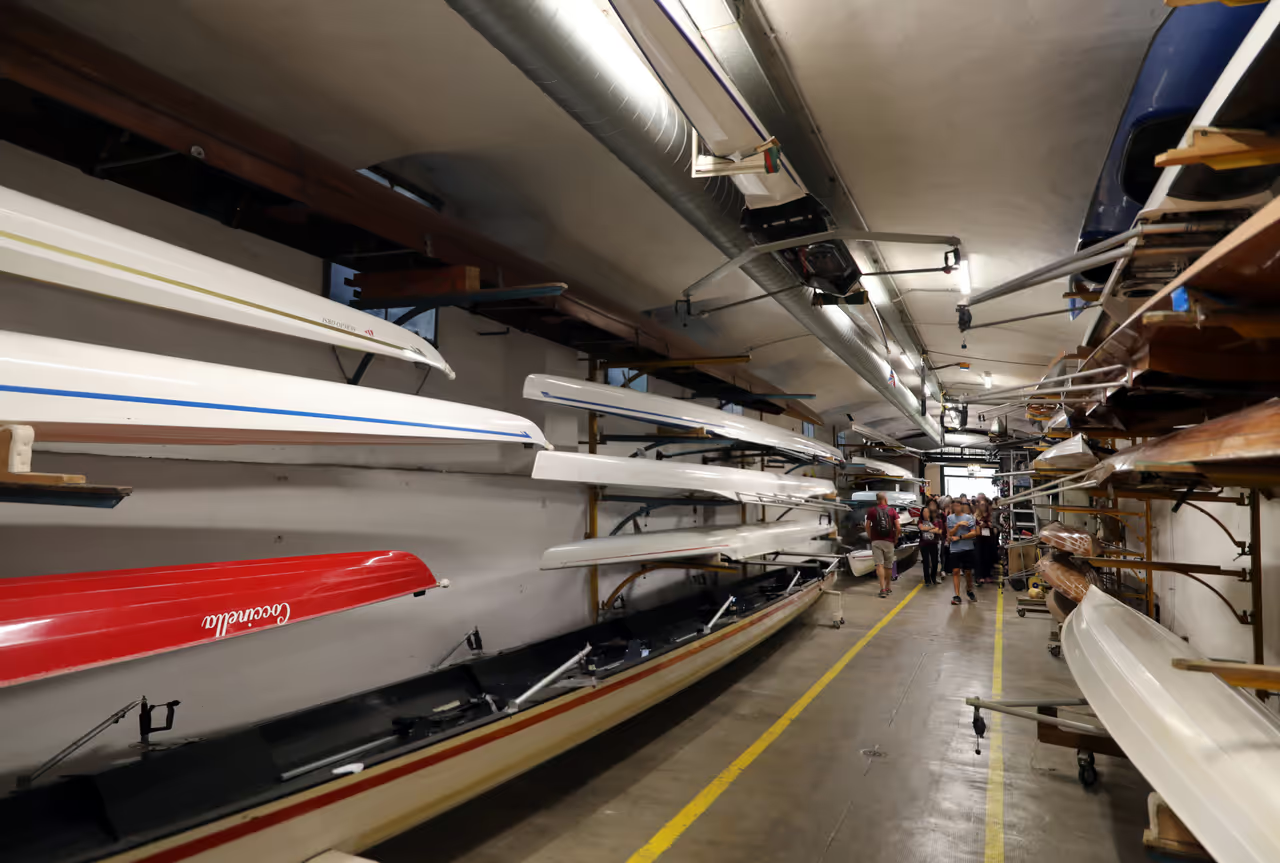
Cycling Routes
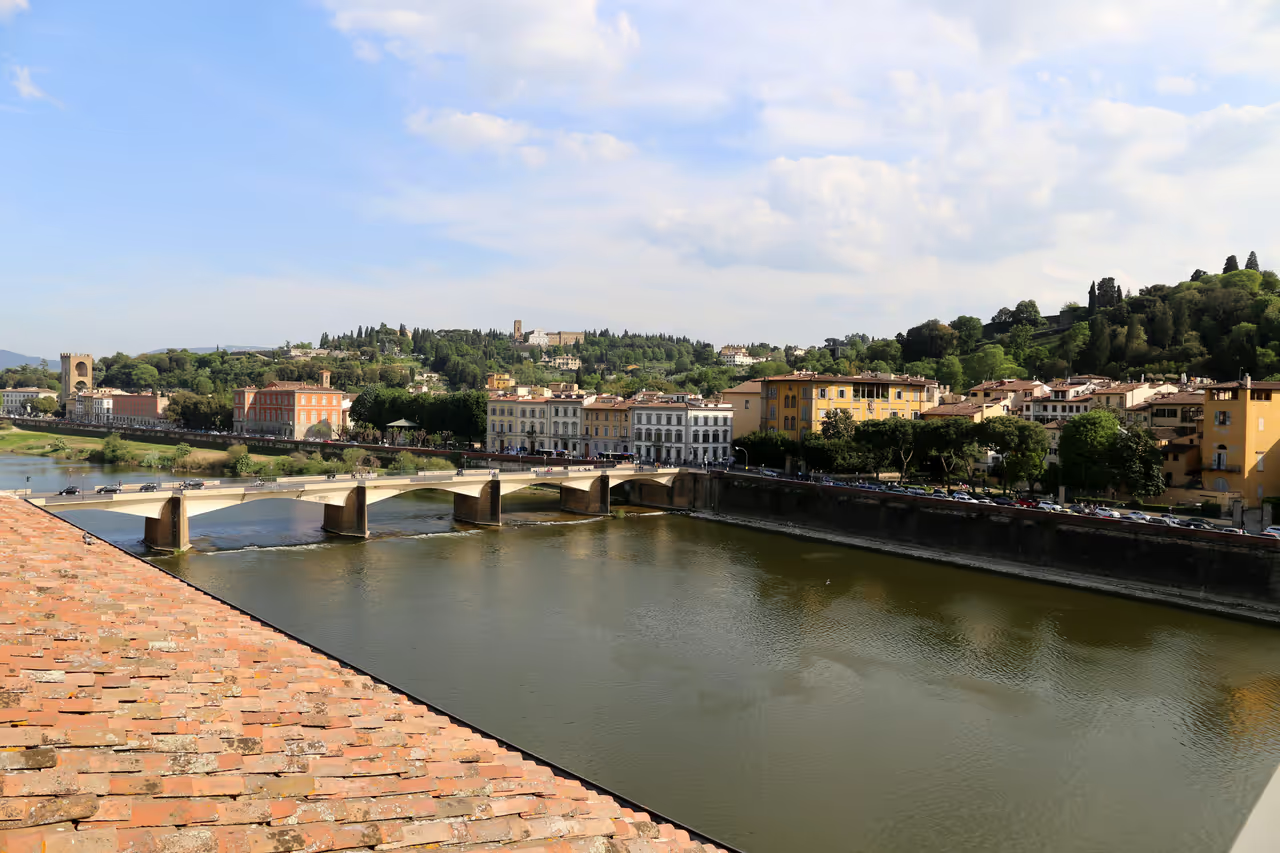
Arno River Greenway
This leisurely ride follows the mostly flat paths alongside the river, taking you away from the dense tourist centre into expansive green spaces. The route provides gorgeous, uninterrupted views of the water reflecting the historic bridges and colourful riverfront buildings. It is an incredibly relaxing way to spend a morning, offering a gentle breeze and plenty of opportunities to stop for a scenic break. You will eventually reach the largest public park in the city, perfect for a sunny picnic.
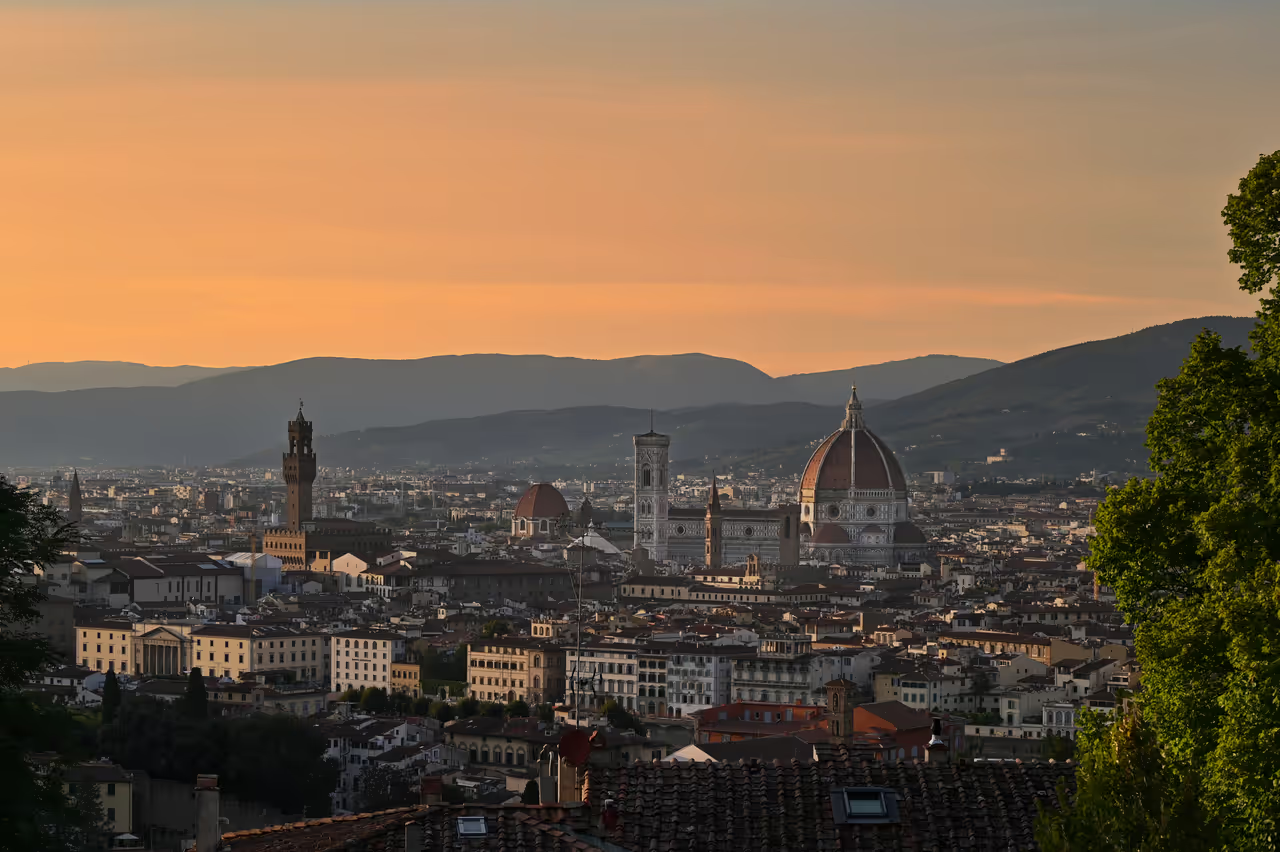
Southern Hills Loop
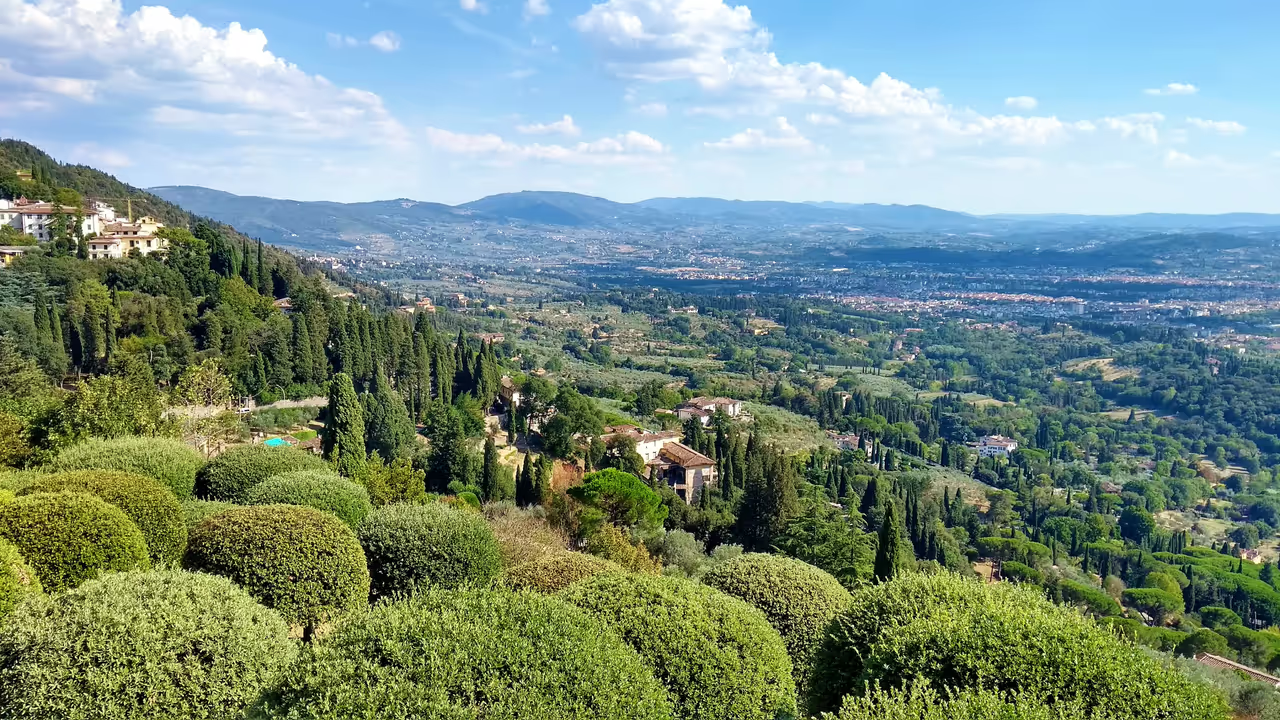
This slightly more demanding route ventures out of the immediate valley and into the picturesque rolling hills to the south. You will ride past historic villas, thick olive groves, and tall cypress trees that define the classic Tuscan landscape. The elevation gain rewards you with phenomenal, sweeping views looking back down over the terracotta roofs of the city. It feels like an entirely different world just minutes away from the busy centre.
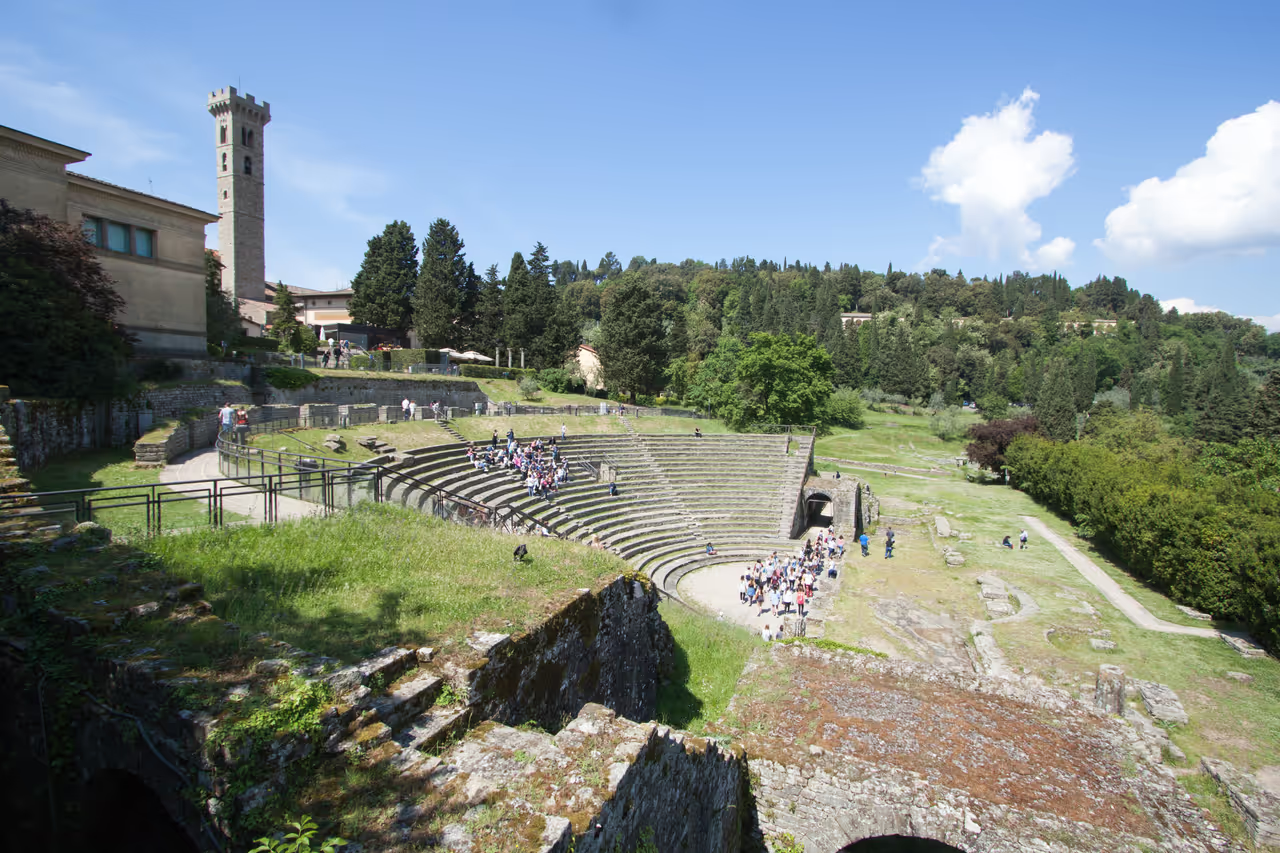
Fiesole Ascent
This challenging ride takes you high up into the mountains overlooking the city to an ancient Etruscan settlement. The winding roads test your endurance but reward you with spectacular scenery of the entire valley unfolding below. The destination is a quiet, aristocratic town filled with ancient ruins and elegant villas. It is a fantastic physical challenge that pairs athletic effort with incredible archaeological history.
Self-Guided Tours
- HIGHLY RECOMMENDED
Renaissance Masterpieces
This spectacular route focuses entirely on the most groundbreaking and famous works of art produced during the city's golden age. It connects the major galleries and monumental churches housing the sculptures and frescoes that redefined human expression. You will trace the evolution of perspective, realism, and classical beauty through the hands of absolute masters. It is an intense, visually overwhelming journey through the pinnacle of European art history.
Dark History & Hidden Secrets
This fascinating tour pulls back the elegant curtain of the Renaissance to reveal a grittier narrative of conspiracy, executions, and public shame. It visits the exact locations where notorious assassinations were attempted, heretics were burned, and insolvent merchants were humiliated. The beautiful medieval architecture takes on an entirely different, sinister tone when viewed through the lens of political violence. It is an incredibly thrilling way to uncover the ruthless reality behind the beautiful facade.
- HIGHLY RECOMMENDED
Medici Dynasty Trail
This immersive journey traces the dramatic rise, absolute dominance, and ultimate decline of the city's most legendary ruling family. You will connect the monumental palaces they built, the churches they funded, and the secret corridors they used to maintain control. The route reveals how a single banking family managed to shape the entire architectural and cultural legacy of the Renaissance. It is a fascinating exploration of ruthless ambition, incredible wealth, and political cunning.
Annual Festivals & Events
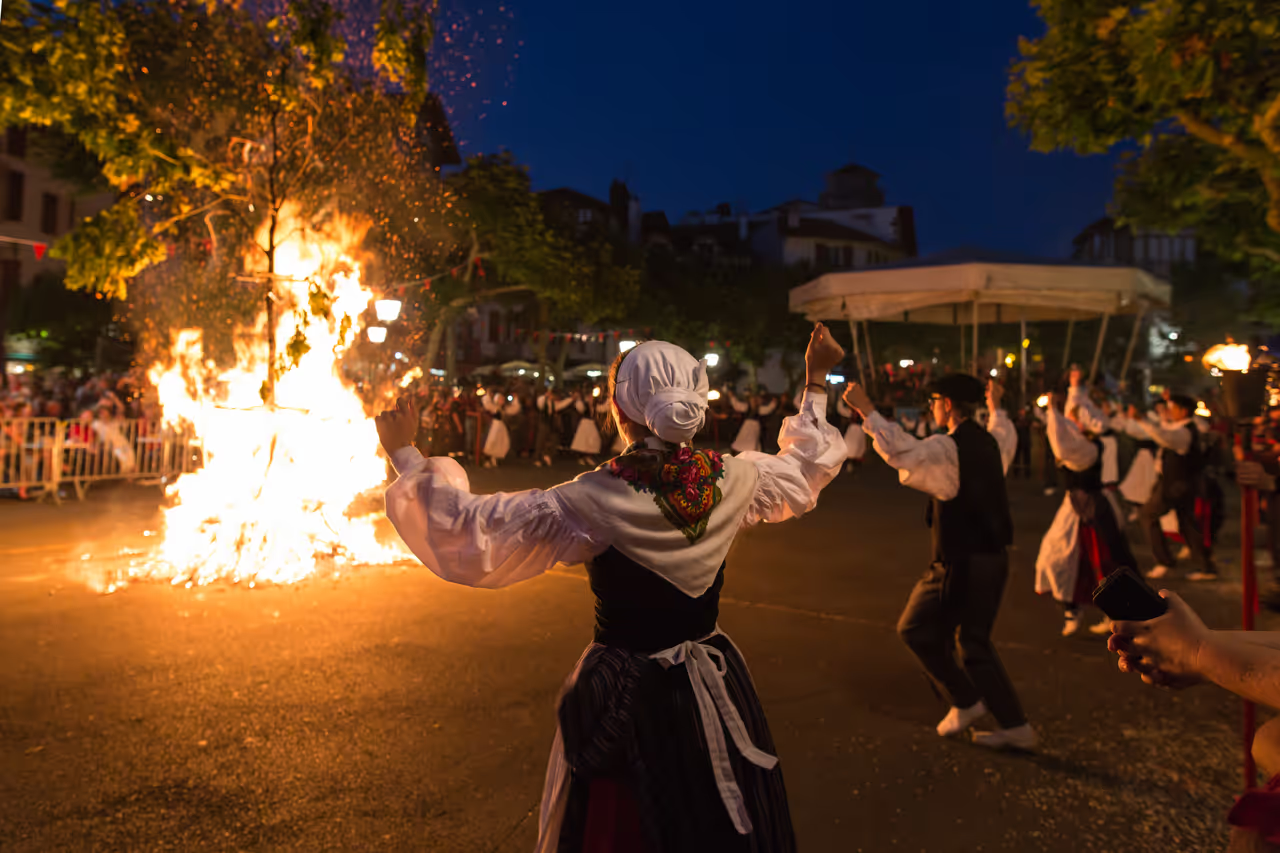 HIGHLY RECOMMENDED
Feast of Saint John
The city explodes into celebration to honour its patron saint with a day full of historical pageantry. Locals dress in elaborate Renaissance costumes and parade through the historic centre to the sound of drums. The evening culminates in a spectacular fireworks display launched over the Arno river, lighting up the iconic bridges. It is a day of deep civic pride where the entire community gathers along the riverbanks to watch the vibrant show.
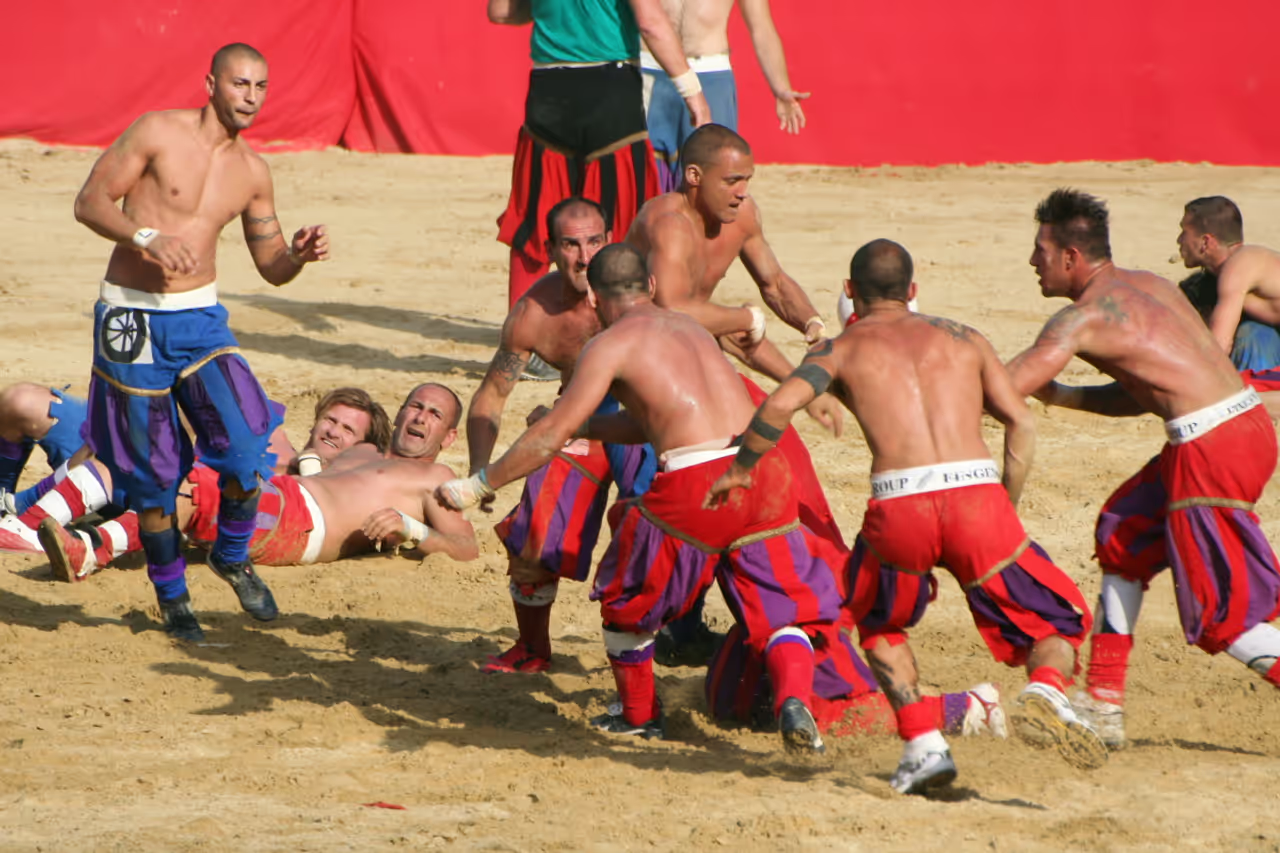 HIGHLY RECOMMENDED
Historical Florentine Football
This brutal and highly competitive medieval sport combines elements of rugby, wrestling, and football played in a massive sand pit. Four teams representing the historical neighbourhoods clash in a fiercely physical tournament that has roots dating back to the sixteenth century. The final match is traditionally played on the Feast of Saint John, drawing wild crowds and passionate local supporters. It provides an incredible glimpse into the fierce loyalty and warrior spirit of the local districts.
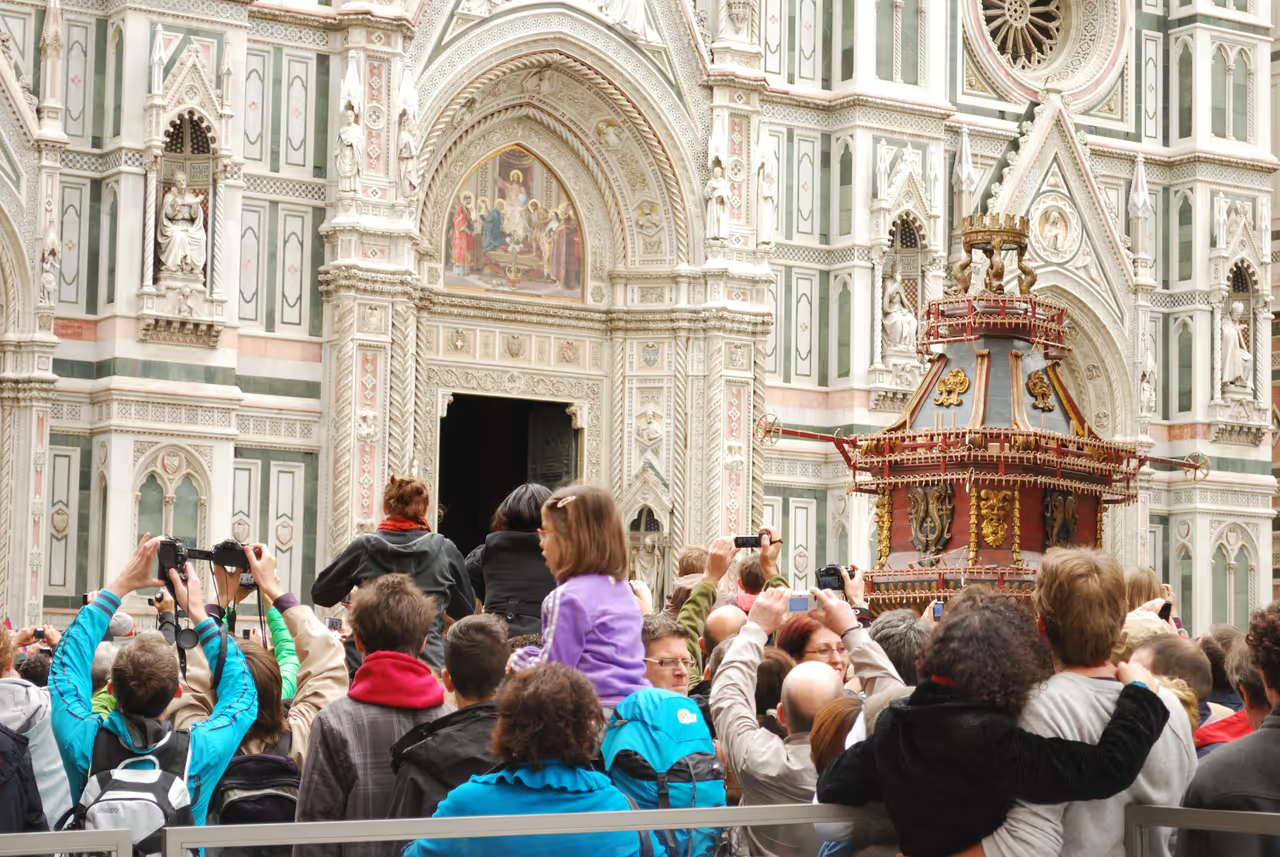
Explosion of the Cart
An elaborate antique cart is hauled into the cathedral square by a team of white oxen on Easter morning. During the mass, the archbishop lights a mechanical dove that speeds down a wire to ignite a massive fireworks display rigged to the cart. This explosive tradition dates back to the First Crusade and is believed to guarantee a good harvest for the region. The atmosphere is loud, joyous, and wonderfully theatrical.
Insider Tips
Always validate your paper bus or tram ticket in the small machine immediately upon boarding, as inspectors frequently check and hand out large fines for unstamped tickets.
If you rent a car, triple check your route with the rental agency to ensure you do not accidentally cross into the Limited Traffic Zone, which will result in hefty automated fines.
Tipping is not strictly expected in local restaurants, especially since a 'coperto' or bread charge is usually added to the bill, but leaving a few extra euros for great service is always appreciated.
Do not attempt to order a cappuccino after a meal, as locals strictly consider heavy milk drinks as morning beverages and switch to simple espresso in the afternoon.
When visiting churches, ensure your shoulders and knees are fully covered, as guards will turn away visitors wearing shorts or sleeveless tops regardless of the summer heat.
Never buy imitation designer bags or sunglasses from street vendors spread out on blankets, as undercover police actively issue massive fines to the buyers.
PERFECT FOR
This destination is perfect for couples seeking romance among rolling hills and monumental architecture. It heavily caters to art enthusiasts and history lovers eager to witness the birth of the Renaissance up close. Food connoisseurs will also find themselves in paradise while exploring traditional Tuscan flavours and exceptional local wines.
VIBE
Walking through these streets feels exactly like stepping into a beautifully preserved Renaissance painting. The air carries the rich scent of espresso and aged leather from artisan workshops. There is a palpable sense of elegance and historic pride radiating from every grand palace and cobblestone alleyway.
Frequently Asked Questions about Florence
While we strive to keep this information accurate and up to date, we recommend verifying any details independently before making decisions based on them.
Similar Destinations in Italy
Continue your journey. Explore these highly recommended cities and uncover more of what Italy has to offer.