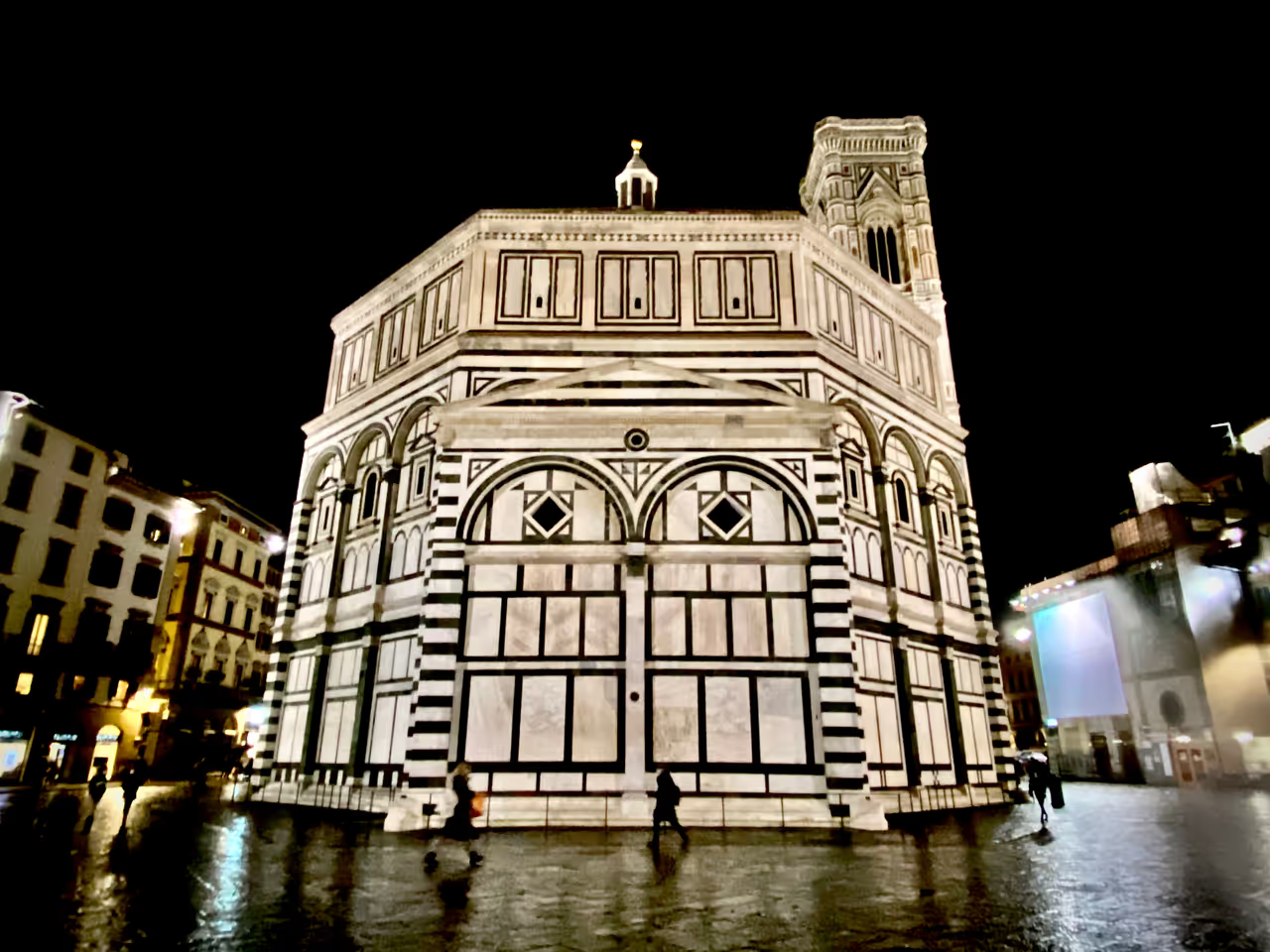
Baptistery of San Giovanni
Standing proudly in the heart of the city, this octagonal masterpiece is one of Florence's oldest and most beloved buildings. It is famous for its striking green and white marble exterior and the shimmering gold mosaics that cover its ceiling, creating an atmosphere of divine grandeur. Most visitors come to marvel at the legendary bronze doors, especially the 'Gates of Paradise' which Michelangelo himself claimed were fit for heaven. Whether you are a history buff or an art lover, stepping inside feels like a journey back to the very dawn of the Renaissance. It is a place where every inch of stone and glass tells a story of civic pride and artistic rivalry. Visiting here offers a quiet moment of reflection away from the main cathedral crowds, allowing you to soak in centuries of Florentine heritage.
Videos
History of Baptistery of San Giovanni
The origins of the Baptistery are wrapped in a layer of myth that the people of Florence held dear for centuries. While modern excavations show it was built over a Roman house, local legend long insisted that it was once a grand temple dedicated to Mars, the Roman god of war. This story was essential to the Florentine identity, linking the city directly to the glory of the Roman Empire. By the time it was consecrated in 1059, it had become the spiritual heart of the city, a place where every citizen was equal at the moment of their baptism. The octagonal design was no accident; it represents the eighth day, a symbol of rebirth and the resurrection beyond the seven days of the week. In the early 15th century, the Baptistery became the stage for one of the most famous rivalries in art history. The city's powerful merchant guilds announced a competition to design a new set of bronze doors, attracting the greatest talents of the age. When Lorenzo Ghiberti beat out the hot-headed Filippo Brunelleschi, he didn't just win a contract; he helped define the visual language of the Renaissance. He spent decades meticulously crafting panels that used new techniques of perspective and depth, transforming flat metal into living stories. This period was a golden age for the building, as the interior was simultaneously being filled with glittering mosaics that still leave visitors speechless today. Today, the Baptistery stands as a symbol of resilience and timeless beauty. It survived the Great Flood of 1966, which saw the Arno River tear several panels from the doors and coat the interior in mud. The subsequent restoration effort brought together experts from around the world, reinforcing the building's status as a treasure belonging to all of humanity. As you walk around its patterned marble walls, you are treading where Dante Alighieri once walked and where the greatest minds of the Renaissance gathered to argue about beauty. Its legacy is one of continuous inspiration, serving as a reminder of what a city can achieve when it values art as much as faith.
Events spanning 907 years
Fun Facts
- • Almost every famous Florentine, including the legendary poet Dante Alighieri, was baptised within these very walls.
- • For centuries, locals believed the Baptistery was originally a Roman temple dedicated to the god Mars, a myth that helped boost the city's ancient credentials.
- • Ghiberti's winning design for the competition used significantly less bronze than Brunelleschi's, making it cheaper and lighter to cast.
- • Leonardo da Vinci once came up with a daring, though never realised, engineering plan to lift the entire building up to insert a new pedestal.
- • Michelangelo was so moved by the beauty of the east doors that he was the one who allegedly gave them their famous nickname.
- • The 1401 competition for the north doors is often cited as the official spark that started the Italian Renaissance.
- • The building's octagonal shape is highly symbolic, representing the 'eighth day' of the resurrection and eternal life in Christian theology.
- • The distinctive green marble used in the exterior patterns was sourced from nearby Prato, while the white marble came from the Carrara region.
- • The original bronze panels are now kept in the nearby Cathedral Museum to protect them from pollution, with high-quality copies standing in their place.
- • The stunning ceiling mosaics include a terrifying depiction of Hell that many believe served as a direct inspiration for Dante's Inferno.
- • The tomb of the Antipope John XXIII, located inside, was crafted by the powerhouse duo of Donatello and Michelozzo.
- • You can spot the eagle emblem of the Arte di Calimala, the wealthy cloth merchants' guild, hidden in several places on the building's exterior.
RESOURCES
Official WebsiteBaptistery of San Giovanni FAQ
While we strive to keep this information accurate and up to date, we recommend verifying any details independently before making decisions based on them.
Baptistery of San Giovanni Map & Neighborhood Explorer
This interactive map is centered on Baptistery of San Giovanni. Zoom in and move the map around to automatically discover Wikipedia photos and summaries of other nearby sights, monuments, and historical points of interest and stories in real-time!
Places near Baptistery of San Giovanni
Make the most of your trip. Check out these top-rated spots located nearby.
 35m
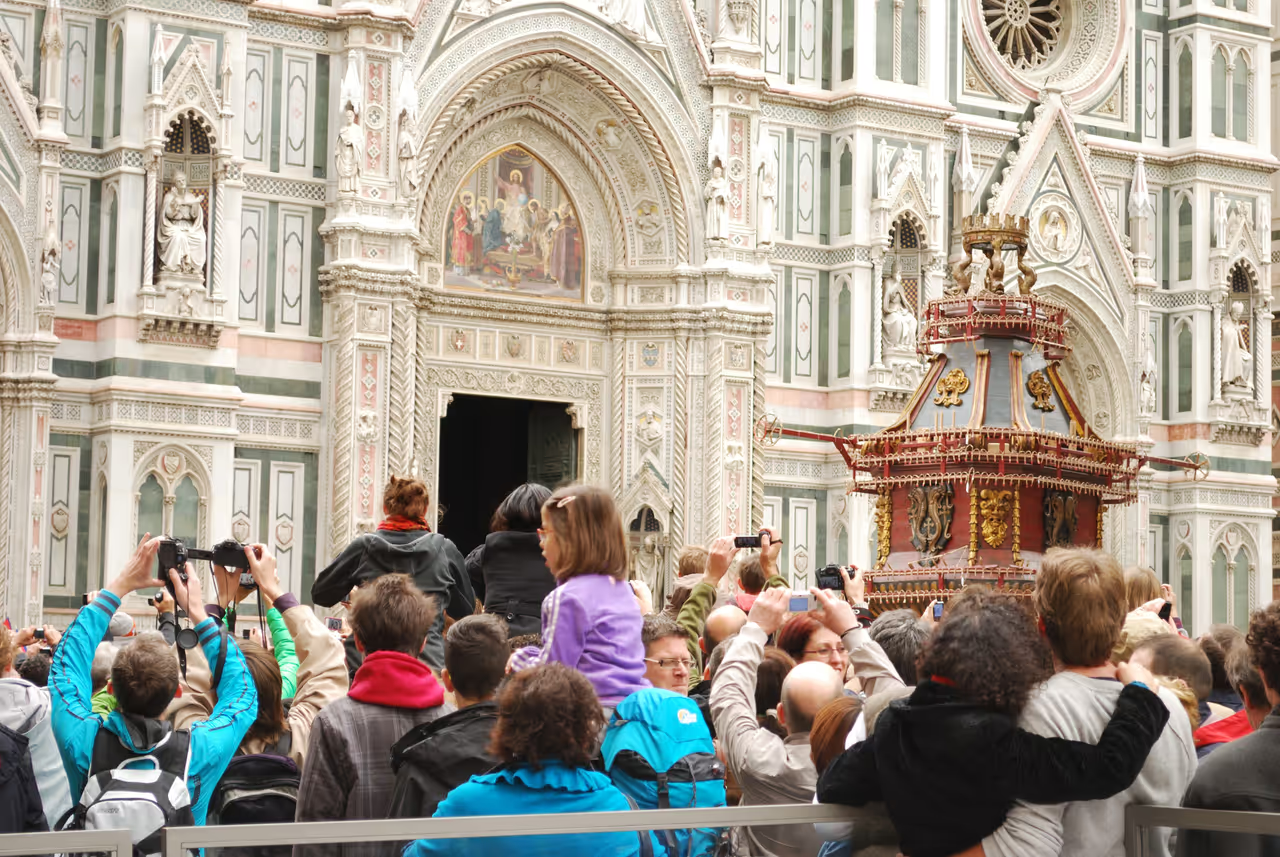
35mExplosion of the Cart
An elaborate antique cart is hauled into the cathedral square by a team of white oxen on Easter morning. During the mass, the archbishop lights a mechanical dove that speeds down a wire to ignite a massive fireworks display rigged to the cart. This explosive tradition dates back to the First Crusade and is believed to guarantee a good harvest for the region. The atmosphere is loud, joyous, and wonderfully theatrical.
festival view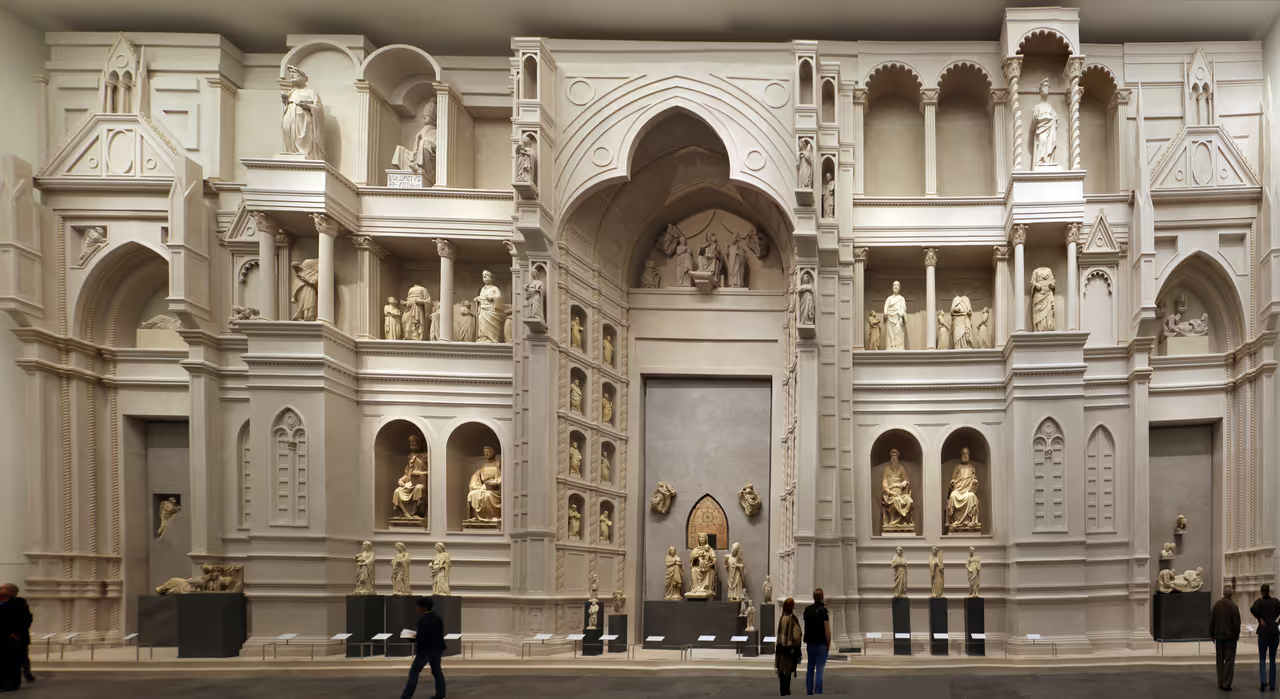 87m
87mCathedral Works Museum
This spectacularly modernised museum holds the original, priceless artworks removed from the cathedral complex to protect them from the elements. The highlight is a life sized, jaw-dropping recreation of the original cathedral facade, populated with genuine medieval statues. It also houses an intensely emotional, deeply personal sculpture of the Pieta carved by Michelangelo intended for his own tomb. The sheer scale and brilliant curation of the exhibits make it a deeply moving experience.
highlight view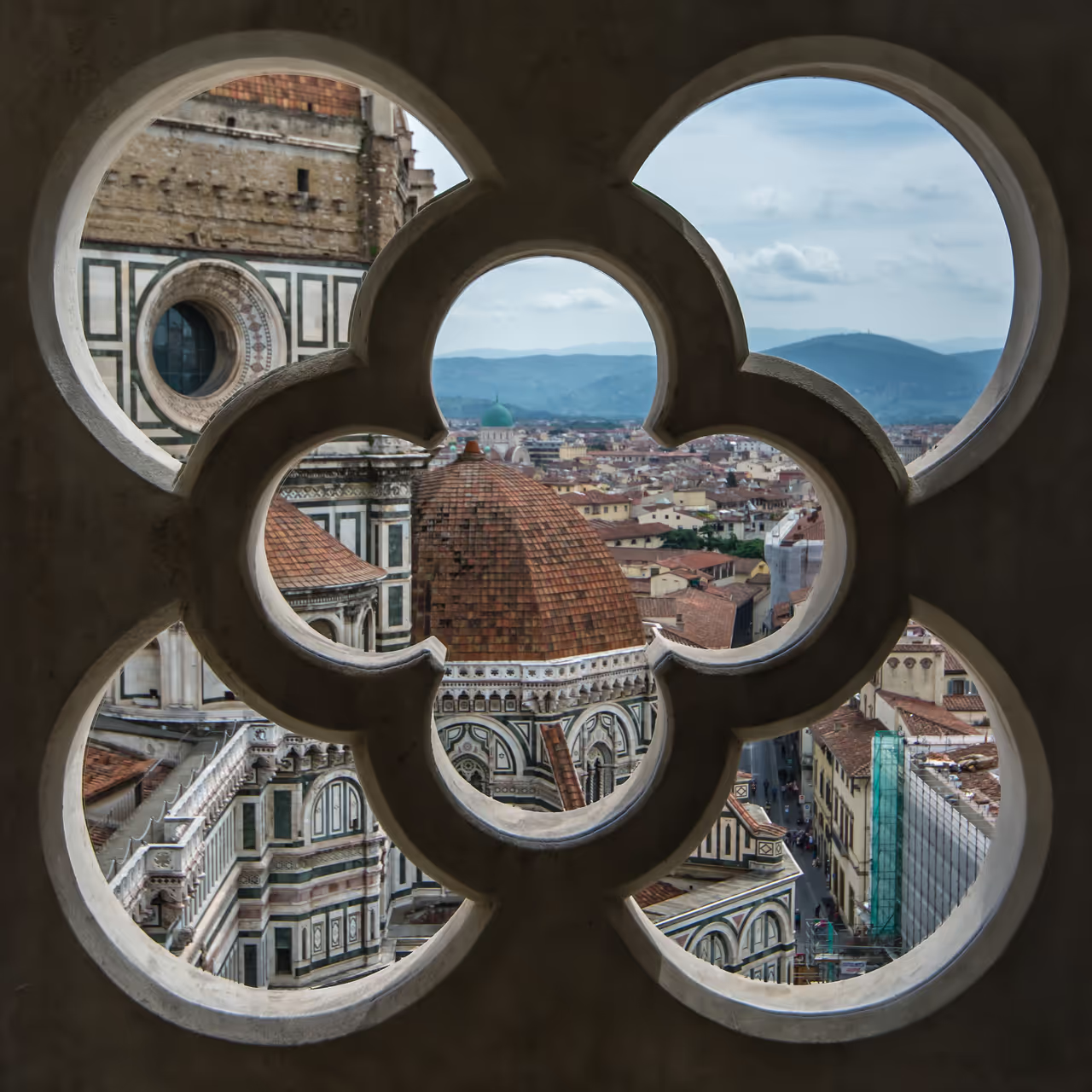 125m
125mFlorence Cathedral
Dominated by Filippo Brunelleschi's colossal red tiled dome, the Florence Cathedral stands as the undisputed heart and soul of the city. Visiting this masterpiece is an essential experience, offering a glimpse into architectural history and a chance to stand beneath the largest masonry dome ever built. Inside, the vast, austere space transports you back to the Renaissance, while the ascent to the top rewards you with breathtaking panoramic views of Tuscany. It is a place where engineering genius meets profound spiritual devotion, forever marking the skyline. Do not miss the chance to witness the intricate polychrome marble facade that defines the very character of Florence.
attraction view 125m
125mHistoric Centre of Florence
Stepping into the historic centre of Florence feels like walking through an open air museum where every cobblestone whispers tales of the Renaissance. This UNESCO World Heritage site is the beating heart of Tuscany, where towering masterpieces like Brunelleschi’s dome stand proudly alongside the charm of hidden artisan workshops. Visitors are treated to an architectural journey, from the medieval allure of the Ponte Vecchio to the majestic grandeur of the Uffizi Gallery. It is a place that seamlessly blends centuries of artistic heritage with a modern, stylish lifestyle where you can enjoy a classic Negroni after exploring world famous galleries. The atmosphere is truly unique, offering a perfect harmony between its storied past and the contemporary pulse of Italian fashion and design. Whether you are gazing at the skyline from Piazzale Michelangelo or getting lost in the narrow winding streets, the centre of Florence invites you to experience beauty at every turn.
unesco heritage site view
Explore Similar Places in This Collection
Featured on These Itineraries
1 Day in Florence: Essential Itinerary
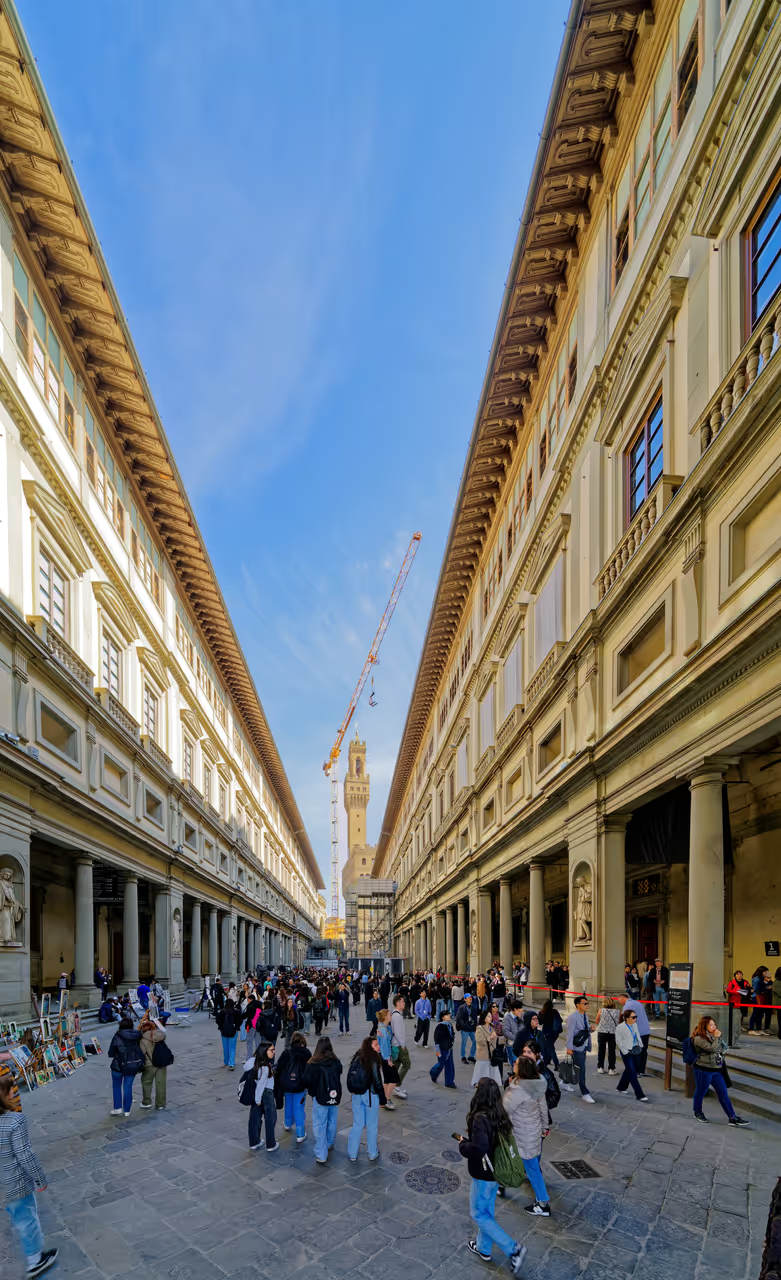
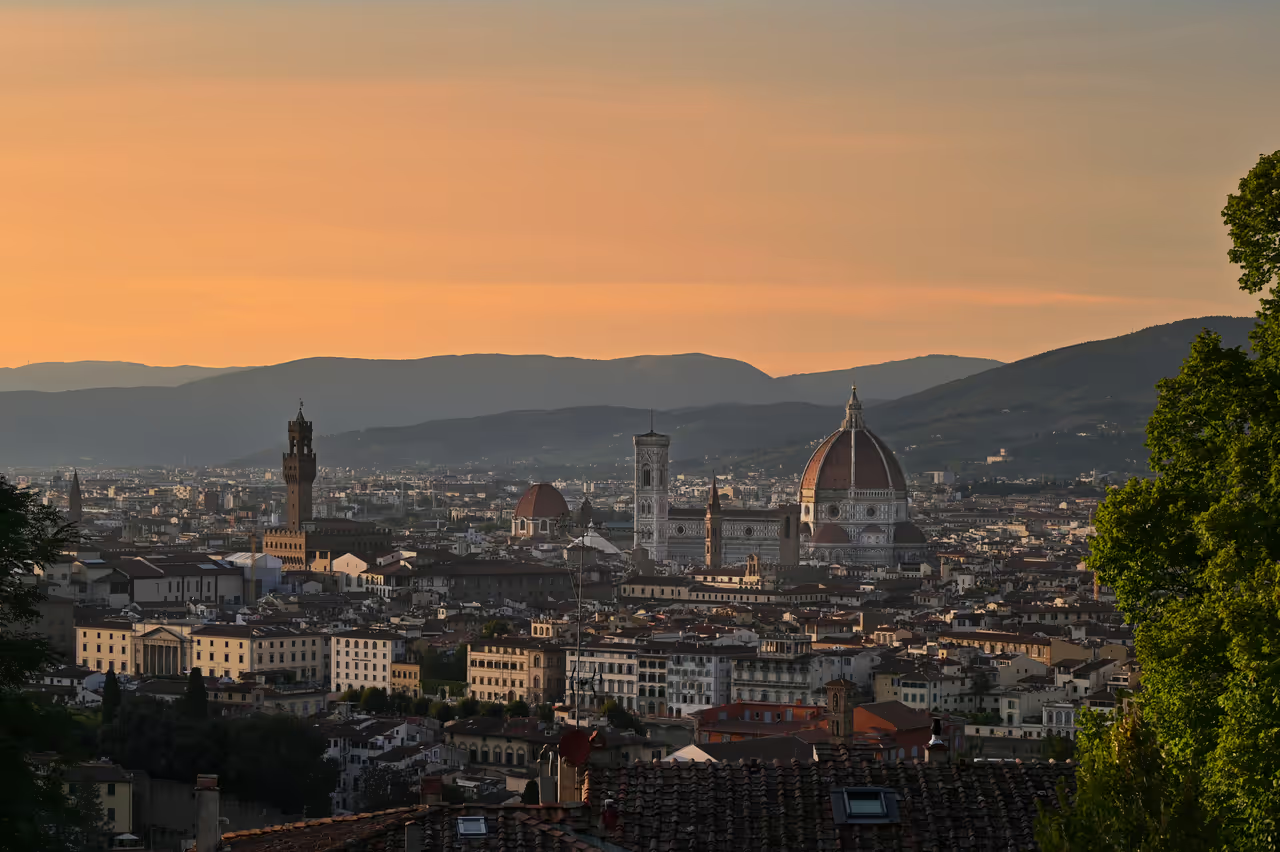
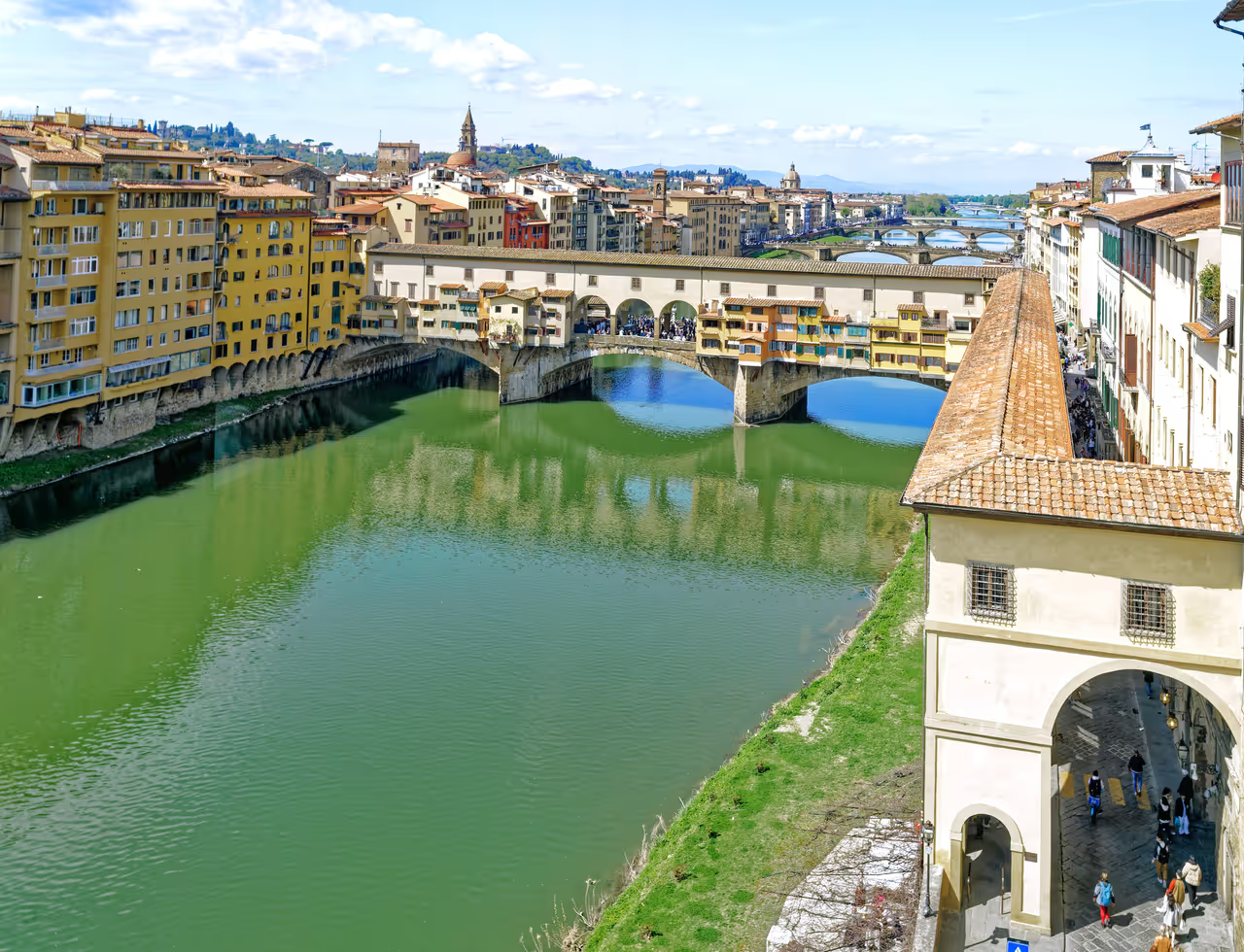
This intense, tightly packed route is designed for travellers who only have a single day to experience the absolute pinnacle of the city's offerings. It rapidly hits the monumental architectural symbols, the most famous art collection, and the iconic river crossing before culminating in a spectacular panoramic sunset. You will cover the heavy hitters of the Renaissance, ensuring you do not miss the universally recognized landmarks. It requires significant energy but guarantees a massively rewarding, unforgettable highlight reel.
view itinerary
5 Days in Florence: The Ultimate Experience Itinerary
With five days, you can truly absorb the rhythm of the city, moving beyond the central museums to discover eccentric hidden gems and quiet hilltop retreats. You will have time to climb the famous towers, explore bizarre scientific collections, and venture out to the ancient Etruscan ruins in the mountains. This extended stay allows you to appreciate the subtle, romantic atmosphere of the city that is often missed by rushed tourists. It is a highly comprehensive, incredibly satisfying cultural immersion.
view itinerary
See all attractions in Florence
Accademia Gallery, Bargello National Museum, Florence Cathedral, Palazzo Pitti, Palazzo Vecchio, Ponte Vecchio, Uffizi Gallery...