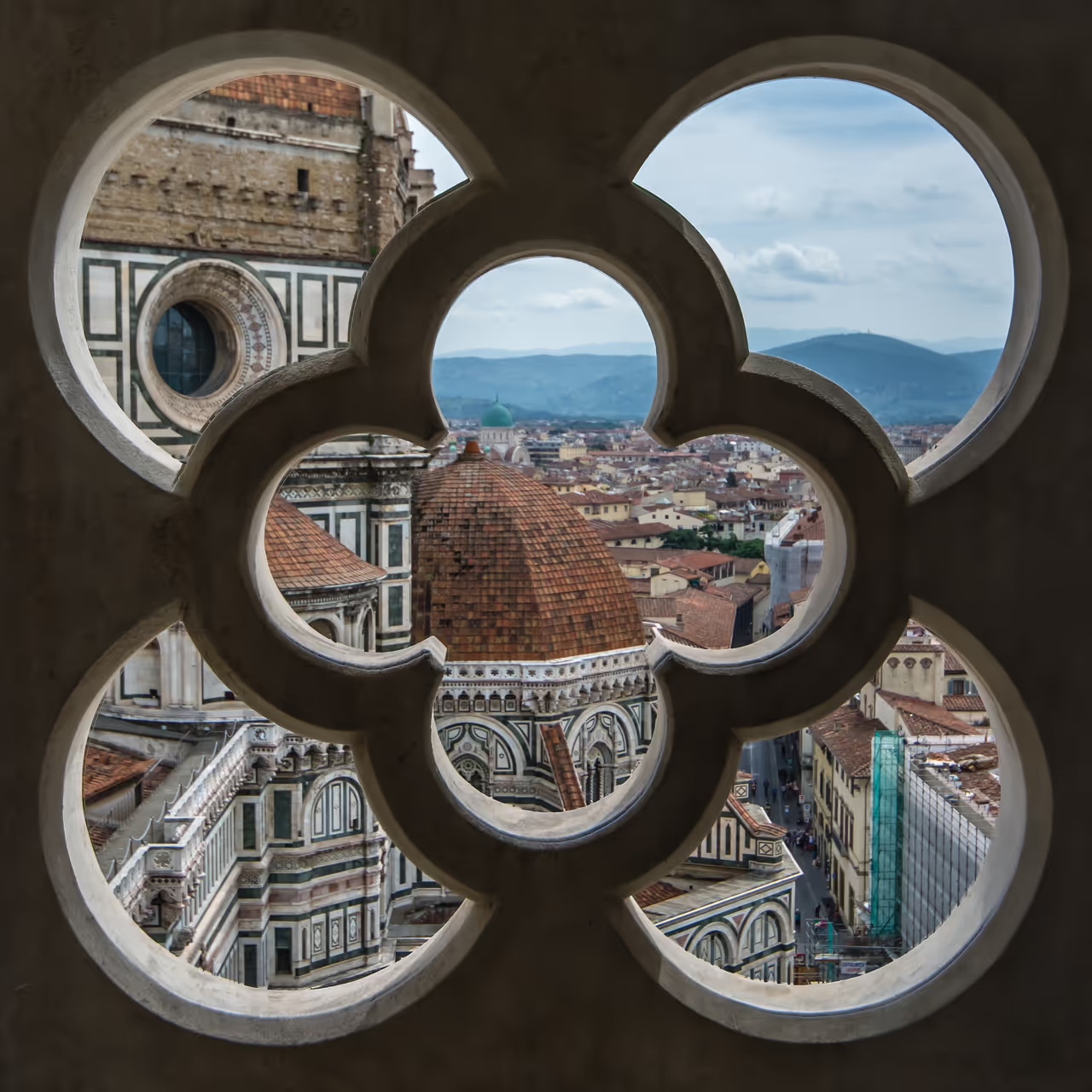
Florence Cathedral
Dominated by Filippo Brunelleschi's colossal red tiled dome, the Florence Cathedral stands as the undisputed heart and soul of the city. Visiting this masterpiece is an essential experience, offering a glimpse into architectural history and a chance to stand beneath the largest masonry dome ever built. Inside, the vast, austere space transports you back to the Renaissance, while the ascent to the top rewards you with breathtaking panoramic views of Tuscany. It is a place where engineering genius meets profound spiritual devotion, forever marking the skyline. Do not miss the chance to witness the intricate polychrome marble facade that defines the very character of Florence.
Videos
History of Florence Cathedral
By the late thirteenth century, Florence had crushed its rival Siena and was swimming in wealth, but its cathedral was an embarrassment. Santa Reparata was small, crumbling, and entirely unsuited to a city with imperial ambitions. In 1294, the city government ordered a replacement designed to eclipse anything built by their neighbours. Arnolfo di Cambio began constructing the colossal new walls of Santa Maria del Fiore directly around the old church. Priests simply continued holding mass inside the decaying Santa Reparata while the new marble shell slowly swallowed it whole. The project outlived Arnolfo by a century. Work sputtered through the arrival of the Black Death and the passing of multiple architects until the nave finally stood complete. There was just one glaring issue left to solve. The builders had left a hole 43 metres across standing 60 metres in the air, and nobody on earth actually knew how to cover it. In 1418, the city held a competition to figure out how to vault such a massive space without the whole structure collapsing under its own weight. Mortar of the era took too long to dry, meaning bricks laid at a steep angle would simply slip and fall on the stone floor below. Filippo Brunelleschi stepped forward with an idea that sounded like madness. He proposed a double shell capable of supporting itself without any traditional wooden scaffolding. After manoeuvring his bitter rival Lorenzo Ghiberti out of the project, Brunelleschi took control. He solved the gravity problem by laying bricks in a peculiar herringbone pattern, which locked them into place as the walls curved upward. He had to invent entirely new hoisting machines just to lift the massive stone blocks into the sky, eventually sealing the vault with a heavy marble lantern. The completed cathedral soon served as the stage for the most vicious political feud of the Renaissance. During Sunday mass on 26 April 1478, assassins backed by the Pazzi family drew their blades on the ruling Medici brothers. Giuliano de Medici fell under a flurry of knives right on the cathedral floor. Lorenzo the Magnificent fought his way bleeding across the chancel and barricaded himself inside the North Sacristy. The heavy bronze doors cast by Luca della Robbia slammed shut just in time to save his life. While the political bloodstains faded, the building took on a quieter scientific life. In 1475, the astronomer Paolo dal Pozzo Toscanelli turned the masterpiece into a gigantic solar observatory. He placed a bronze plate with a tiny hole high up in the lantern. Every year on the 21st of June, a precise projection of the sun slides across the floor of the Chapel of the Cross to mark the summer solstice. Sunlight still tracks exactly over that bronze meridian line, quietly measuring the tilt of the earth onto the cold marble.
Events spanning 591 years
Fun Facts
- • A hidden gnomon in the lantern, installed in 1475, acts as a solar observatory, allowing astronomers to refine the calendar over centuries.
- • During the Pazzi Conspiracy in 1478, Lorenzo the Magnificent narrowly escaped an assassination attempt inside the cathedral by hiding in the sacristy.
- • The cathedral serves as the final resting place for Brunelleschi, a rare honour for an architect inside such a prestigious church.
- • The cathedral was originally dedicated to Santa Reparata, and its name only officially changed to Santa Maria del Fiore in 1412.
- • The cathedral's floor contains marbles salvaged from the demolished medieval facade, hidden in plain sight beneath visitors' feet.
- • The climb to the top involves 463 steps and offers a unique, up close view of the dome's interior frescoes.
- • The clock located on the inside wall is one of the few still functional examples of the hora italica, where the day is measured to end at sunset.
- • The dome of the cathedral is the largest masonry dome ever built in the world, an engineering marvel that revolutionized architecture.
- • The interior contains 3600 square metres of frescoes, which is the largest surface area ever painted in this manner.
- • The intricate polychrome marble facade that visitors see today is a 19th century Neo Gothic addition, as the original front remained unfinished for centuries.
RESOURCES
Official WebsiteFlorence Cathedral FAQ
While we strive to keep this information accurate and up to date, we recommend verifying any details independently before making decisions based on them.
Florence Cathedral Map & Neighborhood Explorer
This interactive map is centered on Florence Cathedral. Zoom in and move the map around to automatically discover Wikipedia photos and summaries of other nearby sights, monuments, and historical points of interest and stories in real-time!
Places near Florence Cathedral
Make the most of your trip. Check out these top-rated spots located nearby.
 0m
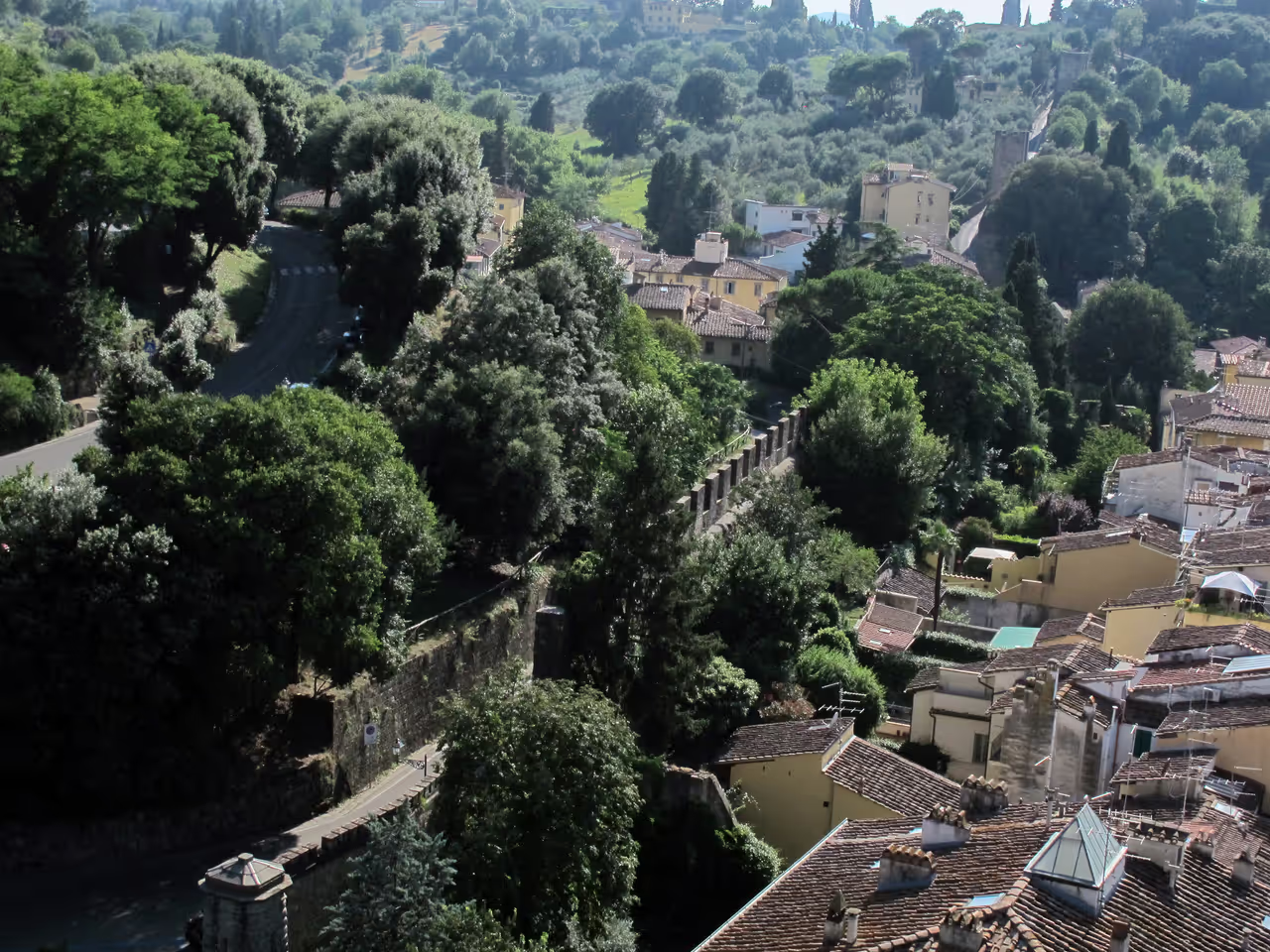
0mHistoric Centre of Florence
Stepping into the historic centre of Florence feels like walking through an open air museum where every cobblestone whispers tales of the Renaissance. This UNESCO World Heritage site is the beating heart of Tuscany, where towering masterpieces like Brunelleschi’s dome stand proudly alongside the charm of hidden artisan workshops. Visitors are treated to an architectural journey, from the medieval allure of the Ponte Vecchio to the majestic grandeur of the Uffizi Gallery. It is a place that seamlessly blends centuries of artistic heritage with a modern, stylish lifestyle where you can enjoy a classic Negroni after exploring world famous galleries. The atmosphere is truly unique, offering a perfect harmony between its storied past and the contemporary pulse of Italian fashion and design. Whether you are gazing at the skyline from Piazzale Michelangelo or getting lost in the narrow winding streets, the centre of Florence invites you to experience beauty at every turn.
unesco heritage site view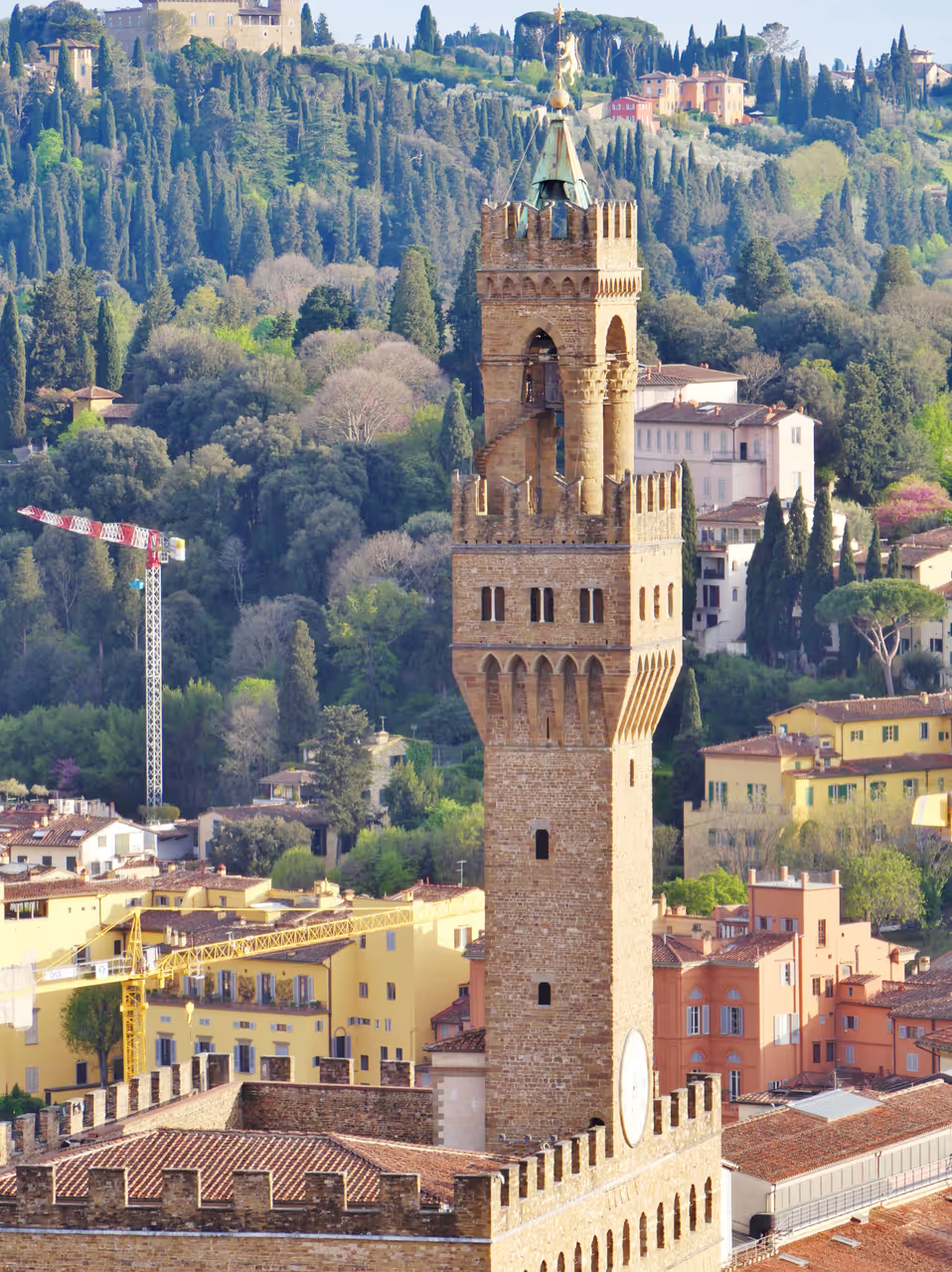 23m
23mGiotto's Bell Tower
Ascending the 414 steps of this beautifully ornate, freestanding tower provides a phenomenally unique vantage point. Unlike climbing the dome, reaching the top of the tower allows you to actually include the massive red dome in your photographs of the skyline. The open air terrace is tightly enclosed with safety grilles but still offers commanding, 360 degree sights. It is a fantastic alternative for securing dramatic, high altitude pictures.
viewpoint view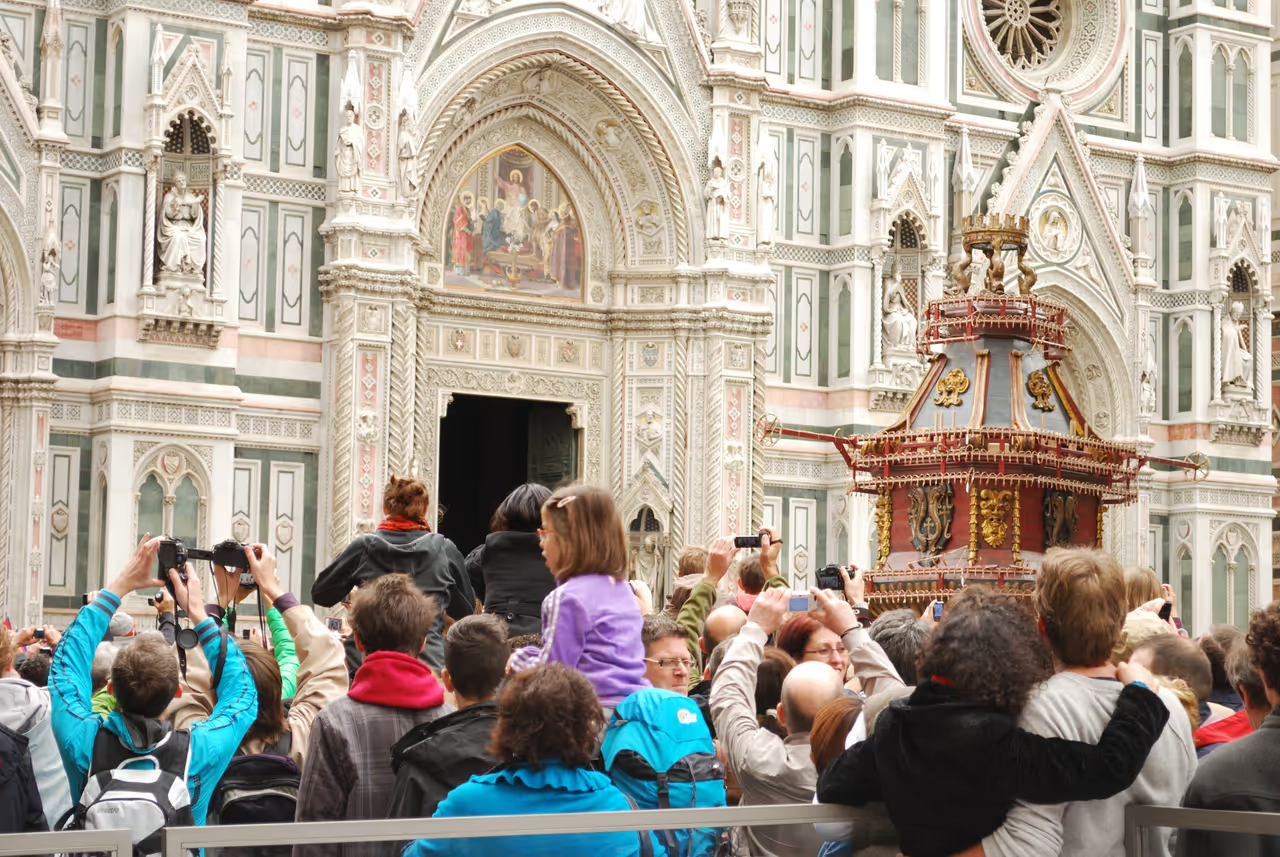 91m
91mExplosion of the Cart
An elaborate antique cart is hauled into the cathedral square by a team of white oxen on Easter morning. During the mass, the archbishop lights a mechanical dove that speeds down a wire to ignite a massive fireworks display rigged to the cart. This explosive tradition dates back to the First Crusade and is believed to guarantee a good harvest for the region. The atmosphere is loud, joyous, and wonderfully theatrical.
festival view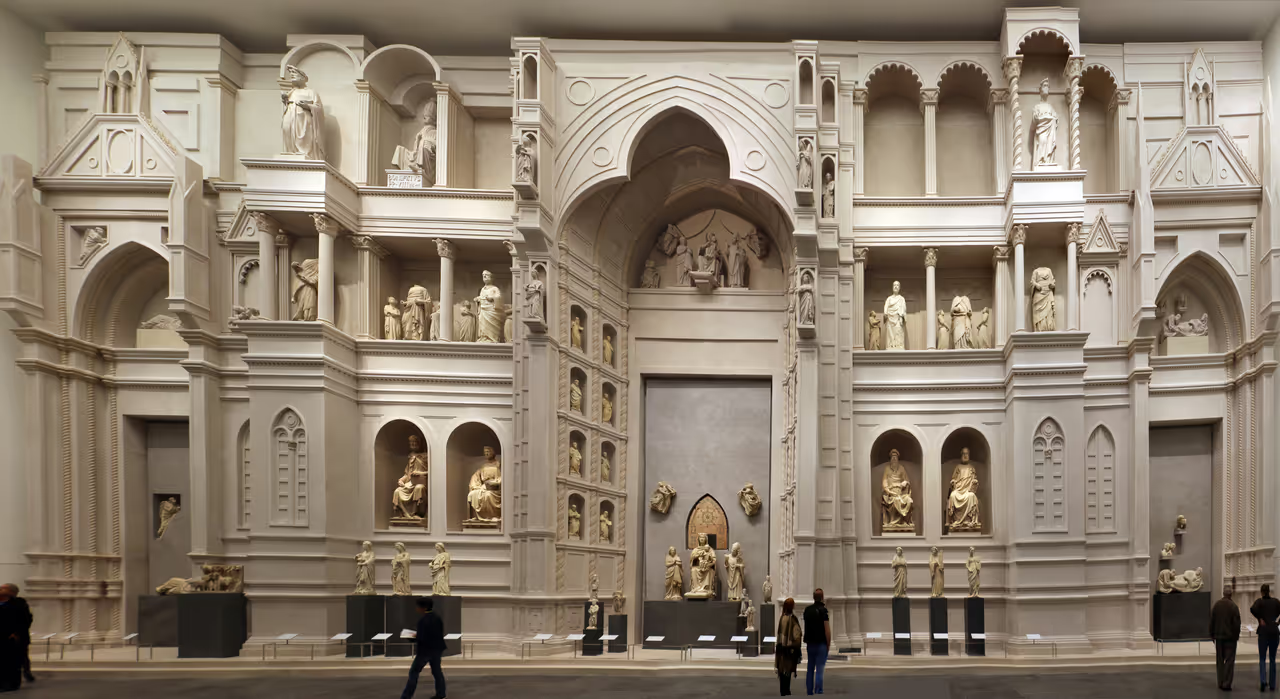 101m
101mCathedral Works Museum
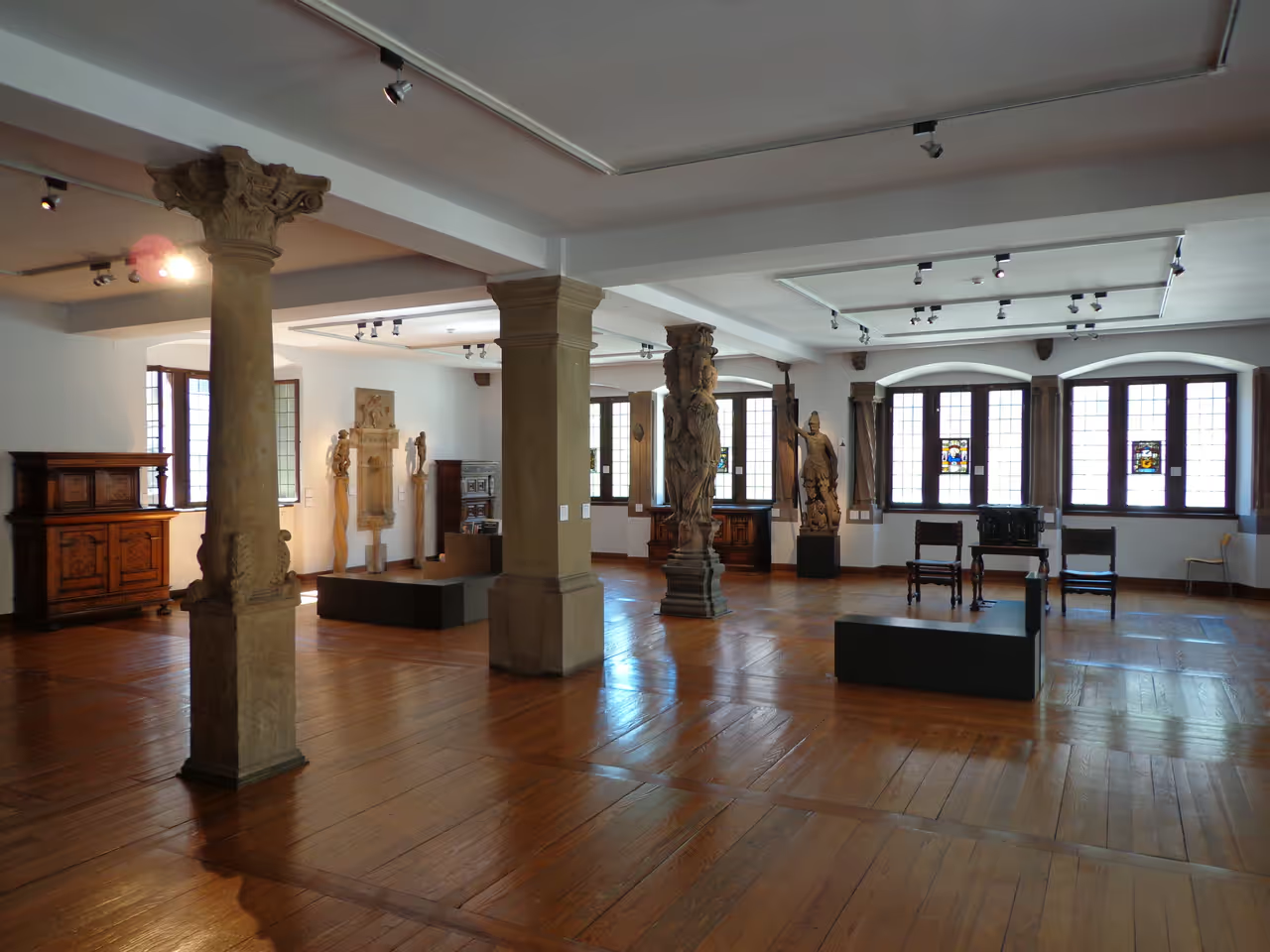
This spectacularly modernised museum holds the original, priceless artworks removed from the cathedral complex to protect them from the elements. The highlight is a life sized, jaw-dropping recreation of the original cathedral facade, populated with genuine medieval statues. It also houses an intensely emotional, deeply personal sculpture of the Pieta carved by Michelangelo intended for his own tomb. The sheer scale and brilliant curation of the exhibits make it a deeply moving experience.
highlight view
Explore Similar Places in These Collections
Featured on These Itineraries
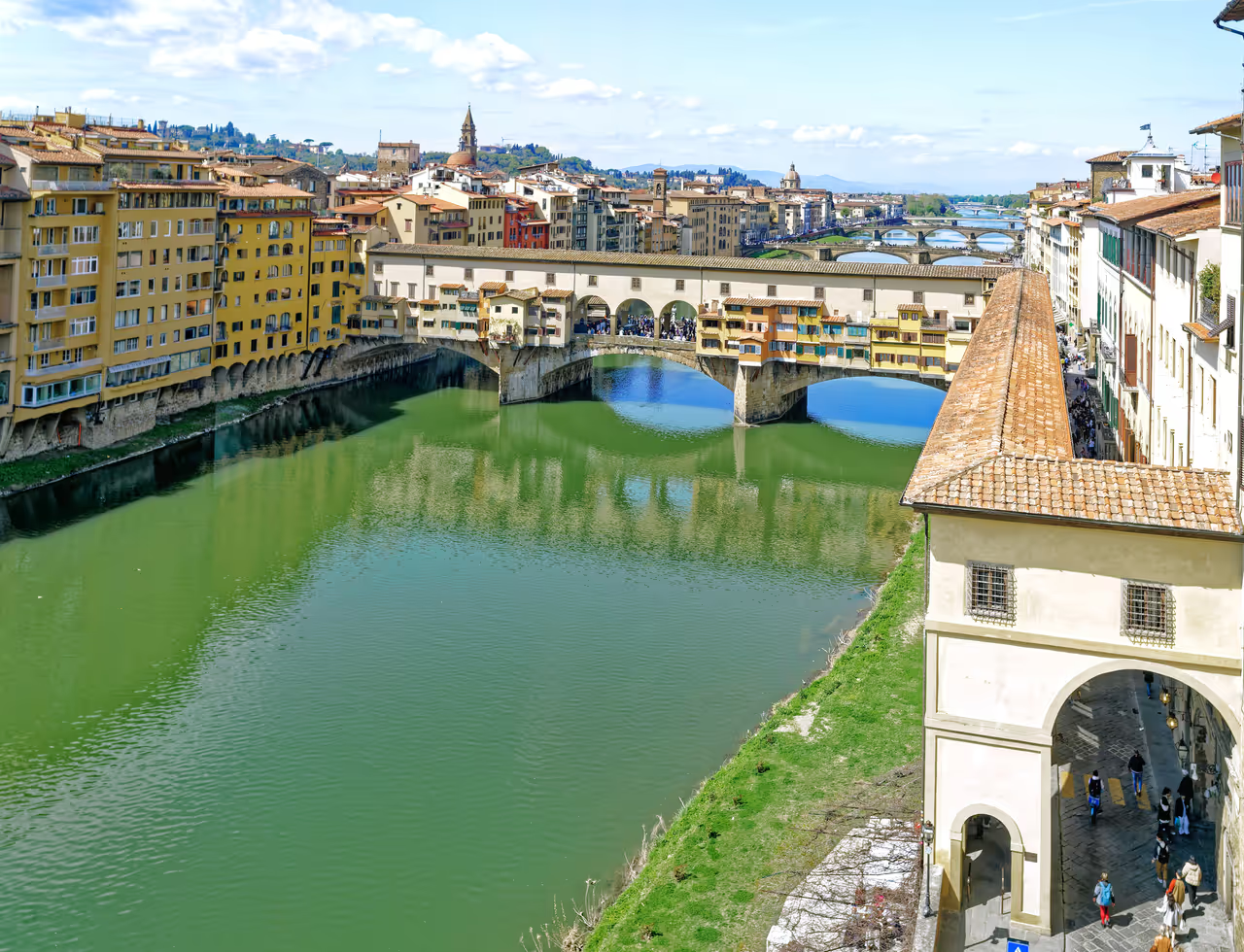
1 Day in Florence: Essential Itinerary
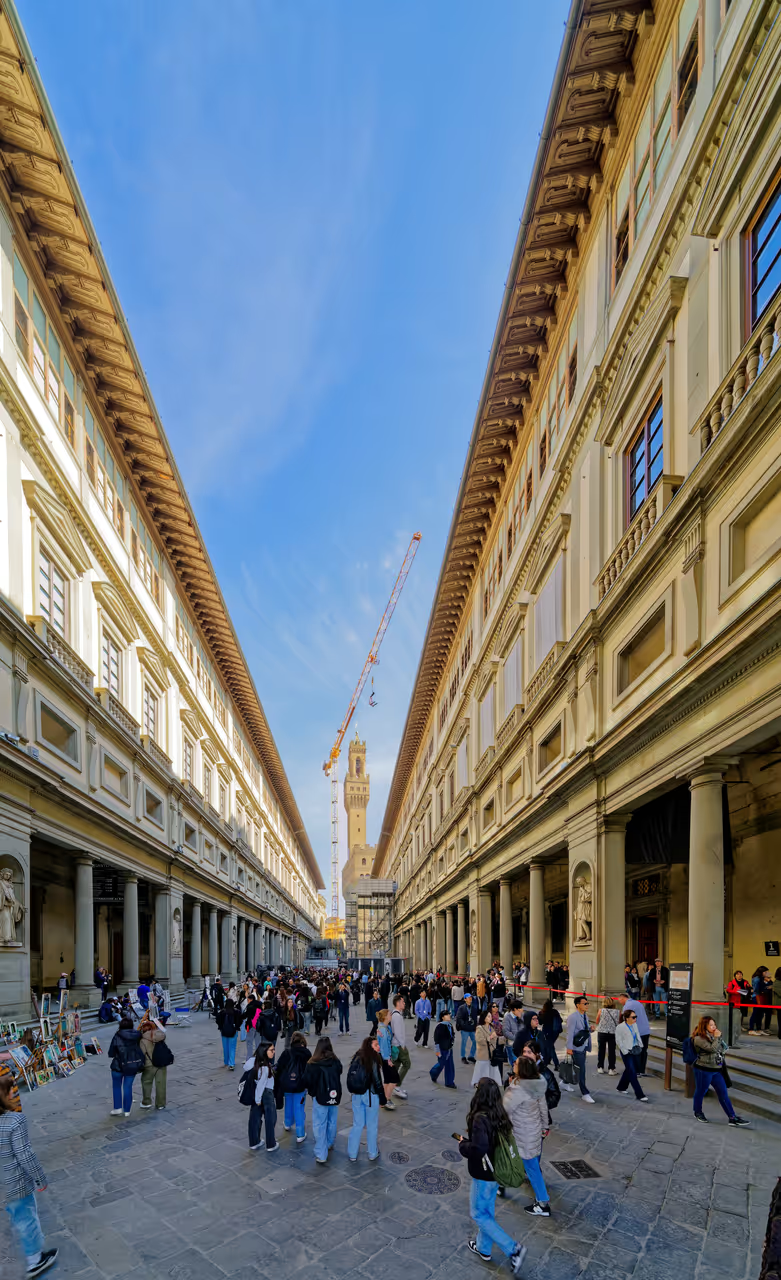
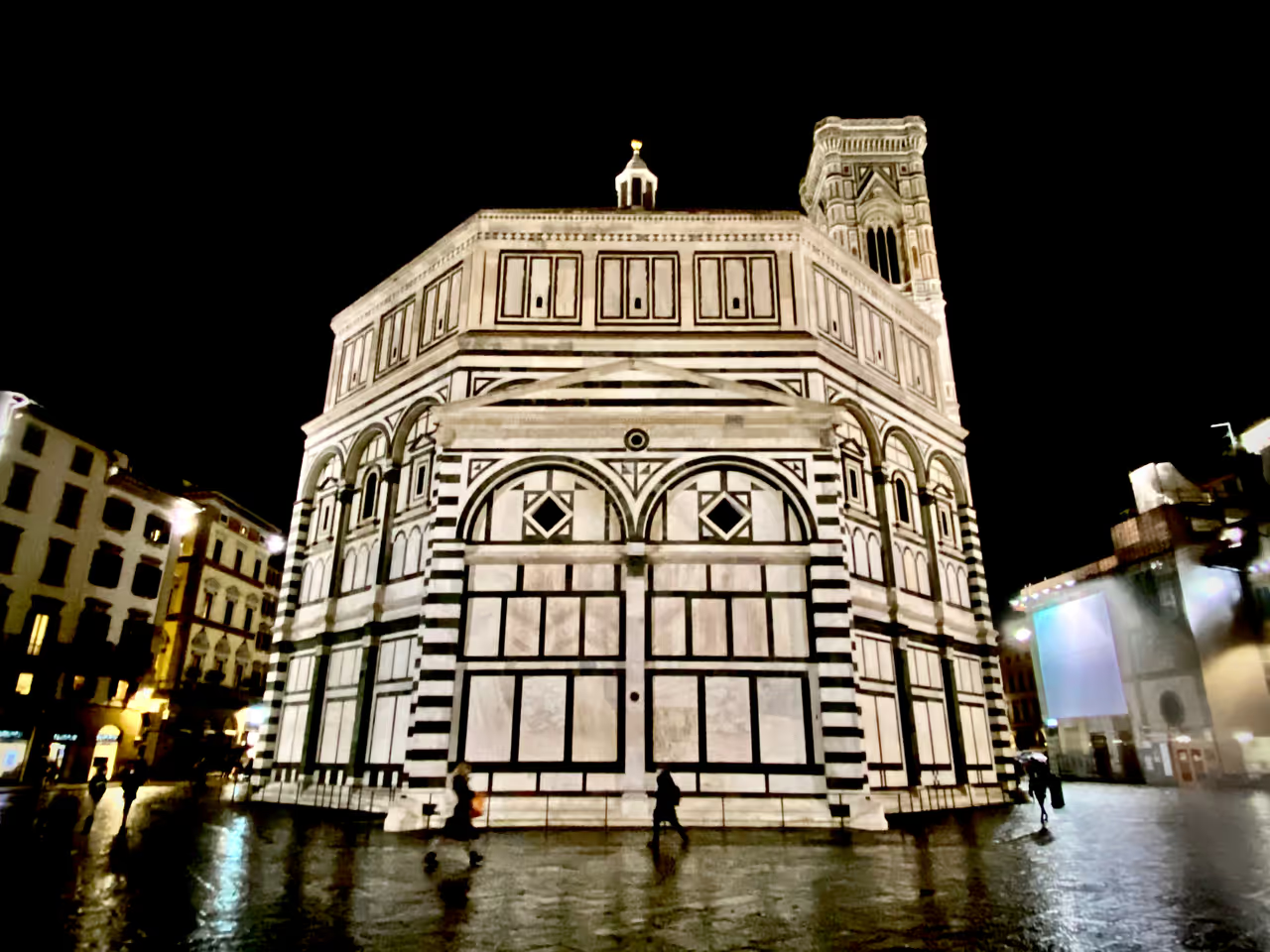
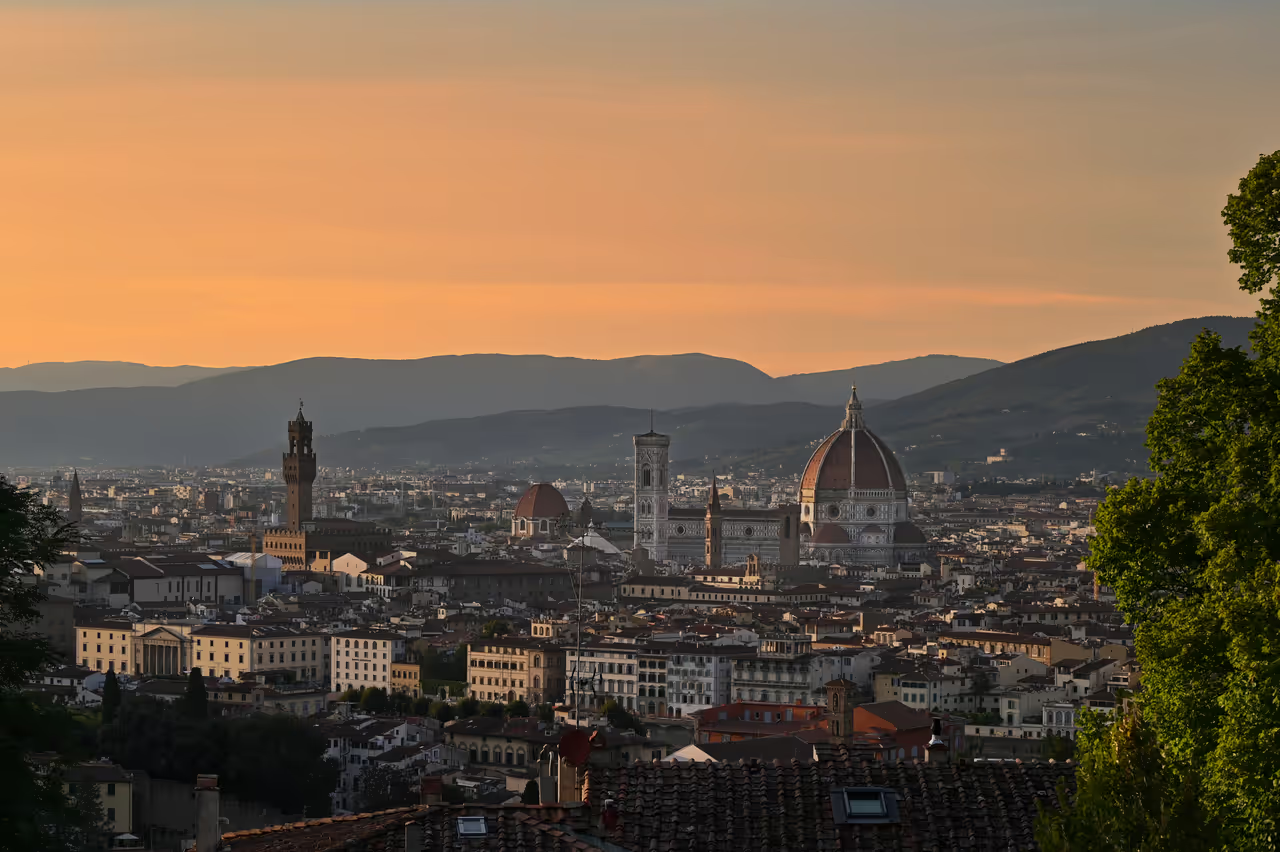
This intense, tightly packed route is designed for travellers who only have a single day to experience the absolute pinnacle of the city's offerings. It rapidly hits the monumental architectural symbols, the most famous art collection, and the iconic river crossing before culminating in a spectacular panoramic sunset. You will cover the heavy hitters of the Renaissance, ensuring you do not miss the universally recognized landmarks. It requires significant energy but guarantees a massively rewarding, unforgettable highlight reel.
view itinerary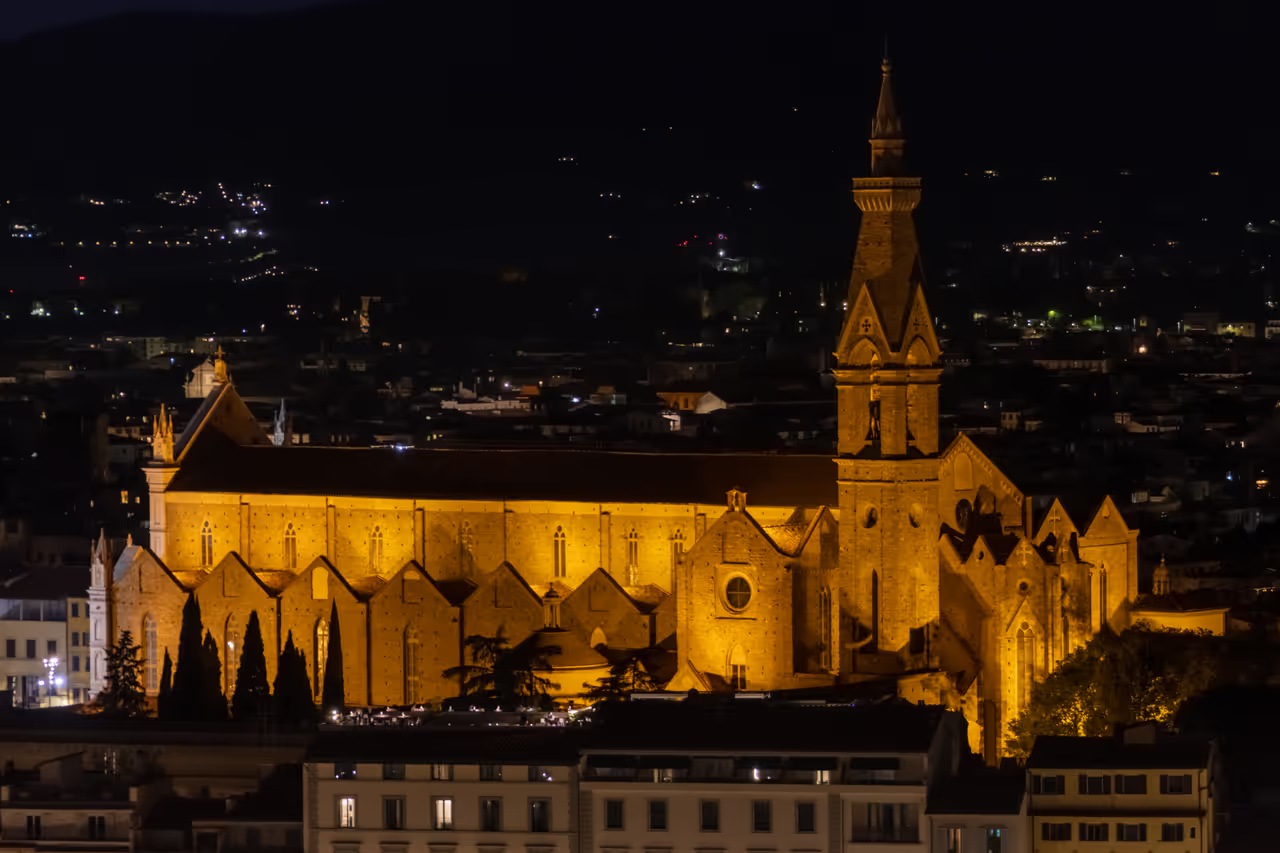
5 Days in Florence: The Ultimate Experience Itinerary
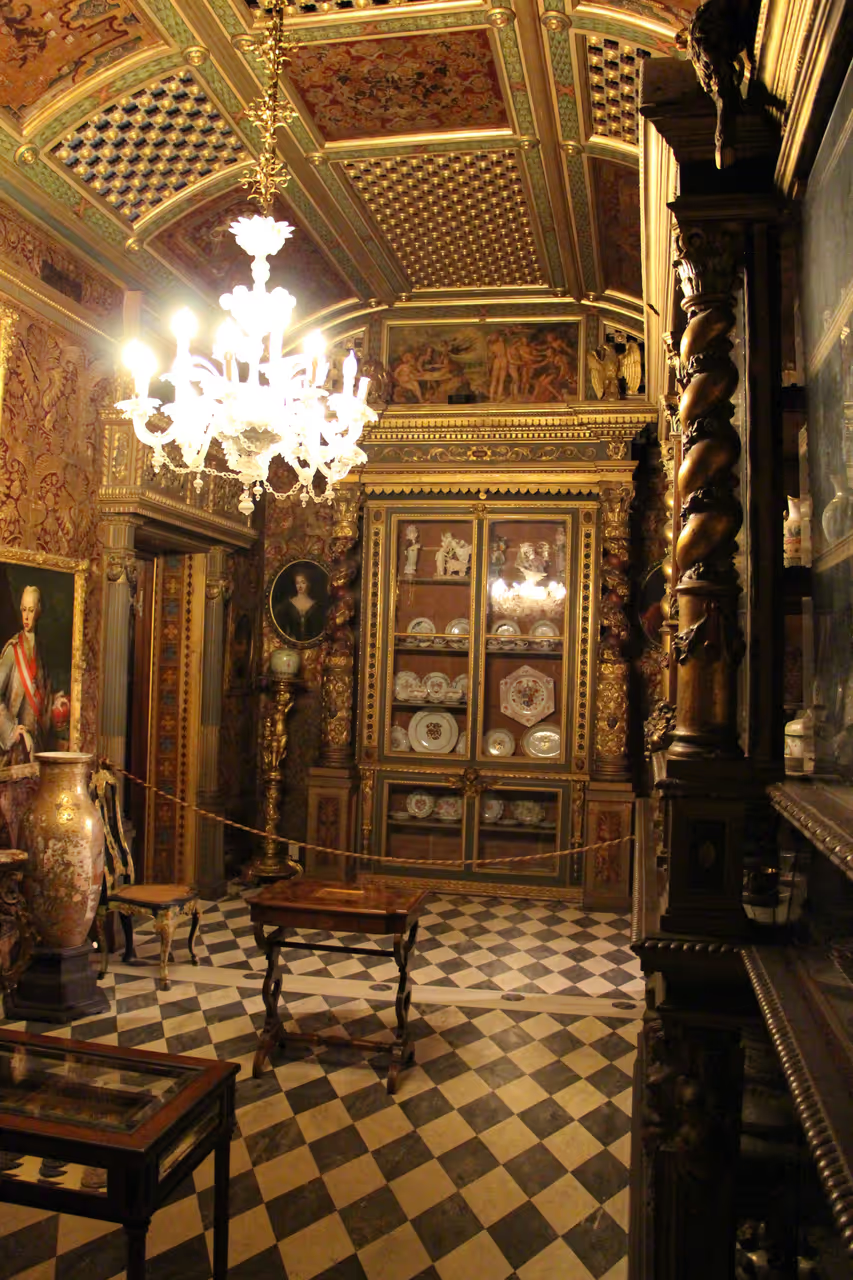
With five days, you can truly absorb the rhythm of the city, moving beyond the central museums to discover eccentric hidden gems and quiet hilltop retreats. You will have time to climb the famous towers, explore bizarre scientific collections, and venture out to the ancient Etruscan ruins in the mountains. This extended stay allows you to appreciate the subtle, romantic atmosphere of the city that is often missed by rushed tourists. It is a highly comprehensive, incredibly satisfying cultural immersion.
view itinerary
See all attractions in Florence
Accademia Gallery, Baptistery of San Giovanni, Bargello National Museum, Palazzo Pitti, Palazzo Vecchio, Ponte Vecchio, Uffizi Gallery...