Boboli Gardens
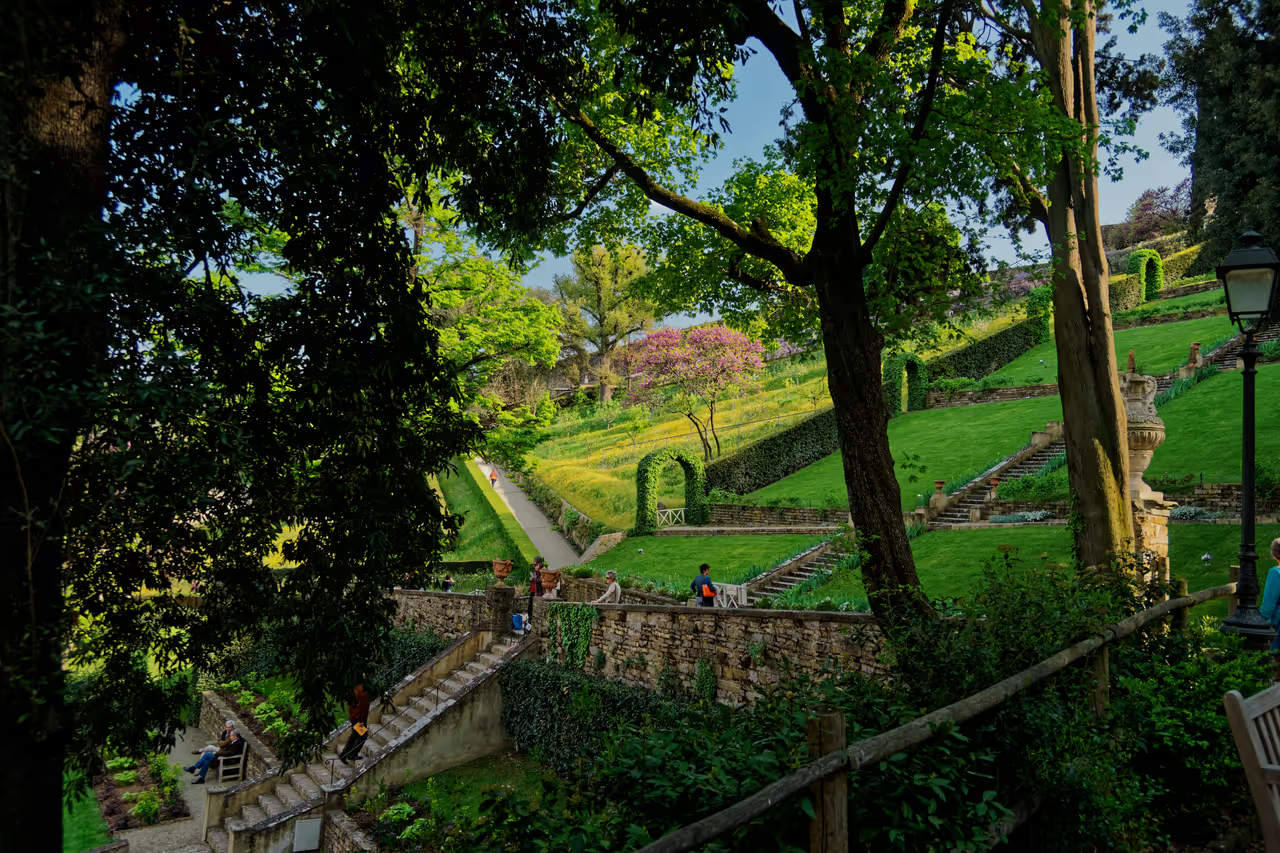
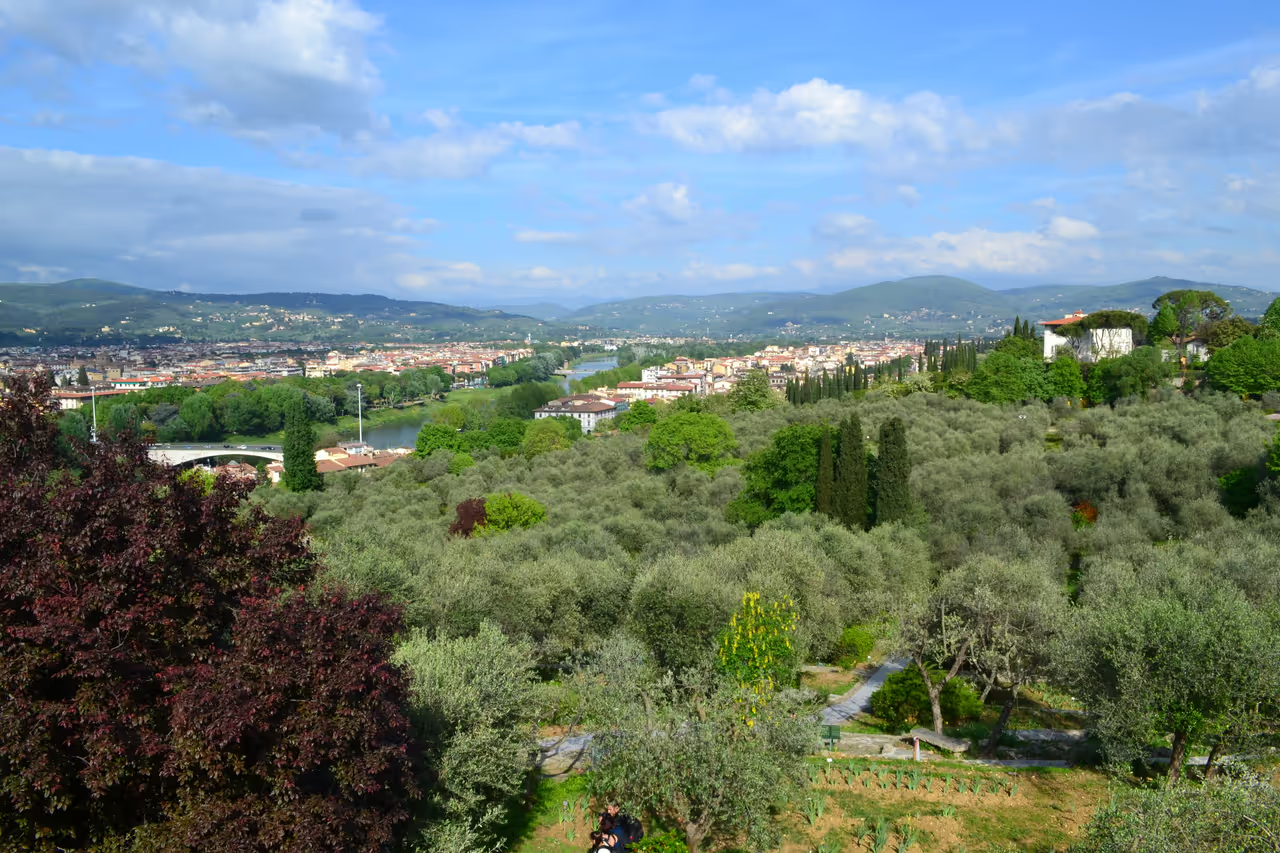
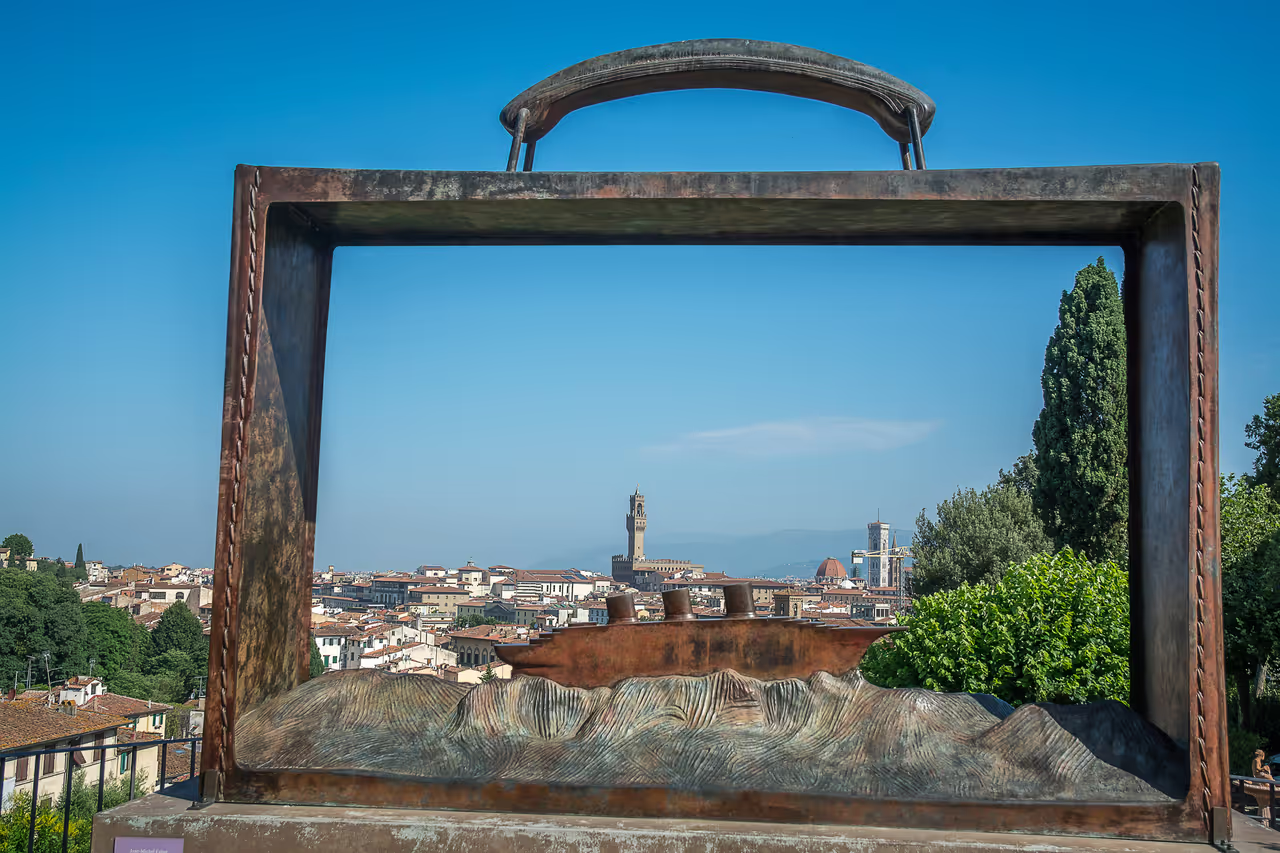
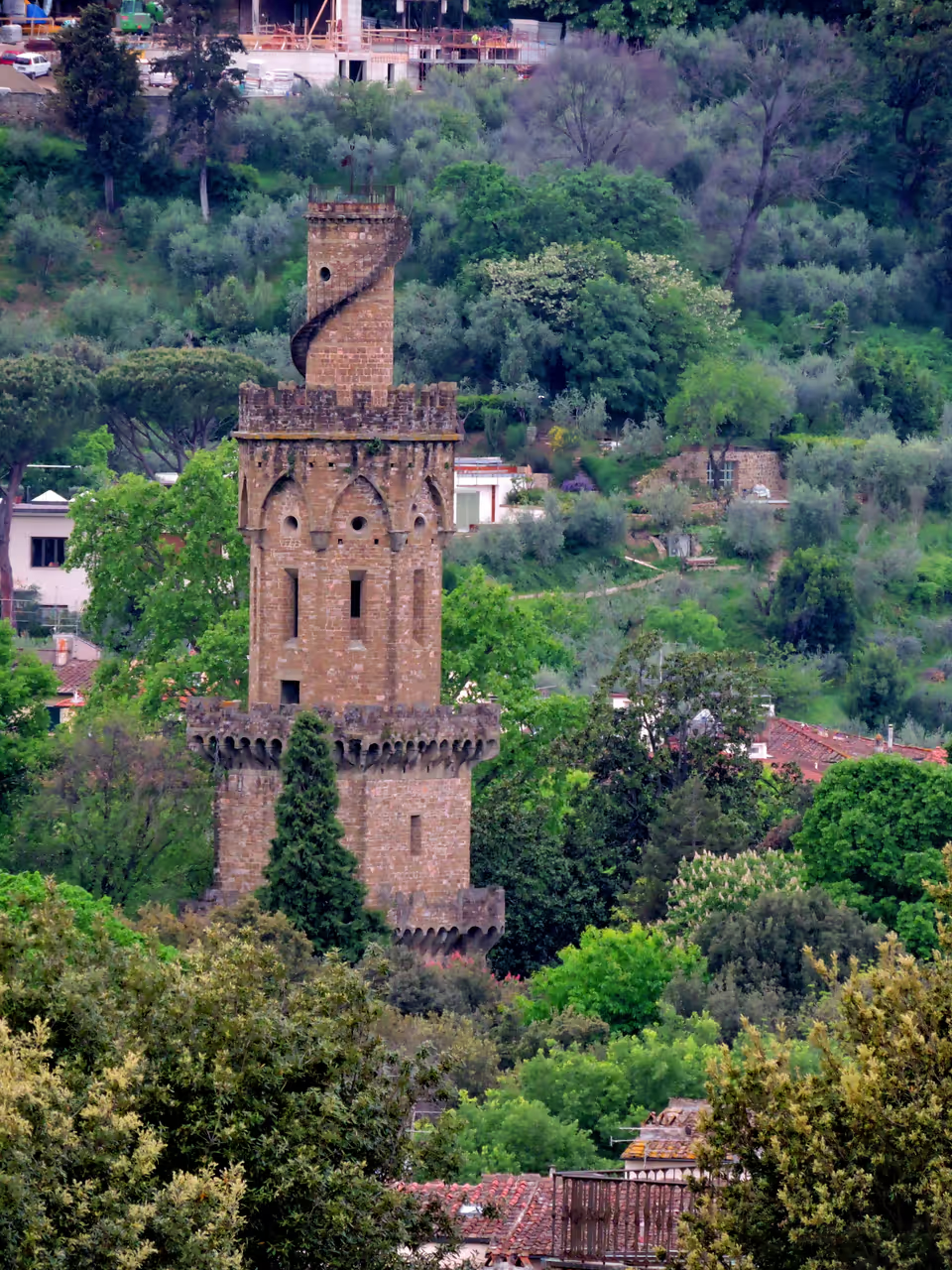
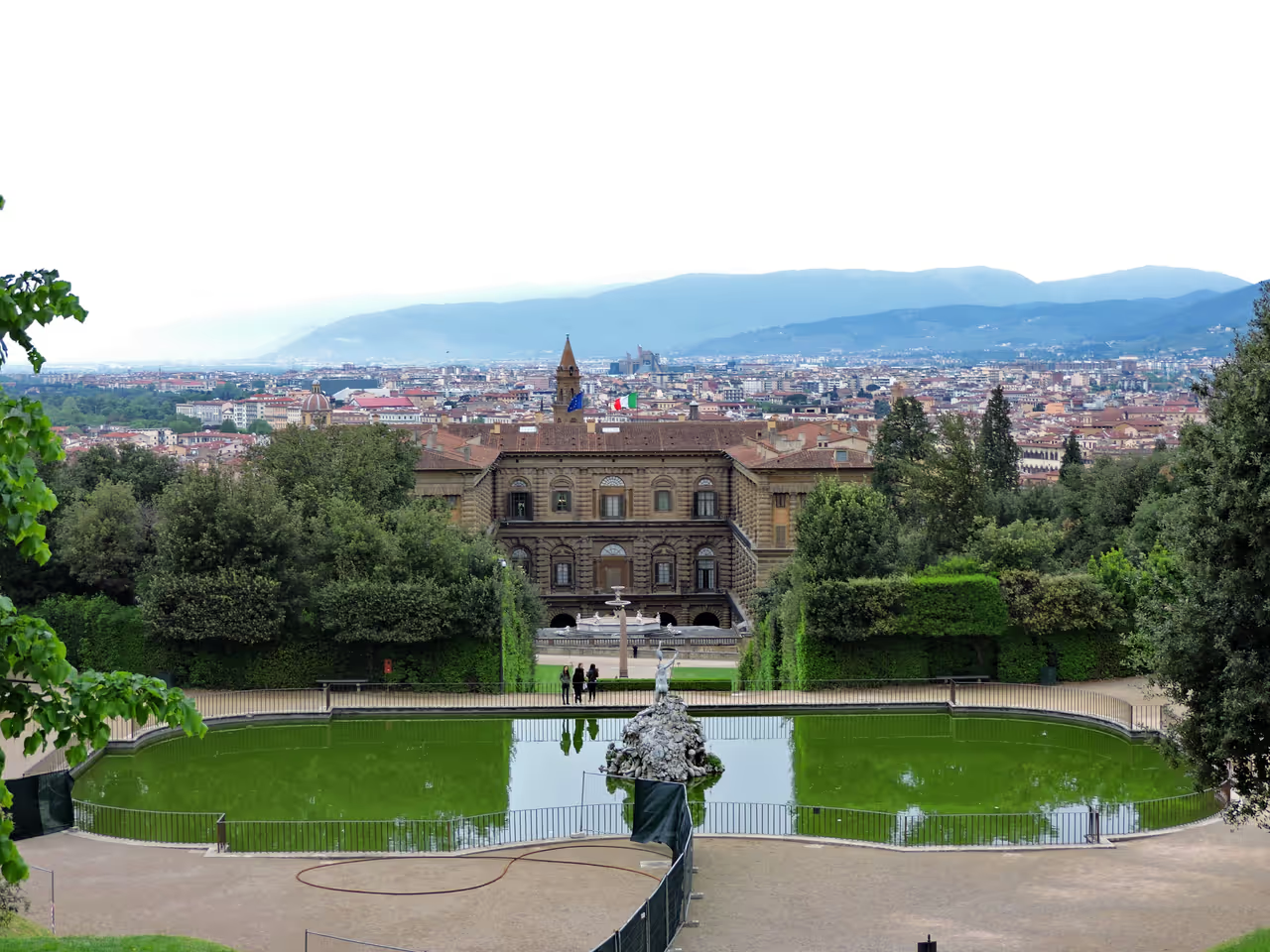
Step into the verdant heart of Florence, where the Boboli Gardens invite you on a journey through centuries of Medici grandeur. More than just a park, this sprawling expanse is a true outdoor museum, seamlessly blending classical sculptures with pristine Italian style landscaping. As you wander along gravel paths, you will discover hidden grottos, magnificent fountains, and secret nooks that offer breathtaking views of the Tuscan capital. It is a place where history breathes, inviting you to lose yourself in the same paths once walked by grand dukes and their courts. Whether you are climbing the hill toward the Kaffeehaus for a panorama or admiring the ancient Egyptian obelisk, every corner reveals a new layer of artistry. A visit here is an essential Florentine experience that lingers in the memory long after you leave.
Videos
History of Boboli Gardens
The story of the Boboli Gardens begins with the ambitious Pitti family in the fourteenth century, but it truly found its soul when the Medici dynasty took control in 1549. Eleonora of Toledo, wife of Cosimo I, sought to transform these rolling hills into a grand statement of power and prestige, a lush extension of the Palazzo Pitti. She entrusted the visionary architect Niccolo Tribolo with the task, and his layout of the amphitheater, carved directly into the site of an old quarry, set the stage for generations of royal celebrations and theatrical displays. As the centuries rolled on, the garden expanded under the care of the Medici, and later the House of Lorraine and the Savoy family. Each generation left an indelible mark, introducing everything from the majestic Viottolone avenue, lined with cypress trees, to the delicate porcelain collections and exotic citrus groves. The garden evolved from a private royal sanctuary into a canvas for some of the greatest artists of the Renaissance and beyond, cementing its status as the definitive example of the Italian garden. Today, this UNESCO World Heritage site stands as a testament to the complex layers of Florentine history. It is a living, breathing archive where the past interacts with the present, offering a peaceful retreat that captures the artistic spirit and aristocratic ambition of Tuscany. Visitors are not merely walking through grounds, but through a timeline of beauty that has defined the city for nearly five hundred years.
Events spanning 672 years
Fun Facts
- • Bernardo Buontalenti designed a famous grotto that is a masterpiece of late Renaissance architecture, featuring surreal dripping stalactites and Mannerist flair.
- • During the seventeenth century, the Mostaccini fountain was part of a complex system used to attract and trap small birds, a reminder of the garden's former practical roles.
- • The Fountain of Neptune is affectionately and irreverently nicknamed the Fork Fountain by locals because of the trident wielded by the sea god.
- • The Kaffeehaus is a stunning Rococo pavilion with an exotic dome, specifically designed to offer the court an elevated view of the city while enjoying refreshments.
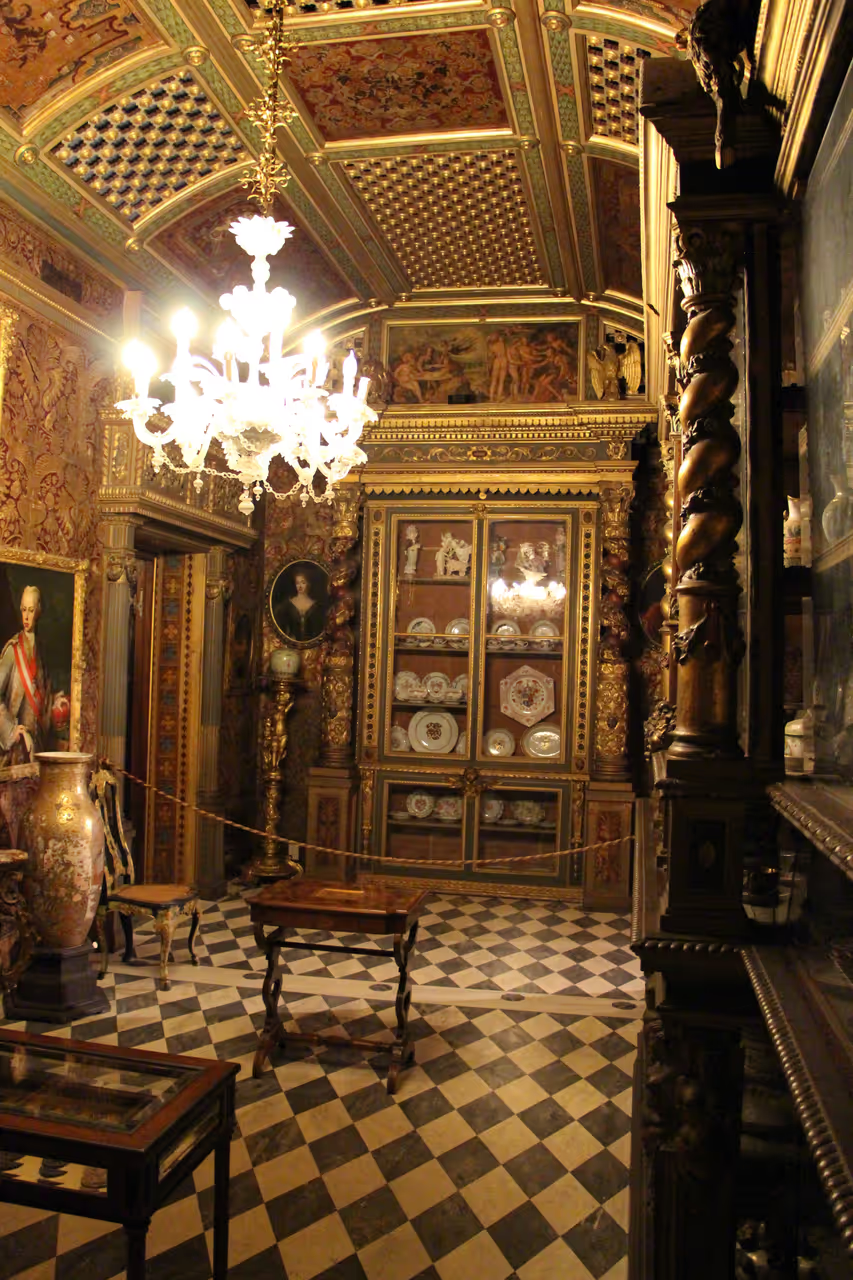
- • The Porcelain Museum, located in the Casino del Cavaliere at the highest point, displays exquisite table services once used by the ruling dynasties of Tuscany.
- • The Viottolone avenue was masterfully planned in the early seventeenth century by Giulio and Alfonso Parigi to create a grand, cypress lined processional route.
- • The amphitheater area was originally a quarry where limestone, known as pietraforte, was extracted to build the massive Palazzo Pitti next door.
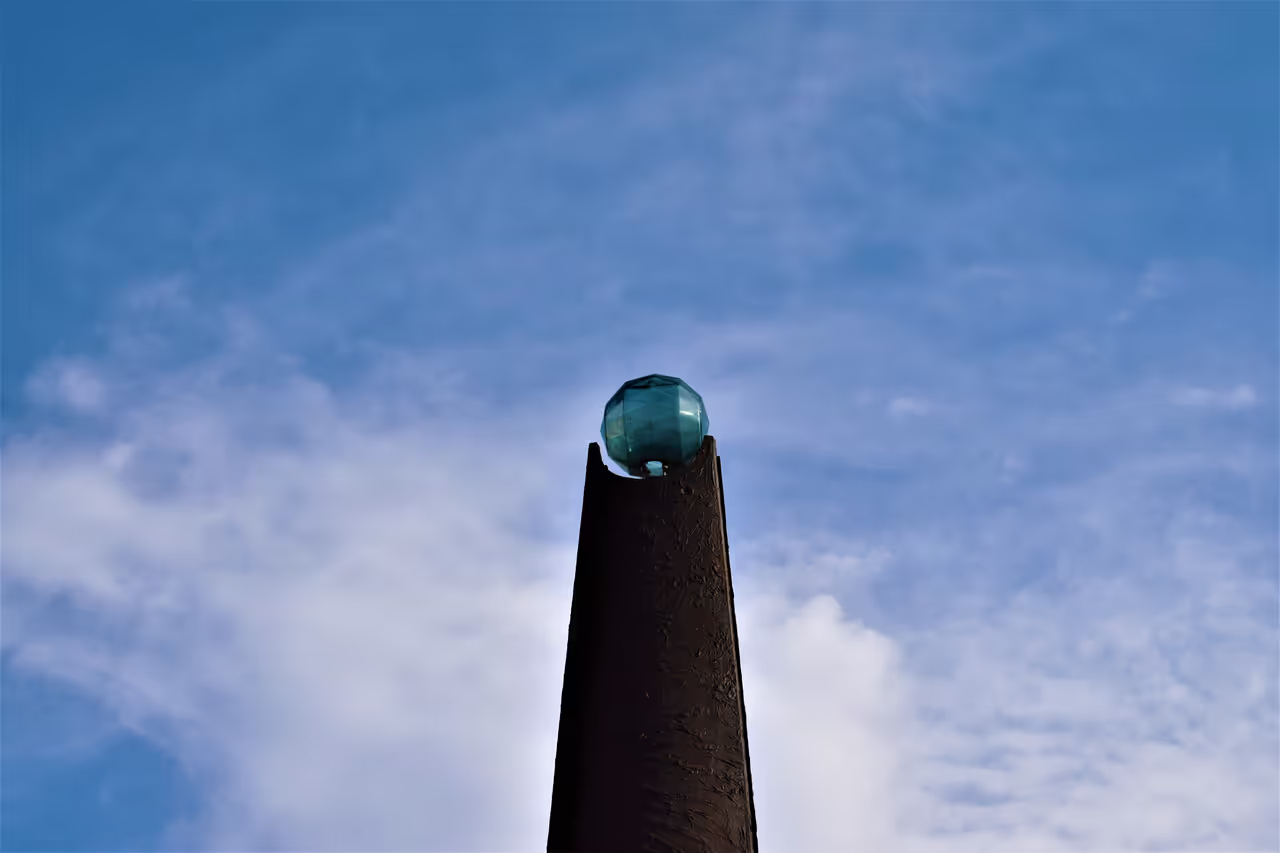
- • The garden houses an authentic Egyptian obelisk dating back to 1500 BC, making it one of the oldest monuments in the entire region of Tuscany.
- • The gardens host a dedicated citrus collection, including the incredibly rare Bizzarria orange, a botanical curiosity that produces fruit with striped skin resembling a patchwork quilt.
Boboli Gardens FAQ
While we strive to keep this information accurate and up to date, we recommend verifying any details independently before making decisions based on them.
Boboli Gardens Map & Neighborhood Explorer
This interactive map is centered on Boboli Gardens. Zoom in and move the map around to automatically discover Wikipedia photos and summaries of other nearby sights, monuments, and historical points of interest and stories in real-time!
Places near Boboli Gardens
Make the most of your trip. Check out these top-rated spots located nearby.
 27m
27mPalazzo Pitti
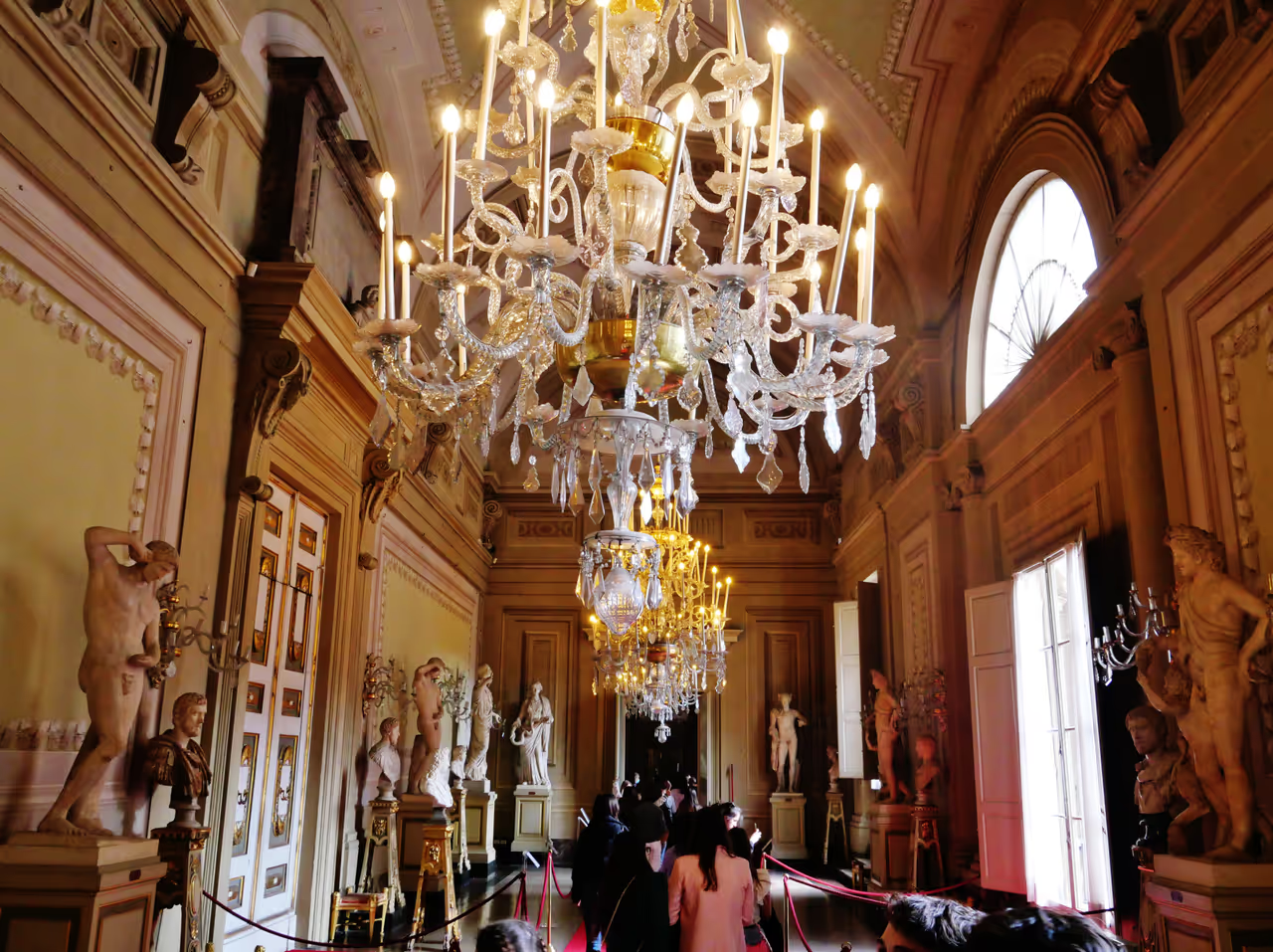
Palazzo Pitti is a sprawling Renaissance masterpiece that serves as a living time capsule of Florentine history and power. Originally built by the ambitious banker Luca Pitti, this massive residence later became the primary seat of the powerful Medici family and, briefly, the royal palace for the House of Savoy. Stepping inside, you are transported into a world of opulent apartments, extensive art collections displayed in traditional eighteenth-century style, and the vast, breathtaking Boboli Gardens. It is the perfect place to experience the grandeur of Italy’s past, with grand halls that once hosted kings and duchesses. From the Treasury of the Grand Dukes to the historic Sala Bianca where Italian fashion was born, every corner tells a story of prestige and artistic triumph. Visiting is an essential experience for anyone wanting to truly understand the heart and scale of Florence's legacy.
attraction view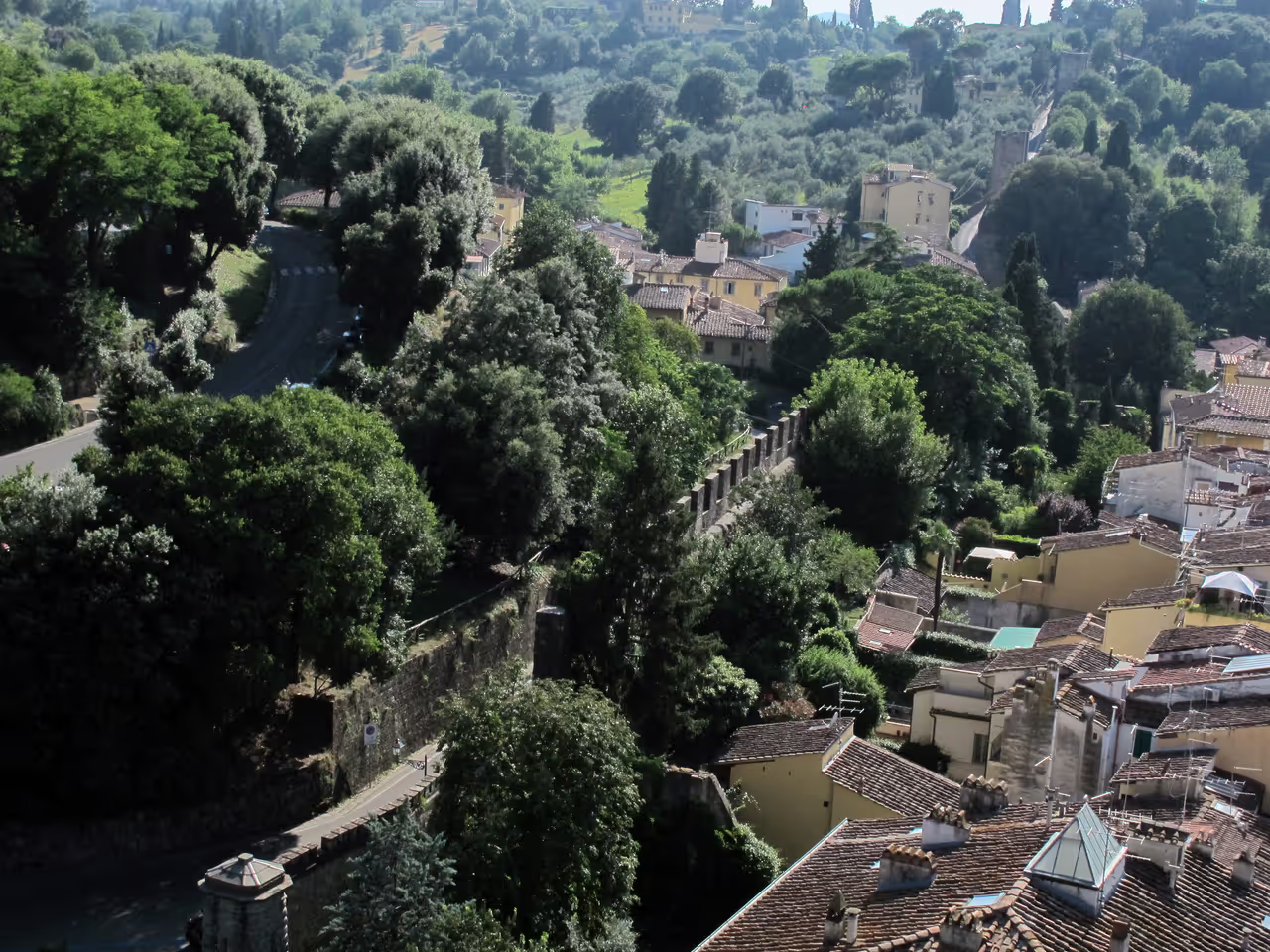 37m
37mLeft Bank
Spanning a broader area south of the Arno river, this district maintains a fiercely traditional yet creatively vibrant evening scene. It is where you will find the city's true artisan spirit bleeding into its nightlife. Tiny wine windows serve glasses to people standing in the street, while rustic enotecas pour robust local reds. It provides a highly romantic and classically Tuscan drinking experience.
nightlife view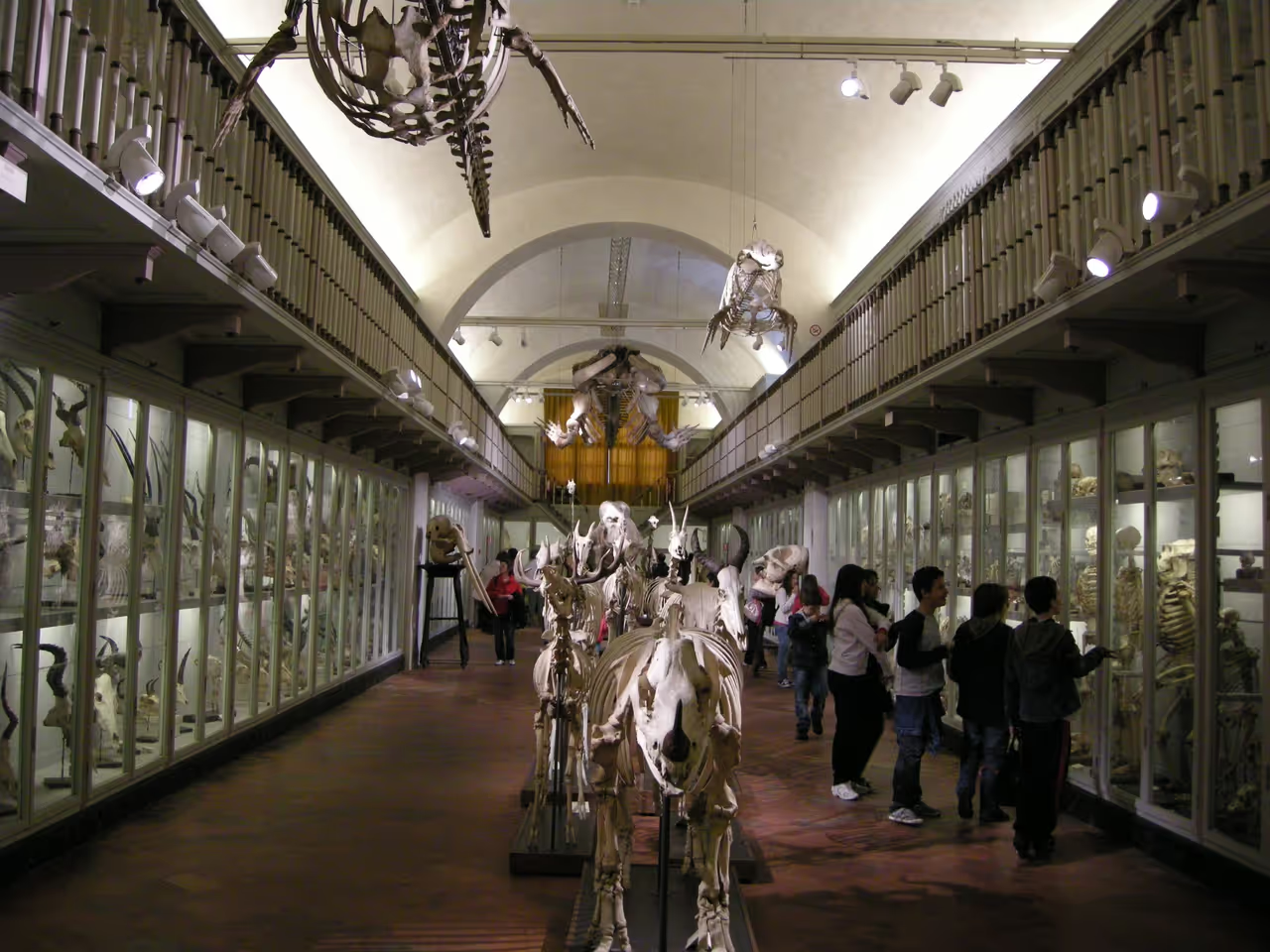 263m
263mObservatory Zoological Museum
Tucked away near the grand Pitti Palace, this quirky and fascinating museum holds a massive collection of taxidermy animals and incredibly realistic anatomical wax models. The anatomical waxes, created in the eighteenth century to teach medical students, are hauntingly detailed and slightly macabre. Walking past thousands of glass cabinets filled with bizarre specimens provides a totally unexpected, scientific contrast to the city's art heritage. It is a wonderfully weird and historically significant cabinet of curiosities.
hidden gem view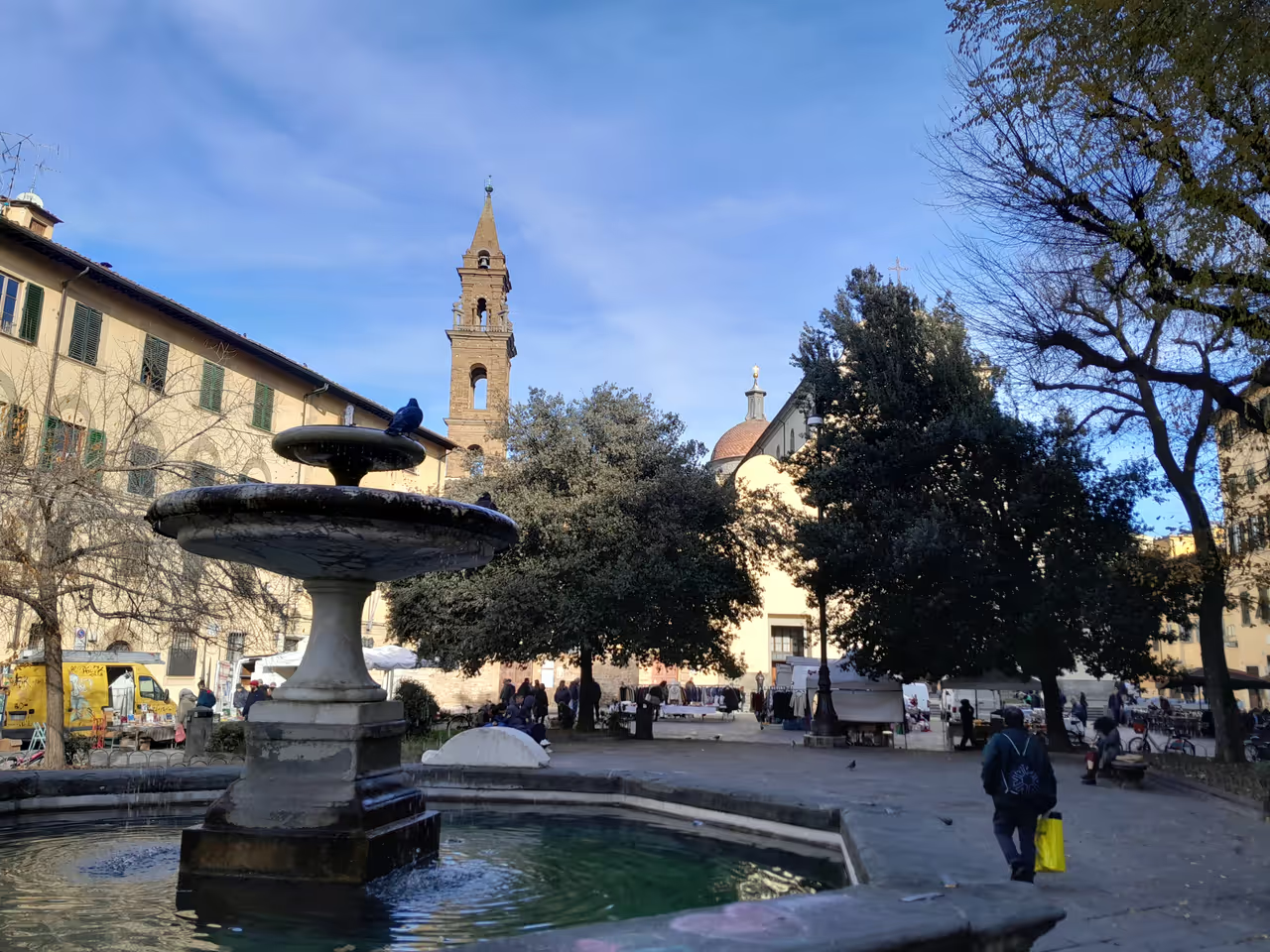 281m
281mSanto Spirito Square
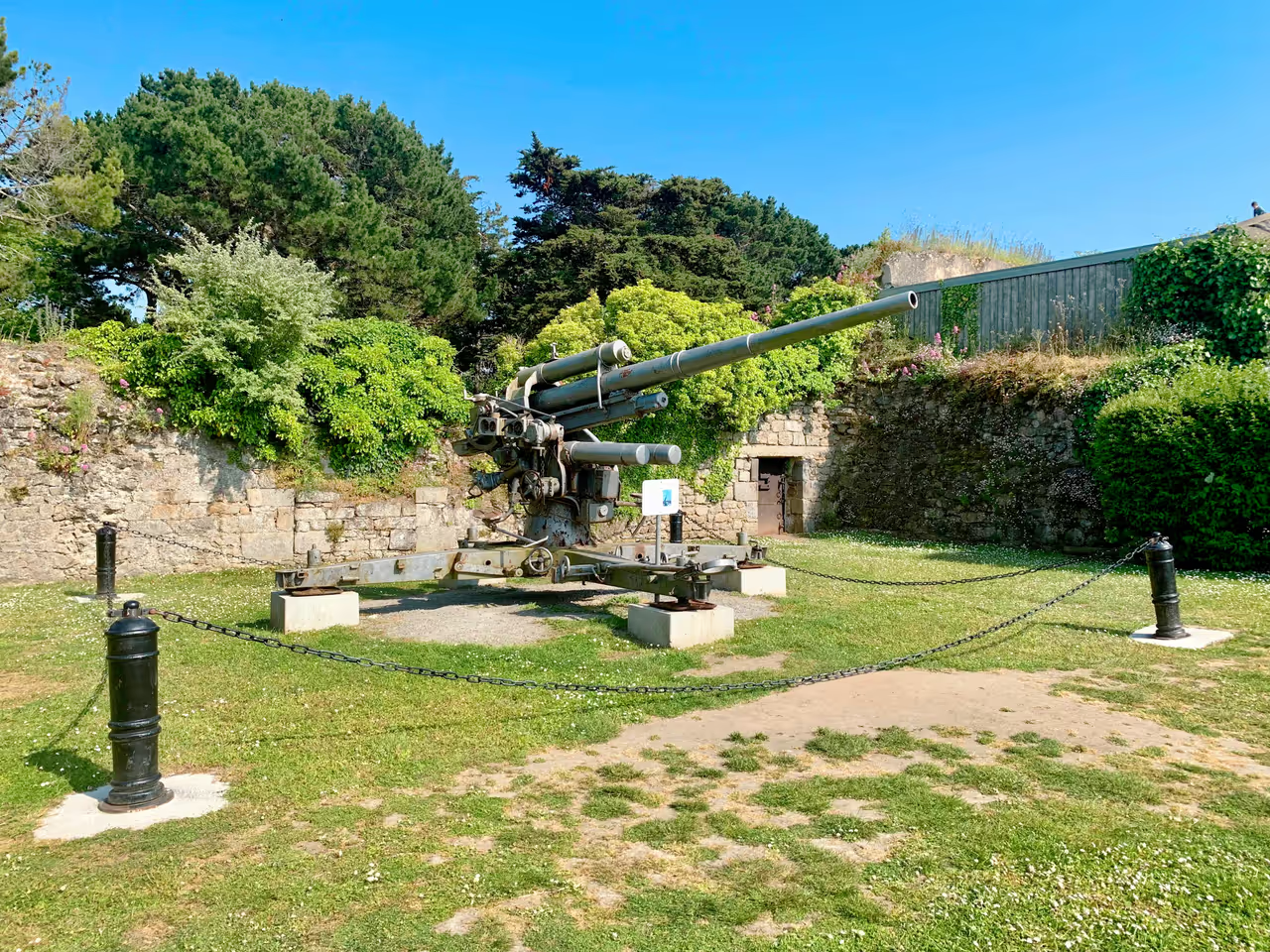
This vibrant square located south of the river transforms into a lively social hub every evening. It acts as the ultimate gathering space for students, artists, and locals looking to unwind on the steps of the church. The perimeter is lined with excellent small bars and casual restaurants pouring affordable wine and mixing great cocktails. It provides an energetic yet deeply authentic neighbourhood experience away from the heavy tourist crowds.
nightlife view
Explore Similar Places in This Collection

Featured on These Itineraries
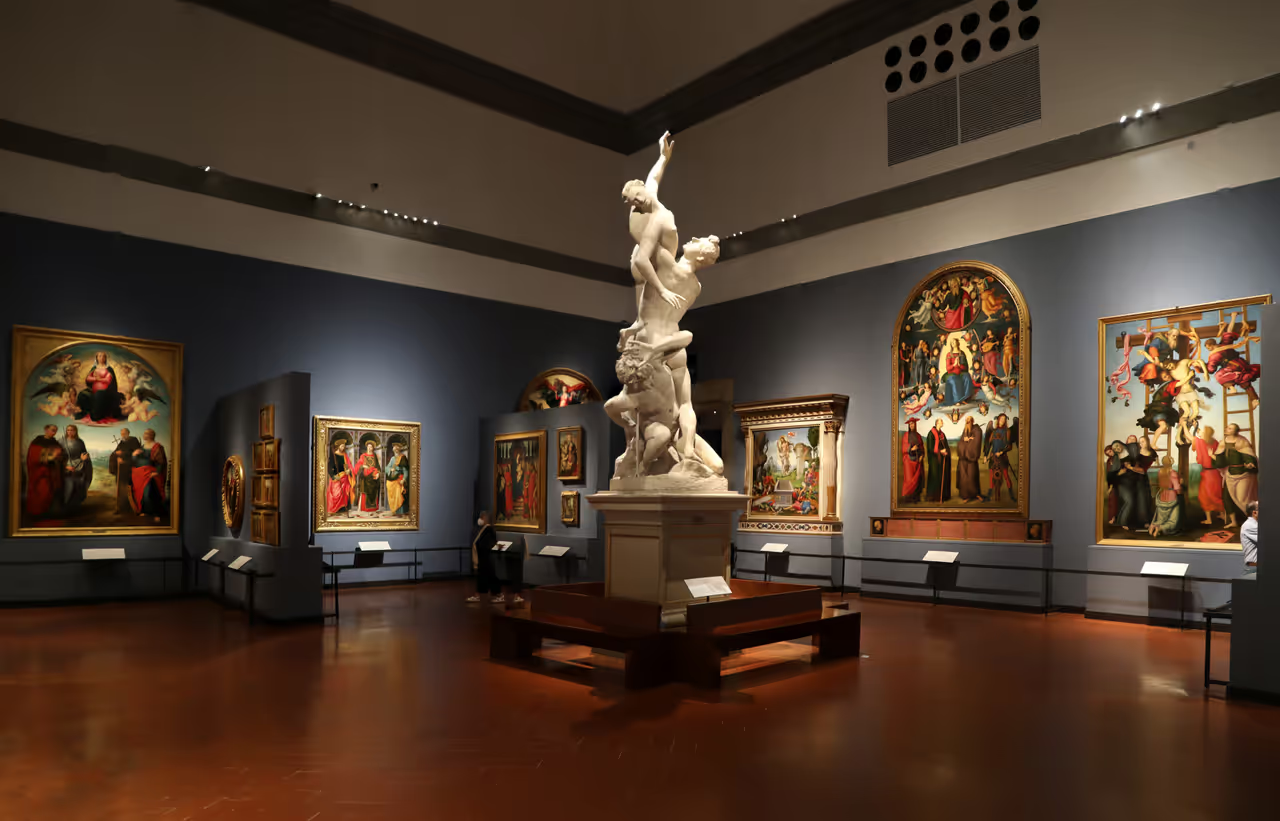
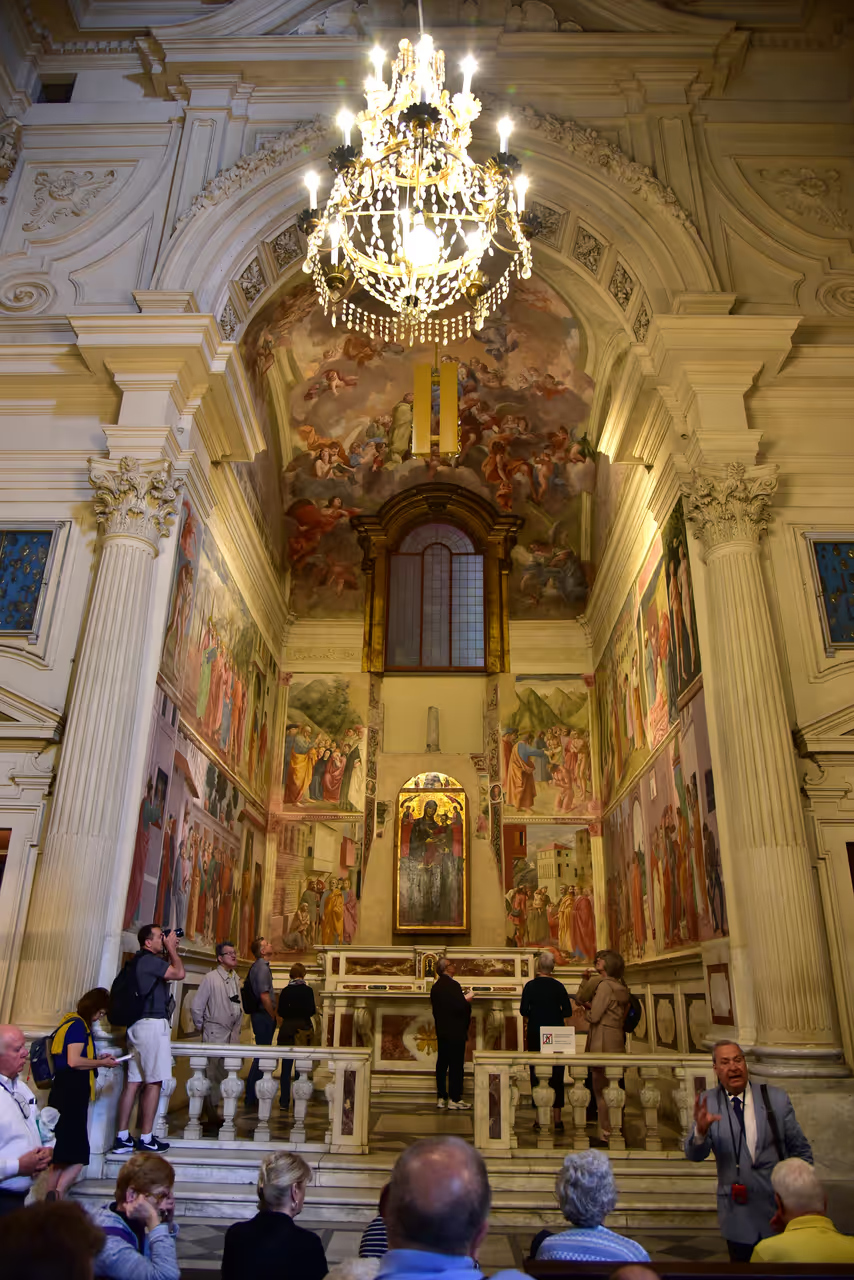
3 Days in Florence: Renaissance Deep Dive Itinerary
Three days allow you to spread out the heavy cultural intake, exploring different historical neighbourhoods and digging deeper into the artistic legacies. You will spend dedicated time admiring the greatest sculptures, wandering through vast royal gardens, and exploring the gritty political history of the medieval squares. This pace permits you to comfortably cross the river and experience the artisan workshops without constantly rushing. It perfectly balances monumental tourism with authentic local exploration.
view itinerary

5 Days in Florence: The Ultimate Experience Itinerary
With five days, you can truly absorb the rhythm of the city, moving beyond the central museums to discover eccentric hidden gems and quiet hilltop retreats. You will have time to climb the famous towers, explore bizarre scientific collections, and venture out to the ancient Etruscan ruins in the mountains. This extended stay allows you to appreciate the subtle, romantic atmosphere of the city that is often missed by rushed tourists. It is a highly comprehensive, incredibly satisfying cultural immersion.
view itinerary
See all nature & parks in Florence
Bardini Gardens, Botanical Garden of Florence, Cascine Park, Iris Garden, Rose Garden, Torrigiani Garden...