Palazzo Pitti
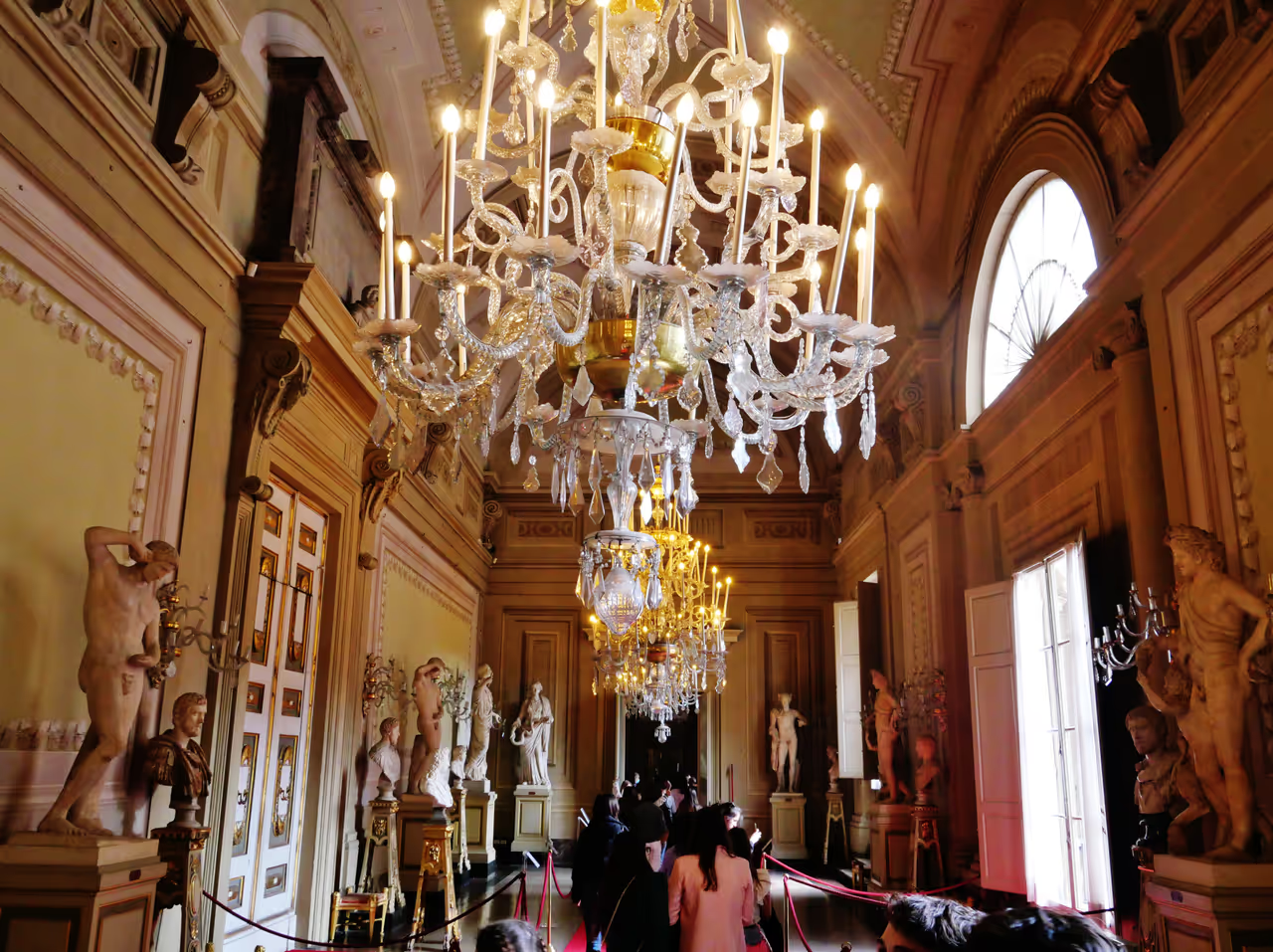
Palazzo Pitti is a sprawling Renaissance masterpiece that serves as a living time capsule of Florentine history and power. Originally built by the ambitious banker Luca Pitti, this massive residence later became the primary seat of the powerful Medici family and, briefly, the royal palace for the House of Savoy. Stepping inside, you are transported into a world of opulent apartments, extensive art collections displayed in traditional eighteenth-century style, and the vast, breathtaking Boboli Gardens. It is the perfect place to experience the grandeur of Italy’s past, with grand halls that once hosted kings and duchesses. From the Treasury of the Grand Dukes to the historic Sala Bianca where Italian fashion was born, every corner tells a story of prestige and artistic triumph. Visiting is an essential experience for anyone wanting to truly understand the heart and scale of Florence's legacy.
Videos
History of Palazzo Pitti
The story of Palazzo Pitti begins with a massive gamble. In the fifteenth century, the banker Luca Pitti was locked in a fierce rivalry with the Medici family. To prove his status, he commissioned a residence that would dwarf anything the Medici possessed. He ordered windows that were larger than the main entrance of the Medici palace, aiming for sheer, intimidating scale. However, the cost of such ambition was ruinous. By 1465, construction stalled, and the Pitti family faced financial collapse, leaving the building as a half-finished monument to overreach rather than a home. The tide turned in 1549 when Eleonora di Toledo, wife of Grand Duke Cosimo I de' Medici, purchased the property. She sought an escape from the cramped, unhealthy air of the city centre near Palazzo Vecchio. Under her influence, the palace was transformed. Architects like Bartolomeo Ammannati were brought in to expand the structure, turning it into the magnificent royal residence of the Medici Grand Dukes. This acquisition shifted the gravity of Florence, sparking an era of development in the Oltrarno district as other noble families scrambled to build their own homes near the new seat of power. Over the centuries, the palace evolved from a private grand ducal home into a symbol of Italian statehood. During the years when Florence served as the capital of the newly unified Italy in the nineteenth century, it housed the House of Savoy. Today, the legacy of the palace continues to shape the identity of the city. It is no longer just a relic of royal life, but a vibrant cultural hub that hosted the birth of Italian High Fashion in 1952. As part of the Uffizi Galleries, it stands as a testament to the endurance of Florentine art and history, open for the public to wander through halls once reserved for royalty.
Events spanning 494 years
Fun Facts
- • Despite its royal history, the palace actually sits in the Oltrarno district, which historically was a more artisan and residential area compared to the political heart of the city.
- • Luca Pitti, driven by a fierce rivalry with the Medici, instructed that the windows of his new palace should be larger than the main entrance of the Medici's own home.
- • Many of the grand ceilings in the palace feature frescoes depicting mythological scenes, designed to educate the ruling family and celebrate their dynasty.
- • Napoleon Bonaparte used the palace as his residence during his time governing Italy in the early nineteenth century.
- • The Boboli Gardens were originally designed by excavating the very hill that provided the stone for the construction of the palace itself.
- • The Palatine Gallery maintains a traditional eighteenth-century 'quadreria' style, where paintings are hung densely across walls for decorative impact rather than chronological order.
- • The Tesoro dei Granduchi, formerly known as the Silver Museum, houses an incredible collection of precious objects, including semi-precious stone mosaics and ivory carvings.
- • The palace complex includes the Museo della Moda e del Costume, which is the most significant museum in Italy dedicated to fashion history.
- • The palace is inextricably linked to the Uffizi Galleries, falling under the same special administrative autonomy to protect and manage these treasures.
- • To impress guests during royal wedding celebrations, the central courtyard was once flooded to stage an elaborate mock naval battle.
RESOURCES
Official WebsitePalazzo Pitti FAQ
While we strive to keep this information accurate and up to date, we recommend verifying any details independently before making decisions based on them.
Palazzo Pitti Map & Neighborhood Explorer
This interactive map is centered on Palazzo Pitti. Zoom in and move the map around to automatically discover Wikipedia photos and summaries of other nearby sights, monuments, and historical points of interest and stories in real-time!
Places near Palazzo Pitti
Make the most of your trip. Check out these top-rated spots located nearby.
 20m
20mLeft Bank
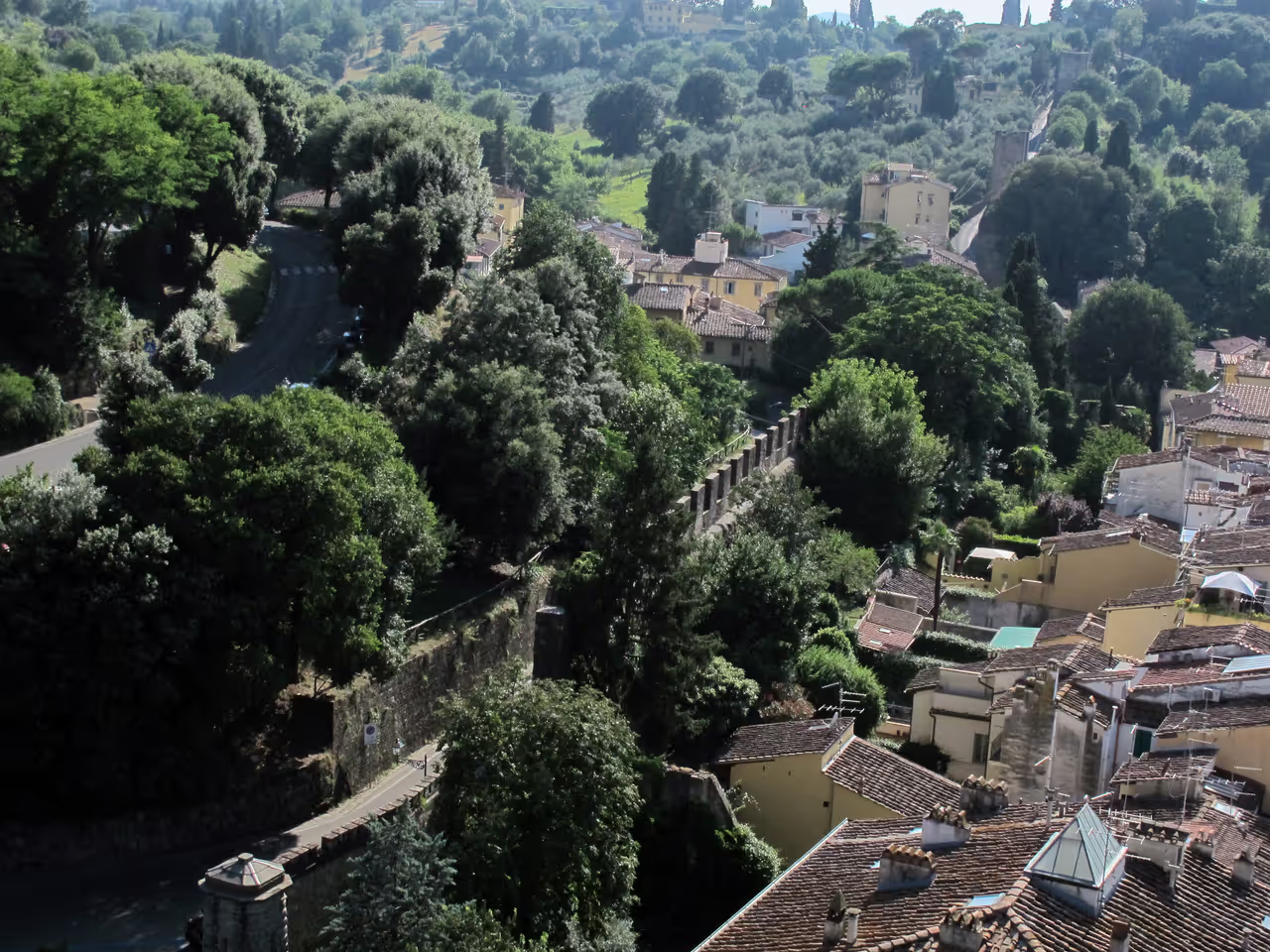
Spanning a broader area south of the Arno river, this district maintains a fiercely traditional yet creatively vibrant evening scene. It is where you will find the city's true artisan spirit bleeding into its nightlife. Tiny wine windows serve glasses to people standing in the street, while rustic enotecas pour robust local reds. It provides a highly romantic and classically Tuscan drinking experience.
nightlife view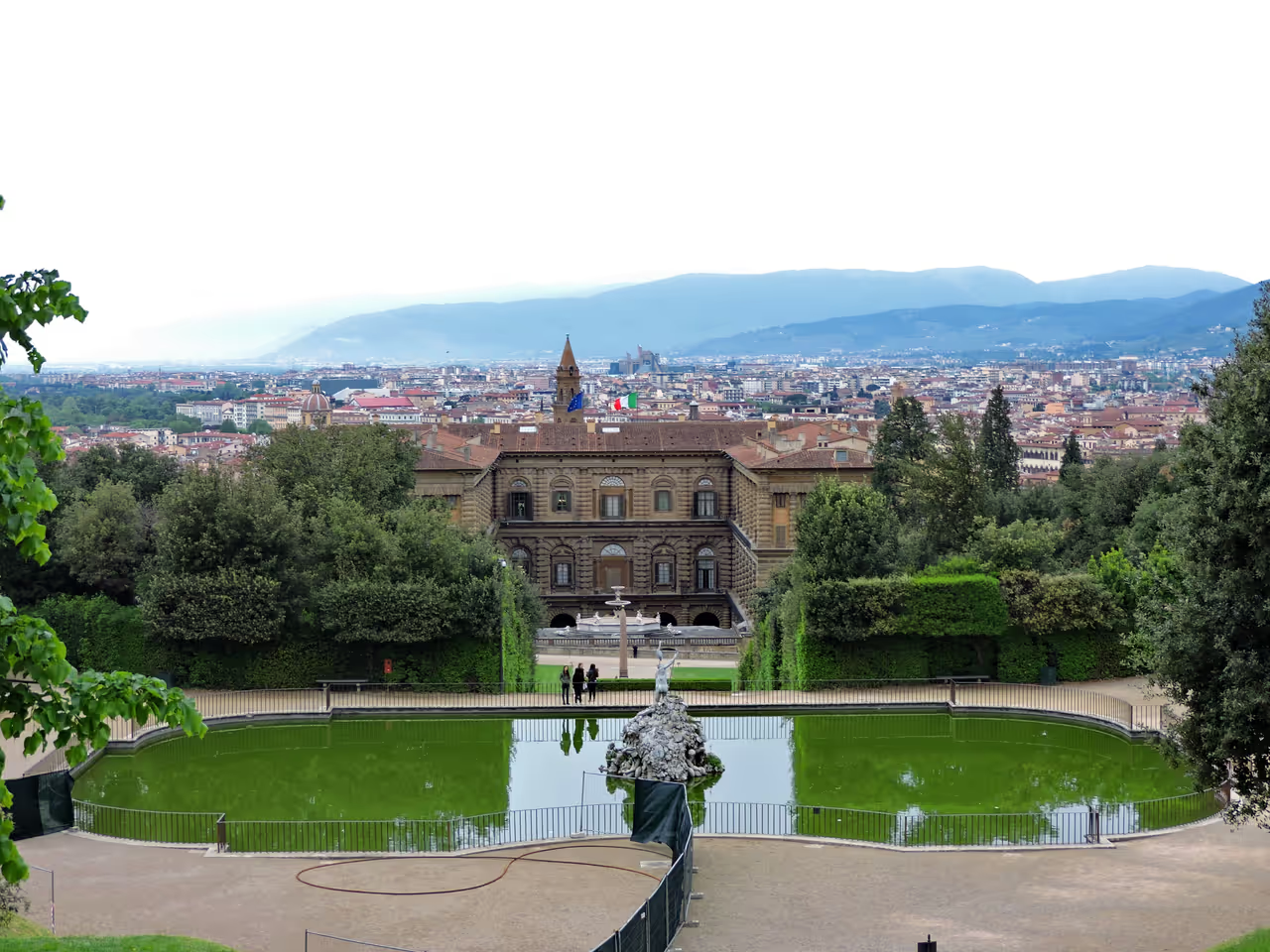 27m
27mBoboli Gardens
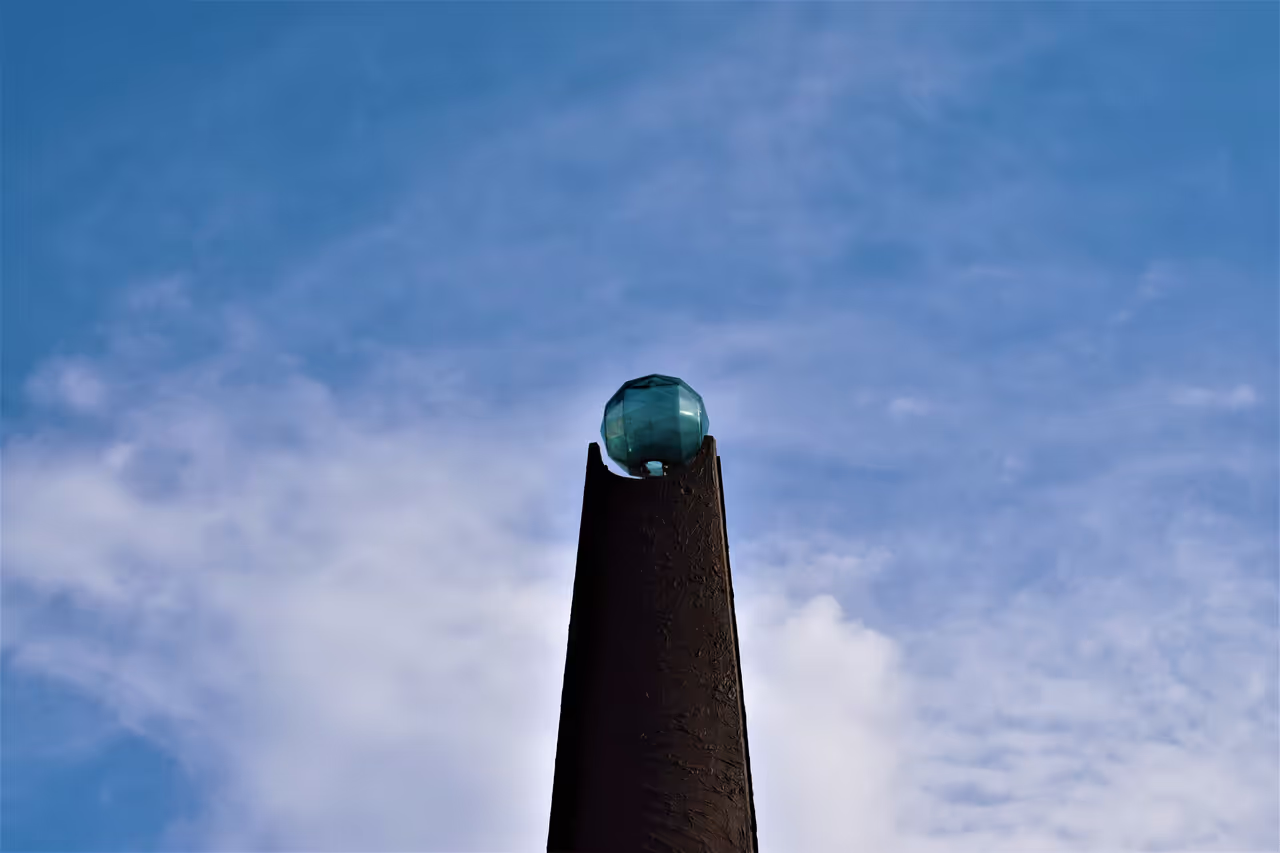
Step into the verdant heart of Florence, where the Boboli Gardens invite you on a journey through centuries of Medici grandeur. More than just a park, this sprawling expanse is a true outdoor museum, seamlessly blending classical sculptures with pristine Italian style landscaping. As you wander along gravel paths, you will discover hidden grottos, magnificent fountains, and secret nooks that offer breathtaking views of the Tuscan capital. It is a place where history breathes, inviting you to lose yourself in the same paths once walked by grand dukes and their courts. Whether you are climbing the hill toward the Kaffeehaus for a panorama or admiring the ancient Egyptian obelisk, every corner reveals a new layer of artistry. A visit here is an essential Florentine experience that lingers in the memory long after you leave.
park & nature view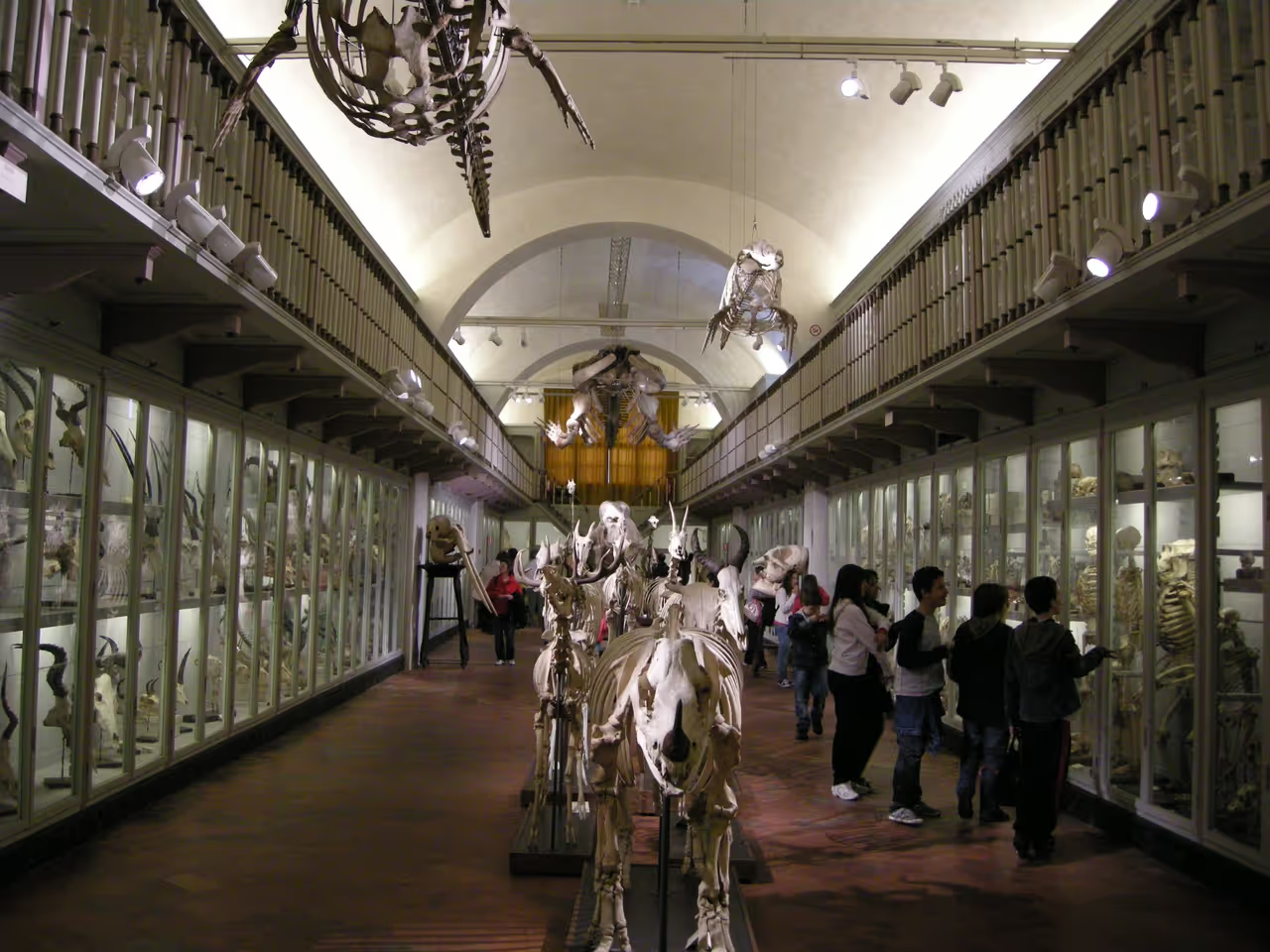 244m
244mObservatory Zoological Museum
Tucked away near the grand Pitti Palace, this quirky and fascinating museum holds a massive collection of taxidermy animals and incredibly realistic anatomical wax models. The anatomical waxes, created in the eighteenth century to teach medical students, are hauntingly detailed and slightly macabre. Walking past thousands of glass cabinets filled with bizarre specimens provides a totally unexpected, scientific contrast to the city's art heritage. It is a wonderfully weird and historically significant cabinet of curiosities.
hidden gem view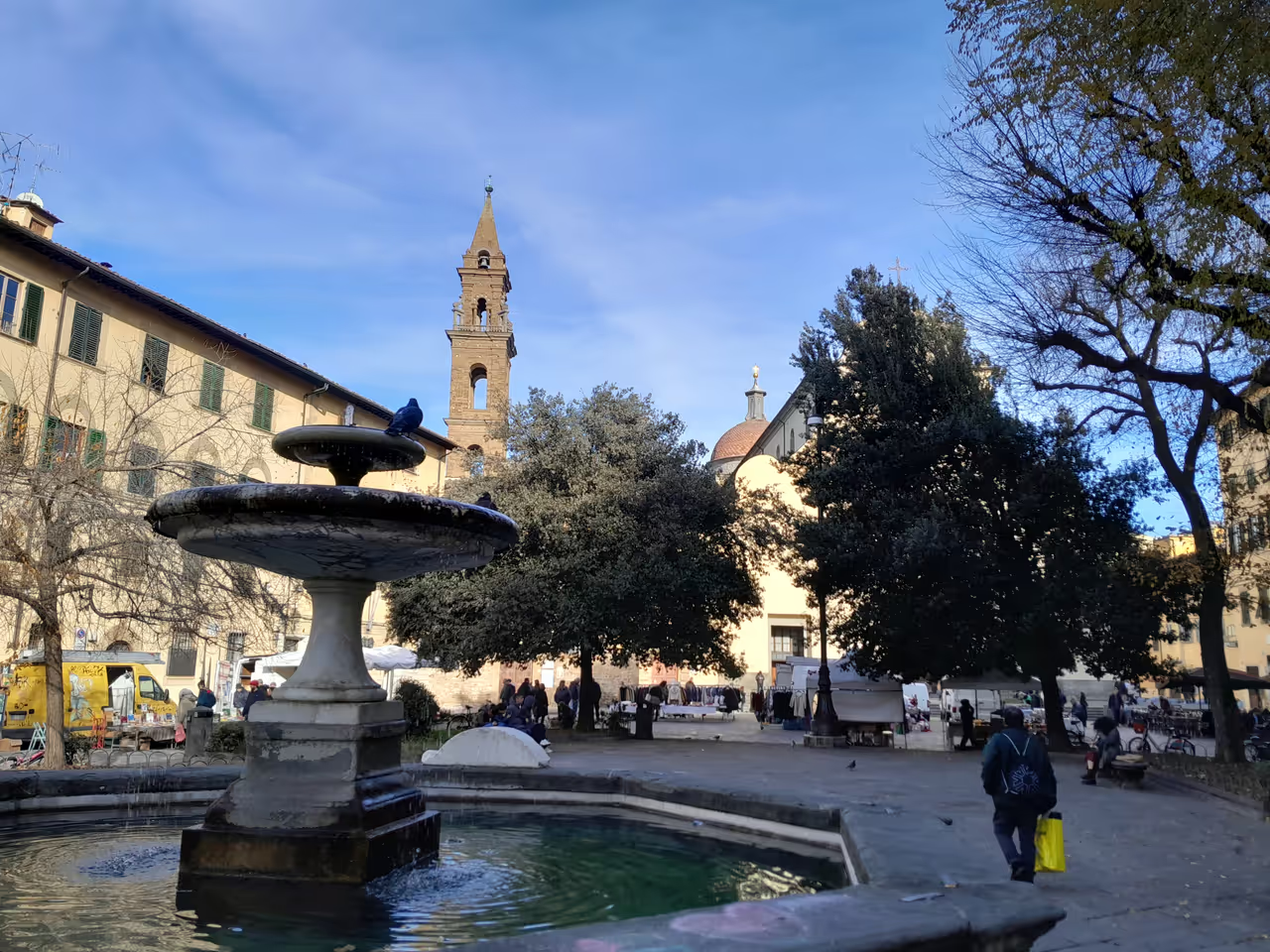 286m
286mSanto Spirito Square
This vibrant square located south of the river transforms into a lively social hub every evening. It acts as the ultimate gathering space for students, artists, and locals looking to unwind on the steps of the church. The perimeter is lined with excellent small bars and casual restaurants pouring affordable wine and mixing great cocktails. It provides an energetic yet deeply authentic neighbourhood experience away from the heavy tourist crowds.
nightlife view
Explore Similar Places in This Collection

Featured on These Itineraries and Routes
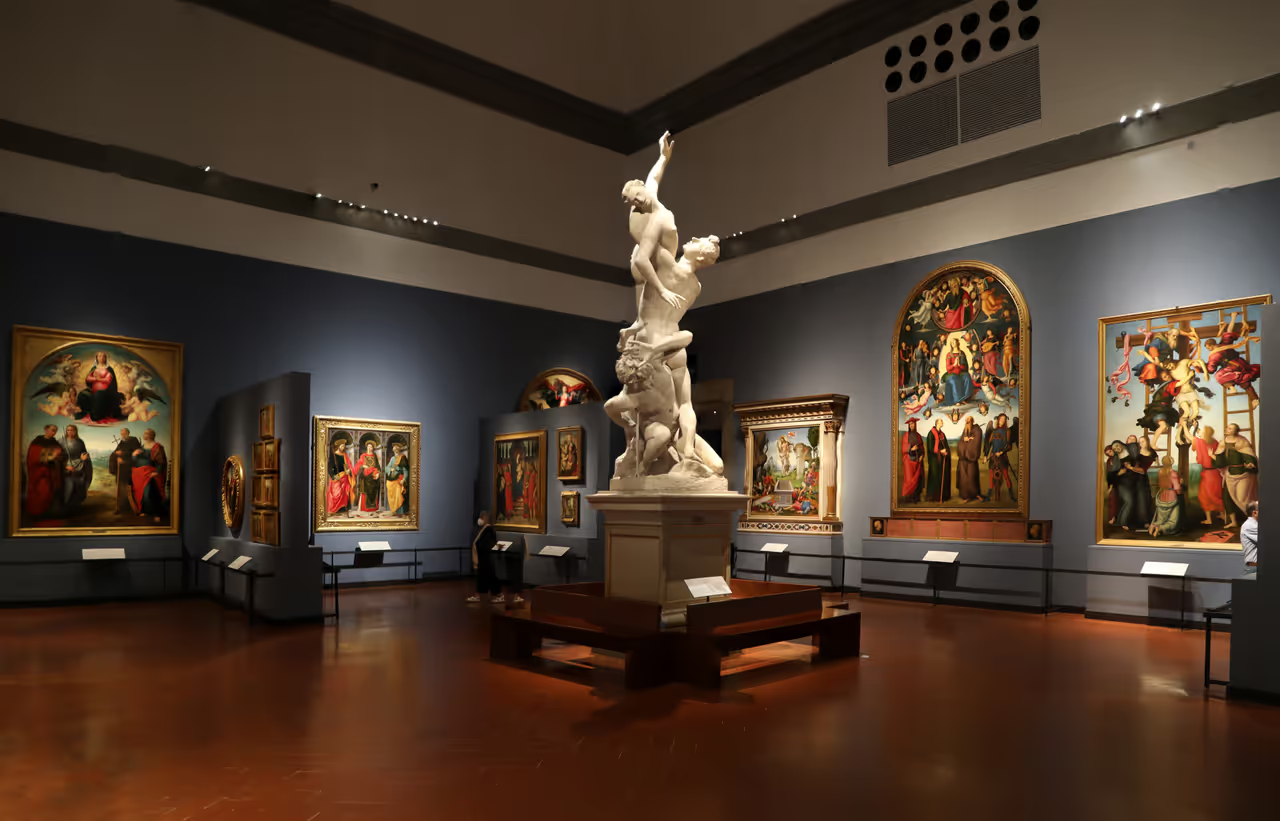
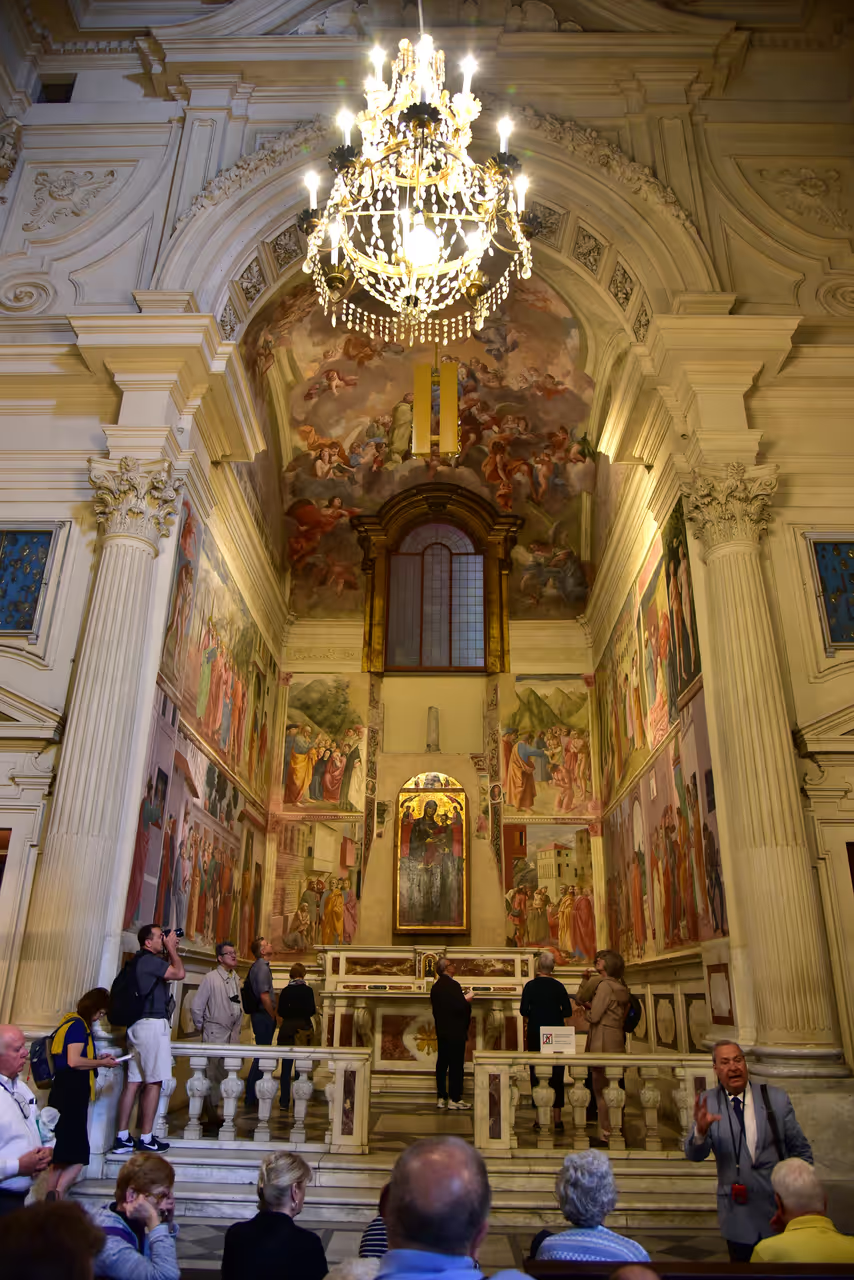

3 Days in Florence: Renaissance Deep Dive Itinerary
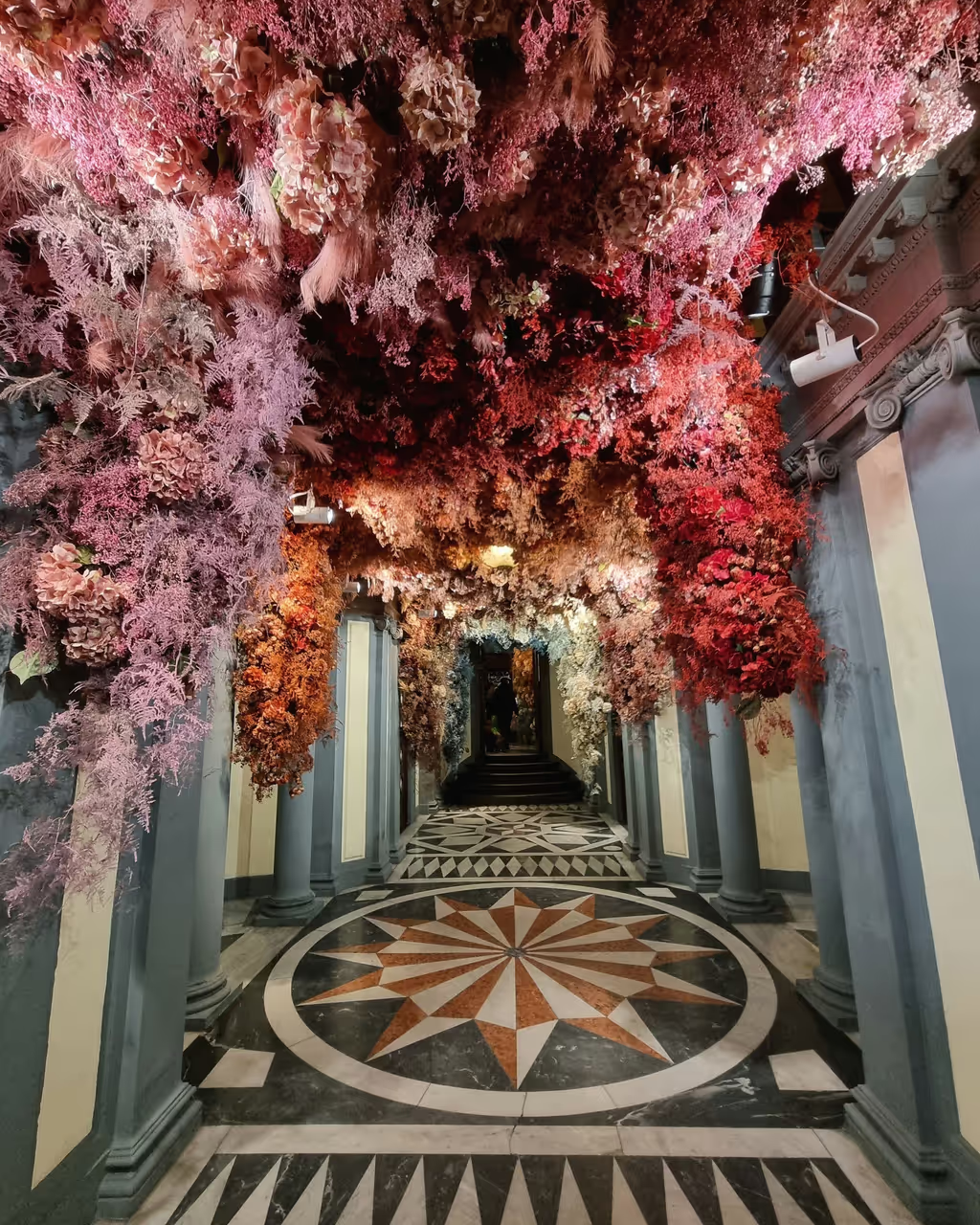
Three days allow you to spread out the heavy cultural intake, exploring different historical neighbourhoods and digging deeper into the artistic legacies. You will spend dedicated time admiring the greatest sculptures, wandering through vast royal gardens, and exploring the gritty political history of the medieval squares. This pace permits you to comfortably cross the river and experience the artisan workshops without constantly rushing. It perfectly balances monumental tourism with authentic local exploration.
view itinerary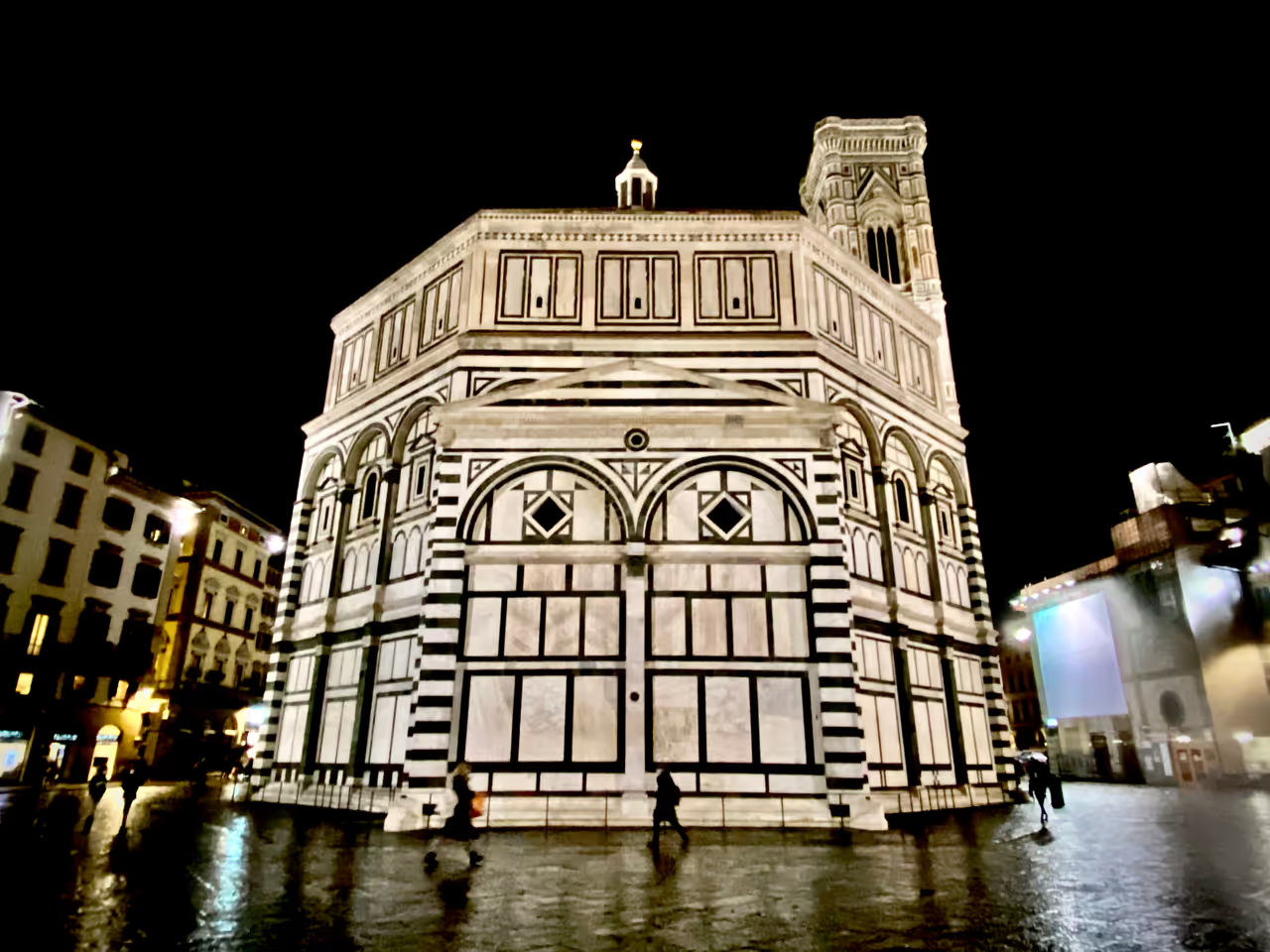
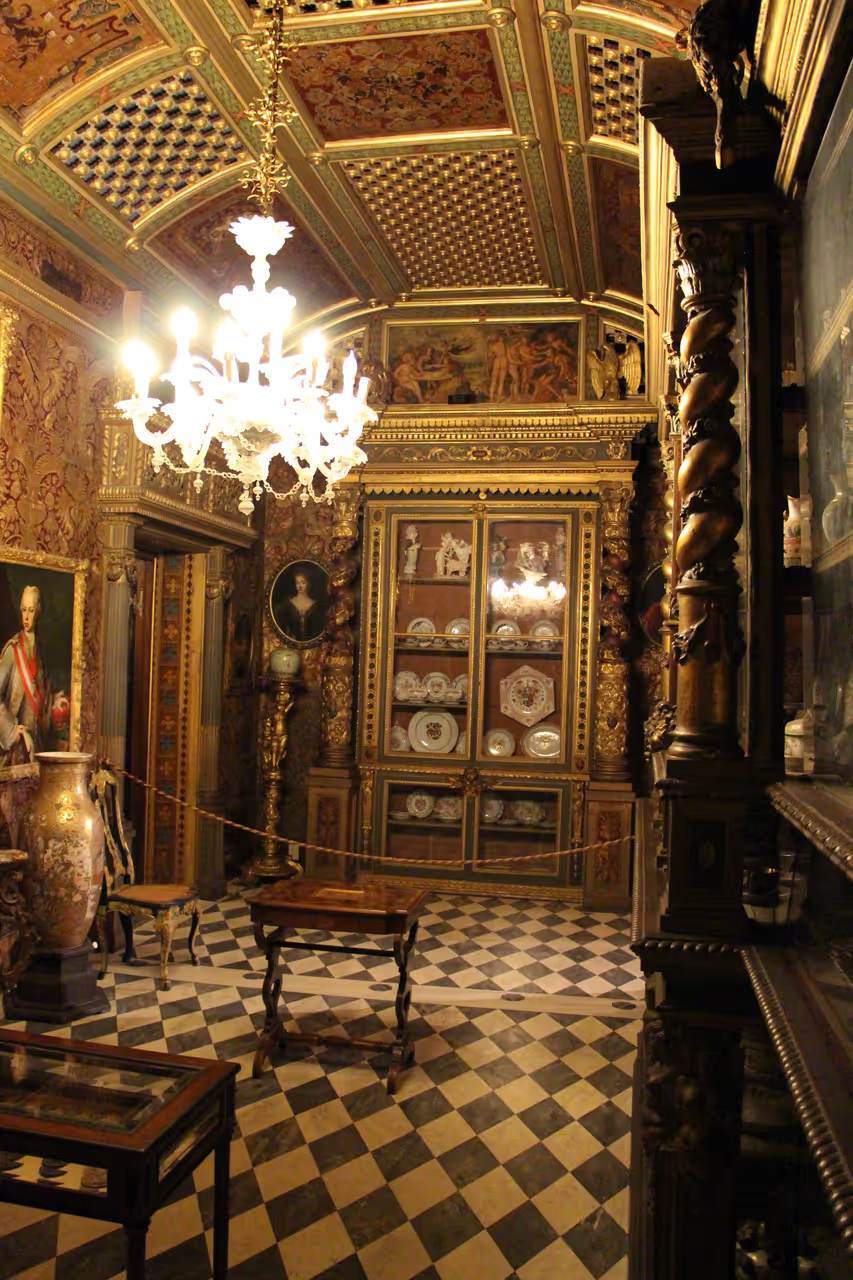
5 Days in Florence: The Ultimate Experience Itinerary
With five days, you can truly absorb the rhythm of the city, moving beyond the central museums to discover eccentric hidden gems and quiet hilltop retreats. You will have time to climb the famous towers, explore bizarre scientific collections, and venture out to the ancient Etruscan ruins in the mountains. This extended stay allows you to appreciate the subtle, romantic atmosphere of the city that is often missed by rushed tourists. It is a highly comprehensive, incredibly satisfying cultural immersion.
view itinerary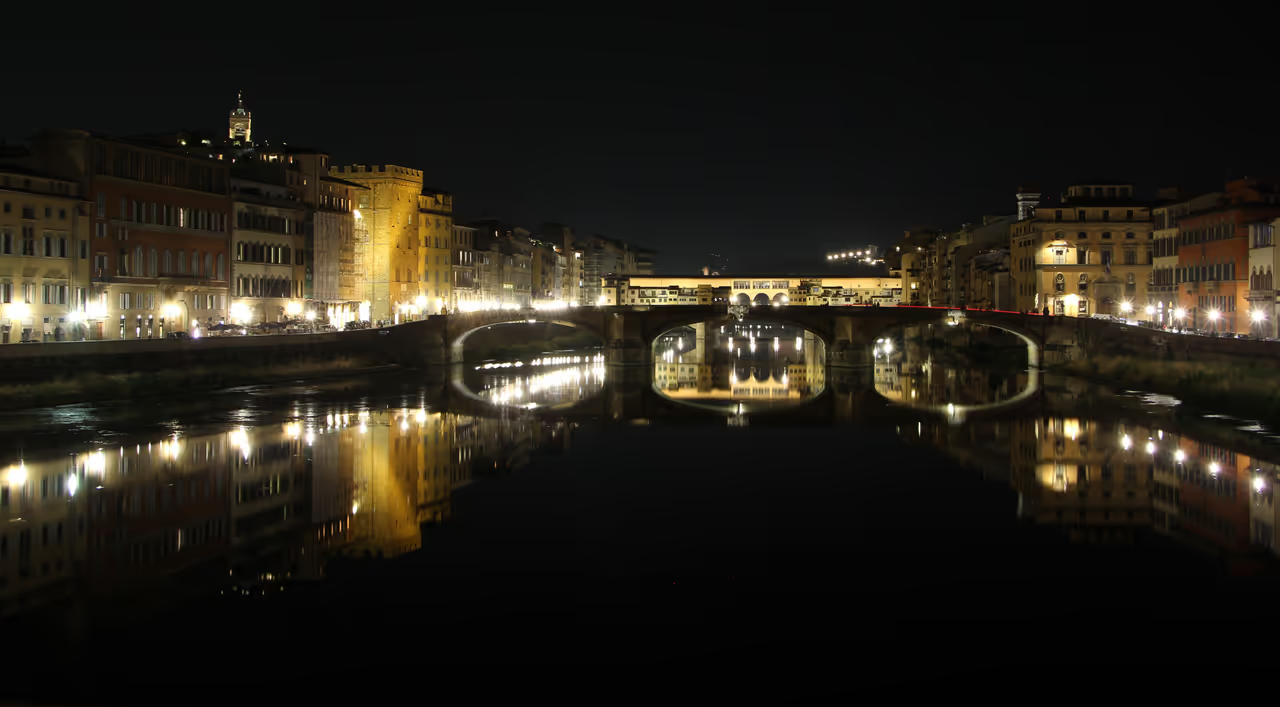
Left Bank Artisans
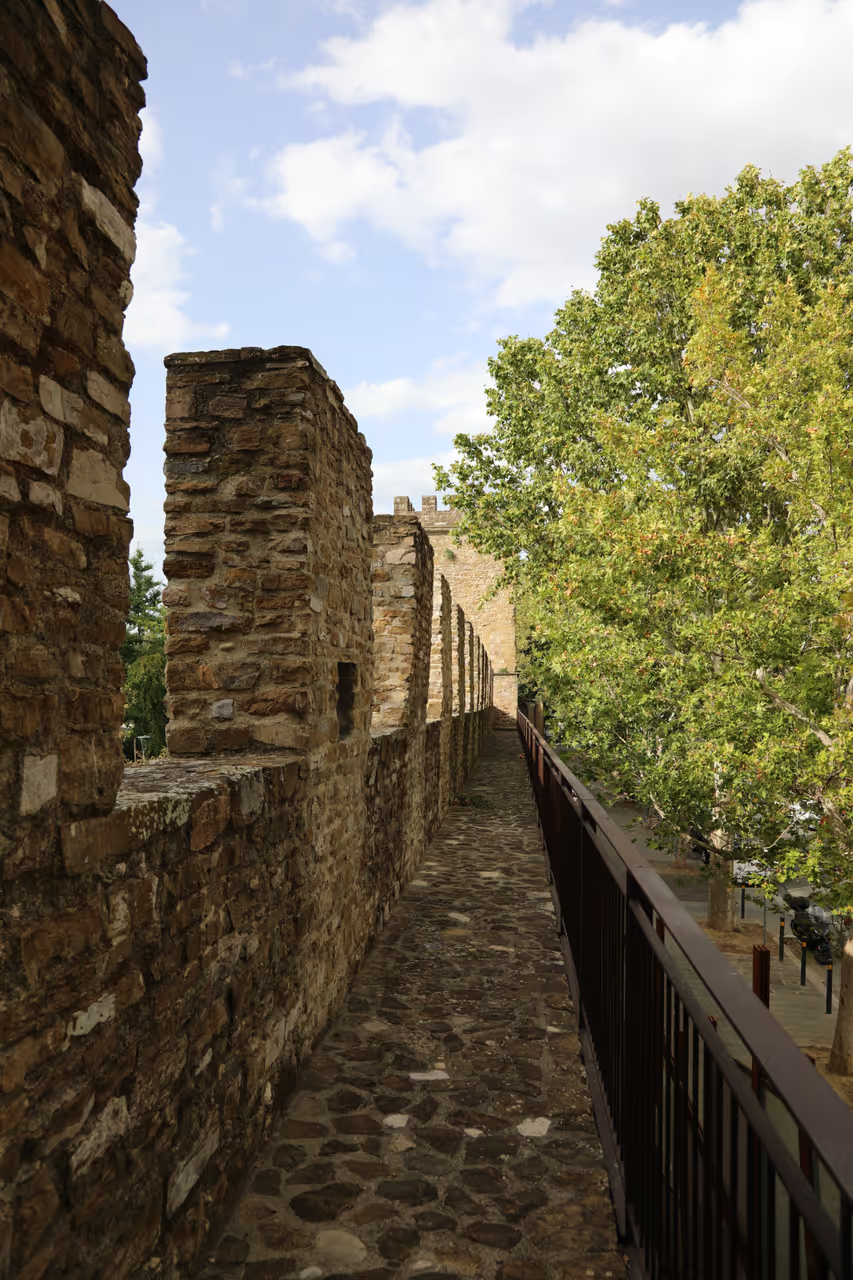
This captivating walk takes you through the fiercely authentic neighbourhoods located south of the river. Wandering these narrow streets reveals a dense network of traditional artisan workshops creating everything from bound leather books to gilded frames. The atmosphere is distinctly local, filled with the sounds of craftsmanship and the chatter of residents. It provides a deeply intimate look at the enduring traditions that keep the city's historic economy alive.
view walking route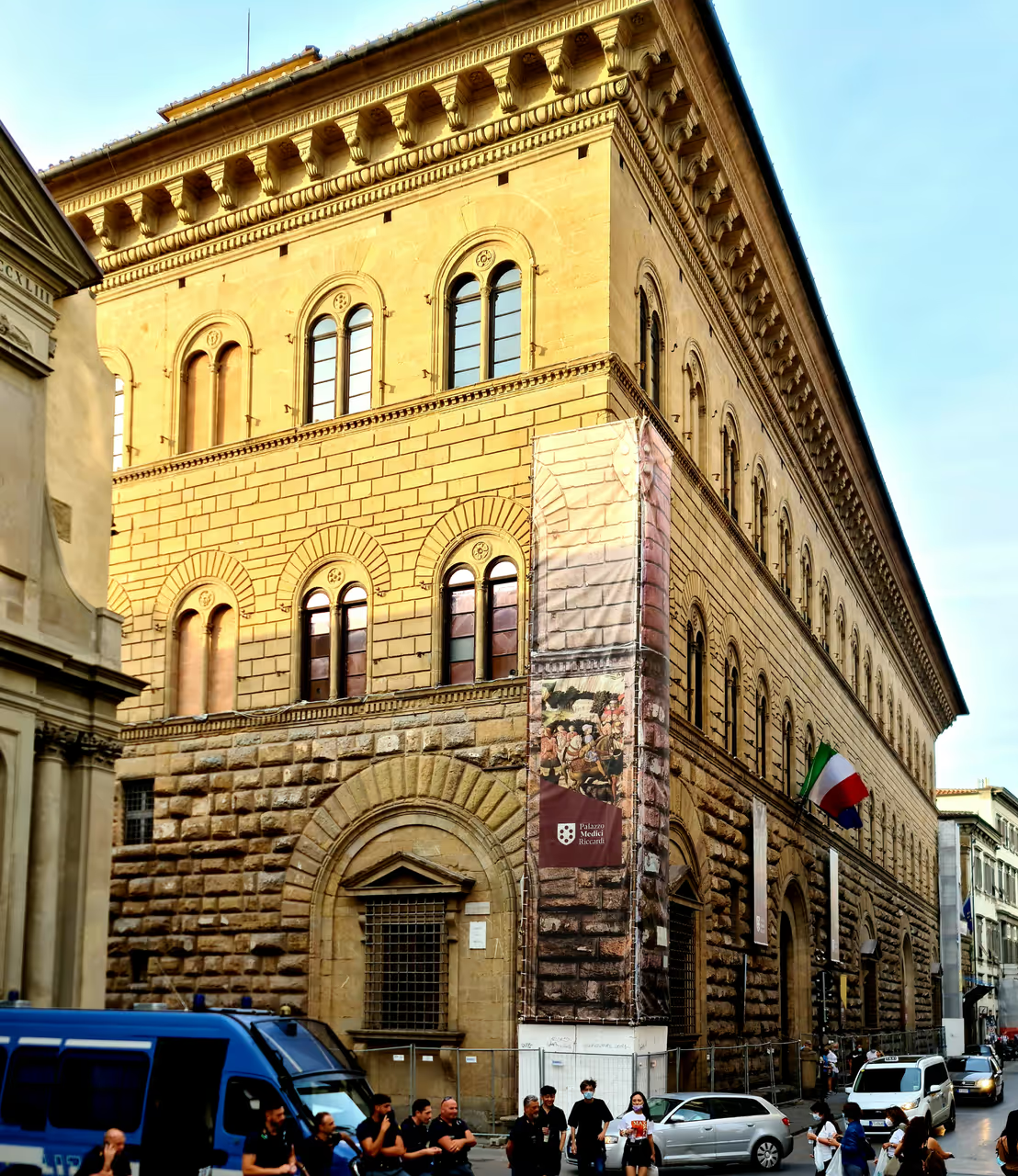
Medici Dynasty Trail
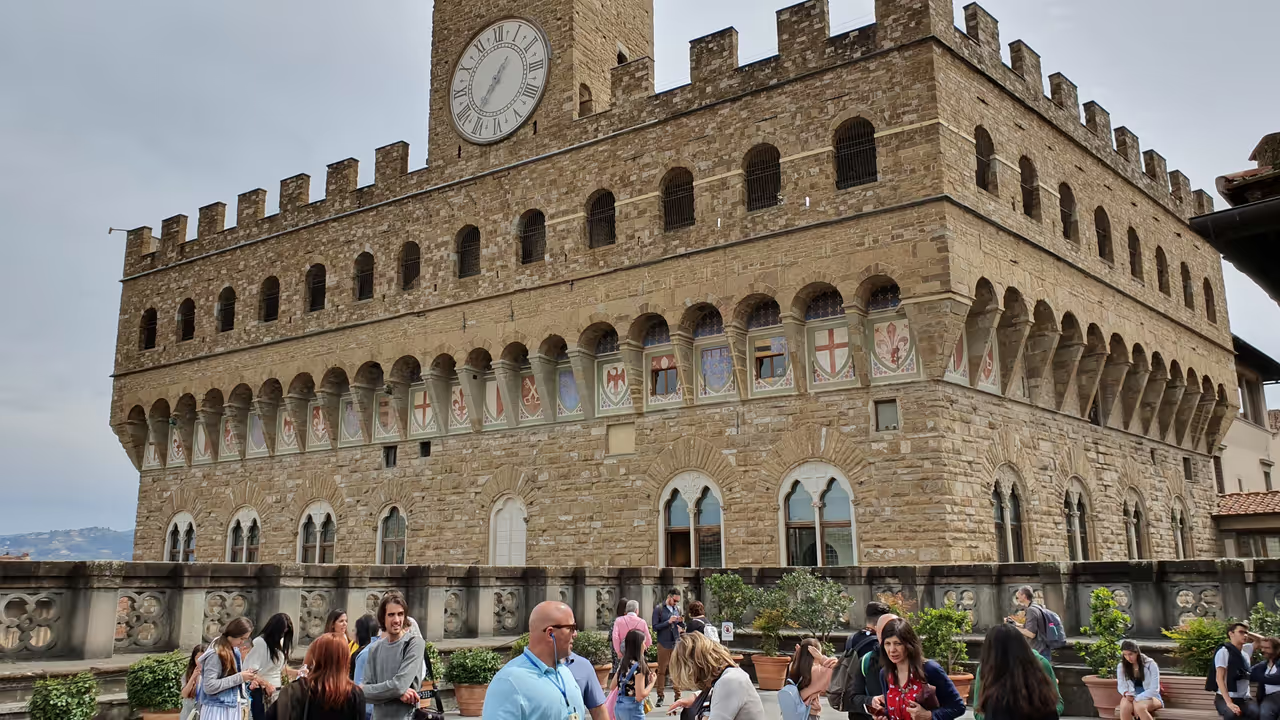
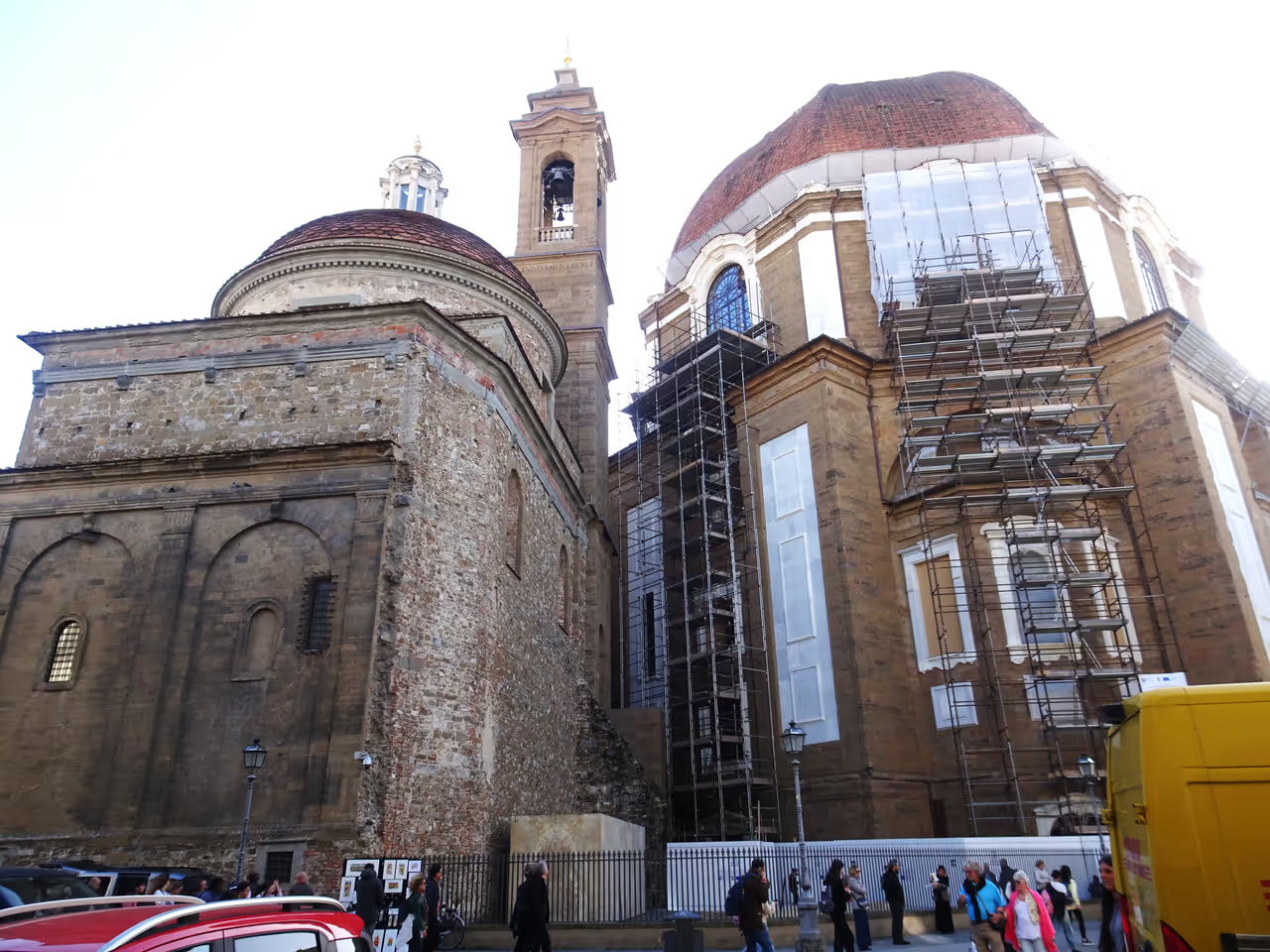
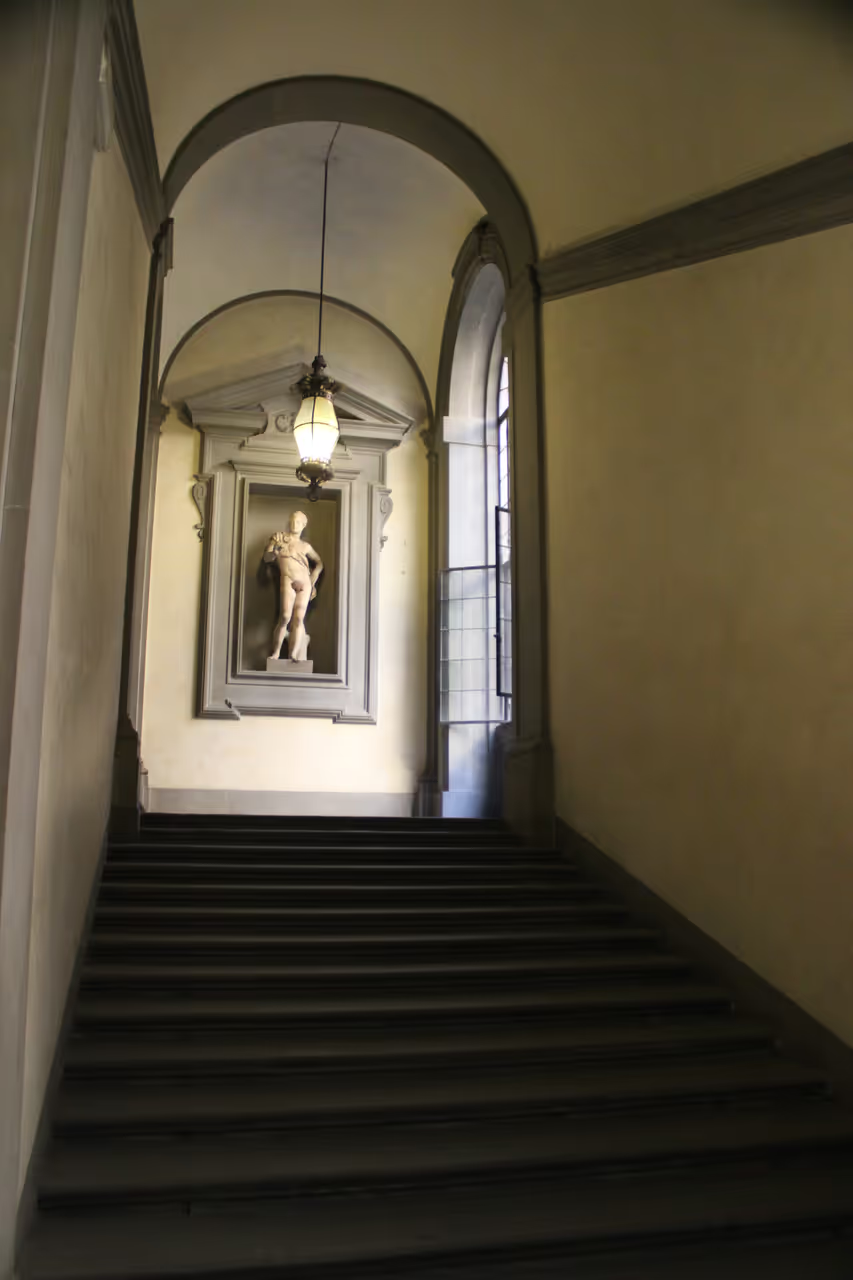
This immersive journey traces the dramatic rise, absolute dominance, and ultimate decline of the city's most legendary ruling family. You will connect the monumental palaces they built, the churches they funded, and the secret corridors they used to maintain control. The route reveals how a single banking family managed to shape the entire architectural and cultural legacy of the Renaissance. It is a fascinating exploration of ruthless ambition, incredible wealth, and political cunning.
view self-guided tour
See all attractions in Florence
Accademia Gallery, Baptistery of San Giovanni, Bargello National Museum, Florence Cathedral, Palazzo Vecchio, Ponte Vecchio, Uffizi Gallery...