Bardini Gardens
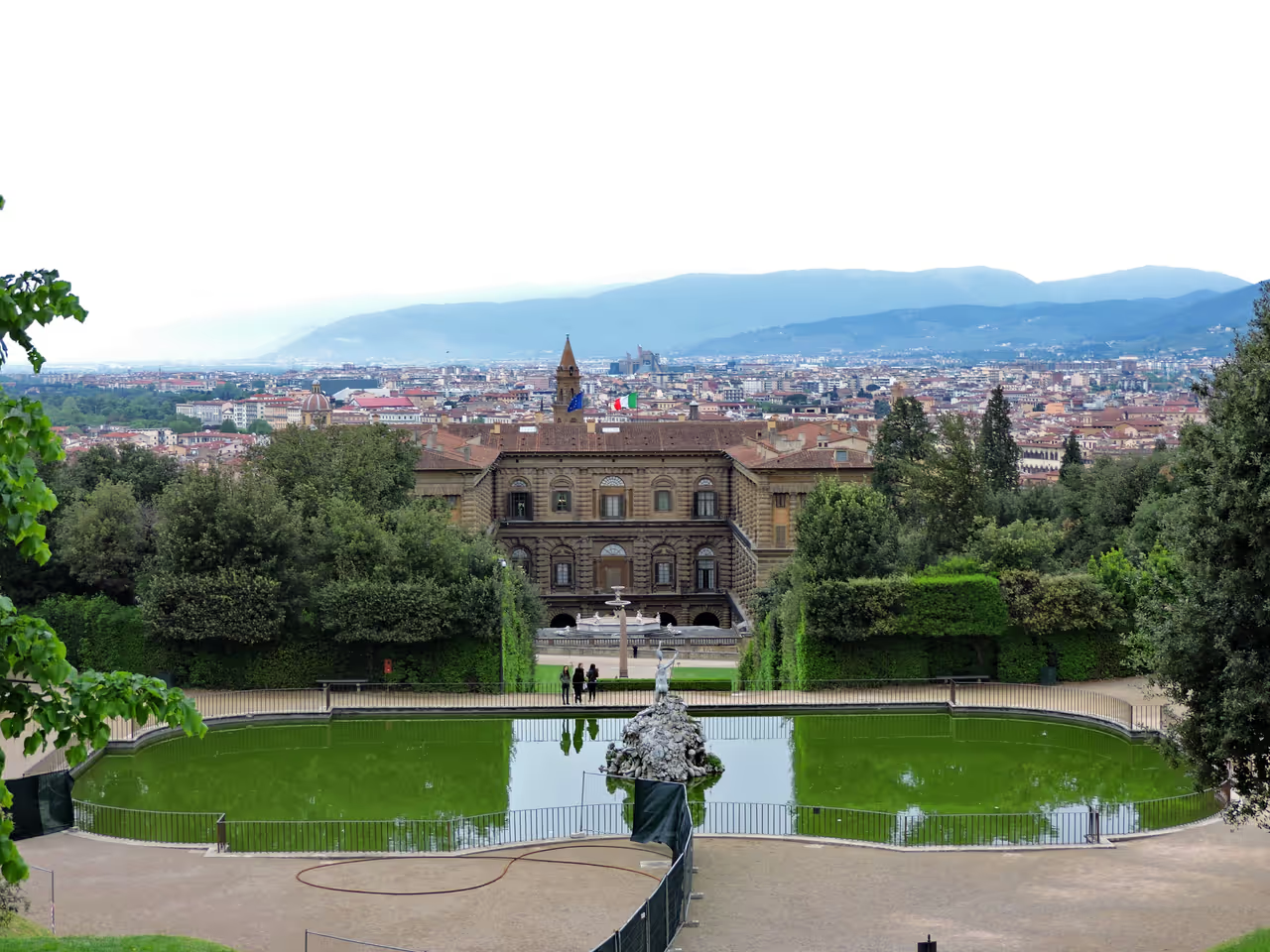
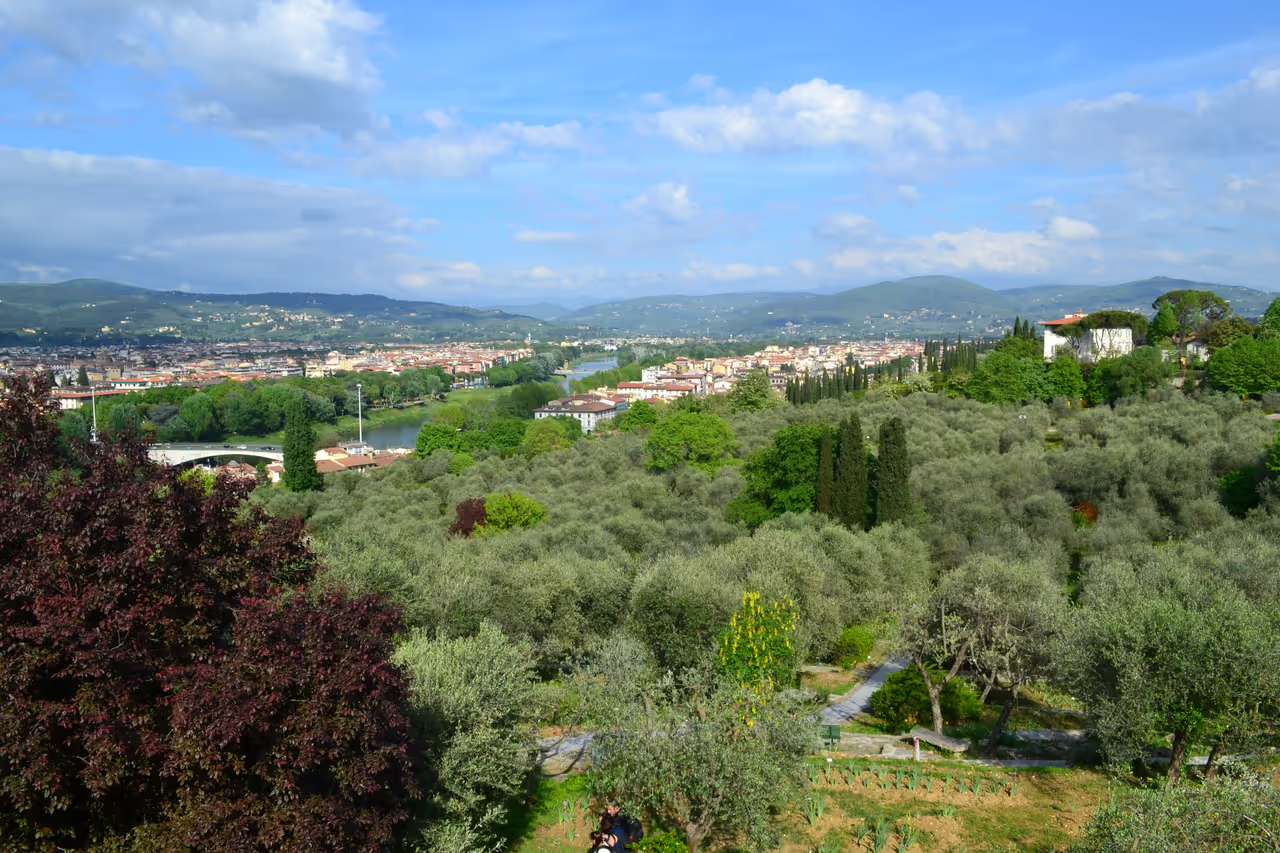
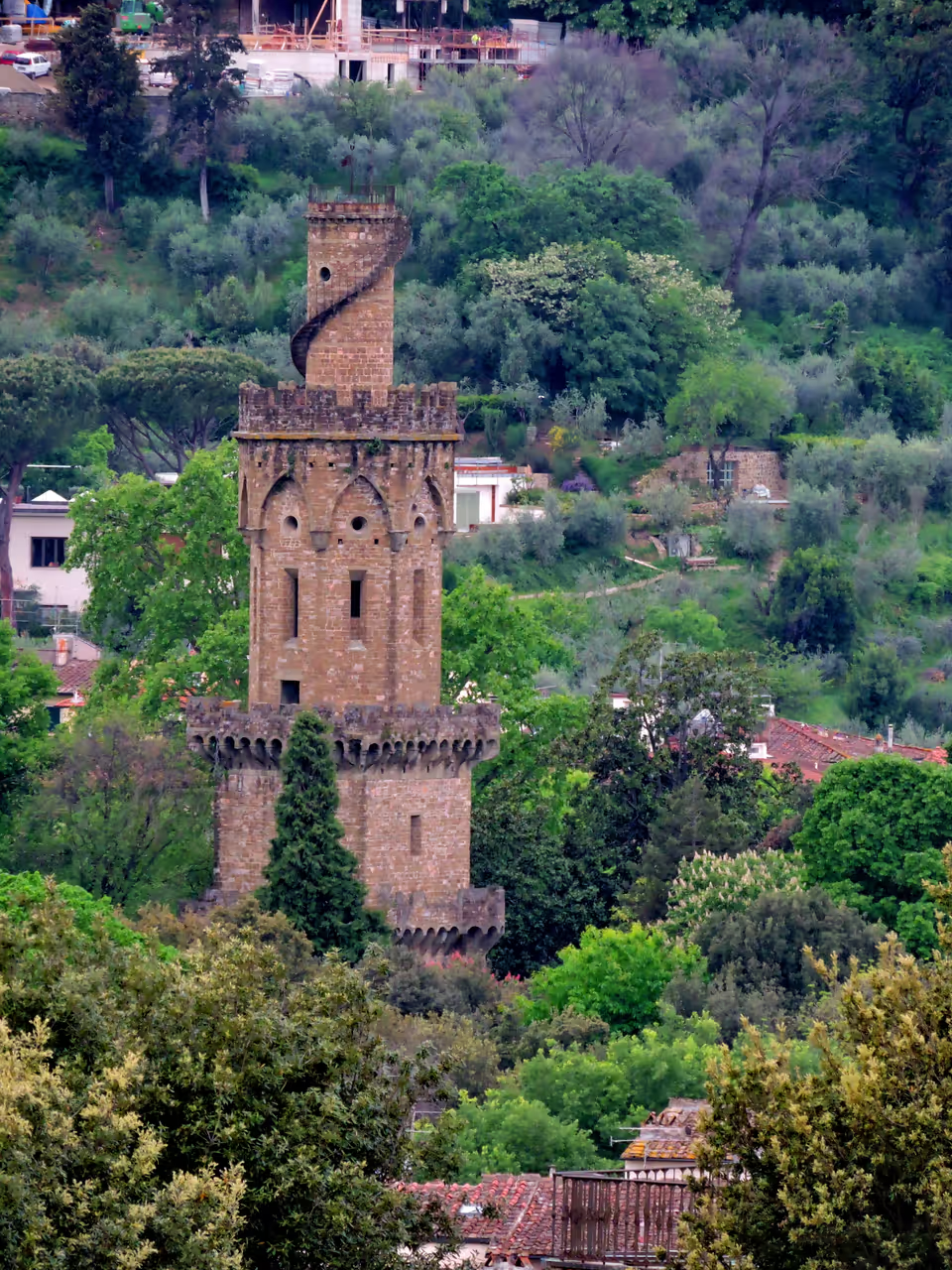
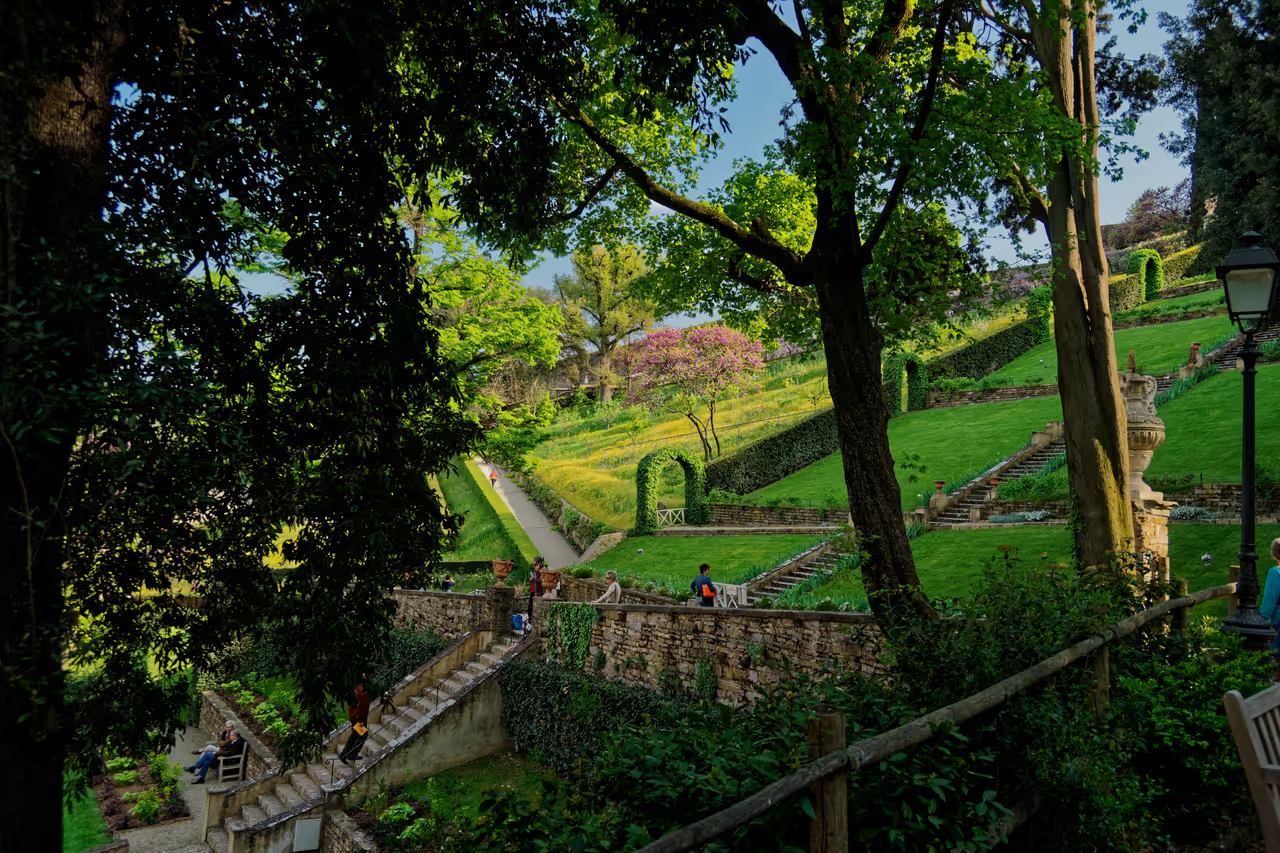
Nestled in the heart of the Oltrarno district, the Bardini Gardens offer one of the most breathtaking panoramas of Florence without the overwhelming crowds of more famous spots. This four-hectare oasis is a masterclass in landscape design, seamlessly blending a medieval orchard, a Baroque staircase, and a romantic English-style wood. You can wander through rows of olive trees or stand beneath the famous wisteria pergola that transforms into a violet tunnel every April. It is a place where history feels tangible, from its origins as a productive agricultural plot to its life as a private showroom for a world-renowned antiquarian. Whether you are hunting for the perfect photo of the Duomo or seeking a quiet moment among blooming azaleas, these gardens provide a serene escape from the stone streets. Visiting here is a journey through centuries of Florentine aesthetics, all culminating in a view that will stay with you long after you leave.
Videos
History of Bardini Gardens
The story of the Bardini Gardens begins on the steep slopes of the Montecuccoli hill, where the Mozzi family established a medieval walled garden as early as 1259. For centuries, this land served as a productive agricultural space, lined with olive trees and vineyards that provided a green backdrop to the family palace near the Arno. This rugged terrain witnessed the rise and fall of merchant fortunes, occasionally being seized by the Florentine Commune during periods of political turmoil before returning to private hands. The resilience of the land mirrored the resilience of the families who tended it, preserving a rare pocket of nature amidst the urban expansion of the Renaissance. The garden we see today is a tapestry woven from different eras and tastes. In the seventeenth century, the construction of Villa Manadora introduced a formal architectural elegance, while the nineteenth century brought the romantic influence of English landscape design under the ownership of Jacques Louis Leblanc. This era saw the creation of winding paths and the Kaffeehaus, turning the hillside into a sophisticated retreat for the European elite. However, it was Stefano Bardini, a legendary antiquarian of the early twentieth century, who gave the gardens their current, theatrical character. Bardini used the space as a grand showroom, assembling architectural fragments, statues, and fountains from various periods to create a stunning historical atmosphere that captivated his clients. Following decades of neglect and a complex legal battle over the Bardini inheritance, the gardens underwent a massive restoration project at the turn of the millennium. The effort revived the neglected flora, including the famous wisteria pergola and the heritage fruit trees, returning the landscape to its former glory. Today, the site stands as a testament to the preservation of Florentine heritage, offering a unique blend of medieval utility, Baroque drama, and early twentieth-century eclectic collecting. It serves as a quiet witness to the city's artistic evolution, standing proudly across the river from the more crowded historical city centre.
Events spanning 748 years
Fun Facts
- • A unique Green Theatre is carved directly into the vegetation at the lower part of the garden, using the natural slope of the hill to create an outdoor stage.
- • April brings a violet transformation to the grounds when the massive wisteria pergola bursts into bloom, creating one of the most photographed natural tunnels in Europe.
- • Six ornate fountains decorated with colourful mosaics line the Baroque staircase, each providing a cooling atmosphere during the hot Tuscan summers.
- • The Dragon Fountain, located in the English garden section, is a whimsical nod to the romantic tastes of the nineteenth-century owners.
- • The Kaffeehaus at the top of the hill was designed as a place for the elite to sip coffee while enjoying a view that spans from the Duomo to the distant hills of Fiesole.
- • The garden acts as a labyrinth of artistic traps, where Stefano Bardini mixed authentic medieval fragments with clever imitations to impress his wealthy international clients.
- • The gardens were featured in the famous 1903 Pre-Raphaelite painting Incipit Vita Nova by Cesare Saccaggi, depicting a romantic encounter between Dante and Beatrice.
- • The gardens were only returned to the public after a lengthy legal saga that ended with the Italian state purchasing a Donatello sculpture to satisfy a condition of the Bardini will.
- • The upper part of the garden contains a heritage orchard where ancient varieties of Florentine fruit trees have been replanted to honour the site's medieval agricultural roots.
- • Visitors can explore two distinct garden styles within the same four hectares: a structured Baroque garden and a wilder, winding English-style woodland.
RESOURCES
Official WebsiteBardini Gardens FAQ
While we strive to keep this information accurate and up to date, we recommend verifying any details independently before making decisions based on them.
Bardini Gardens Map & Neighborhood Explorer
This interactive map is centered on Bardini Gardens. Zoom in and move the map around to automatically discover Wikipedia photos and summaries of other nearby sights, monuments, and historical points of interest and stories in real-time!
Places near Bardini Gardens
Make the most of your trip. Check out these top-rated spots located nearby.
 275m
275mBelvedere Fortress
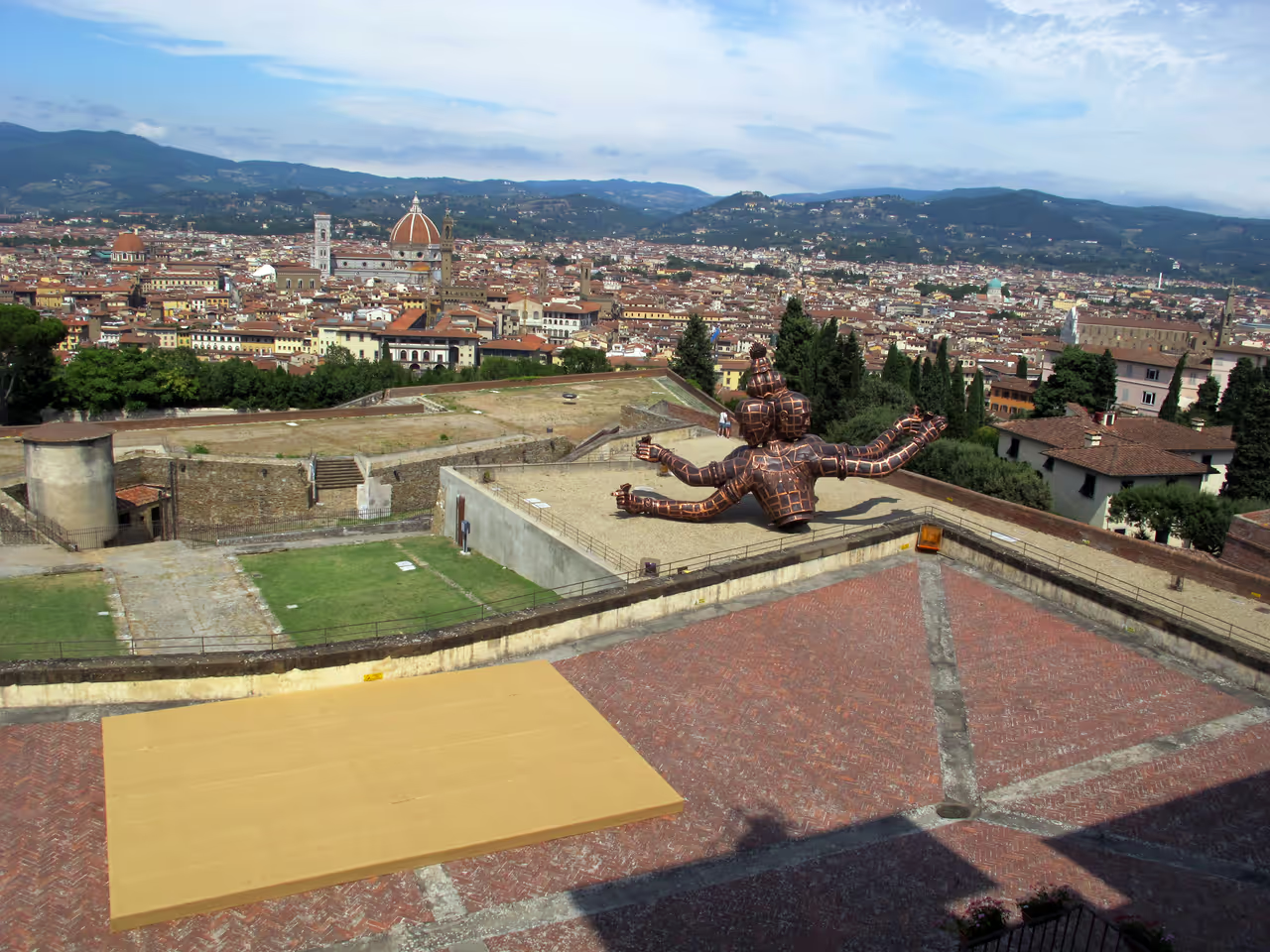
Constructed at the highest point of the Boboli Gardens, this imposing star-shaped military fortress was built to protect the grand dukes from civil unrest. The massive defensive walls double as vast viewing platforms overlooking the entire river valley. It provides a unique, highly strategic perspective of the urban layout below, framed by heavy stone fortifications. The grounds frequently host striking contemporary art exhibitions that contrast beautifully with the historic scenery.
viewpoint view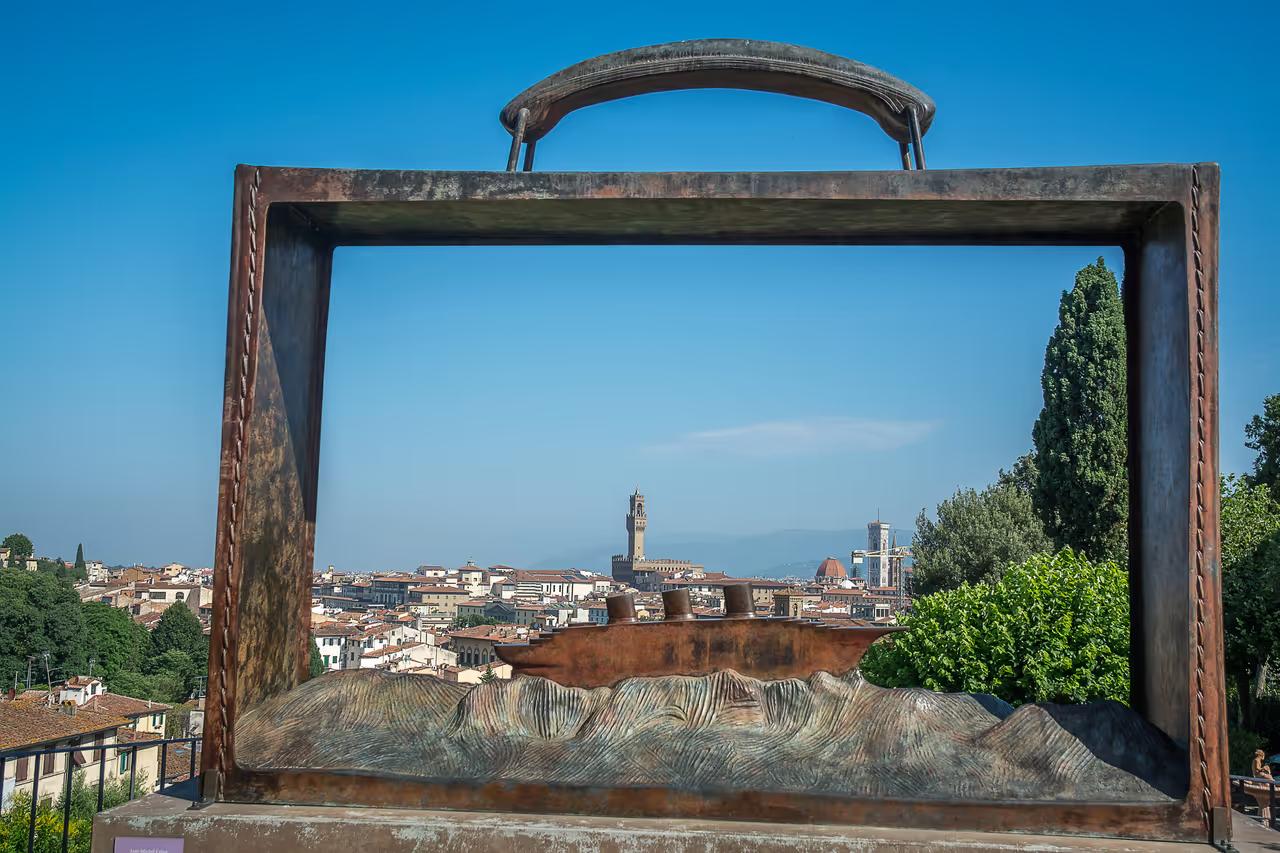 478m
478mRose Garden
Perched elegantly on the slopes below Piazzale Michelangelo, the Rose Garden offers one of the most serene vantage points in all of Florence. This charming hillside sanctuary is home to over a thousand botanical varieties, featuring 400 species of roses that burst into colour each spring. Beyond the floral displays, visitors find themselves wandering through a peaceful retreat that houses a traditional Japanese oasis and distinctive bronze sculptures by artist Jean-Michel Folon. Whether you are seeking a quiet moment of reflection or the perfect panoramic photograph of the city skyline, this spot provides an enchanting escape from the energy of the city centre. It captures the romantic spirit of Florence, blending Italian garden design with quiet pockets of international art and culture.
park & nature view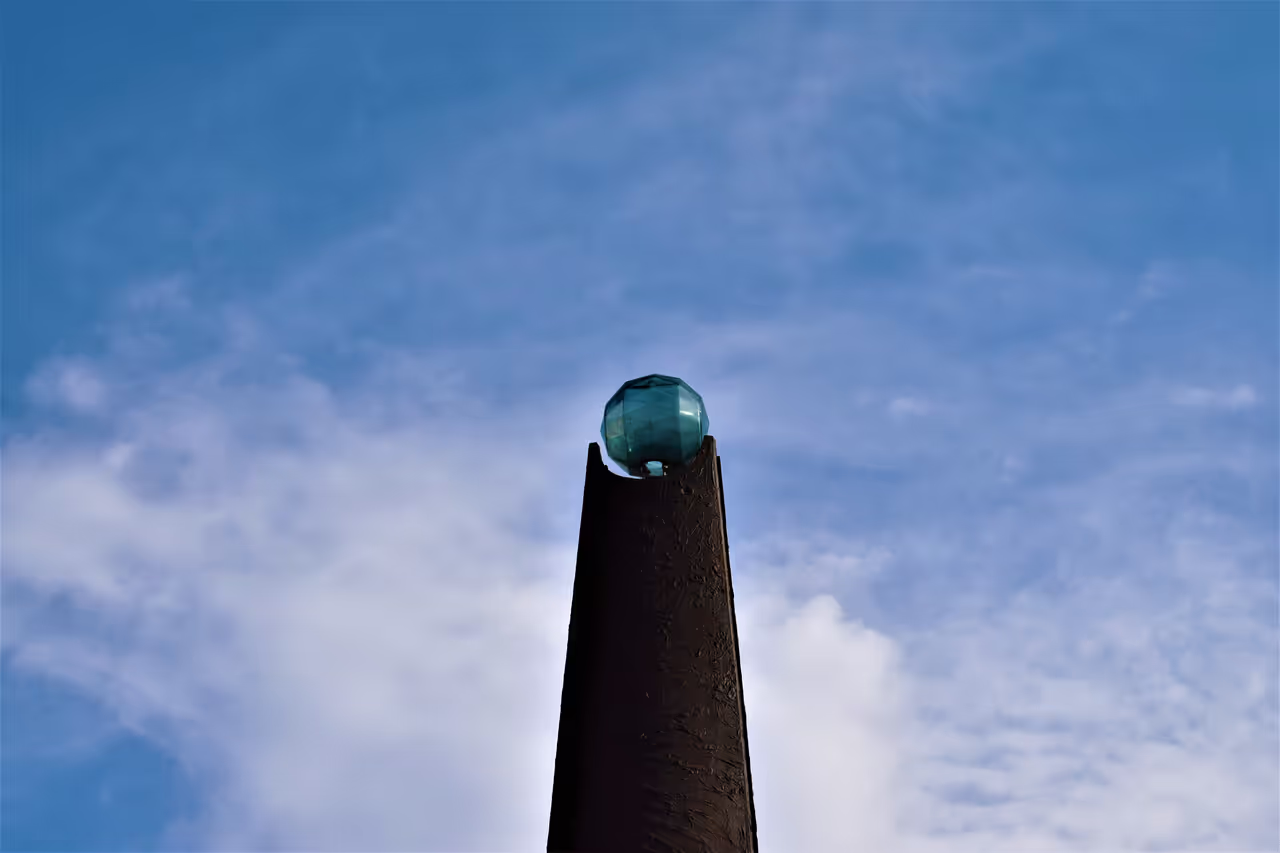 493m
493mGalileo Museum
This phenomenal institution houses one of the most important collections of scientific instruments in the world, proving that the Renaissance was not just about painting. It displays incredibly intricate early telescopes, beautifully painted antique globes, and complex anatomical models. The most famous, and slightly macabre, exhibit is the actual middle finger of Galileo Galilei displayed in a glass jar. It is an incredibly enlightening experience that highlights the brilliant scientific minds of the era.
highlight view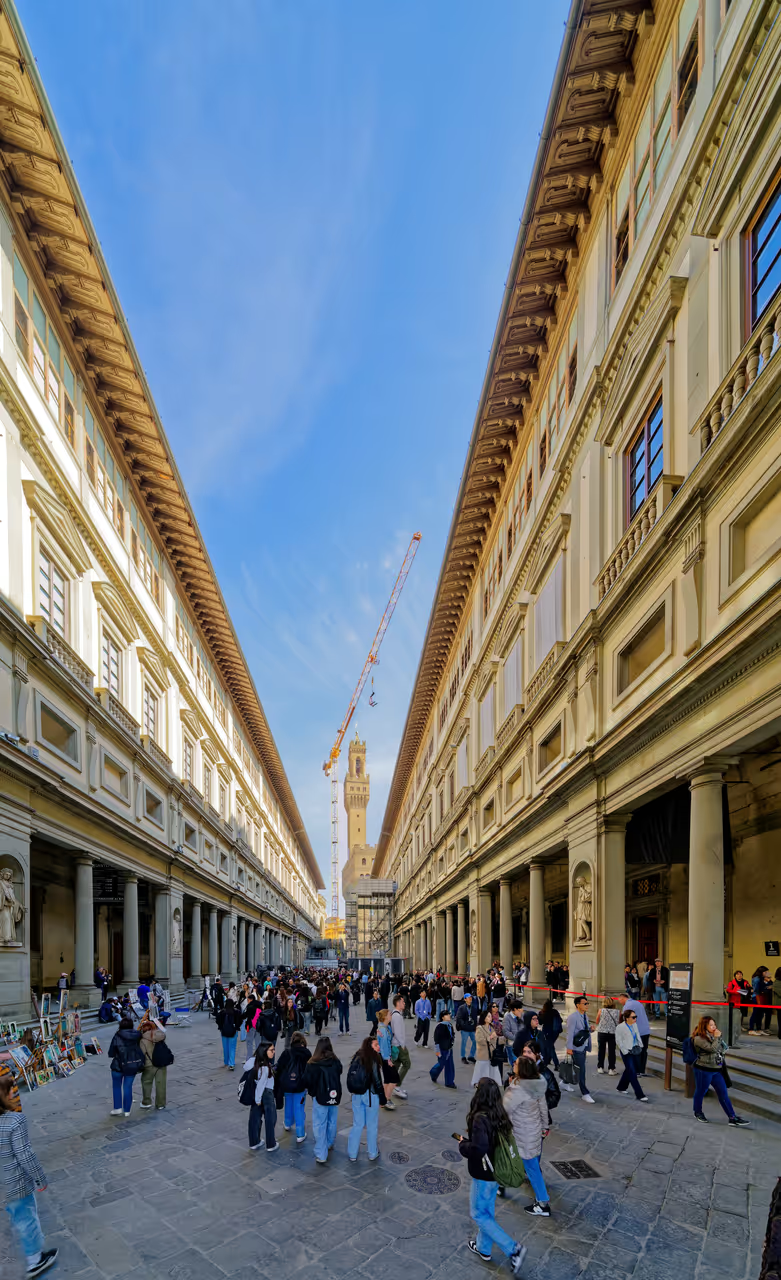 565m
565mUffizi Gallery
The Uffizi Gallery is the beating heart of the Renaissance, housed within an architectural marvel designed by Giorgio Vasari. Walking through these hallowed halls allows you to trace the evolution of Western art, from the rigid figures of the Middle Ages to the vibrant, emotion-filled masterpieces of the Renaissance. You will stand inches away from Botticelli’s ethereal Birth of Venus and Caravaggio’s intense, haunting canvases, surrounded by the artistic legacy of the Medici family. Beyond the paintings, the building itself, with its sweeping views of the Arno and the corridor connecting to Palazzo Pitti, tells a story of power, intrigue, and artistic patronage. It is a place where history feels tactile, and every corridor holds a new discovery. A visit here is an essential pilgrimage for anyone seeking to understand the soul of Florence.
attraction view
Explore Similar Places in This Collection

Featured on This Itinerary

See all nature & parks in Florence
Boboli Gardens, Botanical Garden of Florence, Cascine Park, Iris Garden, Rose Garden, Torrigiani Garden...