Uffizi Gallery
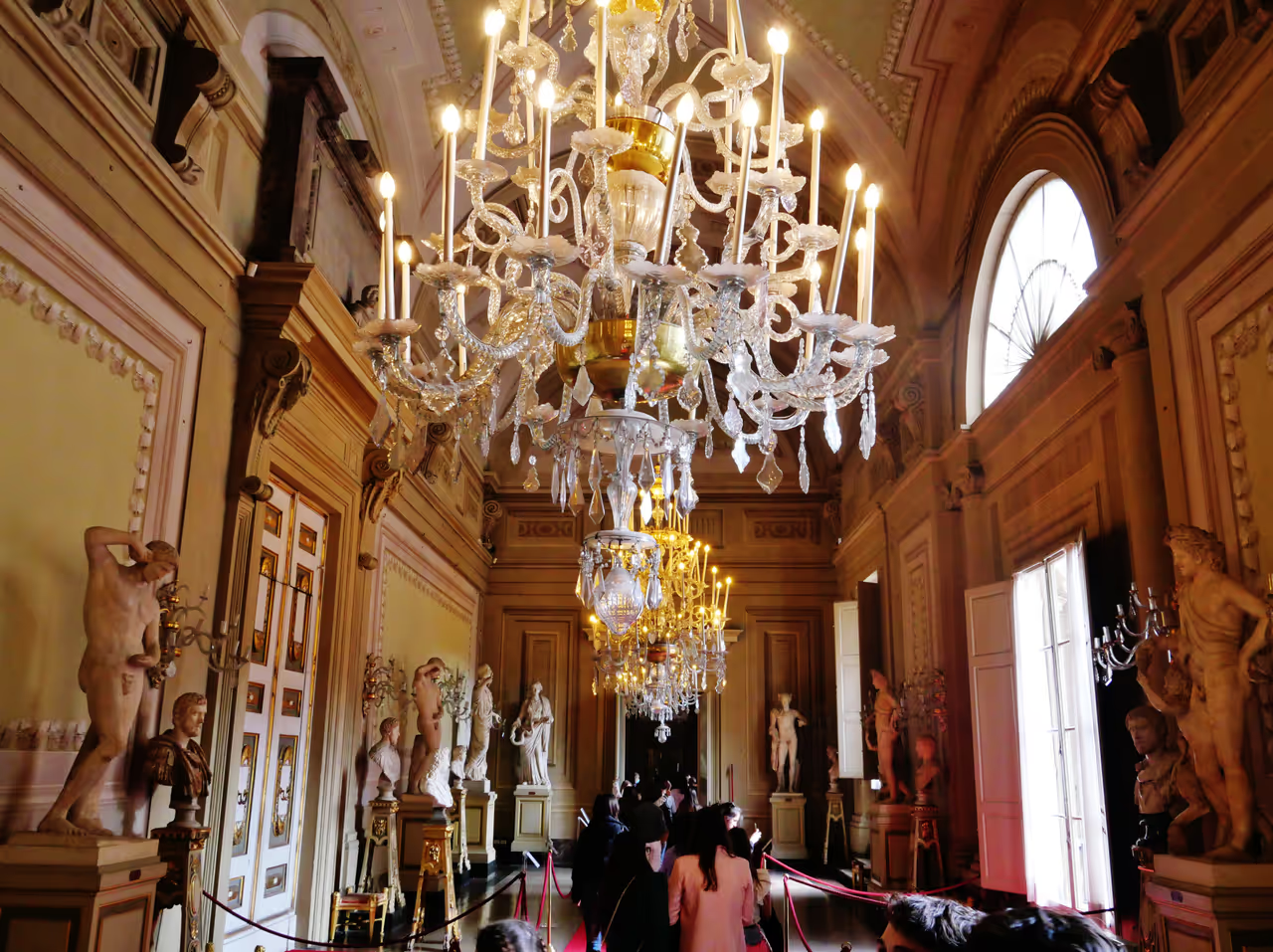
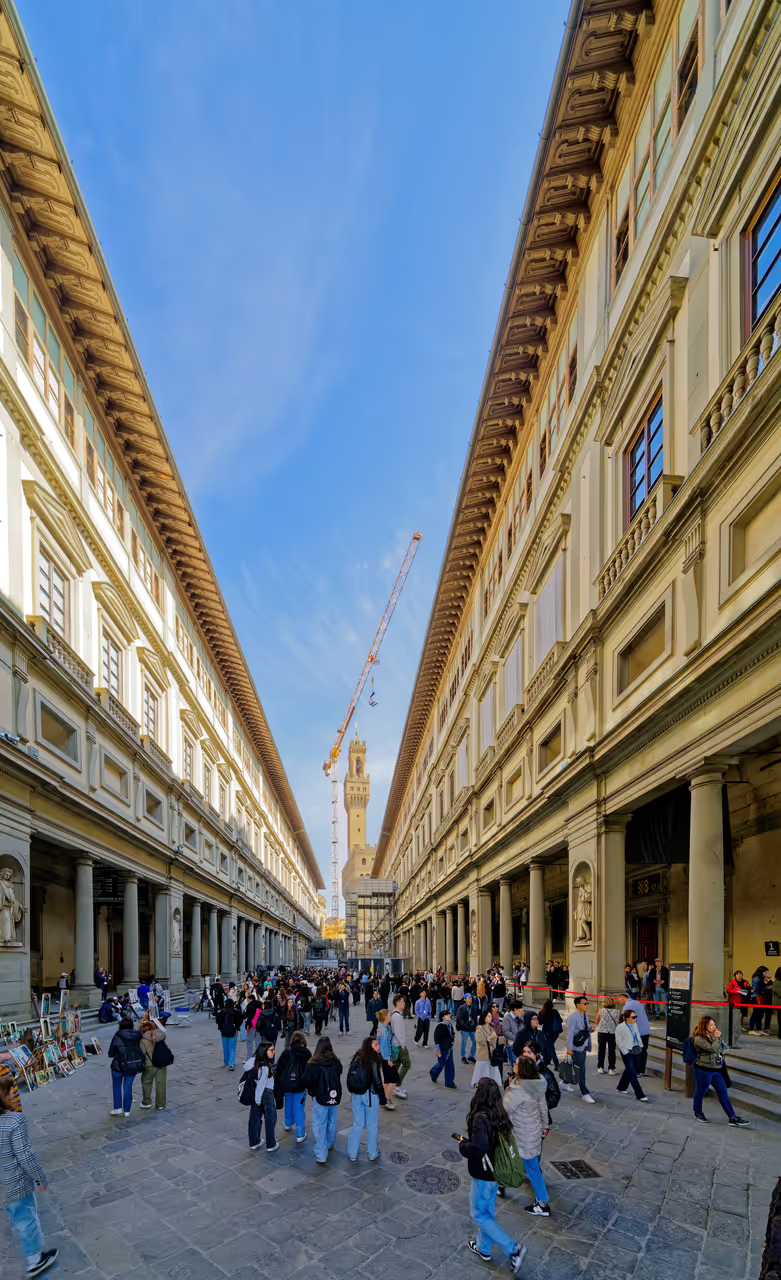
The Uffizi Gallery is the beating heart of the Renaissance, housed within an architectural marvel designed by Giorgio Vasari. Walking through these hallowed halls allows you to trace the evolution of Western art, from the rigid figures of the Middle Ages to the vibrant, emotion-filled masterpieces of the Renaissance. You will stand inches away from Botticelli’s ethereal Birth of Venus and Caravaggio’s intense, haunting canvases, surrounded by the artistic legacy of the Medici family. Beyond the paintings, the building itself, with its sweeping views of the Arno and the corridor connecting to Palazzo Pitti, tells a story of power, intrigue, and artistic patronage. It is a place where history feels tactile, and every corridor holds a new discovery. A visit here is an essential pilgrimage for anyone seeking to understand the soul of Florence.
Videos
History of Uffizi Gallery
The Uffizi was born from the ambition of Cosimo I de' Medici, who wanted to consolidate the city's power by housing its administrative offices under one roof. He tasked Giorgio Vasari with building a grand, U-shaped complex next to the seat of power, the Palazzo Vecchio. This was not merely an office block; it was a statement of intent, a display of strength that mirrored the political dominance of the Medici family. The project was monumental, incorporating an existing church and carving out a new space between the busy city centre and the river Arno, creating a unique urban dialogue that defined the skyline of Florence. When Francesco I decided to convert the top-floor loggia into a gallery for his personal art collection in 1581, the character of the building shifted from administrative to artistic. He filled the space with Renaissance masterpieces, Roman statues, and rare scientific instruments, creating one of the earliest public museums in Europe. Generations of Medici dukes followed, adding layer upon layer of genius to the collection. They were obsessive curators, seeking out works that would showcase their refined taste and divine right to rule. It was a space designed for wonder, where political authority and artistic beauty became inextricably linked. The legacy of the Uffizi has survived centuries of transformation, from the transition to the Lorena dynasty to the harrowing days of the Second World War and the 1993 bombing. Through it all, the collection has not only endured but grown, thanks to pivotal acquisitions and careful restoration. Today, the Great Uffizi project continues this historical trajectory, expanding the exhibition space to reveal even more of the hidden treasures previously kept in storage. The museum remains a living entity, constantly reinterpreting its past while inviting the world to witness the pinnacle of human creativity. It stands as a testament to Florence's enduring ability to preserve and celebrate its cultural soul.
Events spanning 451 years
Fun Facts
- • During the Second World War, the museum was emptied of its masterpieces to protect them from theft and bombing, with many works hidden in safe houses in the countryside.
- • The Tribuna room was specifically designed as a cabinet of curiosities, intended to represent the four elements through its architecture and the unique objects housed within.
- • The Uffizi connects to the Palazzo Pitti across the Arno river via the Vasari Corridor, a secret, raised passageway built in just six months for the wedding of Francesco I de' Medici.
- • The building was originally designed as government offices for thirteen separate magistracies, hence the name Uffizi, or Offices.
- • The collection holds the most extensive assortment of Raphael and Botticelli works on the planet.
- • The corridor walls are adorned with the Gioviana Series, a massive collection of portraits of famous men that inspired future portrait galleries across Europe.
- • The gallery floor houses a rare, ancient Greek statue of a sleeping Hermaphroditus, a piece that has fascinated viewers for centuries.
- • The museum architecture cleverly uses the Pietra Serena stone, a signature of Florentine Renaissance design, to create a distinct, elegant contrast against the white plaster walls.
- • The museum houses the Medusa shield by Caravaggio, a work originally commissioned as a parade shield for a tournament, though it never saw actual combat.
- • There is a hidden, subterranean necropolis beneath the museum floors, discovered during archaeological excavations, hinting at the city's ancient roots before the Medici transformed the area.
Uffizi Gallery FAQ
While we strive to keep this information accurate and up to date, we recommend verifying any details independently before making decisions based on them.
Uffizi Gallery Map & Neighborhood Explorer
This interactive map is centered on Uffizi Gallery. Zoom in and move the map around to automatically discover Wikipedia photos and summaries of other nearby sights, monuments, and historical points of interest and stories in real-time!
Places near Uffizi Gallery
Make the most of your trip. Check out these top-rated spots located nearby.
 82m
82mGalileo Museum
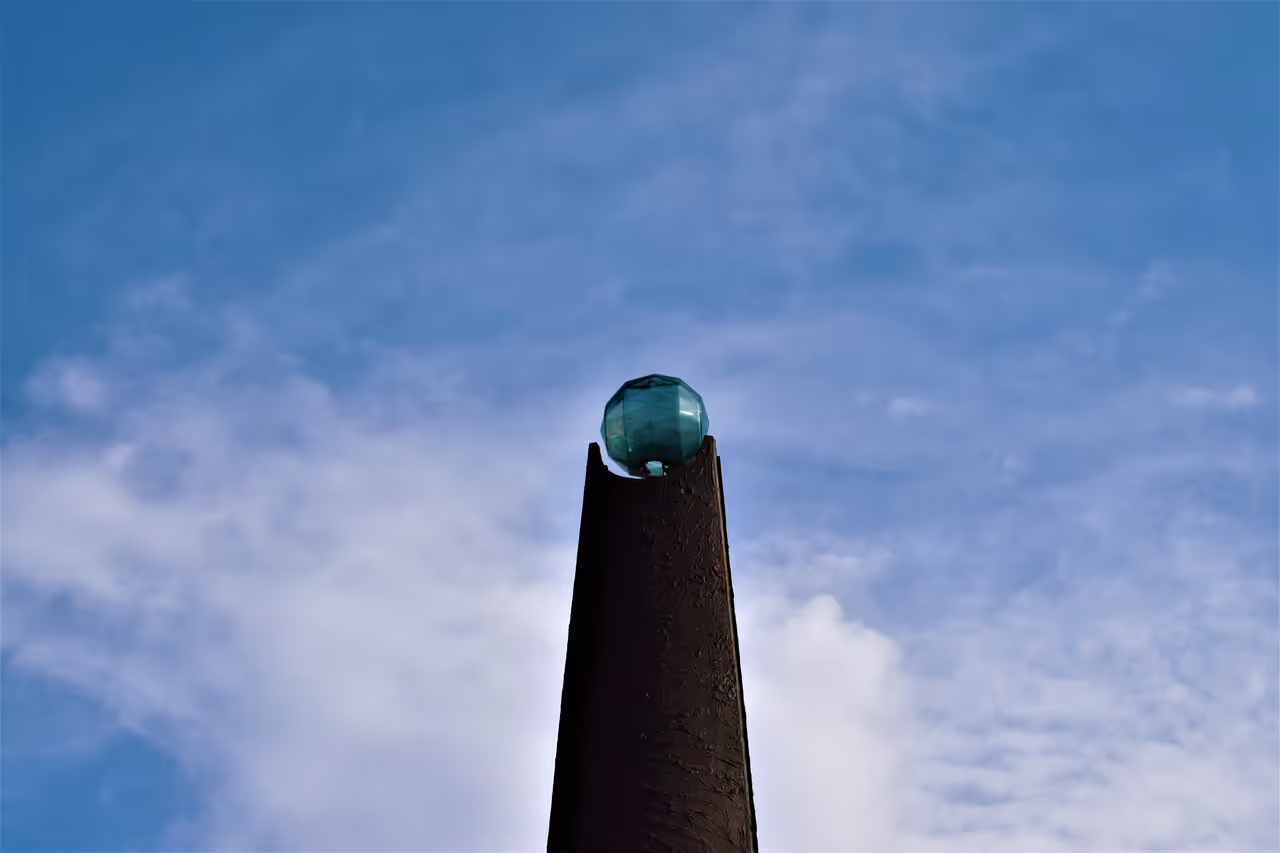
This phenomenal institution houses one of the most important collections of scientific instruments in the world, proving that the Renaissance was not just about painting. It displays incredibly intricate early telescopes, beautifully painted antique globes, and complex anatomical models. The most famous, and slightly macabre, exhibit is the actual middle finger of Galileo Galilei displayed in a glass jar. It is an incredibly enlightening experience that highlights the brilliant scientific minds of the era.
highlight view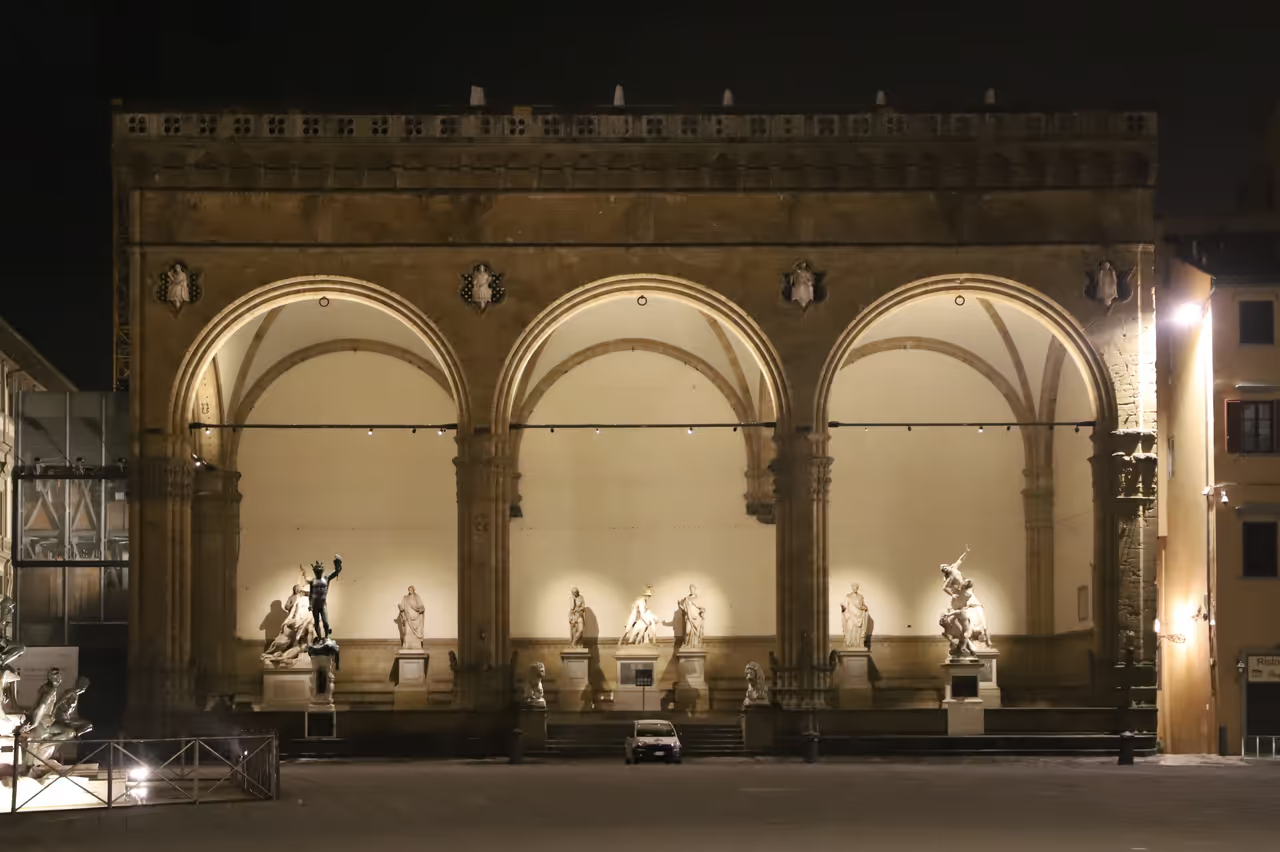 112m
112mLoggia of the Lancers
This open air sculpture gallery situated in the main civic square is filled with dramatic, violent, and beautiful Renaissance masterpieces. Capturing the twisted marble figures against the backdrop of the imposing fortress-like town hall creates incredibly dynamic compositions. Waiting for the evening floodlights to illuminate the statues adds deep, dramatic shadows perfect for moody, artistic shots.
photo spot view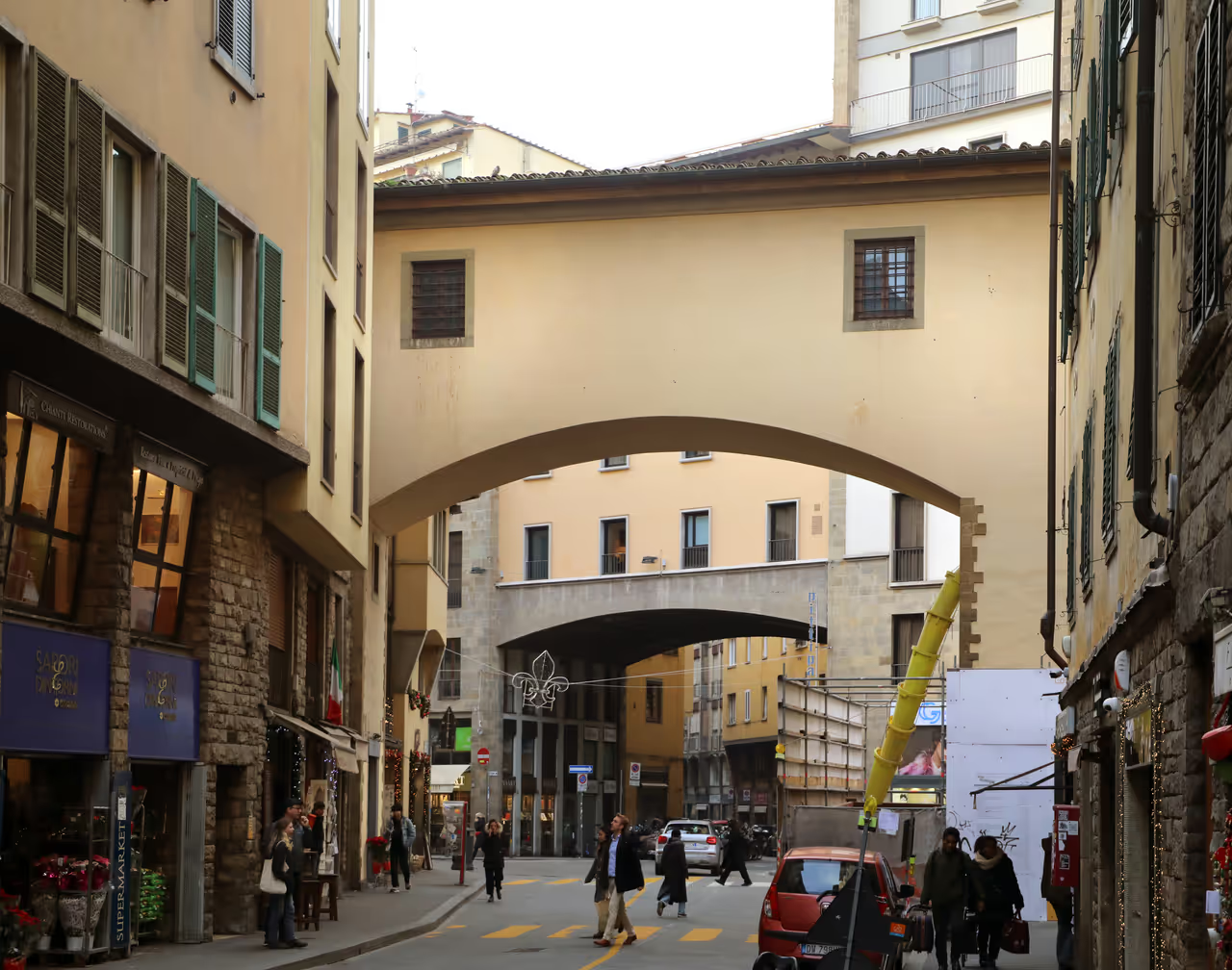 118m
118mVasari Corridor Exterior
The legendary secret passageway used by the grand dukes snakes its way along the riverbanks, over the bridge, and past a medieval church. Photographing the elevated, windowed tunnel as it clings to the side of the stone buildings highlights the secretive, highly paranoid nature of the historic rulers. Finding angles where the corridor arches over the busy streets below yields fascinating, deeply historical street photography.
photo spot view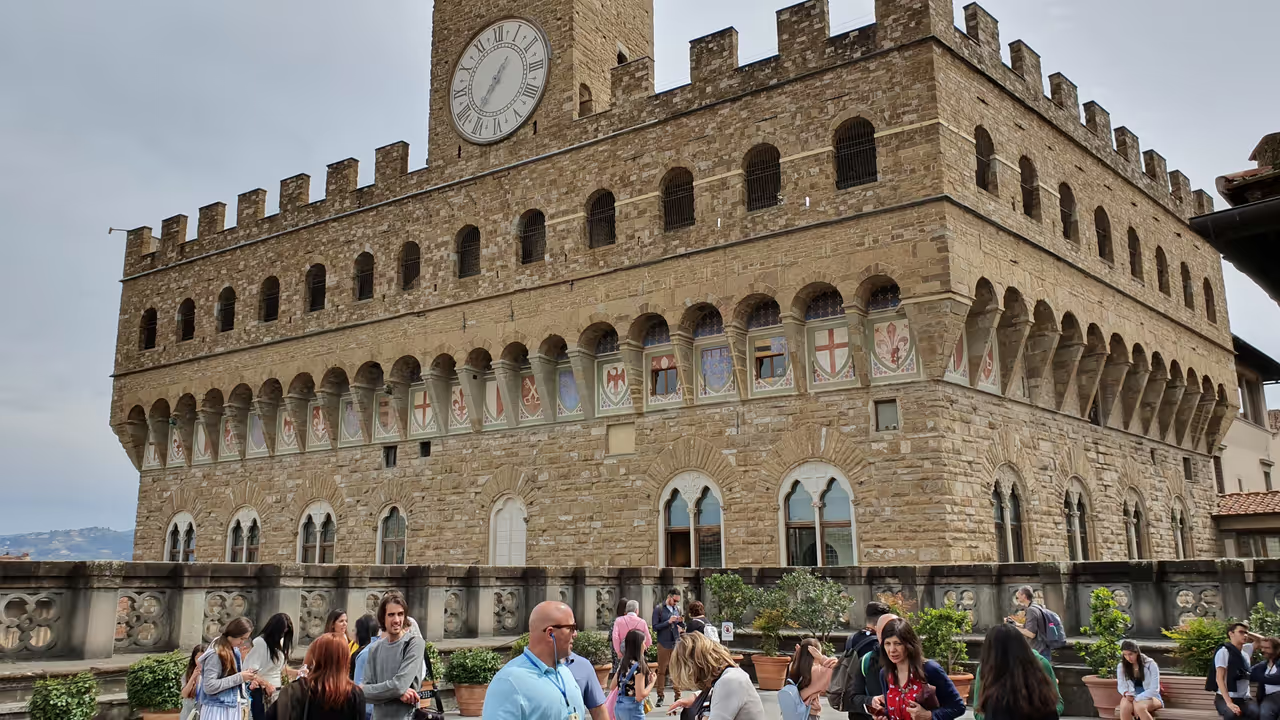 158m
158mPalazzo Vecchio
Standing as the formidable fortress palace of Florence, this architectural icon has watched over the city for centuries. Once the seat of the Republic and later the lavish residence of the Medici family, its rugged facade hides interiors of sheer artistic opulence. Visitors can wander through the vast Salone dei Cinquecento, decorated with grand murals and hidden secrets waiting to be uncovered. Beyond its administrative role today, it serves as an immersive museum filled with masterpieces by Michelangelo, Donatello, and Vasari. Its towering silhouette defines the skyline and tells the story of power, art, and the very soul of the Renaissance. Exploring these halls offers an unparalleled glimpse into the political intrigue and cultural majesty that shaped modern Italy.
attraction view
Explore Similar Places in These Collections
Featured on These Itineraries and Routes
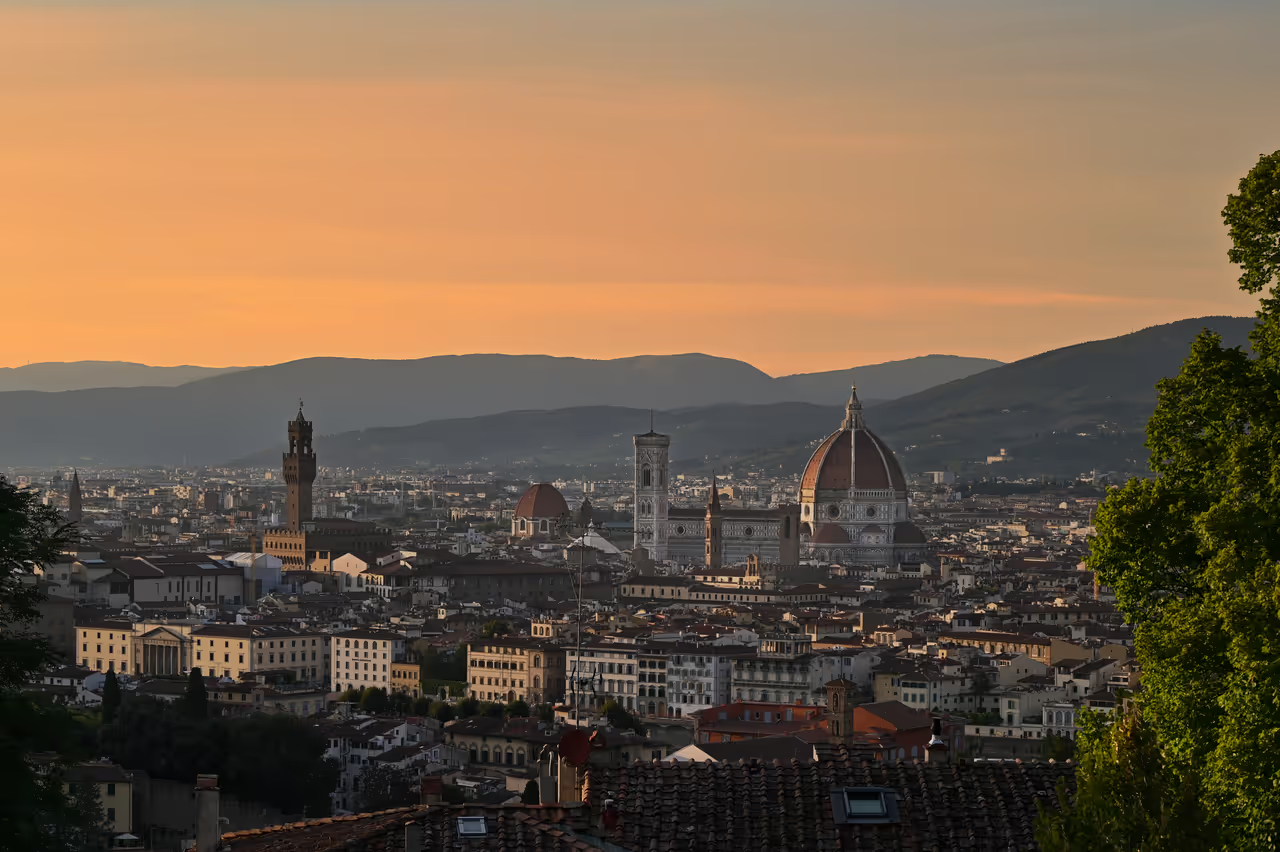
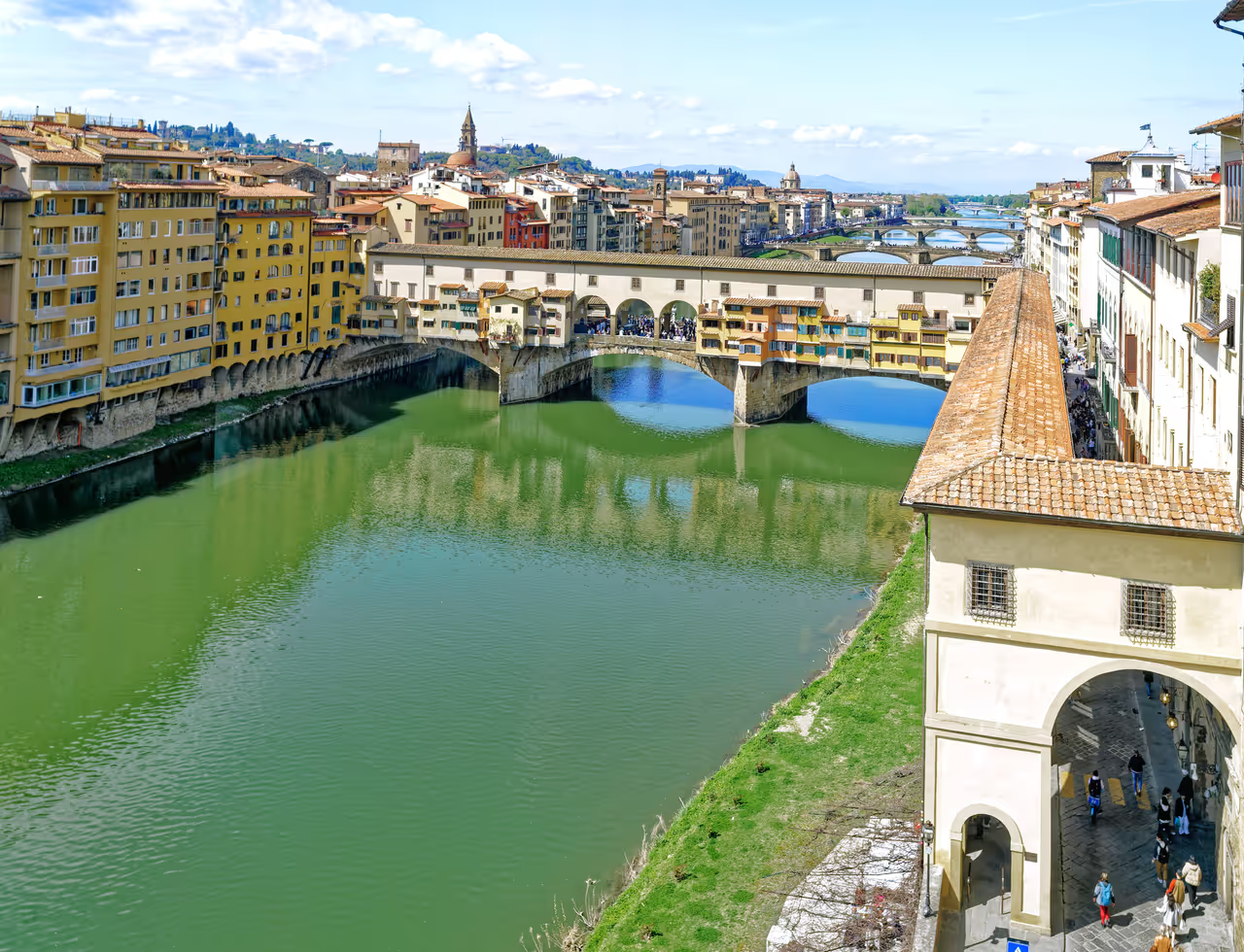
1 Day in Florence: Essential Itinerary
This intense, tightly packed route is designed for travellers who only have a single day to experience the absolute pinnacle of the city's offerings. It rapidly hits the monumental architectural symbols, the most famous art collection, and the iconic river crossing before culminating in a spectacular panoramic sunset. You will cover the heavy hitters of the Renaissance, ensuring you do not miss the universally recognized landmarks. It requires significant energy but guarantees a massively rewarding, unforgettable highlight reel.
view itinerary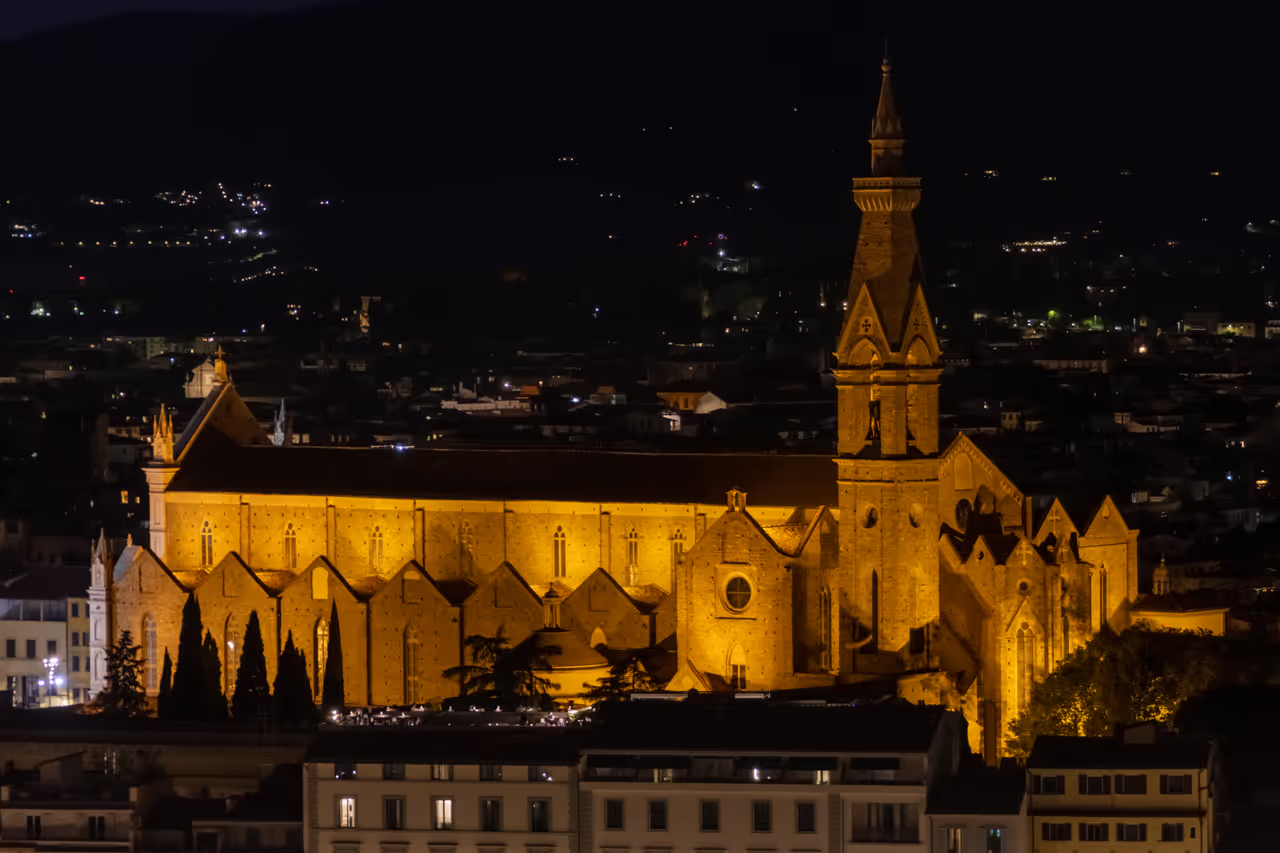
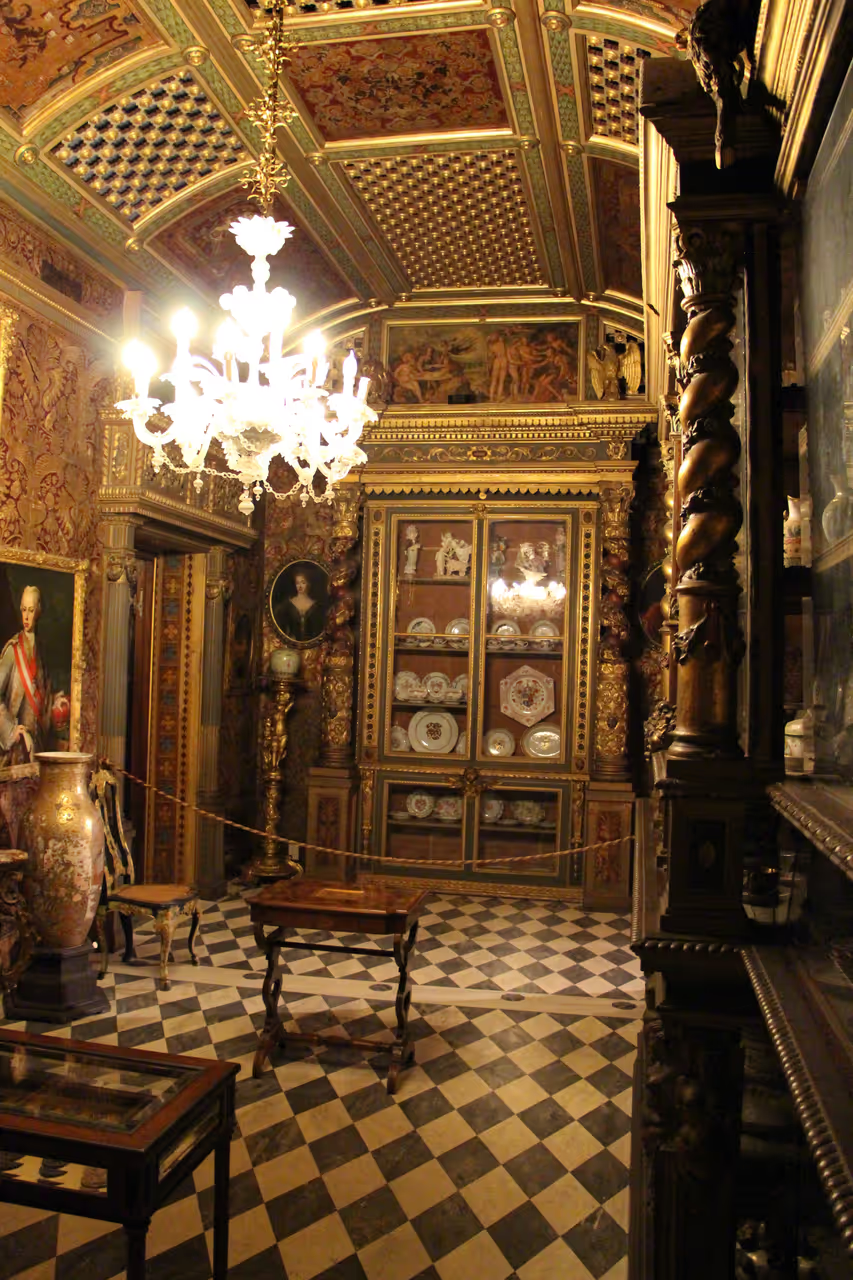
5 Days in Florence: The Ultimate Experience Itinerary
With five days, you can truly absorb the rhythm of the city, moving beyond the central museums to discover eccentric hidden gems and quiet hilltop retreats. You will have time to climb the famous towers, explore bizarre scientific collections, and venture out to the ancient Etruscan ruins in the mountains. This extended stay allows you to appreciate the subtle, romantic atmosphere of the city that is often missed by rushed tourists. It is a highly comprehensive, incredibly satisfying cultural immersion.
view itinerary
Renaissance Masterpieces
This spectacular route focuses entirely on the most groundbreaking and famous works of art produced during the city's golden age. It connects the major galleries and monumental churches housing the sculptures and frescoes that redefined human expression. You will trace the evolution of perspective, realism, and classical beauty through the hands of absolute masters. It is an intense, visually overwhelming journey through the pinnacle of European art history.
view self-guided tour
See all attractions in Florence
Accademia Gallery, Baptistery of San Giovanni, Bargello National Museum, Florence Cathedral, Palazzo Pitti, Palazzo Vecchio, Ponte Vecchio...