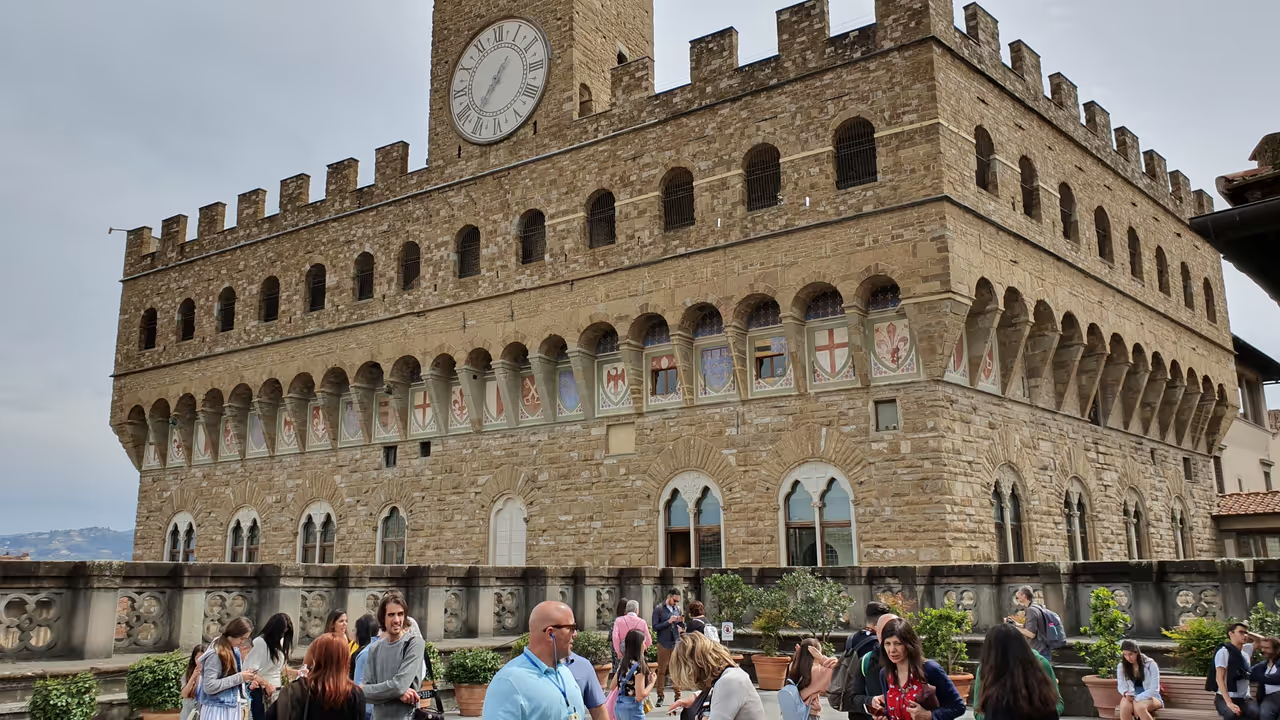
Palazzo Vecchio
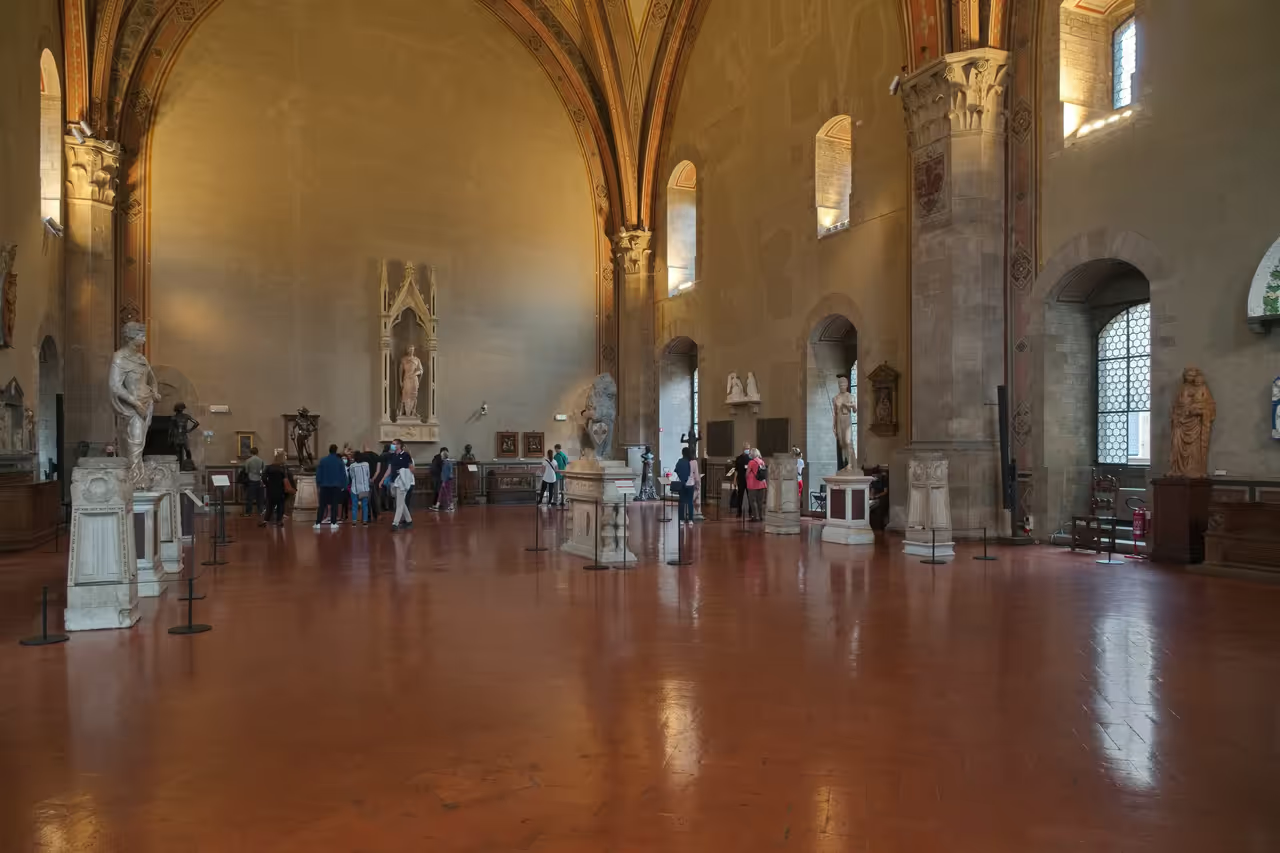
Standing as the formidable fortress palace of Florence, this architectural icon has watched over the city for centuries. Once the seat of the Republic and later the lavish residence of the Medici family, its rugged facade hides interiors of sheer artistic opulence. Visitors can wander through the vast Salone dei Cinquecento, decorated with grand murals and hidden secrets waiting to be uncovered. Beyond its administrative role today, it serves as an immersive museum filled with masterpieces by Michelangelo, Donatello, and Vasari. Its towering silhouette defines the skyline and tells the story of power, art, and the very soul of the Renaissance. Exploring these halls offers an unparalleled glimpse into the political intrigue and cultural majesty that shaped modern Italy.
Videos
History of Palazzo Vecchio
The story of Palazzo Vecchio is inseparable from the turbulent rise of Florence as a global powerhouse. Conceived in 1299 by Arnolfo di Cambio, the fortress was built not merely to house magistrates, but to project an image of unshakeable strength against the fierce local rivalries of the era. It incorporated the remnants of ancient towers and was explicitly designed to look impregnable. The palace served as the beating heart of the Republic, where the city leaders, the Priori, deliberated the fate of Florence amidst shifting political alliances and the constant threat of usurpation. Its identity underwent a dramatic transformation when the Medici family, specifically Cosimo I, claimed it as his princely home in 1540. He commissioned Giorgio Vasari to remodel the interior into a labyrinth of opulent apartments and secret chambers, effectively masking the austere fortress with the refined aesthetic of the Renaissance. This was a statement of absolute control, turning the people's palace into a dynastic monument. Through grand halls like the Salone dei Cinquecento, the Medici celebrated their lineage and divine right, ensuring that every visitor felt the weight of their influence. In the centuries since, the palace has remained a resilient sentinel. It survived the shifting tides of the Grand Duchy, the brief years when Florence was the capital of a united Italy, and the devastation of the Second World War. Today, it stands as a unique synthesis of a living city office and a treasure house of art. From the depths of its Roman foundations to the top of its iconic Arnolfo Tower, the building remains a silent witness to every great triumph and tragedy that has defined the Florentine spirit across eight centuries.
Events spanning 645 years
Fun Facts
- • A suspicious, rough profile is carved into the corner of the building facade; local legend suggests it was an impromptu sketch by Michelangelo of a creditor or someone who annoyed him.
- • Beneath the palace, visitors can still access the burelle, which were ancient Roman theatre cavities once used as a dark and brutal prison.
- • Cosimo I de' Medici commissioned a secret passageway, the Vasari Corridor, to connect his home to the Uffizi and Palazzo Pitti so he could travel across the city without walking on the public streets.
- • During excavations in the 20th century, archaeologists discovered the remains of an ancient Roman theatre beneath the palace, dating back to the city's origins as Florentia.
- • In 1498, the radical monk Girolamo Savonarola was held captive in a small room within the tower, known as the Alberghetto, before his execution in the square outside.
- • On the exterior facade, a series of shields represents the historical political alliances of the city, including the Papacy, the French monarchy, and the Parte Guelfa.
- • The Sala dei Cinquecento was commissioned by the monk Savonarola to house a democratic assembly of 1,500 citizens, but it was later heavily altered by the Medici to showcase their monarchical power.
- • The building was officially renamed Palazzo Vecchio or Old Palace only after Cosimo I moved his main court to the Pitti Palace across the river.
- • The clock on the tower was replaced in 1667 by a mechanism that is still operational today, a testament to the enduring craftsmanship of the period.
- • The famous tower is intentionally off centre because it was built directly on top of a pre existing 13th century tower called the Torre della Vacca.
- • The palace contains the Studiolo di Francesco I, a small, windowless chamber designed as a private treasury for the Grand Duke, packed with hidden paintings and bronze sculptures.
- • The palace houses a Madonna and Child painting that features an unidentified grey object in the sky, leading to enduring theories about UFO depictions in Renaissance art.
RESOURCES
Official WebsitePalazzo Vecchio FAQ
While we strive to keep this information accurate and up to date, we recommend verifying any details independently before making decisions based on them.
Palazzo Vecchio Map & Neighborhood Explorer
This interactive map is centered on Palazzo Vecchio. Zoom in and move the map around to automatically discover Wikipedia photos and summaries of other nearby sights, monuments, and historical points of interest and stories in real-time!
Places near Palazzo Vecchio
Make the most of your trip. Check out these top-rated spots located nearby.
 38m
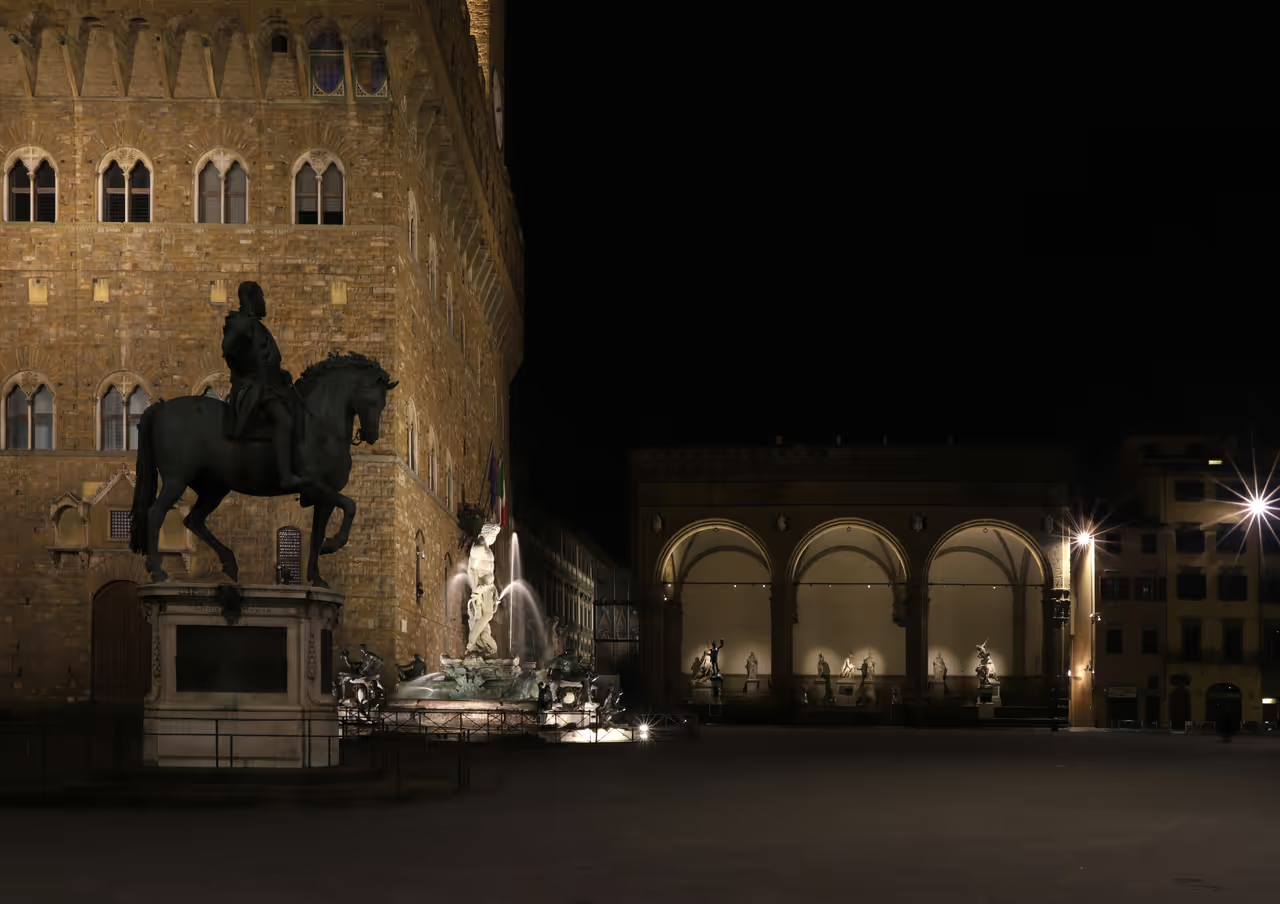
38mSignoria Square Walk
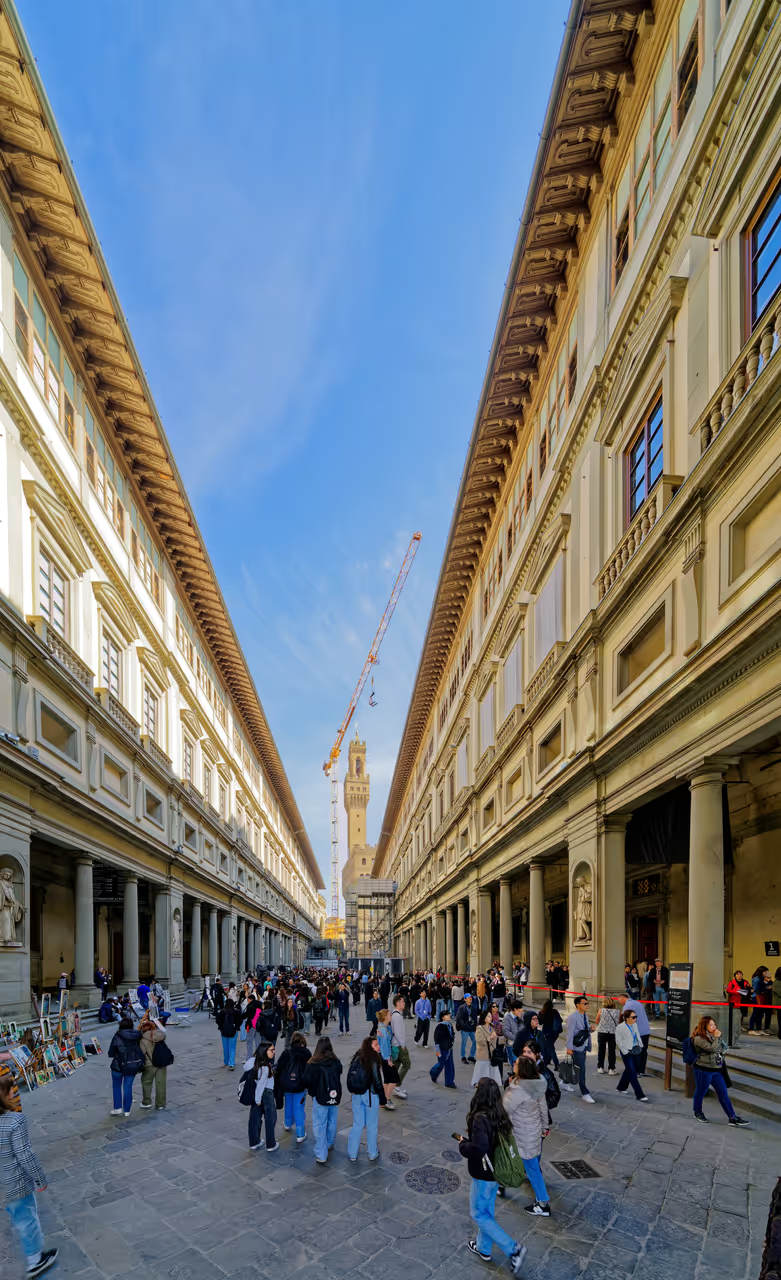
Wandering through this massive, L-shaped square feels like exploring a colossal outdoor museum dedicated to political power. It is dominated by the imposing, fortress-like town hall and features a phenomenal replica of Michelangelo's David standing proudly in its original historical location. The massive Neptune fountain and various equestrian statues provide endless visual intrigue. Sitting on the steps and simply absorbing the incredible architectural atmosphere is a classic, cost free local pastime.
free thing to do view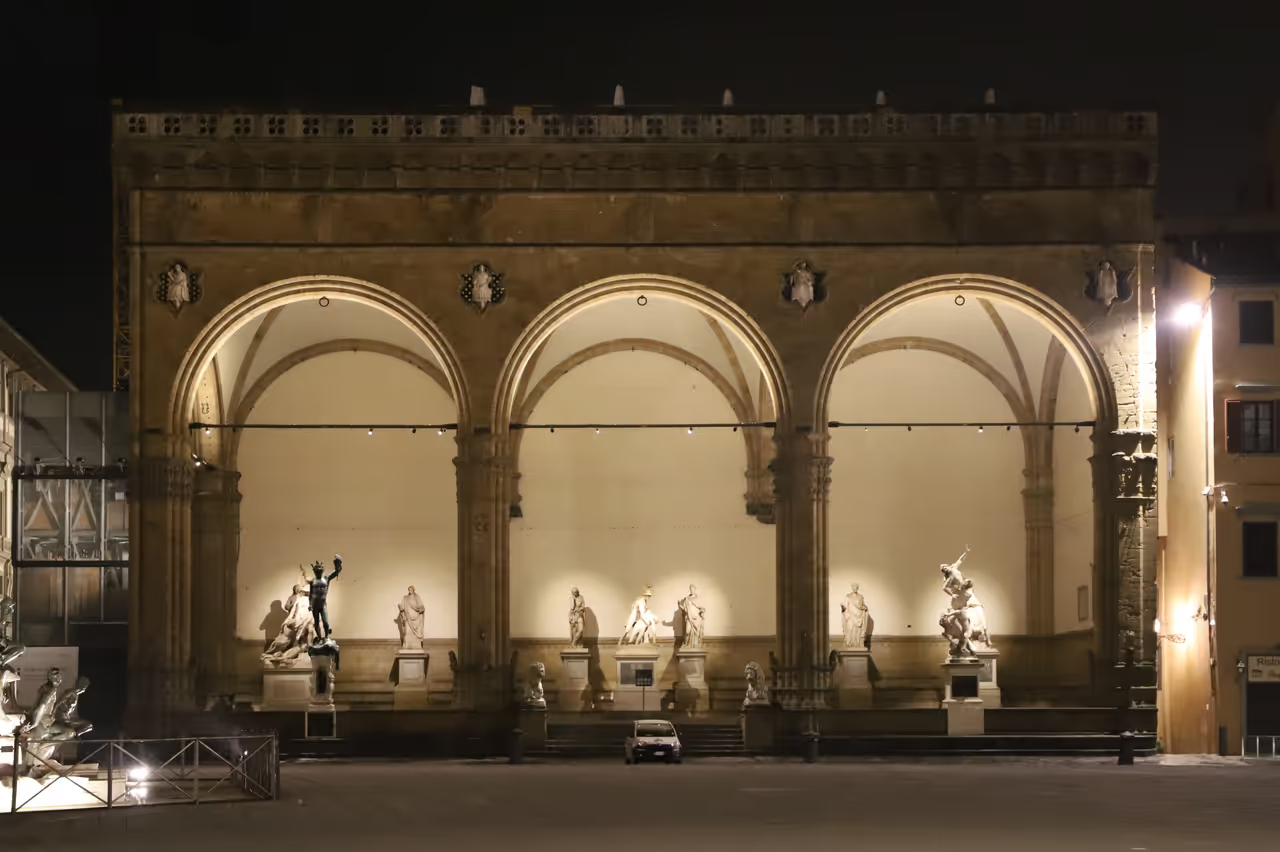 52m
52mLoggia of the Lancers
This open air sculpture gallery situated in the main civic square is filled with dramatic, violent, and beautiful Renaissance masterpieces. Capturing the twisted marble figures against the backdrop of the imposing fortress-like town hall creates incredibly dynamic compositions. Waiting for the evening floodlights to illuminate the statues adds deep, dramatic shadows perfect for moody, artistic shots.
photo spot view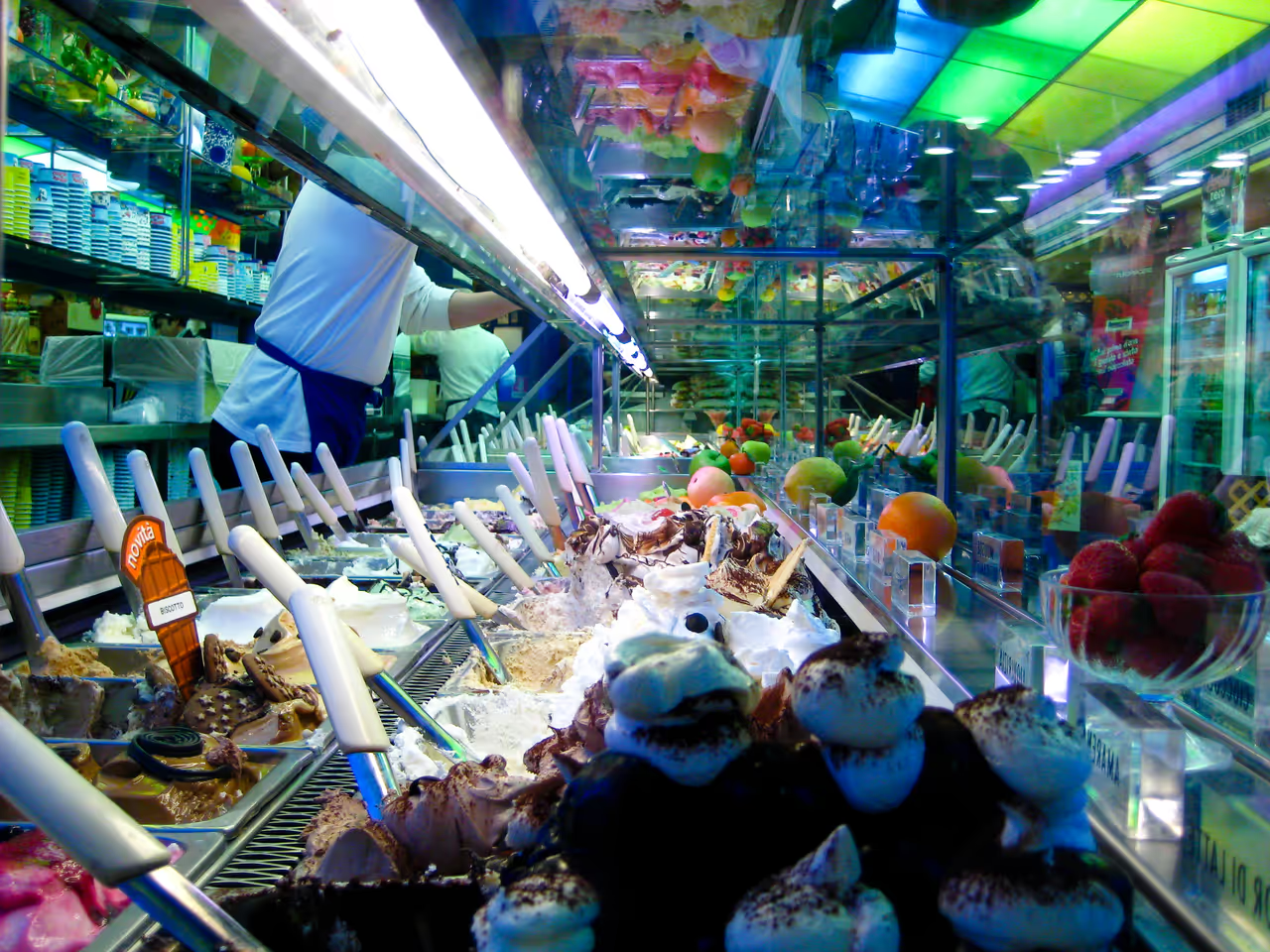 55m
55mArtisanal Gelato Tasting
As the widely accepted birthplace of gelato, the city is packed with artisanal shops producing incredibly dense, flavourful frozen treats. Bypassing the visually flashy tourist traps to find the authentic, muted colours of true artisanal gelato is a rewarding quest. Taking time to sample unique regional flavours like toasted pistachio, fresh ricotta, or dense dark chocolate is a serious culinary priority. Enjoying a cone while wandering the historic streets is an absolutely essential local experience.
highlight view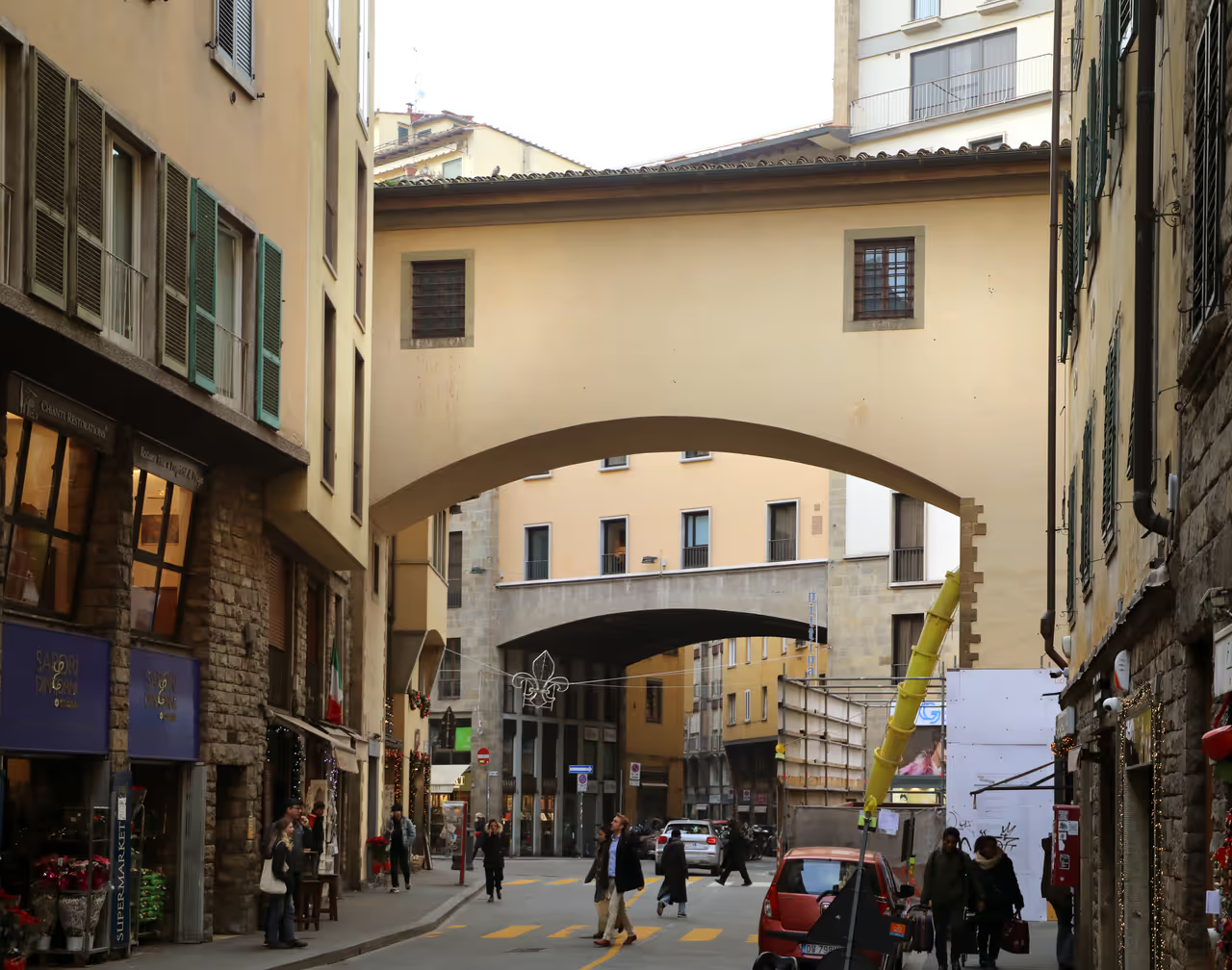 56m
56mVasari Corridor Exterior
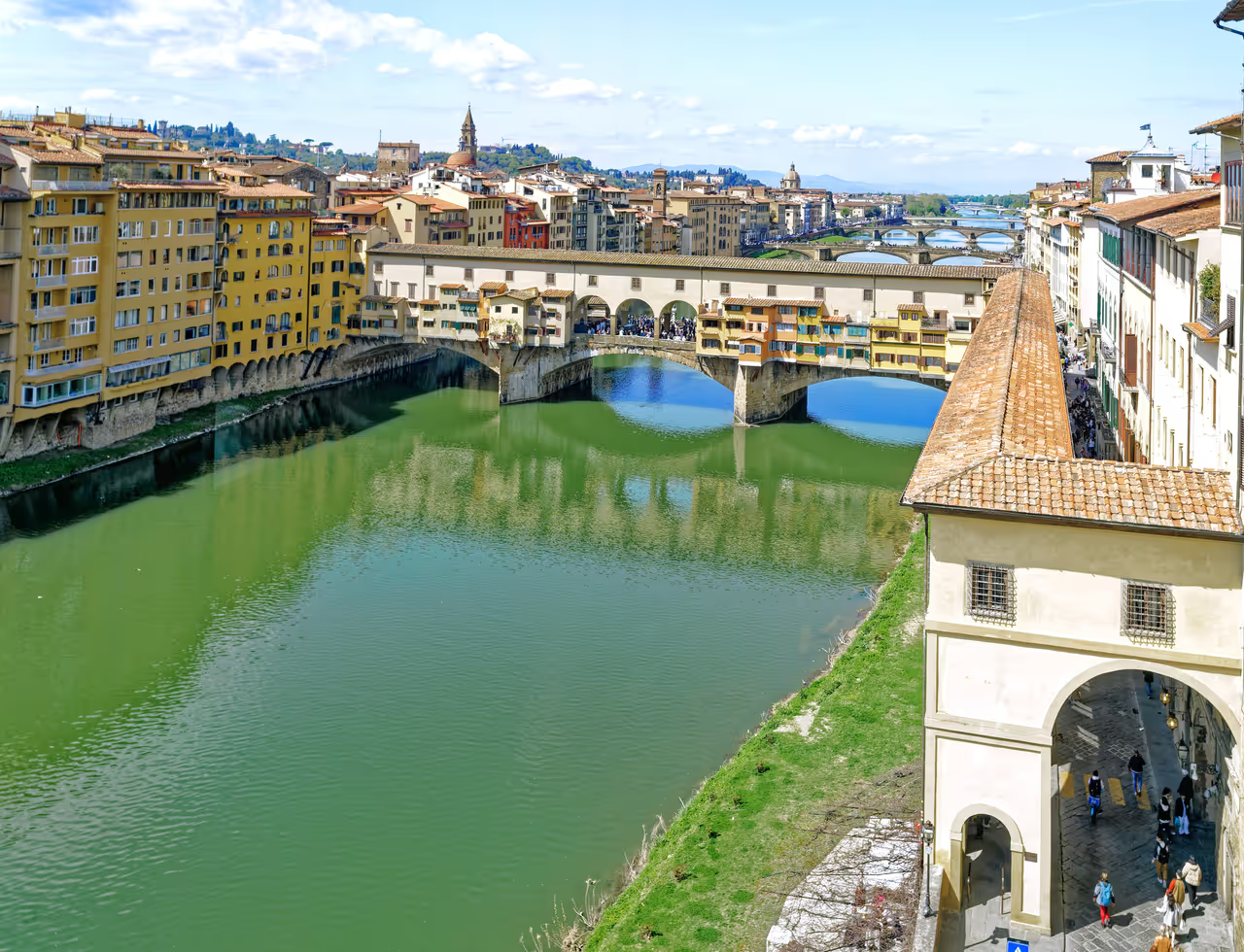
The legendary secret passageway used by the grand dukes snakes its way along the riverbanks, over the bridge, and past a medieval church. Photographing the elevated, windowed tunnel as it clings to the side of the stone buildings highlights the secretive, highly paranoid nature of the historic rulers. Finding angles where the corridor arches over the busy streets below yields fascinating, deeply historical street photography.
photo spot view
Explore Similar Places in These Collections
Featured on These Itineraries and Routes
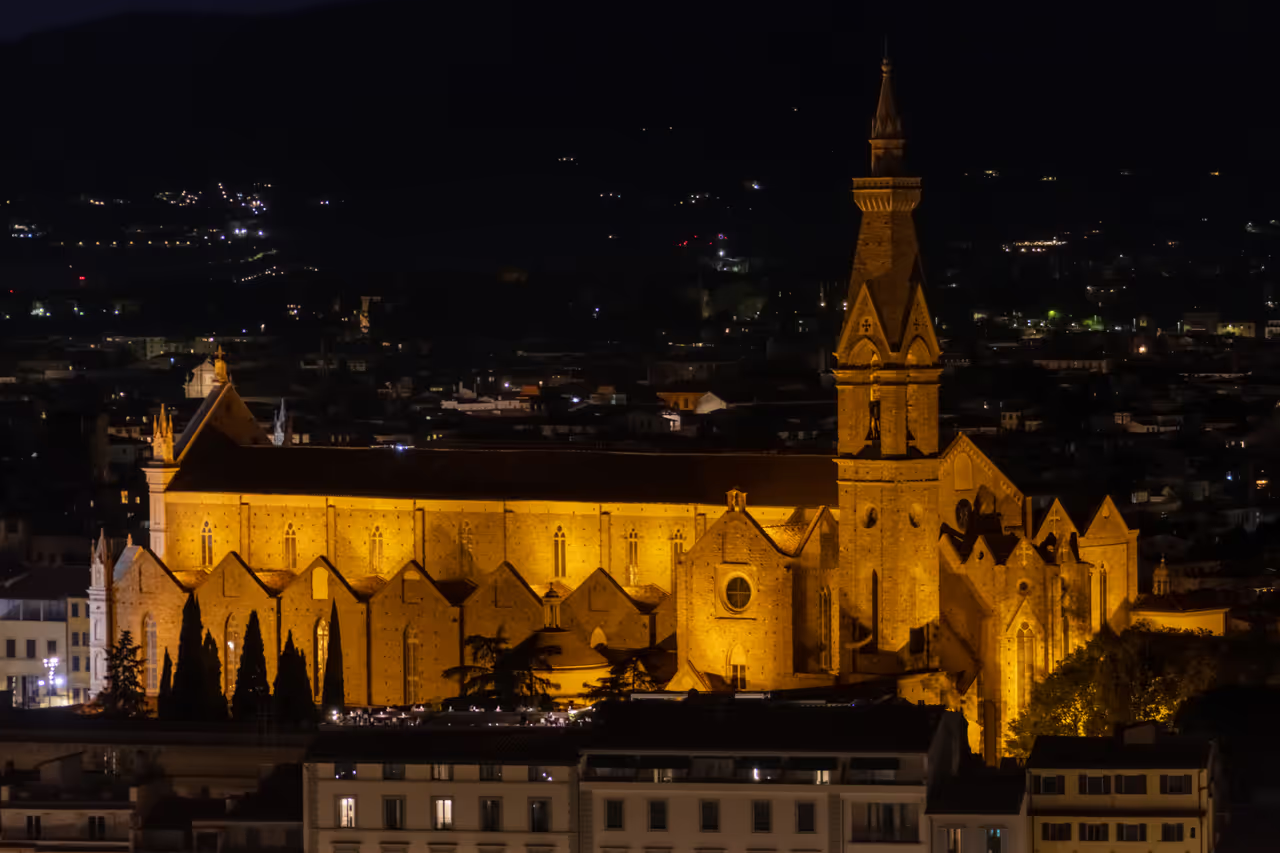
3 Days in Florence: Renaissance Deep Dive Itinerary
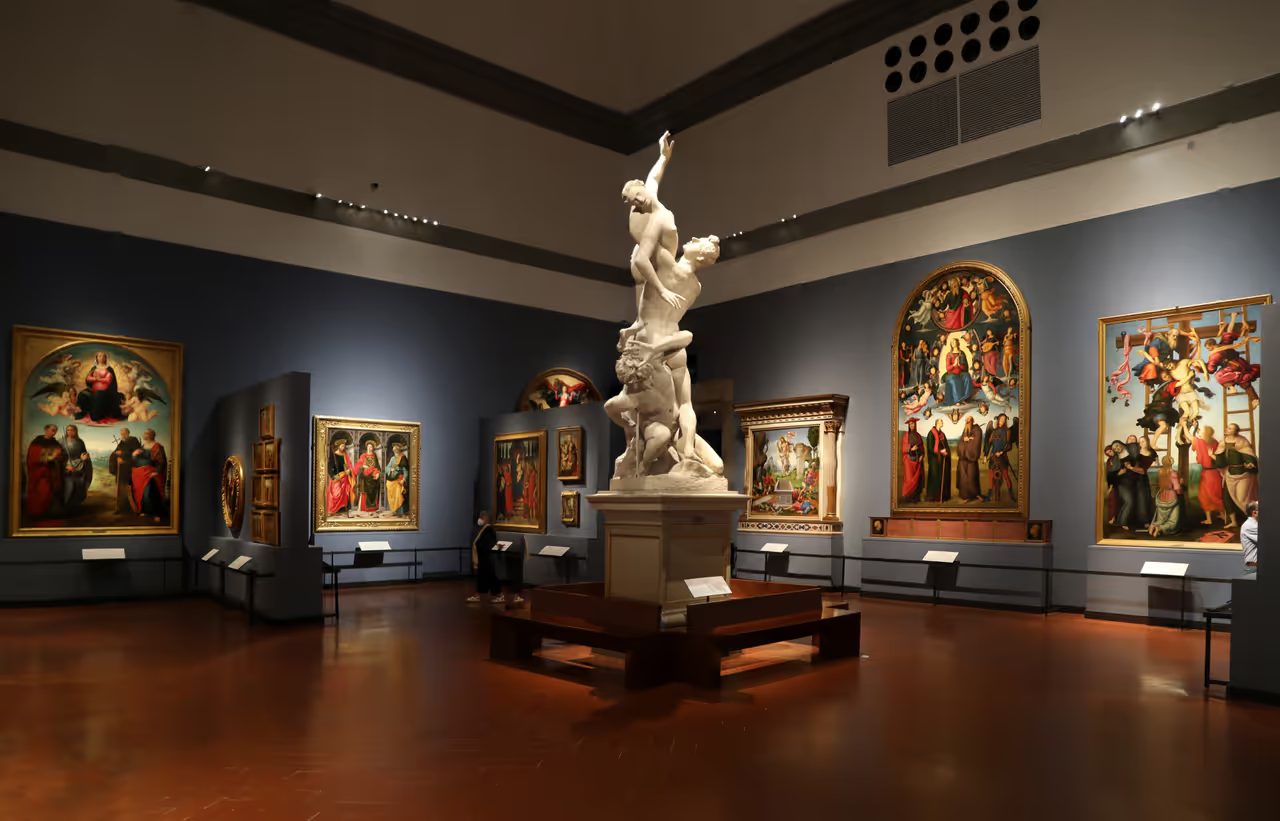
Three days allow you to spread out the heavy cultural intake, exploring different historical neighbourhoods and digging deeper into the artistic legacies. You will spend dedicated time admiring the greatest sculptures, wandering through vast royal gardens, and exploring the gritty political history of the medieval squares. This pace permits you to comfortably cross the river and experience the artisan workshops without constantly rushing. It perfectly balances monumental tourism with authentic local exploration.
view itinerary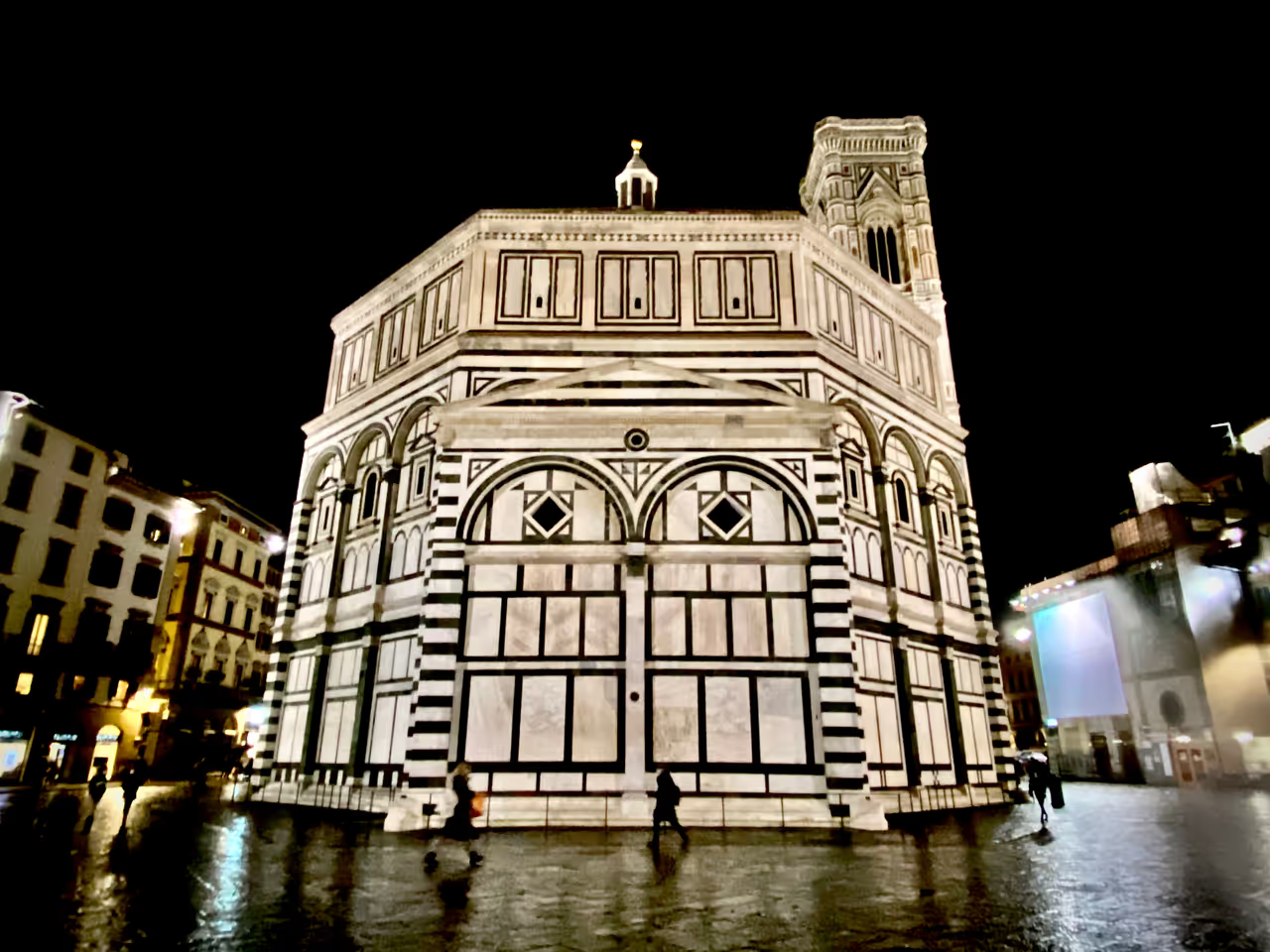
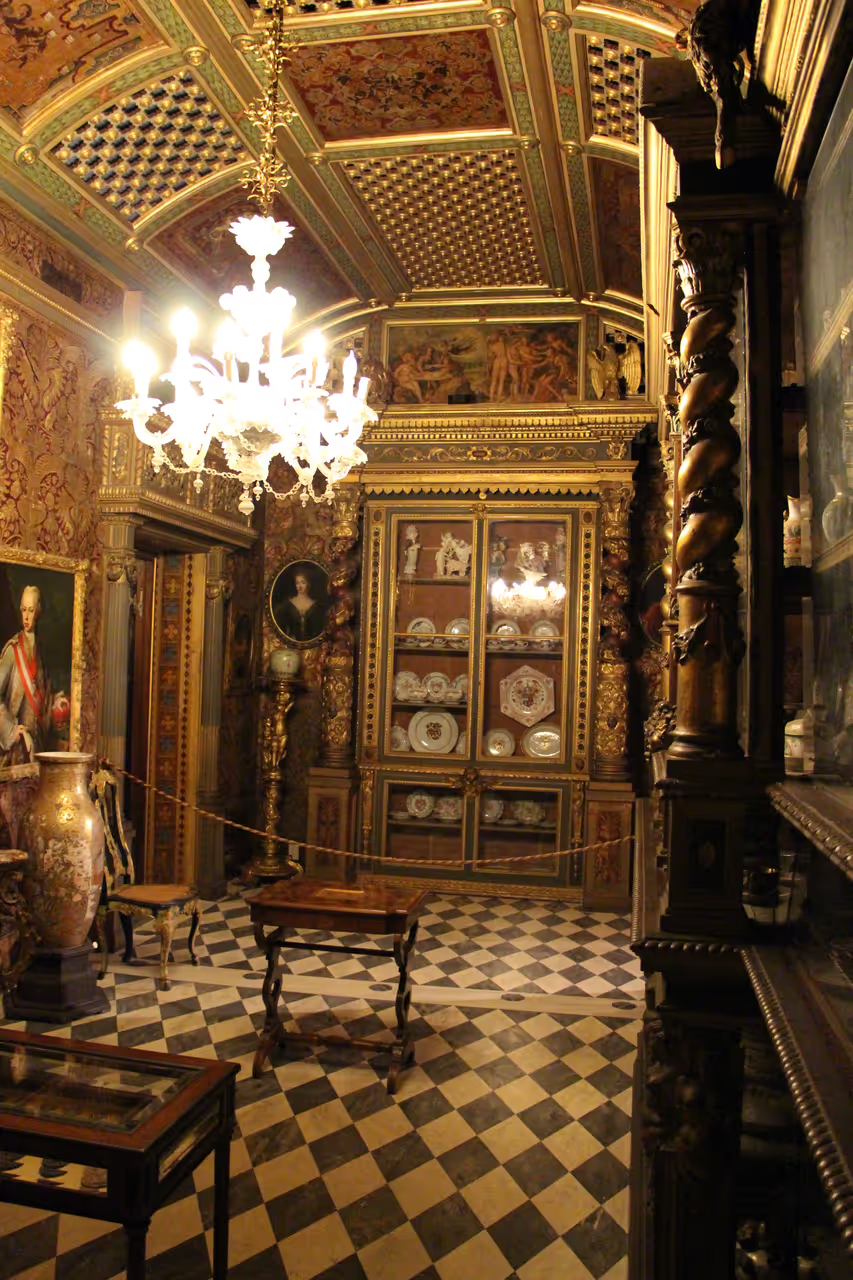
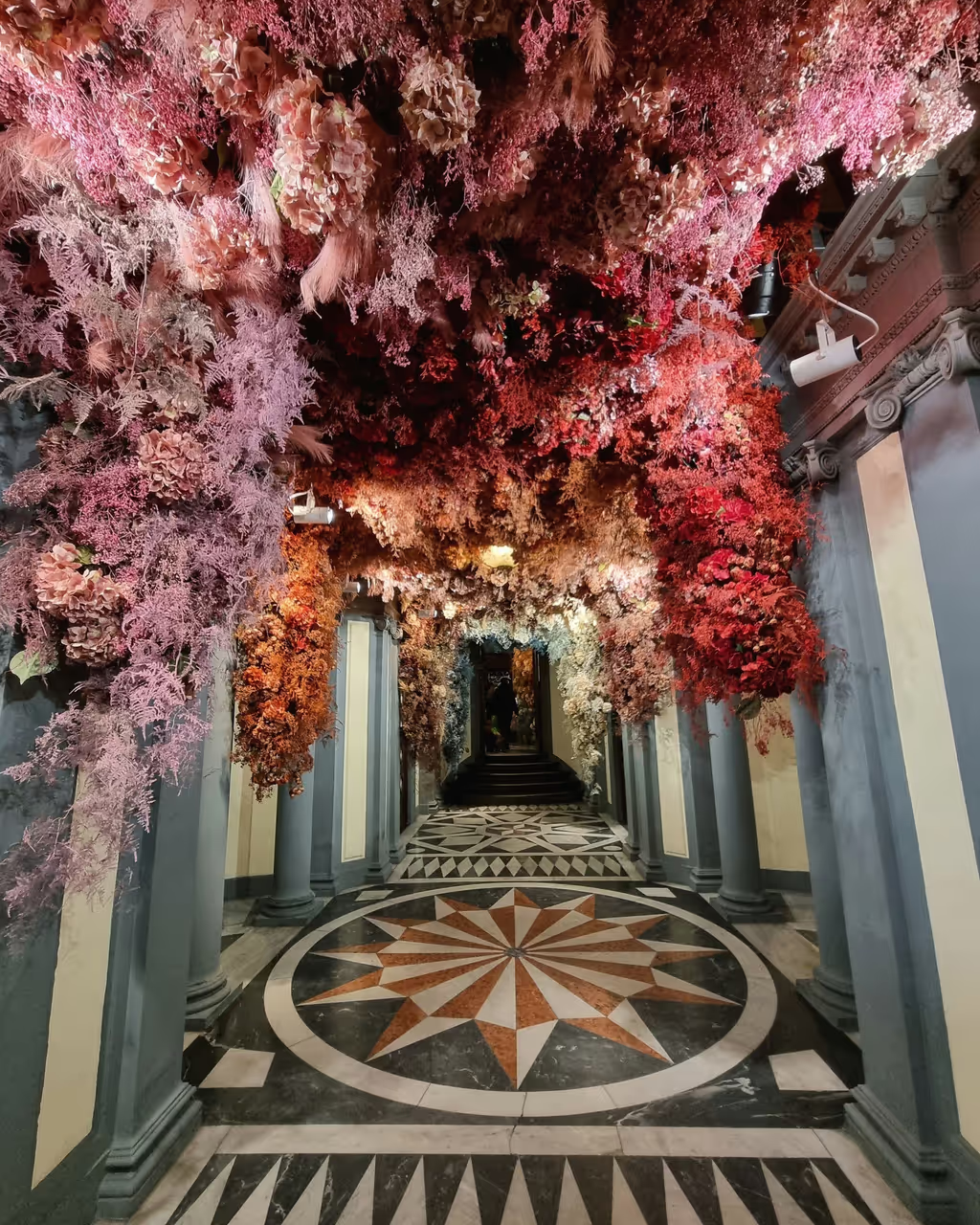
5 Days in Florence: The Ultimate Experience Itinerary
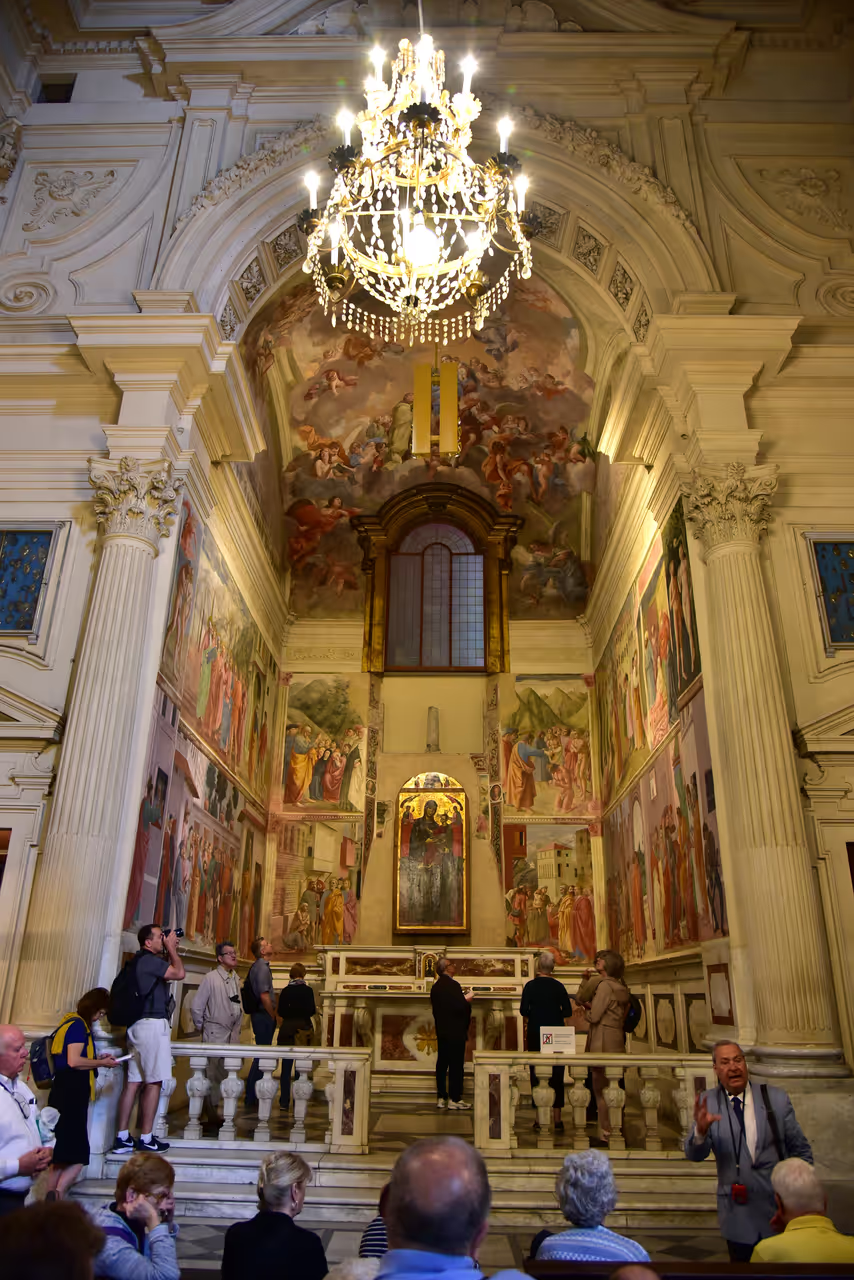
With five days, you can truly absorb the rhythm of the city, moving beyond the central museums to discover eccentric hidden gems and quiet hilltop retreats. You will have time to climb the famous towers, explore bizarre scientific collections, and venture out to the ancient Etruscan ruins in the mountains. This extended stay allows you to appreciate the subtle, romantic atmosphere of the city that is often missed by rushed tourists. It is a highly comprehensive, incredibly satisfying cultural immersion.
view itinerary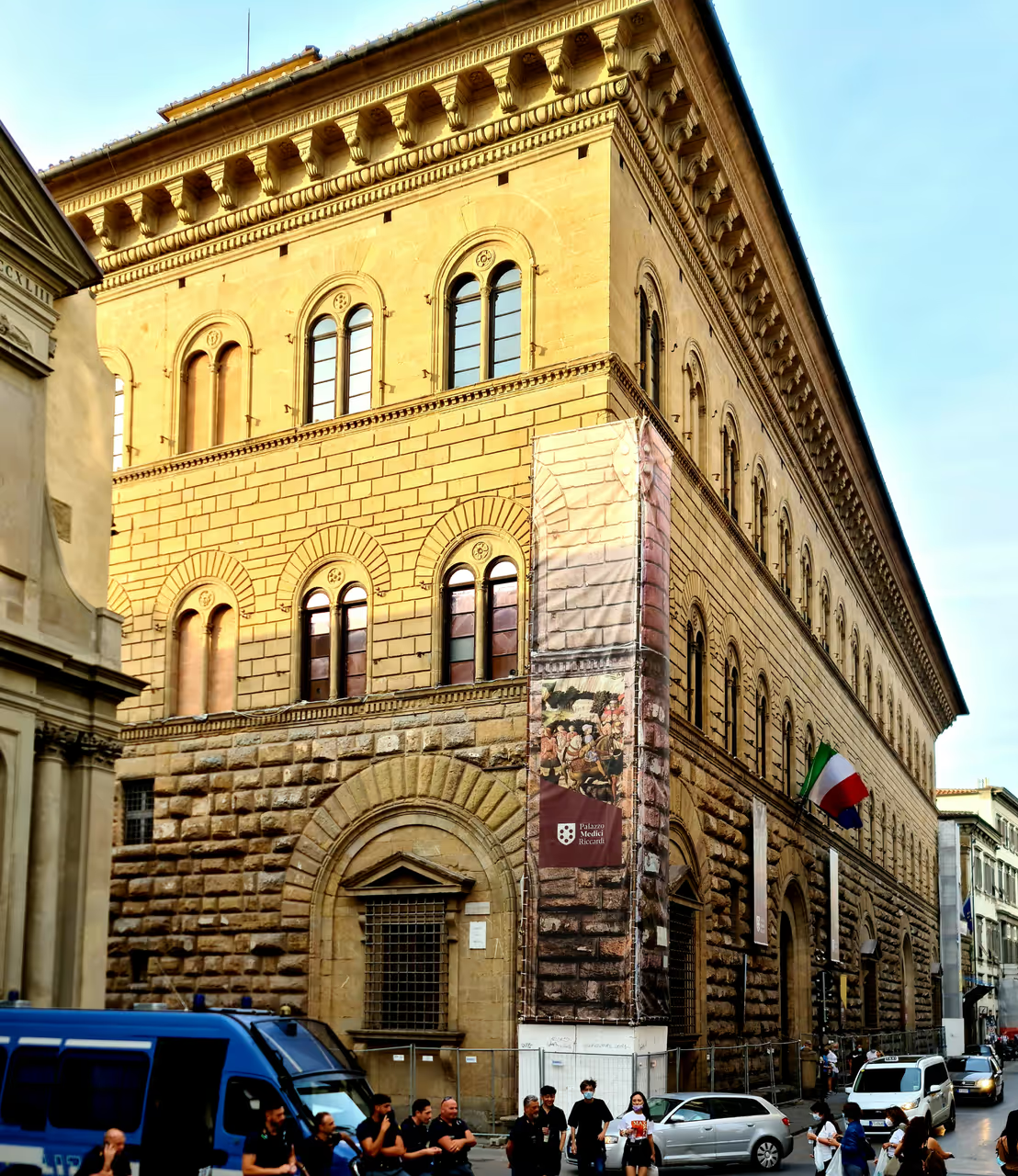
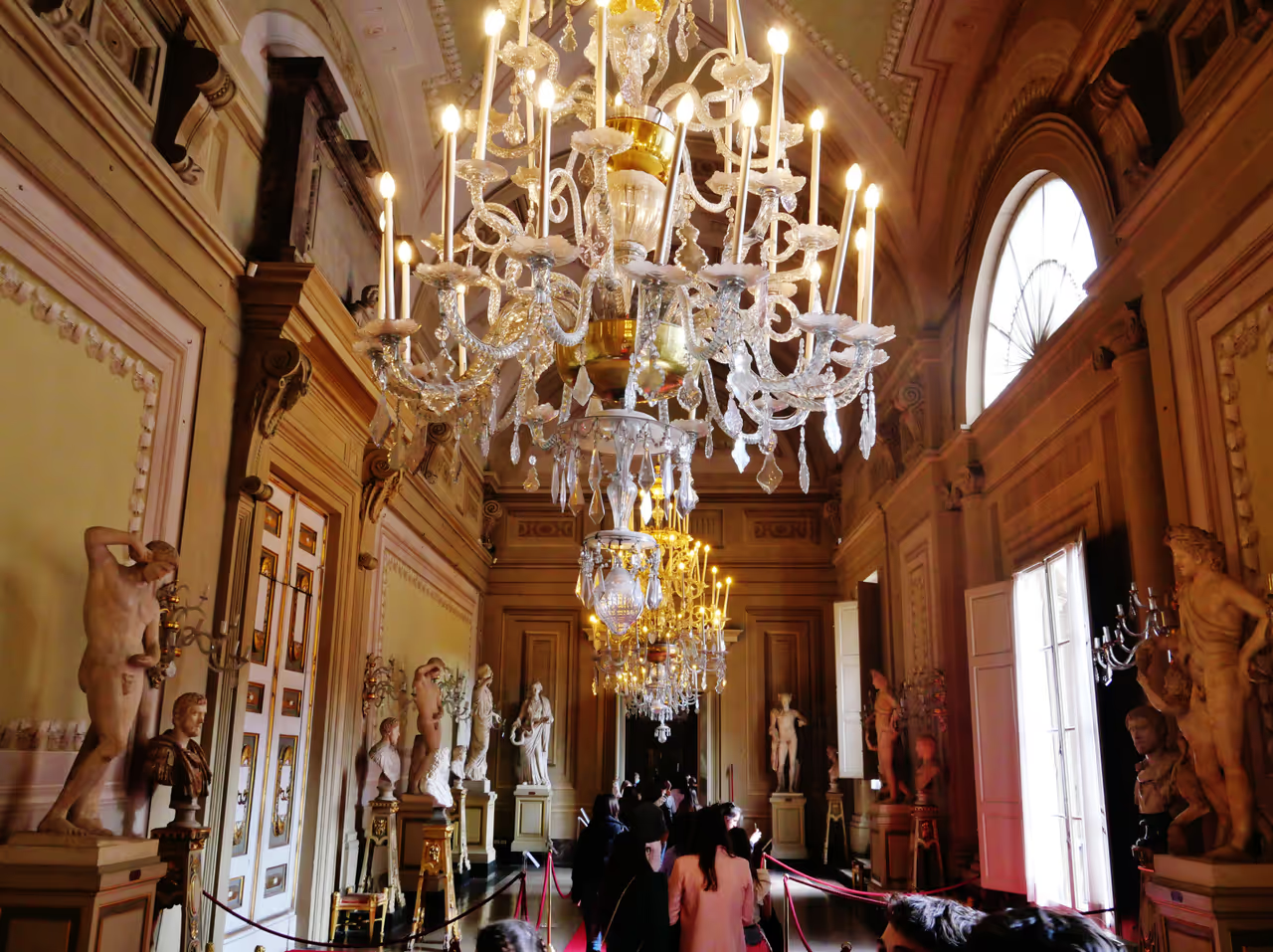
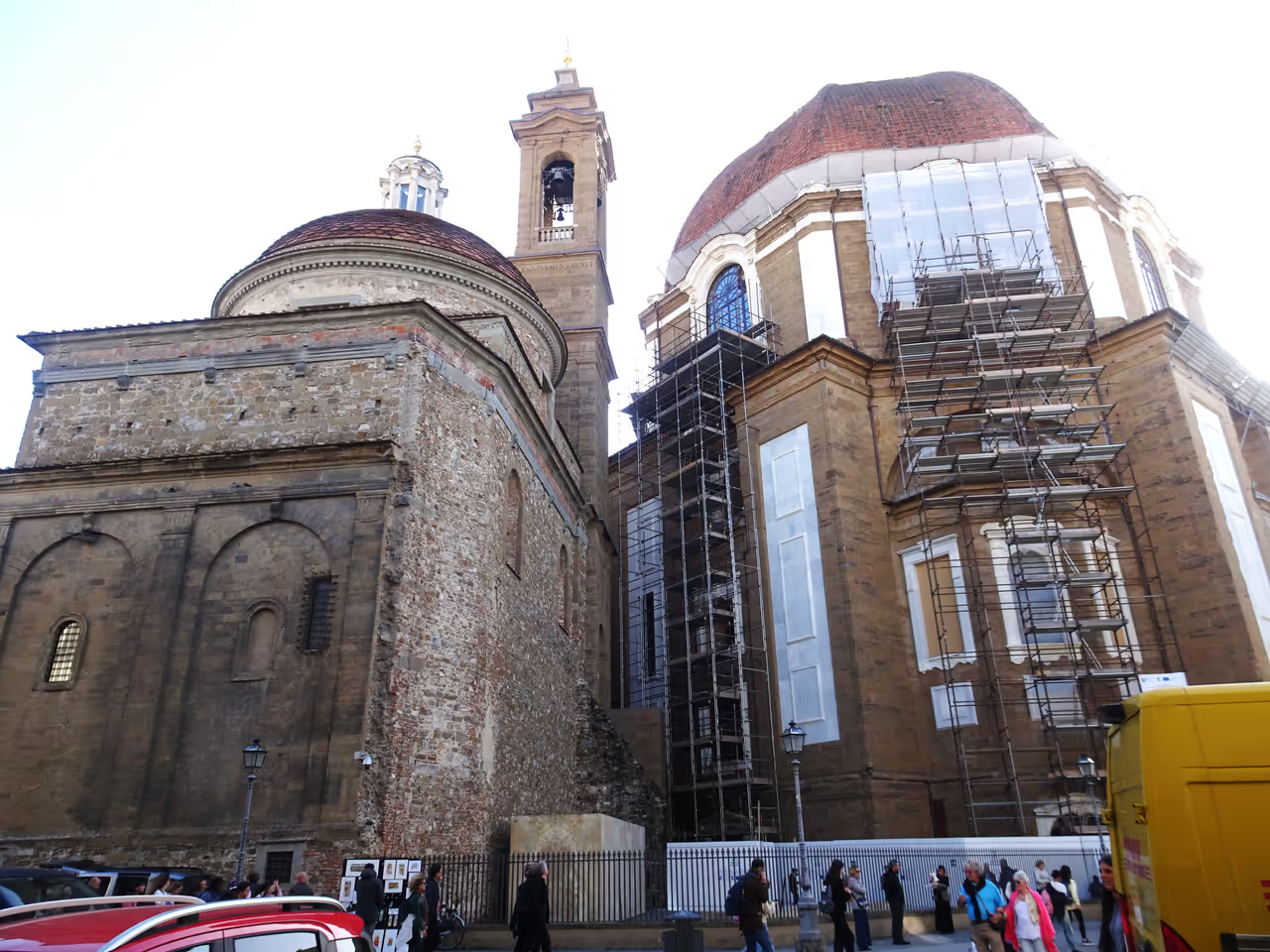
Medici Dynasty Trail
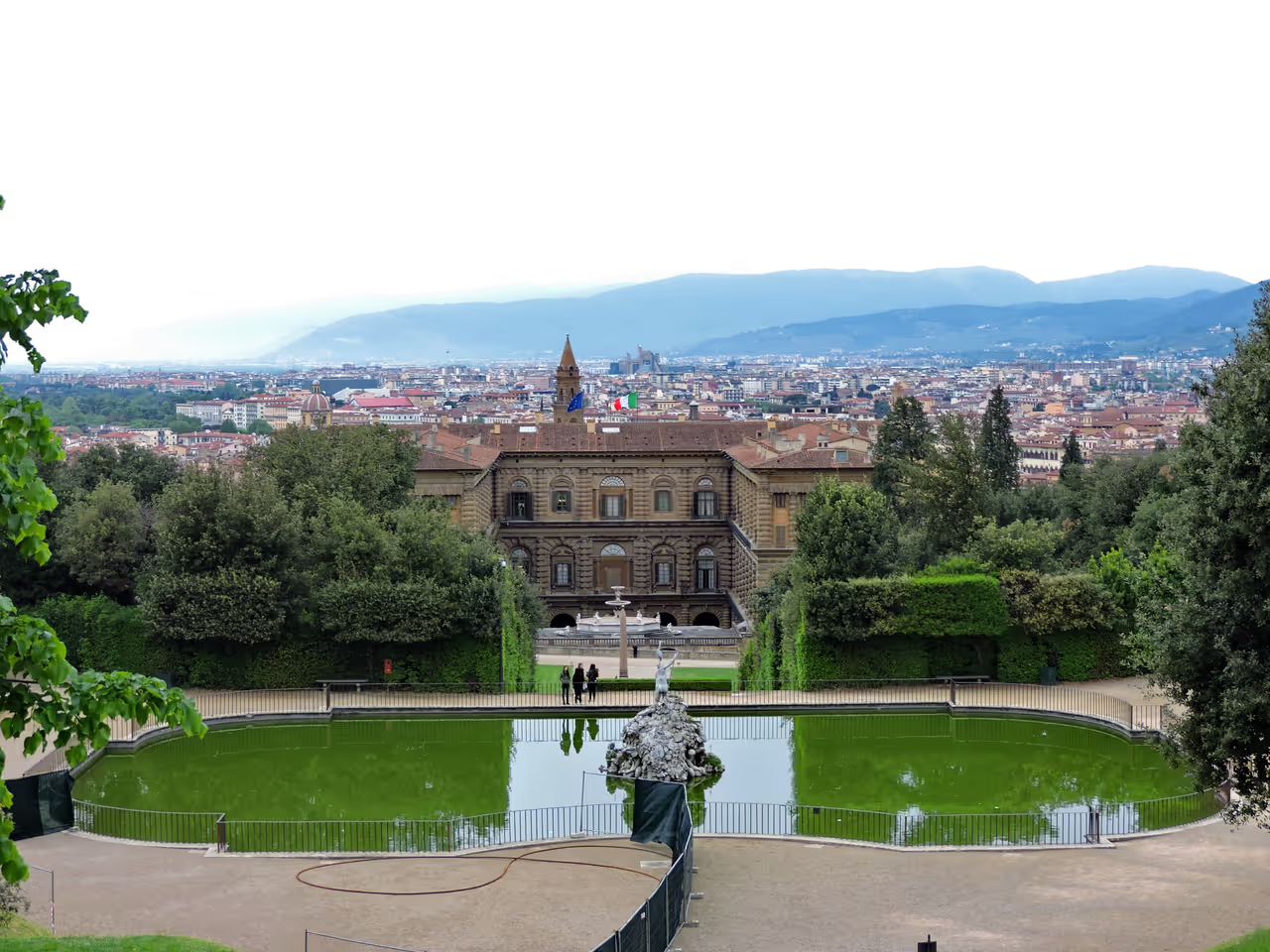
This immersive journey traces the dramatic rise, absolute dominance, and ultimate decline of the city's most legendary ruling family. You will connect the monumental palaces they built, the churches they funded, and the secret corridors they used to maintain control. The route reveals how a single banking family managed to shape the entire architectural and cultural legacy of the Renaissance. It is a fascinating exploration of ruthless ambition, incredible wealth, and political cunning.
view self-guided tour
See all attractions in Florence
Accademia Gallery, Baptistery of San Giovanni, Bargello National Museum, Florence Cathedral, Palazzo Pitti, Ponte Vecchio, Uffizi Gallery...