Rose Garden
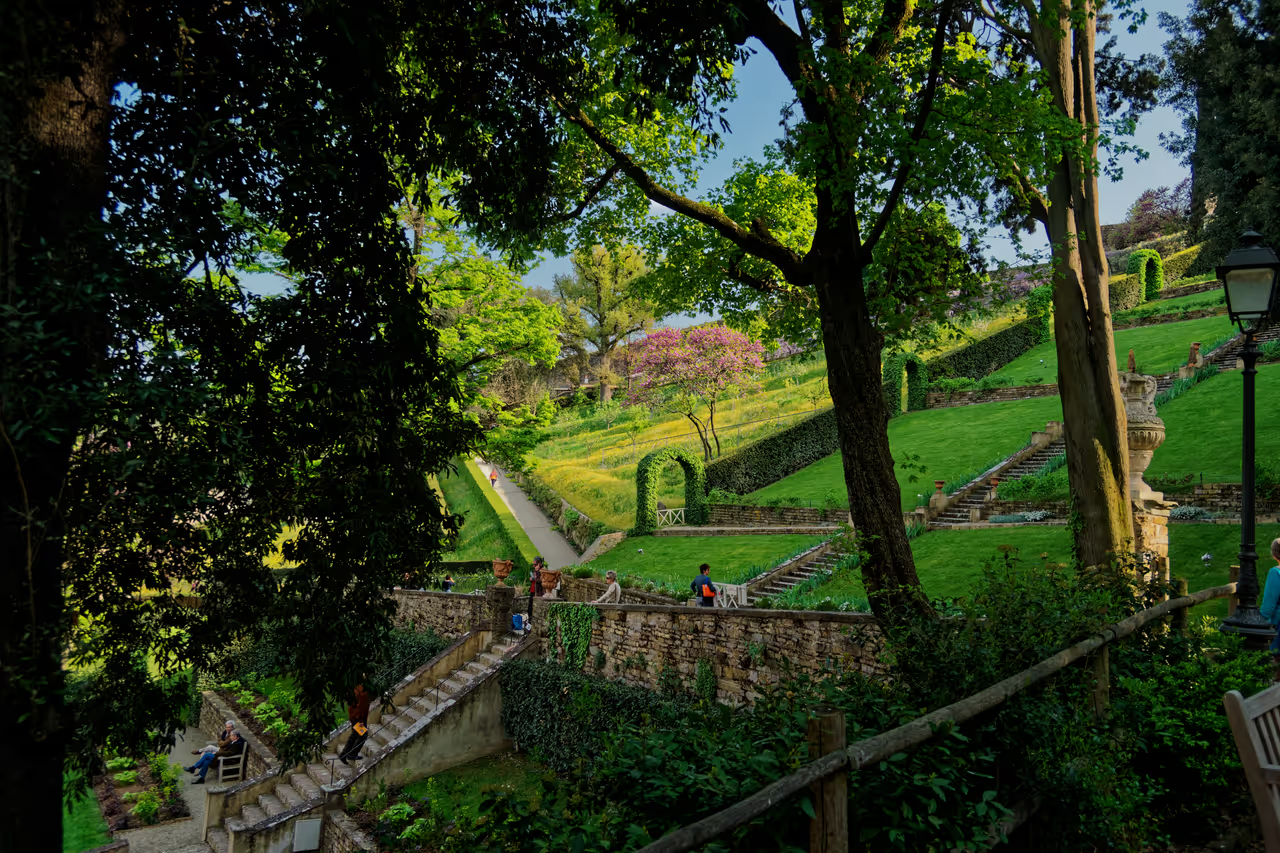
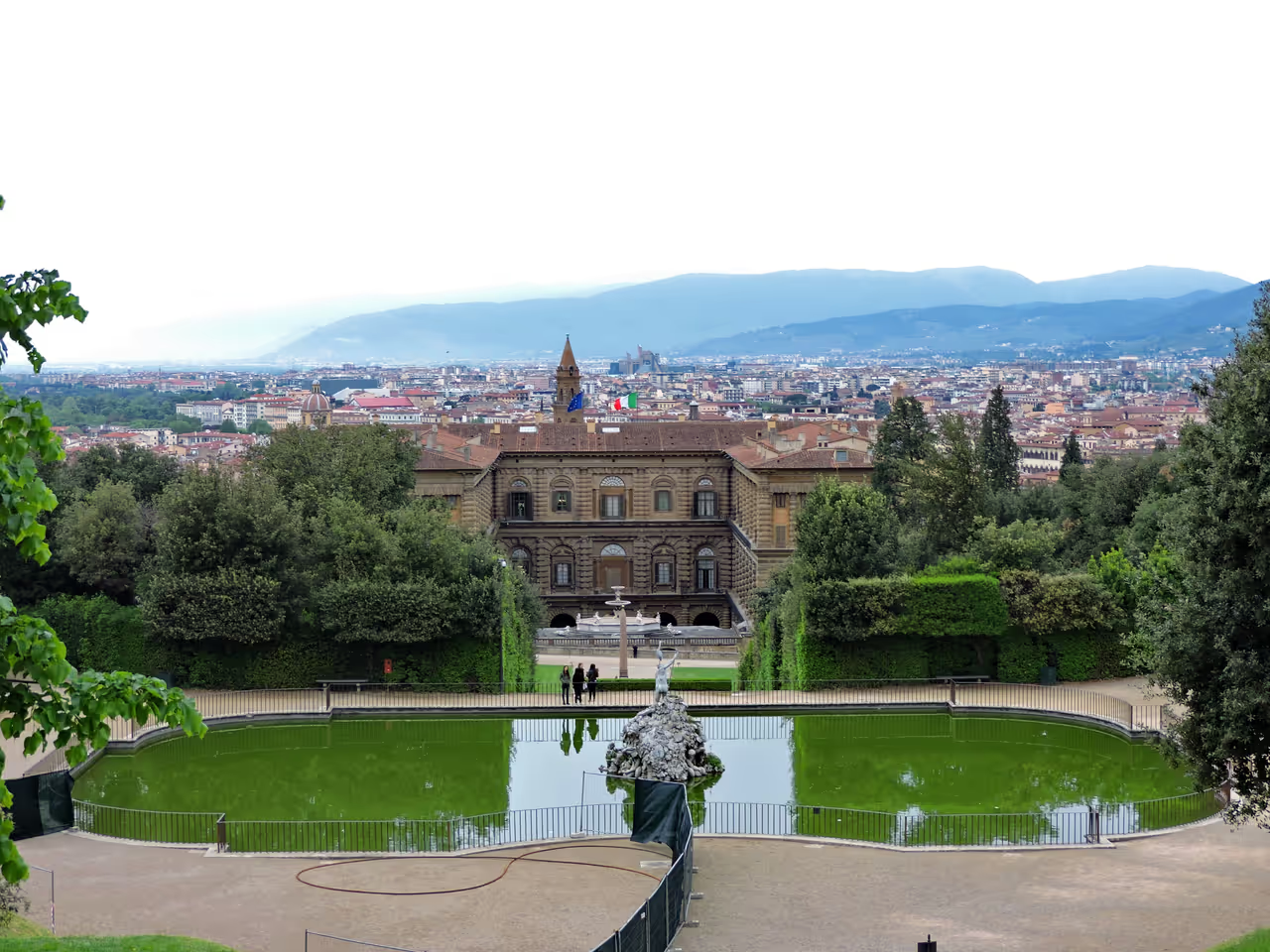
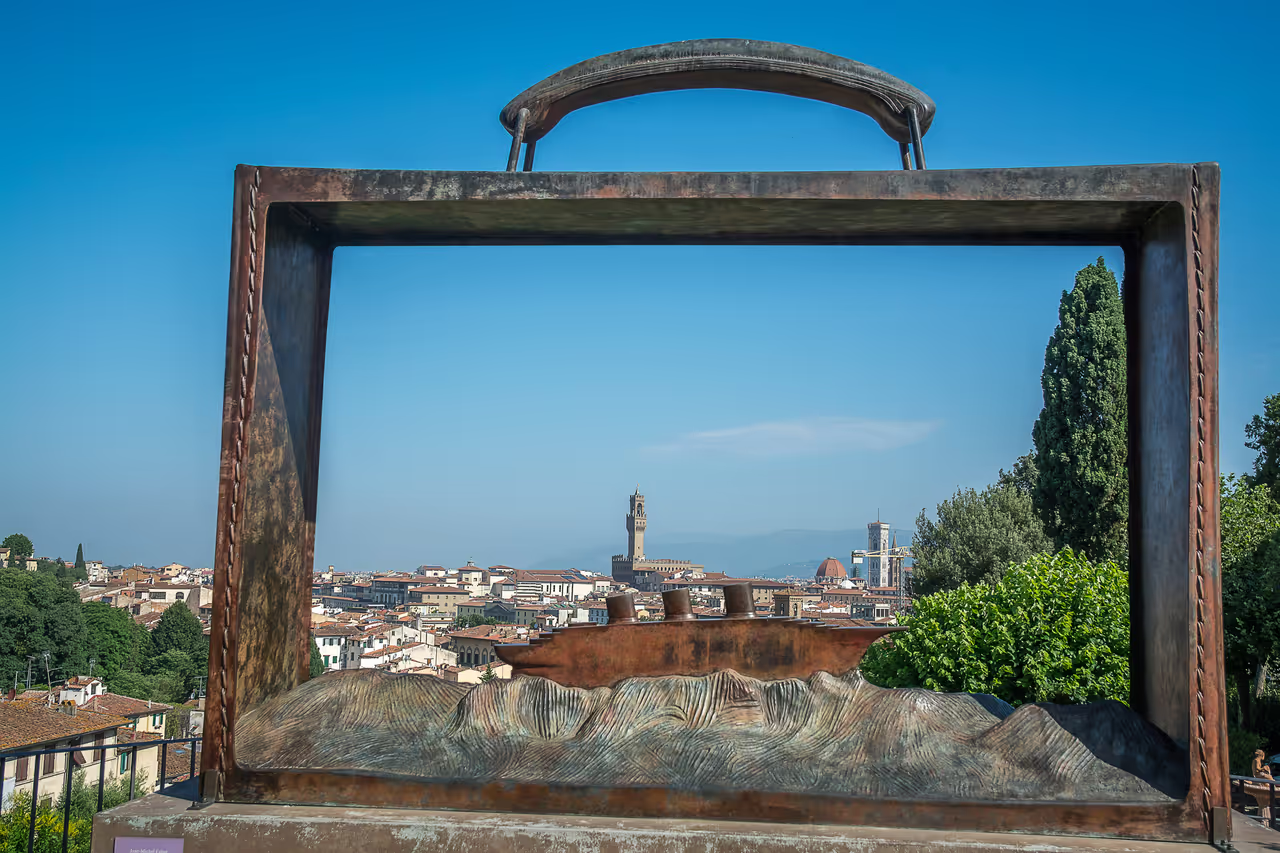
Perched elegantly on the slopes below Piazzale Michelangelo, the Rose Garden offers one of the most serene vantage points in all of Florence. This charming hillside sanctuary is home to over a thousand botanical varieties, featuring 400 species of roses that burst into colour each spring. Beyond the floral displays, visitors find themselves wandering through a peaceful retreat that houses a traditional Japanese oasis and distinctive bronze sculptures by artist Jean-Michel Folon. Whether you are seeking a quiet moment of reflection or the perfect panoramic photograph of the city skyline, this spot provides an enchanting escape from the energy of the city centre. It captures the romantic spirit of Florence, blending Italian garden design with quiet pockets of international art and culture.
Videos
History of Rose Garden
When Florence was named the capital of Italy in the nineteenth century, the city underwent a dramatic urban renewal designed to project modernity and grandeur. Architect Giuseppe Poggi led this ambitious transformation, creating wide avenues and scenic viewpoints like the iconic Piazzale Michelangelo. Part of this vision included the creation of the Rose Garden in 1865, designed to provide a lush, green counterpoint to the monumental stone of the city architecture. It reclaimed land previously known as the Podere di San Francesco, a humble hillside plot once belonging to the Filippini fathers, and reshaped it into a series of refined terraces that follow the natural lie of the land. Over the decades, the garden evolved from a simple cultivated space into a curated botanical collection. It adopted a French-style layout that harmonised rustic charm with rational, structured irrigation, a testament to the engineering prowess of the era. The garden began to serve the public interest in the late 1890s, opening its gates for the Festival of Arts and Flowers. This solidified its place in the Florentine social calendar, inviting locals to appreciate the delicate intersection of horticulture and civic beauty. Today, the garden serves as a bridge between Florence and the wider world. Its character deepened in 1998 with the addition of a serene Japanese oasis, a generous gift from the city of Kyoto and the Kōdai-ji temple, which introduces Zen aesthetics to the Tuscan landscape. This international spirit was further strengthened in 2011 when the garden became a permanent open-air gallery for the works of Belgian sculptor Jean-Michel Folon. These bronzes sit amidst the rosebeds, creating a dialogue between human creativity and the living, blooming earth. The result is a space that feels both deeply local and beautifully universal.
Events spanning 146 years
Fun Facts
- • The Japanese oasis within the garden was donated by the Kōdai-ji Temple in Kyoto as a gesture of friendship between the twin cities.
- • The area was originally known as the Podere di San Francesco, a working plot of land that belonged to the Filippini fathers.
- • The collection contains approximately 1,000 botanical varieties, including 400 distinct species of roses that peak in brilliance throughout the spring months.
- • The garden features a historic, innovative irrigation system that uses a high-altitude cistern to gravity-feed water throughout the terraced levels.
- • The garden now houses ten bronze sculptures and two plaster works by Jean-Michel Folon, creating a unique intersection of nature and modern art.
- • The site encompasses one hectare of land, strategically terraced to maximise sunlight for the rose collection.
- • Unlike its early history where it was only accessible during specific spring events, the garden is now open to visitors daily from morning until sunset.
Rose Garden FAQ
While we strive to keep this information accurate and up to date, we recommend verifying any details independently before making decisions based on them.
Rose Garden Map & Neighborhood Explorer
This interactive map is centered on Rose Garden. Zoom in and move the map around to automatically discover Wikipedia photos and summaries of other nearby sights, monuments, and historical points of interest and stories in real-time!
Places near Rose Garden
Make the most of your trip. Check out these top-rated spots located nearby.
 177m
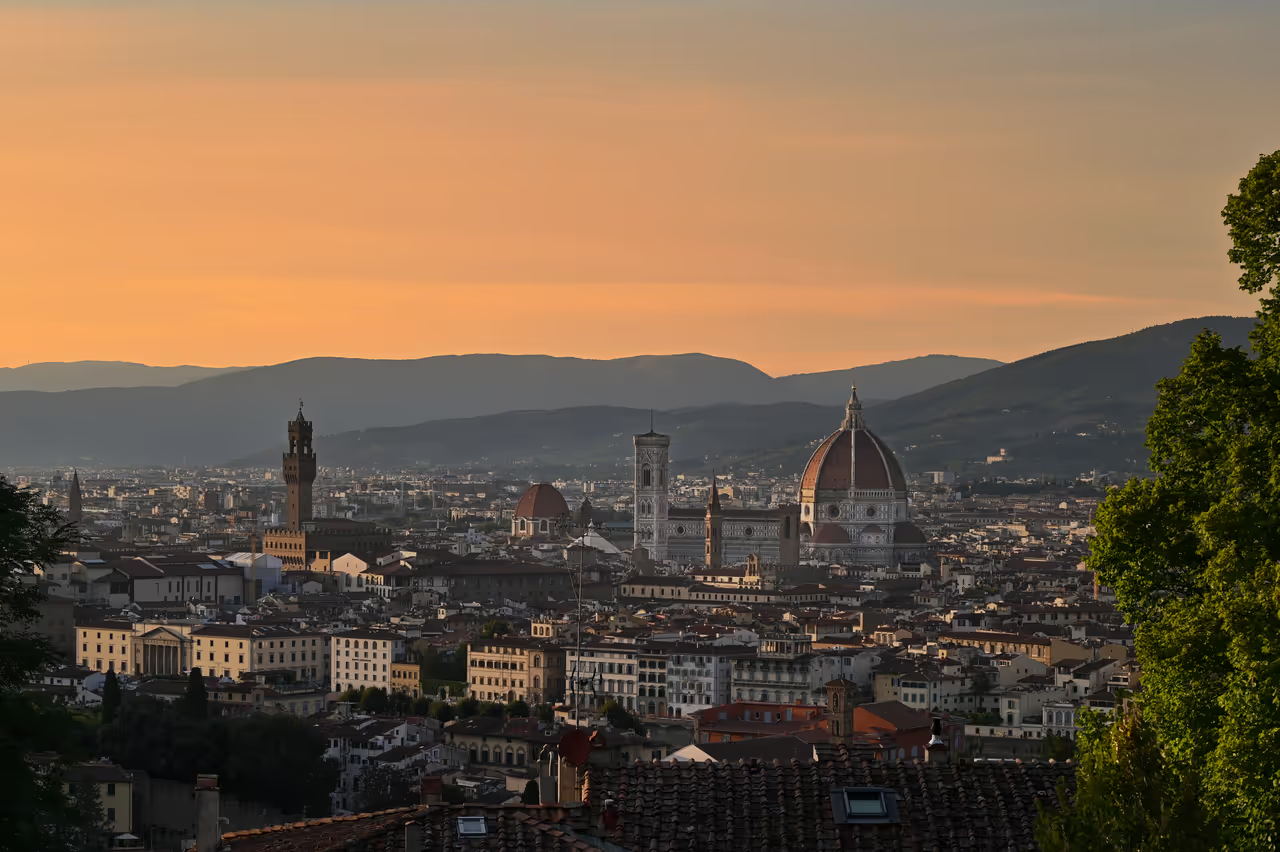
177mMichelangelo Square
This massive, elevated terrace is unquestionably the most famous and widely photographed panoramic location in the city. Built in the nineteenth century, it offers a sweeping, entirely unobstructed view of the Arno river, the ancient bridges, and the towering cathedral dome. Arriving just before sunset to watch the old stone buildings turn a fiery golden hue is a universally beloved ritual. It is highly accessible, completely free, and guarantees a spectacular, postcard perfect visual experience.
viewpoint view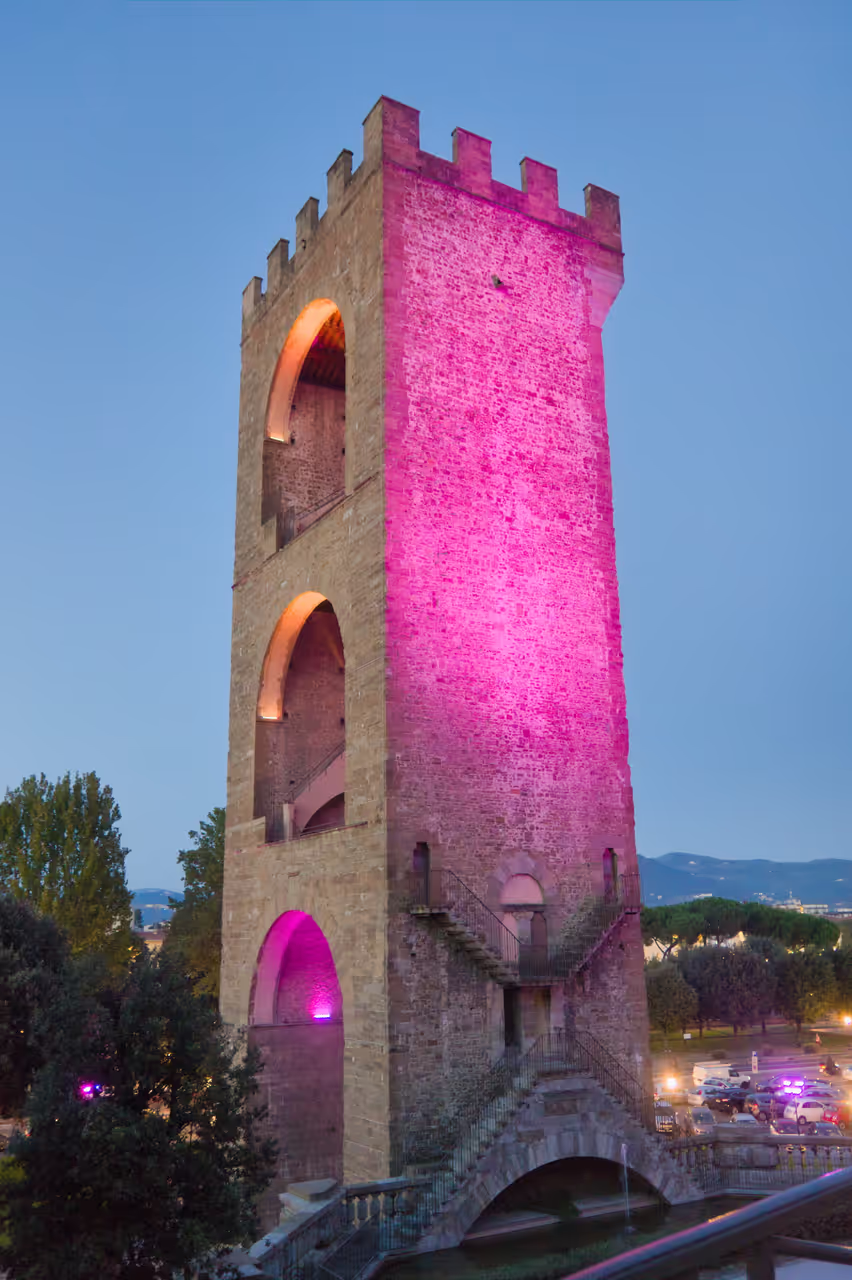 203m
203mSan Niccolo Gate Tower
Standing directly on the riverbank, this towering medieval gate is the only part of the ancient defensive walls left at its original, imposing height. During the summer, visitors can carefully climb to the top for a spectacular, close up view of the city hugging the water. The rough stone battlements provide fantastic, rugged framing for shots of the terracotta roofs and the distant hills.
photo spot view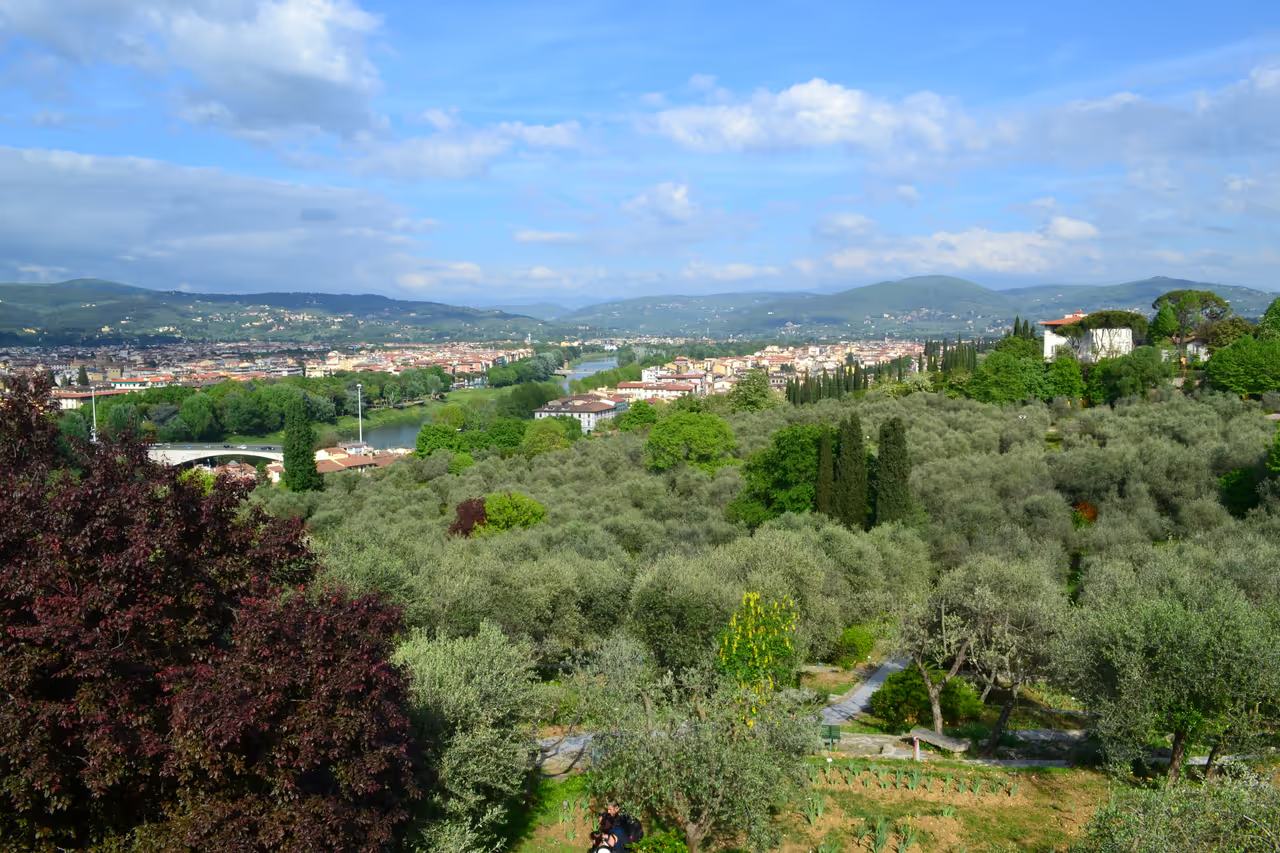 298m
298mIris Garden
A visit to the Iris Garden is a fleeting brush with botanical perfection, accessible only during the vibrant window of April and May. Nestled gracefully near the famous Piazzale Michelangelo, this sanctuary offers some of the most breathtaking views of the city skyline as a backdrop to thousands of blooming irises. It serves as the headquarters for the Italian Iris Society, which manages an ambitious international mission to cultivate a true scarlet iris to match the iconic red lily on the crest of Florence. While wandering through the terraced paths, you can admire the current year's competing entries alongside the distinguished winners dating back to the late fifties. The atmosphere is quiet and intellectual, providing a unique escape from the busier trails of the city centre.
park & nature view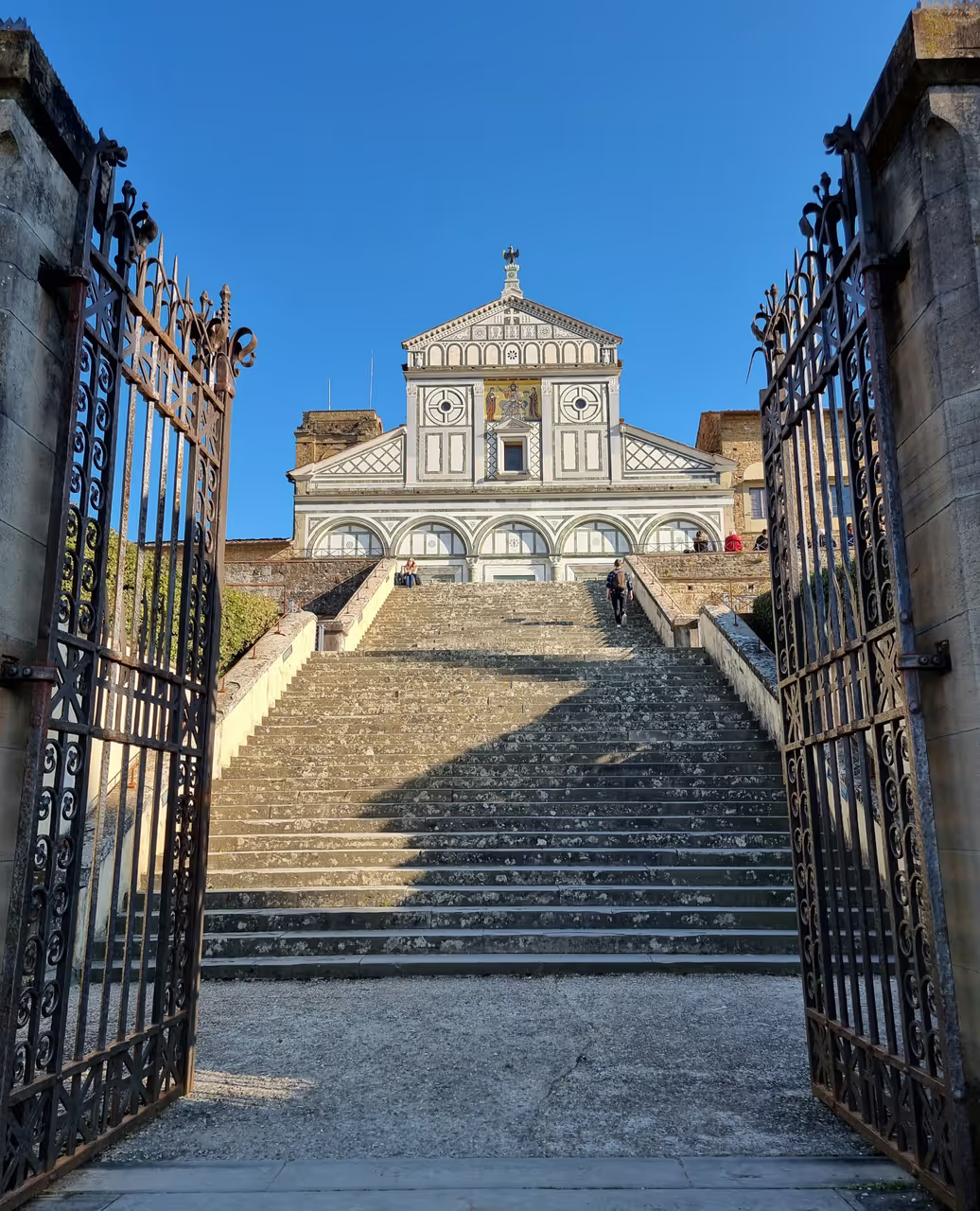 437m
437mBasilica of San Miniato
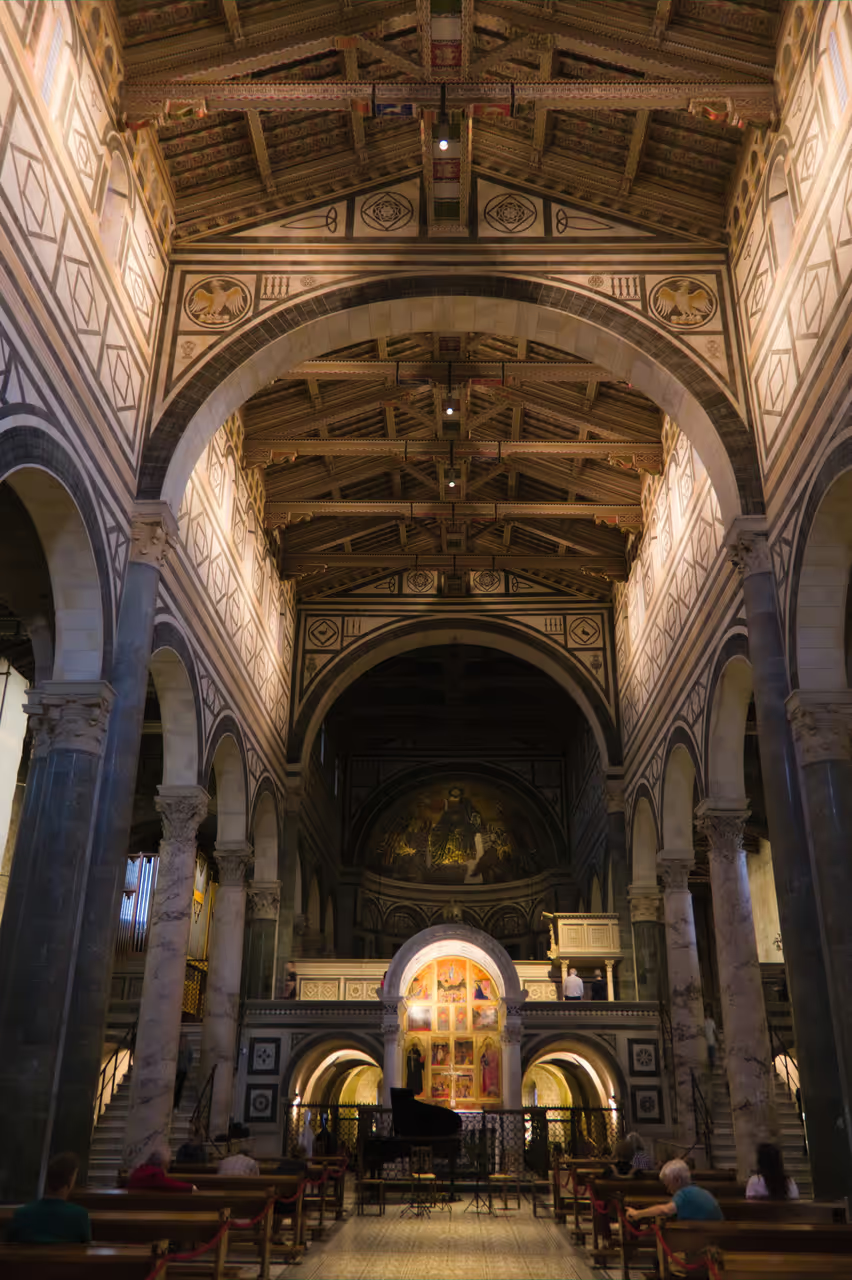
Perched dramatically atop one of the highest hills overlooking the city, this is widely considered one of the finest Romanesque structures in the entire region. The dazzling geometric pattern of green and white marble on the facade shines brilliantly in the afternoon sun. Entering the dim, heavily decorated interior reveals incredible ancient mosaics and a stunning raised choir. Its elevated, fortified location provides a profound sense of isolation and spiritual grandeur.
architecture view
Featured on This Route
See all nature & parks in Florence
Bardini Gardens, Boboli Gardens, Botanical Garden of Florence, Cascine Park, Iris Garden, Torrigiani Garden...