Botanical Garden of Florence
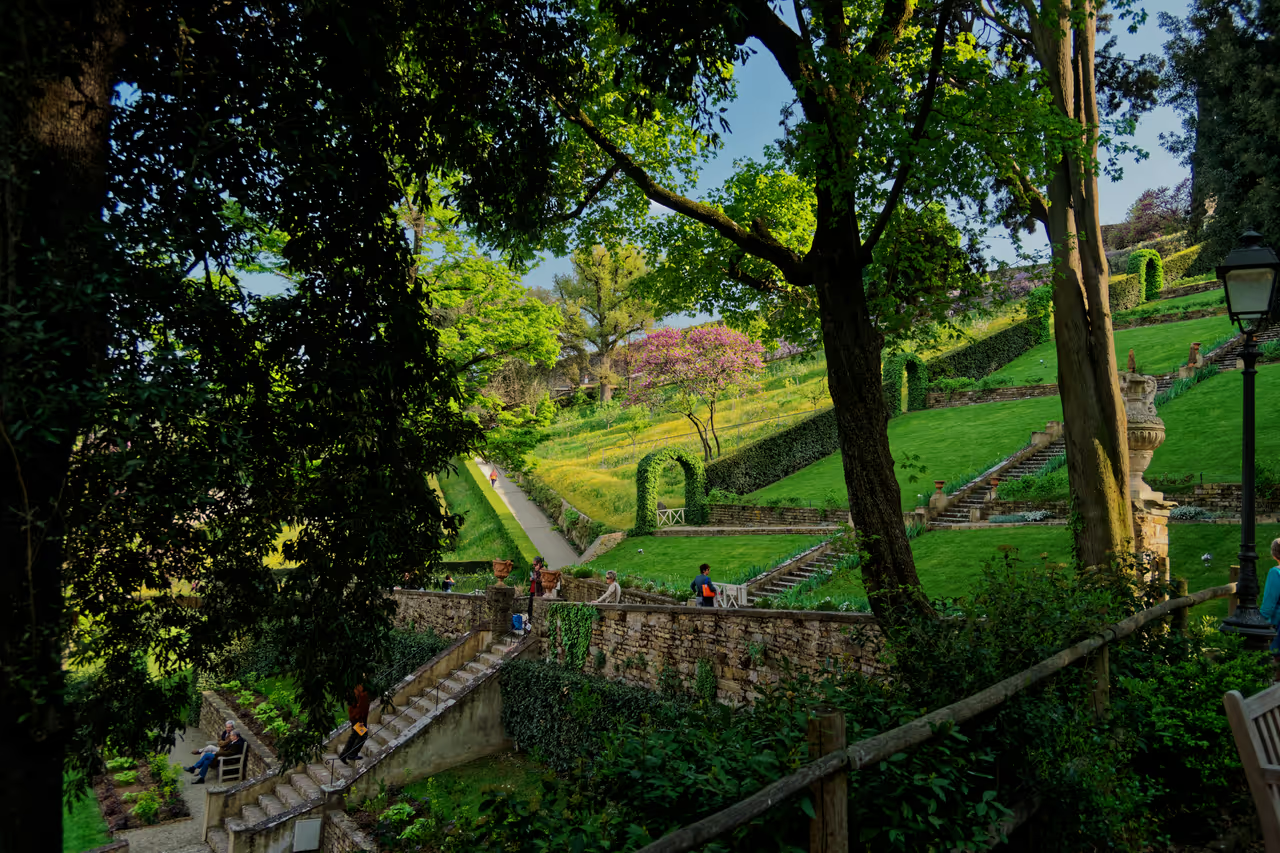
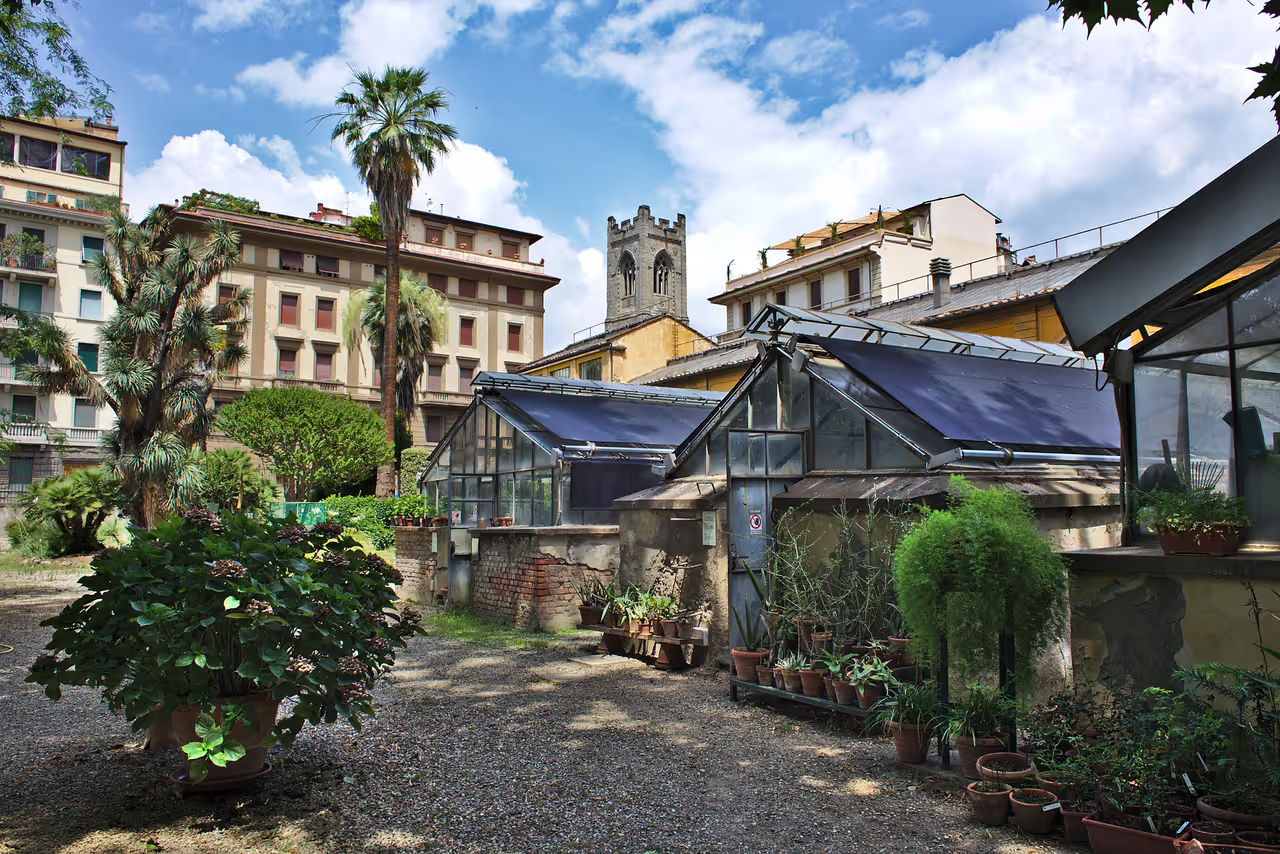
Step into a living archive of scientific history at the Giardino dei Semplici, the second oldest botanical garden in the world. Tucked away in the heart of Florence, this tranquil oasis has been nurturing rare flora since 1545, when Cosimo I de Medici commissioned it to support medical research. Today, it offers a peaceful escape where visitors can wander among historic greenhouses, centuries old trees, and lush exotic collections. It is a place where the air feels cleaner and the pace slows down, inviting you to connect with nature in a setting shaped by some of history greatest botanists. Whether you are a plant enthusiast or simply seeking a quiet moment away from the city crowds, this garden promises a refreshing experience that feels miles away from the urban rhythm.
Videos
History of Botanical Garden of Florence
The story of the Giardino dei Semplici begins in the mid sixteenth century, rooted in the Renaissance desire to unlock the secrets of the natural world. Cosimo I de Medici, a visionary of his era, understood that the future of medicine lay in the study of plants, or simples as they were known then. He established this garden in 1545 to serve as an outdoor classroom for the university medical students, ensuring they could study medicinal herbs with their own eyes. It was a bold endeavour that transformed a humble patch of land into an essential centre of scientific inquiry.
Events spanning 457 years
Fun Facts
- • A majestic cork oak stands within the grounds, planted in 1805 and never pruned, showcasing the natural growth habit of the species.
- • A sixteenth century marble bust of Aesculapius, the god of medicine, is tucked away in a wall niche, honouring the medical roots of the site.
- • In 2024, an orchid specimen from the garden, an Oncidium sphacelatum, received a double award from the Italian Orchid Association.
- • It holds the prestigious title of being the second oldest botanical garden in existence globally.
- • It houses a collection of ancient ferns, orchids, and tropical plants that require specialised humidity levels provided by the historic greenhouses.
- • Pier Antonio Micheli planted a Yew tree in 1720 that remains a living witness to his botanical legacy.
- • The garden contains over 5,000 distinct botanical specimens, effectively functioning as a massive, living outdoor library.
- • The garden was established near the former stables of the architect Michelozzo, showing how the Medici family integrated science into their urban planning.
- • The site design still reflects historical layers, incorporating stones and natural materials used during the various eras of its development.
- • The term simples originates from the medieval Latin medicamentum simplex, referring to the medicinal herbs cultivated here for healing purposes.
RESOURCES
Official WebsiteBotanical Garden of Florence FAQ
While we strive to keep this information accurate and up to date, we recommend verifying any details independently before making decisions based on them.
Botanical Garden of Florence Map & Neighborhood Explorer
This interactive map is centered on Botanical Garden of Florence. Zoom in and move the map around to automatically discover Wikipedia photos and summaries of other nearby sights, monuments, and historical points of interest and stories in real-time!
Places near Botanical Garden of Florence
Make the most of your trip. Check out these top-rated spots located nearby.
 334m
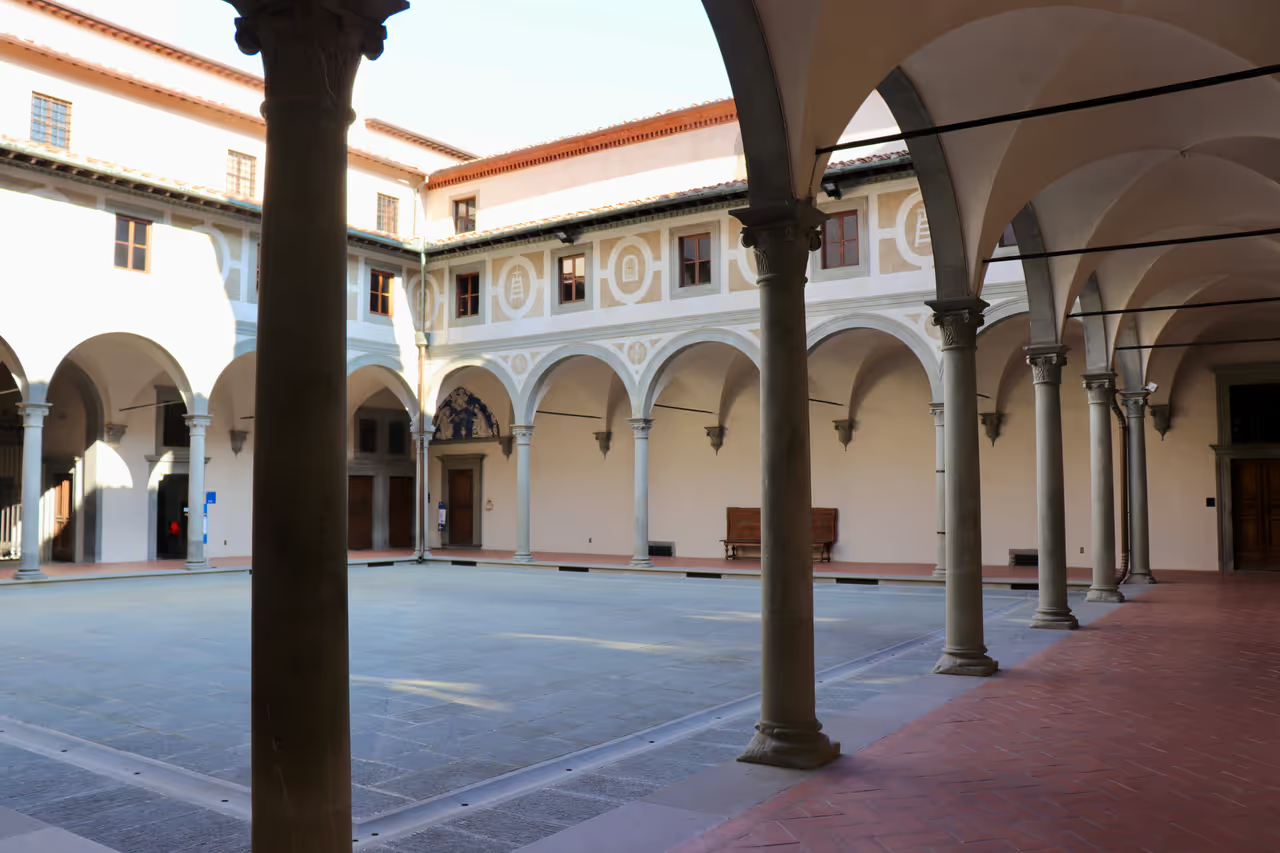
334mHospital of the Innocents
Originally functioning as an orphanage, this elegant building is heavily celebrated as the very first purely Renaissance structure. Designed by Brunelleschi, its defining feature is a brilliantly proportioned loggia with delicate arches resting on slender columns. The facade is famously decorated with iconic, bright blue terracotta medallions depicting swaddled infants. It introduced a completely new, rational sense of order and civic beauty to European architecture.
architecture view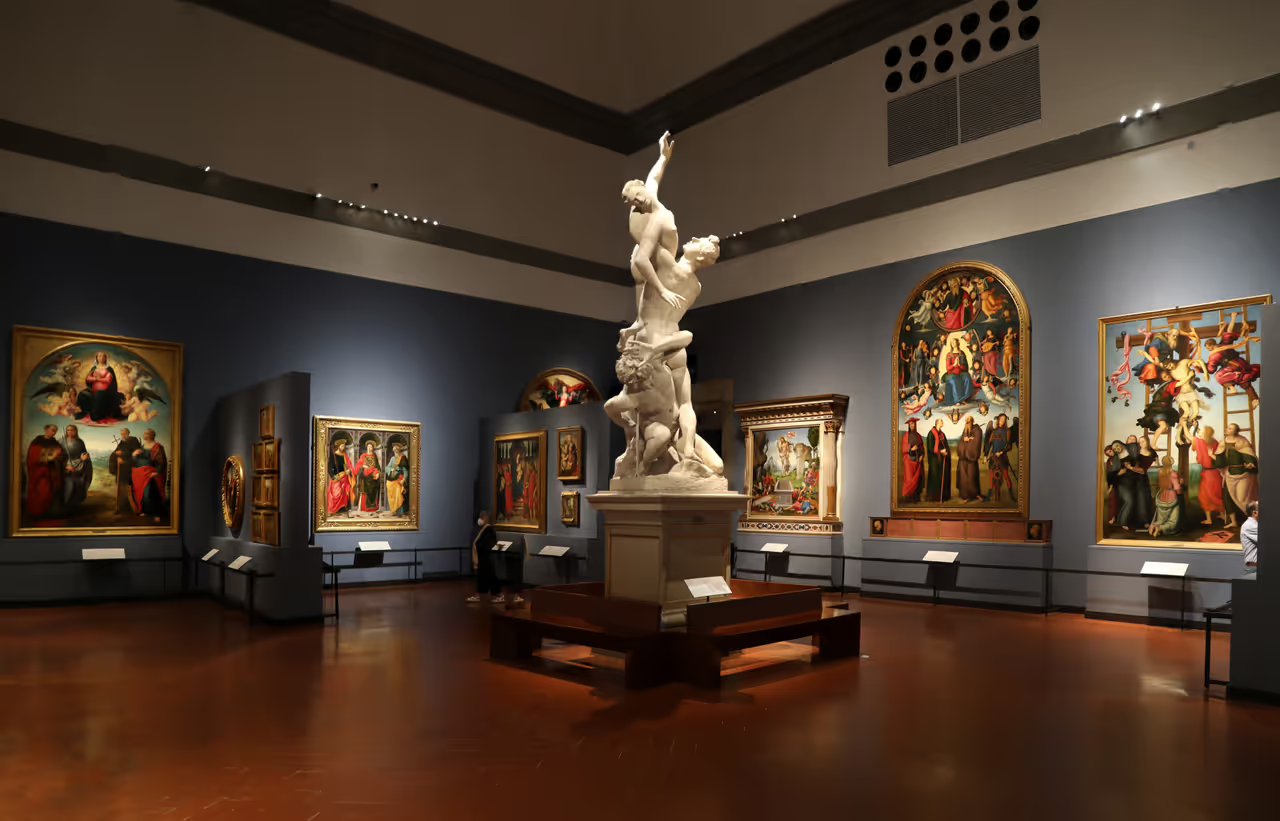 367m
367mAccademia Gallery
The Galleria dell'Accademia in Florence offers a profoundly moving encounter with Renaissance genius, centring on the presence of Michelangelo's towering David. While visitors flock here to stand before the world's most famous marble masterpiece, the museum rewards those who linger with an extraordinary, multi-faceted collection of Florentine painting and sculpture. The atmosphere is one of focused reverence, particularly within the dramatic Tribuna where the David stands beneath a luminous skylight. Beyond the iconic statue, you will discover the unfinished Slaves, which offer a rare, intimate window into Michelangelo's creative struggle. It is an essential stop for anyone wanting to truly understand the artistic height of the Italian Renaissance.
attraction view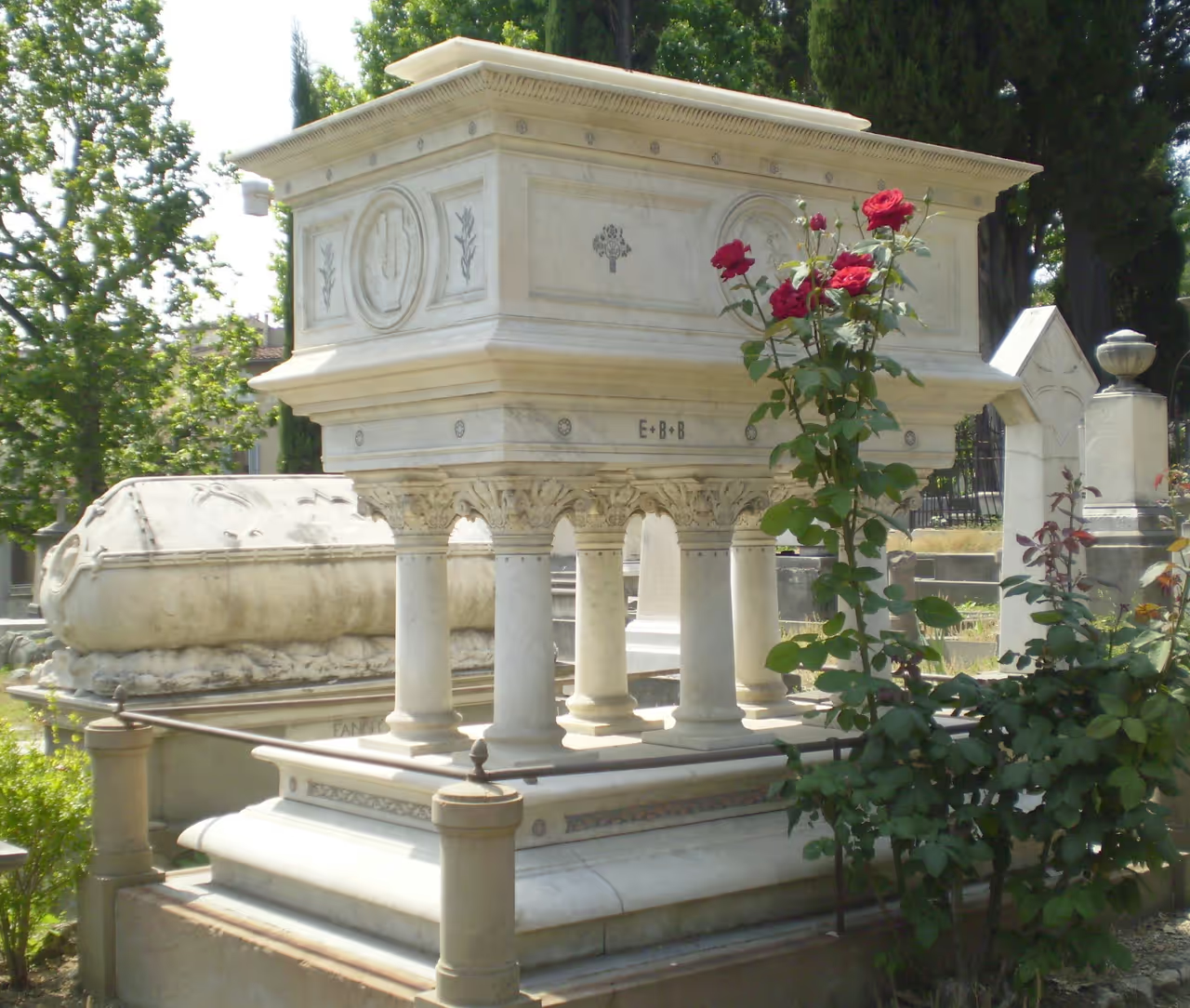 522m
522mEnglish Cemetery
Resting awkwardly on an oval traffic island completely surrounded by busy modern boulevards, this peaceful, romantic graveyard is a surreal urban oasis. It was established in the nineteenth century for non-Catholics, primarily serving the vibrant community of foreign expatriates, artists, and writers. The grounds are beautifully overgrown with wild flowers and towering cypress trees, sheltering heavily ornate, poetic tombstones. It is a highly atmospheric, deeply melancholic place perfect for quiet reflection.
hidden gem view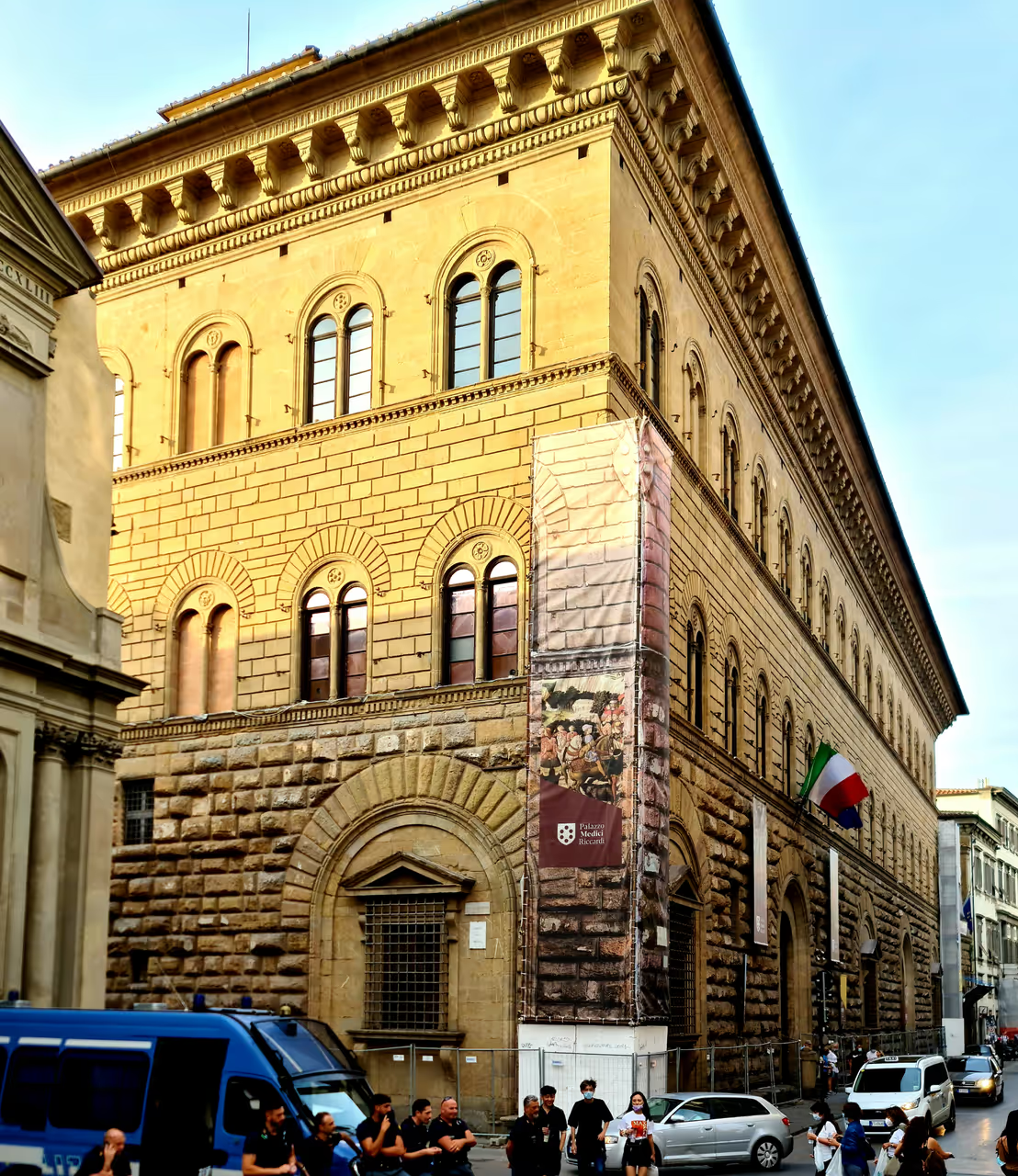 652m
652mMedici Riccardi Palace
This formidable building served as the primary residence and banking headquarters for the legendary Medici family during their initial rise to absolute power. The rough, heavy stone blocks on the ground level slowly transition to smoother masonry on the upper floors, creating an illusion of lightness. Inside, a gorgeously decorated chapel features vivid, heavily detailed frescoes depicting the journey of the Magi. It set the architectural standard for elite urban dwellings for centuries to come.
architecture view
Explore Similar Places in This Collection

See all nature & parks in Florence
Bardini Gardens, Boboli Gardens, Cascine Park, Iris Garden, Rose Garden, Torrigiani Garden...