Vienna
Full City Guide, Map & 114 Things To Do
1,973,403 people live here.
That's 22.07% of the entire population of Austria.
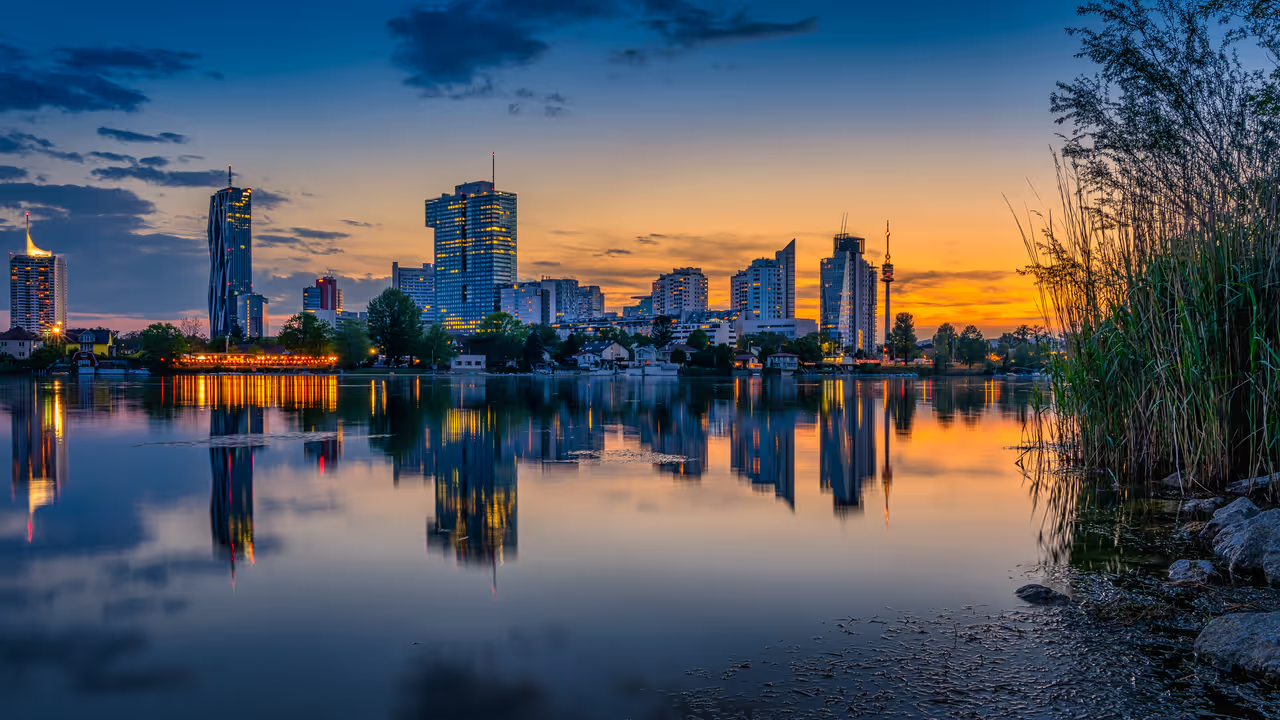
Vienna serves as Austria's cultural, economic, and political heart, gracefully bridging its grand imperial past with a dynamic modern present. Situated along the Danube River, the city features an architectural landscape defined by Baroque palaces, monumental ring boulevards, and striking modernist designs. You can easily spend your days hopping between historic coffee houses, admiring world class art collections, or exploring the vibrant neighbourhoods that have flourished since the fall of the Iron Curtain. A deep appreciation for music permeates the streets, honouring legends like Mozart and Beethoven who once called this place home. Beyond the museums and operas, the city offers lush green spaces, sprawling vineyards, and an excellent public transport network that makes exploration effortless. It is a destination that rewards both leisurely strolls and deep cultural immersion.
Vienna DNA
History of Vienna
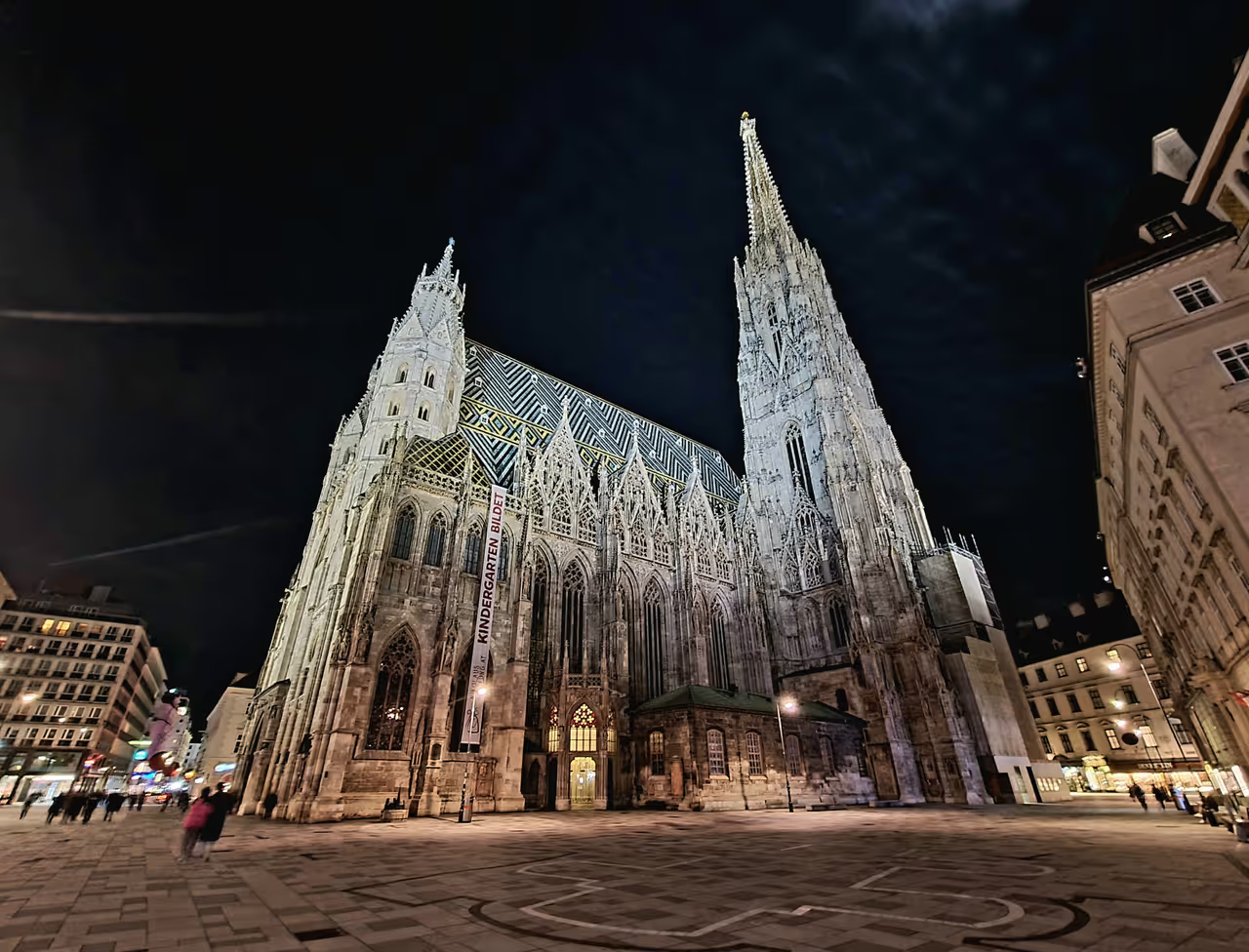
English King Richard the Lionheart made a fatal mistake when he stopped to rest in the riverside village of Erdberg in 1192. Duke Leopold V recognised his royal rival immediately. The Austrian ruler threw the English monarch into a dungeon and extracted a colossal ransom of silver. That extorted fortune physically built the foundation of the medieval capital. Masons used the foreign silver to construct heavy stone walls around the settlement. They also established a mint that stamped out the city's first true currency. Just a few decades later, the local council implemented the Staple Right. This strange medieval law forced any merchant travelling down the Danube to unpack their carts and offer their goods for sale directly to the locals. Traders had no choice but to negotiate in the shadow of the rising St. Stephen's Cathedral. Foreign armies repeatedly tested those medieval stone defences. The most defining clash arrived in the late summer of 1683 when Ottoman forces encircled the city for two months. Relief finally charged down the slopes of the Kahlenberg hill as King Jan Sobieski's Polish cavalry broke the siege lines. Surviving this onslaught triggered an explosive building boom. Aristocrats replaced war torn rubble with expansive Baroque palaces across the newly secured outer districts. Architects Johann Bernhard Fischer von Erlach and Johann Lukas von Hildebrandt laid out grand estates like Schloss Belvedere. Workmen raised the massive copper dome of the Karlskirche to dominate the skyline. The defensive walls that saved the capital eventually became an obsolete bottleneck. Emperor Franz Joseph I ordered the military to blow up the bastions in 1858 to make way for the Ringstraße. This massive circular boulevard replaced the dirt glacis with a parade of monumental public architecture. Wealthy industrialists competed to fund ornate structures along the tree lined avenue. Stone carvers shaped the imposing columns of the Parliament building. Engineers constructed the vast stage machinery inside the Burgtheater. The city morphed from a cramped fortress into a sprawling imperial showcase where thinkers like Sigmund Freud soon began taking their daily walks along the Schottenring. The collapse of the Austro Hungarian Empire in 1918 left the capital totally severed from its vast agricultural hinterland. Faced with severe food shortages and overcrowding, the newly elected socialist government launched a radical urban experiment known as Red Vienna. Instead of building private estates, the city council levied heavy luxury taxes to fund massive public housing complexes called Gemeindebauten. Bricklayers constructed the Karl Marx Hof, a colossal residential fortress stretching over a kilometre long in the Döbling district. Families moving out of damp basement slums suddenly found themselves with indoor plumbing, communal washhouses, and free kindergartens located directly within their own courtyards. A darker era began in 1938 as the country was absorbed into the Third Reich, leading to severe persecution and the eventual bombardment of the capital. Soviet troops captured the ruins in the spring of 1945. The victorious Allied powers carved the map into four distinct occupation sectors. The First District was placed under alternating international control. Spies from all sides mingled with black market smugglers in the shadows of the Riesenrad ferris wheel. This paranoid atmosphere was immortalised in the film The Third Man. Following the 1955 State Treaty, the occupying armies withdrew. Diplomats moved back in to establish the massive concrete towers of the Vienna International Centre on the north bank of the Danube.
13 Events spanning 1882 years
Map of Vienna
Interactive Destination & Itinerary Map
This map blends our curated city guides—featuring best photo spots, scenic walks, viewpoints, hidden gems and much more—with a live Wikipedia explorer. Click on our numbered pins to plan your routes, or zoom in on the surrounding neighborhoods to discover verified local landmarks, museums, and stories with dynamic Wikipedia summaries and photos!
Fun Facts
- • Snow globes were accidentally invented here by an artisan trying to improve the brightness of surgical lamps.
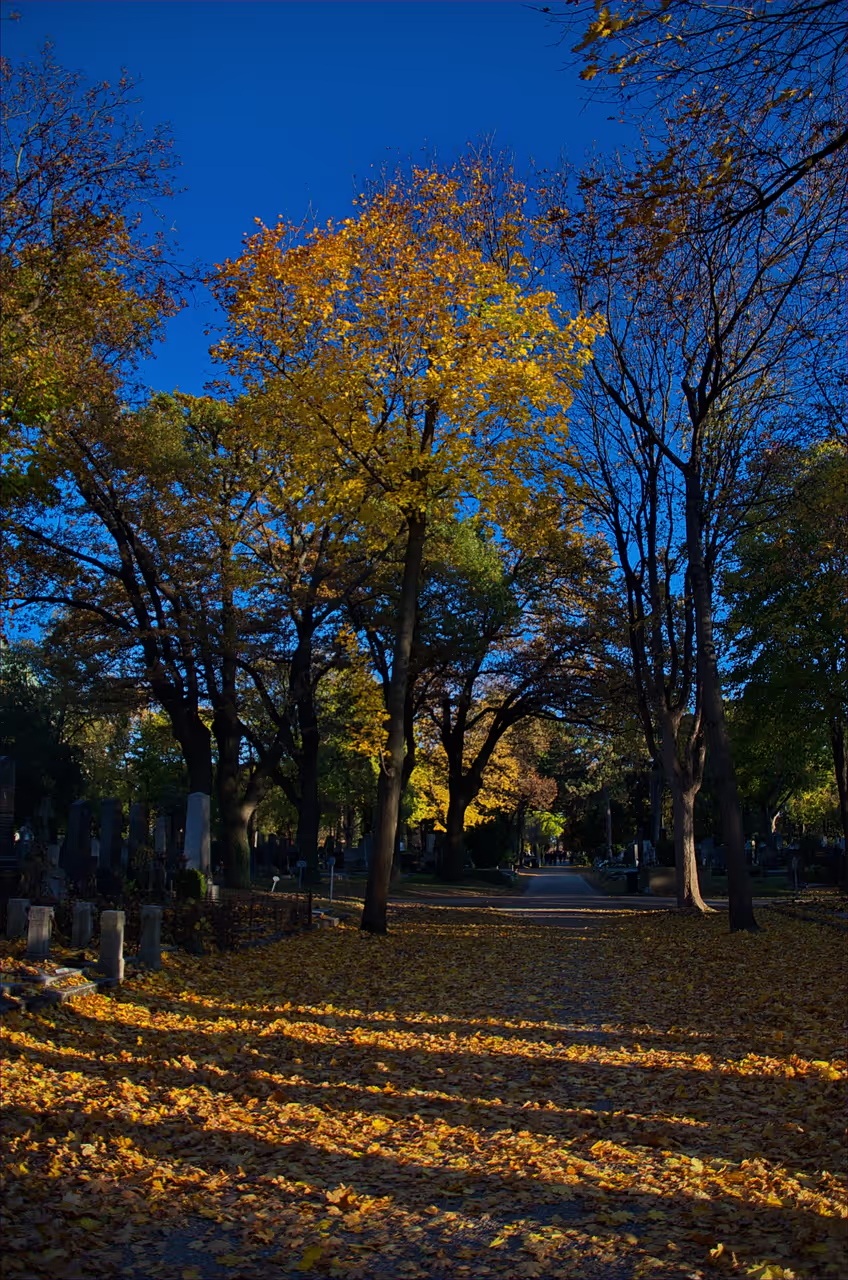
- • The Central Cemetery houses over three million deceased individuals, far surpassing the city's current living population.
- • It is the only capital city worldwide that produces significant quantities of wine within its municipal boundaries.
- • The world famous croissant traces its origins back to the Viennese Kipferl, a crescent shaped pastry allegedly baked to celebrate defeating the Ottomans.
- • The city features a highly unusual museum dedicated entirely to historical funeral customs, ornate coffins, and mortuary science.
Did You Know?
- • Over sixty percent of the city's residents live in subsidised public housing, demonstrating the enduring success of the progressive 'Red Vienna' social policies.
- • The pristine tap water flows directly from the Alps through extensive aqueducts constructed during the imperial era, travelling over 100 kilometres without requiring mechanical pumps.
- • It serves as one of the four official headquarters of the United Nations, hosting vital agencies focused on atomic energy, drug control, and industrial development.
- • The Schönbrunn Zoo, founded on the palace grounds in 1752, holds the distinction of being the oldest continuously operating zoo in the world.
- • It consistently ranks at the very top of global quality of living indices, praised for its impeccable public transport, low crime rates, and abundant green spaces.
Videos of Vienna
Seasons
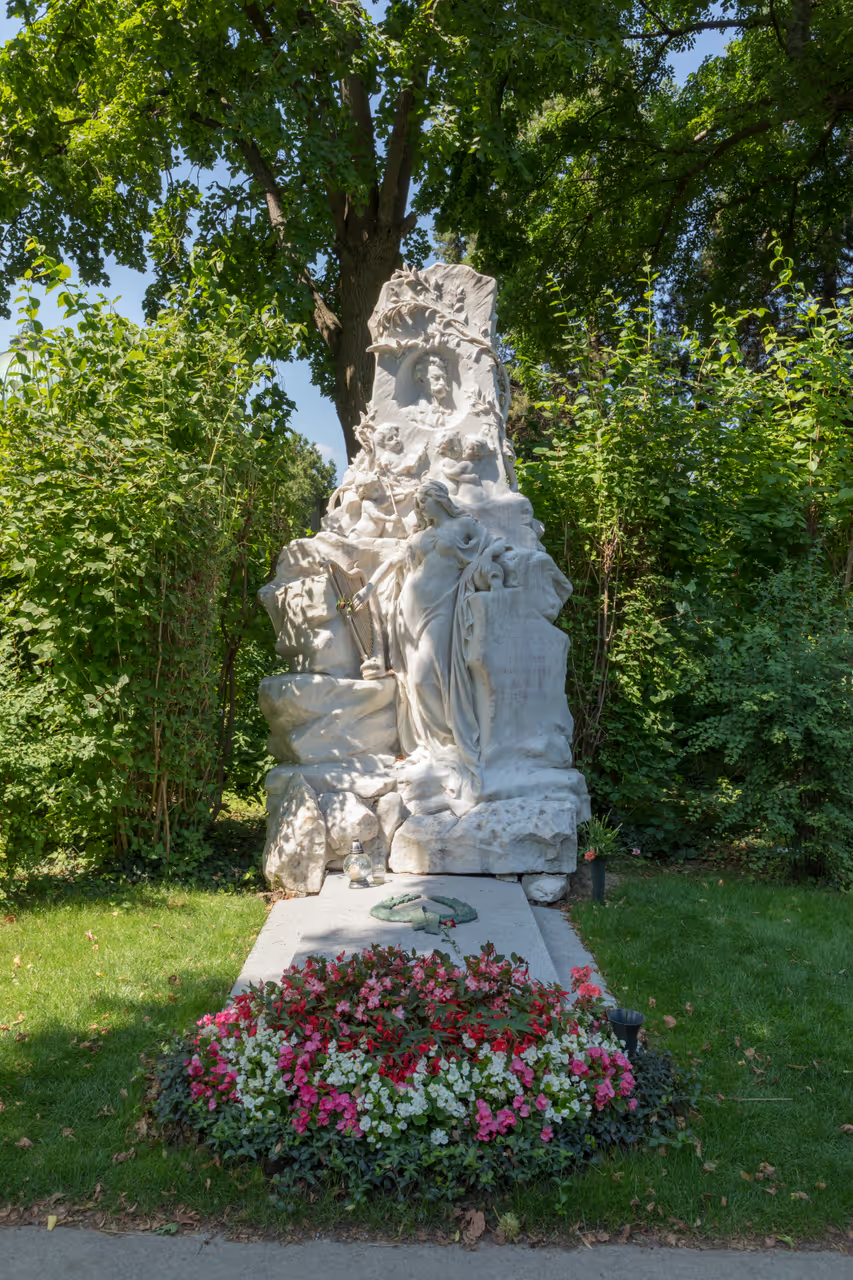
Spring
As the weather warms, the city sheds its grey winter coat and explodes into colour. The public parks, especially the...
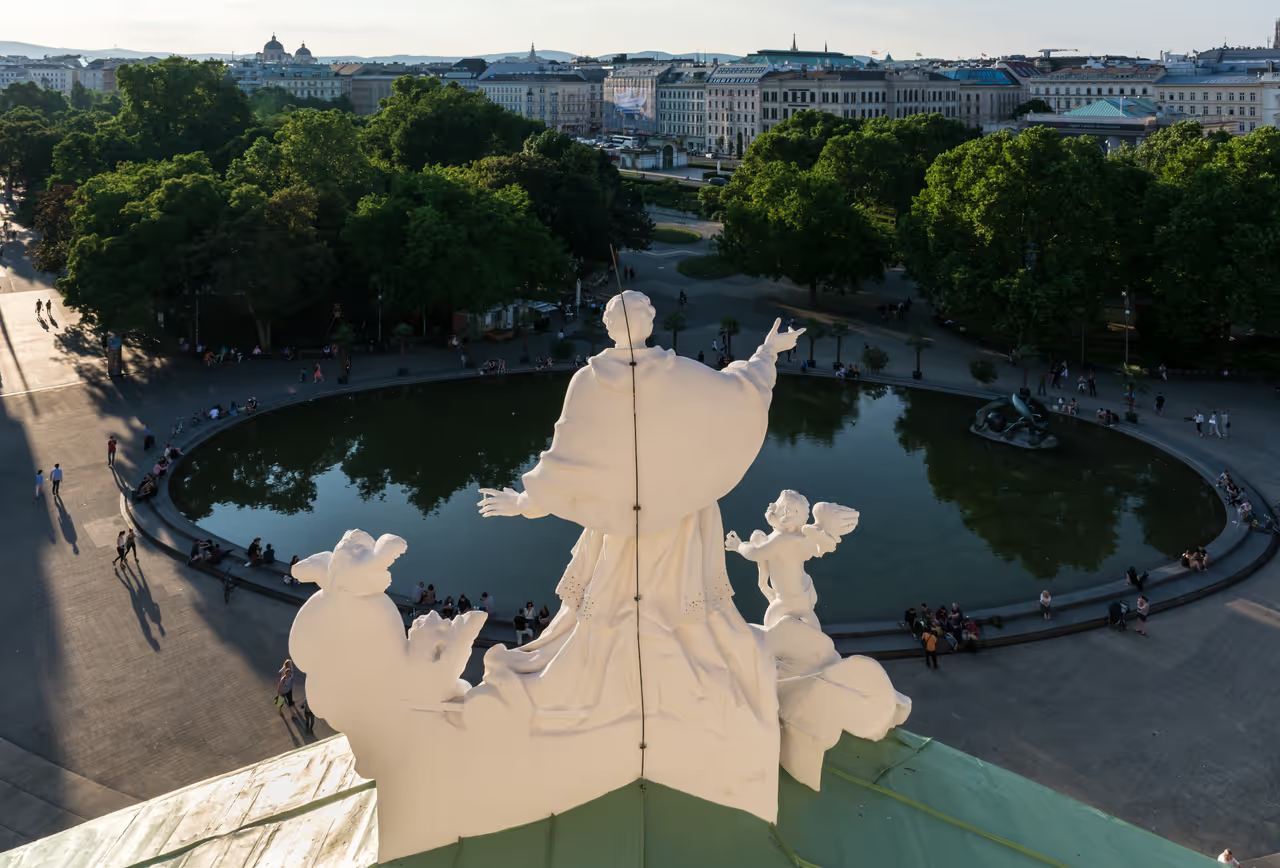
Summer
The city shifts its focus towards the water to combat the occasionally intense heat. The Danube Canal and the Danube Island...
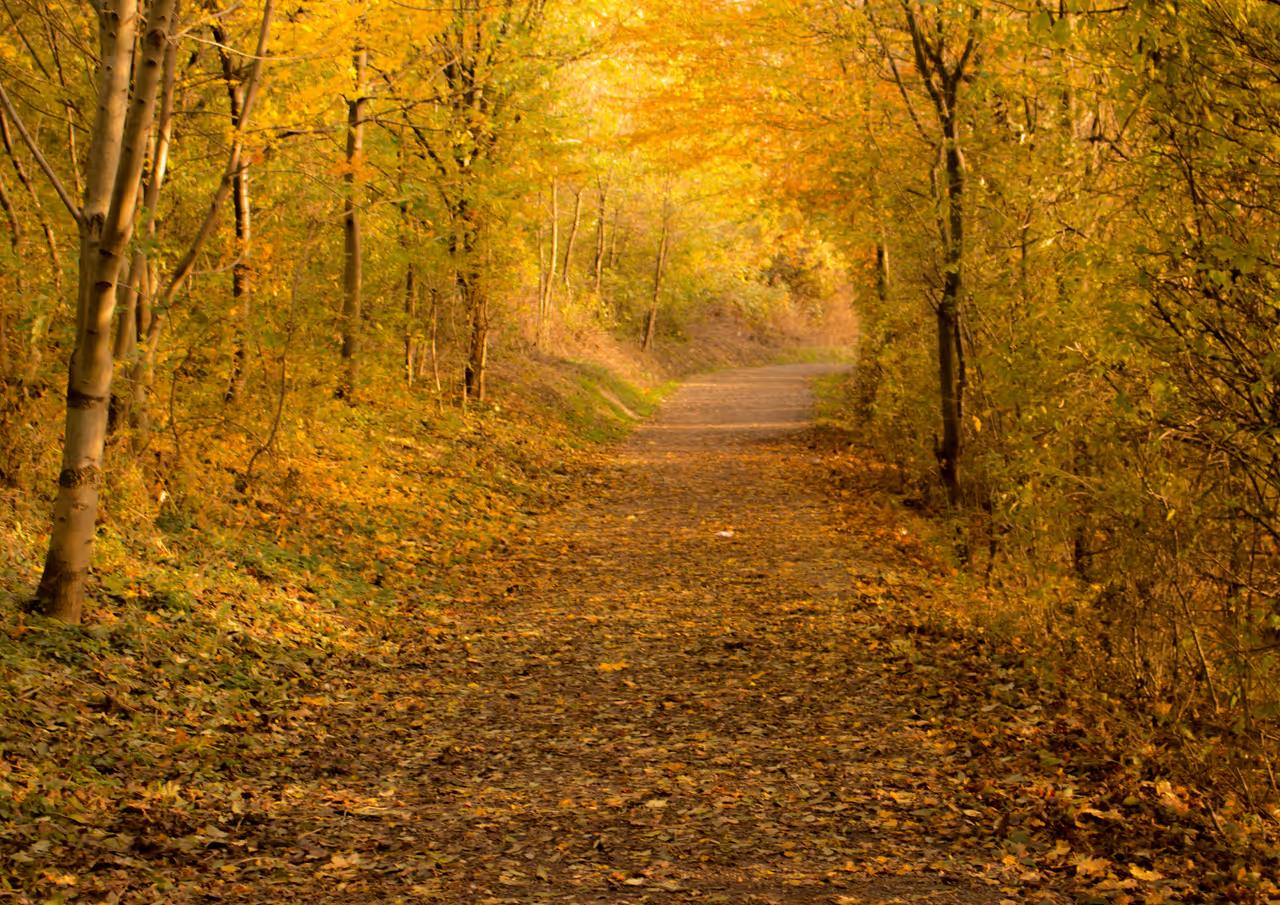
Autumn
The surrounding hills turn spectacular shades of gold and red, making this the absolute best time to explore the city's...
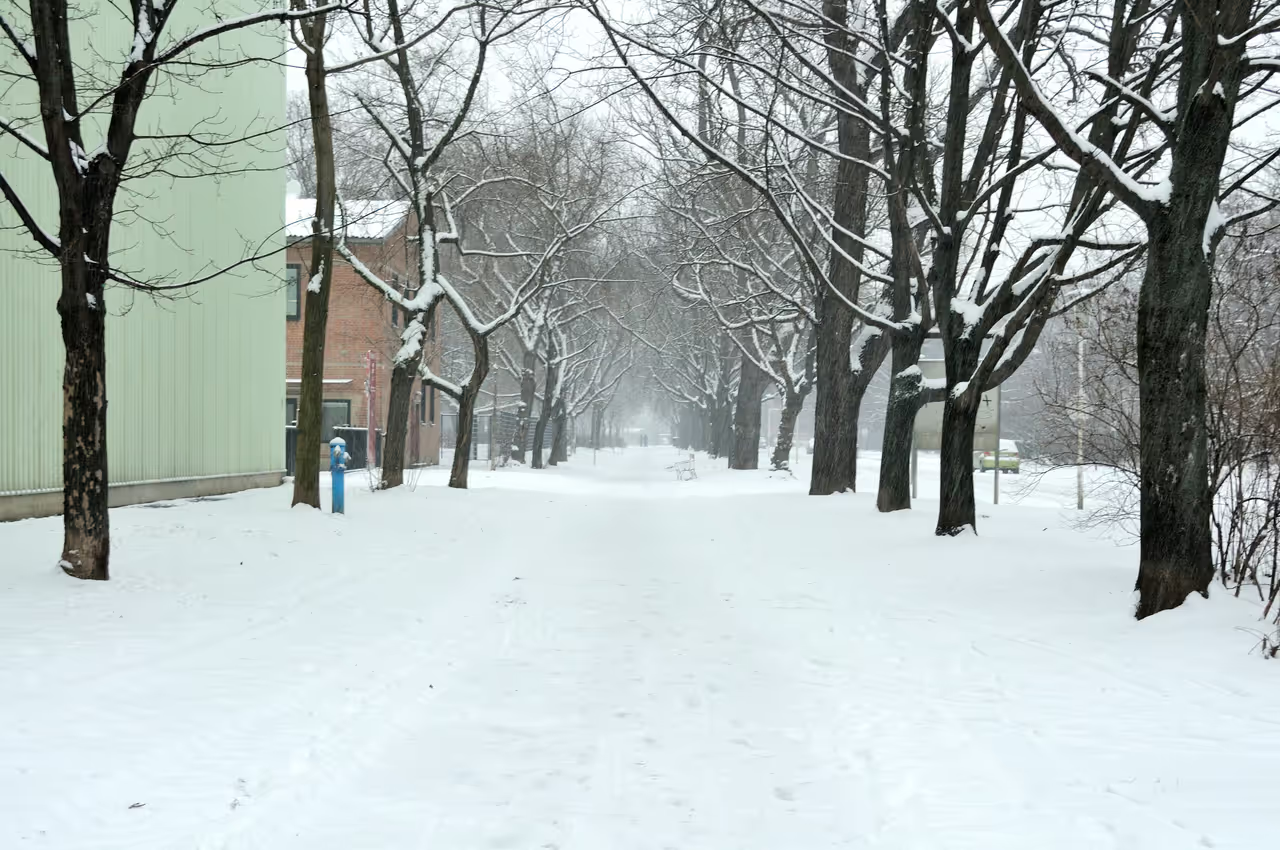
Winter
The capital truly excels during the colder months, transforming into a deeply romantic, glowing wonderland. World famous...
Top Attractions in Vienna
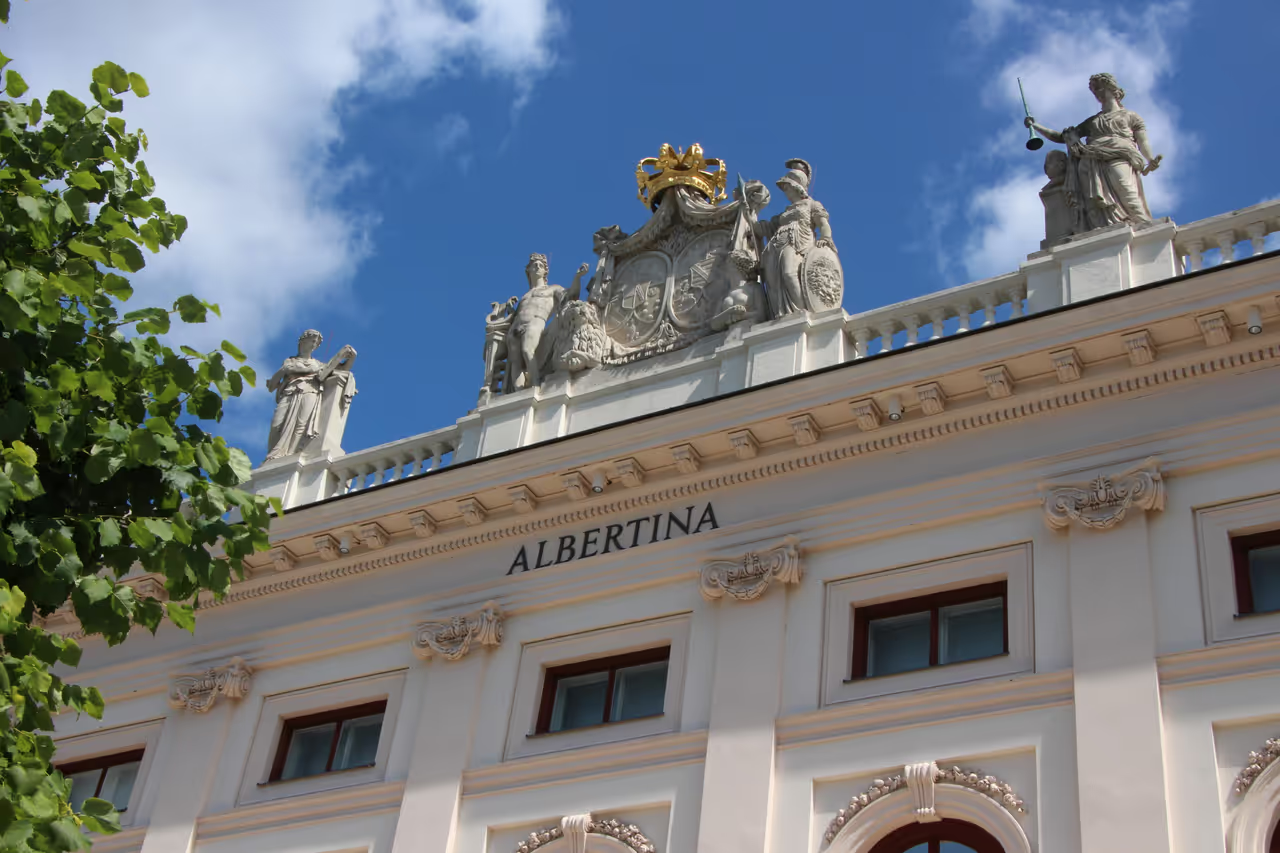
Albertina
The Albertina stands as a jewel in the heart of Vienna, offering visitors a profound journey through the history of art within...
view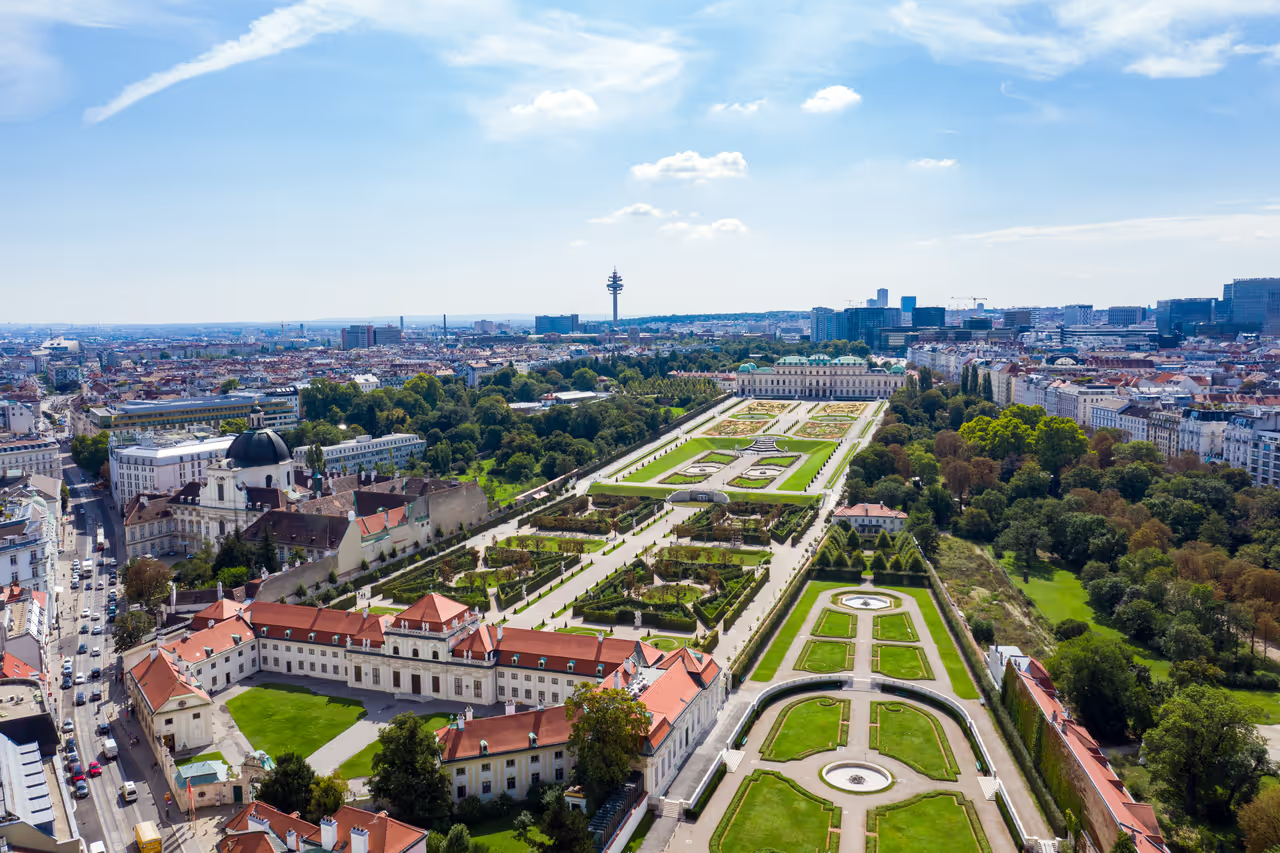
Belvedere
Wander through the spectacular Baroque grounds of the Belvedere, a stunning dual-palace complex that stands as one of Vienna's...
view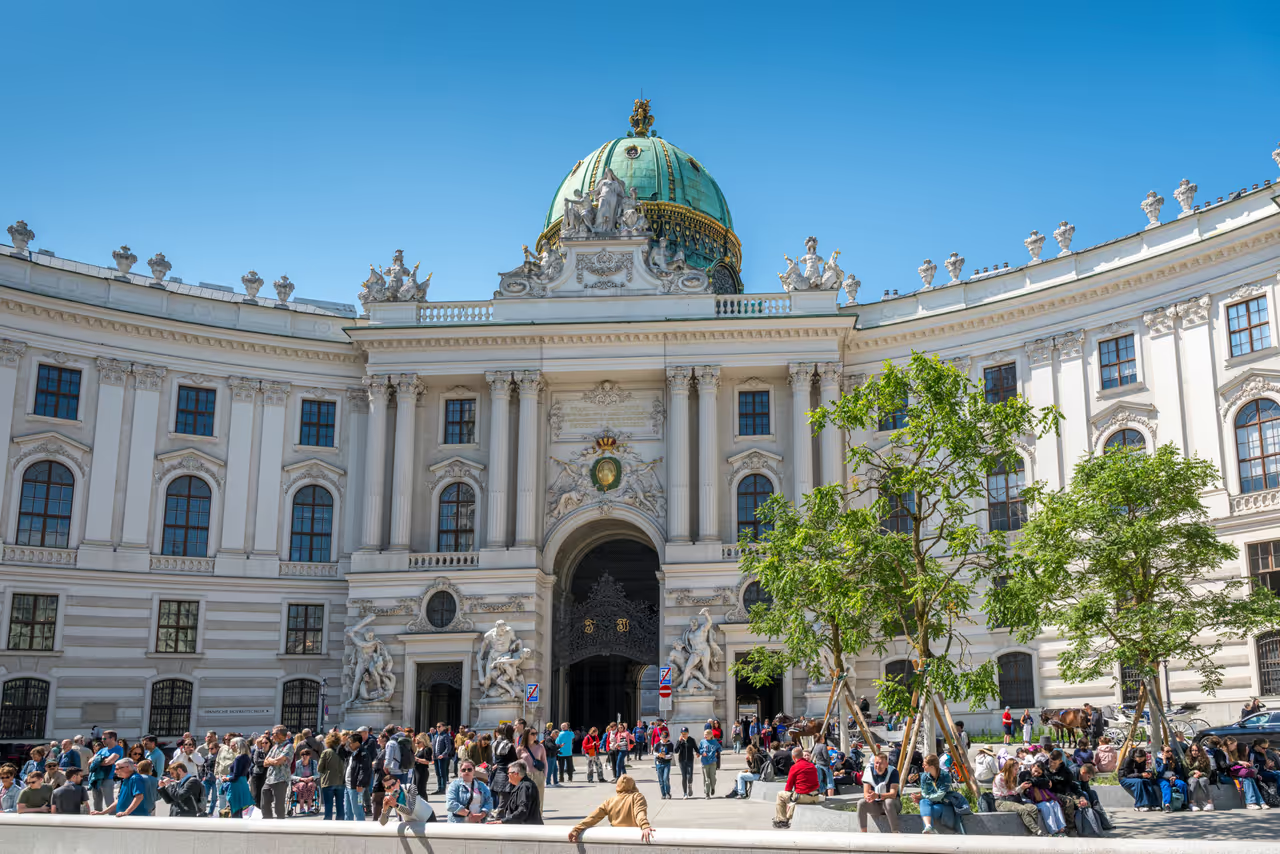
Hofburg
Stepping into the Hofburg is like walking through the very heart of the Habsburg Empire. This sprawling complex is a centuries...
view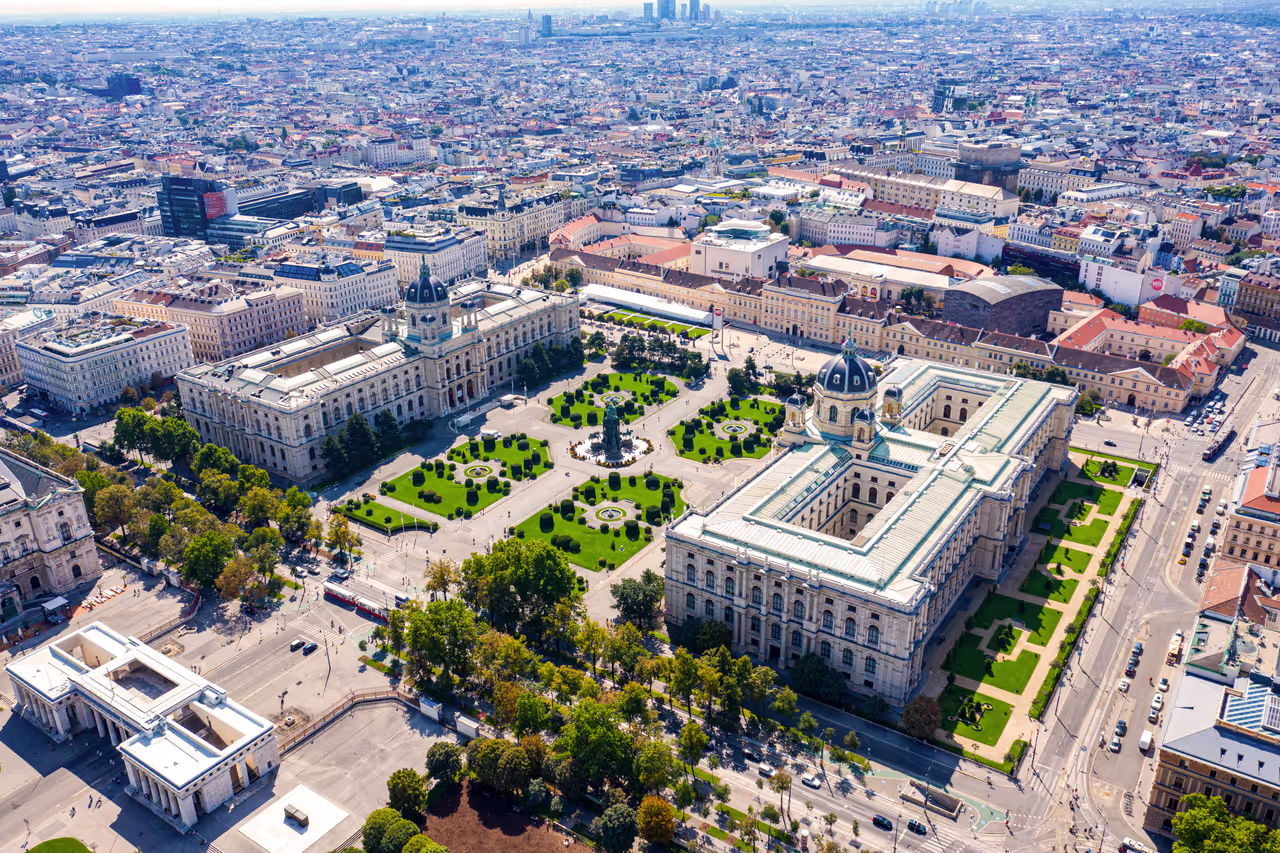
Kunsthistorisches Museum
Step into a world of imperial grandeur at one of the world's most spectacular art museums. Crowned with an iconic octagonal...
view
Best Views
Vienna Itineraries
TRIP PLANNER
4 Days Recommended
Four days allow you to explore the central historic district, visit a major palace like Schönbrunn, and spend time in the world class museums without feeling rushed. It gives you enough evening opportunities to enjoy the opera or a classical concert. You will also have a spare afternoon to venture into the vineyards or the Vienna Woods.
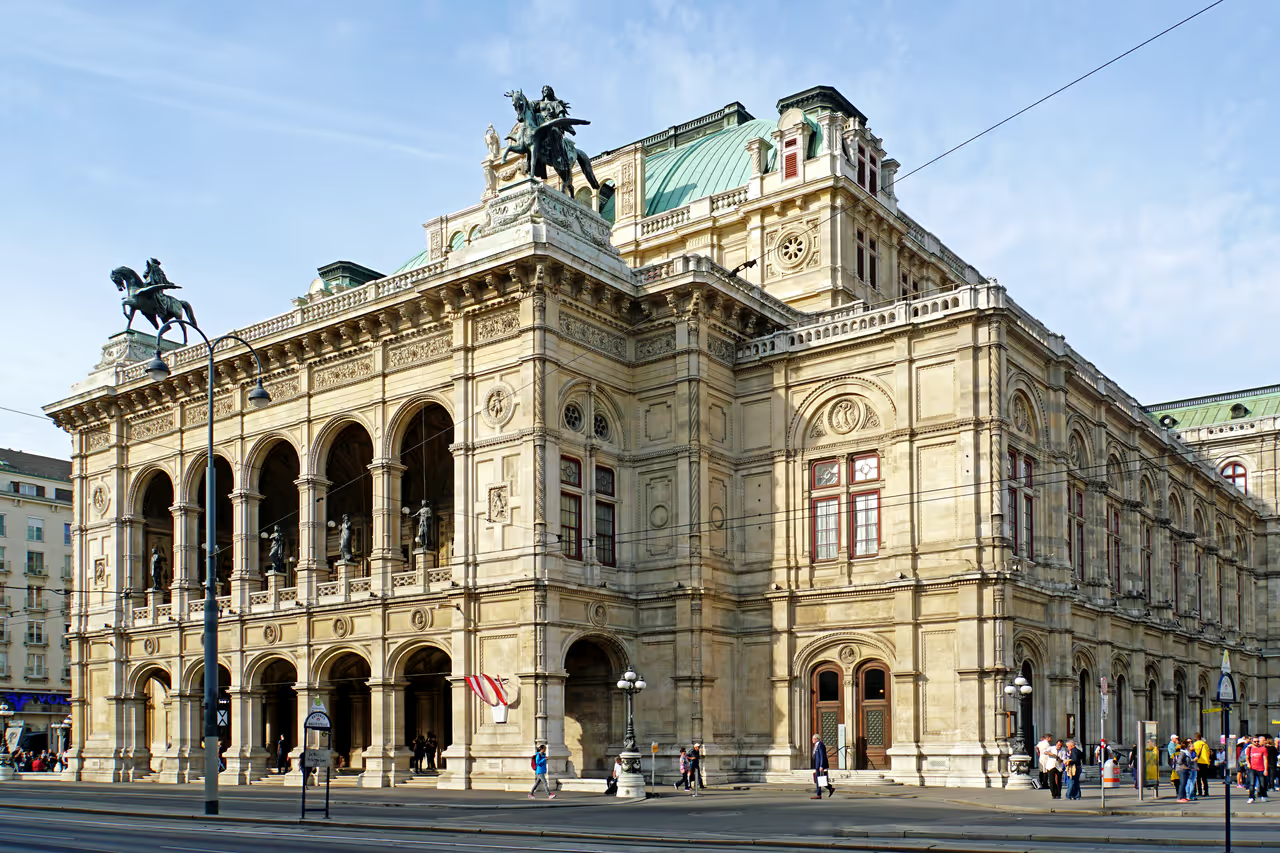
1 Day in Vienna Itinerary
If you only have one day, this highly concentrated plan focuses entirely on the historic core and the grandest symbols of the former empire. You will witness the immense scale of the Habsburg legacy and experience the classic coffee house culture. It is a fast paced but visually rewarding introduction to the capital.
view itinerary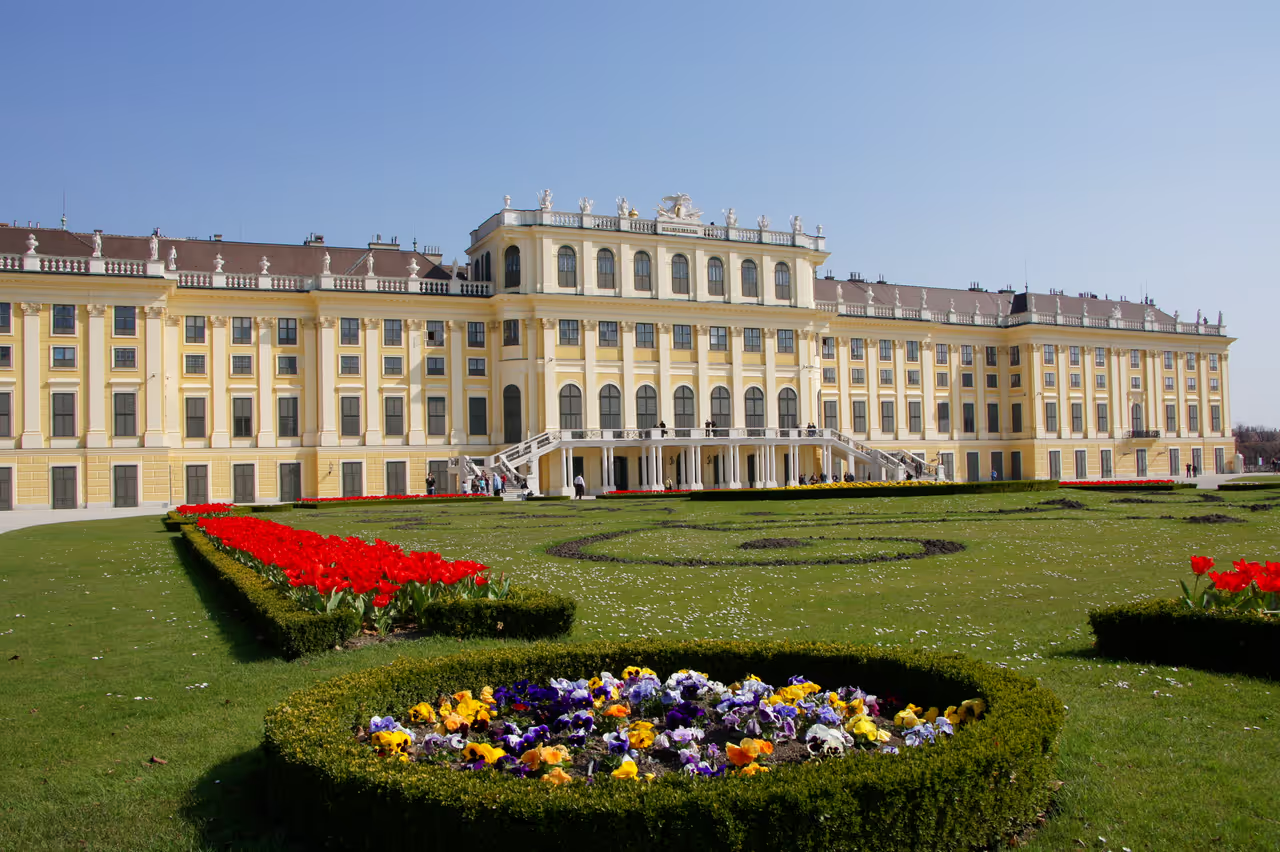
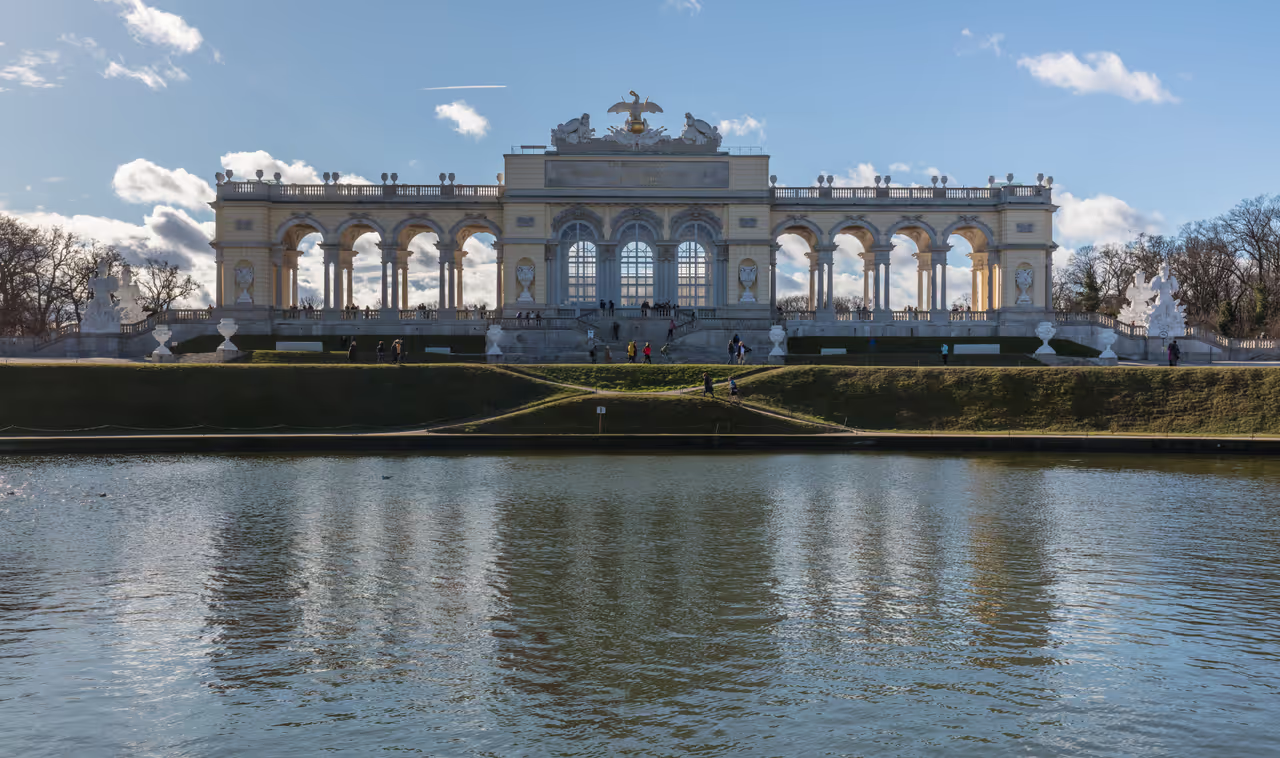
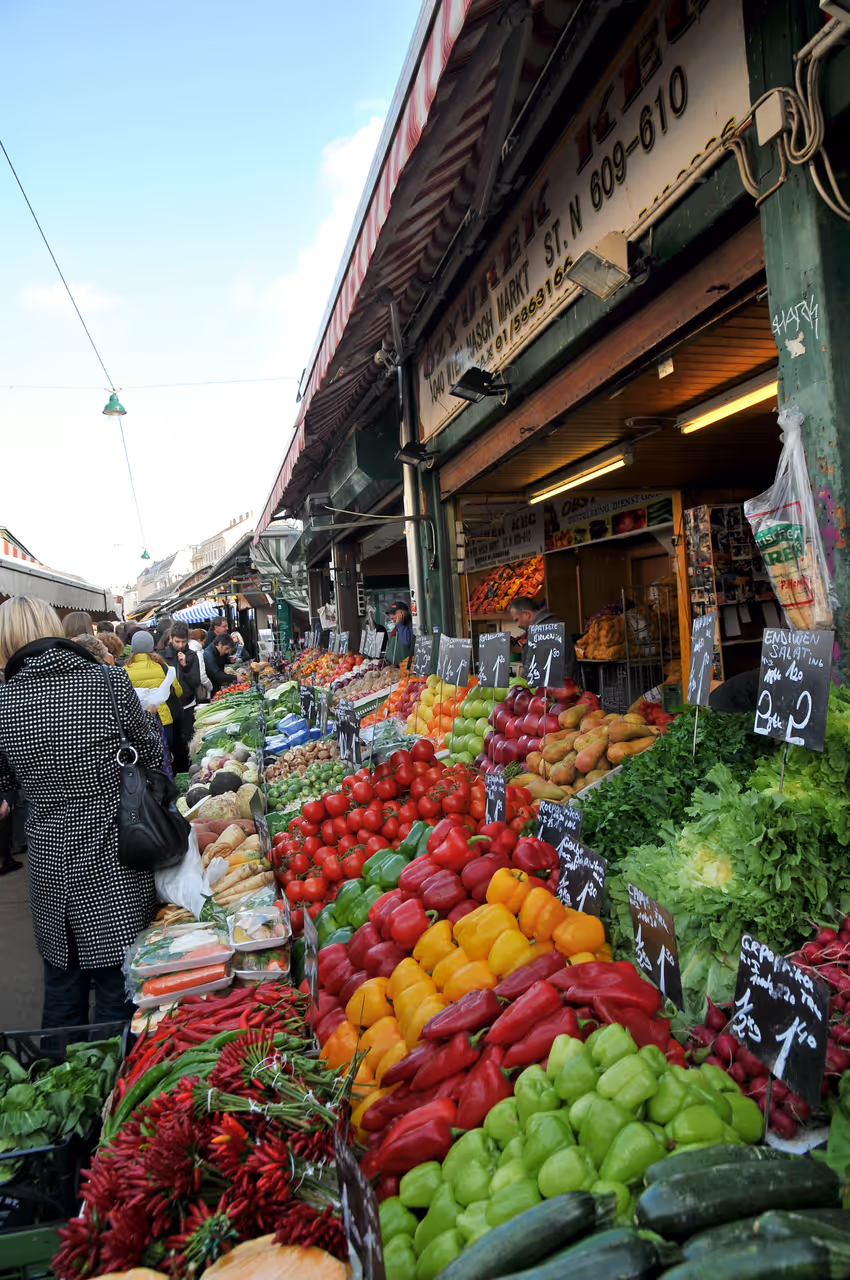
3 Days in Vienna: Culture and History Itinerary
This balanced itinerary allows you to explore the dense inner city, the sprawling summer palaces, and the renowned art collections. You will experience the city's unique culinary scene and view its iconic skyline from multiple perspectives. It offers a well rounded view of the classical and the quirky sides of the capital.
view itinerary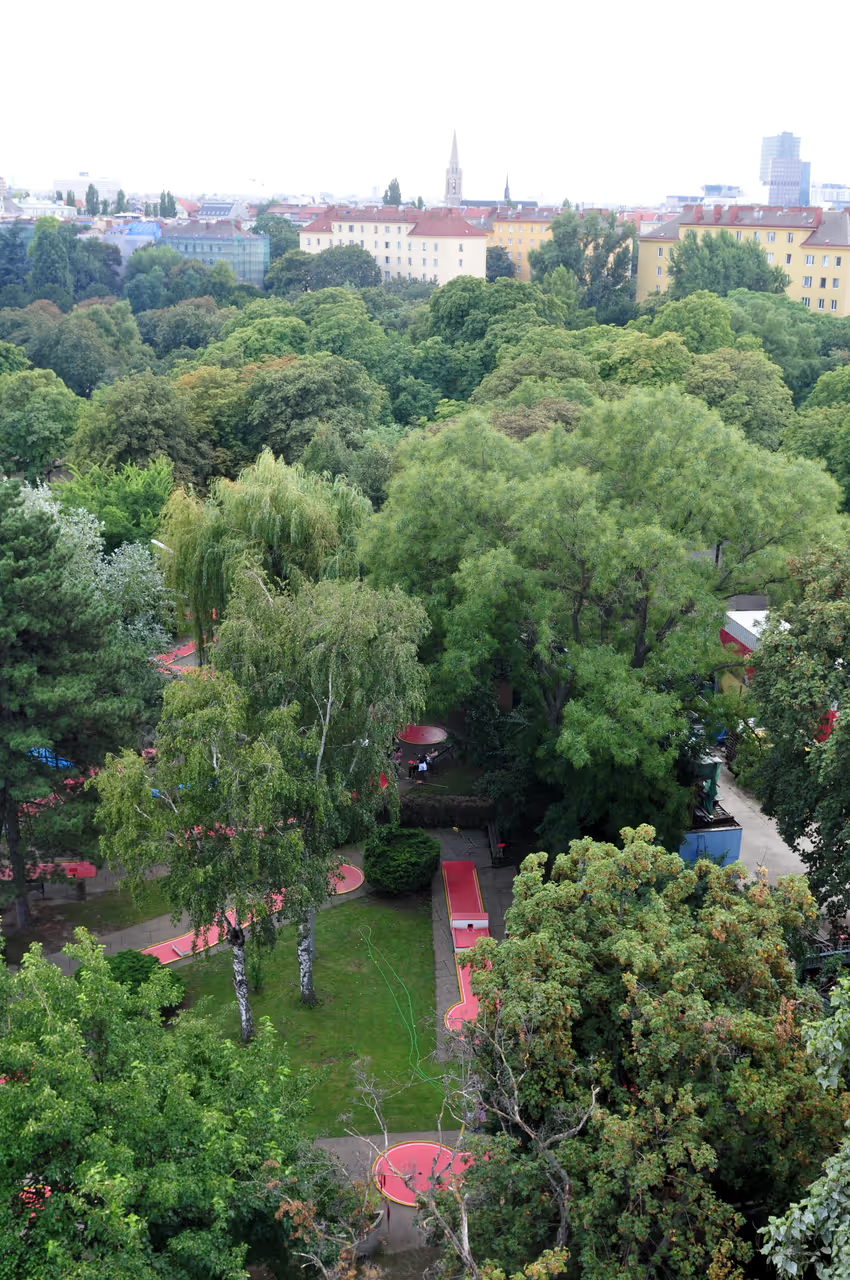
5 Days in Vienna: In-Depth Experience Itinerary
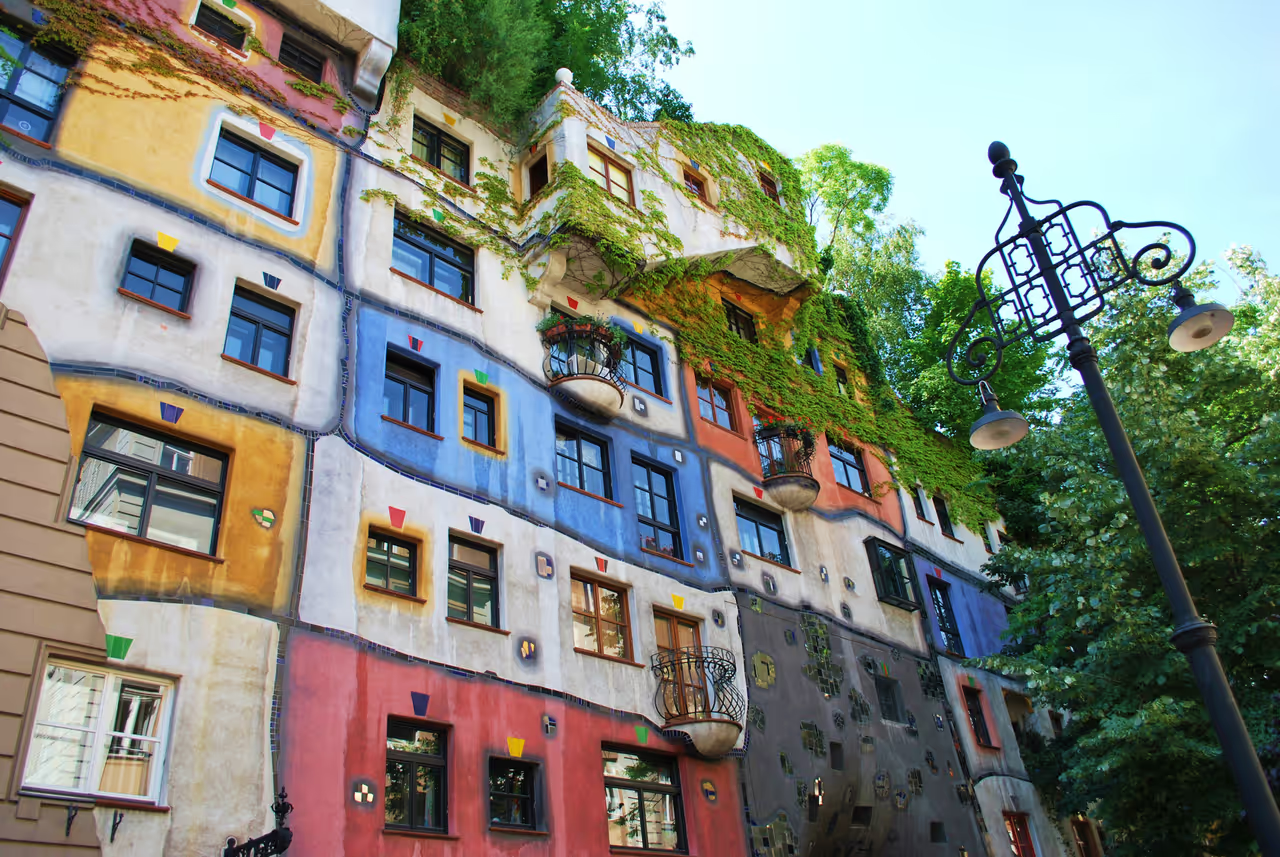
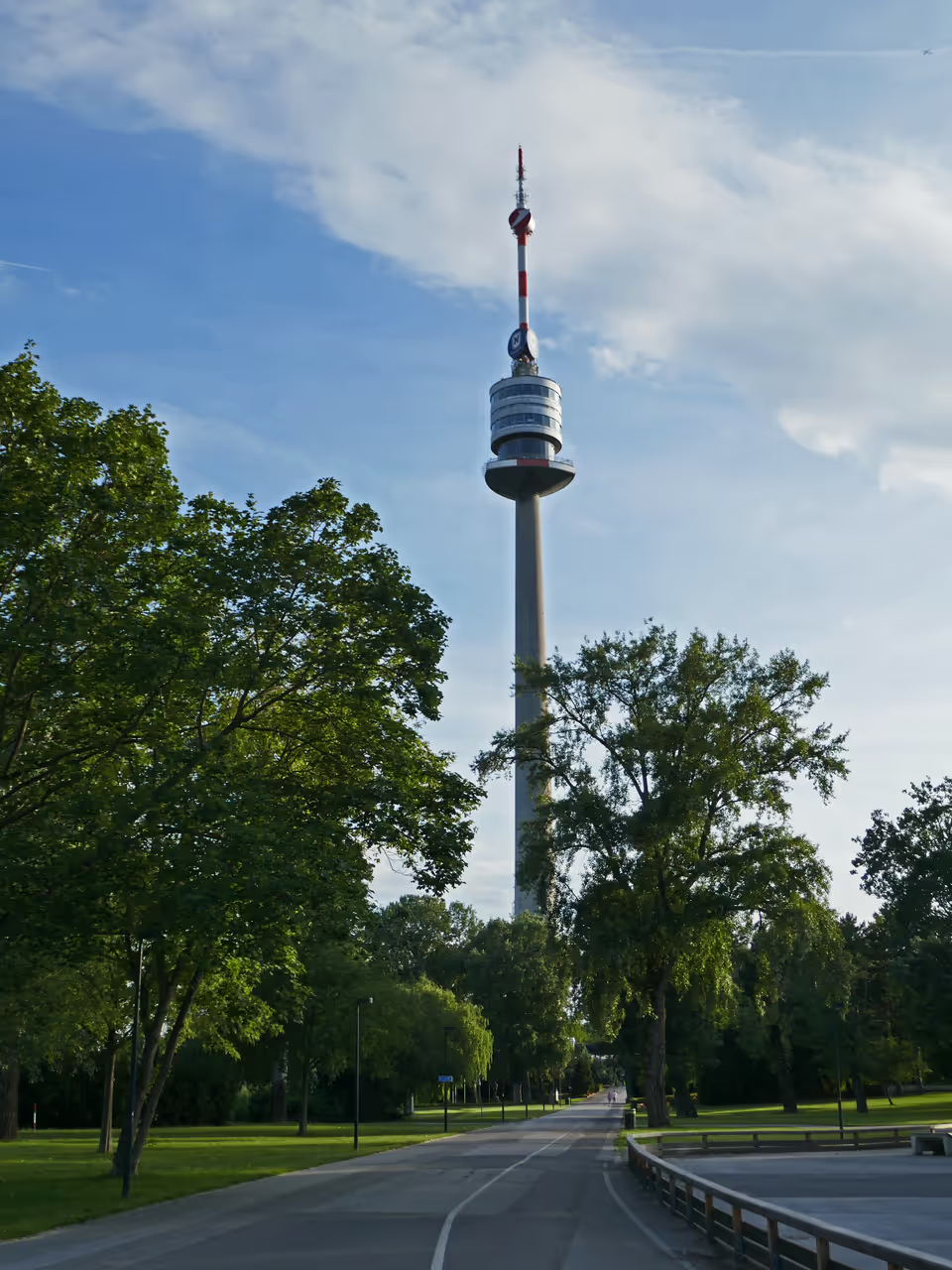
A comprehensive journey that moves beyond the typical tourist sights to include modernist architecture, natural escapes, and contemporary culture. This plan gives you time to appreciate the city's green spaces, relax in its historic cemeteries, and explore the riverfront. It is the ultimate way to understand how the capital functions today.
view itinerary
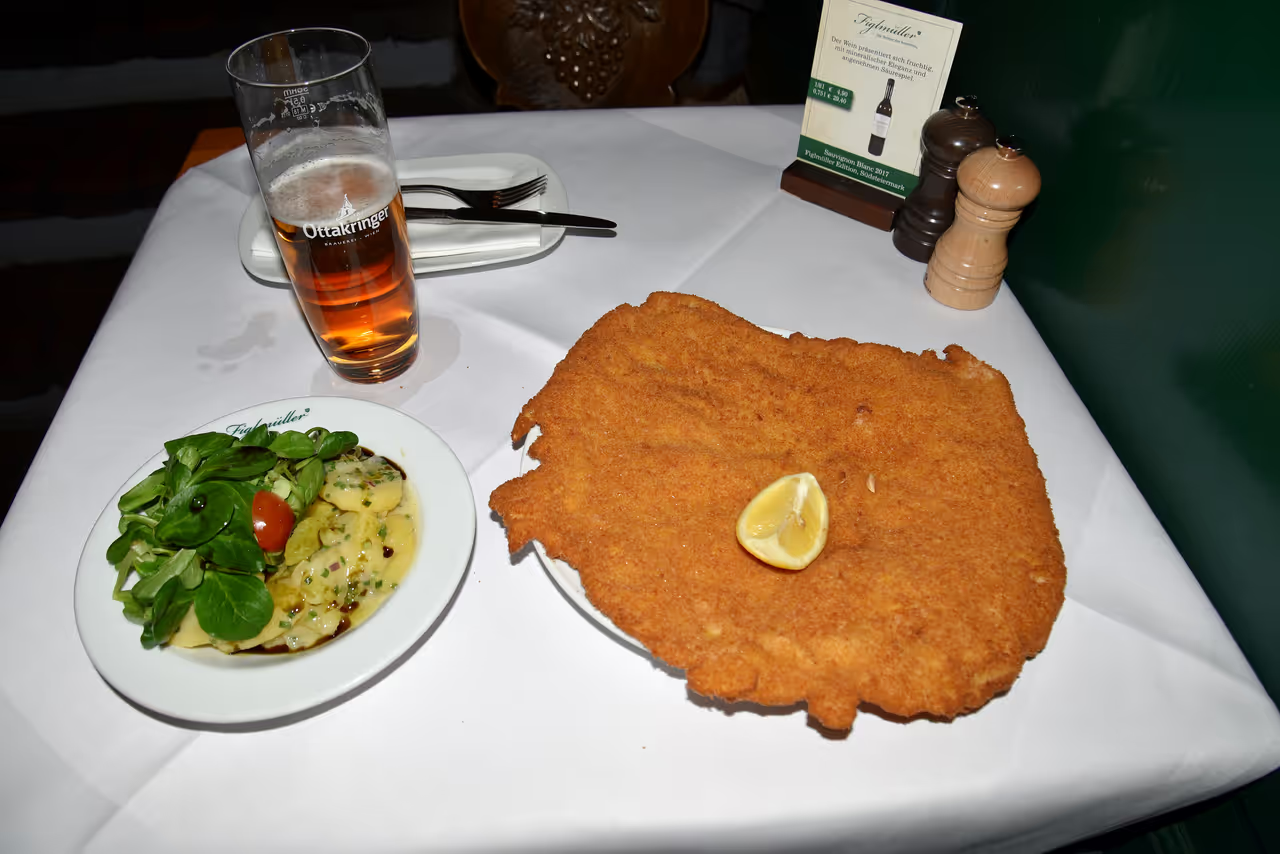
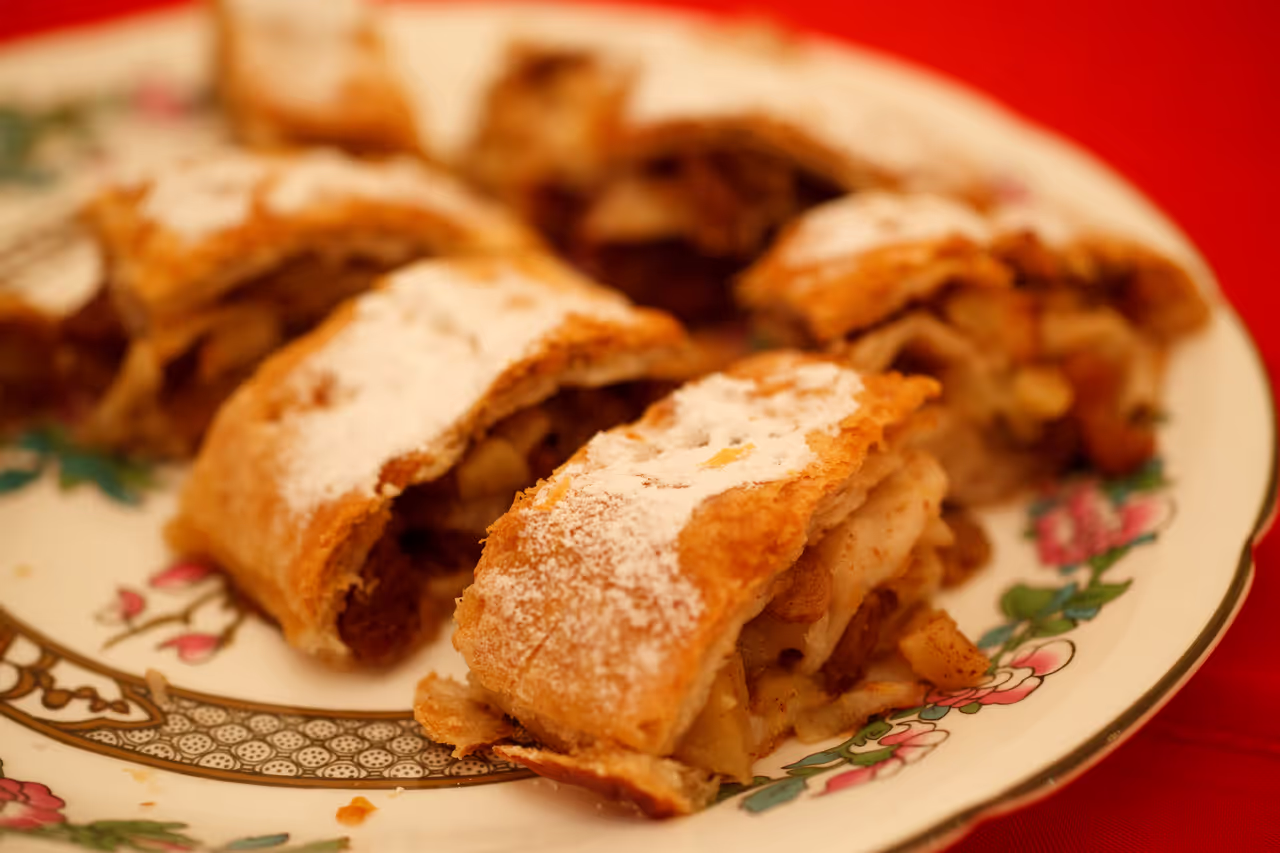
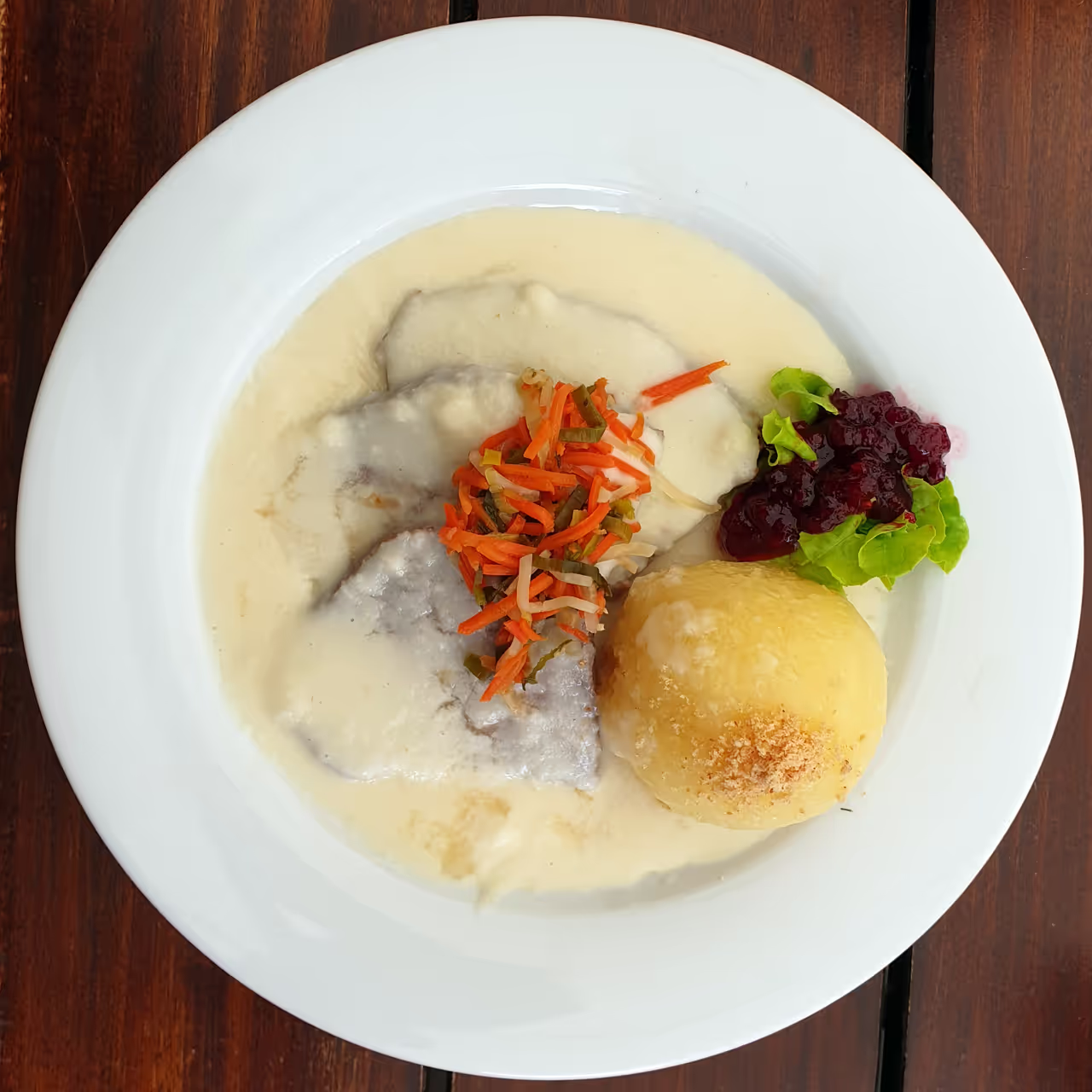
Food in Vienna
UNESCO World Heritage Sites
Innere Stadt
The Innere Stadt is the beating heart of the Austrian capital, where centuries of imperial grandeur meet modern urban vibrancy...
viewSchönbrunn Palace
Schönbrunn Palace is the crown jewel of Vienna, offering a breathtaking glimpse into the opulent world of the Habsburg monarchs...
view
Free Things to do in Vienna
Parks & Nature
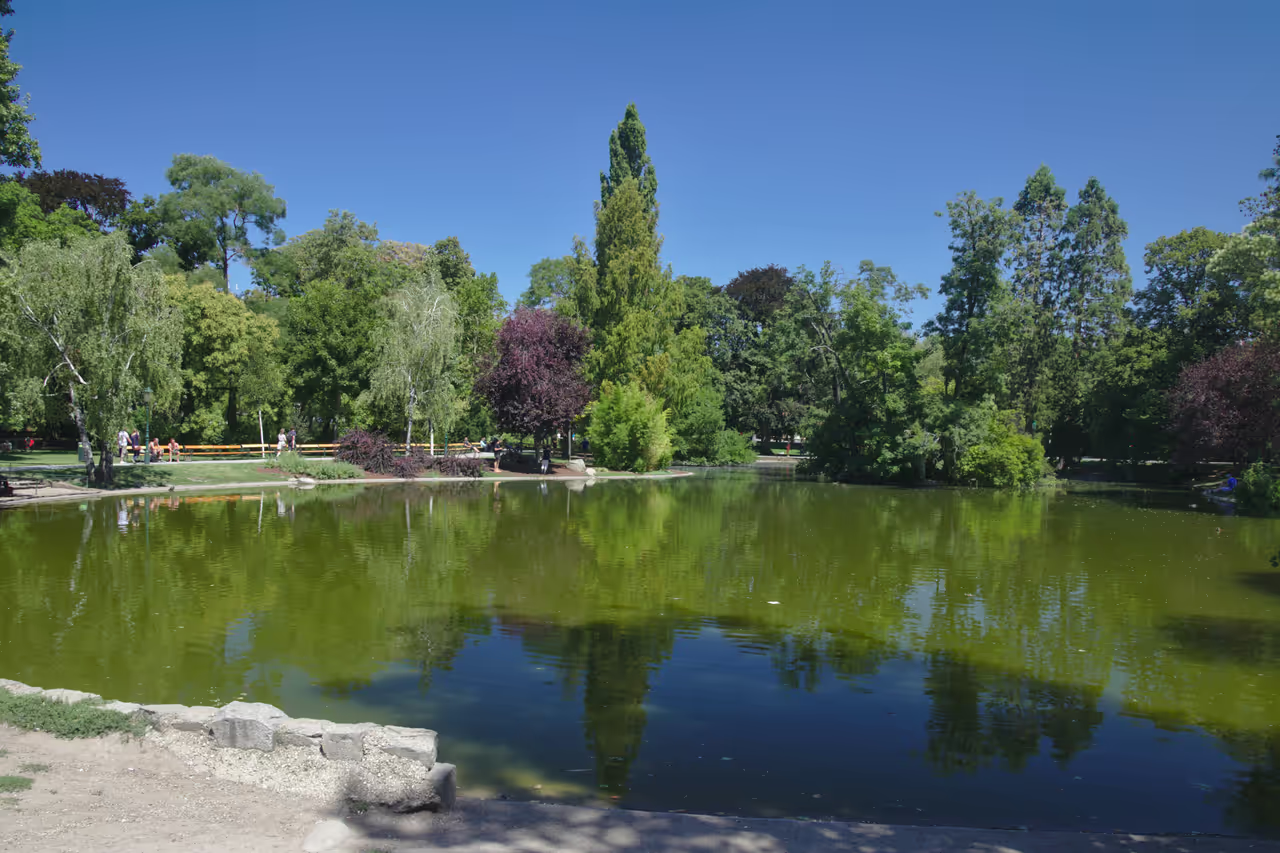
Stadtpark
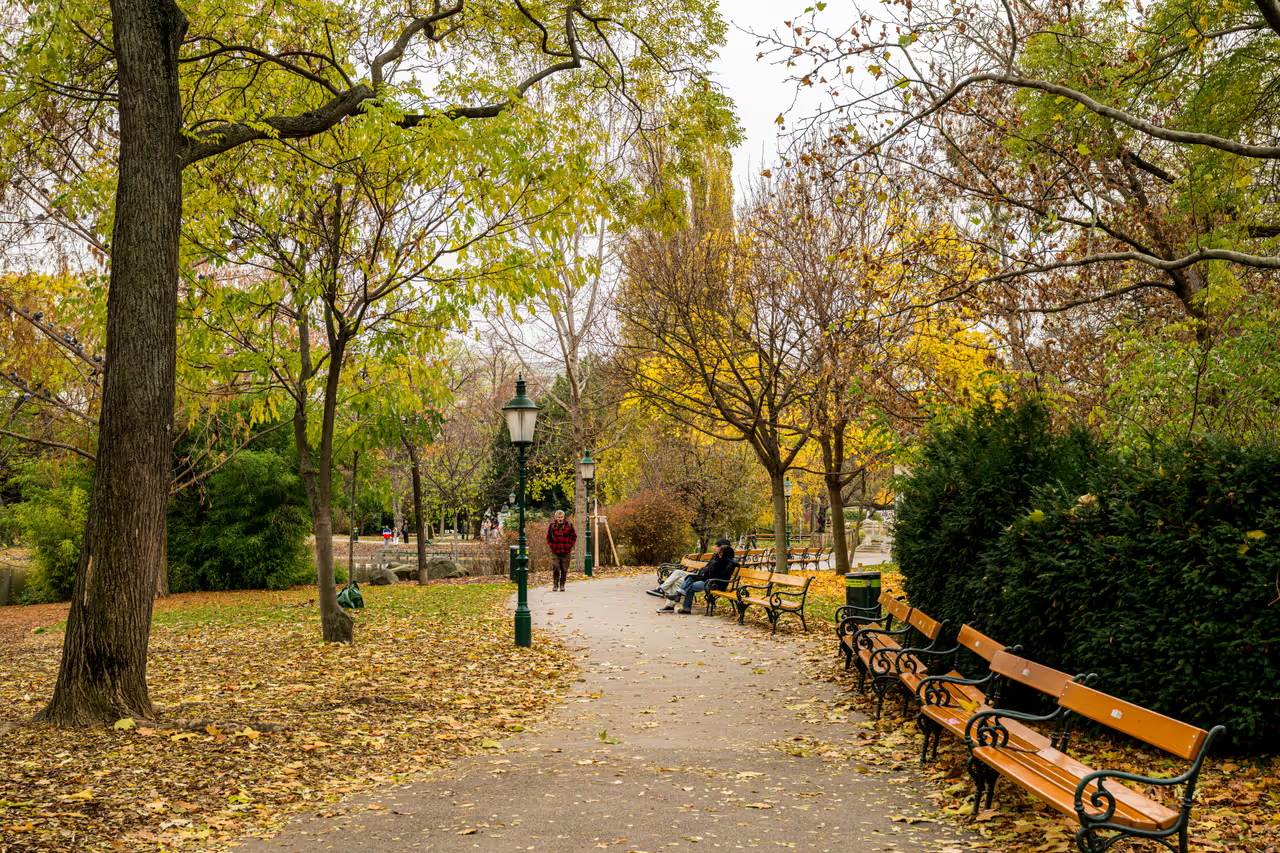
Vienna Stadtpark is a lush sanctuary that serves as the green heart of the city, stretching elegantly from the famous...
view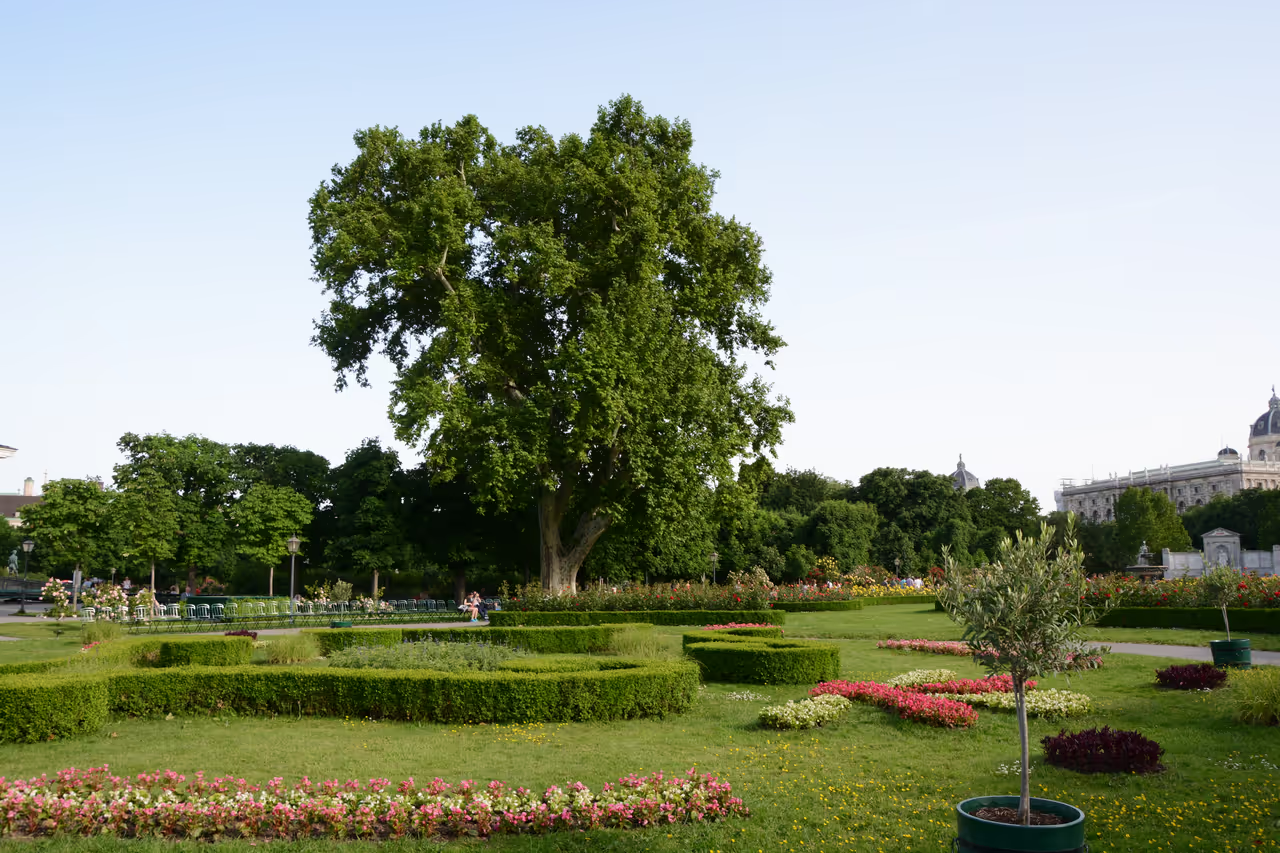
Volksgarten
The Volksgarten stands as Vienna’s first public park and a living masterpiece that showcases the city’s ability to turn military...
view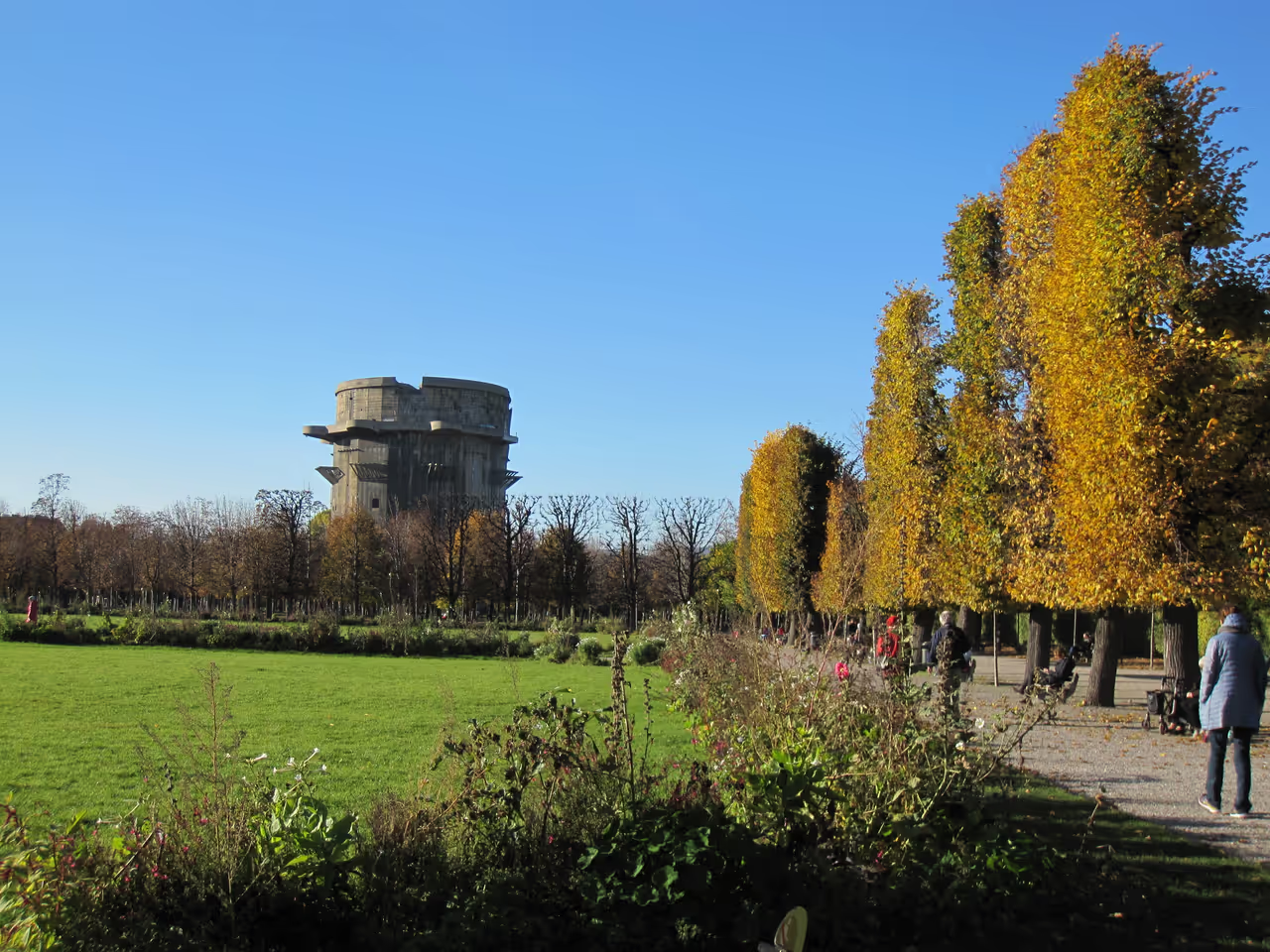
Augarten
The Augarten serves as a serene escape from the typical tourist trails, offering a fascinating glimpse into Vienna's...
view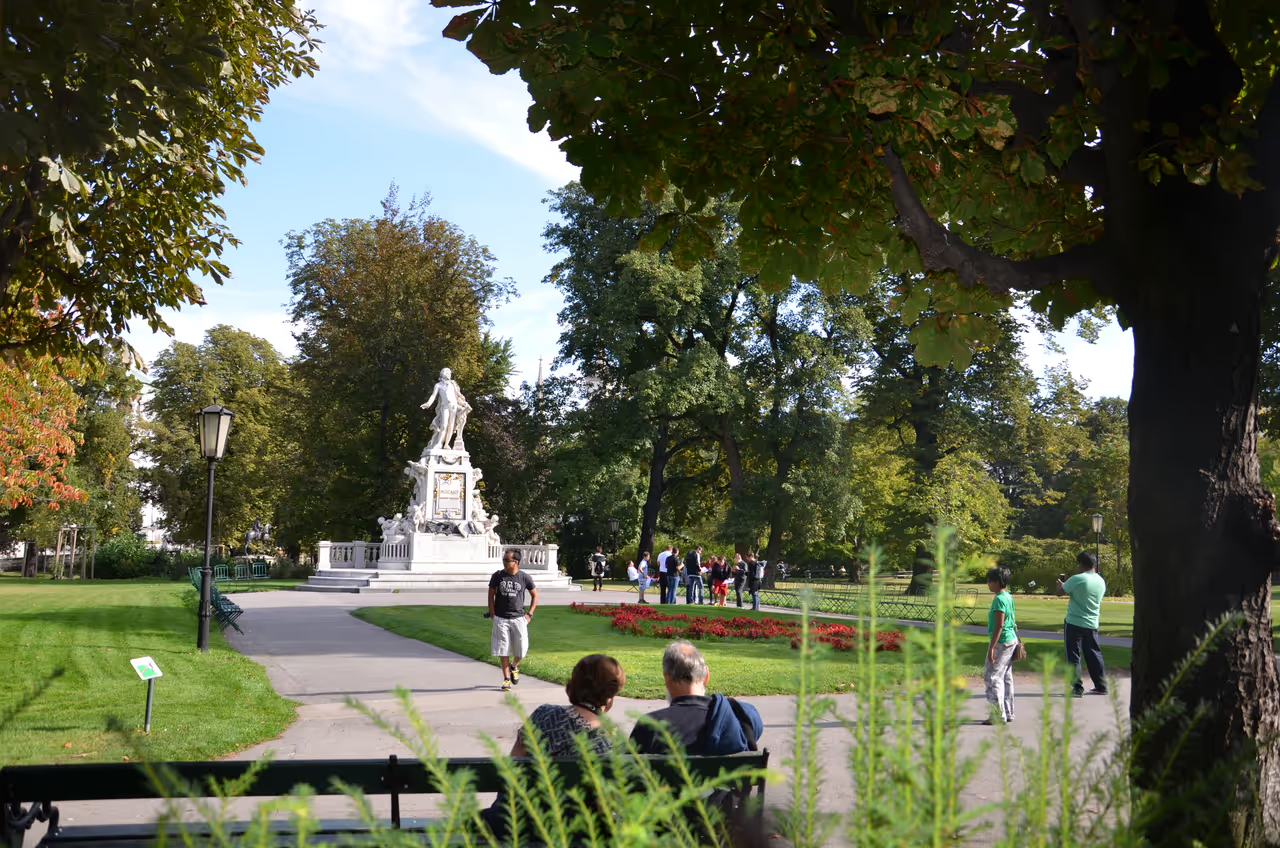
Burggarten
The Burggarten stands as a serene imperial retreat located right in the heart of the city, offering a lush escape from the paved...
view
Highlights & Must-Sees
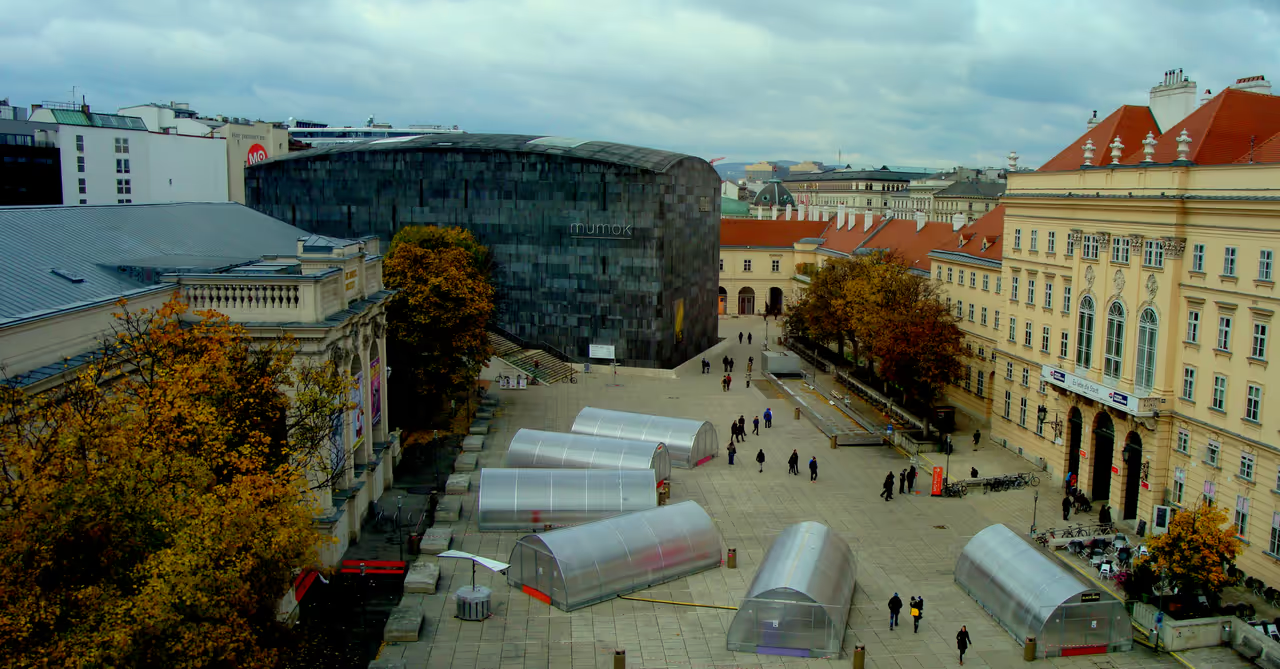
MuseumsQuartier
Housed in the former imperial stables, this massive complex is now one of the largest districts for contemporary art and culture...
view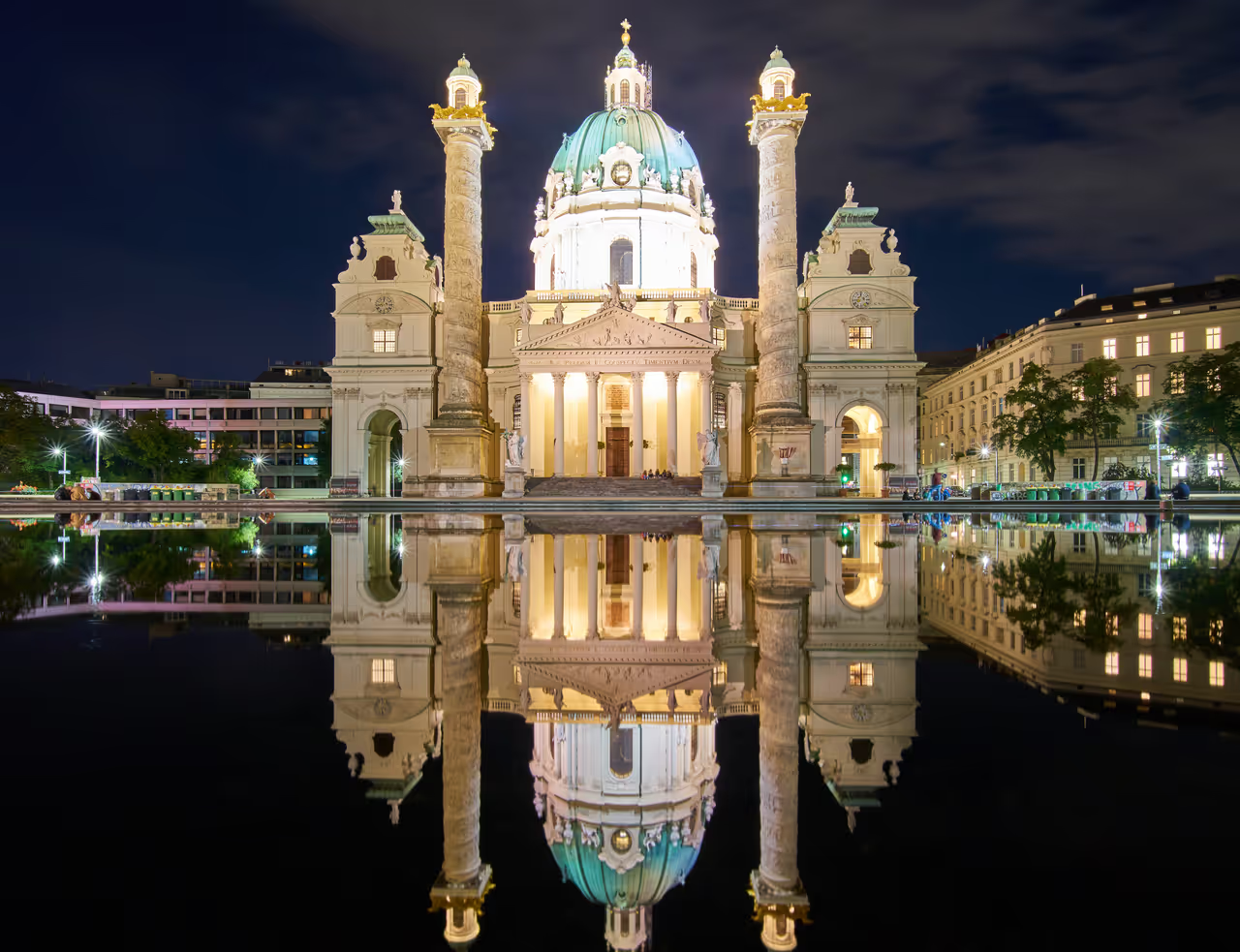
St. Charles Church
Considered the most outstanding baroque church in the city, its massive green dome and twin spiralling columns dominate the...
view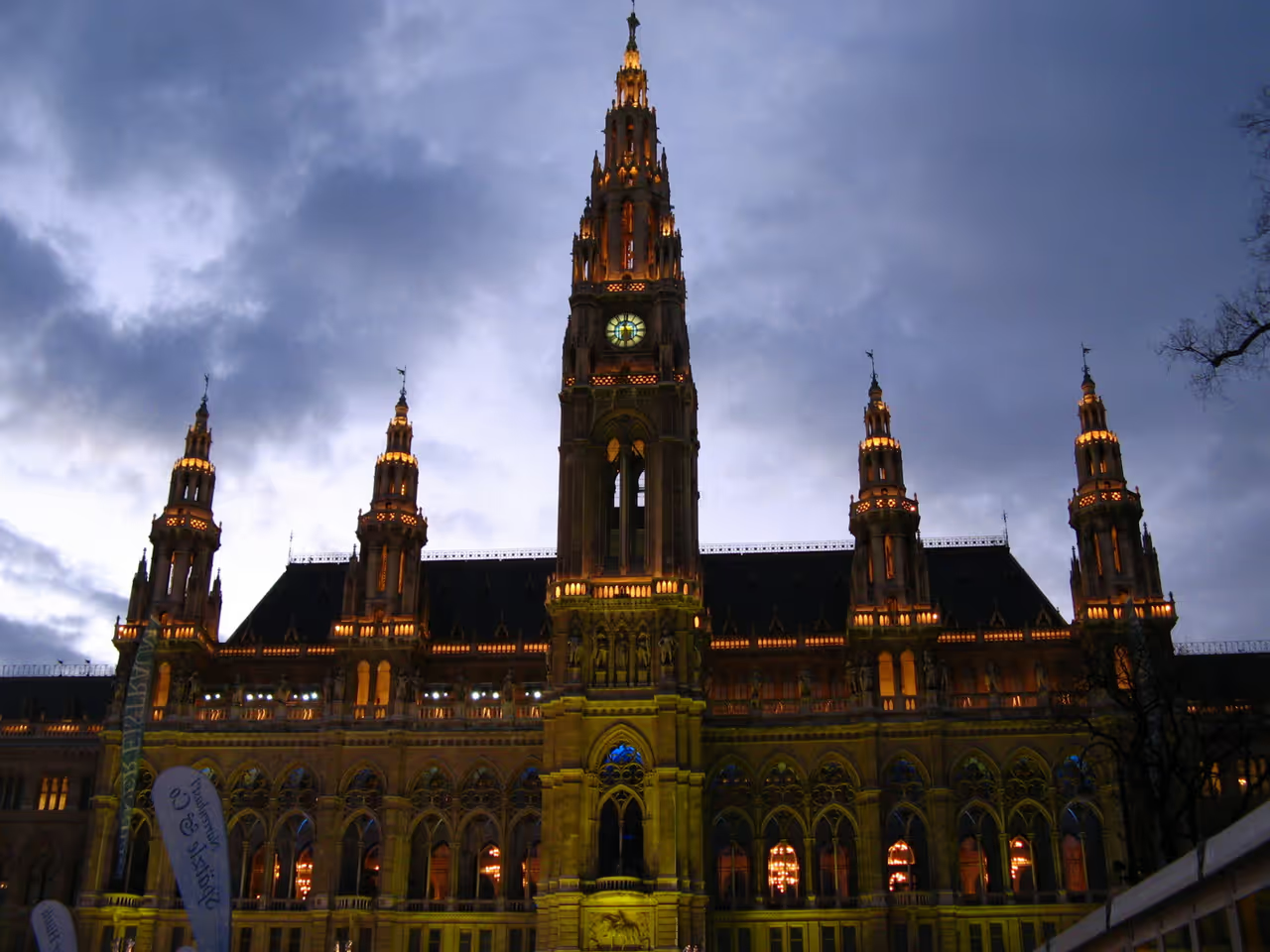
Vienna City Hall
This spectacular neo-Gothic administrative centre was built in the late nineteenth century to reflect the growing power of the...
viewVienna State Opera
This is one of the most prestigious opera houses in the world, renowned for its unparalleled acoustics and formidable daily...
view
Best Walks in Vienna
- HIGHLY RECOMMENDED
Historic Inner City
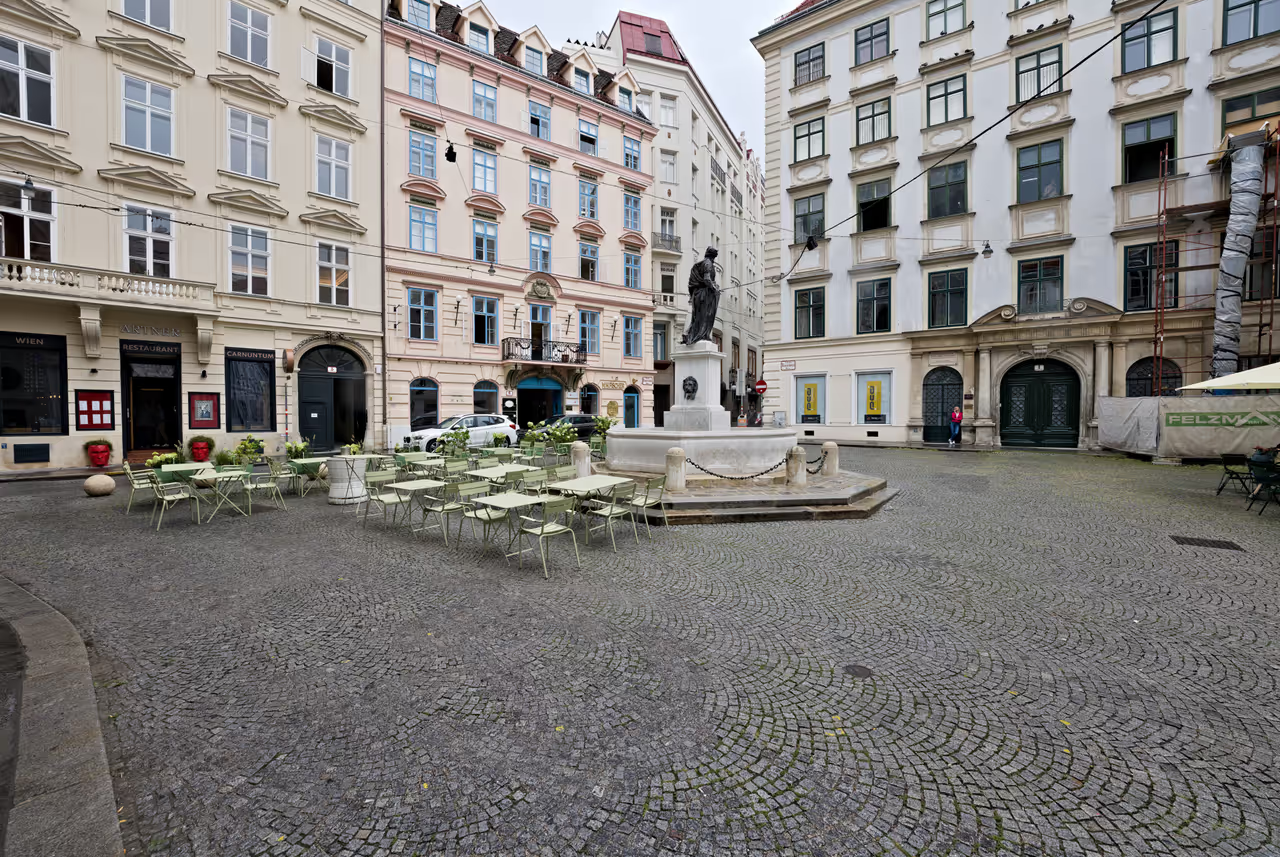
A captivating walk through the pedestrianised core of the ancient city. You will wander past luxury boutiques, monumental churches, and sprawling palace complexes. It is a journey through cobblestone streets that reveal the immense wealth and power of the former empire.
- HIGHLY RECOMMENDED
Schönbrunn Gardens Walk
Immerse yourself in the manicured perfection of these imperial summer gardens. The vast parkland features sculpted hedges, mythological fountains, and expansive gravel paths. It is a stunning display of baroque landscaping designed to showcase the dominance of nature by royalty.
Danube Canal Promenade
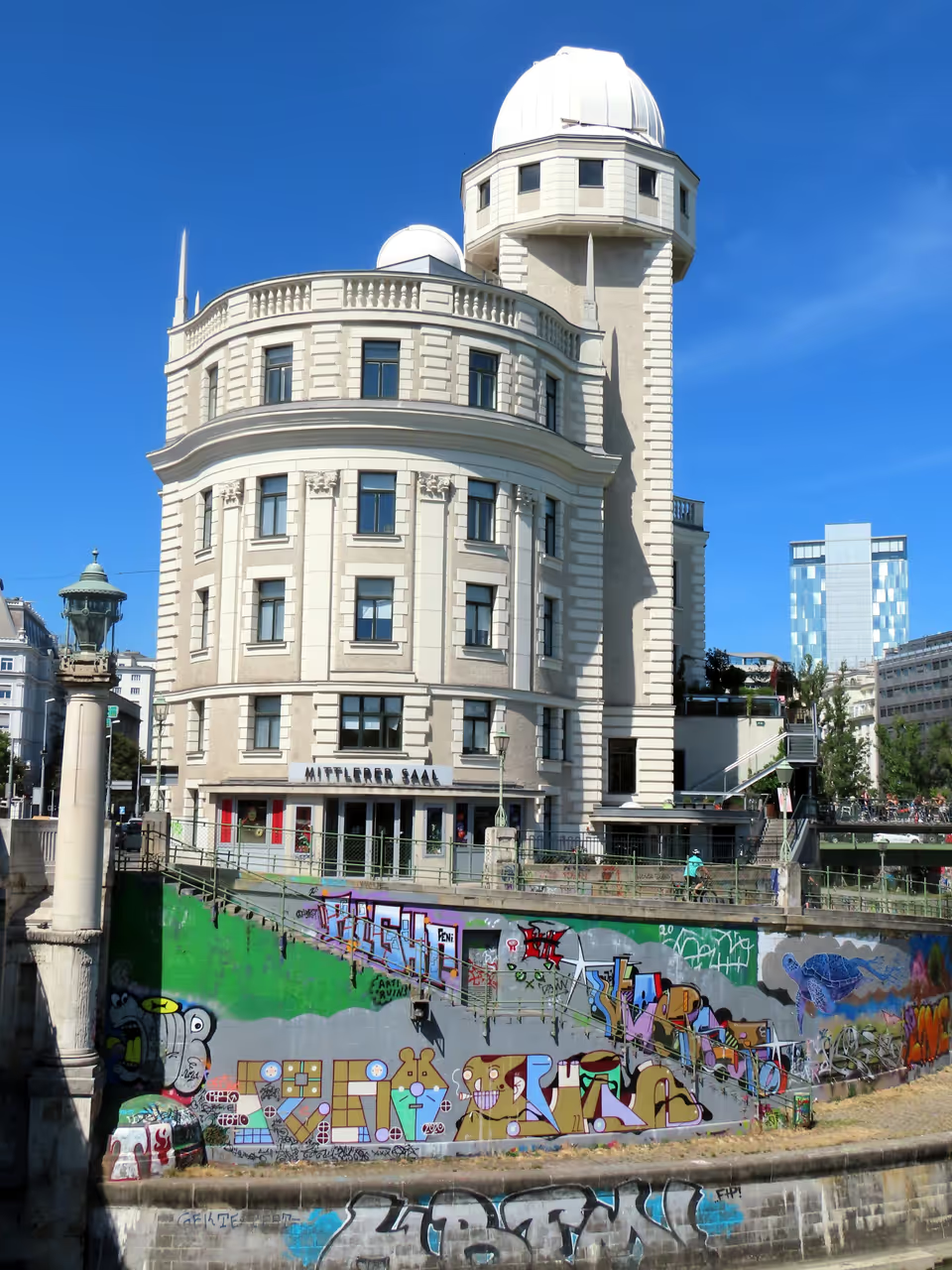
A vibrant walk along the sunken concrete banks of the regulated river channel that borders the old town. This area pulses with contemporary urban energy, covered in ever changing graffiti and lined with pop up venues. It showcases the gritty, modern counterculture thriving just steps away from classical monuments.
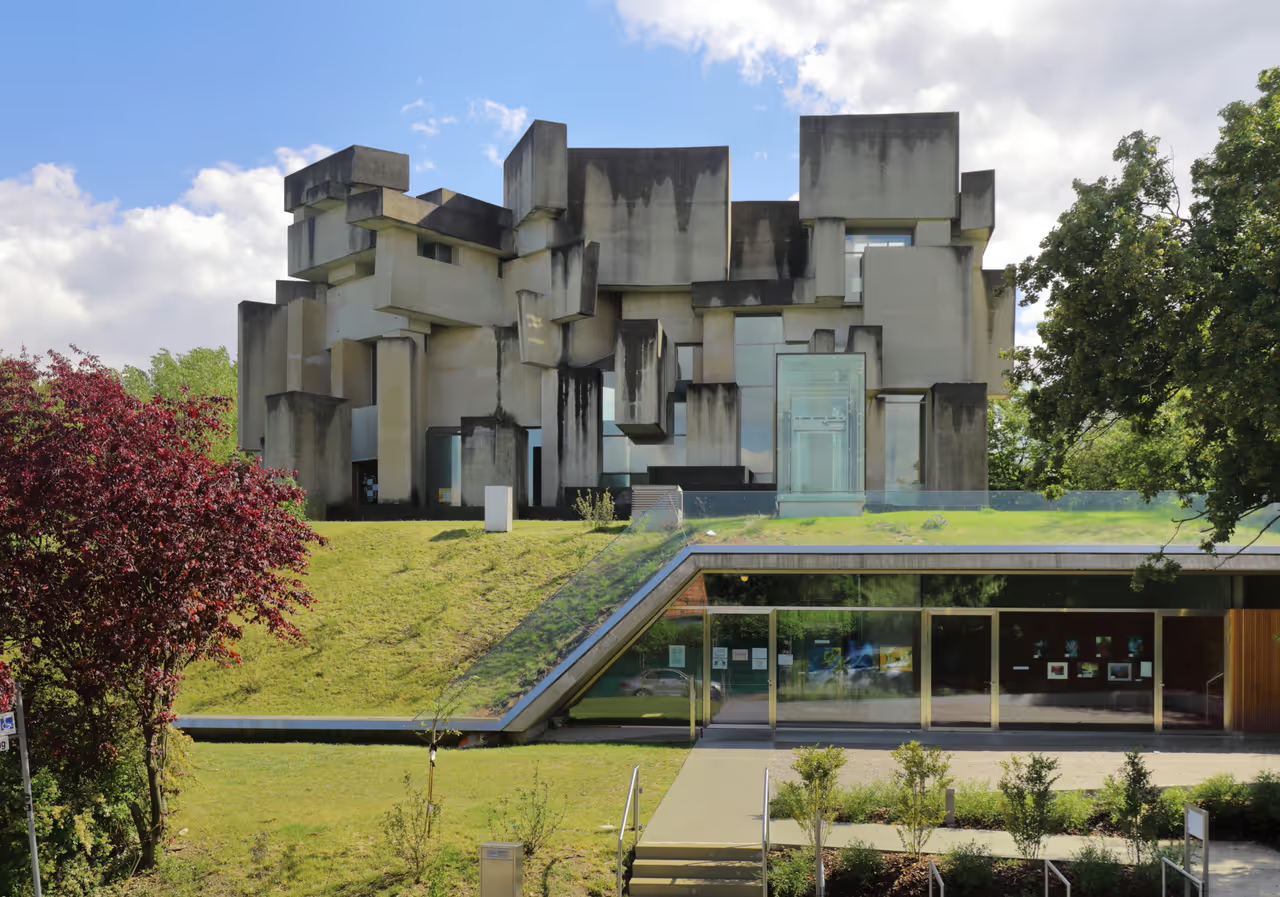
Architecture & Landmarks
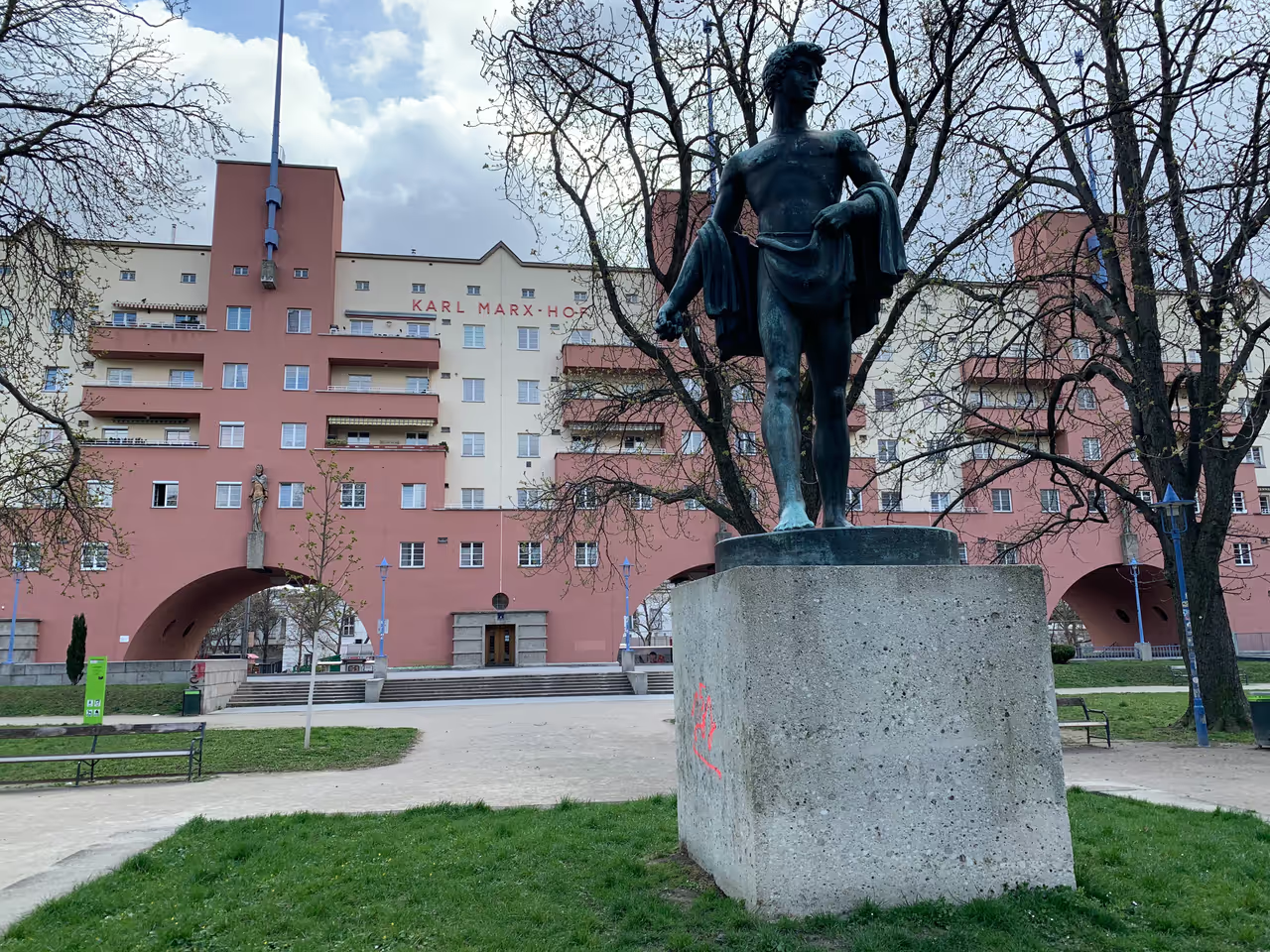
Karl-Marx-Hof
Stretching for over a kilometre, this is the most famous example of the monumental public housing built during the socialist...
view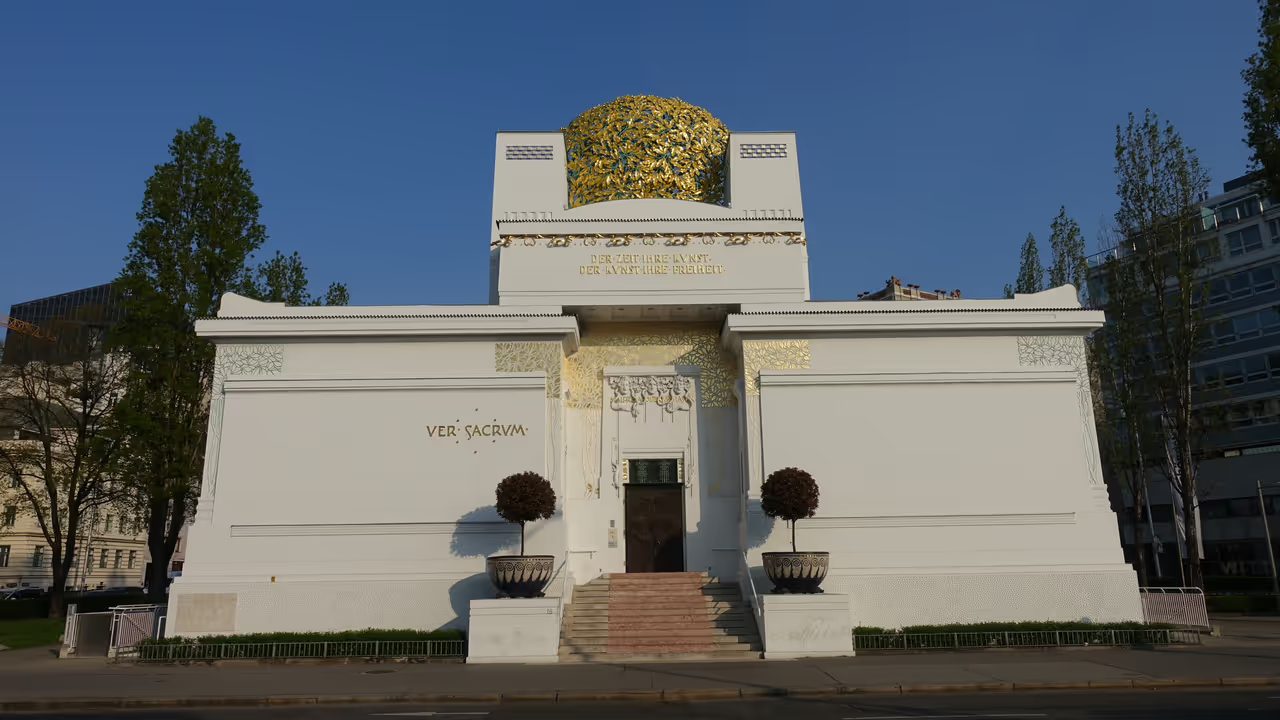
Secession Building
This striking white structure, crowned with an intricate dome of golden laurel leaves, is the physical manifesto of the Art...
view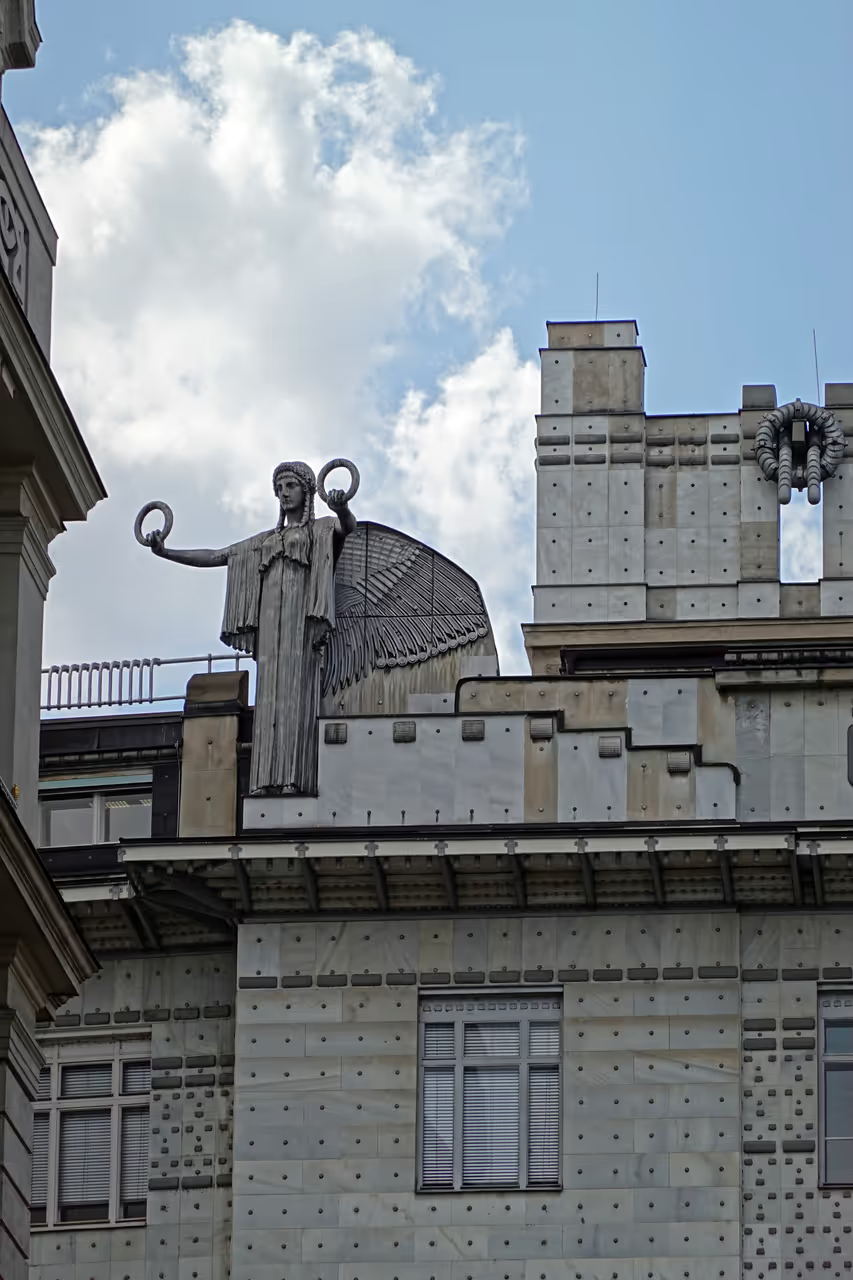
Austrian Postal Savings Bank
Designed by Otto Wagner, this is one of the most important early modern buildings in the world. It completely discarded the...
view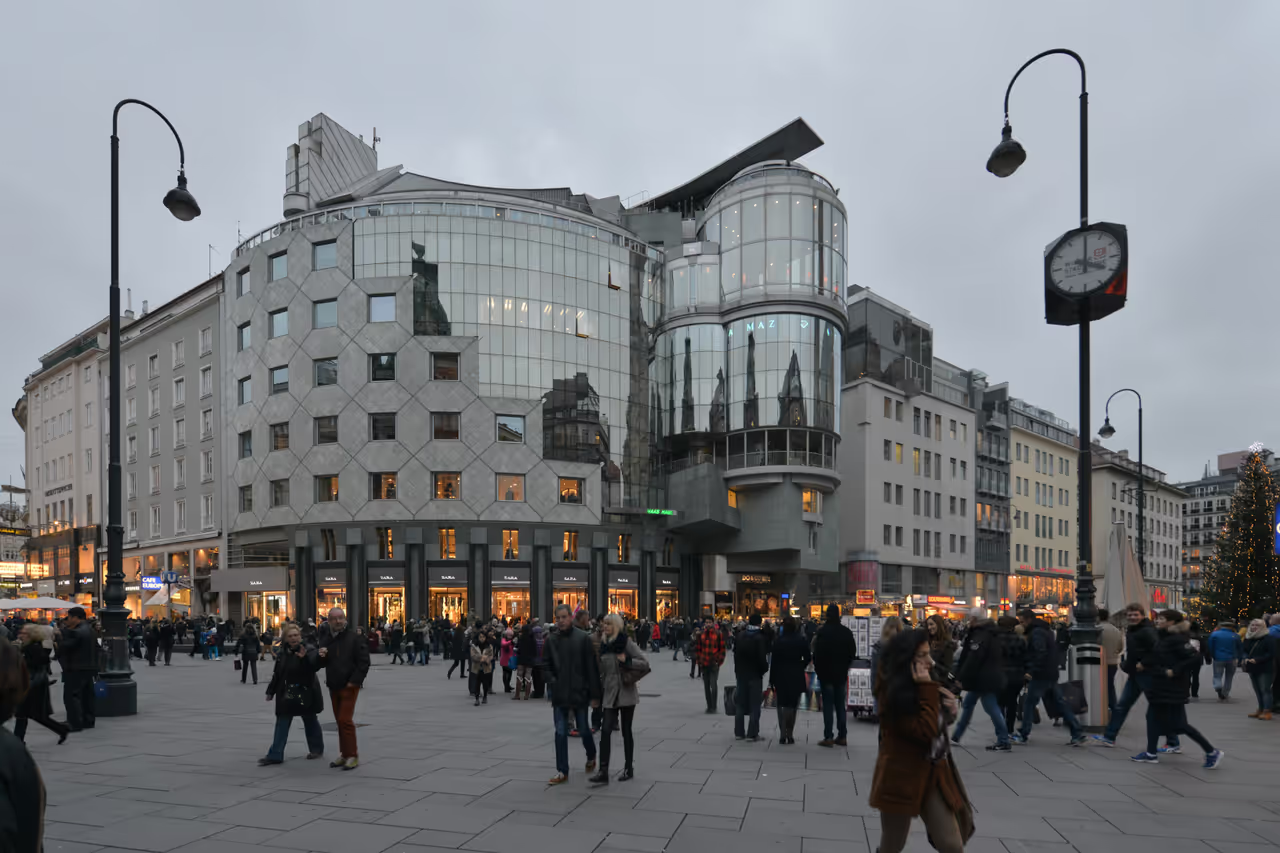
Haas House
This bold post-modern building sits directly across from the ancient St. Stephen's Cathedral, creating one of the most jarring...
view
Markets & Shopping
Vienna Nightlife
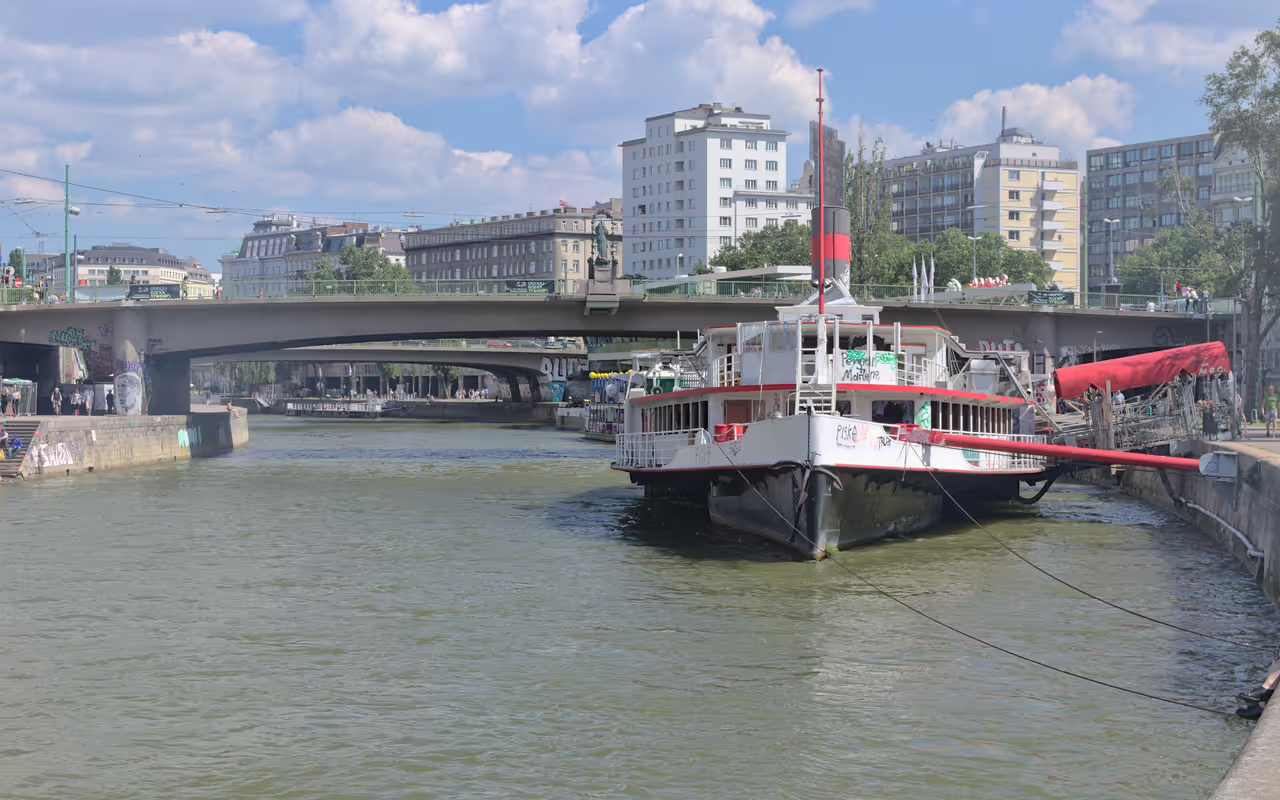
Photo Spots
Activities & Experiences
Cycling Routes
 HIGHLY RECOMMENDED
Danube Island & Old Danube Route
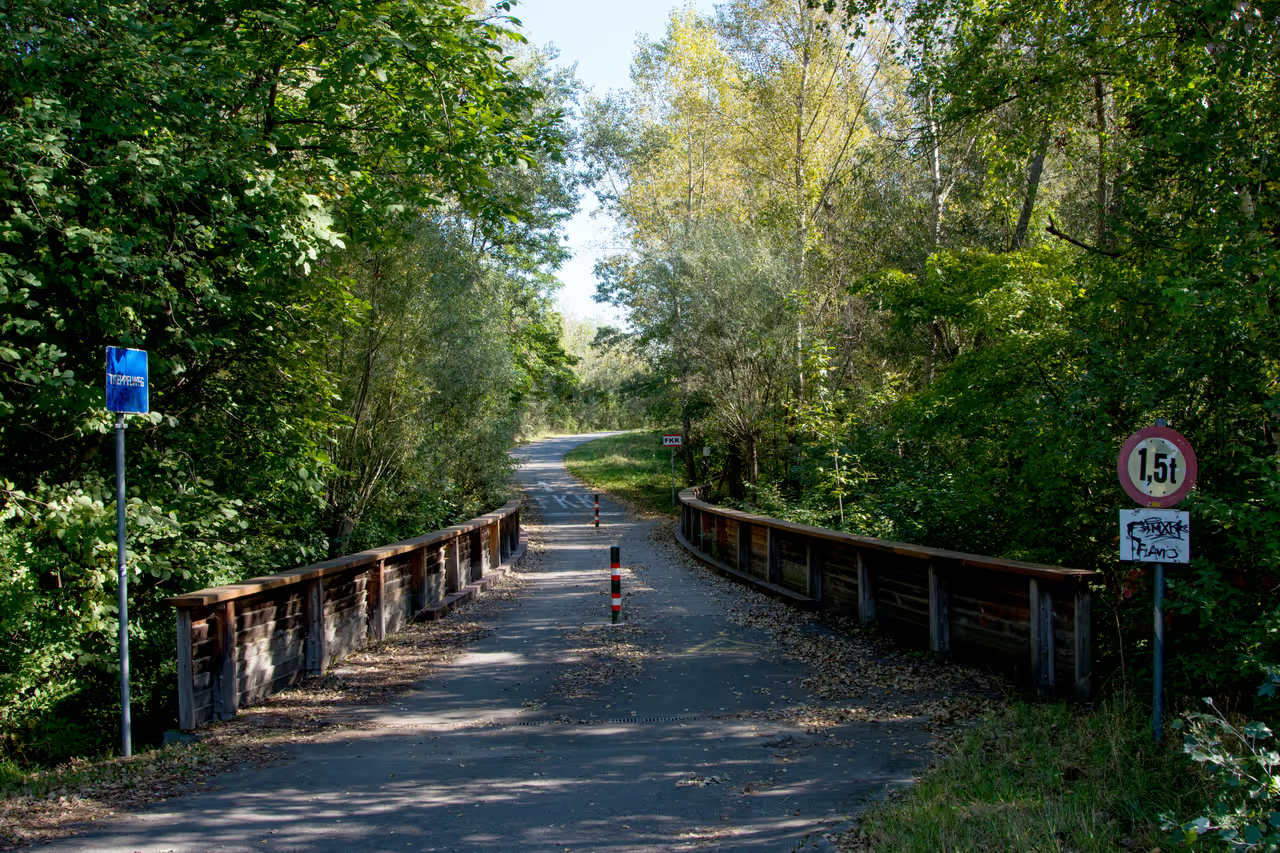
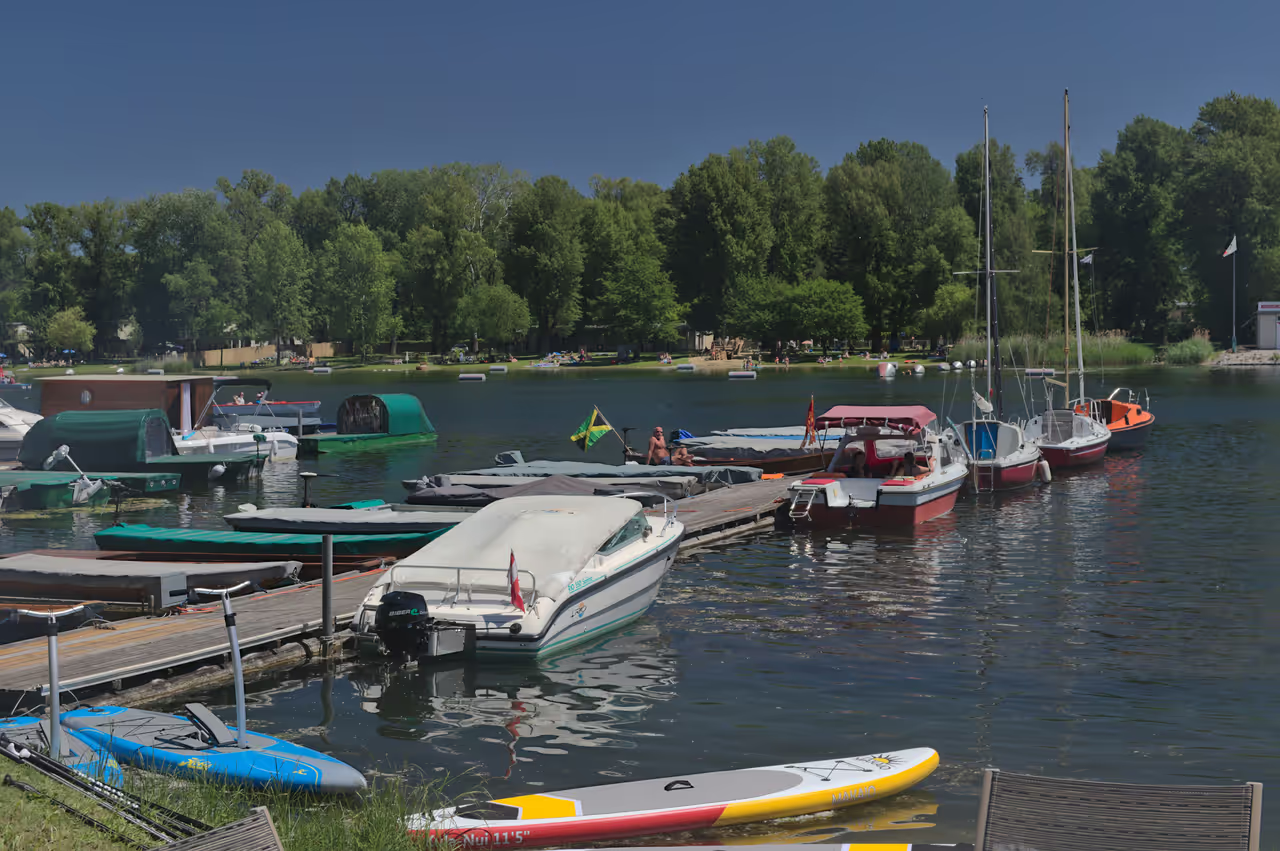
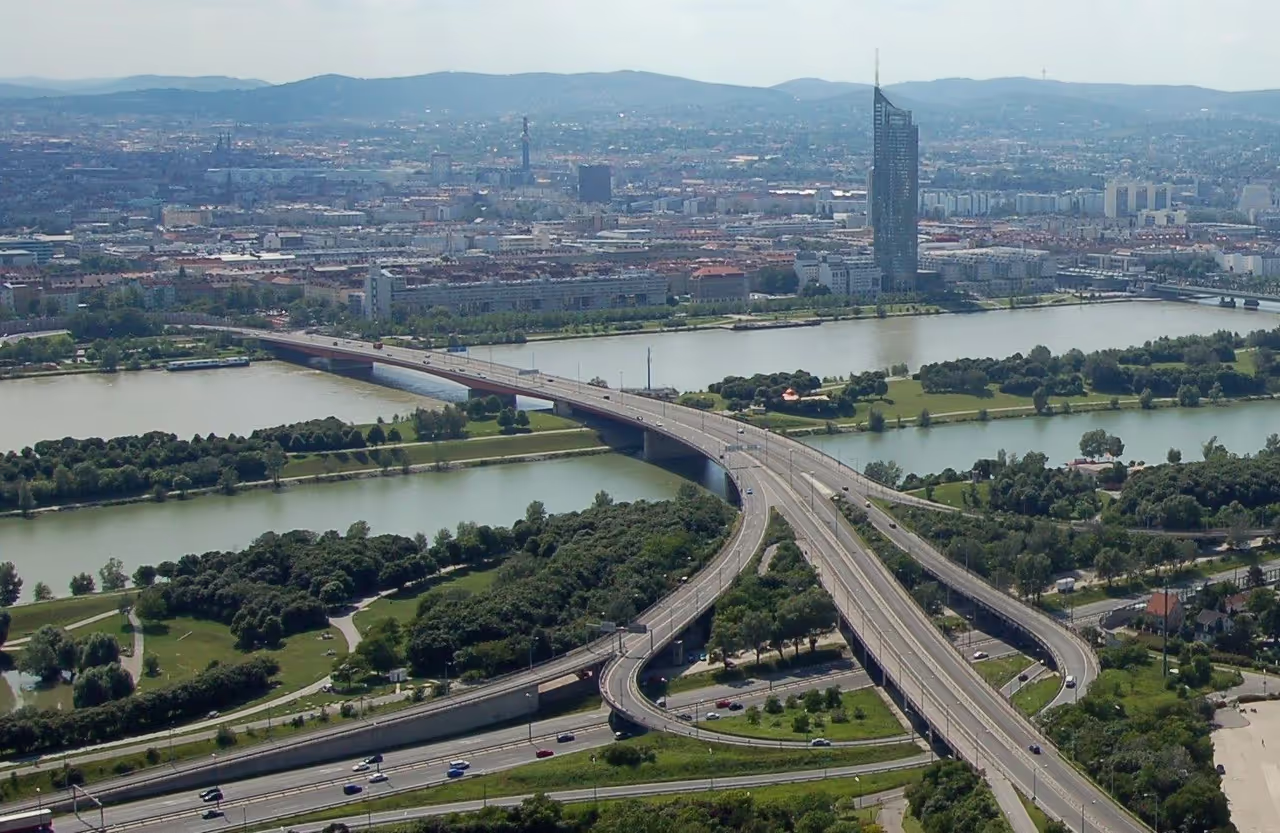
Experience the aquatic side of the city by traversing the dedicated cycle paths of its massive recreational island and adjacent calm waters. This completely flat and car free journey is perfect for a relaxed afternoon. You will pass by sunbathing locals, hidden swimming spots, and towering modern architecture.
Prater Park Greenway
Ride down the famously straight, tree lined avenue that cuts through the heart of the city's largest public park. Surrounded by dense woodland, this historic path was once reserved for imperial carriage rides. It provides a flat, shaded journey that blends nature with iconic entertainment landmarks.
- HIGHLY RECOMMENDED
Imperial Ring Boulevard
Trace the footprint of the old city walls along the monumental boulevard that encircles the historic heart. This route features wide, dedicated cycle lanes that glide past some of the most impressive nineteenth century architecture in Europe. It is a living history lesson on two wheels.
Self-Guided Tours
Red Vienna Architecture
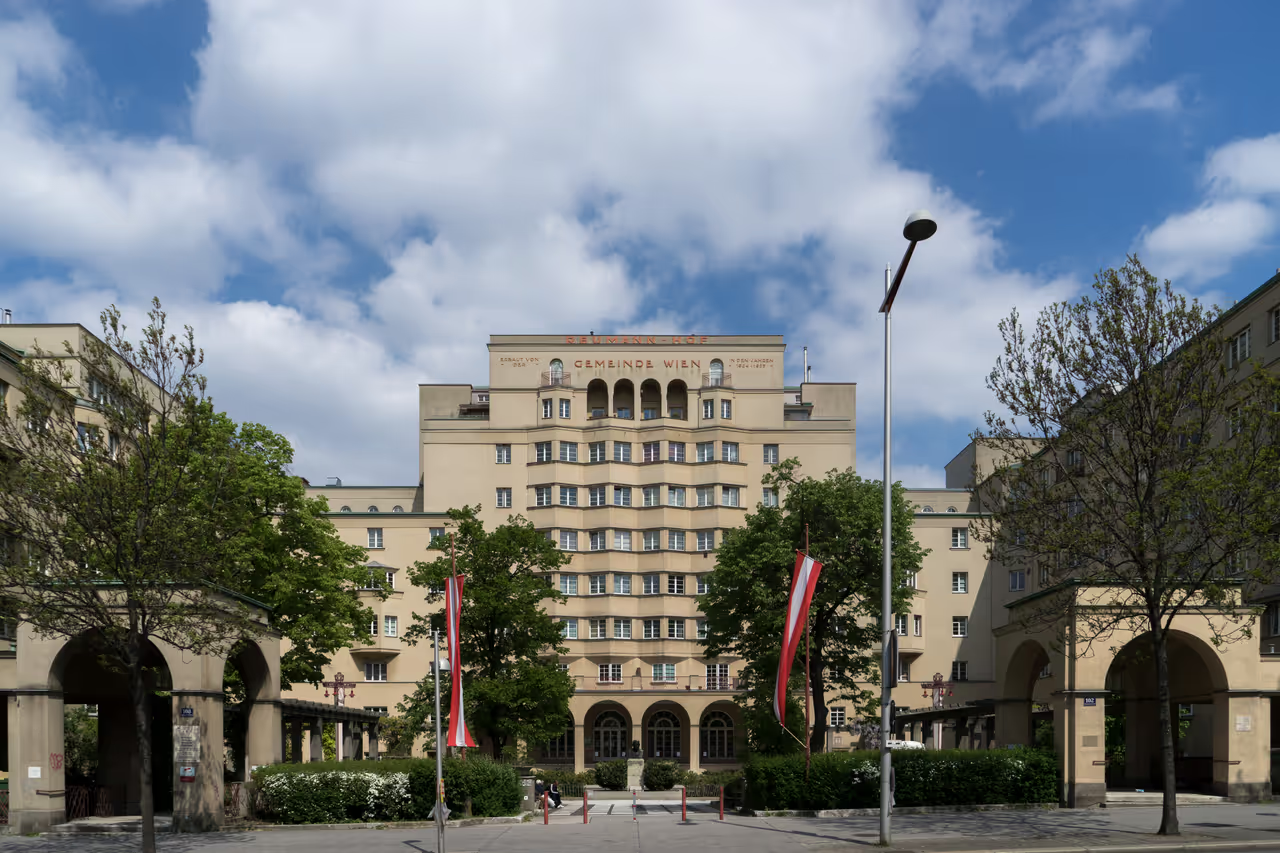
Explore the monumental legacy of the city's pioneering socialist era in the 1920s. This tour focuses on the massive 'Gemeindebauten' (public housing estates) that were built to eradicate slums and elevate the working class. You will see how visionary architects integrated kindergartens, libraries, and lush courtyards into striking fortress like complexes. It is a profound lesson in how urban planning can radically improve society.
- HIGHLY RECOMMENDED
Musical Legends Trail
Trace the footsteps of the legendary composers who turned the city into the classical music capital of the world. This narrative connects the places where musical history was written, celebrated, and ultimately laid to rest. You will discover how deeply melody and rhythm are woven into the cultural fabric of the streets.
Art Nouveau Discovery
Discover the revolutionary architectural movement that swept through the city at the turn of the twentieth century. This journey highlights the work of radical visionaries like Otto Wagner and Joseph Maria Olbrich, who rejected historical revivalism in favour of sleek lines, floral motifs, and functional beauty. You will see how they modernised the face of the capital.
Annual Festivals & Events
 HIGHLY RECOMMENDED
Danube Island Festival
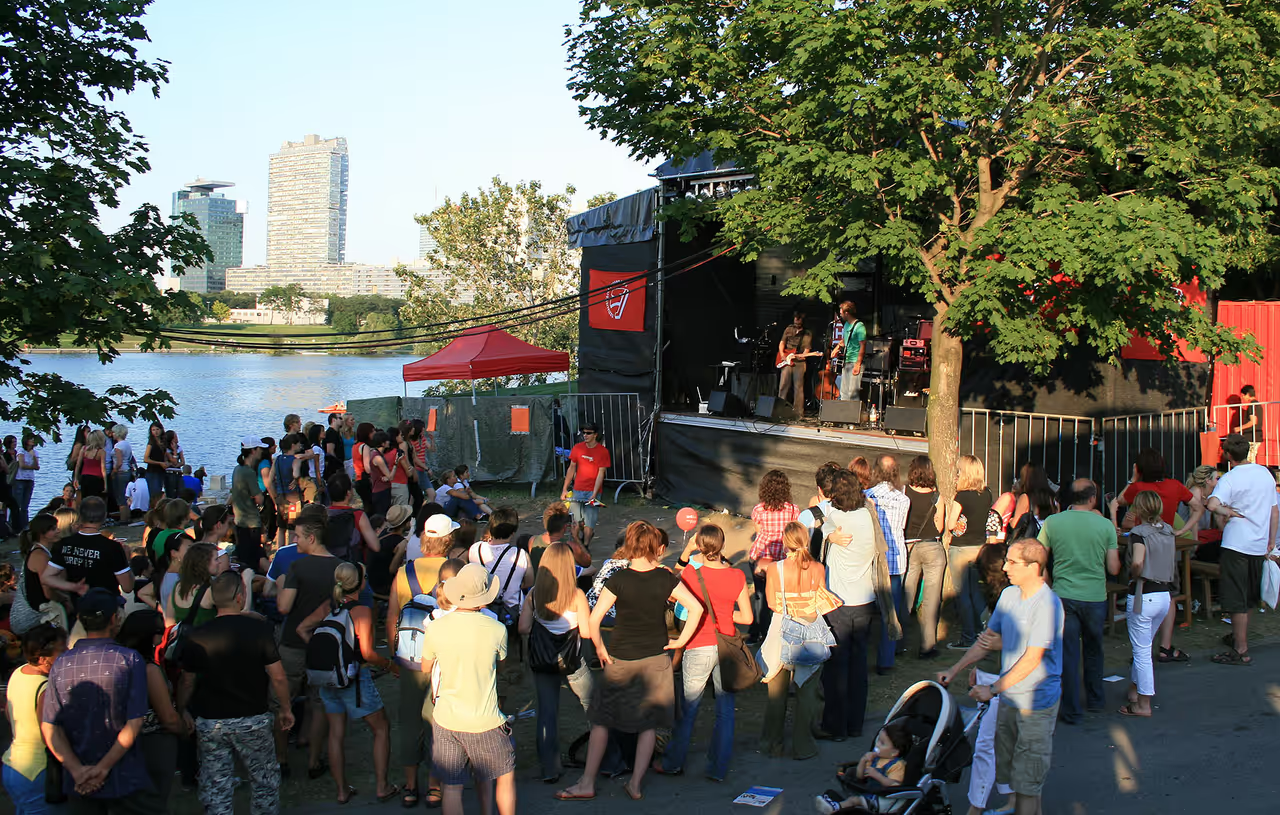
This massive open air music festival takes over the artificial island in the middle of the Danube River for three days. It draws millions of visitors with multiple stages featuring international pop, rock, electronic, and hip hop acts. Entry is entirely free, making it one of the largest free music festivals in the world. The atmosphere is electric, with food stalls, sports activities, and family friendly entertainment scattered across the island.
 HIGHLY RECOMMENDED
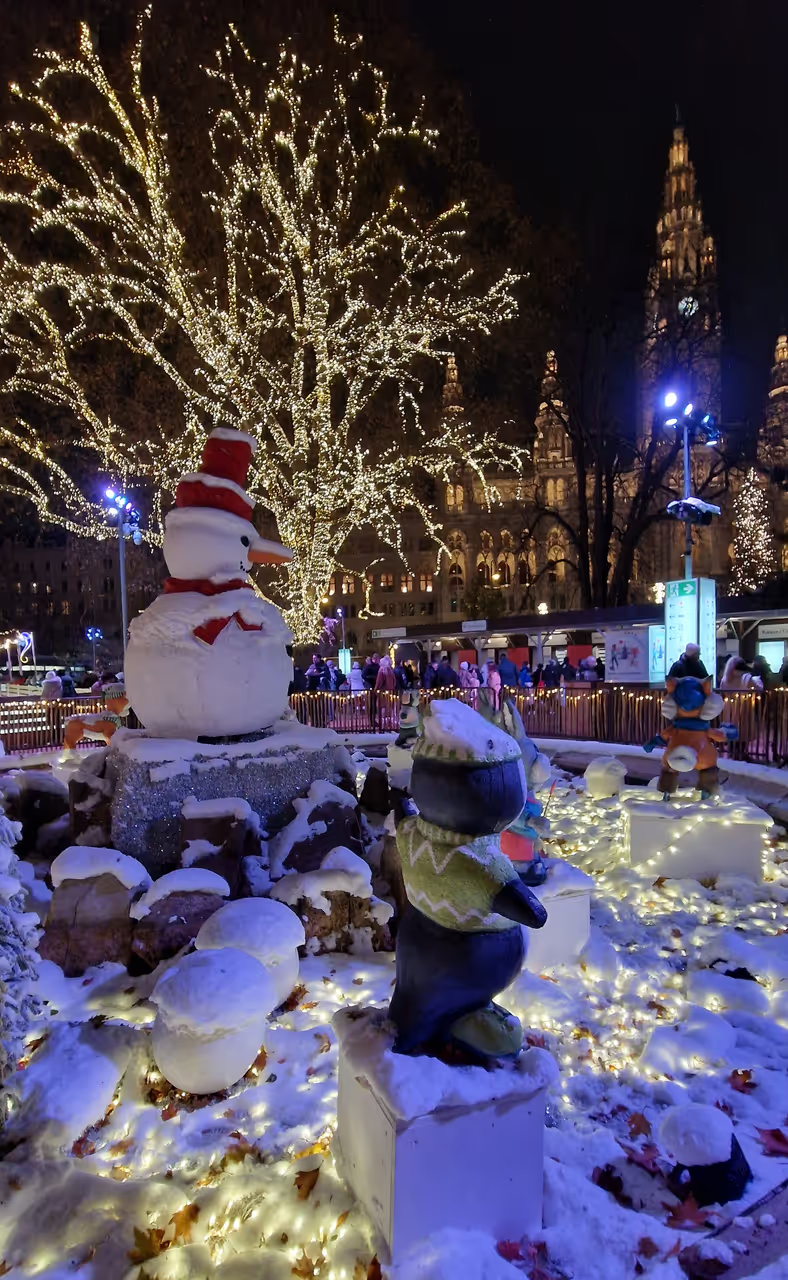
Vienna Christmas Dream
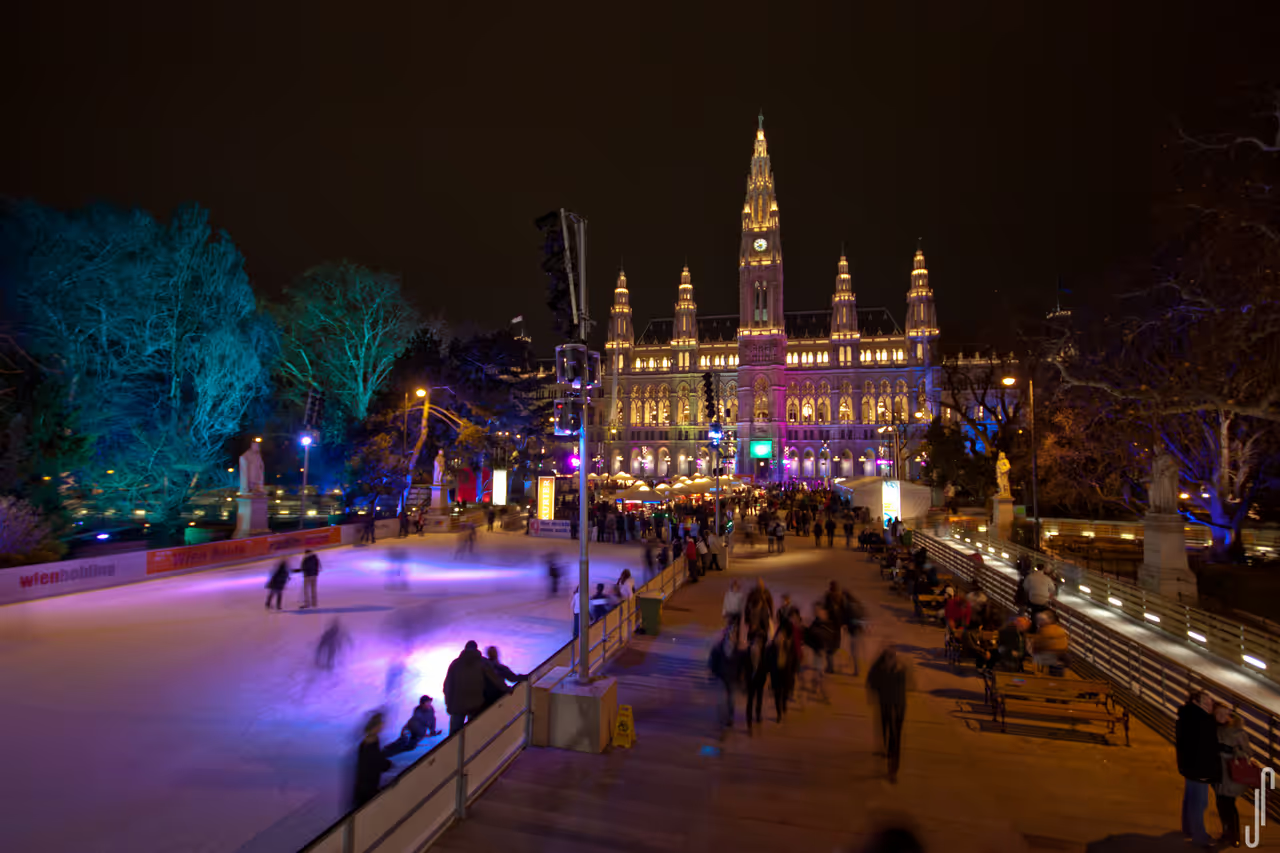
Set against the gothic backdrop of the City Hall, this is the largest and most famous festive market in the region. Dozens of wooden chalets sell handcrafted ornaments, roasted chestnuts, and steaming mugs of spiced wine. The surrounding park is transformed into a winter wonderland with beautifully illuminated trees and a sprawling ice skating path. It perfectly captures the magical, romantic spirit of the holiday season.
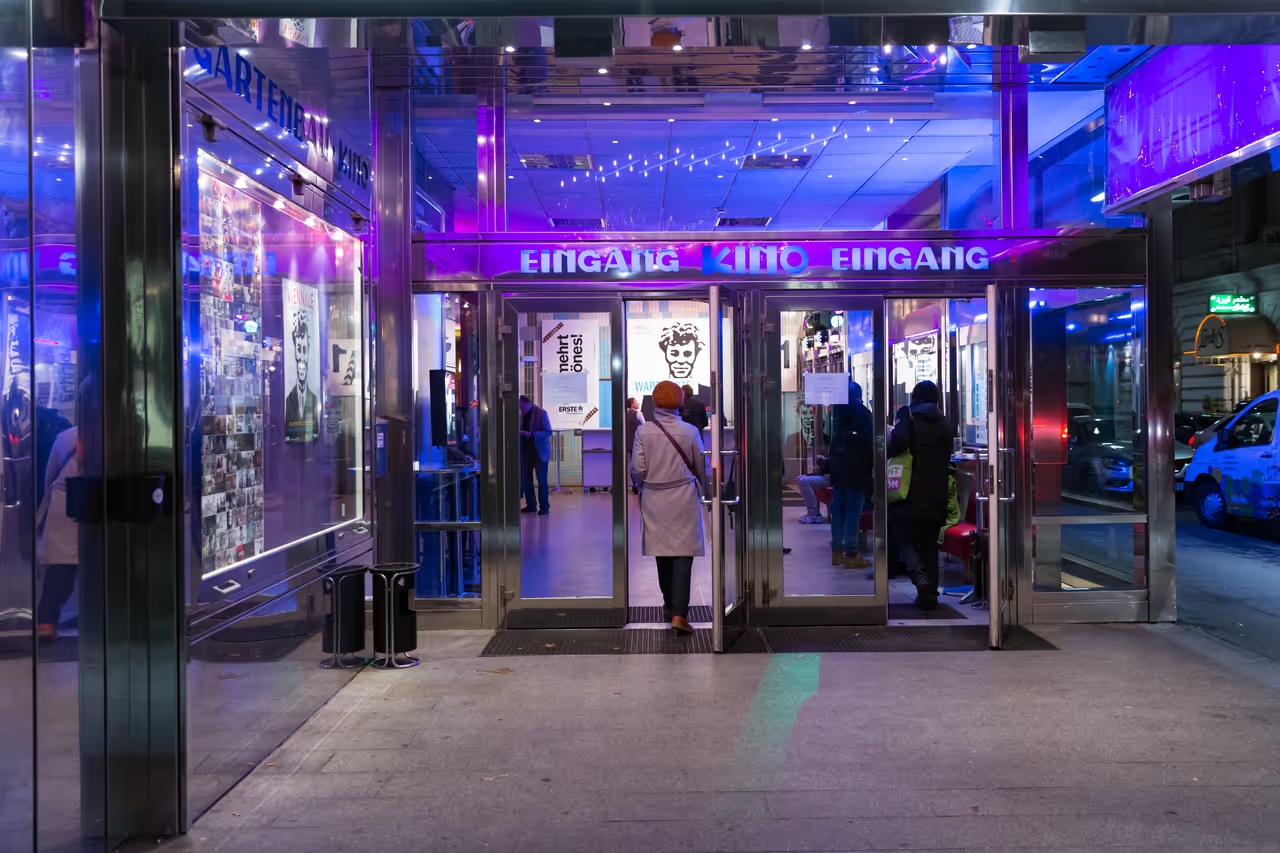
Vienna International Film Festival
This esteemed film festival screens a highly curated selection of global cinema, from avant garde documentaries to major international premieres. Screenings take place in some of the city's most beautiful historic cinemas, preserving the classic movie going experience. The festival is known for its relaxed, non competitive atmosphere, focusing purely on the celebration of cinematic art. Directors and actors frequently host Q&A sessions, adding a deeply personal touch to the event.
Insider Tips
Always validate your public transport ticket at the blue boxes before descending to the platforms or immediately upon boarding a tram, as plainclothes inspectors frequently issue steep fines to tourists.
Do not ask for coffee to go in a traditional coffee house. The culture dictates that you sit down, relax, read the paper, and enjoy the atmosphere for as long as you like without being rushed.
Keep a supply of Euro coins and small notes handy, as many smaller cafes, market stalls, and traditional pubs do not accept credit cards.
You can experience world class opera for just a few euros by purchasing standing room tickets (Stehplätze) an hour before the performance begins at the State Opera.
Virtually all shops and supermarkets close on Sundays. If you need groceries, head to the train stations or the airport, where a few specific supermarkets are legally allowed to remain open.
When ordering a sausage at a street stand, specify if you want it served in a hot dog bun or sliced on a paper plate with bread on the side.
PERFECT FOR
Vienna appeals deeply to lovers of history, classical music, and fine arts who want to immerse themselves in a rich cultural heritage. It is equally rewarding for architecture enthusiasts and foodies eager to indulge in legendary cakes and wines. Travellers who enjoy a slower pace, taking time to savour a single cup of coffee for hours, will find themselves right at home.
VIBE
The atmosphere effortlessly balances formal elegance with a laid back, bohemian charm. Grand imperial facades and highly structured social etiquette contrast beautifully with cosy coffee houses and late night underground clubs. You will feel a lingering sense of history in the air, yet the energy remains youthful and forward looking.
Frequently Asked Questions about Vienna
While we strive to keep this information accurate and up to date, we recommend verifying any details independently before making decisions based on them.