Belvedere
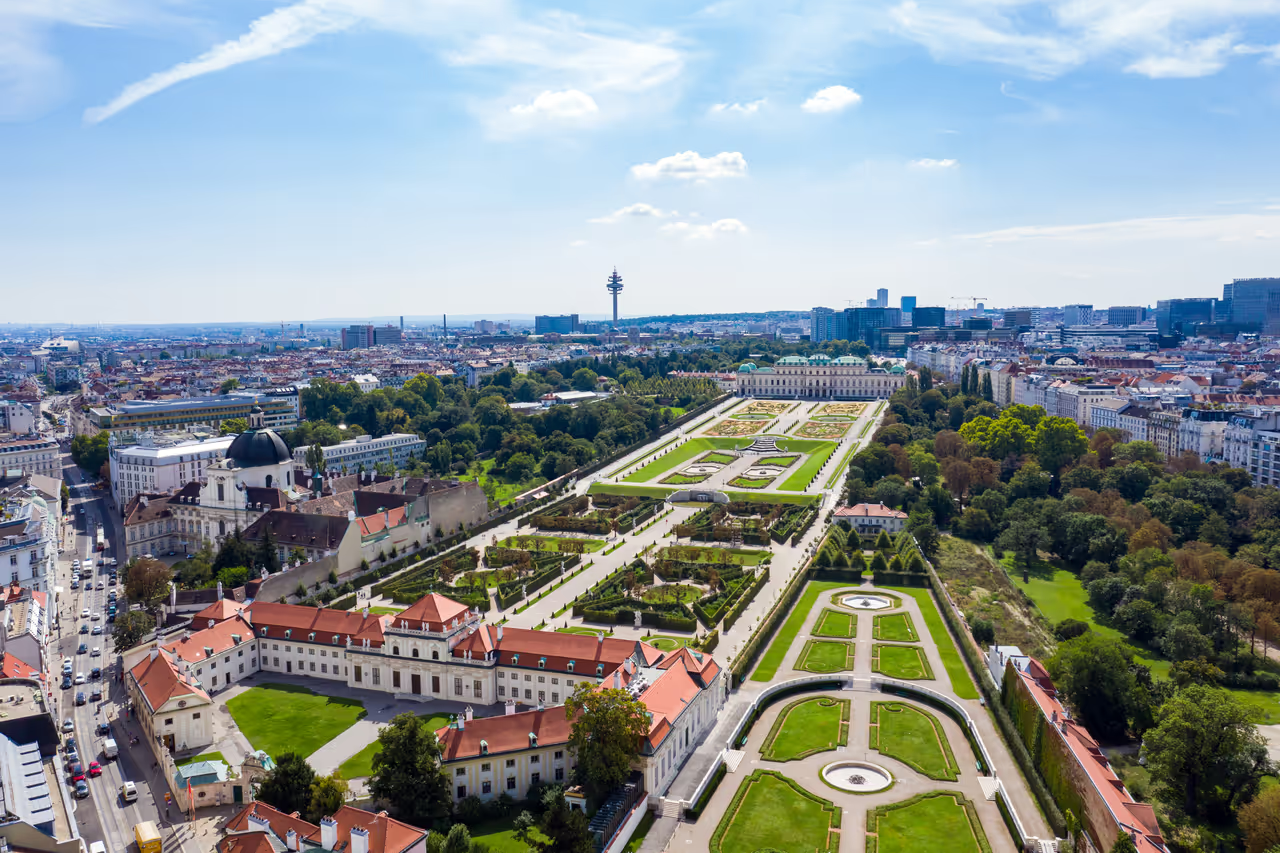
Wander through the spectacular Baroque grounds of the Belvedere, a stunning dual-palace complex that stands as one of Vienna's most majestic architectural triumphs. Originally built as a summer residence for Prince Eugene of Savoy, this site now serves as a premier art museum housing world-class masterpieces, including the iconic The Kiss by Gustav Klimt. Visitors can explore the Orangery, the historic stables, and the tiered gardens which offer a breathtaking vantage point over the city centre. The atmosphere perfectly blends imperial history with artistic innovation, creating a space where the past feels vibrant and accessible. Whether you are strolling through the manicured French-style gardens or admiring the opulent interior of the Marble Hall, the experience captures the regal essence of Austria's capital.
Videos
History of Belvedere
Prince Eugene of Savoy, the brilliant military commander who secured victories against the Ottoman Empire, sought a summer residence that mirrored his immense prestige. Choosing the architect Johann Lukas von Hildebrandt over the established masters of his time, Eugene created a sprawling garden complex that stretched across what was then an undeveloped patch of land south of the city. The resulting architecture was a bold statement of Baroque mastery, designed to showcase not only his wealth but his intellectual standing as a patron of the arts and sciences. It was a project defined by ambition and the desire to create an enduring symbol of triumph. Following the Prince death, the complex entered a new chapter under the Habsburgs. Maria Theresa transformed the estate into a vehicle for imperial prestige and public education, establishing the gallery as one of the earliest examples of an open-access art museum. The palaces evolved from private residences for figures such as the ill-fated Archduke Franz Ferdinand into repositories of national identity. This transition solidified the Belvedere as a witness to the shifting political landscape of Europe, surviving imperial collapses and the darker chapters of the twentieth century. Today, the site serves as a vital bridge between the historical and the contemporary. It protects and presents works that were once contested, standing as a landmark for ethical stewardship of art. Through meticulous restoration and a commitment to displaying the Austrian Secessionist movement, the Belvedere invites a dialogue about the past while championing the creative spirit that defines Vienna. It remains a place where the grandeur of history is carefully balanced against the weight of human memory.
Events spanning 294 years
Fun Facts
- • Before his tragic assassination in 1914, Archduke Franz Ferdinand used the Upper Belvedere as his official residence, leaving a poignant mark on the site history.
- • During the Second World War, the complex endured significant damage from bombing raids, leading to years of careful restoration work.
- • It was established as a public gallery in the late eighteenth century, marking it as one of the oldest public museums in existence.
- • Prince Eugene commissioned the project to celebrate his military victories against the Ottoman Empire, establishing a legacy of success that shaped the palace design.
- • The 20-cent Austrian euro coin features an engraving of the Upper Belvedere, celebrating its status as a national icon.
- • The Belvedere has become a focal point for the restitution of art looted by the Nazi regime, facilitating the return of several high-profile works to rightful heirs.
- • The Belvedere holds the world’s most extensive collection of Gustav Klimt paintings, which includes the iconic masterpiece The Kiss.
- • The Sala Terrena in the Upper Belvedere suffered from structural instability, requiring the addition of four Atlas pillars to support the ceiling and prevent collapse.
- • The intricate garden design includes sphinx sculptures and mythological motifs meant to link Prince Eugene symbolically with Apollo, the god of the arts.
- • The view from the Upper Belvedere garden looking toward the city is known as the Canaletto Blick, a perspective that remains protected in modern urban planning.
Belvedere FAQ
While we strive to keep this information accurate and up to date, we recommend verifying any details independently before making decisions based on them.
Belvedere Map & Neighborhood Explorer
This interactive map is centered on Belvedere. Zoom in and move the map around to automatically discover Wikipedia photos and summaries of other nearby sights, monuments, and historical points of interest and stories in real-time!
Places near Belvedere
Make the most of your trip. Check out these top-rated spots located nearby.
 819m
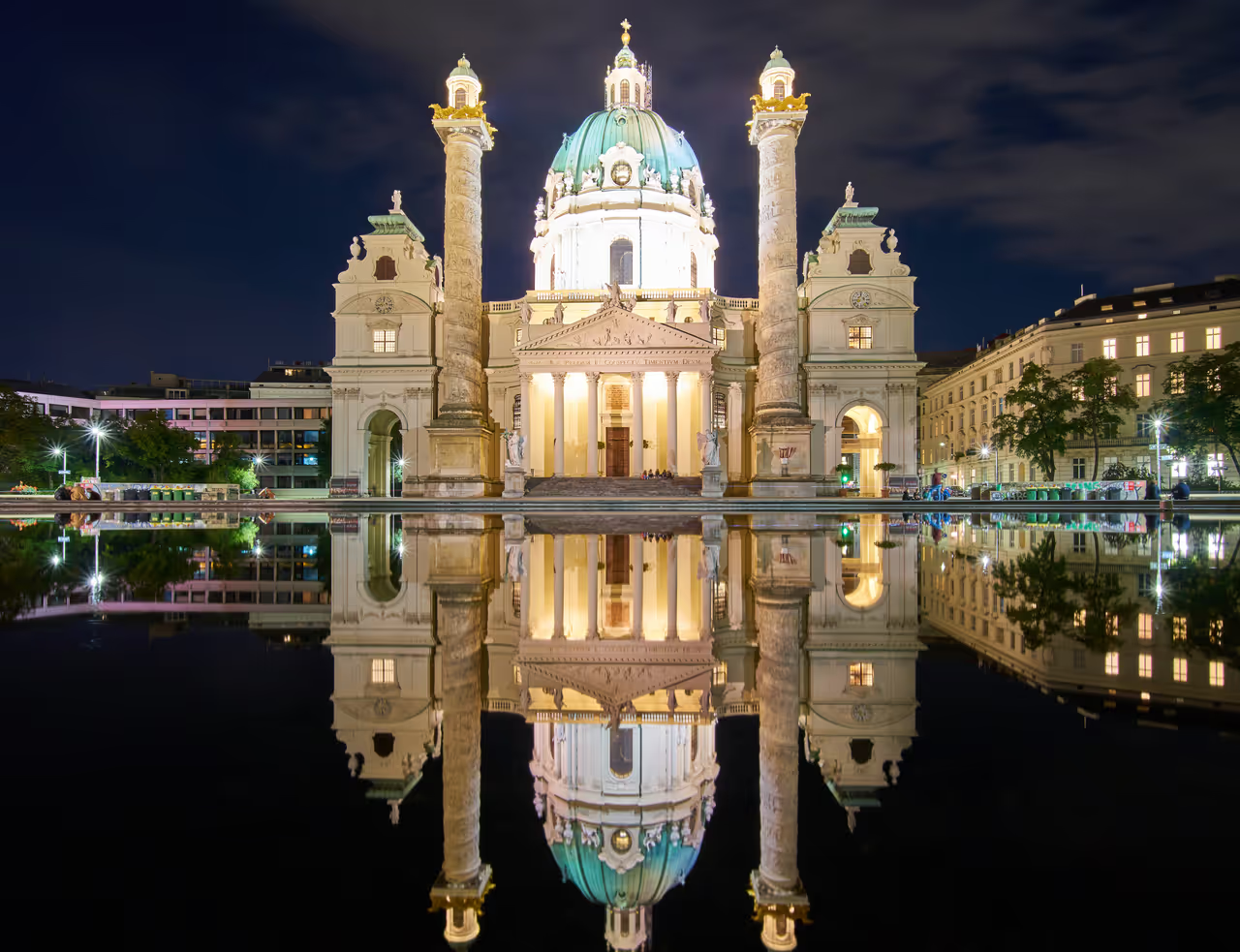
819mSt. Charles Church
Considered the most outstanding baroque church in the city, its massive green dome and twin spiralling columns dominate the surrounding park. It was commissioned by Emperor Charles VI following a devastating plague epidemic in the eighteenth century. Inside, a temporary panoramic elevator allows you to ascend into the dome to closely inspect the magnificent frescoes. The reflective pool in front of the church makes it an incredible spot for evening photography.
highlight view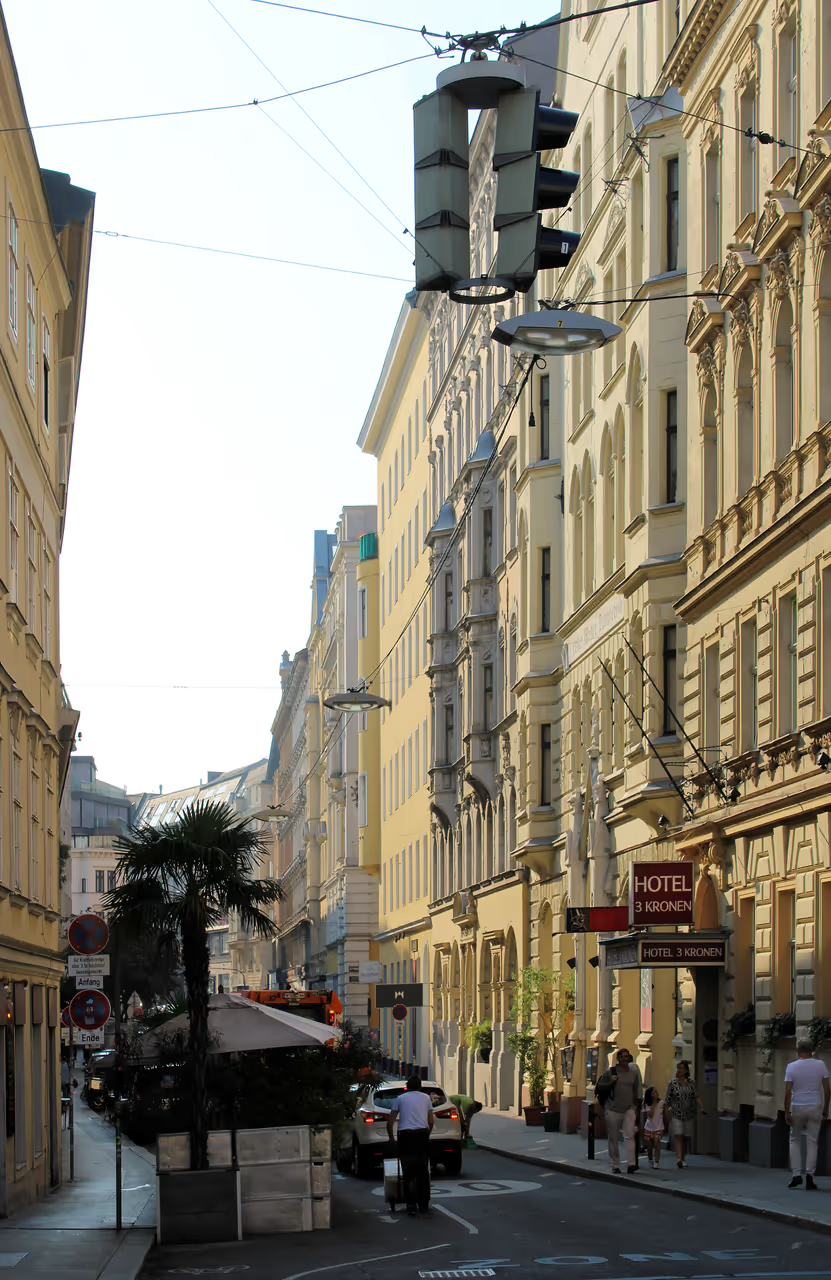 1130m
1130mFreihaus Quarter
Located just south of the Naschmarkt, this compact quarter is highly popular with university students and young professionals. The streets are lined with a mix of traditional Austrian taverns and modern, minimalist cafes that transition seamlessly into evening bars. It is known for its artsy, bohemian character and a strong sense of local community. The area is highly walkable, making it easy to transition from dinner to drinks.
nightlife view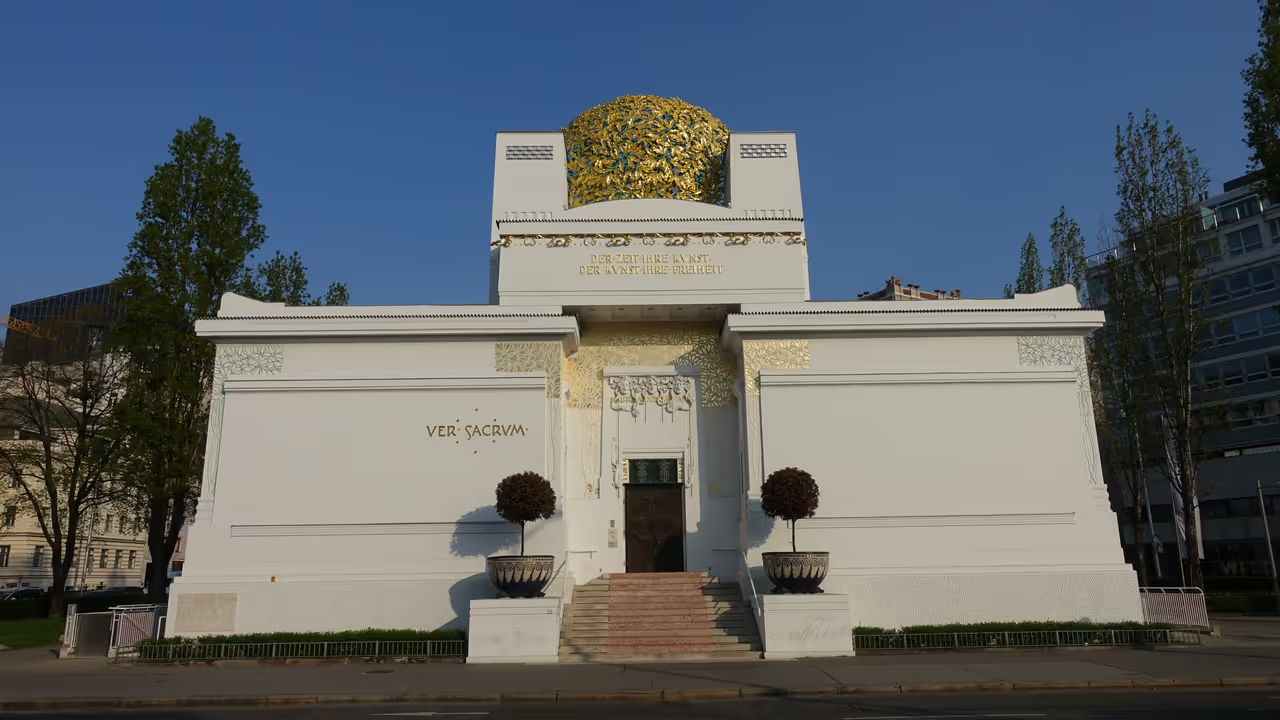 1311m
1311mSecession Building
This striking white structure, crowned with an intricate dome of golden laurel leaves, is the physical manifesto of the Art Nouveau movement. It was built in 1898 by a group of rebel artists, including Gustav Klimt, who sought to break away from conservative academic traditions. The facade features the famous motto 'To every age its art, to every art its freedom.' It serves as a dedicated exhibition space for contemporary artists and houses Klimt's monumental Beethoven Frieze in the basement.
architecture view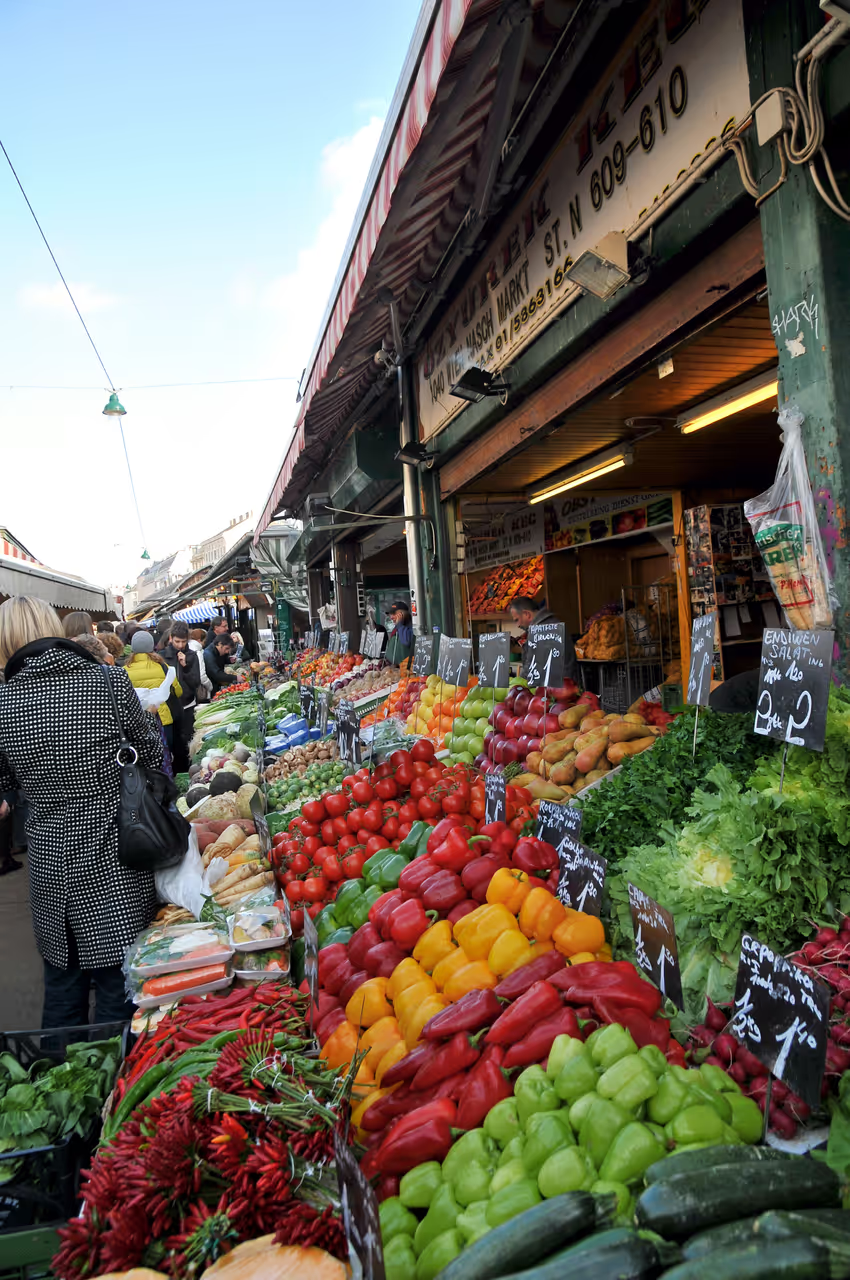 1356m
1356mNaschmarkt
Stretching for over a kilometre over the covered Wien River, this is the most celebrated food market in the country. It offers an incredible array of fresh produce, exotic spices, artisan cheeses, and international delicacies. One side of the market is dedicated to permanent stalls selling ingredients, while the other features excellent sit down restaurants and bars. On weekends, a massive flea market opens at the far end, drawing antique hunters and bargain seekers.
market view
Explore Similar Places in This Collection
Featured on These Itineraries
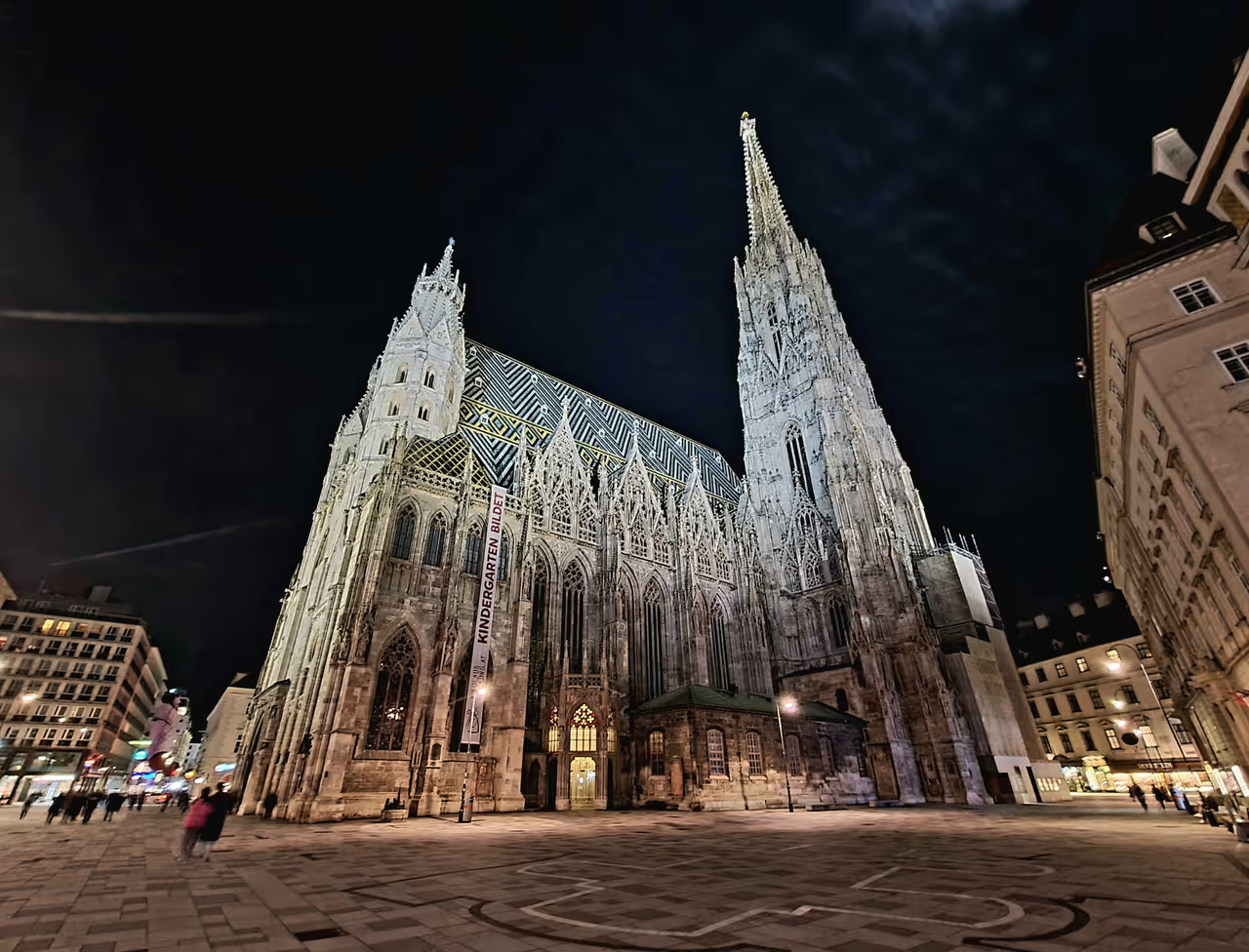
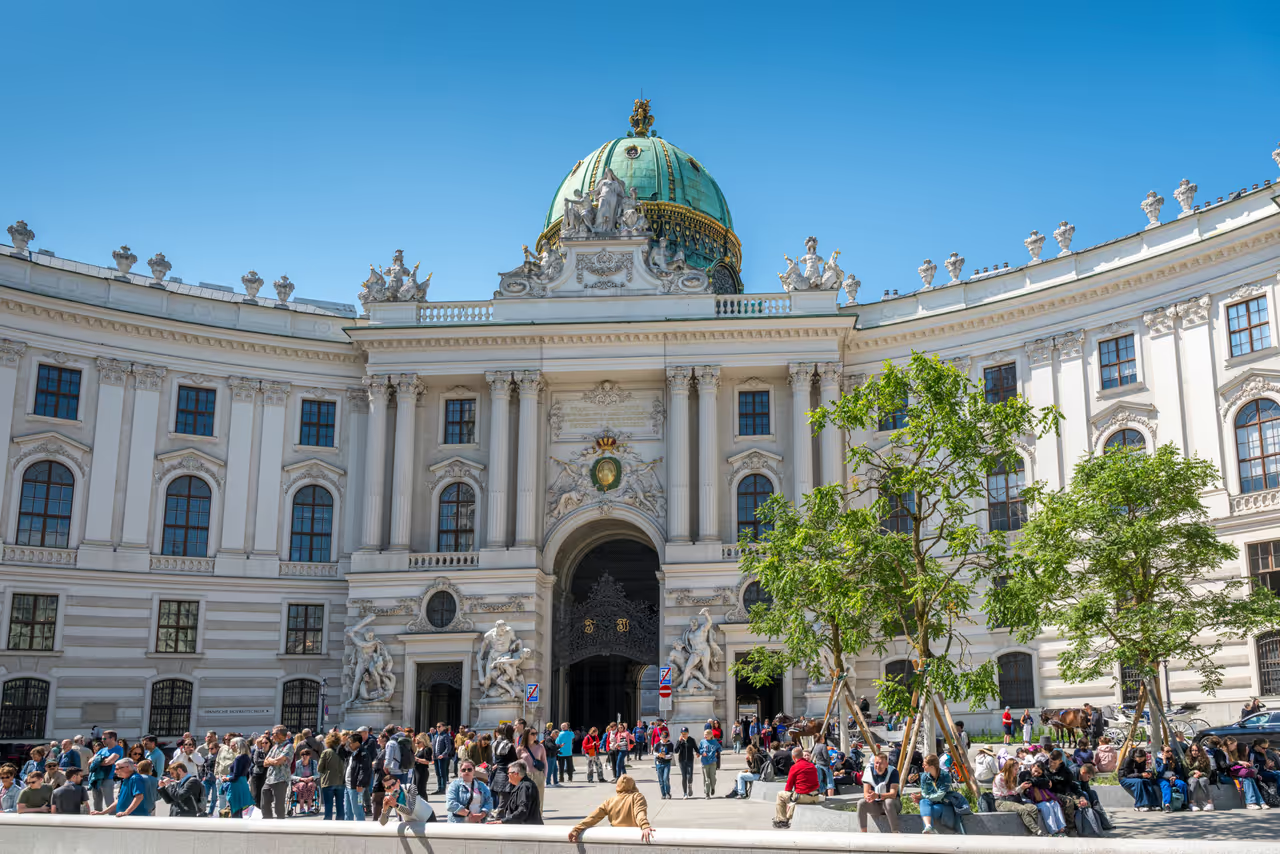
3 Days in Vienna: Culture and History Itinerary
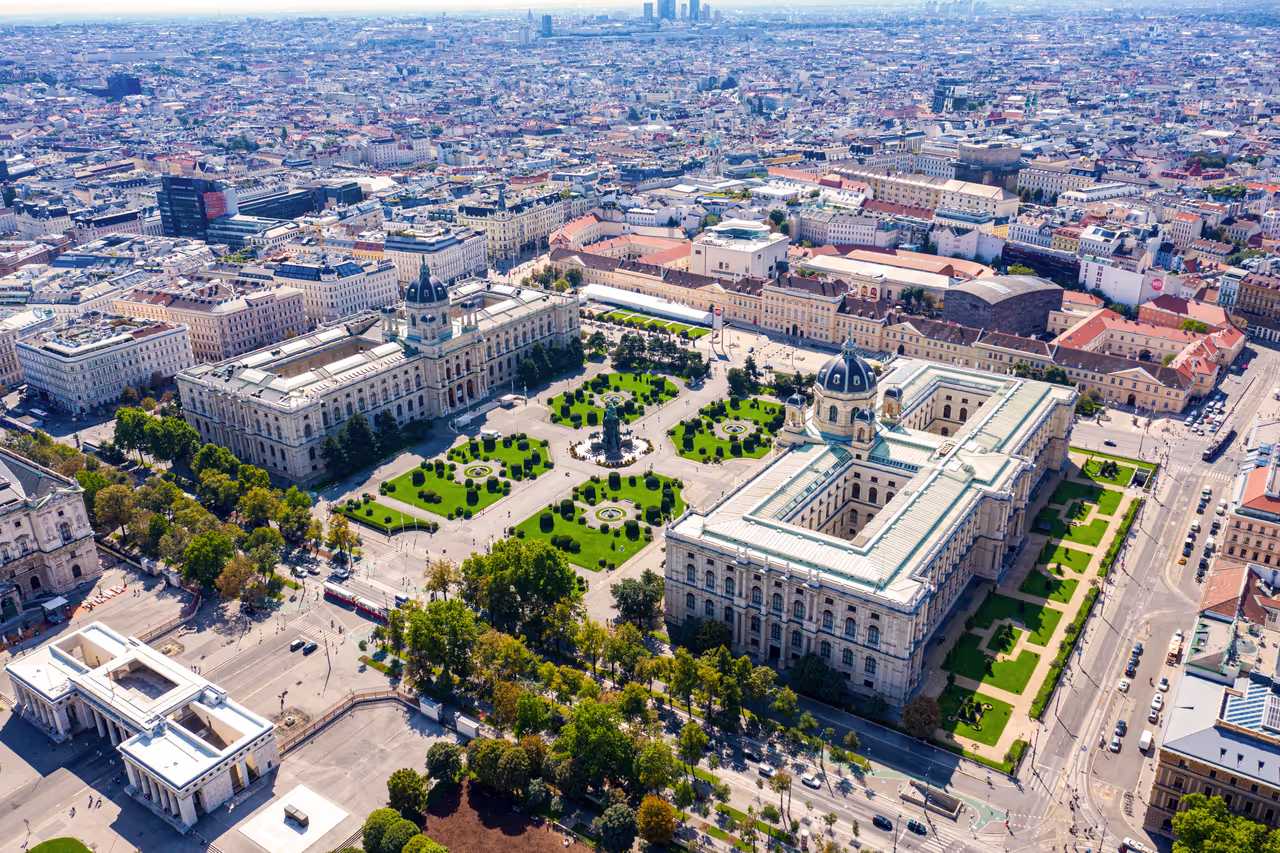
This balanced itinerary allows you to explore the dense inner city, the sprawling summer palaces, and the renowned art collections. You will experience the city's unique culinary scene and view its iconic skyline from multiple perspectives. It offers a well rounded view of the classical and the quirky sides of the capital.
view itinerary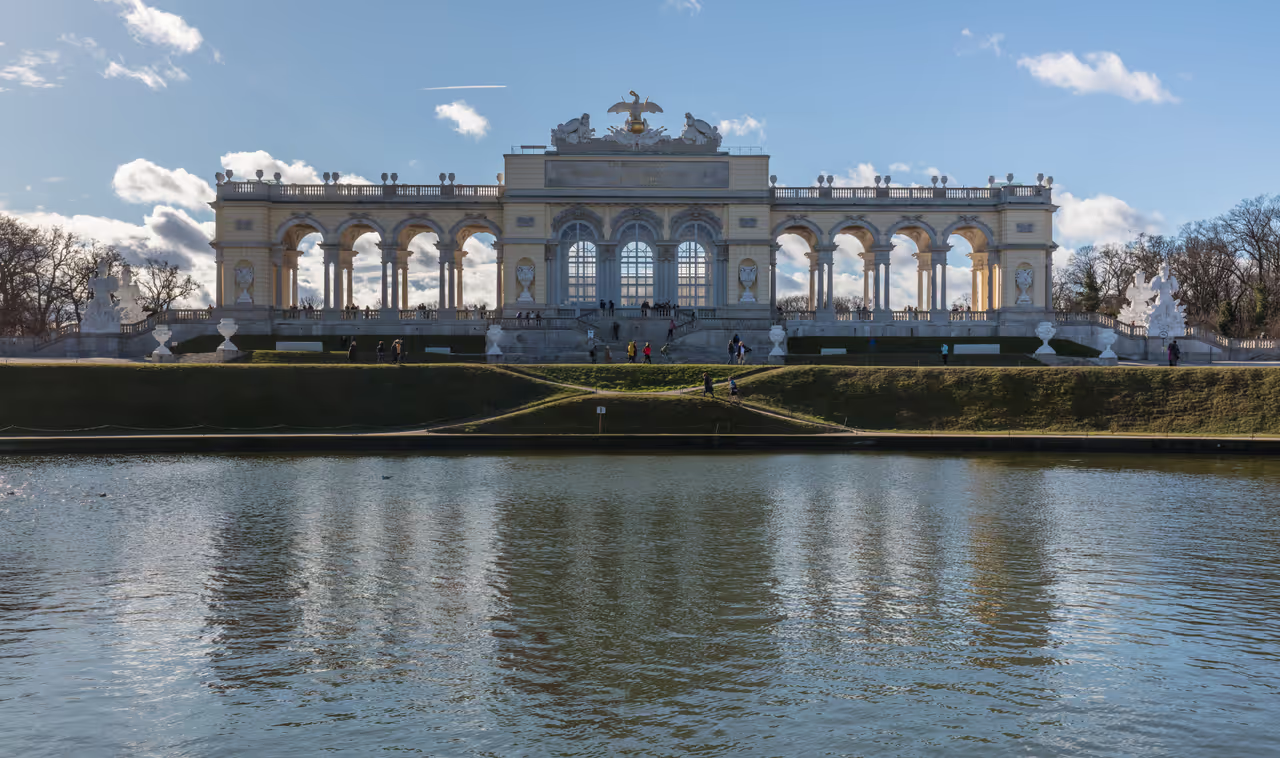
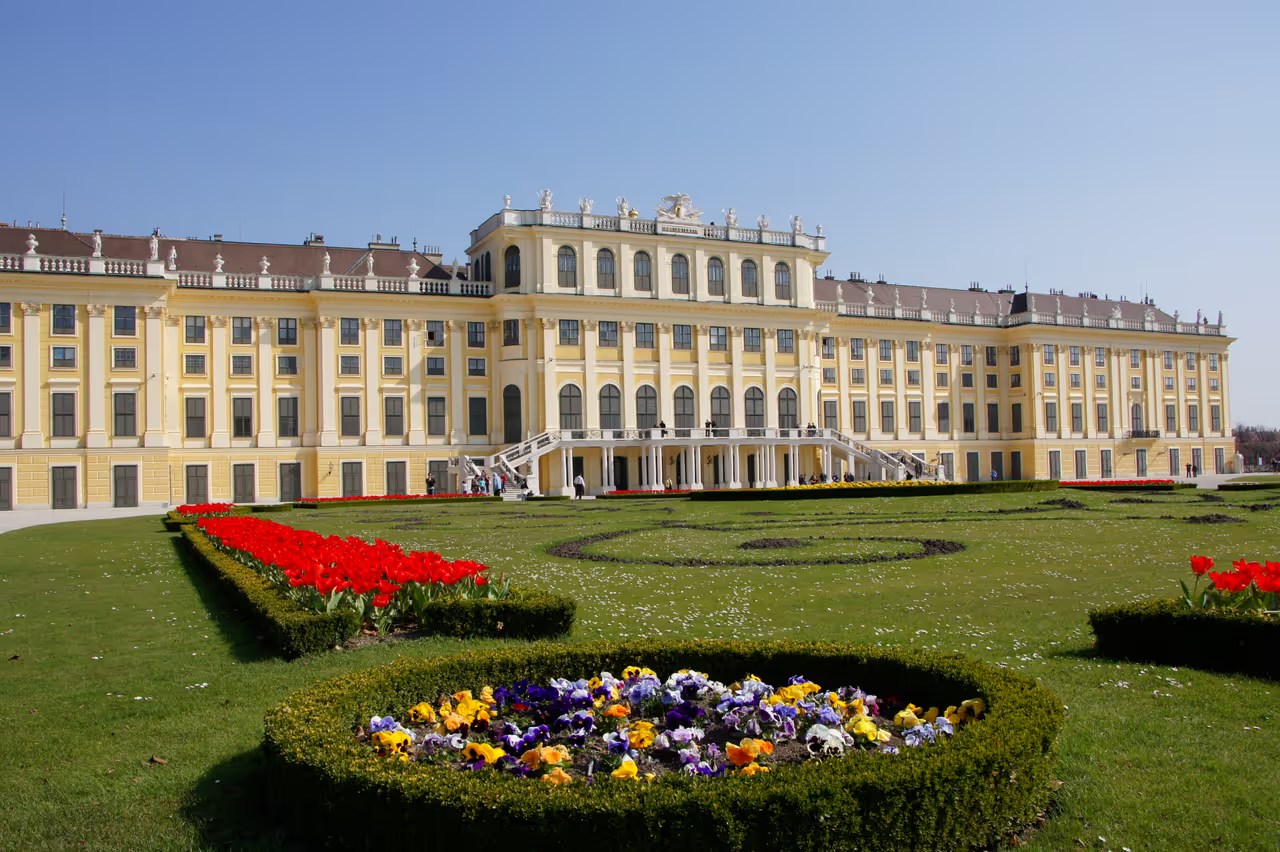
5 Days in Vienna: In-Depth Experience Itinerary
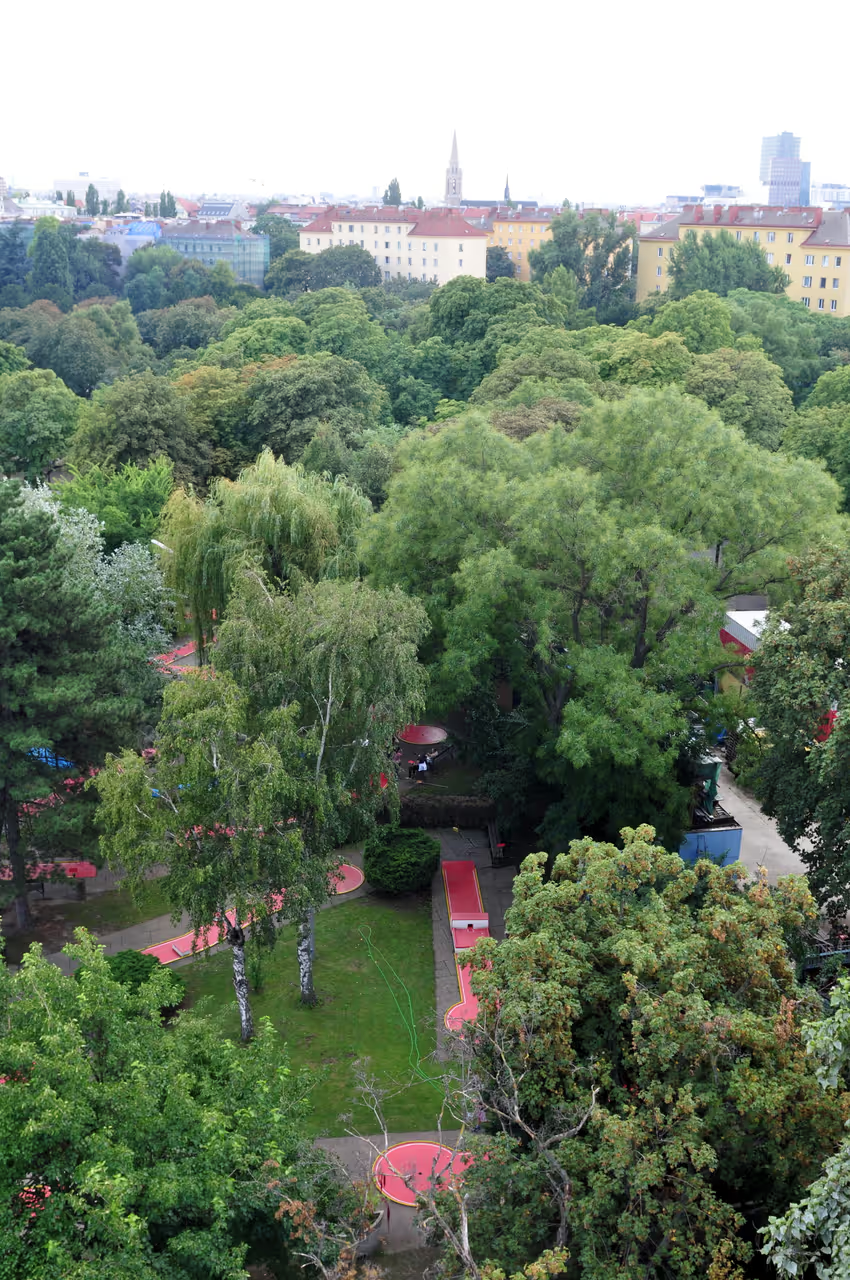
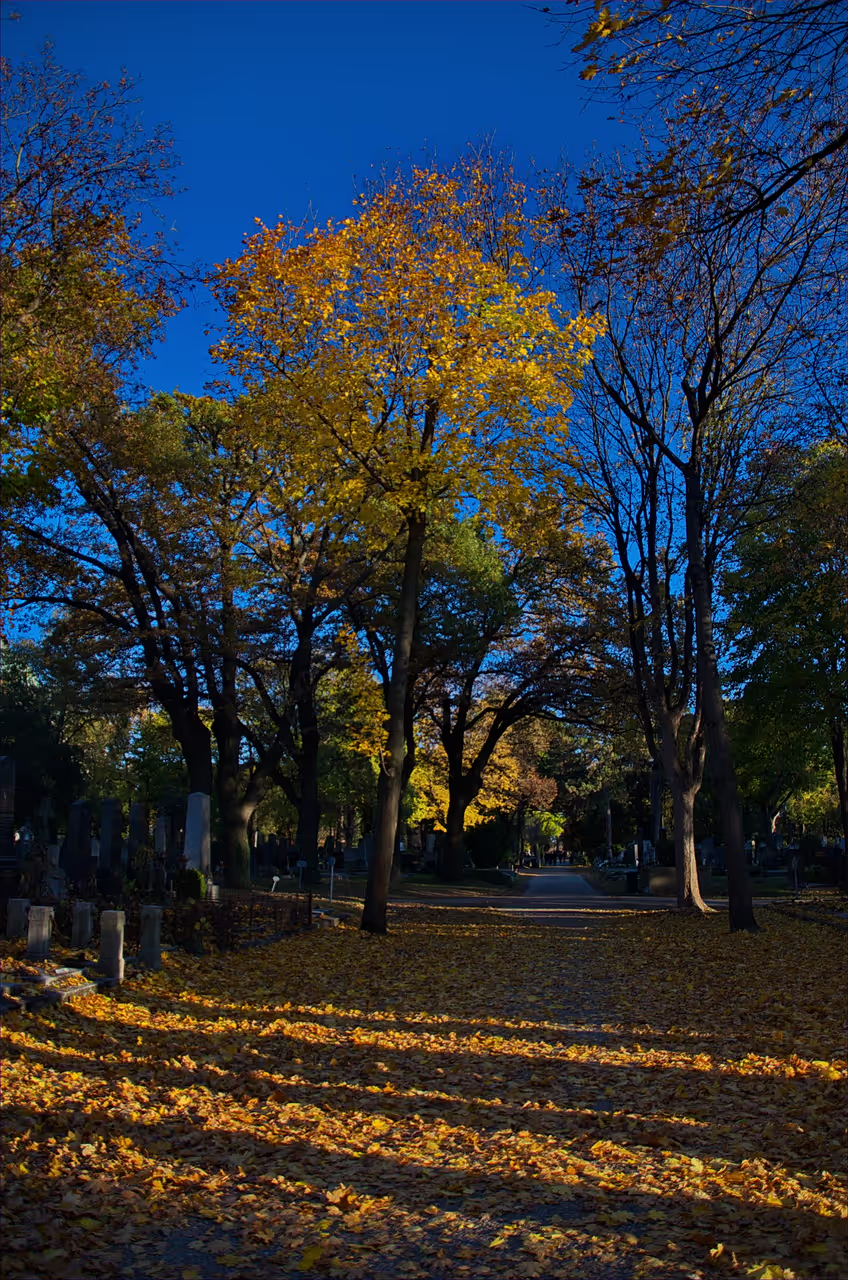
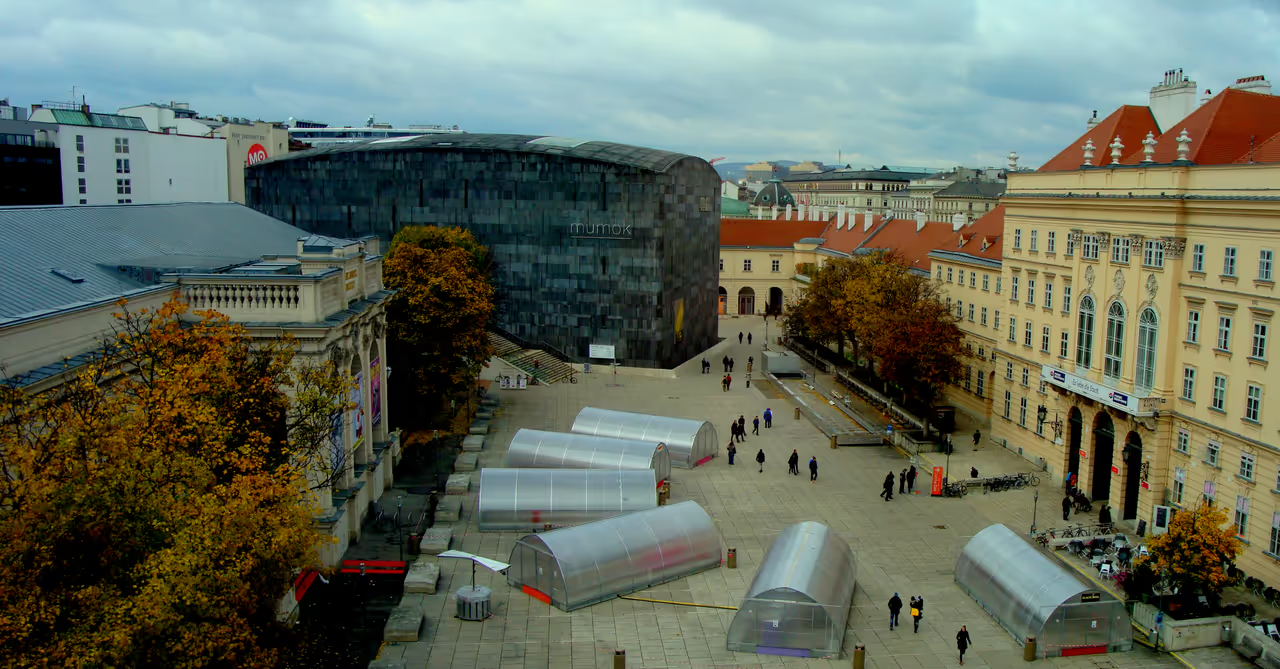
A comprehensive journey that moves beyond the typical tourist sights to include modernist architecture, natural escapes, and contemporary culture. This plan gives you time to appreciate the city's green spaces, relax in its historic cemeteries, and explore the riverfront. It is the ultimate way to understand how the capital functions today.
view itinerary
See all attractions in Vienna
Albertina, Hofburg, Kunsthistorisches Museum, Prater, St. Stephen's Cathedral...