Hofburg
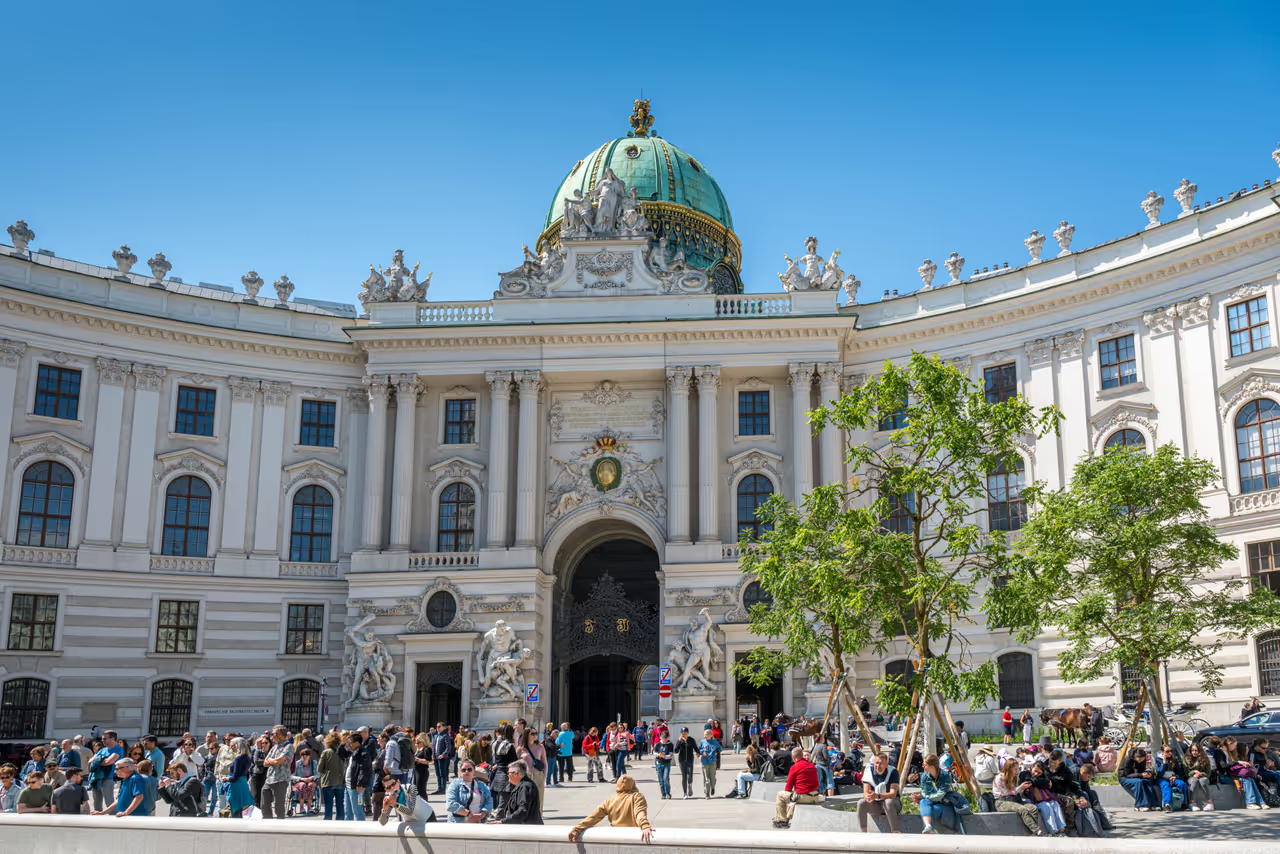
Stepping into the Hofburg is like walking through the very heart of the Habsburg Empire. This sprawling complex is a centuries old tapestry of power, art, and daily imperial life that defines the historic centre of Vienna. From the medieval courtyards to the dramatic grandeur of the Neue Burg, every corner holds a story of emperors, empresses, and political intrigue. Today, it remains the official office of the Austrian President, blending deep history with modern governance. Visiting allows you to wander through opulent state rooms, discover priceless treasures in the imperial treasury, and soak in the atmosphere of a place that shaped European history for hundreds of years. It is an absolute must see that anchors the spirit of Vienna.
Videos
History of Hofburg
The story of the Hofburg began in the 13th century, initially as a modest castle intended for the Dukes of Austria. Over the following centuries, as the Habsburg dynasty rose to unprecedented power across Europe, the palace grew alongside them. It served as a vast world of government, culture, and residence. By the time it reached its imperial zenith, it was the administrative nerve centre of a vast empire, housing the Holy Roman Emperors and eventually the Austrian Emperors. Architecture was added layer by layer, with the Renaissance Swiss Court and the opulent Baroque additions reflecting the shifting tastes and immense wealth of the ruling family. The complex became a city within a city, incorporating everything from a grand national library and riding schools to private chapels and crypts. It survived sieges, political upheavals, and the eventual end of the monarchy, transforming itself through each era. The expansion halted only in the early 20th century, leaving behind a fascinating mix of architectural styles that tell the story of a dynasty that shaped the continent. Today, the legacy continues, not as a static museum but as a living part of Vienna. It serves as the official seat of the Austrian Federal President and remains a hub for international diplomacy and grand cultural events. Walking through the gates, one can still feel the weight of history in the quiet courtyards and grand halls. It stands as a testament to continuity, linking the grandeur of the imperial past with the modern identity of an open, democratic Austria.
Events spanning 713 years
Fun Facts
- • Field Marshal Radetzky was granted the unique honour of living in the Swiss Wing apartments by Emperor Franz Joseph I, despite Radetzky not being a member of the imperial family.
- • In the Hall of Ceremonies, Napoleon I formally asked for the hand of Archduchess Marie Louise, a marriage intended to secure a political alliance between France and Austria.
- • The Augustinian Church within the complex holds a macabre but fascinating treasure: the Hearts Crypt, where 54 hearts of Habsburg family members are preserved in silver urns.
- • The Court Library's Prunksaal holds the vast collection of Prince Eugene of Savoy, boasting an immense ceiling fresco by Daniel Gran that is considered one of the finest Baroque interiors in existence.
- • The Hall of Ceremonies, built by Louis Montoyer, was historically nicknamed The Nose because it protruded at a right angle from the Leopoldine Wing for nearly a century.
- • The Leopoldine Wing houses the office of the Austrian Federal President, maintaining the building's status as the genuine seat of power long after the empire fell.
- • The Spanish Riding School, famous for its Lipizzaner horses, has been part of the Hofburg complex since its inception, housed within the Stallburg, which was originally built for Crown Prince Maximilian.
- • The Swiss Court represents the oldest part of the complex, featuring a 15th century chapel where the world famous Vienna Boys Choir still performs mass on Sundays.
- • The architectural expansion project known as the Kaiserforum was intended to be an enormous imperial complex, but it was never finished, leaving the Neue Burg as a spectacular, standalone remnant of the grand plan.
- • The term The Congress Dances refers to the famous balls held here during the Congress of Vienna in 1814 and 1815, where European diplomats mingled and negotiated amid endless festivities.
RESOURCES
Official WebsiteHofburg FAQ
While we strive to keep this information accurate and up to date, we recommend verifying any details independently before making decisions based on them.
Hofburg Map & Neighborhood Explorer
This interactive map is centered on Hofburg. Zoom in and move the map around to automatically discover Wikipedia photos and summaries of other nearby sights, monuments, and historical points of interest and stories in real-time!
Places near Hofburg
Make the most of your trip. Check out these top-rated spots located nearby.
 179m
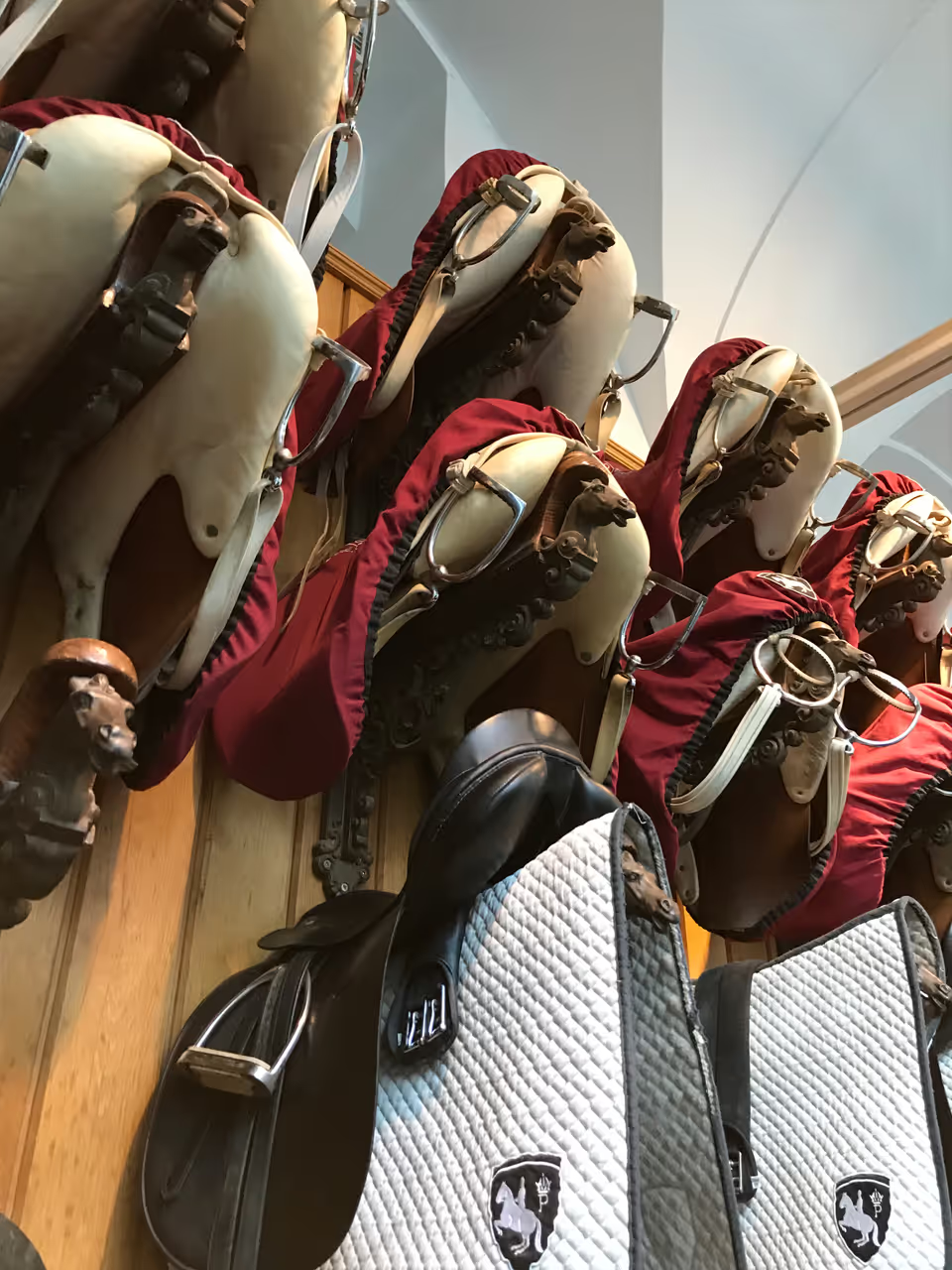
179mSpanish Riding School
This institution preserves the classical art of equestrian dressage, a tradition that has remained unchanged for over four centuries. The famous white Lipizzaner stallions perform complex, balletic movements inside a breathtaking baroque riding hall adorned with crystal chandeliers. You can attend the highly formal gala performances or watch the horses during their morning exercise routines. It is a remarkable display of harmony between rider and horse.
highlight view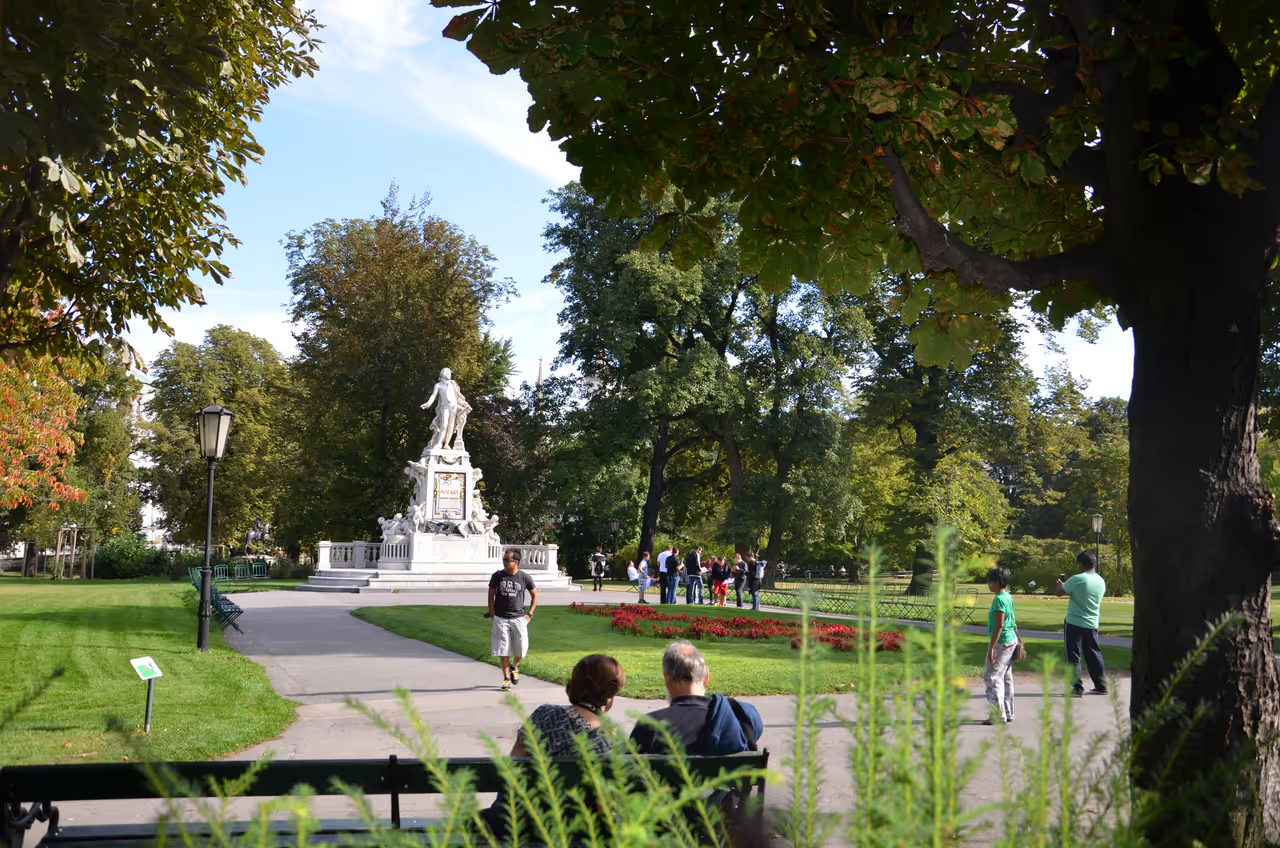 209m
209mBurggarten
The Burggarten stands as a serene imperial retreat located right in the heart of the city, offering a lush escape from the paved streets of Vienna. Originally crafted as a private garden for the Habsburg family, the space now welcomes everyone to walk among its pristine lawns, grand statues, and tranquil ponds. You can admire the stunning architecture of the Palmenhaus, an Art Nouveau glasshouse that houses an elegant café and a sanctuary for tropical butterflies. Music lovers often make a pilgrimage to the iconic Mozart monument, while others simply enjoy the sight of the legendary Lipizzaner horses grazing in their paddocks nearby. This garden remains a perfect example of how imperial grandeur has gracefully transitioned into a cherished public space for locals and visitors alike.
park & nature view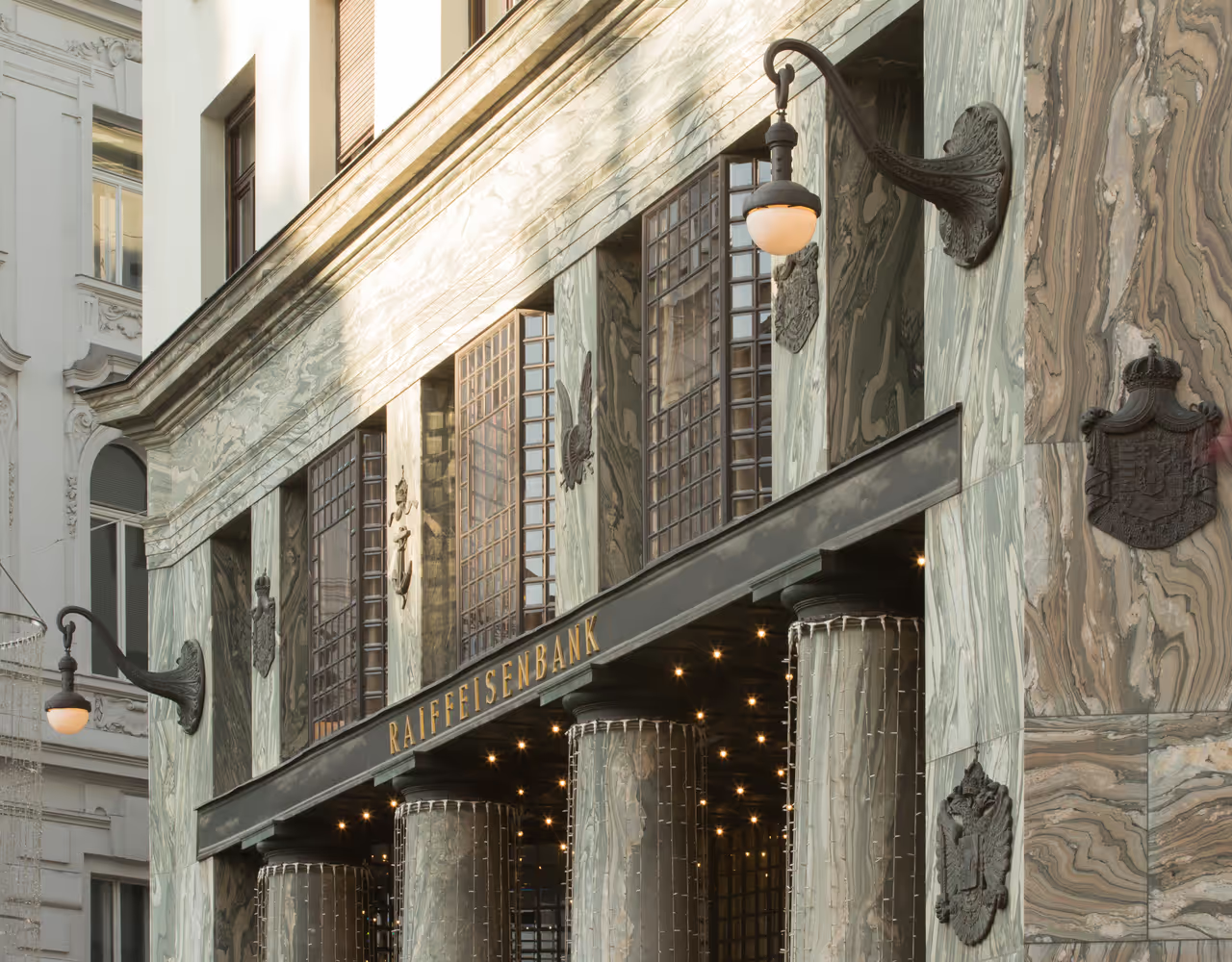 250m
250mLooshaus
This highly controversial commercial and residential building, sitting directly opposite the imperial palace, caused a massive scandal when it was unveiled in 1911. Architect Adolf Loos stripped the upper facade of all ornamentation, reflecting his belief that architectural decoration was a crime. Emperor Franz Joseph reportedly despised the clean, unadorned windows so much that he refused to use the palace exit facing the building. Today, it is celebrated as a vital stepping stone in the development of modern architecture.
architecture view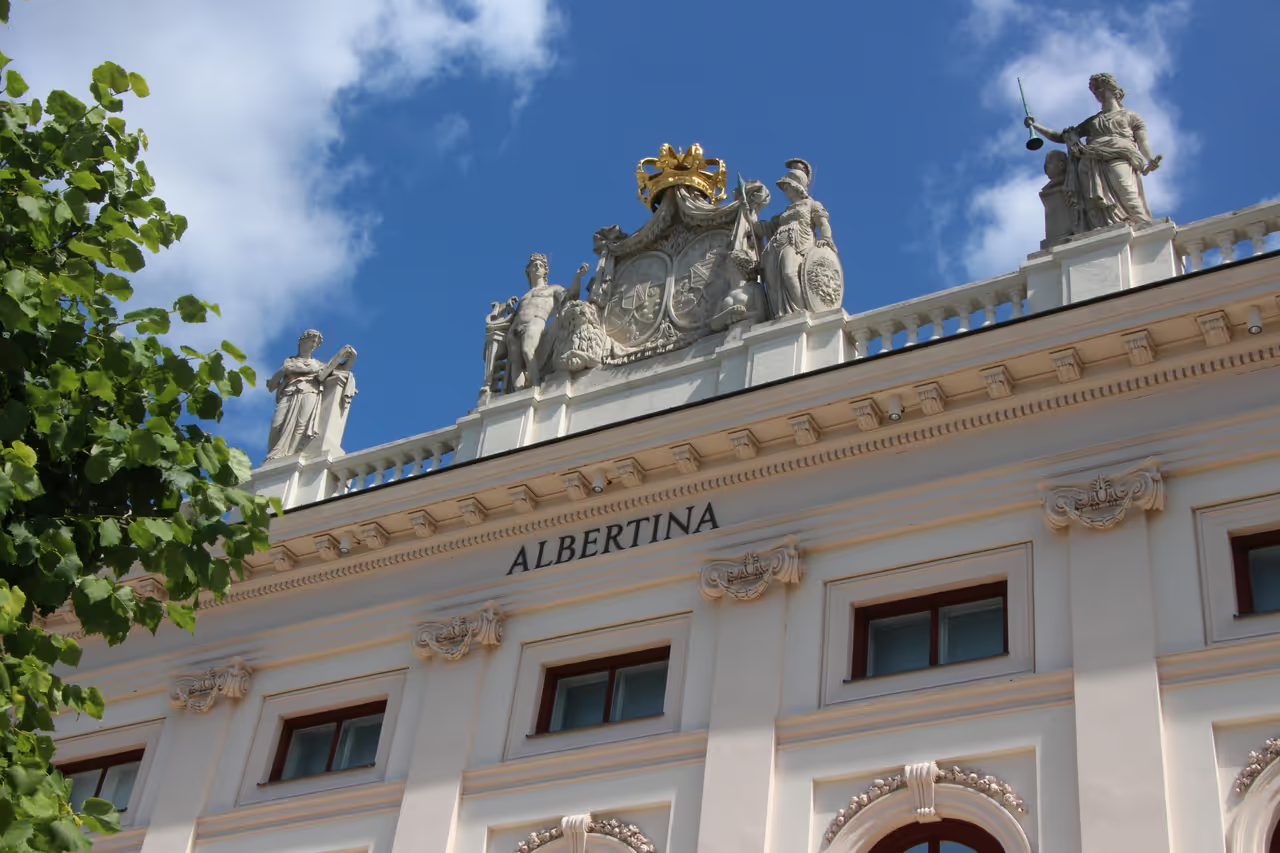 263m
263mAlbertina
The Albertina stands as a jewel in the heart of Vienna, offering visitors a profound journey through the history of art within the walls of a grand former imperial residence. Renowned for housing one of the world's most significant collections of prints and drawings, this museum allows you to gaze upon masterpieces by legends like Durer, Monet, and Picasso. Beyond its vast graphic archive, the palace itself radiates history, perched atop a remnant of the city’s ancient defence fortifications. Whether you are wandering through the opulent state rooms or exploring contemporary exhibitions, the museum provides a seamless blend of regal heritage and modern artistic spirit. It is an essential stop for anyone wanting to truly feel the creative pulse of the Austrian capital.
attraction view
Explore Similar Places in These Collections
Featured on These Itineraries and Routes
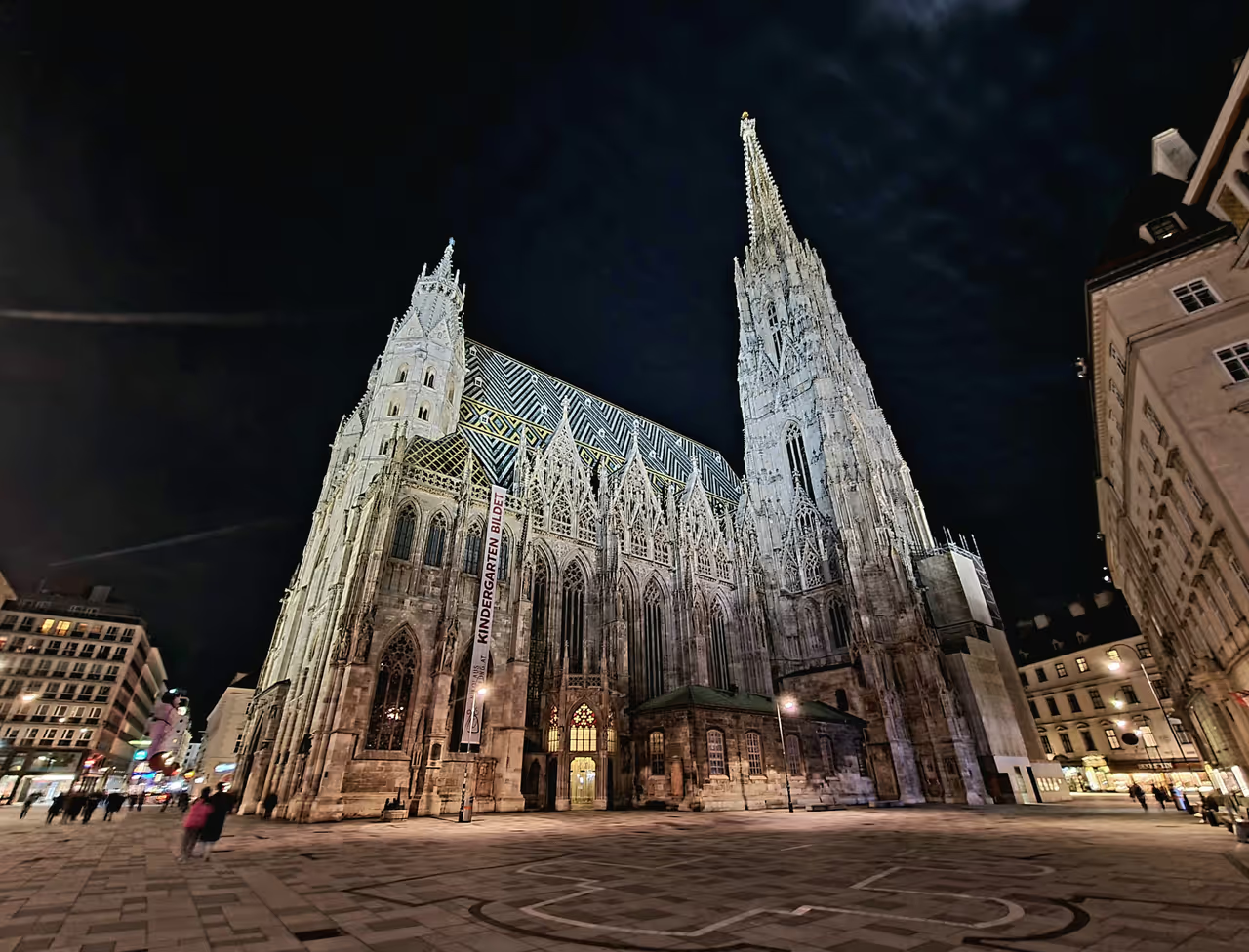
1 Day in Vienna Itinerary
If you only have one day, this highly concentrated plan focuses entirely on the historic core and the grandest symbols of the former empire. You will witness the immense scale of the Habsburg legacy and experience the classic coffee house culture. It is a fast paced but visually rewarding introduction to the capital.
view itinerary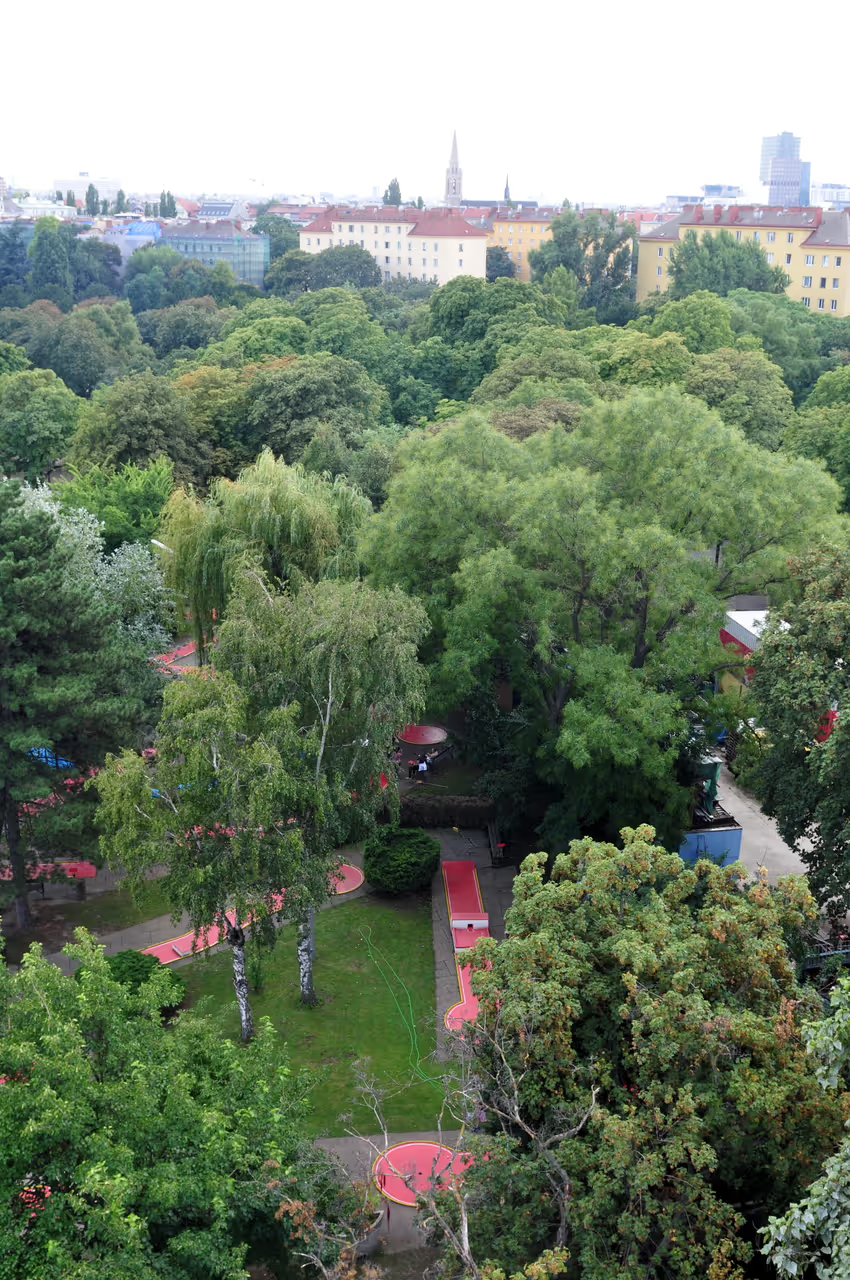
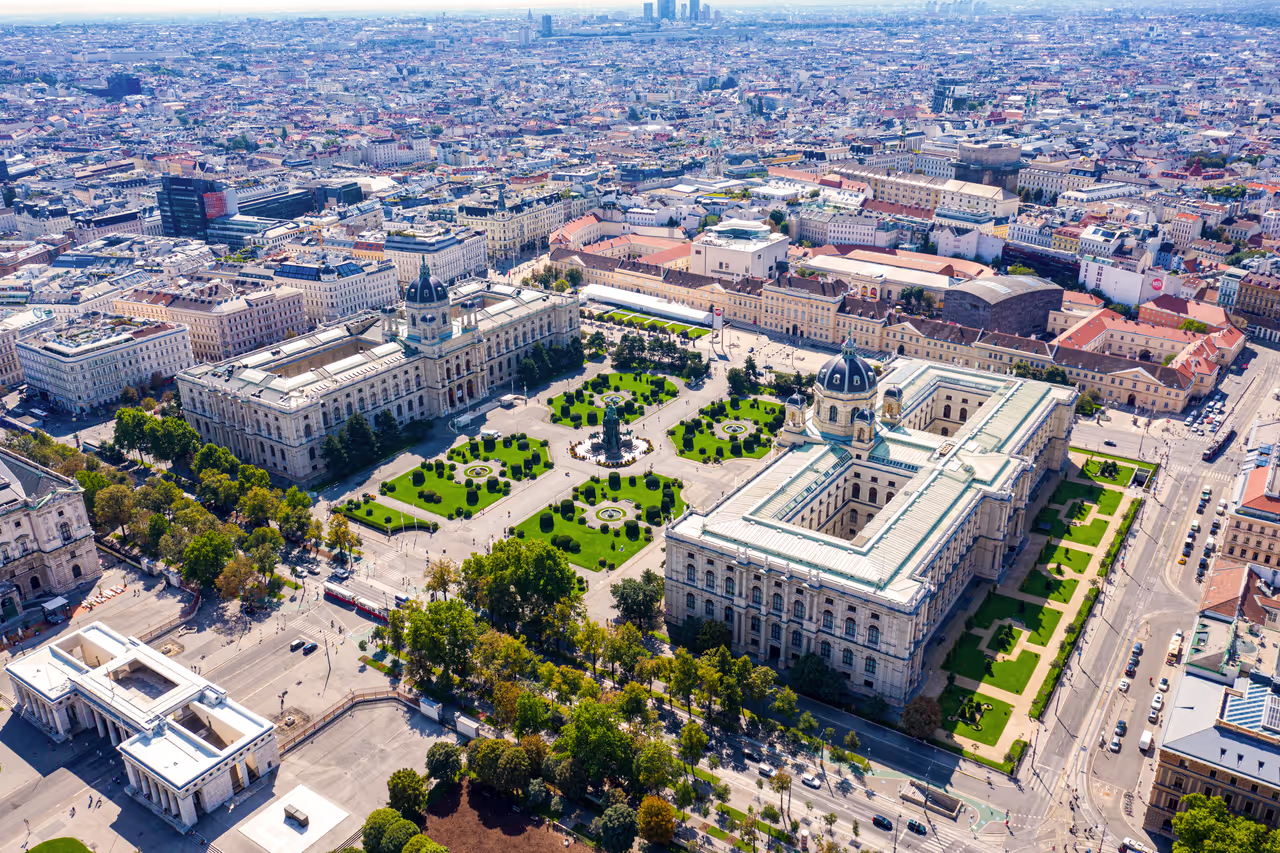
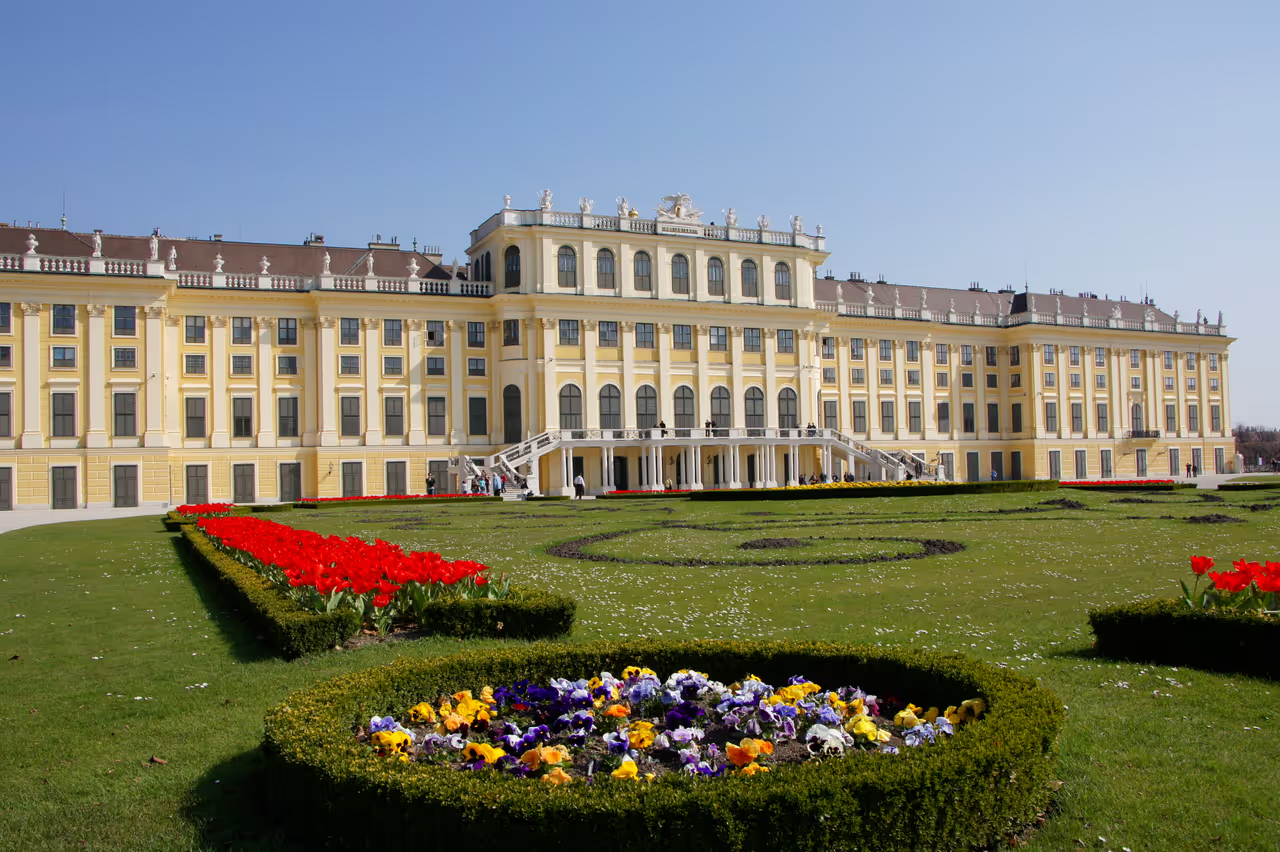
3 Days in Vienna: Culture and History Itinerary
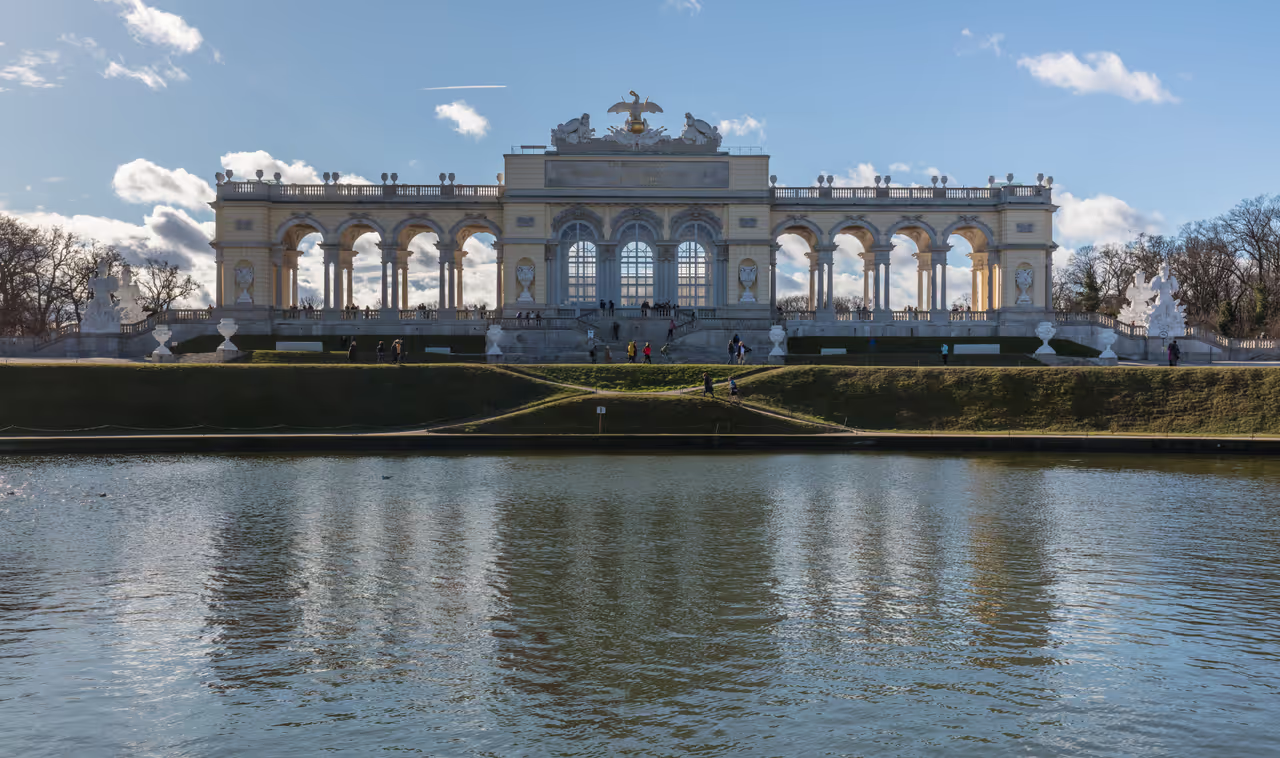
This balanced itinerary allows you to explore the dense inner city, the sprawling summer palaces, and the renowned art collections. You will experience the city's unique culinary scene and view its iconic skyline from multiple perspectives. It offers a well rounded view of the classical and the quirky sides of the capital.
view itinerary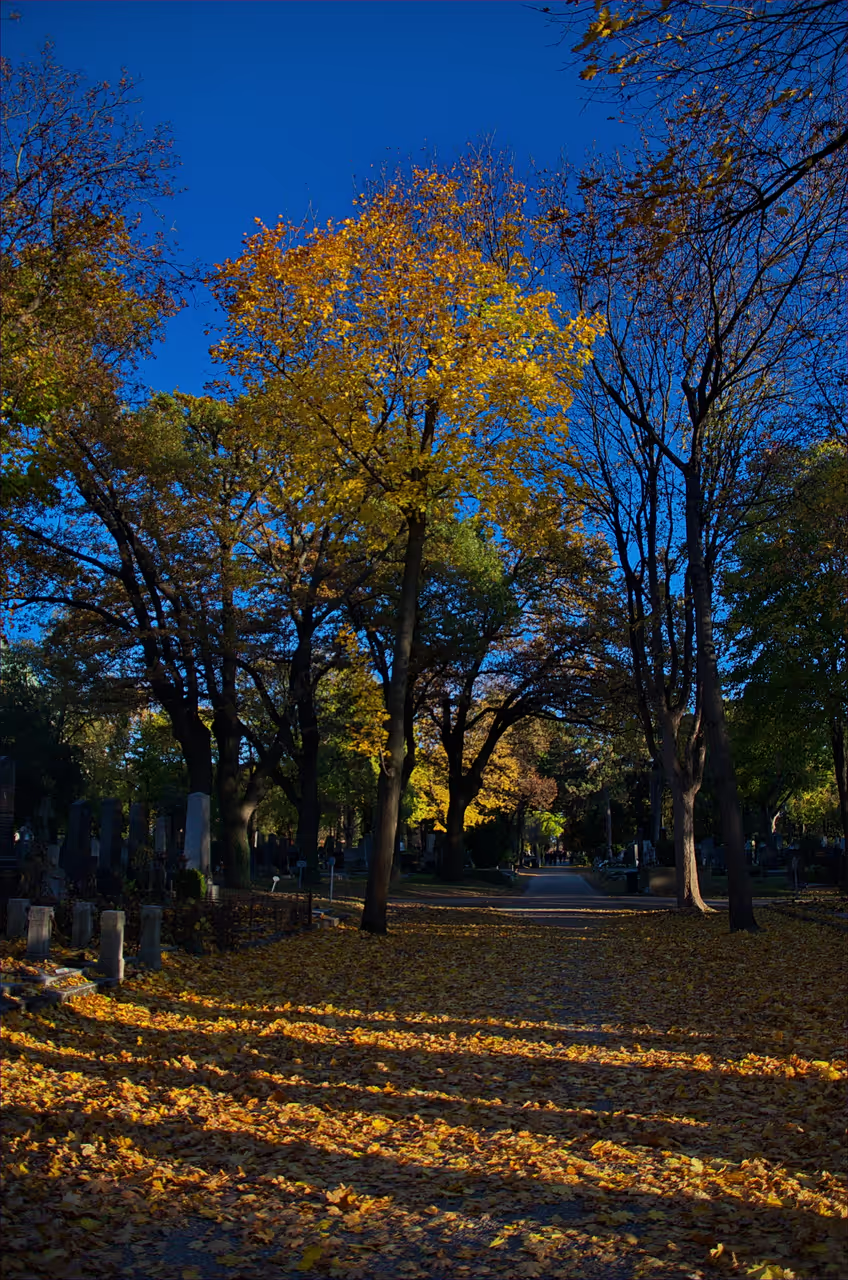
5 Days in Vienna: In-Depth Experience Itinerary
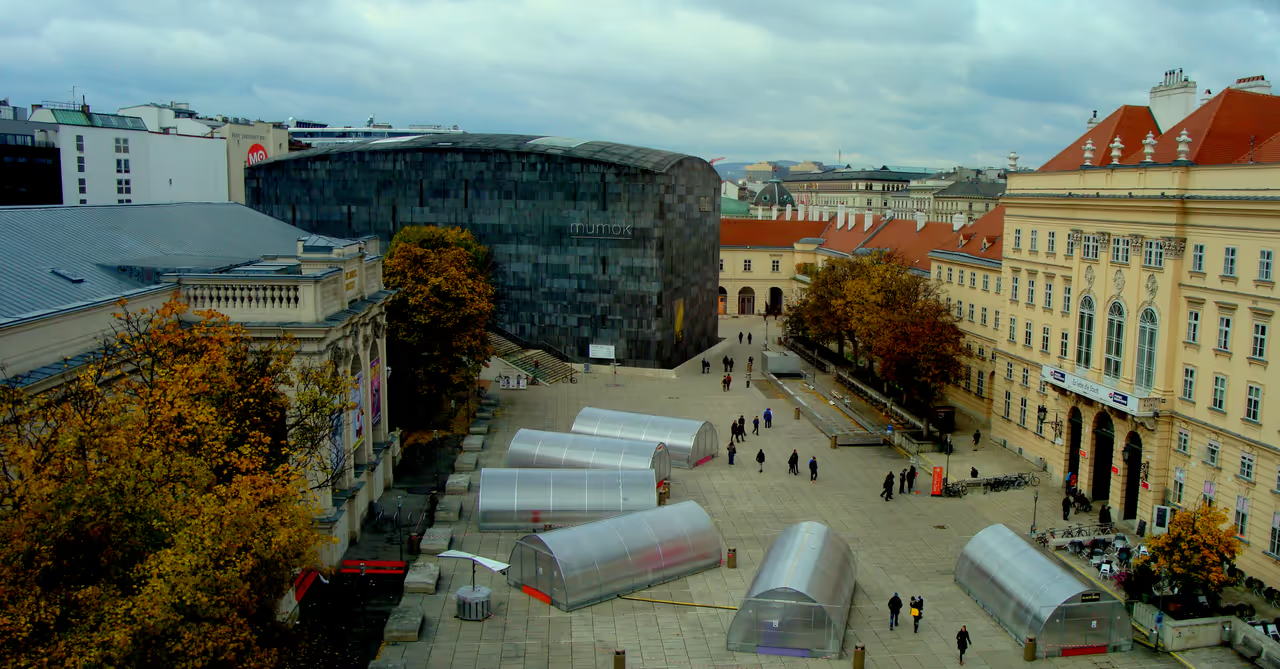
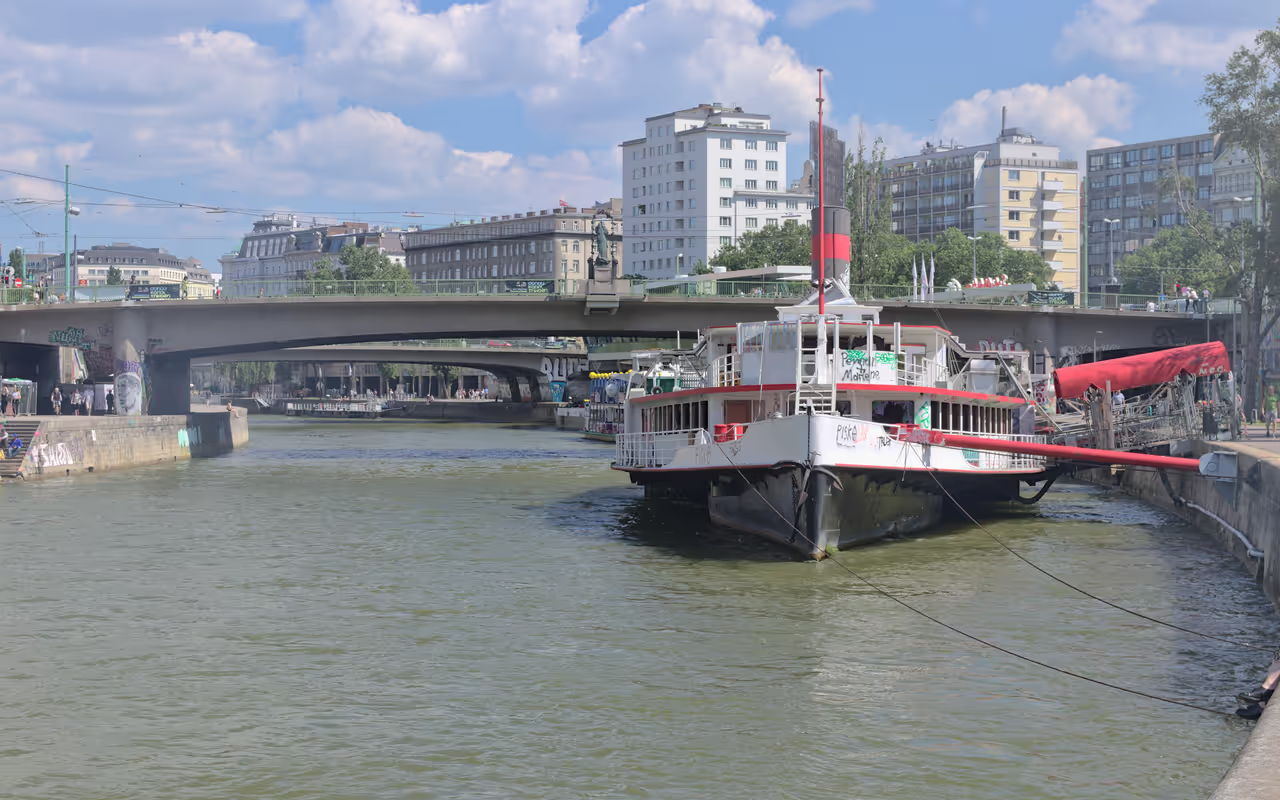
A comprehensive journey that moves beyond the typical tourist sights to include modernist architecture, natural escapes, and contemporary culture. This plan gives you time to appreciate the city's green spaces, relax in its historic cemeteries, and explore the riverfront. It is the ultimate way to understand how the capital functions today.
view itinerary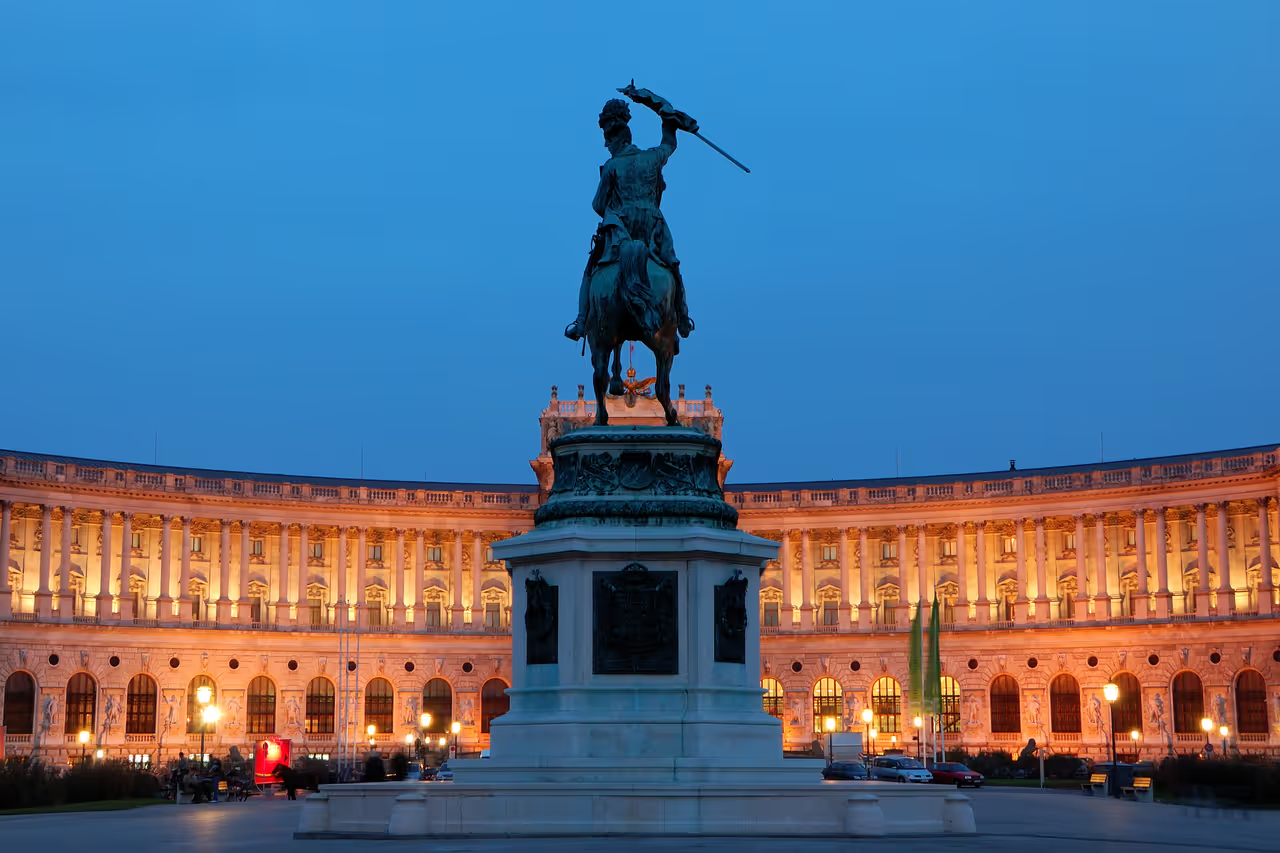
Historic Inner City
A captivating walk through the pedestrianised core of the ancient city. You will wander past luxury boutiques, monumental churches, and sprawling palace complexes. It is a journey through cobblestone streets that reveal the immense wealth and power of the former empire.
view walking route
See all attractions in Vienna
Albertina, Belvedere, Kunsthistorisches Museum, Prater, St. Stephen's Cathedral...