Albertina
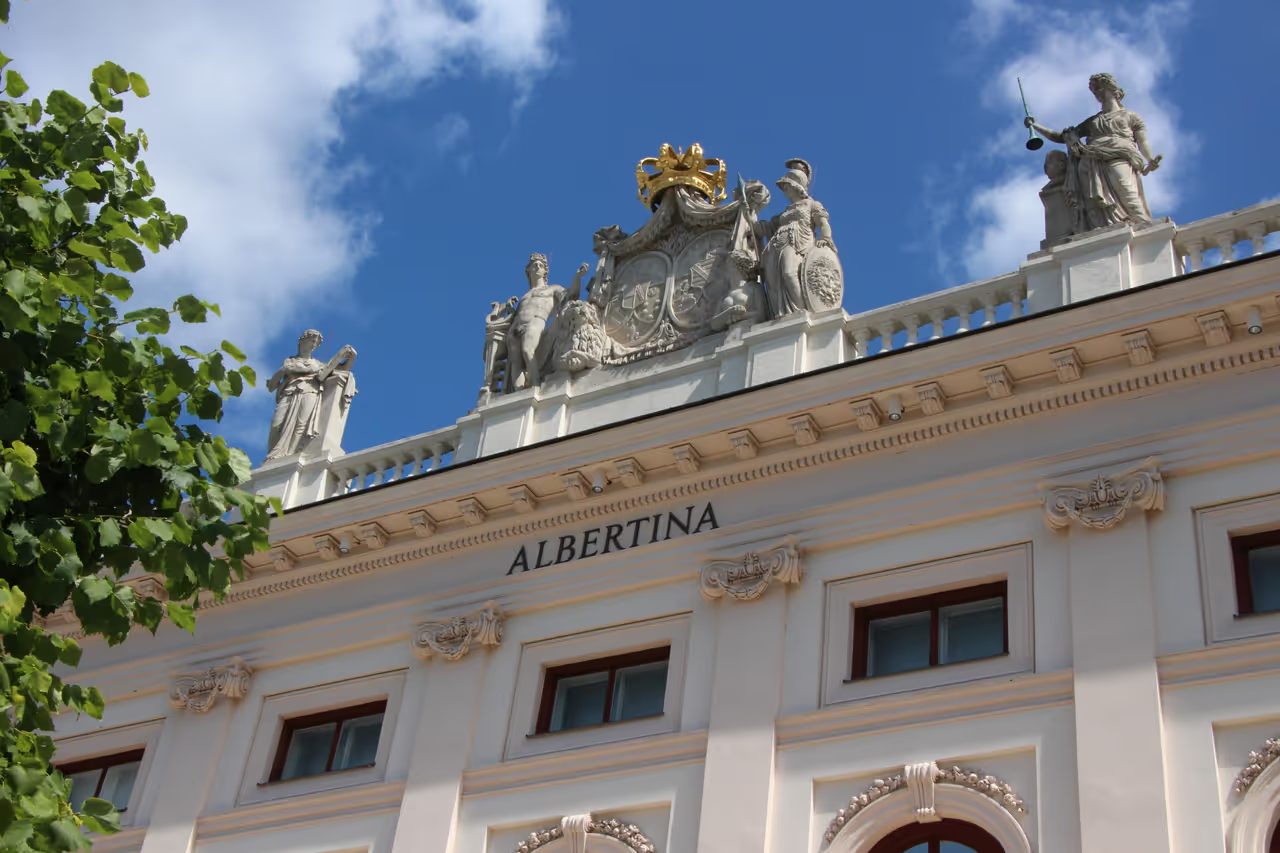
The Albertina stands as a jewel in the heart of Vienna, offering visitors a profound journey through the history of art within the walls of a grand former imperial residence. Renowned for housing one of the world's most significant collections of prints and drawings, this museum allows you to gaze upon masterpieces by legends like Durer, Monet, and Picasso. Beyond its vast graphic archive, the palace itself radiates history, perched atop a remnant of the city’s ancient defence fortifications. Whether you are wandering through the opulent state rooms or exploring contemporary exhibitions, the museum provides a seamless blend of regal heritage and modern artistic spirit. It is an essential stop for anyone wanting to truly feel the creative pulse of the Austrian capital.
Videos
History of Albertina
The story of the Albertina begins as a grand statement of aristocratic ambition and intellectual curiosity, rather than as a museum. Established in the middle of the 18th century on the remains of the old Augustinian Bastion, the site was transformed from a court construction office into a luxurious palace by Emanuel Teles Count Silva Tarouca. Its true destiny was sealed when Duke Albert Casimir of Teschen and his wife, Archduchess Maria Christina, made it their home. With the guidance of the Italian count Giacomo Durazzo, they began a quest to build a collection that would educate and inspire. This was an era when the Enlightenment spirit encouraged the wealthy to curate beauty for the benefit of future generations, turning the palace into a repository for the greatest drawings and prints of the age. Throughout the 19th century, the palace served as a private residence for several archdukes, including the notable Archduke Charles, whose military campaigns shaped the map of Europe. The halls of the Albertina were alive with the discussions and lives of the Habsburg elite, even as the walls outside were integrated into the city defensive network. The transition from private home to public institution was marked by the political upheavals of the early 20th century. In 1919, the new socialist government took control, and by 1921, the building was officially renamed the Albertina, opening its doors to the public. This period marked a pivotal shift, where the private treasures of a dynasty became the shared cultural heritage of the nation. The modern era has seen its own share of challenges and transformations. During the Second World War, the building suffered extensive damage from Allied bombing raids, necessitating a long and meticulous process of restoration. The turn of the millennium saw the Albertina undergo a massive overhaul, modernising its facilities while painstakingly preserving its historical soul. The addition of the Hans Hollein roof in 2008 served as a bold architectural bridge between the imperial past and the contemporary future. Today, with the expansion into the Künstlerhaus as Albertina modern and the recent branch in Klosterneuburg, the museum continues to evolve, proving that its core mission of education and moral beauty, established over two centuries ago, remains as relevant as ever.
Events spanning 276 years
Fun Facts
- • Albrecht Durer's Young Hare, painted in 1502, is one of the most famous pieces in the collection and a pinnacle of nature study.
- • Duke Albert Casimir founded the collection with the explicit goal of education and moral upliftment for future generations.
- • During the Nazi era, the museum was forced to process looted artworks from Jewish collectors, and it is currently engaged in complex provenance research to identify and return these items.
- • The acquisition of the Essl Collection in 2018 added over 1,000 major contemporary works to the museum holdings.
- • The archive includes significant architectural drawings, providing a detailed history of building designs through the centuries.
- • The graphic collection is enormous, containing approximately 65,000 drawings and over one million old master prints.
- • The institution now operates across three locations, including the main palace, Albertina modern, and a new branch in Klosterneuburg for post 1945 art.
- • The museum sits atop the Augustinian Bastion, which served as a crucial part of the city defensive fortifications for centuries.
- • The palace was once the residence of Archduke Charles, the military leader who secured the first major victory against Napoleon at the Battle of Aspern Essling.
- • The renovation completed in 2003 fully restored the opulent Habsburg state rooms, allowing the public to walk through rooms that were once the private domain of the imperial family.
Albertina FAQ
While we strive to keep this information accurate and up to date, we recommend verifying any details independently before making decisions based on them.
Albertina Map & Neighborhood Explorer
This interactive map is centered on Albertina. Zoom in and move the map around to automatically discover Wikipedia photos and summaries of other nearby sights, monuments, and historical points of interest and stories in real-time!
Places near Albertina
Make the most of your trip. Check out these top-rated spots located nearby.
- 165m
Vienna Jazz Festival
For over three decades, this festival has brought legends of jazz, soul, and blues to the Austrian capital. Performances are hosted in stunning venues across the city, including the State Opera and the historic Rathaus. The programming strikes a balance between established icons and emerging experimental artists. It brings a soulful, rhythmic energy to the warm summer evenings.
festival view 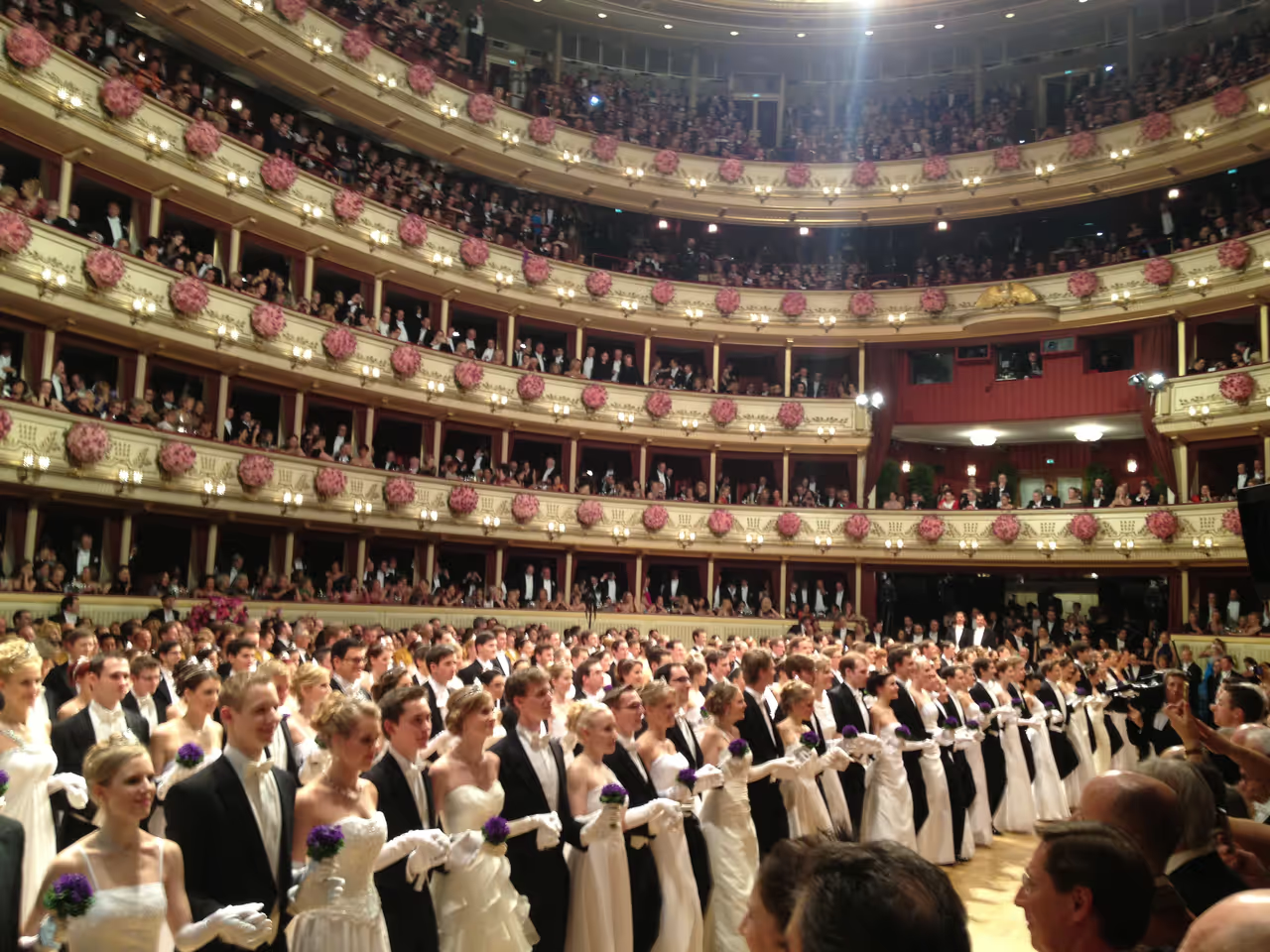 165m
165mVienna Opera Ball
The pinnacle of the local ball season transforms the prestigious State Opera into an enormous, glittering ballroom. Thousands of guests in white tie and evening gowns gather to waltz the night away, opening with a traditional debutante dance. It is a highly exclusive event that attracts celebrities, politicians, and business leaders from around the globe. Even if you don't attend, the buzz around the city during this night is palpable.
festival view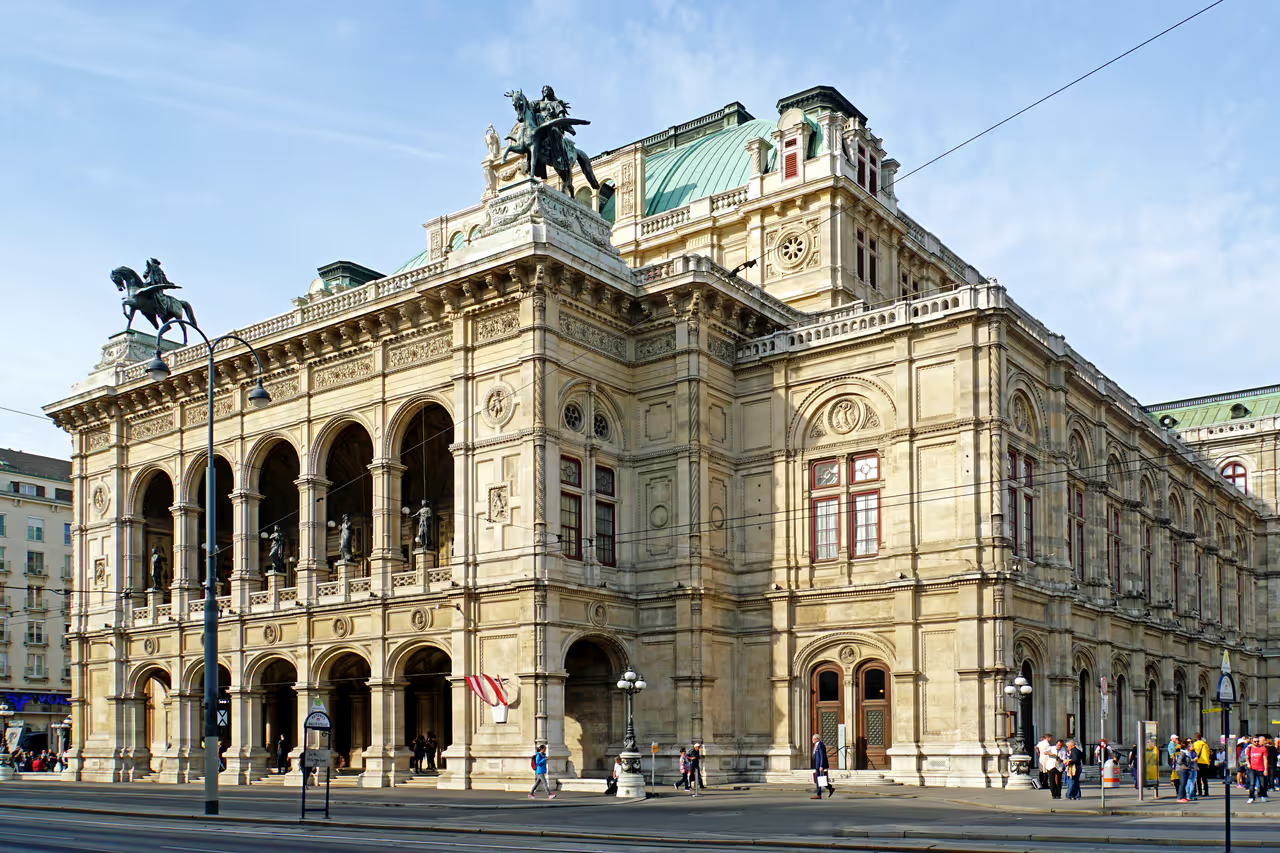 165m
165mVienna State Opera
This is one of the most prestigious opera houses in the world, renowned for its unparalleled acoustics and formidable daily repertoire. The neo-Renaissance building was severely damaged during World War Two but meticulously restored to its former glory. Each season, it hosts over three hundred performances spanning classical ballet to dramatic operas. Taking a guided tour reveals the immense backstage logistics required to change sets every single day.
highlight view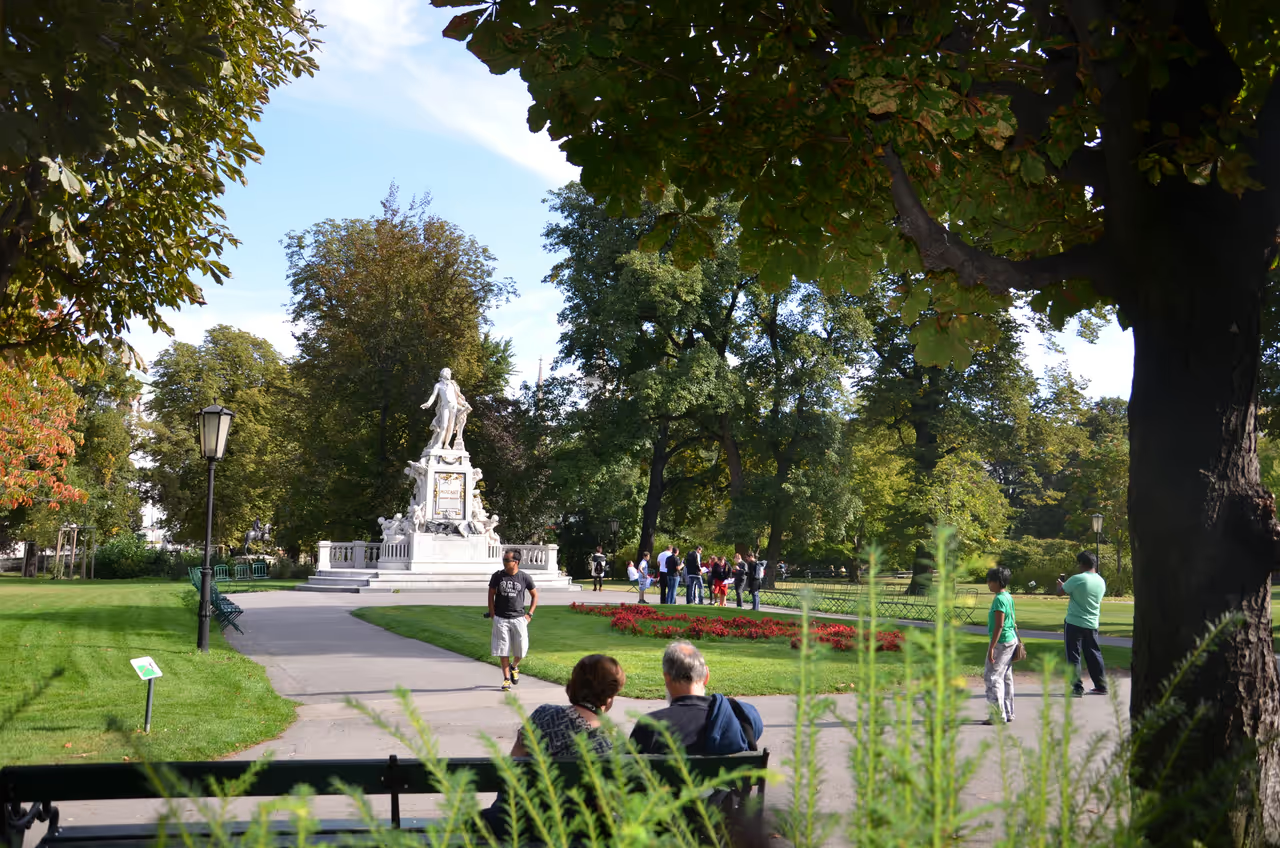 186m
186mBurggarten
The Burggarten stands as a serene imperial retreat located right in the heart of the city, offering a lush escape from the paved streets of Vienna. Originally crafted as a private garden for the Habsburg family, the space now welcomes everyone to walk among its pristine lawns, grand statues, and tranquil ponds. You can admire the stunning architecture of the Palmenhaus, an Art Nouveau glasshouse that houses an elegant café and a sanctuary for tropical butterflies. Music lovers often make a pilgrimage to the iconic Mozart monument, while others simply enjoy the sight of the legendary Lipizzaner horses grazing in their paddocks nearby. This garden remains a perfect example of how imperial grandeur has gracefully transitioned into a cherished public space for locals and visitors alike.
park & nature view
Explore Similar Places in This Collection
Featured on This Itinerary
See all attractions in Vienna
Belvedere, Hofburg, Kunsthistorisches Museum, Prater, St. Stephen's Cathedral...