Burggarten
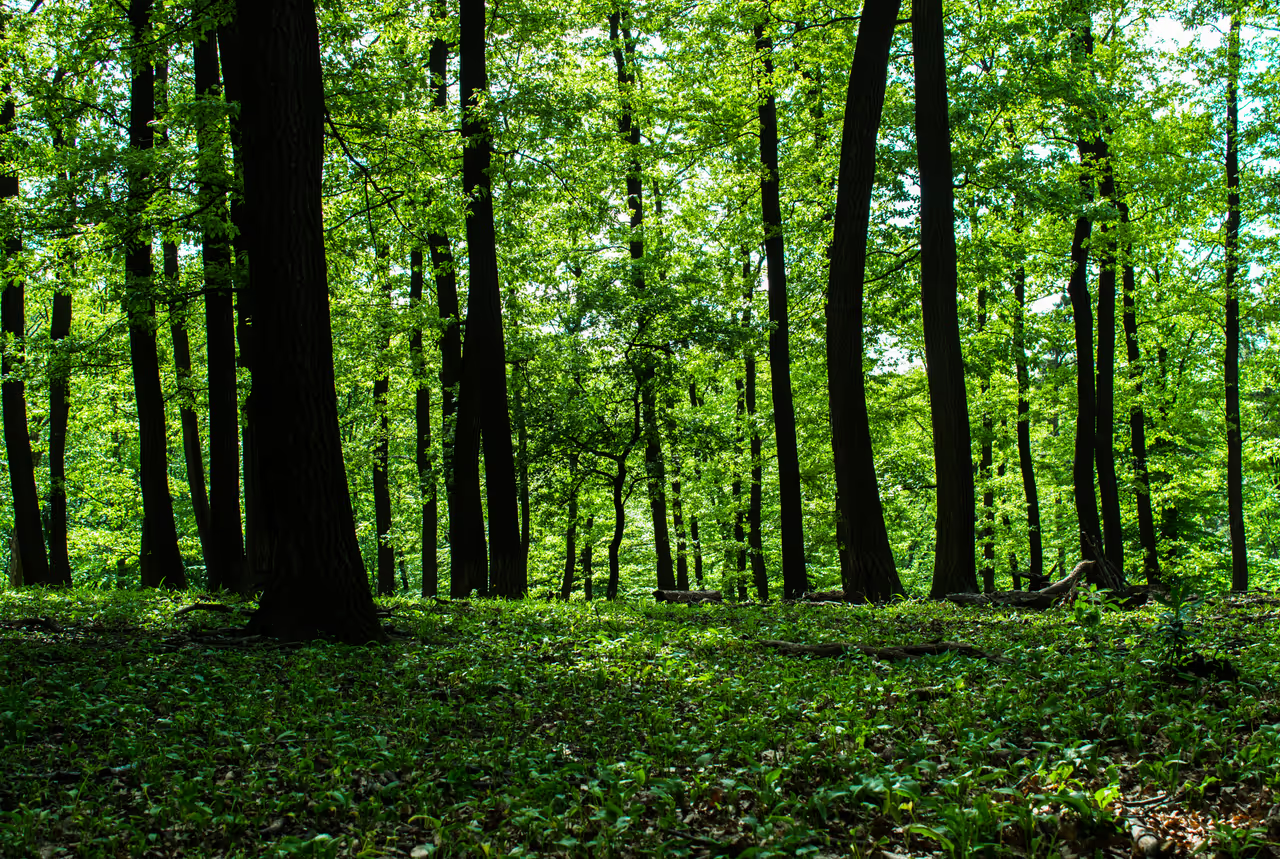
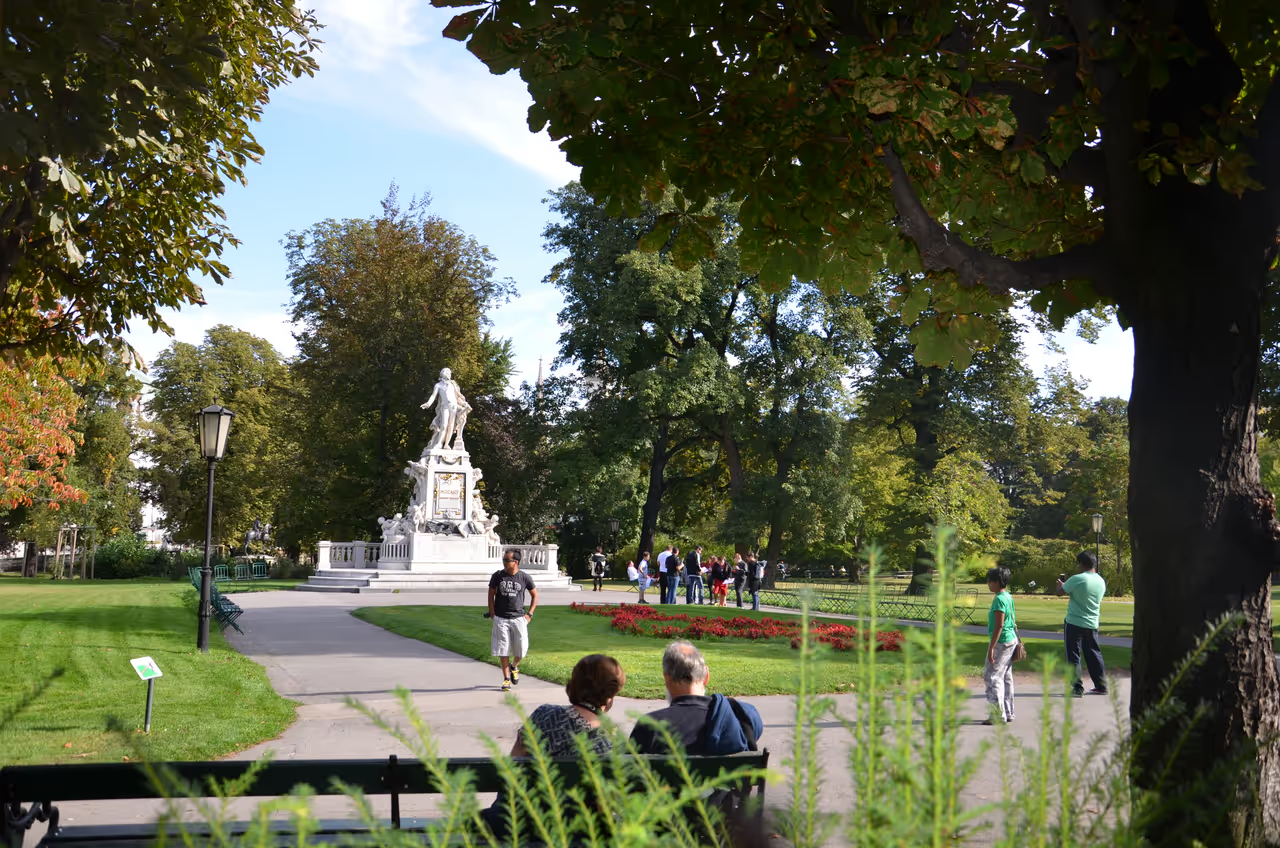
The Burggarten stands as a serene imperial retreat located right in the heart of the city, offering a lush escape from the paved streets of Vienna. Originally crafted as a private garden for the Habsburg family, the space now welcomes everyone to walk among its pristine lawns, grand statues, and tranquil ponds. You can admire the stunning architecture of the Palmenhaus, an Art Nouveau glasshouse that houses an elegant café and a sanctuary for tropical butterflies. Music lovers often make a pilgrimage to the iconic Mozart monument, while others simply enjoy the sight of the legendary Lipizzaner horses grazing in their paddocks nearby. This garden remains a perfect example of how imperial grandeur has gracefully transitioned into a cherished public space for locals and visitors alike.
Videos
History of Burggarten
After the smoke cleared from the Napoleonic Wars in 1809, the strategic significance of the old fortifications at the Hofburg Palace vanished. Emperor Francis I, a man whose heart beat for botany rather than warfare, seized the opportunity to transform this former rubble into a personal horticultural sanctuary. It became a realm of rare plants and private serenity, shielded from the public eye and dedicated to the natural sciences that the Emperor loved so deeply. For decades, the garden remained a closely guarded secret of the Habsburgs, offering a quiet escape from the rigid protocols of court life. The Laternengang, an underground tunnel, served as their private link, ensuring the royals could retreat into their greenery with complete privacy. This seclusion fostered a unique and intimate atmosphere where the Emperor could indulge his scientific interests while escaping the heavy burdens of statecraft. When the monarchy fell in 1918, the gates finally swung open to the people of Vienna. The subsequent decades saw the garden evolve from a symbol of exclusive power into a cherished communal asset. Today, the park manages to balance its imperial heritage with modern life, hosting tourists and locals alike, while the presence of the Lipizzaner horses ensures the connection to its equestrian past remains vibrantly alive for all who visit.
Events spanning 212 years
Fun Facts
- • Emperor Francis I was a passionate botanist and heavily influenced the original layout of the gardens.
- • In 1957, a statue of Emperor Franz Joseph I was added to the grounds, cementing the park as a collection of Habsburg history.
- • The Hercules fountain, depicting the hero wrestling the Nemean lion, was relocated to the Burggarten from a different district in Vienna.
- • The Laternengang, a secret underground passage, once allowed the royal family to travel directly from the Hofburg Palace into the park without being seen.
- • The Lipizzaner horses kept here belong to the Spanish Riding School, which has maintained its traditions in Vienna for over four hundred years.
- • The Palmenhaus is a masterclass in Art Nouveau architecture, showcasing the ornate metalwork popular in the early 20th century.
- • The butterfly house inside the Palmenhaus allows visitors to walk amongst hundreds of free flying tropical butterflies.
- • The famous Mozart memorial was originally located on Albertinaplatz before finding its permanent home here in 1953.
- • The park contains the oldest equestrian monument in Vienna, a lead statue of Emperor Francis I that dates back to 1781.
- • The park was created on the site of a defensive bastion that was blown up by Napoleon's troops in 1809.
Burggarten FAQ
While we strive to keep this information accurate and up to date, we recommend verifying any details independently before making decisions based on them.
Burggarten Map & Neighborhood Explorer
This interactive map is centered on Burggarten. Zoom in and move the map around to automatically discover Wikipedia photos and summaries of other nearby sights, monuments, and historical points of interest and stories in real-time!
Places near Burggarten
Make the most of your trip. Check out these top-rated spots located nearby.
 186m
186mAlbertina
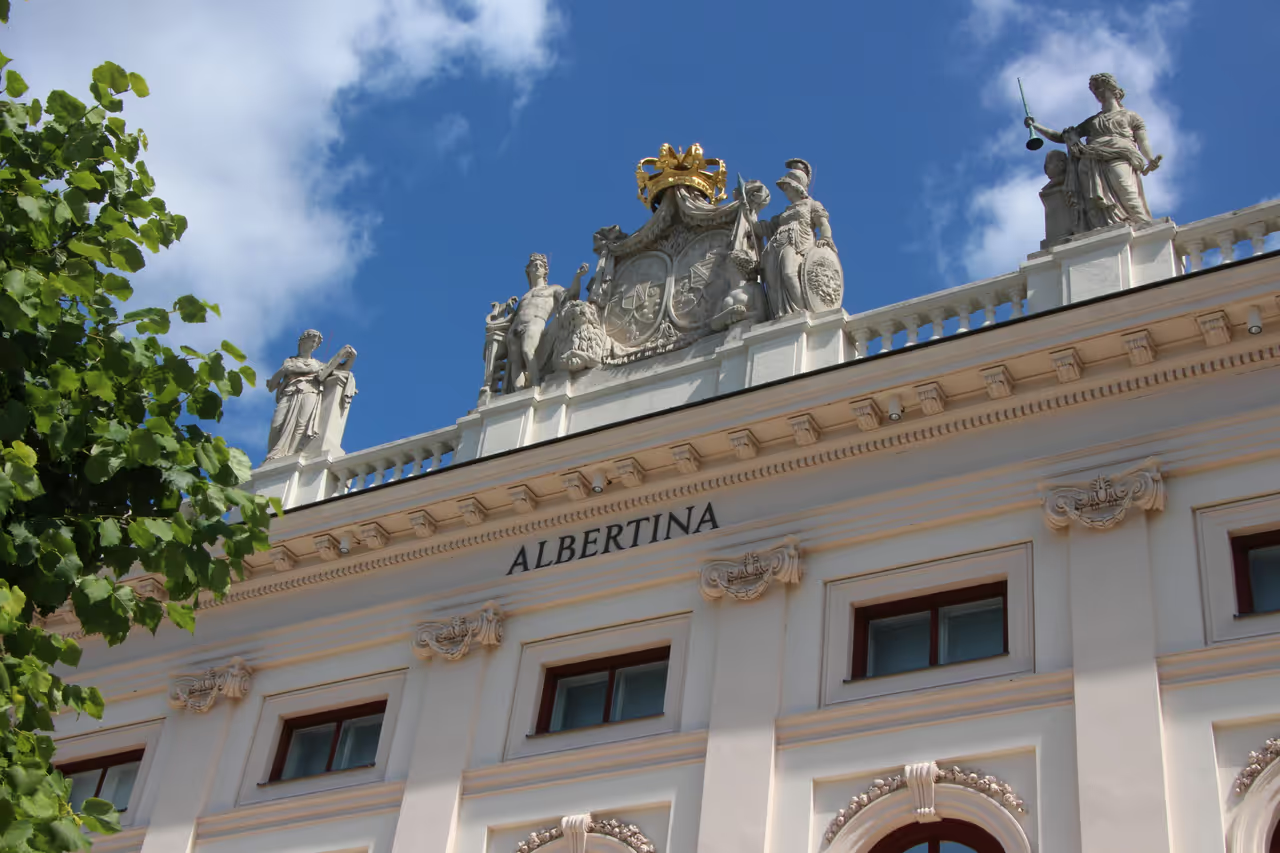
The Albertina stands as a jewel in the heart of Vienna, offering visitors a profound journey through the history of art within the walls of a grand former imperial residence. Renowned for housing one of the world's most significant collections of prints and drawings, this museum allows you to gaze upon masterpieces by legends like Durer, Monet, and Picasso. Beyond its vast graphic archive, the palace itself radiates history, perched atop a remnant of the city’s ancient defence fortifications. Whether you are wandering through the opulent state rooms or exploring contemporary exhibitions, the museum provides a seamless blend of regal heritage and modern artistic spirit. It is an essential stop for anyone wanting to truly feel the creative pulse of the Austrian capital.
attraction view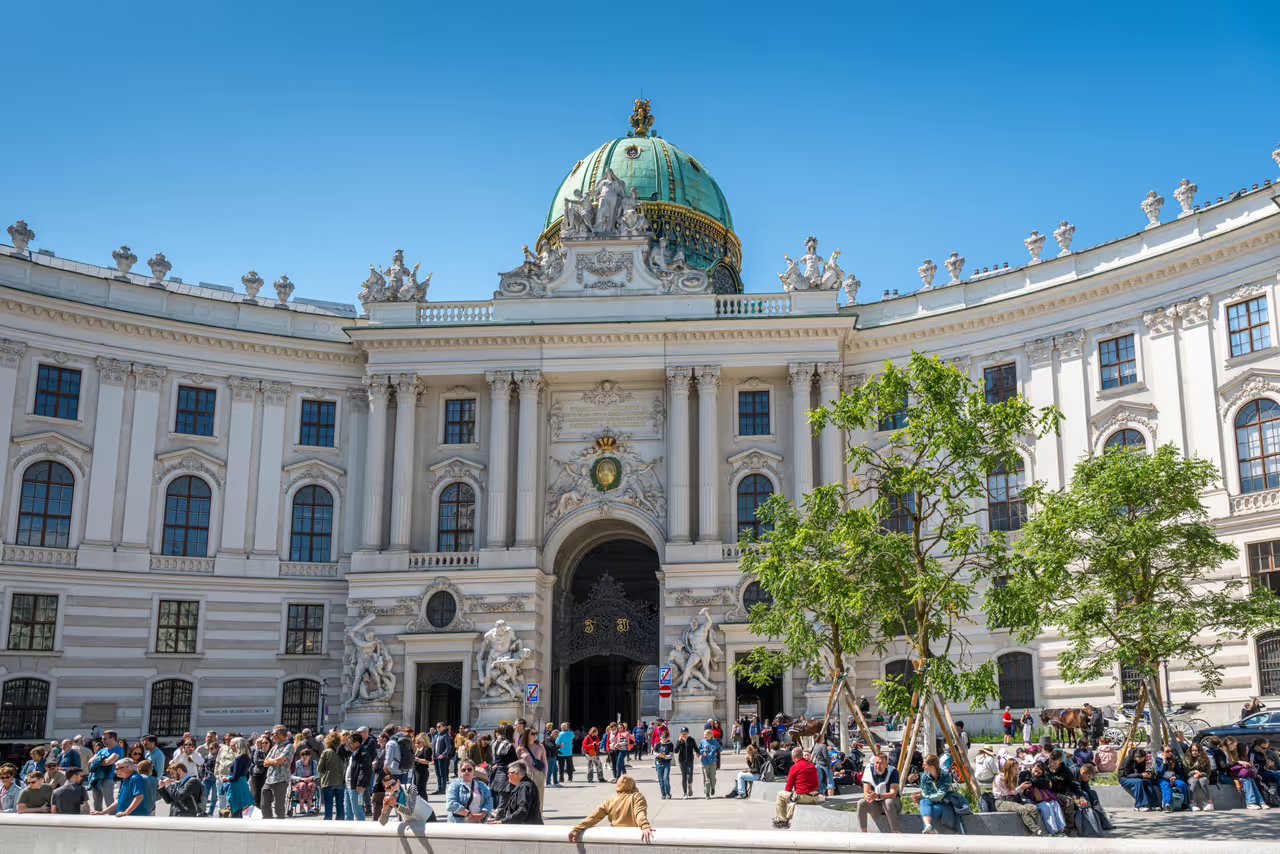 209m
209mHofburg
Stepping into the Hofburg is like walking through the very heart of the Habsburg Empire. This sprawling complex is a centuries old tapestry of power, art, and daily imperial life that defines the historic centre of Vienna. From the medieval courtyards to the dramatic grandeur of the Neue Burg, every corner holds a story of emperors, empresses, and political intrigue. Today, it remains the official office of the Austrian President, blending deep history with modern governance. Visiting allows you to wander through opulent state rooms, discover priceless treasures in the imperial treasury, and soak in the atmosphere of a place that shaped European history for hundreds of years. It is an absolute must see that anchors the spirit of Vienna.
attraction view- 276m
Vienna Jazz Festival
For over three decades, this festival has brought legends of jazz, soul, and blues to the Austrian capital. Performances are hosted in stunning venues across the city, including the State Opera and the historic Rathaus. The programming strikes a balance between established icons and emerging experimental artists. It brings a soulful, rhythmic energy to the warm summer evenings.
festival view 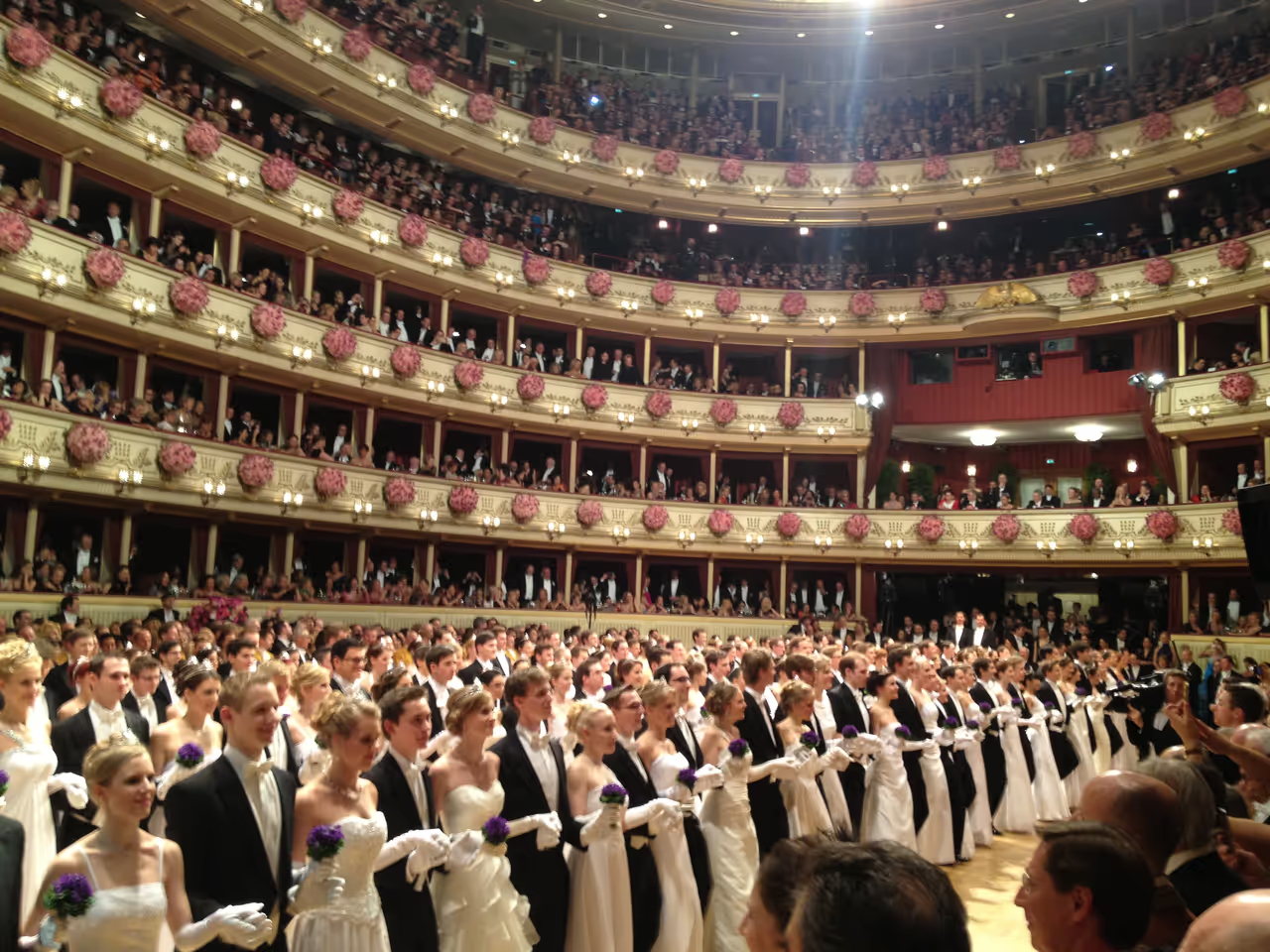 276m
276mVienna Opera Ball
The pinnacle of the local ball season transforms the prestigious State Opera into an enormous, glittering ballroom. Thousands of guests in white tie and evening gowns gather to waltz the night away, opening with a traditional debutante dance. It is a highly exclusive event that attracts celebrities, politicians, and business leaders from around the globe. Even if you don't attend, the buzz around the city during this night is palpable.
festival view
See all nature & parks in Vienna
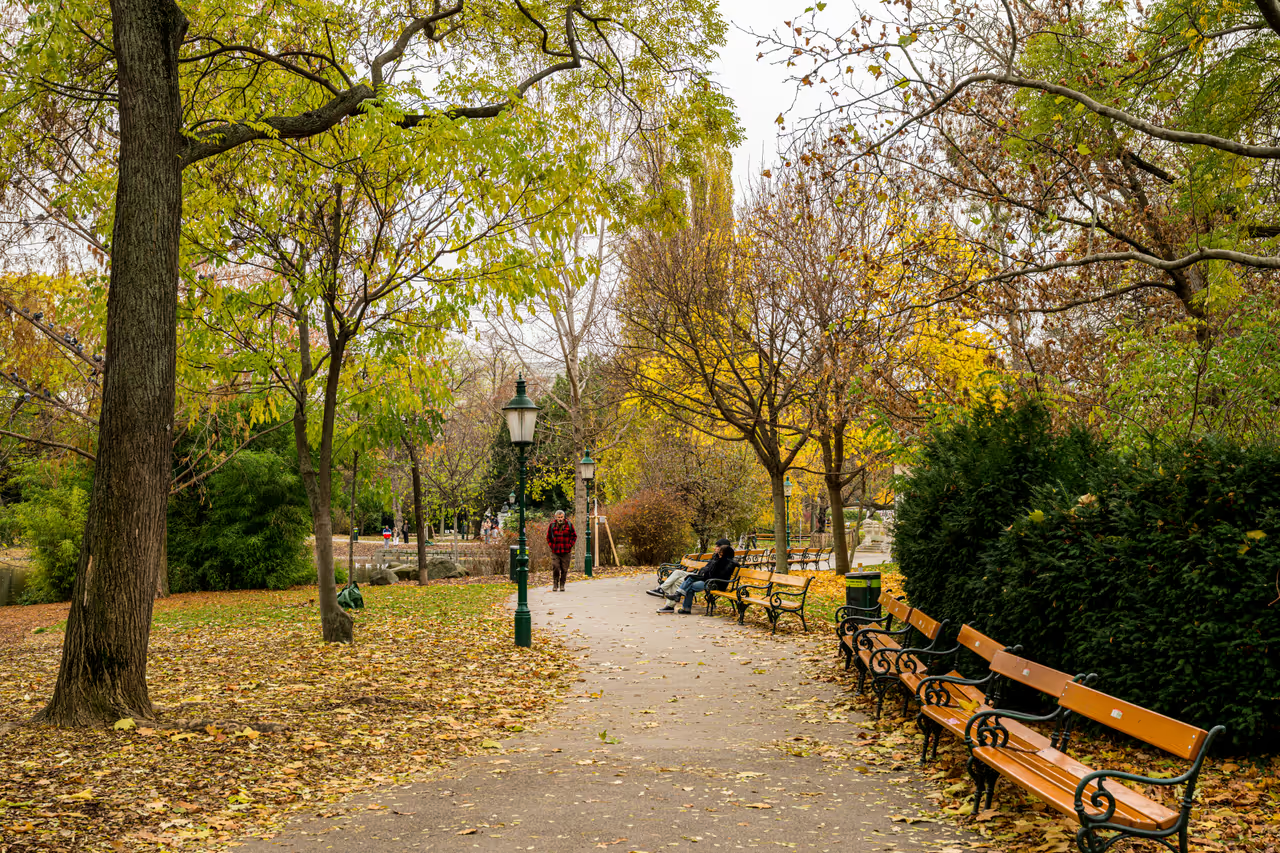
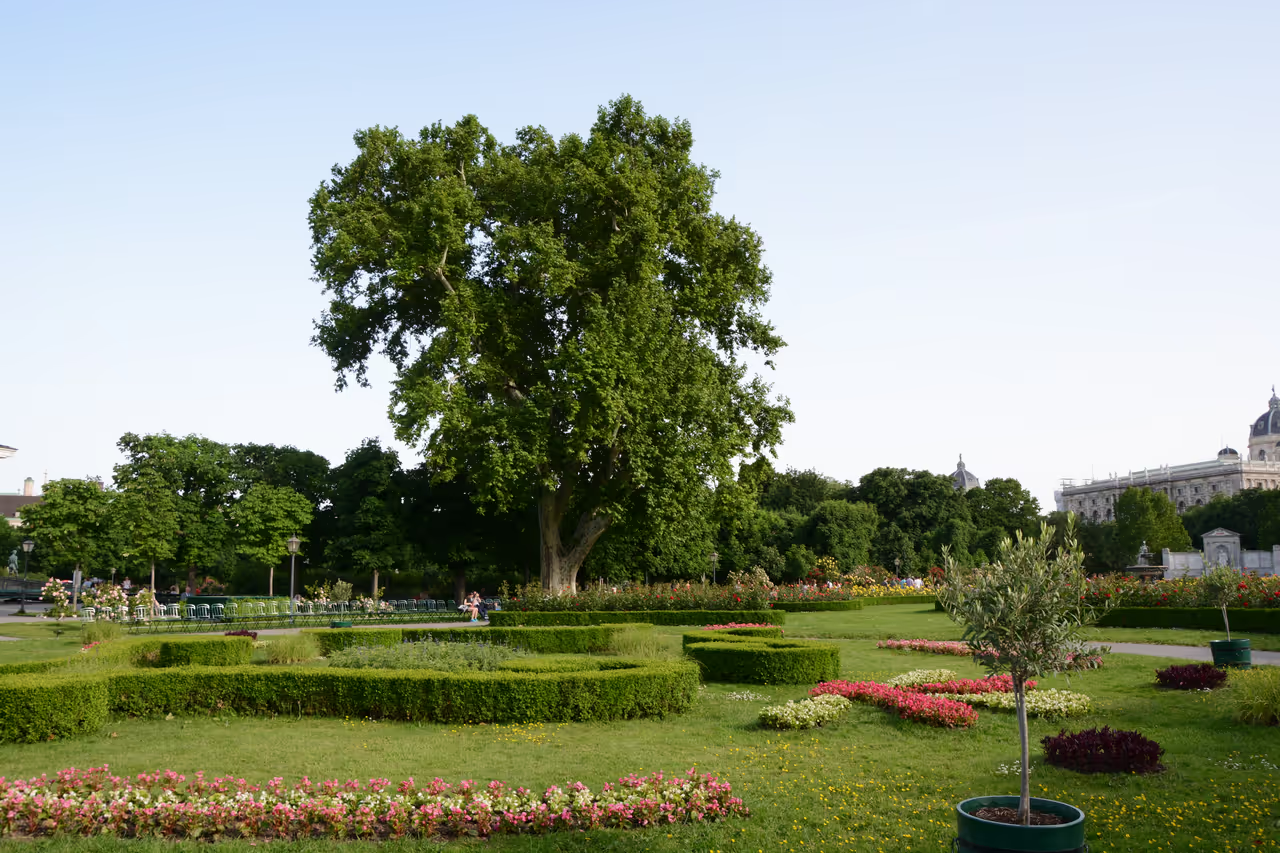
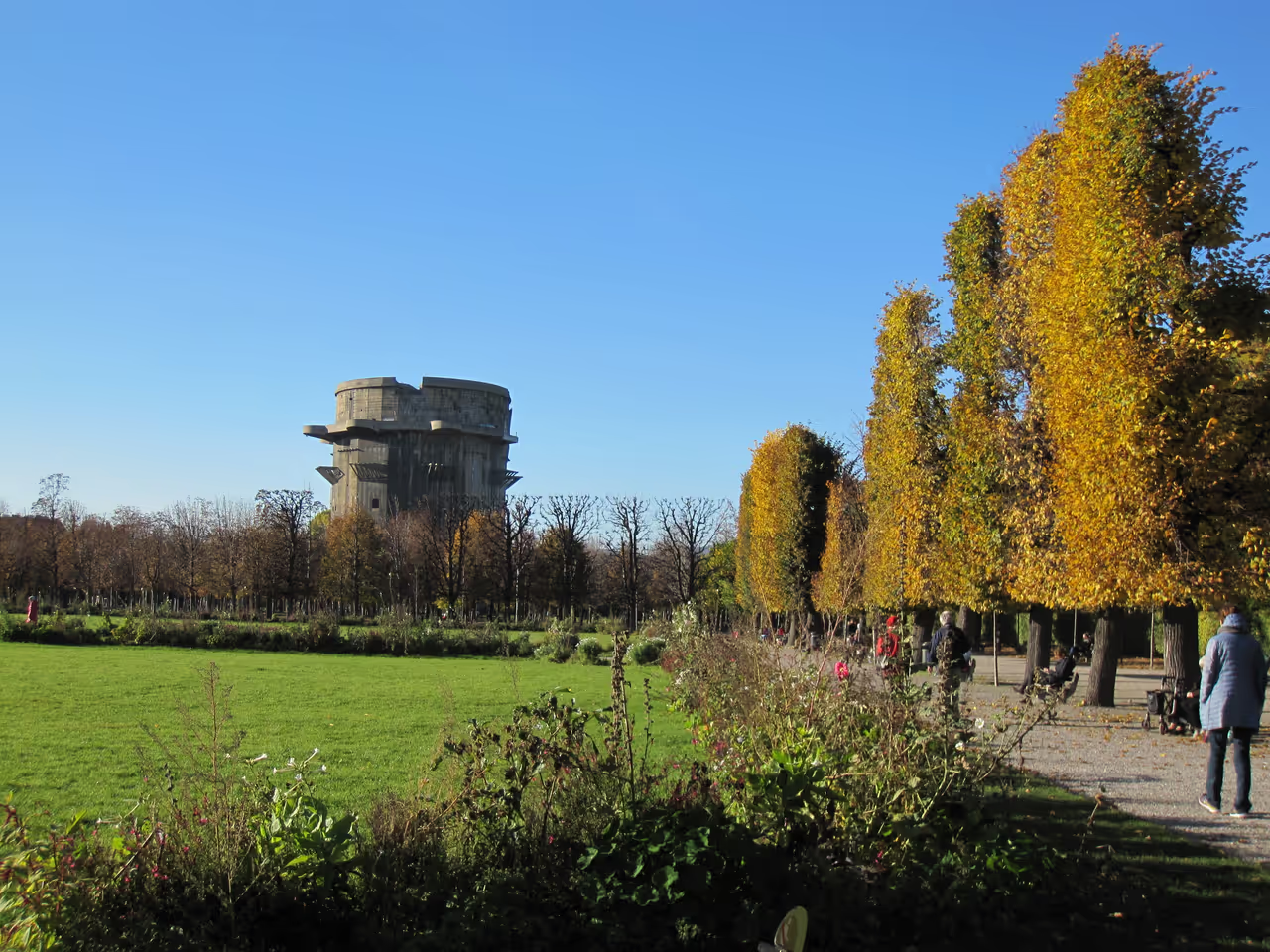
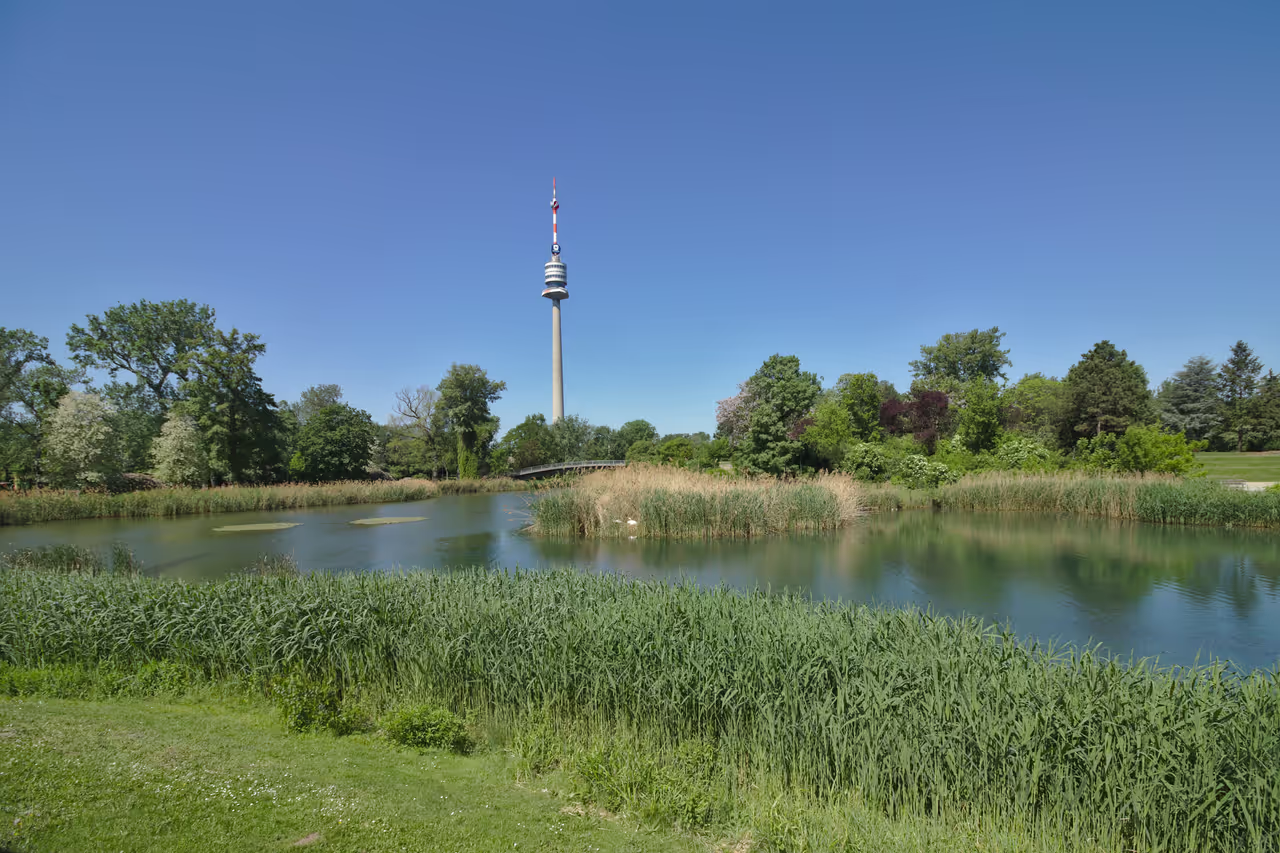
Stadtpark, Volksgarten, Augarten, Donaupark, Lainzer Tiergarten, Türkenschanz Park...