Stadtpark
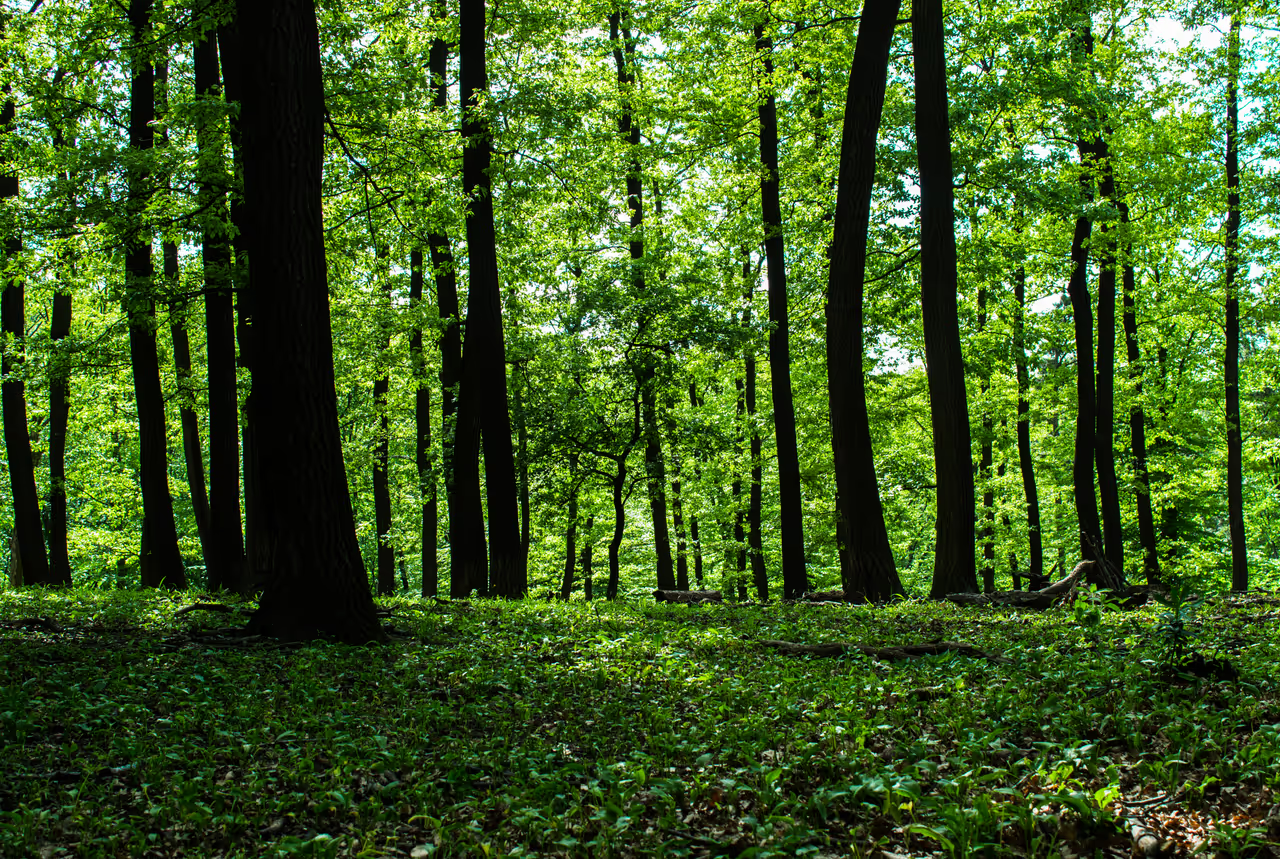
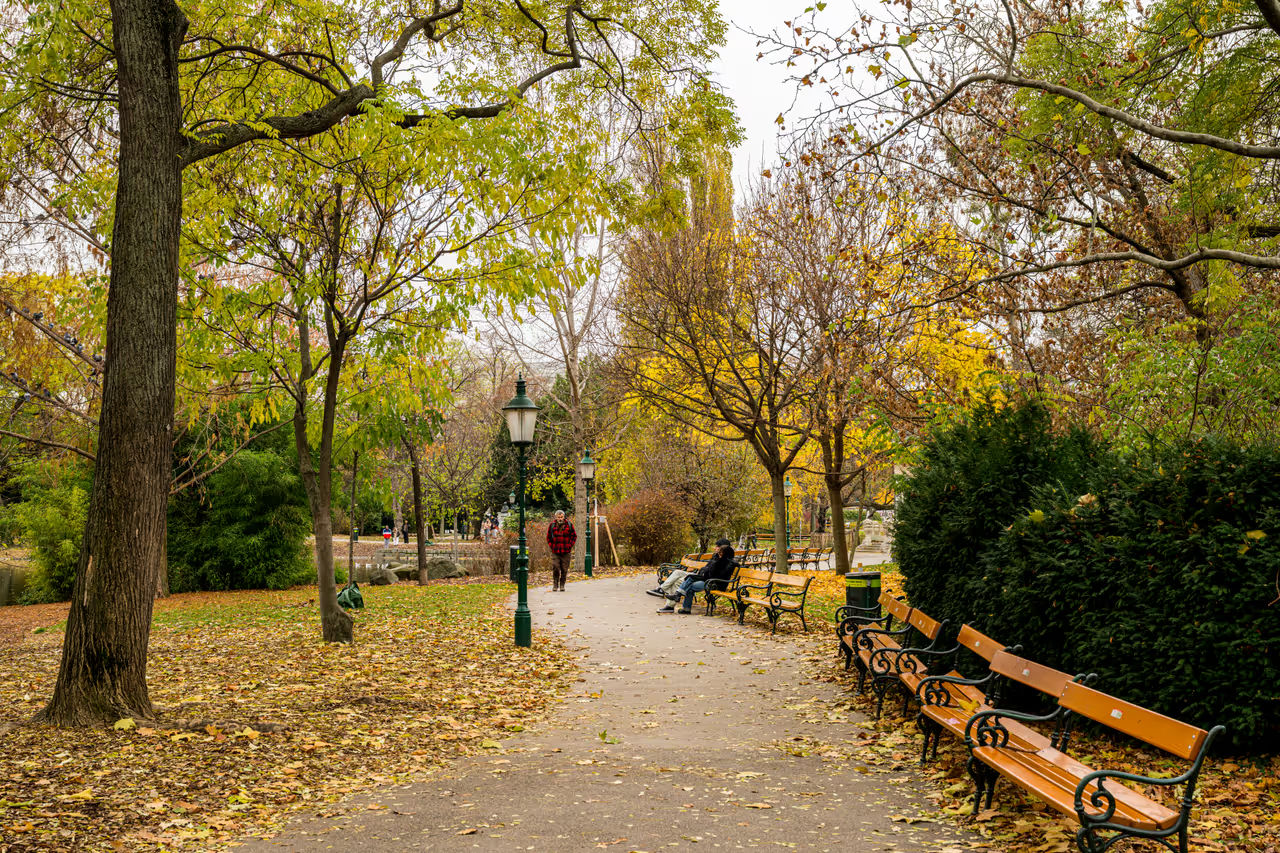
Vienna Stadtpark is a lush sanctuary that serves as the green heart of the city, stretching elegantly from the famous Ringstraße. This historic gem invites you to wander along the winding paths of the Wienfluss, where you can discover a remarkable collection of monuments honouring legendary figures like Johann Strauss II. The opulent Kursalon building stands as a testament to the musical heritage of the city, offering a place where the spirit of the waltz still feels alive today. Whether you are looking for a peaceful moment of reflection among carefully curated gardens or a touch of cultural grandeur, this park delivers with unique charm in every season. It is a place where nature meets art, creating an atmosphere that perfectly encapsulates the sophisticated yet relaxed vibe of Vienna.
Videos
History of Stadtpark
The story of Stadtpark begins with the ambitious redesign of Vienna in the mid 19th century. As the old city walls were pulled down to make way for the grand Ringstraße, visionaries like Mayor Andreas Zelinka saw an opportunity to provide the people with their very first public green space. The park was designed to be a democratic garden where anyone could enjoy nature, departing from the exclusive private grounds that were typical of the aristocracy. Landscape painter Josef Selleny envisioned a layout that felt natural and flowing, a breath of fresh air amidst the rapid urban expansion. As the decades passed, the park evolved from a simple garden into a curated celebration of Viennese identity. The addition of the Kursalon in the 1860s transformed the park into a social hub where music was the language of the day. It was here that the Strauss family turned the park into the beating heart of waltz culture. The river area, too, underwent a magnificent transformation in the early 1900s, turning the functional waterway into an aesthetic highlight with elegant stone staircases and pavilions that remain beloved landmarks. Today, the Stadtpark stands as a living museum of local history and artistic reverence. Every statue and winding path tells a story of the people who shaped Vienna, from the composers who defined its sound to the architects who built its silhouette. The park serves as a bridge between the regal past and the vibrant modern life of the city. It remains a cherished place where history feels intimate rather than distant, inviting everyone to pause for a moment of beauty in the middle of a busy day.
Events spanning 129 years
Fun Facts
- • During the Biedermeier period, the land was already a popular recreational spot for locals long before it officially became a park.
- • Friedrich Ohmann and Josef Hackhofer redesigned the riverbank area between 1903 and 1907, turning the Wienfluss into a beautifully integrated feature with ornate staircases and pavilions.
- • It holds the title of the first public park in Vienna, opened in 1862 during the grand redesign of the city fortifications.
- • Johann Strauss II, the legendary Waltz King, performed his first concert at the Kursalon in 1868, cementing the reputation of the venue for music and dance.
- • The Meierei, a historic building once used as a milk drinking hall, now serves as a delightful restaurant after being reconstructed following damage in the Second World War.
- • The gilded bronze monument of Johann Strauss II is one of the most photographed sights in the entire city.
- • The iconic Stadtpark U Bahn station was designed by Otto Wagner, an architectural pioneer who defined the look of modern Vienna.
- • The park design follows the English garden style, a contrast to the strict geometric landscaping often found in royal parks of the era.
- • The park features the highest concentration of monuments and sculptures in the city, making it an open air gallery of Austrian history.
- • The park is split into two distinct sections by the Wienfluss, creating a natural division between the formal garden areas and the lively children playground.
Stadtpark FAQ
While we strive to keep this information accurate and up to date, we recommend verifying any details independently before making decisions based on them.
Stadtpark Map & Neighborhood Explorer
This interactive map is centered on Stadtpark. Zoom in and move the map around to automatically discover Wikipedia photos and summaries of other nearby sights, monuments, and historical points of interest and stories in real-time!
Places near Stadtpark
Make the most of your trip. Check out these top-rated spots located nearby.
 193m
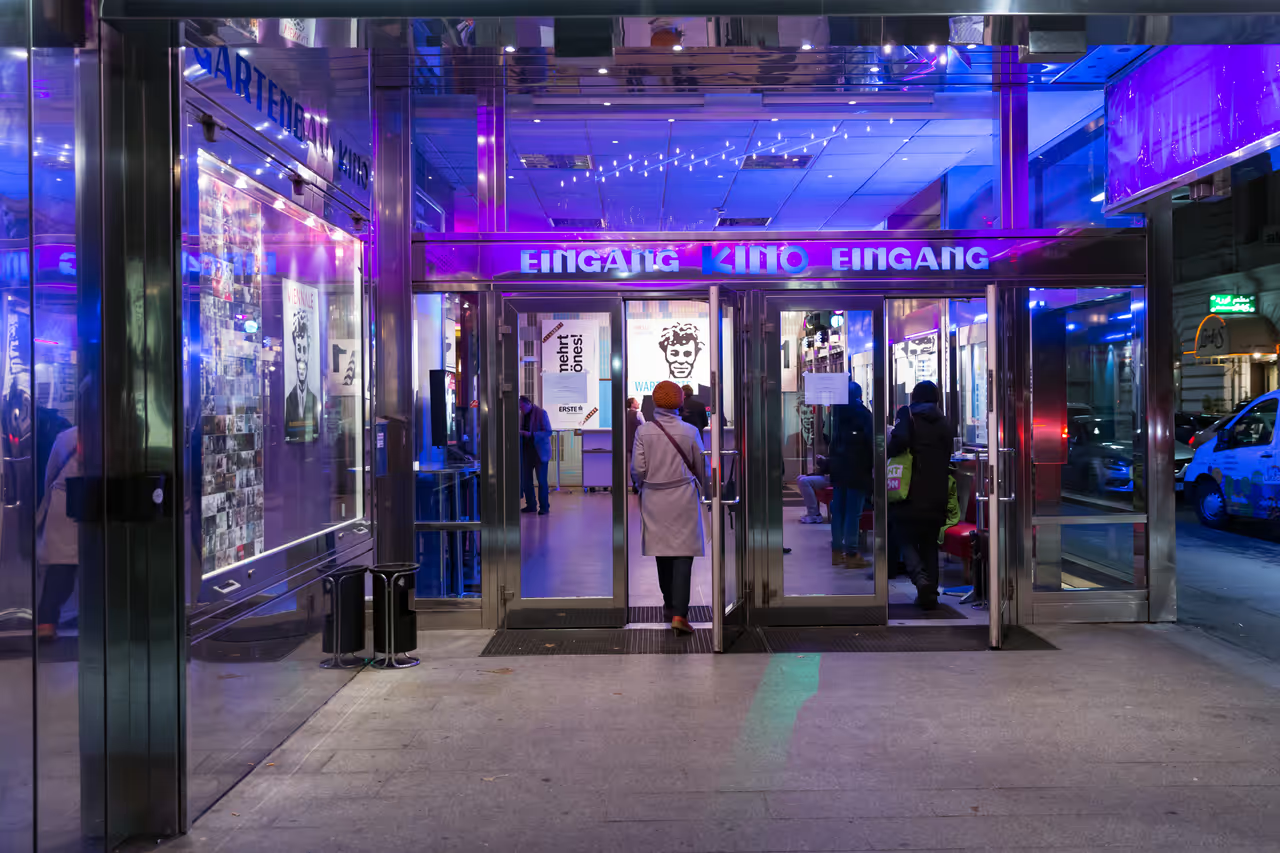
193mVienna International Film Festival
This esteemed film festival screens a highly curated selection of global cinema, from avant garde documentaries to major international premieres. Screenings take place in some of the city's most beautiful historic cinemas, preserving the classic movie going experience. The festival is known for its relaxed, non competitive atmosphere, focusing purely on the celebration of cinematic art. Directors and actors frequently host Q&A sessions, adding a deeply personal touch to the event.
festival view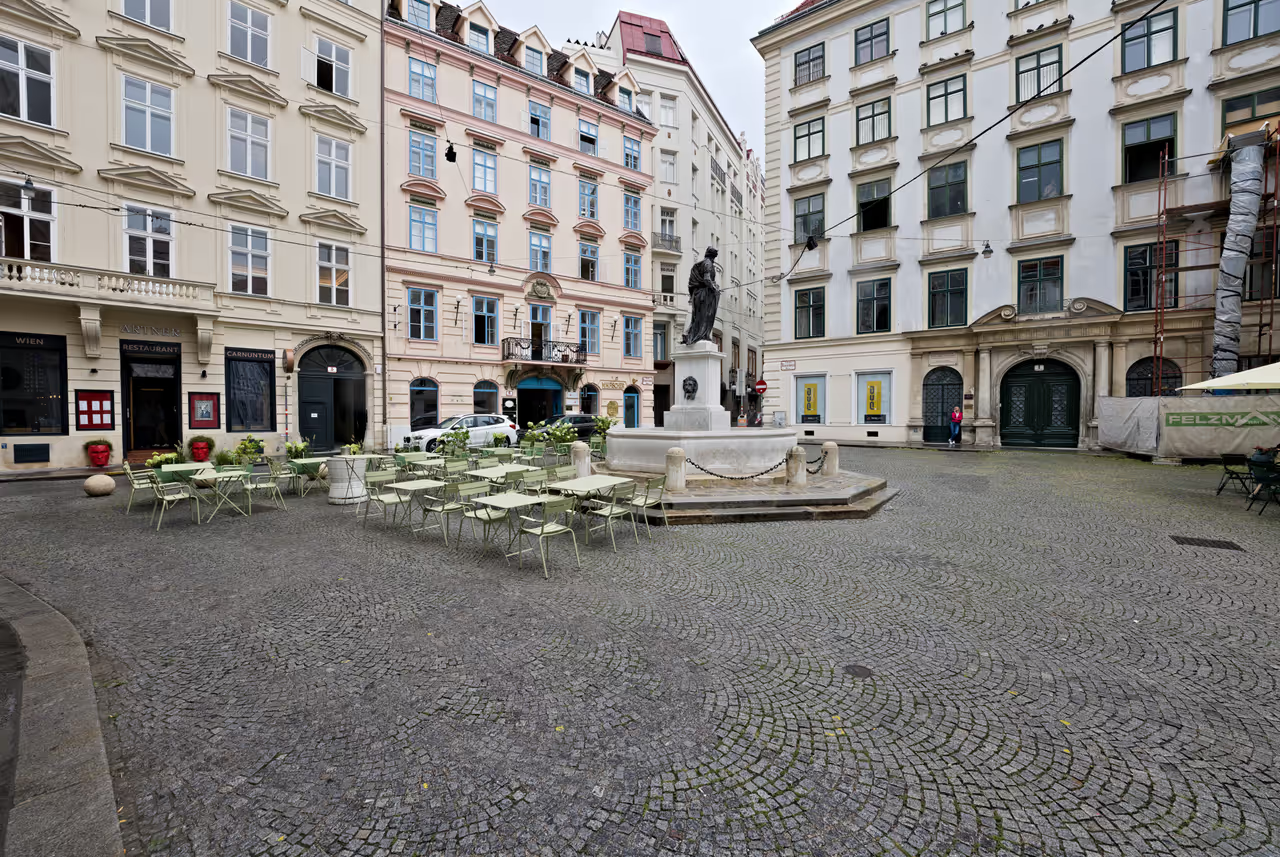 507m
507mFranciscan Square
This tiny, cobblestoned square hidden in the backstreets of the first district looks like a perfectly preserved movie set. It features a quaint fountain, an old Franciscan church, and one of the city's most charming traditional coffee houses, the Kleines Café. The tight, colourful facades and intimate scale make it an incredibly atmospheric spot for capturing the romantic, old world charm of the city.
photo spot view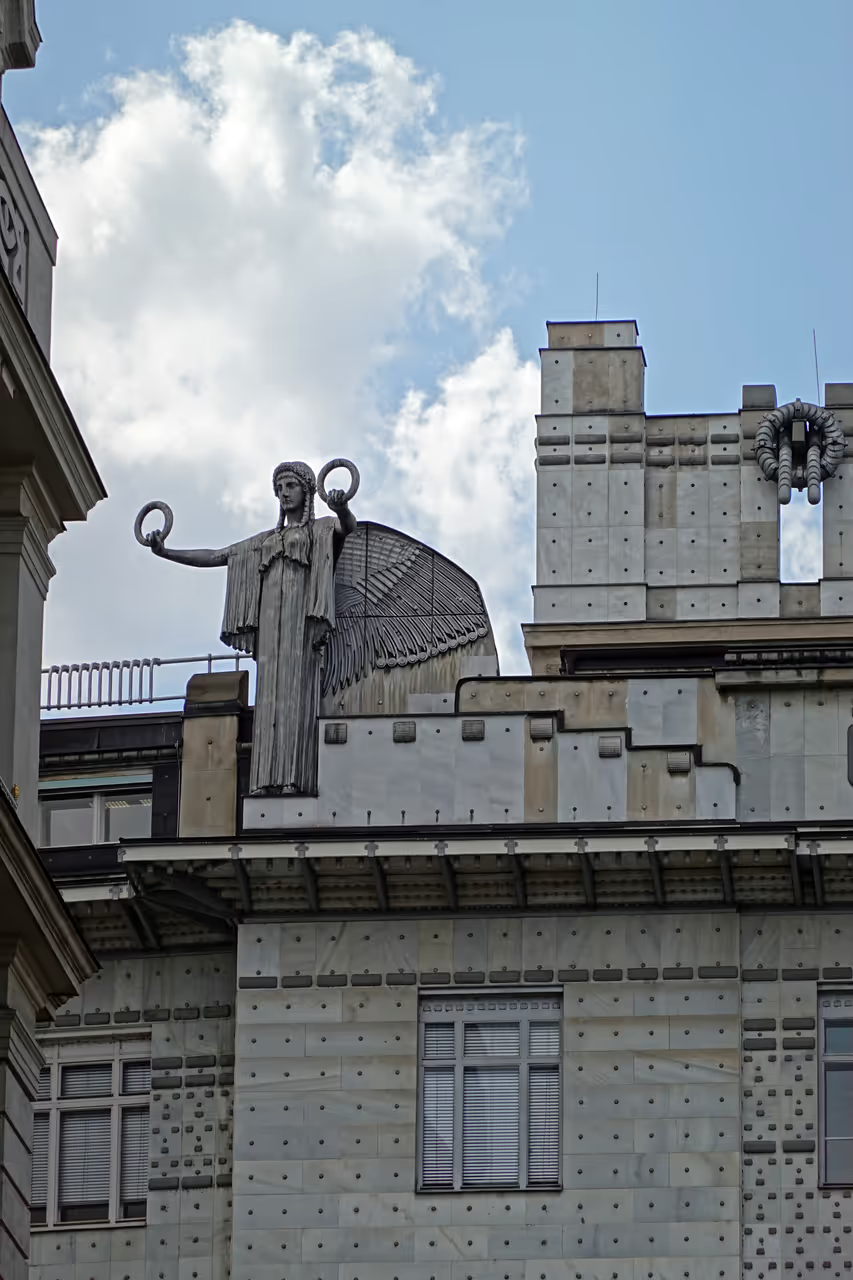 570m
570mAustrian Postal Savings Bank
Designed by Otto Wagner, this is one of the most important early modern buildings in the world. It completely discarded the ornate decorative styles of the era, opting instead for a facade clad in marble plates secured by exposed aluminium bolts. The interior banking hall is a marvel of functionalism, utilising a glass block floor to allow natural light to penetrate the spaces below. It marked a radical shift towards viewing architecture as a practical, technological art form.
architecture view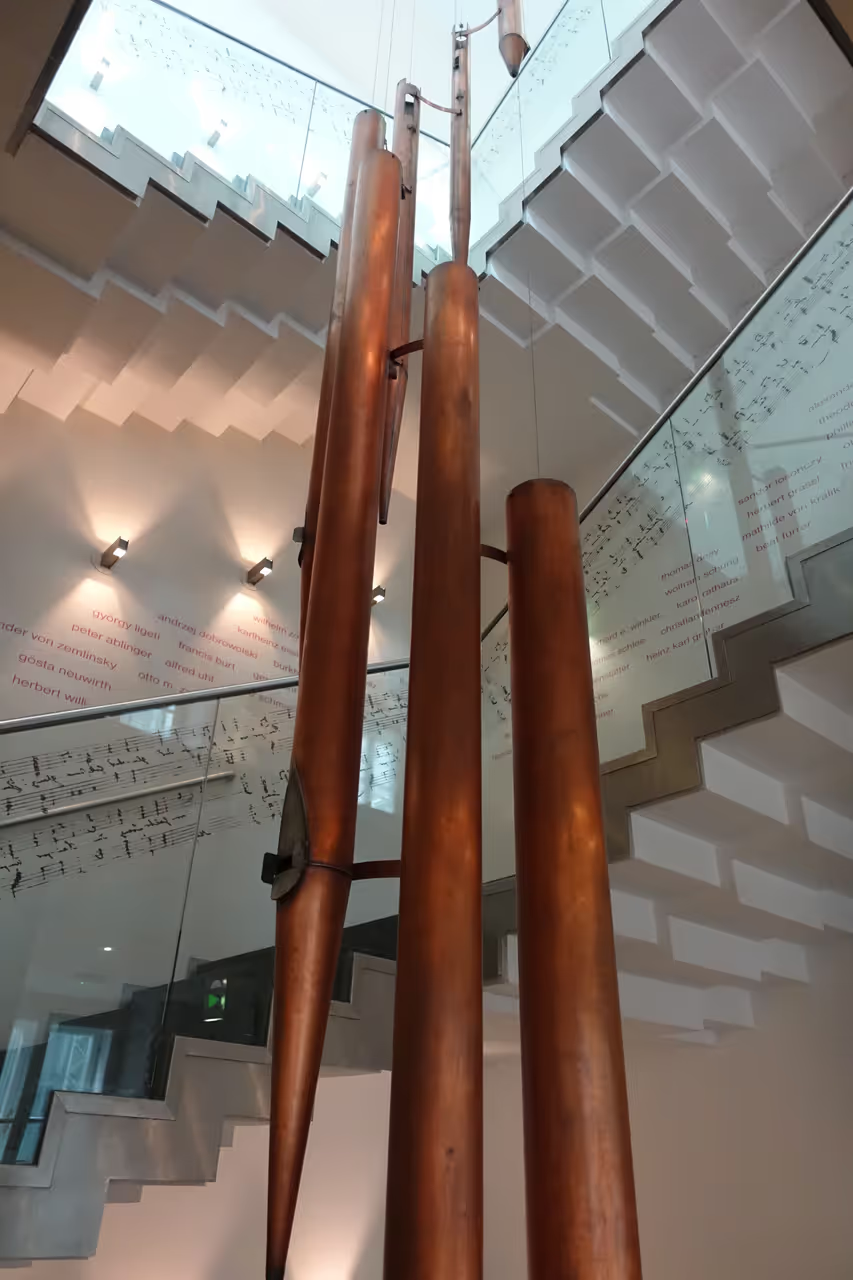 576m
576mHouse of Music
An incredibly innovative, interactive museum dedicated to the science of sound and the history of the great classical composers. Spread across several floors of a historic palace, it allows you to experiment with acoustic phenomena and even digitally conduct the Vienna Philharmonic. It strikes a brilliant balance between playful exhibits and serious musical history. It is highly engaging for visitors of all ages, offering a fresh perspective on the city's musical heritage.
highlight view
See all nature & parks in Vienna
Volksgarten, Augarten, Burggarten, Donaupark, Lainzer Tiergarten, Türkenschanz Park...