Volksgarten
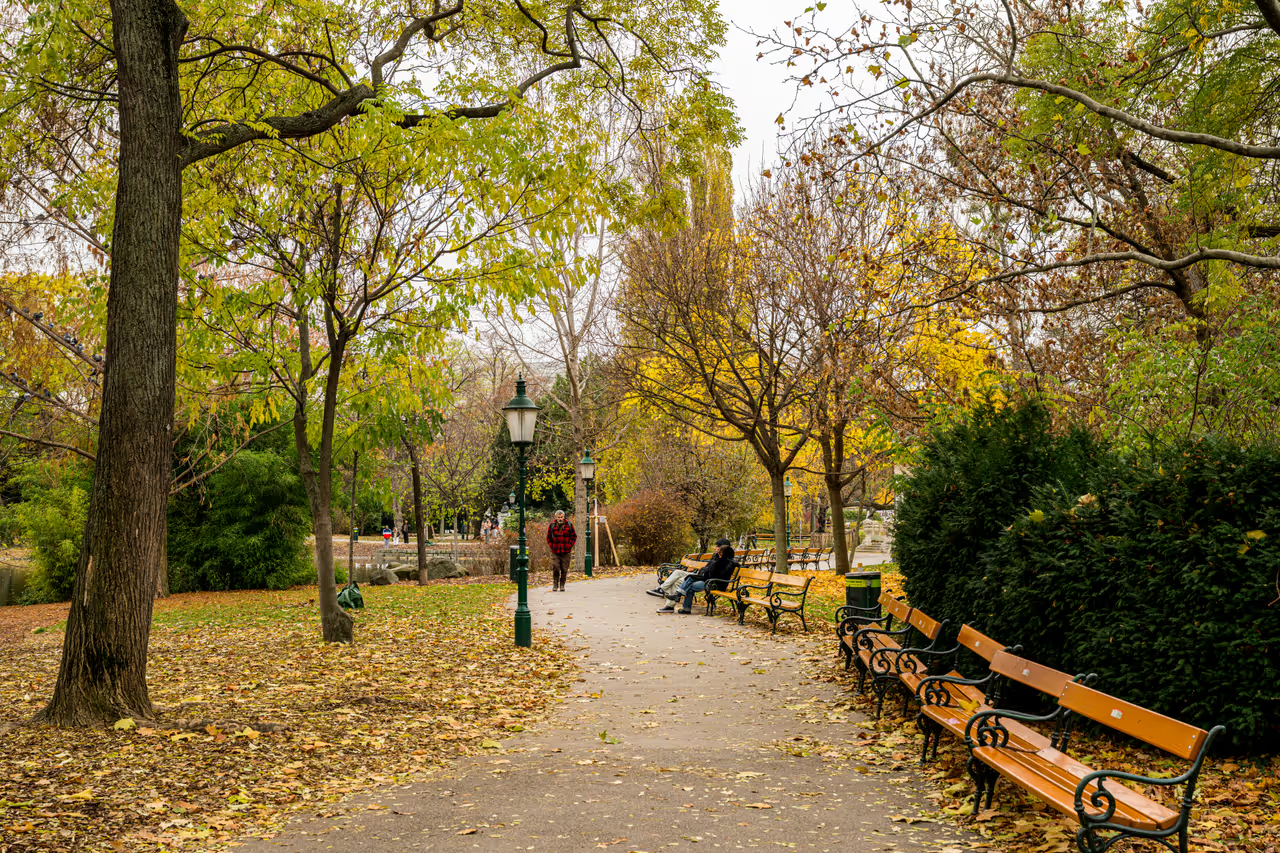
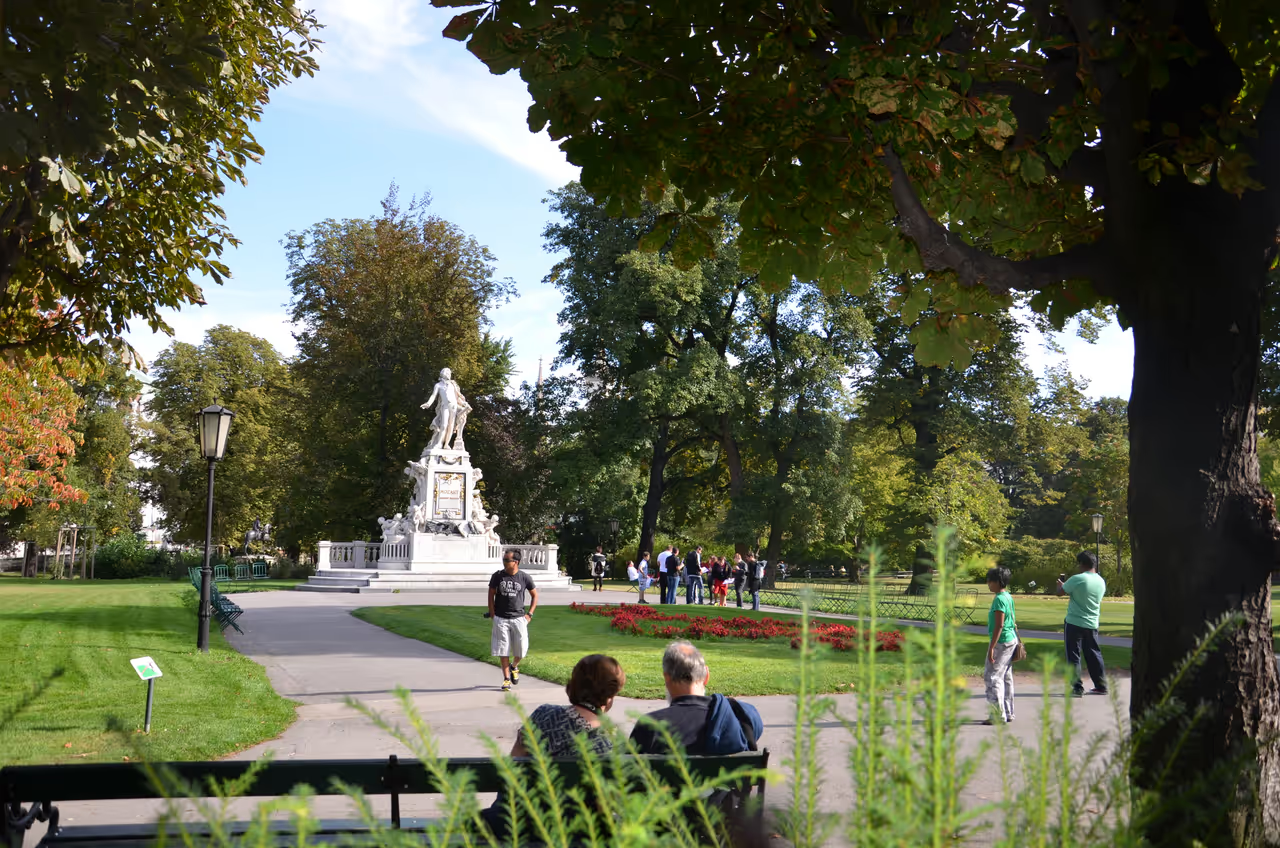
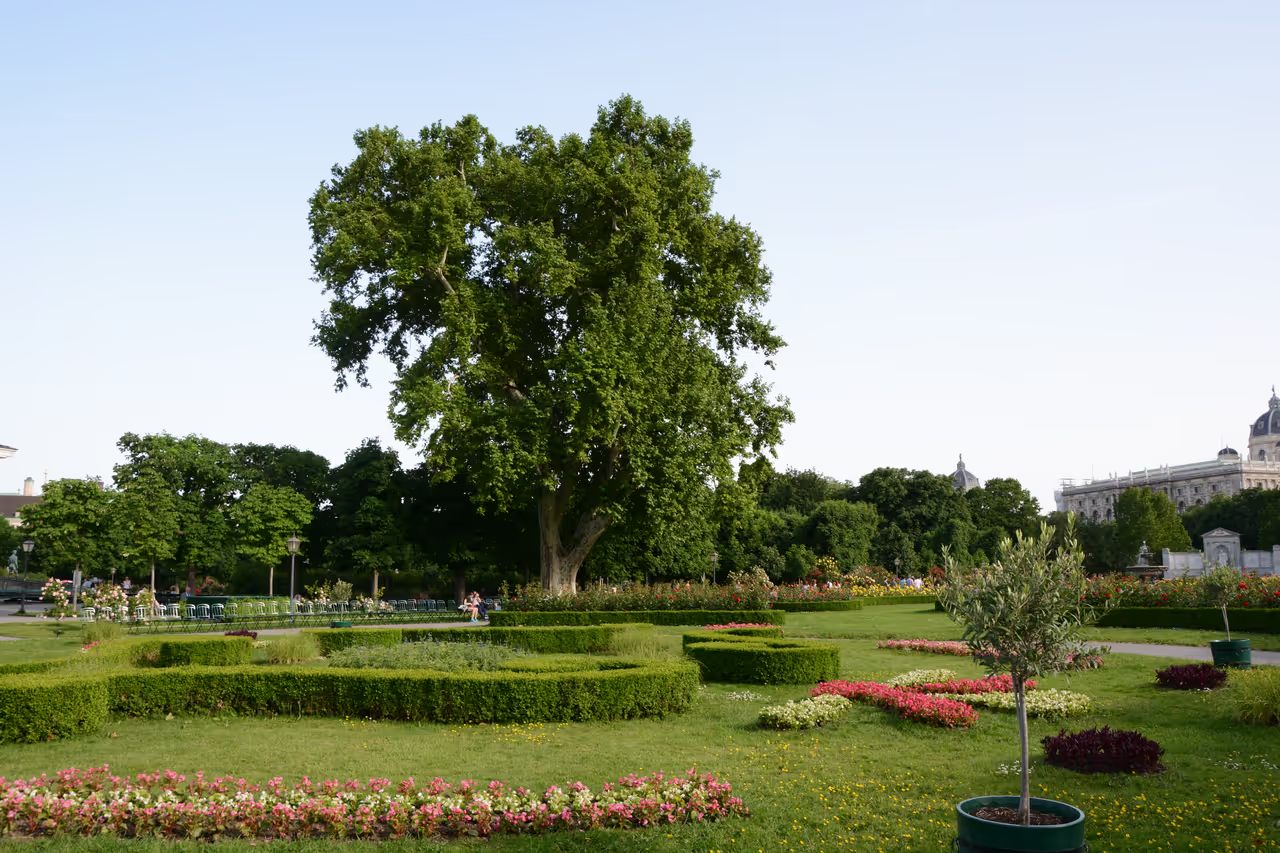
The Volksgarten stands as Vienna’s first public park and a living masterpiece that showcases the city’s ability to turn military history into a serene oasis. Originally conceived on the site of destroyed defensive fortifications, this delightful space captures the essence of Imperial elegance through its perfect mix of English landscape design and French Baroque formality. You can wander through rose scented pathways, admire classical statues like the Sisi memorial, or simply relax near the iconic Theseustempel, which is a replica of an Athenian temple. It serves as a calm heartbeat within the city centre, perfect for a leisurely stroll between the grand buildings of the Ringstraße. Whether you are seeking historical depth or just a beautiful spot to watch the world go by, this park offers a quintessential Viennese experience.
Videos
History of Volksgarten
The story of the Volksgarten begins in the scars of conflict. In 1809, after the French victory at the Battle of Wagram, Napoleon troops occupied Vienna and demolished the defensive bastions surrounding the Hofburg. Rather than rebuilding these walls, the city chose to heal the wound by creating a space for the people, with court architect Ludwig Gabriel von Remy laying the foundations for a public park. Opened in 1823, it transformed what was once a site of military tension into a garden intended for the enjoyment of all, marking the birth of public leisure spaces in Vienna. As Vienna evolved throughout the 19th century, so too did the park. It became the backdrop for some of the city most cherished cultural moments, with coffee houses like the Cortische Kaffeehaus hosting legendary performances by Joseph Lanner and Johann Strauss I. The park character shifted as the grand Ringstraße was constructed, expanding its borders and integrating the space into the monumental heart of the city. Throughout this time, it was designed to be a place of beauty and reflection, with the addition of intricate rose gardens and imposing statues, cementing its role as a green sanctuary amidst urban development. Today, the Volksgarten remains a testament to resilience and beauty. The remnants of its imperial past, such as the Theseustempel, stand alongside modern expressions of memory, including the poignant monument to those who resisted Nazi military justice. The park manages to balance its regal heritage with a relaxed, modern vibe, where locals and visitors alike gather to admire thousands of blooming roses or dance at the famous nightclub housed in the former coffee house building. It preserves the delicate harmony between the formal history of the Habsburg empire and the vibrant, living culture of contemporary Vienna.
Events spanning 201 years
Fun Facts
- • Empress Elisabeth, famously known as Sisi, has her own dedicated memorial in the park, which was unveiled in the presence of her husband, Emperor Franz Joseph, acting as a final public tribute to her memory.
- • In the late 19th and early 20th centuries, the park nearly disappeared, as plans were drafted to replace it with a massive, mirrored wing of the Neue Hofburg to complete the Kaiserforum.
- • It houses the Theseustempel, a near perfect replica of the Temple of Hephaestus in Athens, originally built specifically to display a single statue of the hero Theseus.
- • One of the most emotional sights is the monument dedicated to Austrian deserters and conscientious objectors of the Nazi era, which offers a stark, reflective contrast to the imperial splendour surrounding it.
- • The legendary Johann Strauss I frequently performed his waltzes in the coffee house within the park, cementing the location status as a hub for Viennese musical culture during the 19th century.
- • The park design is a deliberate stylistic clash, transitioning from the loose, natural feel of an English landscape garden near the palace to the rigid, geometric precision of a French Baroque garden facing the Ringstraße.
- • The park features a public toilet built in 1884, which remains one of the oldest and most historically preserved facilities of its kind in the entire city.
- • The park is a rose lover paradise, containing over 3,000 rose bushes and more than 200 distinct varieties, many of which are clearly labelled for enthusiasts.
- • The park rose from the rubble of the Napoleonic Wars after French soldiers blew up the city fortifications in 1809, creating space for what would become the city first public green lung.
RESOURCES
Official WebsiteVolksgarten FAQ
While we strive to keep this information accurate and up to date, we recommend verifying any details independently before making decisions based on them.
Volksgarten Map & Neighborhood Explorer
This interactive map is centered on Volksgarten. Zoom in and move the map around to automatically discover Wikipedia photos and summaries of other nearby sights, monuments, and historical points of interest and stories in real-time!
Places near Volksgarten
Make the most of your trip. Check out these top-rated spots located nearby.
 329m
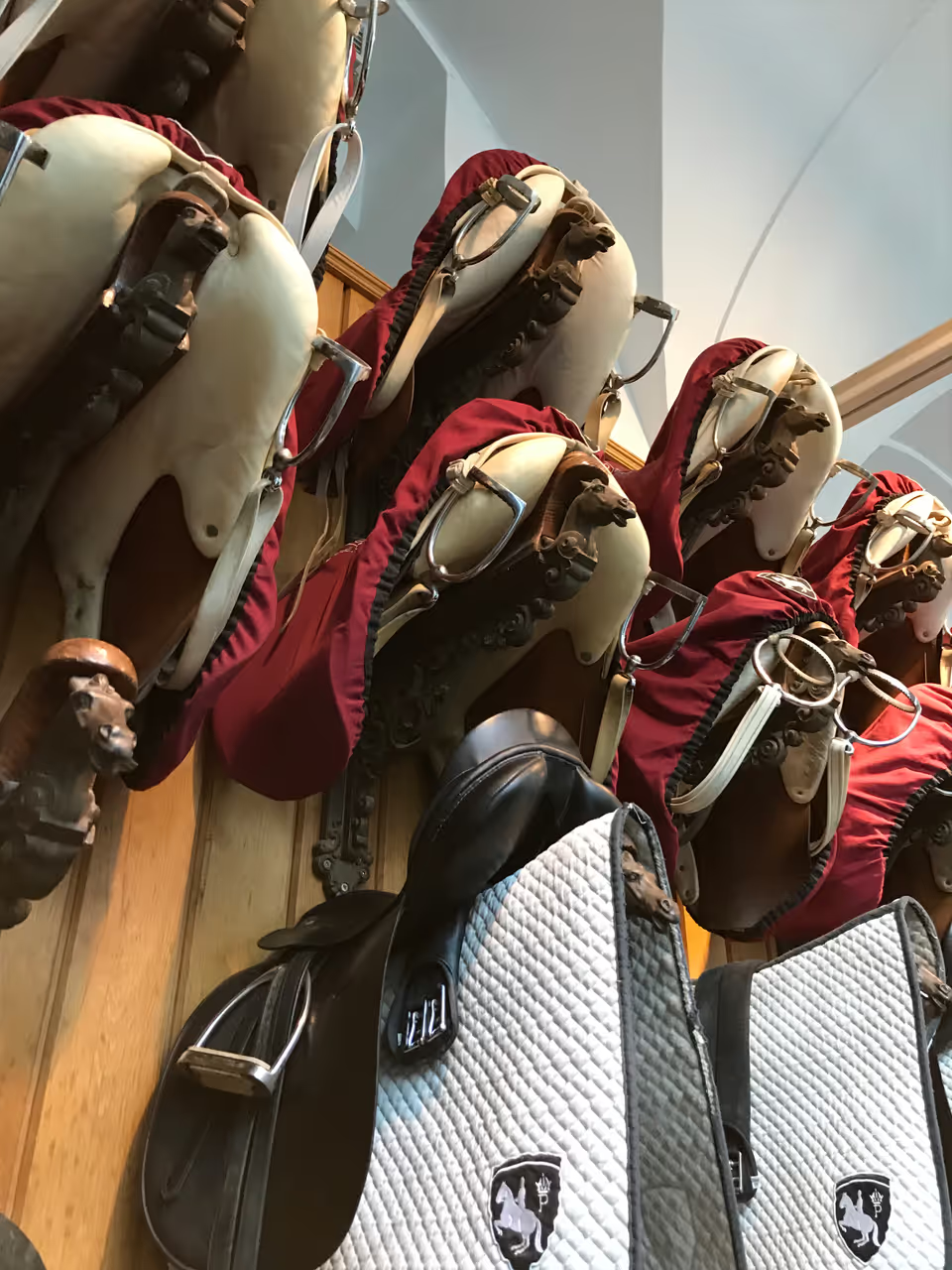
329mSpanish Riding School
This institution preserves the classical art of equestrian dressage, a tradition that has remained unchanged for over four centuries. The famous white Lipizzaner stallions perform complex, balletic movements inside a breathtaking baroque riding hall adorned with crystal chandeliers. You can attend the highly formal gala performances or watch the horses during their morning exercise routines. It is a remarkable display of harmony between rider and horse.
highlight view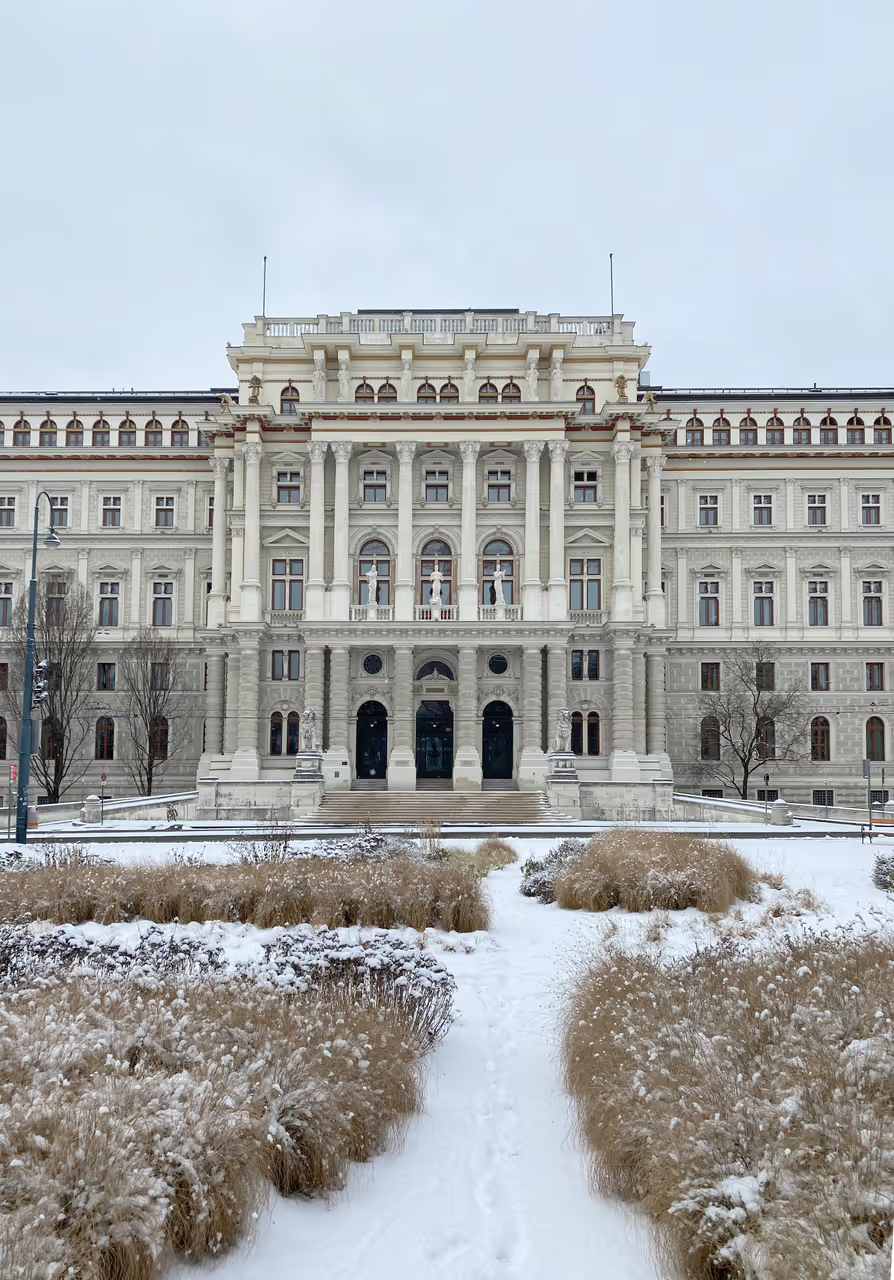 340m
340mPalace of Justice Interior
While the exterior is impressive, stepping into the main hall of the supreme court building reveals a breathtakingly photogenic, multi tiered glass atrium. The grand central staircase, flanked by classical statues and framed by elegant Renaissance style arches, creates a perfect symmetrical composition. The natural light flooding in from the glass roof makes it a dream location for interior architectural photography.
photo spot view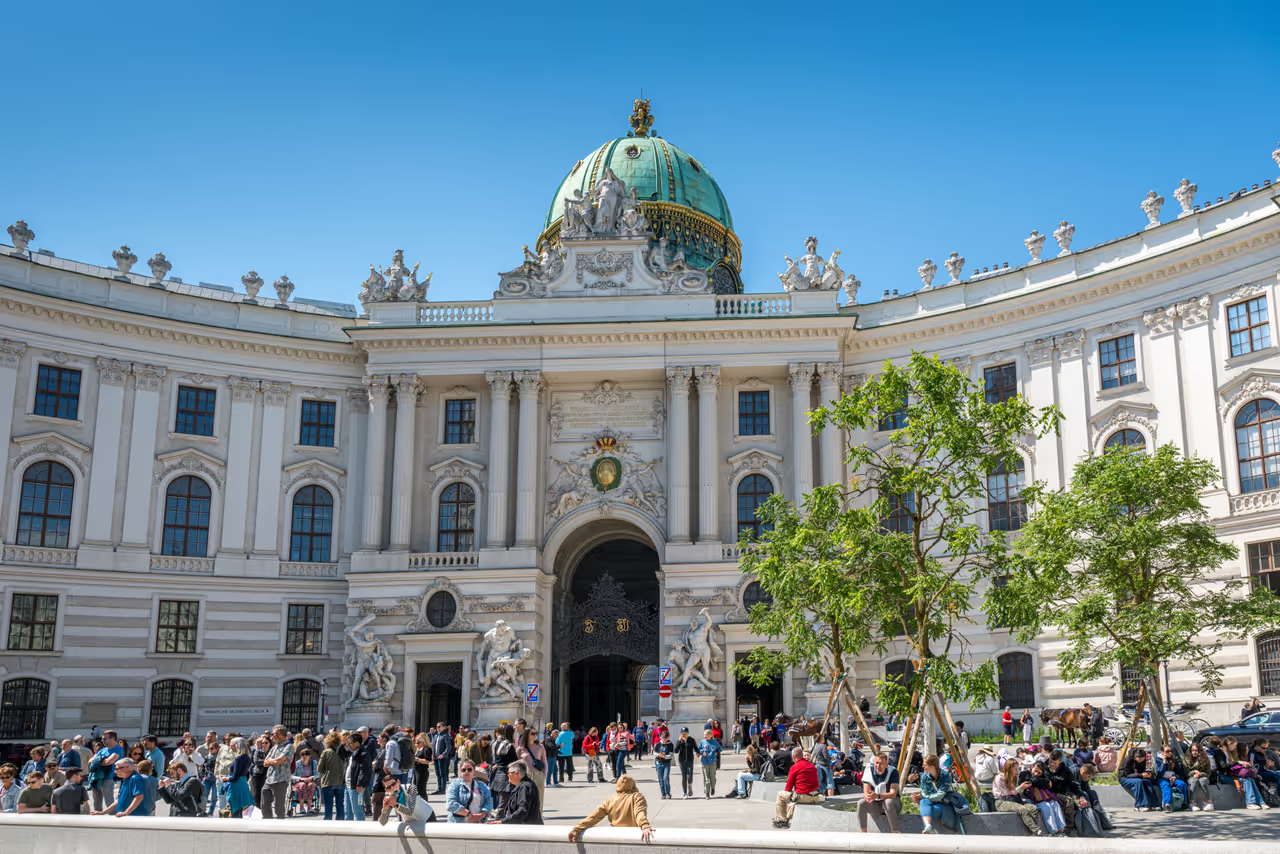 348m
348mHofburg
Stepping into the Hofburg is like walking through the very heart of the Habsburg Empire. This sprawling complex is a centuries old tapestry of power, art, and daily imperial life that defines the historic centre of Vienna. From the medieval courtyards to the dramatic grandeur of the Neue Burg, every corner holds a story of emperors, empresses, and political intrigue. Today, it remains the official office of the Austrian President, blending deep history with modern governance. Visiting allows you to wander through opulent state rooms, discover priceless treasures in the imperial treasury, and soak in the atmosphere of a place that shaped European history for hundreds of years. It is an absolute must see that anchors the spirit of Vienna.
attraction view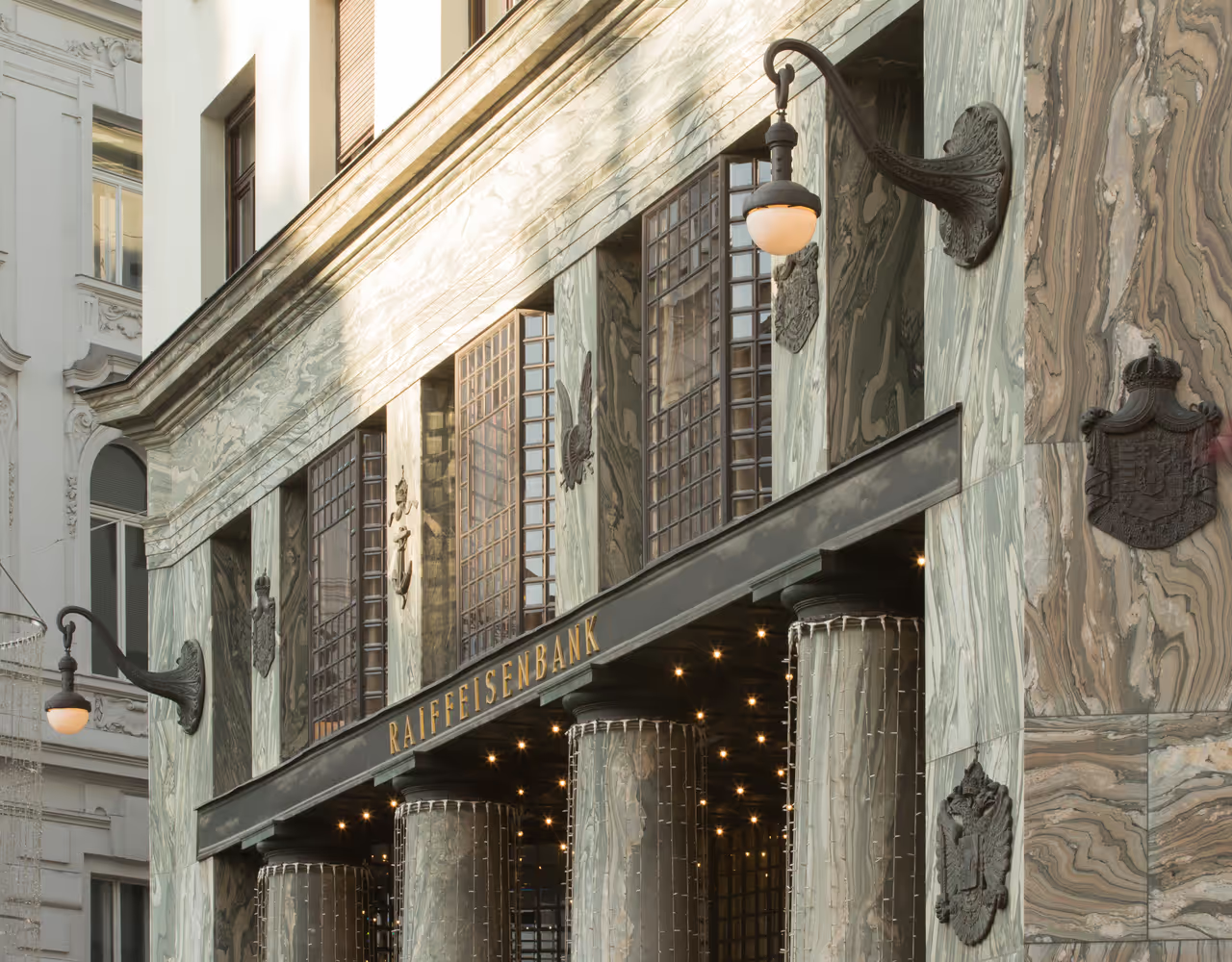 365m
365mLooshaus
This highly controversial commercial and residential building, sitting directly opposite the imperial palace, caused a massive scandal when it was unveiled in 1911. Architect Adolf Loos stripped the upper facade of all ornamentation, reflecting his belief that architectural decoration was a crime. Emperor Franz Joseph reportedly despised the clean, unadorned windows so much that he refused to use the palace exit facing the building. Today, it is celebrated as a vital stepping stone in the development of modern architecture.
architecture view
See all nature & parks in Vienna
Stadtpark, Augarten, Burggarten, Donaupark, Lainzer Tiergarten, Türkenschanz Park...