Augarten
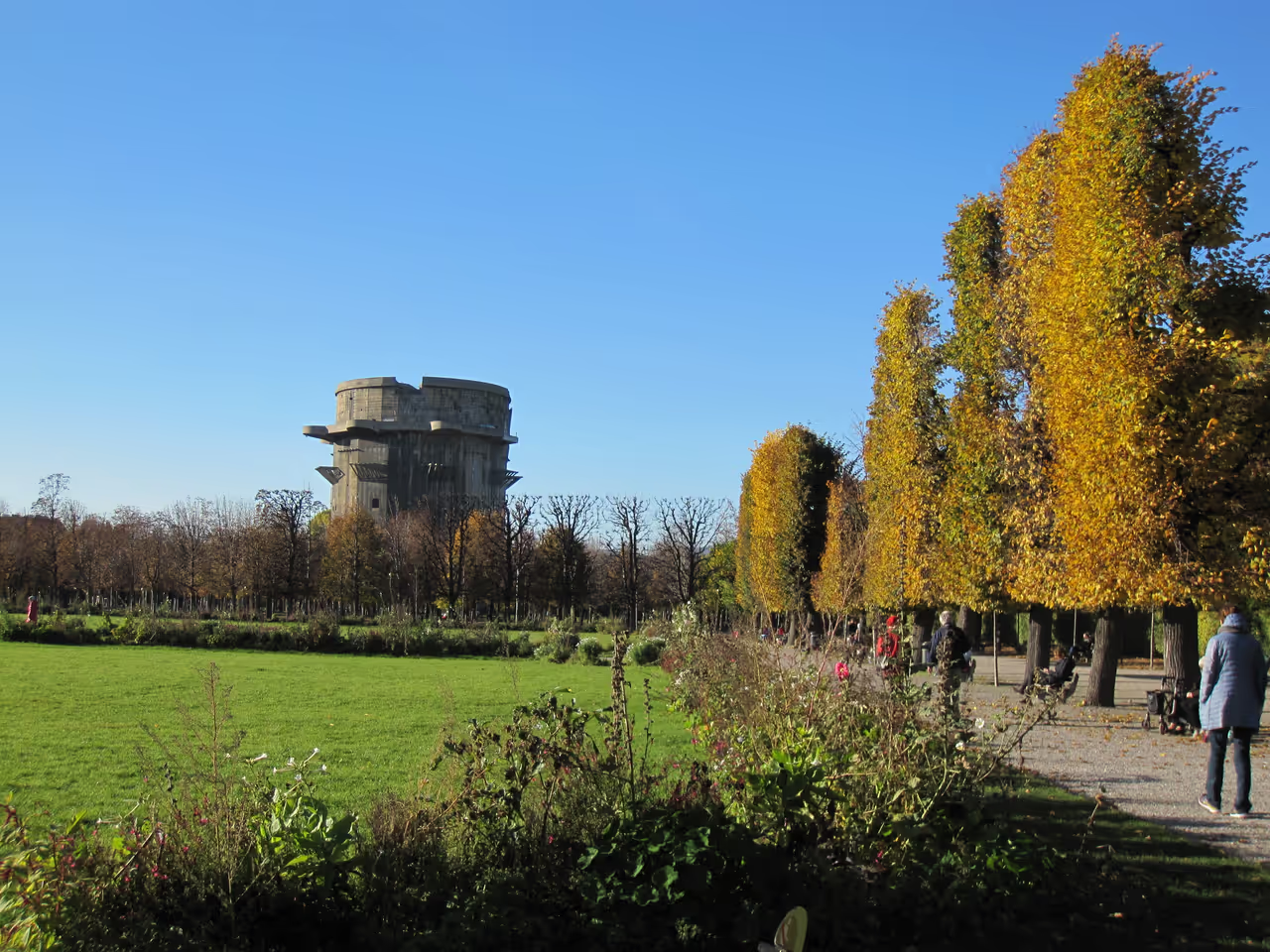
The Augarten serves as a serene escape from the typical tourist trails, offering a fascinating glimpse into Vienna's multi-layered past. Originally designed in the French Baroque style, this historic expanse is where you can stroll under avenues of chestnut and lime trees while admiring the city's oldest park grounds. It hosts world-class institutions like the Vienna Boys' Choir and the historic porcelain manufactory, seamlessly blending high culture with everyday leisure. Visitors often find themselves drawn to the striking contrast between the manicured gardens and the massive anti-aircraft towers that serve as stark reminders of the Second World War. With its mixture of quiet meadows, cultural venues, and significant historical sites, the park provides an enriching experience for those looking to explore the local side of the city.
Videos
History of Augarten
The story of the Augarten is one of transformation, evolving from a swampy flood-plain into the refined imperial retreat we see today. In 1614, Emperor Matthias envisioned a quiet hunting lodge here, surrounded by the untamed landscape of the Wolfsau. Over the following decades, the Habsburg monarchs expanded the site, with Leopold I commissioning a pleasure palace known as the Imperial Favorita. It was during the Enlightenment that the park truly found its modern spirit. Emperor Joseph II, in a gesture that prioritised the welfare of his subjects over aristocratic exclusivity, opened the grounds to the public in 1775. He declared it a place of amusement for all, and soon, the gardens were filled with the sounds of morning concerts conducted by legends like Mozart and Beethoven, making it the heartbeat of Viennese social life. The park's history took a darker turn during the Second World War, as it became a strategic site for military defense. The construction of massive flak towers permanently altered the skyline of the park. These concrete giants, built to withstand the ravages of war, remain today as sobering reminders of the city's twentieth-century struggles. Following the war, the area underwent a quiet reclamation, shedding its status as a battleground to become a hub of cultural education and artistic endeavour. The arrival of the Vienna Boys' Choir, who took up residence in the Palais Augarten, signaled a return to the park's legacy of music and refinement. Today, the Augarten is a living archive. It holds a unique position in the city, where one can walk past the historic porcelain factory, listen for the distant practice sessions of the choir, and admire the orderly Baroque avenues, all in the shadow of the colossal flak towers. It is this juxtaposition of the imperial and the industrial, the sacred and the profane, that defines the character of the park. While modern additions like the MuTh concert hall have sparked spirited debates about preservation, the park remains a testament to the resilience of Viennese identity, a place that has survived floods, wars, and social change to remain a beloved sanctuary for locals and a fascinating study for visitors.
Events spanning 398 years
Fun Facts
- • Before the regulation of the Danube in the 19th century, the park was a frequent victim of flooding, which shaped the landscape into the cultivated area seen today.
- • During the 1780s, Wolfgang Amadeus Mozart conducted morning concerts in the Garden Hall, making the park a premier destination for the nobility of the era.
- • Emperor Joseph II had an inscription placed on the main gate that translates to 'A place of amusement dedicated to all people by their Cherisher', reflecting a rare democratic gesture for the time.
- • The Augarten is officially the oldest Baroque park in Vienna, with its layout largely unchanged since the 18th-century designs of Jean Trehet.
- • The Lauder Chabad Campus, located within the park, provides a comprehensive academic environment for the local Jewish community.
- • The massive flak towers found in the park are virtually indestructible, leading to their preservation as landmarks of the Second World War despite the cost and difficulty of demolition.
- • The park contains a free paddling pool for children and specific sporting zones, including a football cage, highlighting its role as a vital community space.
- • The park features a hidden building known as the Josefsstöckl, a humble structure where Emperor Joseph II famously spent his summer days.
- • The park gates are closed every night at sunset, a daily ritual signalled by a siren that dates back to the era of fenced public gardens.
- • The resident Augarten Porcelain Manufactory is the second oldest porcelain factory in Europe, founded in 1718.
Augarten FAQ
While we strive to keep this information accurate and up to date, we recommend verifying any details independently before making decisions based on them.
Augarten Map & Neighborhood Explorer
This interactive map is centered on Augarten. Zoom in and move the map around to automatically discover Wikipedia photos and summaries of other nearby sights, monuments, and historical points of interest and stories in real-time!
Places near Augarten
Make the most of your trip. Check out these top-rated spots located nearby.
 764m
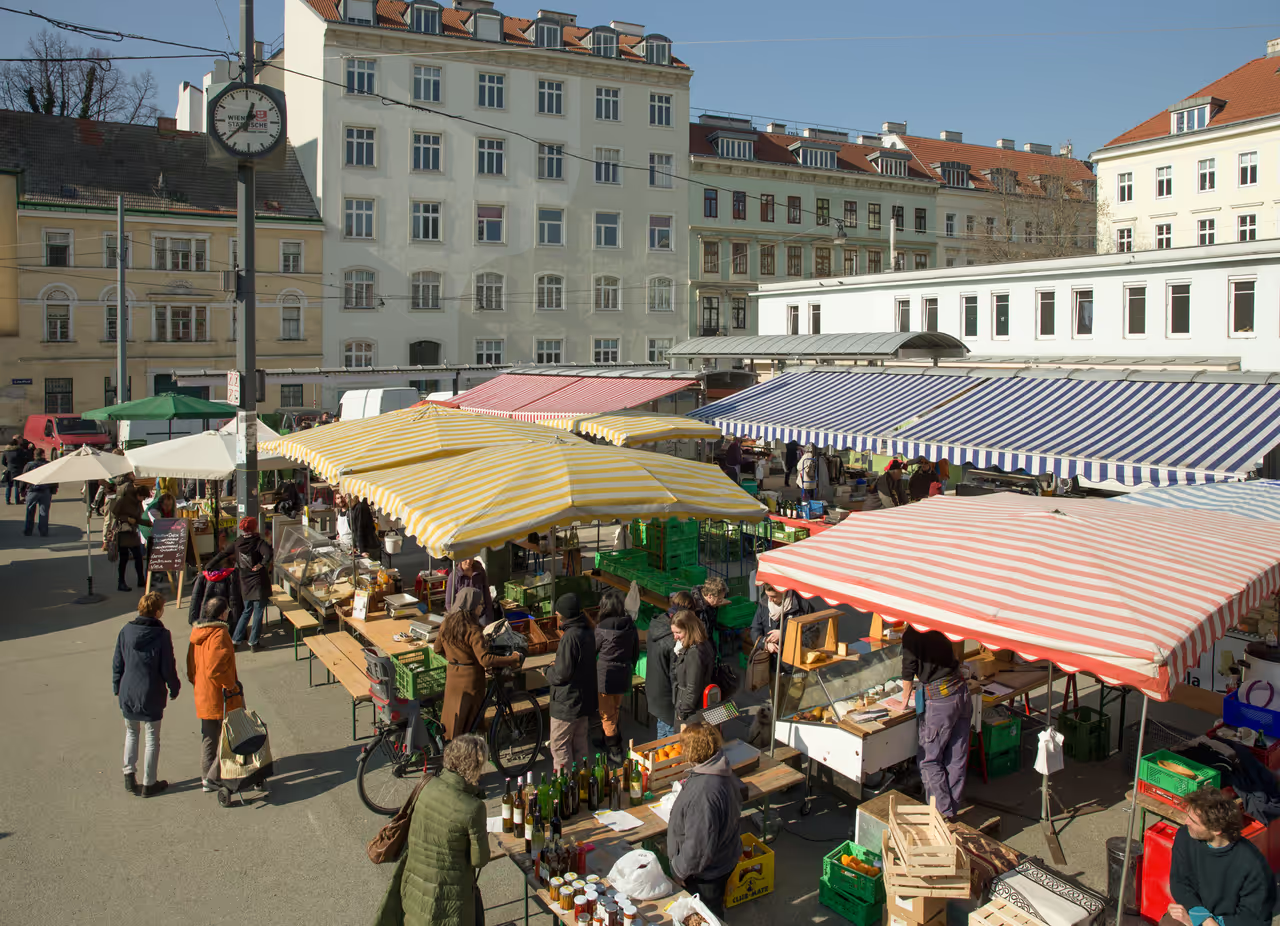
764mKarmeliter Quarter
Situated just across the canal from the first district, this formerly quiet residential area has blossomed into a trendy evening destination. The nightlife here revolves tightly around the neighbourhood's excellent culinary scene, with many restaurants operating as lively bars late into the night. You will find superb wine bars serving natural Austrian vintages and cosy pubs offering local craft beers. It remains relatively free of large tourist crowds.
nightlife view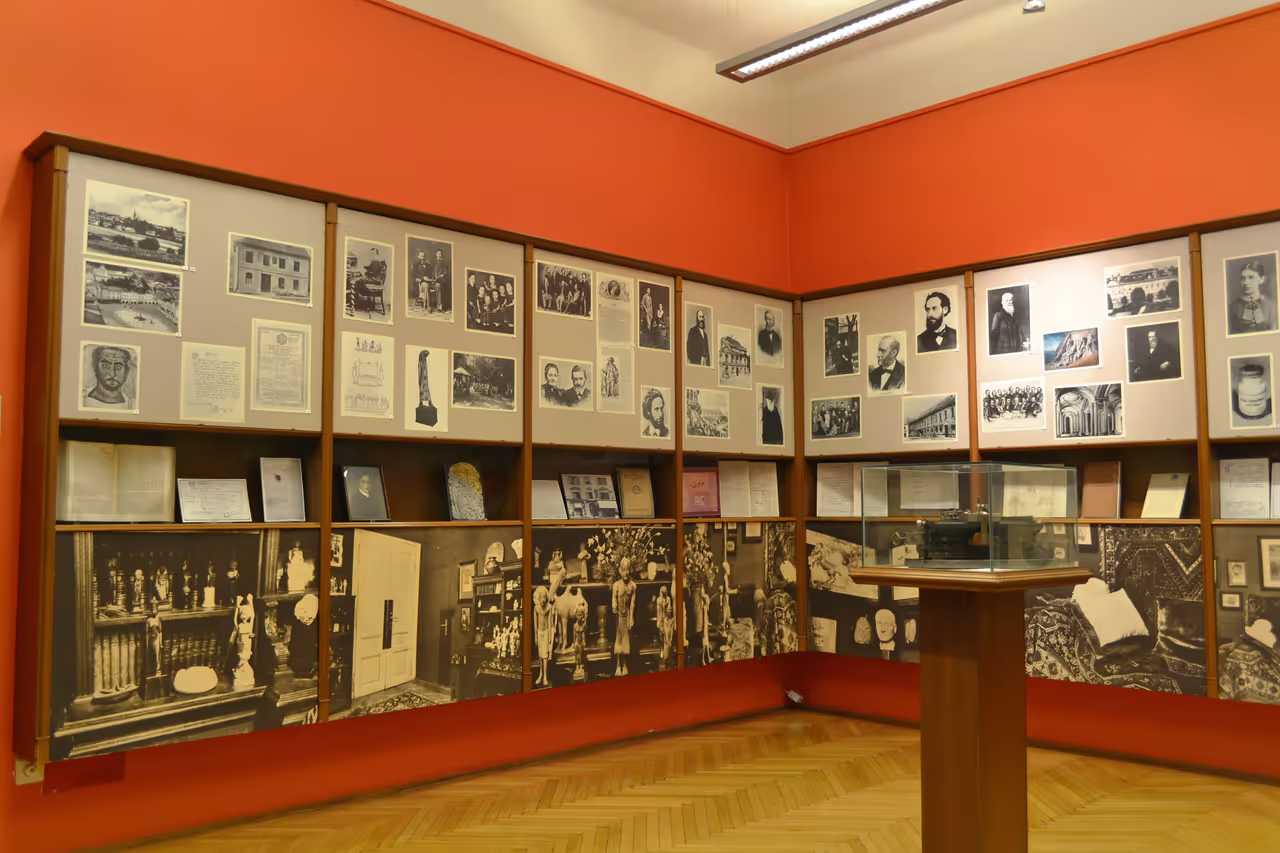 1266m
1266mSigmund Freud Museum
Located in the very apartment where the founder of psychoanalysis lived and worked for nearly fifty years. The museum meticulously documents Freud's life, his groundbreaking theories, and his eventual flight from the Nazi regime. While the famous couch is currently in London, the waiting room and study offer profound insights into the birth of modern psychology. It contains original documents, personal belongings, and a vast library dedicated to his work.
highlight view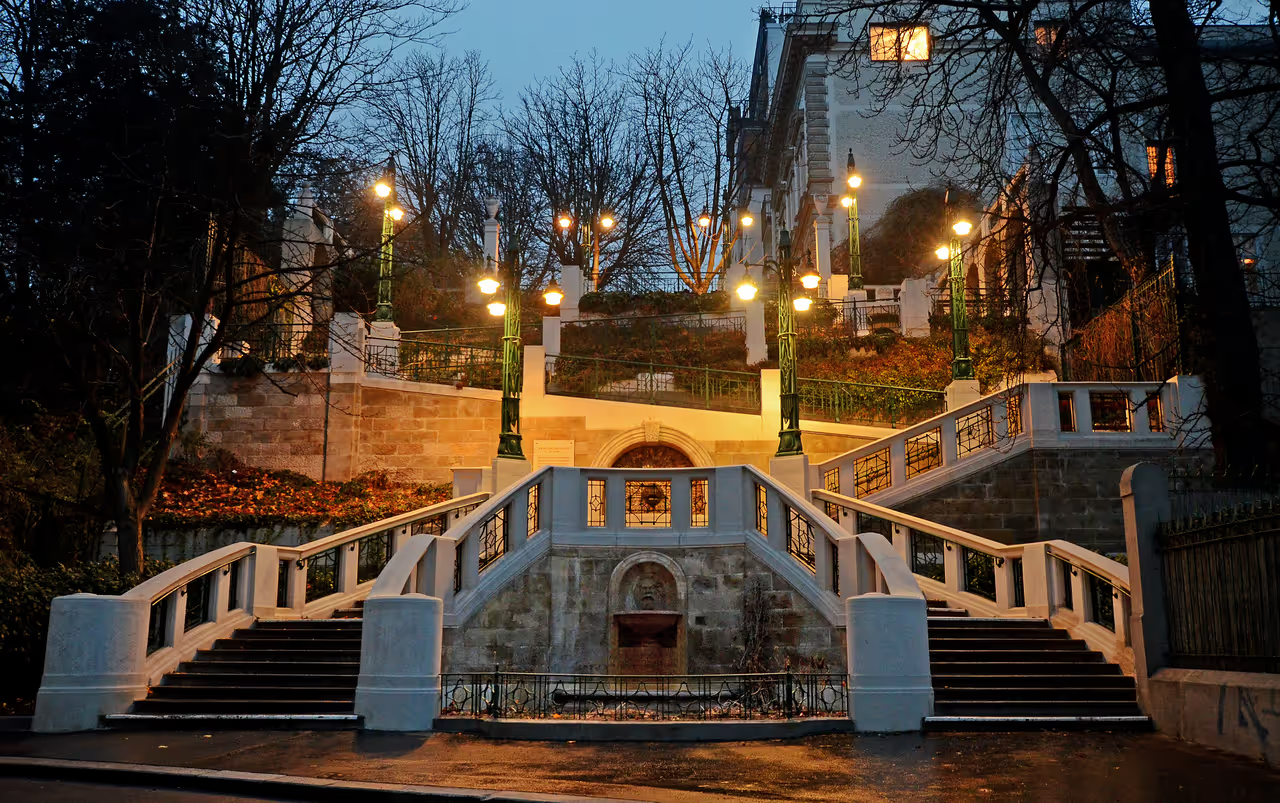 1489m
1489mStrudlhof Steps
This elegant outdoor staircase in the ninth district is a hidden masterpiece of Art Nouveau urban design. It gracefully bridges the steep elevation gap between two streets with a symmetrical arrangement of curved stone steps, wrought iron railings, and charming fountain basins. It serves as a quiet, atmospheric spot that feels completely removed from the rush of the modern city. The staircase gained literary fame as the central setting for a highly acclaimed Austrian novel.
hidden gem view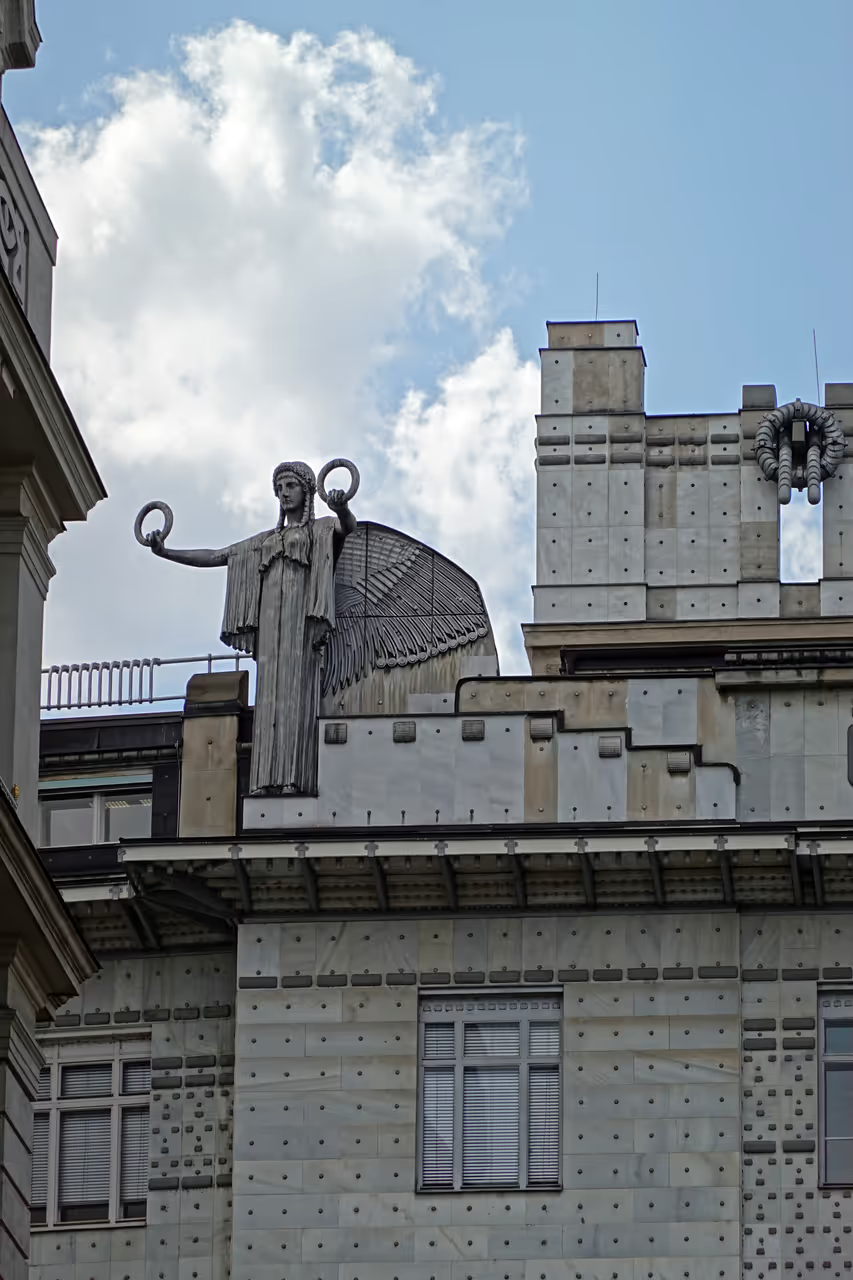 1623m
1623mAustrian Postal Savings Bank
Designed by Otto Wagner, this is one of the most important early modern buildings in the world. It completely discarded the ornate decorative styles of the era, opting instead for a facade clad in marble plates secured by exposed aluminium bolts. The interior banking hall is a marvel of functionalism, utilising a glass block floor to allow natural light to penetrate the spaces below. It marked a radical shift towards viewing architecture as a practical, technological art form.
architecture view
See all nature & parks in Vienna
Stadtpark, Volksgarten, Burggarten, Donaupark, Lainzer Tiergarten, Türkenschanz Park...